

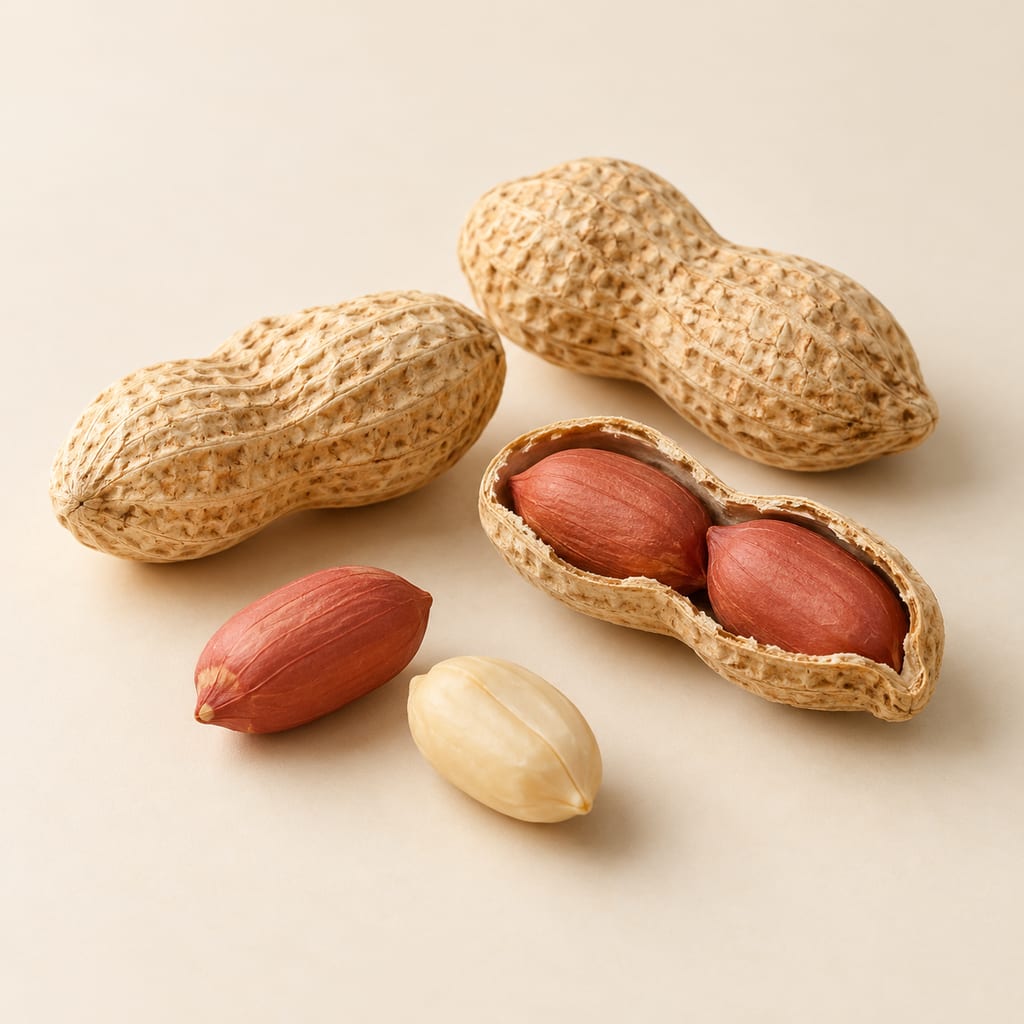
Peanuts
Peanuts are the edible seeds of Arachis hypogaea, a cultivated legume. They are eaten whole, roasted and ground, and peanut oil-press cake is a separate byproduct used in some fermentations.
 FermenteaWhere food goes to change
1086 articles on substrates, cultures and additives.
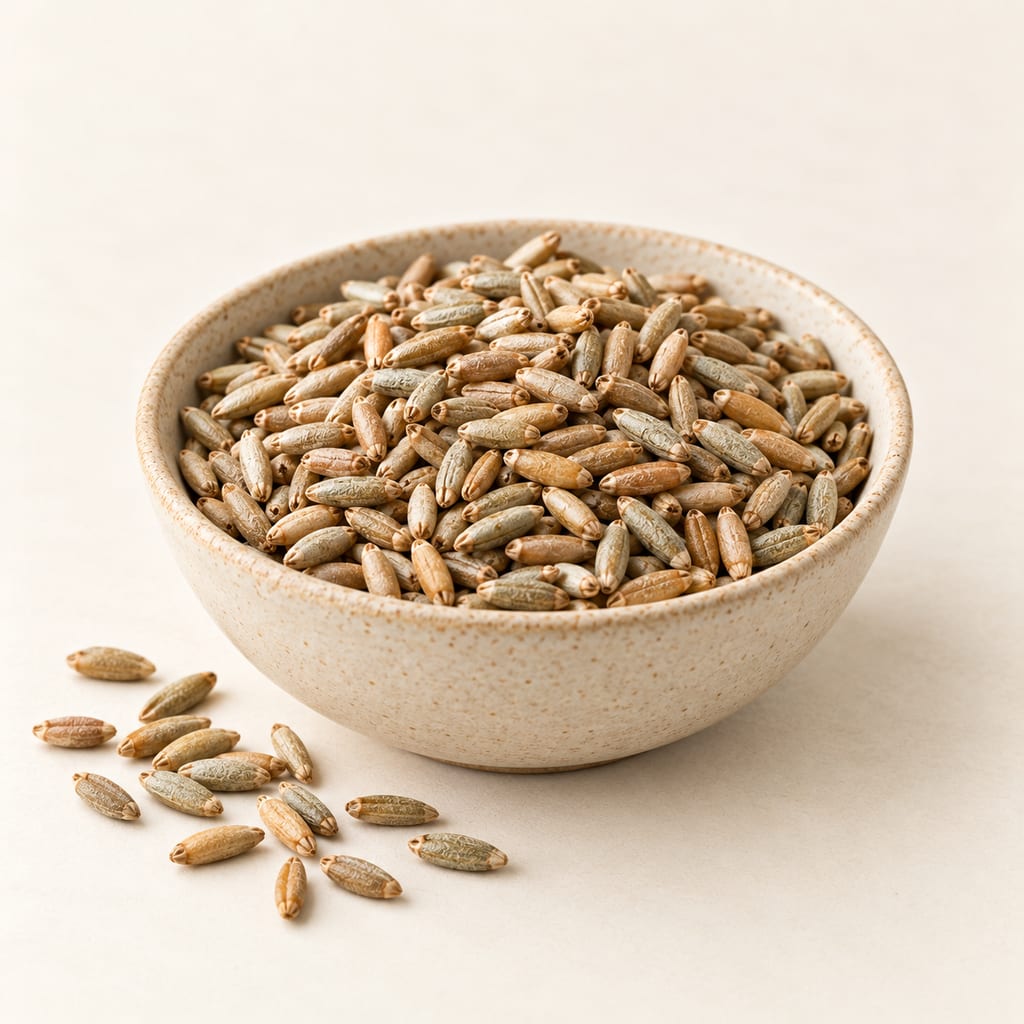 Grains, flours and brans30
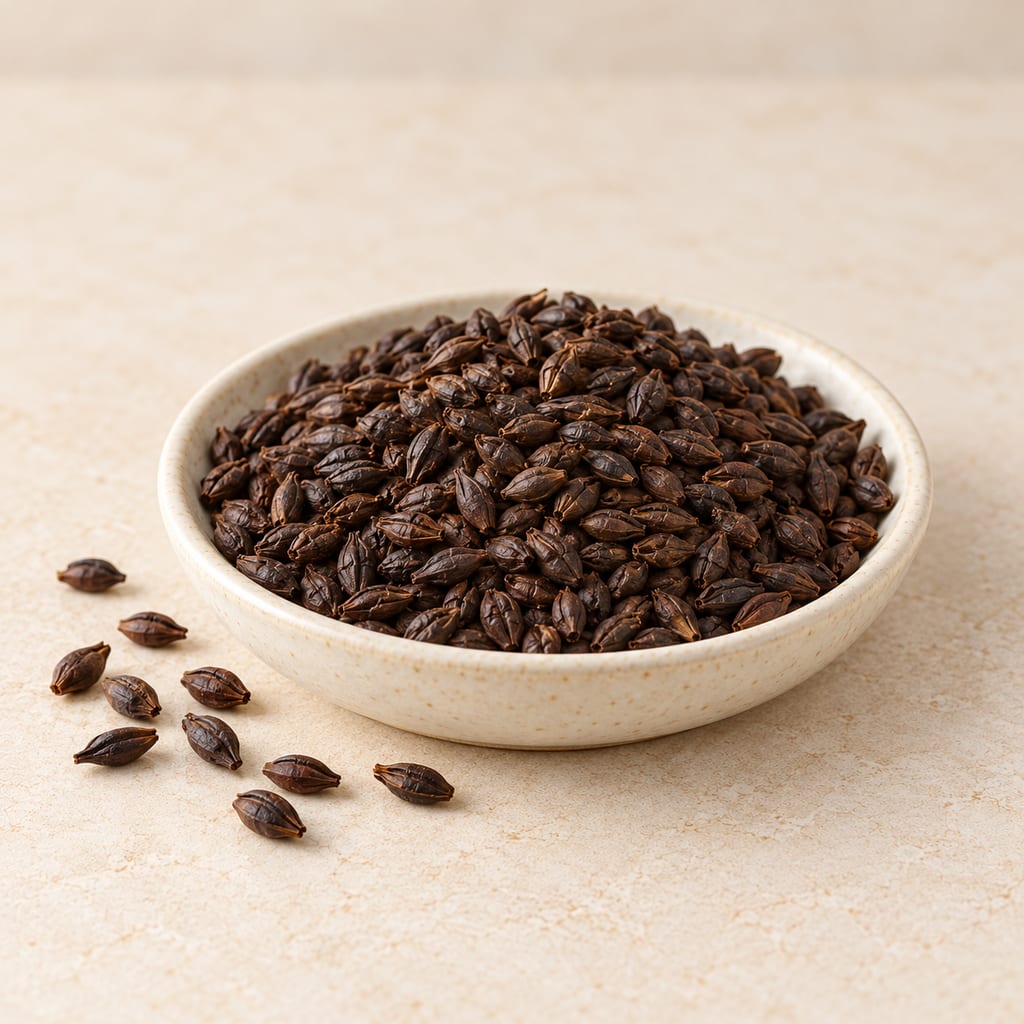 Malts and malt extracts13
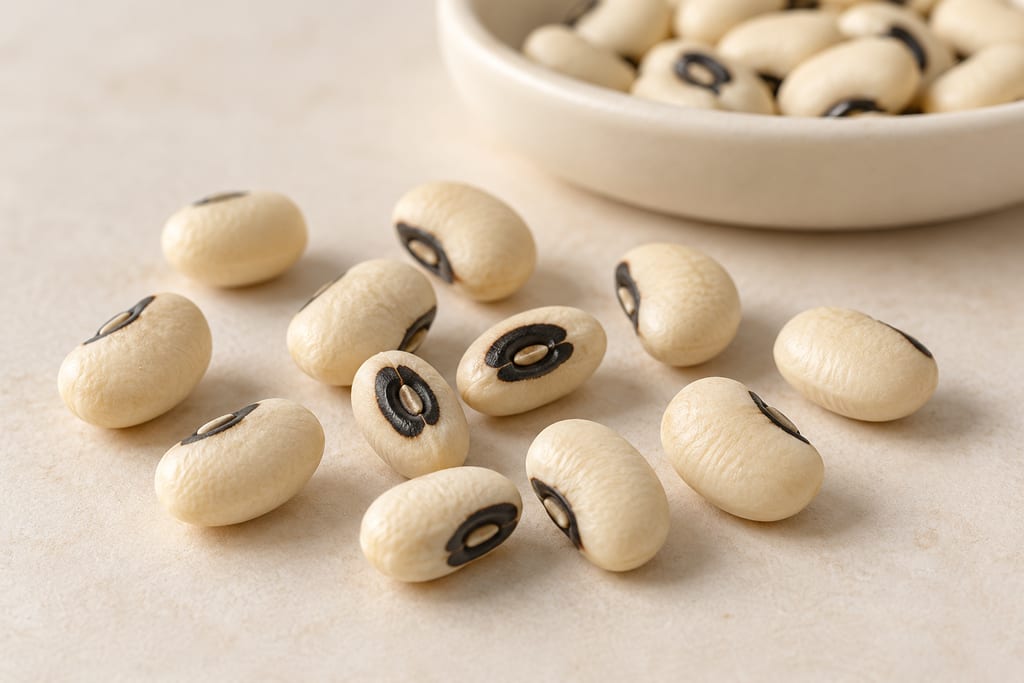 Legumes and pulses9Nuts and oilseeds9
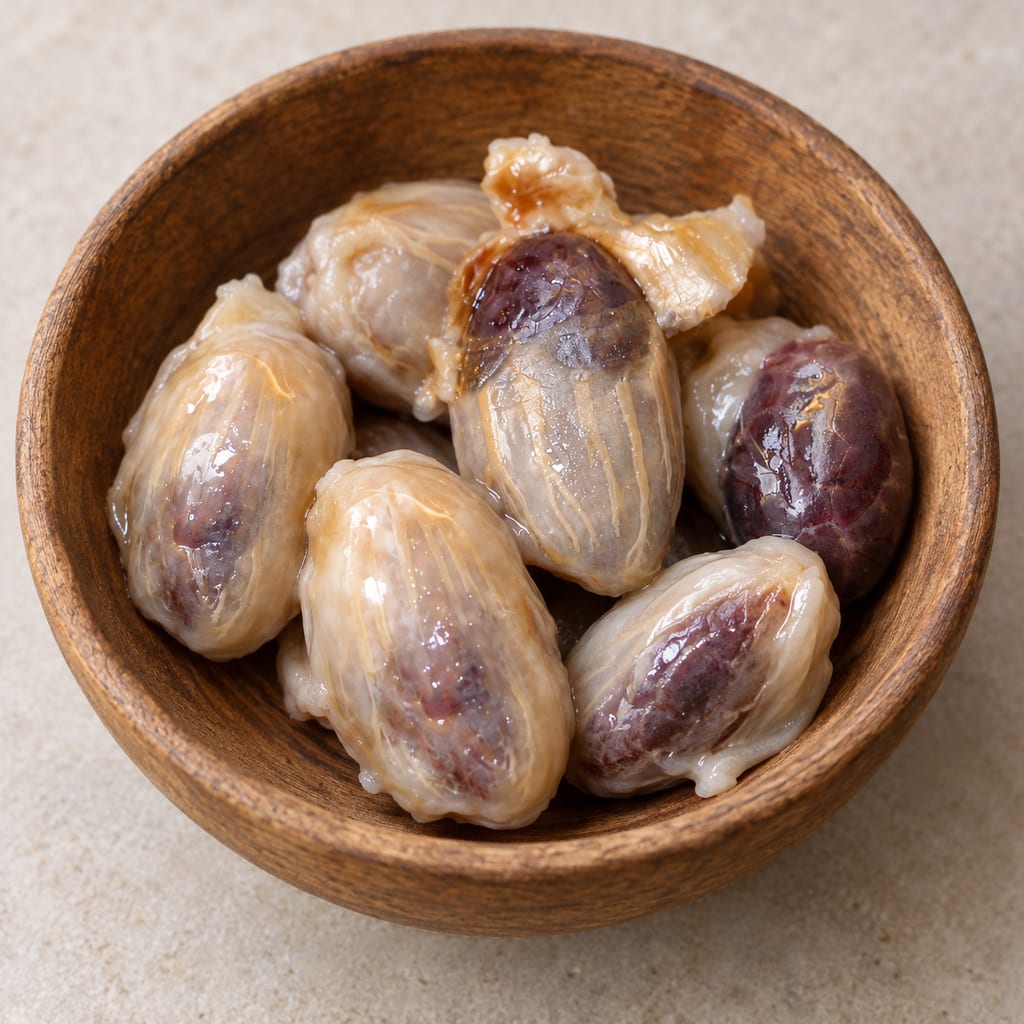 Coffee, cocoa and tea crops1
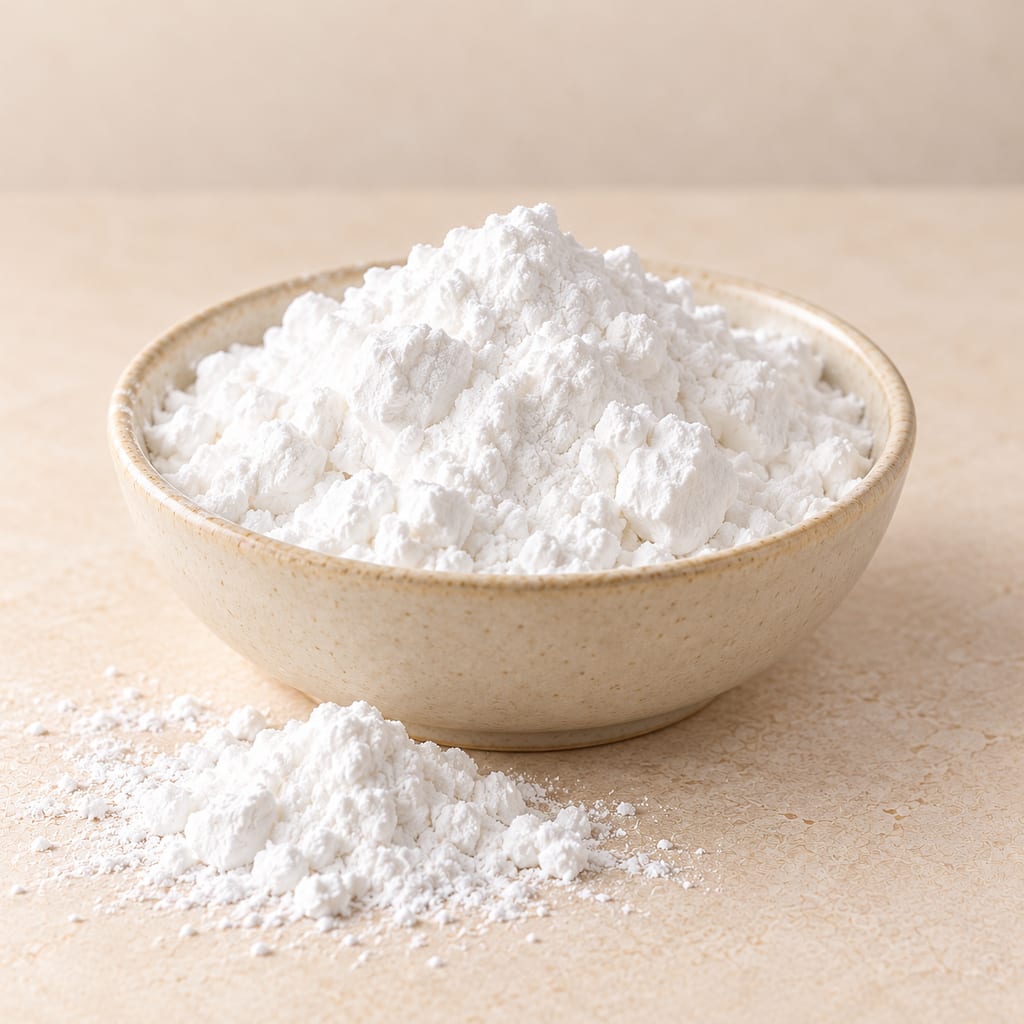 Starches1
Peanuts are the edible seeds of Arachis hypogaea, a cultivated legume. They are eaten whole, roasted and ground, and peanut oil-press cake is a separate byproduct used in some fermentations.
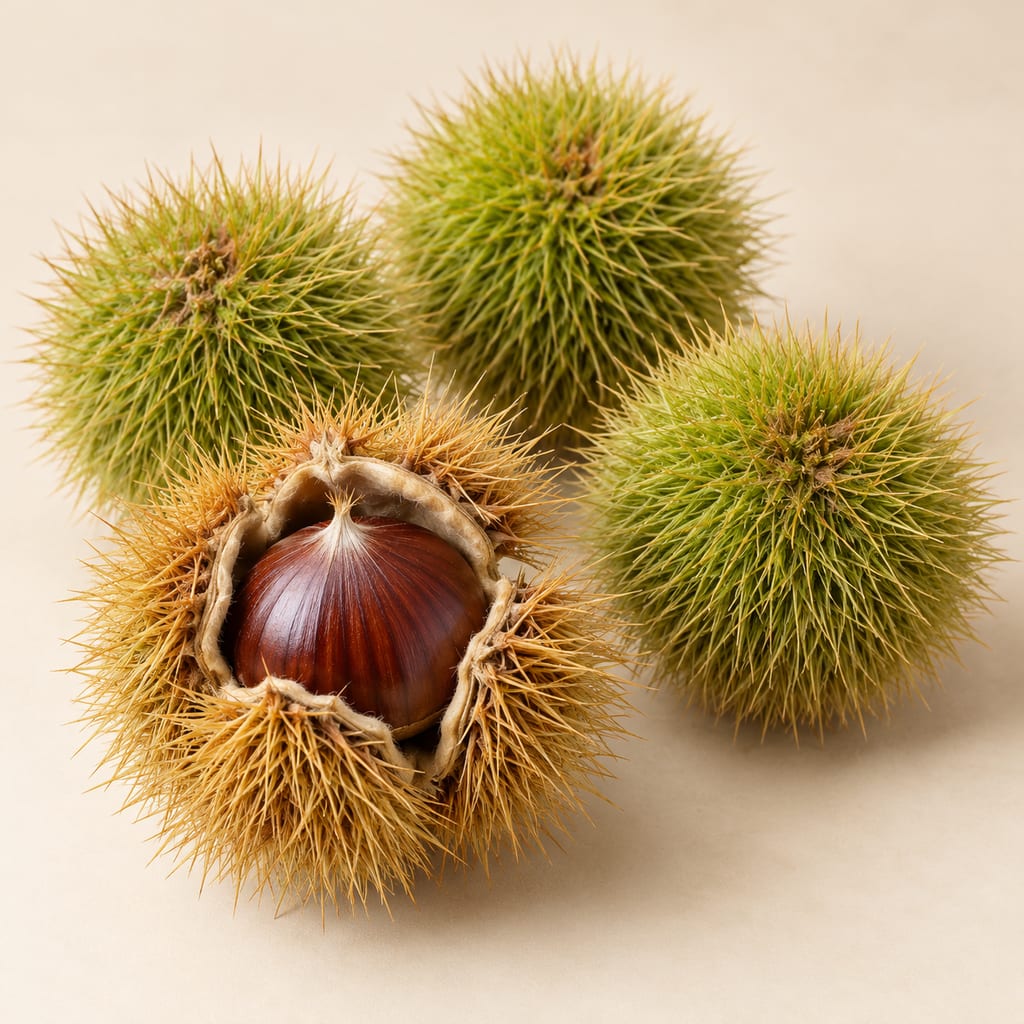
Sweet chestnut (Castanea sativa), a starchy tree nut eaten roasted, as flour and in confectionery, and kept apart from the toxic fruit of horse chestnut.
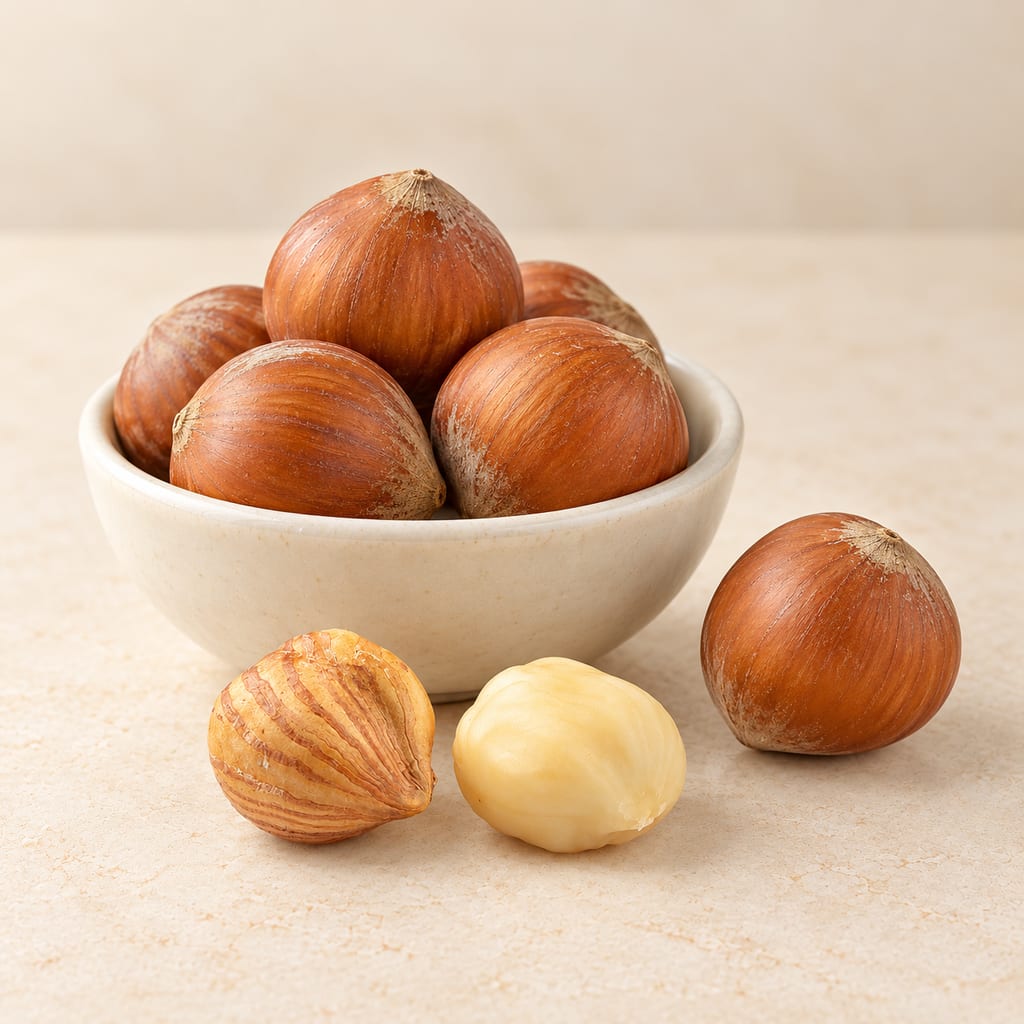
Hazelnuts from Corylus avellana, the common hazel, eaten raw, roasted or ground, with the Piedmont protected product and the limits of regional growing and storage advice.
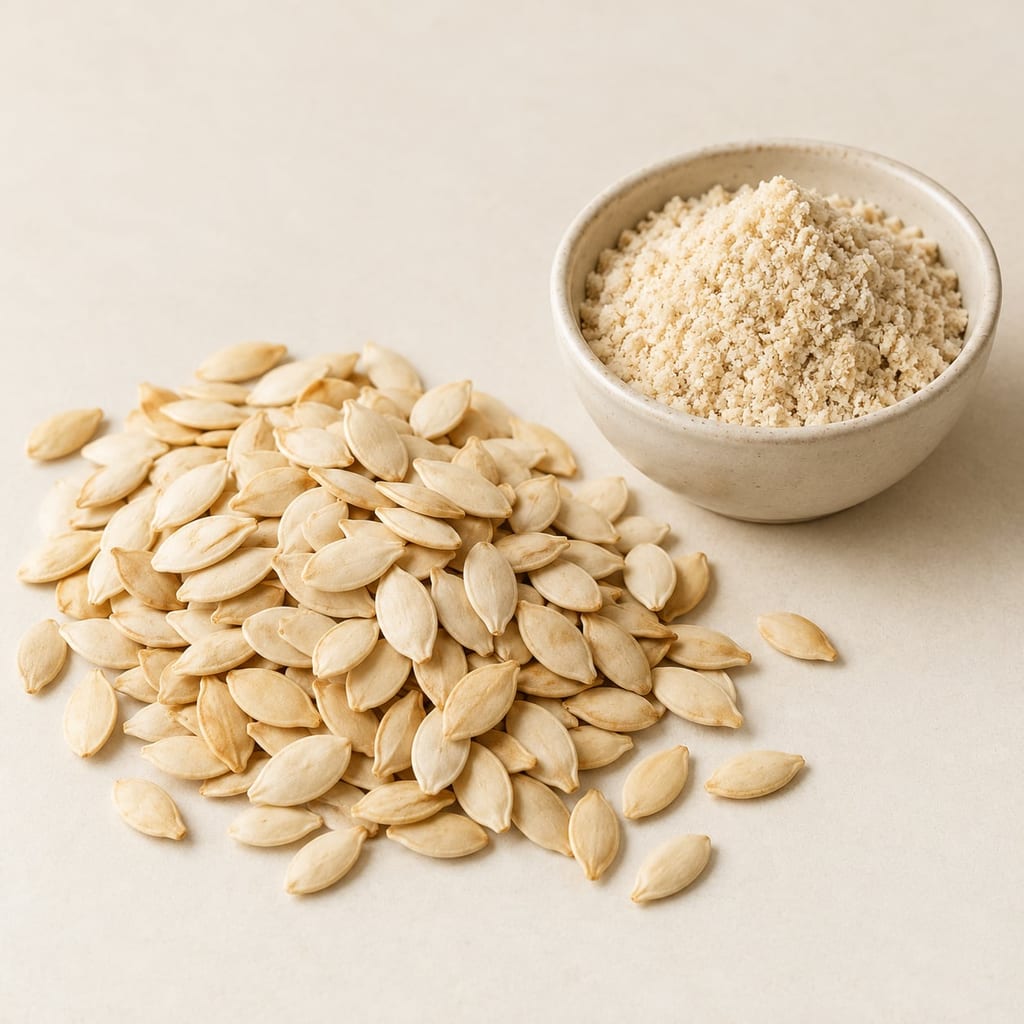
Melon seeds, called egusi in Nigeria and much of West Africa, are the seeds of several cucurbit species. They are ground into soup and cooked and fermented into the condiment ogiri-egusi.
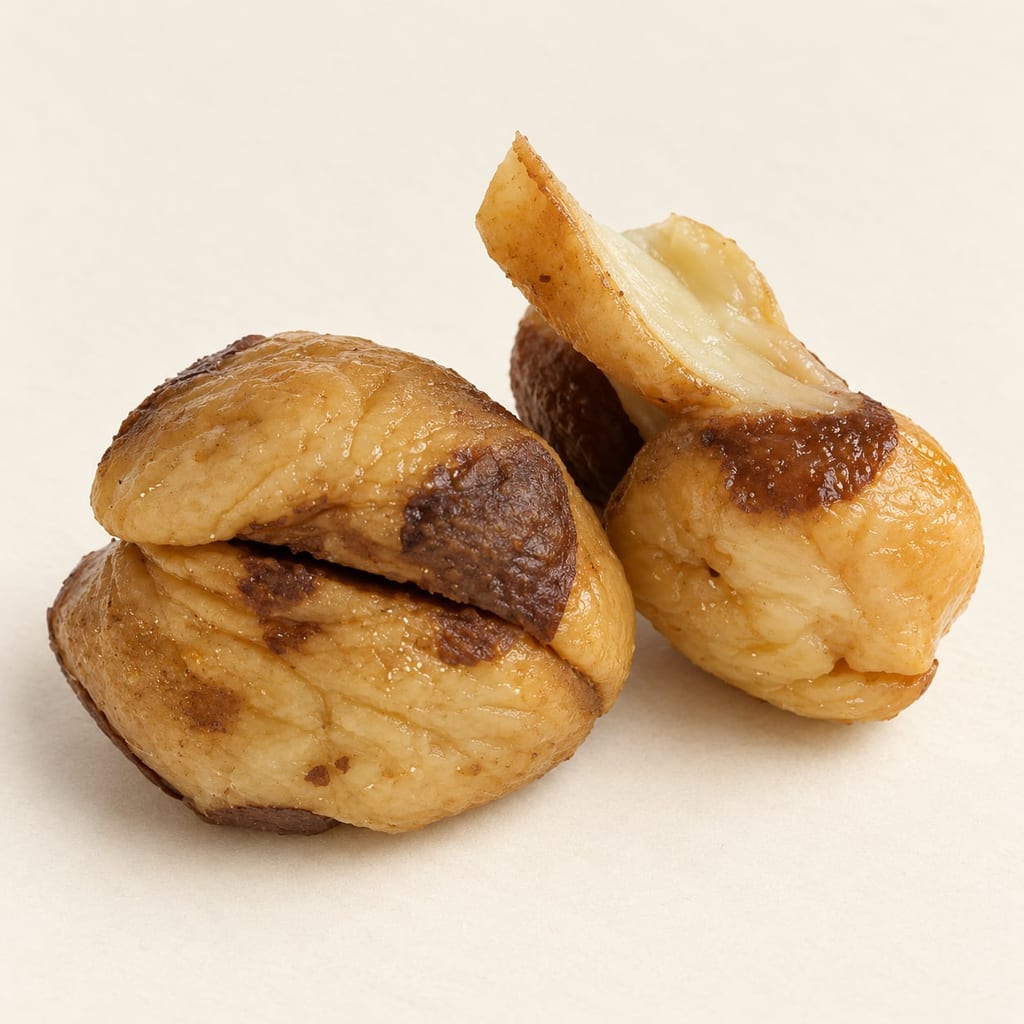
Tahitian chestnut is the starchy seed of Inocarpus fagifer, a food tree of tropical Southeast Asia and the Pacific. Despite its name, it is not a true chestnut, and the seed is cooked before eating.
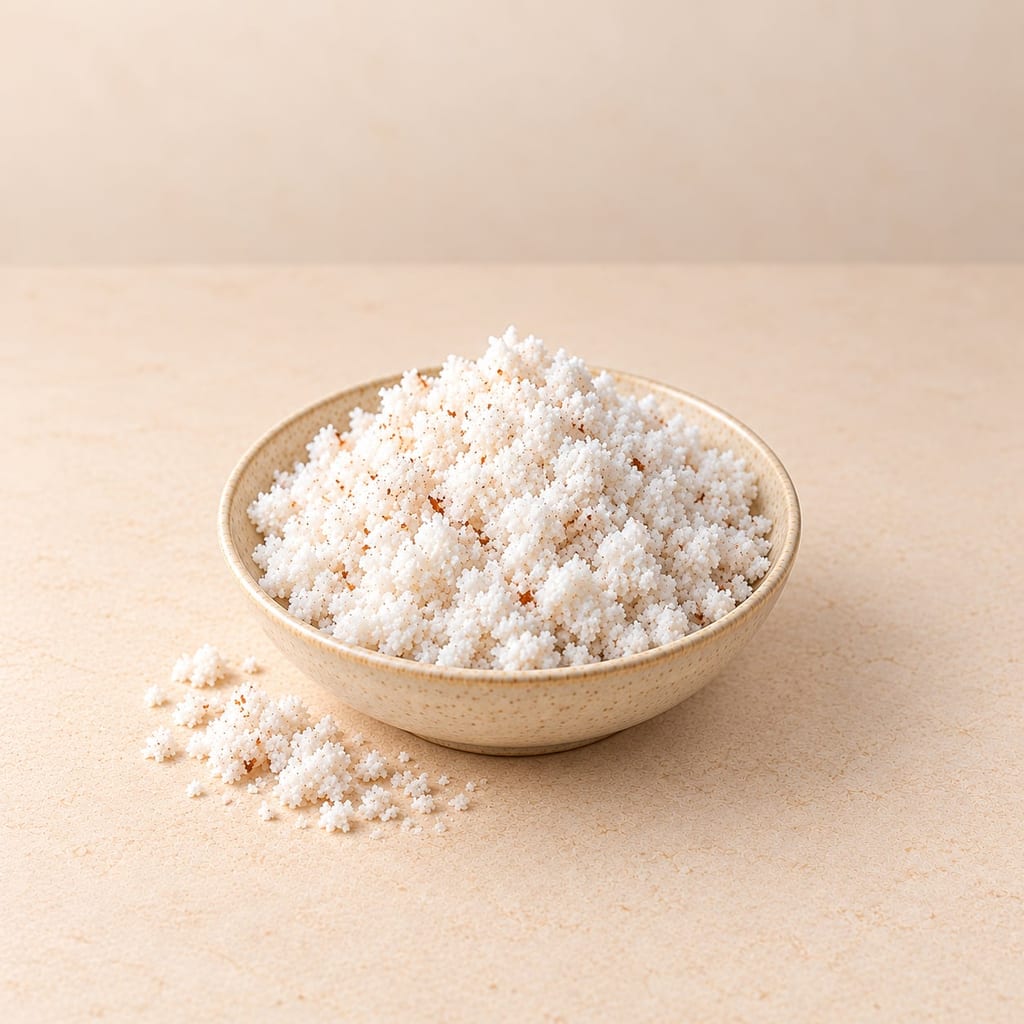
The shredded white kernel of a mature coconut, used fresh or thawed from frozen in sambols and chutneys; its lauric-acid fat is rich and the moist meat is perishable.

Toasted almonds are whole sweet almond kernels dry-roasted until golden to brown. Heat replaces their marzipan note with a roasted, nutty one; they thicken and flavour romesco.
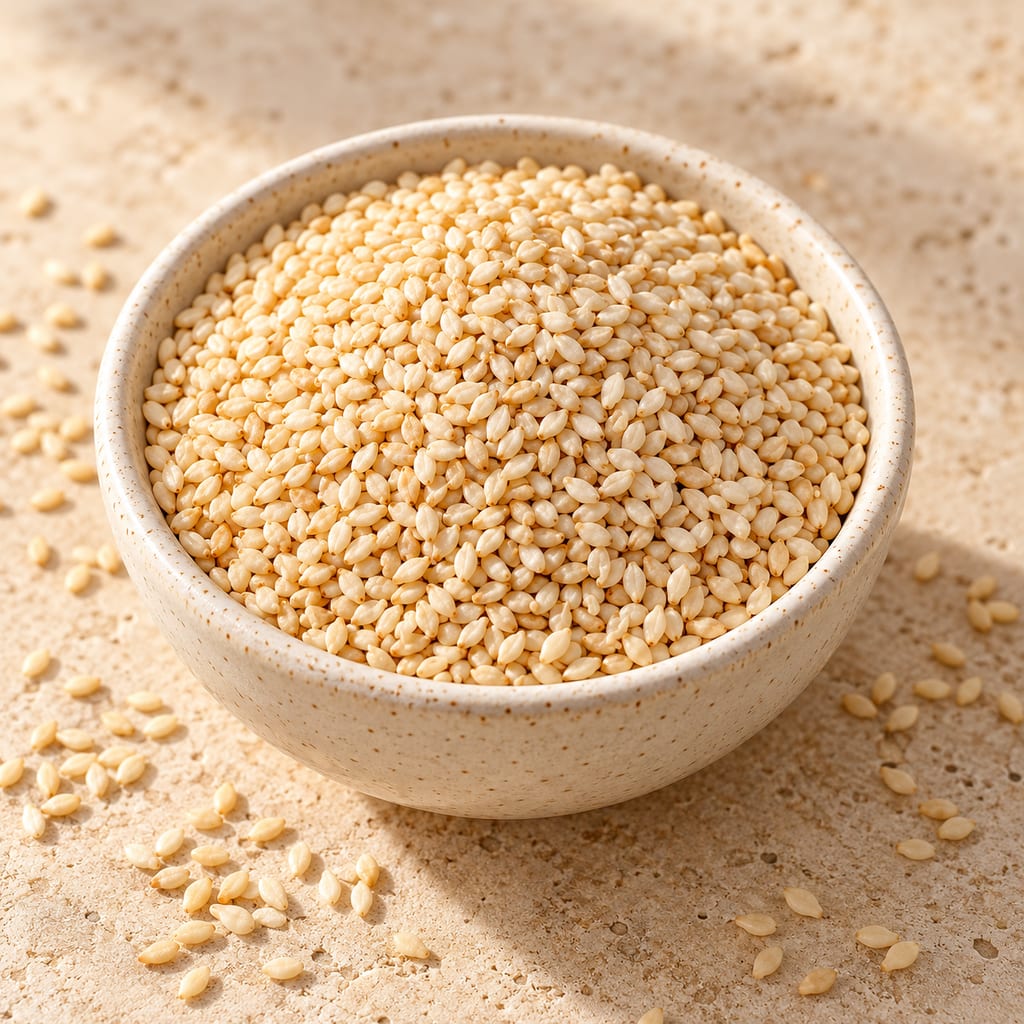
Sesame seed, from Sesamum indicum, is about half oil and is eaten whole, ground into paste or pressed into oil. It was a crop of South Asia by the Harappan period and reached Mesopotamia before 2000 BC.
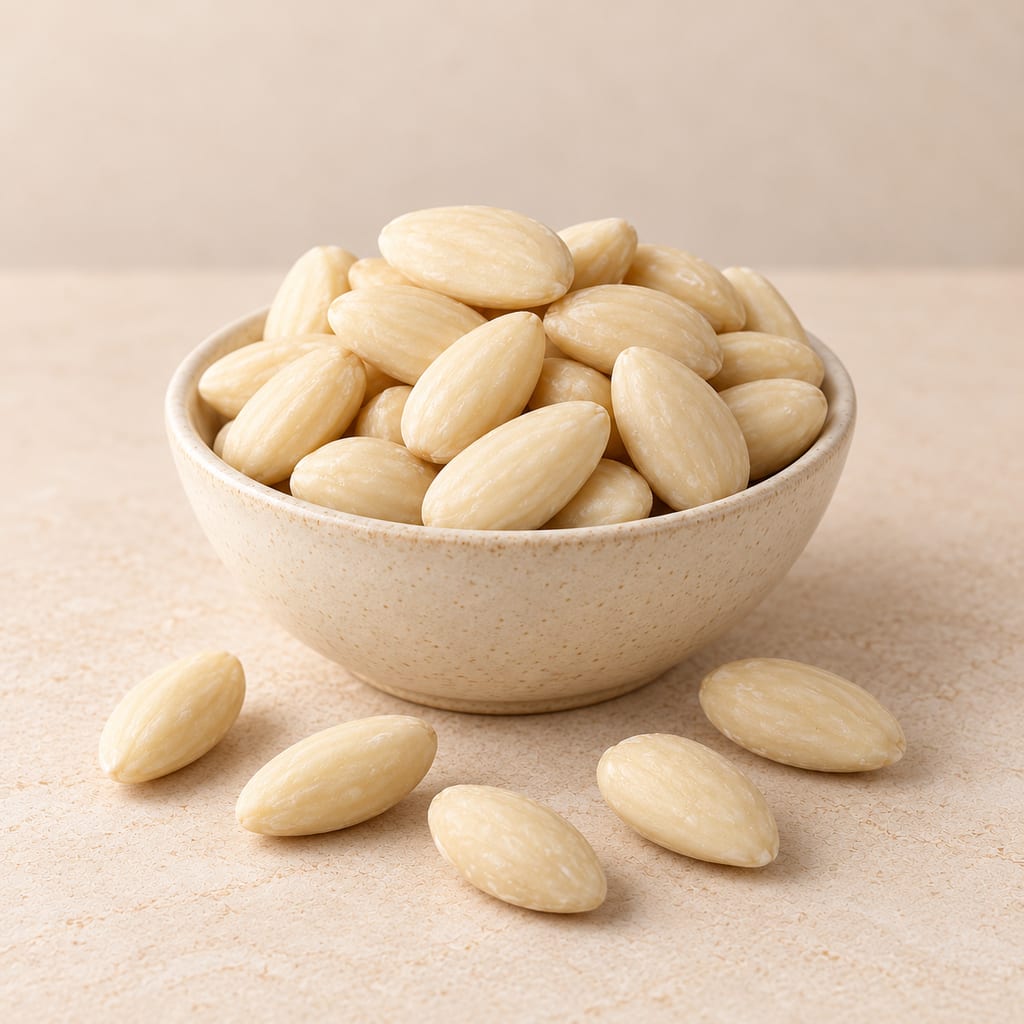
Blanched almonds are sweet almond kernels with the brown seed coat removed. A documented amla murabba cooks ten optional slivered kernels into the finishing syrup with spices and saffron.