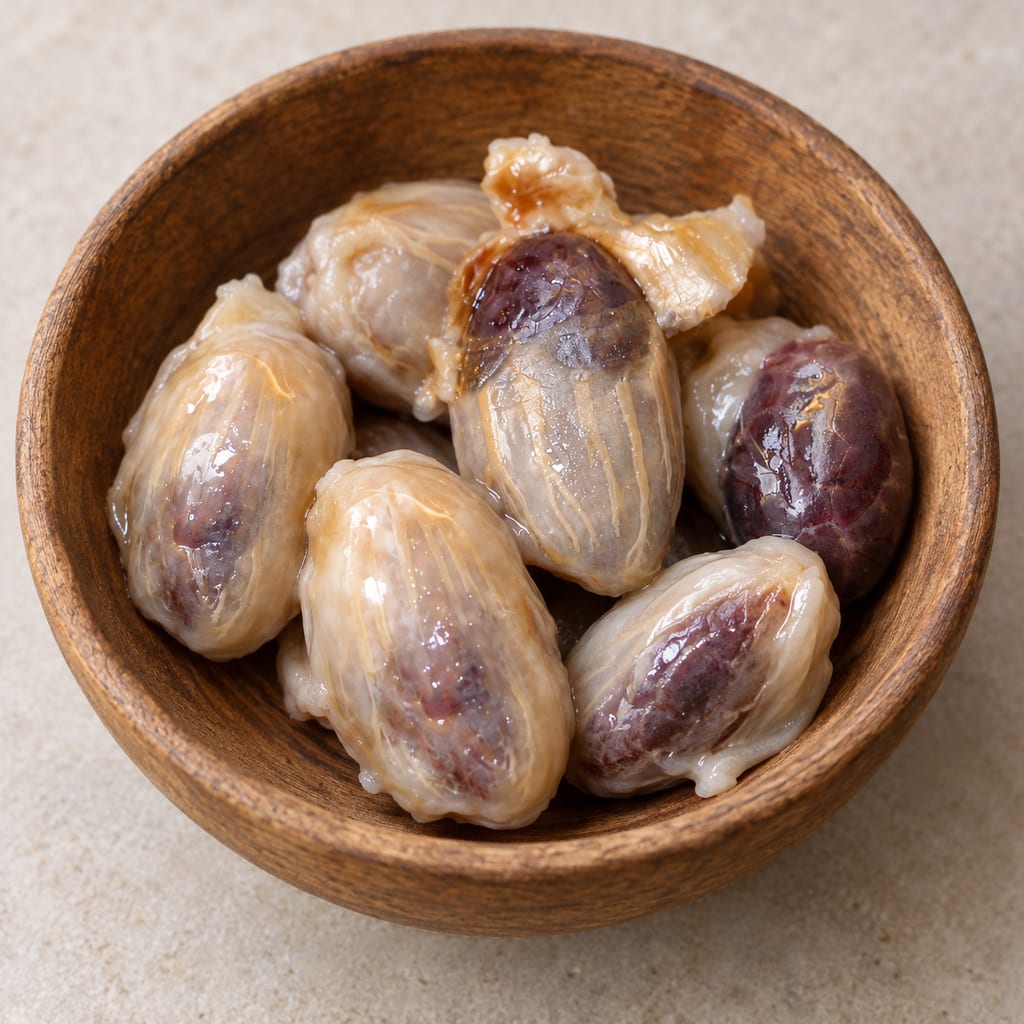
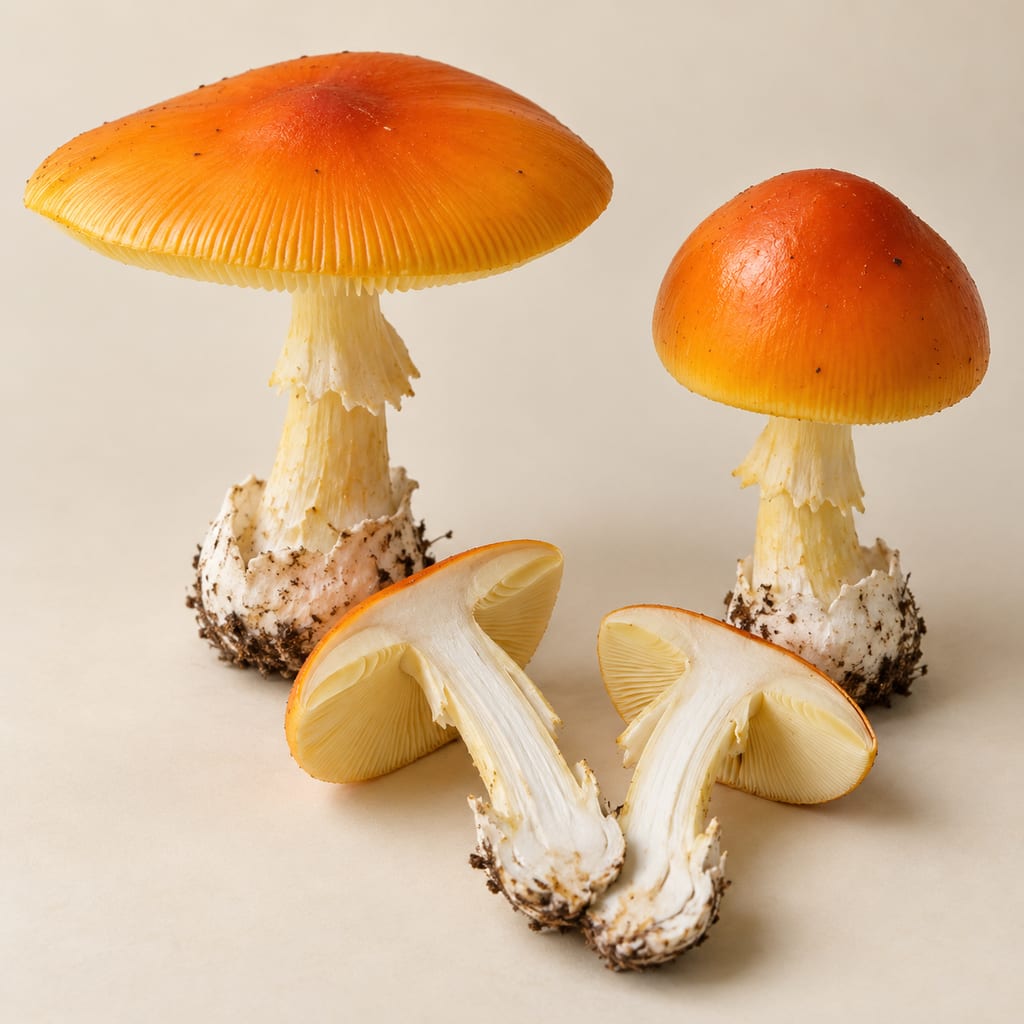
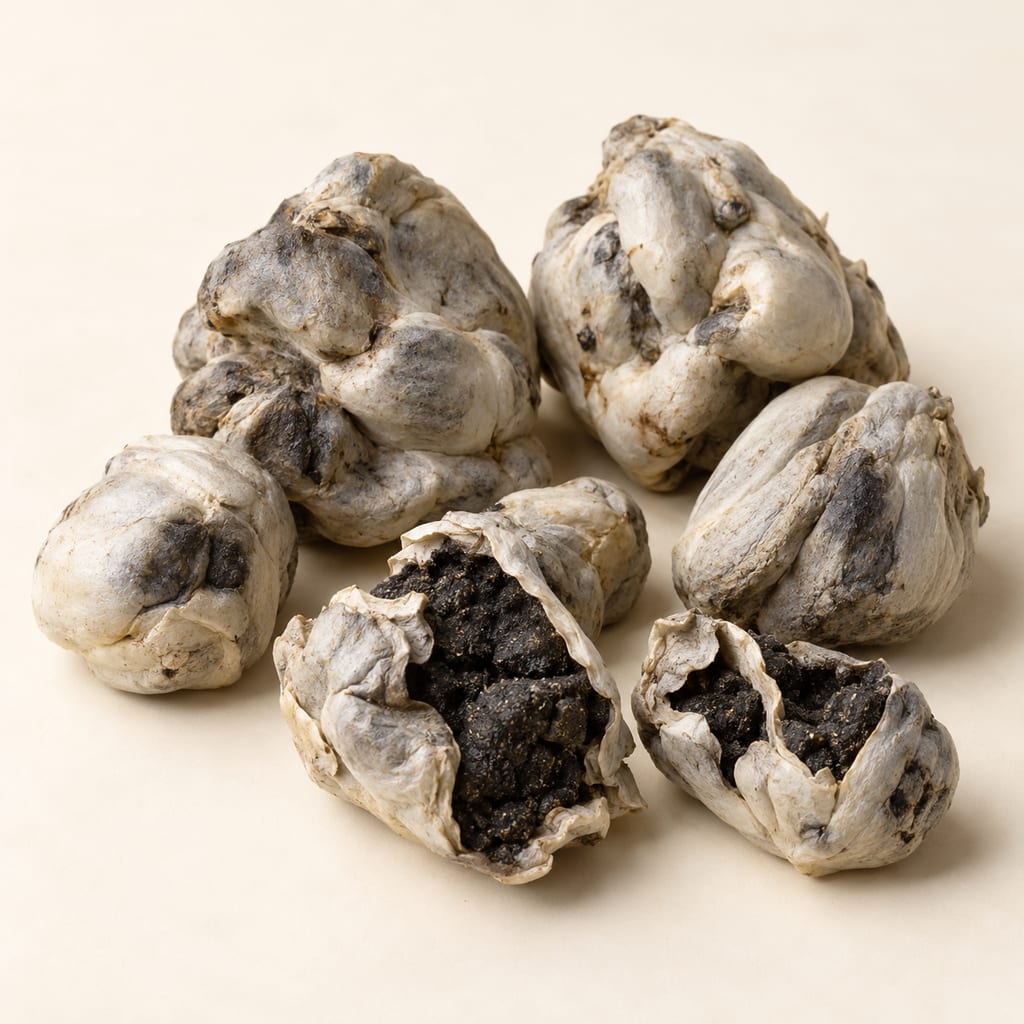



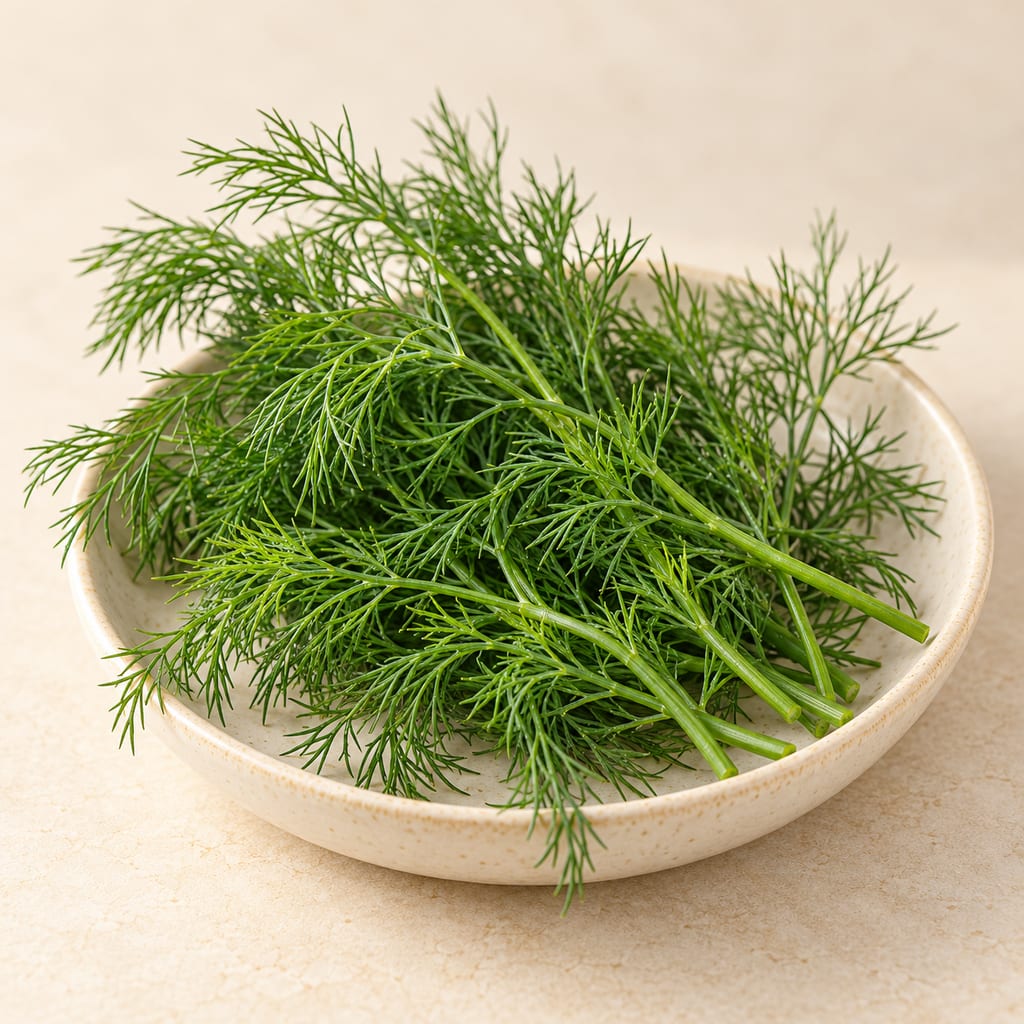
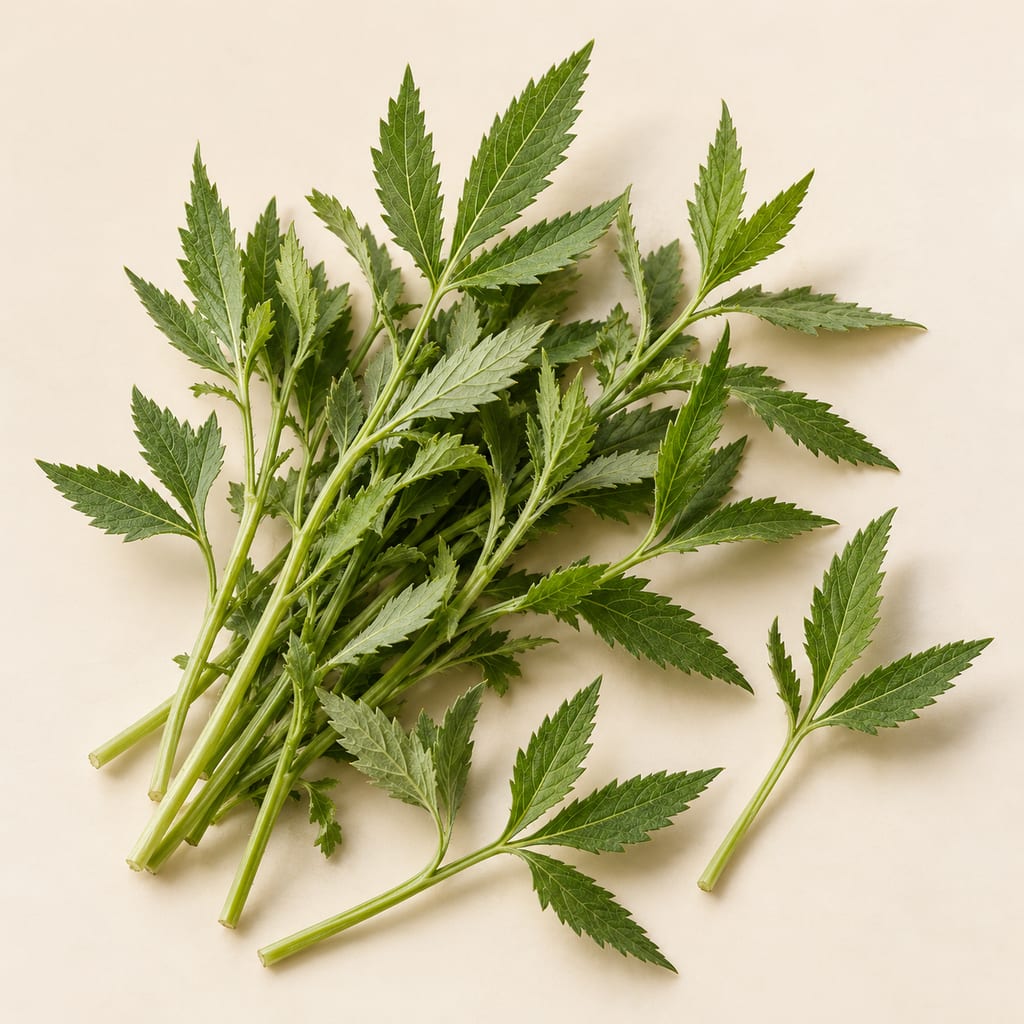
Falcaria vulgaris (sibekh leaves)
Sibekh is the young leafy growth of Falcaria vulgaris, an Apiaceae herb sold in Yerevan markets and fried with eggs; pickled, dried and canned uses are recorded without methods.
 FermenteaWhere food goes to change
1086 articles on substrates, cultures and additives.
 Leafy and stem vegetables34
 Fruits33
 Roots and tubers11
 Fruiting and pod vegetables5
 Cabbages, mustards and other brassicas3
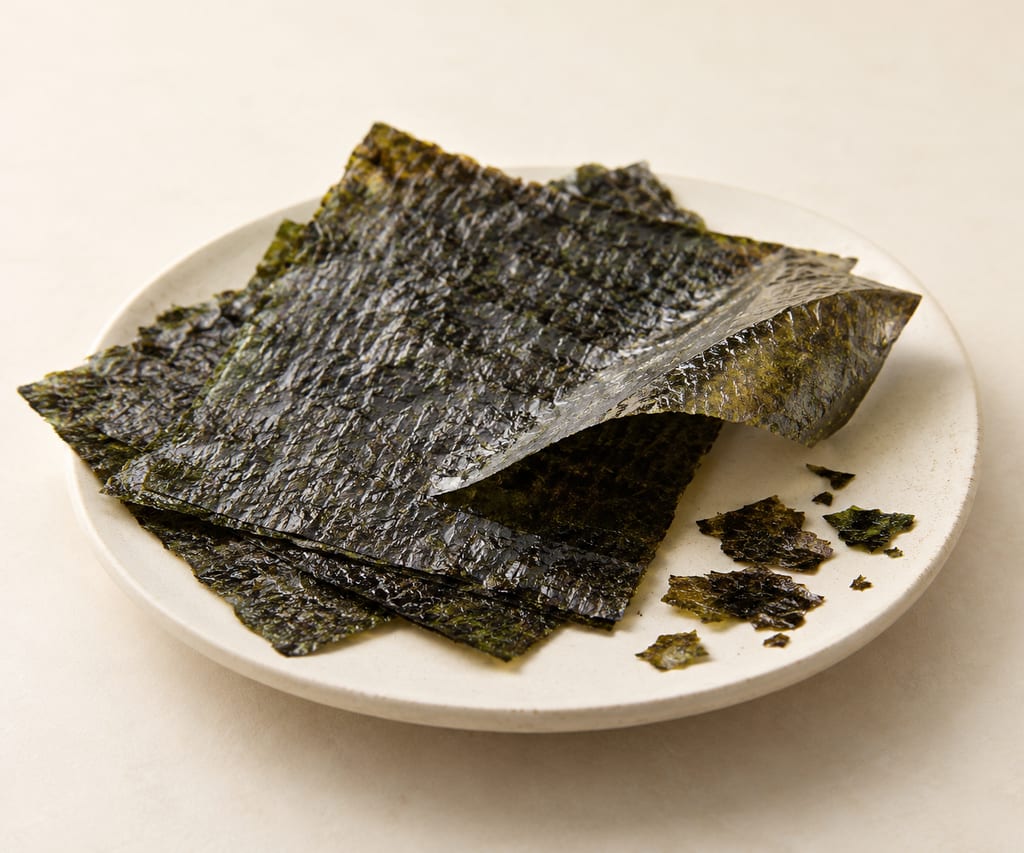 Seaweeds3
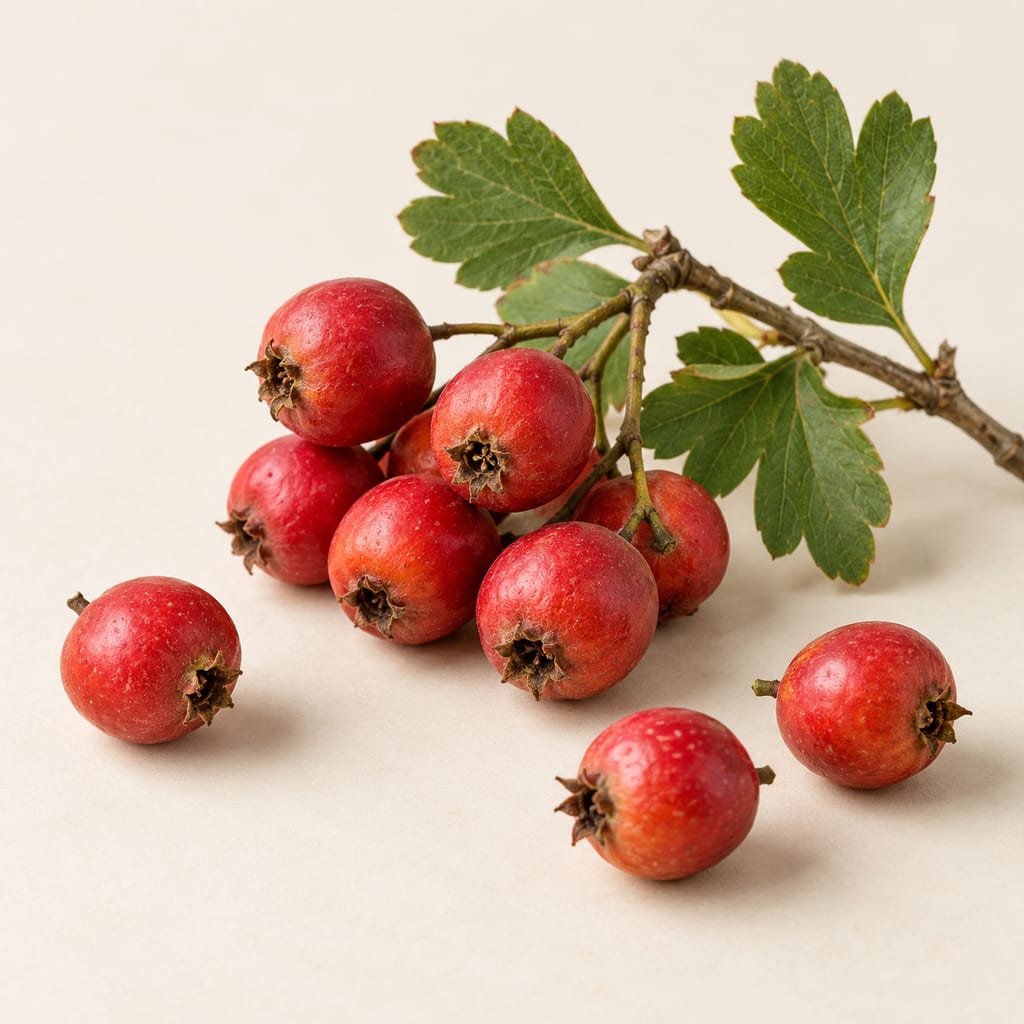 Pome fruit2
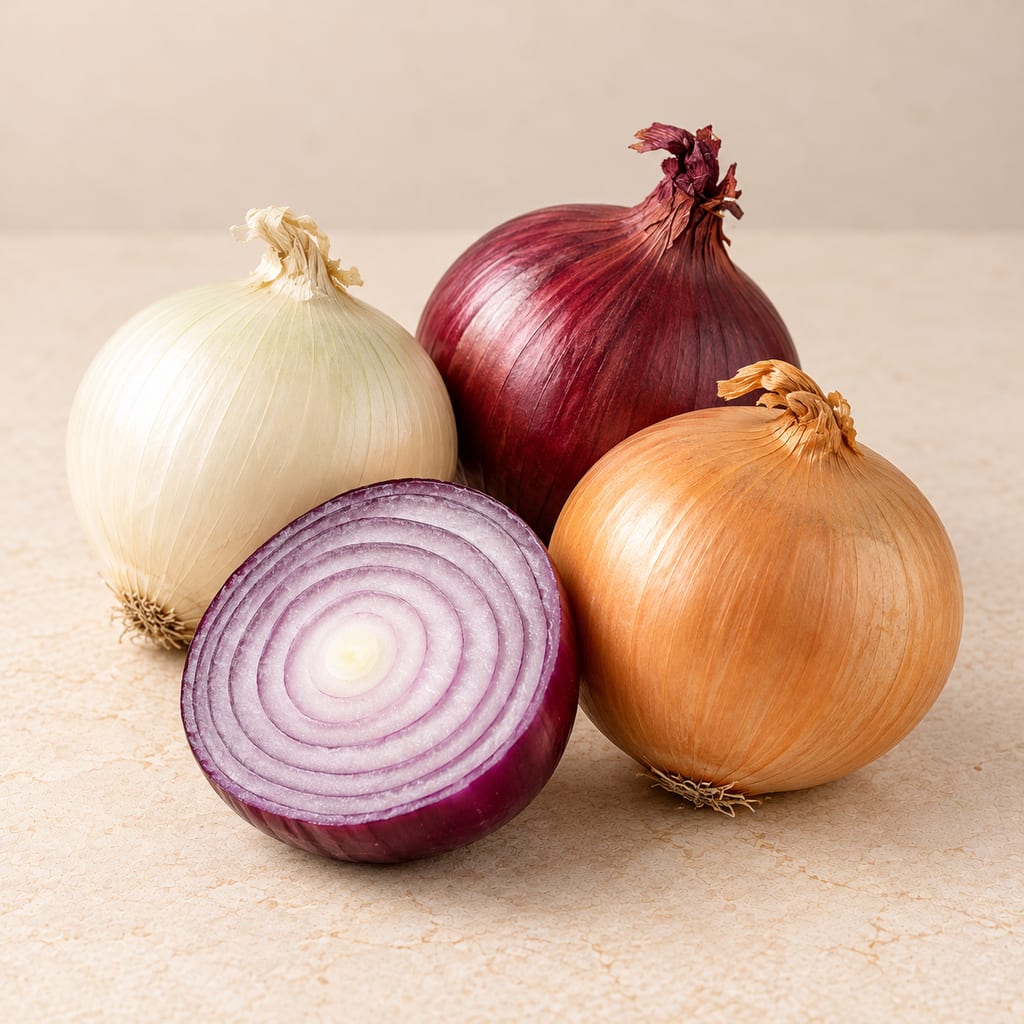 Alliums1
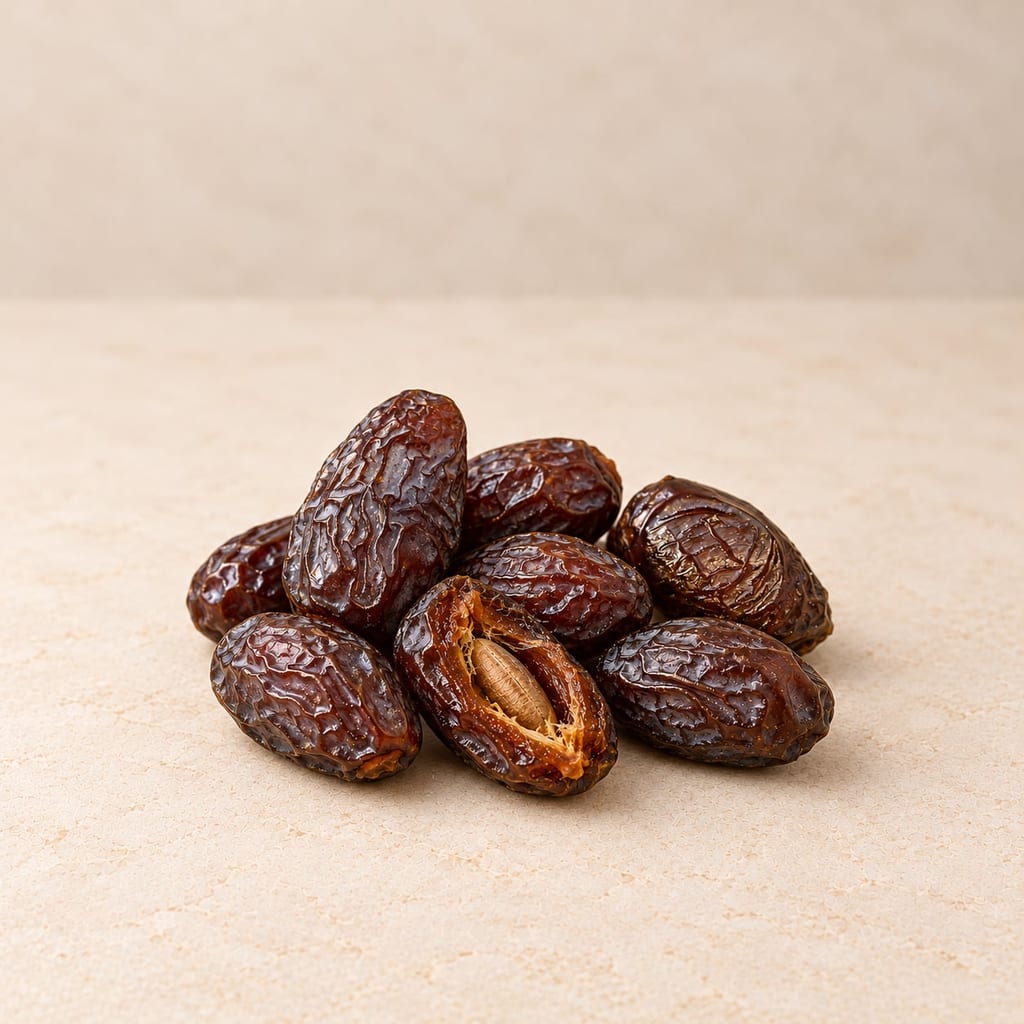 Dried and preserved fruits1
 Stone fruit1
Sibekh is the young leafy growth of Falcaria vulgaris, an Apiaceae herb sold in Yerevan markets and fried with eggs; pickled, dried and canned uses are recorded without methods.
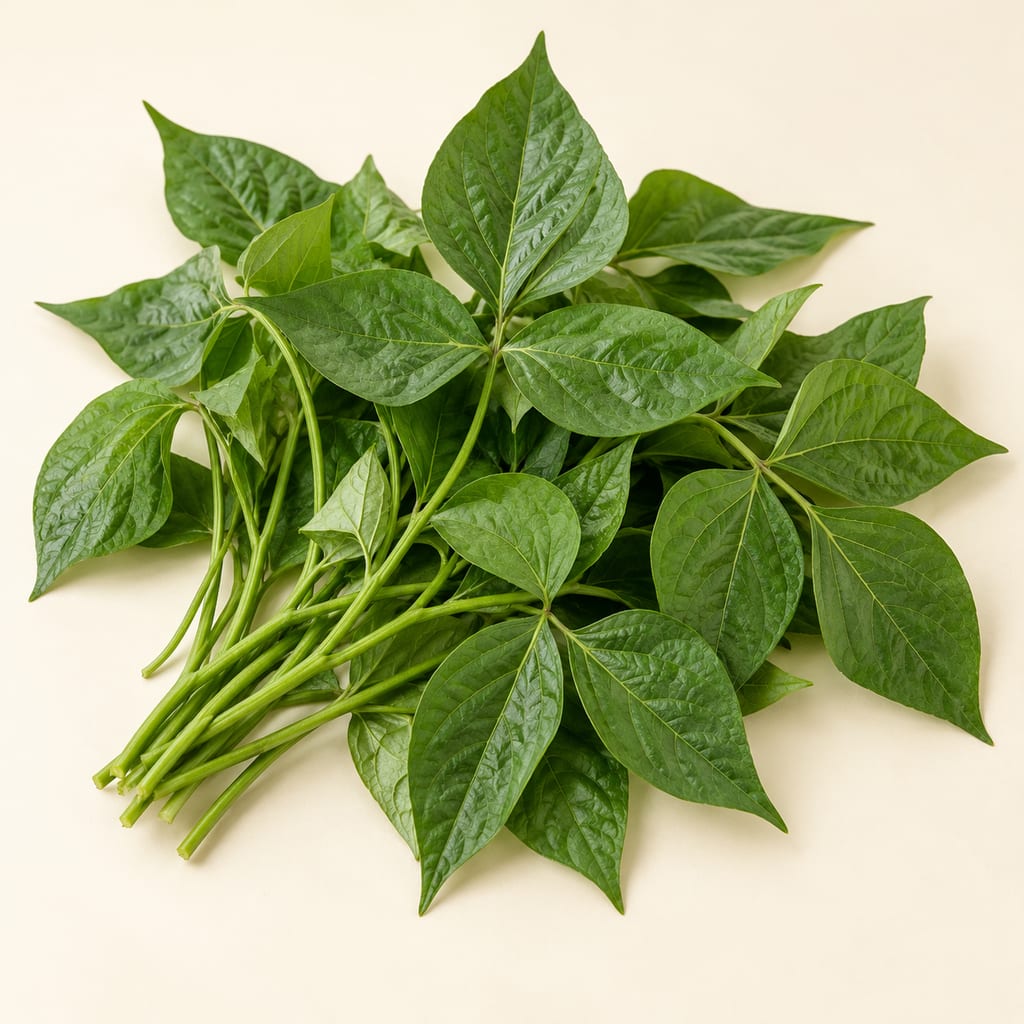
Cowpea leaves are eaten cooked and sun-dried in Botswana, where the dried product is called morogo wa dinawa. Studies of the crop add leaf-removal results and trial-site growing conditions.
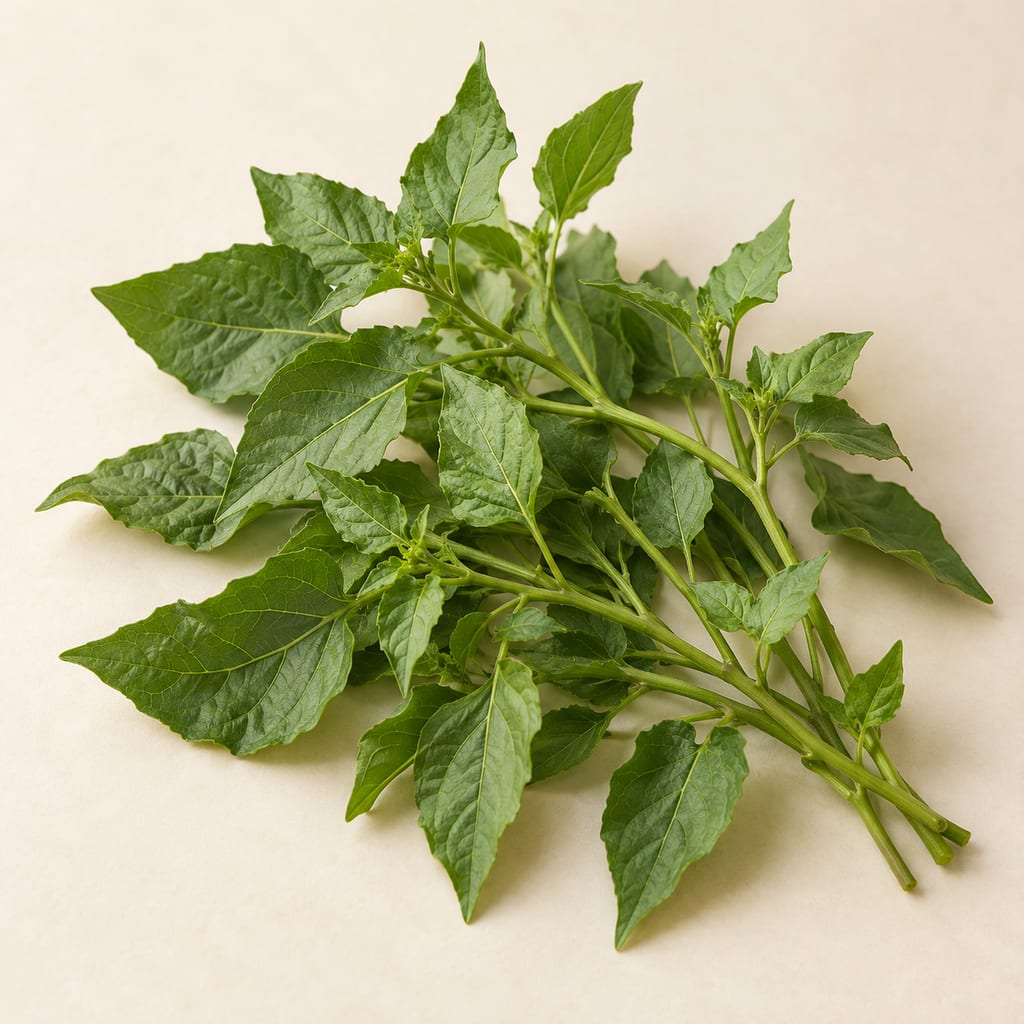
Brède morelle is a cooked leaf vegetable of New Caledonia, linked to Solanum americanum but recorded under the broad name Solanum nigrum. Sources conflict on its safety, and no cooking process is validated.
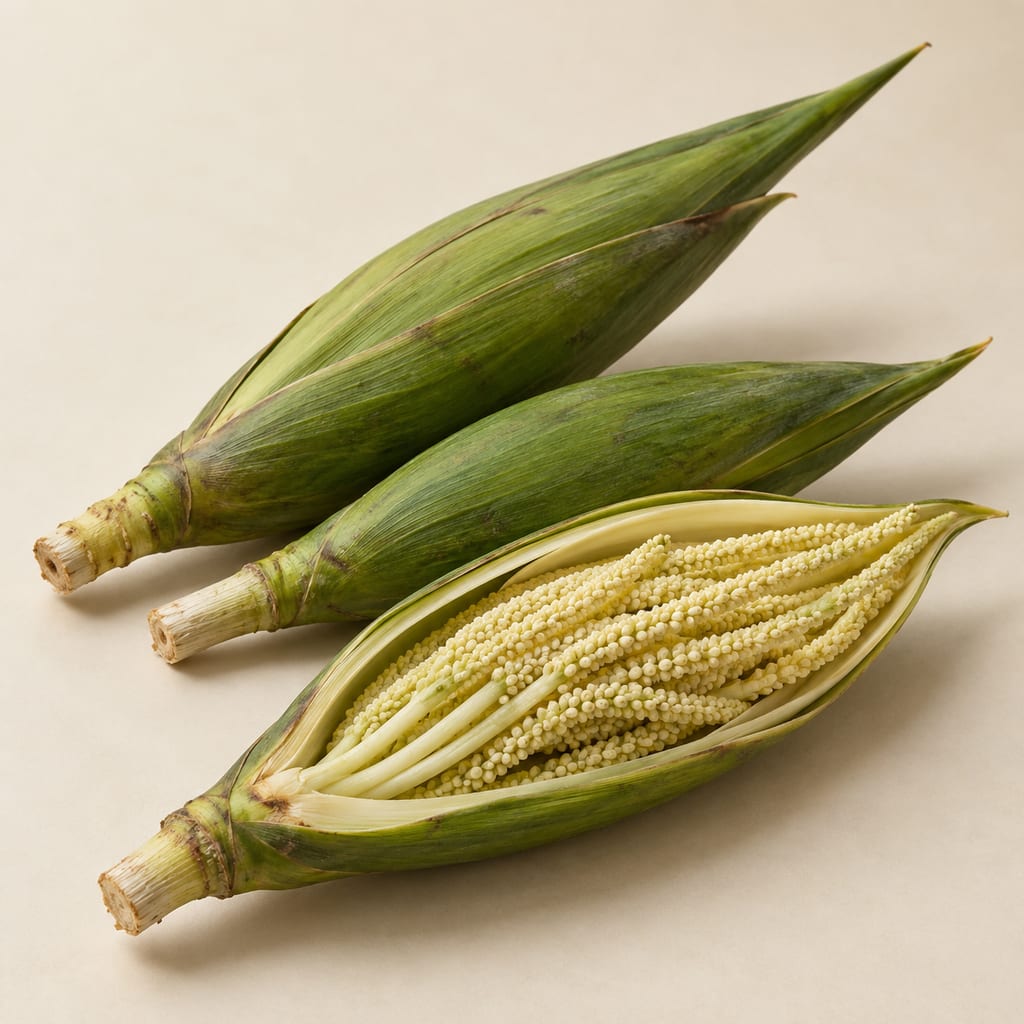
Pacaya, or tepejilote, is the edible male flower cluster of the palm Chamaedorea tepejilote, eaten in Honduras with egg, in tamales and soups, and sold pickled. Mexican farmers manage the palm in agroforests.
Bamboo shoots are the young culms of many bamboo species, eaten after boiling or leaching in Asia, and fermented into sour and preserved foods in the Himalayas, northeast India and Burma.
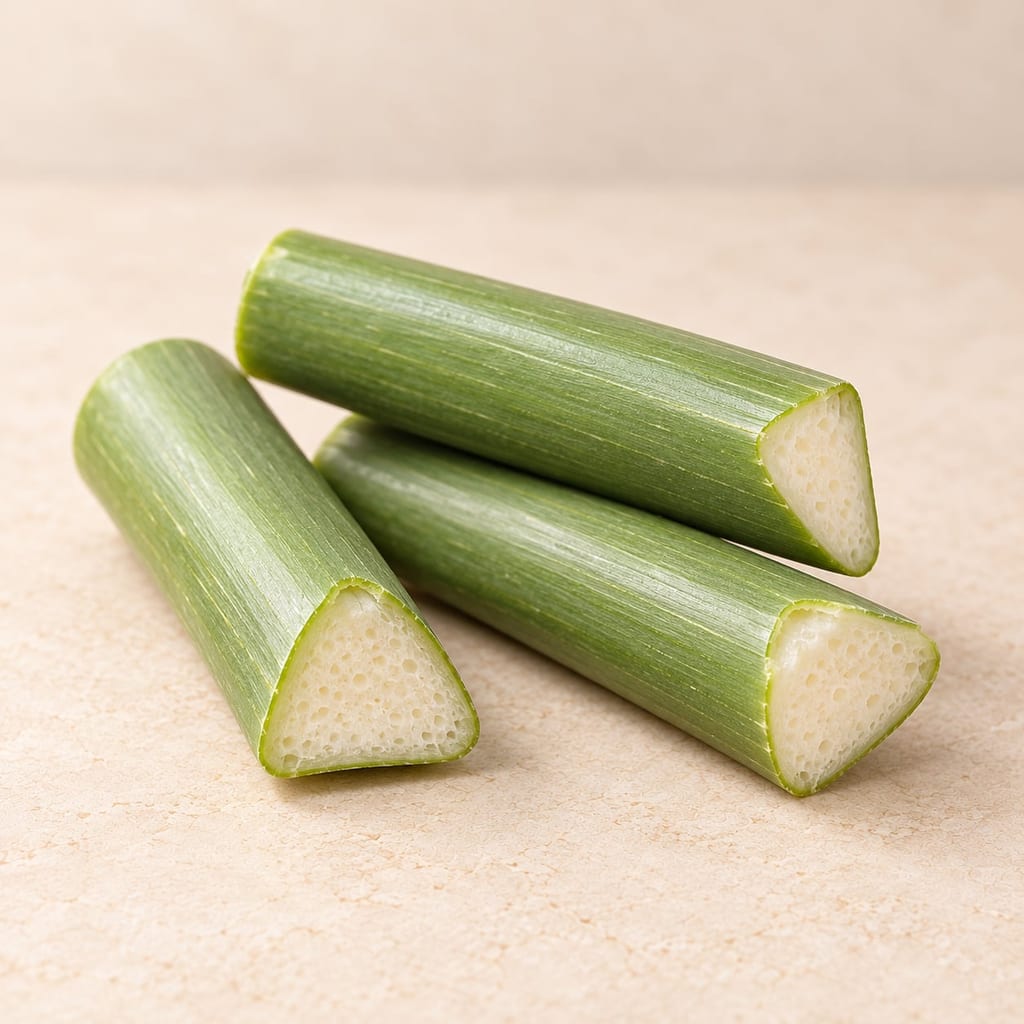
Aymara records from Lake Titicaca describe totora as food, with separate reports of rhizomes and the basal tutura stem; later planting evidence comes from a wastewater lagoon.
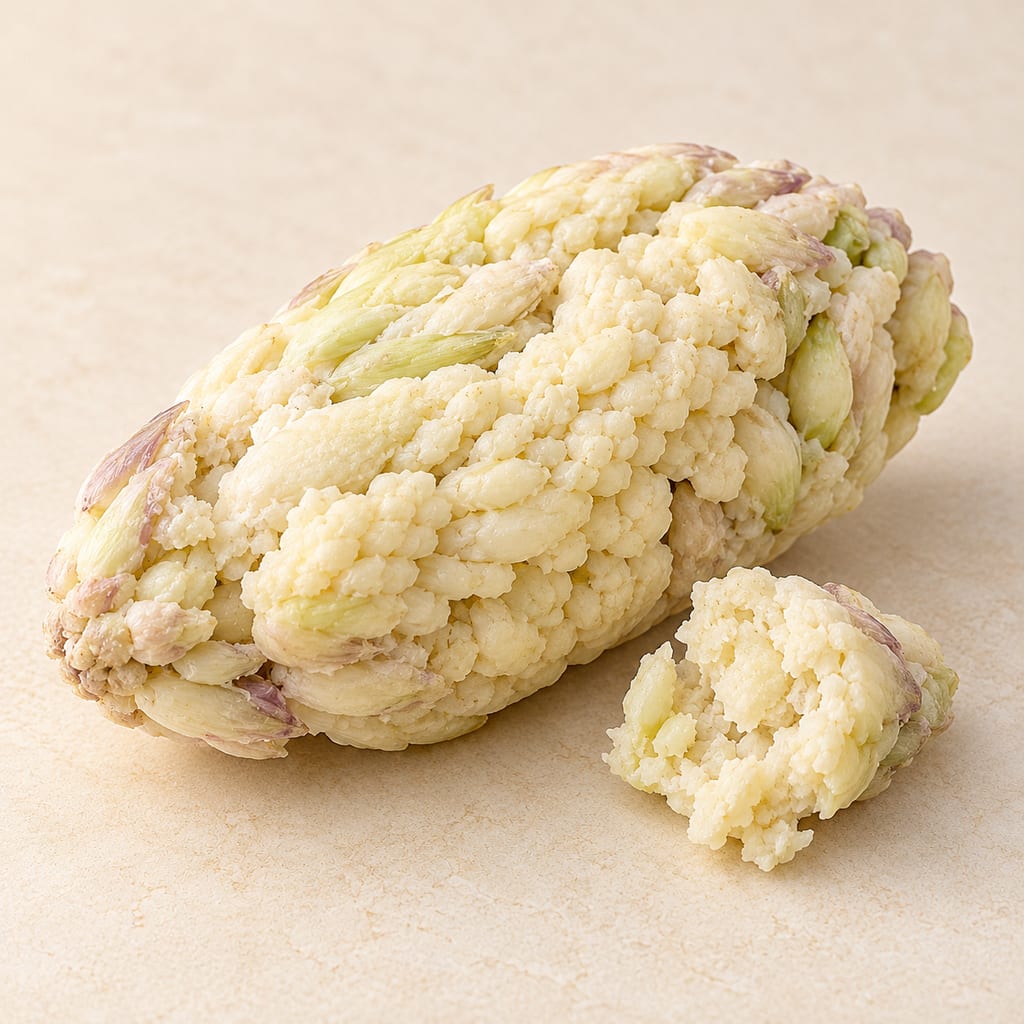
Fiji crop accounts call the edible inflorescence crop Saccharum edule; this crop-name concept remains unresolved in current botanical treatments.
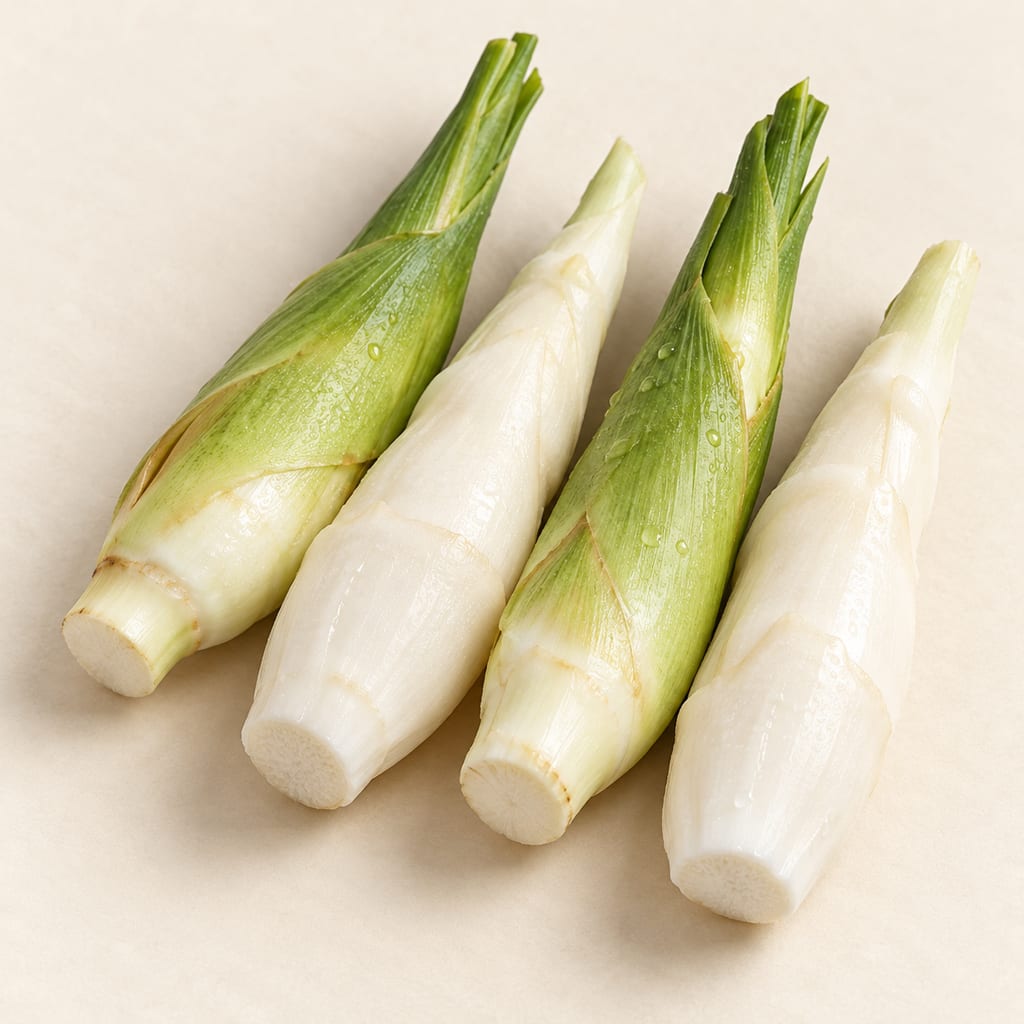
In Taiwan and Hong Kong food sources, jiaobai is the swollen stem of Zizania latifolia associated with Ustilago esculenta. It is distinct from the grain called North American wild rice, and the plant-fungus association is not food fermentation.
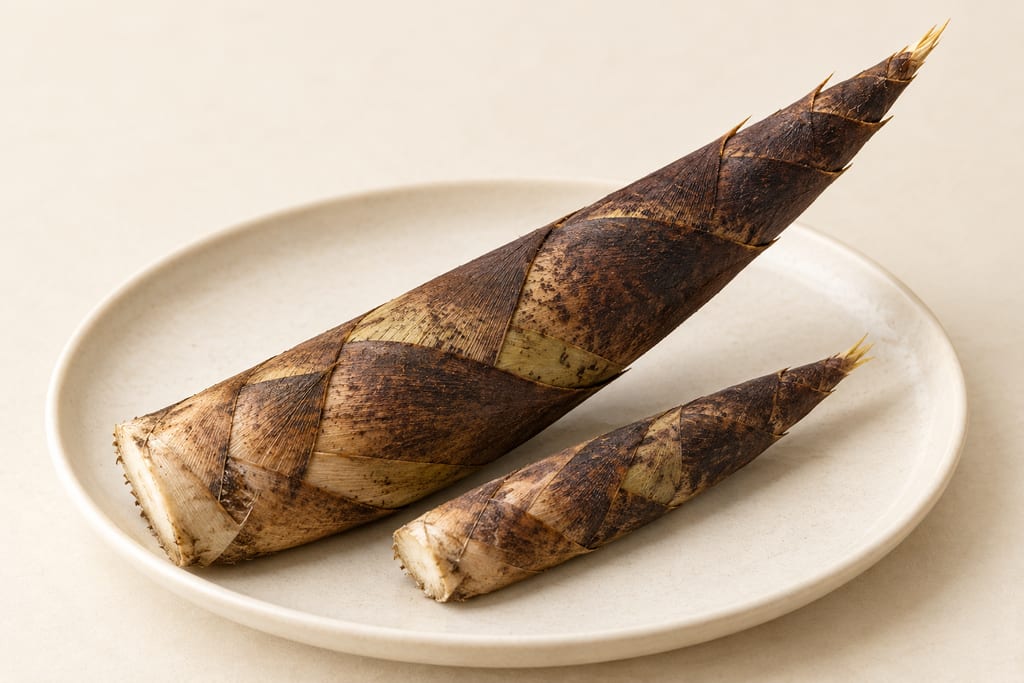
Japanese sources identify madake, Phyllostachys bambusoides, as a historically eaten bamboo shoot and describe a regional emergence season. Kew uses P. reticulata for the accepted-name treatment, while other floras retain P. bambusoides; species-specific food processing and household cultivation details remain unresolved.
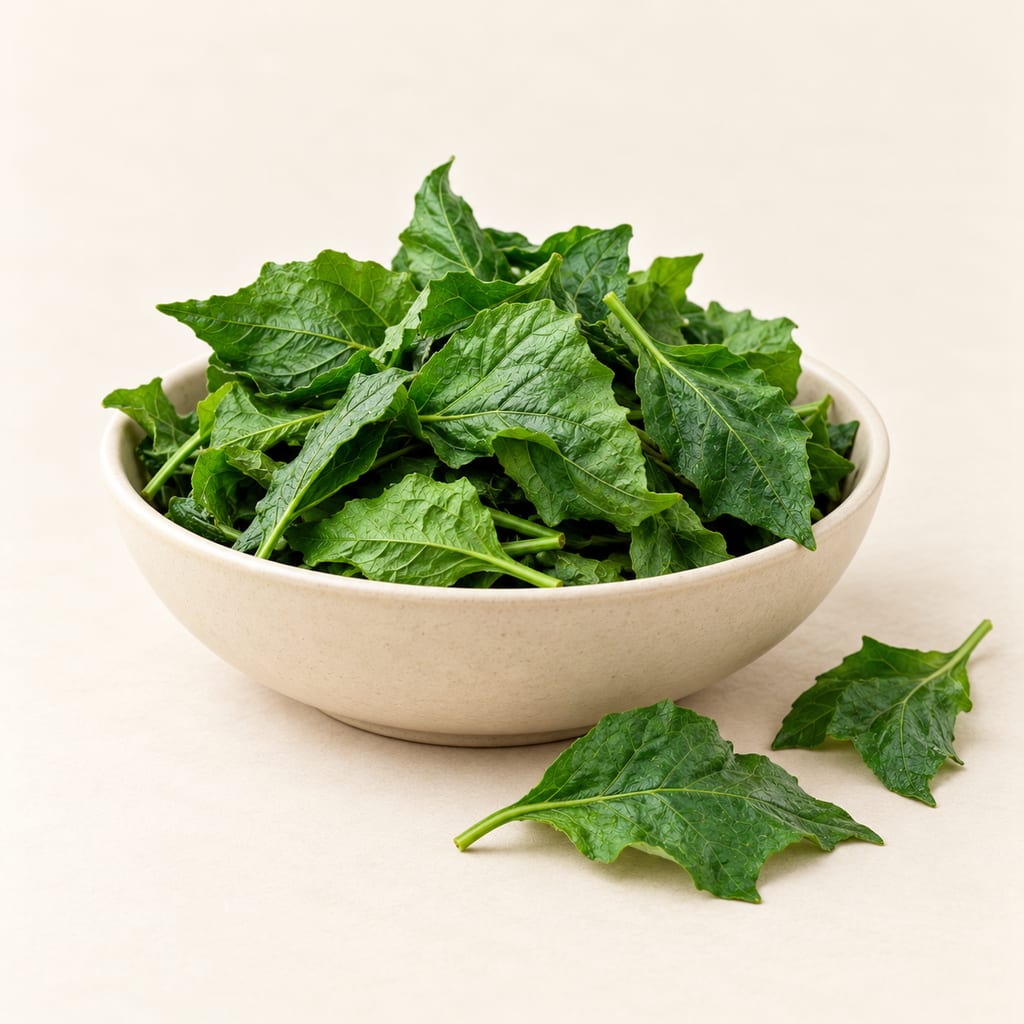
Ugandan Nakati sources describe the leafy Shum group of a species that also includes fruit, dual-use and ornamental groups. Regional cultivation and a small pickling study offer context, but neither establishes universal crop limits or a validated home preservation method.
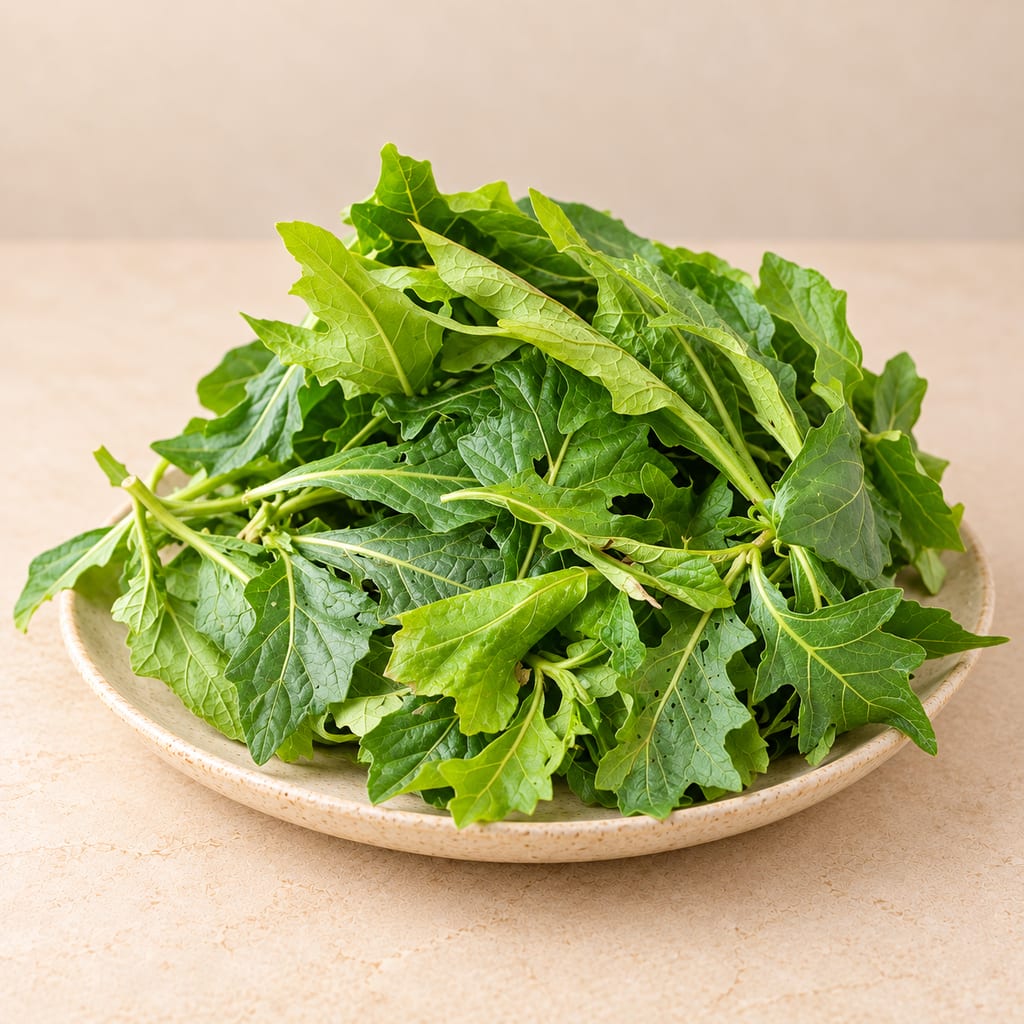
A historical Ghana flora account reports leaf and fruit use, while a Cape Coast fertilizer experiment supplies one accession and one-site growing data. Its abstract and detailed yield results conflict.
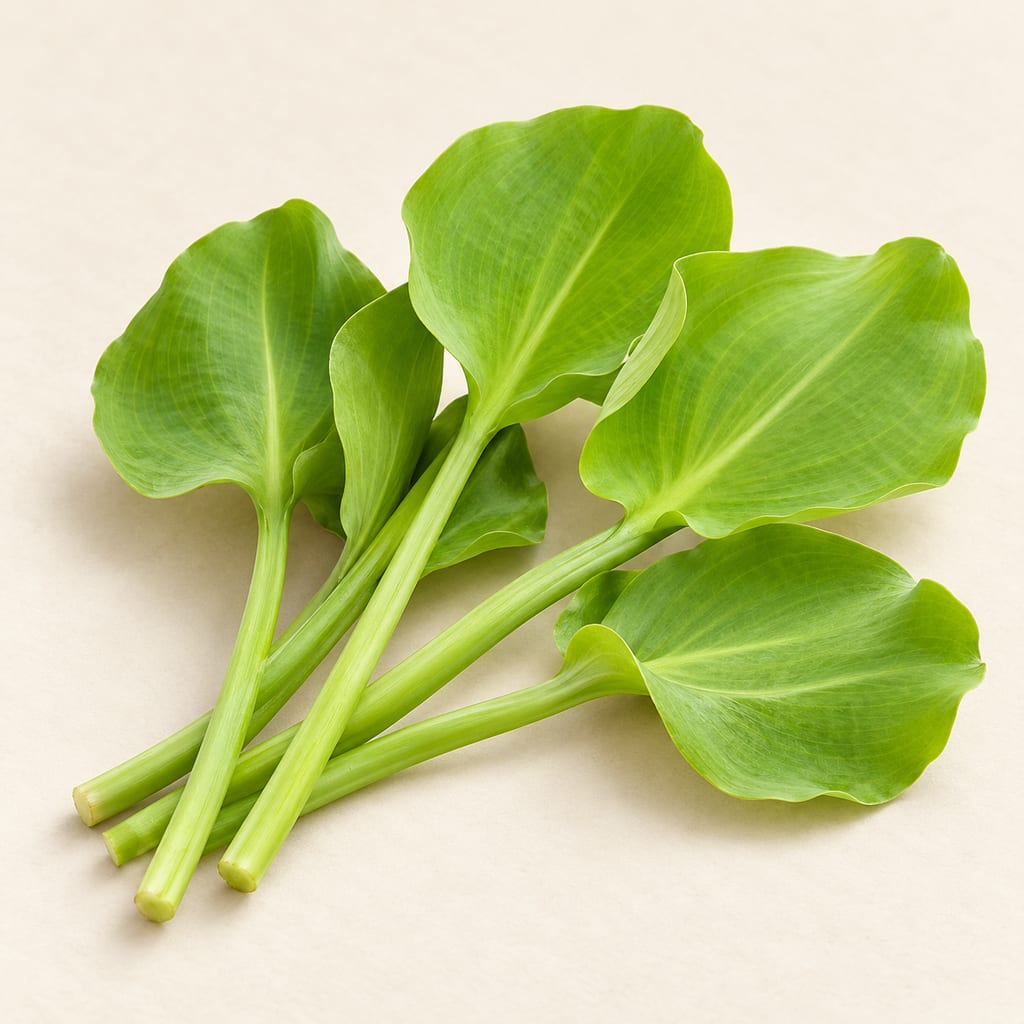
Genjer is an aquatic leafy vegetable used in parts of Java; food and growing reports describe differing plant parts and cultivation settings.
Fuki is eaten as leaf stalks and spring flower heads; Japanese sources describe seasonal food use, water-based preparation and region-specific growing guidance.
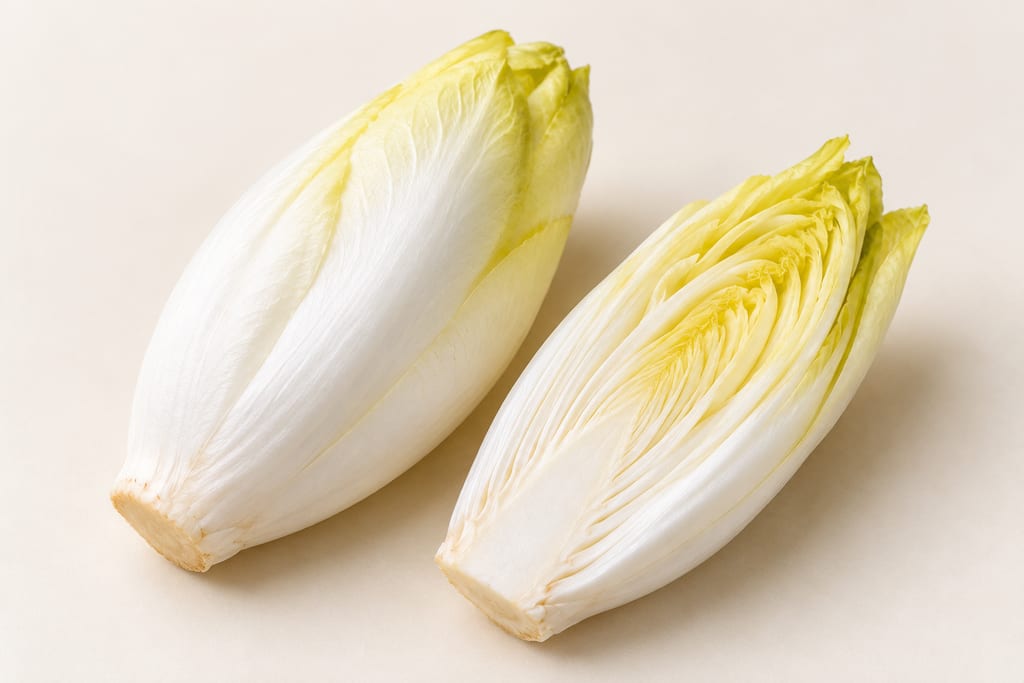
Cichorium intybus is grown for several distinct foods: bitter leaves, headed chicory, winter-forced chicons and roasted-root coffee substitutes. The crop type and source region matter.
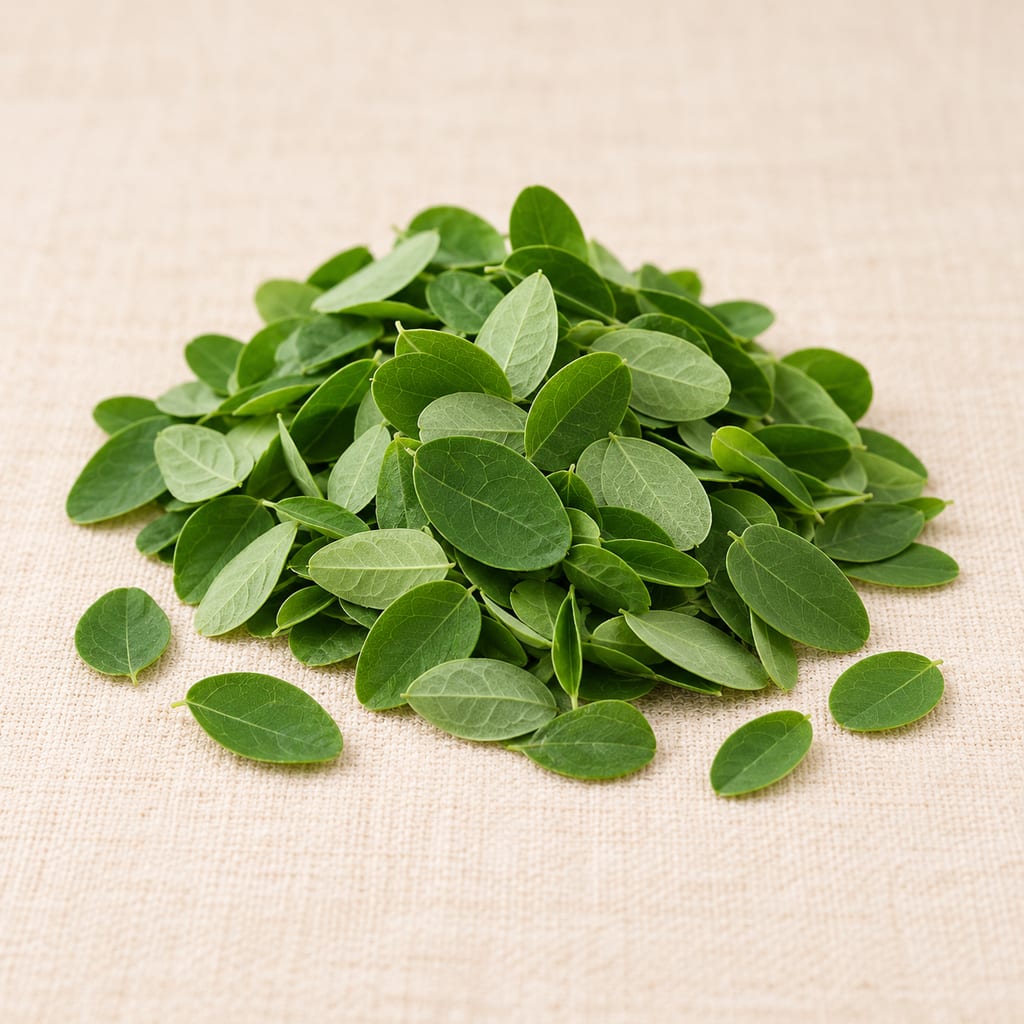
Source-linked accounts describe Moringa oleifera food uses in several regions, including Mauritius, alongside cultivation figures with their local scope made explicit.
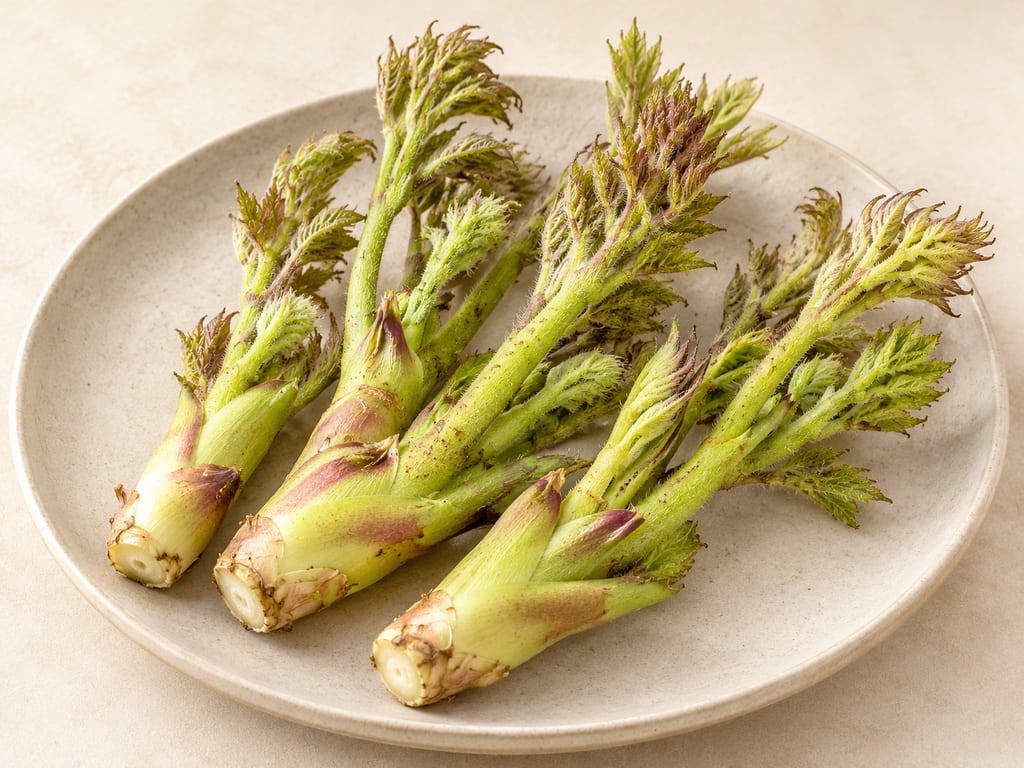
Japanese udo is Aralia cordata, eaten as wild shoots and leaves or cultivated blanched stems, with separate home-garden and commercial forcing guidance.
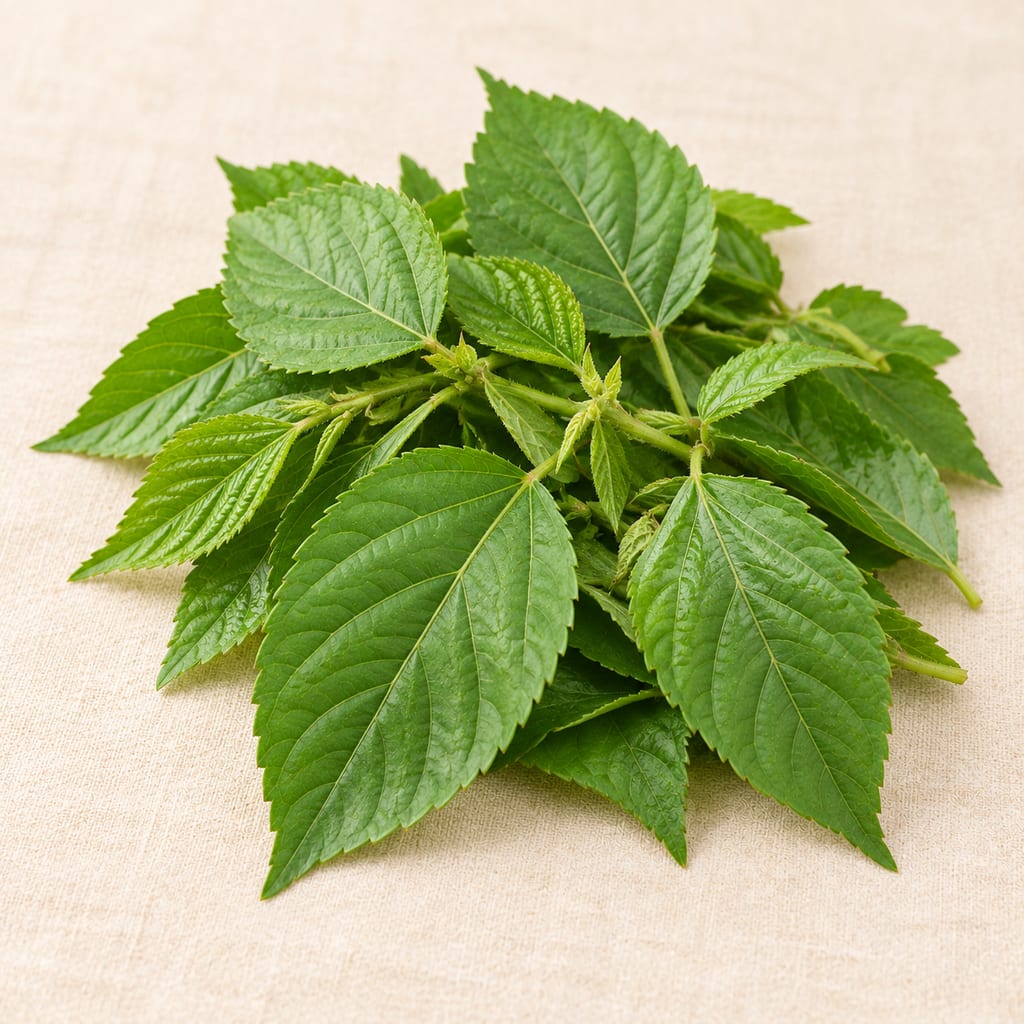
Jute mallow is documented in Kenyan, Egyptian and Malawian food and crop sources. Its preparation and growing evidence remains specific to each source.
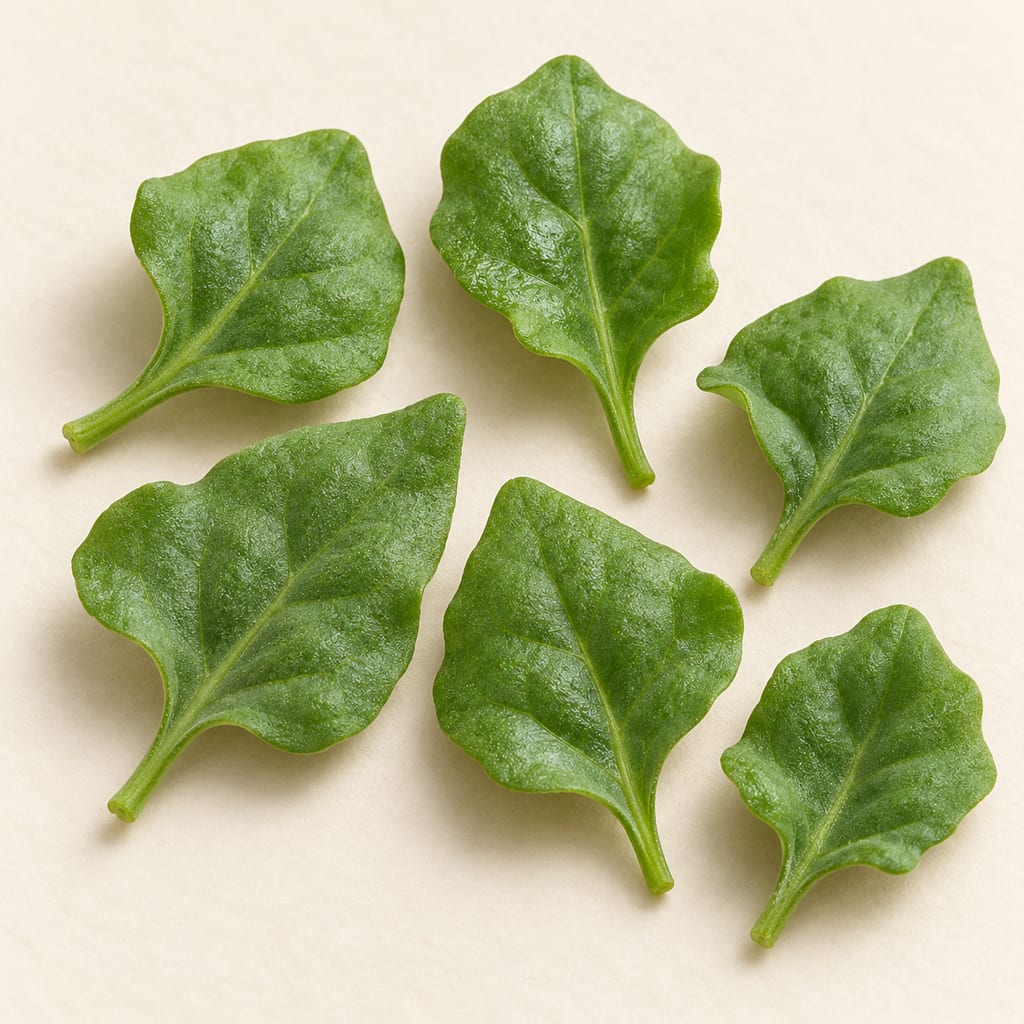
Kōkihi, New Zealand spinach or warrigal greens (Tetragonia tetragonoides): a coastal leaf vegetable of Australia and New Zealand, eaten after blanching because of its oxalic acid.
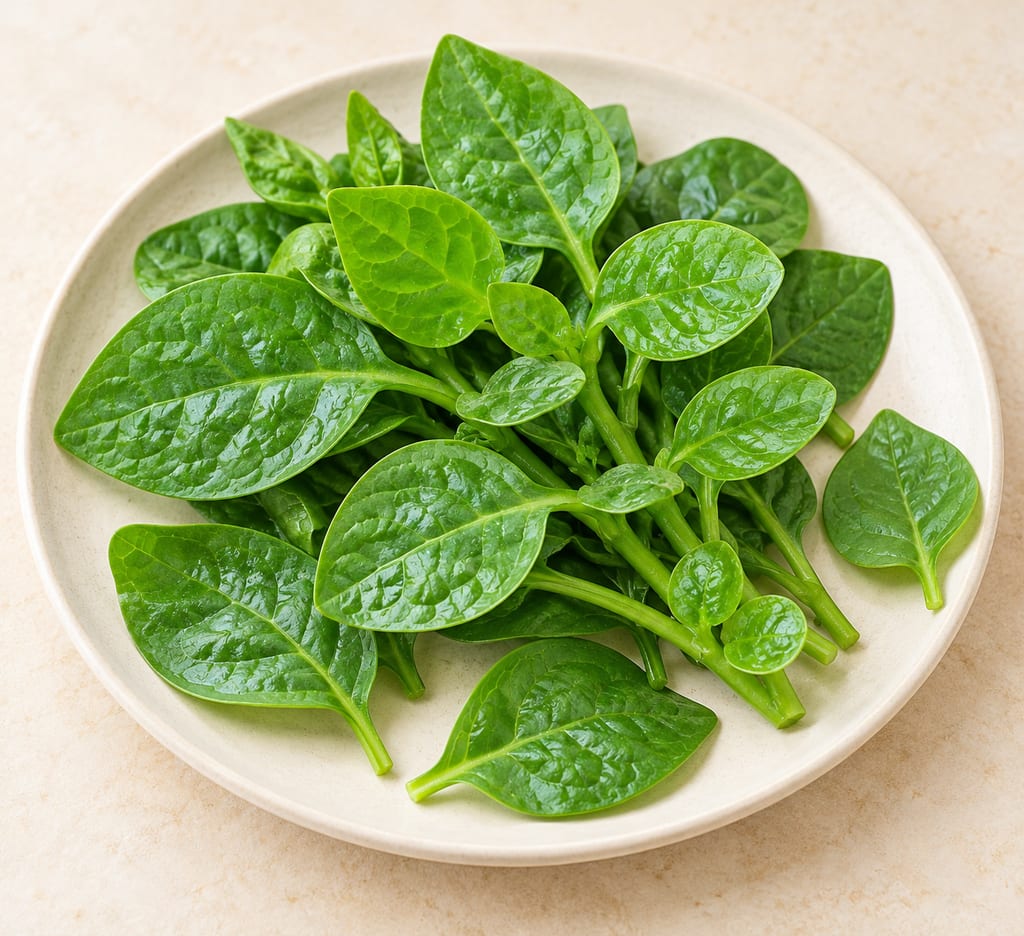
Malabar spinach, Basella alba, called alugbati in the Philippines, is a climbing leaf vegetable cooked in soups and stews. In New Caledonia an 1872 record shows it grown for dye.
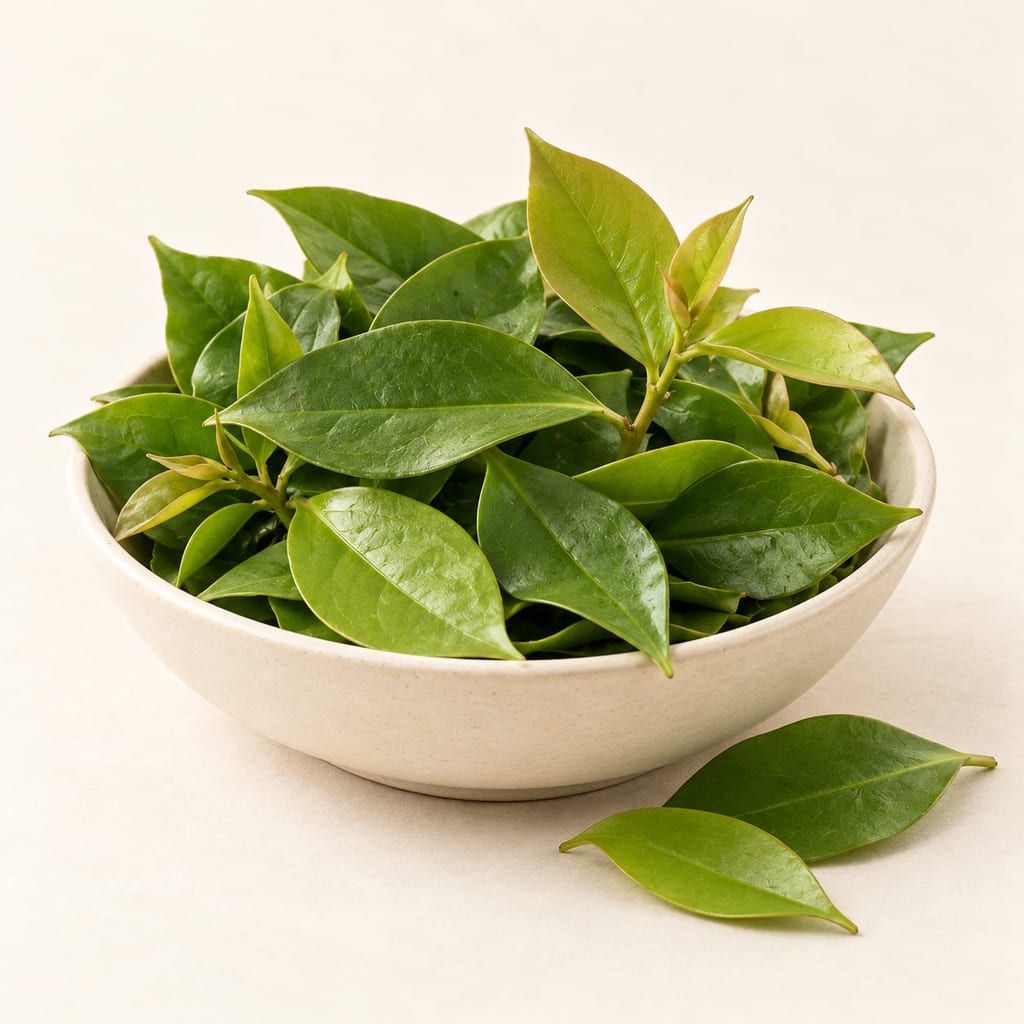
Embrapa documents ora-pro-nóbis as a leafy cactus used in parts of Minas Gerais and Goiás, with species-specific planting and harvest guidance and clear gaps around climate limits and food-safety validation.
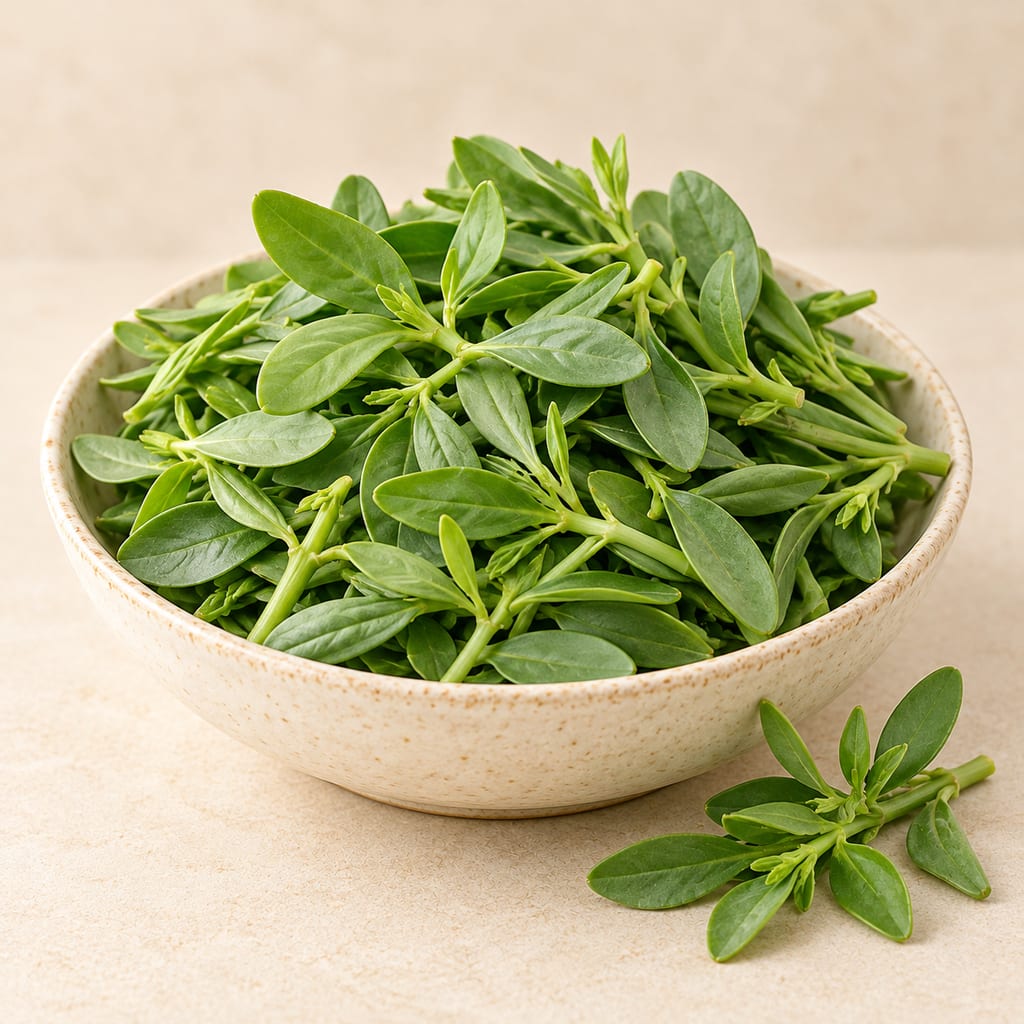
Waterleaf leaves and shoots are recorded as cooked vegetables and sauce thickeners in Nigeria, and in Thai soup and fried dishes; growing reports vary by source and setting.
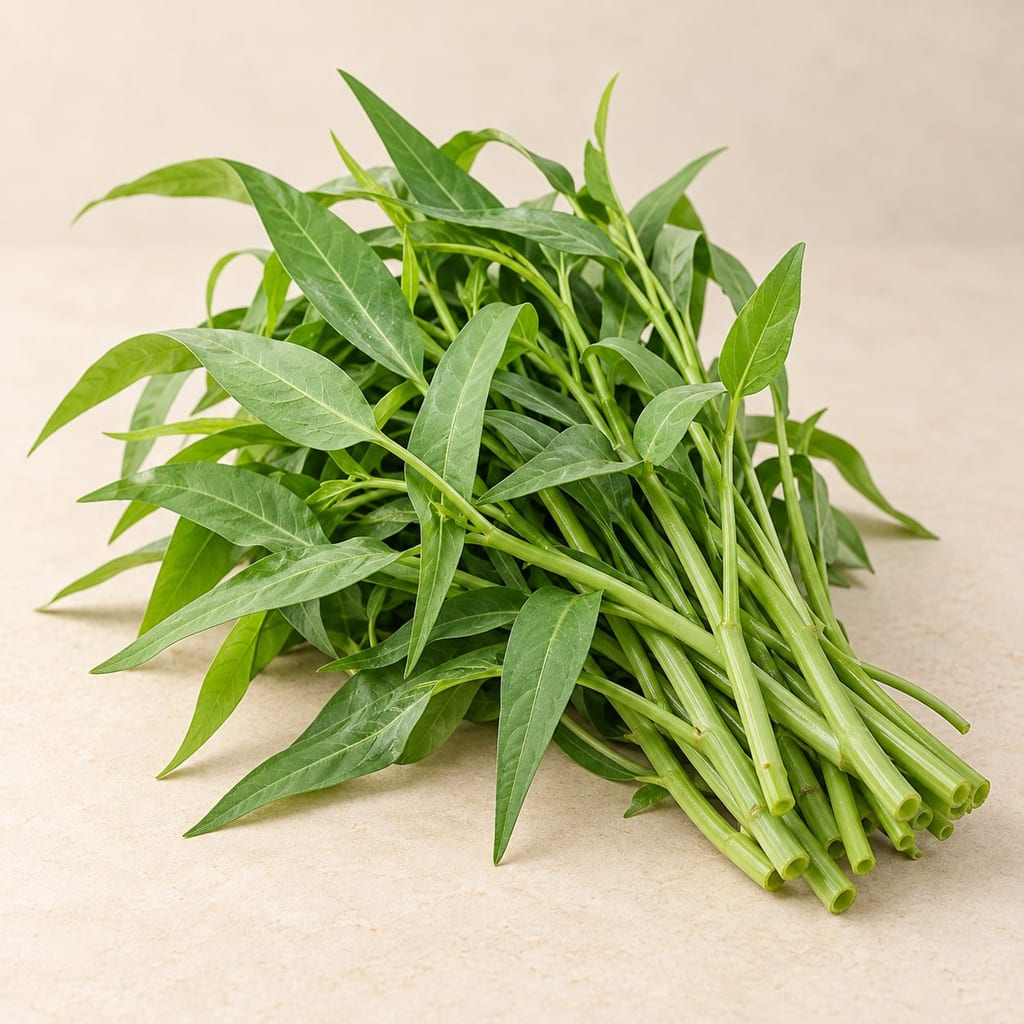
Bangladesh sources document Kolmi or Kalmi leaves and tender shoots as vegetables, alongside soil-pot, waterlogged-sack, pond-tray and protected hydroponic experiments. A contemporary abstract reports BARI’s historical Gimakalmi release, but cultivar continuity is unresolved; food notes and cultivation results remain source- and study-specific.
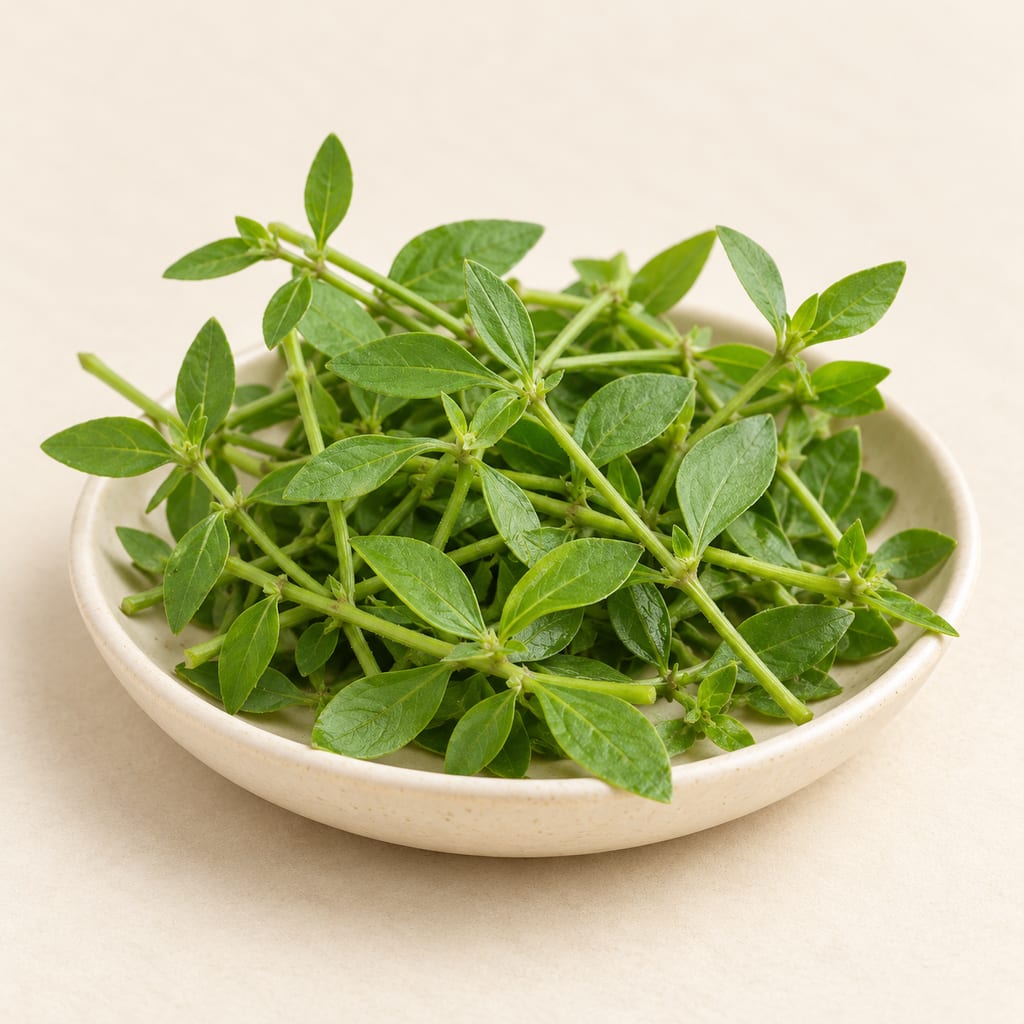
A source-scoped account of Sri Lankan Mukunuwenna crop forms, field guidance and two described household food preparations, with identity and recipe gaps kept explicit.
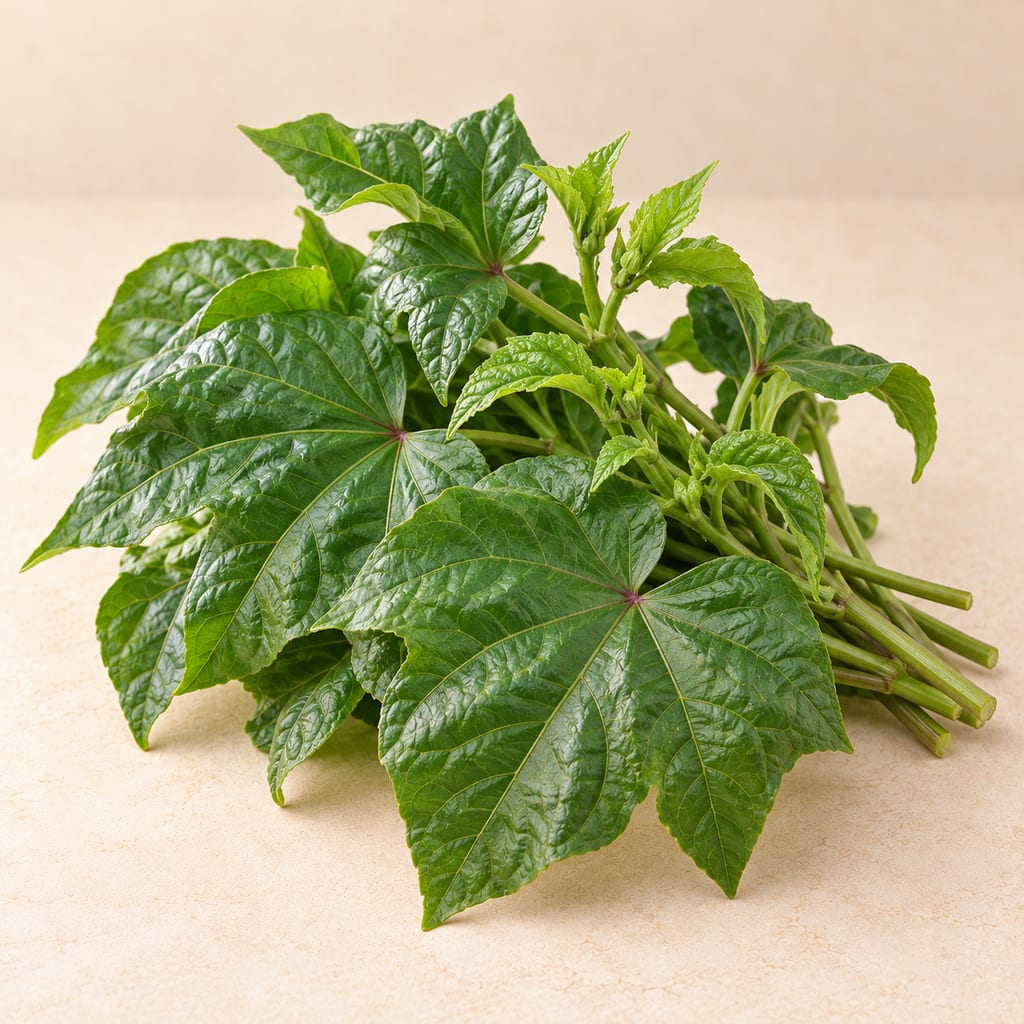
Papua New Guinea sources describe aibika leaves and shoot tips as cooked greens. Crop forms vary, and the reports do not identify a single cultivar or provide a complete recipe.
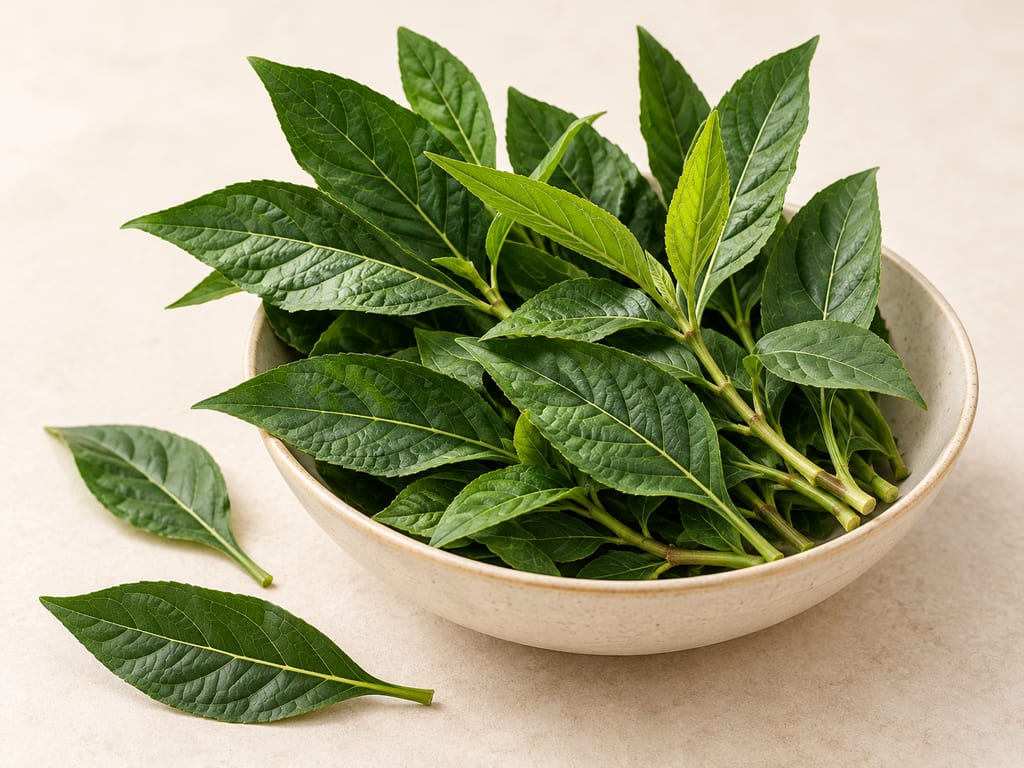
A source-linked account of bitterleaf as a West and Central African leafy vegetable, with its accepted-name synonym, reported household preparations and cultivation context kept distinct from safety guidance.
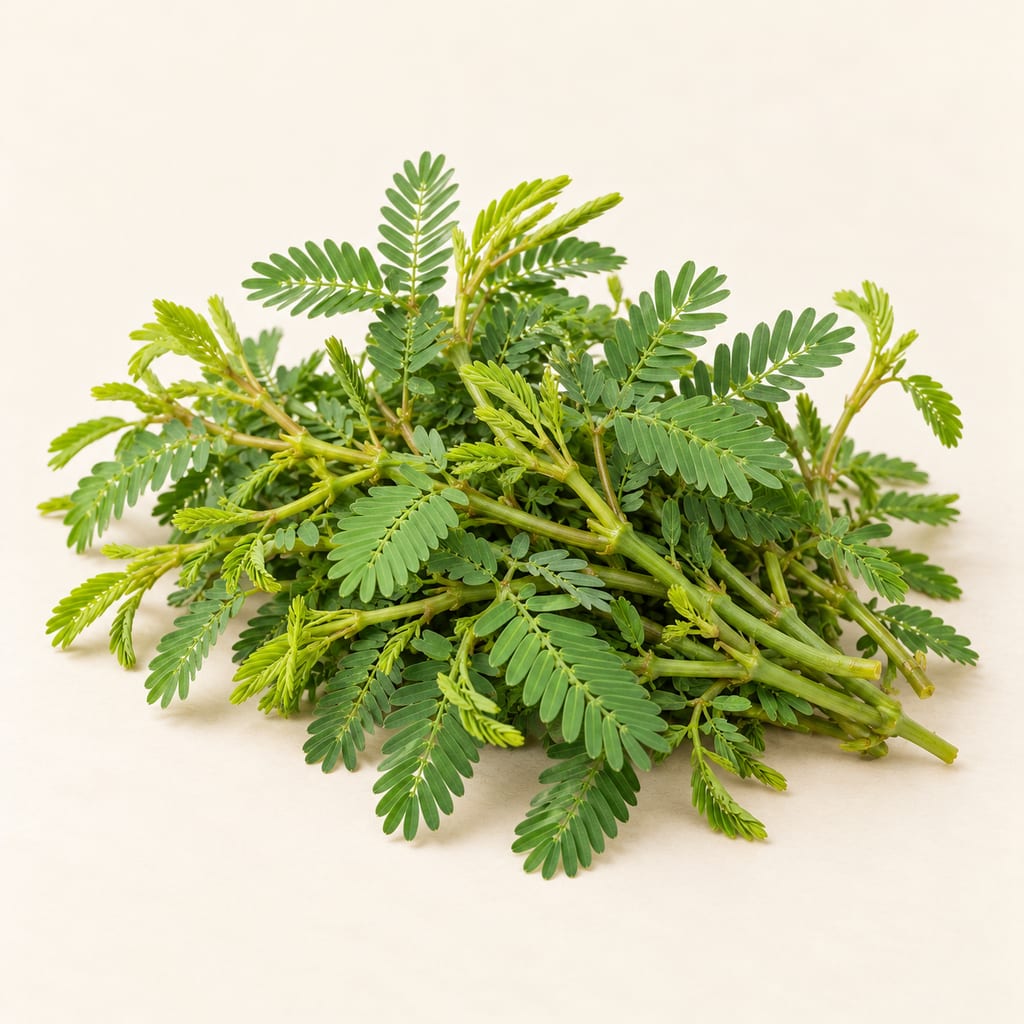
Lao market and field accounts describe water mimosa as a wetland vegetable, while a regional handbook records separate Thai cultivation practices.
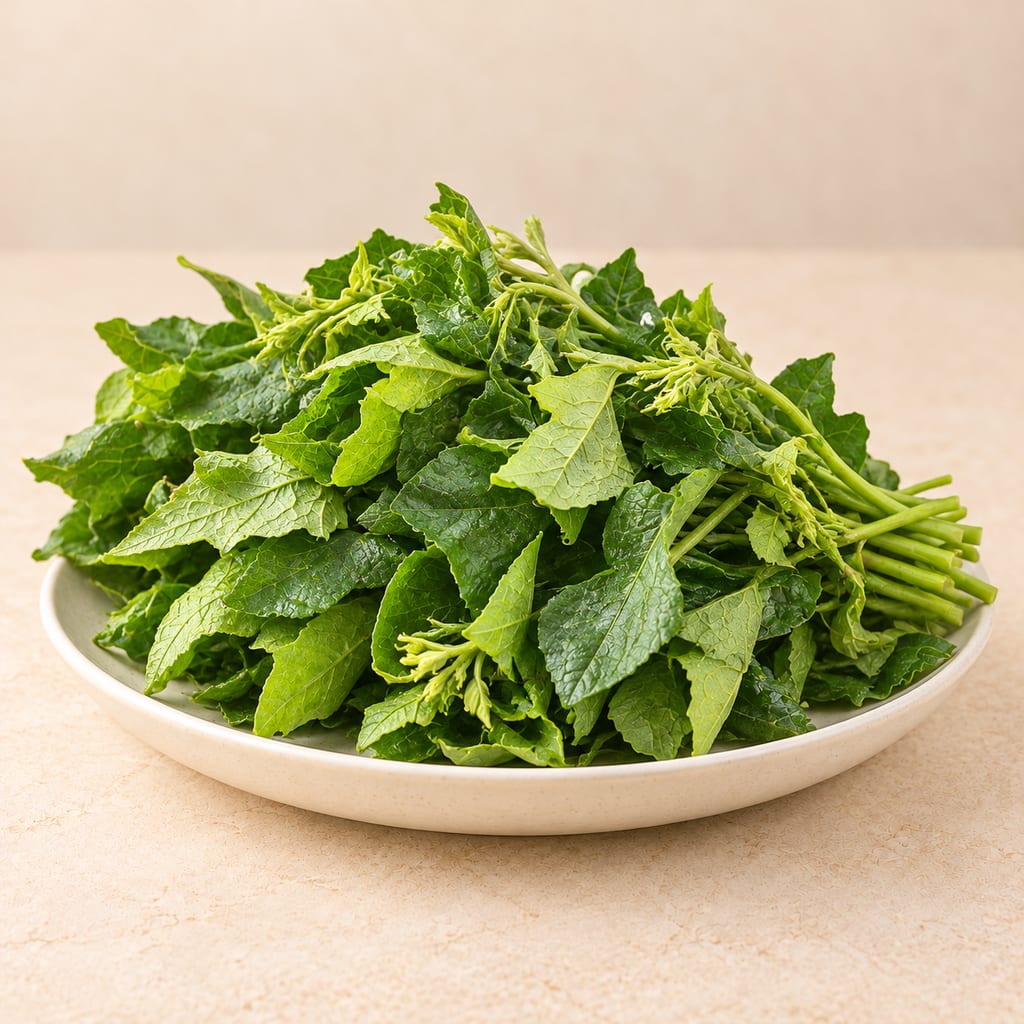
Kew accepts Telfairia occidentalis. Nigerian sources describe ugu and leaf, shoot and seed-kernel food uses, alongside institutional field-growing guidance whose regional scope and limits remain important.
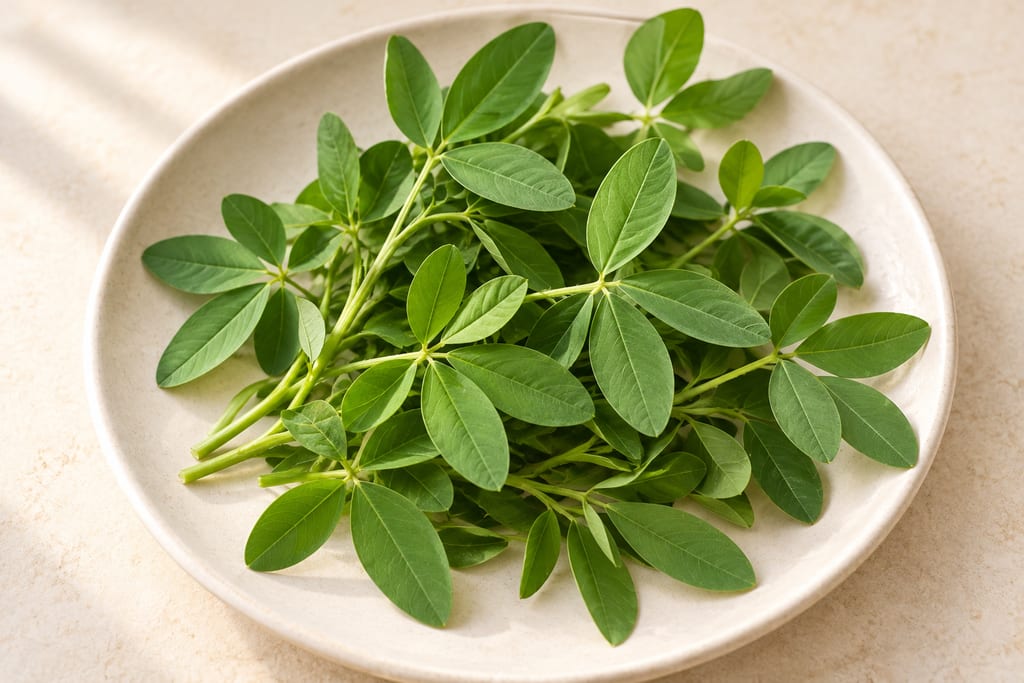
Kew accepts Crotalaria longirostrata. Guatemalan ICTA sources describe leaves, stems and tender shoots in cooked foods, while a community study reports market purchase of chipilín that was absent from the sampled village. Similar names and source-reported hazards do not provide a plant-identification or preparation-safety rule.
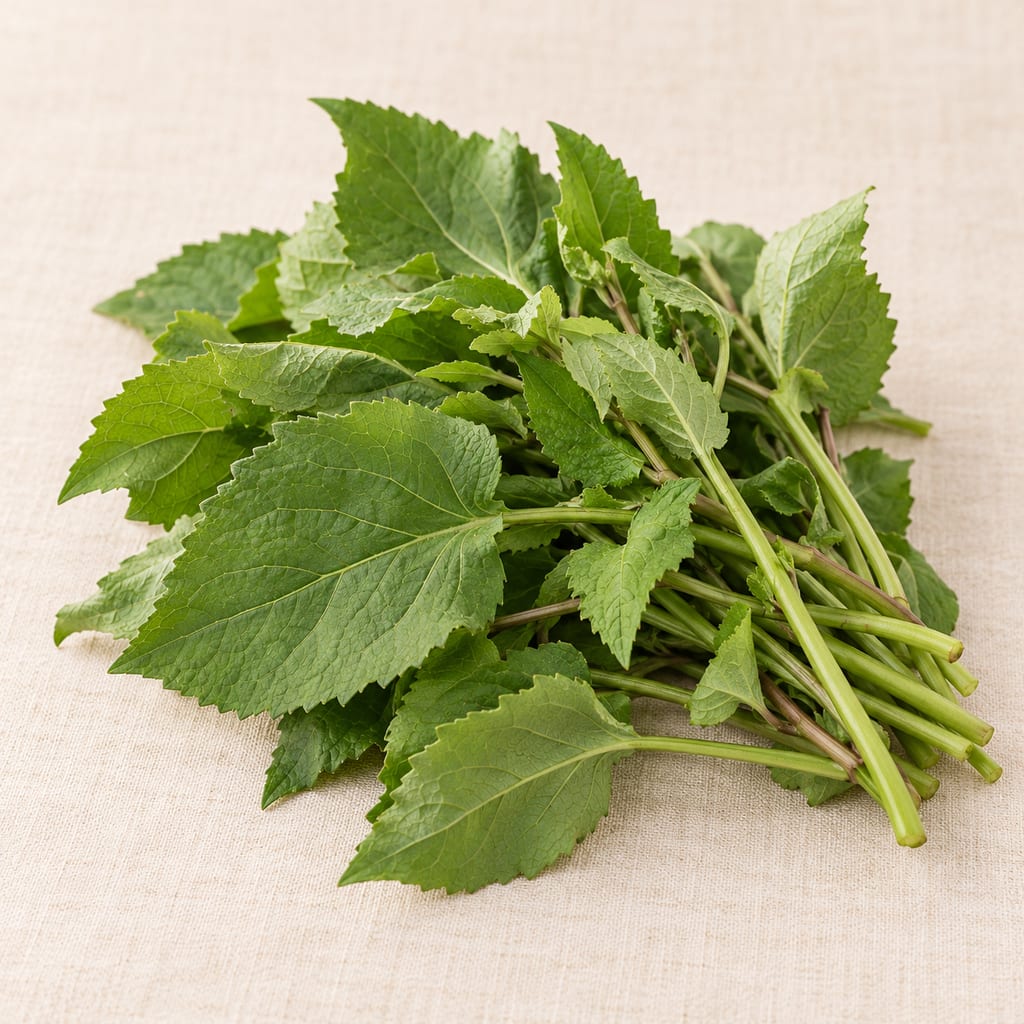
Korean extension sources describe chamchwi as a spring leafy crop and name a Chungcheongbuk-do rice wrap. The RDA crop page gives nursery and field guidance, while container evidence comes from a shared multi-crop balcony model rather than a chamchwi-specific trial.
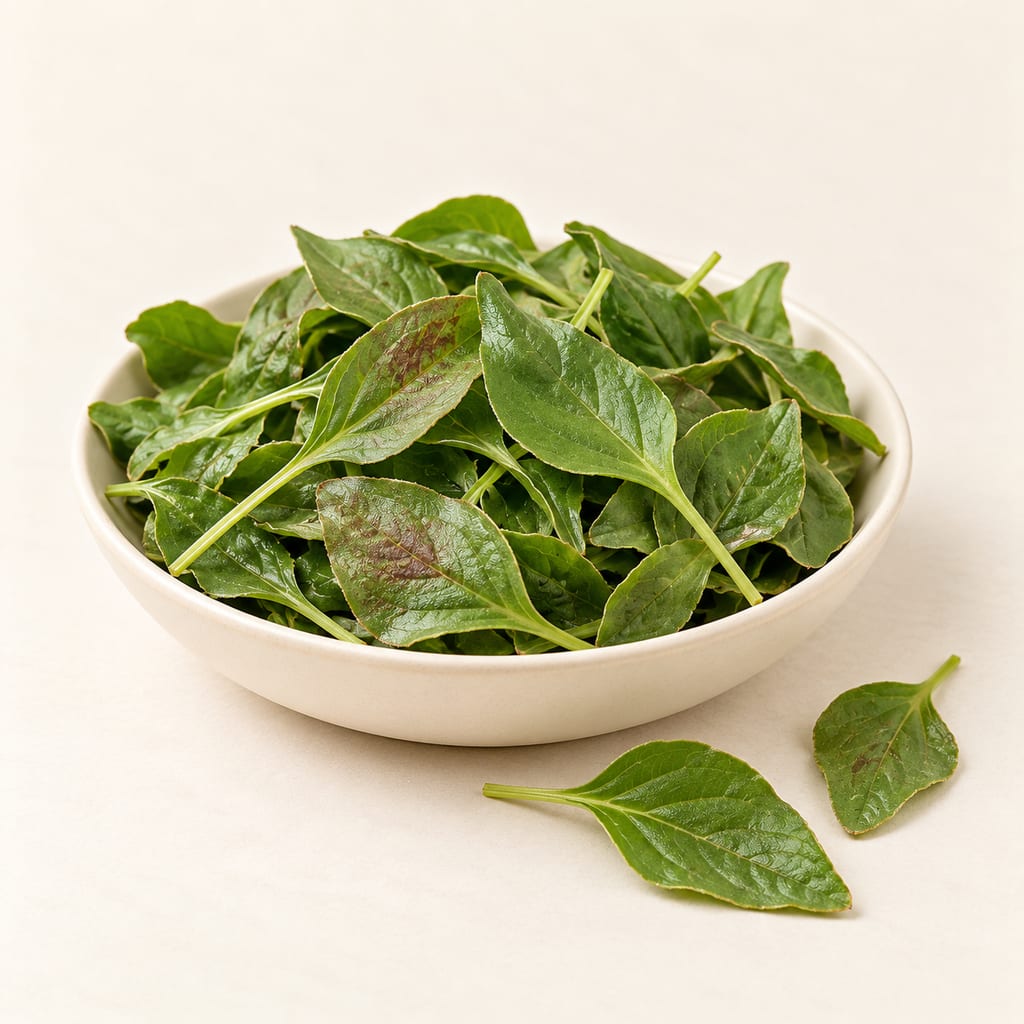
A Kabbe survey lists Amaranthus thunbergii leaves as a leafy vegetable, but its preparation field is ambiguous. Similarity to A. dinteri complicates older food records, and cultivation evidence is limited to one trial known through indexed excerpts.
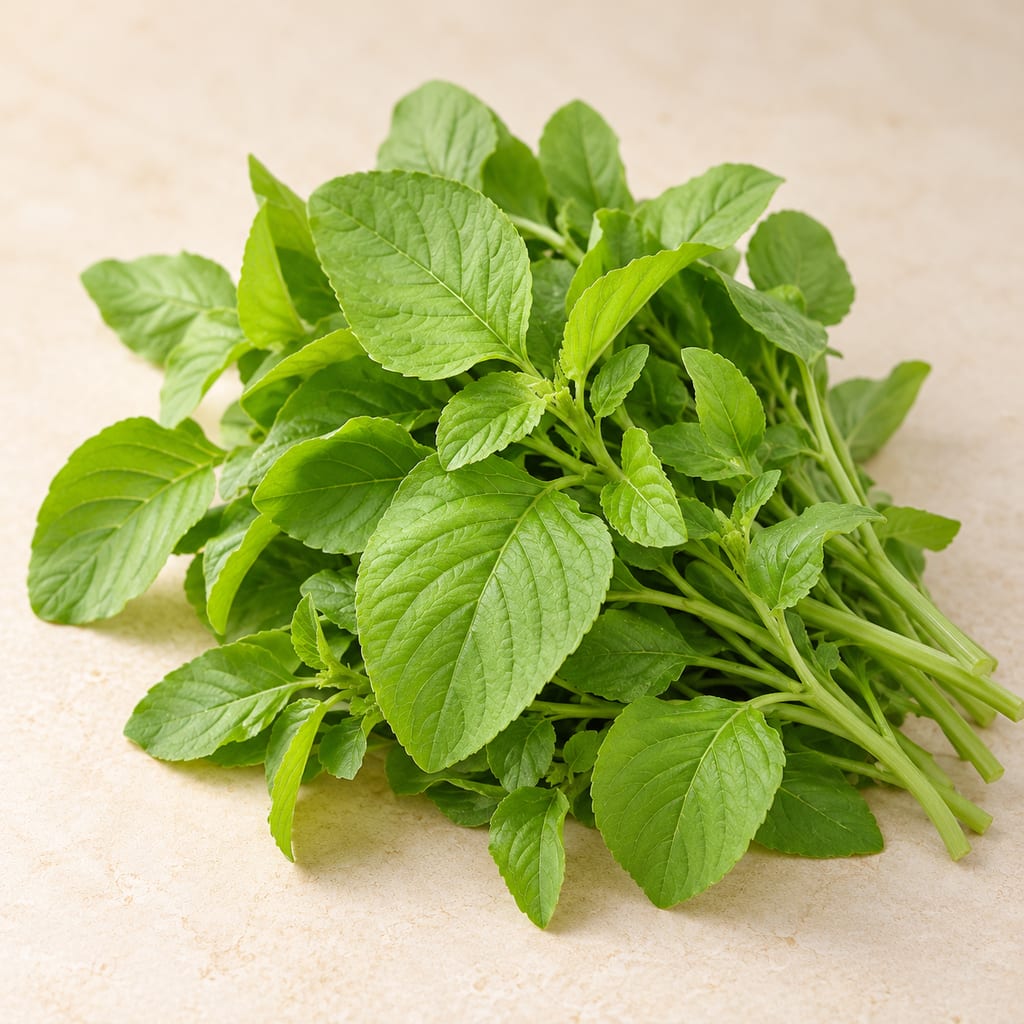
Fiji and Mauritius sources describe Amaranthus viridis food use and crop guidance; local labels and regional field advice remain tied to their own sources.
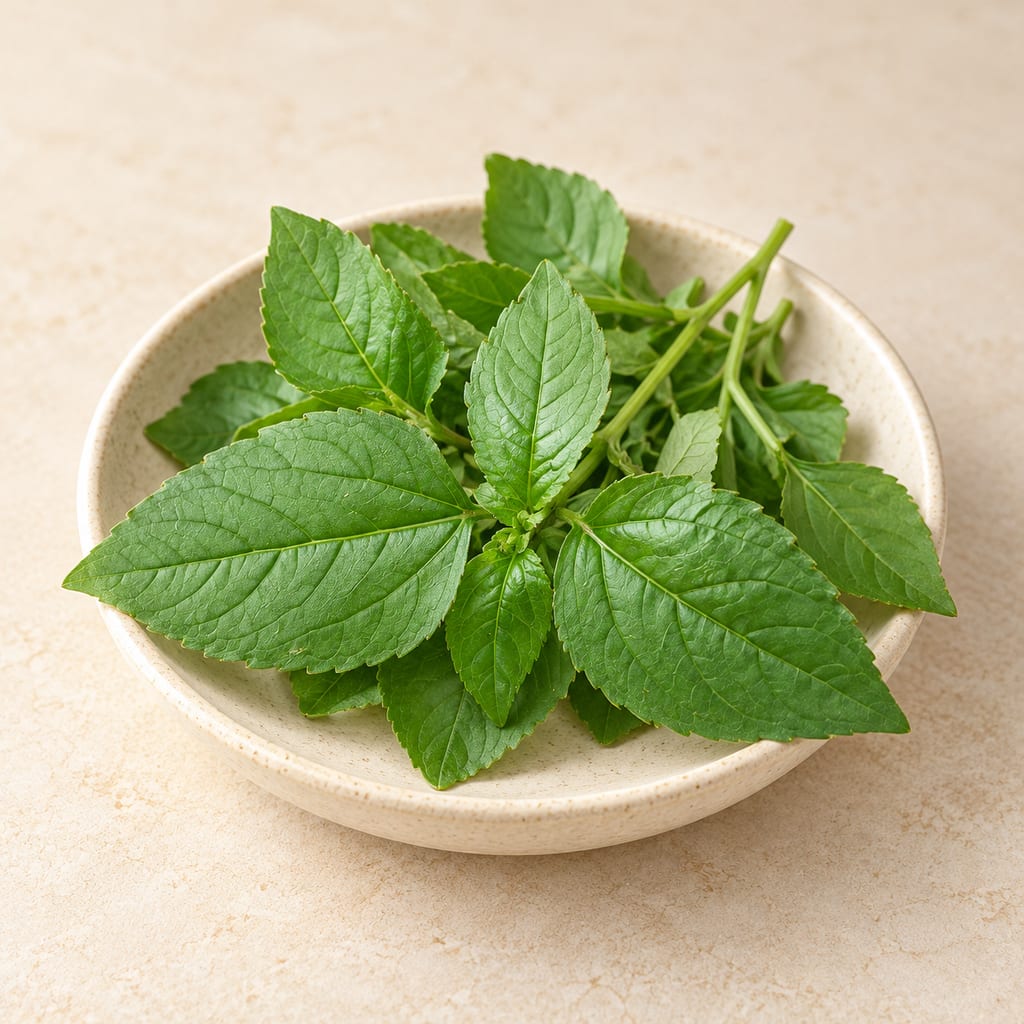
Jambu is a Brazilian leafy crop described in Pará food traditions; botanical authorities and Brazilian profiles differ on its origin, while cultivation evidence is specific to Embrapa guidance and a small set of Pará experiments.
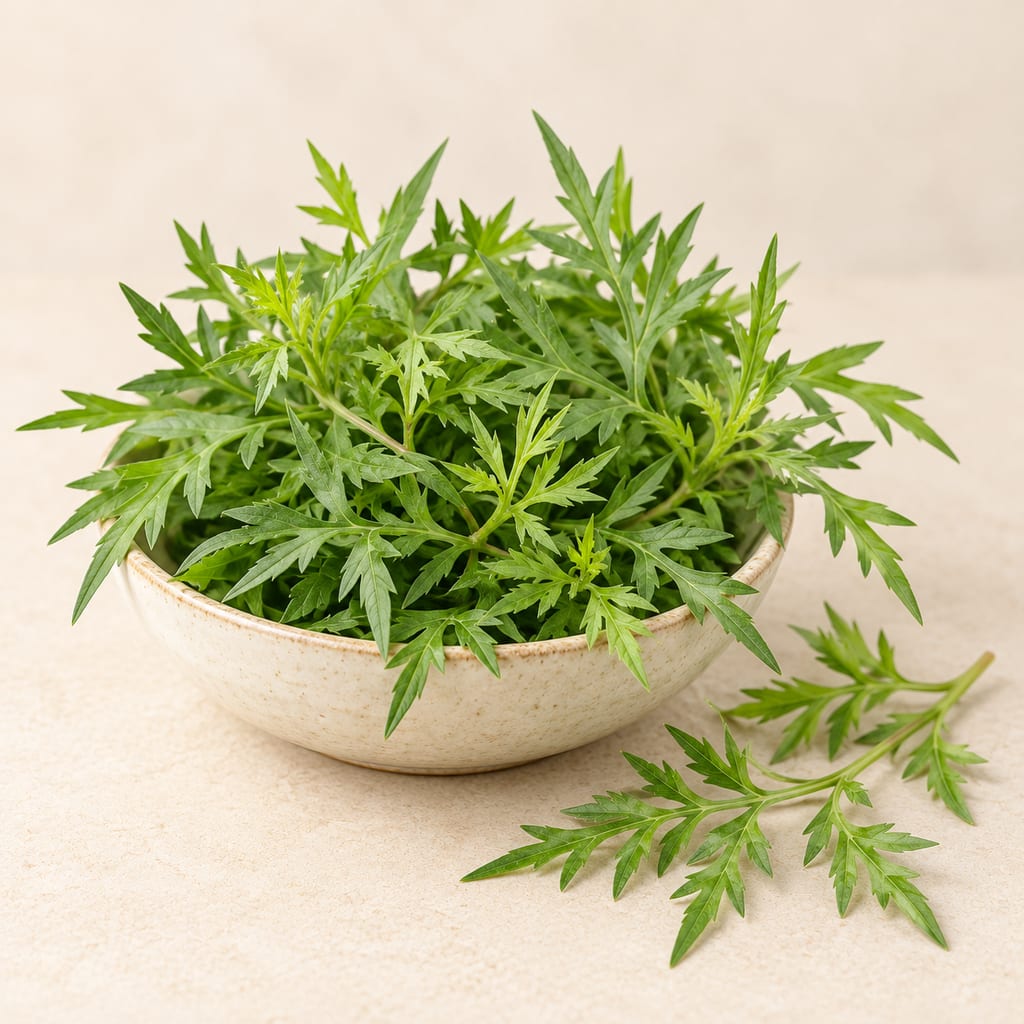
Kenikir is a leafy Cosmos caudatus vegetable documented in Indonesia; sources describe raw and cooked use, while a shared name with C. sulphureus leaves identification uncertain.
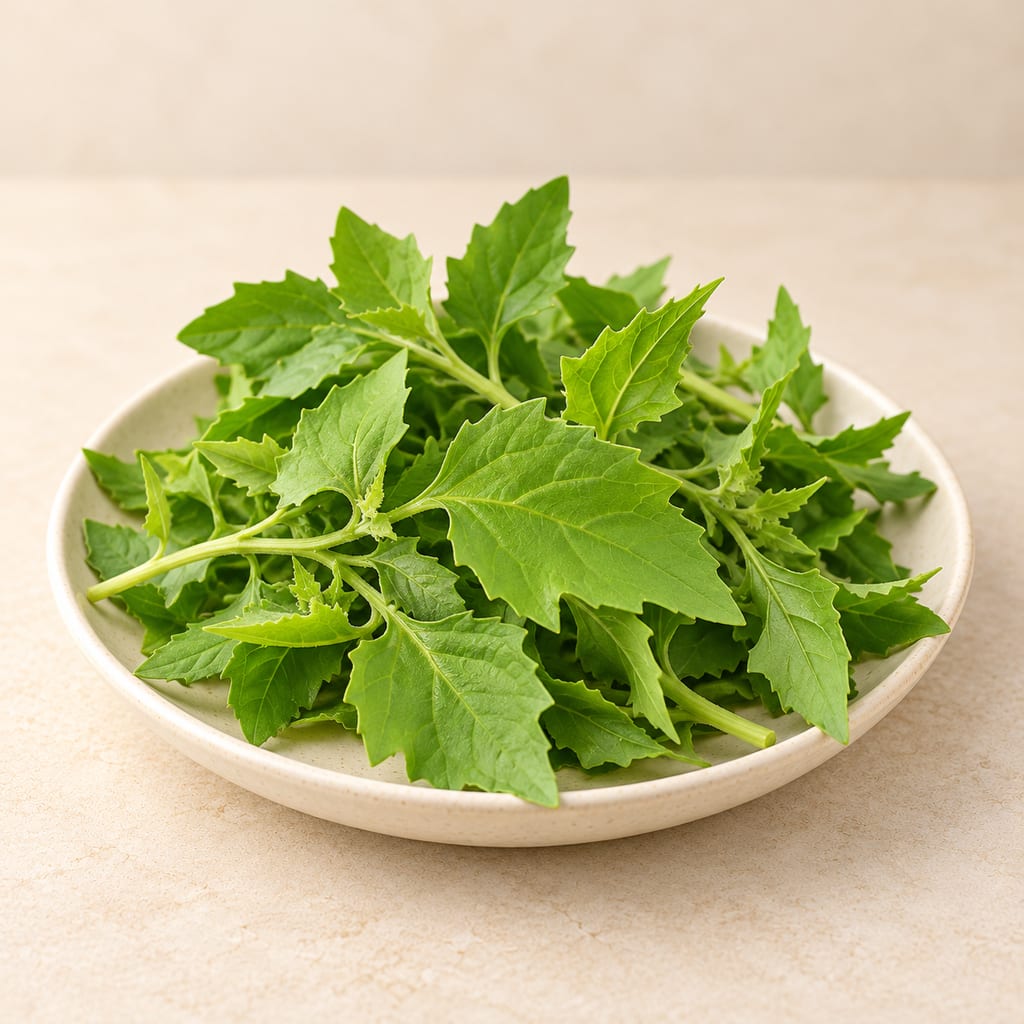
Chenopodium album is a widespread annual with documented leafy-vegetable use in parts of India. Cultivated bathua trials and food-composition experiments describe particular plants and samples, not a universal foraging or safety method.