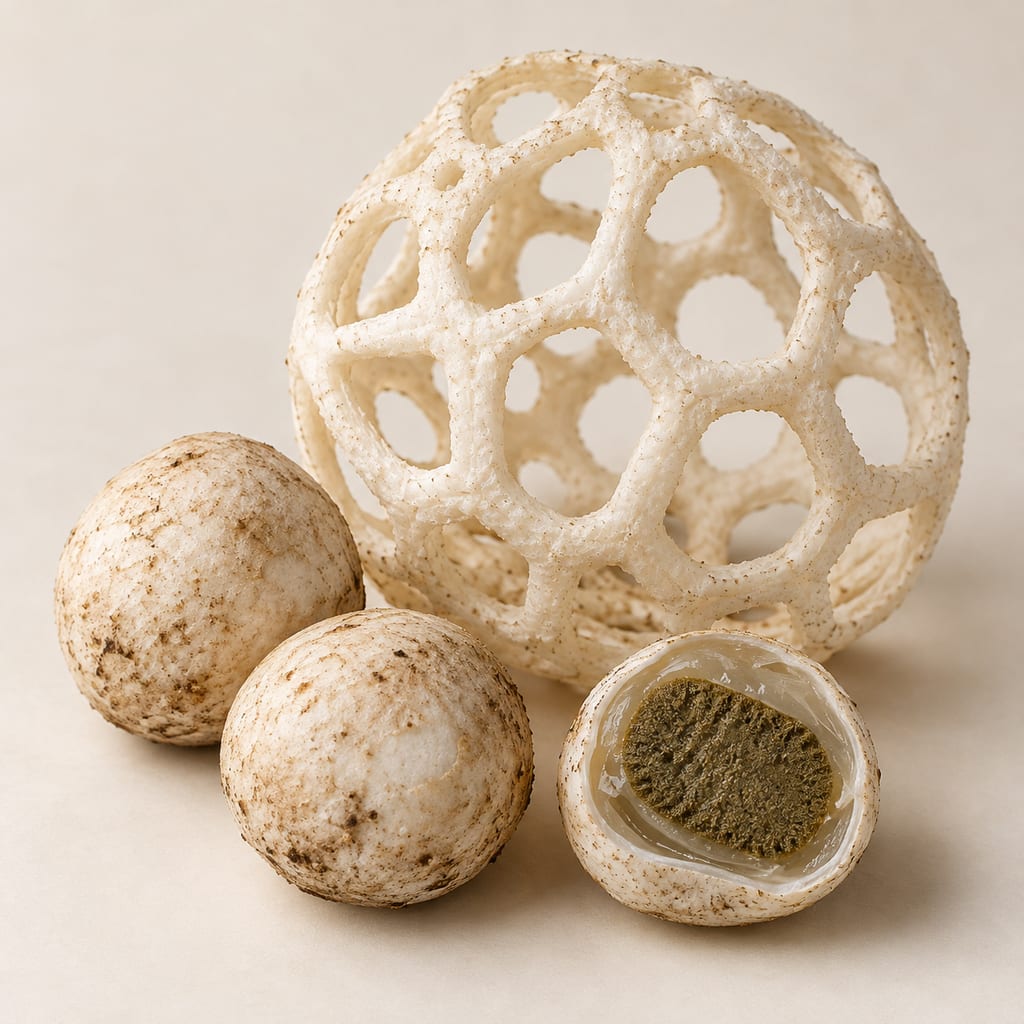
Basket fungus
Ileodictyon cibarium, a New Zealand stinkhorn fungus with a lattice basket. Historical Māori accounts record its unexpanded egg stage as food. Modern edibility has not been verified.
 FermenteaWhere food goes to change
Substrates
Kōkihi, New Zealand spinach or warrigal greens (Tetragonia tetragonoides): a coastal leaf vegetable of Australia and New Zealand, eaten after blanching because of its oxalic acid.
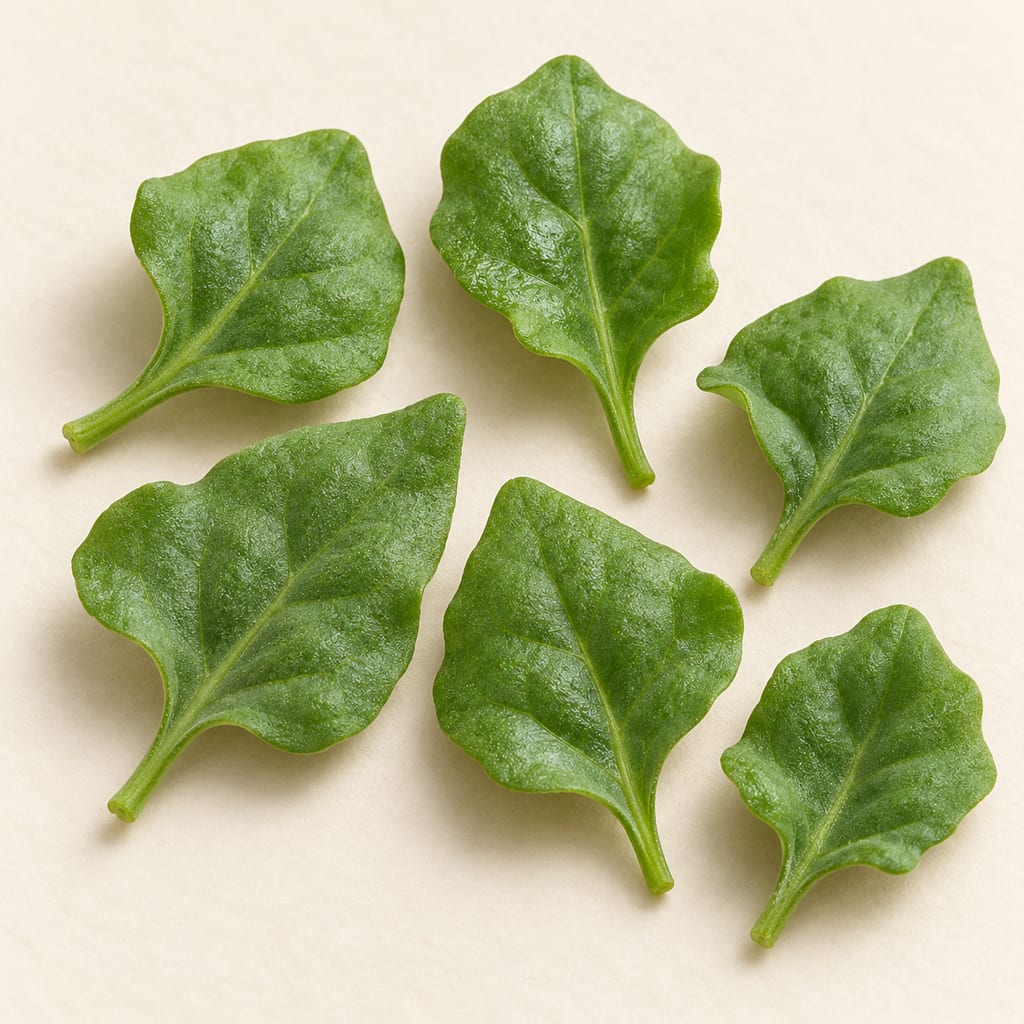
Flora of New Zealand accepts Tetragonia tetragonoides (Pall.) Kuntze and records the publication as "as tetragonioides". The name Tetragonia expansa is listed as an illegitimate synonym. Kōkihi and New Zealand spinach are recorded common names; warrigal greens is the common name in Australia. The common name does not make this ordinary spinach (Spinacia oleracea), and another Tetragonia species, T. trigyna, is similar enough that this page is not a field identification guide.
In Aotearoa New Zealand the species is indigenous but not endemic, and local records describe coastal strand, dunes, and stony or rocky shore habitats. New Zealand flowering and fruiting months are local phenology observations, not a universal sowing calendar. NParks records a native range in Australia and New Zealand and notes agricultural-weed status in parts of Queensland. The New Zealand Plant Conservation Network reports an At Risk – Naturally Uncommon assessment for New Zealand and threat from disturbance of coastal sands and stony beaches. These regional records do not grant permission to gather plants or establish a current local collection rule.
NParks lists the leaves as edible and says young leaves are used like spinach, while also warning that oxalic acid may irritate the throat and recommending blanching and discarding the water. RHS describes the leaves as edible and mentions raw or wilted use; this account does not treat that wording as a safety conclusion. The University of Melbourne cookbook includes a named "Wilted Warrigal Greens" batch. Its previously inspected method blanches and drains leaves before combining them with cooked ingredients, but the cookbook PDF could not be reopened for this review, and its method is not a validated oxalate-removal or food-safety endpoint. No medicinal benefit is claimed.
Accounts of Aboriginal use of warrigal greens differ in emphasis. An SBS/NITV article quotes the D'harawal botanist Aunty Fran Bodkin describing leaves dipped in hot water and rubbed to remove their fine hairs before eating. A Warndu bush-food guide says records do not show the plant featuring widely in Aboriginal cooking, while noting its place in Māori cuisine.
Commercial bush-food pages also give conflicting origins for the name "warrigal", so the etymology is treated as unsettled here. The hot-water method is a reported practice, not a validated oxalate endpoint, and this page does not recommend it as a safety procedure.
RHS describes growing this plant in full sun in moderately fertile, moist but well-drained soil, lists chalk, clay, loam, and sand, and recommends seed propagation and frost protection. Its H3 rating applies to UK conditions, where the RHS scheme describes H3 as hardy in coastal and relatively mild parts of the UK; it is not a global temperature limit. RHS lists patio and container, conservatory, and greenhouse settings but gives no pot dimensions or protected-crop setpoint. The New Zealand network says it is easily raised from seed, self-sows freely, is frost tender, and may resprout from the base when warmer weather returns. NParks lists full sun and moderate water in a Singapore profile. These are separate regional descriptions, not a universal crop schedule or proof that salt exposure improves yield.
Flora of New Zealand records kōkihi among this plant's common names. A Landcare ethnobotany entry is explicitly headed Tetragonia spp. and groups historical food references at that genus-level scope; those uses cannot be assigned exclusively to T. tetragonoides or to a particular iwi here. This page therefore keeps that historical account distinct from the named contemporary cookbook recipe. No source reviewed here establishes a validated residual oxalic-acid level after household preparation, a safe serving amount, a storage period, or a complete productive container or greenhouse protocol.
Indigenous but not endemic; coastal strand, dune and stony shore habitats. The Warndu guide notes its place in Māori cuisine.
Native range per NParks; the Aboriginal preparation accounts are not assigned to a specific Nation.
Ileodictyon cibarium, a New Zealand stinkhorn fungus with a lattice basket. Historical Māori accounts record its unexpanded egg stage as food. Modern edibility has not been verified.
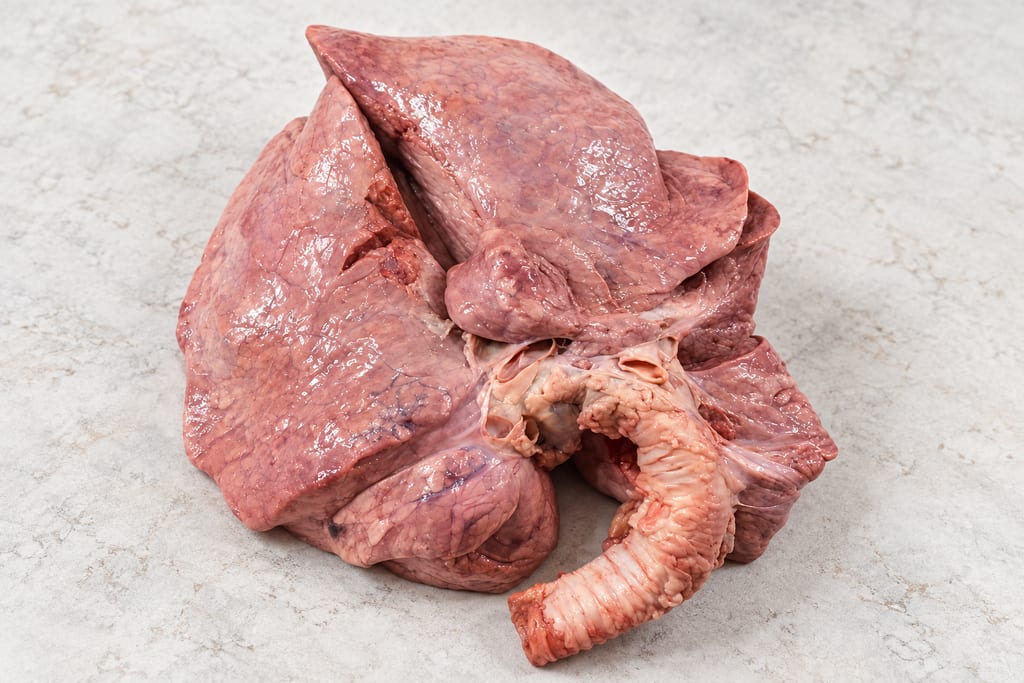
Beef lung is cattle offal used in regional Indonesian dishes and studied as a substrate for a modern fermented-sauce proof of concept. Culinary, regulatory and experimental uses vary; the sources support no universal process.
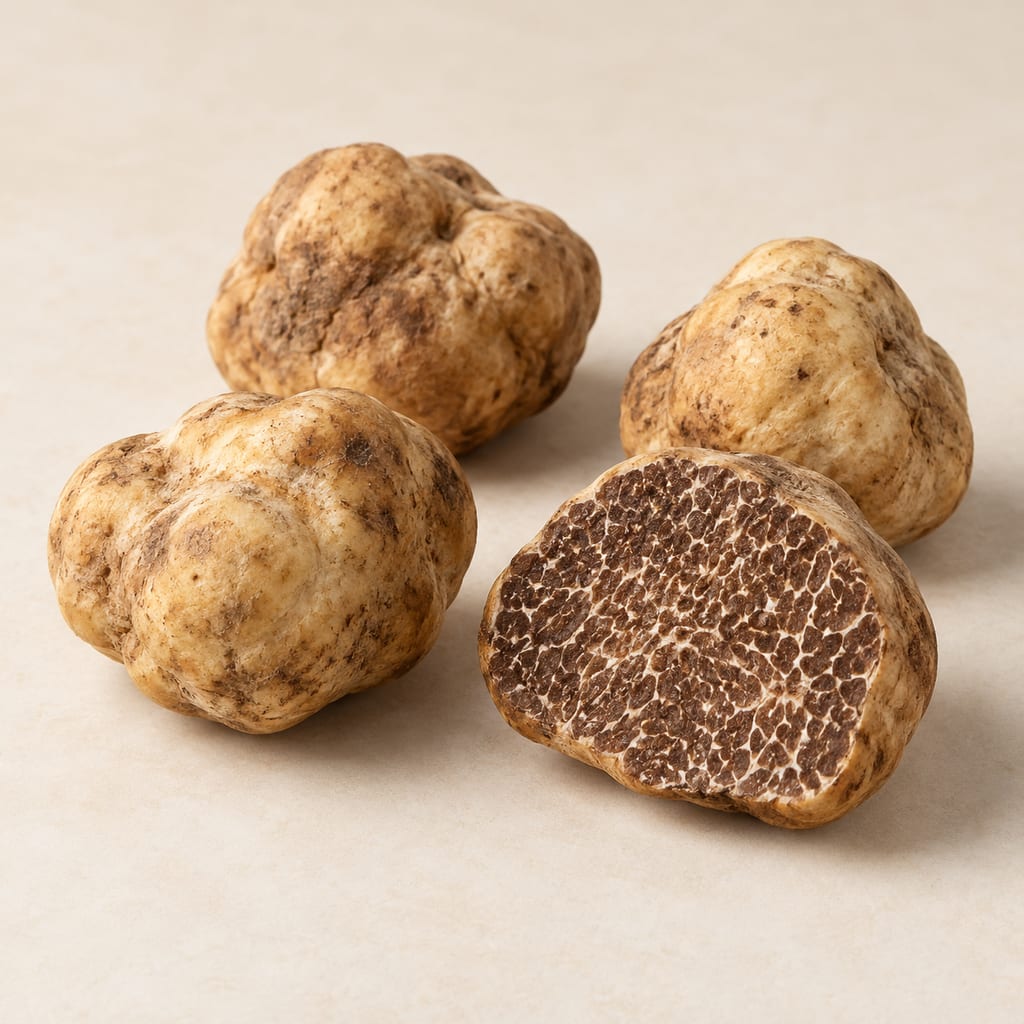
Tuber borchii, the bianchetto truffle, is a pale, pungent truffle that grows with trees and is now cultivated in Italy. It is used as a seasoning and is distinct from the costly white truffle, Tuber magnatum.
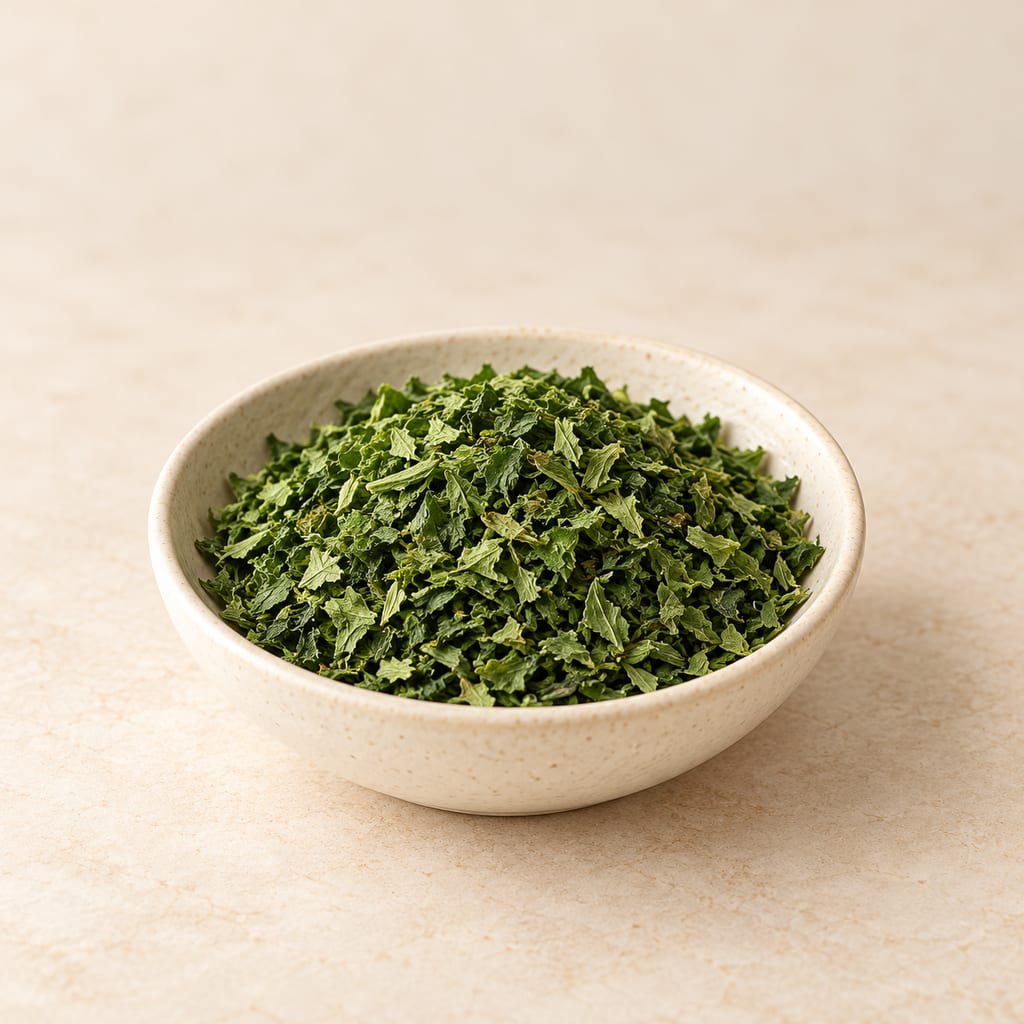
Dried parsley is the dehydrated leaf of Petroselinum crispum, sold as flakes, granules or powder for its herbal aroma and green flecks.
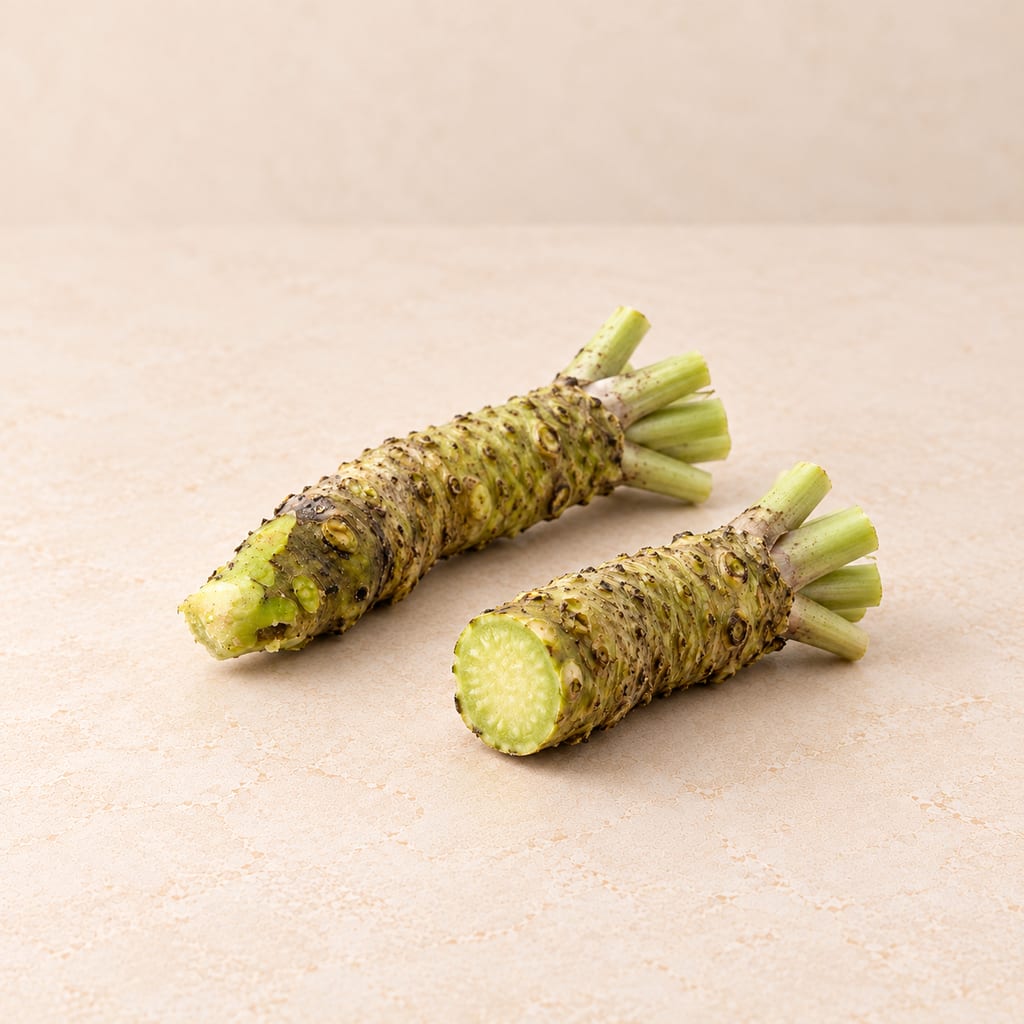
Wasabi is the enlarged stem of Eutrema japonicum, a pungent perennial in the mustard family. Fresh rhizome is grated as a Japanese condiment; powder and prepared paste are separate products.
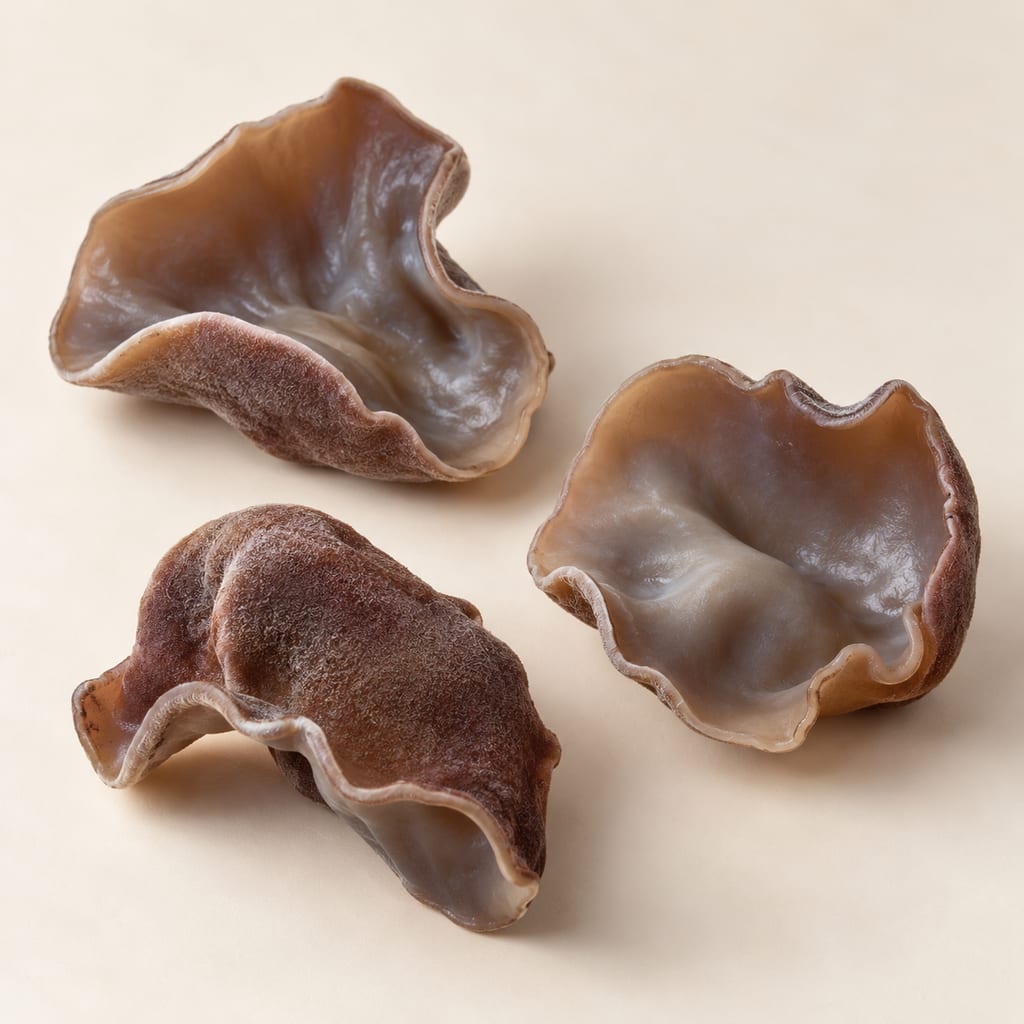
Auricularia cornea, a gelatinous wood-decay fungus recorded as food in the Congo and Asia, and cultivated and sold dried in China. It is mild in taste, and its name has been confused with Auricularia polytricha.
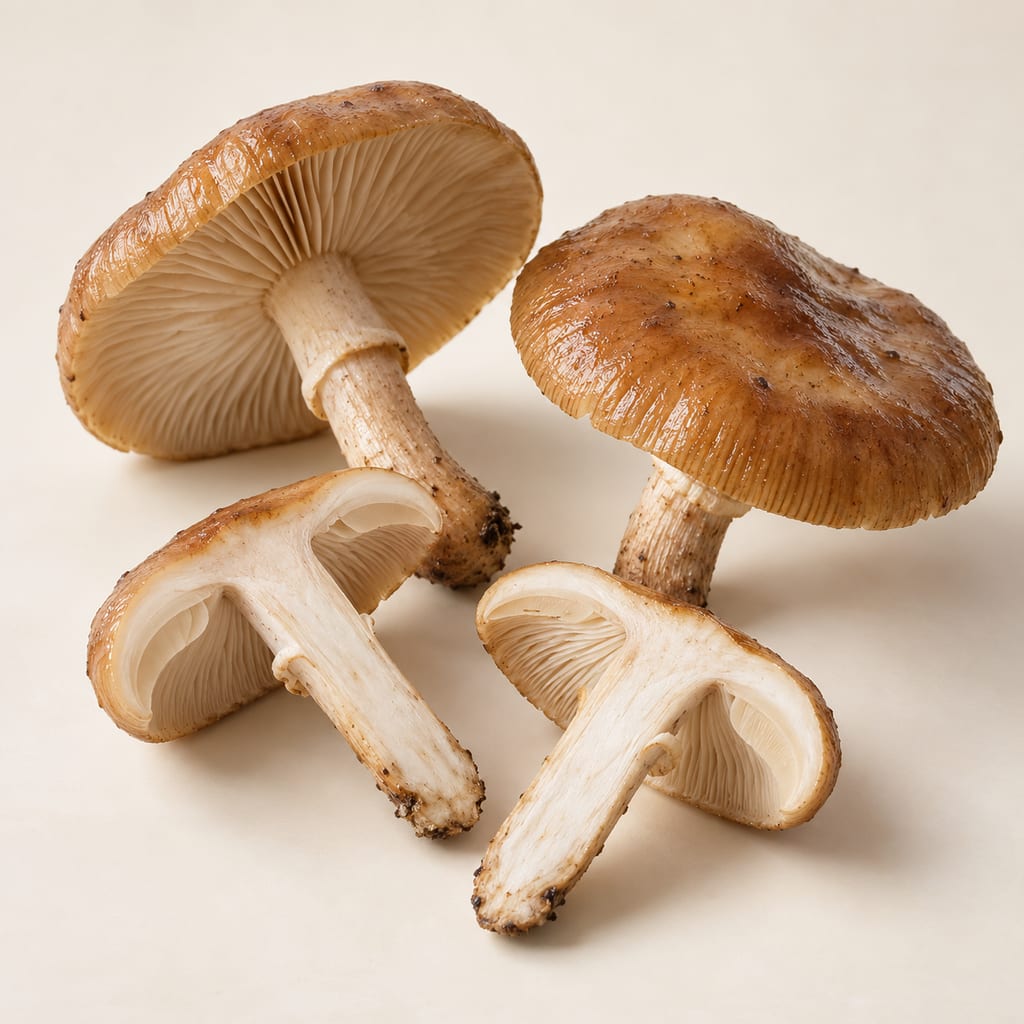
Harore, Armillaria novae-zelandiae, is a New Zealand honey fungus that grows in clusters on wood and is gathered as a traditional food by Tuhoe, with a cooking rule and close look-alikes to know.
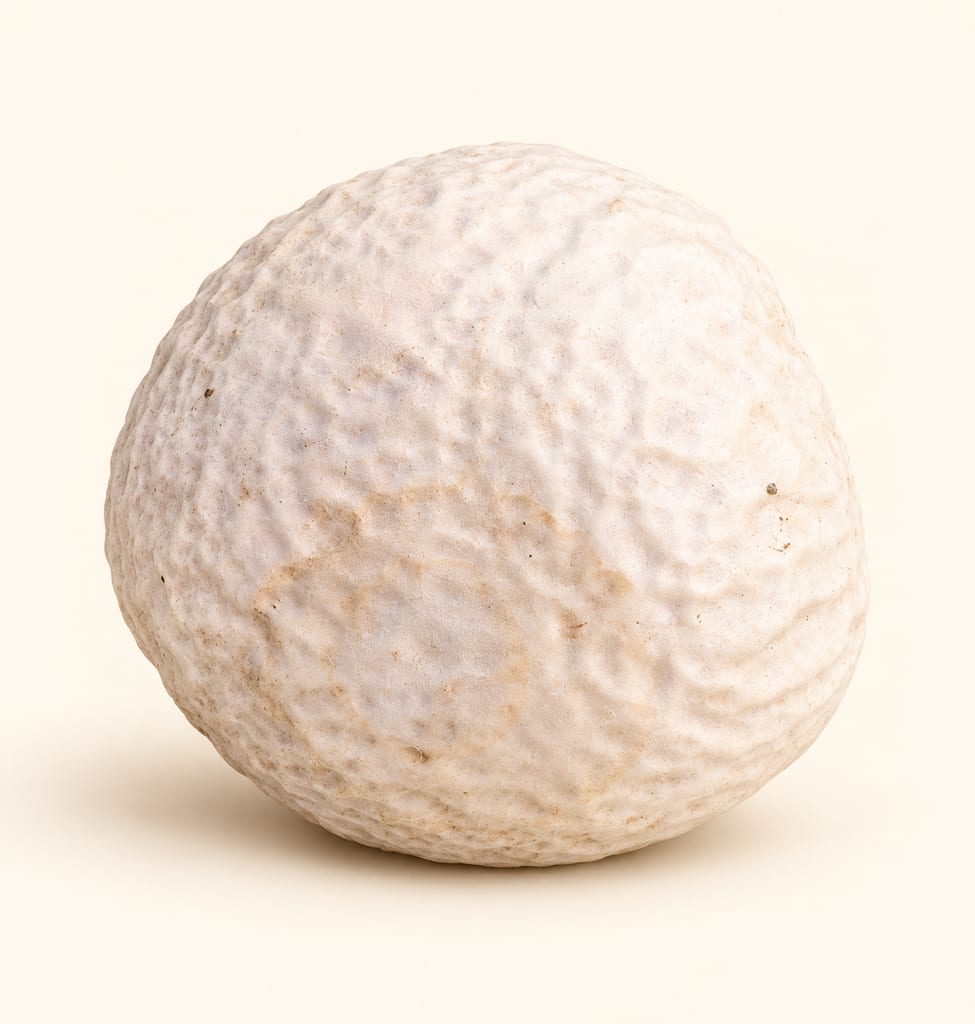
Calvatia lilacina is a lilac-tinted puffball with regional natural-history records and historical edible listings whose taxonomic and safety limits remain important.
No community contributions have been published for this entry yet.
Sign in to contribute. Published comments and photos are free to read.
Manaaki Whenua – Landcare Research / Flora CommitteeIdentity
Flora of New Zealand taxon record: Tetragonia tetragonoidesAccepted name and synonym
Kōkihi and New Zealand spinach as common names
Cited in: Name and plant boundaries; Regional context; Cultural attribution and open questions
New Zealand Plant Conservation NetworkIdentity · Growing · Conservation
Tetragonia tetragonoides fact sheetConservation status in New Zealand
Propagation and frost tenderness
Cited in: Name and plant boundaries; Regional context; Growing reports and their limits
National Parks Board Singapore, Flora & Fauna WebUse · Geography
Tetragonia tetragonioidesNative range in Australia and New Zealand
Young leaves used like spinach; blanch and discard the water
Cited in: Regional context; Leaf use and source-specific preparation; Growing reports and their limits
Royal Horticultural SocietyGrowing
Tetragonia tetragonoides: RHS Plant ProfileUK cultivation profile, H3 rating
Cited in: Leaf use and source-specific preparation; Growing reports and their limits
University of Melbourne; project partners and William Angliss InstituteUse
Native Harvest Kitchen cookbookA Wilted Warrigal Greens batch that blanches and drains the leaves
Cited in: Leaf use and source-specific preparation
Ngā Rauropi Whakaoranga / Manaaki WhenuaHistory
Tetragonia spp. Kōkihi. New Zealand spinach.Historical food references grouped at genus level
Cited in: Cultural attribution and open questions
SBS NITVUse · History
Here are some of Australia's most unique plants growing in Sydney's newest native gardenAunty Fran Bodkin describes leaves dipped in hot water and rubbed to remove fine hairs
Cited in: Contested accounts of Aboriginal cooking
WarnduUse · History
Get your (Warrigal) Greens: First Nations food guideRecords do not show wide use in Aboriginal cooking
Place in Māori cuisine
Cited in: Contested accounts of Aboriginal cooking