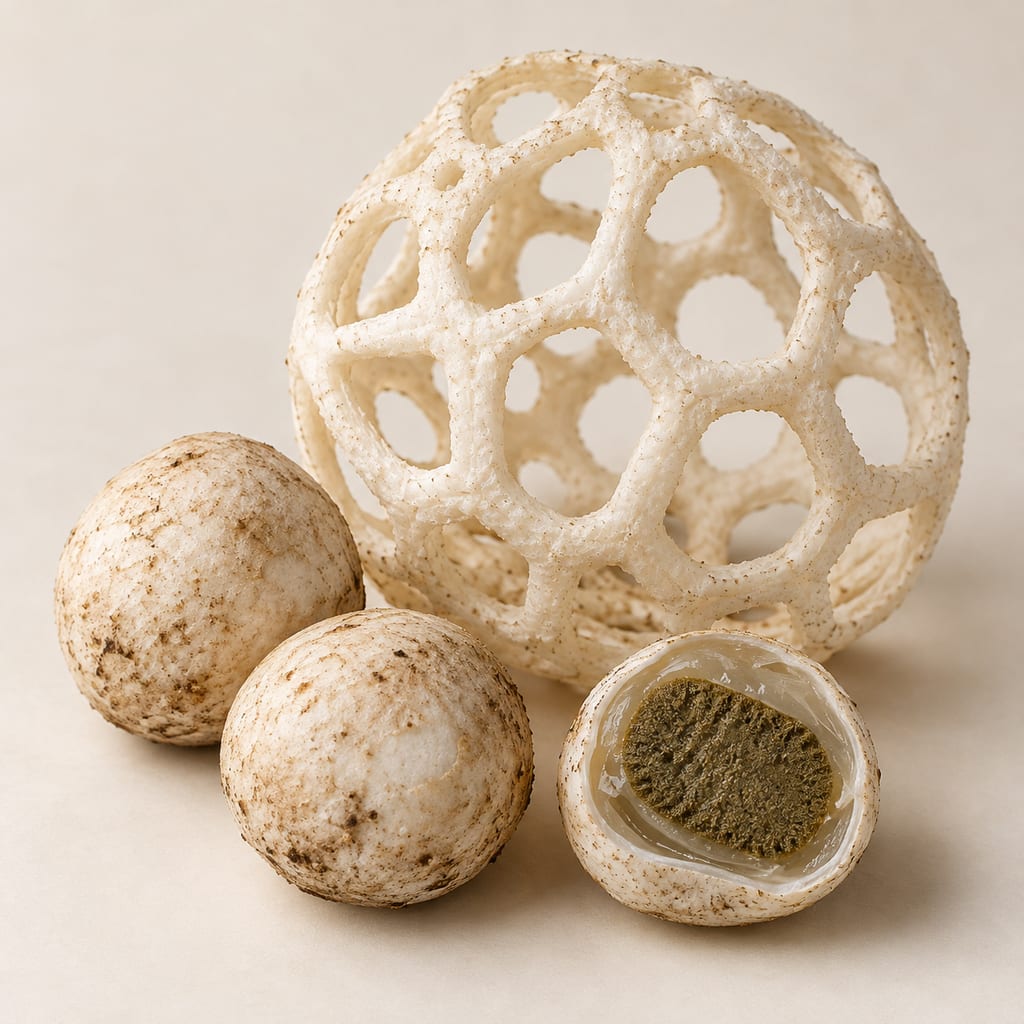
Basket fungus
Ileodictyon cibarium, a New Zealand stinkhorn fungus with a lattice basket. Historical Māori accounts record its unexpanded egg stage as food. Modern edibility has not been verified.
 FermenteaWhere food goes to change
Mushrooms
Harore, Armillaria novae-zelandiae, is a New Zealand honey fungus that grows in clusters on wood and is gathered as a traditional food by Tuhoe, with a cooking rule and close look-alikes to know.
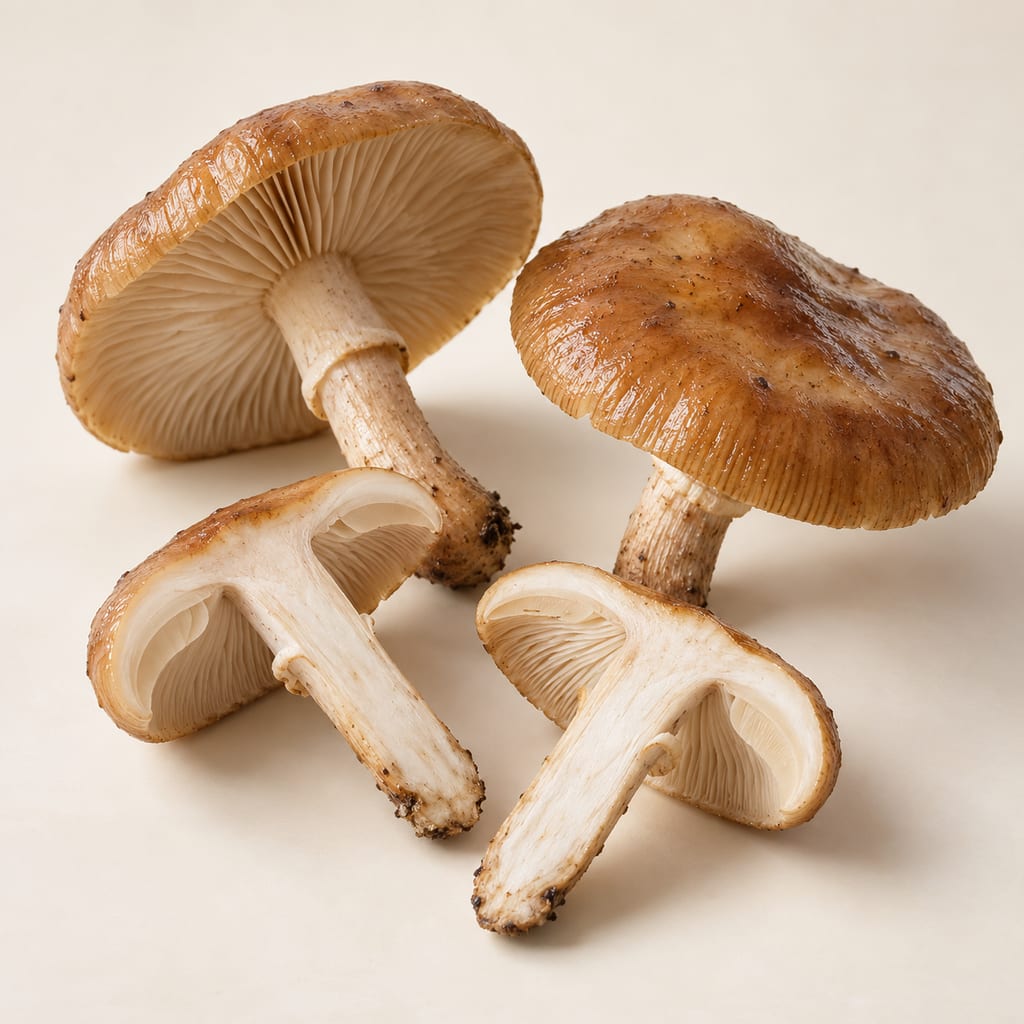
Harore is the Maori name for Armillaria novae-zelandiae, a honey fungus that grows in clusters on wood. Its English name in New Zealand sources is the honey mushroom. It is a wood-decaying fungus, and the Landcare Research record says it feeds on wood and forms its mushrooms on fallen timber such as tawa and tawai, or at the base of dead trees.
Honey fungi in general are known for their rhizomorphs, dark cord-like growths that run through soil and wood and let the fungus spread from one stump or root to another. The rhizomorphs are a structural feature of the genus and are not a food. The part people gather is the cap and stem cluster.
The catalogue records harore as food for Tuhoe, a Maori iwi of the Te Urewera region, and describes it as part of an indigenous mushroom tradition. The Landcare Research name record also says it was recorded as eaten by Tuhoe. Wikipedia describes harore as a traditional food and reports that Tuhoe still gather it in Te Urewera.
The sources give no detailed method beyond cooking. They do not record a seasonal calendar for gathering or a specific dish. Autumn is when the mushroom appears in the forest, and Matauranga Maori reads its appearance as a sign for the coming season. Different regional traditions read the sign differently, as a good fishing season or as a warning of scarcity, so that reading should be treated as local knowledge rather than a fixed rule.
The most consistent advice in the sources is to cook the mushroom thoroughly before eating it. Wikipedia states that it is safe to eat when cooked well, and the same account notes that raw harore should not be eaten. The catalogue and the Landcare record do not give a cooking time, a temperature or a preparation method, and this page does not supply one.
Look-alikes matter. The Science Learning Hub notes that other New Zealand Armillaria species, such as A. limonea, are bitter and not considered edible, and that Maori have no known distinct names for them. A bitter taste is therefore not a reliable test, and a gatherer cannot rely on the name alone. Identification of wild fungi should be checked with a qualified source before anyone eats them, and this page is not an identification guide.
Harore is a natural part of native forest ecosystems. A 2021 University of Canterbury project found it grows strongly on live pine wood, where it is regarded as a destructive pest in plantations. Its place in forest ecology is therefore different in native and planted stands, and the same species can be a food source in one place and a problem in another.
Its wild status matters for use. The catalogue records supply as wild only, so no cultivated or market supply is recorded for this species.
The full set of Tuhoe names and preparations, the seasonal calendar and any chemical or nutritional data for this species are not known.
The species is recorded in New Zealand forests. The source does not place it more precisely for the food record.
Wikipedia places the modern gathering in Te Urewera; the catalogue names Tuhoe as the recorded food source.
Ileodictyon cibarium, a New Zealand stinkhorn fungus with a lattice basket. Historical Māori accounts record its unexpanded egg stage as food. Modern edibility has not been verified.
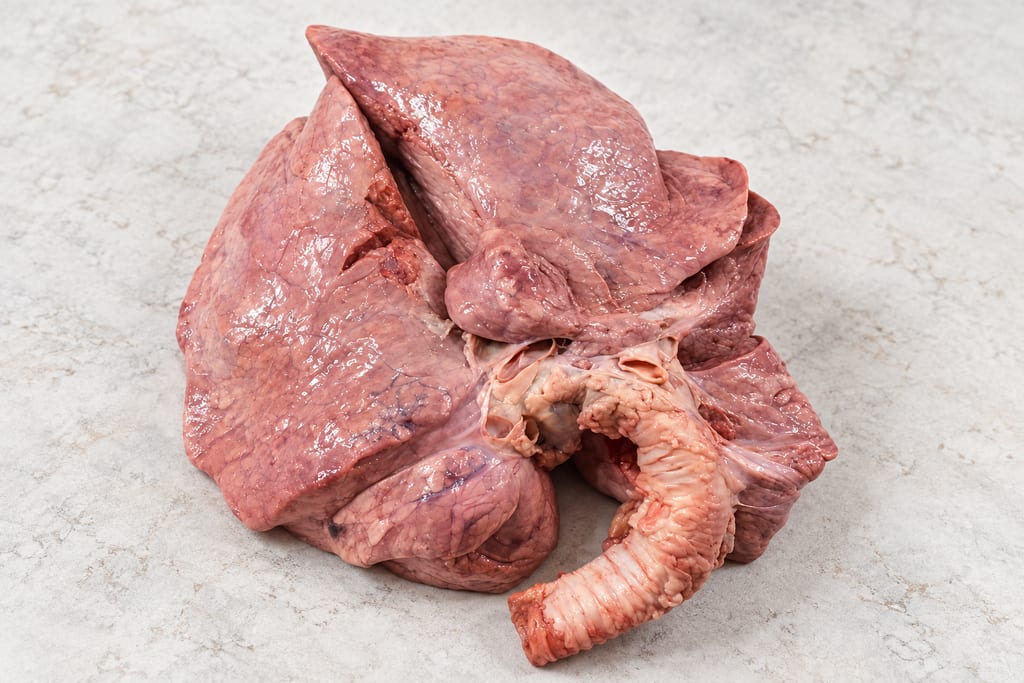
Beef lung is cattle offal used in regional Indonesian dishes and studied as a substrate for a modern fermented-sauce proof of concept. Culinary, regulatory and experimental uses vary; the sources support no universal process.
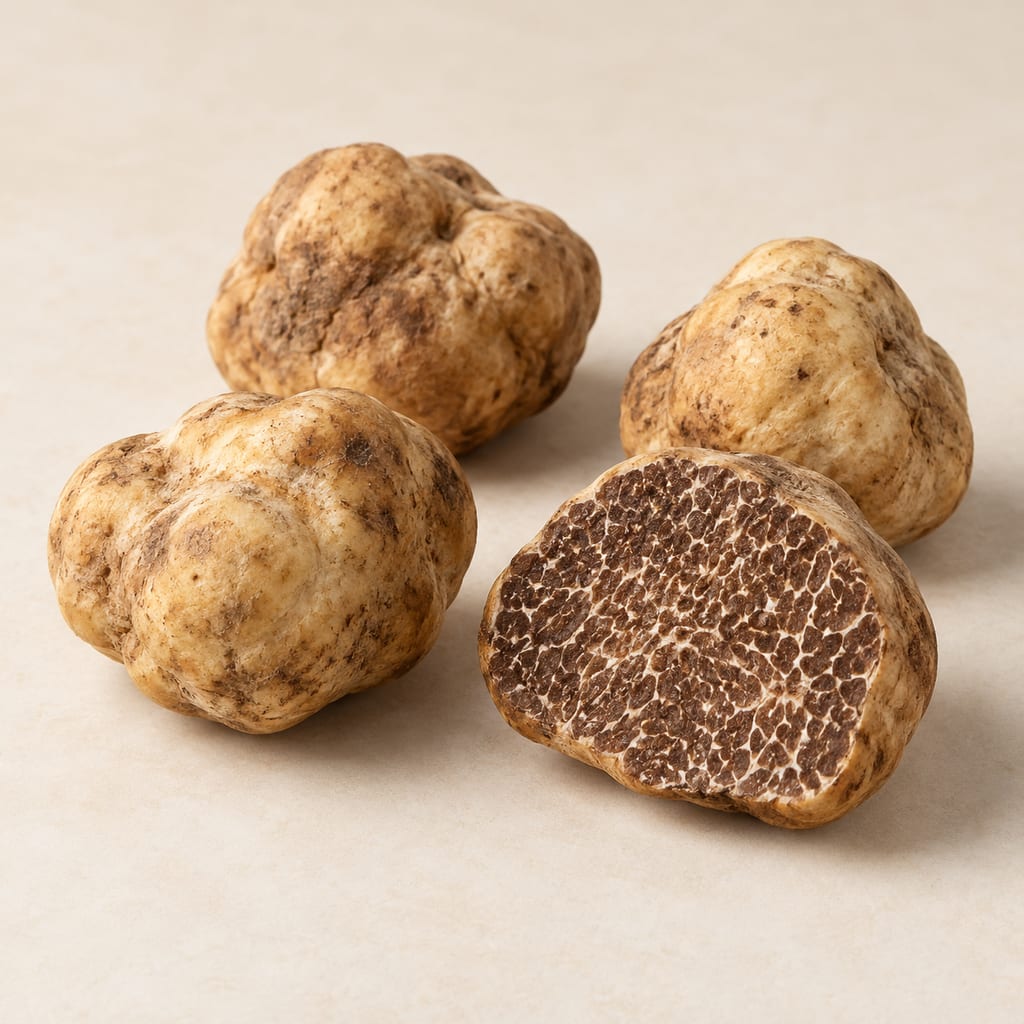
Tuber borchii, the bianchetto truffle, is a pale, pungent truffle that grows with trees and is now cultivated in Italy. It is used as a seasoning and is distinct from the costly white truffle, Tuber magnatum.
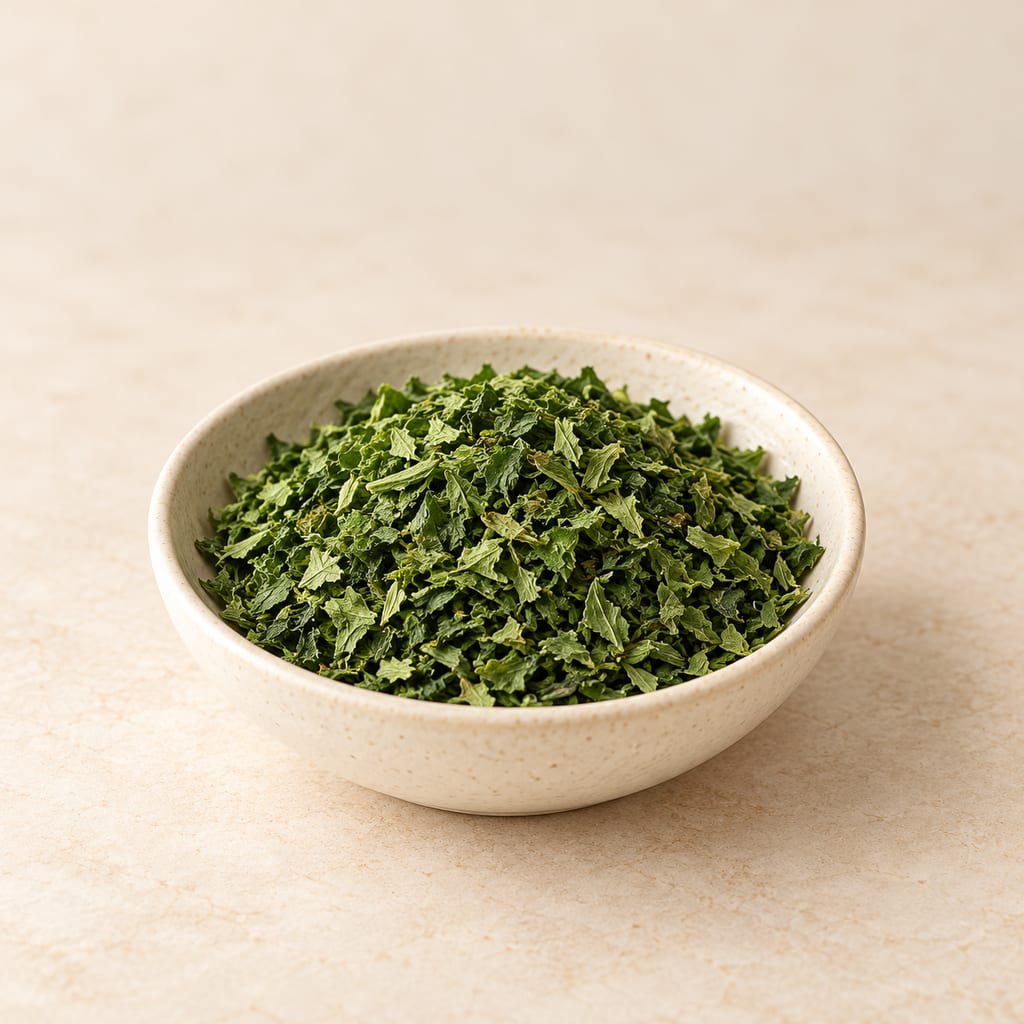
Dried parsley is the dehydrated leaf of Petroselinum crispum, sold as flakes, granules or powder for its herbal aroma and green flecks.
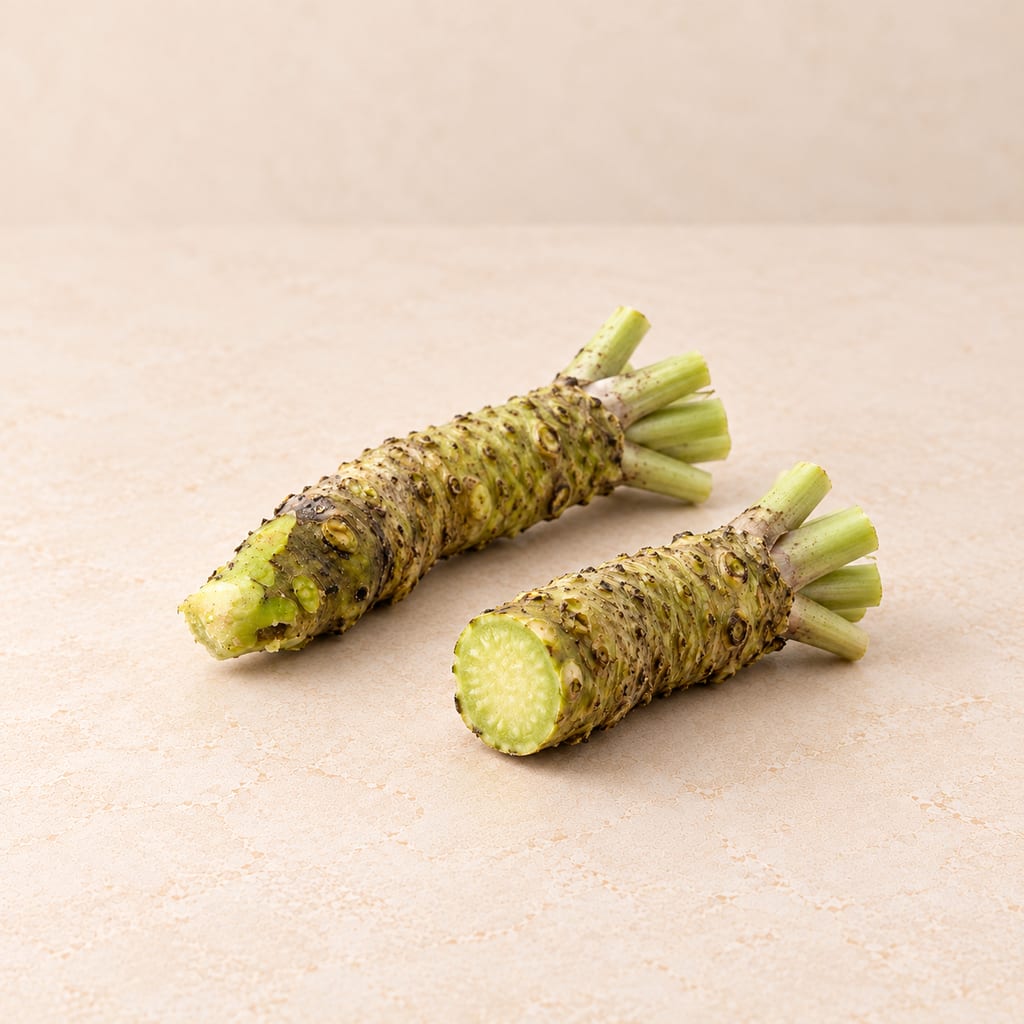
Wasabi is the enlarged stem of Eutrema japonicum, a pungent perennial in the mustard family. Fresh rhizome is grated as a Japanese condiment; powder and prepared paste are separate products.
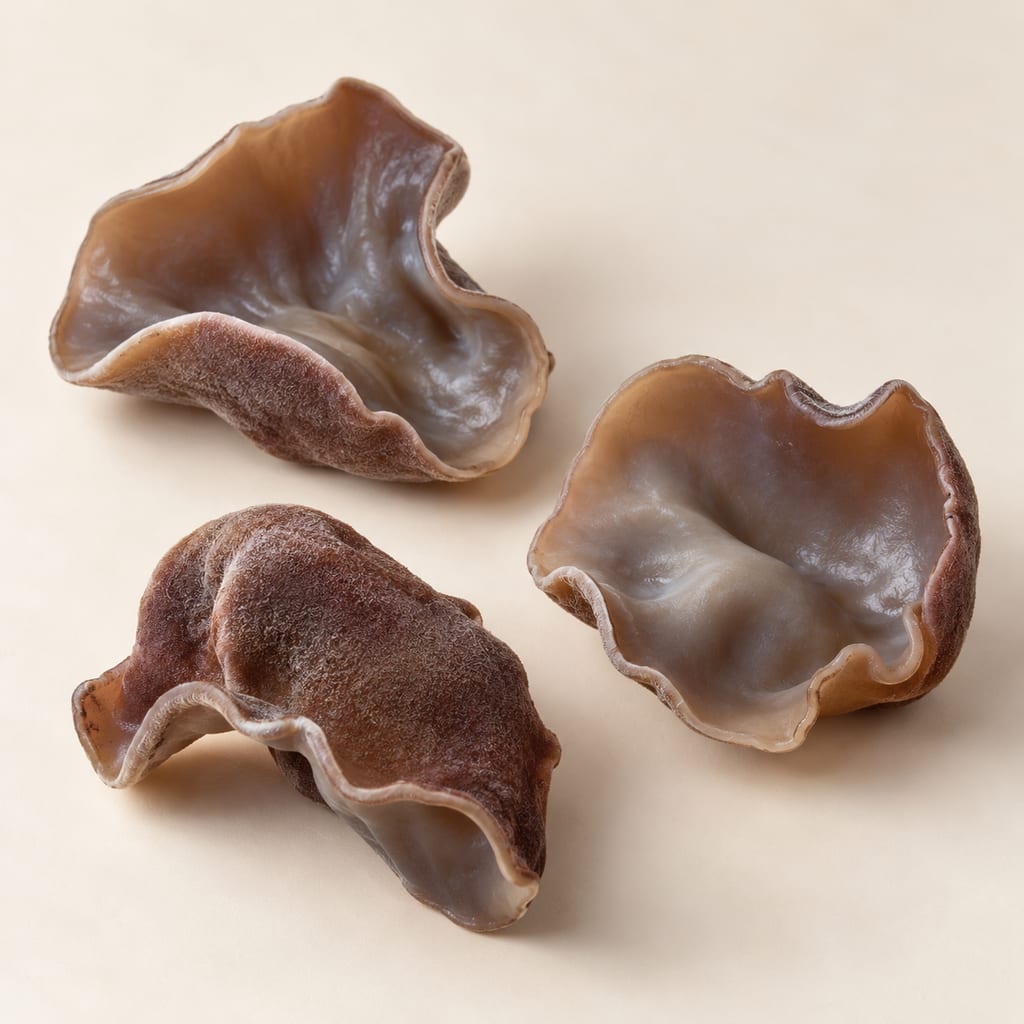
Auricularia cornea, a gelatinous wood-decay fungus recorded as food in the Congo and Asia, and cultivated and sold dried in China. It is mild in taste, and its name has been confused with Auricularia polytricha.
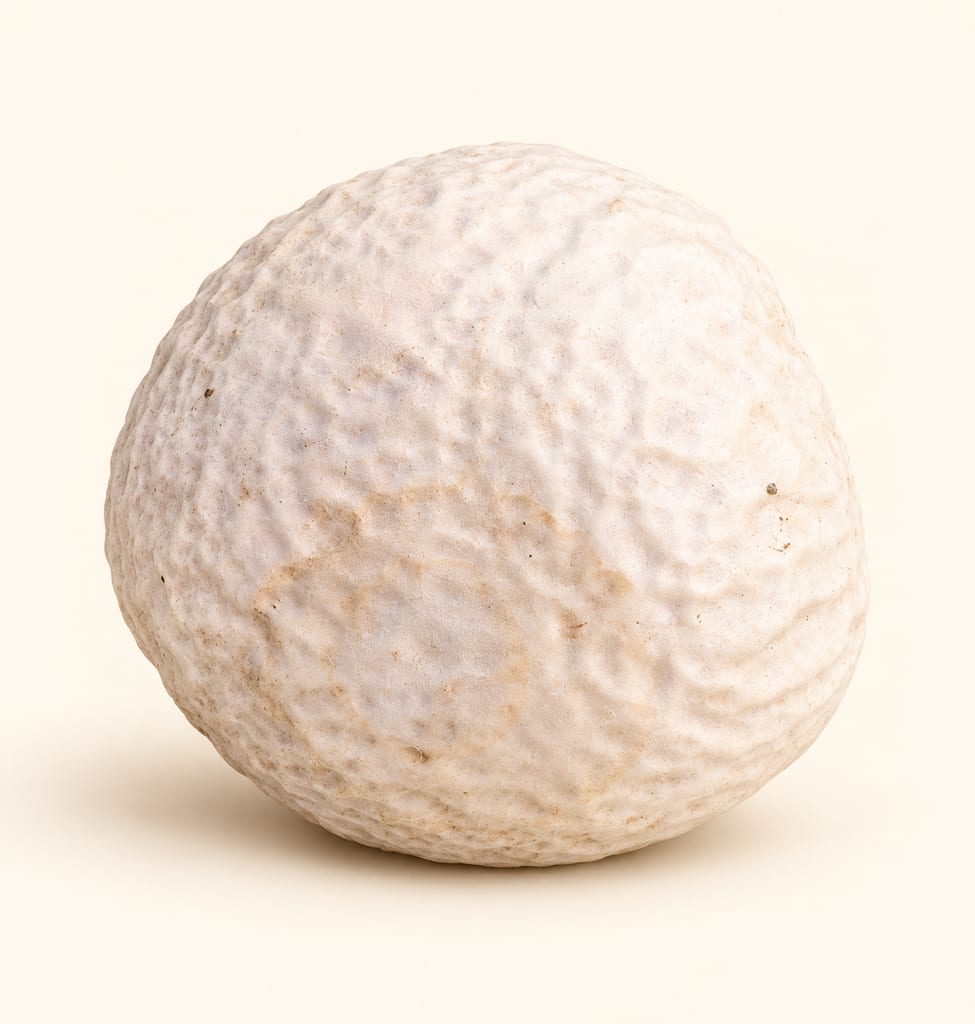
Calvatia lilacina is a lilac-tinted puffball with regional natural-history records and historical edible listings whose taxonomic and safety limits remain important.
An animal-derived liquid enzyme extract sets milk by changing casein proteins; its activity and formulation determine how a particular bottle is used in cheesemaking.
No community contributions have been published for this entry yet.
Sign in to contribute. Published comments and photos are free to read.
Manaaki Whenua Landcare ResearchIdentity · Food use · Ecology
Armillaria novae-zelandiae name record, Rauropi WhakaorangaFeeds on wood and forms mushrooms on fallen wood such as tawa and tawai, or at the base of dead trees.
Recorded as eaten by Tuhoe.
Cited in: What it is; Food use and the Tuhoe record; Ecology and conservation context
Science Learning Hub, University of WaikatoIdentity · Safety · Culture
Armillaria novae-zelandiae (harore), Science Learning HubOther New Zealand Armillaria species, such as A. limonea, are bitter and not considered edible; Maori have no known distinct names for these look-alikes.
Cited in: Cooking and safety
WikipediaSafety · Culture
Armillaria novae-zelandiae, Wikipedia (used as a lead only)Edible when cooked thoroughly before eating; the Maori name harore gives rise to a proverb about a short-lived mushroom.
Cited in: Food use and the Tuhoe record; Cooking and safety; Ecology and conservation context
PubMed Central, as suppliedFood use
Ethnomycological food-use record supplied in the fungi catalogue (entry F-47ef9dc0e351)Catalogue record: New Zealand; food recorded for Tuhoe, an indigenous mushroom tradition; supply recorded as wild.
Cited in: Notes