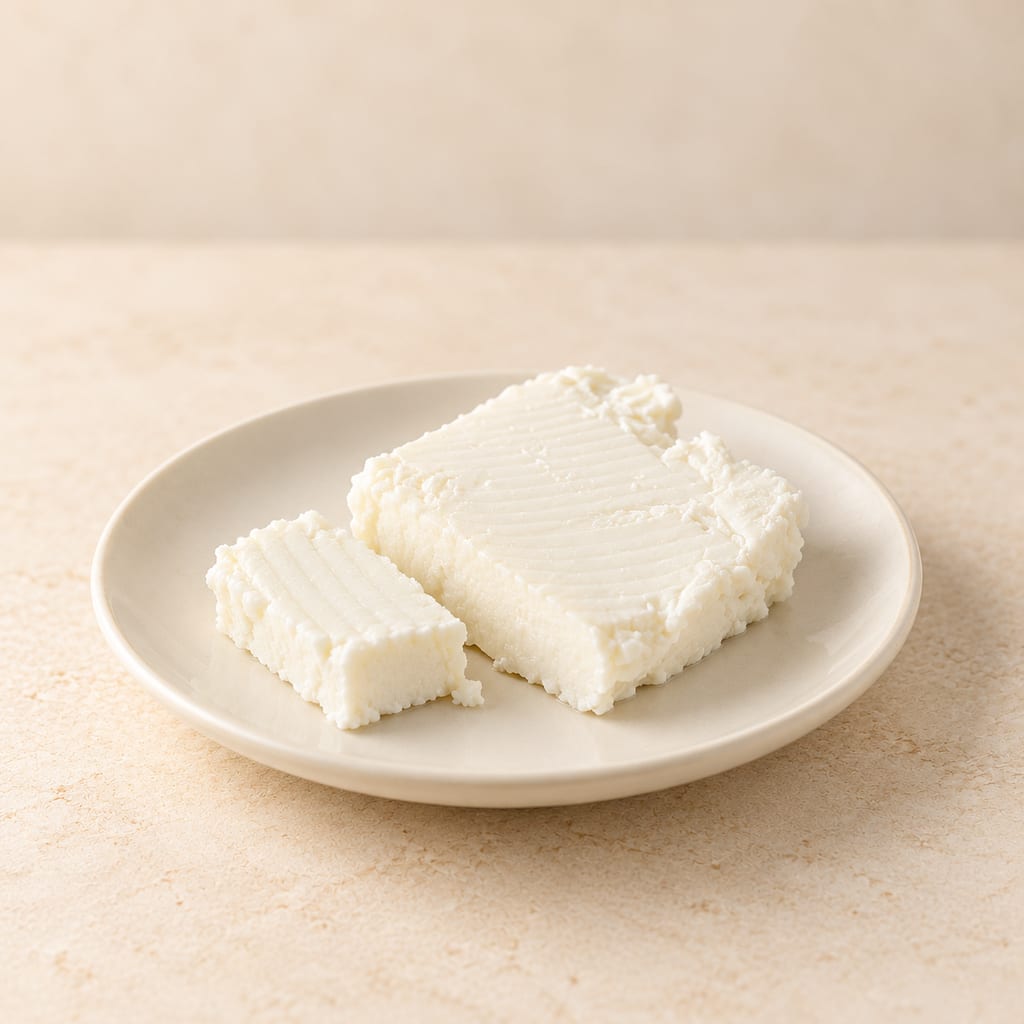
Domiati
Domiati is a soft Egyptian white cheese made by salting milk before renneting. It is eaten fresh or ripened in brine, with cow and buffalo milk used in varying proportions.
 FermenteaWhere food goes to change
Coagulants
An animal-derived liquid enzyme extract sets milk by changing casein proteins; its activity and formulation determine how a particular bottle is used in cheesemaking.
Liquid calf rennet is a formulated extract of milk-clotting enzymes obtained from the fourth stomach, or abomasum, of calves. The liquid is a means of supplying enzyme activity to milk. It is neither a lactic starter nor an acid poured into the vat. Its defining work is protein cleavage: it changes stabilizing milk proteins so that casein particles can aggregate into the framework of a cheese curd.
The word liquid describes a presentation, while calf identifies the animal source. Neither word supplies a universal strength. Products can differ in activity, enzyme balance and formulation, so the useful identity includes the particular preparation and its instructions. A small bottle and a dairy-scale container may contain related material without delivering the same clotting activity from the same measured volume.
In commercial descriptions, animal rennet liquids range from clear amber to dark brown. Their colour is not an activity measurement. A product can also contain salt and other formulation components alongside its active enzymes. The bottle is therefore a prepared ingredient rather than pure chymosin in liquid form. This distinction becomes important when comparing labels, doses and dietary declarations.
Animal rennet belongs to an old cheesemaking repertoire. Columella's De re rustica describes curdling milk with lamb or kid rennet, alongside plant alternatives such as thistle and fig latex. The curd was then transferred to baskets or forms so that whey could separate. The passage shows animal and plant coagulants being discussed within an established craft, rather than describing the invention of cheese or the first use of a modern calf extract.
It also places coagulation within a sequence of handling. Warmth, drainage, pressing and salting all matter after the coagulant has done its initial work. An enzyme that makes milk set does not by itself create the full texture, moisture and flavour of a finished cheese. That practical separation between the setting ingredient and the rest of the make remains useful when reading a contemporary rennet label.
Modern products add purification, standardization and defined commercial instructions to this older use of animal digestive material. A Renco specification dated September 2009 describes a purified saline extract from young milk-fed calves, manufactured in New Zealand. It gives activity and enzyme-composition figures for that product. Such documentation makes the supplied material more explicit without turning its particular specifications into a definition of all calf rennet.
The abomasum is the fourth stomach compartment of a ruminant. In calf rennet manufacture, animal stomach material provides the enzyme source. Regulatory descriptions recognize aqueous extracts made from cleaned stomachs preserved by freezing, salting or drying. Extraction brings the milk-clotting enzymes into a preparation that can be handled and added to another food.
Purification and standardization are further manufacturing steps. Renco's documented process uses cellulose ion-exchange chromatography and supplies the enzymes in saline solution. Its specification guarantees that the active enzymes come from milk-fed calf stomachs without other animal or fermentation-produced enzymes being added. That describes one manufacturer's product. Other preparations require their own source and composition information rather than inheriting these assurances from the shared name rennet.
The distinction between source material and finished preparation also explains why a modern liquid is not interchangeable with an old recipe's piece of stomach. An extract can be standardized and measured for activity; a historical material carries its own composition and handling conditions. A reader can recognize the technological relationship without calculating a conversion that the evidence does not provide.
Milk contains casein proteins arranged in particles called micelles. These particles remain dispersed partly because of the properties of their surfaces. A milk-clotting protease cuts stabilizing casein, changing the surface that keeps particles apart. The altered particles can then join into a network. This is a molecular change followed by a larger-scale physical assembly, not a process in which the enzyme turns all milk water into solid matter.
Chymosin is a principal milk-clotting enzyme in calf rennet. Pepsin can also be present, and the relative contributions vary with the preparation. Their presence matters because protein-cutting activity is part of both the initial set and the wider protein environment of a cheese. A product's source, enzyme composition and activity should therefore be read together, rather than reducing its identity to the convenient phrase animal rennet.
Calcium participates in the aggregation of enzyme-altered casein. The set consequently depends on the milk as well as the coagulant. Temperature, acidity and the amount of enzyme affect the progress of coagulation. A consistent extract helps control one part of the system, while the state of the milk and the method still influence the result. That is why replacing a bottle or a milk supply can require attention even when the recipe's overall sequence remains the same.
Lactic starter bacteria metabolize milk sugar and produce acid. Rennet enzymes cut proteins. These actions occur together in many cheeses, but they are not the same biological process. A liquid calf rennet is not a living culture intended to reproduce in the milk, and adding it does not supply the acid-producing bacterial population named by a separate starter ingredient.
Developing acidity changes the environment of casein and its associated minerals. It can therefore influence how enzyme-altered particles aggregate and how the curd subsequently loses whey. The starter and the rennet act on different parts of a connected system. Treating them as interchangeable setting agents would obscure why a method specifies both, and why the timing of each addition can matter.
Acid-set cheeses offer a useful comparison. They rely strongly on acid development to destabilize casein and can have a delicate curd. An enzyme-set curd can be handled differently, depending on the process. Some fresh-cheese preparations use a small coagulant contribution alongside a lactic set. These are different formulations, each with its own balance of biological acidification, enzyme action and later drainage.
Commercial strength information concerns milk-clotting activity. International methods compare bovine rennet preparations on a standardized milk substrate, rather than judging them only by the mass of liquid in a bottle. Chymosin and bovine pepsin are the active enzymes named in this type of assay. A statement of activity describes performance under the test conditions; it is not itself a complete household recipe.
The Renco product provides a concrete example: its specification gives 65 international milk-clotting units per millilitre and a minimum chymosin proportion of 92 percent. Those figures identify that documented preparation. They should not be copied onto a different bottle or used to imply that every liquid calf rennet has the same strength. Even for that product, the manufacturer notes that milk quality, acidity, calcium chloride and inhibitory substances affect coagulation.
Mass, volume and activity answer different questions. Grams tell the amount of material by mass; millilitres tell its volume; activity units describe a measured enzymatic function. Converting a historical mass dose into a current liquid volume requires information that a generic ingredient name does not contain. Preserving the original unit and using the chosen product's instructions avoids presenting an unsupported conversion as precision.
The linked Domiati preparation illustrates a distinctive setting environment. Salt is added to the milk before rennet, rather than only after curd has formed. Cow and buffalo milk are used in this cheese family, and the liquid calf rennet operates within that already salted medium. The order of ingredients is therefore part of the technique, not a decorative detail in the method.
Fahmi and Sharara's 1950 investigation compared salt additions in cow and buffalo milks and examined rennet coagulation, drainage, composition and yield. The questions connect the milk substrate with the setting ingredient. They also explain why a rennet recommendation belongs with a particular process: a salty milk and an unsalted milk do not begin from identical conditions simply because both will eventually become cheese.
Once a Domiati curd has formed, moulding and drainage separate whey from the body. The enzyme has helped establish the network that makes this separation possible, but it does not perform the draining. Subsequent salting environment and ripening continue shaping the food. The ingredient's role is substantial and specific, while the finished cheese is the result of the whole sequence.
The gel formed during coagulation holds liquid and fat in a casein framework. Cutting exposes more surface through which whey can leave. Gentle handling lets pieces firm before stronger stirring, while rough cutting can make fine particles that escape in the whey. The rennet has helped create a body that can undergo these operations; it has not fixed its eventual water content at the moment of setting.
Cooking and stirring can encourage further contraction and whey loss. Pressing can then join particles and remove more liquid, while fresh soft cheeses may drain with much less force. These choices explain why similar coagulants can be used in cheeses with very different textures. The network begins with protein changes in the vat, then develops through the mechanical and thermal treatment chosen for the preparation. Reading the curd and following that sequence remain necessary even when a standardized enzyme preparation is used.
Follow the directions for the exact liquid preparation. Renco recommends diluting its measured product in clean cold water before manual addition to a cheese vat and specifies water free of residual chlorine. This gives the enzyme a medium for distribution through the milk. The dilution advice belongs to that product; it should not be converted into a universal ratio for every rennet sold under a related name.
Clean handling is part of preserving a usable enzyme supply. Keep the original identification and date with the container, measure with suitable equipment and follow its closure and storage instructions. A bottle's label needs to remain legible so that its source and strength can be distinguished from another coagulant. A new purchase that looks similar can still represent a different product.
The documented Renco liquid is stored closed in a cool, dark place, with an ideal temperature range of 3 to 7 degrees Celsius. Its specification also notes gradual activity loss during storage. These are manufacturer conditions for a particular extract, rather than a shelf life for every calf rennet or for the cheese it makes. Stock rotation helps use the supply while its documented activity remains most useful.
Calf rennet is animal-derived. Fermentation-produced chymosin is a different manufacturing route in which selected microorganisms produce the enzyme. A chymosin preparation can therefore have an enzyme name in common with calf rennet while differing in its source and production. Other microbial coagulants are also used in cheese, including proteases that are not chymosin. Liquid appearance alone does not distinguish these routes.
This source distinction matters to dietary choices. Calf-derived rennet is not a vegetarian or vegan ingredient, and it should not acquire those descriptions because only a small amount is used. Religious suitability also requires product-specific sourcing and certification rather than an assumption based on the word natural. The animal source, slaughter requirements, processing and certifier can all matter to a purchaser's requirements.
Rennet and milk are separate ingredients. A rennet preparation's complete formulation and allergen information must be checked for that product, while cheese made from milk retains its milk-allergen context. The coagulant does not remove the milk proteins responsible for allergy. Choosing a different enzyme source and choosing a non-dairy food answer different dietary questions.
No universal chymosin-to-pepsin ratio, dose, storage life or conversion between historical mass and a modern bottle's volume is established.
Animal-derived calf preparation; not vegetarian or vegan. Exact formulation and cross-contact require product-specific declaration; cheese made with milk contains milk allergens.
One inspected manufacturer specification states New Zealand manufacture; not the birthplace of all calf rennet.
Domiati is a soft Egyptian white cheese made by salting milk before renneting. It is eaten fresh or ripened in brine, with cow and buffalo milk used in varying proportions.
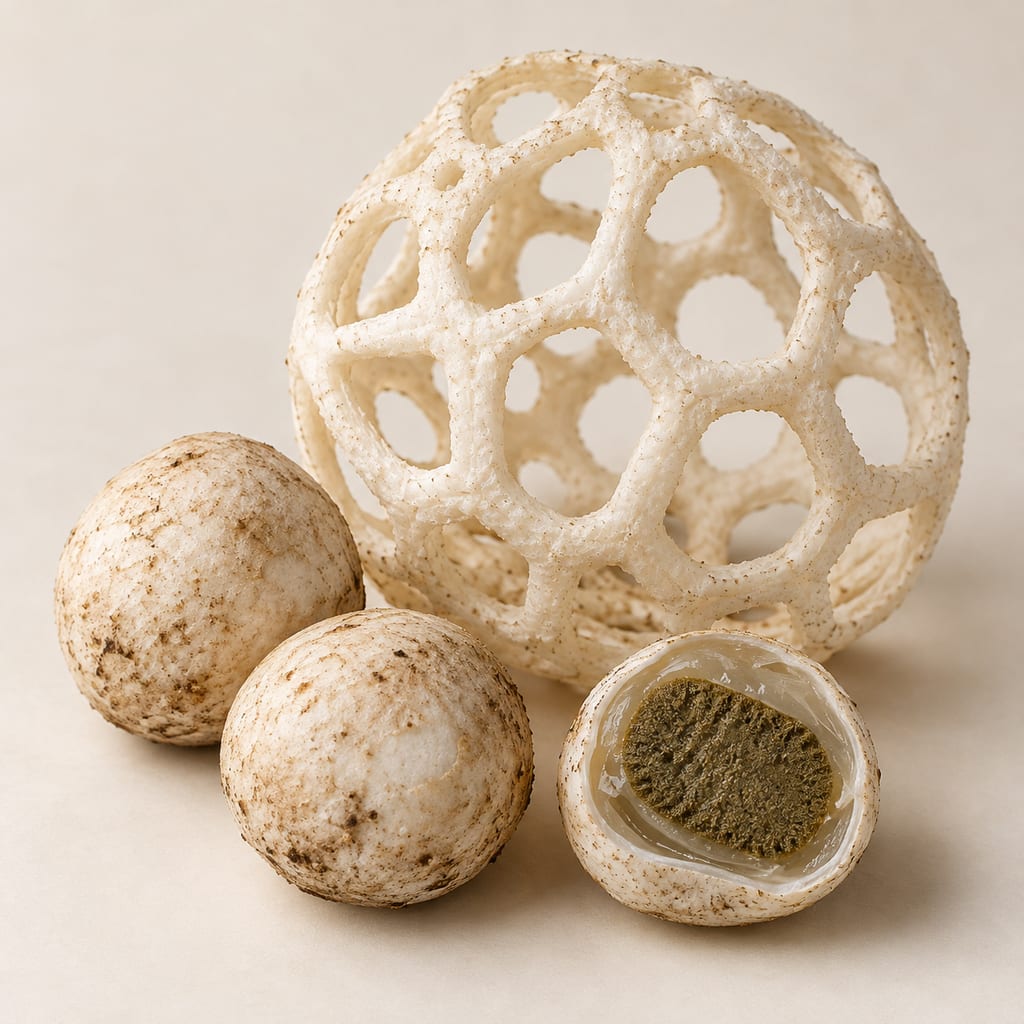
Ileodictyon cibarium, a New Zealand stinkhorn fungus with a lattice basket. Historical Māori accounts record its unexpanded egg stage as food. Modern edibility has not been verified.
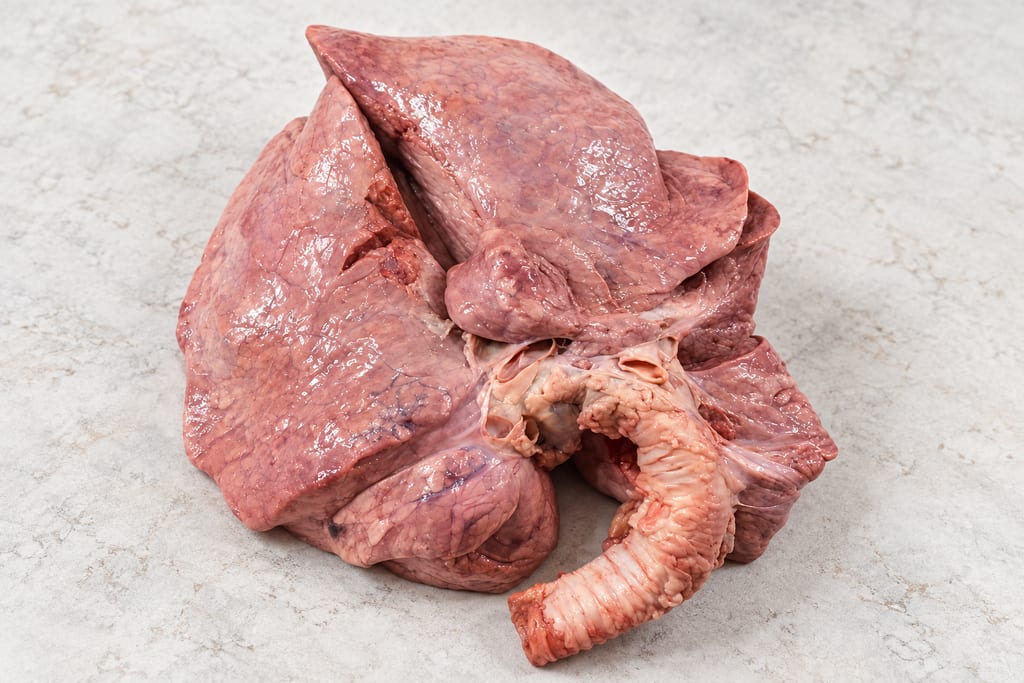
Beef lung is cattle offal used in regional Indonesian dishes and studied as a substrate for a modern fermented-sauce proof of concept. Culinary, regulatory and experimental uses vary; the sources support no universal process.
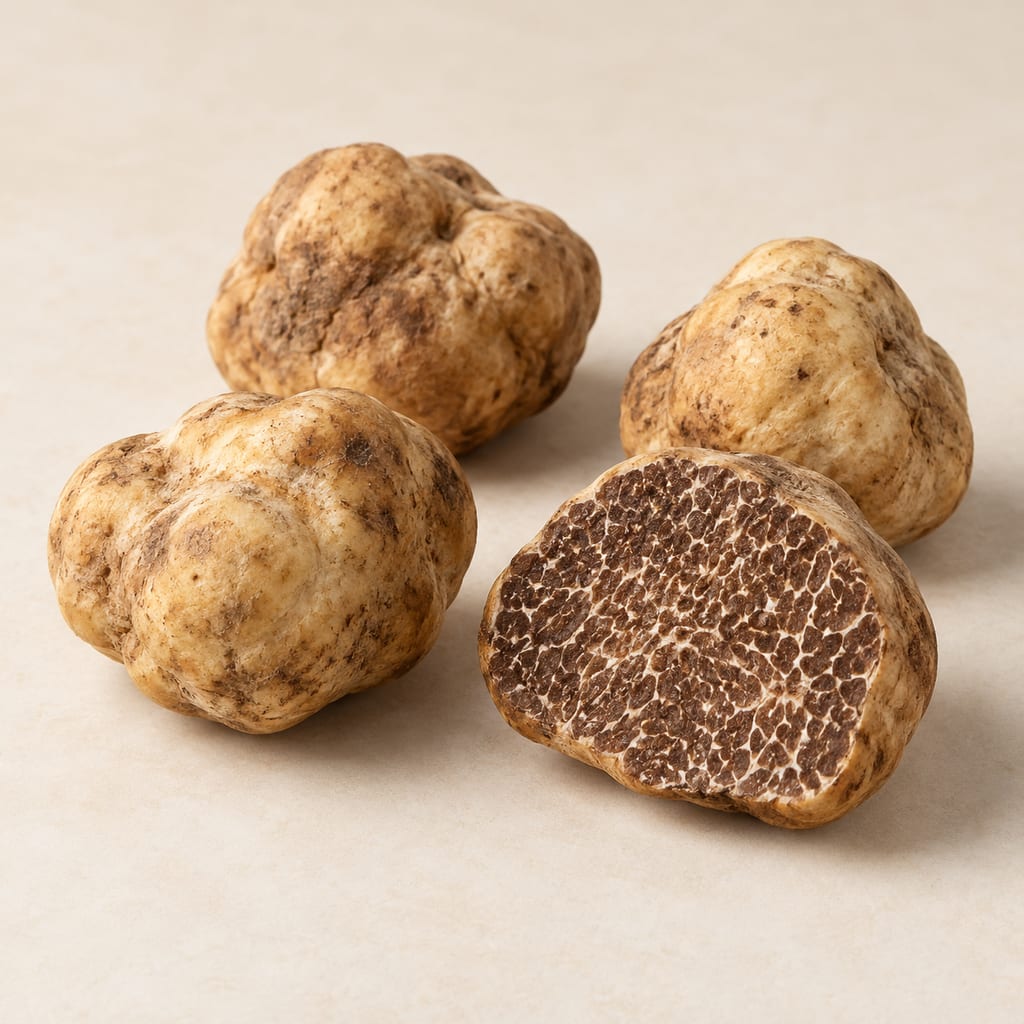
Tuber borchii, the bianchetto truffle, is a pale, pungent truffle that grows with trees and is now cultivated in Italy. It is used as a seasoning and is distinct from the costly white truffle, Tuber magnatum.
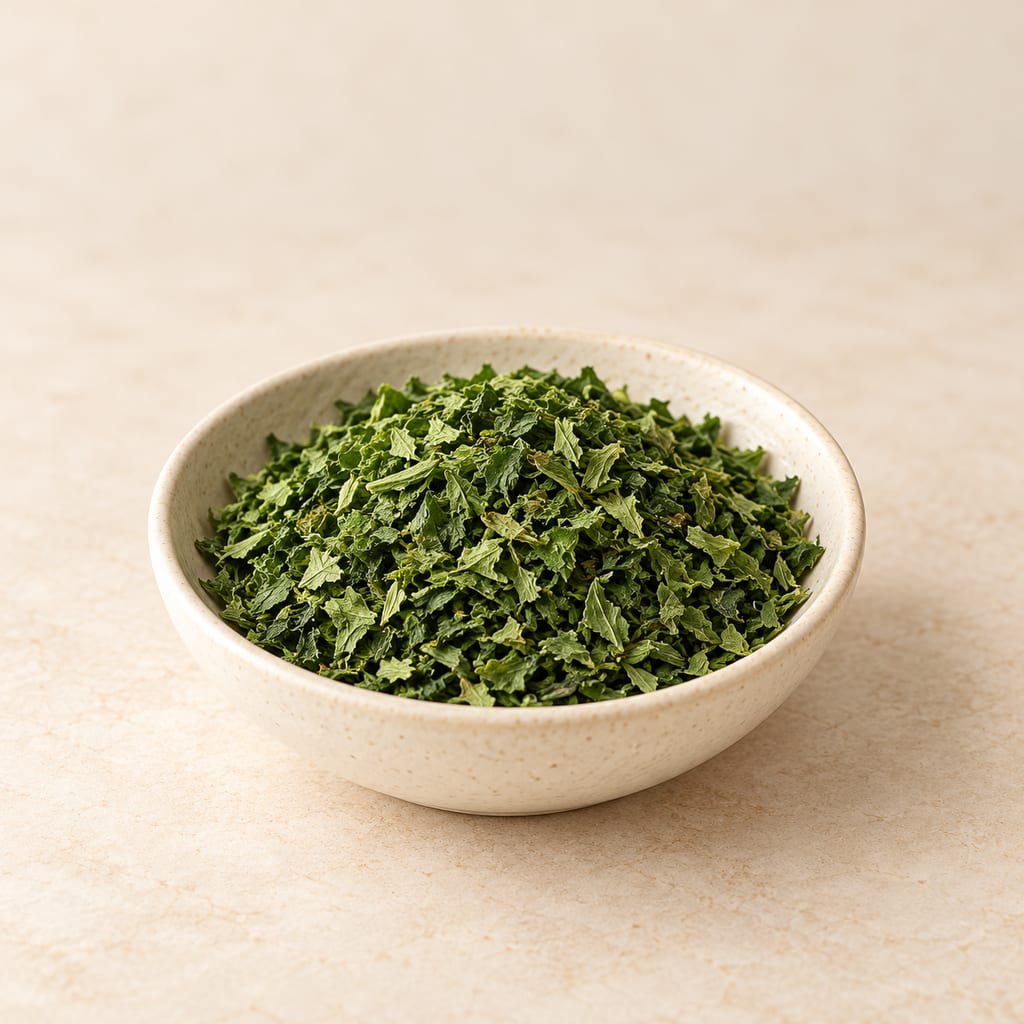
Dried parsley is the dehydrated leaf of Petroselinum crispum, sold as flakes, granules or powder for its herbal aroma and green flecks.
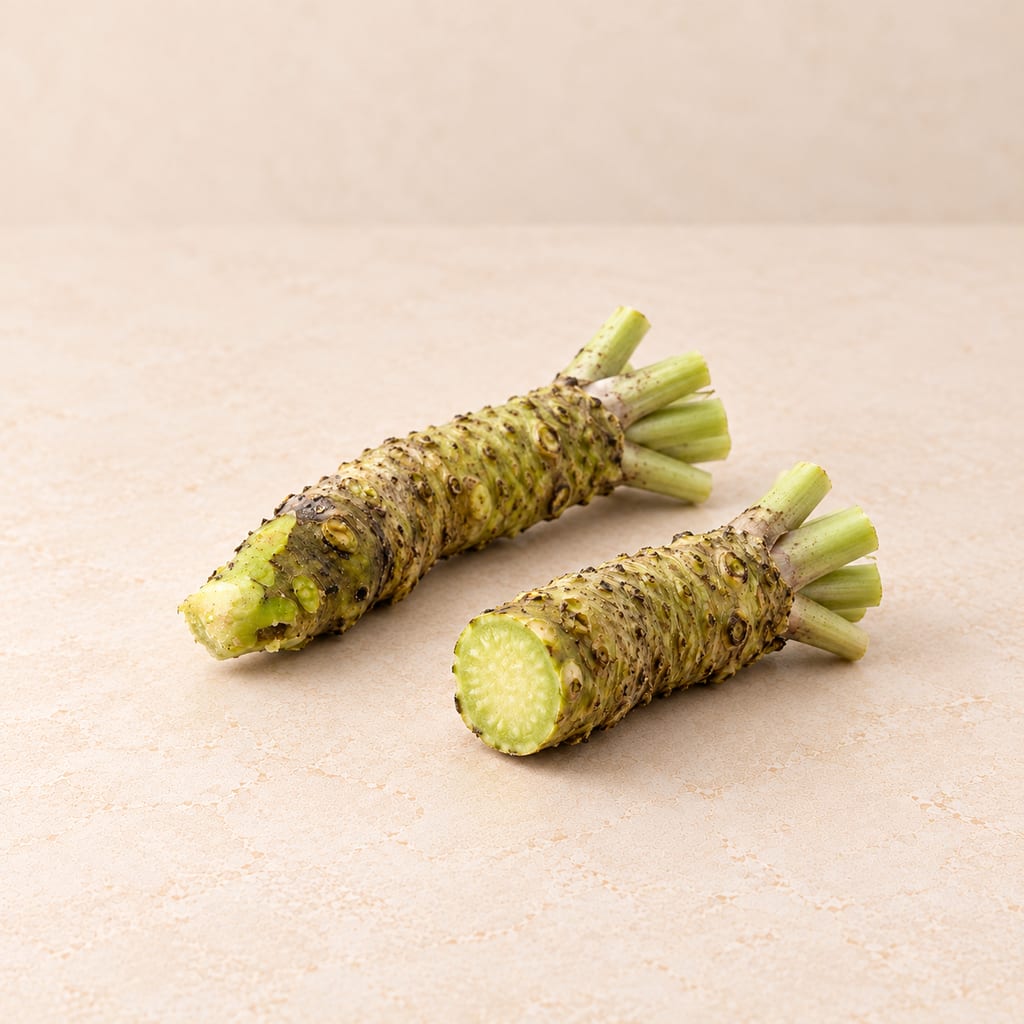
Wasabi is the enlarged stem of Eutrema japonicum, a pungent perennial in the mustard family. Fresh rhizome is grated as a Japanese condiment; powder and prepared paste are separate products.
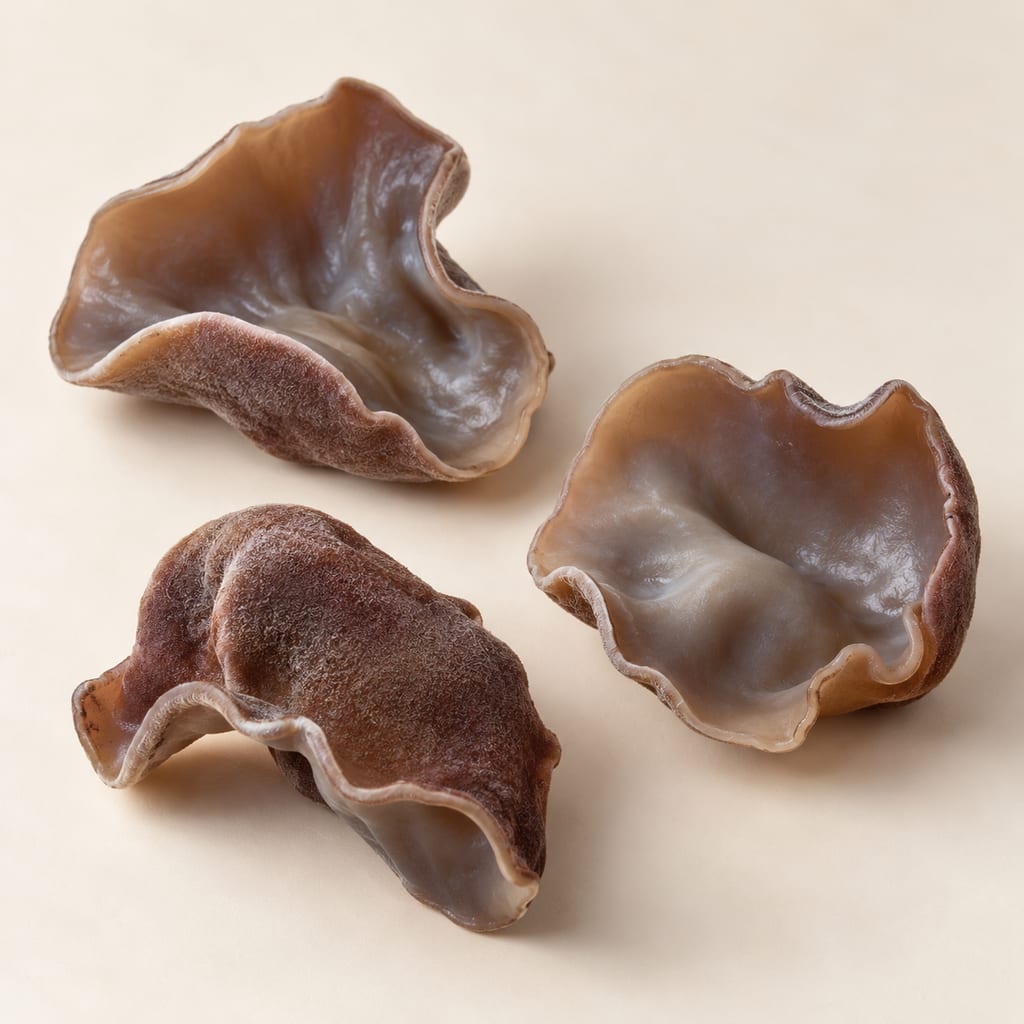
Auricularia cornea, a gelatinous wood-decay fungus recorded as food in the Congo and Asia, and cultivated and sold dried in China. It is mild in taste, and its name has been confused with Auricularia polytricha.
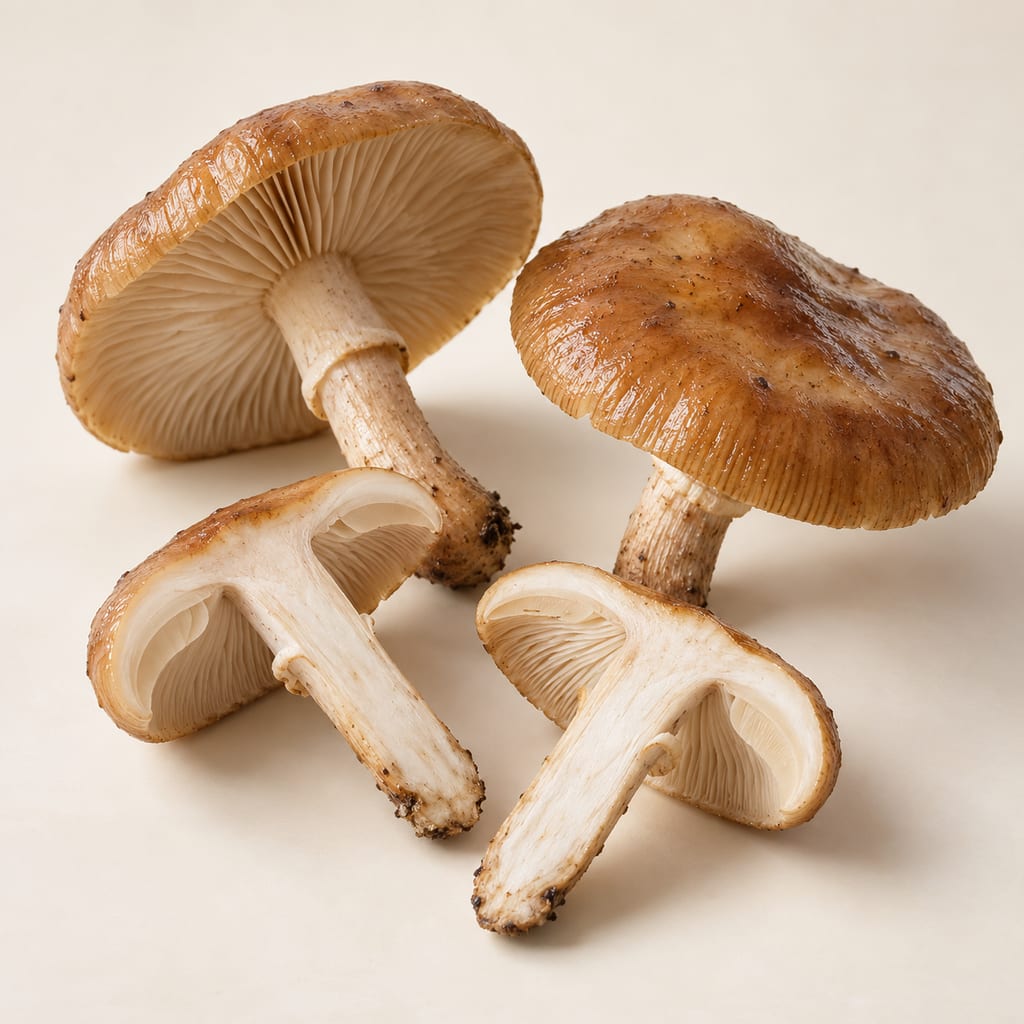
Harore, Armillaria novae-zelandiae, is a New Zealand honey fungus that grows in clusters on wood and is gathered as a traditional food by Tuhoe, with a cooking rule and close look-alikes to know.
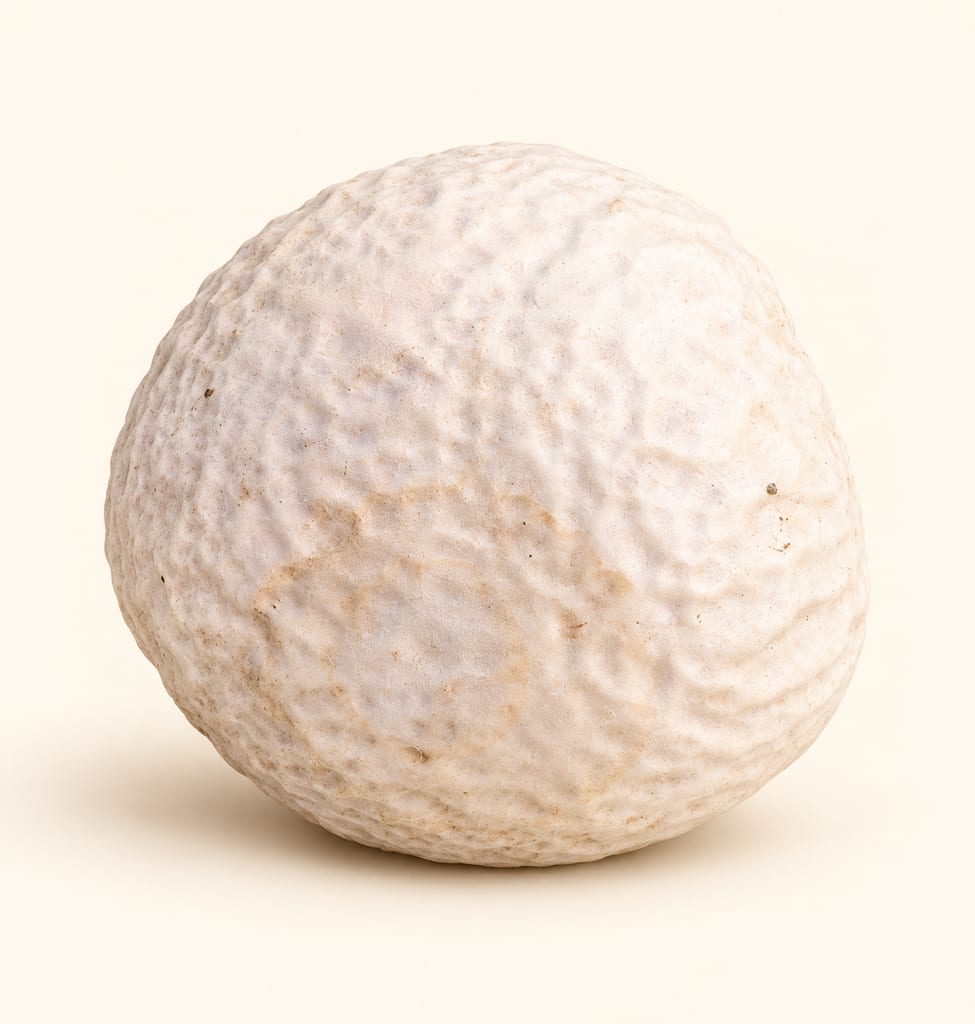
Calvatia lilacina is a lilac-tinted puffball with regional natural-history records and historical edible listings whose taxonomic and safety limits remain important.
No community contributions have been published for this entry yet.
Sign in to contribute. Published comments and photos are free to read.
US FDA / eCFRIngredient context
21 CFR 184.1685: Rennet (animal-derived) and chymosin preparation (fermentation-derived)Personally read official current text: aqueous stomach extracts, liquid colours, chymosin identity and separate fermentation-produced routes. Regulatory definition used for identity, not universal manufacture or safety certification.
Cited in: An animal enzyme preparation for setting milk; From abomasum to formulated extract; How an enzyme opens the way to a curd; Animal-derived and fermentation-produced preparations
Renco New ZealandIngredient context
Renco for Junket: Natural Calf Rennet Liquid, specification 20-00-1.6Both pages personally read, September2009: saline calf extract, purification, 65 IMCU/mL,min92% chymosin, source guarantee, product-specific dilution/chlorine-free water, ideal3–7C storage/strength decline. All specifications explicitly one product, no universal conversion.
Cited in: An animal enzyme preparation for setting milk; A long craft history, with several coagulants; From abomasum to formulated extract; How an enzyme opens the way to a curd; Activity is not the same as a spoonful; Dilution, addition and cold storage; Animal-derived and fermentation-produced preparations
Columella; Latin transcription on ReadAncientTextsIngredient context
De re rustica VII.8: De caseo faciendoPersonally inspected Latin coagulo agni aut haedi and plant alternatives, warming/baskets/drainage. Site AI English translation is not independent authority; limited paraphrase supported by Latin. No dated first origin asserted.
Cited in: A long craft history, with several coagulants
FAOIngredient context
Small-Scale Dairy Farming Manual: Small Scale Cheese MakingPersonally read casein particles, enzyme/acid phases, calcium, temperature/pH/coagulant influence, cutting/fines/stirring/heating/drainage and pressing.
Cited in: How an enzyme opens the way to a curd; Setting and fermentation are different actions; The salty milk of Domiati; After the milk has set
International Organization for StandardizationIngredient context
ISO11815:2007 Milk: Determination of total milk-clotting activity of bovine rennetsOfficial abstract personally read only: standardized bovine rennet activity method, chymosin and bovine pepsin on standard substrate. No full purchased standard read or method reproduced.
Cited in: Activity is not the same as a spoonful
FAOIngredient context
The technology of traditional milk products in developing countries: DomiatiExact linked use: salts milk before calf-rennet set; cow/buffalo raw materials, moulding/drainage. No mass-to-volume conversion or dose imported.
Cited in: The salty milk of Domiati
Journal of Dairy Research / Cambridge University PressIngredient context
429. Studies on Egyptian Domiati cheeseFahmi and Sharara 1950 Extract personally read; study questions on salt/cow-buffalo milks/rennet/drainage/yield, no inaccessible full-paper effect sizes.
Cited in: The salty milk of Domiati
US Food and Drug AdministrationIngredient context
Raw Milk Questions & AnswersMilk protein allergy identity and persistence after treatment; no assertion that enzyme removes allergen.
Cited in: Animal-derived and fermentation-produced preparations