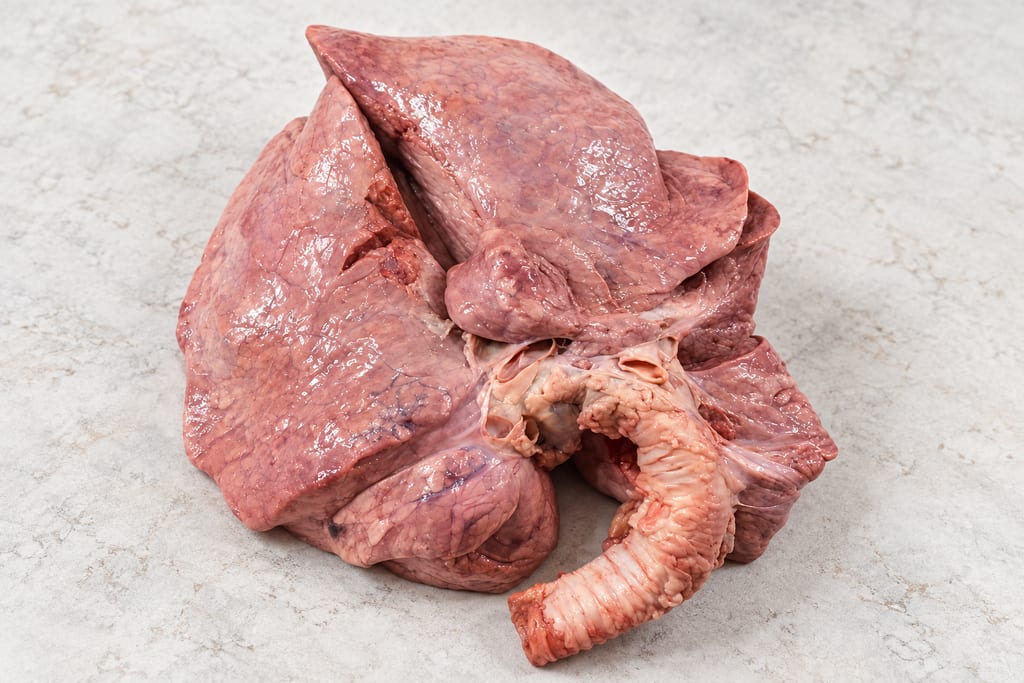
Beef lung
Beef lung is cattle offal used in regional Indonesian dishes and studied as a substrate for a modern fermented-sauce proof of concept. Culinary, regulatory and experimental uses vary; the sources support no universal process.
 FermenteaWhere food goes to change
Mushrooms
Ileodictyon cibarium, a New Zealand stinkhorn fungus with a lattice basket. Historical Māori accounts record its unexpanded egg stage as food. Modern edibility has not been verified.
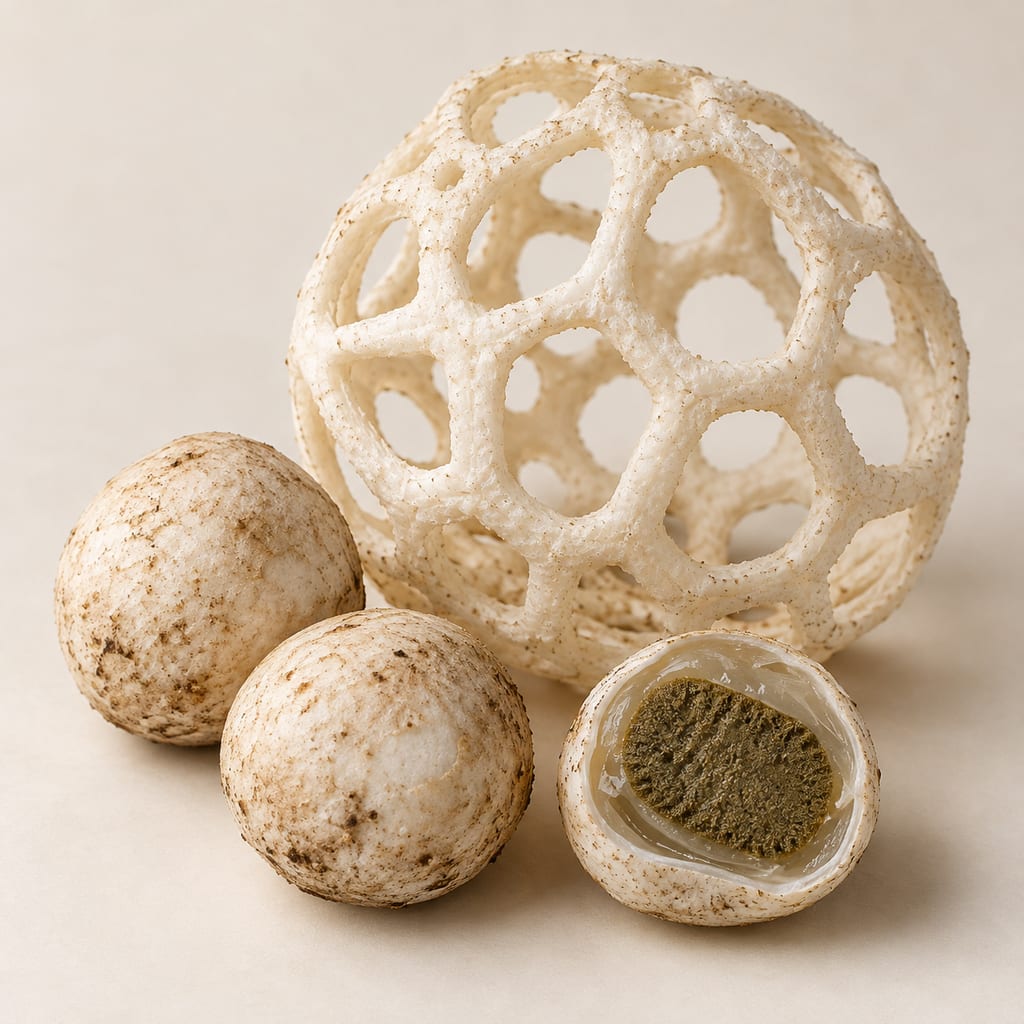
Ileodictyon cibarium is a stinkhorn fungus of New Zealand. It is known in English as the basket fungus or lattice fungus. It begins as an egg-like body, then breaks open and expands into a white, latticed basket with a foul smell.
The historical records of food use concern the unexpanded egg, or the outer shell of the young fruiting body. They do not describe the mature basket as food.
The Landcare Research name record cites about thirty-five Māori names for the species, drawn from a 2017 compilation. Among them are tūtae-whatitiri, popo-whatitiri, mata-kupenga, tūtae-kēhua and tūtae-whetū.
The name tūtae-whatitiri is linked in the sources to the fungus's sudden appearance and to the thunder god Whatitiri.
Colenso (1868) and Kirk (in Taylor, 1870) recorded the fungus as food. Colenso (1880) states that only the outer shell was eaten, when young and before it burst. Once it burst, Colenso described an unendurable stench.
A quoted passage describes the unbroken young stage as lacking the offensive odour of the mature fungus, comparing the difference to a fresh-laid and an addled egg. This is the reason given in the sources for eating the young stage only.
Beattie (1920) relates a raid tradition, Kai-wharetua, in which the war party Te Taua-a-Te-Whareatua is named. An informant, Mrs Wesley, told Beattie that the whareatua is not a proper mushroom and is thin and pale inside.
The historical accounts differ on the detail of preparation, and the record does not settle which part was eaten or how it was cooked. Later summaries describe roasting or hāngī cooking, but those accounts are not traced here to early primary records.
The catalogue describes the fungus as a soil and litter saprotroph, and records its supply as wild. No cultivation is recorded.
The Landcare Research record makes no statement about current edibility or safety. The catalogue marks the historical record as needing modern verification, and notes that mature foul-smelling baskets are not the documented edible stage.
Stinkhorn fungi are not identified by a food record. No edibility verdict for any stage follows from these historical accounts. Anyone considering this fungus should have it identified by a New Zealand expert and should not eat a mature basket.
The Māori names and historical food accounts are New Zealand records; the record does not give a locality within the country.
Beef lung is cattle offal used in regional Indonesian dishes and studied as a substrate for a modern fermented-sauce proof of concept. Culinary, regulatory and experimental uses vary; the sources support no universal process.
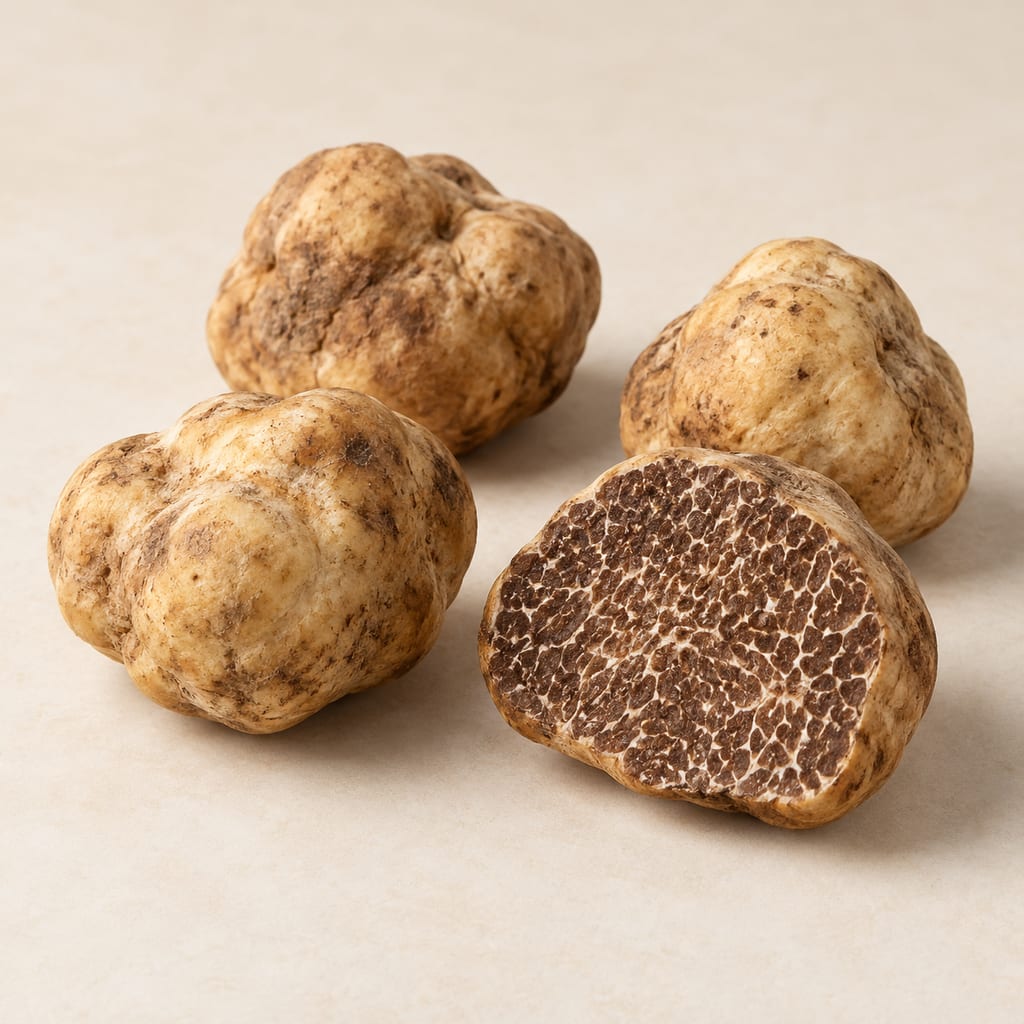
Tuber borchii, the bianchetto truffle, is a pale, pungent truffle that grows with trees and is now cultivated in Italy. It is used as a seasoning and is distinct from the costly white truffle, Tuber magnatum.
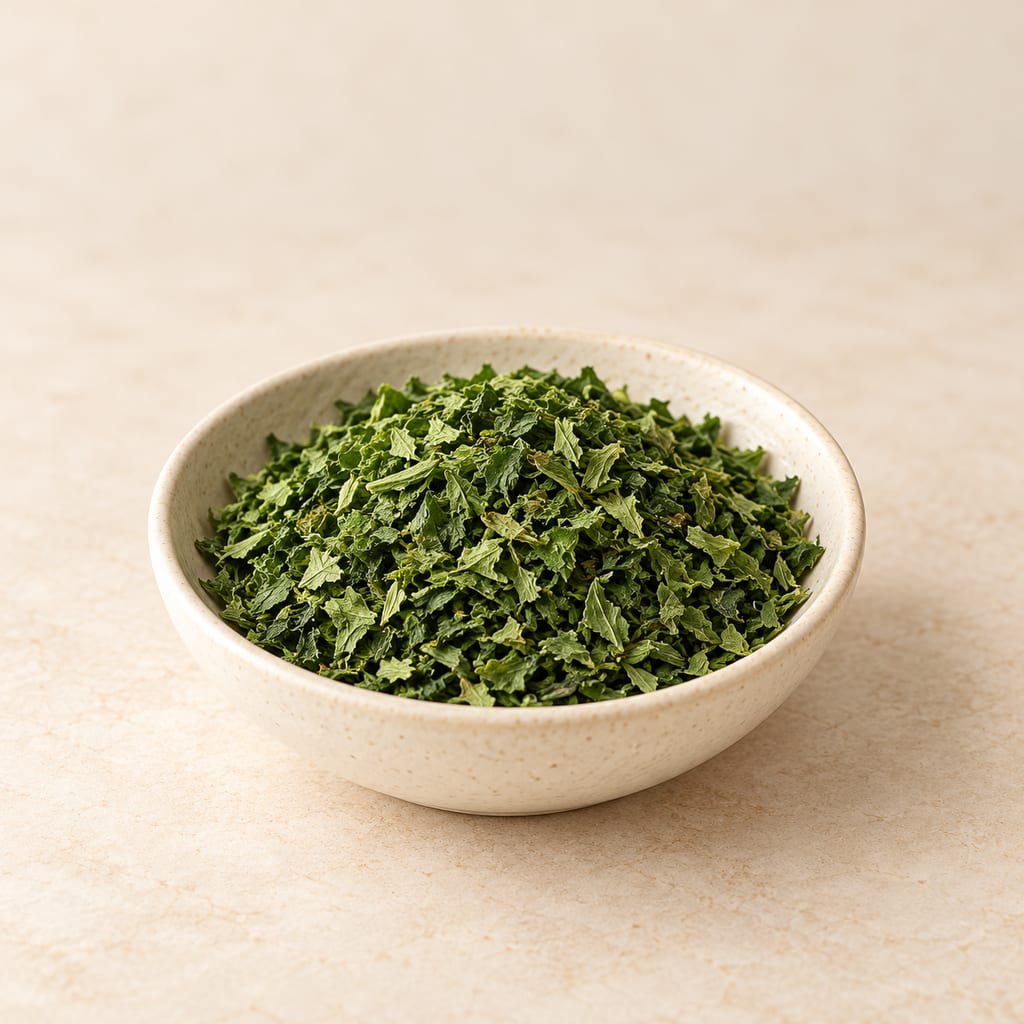
Dried parsley is the dehydrated leaf of Petroselinum crispum, sold as flakes, granules or powder for its herbal aroma and green flecks.
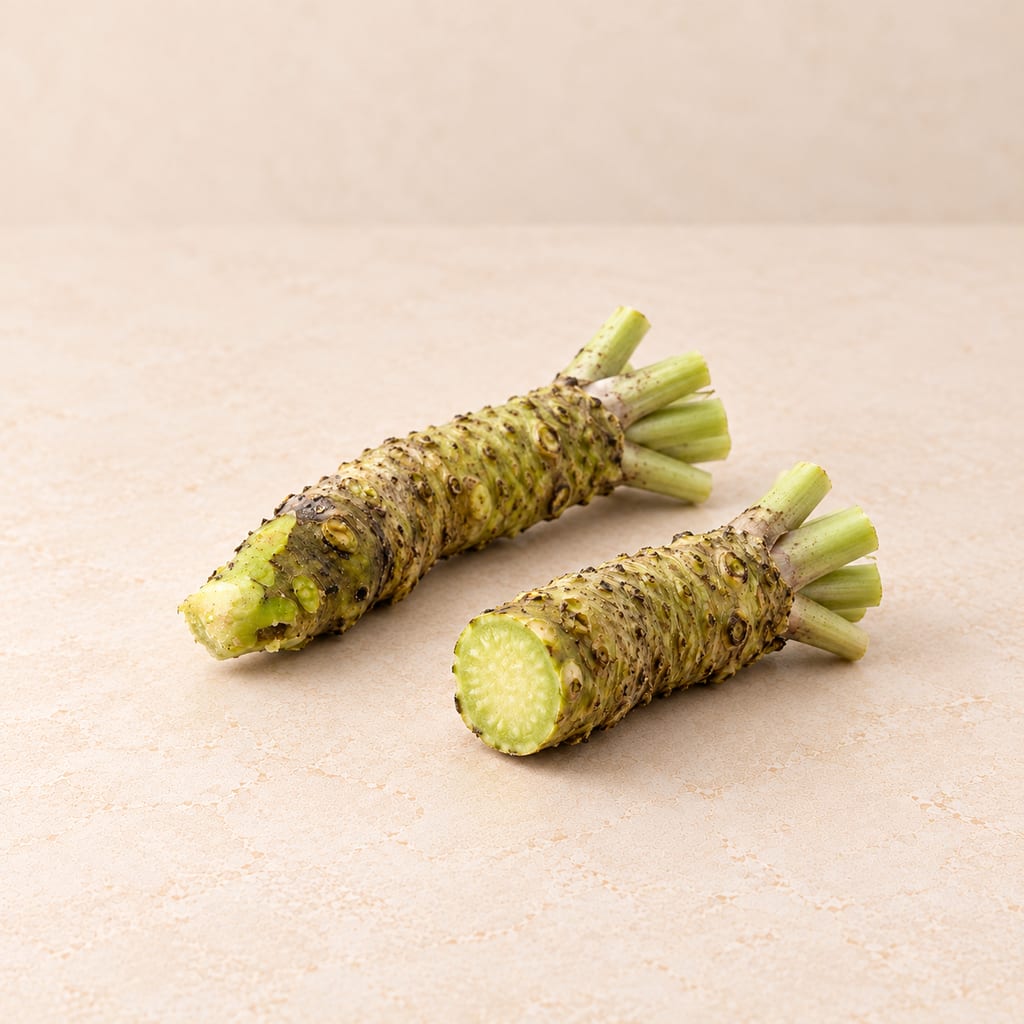
Wasabi is the enlarged stem of Eutrema japonicum, a pungent perennial in the mustard family. Fresh rhizome is grated as a Japanese condiment; powder and prepared paste are separate products.
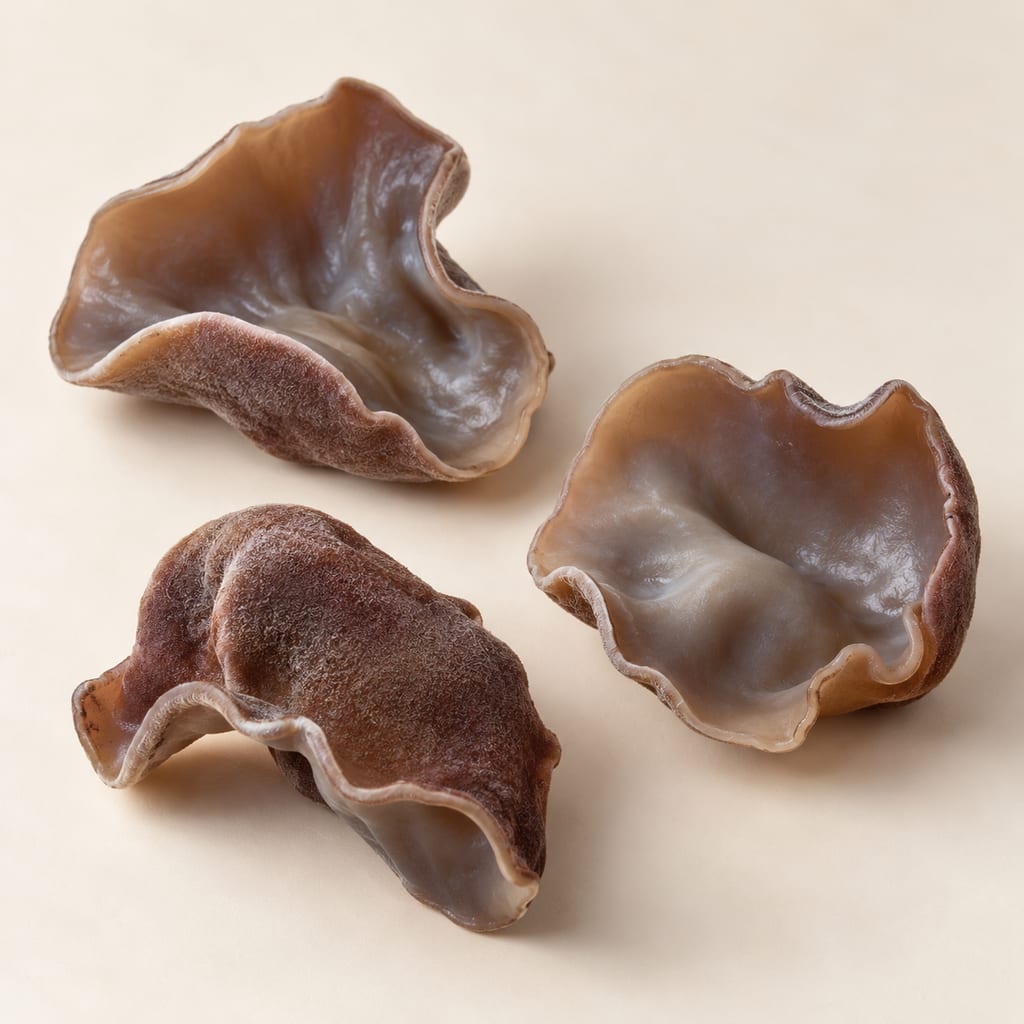
Auricularia cornea, a gelatinous wood-decay fungus recorded as food in the Congo and Asia, and cultivated and sold dried in China. It is mild in taste, and its name has been confused with Auricularia polytricha.
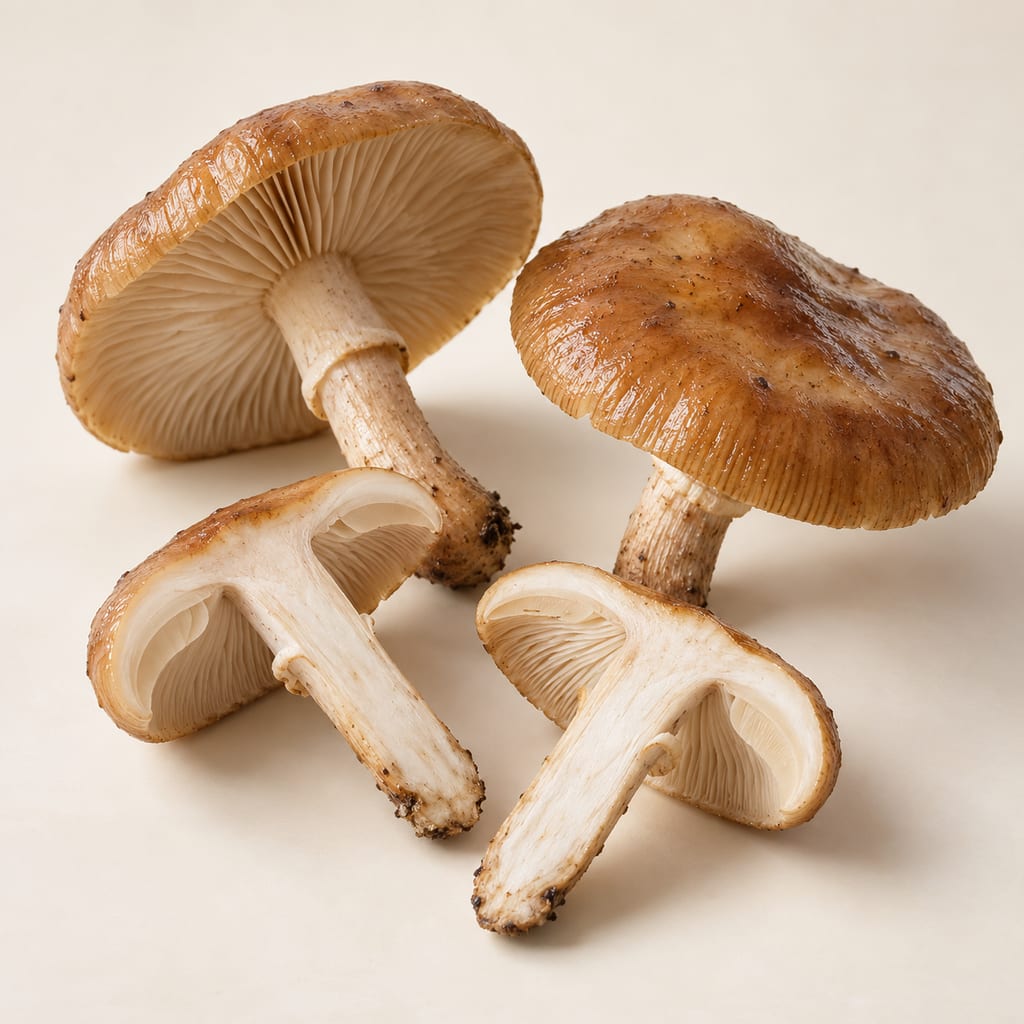
Harore, Armillaria novae-zelandiae, is a New Zealand honey fungus that grows in clusters on wood and is gathered as a traditional food by Tuhoe, with a cooking rule and close look-alikes to know.
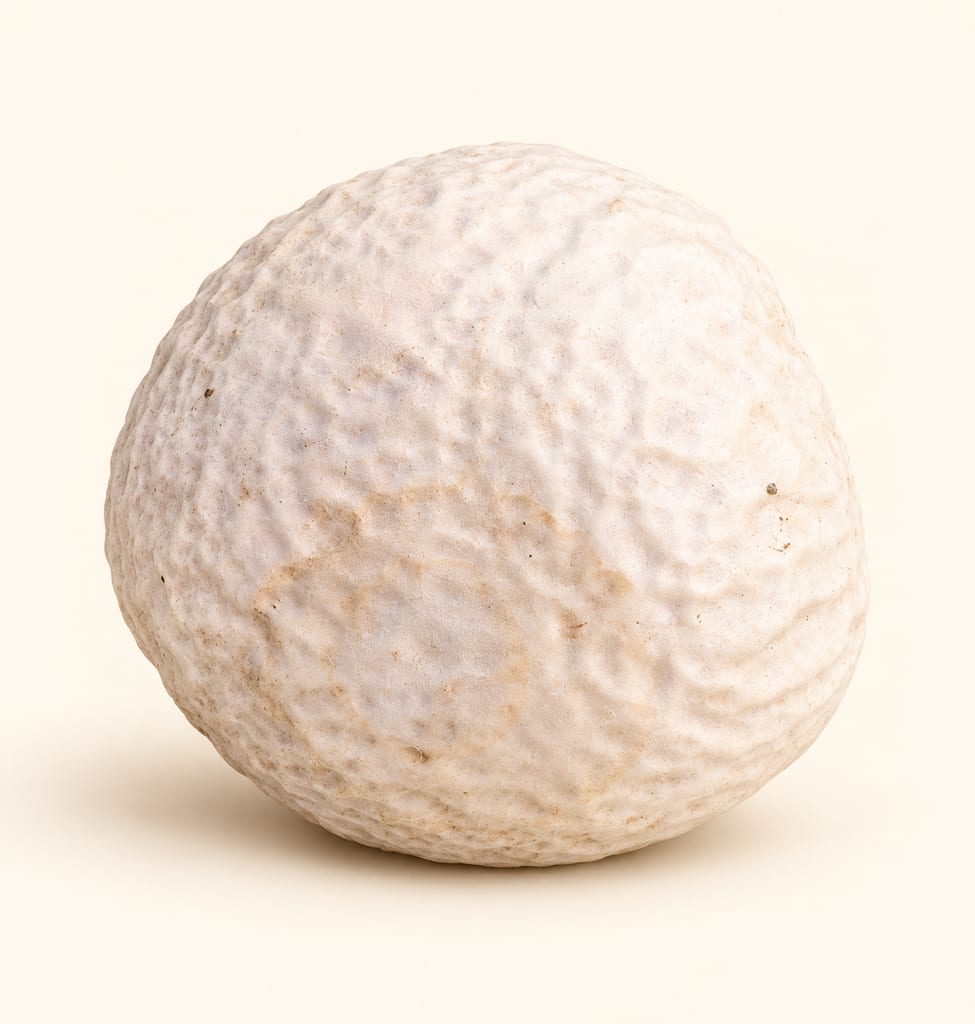
Calvatia lilacina is a lilac-tinted puffball with regional natural-history records and historical edible listings whose taxonomic and safety limits remain important.
An animal-derived liquid enzyme extract sets milk by changing casein proteins; its activity and formulation determine how a particular bottle is used in cheesemaking.
No community contributions have been published for this entry yet.
Sign in to contribute. Published comments and photos are free to read.
Manaaki Whenua Landcare ResearchIdentity · Food use · History · Safety
Ileodictyon cibarium name record, Rauropi Whakaoranga (Manaaki Whenua Landcare Research)About thirty-five Māori names, from Buchanan, Stewart and Jacob (2017).
Colenso (1868, 1880) and Kirk (1870) record the young egg stage as food; only the outer shell eaten; the stench of the burst stage.
Beattie (1920) raid tradition Kai-wharetua; the informant's account that the whareatua is not a proper mushroom.
The record makes no statement on current edibility or safety.