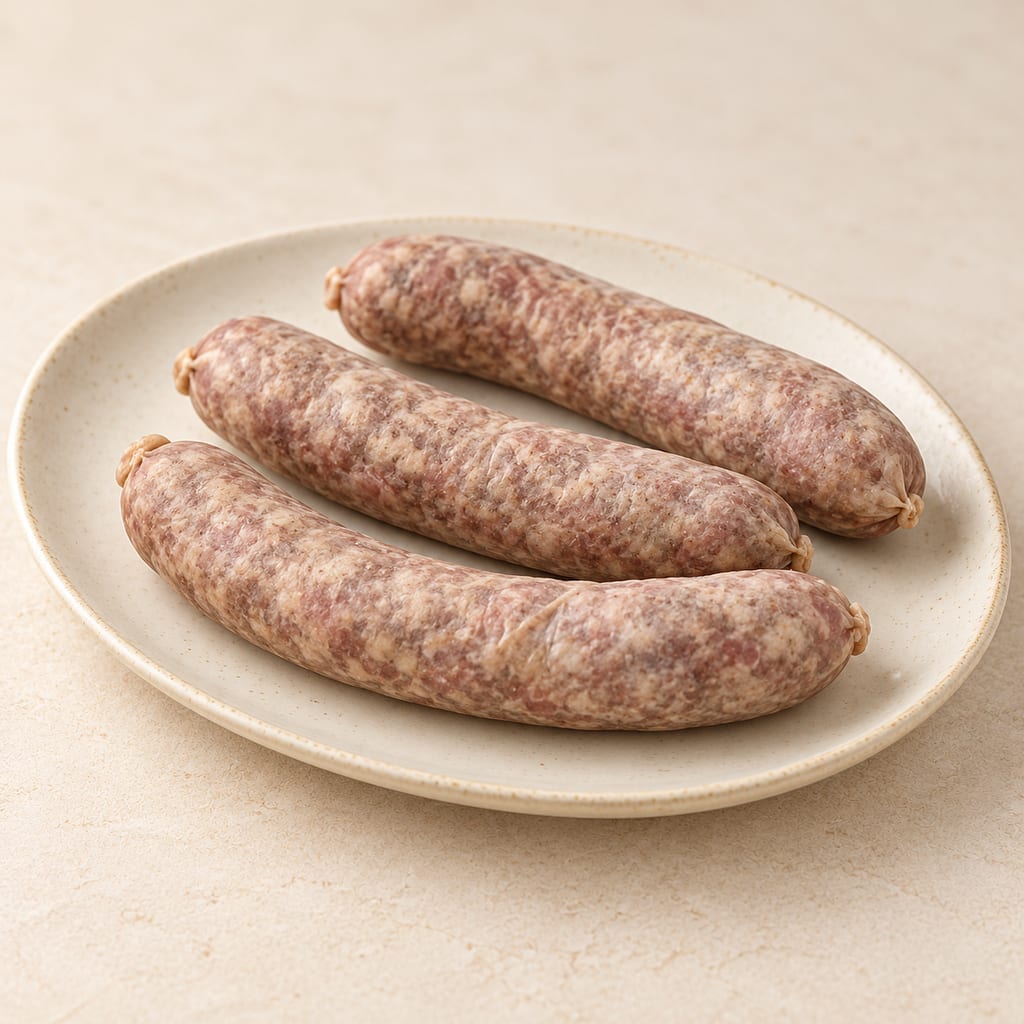
Maltese sausage, starter-cultured
A documentary account of Maltese zalzett and a contemporary starter-cultured adaptation. The cited raw-pork method lacks documented validation for pathogen reduction and is not offered as a preparation recipe.
 FermenteaWhere food goes to change
Spices and aromatics
Dried parsley is the dehydrated leaf of Petroselinum crispum, sold as flakes, granules or powder for its herbal aroma and green flecks.
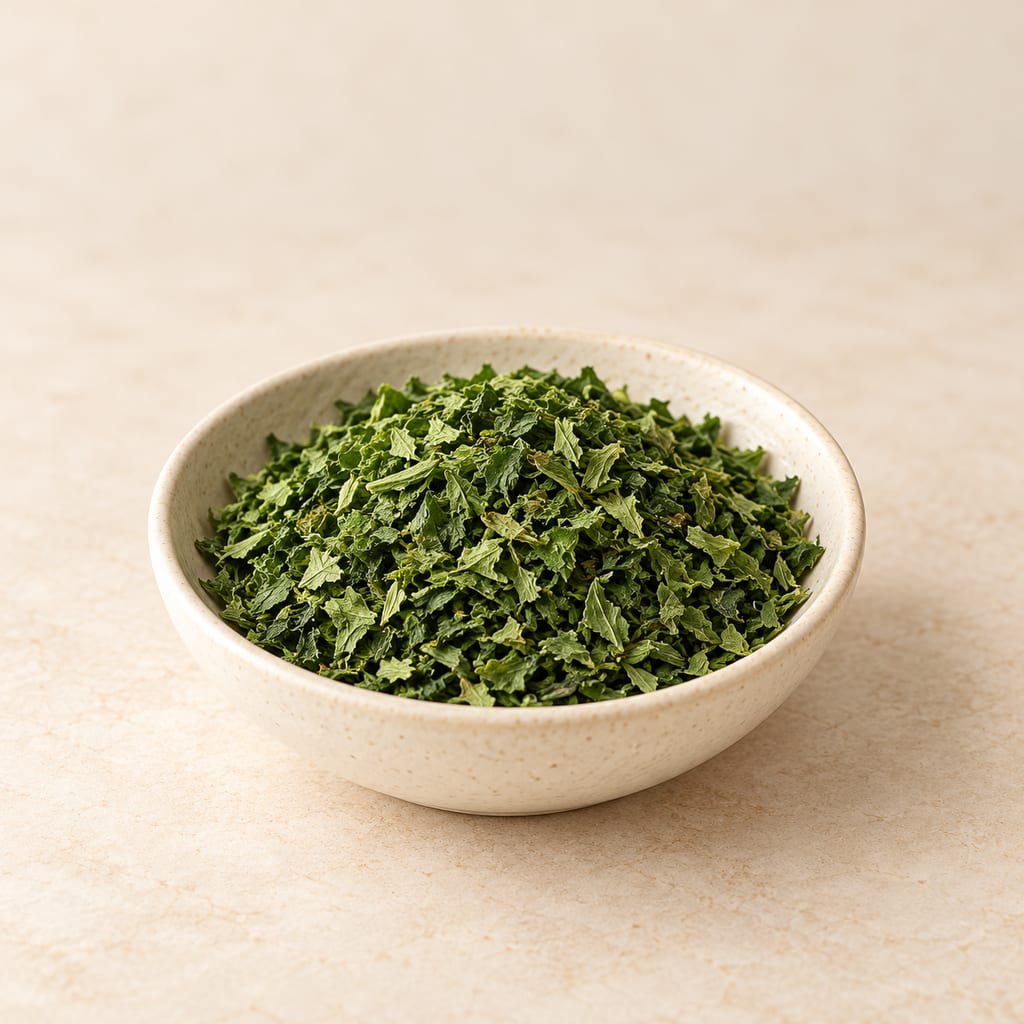
Dried parsley is the leaf of Petroselinum crispum, an aromatic member of the carrot family, Apiaceae. The familiar jar contains leaf fragments rather than a new fermented food: the crop has been harvested and dried, usually cut or crumbled into flakes. These are light, brittle pieces of leaf, quite unlike the succulent sprigs from which they came. Commercial specifications commonly describe green flakes with the characteristic aroma and flavour of dehydrated parsley.
The name identifies both a plant and a particular harvested part. Parsley root, parsley seed and distilled parsley oil are different ingredients, even though they come from the same crop. A recipe asking for dried parsley means the leaf unless it says otherwise. That distinction is especially useful with a familiar herb: a concentrated oil cannot be measured as though it were dried leaves, and the root brings a vegetable texture that flakes cannot provide.
Curled and flat leaves both belong to the parsley story. Their shapes are conspicuous on a growing plant; cutting and drying make them less obvious in a finished seasoning. The species name is therefore more informative than trying to identify a cultivar from a few green fragments. A packet may specify a leaf type or a cut size, but the simple name dried parsley does not establish either one.
Pliny the Elder gives a vivid glimpse of parsley in the ancient kitchen. His Natural History describes sprigs floating in milk served in country places and the herb being prized in sauces. That is a picture of an aromatic ingredient in ordinary liquids and seasonings, rather than a decorative afterthought. The passage also sits among medicinal beliefs, which tell us about the text’s world but do not establish modern health benefits.
Elsewhere, Pliny distinguishes cultivated plants by dense or sparse leaves, curled or smooth edges, and differences in stems. The English translation calls these plants parsley, but ancient names embraced a broader botanical vocabulary than a modern seed catalogue. It would be misleading to assign each description to a present cultivar. What survives clearly is attention to leaf form and to the usefulness of an aromatic garden plant.
Long cultivation also complicates the question of birthplace. Parsley has a broad Mediterranean and adjacent European and western Asian background, with no certain single birthplace. A long history of growing and moving a garden herb does not reveal one documented domestication event. Neither the modern dried product nor its use in a Maltese sausage establishes where the plant was first cultivated.
The common leaf forms are curled parsley and flat-leaf parsley, often called Italian parsley. Hamburg or turnip-rooted parsley is grown for its enlarged edible root, although its leaves are also usable. These are meaningful crop distinctions: the grower selecting for an attractive bunch of leaves is pursuing a different harvest from the grower selecting a substantial root. Dried leaf parsley belongs to the leafy side of that range.
Flavour comparisons require more care than the usual rule that flat leaf is always stronger. Curled and plain forms can both be aromatic, although flat-leaved types are often described as more pungent. Cultivar choice and the condition of the harvested product matter. Once the leaves have been dried, their processing history becomes another part of the comparison.
For cooking, the stated form is the useful starting point. A dried leaf product is already cut and dehydrated; a fresh bunch has intact leaves, stalks and water. These are related ingredients with different textures. Choosing between them involves what the dish needs to look and feel like as well as whether it should taste of parsley.
Parsley is a biennial: it normally makes leafy growth before flowering in its following season. Commercial leaf production commonly treats it as an annual. This keeps the crop’s purpose clear. The harvest is the vegetative growth, whereas a plant retained for seed must proceed into flowering and fruiting. In a garden, the same plant can thus supply leaves and later become a seed crop, but these are different stages of its life.
Getting the crop established is less effortless than a jar of flakes suggests. Parsley seed can germinate slowly and unevenly, especially in cold, wet soil. Growers may sow directly or use transplants, with care for the roots when moving young plants. A fine seedbed, sufficient moisture and good drainage support establishment. These are crop conditions, not a fixed calendar that applies to every climate.
Leaf production can continue through successive pickings when the plants remain in good condition. Gardeners can take sprigs as needed, while commercial harvest is organized around the intended market. The contrast between a fresh bunch and dried flakes begins here, before any leaf reaches a dryer: the amount of damage acceptable in a processing crop differs from that acceptable in a bunch sold intact.
Fresh-market parsley rewards careful hand cutting because the intact bunch must arrive looking crisp and undamaged. Processing fields can be mechanically clipped and the cut crop carried to dehydrators. Further harvests can follow when the plants remain in suitable condition. Mechanical harvesting changes the scale of the operation; it does not change the identity of the leaf being sold.
Commercial production can include washing, trimming and chopping the harvested herb, then dehydrating and milling it to size. Metal detection before packing is a further part of a documented factory process. These operations serve different purposes: cleaning and trimming prepare the harvested material, drying changes its moisture and texture, and milling sets the cut. Packing preserves the resulting product in the form selected for sale.
In New Zealand, both flat-leaf and triple-curled parsley are grown and dehydrated, with the product graded into flakes, granules and powders. Those forms allow different appearances in finished foods. Flakes remain visible; a finer product distributes leaf material more discreetly. A recipe specifying flakes should therefore be read as a request for a physical form, even where a supplier offers several grades from the same herb.
Drying removes water from the leaf through exposure to moving, dry air. The soft leaf becomes brittle and can crumble, making a product that can be packed for the cupboard. This is a physical preservation operation. It does not require a starter organism, and there is no reason to describe ordinary dried parsley as fermented. The practical challenge is to remove moisture while retaining useful flavour and colour.
Those aims do not always move together. Research comparing parsley drying methods has measured differences in drying time and chlorophyll retention. Another study, comparing heat-pump and cabinet drying, found that measured volatile components declined as drying temperature increased. Yet its sensory panels did not find a significant difference between the tested products. A chemical measurement and a person’s judgement of flavour describe different aspects of quality.
The lesson is more useful than a supposedly ideal temperature. Dryer design, conditions and the material being dried affect the result; a laboratory comparison does not supply one household schedule for every parsley crop. Green colour is desirable in many products, but it cannot by itself describe their aroma, processing history or microbiological condition. The cut, colour and smell are quality characteristics rather than proof that two packets are identical.
Parsley has a place throughout savoury cooking: it can season soups, vegetables, fish, meat and sauces. Dried flakes are particularly convenient where a measured quantity of herb is to be distributed through food. In soups, stews and casseroles, the flakes become part of a larger cooked mixture rather than an intact leafy garnish.
The distinction between fresh and dried parsley becomes particularly clear in a dish that uses leaves as a substantial component. Fresh parsley in a salad brings leaf volume, moisture and texture as well as aroma. Dried flakes cannot reproduce that leafy structure simply by matching a spoonful. Conversely, a recipe designed around a small dry seasoning addition need not be improved by adding a much larger quantity of fresh leaf without considering the formulation.
For a bought product, read the name alongside the cut and ingredient information. A jar of pure parsley flakes differs from a parsley-containing seasoning blend. The colour and particle size can help anticipate the visible finish, while the manufacturer’s description establishes what is actually sold. A familiar green fleck is still an ingredient with a specified form, not an interchangeable decoration.
The starter-cultured Maltese sausage linked here uses dried parsley alongside coriander, black pepper and garlic. In that formulation, parsley belongs to the seasoning mixture. The formulation separately specifies a starter culture and its other fermentation ingredients. Reading the herb as seasoning preserves the distinction between what makes the sausage taste herbaceous and what controls its preparation.
A separate traditional version uses fresh parsley, while the modern formulation includes an adjustment for using fresh leaf in place of dried. That is a useful example of a recipe-specific substitution, rather than a universal equivalence for every dish. The fresh and dried products differ in water and texture, and the adjustment belongs to that particular mixture.
Nothing in this use establishes parsley flakes as a meat preservative or a substitute for a culture, cure or validated processing control. An aromatic herb can be important to the identity of a sausage without driving its fermentation. Follow the linked preparation for its complete formulation and safety requirements; the ingredient page explains the herb rather than supplying a second sausage method.
When herbs are dried at home, readiness for packing is indicated by leaves that crumble and stems that break when bent. Sound leaves are selected, rinsed and freed of excess surface water before drying. Parsley is included among the sturdier herbs that can be air-dried. Indoor drying generally protects colour and flavour better than leaving the material in the sun.
Once dry, the leaves belong in airtight containers in a cool, dry, dark place. The purpose is to protect their colour and fragrance and keep the stored herb away from conditions that undo the work of drying. Leaves may be kept less finely broken and crumbled as needed, or crumbled before storage. A clean, closable package is part of maintaining the ingredient’s condition.
Commercial shelf-life statements belong to the particular product and package. Different commercial parsley products carry different recommendations; there is no one expiry rule for every jar of dried parsley. Follow the product’s own storage and date information. A manufacturer’s specification also distinguishes quality expectations from the broader question of safe use in the dish to which the herb is added.
Dry herbs are foods rather than sterile materials. Pathogens including Salmonella have been found in marketed spices, and disease outbreaks have been associated with spices and dried aromatic herbs. This evidence concerns a broad commodity category; it does not tell us that any particular parsley packet is contaminated. It does mean that dryness and a pleasant aroma cannot establish microbiological safety.
Pure dried parsley is a plant ingredient, while a blend may contain other seasonings or additions. For dietary and allergen requirements, use the actual product information rather than an assumption based on the herb’s name. A supplier may make a facility-specific allergen declaration, but that declaration cannot be transferred to every producer or packet. Nor does a list of excluded major allergens establish that nobody can react to the herb itself.
Parsley can itself be an allergen. A clinical series linked parsley with allergic swelling and hives in sensitized patients, although it did not use oral challenge tests. That evidence establishes a possible individual allergy, not a prevalence estimate or a prediction for every person with pollen allergy. It also does not show that drying removes the relevant allergens. Anyone with an established parsley allergy needs the actual product and dish ingredients checked, rather than relying on a description such as herb seasoning.
Parsley’s broad Mediterranean and adjacent western Asian history is separate from the location of a modern drying business or of a dish that uses it. Mid Canterbury in New Zealand is a growing and processing location. Maltese sausage provides a culinary association. These are different kinds of geographical evidence, and neither identifies a unique ancient birthplace.
The exact domestication site remains uncertain, and the ancient plants translated as parsley cannot all be assigned confidently to modern cultivars. Comparisons of curled and flat-leaf strength also differ between horticultural accounts. Those limits leave a clear practical identity: dried parsley is a graded leaf seasoning, with its character shaped by the crop, the harvest, the drying process and the way it is kept.
Producer-documented growing and dehydration operation; not botanical origin.
A documentary account of Maltese zalzett and a contemporary starter-cultured adaptation. The cited raw-pork method lacks documented validation for pathogen reduction and is not offered as a preparation recipe.
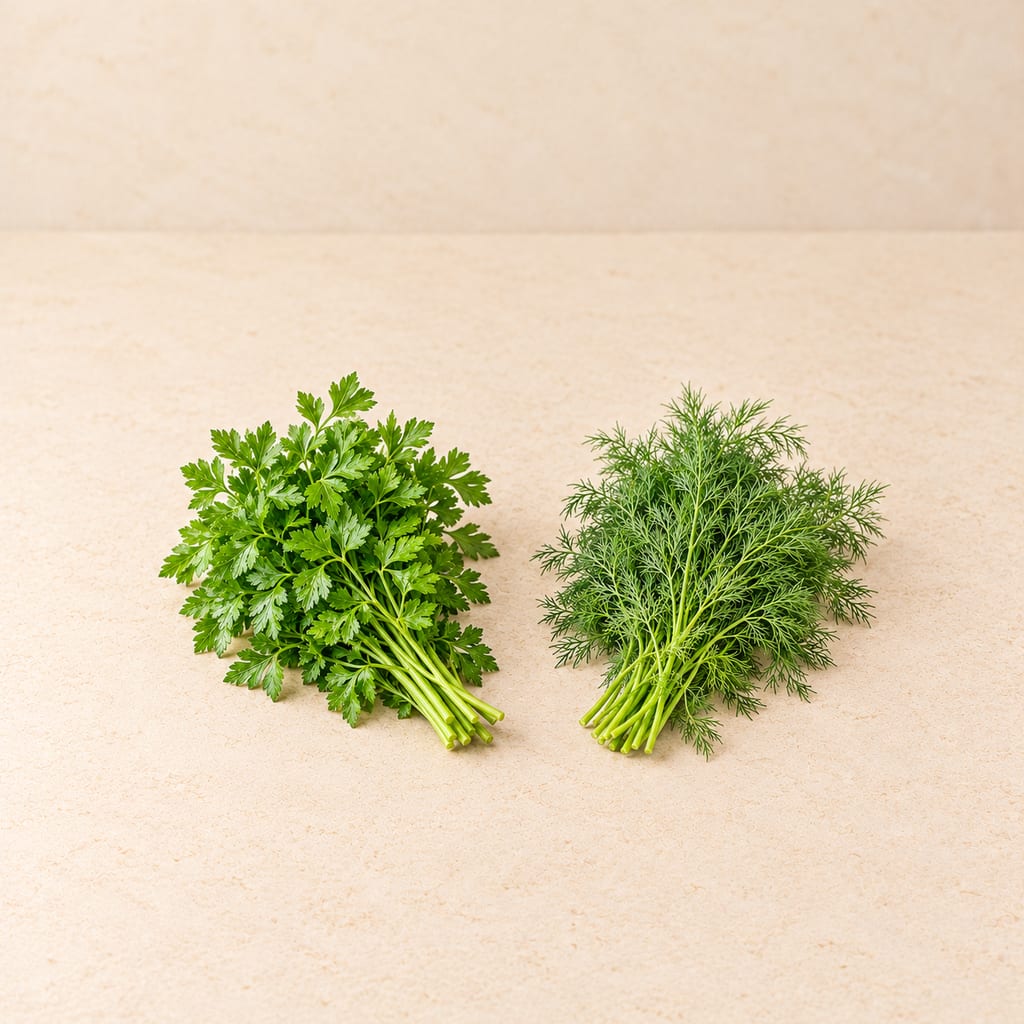
Parsley and dill are two leafy herbs of the carrot family, used fresh for their green, clean flavour. Dill also gives its name to dill pickles, the best-known cucumber ferment.
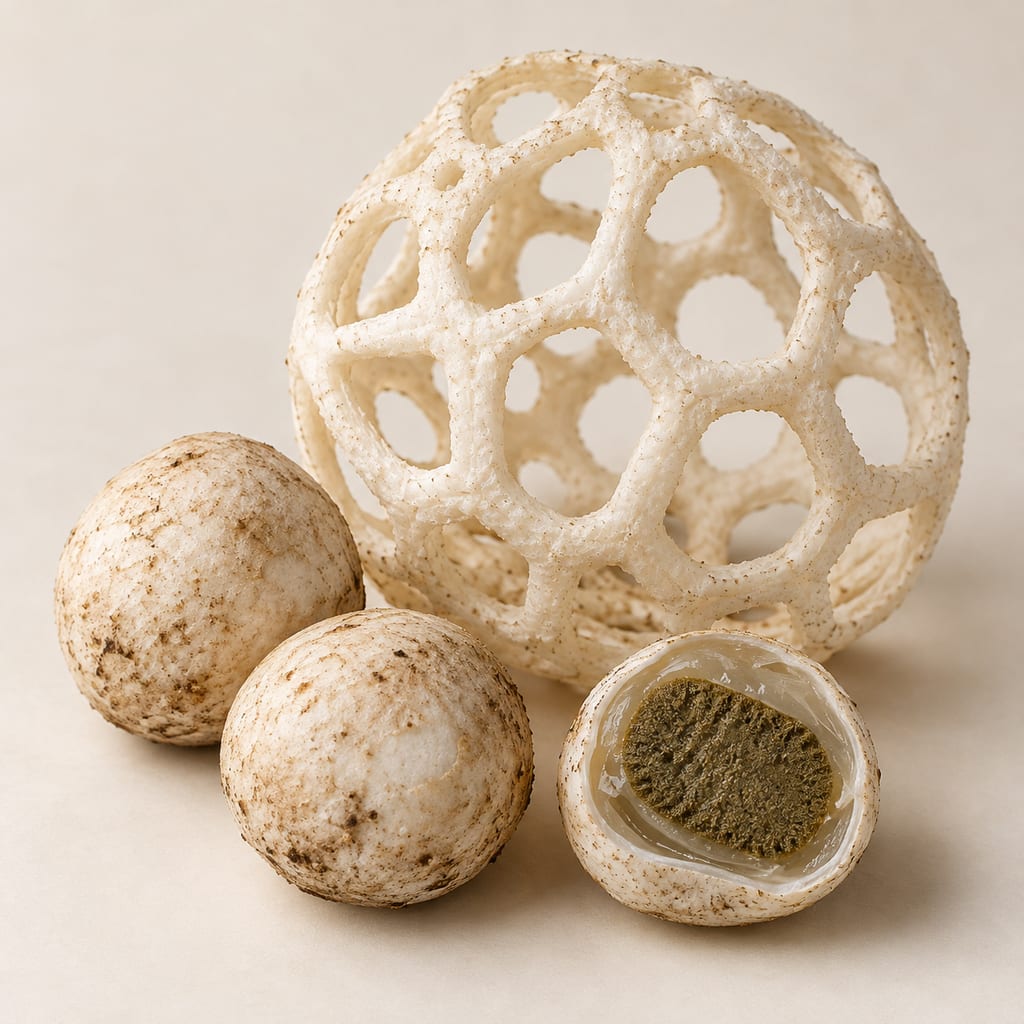
Ileodictyon cibarium, a New Zealand stinkhorn fungus with a lattice basket. Historical Māori accounts record its unexpanded egg stage as food. Modern edibility has not been verified.
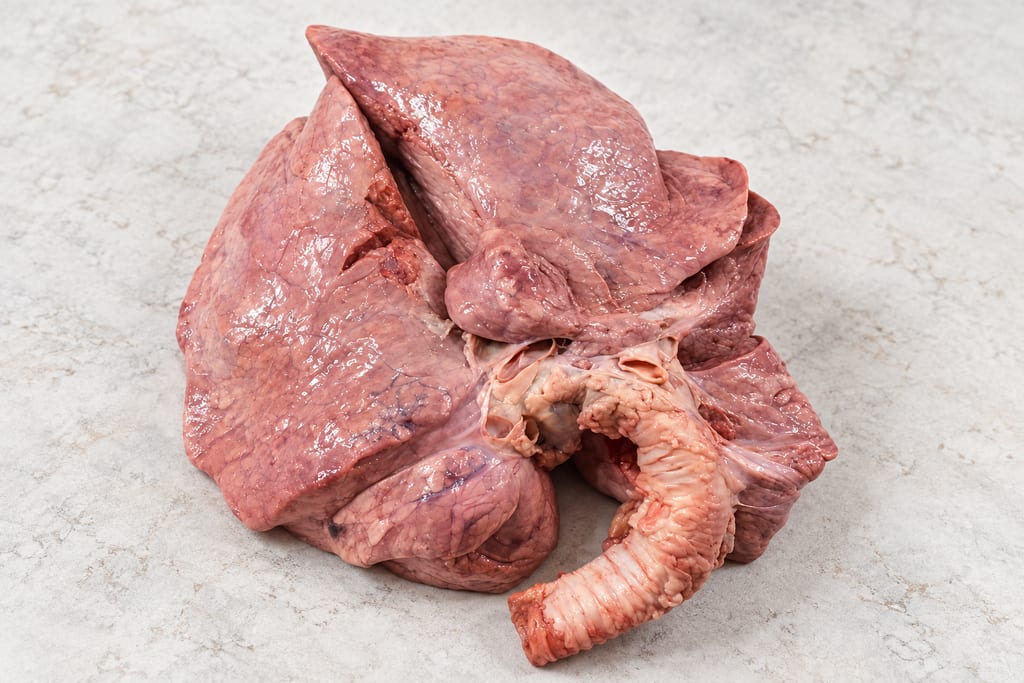
Beef lung is cattle offal used in regional Indonesian dishes and studied as a substrate for a modern fermented-sauce proof of concept. Culinary, regulatory and experimental uses vary; the sources support no universal process.
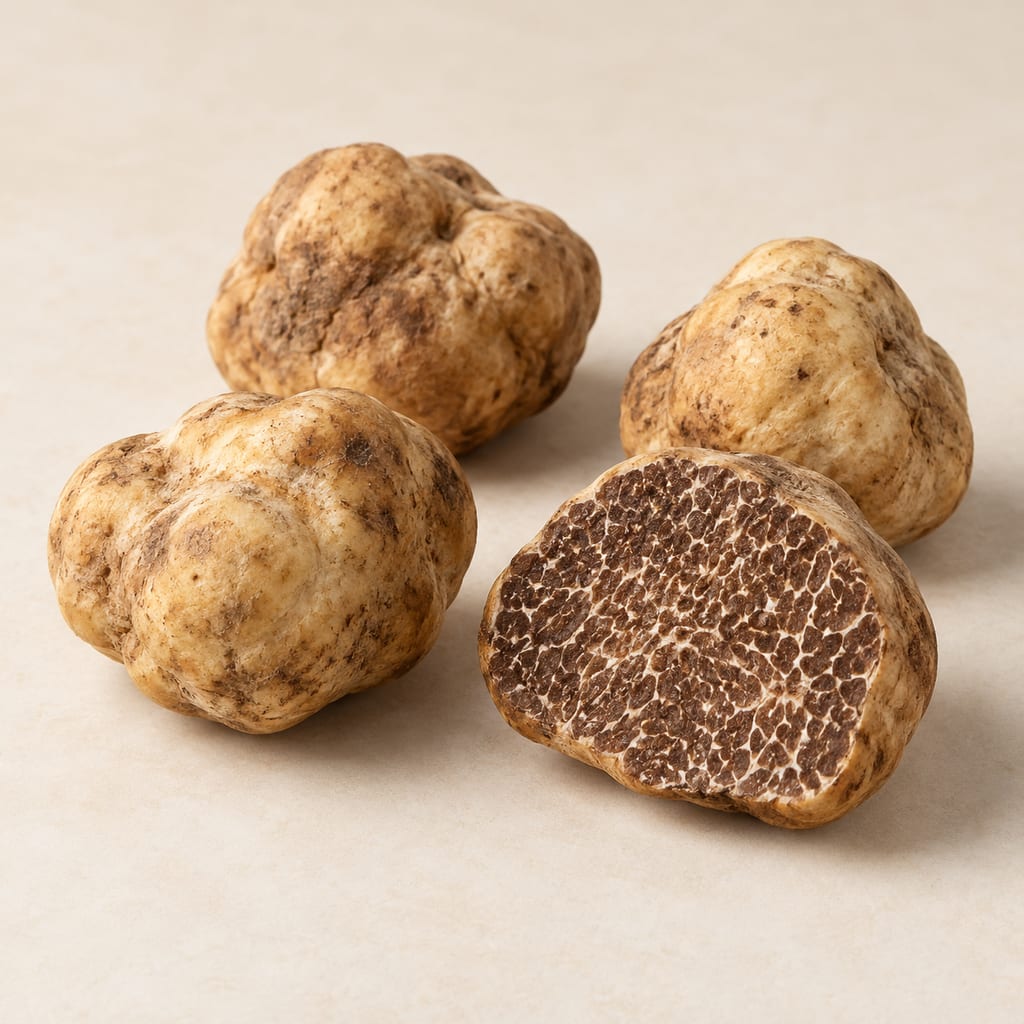
Tuber borchii, the bianchetto truffle, is a pale, pungent truffle that grows with trees and is now cultivated in Italy. It is used as a seasoning and is distinct from the costly white truffle, Tuber magnatum.
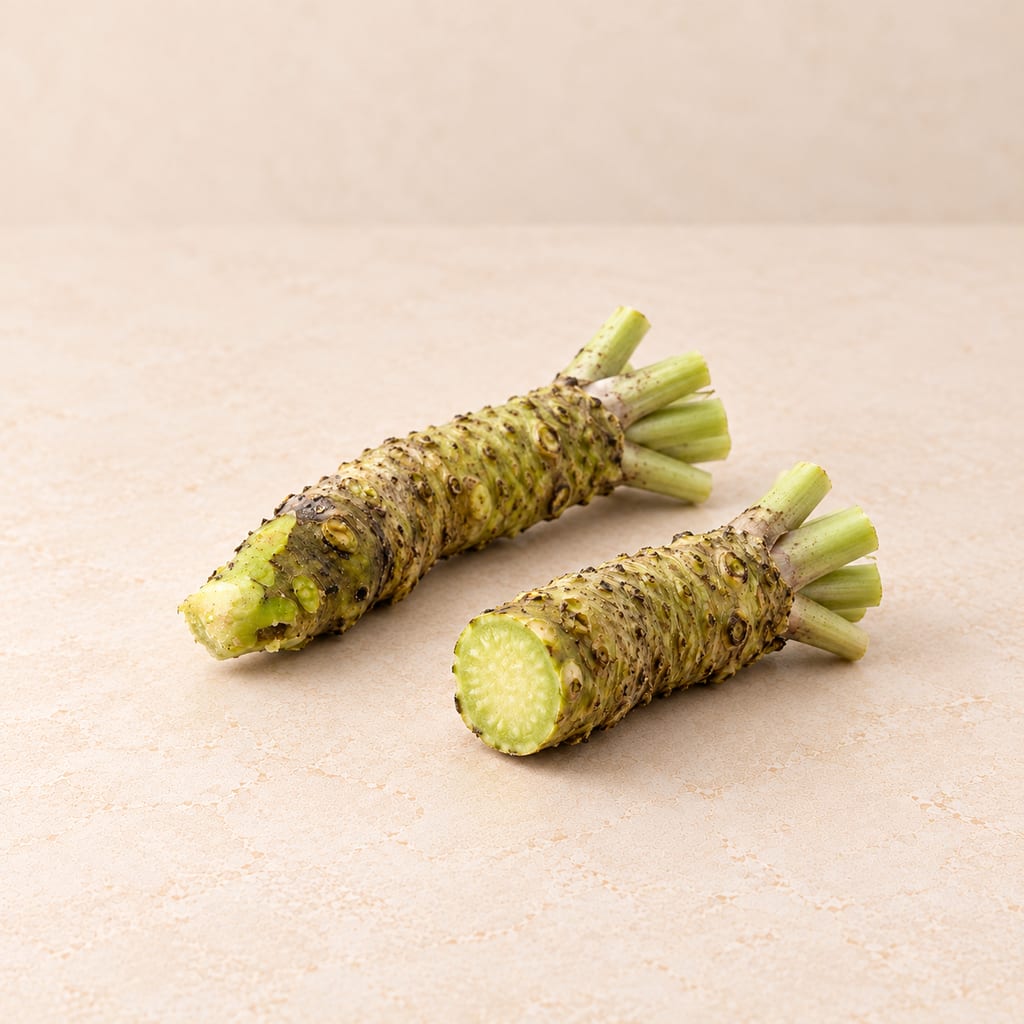
Wasabi is the enlarged stem of Eutrema japonicum, a pungent perennial in the mustard family. Fresh rhizome is grated as a Japanese condiment; powder and prepared paste are separate products.
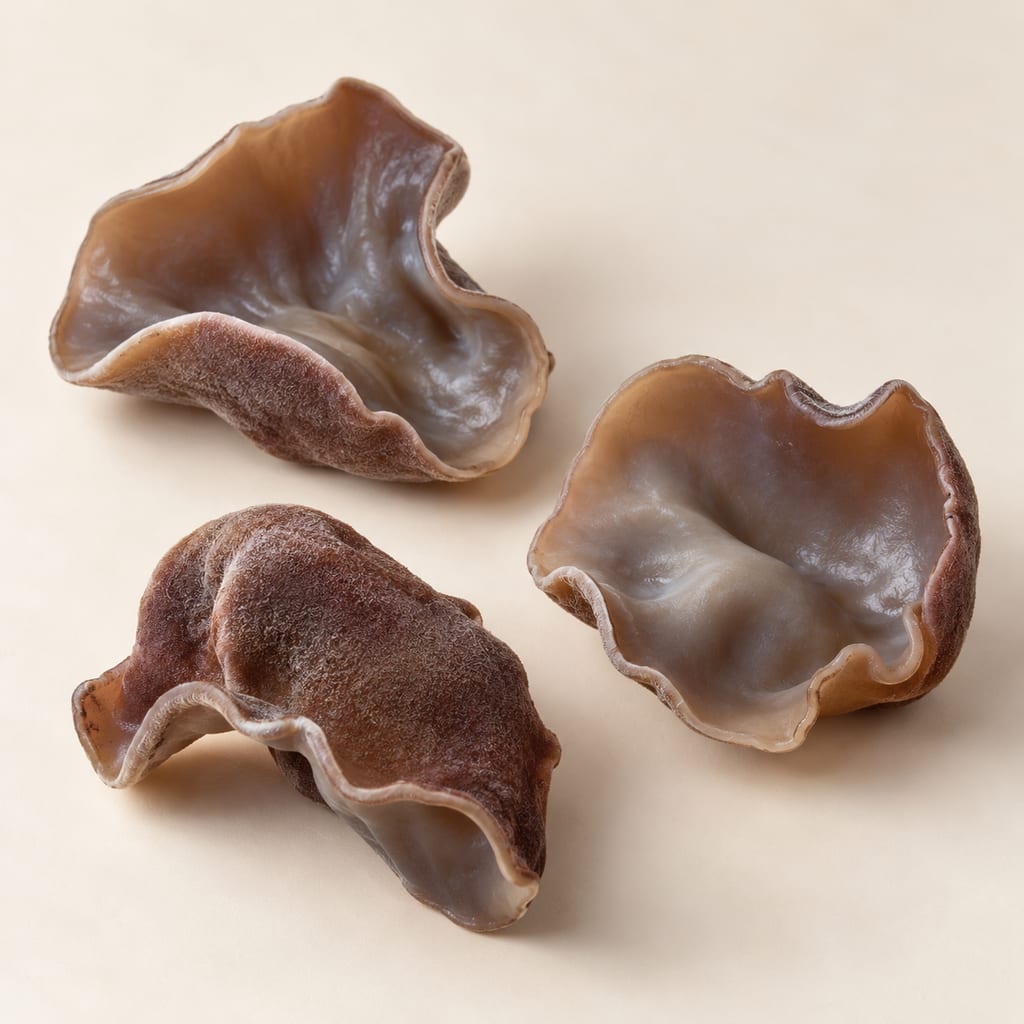
Auricularia cornea, a gelatinous wood-decay fungus recorded as food in the Congo and Asia, and cultivated and sold dried in China. It is mild in taste, and its name has been confused with Auricularia polytricha.
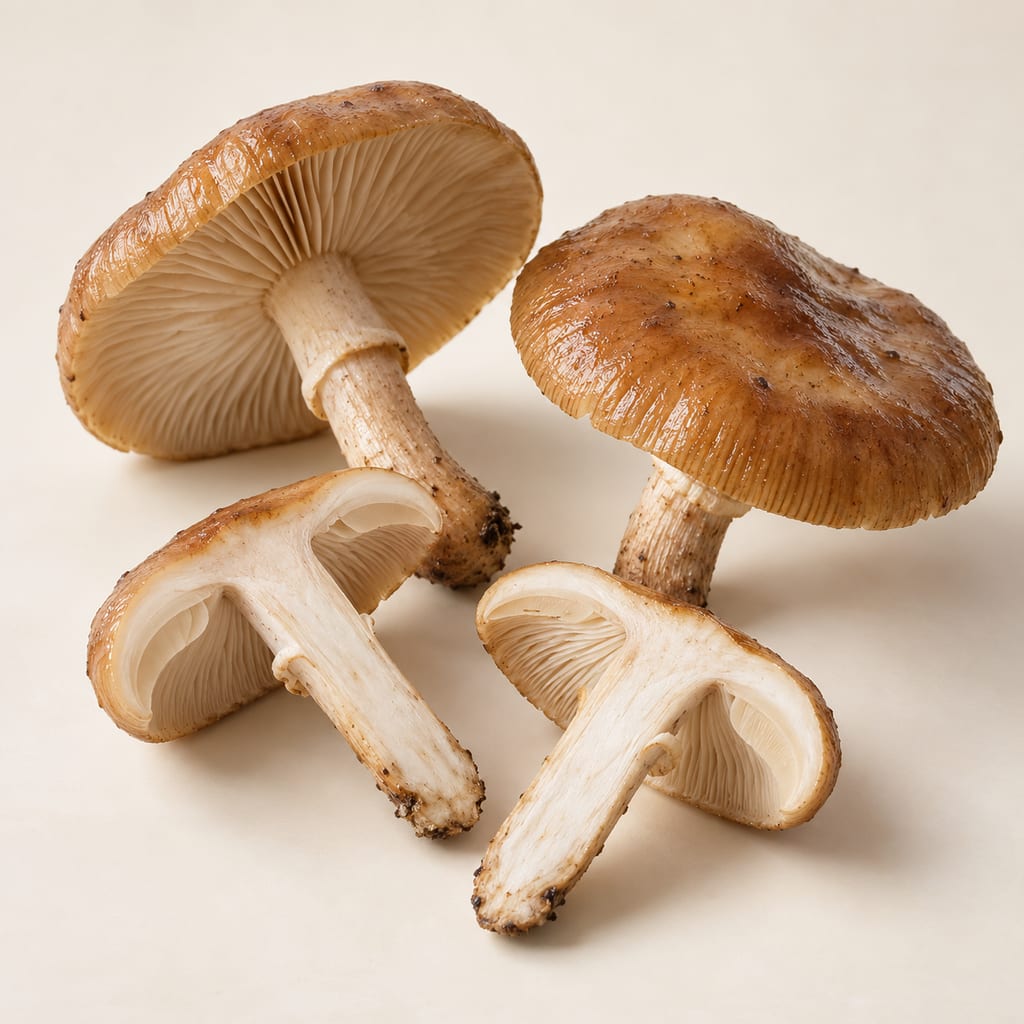
Harore, Armillaria novae-zelandiae, is a New Zealand honey fungus that grows in clusters on wood and is gathered as a traditional food by Tuhoe, with a cooking rule and close look-alikes to know.
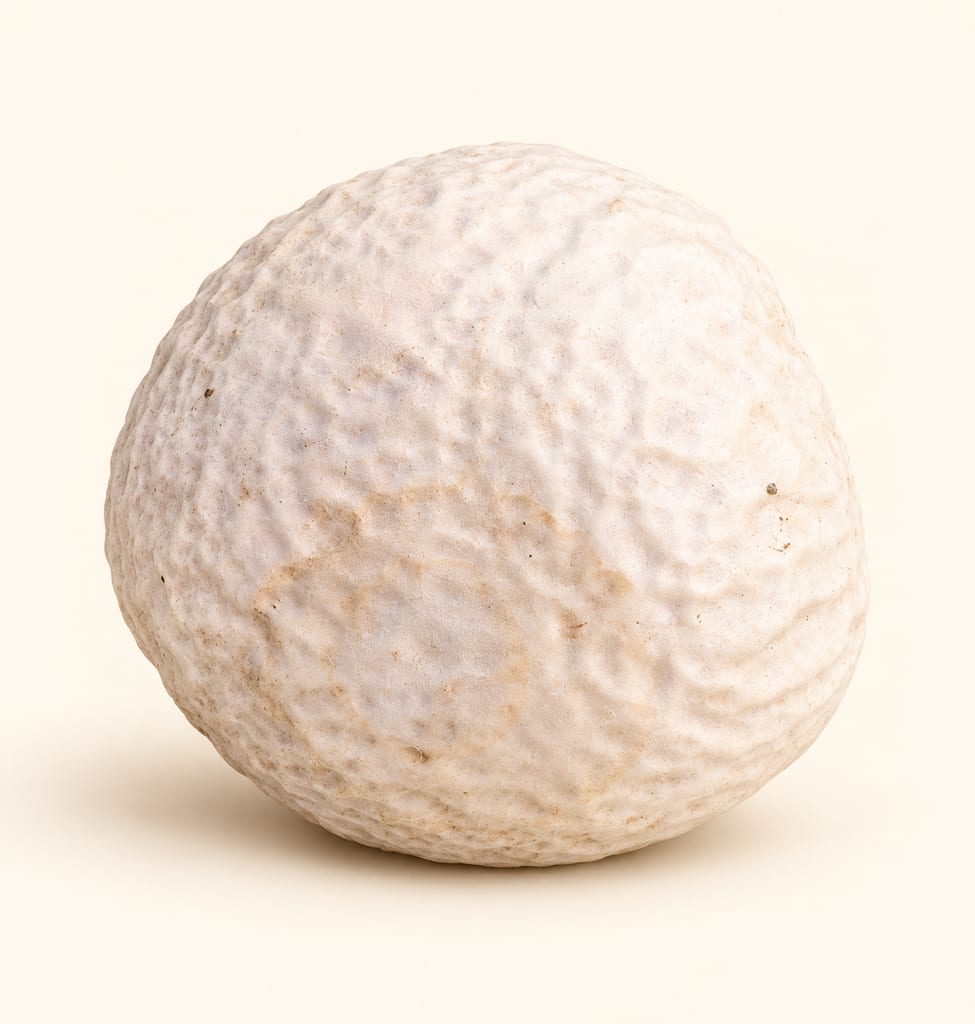
Calvatia lilacina is a lilac-tinted puffball with regional natural-history records and historical edible listings whose taxonomic and safety limits remain important.
An animal-derived liquid enzyme extract sets milk by changing casein proteins; its activity and formulation determine how a particular bottle is used in cheesemaking.
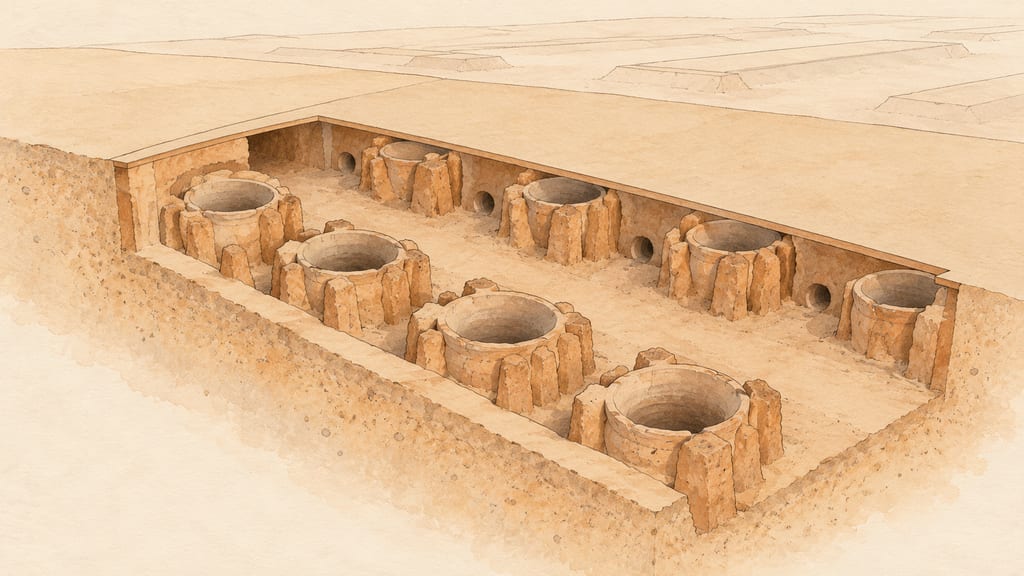
At North Abydos in Egypt, a fixed early Dynastic brewery comprised parallel semi-subterranean installations with rows of ceramic mash vats; excavation reports revise their number, scale and estimated batch capacity.
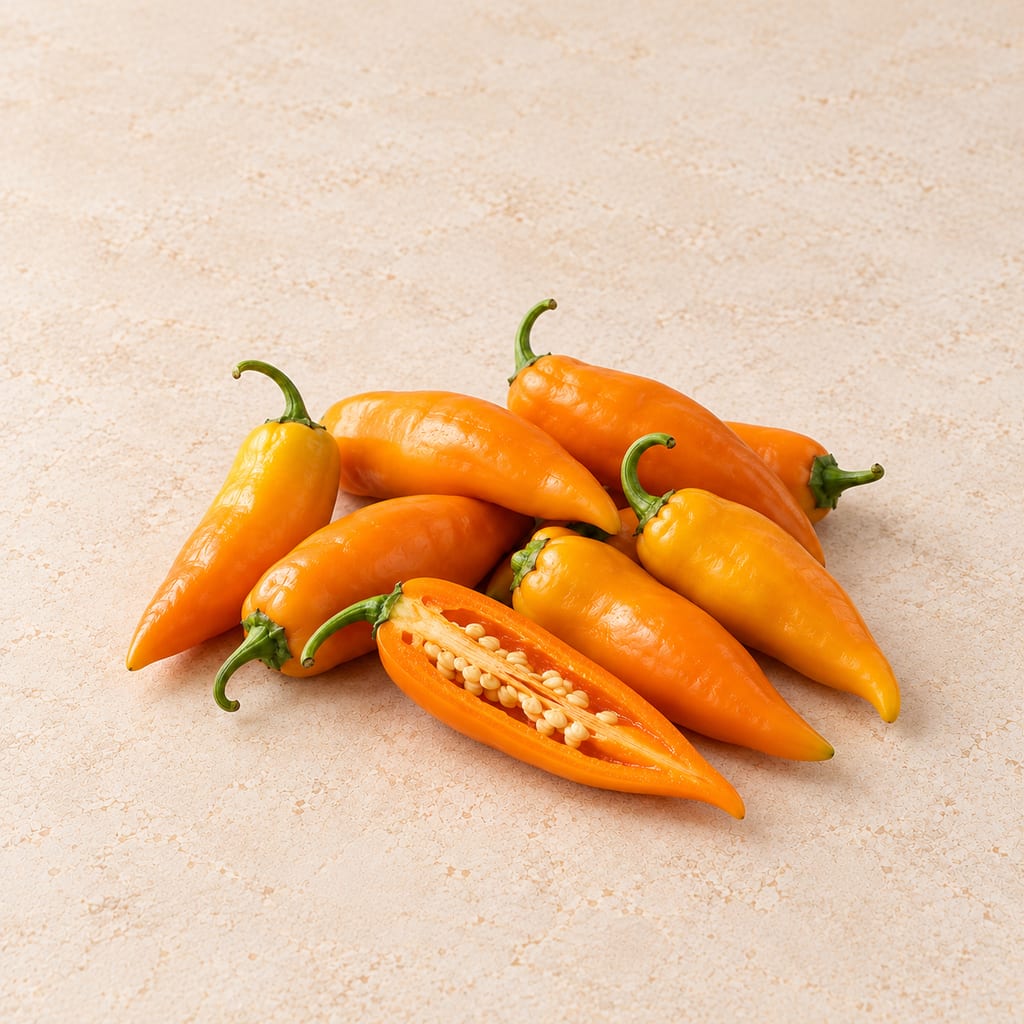
Ají amarillo is the orange-yellow Peruvian chilli cultivar group of Capsicum baccatum, used to colour and season huancaína sauce and ají de gallina. Published heat estimates do not establish one range for the named cultivar.

Toasted almonds are whole sweet almond kernels dry-roasted until golden to brown. Heat replaces their marzipan note with a roasted, nutty one; they thicken and flavour romesco.

Kodiak salmon, halibut and cod cut as seg'aq and hung on an initaq rack to become tamuuq, with kac'amaasaq and kupcuunaq named as different results.

Aniseed is the dried ripe fruit of Pimpinella anisum, an aromatic Apiaceae spice commonly called a seed. It adds a sweet, warm aroma to breads such as Moroccan krachel and South African mosbolletjies, and is distinct from star anise.
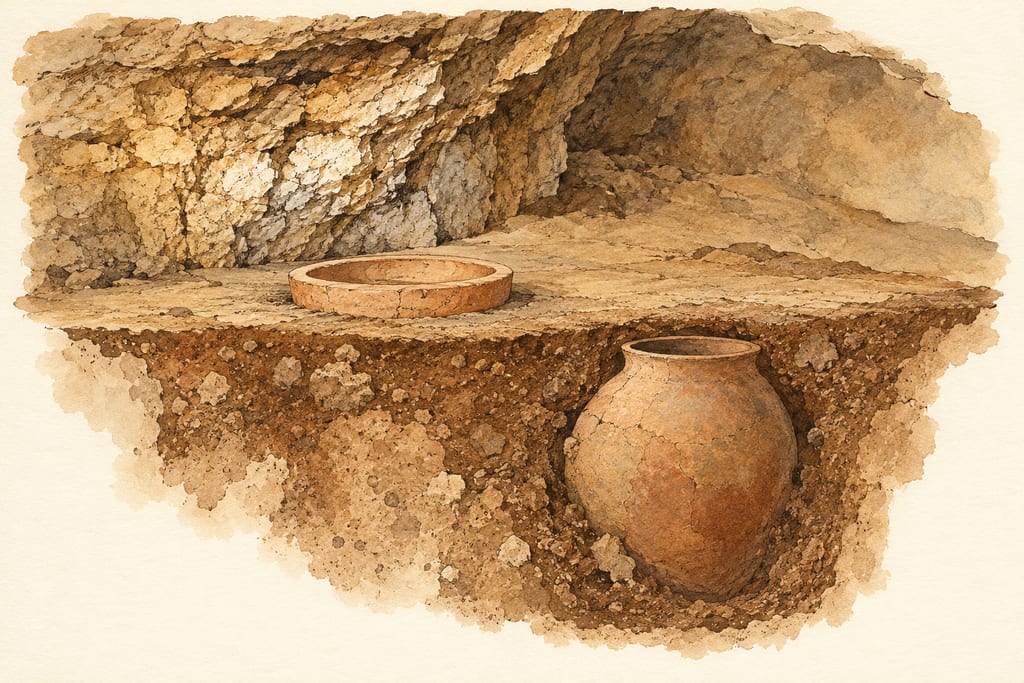
A fixed Late Chalcolithic installation in Areni-1 cave combined a shallow clay pressing basin with a large jar set into the cave floor and storage vessels nearby.

Ripe avocado flesh is the soft, buttery, fat-rich pulp of Persea americana, eaten raw. It is low in acid, so it is a fresh ingredient that needs care in chilled dishes.
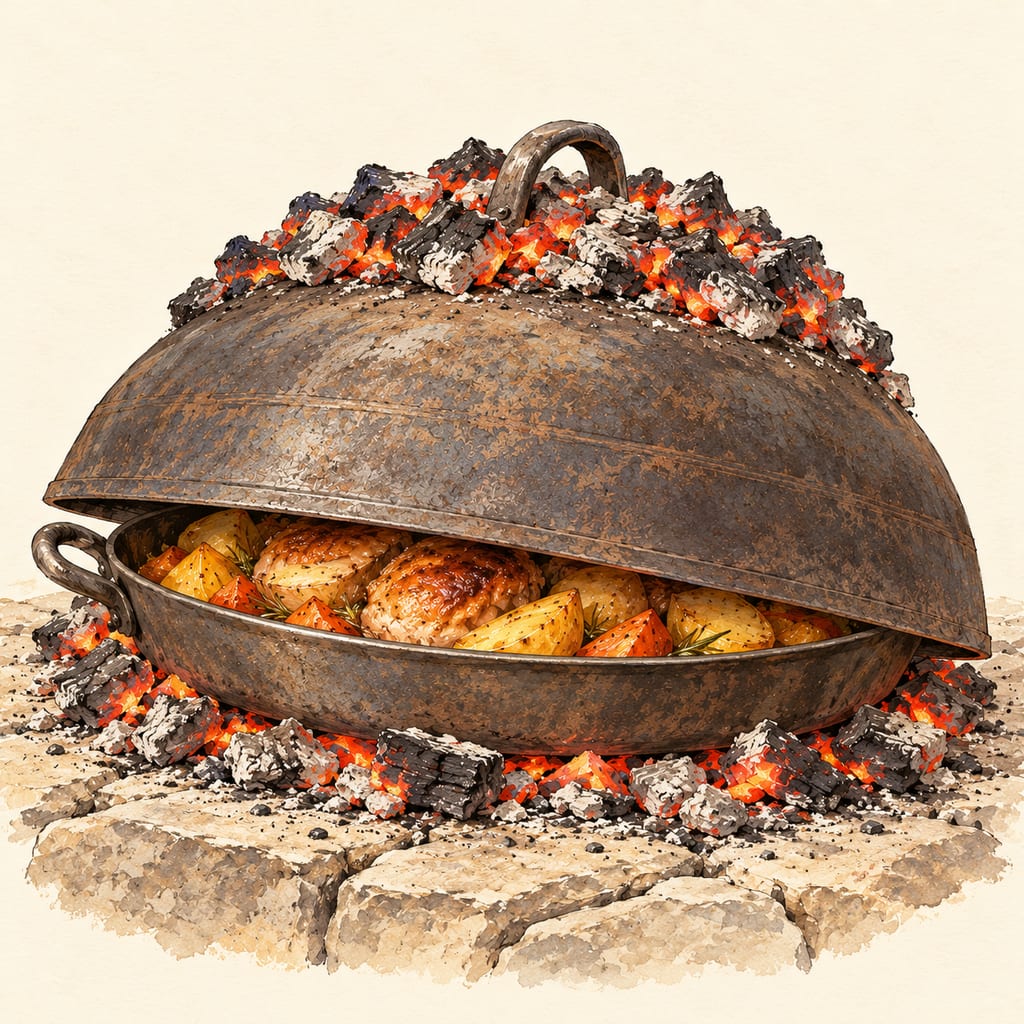
A portable dome and pan used over a hearth, with embers on the lid and heat from below. Regional peka and saç forms share this principle while differing in materials, pan shape and how the food is cooked.
No community contributions have been published for this entry yet.
Sign in to contribute. Published comments and photos are free to read.
Purdue University and Rutgers UniversityIngredient context
Parsley: A Production Guide (HO-202)Parsley’s botanical family, commercial annual leaf production, leaf forms, crop establishment, and hand and mechanical harvesting.
Cited in: A garden leaf made for the cupboard; Curled, flat and root parsley; A leafy crop with a difficult start; From cutting to a graded ingredient; Places and the limits of the record
University of Wisconsin–Madison ExtensionIngredient context
Parsley, Petroselinum crispumPetroselinum crispum’s biennial life cycle, curled and flat leaf forms, garden cultivation and culinary uses.
Cited in: A garden leaf made for the cupboard; Curled, flat and root parsley; A leafy crop with a difficult start; Using a dry herb in a moist dish
University of Arkansas Division of AgricultureIngredient context
Plant of the Week: Petroselinum crispum, ParsleyParsley forms and uncertainty about the plant’s original range.
Cited in: Parsley before the seasoning jar; Curled, flat and root parsley; Places and the limits of the record
Project Gutenberg; Bostock and Riley translationIngredient context
Natural History, Volume IV, Books XIX.37 and XX.44Cultivated parsley differences and the use of sprigs in country milk and sauce seasoning in the translated ancient text.
Cited in: Parsley before the seasoning jar
Canterbury Dried Foods LtdIngredient context
Parsley ProductsFlat and curled parsley grown and processed in Canterbury, sold as flakes, granules and powder for soups, stews and casseroles.
Cited in: From cutting to a graded ingredient; Using a dry herb in a moist dish; Places and the limits of the record
National Center for Home Food Preservation, University of GeorgiaIngredient context
HerbsSelecting sound herb leaves, drying by moisture evaporation, brittle-leaf endpoints and airtight storage away from heat, moisture and light.
Cited in: Drying changes water, colour and aroma; Keeping the flakes dry
Turkish Journal of Agriculture - Food Science and TechnologyIngredient context
The Effect of Drying Methods on Color and Chlorophyll Content of Parsley LeavesThe study compares drying methods and their effects on parsley leaf colour and chlorophyll.
Cited in: Drying changes water, colour and aroma
Polish Journal of Food and Nutrition SciencesIngredient context
Preservation of flavour components in parsley by heat pump and cabinet dryingHigher drying temperatures reduced measured parsley volatiles in the tested products, while the sensory panel found no significant difference.
Cited in: Drying changes water, colour and aroma
McCormick & Company, Inc.Ingredient context
Product Technical Data: Parsley Flakes 932478The specified dried parsley product consists of green flakes with characteristic aroma and carries its own storage and shelf-life directions.
Cited in: A garden leaf made for the cupboard; Using a dry herb in a moist dish; Keeping the flakes dry
Olam Spices and Vegetable IngredientsIngredient context
Specification: Parsley Flakes 300KThis parsley product is washed, trimmed, chopped, dehydrated, milled, metal detected and packed; its specification gives package-dependent storage and facility allergen declarations.
Cited in: From cutting to a graded ingredient; Keeping the flakes dry; Food safety and dietary context
2 Guys & A CoolerIngredient context
Maltese SausageDried parsley seasons the modern starter-cultured Maltese sausage formulation, separate from the source’s fresh traditional version.
Cited in: The parsley in Maltese sausage
World Health Organization and Food and Agriculture OrganizationIngredient context
Microbiological hazards in spices and dried aromatic herbs: meeting reportSpices and dried aromatic herbs can carry microbial pathogens and have been implicated in foodborne outbreaks.
Cited in: Food safety and dietary context
K. Kauppinen, M. Kousa and T. Reunala, Contact Dermatitis, 1980; PubMedIngredient context
Aromatic plants—a cause of severe attacks of angio-edema and urticariaSkin testing found parsley sensitization among selected atopic patients; oral tolerance was not established by an oral challenge.
Cited in: Food safety and dietary context