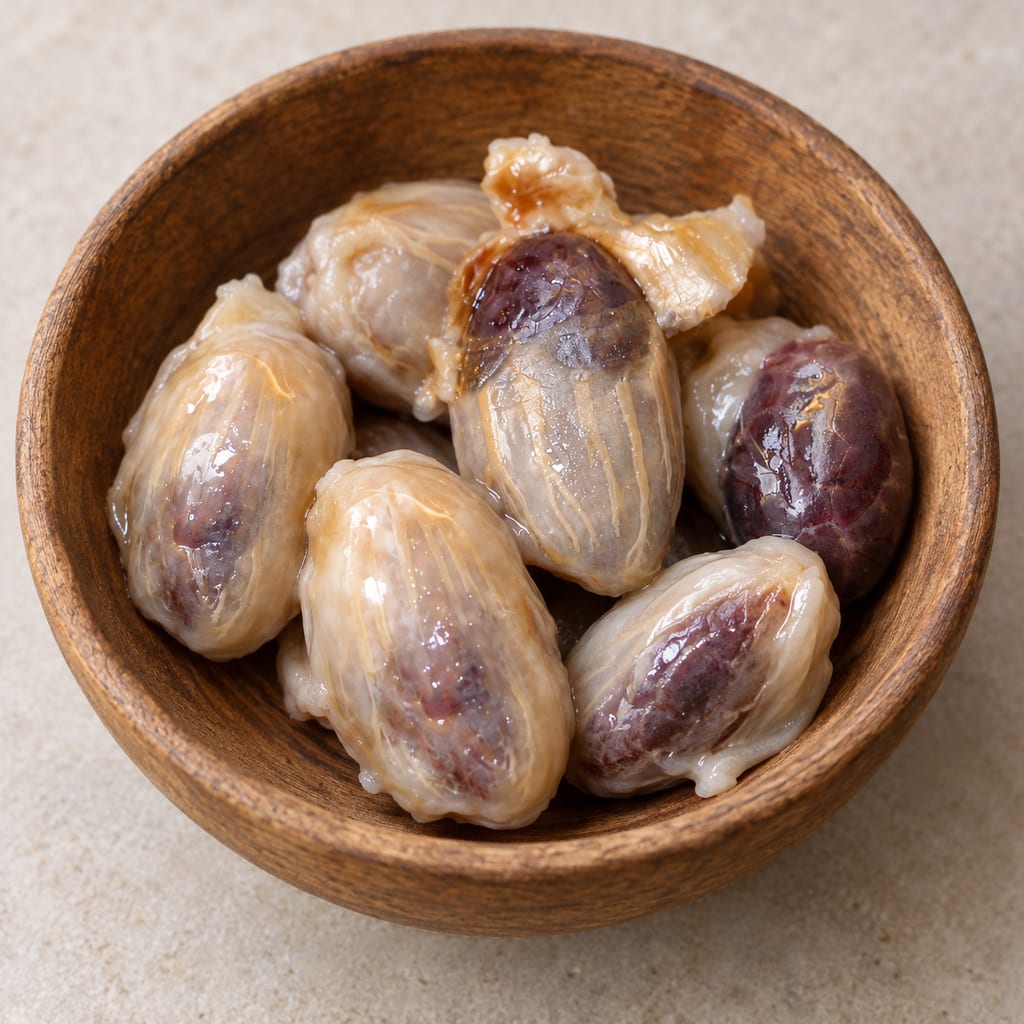
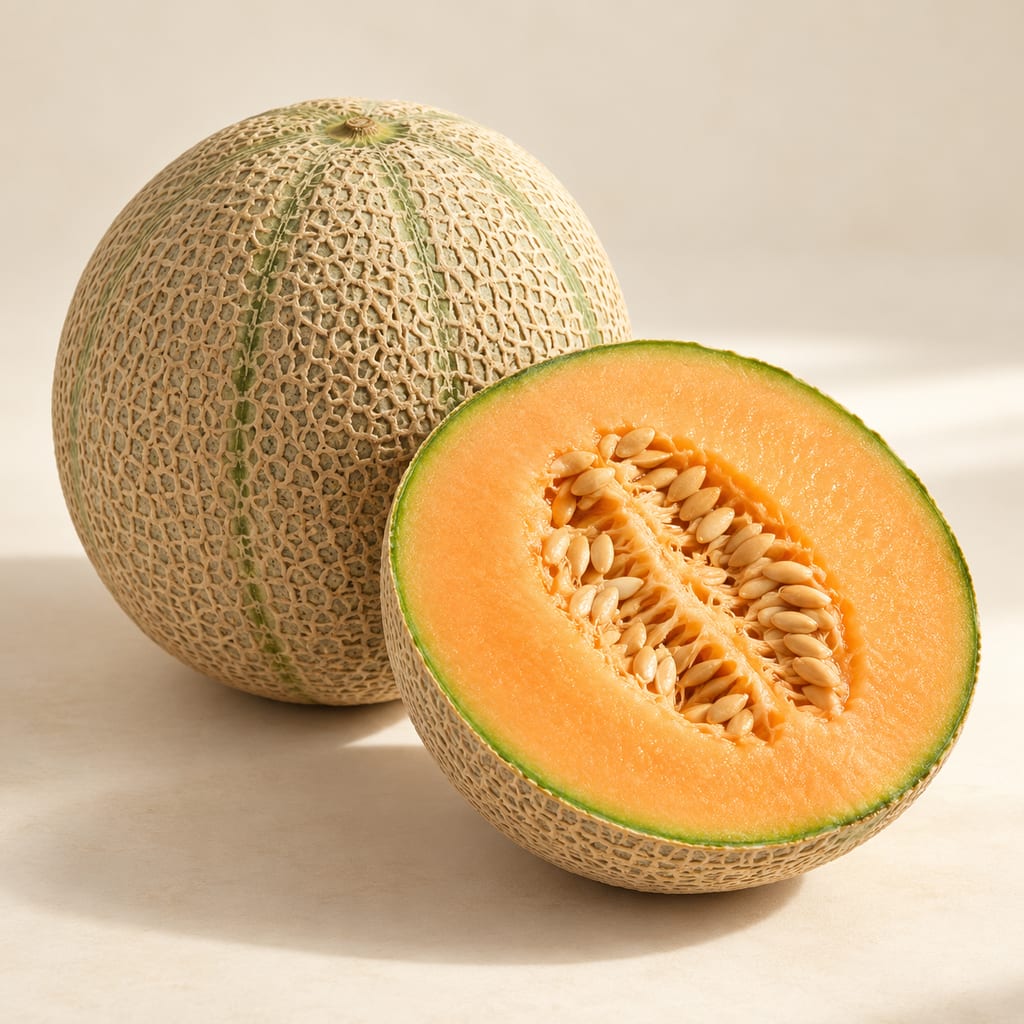
Melon (Cucumis melo)
Cucumis melo, a cultivated melon of the Cucurbitaceae. Its origin is still debated: a review proposes Africa, and the wild melons it discusses are described as non-edible.
 FermenteaWhere food goes to change
1086 articles on substrates, cultures and additives.
 Leafy and stem vegetables34
 Fruits33
 Roots and tubers11
 Fruiting and pod vegetables5
 Cabbages, mustards and other brassicas3
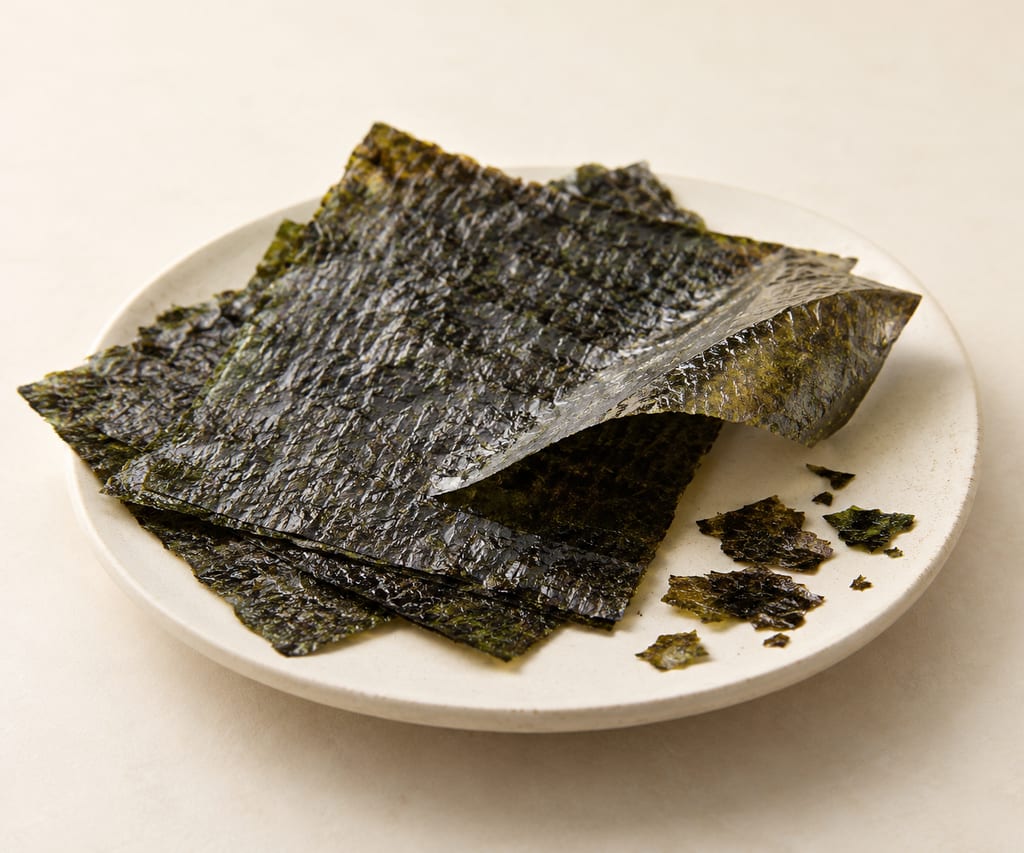 Seaweeds3
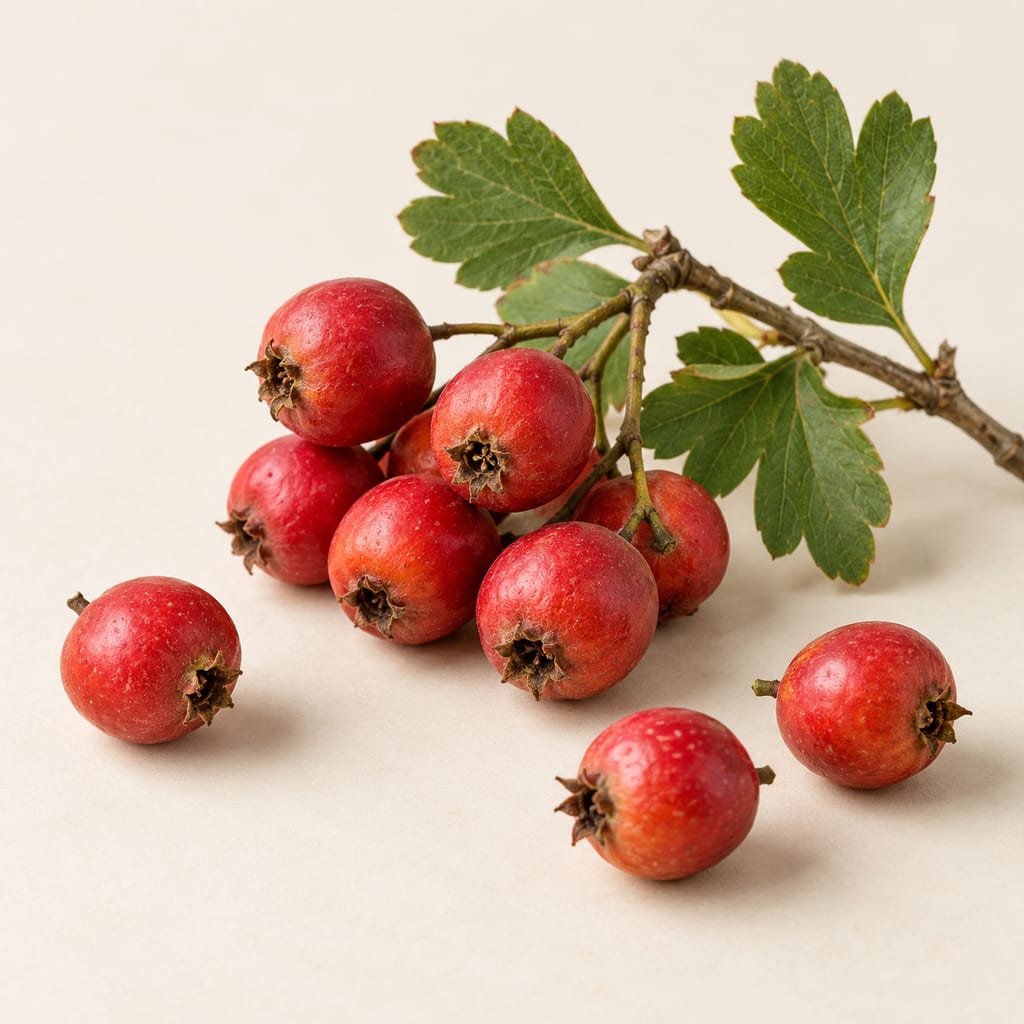 Pome fruit2
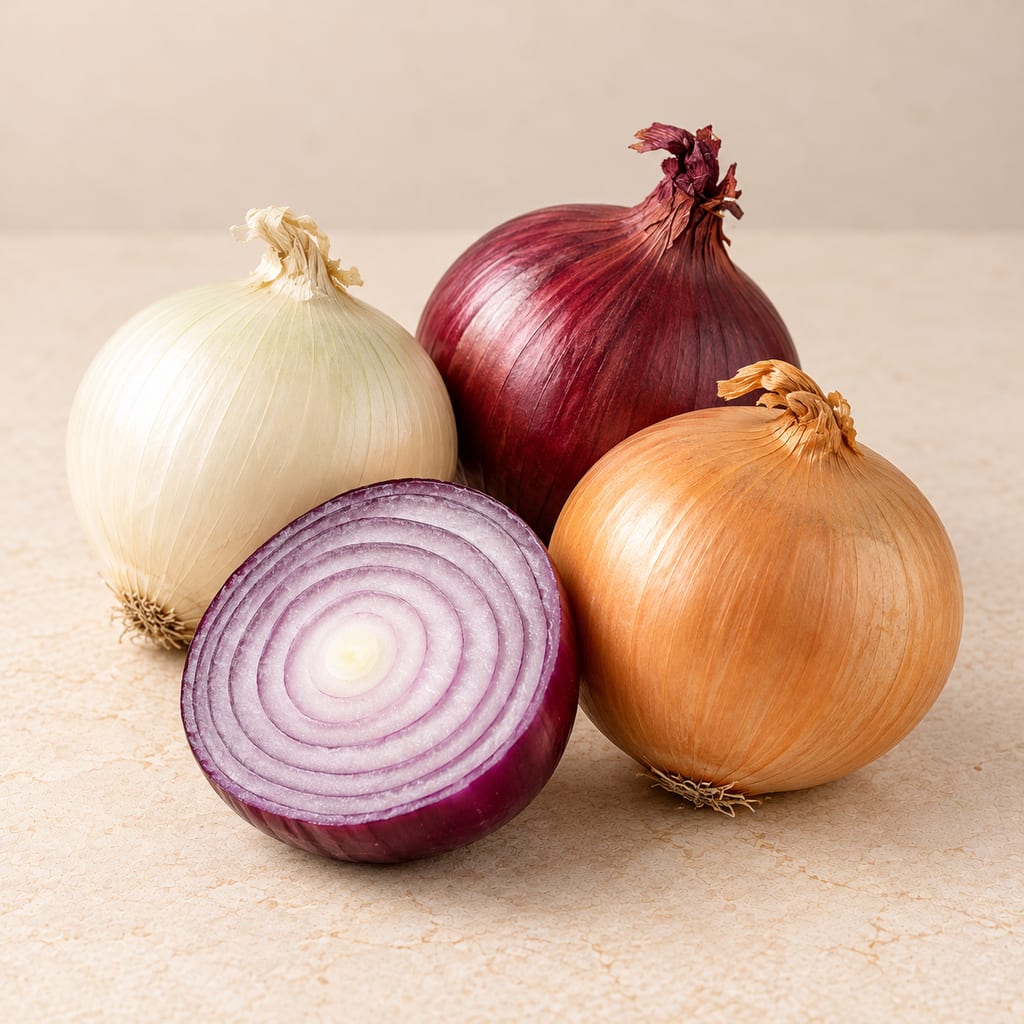 Alliums1
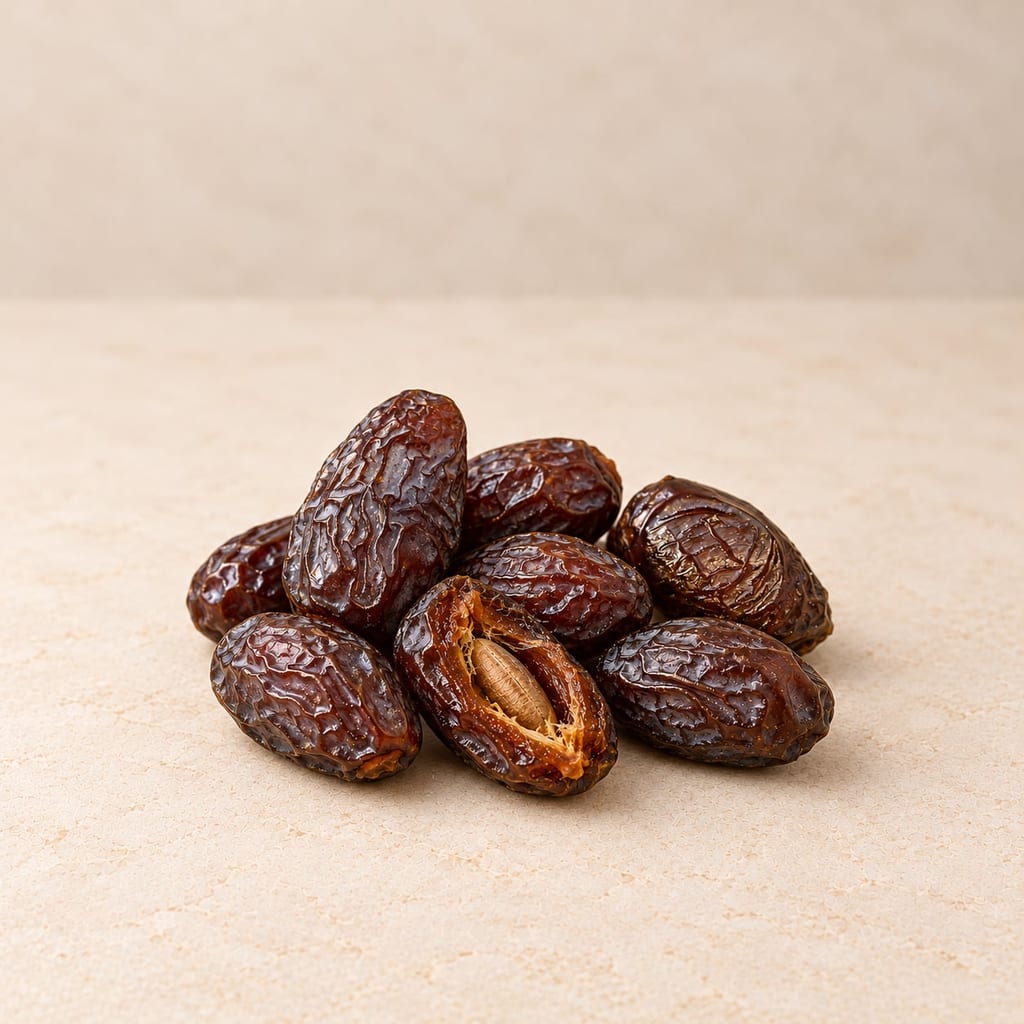 Dried and preserved fruits1
 Stone fruit1
Cucumis melo, a cultivated melon of the Cucurbitaceae. Its origin is still debated: a review proposes Africa, and the wild melons it discusses are described as non-edible.
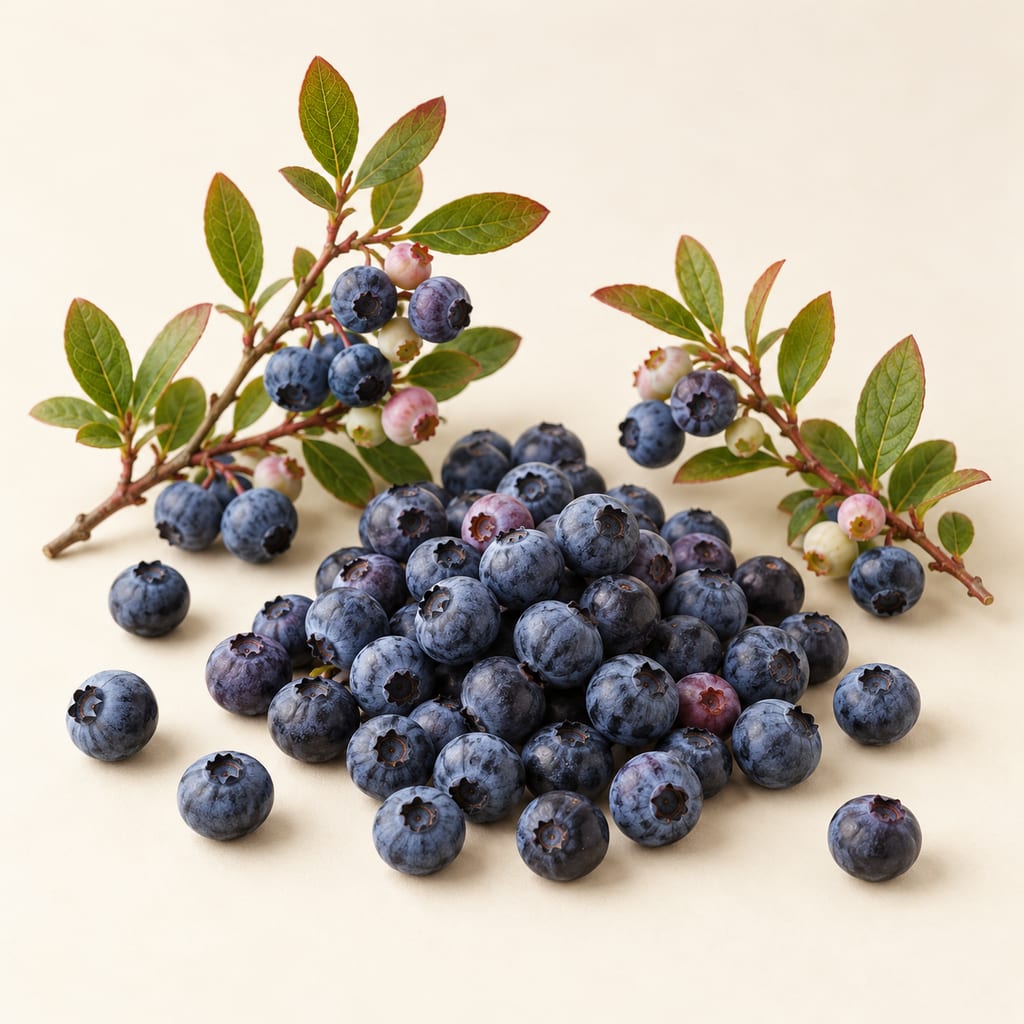
Lowbush or wild blueberry, Vaccinium angustifolium: a small subshrub of eastern North America whose berries are gathered wild and harvested from managed fields.
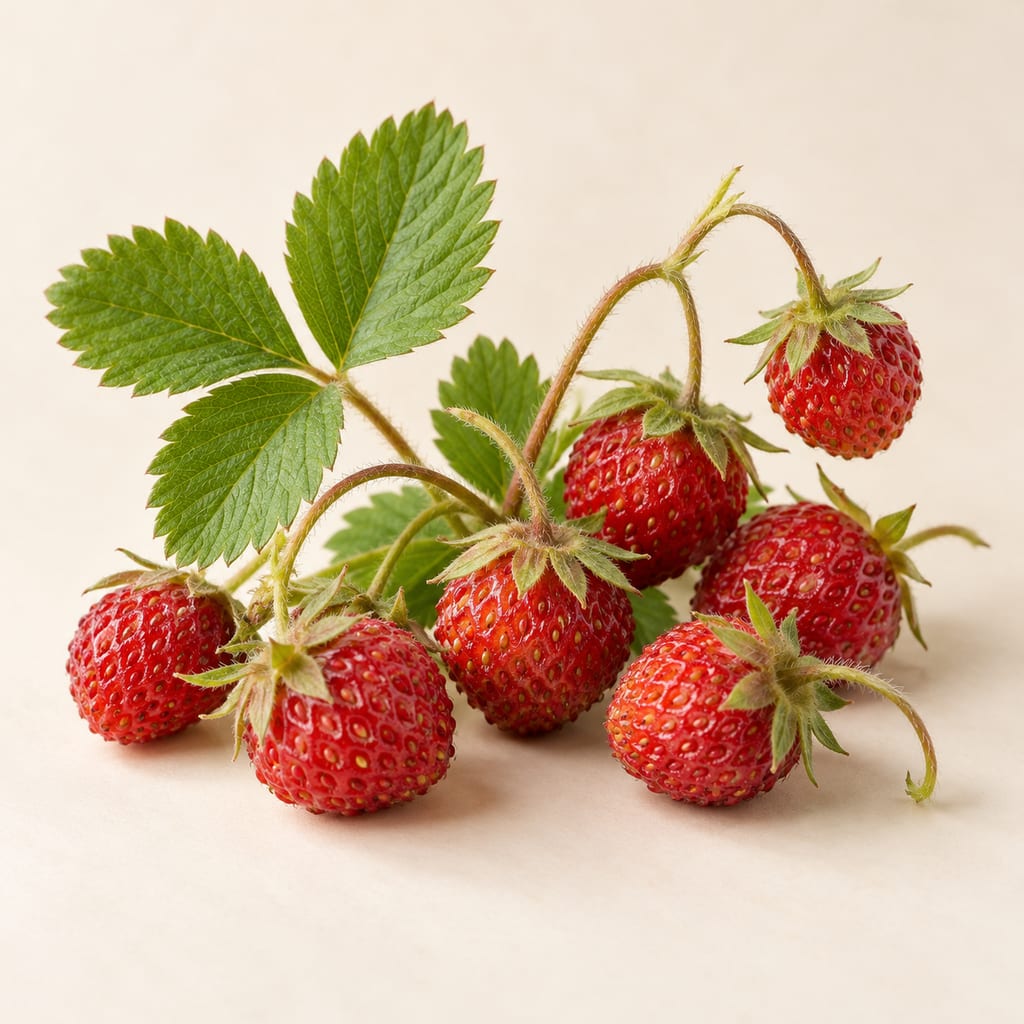
Woodland strawberry (Fragaria vesca) is a small-fruited perennial, picked wild for centuries and distinct from the large cultivated hybrid strawberry. It is eaten raw and in a few historical dishes.
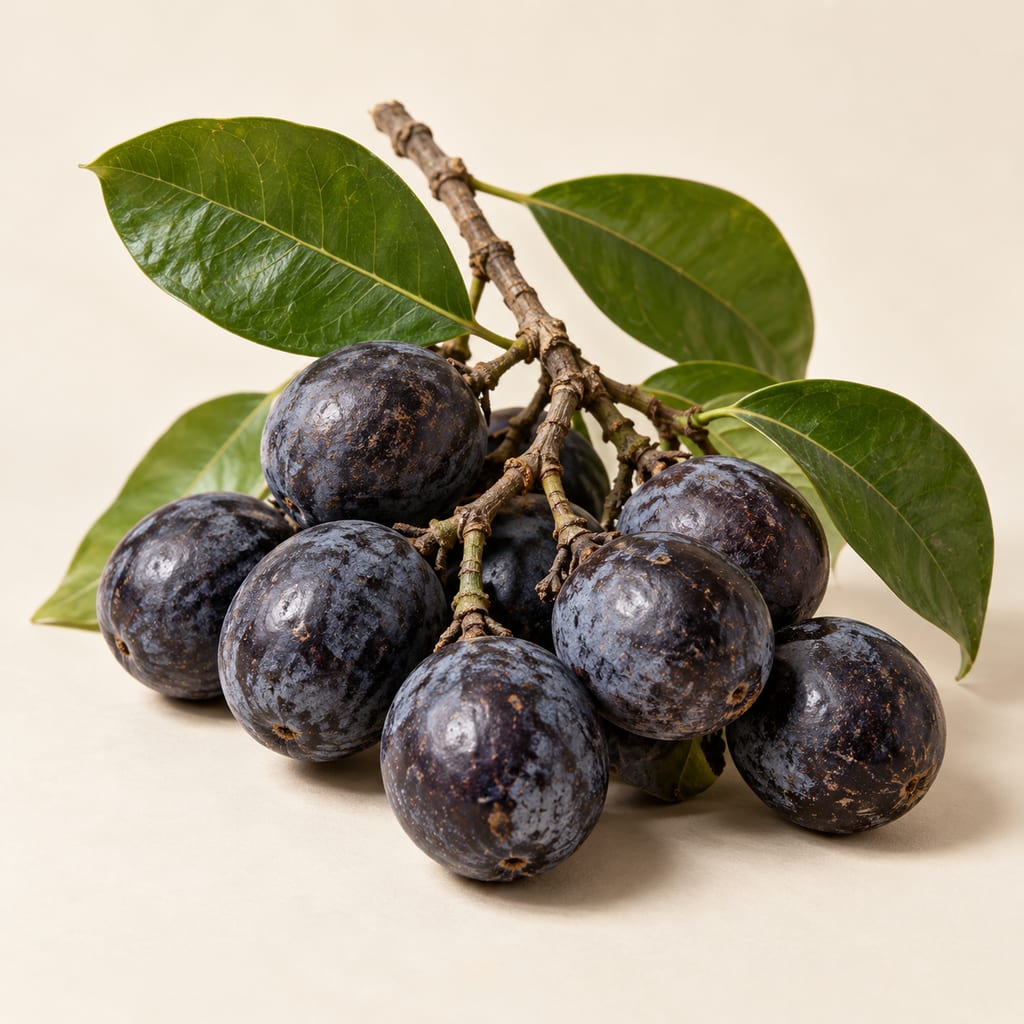
Matiti is the fruit of Artabotrys brachypetalus, a Mozambican Annonaceae species. Communities in Chicualacuala District eat the ripe fruit fresh and make traditional drinks and jam from it.
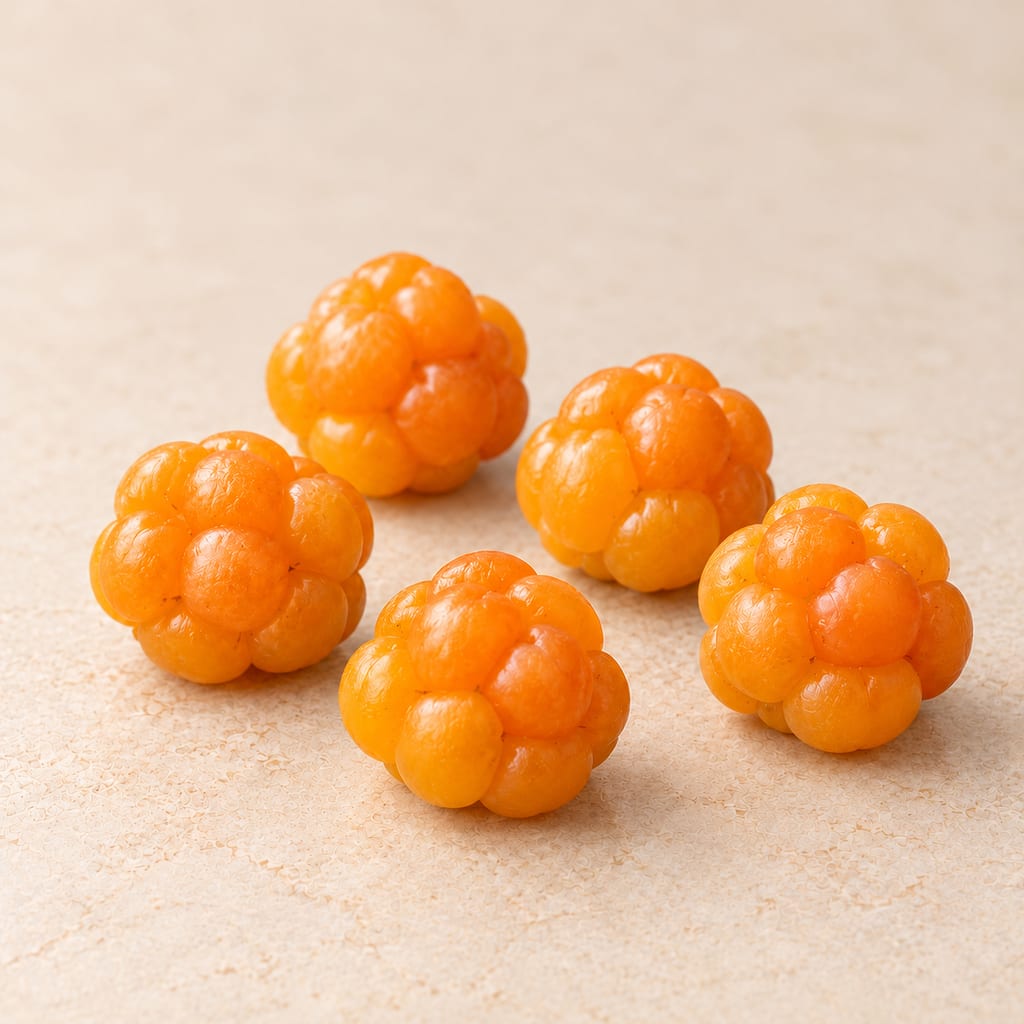
Cloudberry has distinct Gwich’in, Nunatsiavut, NunatuKavut-area and Québec records. A 2009 cutover-peatland trial reports site-specific rhizome establishment results, not a household pot or fruit-yield method.
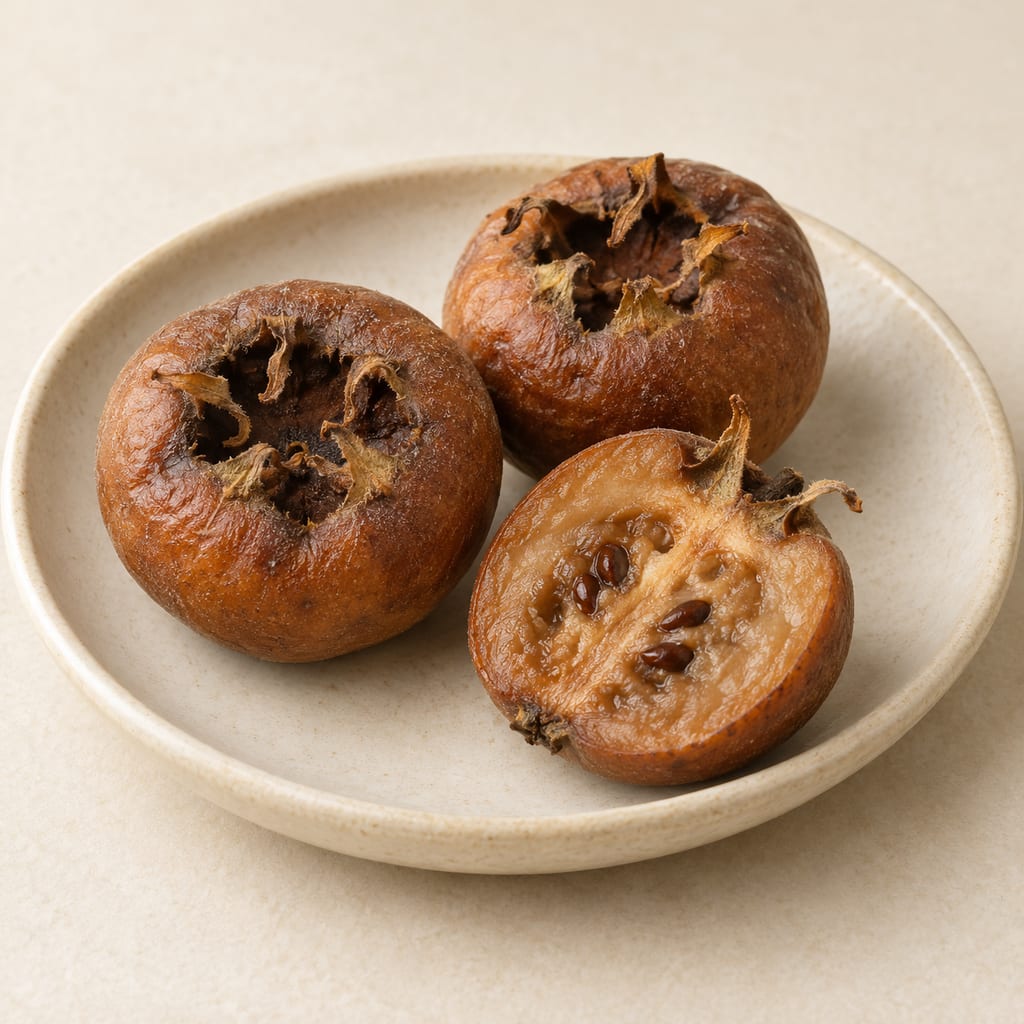
The common medlar, Mespilus germanica, is a small tree whose hard, sour fruit is eaten only after it has bletted, softening through decay into a sweet, apple-sauce-like pulp.
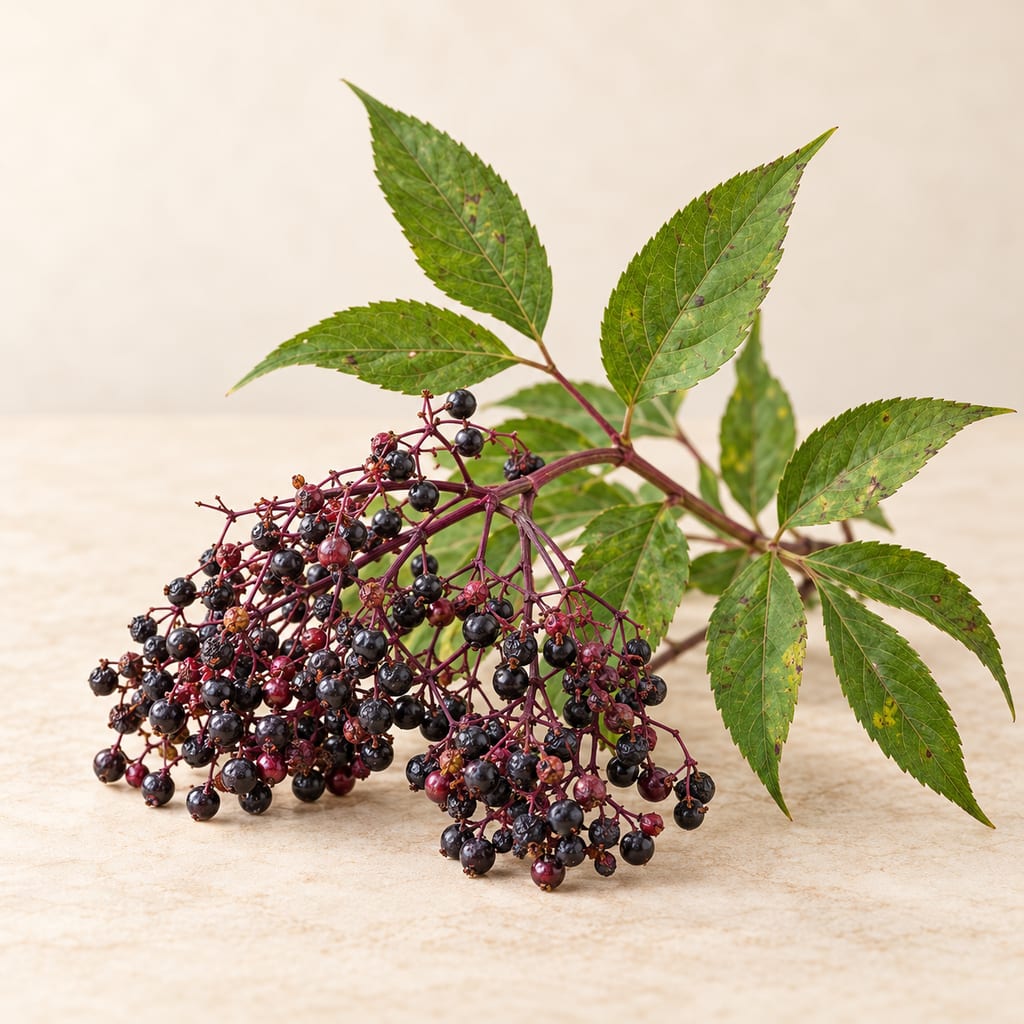
Sambucus canadensis is the accepted name used here for American elderberry. Missouri production guidance and named-cultivar studies give useful regional growing information, while food and analytical sources leave process questions open.
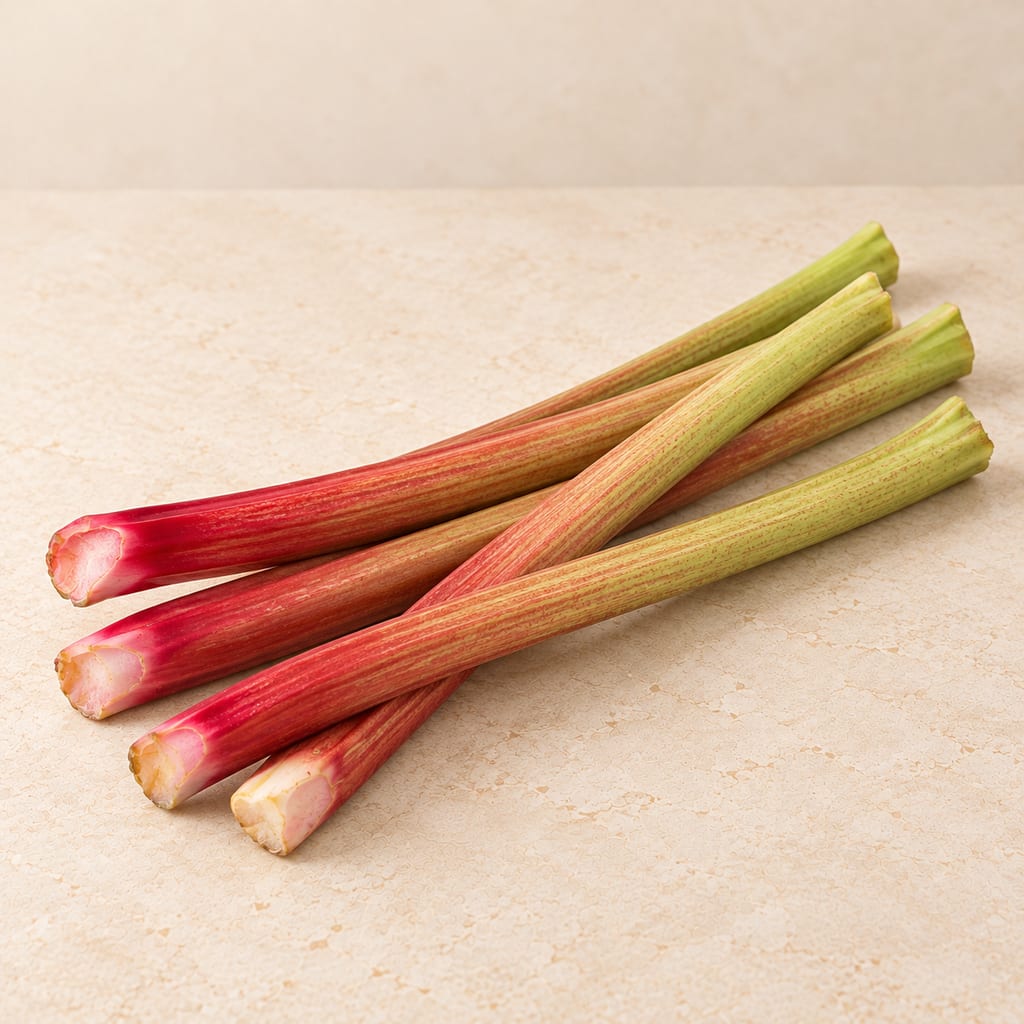
Rhubarb stalks are the tart leaf petioles of garden rhubarb, eaten as a vegetable and used in sweet dishes and wines; they lend a must sharpness and aroma but little sugar.
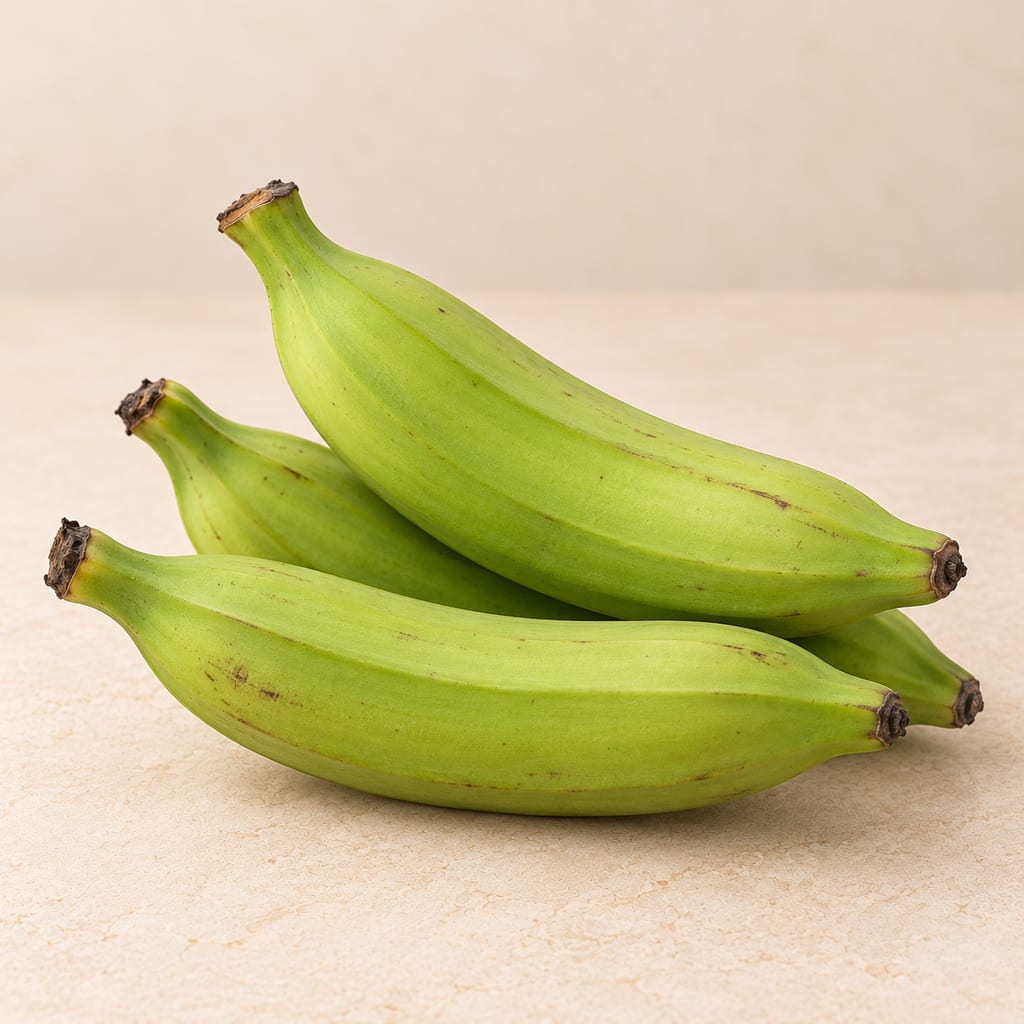
Plantains are starchy cooking bananas used green through fully ripe. Their firmness and sweetness shift with maturity, and ripe mashed fruit appears in a University of Rhode Island Liberian rice-bread adaptation.
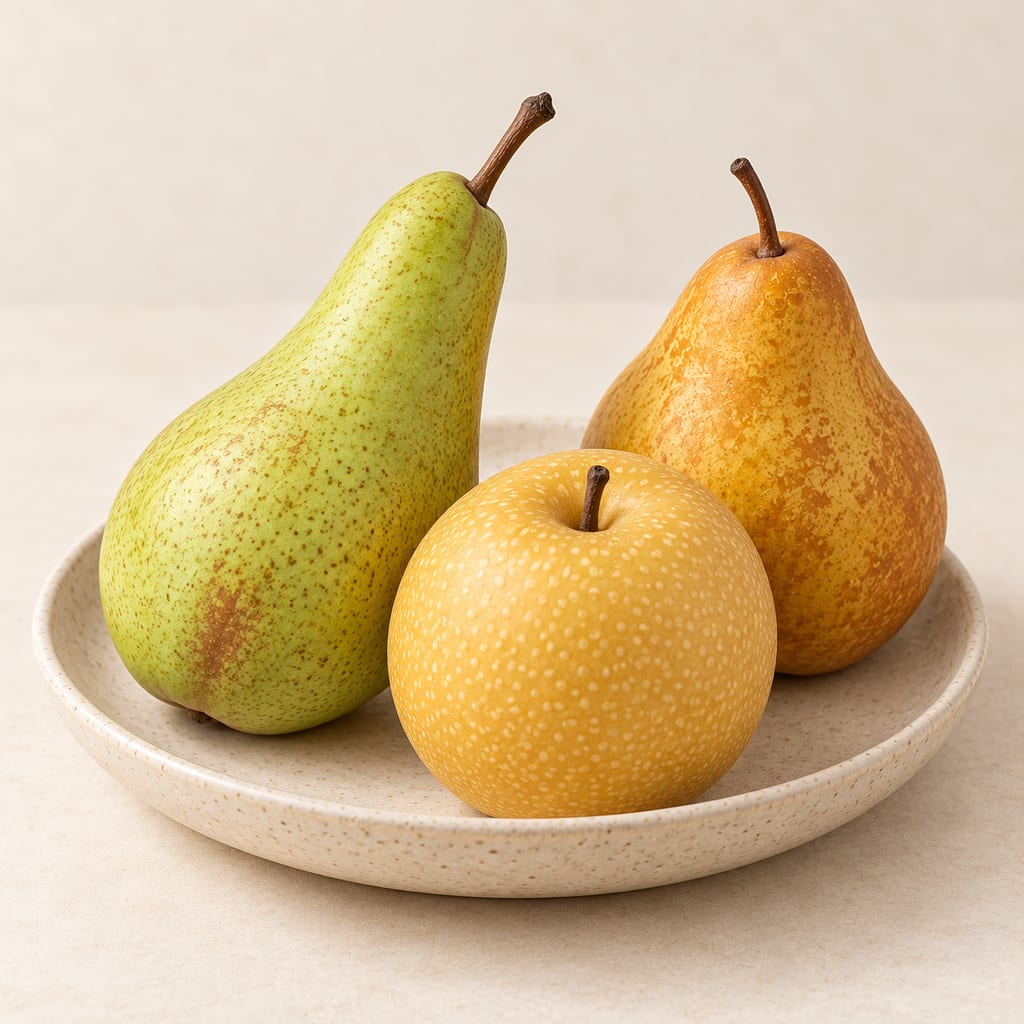
Pears are Pyrus fruits used fresh, pressed for perry, or crushed for fruit spirits; cultivar, species and ripening stage shape each preparation.
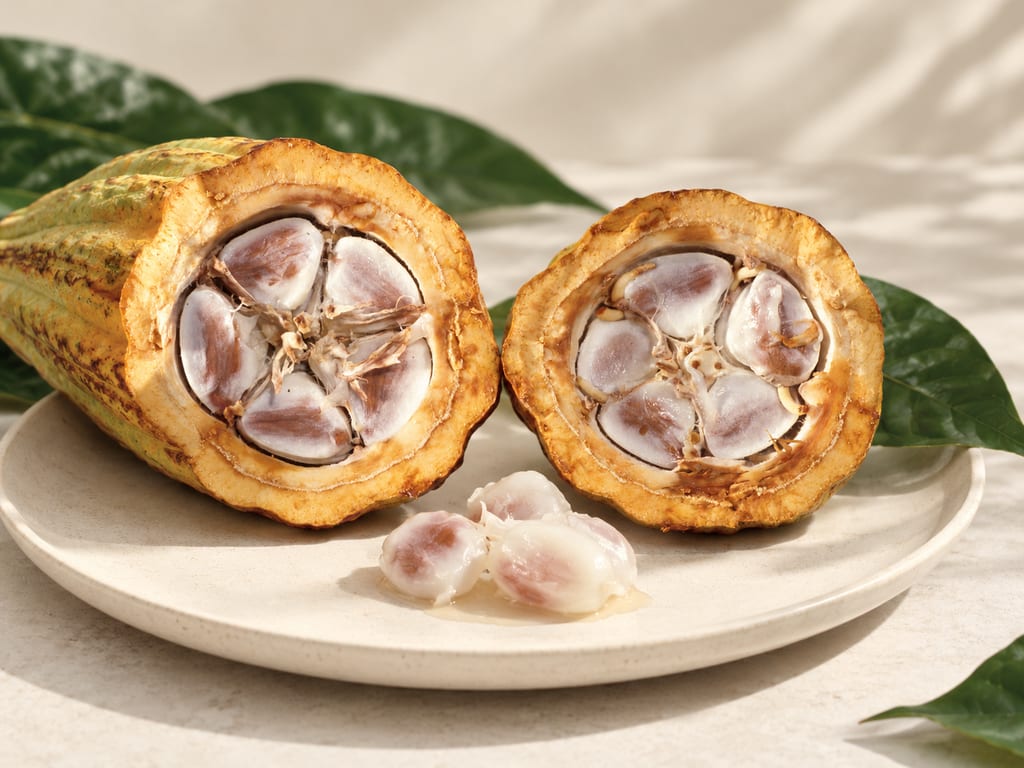
Cacao pulp is the moist, sweet-acid mucilage around cacao seeds. It fuels bean fermentation and can be extracted for fruit drinks, wine and vinegar.
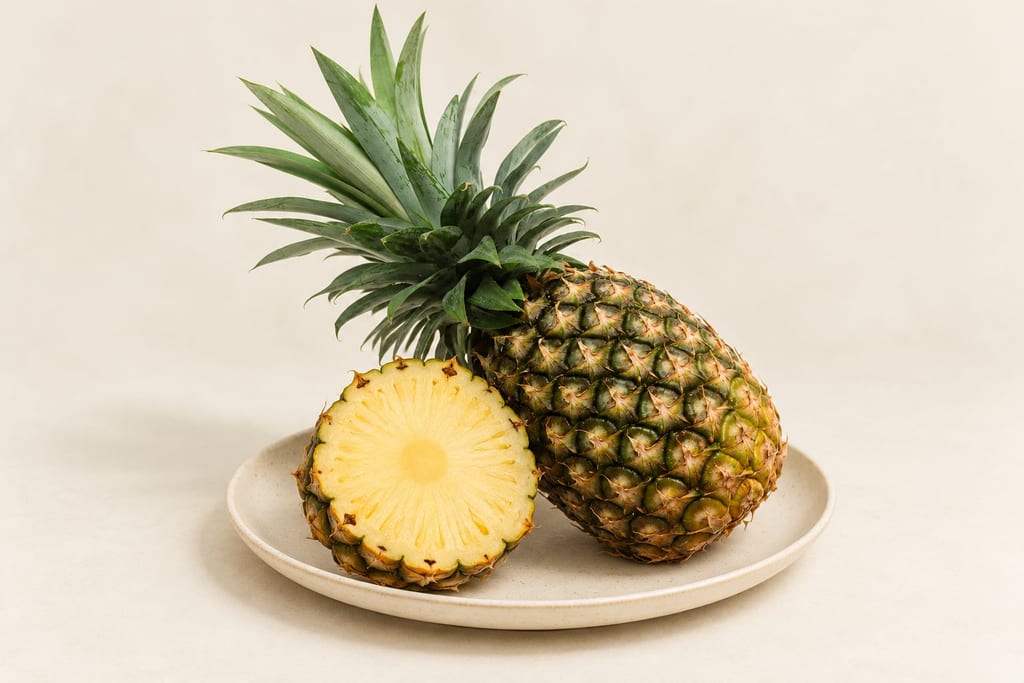
Pineapple is a sweet-tart tropical multiple fruit whose fresh flesh and peel supply sugars and acids to fruit ferments, while cultivar and maturity shape the balance.
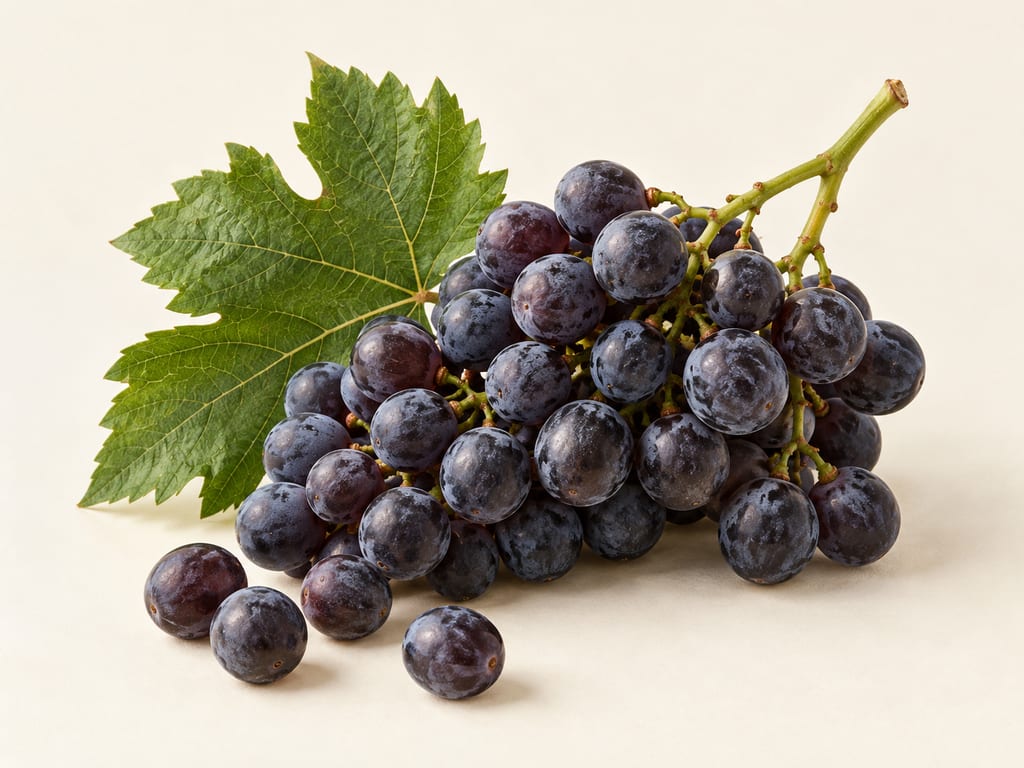
Wine grapes are fresh berries selected for vinification; their sugars fuel alcoholic fermentation, while cultivar, ripeness and handling shape the fruit and the wine it can become.
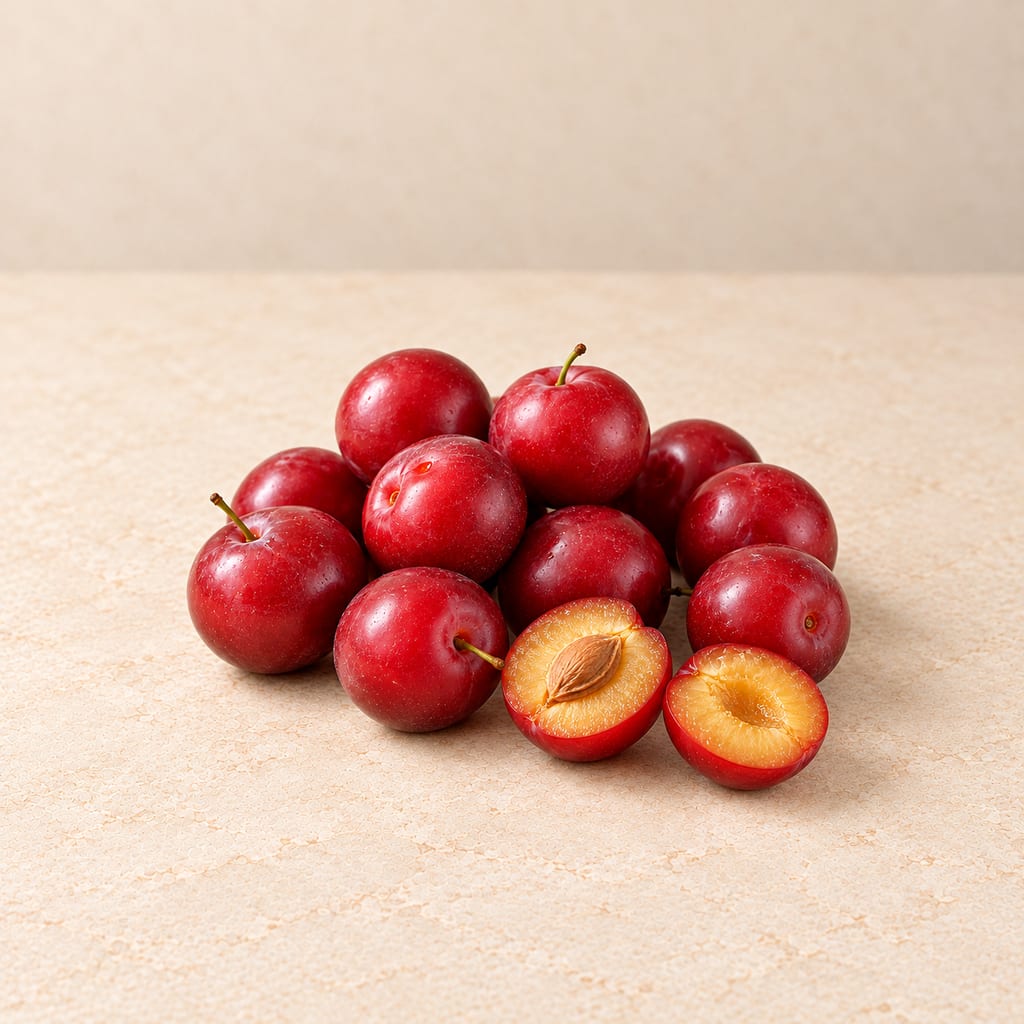
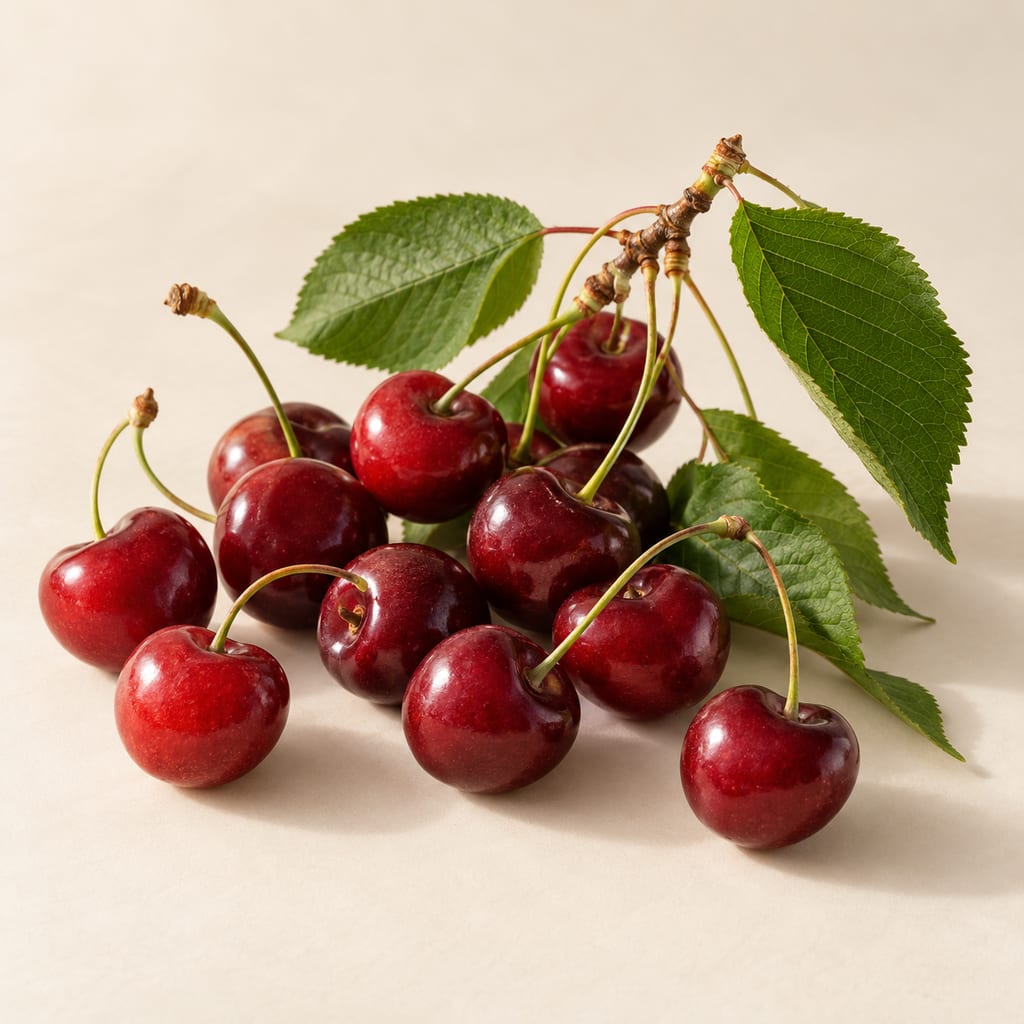
Cherry plums (Prunus cerasifera) are small, malic-acid-rich plums, red, yellow or green, that give Georgian tkemali sauce its sharp, fruity sourness.
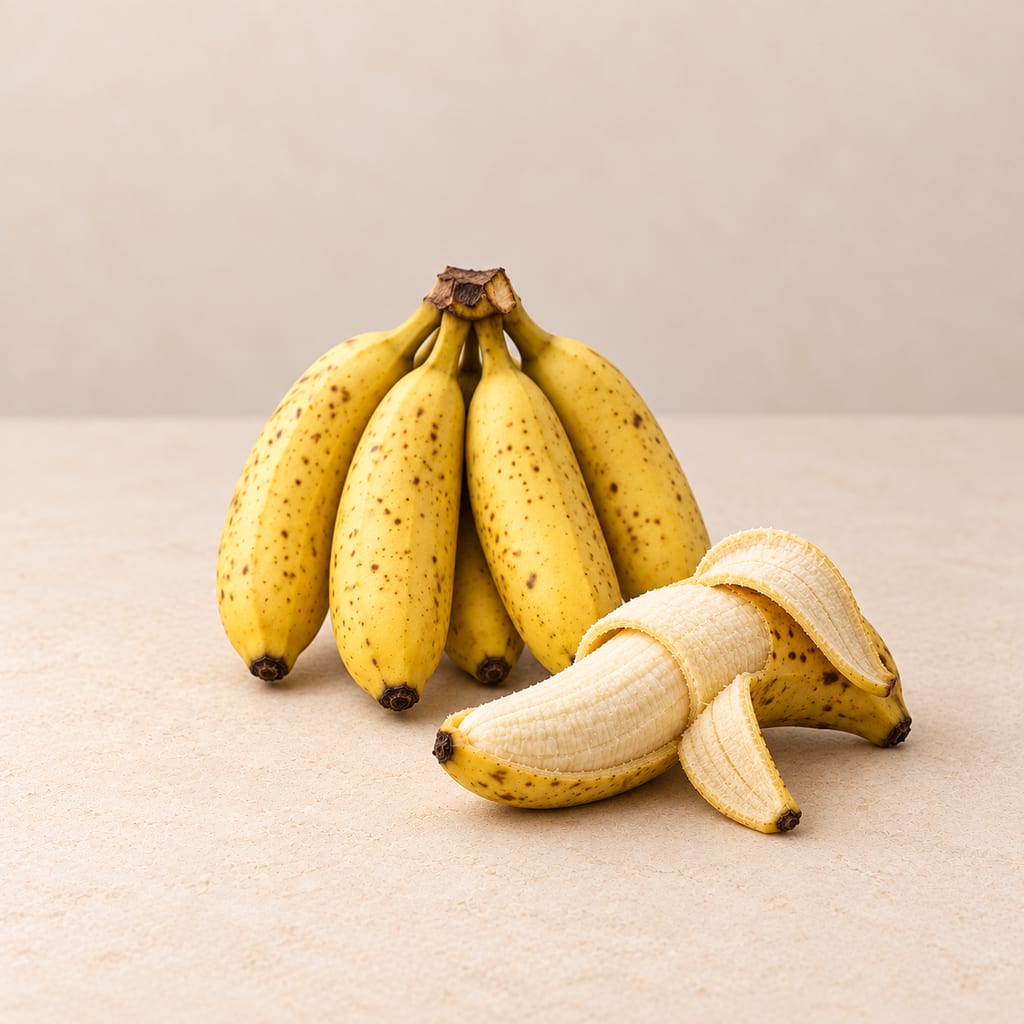
A ripe banana is sweet, soft pulp in which ripening has turned most of the starch into sugar. That sugar and softness make it a base for banana ketchup, beer, wine and vinegar.
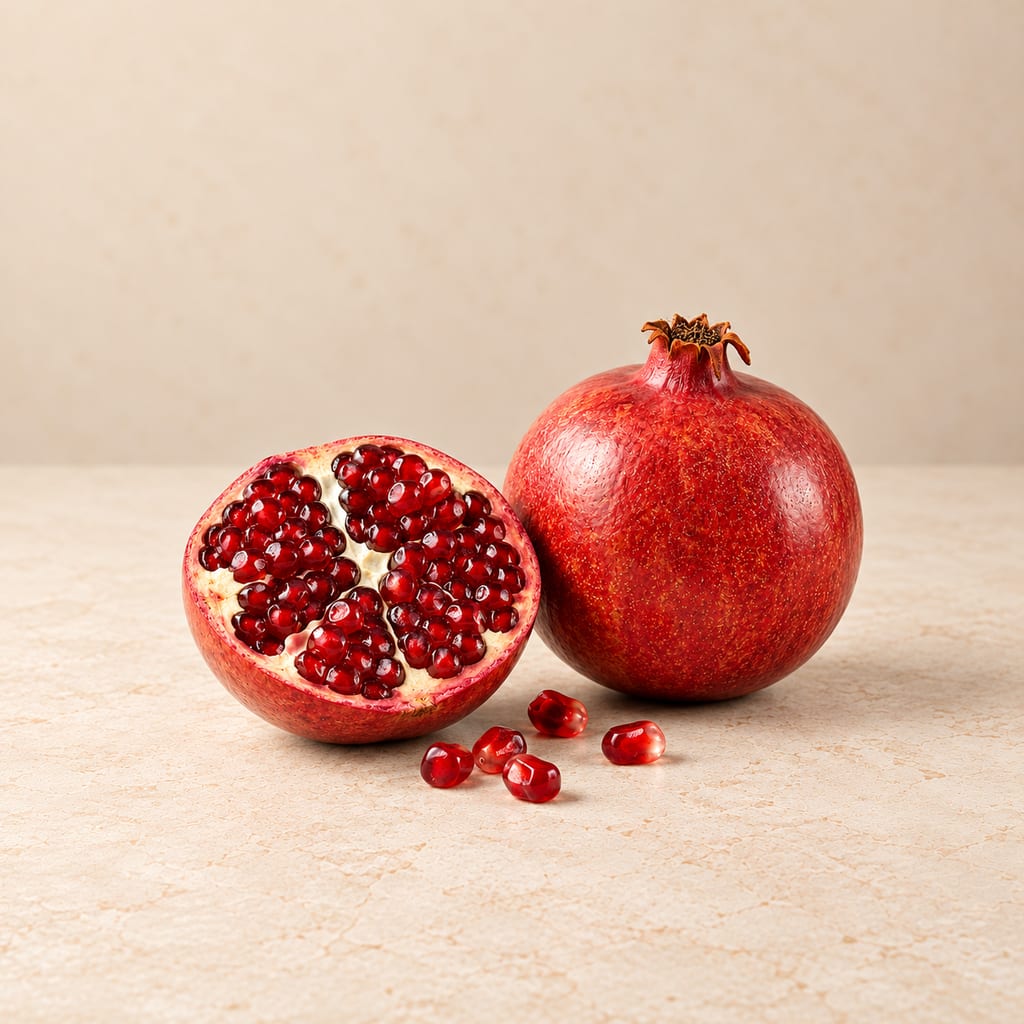
The pomegranate (Punica granatum) is a seed-filled fruit whose arils run from sweet to sharply sour, depending on citric acid. Sour fruit becomes juice, molasses and dried anardana.
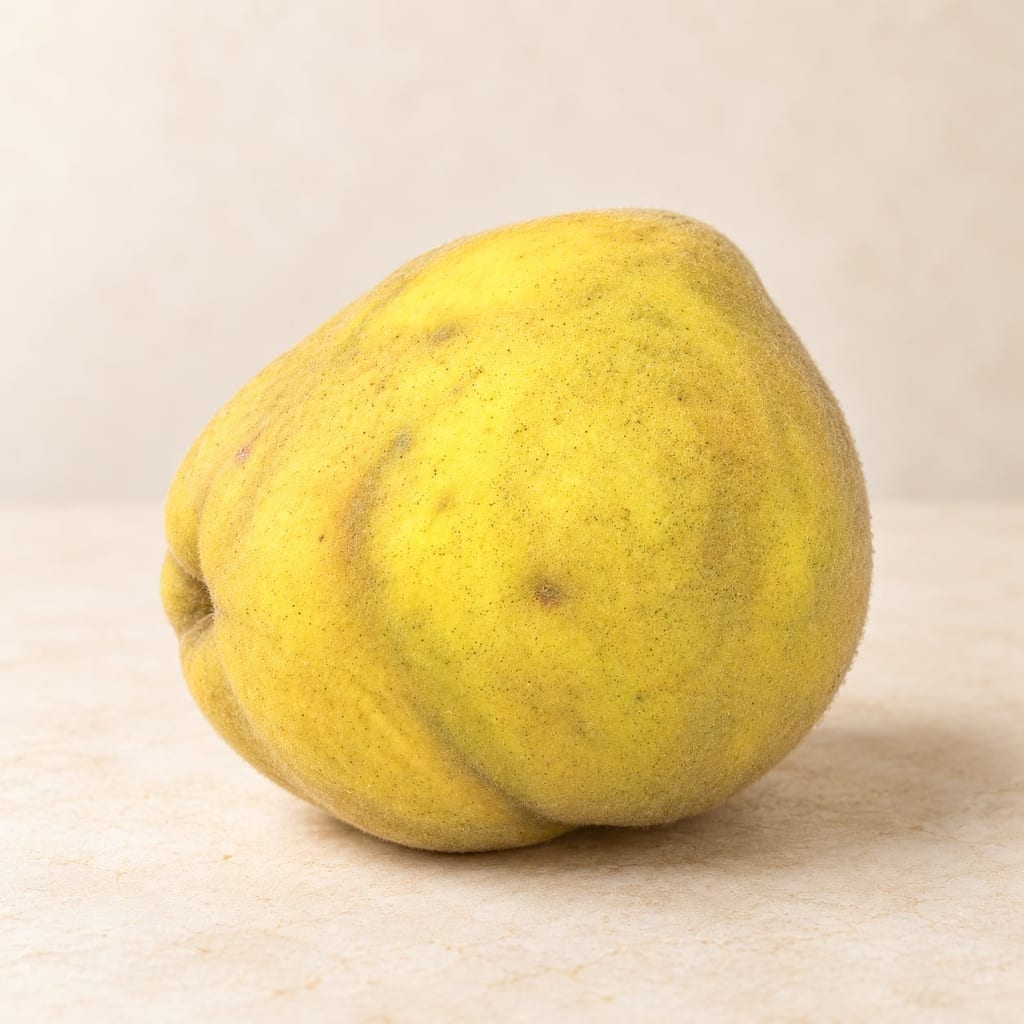
A fragrant, usually yellow pome with firm, tart and astringent flesh, cooked for tender fruit dishes, jelly and dense quince paste.
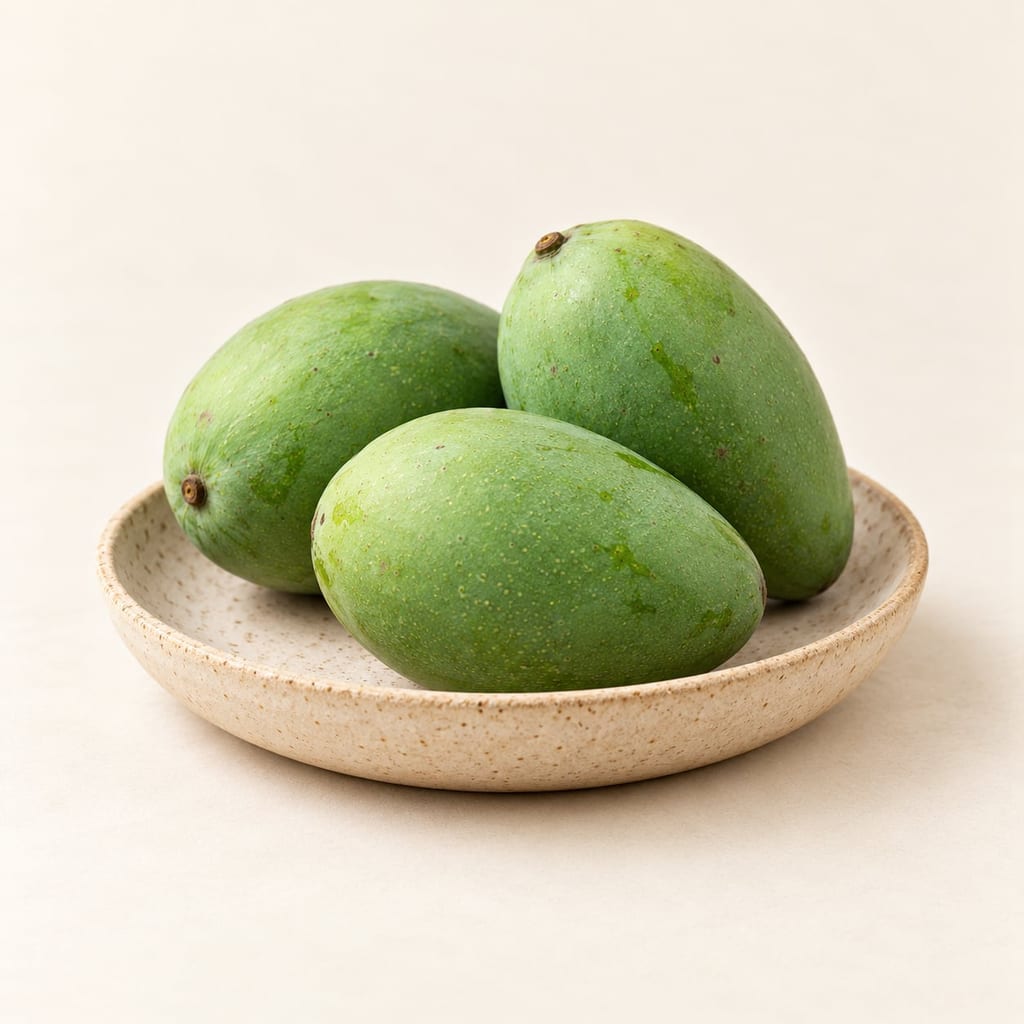
Unripe mango offers sourness and firm texture at several maturity stages, from tender whole pickle fruit to mature-green slices for cooking or drying.

Ripe avocado flesh is the soft, buttery, fat-rich pulp of Persea americana, eaten raw. It is low in acid, so it is a fresh ingredient that needs care in chilled dishes.
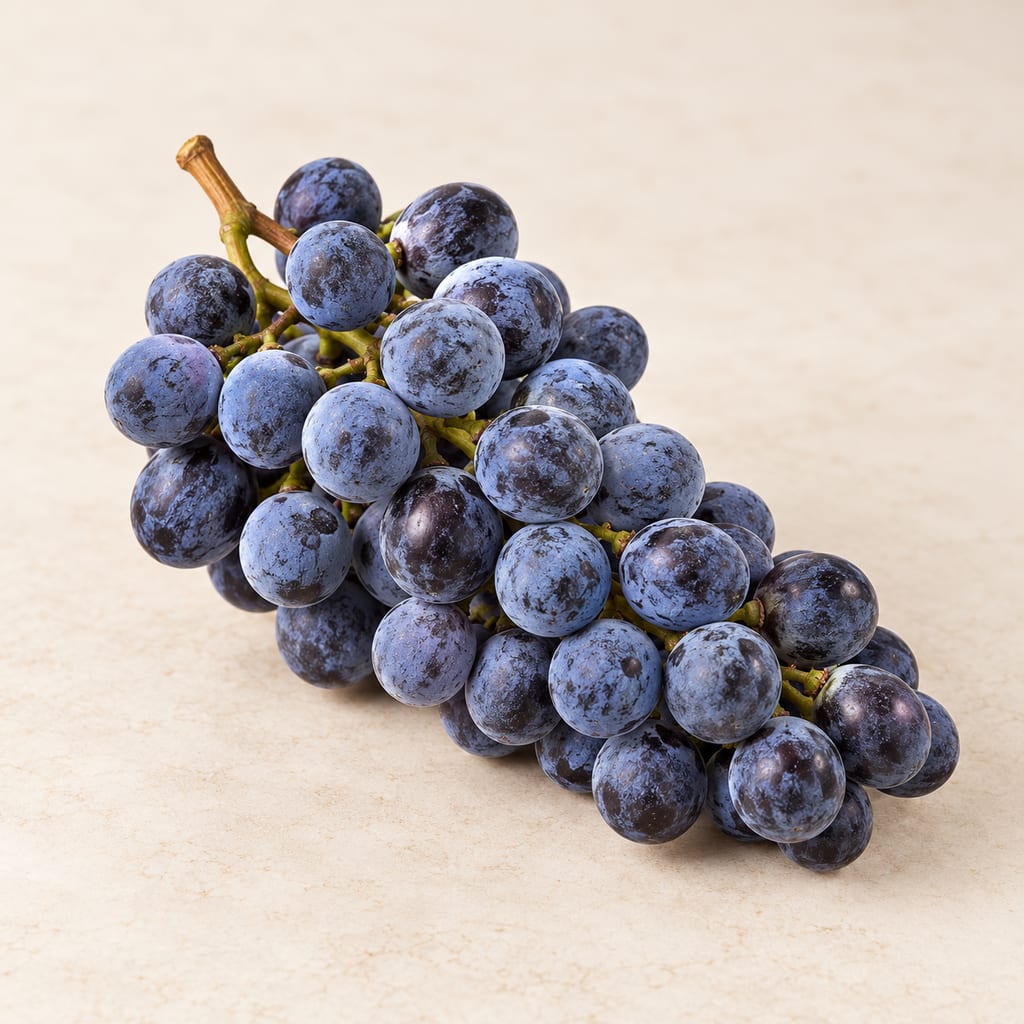
Concord is a seeded, blue-black slip-skin grape with a distinctive aroma, used fresh and in juice, preserves, pies and wine.
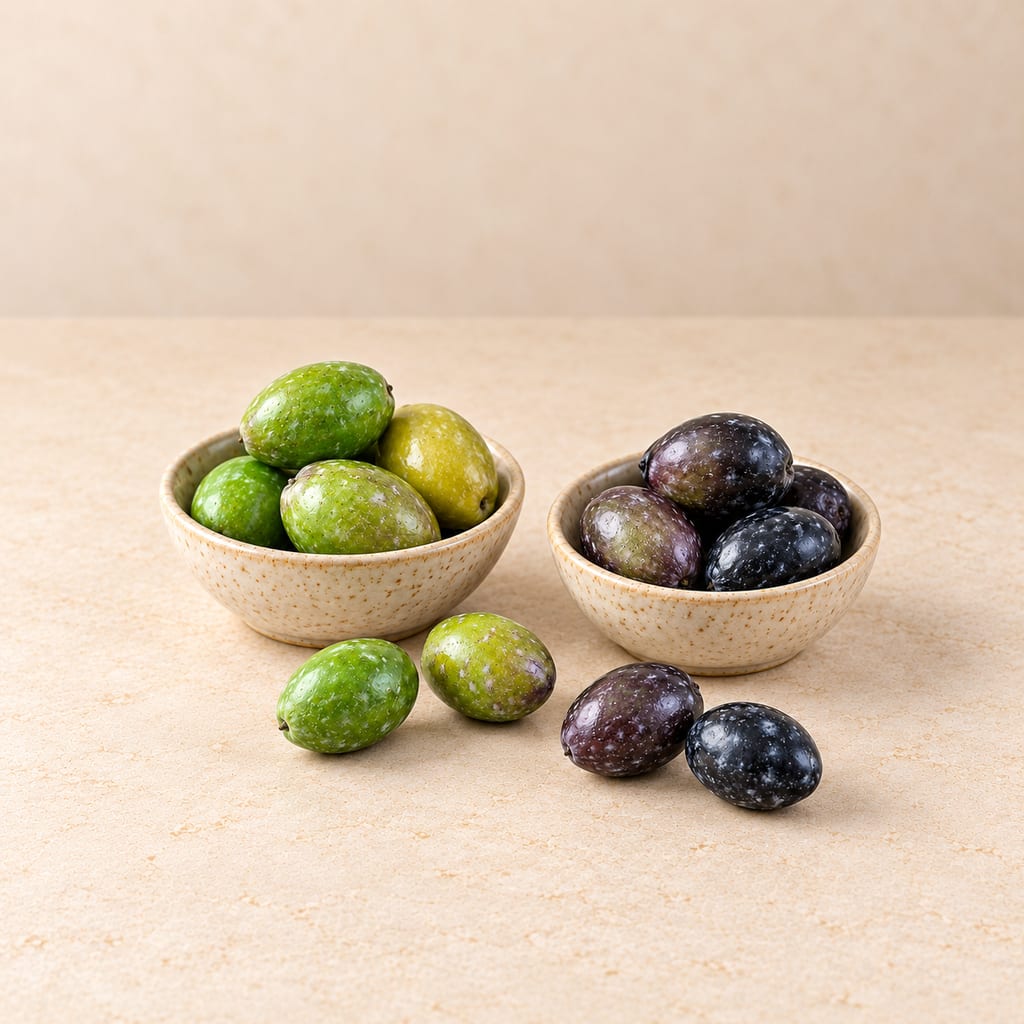
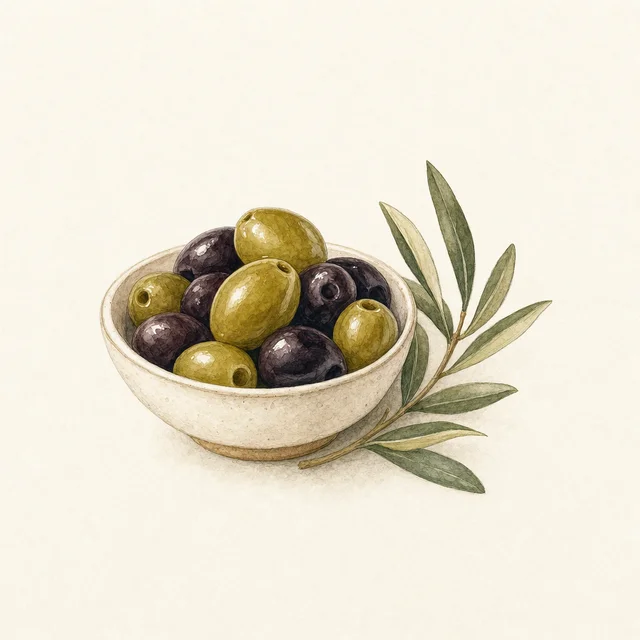
Olives are the bitter fruit of Olea europaea, made edible by lye, brine or salt, and the raw material of the table olives that are cured and fermented around the Mediterranean.
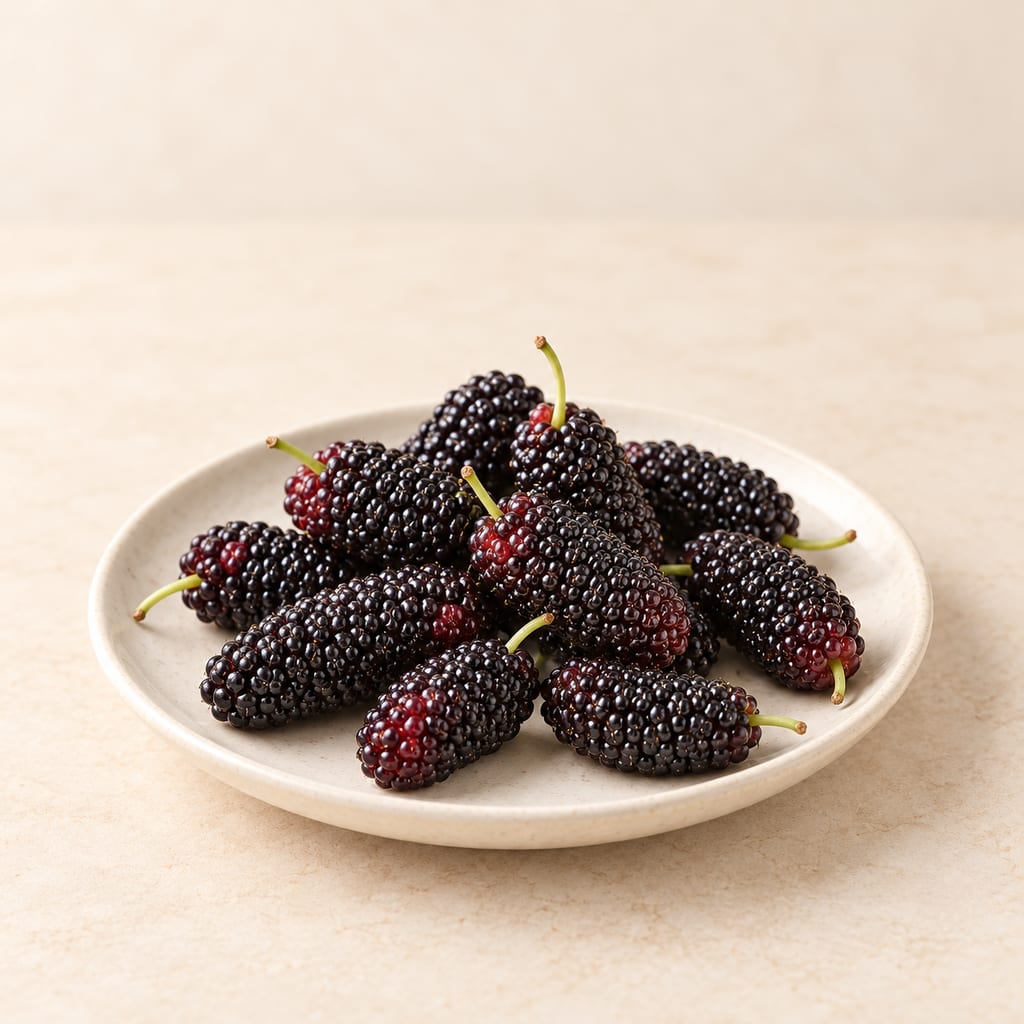
Mulberries are the soft fruits of Morus trees, used fresh and dried and as the fruit base for documented Georgian tklapi. The cited tklapi accounts do not identify a species.
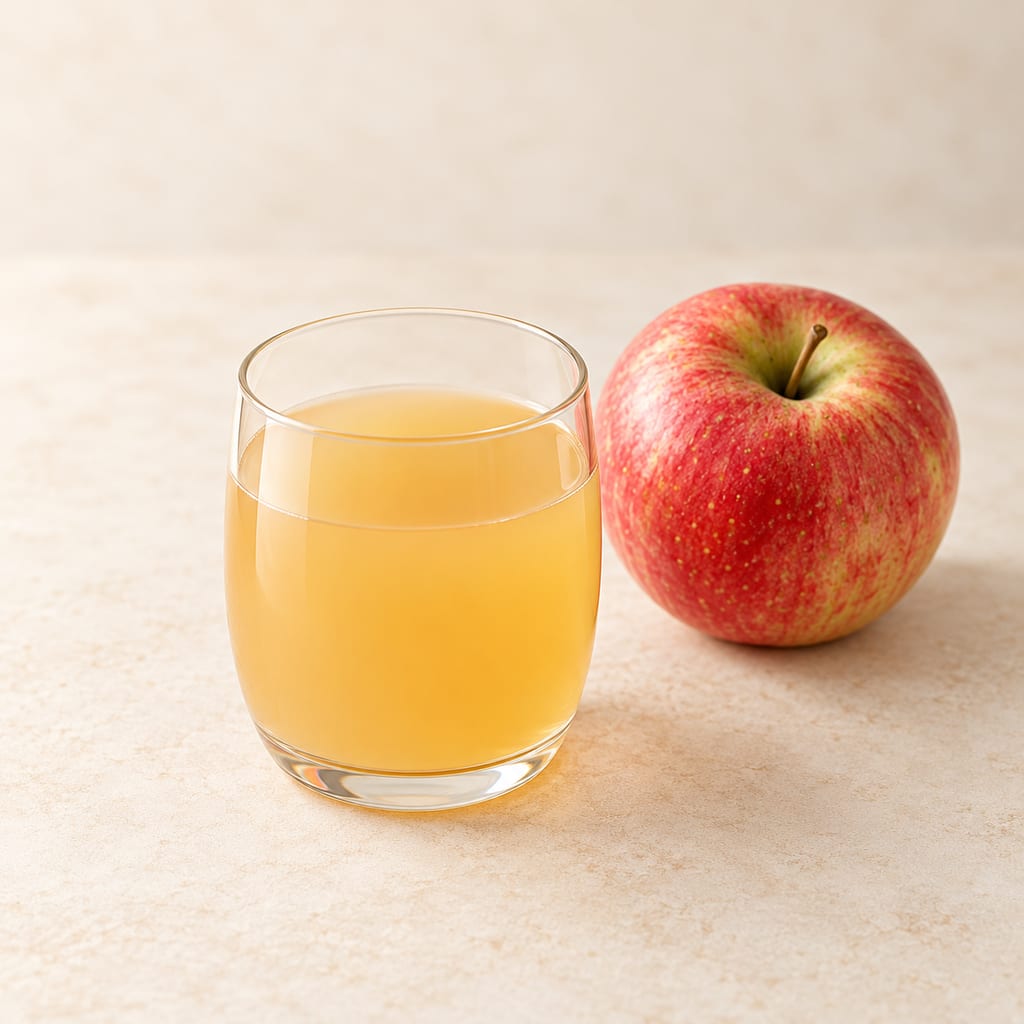
Apple juice without added preservatives, used as a drink, a cooking ingredient and a substrate for cider. Its cultivar, clarity, concentration and treatment history depend on the actual product.
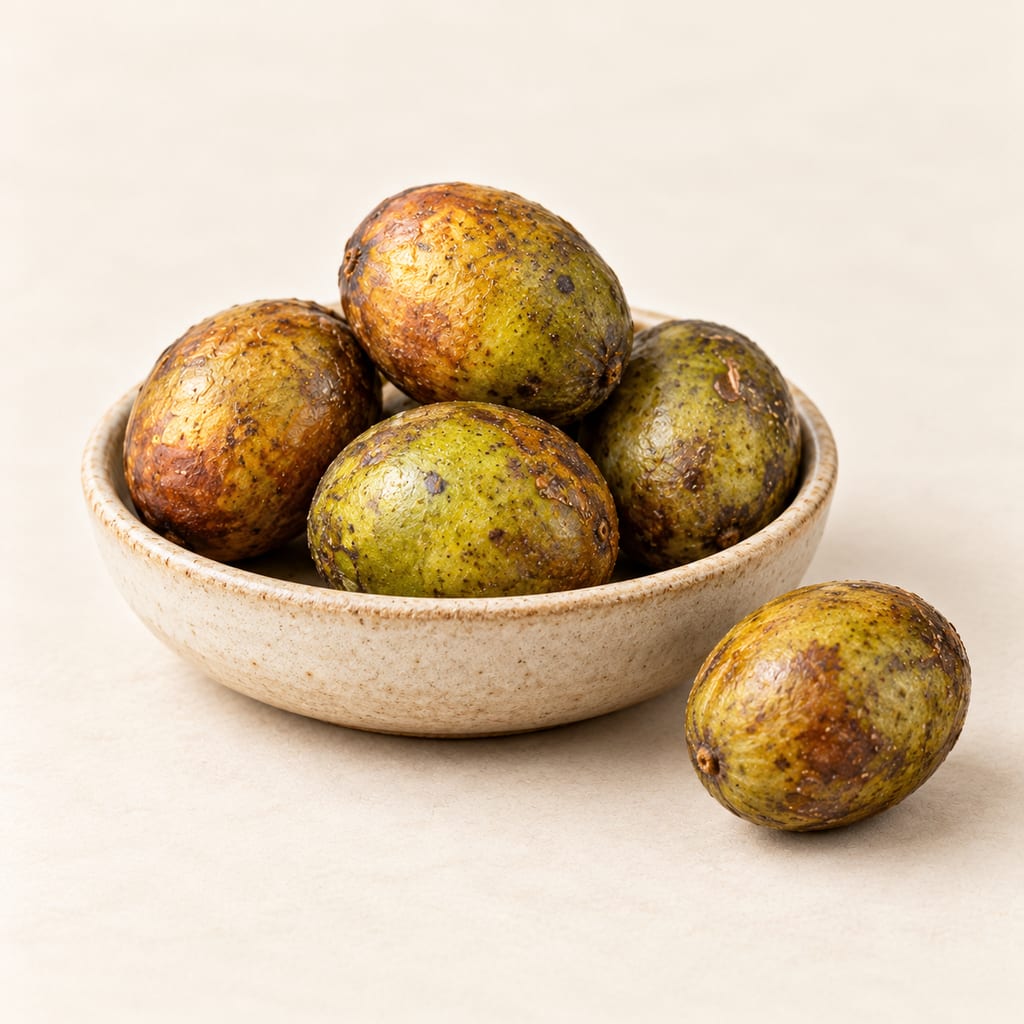
Lapsi is Nepal's tart stone fruit from Choerospondias axillaris. Its cooked pulp becomes achar, titaura, mada and other sour or sweet preserves.
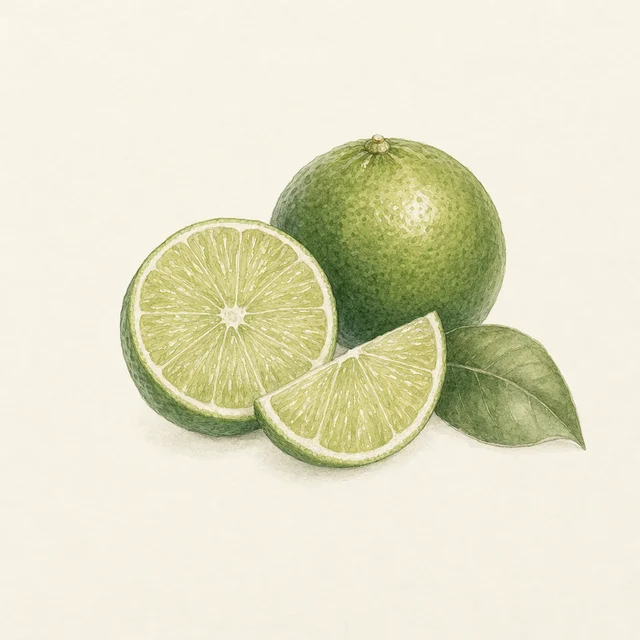
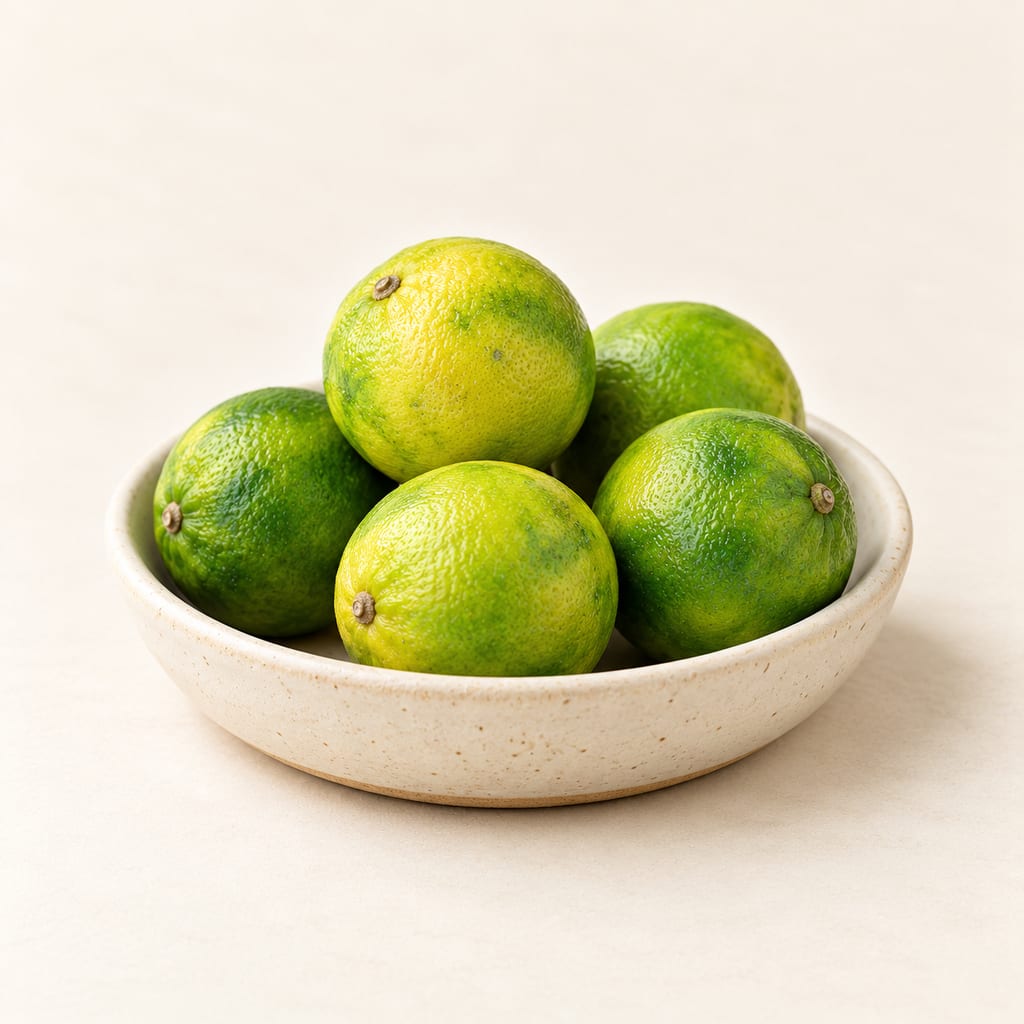
Lime brings sour juice, fragrant peel and firm rind to fresh food and preserved condiments; the fruit named in a recipe may belong to several citrus types.
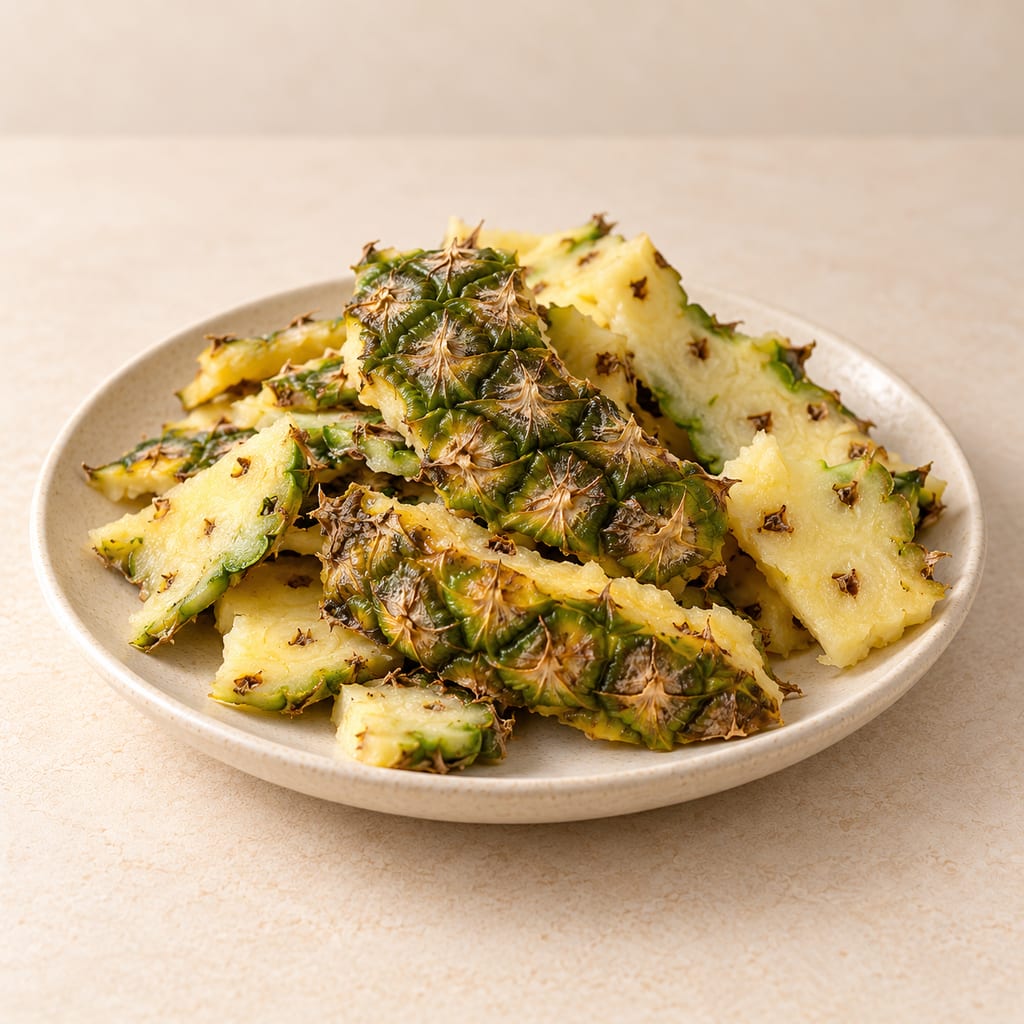
Pineapple peel is the tough, fibrous outer skin of Ananas comosus, comprising roughly a third of the fruit's mass. It serves as a flavoring substrate and fiber source in drinks like chicha de jora and tepache.
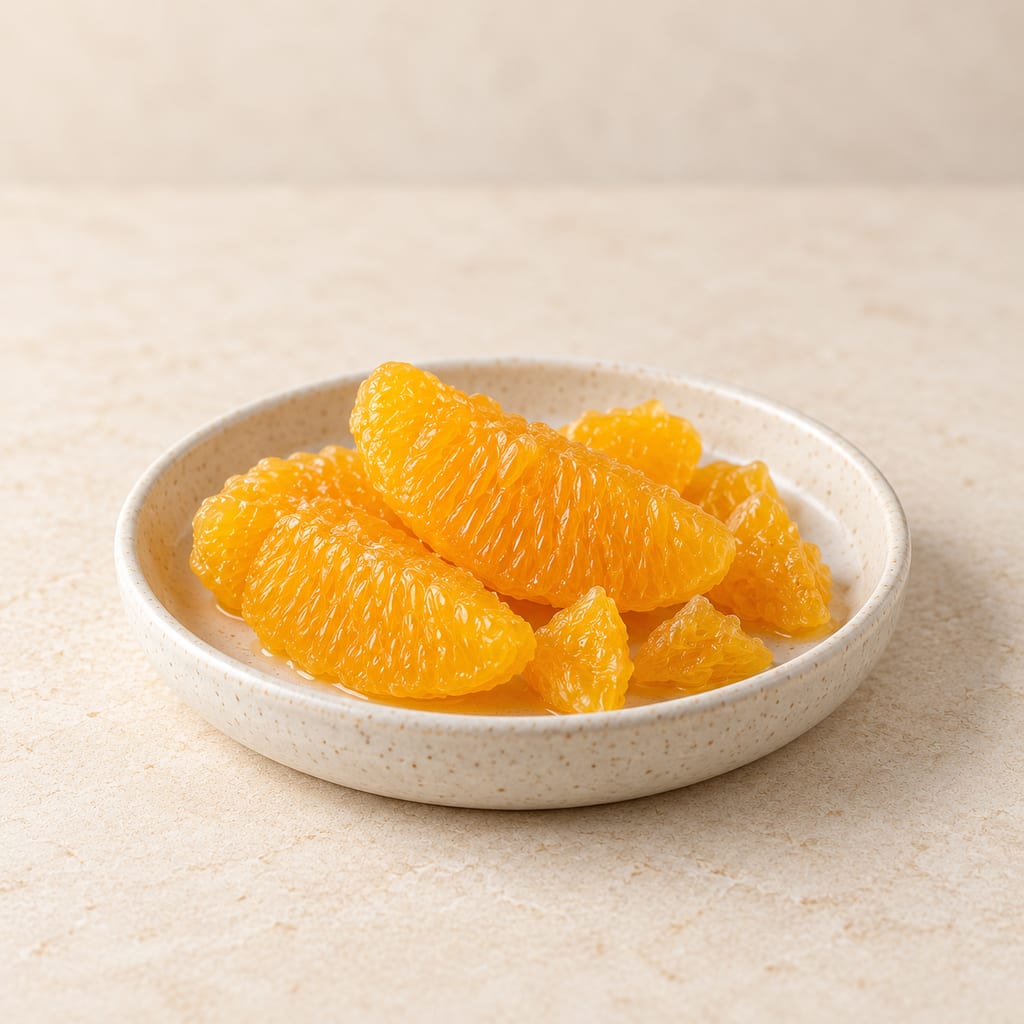
Fresh orange segment flesh, prepared separately from rind and membranes, bringing juicy tissue, sweetness, acidity and aroma to marmalade and other foods.
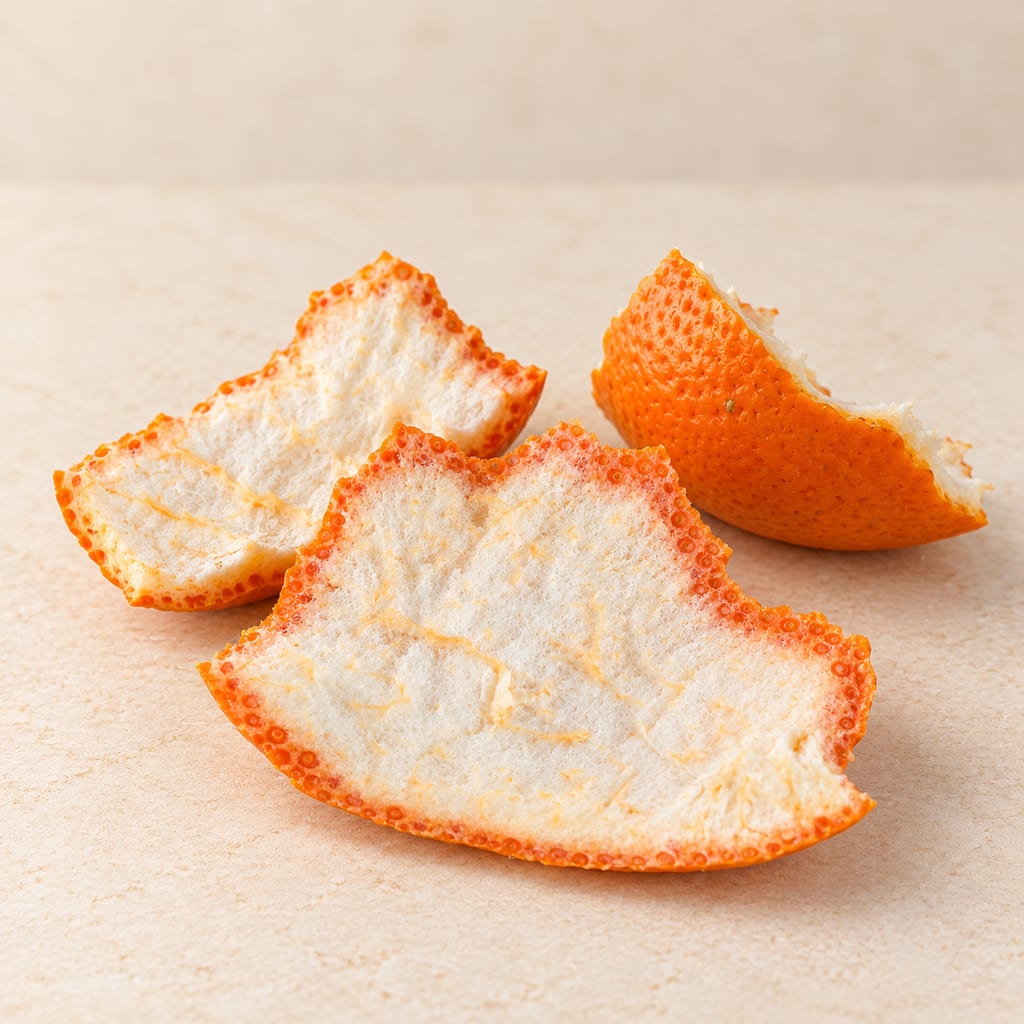
Orange rind retaining its white inner pith, combining aromatic outer peel with the body and pectin used in marmalade and other citrus preparations.
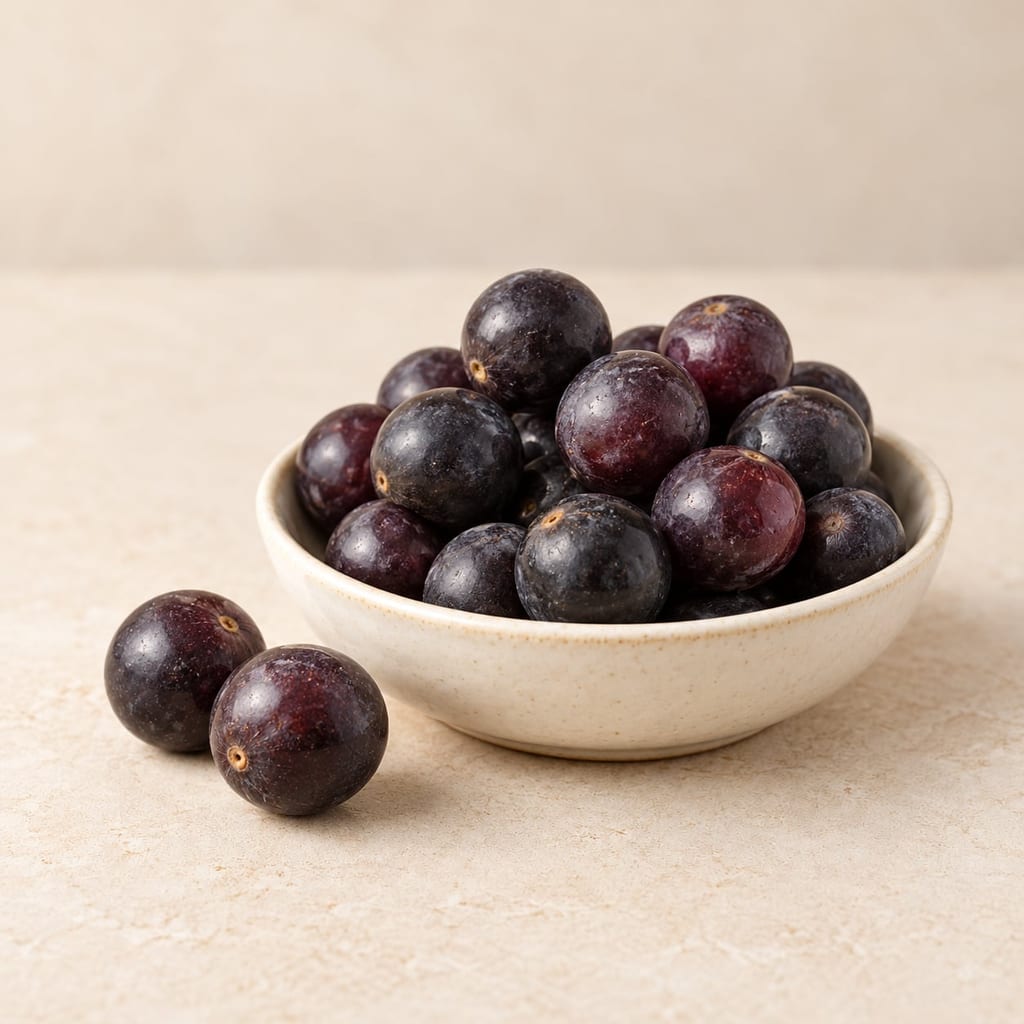
Dark-fruited muscadines have thick coloured skins, soft aromatic pulp and prominent seeds, used fresh or made into juice, preserves and red wine.
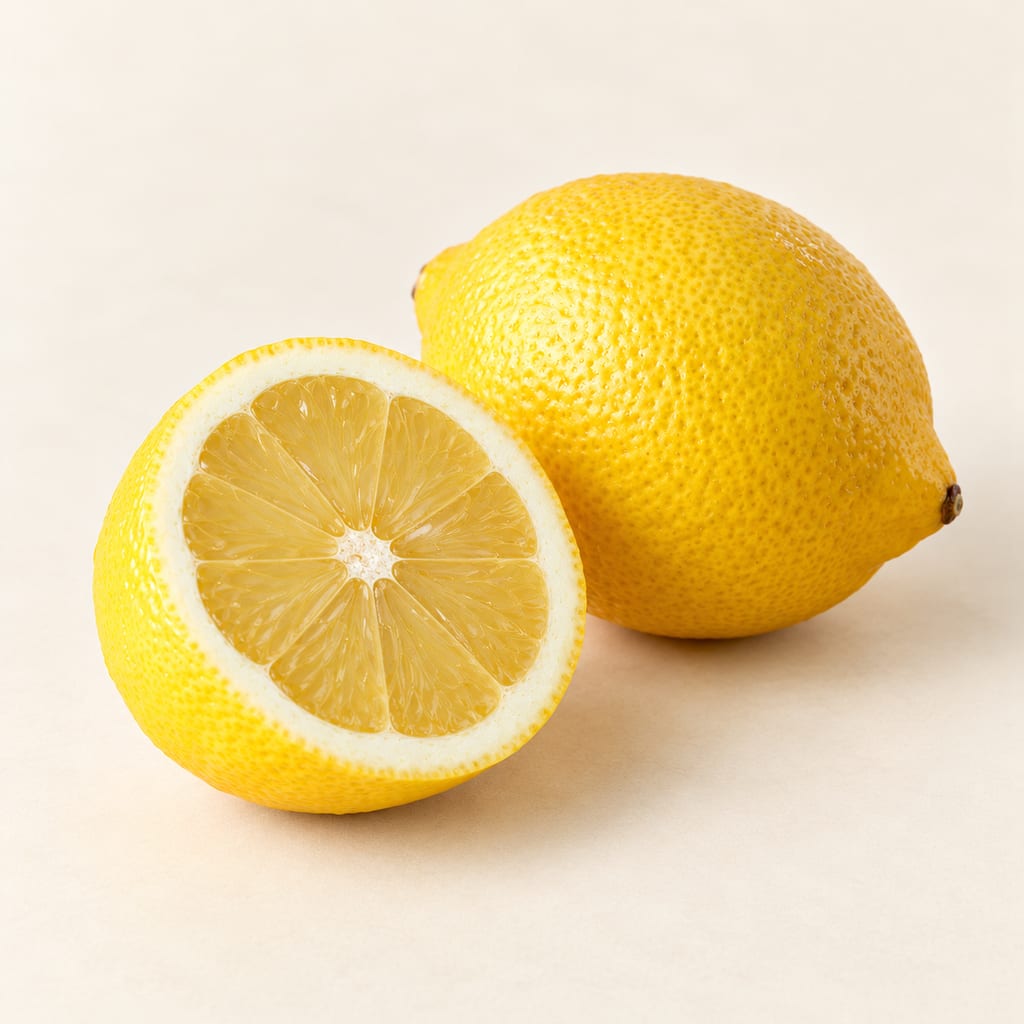
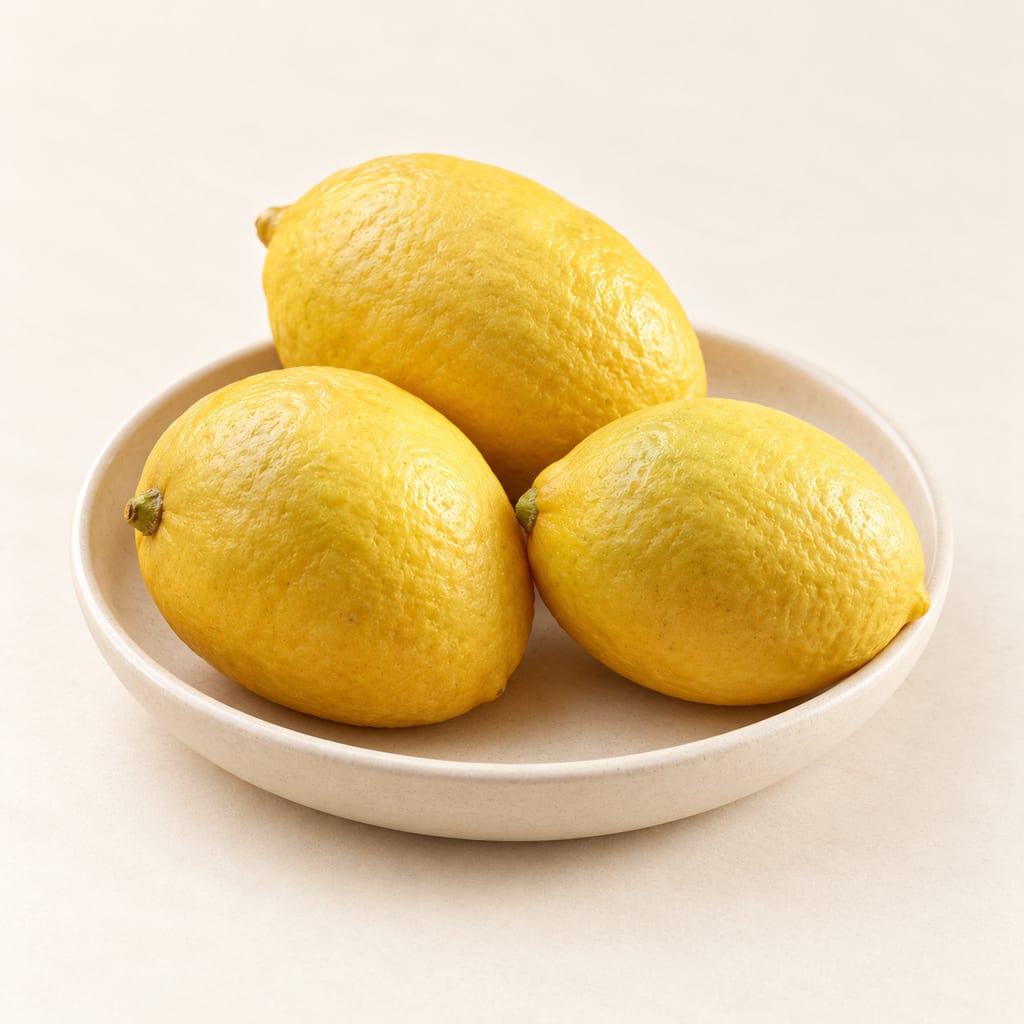
Lemons are aromatic, acidic citrus fruits whose peel, pith and juice serve different jobs in food and drink. The fruit is a hybrid with a complex history.
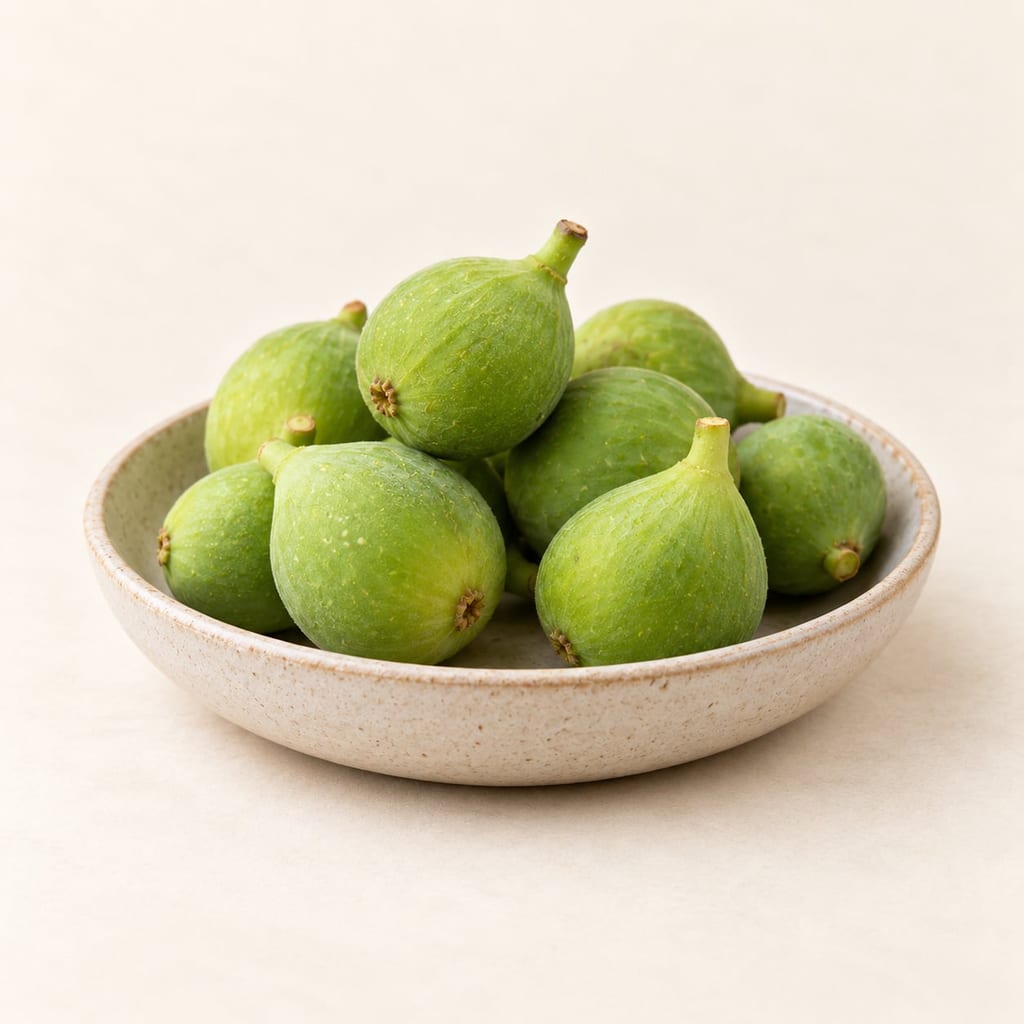
Firm green figs are the unripe fruit of the fig tree selected for preserves that keep the fruit whole and let it absorb syrup.
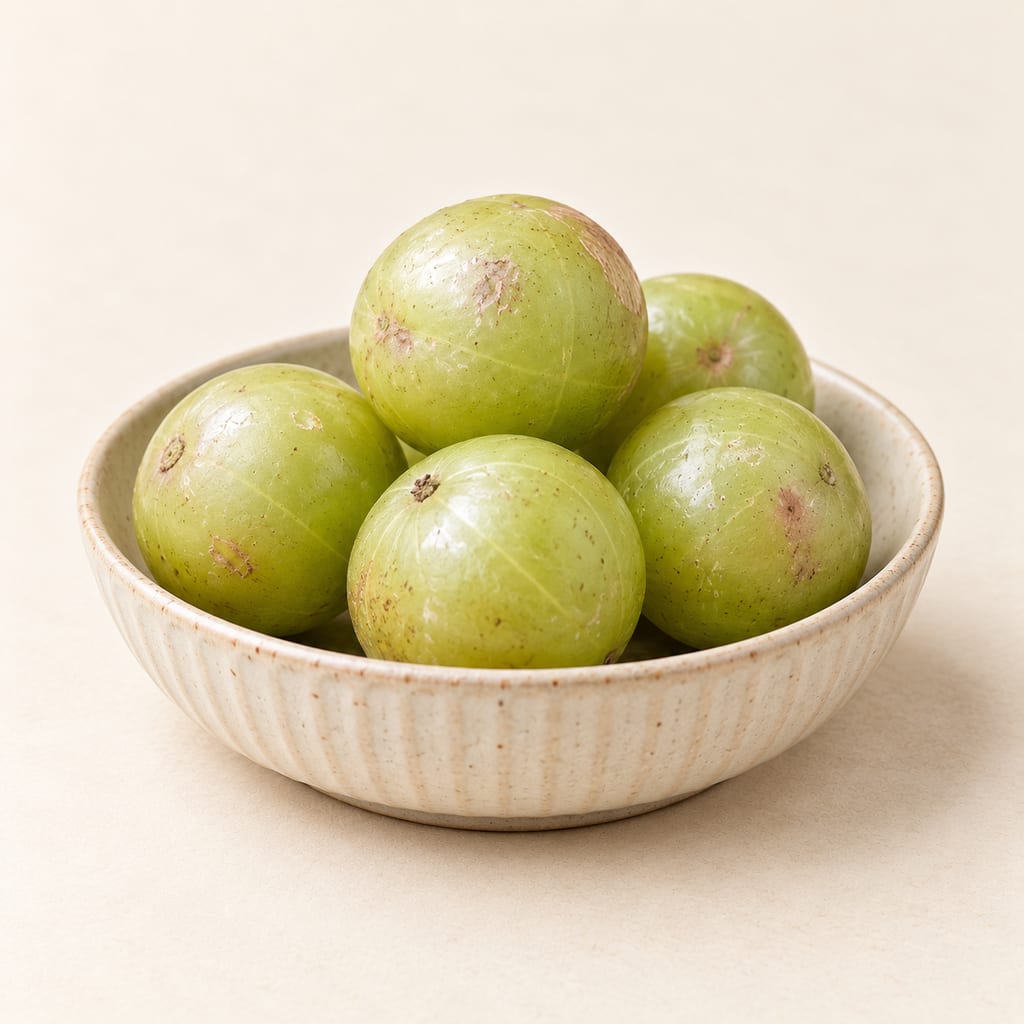
Amla is the firm, sharply sour fruit of Phyllanthus emblica. Cooks transform it into murabba, pickles, chutneys, drinks and dried snacks.
Himachal galgal is a large sour hill citrus used for pickles, concentrated juice and fresh winter preparations; its botanical naming varies across authorities.