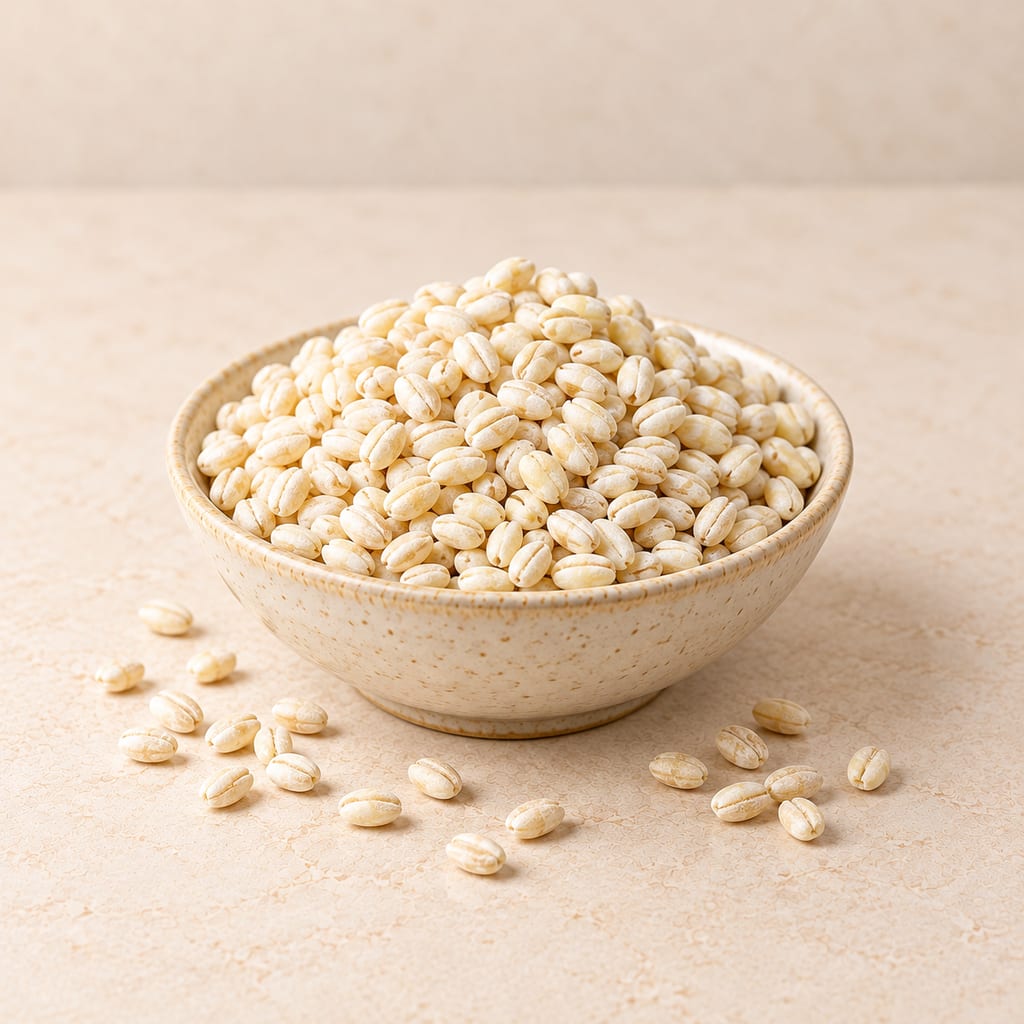
Barley
Barley is a hardy cereal, domesticated in the Middle East over 10,000 years ago, eaten whole, pearled or milled, malted for brewing, and grown with koji mold for barley miso.
 FermenteaWhere food goes to change
Substrates
Woodland strawberry (Fragaria vesca) is a small-fruited perennial, picked wild for centuries and distinct from the large cultivated hybrid strawberry. It is eaten raw and in a few historical dishes.
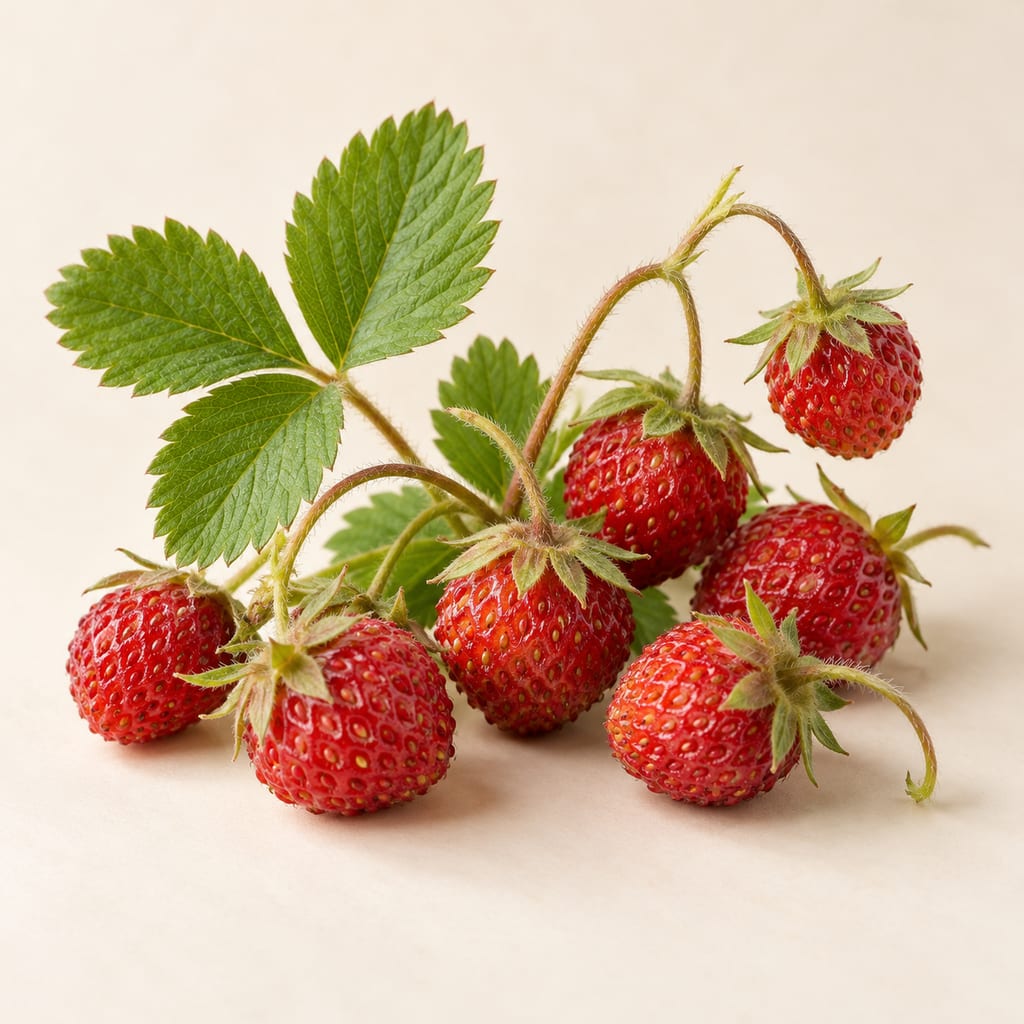
Kew accepts Fragaria vesca L., a perennial native across parts of North America, Macaronesia, Europe and temperate Asia. Kew's species-profile prose uses the older name Potentilla vesca, while its taxon record accepts Fragaria vesca. The RHS calls it alpine strawberry and describes rosettes of three toothed leaflets, white flowers and small red fruits. The fleshy part called the berry is enlarged receptacle tissue, with the dry achenes sitting on its surface.
F. vesca is a different plant from the large-fruited cultivated hybrid F. x ananassa. The RHS profile's synonym field lists F. x ananassa, but its growing guide treats the hybrid and alpine F. vesca separately; this is an inconsistency in the source records and not a reason to merge the two. Wild, woodland and alpine strawberry are common labels that do not by themselves confirm a plant's identity.
Kew's species profile says woodland strawberry fruit has long been picked and eaten in the wild, and recounts a sixteenth-century shortcake recipe that used woodland strawberry with almond flour. It also mentions patisserie use and a cultivar sold as 'Semperflorens'. Its list of jams, juices and other products comes after its discussion of the cultivated hybrid, so those products are not attributed to F. vesca here. None of these accounts gives a complete household recipe.
A USDA plant guide attributes fruit gathering to named groups including the Micmac, Huron, Potawatomi, Creek, Blackfoot and Iroquois. It reports raw eating by the Coast Yuki and Karok of California, and leaf-tea use by the Upriver Halkomelem and Sechelt in British Columbia, the Cowlitz in Washington and Micmac communities in the Maritimes. This is a secondary federal summary and not a community-authored account; the leaf use is reported practice, not health advice.
The RHS profile lists clay, loam and sand, moist but well-drained soil, and acid, alkaline or neutral pH. Its text says the plant thrives in alkaline soils, tolerates partial shade and fruits best in full sun. These are garden descriptors, not a numeric optimum for every site.
RHS lists patio and container cultivation without giving container dimensions. It recommends removing and transplanting runners, or sowing seed in spring at 13 to 18 degrees C; the temperature describes that method and is not a germination guarantee. The plant spreads by runners, and RHS advises removing excess ones.
Under the RHS hardiness scheme F. vesca is rated H6, a band of -20 to -15 degrees C, which is a scheme category and not a measured survival cutoff. The profile lists aphids, slugs, glasshouse red spider mite, vine weevil, strawberry viruses, root rot and grey mould as possible problems but gives no crop-protection protocol.
Woodland Trust describes UK flowering from April to July and fruit appearing from June, in hedgerows, grassland, limestone and chalk sites, woodland and scrub. These are UK observations, not a global calendar.
The same source reports wild strawberry as near threatened in England, tying the status to the loss of unimproved meadows. That is an England-specific assessment and not a global conservation category. It notes that individual wild plants bear few fruits and advises leaving enough for wildlife; this is local conservation context, not a yield figure for cultivated plants.
The reviewed sources give no complete F. vesca household batch with quantities, ordered preparation and storage guidance, so no recipe is assembled here from separate descriptions. The USDA community accounts are historical summaries and do not replace current community knowledge. Neither a common name nor a photograph establishes the identity or safety of a gathered plant. No universal crop yield, pot size, greenhouse setting or shelf life is given. Current access and collection rules for a specific wild site were not reviewed.
Woodland Trust and RHS describe the wild plant, its season and garden growing in the UK; these are UK conditions, not a global calendar.
A USDA plant guide summarises fruit and leaf use by named Indigenous groups; it is a secondary summary and does not give a single origin.
Barley is a hardy cereal, domesticated in the Middle East over 10,000 years ago, eaten whole, pearled or milled, malted for brewing, and grown with koji mold for barley miso.
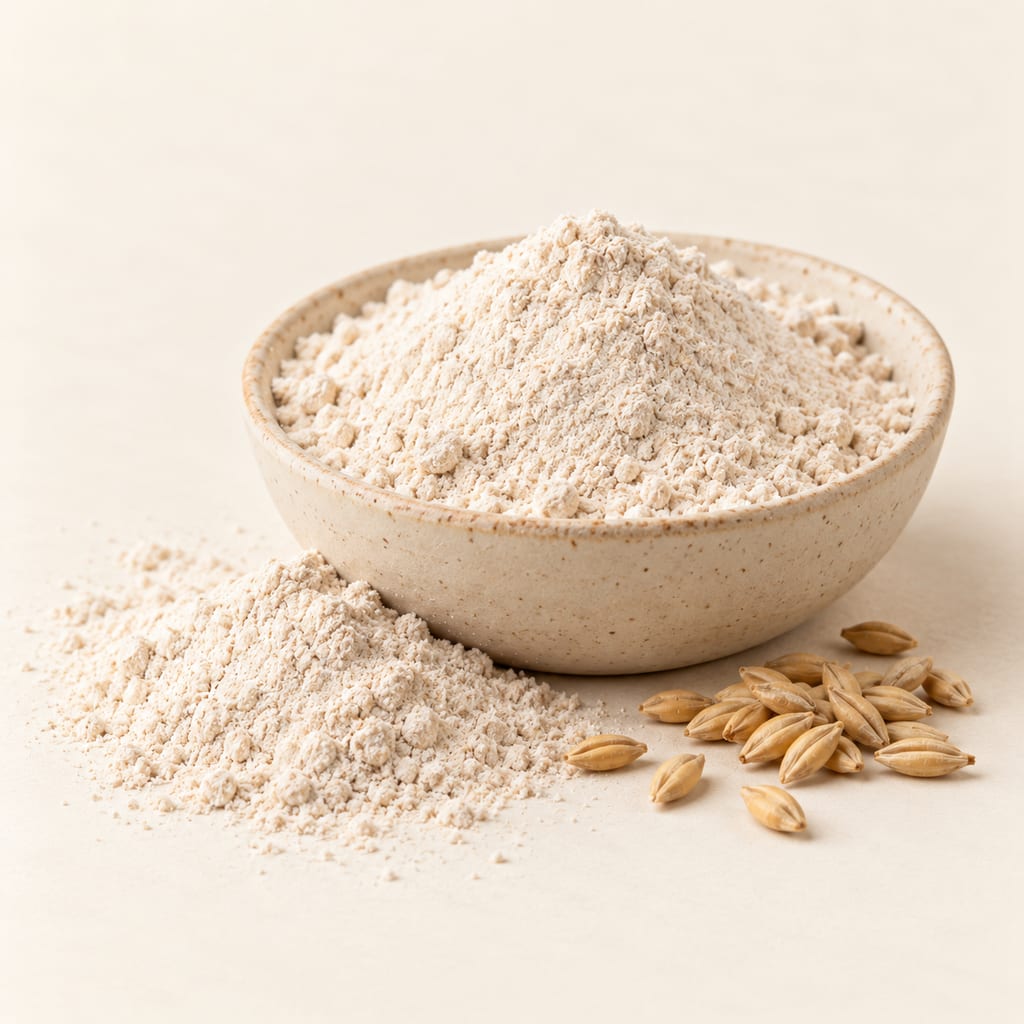
Barley flour is ground barley grain; whether it comes from pearled or hulless kernels, its milling and limited wheat-like gluten-forming ability shape the doughs and foods it can make.
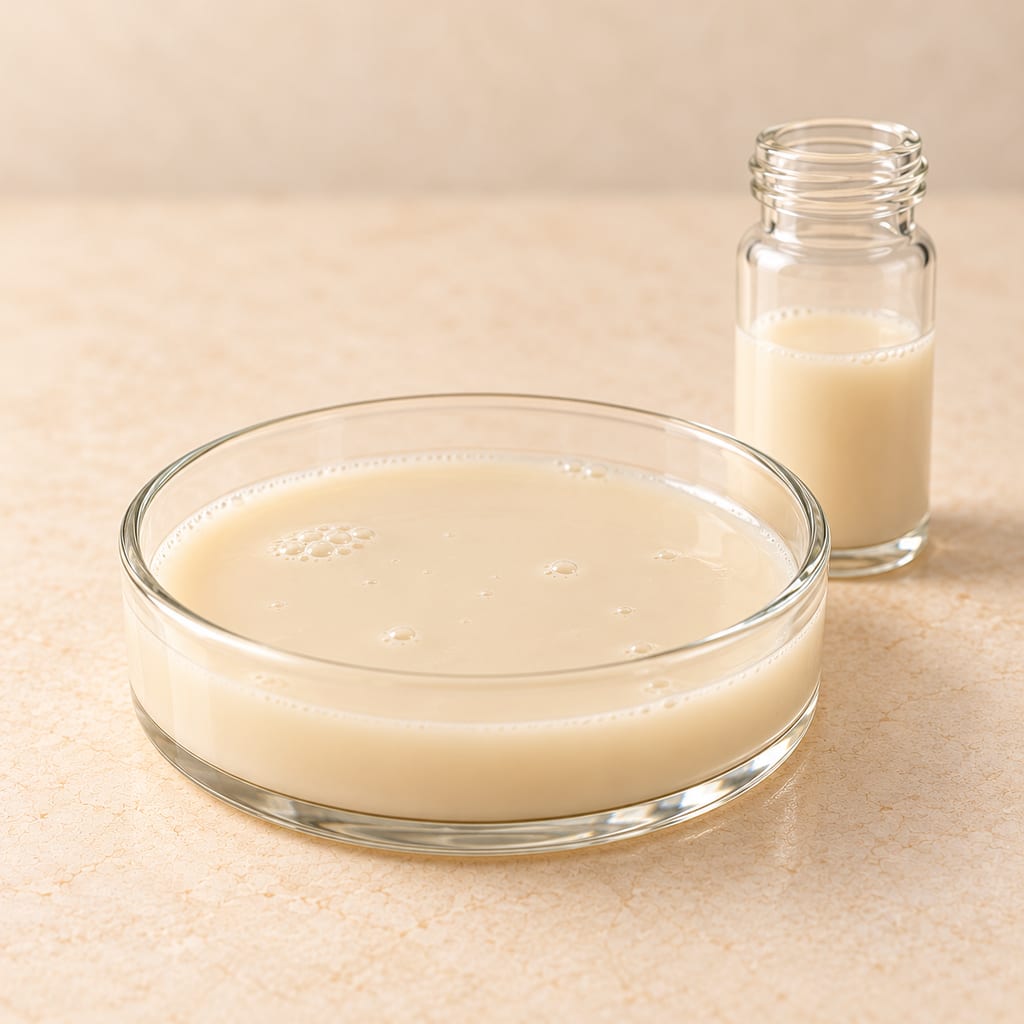
Brewer’s yeast is a working name for living cultures selected for brewing, not one strain or always one species. Ale and lager cultures differ, and older household books may use the term for foam or sediment from brewery beer.
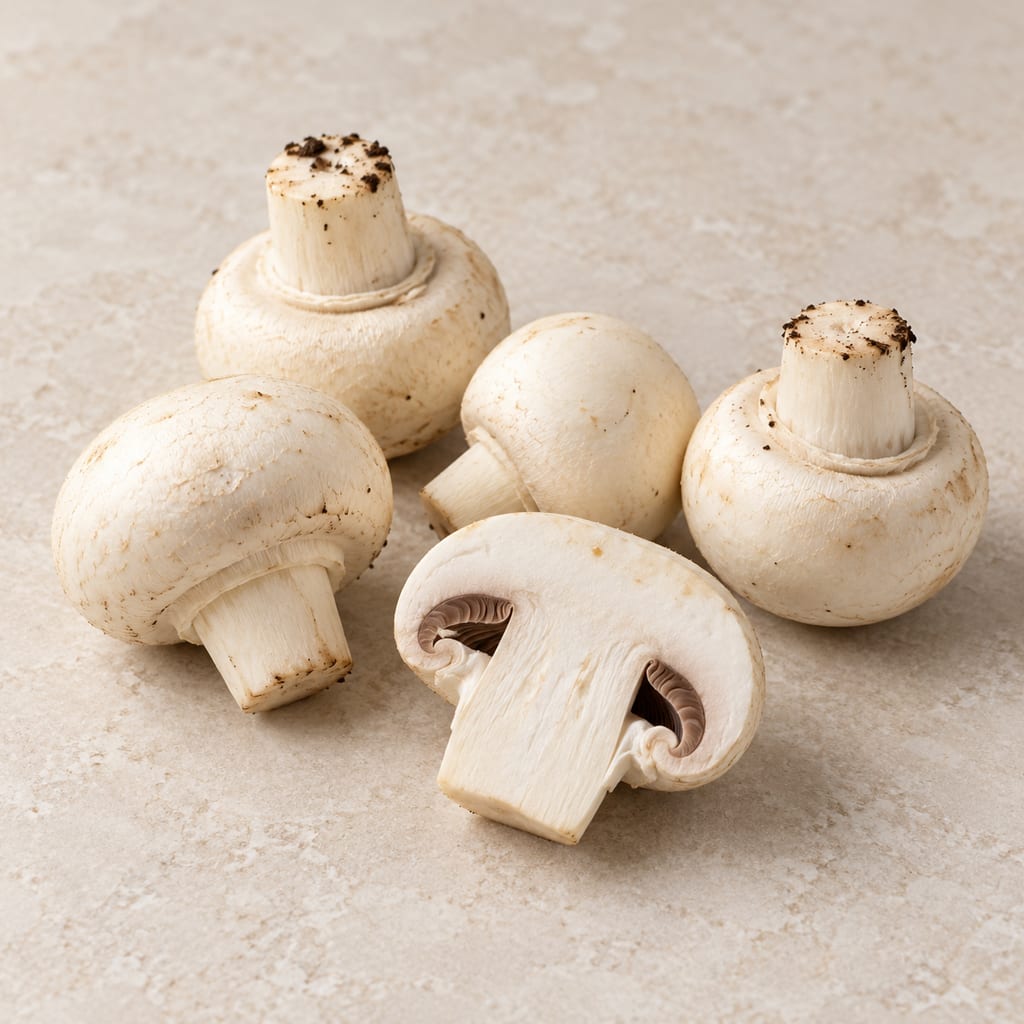
A cultivated form of Agaricus bisporus sold young as a button and at more mature stages as cremini or portobello, used fresh or preserved in everyday cooking.
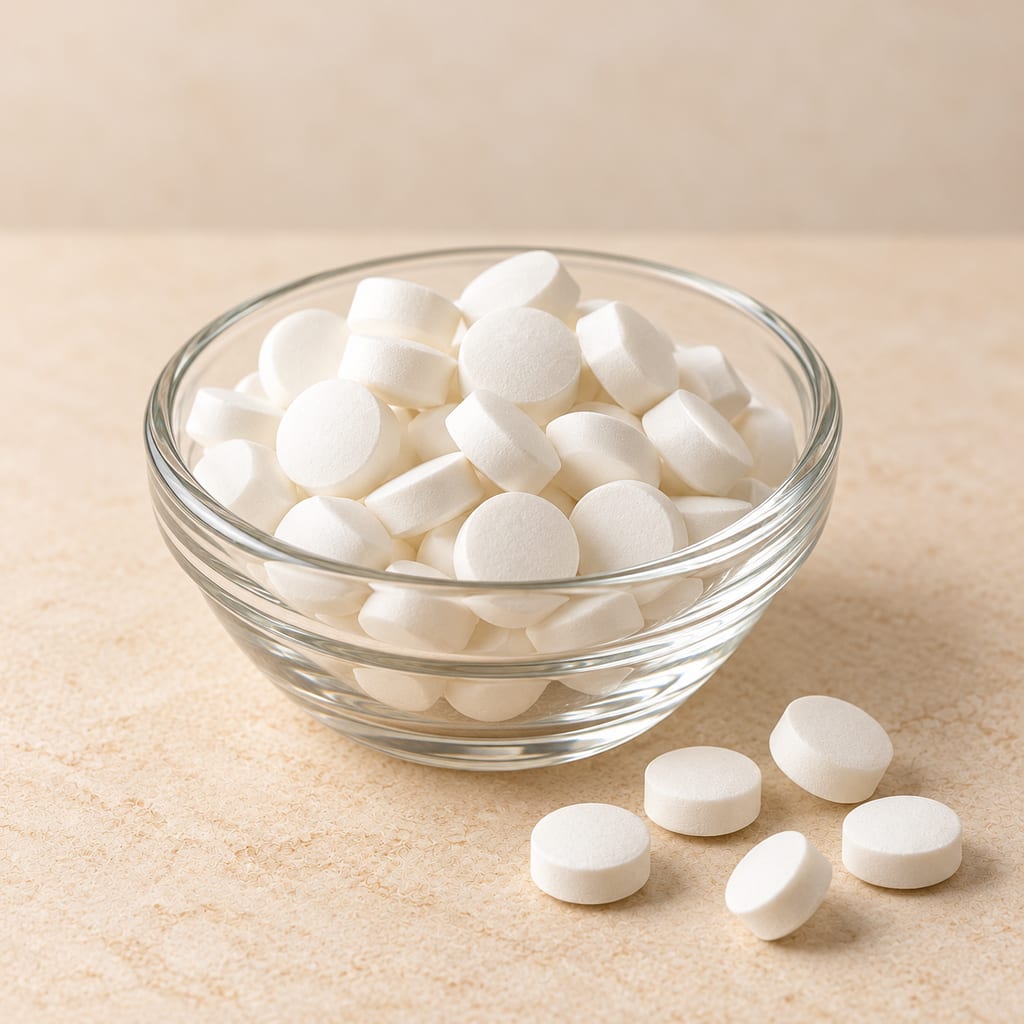
Campden tablets portion a metabisulfite salt for particular wine, cider or other fermentation uses. Tablet strength and the resulting free sulfur dioxide depend on the product and liquid.
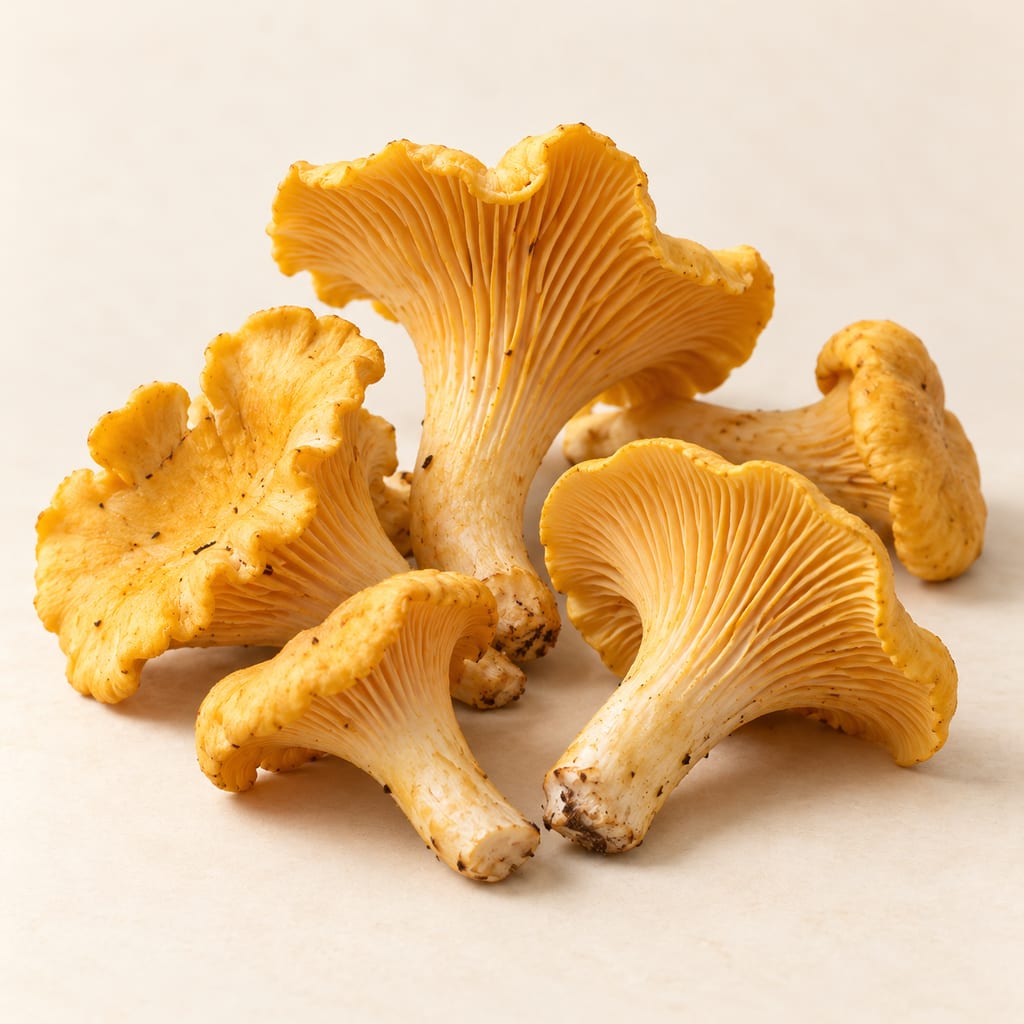
Chanterelles are wild, tree-associated edible mushrooms, particularly the European golden chanterelle Cantharellus cibarius, prized for their firm flesh, fruity aroma and use fresh, frozen, dried or pickled.
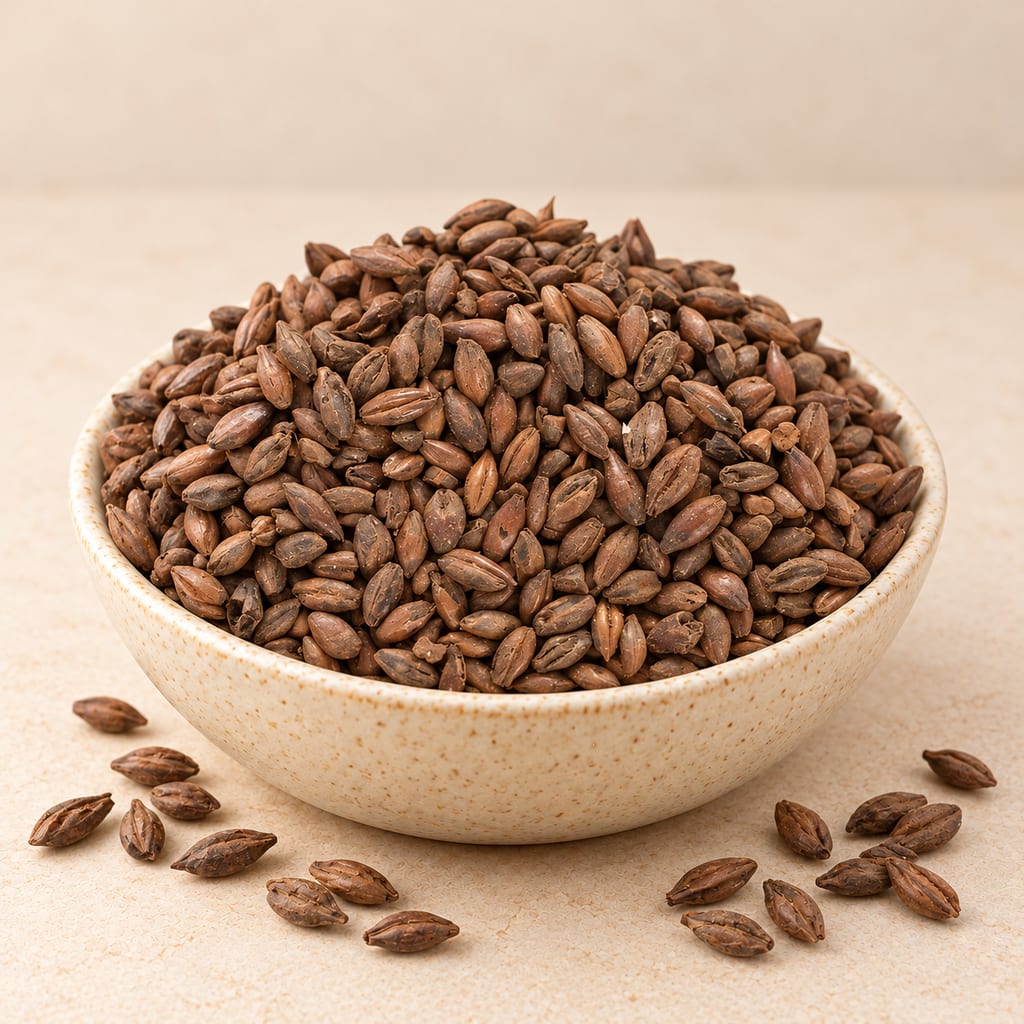
Chocolate malt is barley that has been malted and then roasted to a dark brown, used in porters, stouts and brown ales for colour and a bitter-cocoa, roasted-coffee flavour. It contains no cocoa.
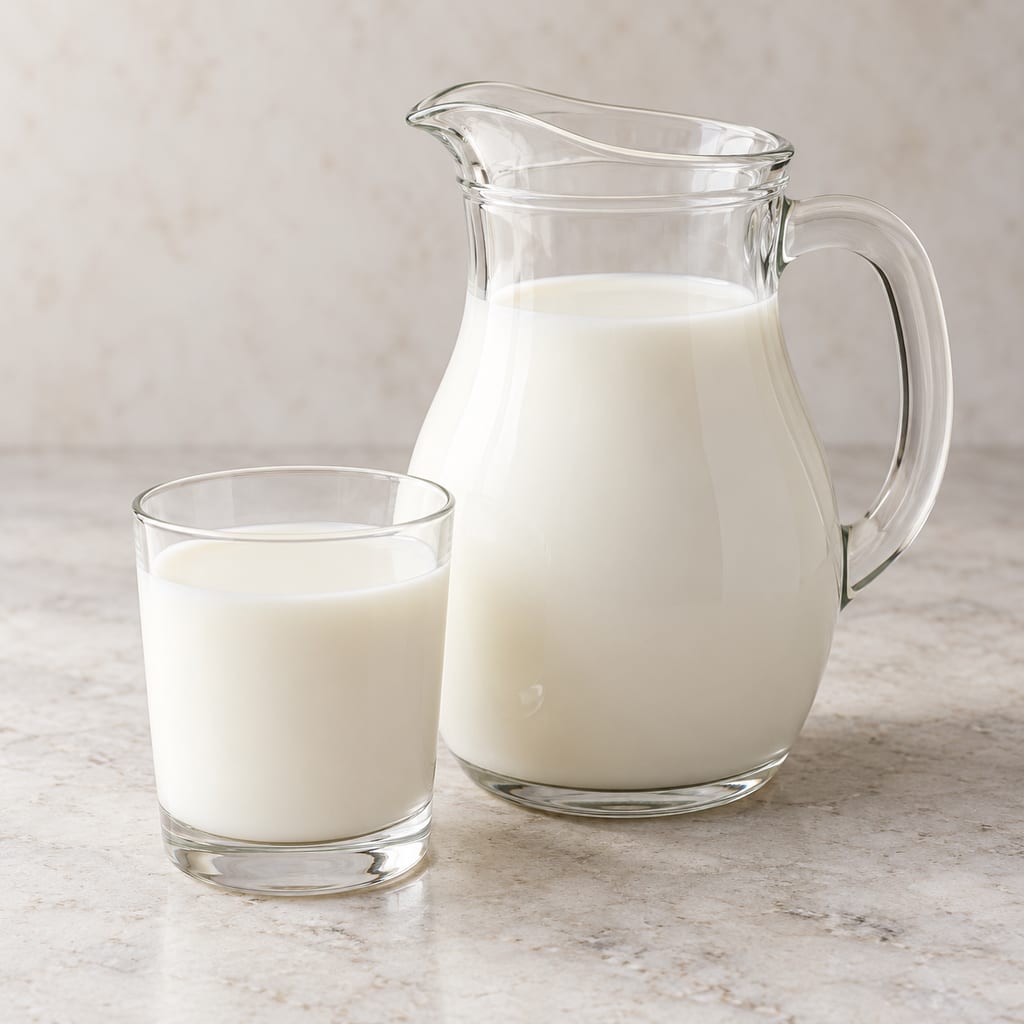
Cow milk and water-buffalo milk are distinct dairy substrates whose fat, protein and mineral balance affects cheese; this ingredient name preserves a choice rather than defining a blend.
No community contributions have been published for this entry yet.
Sign in to contribute. Published comments and photos are free to read.
Royal Botanic Gardens, KewIngredient research
Fragaria vesca L. | Plants of the World OnlineCited in: The woodland strawberry; How the fruit has been eaten; What the sources do not establish
Royal Horticultural SocietyIngredient research
Fragaria vesca (F) | alpine strawberryCited in: The woodland strawberry; Growing it in a garden; What the sources do not establish
Royal Horticultural Society Advice TeamIngredient research
How to Grow StrawberriesCited in: The woodland strawberry
USDA Natural Resources Conservation Service, National Plant Data CenterIngredient research
Wood Strawberry (Fragaria vesca L.) Plant GuideCited in: How the fruit has been eaten; What the sources do not establish
Woodland TrustIngredient research
Wild Strawberry (Fragaria vesca)Cited in: Wild season and conservation; What the sources do not establish