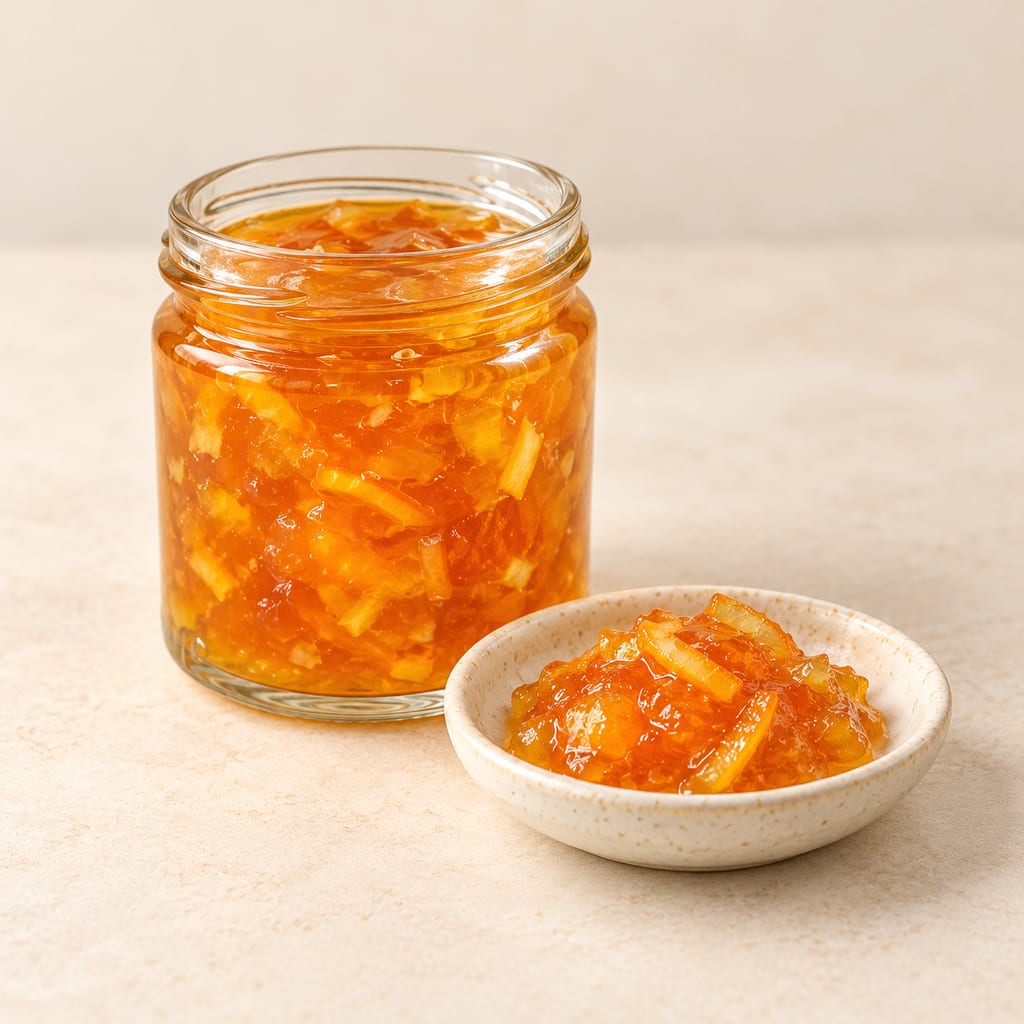
Orange marmalade
Orange marmalade suspends thin strips of citrus peel in a sweet gel. This navel-orange batch includes pulp and lemon and is preserved in a boiling-water canner.
 FermenteaWhere food goes to change
Substrates
Fresh orange segment flesh, prepared separately from rind and membranes, bringing juicy tissue, sweetness, acidity and aroma to marmalade and other foods.
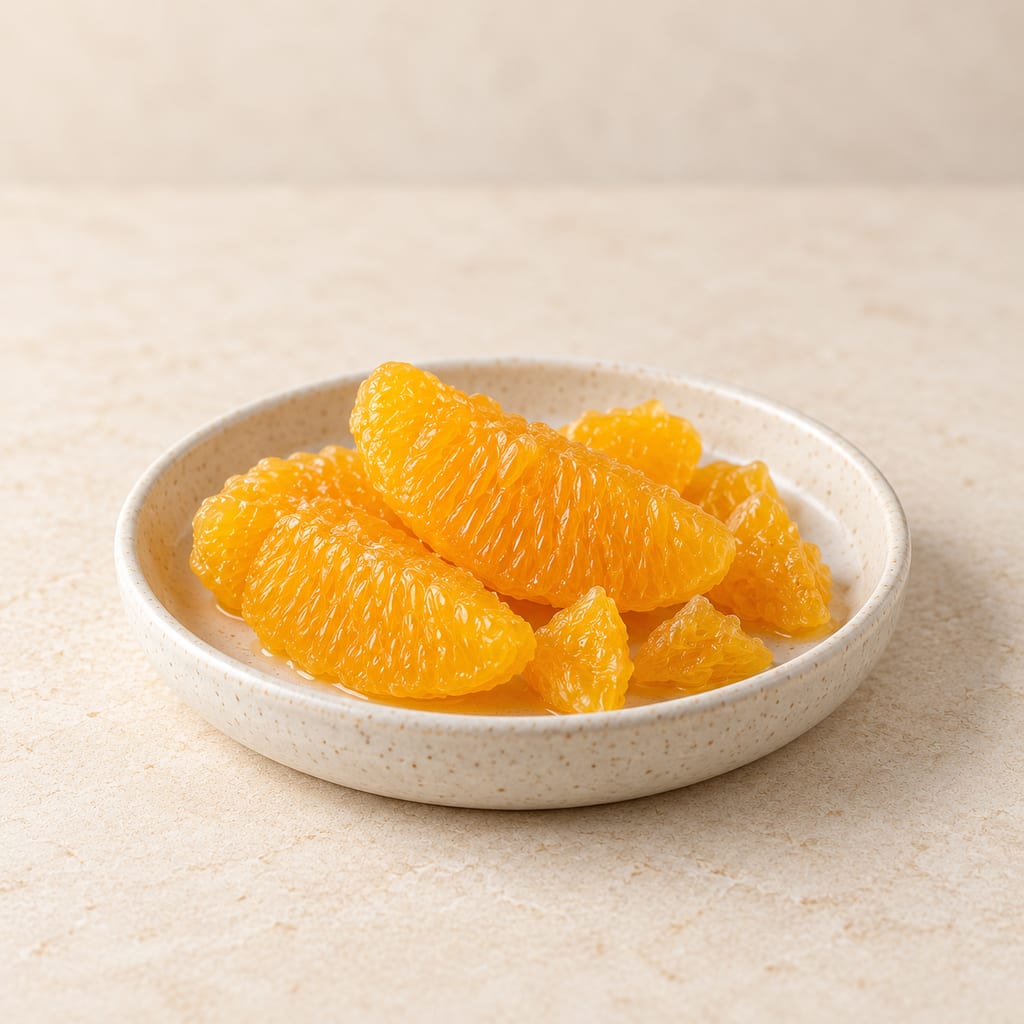
Orange pulp is the flesh inside the fruit's segments, the part that releases juice when bitten or squeezed. Prepared for the linked marmalade, it consists of fresh orange sections with seeds and surrounding membrane removed, then cut into smaller pieces. This gives the cook moist fruit material rather than juice alone. Its sweetness, acidity and texture enter the preserve together. The rind is measured separately, so the two orange ingredients have different jobs even though they began as one fruit.
The word pulp can cause confusion because it also belongs to the juice industry. A carton labelled with pulp contains suspended fruit material, while a processor may use pulp for separated vesicles or fragments obtained during extraction. Neither meaning requires a bowl of fresh, membrane-trimmed sections. In a recipe, the preparation attached to the word is therefore useful information. Fresh pieces, a strained liquid and a recovered factory fraction share an origin but bring different combinations of intact tissue and free juice.
Orange flesh had a place in household sweets before the modern jar of marmalade became familiar. Gervase Markham's English housewife of 1615 describes an orange confection in which the fruit is carefully pared, steeped and boiled before its pulp is worked with refined sugar. Rosewater forms part of the preparation, and the finished confection is strained into boxes. It belongs to a banquet setting in which preserved fruits, pastes, marmalades and wafers were arranged as varied dishes.
The pulp in that confection was processed towards a different texture from a loose fresh segment. Working and straining could remove the fruit's original structure, making the flesh the basis of a sweet rather than leaving each segment recognizable. Modern fruit butters likewise use pulp cooked with sugar to a spreadable consistency, while a jelly is based on juice. The differences show why pulp is a useful kitchen category: it describes fruit material whose tissue may matter even when the final food is no longer shaped like the original fruit.
Orange growing also supports two connected markets, fresh fruit and processing. Fruit for sale whole must reach the buyer as an attractive, handleable object; a juice operation separates it into several useful streams. Processing can make fruit products easier to store and transport to distant markets. It also turns peel, juice vesicles and other recovered solids into materials with their own destinations. The commercial meaning of pulp grew within this system of making use of different parts of the harvested crop.
The distinction remains visible at the table. A fresh segment gives a burst of liquid surrounded by tender tissue; a glass of strained juice removes much of that eating structure; a drink with added pulp brings some particulate texture back. These are different ways of presenting the orange rather than stages in a necessary progression towards a better product. The appropriate choice depends on whether a dish needs pourable liquid, pieces of fruit or a mixture whose solids contribute body.
The sweet orange is commonly named Citrus × sinensis in horticulture and belongs to Rutaceae. Its ancestry includes mandarin- and pummelo-related lineages, with genomic research revealing mixing within its cultivated history. The familiar fruit is therefore not well explained by imagining one unchanged wild orange passing directly into modern orchards. Its ancestry and its long history of human selection are connected, while the exact circumstances of its earliest domestication remain less certain than the identities of many present cultivars.
Growers can preserve a selected fruit type by budding or grafting its scion onto a rootstock. The scion carries the desired fruiting variety, while the rootstock can be chosen for growing conditions and other orchard requirements. This helps explain how a named type can be grown repeatedly without depending on seedlings to reproduce every feature of a parent fruit. The pulp a cook receives reflects that selection as well as the environment and maturity of the harvested orange.
Navel, common and blood oranges offer different fruit forms within the sweet-orange repertoire. Navels have the recognizable structure at the blossom end, while blood oranges are known for coloured flesh. Valencia and Hamlin are examples familiar in Florida citrus production, with different local harvest calendars. The linked marmalade was developed using navel oranges, but it does not identify an individual growing place or chemical composition for the fruit. A type name is useful without becoming a guarantee that every orange of that type will have identical juice or flavour.
A cut orange reveals several layers. The coloured outer peel is the flavedo, followed by the white albedo. Inside are the segments and the small juice vesicles that make up most of the flesh. These vesicles develop from the fruit's inner tissues. They are not simply pockets cut into the rind or droplets of loose juice waiting behind a membrane. Each is an organized structure made of cells, giving the pulp a texture that can remain perceptible even when it is very juicy.
As the fruit develops, the cells within those vesicles enlarge. Their internal vacuoles become important storage spaces for sugars and citrate, the organic-acid component associated with much of citrus sourness. Biting or crushing the tissue releases their contents as juice. The liquid and the structure are therefore linked in fresh pulp: pressure changes the way they are presented to the mouth or the cooking pot. A whole section, a chopped section and a squeezed section have already undergone different degrees of physical disruption.
Membranes separate and enclose the larger segments, while the rind surrounds the fruit as a whole. Removing those membranes for the marmalade changes the material being measured. The cook keeps the juicy flesh rather than treating every internal white piece as part of the same ingredient. This preparation also helps distinguish orange pulp from peel with albedo. The white pith remains attached to the separately measured rind, where it has an important role in supplying pectin to the preserve.
Fruit quality changes during development rather than appearing only when the peel turns orange. Early growth includes cell division, followed by a period in which enlarging juice cells contribute strongly to fruit expansion. Later maturation changes the balance of sugars and organic acids. In many citrus cultivars, sugar accumulation becomes particularly important as acidity declines. The resulting sweet-sour balance is one reason two apparently similar oranges can taste different when opened.
Sucrose, glucose and fructose contribute to the sugars in citrus pulp. Citrate is a major organic acid, stored within the juice-cell vacuoles. The amount of citrate and the acidity of that internal environment are related but distinct features of the fruit's metabolism. For a cook, the useful result is a juicy ingredient with both sweet and sour components. Taste does not reveal a single fixed concentration, and the name orange pulp supplies no measured acidity for an individual batch.
Climate and cultivar influence maturation. Warm conditions can speed changes in the fruit's internal acid balance, while the outside colour can respond differently to temperature. Some mature Valencia oranges remain greenish. Citrus also does not become sweeter after picking in the way a shopper might expect from some other fruits. Leaving an unsuitable orange in a fruit bowl is consequently not a reliable way to obtain sweeter pulp. Selecting fruit with appropriate eating quality matters before it is peeled.
Peel has concentrated aromatic oils, but orange flesh also contributes flavour and aroma. Orange flavour involves a mixture of volatile compounds rather than one substance acting alone. In research on commercial orange pulp, odor-active compounds included several chemical groups, among them terpene hydrocarbons, aldehydes, esters, alcohols and ketones. Sensory work described orange and fruity notes together with sweetness and sourness. The flesh's contribution is consequently more complex than water plus sugar and acid.
The condition and origin of a pulp ingredient also matter. Commercial samples can have a processing and storage history unlike a fresh orange section. Measurements on such material explain why pulp can add aroma as well as mouthfeel to a beverage, but they do not provide a fixed flavour formula for freshly prepared navel flesh. In the kitchen, using flesh and rind together combines tissues with different structures and aromatic contributions. The whole fruit's character emerges from their combination rather than from assuming either part is interchangeable with the other.
In the linked orange marmalade, fresh pulp is cut up and combined with separately prepared rind, lemon, water and sugar. The pulp supplies juicy fruit material and orange flavour while its pieces soften during cooking. The rind retains albedo, which supplies much of the pectin needed for that formulation's gel. This distribution of roles explains why removing the rind or replacing the fresh pulp with clear juice would change more than the appearance of the mixture.
Gel formation requires the suitable combination of fruit, pectin, acid and sugar. The orange flesh contributes water and soluble material as well as tissue; the other ingredients contribute their own components. Cooking first softens the peel, while later cooking with sugar develops the mixture towards its set. These are cooking and gelling operations, rather than fermentation. The pulp's existing acidity and sugars are properties of the fruit entering the pot, without requiring a culture to create them there.
Measured flesh is also different from a purchased industrial pulp product. Water-washed material, concentrated material or pulp already mixed with juice can alter the amount of liquid and solids entering a recipe. A cooked preserve should therefore use the ingredient form and preparation its method specifies. The word pulp alone is not a conversion factor between fresh pieces and a processing fraction. Their usefulness can overlap, but the composition of the mixture remains part of the recipe.
Mechanical extraction ruptures juice sacs and separates liquid from much of the fruit tissue. Screens and finishers then adjust the consistency of commercial juice. In that setting, pulp includes membrane fragments and broken vesicles, with larger and smaller particles behaving differently in the liquid. Recovering and selecting them gives a processor control over the texture of the finished drink. The pulp level is therefore a processing choice as well as a feature of the starting orange.
Some operations recover additional soluble material by washing extracted vesicles, while others prepare whole juice vesicles for use in drinks or yogurt. Intact vesicles offer a burst of liquid when bitten; smaller fragments contribute a different mouthfeel. These commercial streams help explain the many meanings of orange pulp on ingredient specifications. They are valuable uses of the fruit, but the freshly trimmed sections used in the linked preserve remain a separate preparation form.
Choose sound fruit and wash it under running water before peeling or cutting. A knife passes through the outer surface before it reaches the flesh, so preparation begins with the whole orange rather than with the exposed segments alone. Clean hands, utensils and work surfaces matter throughout this work. Soap and commercial produce washes are not recommended for washing fruit. When buying already cut orange, choose a properly refrigerated product and follow its handling instructions.
For the linked marmalade, remove seeds and segment membrane before cutting the flesh into smaller pieces and measuring it. Other dishes may keep segments more intact for their appearance and bite. Fresh orange can enter a fruit salad or be eaten on its own; prepared vesicles can give a drink a different texture from strained juice. Cutting, crushing, squeezing and straining each change what the diner encounters, even without adding another ingredient.
Refrigerate cut fruit appropriately rather than assigning it the keeping period of an intact orange. Dried pulp, frozen pulp and fresh flesh are different forms whose instructions should follow the actual product. Orange also remains a citrus food whether used as flesh, juice or an addition to a preserve. People who must avoid citrus need to account for all those forms. Neither a processing name nor a smooth texture removes the fruit's identity from the finished dish.
citrus
Printed orange confection using worked pulp, not a unique fruit origin.
Documented local citrus cultivation and variety examples; not origin of the linked recipe fruit.
Location of the navel-orange marmalade development and release, not growing place.
The linked recipe specifies navel oranges but no supplier, growing location or exact cultivar.
Orange marmalade suspends thin strips of citrus peel in a sweet gel. This navel-orange batch includes pulp and lemon and is preserved in a boiling-water canner.
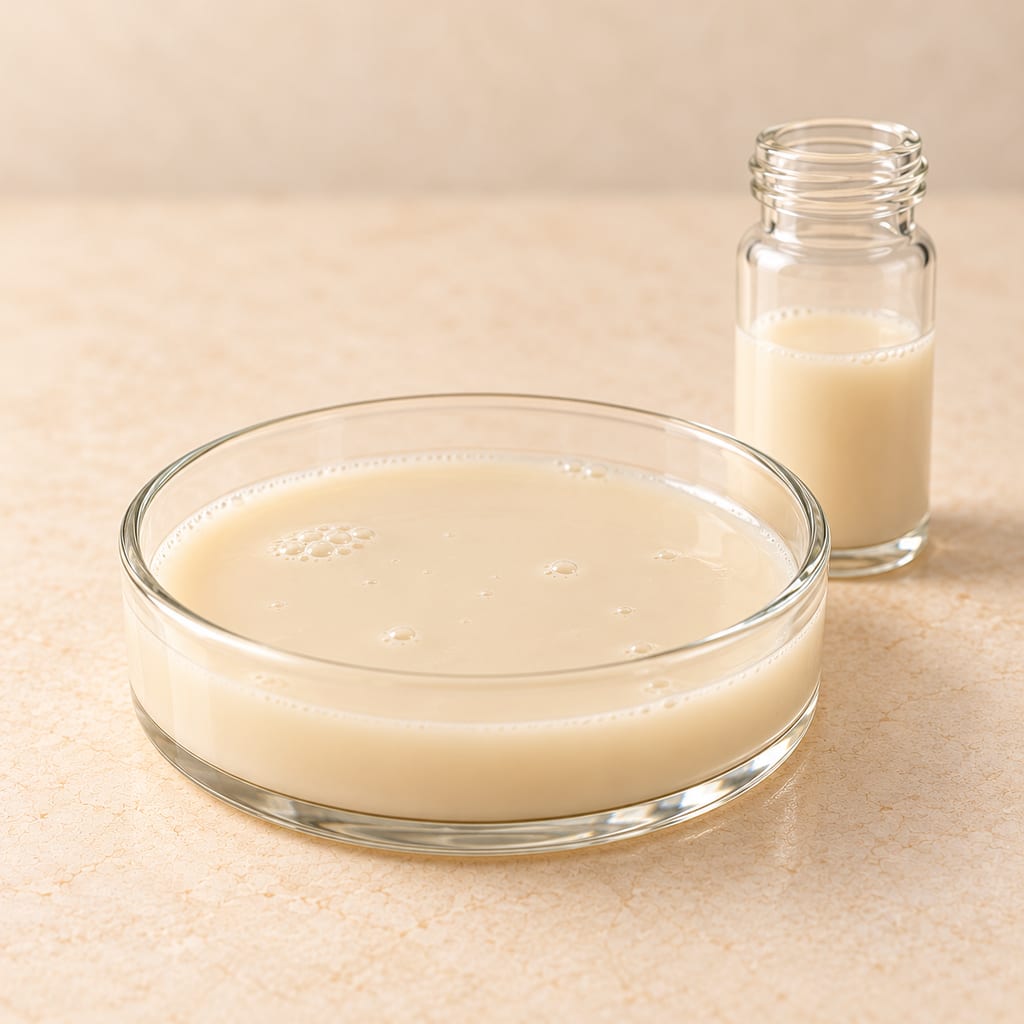
Brewer’s yeast is a working name for living cultures selected for brewing, not one strain or always one species. Ale and lager cultures differ, and older household books may use the term for foam or sediment from brewery beer.
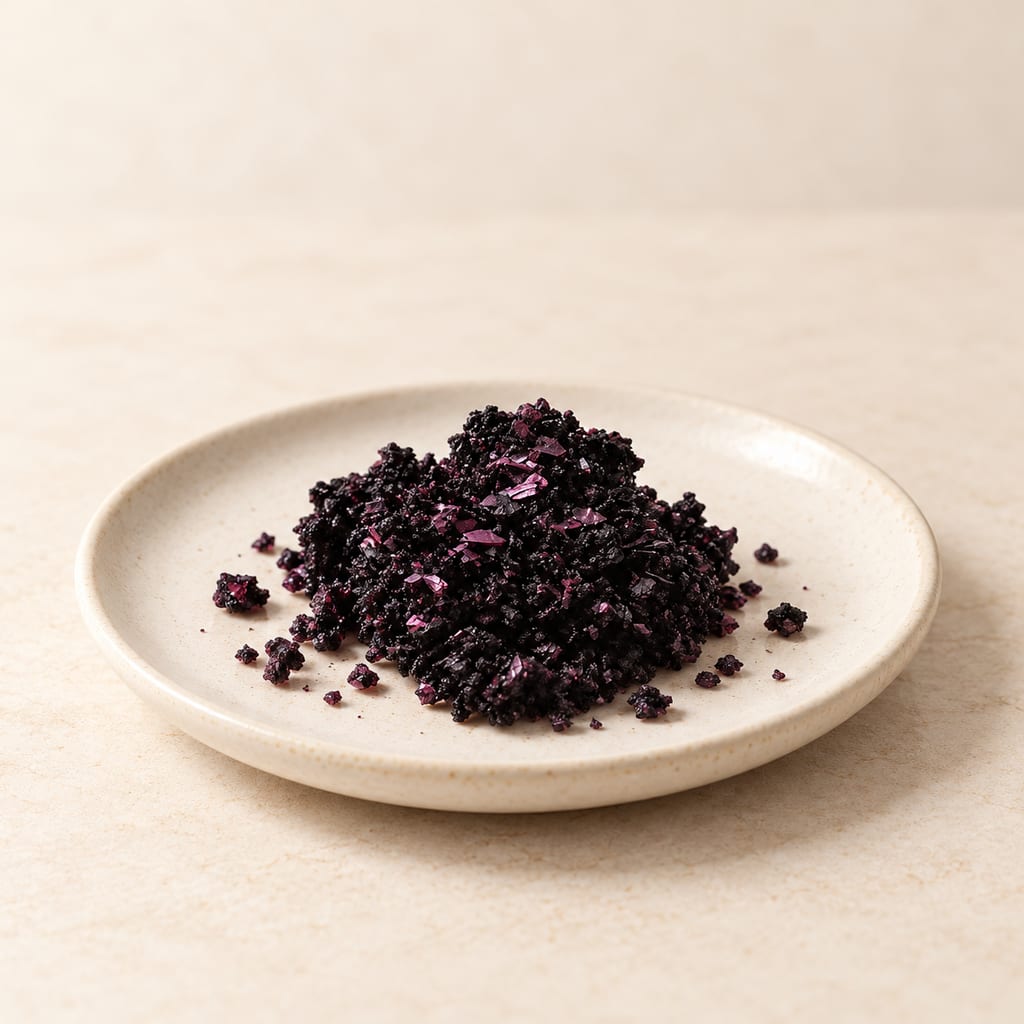
A mixed crystalline wine-vessel deposit, chiefly potassium hydrogen tartrate, used historically in wine recipes and recovered for refining into purer products.
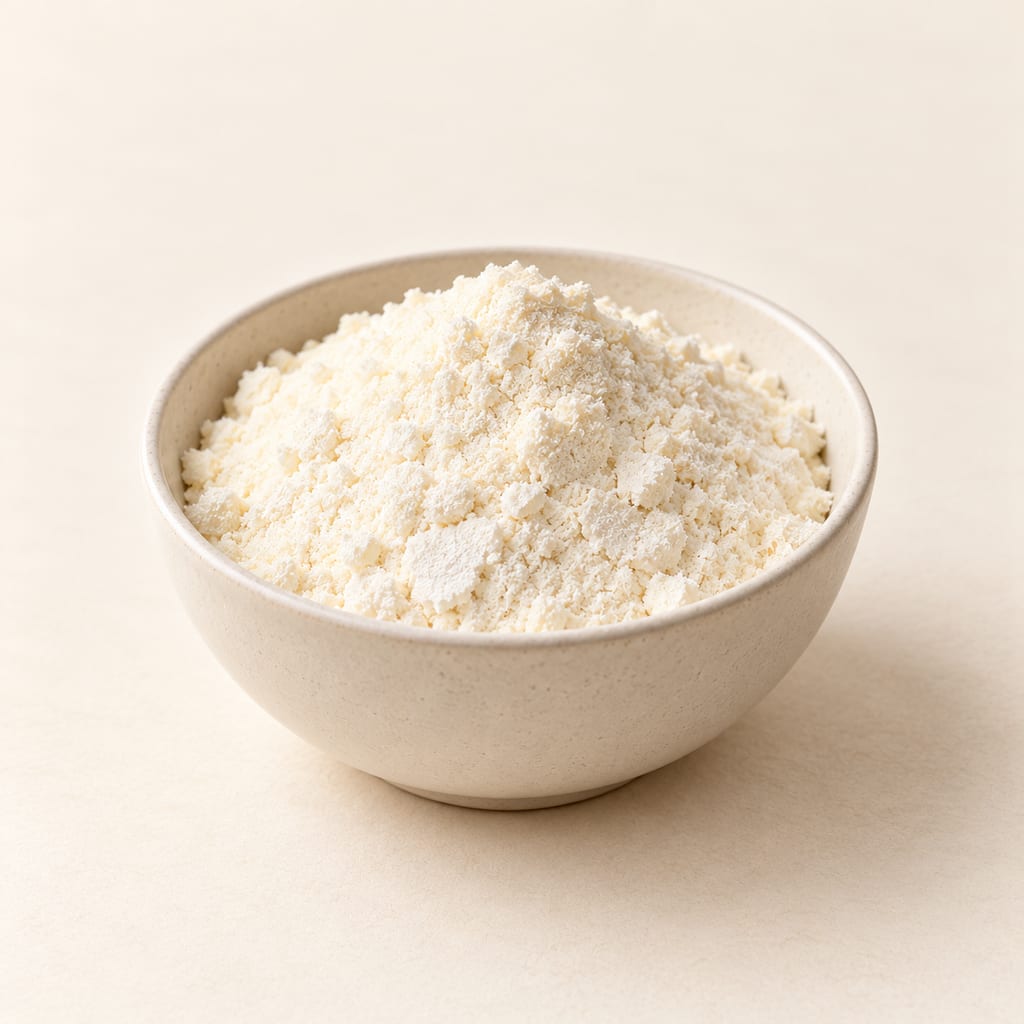
Dry milk is a family of dairy ingredients made by removing most water from milk or cream. The name includes distinct whole, partly skimmed and nonfat powders; fat level, heat treatment and particle form determine handling and use.
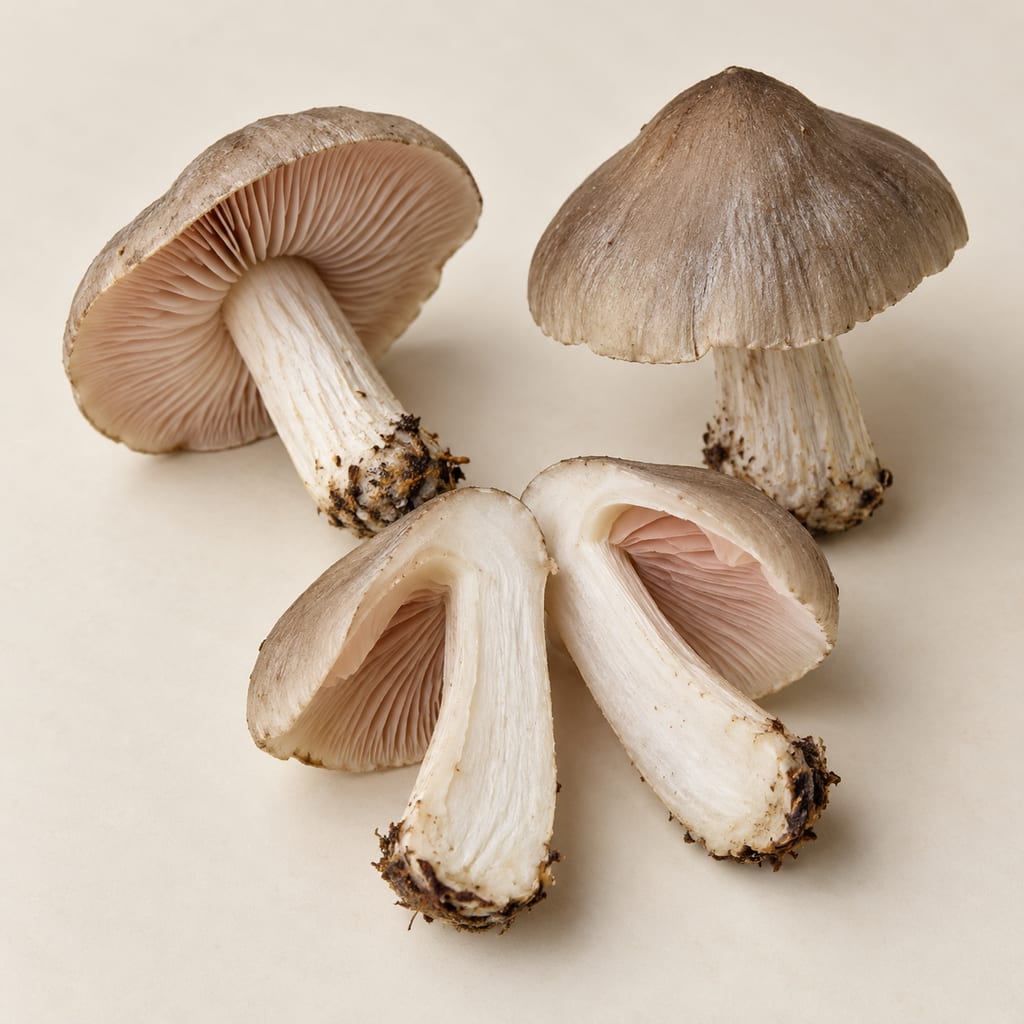
A woodland pinkgill reported as local food in Sikkim and parts of Italy, but difficult to identify and subject to strong regional warnings about confusion with toxic Entoloma species.
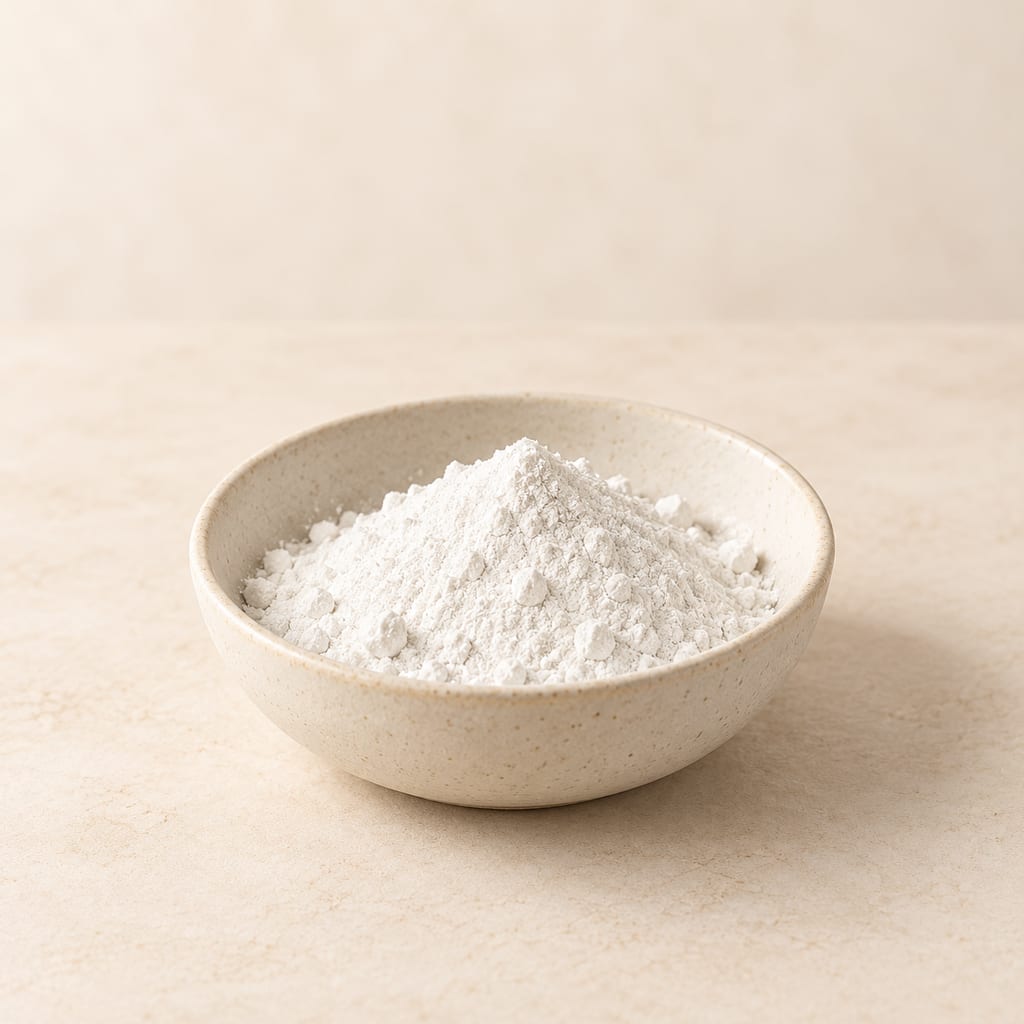
Gypsum is calcium sulfate dihydrate, a mineral salt that brewers dissolve in water for its calcium and sulfate and that tofu makers use to set soy curd.
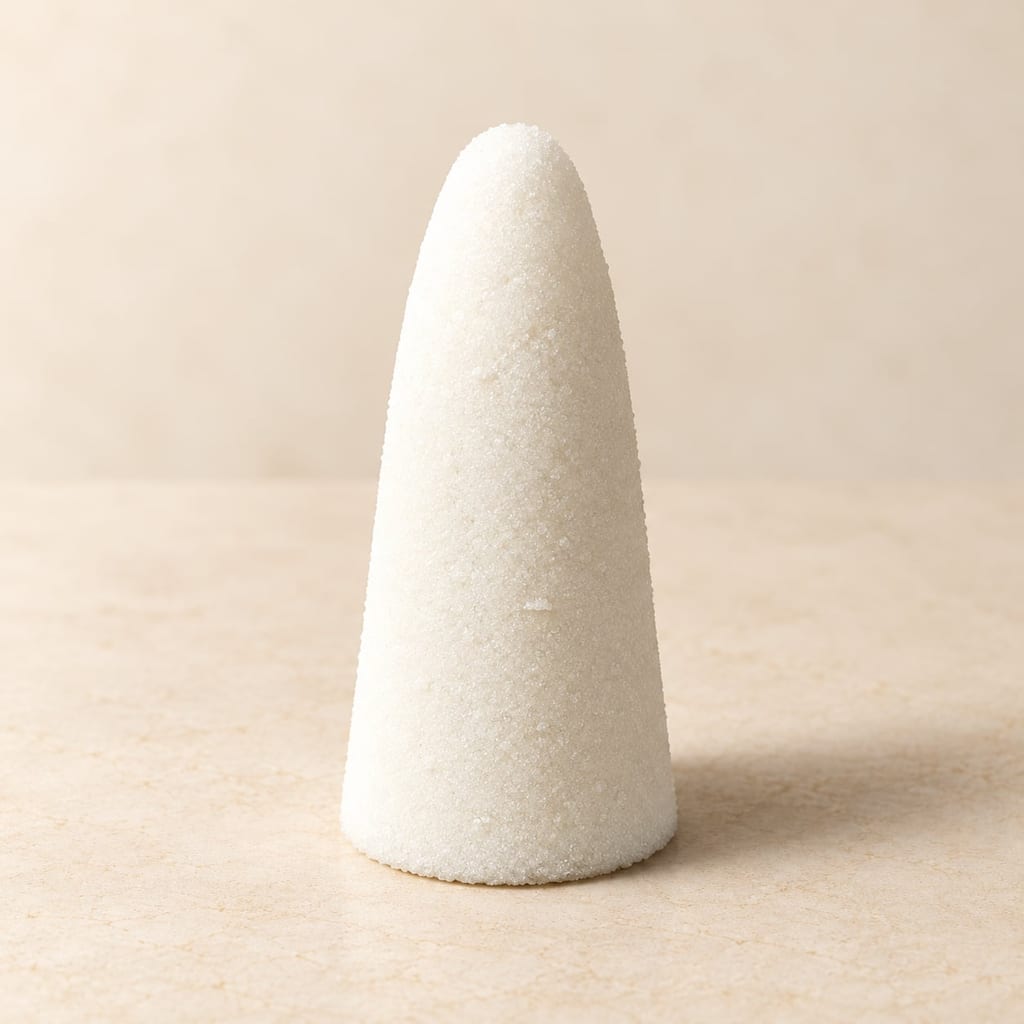
Refined sugar formed into a solid cone, historically cut or powdered for kitchen use and dissolved into wine liquor.
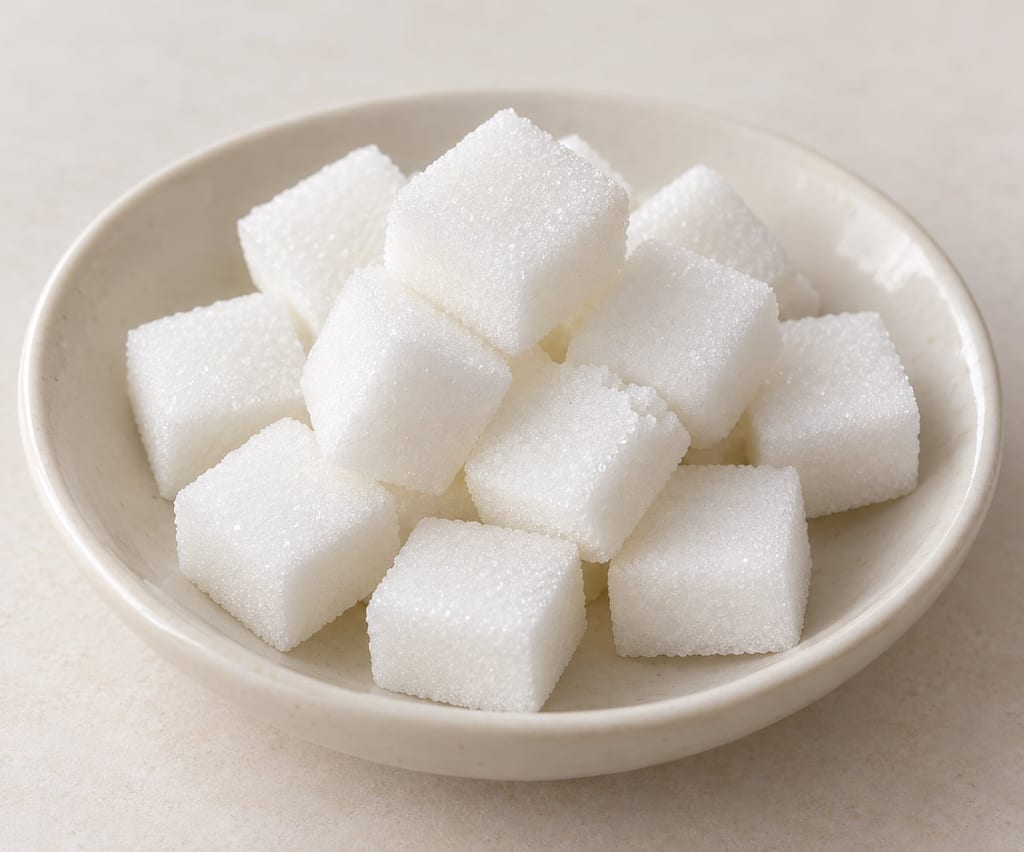
A historical refined-sugar form whose name has covered truncated cones and, in later usage, smaller pressed or cast pieces.
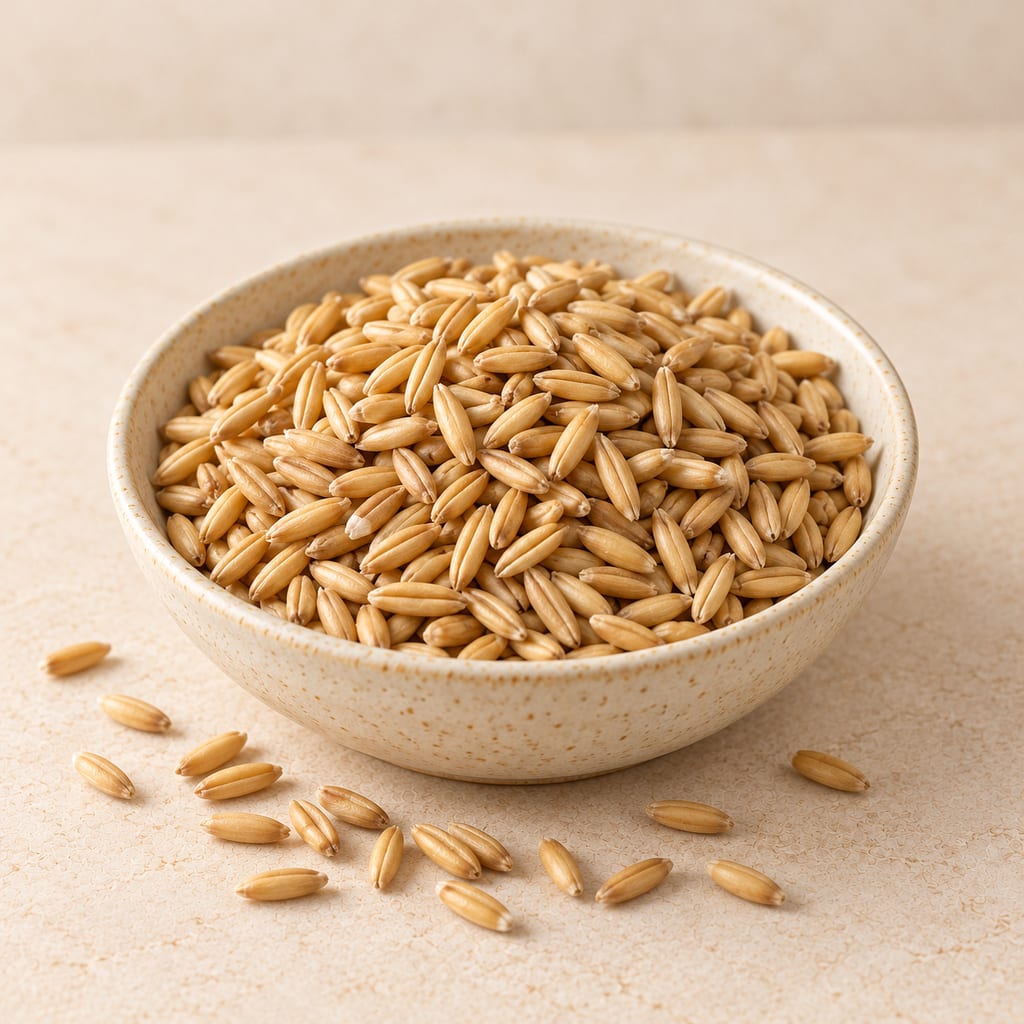
A cereal grain sold as groats, cut pieces, flakes, flour and malt. Oats shape porridge, bread and brewing differently as processing changes hydration, texture, starch, beta-glucan, protein and oil.
No community contributions have been published for this entry yet.
Sign in to contribute. Published comments and photos are free to read.
National Center for Home Food Preservation, University of GeorgiaResearch
Orange MarmaladeNavel oranges were used to develop this marmalade. Peel retains albedo; pulp and lemon are prepared separately. Cooking tenderizes the peel before sugar is added, and albedo supplies much of the pectin for the gel.
Cited in: The juicy part of the orange; Sweet oranges and their cultivated varieties; Segments contain many-celled juice vesicles; Fresh pulp in a cooked preserve; Choosing, cutting and serving the flesh
North Carolina Extension Gardener Plant ToolboxResearch
Citrus × sinensisSweet orange is a horticultural citrus hybrid in Rutaceae, with evergreen foliage and distinctive fruit. The plant profile describes its climate needs and contact-dermatitis context.
Cited in: Sweet oranges and their cultivated varieties; Choosing, cutting and serving the flesh
J. Beale for R. Jackson, LondonResearch
Countrey contentments: The English housewifeMarkham’s 1615 text describes careful upper-rind paring, steeping with water changes, boiling, rosewater, worked pulp and refined sugar for a boxed banquet confection. This historical use does not establish a first invention.
Cited in: Fruit flesh in confectionery and trade
Nature Biotechnology32,656–662(2014)Research
Sequencing of diverse mandarin, pummelo and orange genomes reveals complex history of admixture during citrus domesticationSweet-orange ancestry includes admixed mandarin and pummelo-related lineages. The genomic study leaves aspects of domestication and lineage history uncertain.
Cited in: Sweet oranges and their cultivated varieties
Plant Resources of South-East Asia, Handbook2: Edible fruits and nutsResearch
Citrus sinensis (L.) OsbeckSweet-orange fruit includes common, navel and blood-orange groups. Budding is a preferred propagation method; peel also supplies pectin and aromatic oil.
Cited in: Sweet oranges and their cultivated varieties
Frontiers in Plant Science10:1167(2019)Research
Primary Metabolism in Citrus Fruit as Affected by Its Unique StructureCitrus fruit has an outer flavedo, spongy albedo, segment membranes and multicellular juice vesicles. These tissues have different structures and roles.
Cited in: The juicy part of the orange; Segments contain many-celled juice vesicles; Sweetness and acidity develop on the tree; Aroma travels with more than the peel
National Center for Home Food Preservation; USDA guide revised2015Research
General Information on Canning Jams, Jellies, and MarmaladesFruit, pectin, acid and sugar work together in gel formation. Too little or excessive acid affects setting and weeping; overcooking can damage pectin, and commercial pectins have product-specific directions.
Cited in: Fruit flesh in confectionery and trade; Fresh pulp in a cooked preserve
UC Statewide Integrated Pest Management ProgramResearch
Cultural Tips for Growing CitrusClimate, light and water affect citrus cultivation. Fruit maturity and rind colour are distinct; citrus does not become sweeter after picking. Whole fruit and prepared rind require different handling.
Cited in: Sweetness and acidity develop on the tree
U.S. Food and Drug AdministrationResearch
Selecting and Serving Produce SafelyChoose sound produce and wash it under running water without soap, detergent or commercial produce wash. Refrigeration matters for cut produce; washing does not sterilize fruit.
Cited in: Choosing, cutting and serving the flesh
Food and Agriculture Organization of the United NationsResearch
Practical Aspects of Citrus Juice ProcessingCommercial citrus production uses scion and rootstock selection. Peel processing includes pectin extraction, purification and standardization, as well as aromatic-oil recovery.
Cited in: Fruit flesh in confectionery and trade; Sweet oranges and their cultivated varieties; Fresh pulp in a cooked preserve; Pulp after the juice extractor
NSW Agency for Clinical InnovationResearch
Allergy diet – citrus freeThe February 2025 citrus-free clinical diet specification excludes citrus fruit, peel and juice in the context of citrus allergy.
Cited in: Choosing, cutting and serving the flesh
Journal of Food Quality39(6):826–838Science · Production
Chemical and Sensory Characterization of Orange (Citrus sinensis) Pulp, a by-Product of Orange Juice Processing Using Gas-Chromatography-OlfactometryCommercial orange-juice processing produces pulp fractions containing tissue fragments and juice vesicles. The investigated fractions have multicomponent aroma profiles and contribute mouthfeel; these industrial samples differ from fresh navel-orange flesh.
Cited in: The juicy part of the orange; Fruit flesh in confectionery and trade; Aroma travels with more than the peel; Pulp after the juice extractor
University of Florida IFAS ExtensionCultivation · Varieties
Citrus Culture in the Home LandscapeFlorida citrus cultivation includes locally adapted varieties with different seasons. Grafted nursery trees combine a fruiting variety with a selected rootstock.
Cited in: Sweet oranges and their cultivated varieties