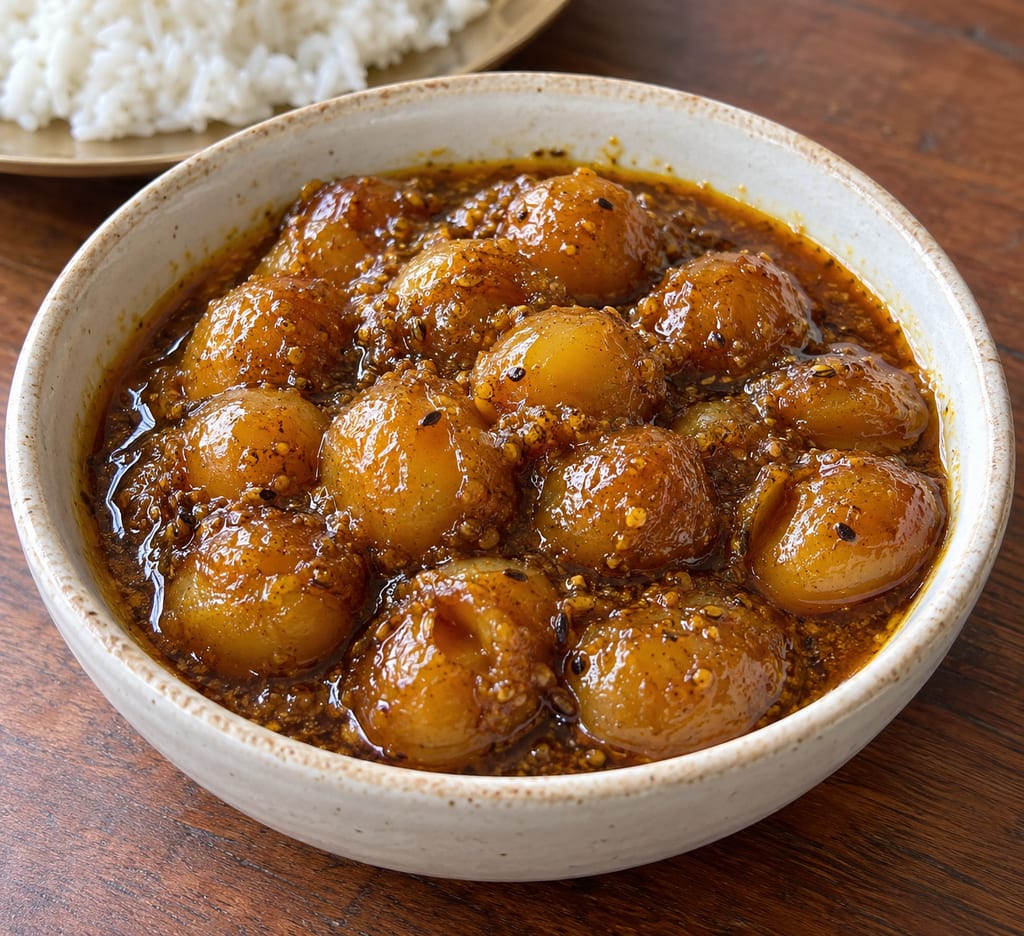
Lapsi ko achar with mustard oil
Ripe Nepali lapsi is boiled, peeled and cooked with mustard oil, salt, sugar and roasted spices to make a sweet-sour achar served alongside a meal.
 FermenteaWhere food goes to change
Substrates
Lapsi is Nepal's tart stone fruit from Choerospondias axillaris. Its cooked pulp becomes achar, titaura, mada and other sour or sweet preserves.
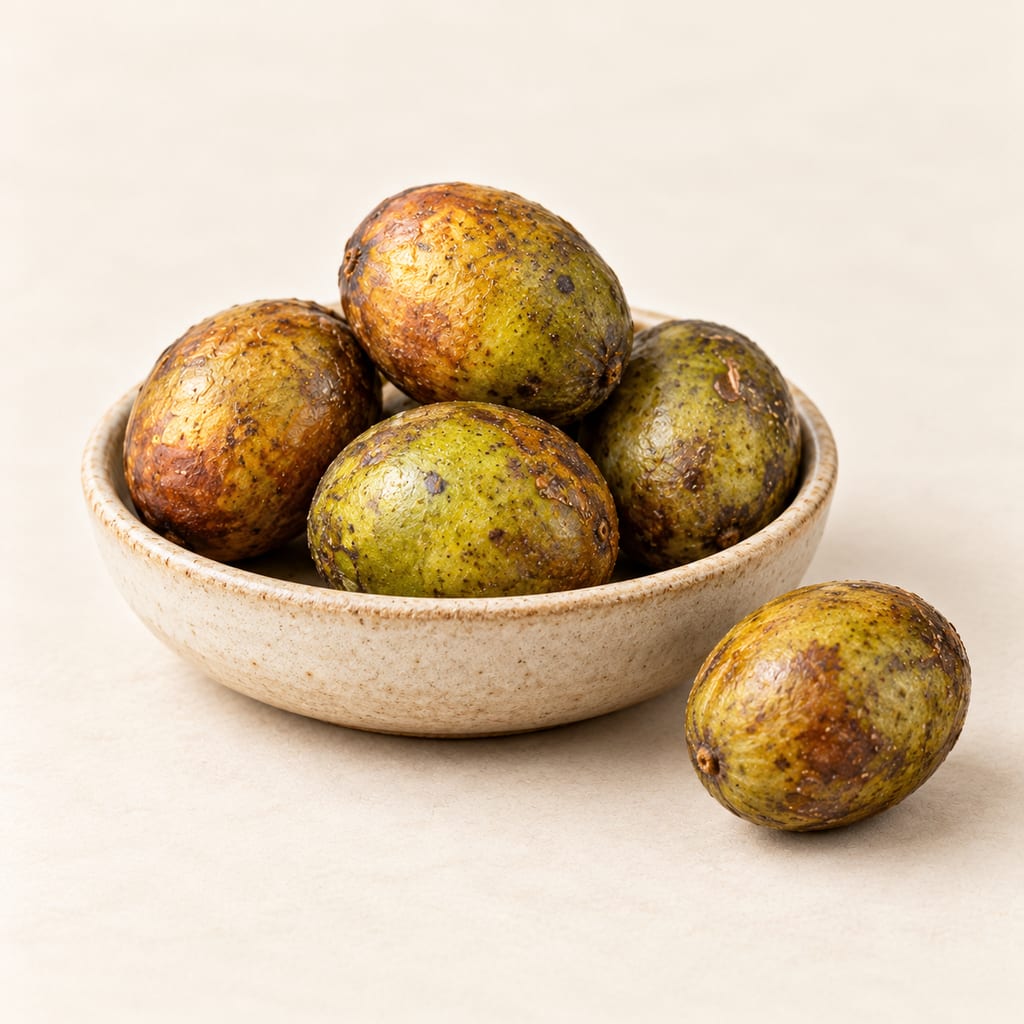
In Nepal, lapsi is the fruit of Choerospondias axillaris, a deciduous tree in the cashew family, Anacardiaceae. Kew accepts this name; older botanical literature may call the species Spondias axillaris, its earlier name, which can also blur the distinction between lapsi and other fruits called hog plum. In Nepali the name is लप्सी (lapsi). “Hog plum” is a useful English gloss, but the Latin name is the more reliable identifier when a recipe or market label needs to distinguish the fruit.
Lapsi is not a single standardised ingredient: trees differ, and so do the fruits. A batch with less flesh takes more fruit to yield the same amount of pulp, while a sharper batch may call for a different balance of salt, sugar or spice, so “ripe lapsi” gives a starting point rather than an identical flavour in every basket.
In the kitchen, lapsi may arrive as ripe fruit or prepared pulp. The difference shapes the preparation: ripe fruit softens in cooking before the flesh is separated from its hard stone; prepared pulp is a smoother starting point. Those words describe form and ripeness, not a specific cultivar or harvest locality.
Nepal’s forestry manual records the tree at roughly 950 to 1,900 metres and describes it as a tall tree, with notes on how it is propagated. That altitude range ties lapsi to hill farms, and Kew’s native-range record for the species includes Nepal. For a cook the practical meaning is simple: lapsi is a seasonal hill fruit, and its character in the kitchen comes from fruit that is picked, sorted and processed close to where it grows.
Lapsi belongs to both hill orchards and household cooking. A 2003 Nepal field study recorded farmers distinguishing fruit by size, maturity, taste and pulp content, while families, local traders and urban processors handled the harvest at different scales. Fruit could be sold or bartered in more remote places; roads connected growers to markets where cooked and dried lapsi foods were sold. The fruit therefore has a working history of selection, transport and exchange as well as a place at the table.
In Kavrepalanchowk, a 2007 field report describes families crushing and boiling fruit for pickle or chutney and entrepreneurs making titaura for sale. A later Bhaktapur study lists sweet and hot candy, titaura, mada, pickle, jam and lapsi powder among the district’s products. These names point to different textures and occasions: a spoonable accompaniment beside a meal, a dried sweet-sour bite carried as a snack, or a pulp preparation kept for further cooking.
The 2003 field study places harvesting between September and January, depending on maturity and market demand. Fruit was generally picked before becoming fully ripe so that it would not rupture or rot in handling. Nepal’s forestry manual describes ripening from October to January. For the cook, those overlapping windows explain why early, firm market fruit and softer fruit may need different handling even within one season.
Lapsi also joins orchard and forest economies. A Nepal government fruit-development report describes the species as an agroforestry crop grown across many districts and notes its importance for hill farming communities; its survey treats distribution and current uses as practical questions for conservation and market development. Its geography does not mean every lapsi fruit comes from a cultivated orchard: local trees may be planted, managed or gathered under different arrangements. The tree’s value is not only the taste of its fruit but also the income and work attached to seasonal harvest and processing.
Taken together, the field studies describe a food that moves through several hands before it reaches a plate. Farmers judge fruit by size, maturity, taste and the amount of pulp; households crush and boil it for pickle or chutney; semi-commercial and commercial processors turn it into candy, titaura and mada for sale; and the Bhaktapur study adds jam and a powder to the list. Each stage asks something different of the fruit, which is why one tree can supply a family jar, a market snack and a packaged sweet in the same season.
A ripe lapsi is small and oval, with an edible layer around a notably hard stone. Forestry references describe a fruit roughly 2.5–3 centimetres long, though other regional botanical accounts give different measurements. Size is not a dependable quality grade by itself. For cooking, feel the flesh and taste a cut piece: a fruit that is still very hard and sharply astringent will behave differently from one whose pulp has softened and whose tartness has mellowed.
The hard central stone occupies space that a cook cannot turn into smooth pulp. Laboratory work on sampled fruit accessions also shows differences in measured sugars and organic acids among sampled fruits; those measurements do not give a fixed specification for a Nepalese market basket. The practical test remains to taste the fruit and see how readily its flesh softens and separates.
That bright, mouth-watering acidity is why lapsi suits the pickle jar, the candy pan and the souring spoon. It can cut through the richness of oil and roasted spices; sugar can turn its edge toward a sweet-sour balance; salt and chilli make it a sharper accompaniment. These are cooking relationships, not a claim that every recipe needs all three. Where a formula calls for pulp, the cook gets a smoother base; where it says whole or ripe fruit, peel and flesh may remain part of the texture and the stone has to be managed separately.
Lapsi flesh contains pectic material, and researchers have extracted pectin from it to measure the isolated material’s viscosity and gel properties. A pan of whole fruit is a different system: fruit maturity, available water, heat and added sugar all affect how its cooked pulp thickens. The laboratory result therefore cannot promise a jam-like set in a household pickle. Cook to the texture called for by the particular preparation, from loose relish to dense candy mixture.
Tall lapsi trees make picking strenuous, and growers often harvest before the fruit is fully soft so it survives transport. At market, a basket may mix firm fruit with softer fruit.
At home, remove leaves and damaged fruit, then rinse the rest under clean running water. For a cooked pickle, the fruit can be boiled until its flesh softens; some family methods peel it and leave the pulp around the hard stone, while others work toward a separated pulp. The chosen form changes the finished food. Fruit left around its stone gives pieces to suck or nibble, whereas strained or scraped pulp makes a smooth base for candy, chutney or a thick condiment.
Suryabinayak municipal guidance describes keeping raw lapsi in a shaded room while it awaits processing. Soundness matters more than any fixed interval: sort out fruit that develops wet decay or visible mould. The same guidance gives separate pickle preparations. The cook chooses a method for its desired texture and serving time, rather than assuming all sweet-sour lapsi pickles keep alike.
The Suryabinayak municipal agriculture portal treats pickle and other lapsi products as separate preparations, each with its own method. A spiced, cooked pickle is a spoonable condiment; a sun-dried sweet is a chewy, portable one. The two start from the same pulp but end as different foods, which is why the cook should follow the method for the food wanted rather than treating one lapsi preparation as a template for another.
Drying yields several foods with different starting material. The 2003 study describes mada as a mat of crushed pulp and peel, sometimes seasoned with salt, sugar or spices and dried in the sun. Its account also records titaura among urban candy products; the 2007 field report identifies a commercial pulp cake by that name. In an ECS account of family practice, the tough peel removed after boiling is dried as paun, a fruit leather or cooking souring agent. That skin-based paun should not be confused with the pulp-based titaura or a jar of cooked achar.
At home, lapsi achar can enliven a plate of rice and lentils with a spoonful of tart, spiced fruit. A family account in ECS Nepal describes boiling the fruit and peeling it to make lapsi pickle. The same account describes pau kwa, a thick lapsi soup served during a Newar feast before the closing fruit and Juju Dhau. The soup’s place in that meal is distinct from the jarred pickle.
Behind a small jar is seasonal work: picking from high branches, sorting fruit, softening the flesh and dealing with peel and stone. Dried mats and candies add the work of crushing, spreading, seasoning and drying. Family batches are made at home; traders and small processors sell other forms through shops and markets. The same tree can thus feed a household table and an enterprise without those foods having the same recipe or texture.
Fresh fruit, cooked pulp and a finished dried sheet each offer a different kind of sourness. A piece of fruit gives its juice and flesh slowly around the stone. Smooth pulp disperses acidity through a sauce, while a dried strip concentrates it into a chew. Choosing among them is partly a question of the dish: a little pulp can sharpen a pan of vegetables, a spoonful of achar can sit beside a rich meal, and paun can be eaten or used as a souring ingredient.
Choose sound fruit without wet decay or deep bruising. Softening flesh signals ripeness, but it does not tell you how sweet or sour the batch will taste, so taste a piece before measuring sugar or chilli.
For a pulp-based pickle, cook until the flesh can be worked away from the stone, then continue with the chosen recipe. Stir as water evaporates and the pulp thickens so it does not catch on the pan. Sugar rounds the tartness; salt and chilli heighten its savoury edge; toasted fenugreek or other spices give the fruit a warm, nutty counterpoint. Family formulas vary, and the choice between pieces and smooth pulp changes the eating experience as much as the seasoning does.
For a dried sweet, cooked pulp can be spread into a mat or cake; mada may also include crushed peel. A fruit-leather experiment compared particular pulp-and-sugar formulations and sensory preferences, showing that sweetness and drying form can be adjusted within a tested product. A homemade sheet needs its own drying method and endpoint; its chew, sourness and storage behaviour cannot be inferred merely from the name paun, mada or titaura.
Cooked pickle, dried candy and a fresh-fruit souring agent serve different purposes. A cooked achar can be prepared for a meal, while drying changes a soft pulp or peel into something portable and chewy. Fermentation is a different process again, and none of the lapsi foods described here is a fermented one. For keeping a batch, use the method’s actual storage directions; tart taste or a thick texture alone gives no reliable storage period.
Two pieces of laboratory work help explain why recipes for lapsi are written around taste rather than fixed numbers. A comparison of fruit from different provenances found different measured sugars and organic acids, so no single sweetness or sourness can be assumed for every batch. A fruit-leather experiment compared particular pulp-and-sugar formulations with a tasting panel, and its conclusions apply to the products it tested. Both point the cook to the same habit: taste the fruit, decide how much sugar, salt or spice it needs, and let the finished texture, a loose relish, a thick pickle or a chewy sheet, tell you when the cooking is done.
Lapsi’s appeal lies in how its pointed sourness changes with handling. Beside dal and rice it can be a spiced pickle; in a Newar feast it can become a warm soup; dried peel can become paun for chewing or souring a dish. Crushed pulp and peel make mada, while a sweetened pulp cake becomes a different market snack. Skin, flesh and stone each steer the cook toward a different food.
Nepali field reports describe lapsi food production and household preparations.
Ripe Nepali lapsi is boiled, peeled and cooked with mustard oil, salt, sugar and roasted spices to make a sweet-sour achar served alongside a meal.
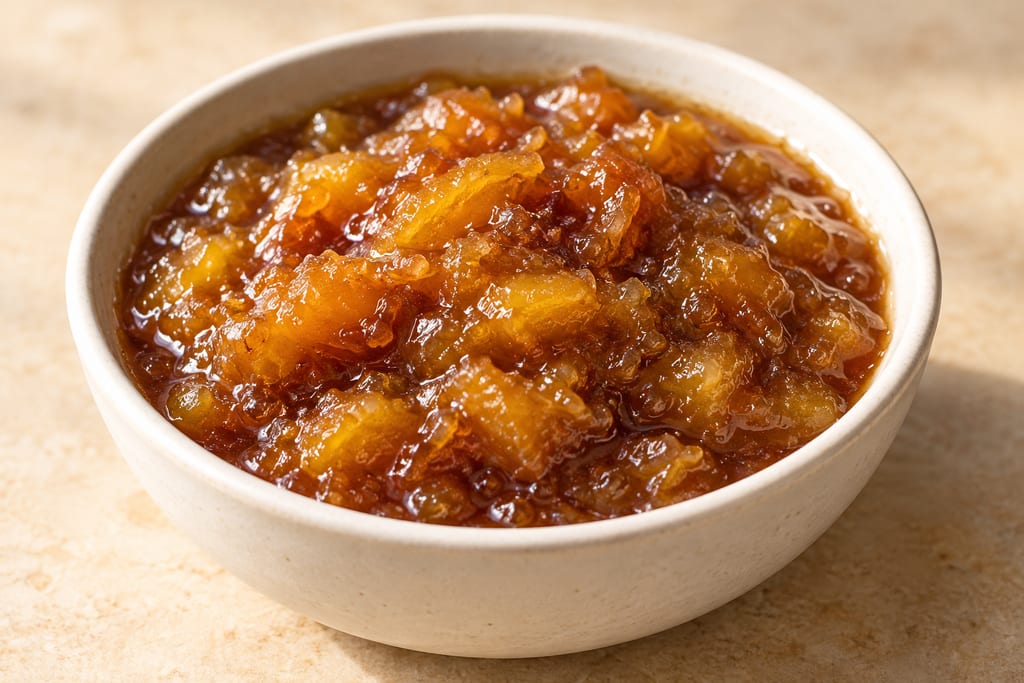
A Suryabinayak municipal recipe cooks ripe lapsi pulp in sugar syrup with cloves, cardamom, cinnamon, sukumel and ginger juice to make a sweet Nepali achar.
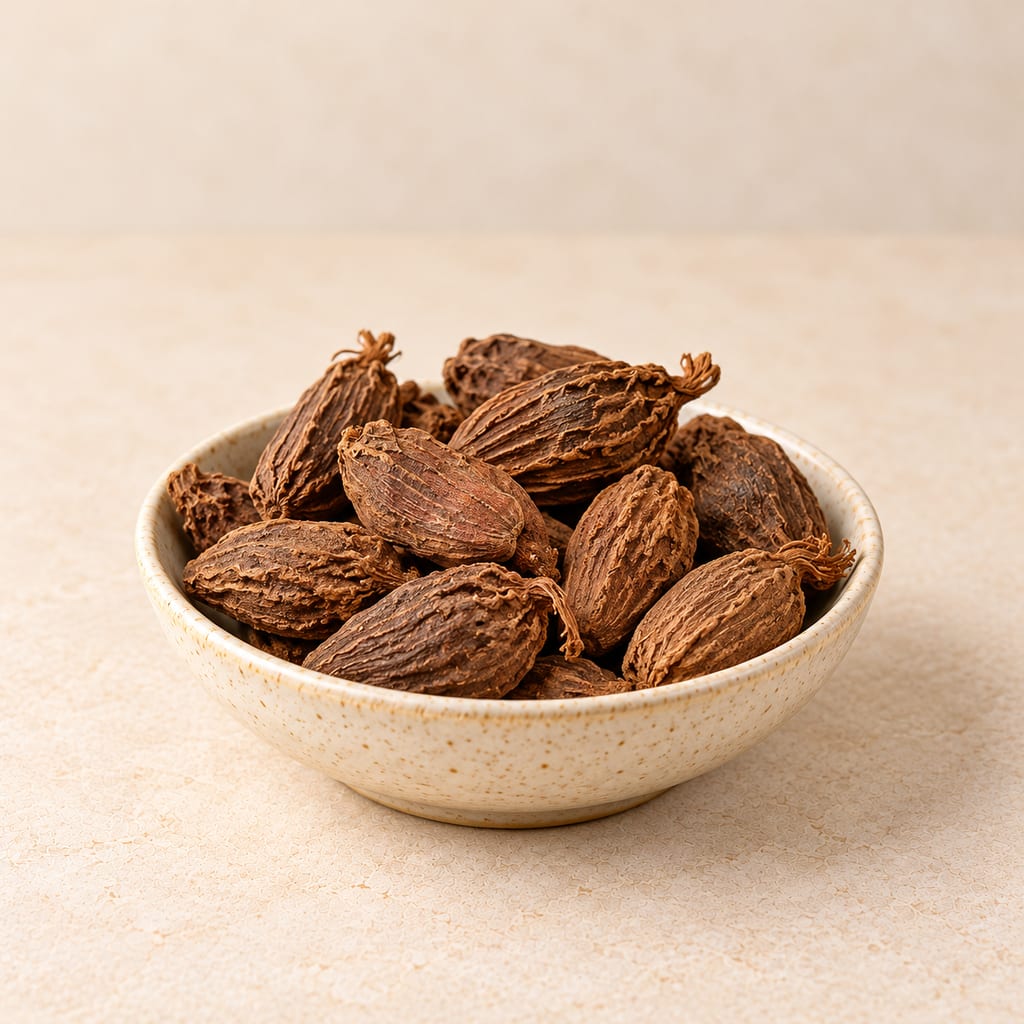
Alainchi is the large or black cardamom of the eastern Himalaya, the dark, smoke-dried pods of Amomum subulatum. Its camphor-cool, smoky seeds season Himalayan and North Indian cooking and a sweet Nepali lapsi achar.

Bamboo shoots are the young culms of many bamboo species, eaten after boiling or leaching in Asia, and fermented into sour and preserved foods in the Himalayas, northeast India and Burma.
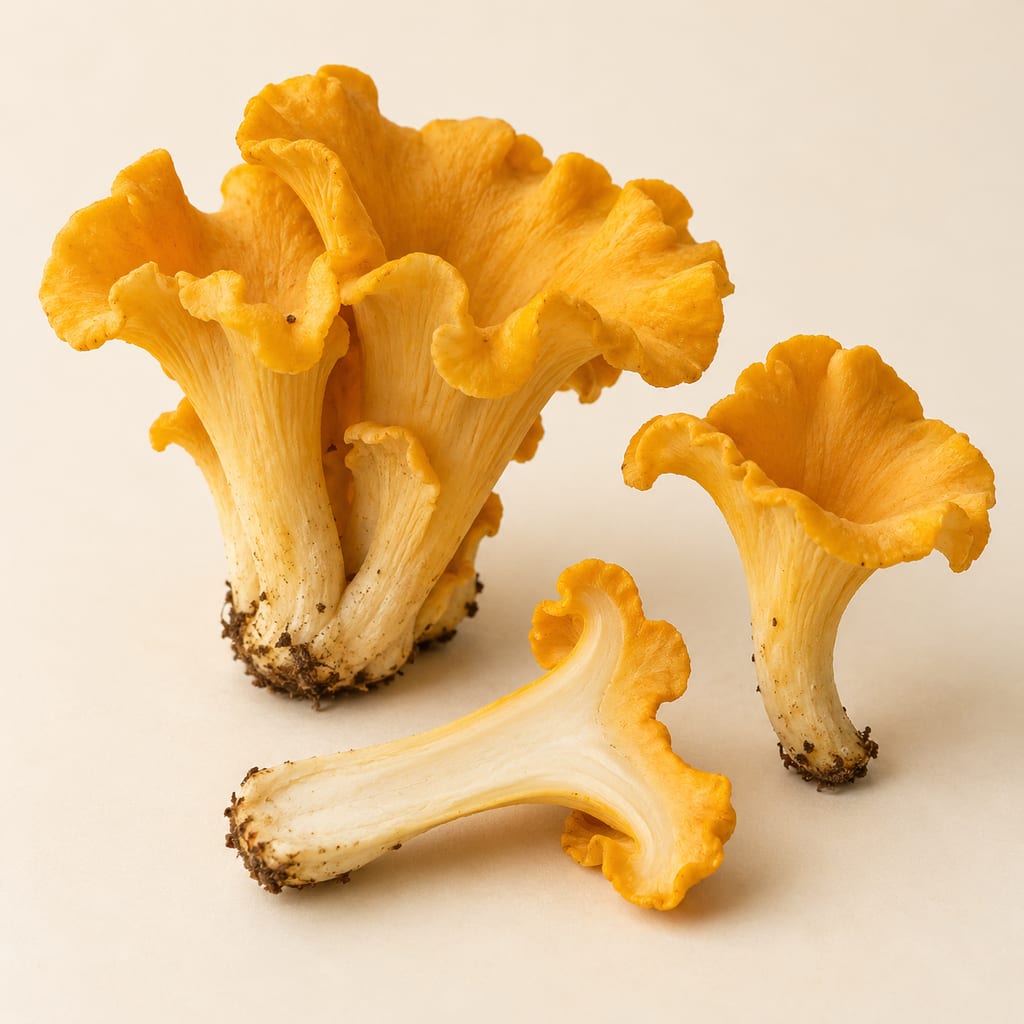
Cantharellus odoratus, the fragrant chanterelle, is a North American and Central American oak-woodland fungus. It was sold in a Veracruz market in the 1980s and in Guatemala in 2002, and its name is still disputed.
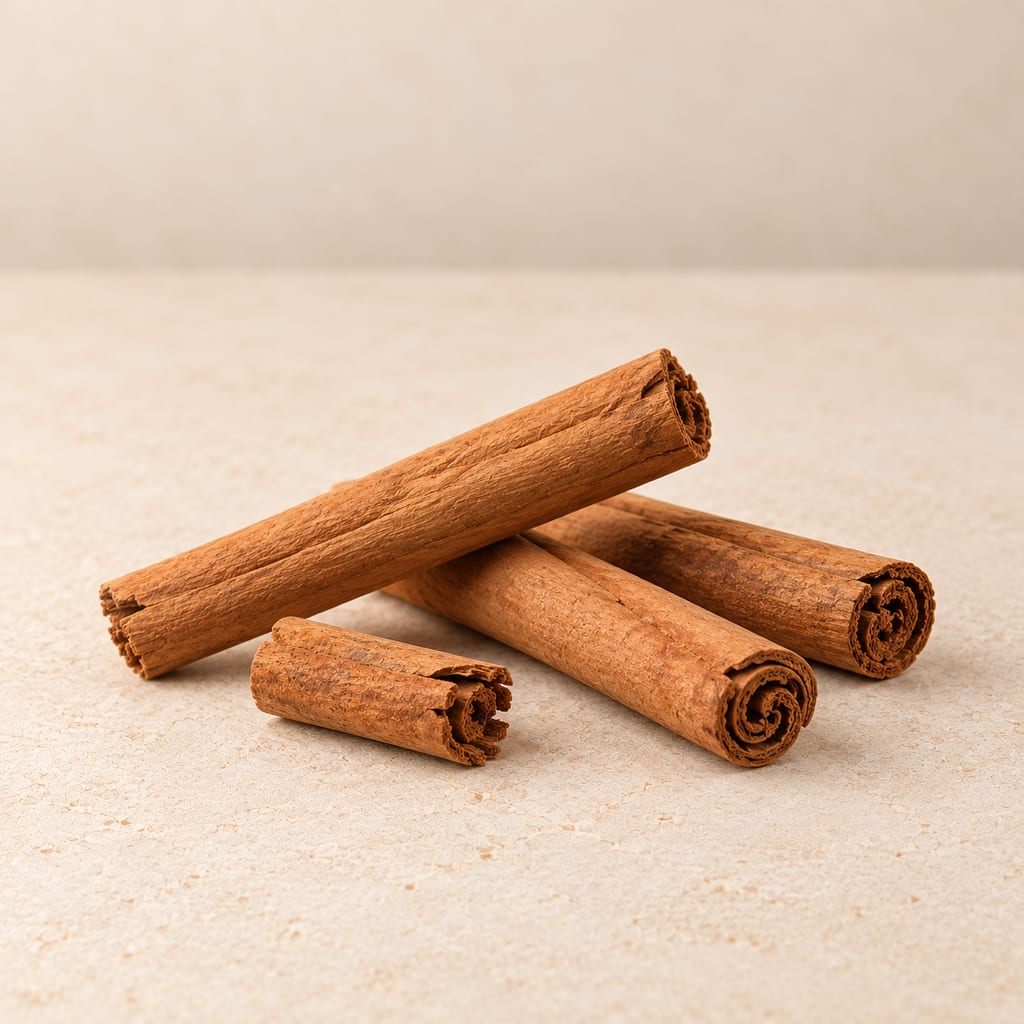
Cinnamon is the dried inner bark of Cinnamomum trees, rolled into quills or ground; Ceylon cinnamon comes from C. verum of Sri Lanka and cassia from related species.
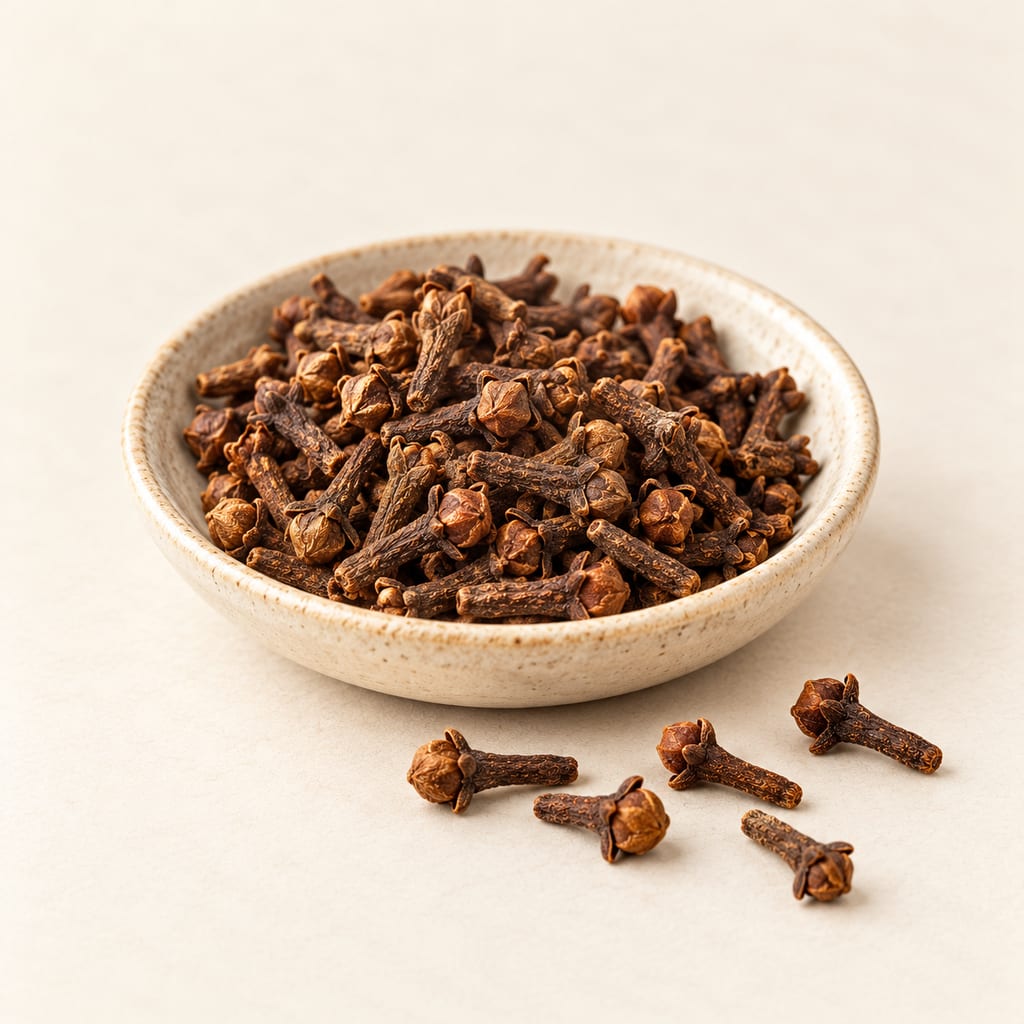
Cloves are the dried unopened flower buds of Syzygium aromaticum. Whole buds infuse liquids and can be removed; ground clove disperses its intense aroma through food.
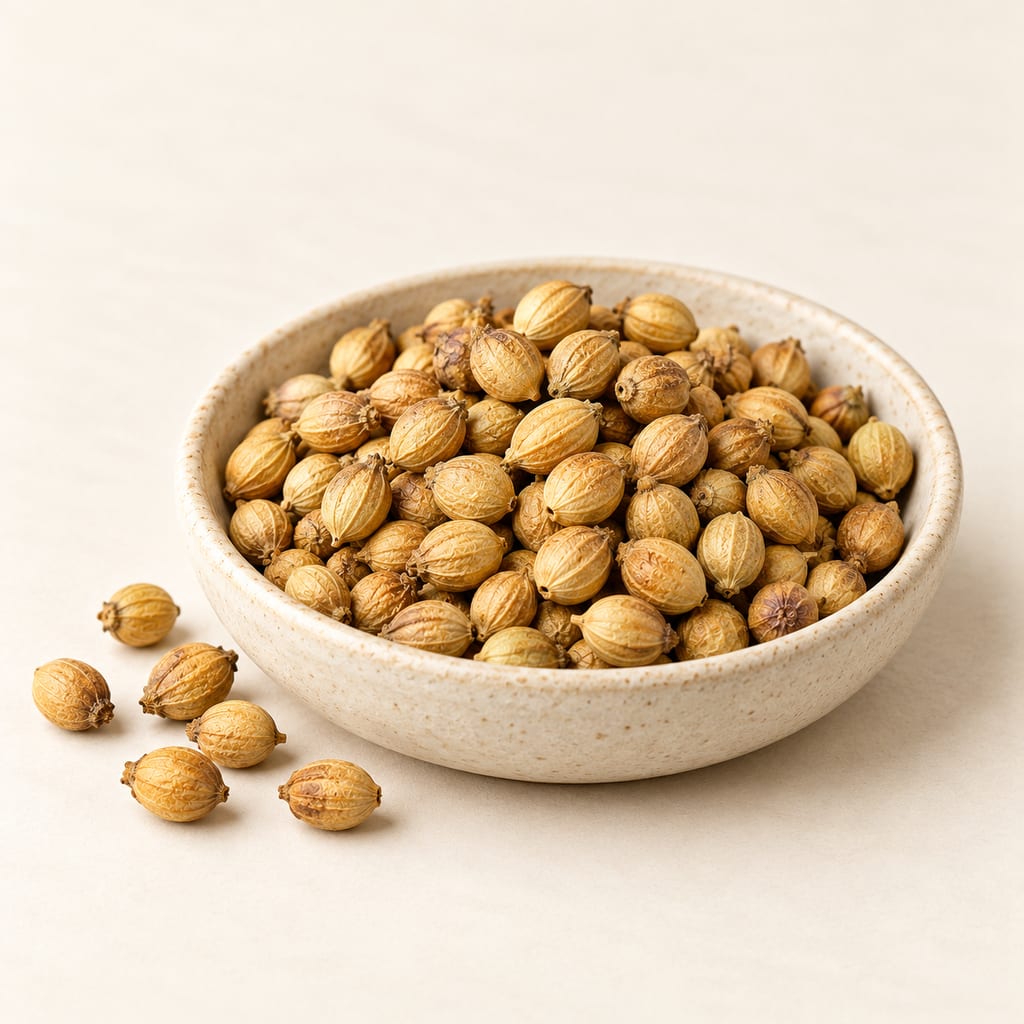
Coriander seed is the dried, aromatic fruit of Coriandrum sativum, used whole, cracked or ground in spice blends, pickles and cooked dishes.
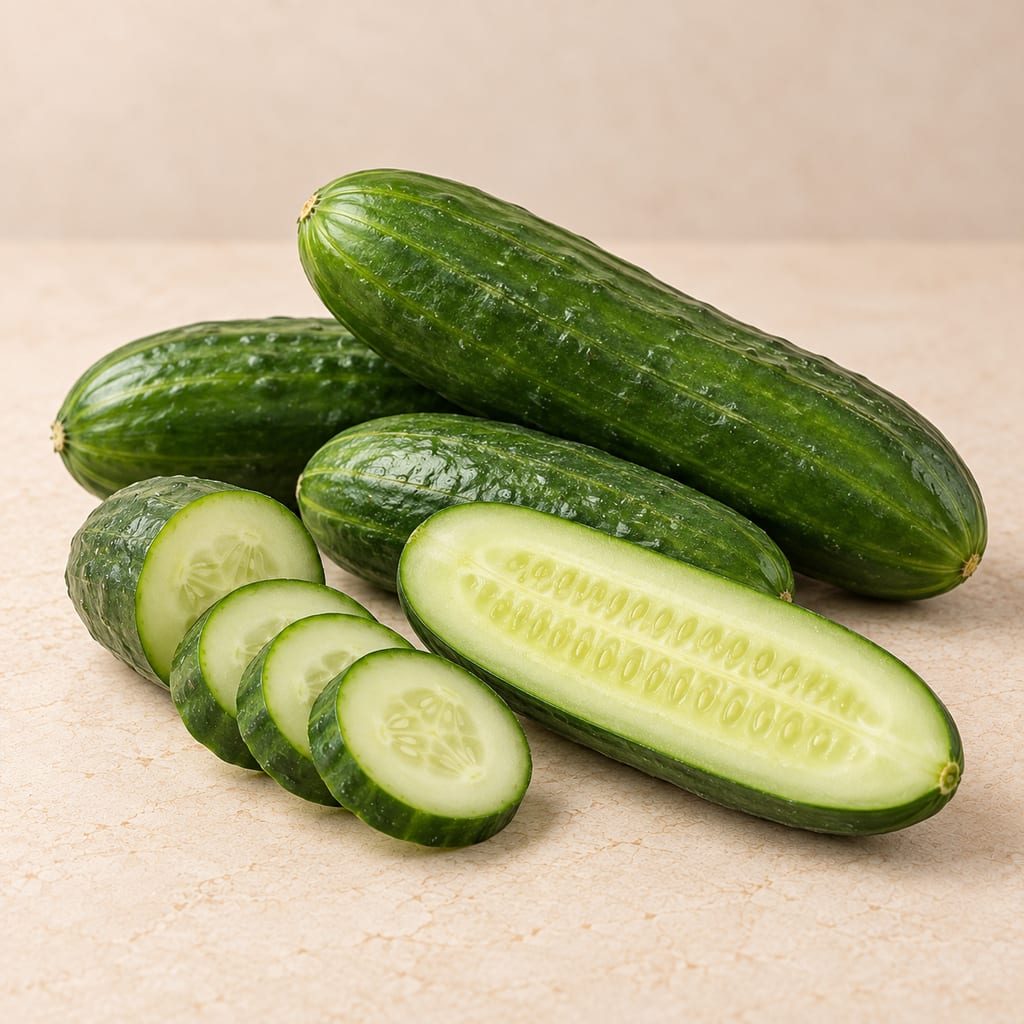
Cucumber is the watery fruit of Cucumis sativus, domesticated in India, and the classic raw material of brine pickles from New York dills to Nepali khalpi and Korean oi-sobagi.
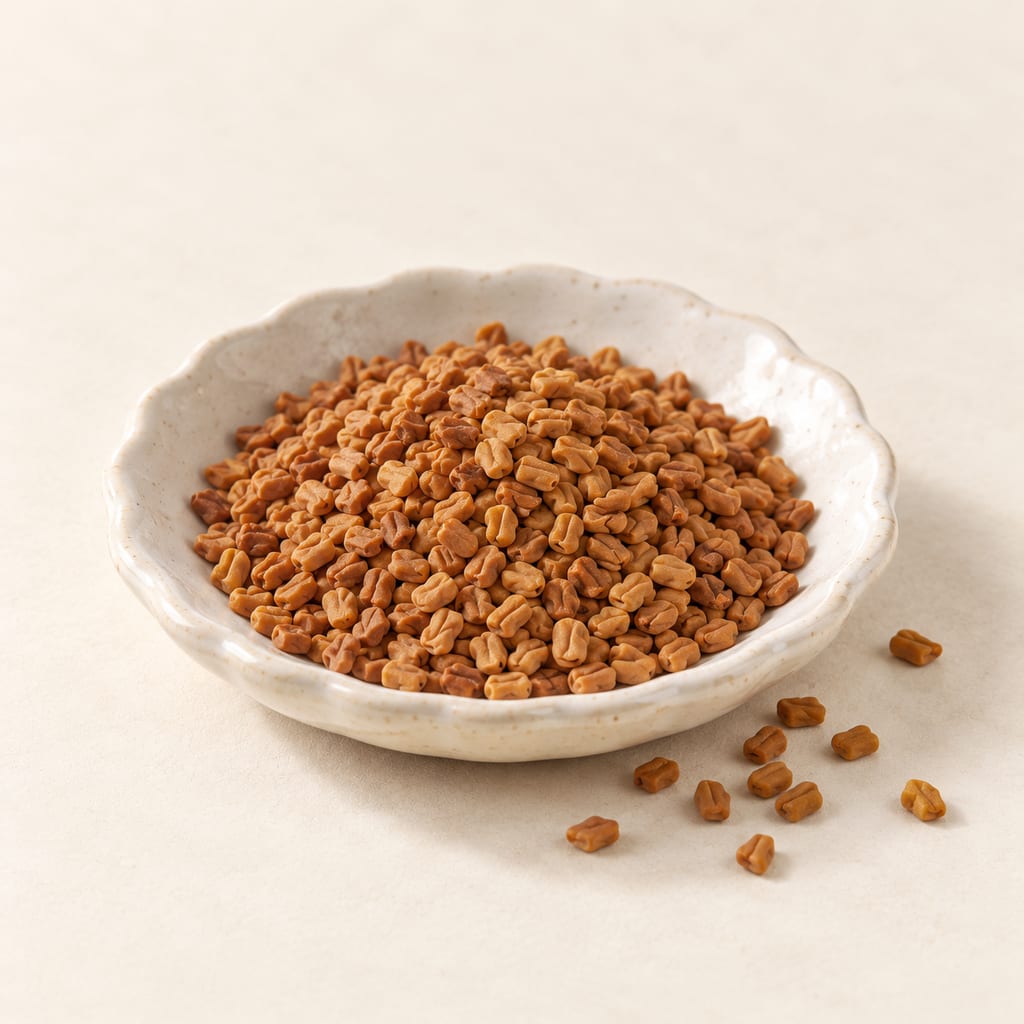
Fenugreek seed is the bitter, fragrant dry seed of Trigonella foenum-graecum, used in tempering, pickles, breads and spice mixtures.
No community contributions have been published for this entry yet.
Sign in to contribute. Published comments and photos are free to read.
Royal Botanic Gardens, Kew, Plants of the World OnlineTaxonomy · Accepted name · Synonym
Choerospondias axillaris (Roxb.) B.L.Burtt & A.W.Hillaccepted species name
Anacardiaceae
Spondias axillaris synonym
native range including Nepal
Cited in: A fruit with a name of its own
Government of Nepal, Forest Research and Training CentreBotany · Fruit morphology · Phenology · Forestry
Manual of Afforestation in NepalNepali name lapsi
fruit dimensions and ripe colour
reported 950–1900 m occurrence in Nepal
Oct–Jan ripening
tall tree and propagation context
Cited in: Orchards, markets and household kitchens; Sourness, stone and flesh; From tree to kitchen
Indian Journal of Traditional KnowledgeField report · Household and commercial foods
Traditional knowledge on fruit pulp processing of Lapsi in Kavrepalanchowk district of NepalKavrepalanchowk households crush and boil lapsi for pickle and chutney
entrepreneurs make commercial titaura pulp cake
Cited in: A fruit with a name of its own; Orchards, markets and household kitchens; From tree to kitchen; The food around the food; Choosing, keeping and cooking; A place in the pantry
Die Bodenkultur 54(1), 2003Production · Local fruit categories · Processing and market history
Evaluation of Lapsi tree (Choerospondias axillaris, Roxb.) for fruit production in Nepalfarmers distinguish fruit by size, maturity, taste and pulp amount
September–January harvest according to maturity and market demand; fruit often picked before full ripeness
mada uses crushed pulp and peel, sometimes seasoned and sun-dried
domestic, semi-commercial and commercial processing and market context
Cited in: A fruit with a name of its own; Orchards, markets and household kitchens; Sourness, stone and flesh; From tree to kitchen; The food around the food; A place in the pantry
Journal of Development and Administrative StudiesDistrict production survey · Processed food variation
A Note on Lapsi Production in Bhaktapur District of NepalBhaktapur study lists sweet/hot candy, titaura, mada, pickle, jam and powder
Cited in: Orchards, markets and household kitchens
Government of Nepal, National Centre for Fruit DevelopmentNational distribution context · Agroforestry and livelihood context
Study report on Geographical Indication, Centre of Origin of Indigenous and Local Fruit Crops of Nepal: Lapsi and Chiuriforeword frames lapsi as an agroforestry crop for hill farming communities
foreword reports cultivation across many districts
Cited in: Orchards, markets and household kitchens
Suryabinayak Municipality agriculture portalLocal agricultural guidance · Postharvest · Cooking methods
लप्सी (Lapsi)local shaded-room raw fruit storage statement
separate pickle preparations
local harvest and processing guidance
Cited in: From tree to kitchen; Choosing, keeping and cooking
Science and Technology of Food Industry 36(4):301–304, 314 (2015)Isolated pectin research · Texture qualification
Studying properties of pectin from Choerospondias axillarisacid and water extraction of pectin from Choerospondias axillaris flesh
viscosity and gel properties measured on isolated pectin
Cited in: Sourness, stone and flesh
Horticultural ScienceComparative fruit chemistry · Sample specific acids and sugars
Sugars and organic acids components of different provenances Choerospondias axillaries fruitdifferent fruit accessions have different measured sugars and organic acids; not a Nepal market specification
Cited in: Sourness, stone and flesh
ECS Nepal, issue 159Cultural reportage · Household food memory · Newar localized use
Lapsi: Nepal’s Best Kept Secretfamily account of boiled, peeled fruit made into lapsi pickle
dried lapsi skin becomes paun fruit leather or cooking souring agent
pau kwa is thick lapsi soup served during a Newar feast before fruit and Juju Dhau
Cited in: From tree to kitchen; The food around the food
International Journal of Food PropertiesFruit leather formulation study · Product specific sensory comparison
Nutritional, phytochemicals, and sensory analysis of Lapsi (Choerospondias axillaris) fruit leatherexperiment compares pulp/sugar formulations; conclusions apply to its tested products and panel
Cited in: Choosing, keeping and cooking
Wikimedia CommonsExact species ripe fruit reference image · CC BY SA 3.0 rights lead
Choerospondias axillaris Anacardiaceae.jpgCommons file description identifies ripe Choerospondias axillaris fruit from Namdapha National Park
CC BY-SA 3.0 with attribution and share-alike obligations
Forestry Nepal bibliography record for Indian Journal of Traditional KnowledgeBibliographic record · Abstract cross check
Traditional knowledge on fruit pulp processing of Lapsi in Kavrepalanchowk district of NepalAbstract-level confirmation that household pickle/chutney and commercial titaura are distinct processing contexts
Cited in: Choosing, keeping and cooking