
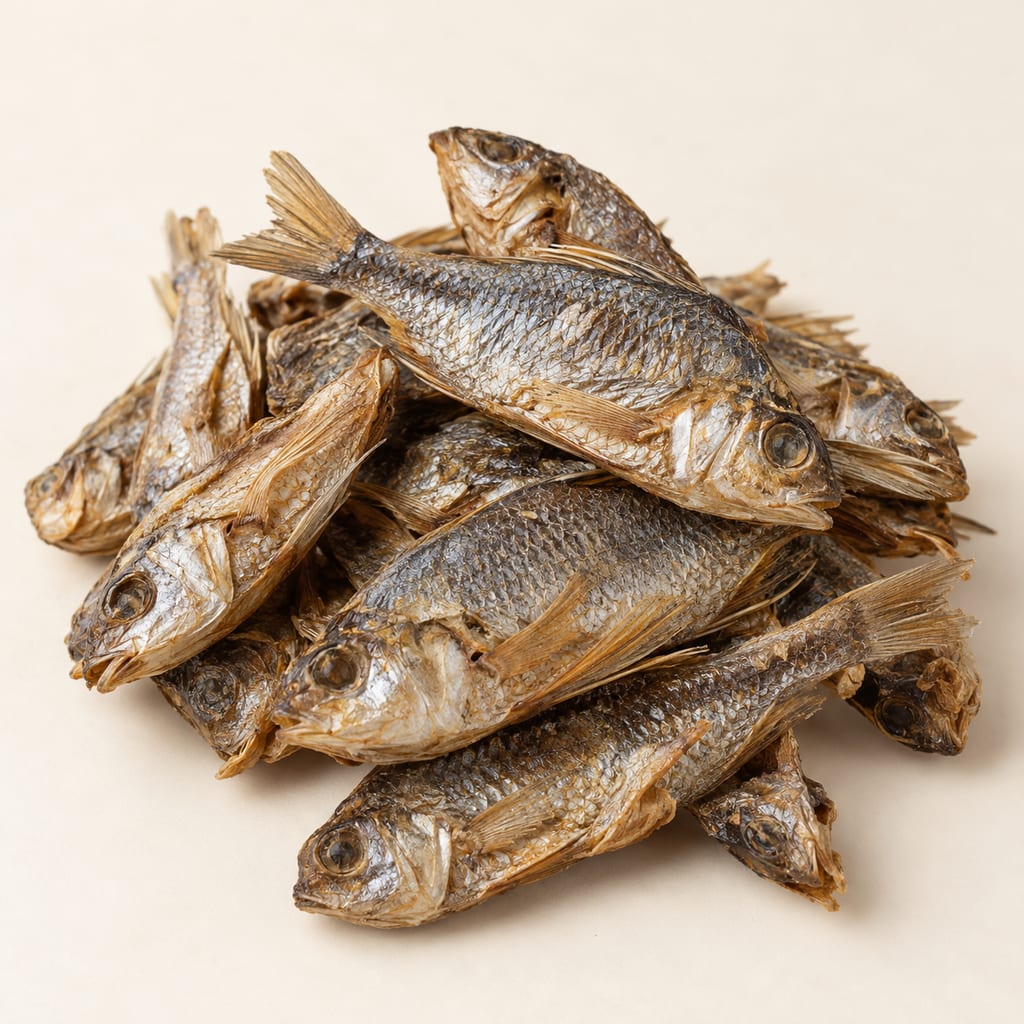
Ndunduma (Diplotaxodon spp.)
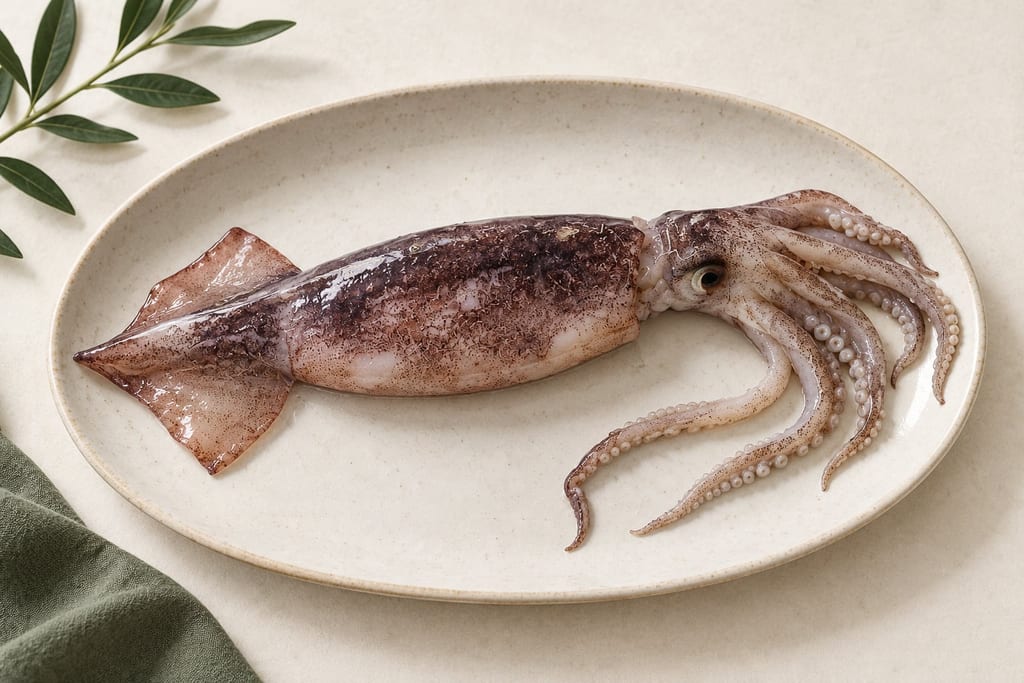
Ndunduma is the Malawian name for small deep-water cichlids of the genus Diplotaxodon, caught in Lake Malawi and dried with usipa and utaka. The species in a given lot is often not recorded.
 FermenteaWhere food goes to change
1086 articles on substrates, cultures and additives.
Ndunduma is the Malawian name for small deep-water cichlids of the genus Diplotaxodon, caught in Lake Malawi and dried with usipa and utaka. The species in a given lot is often not recorded.
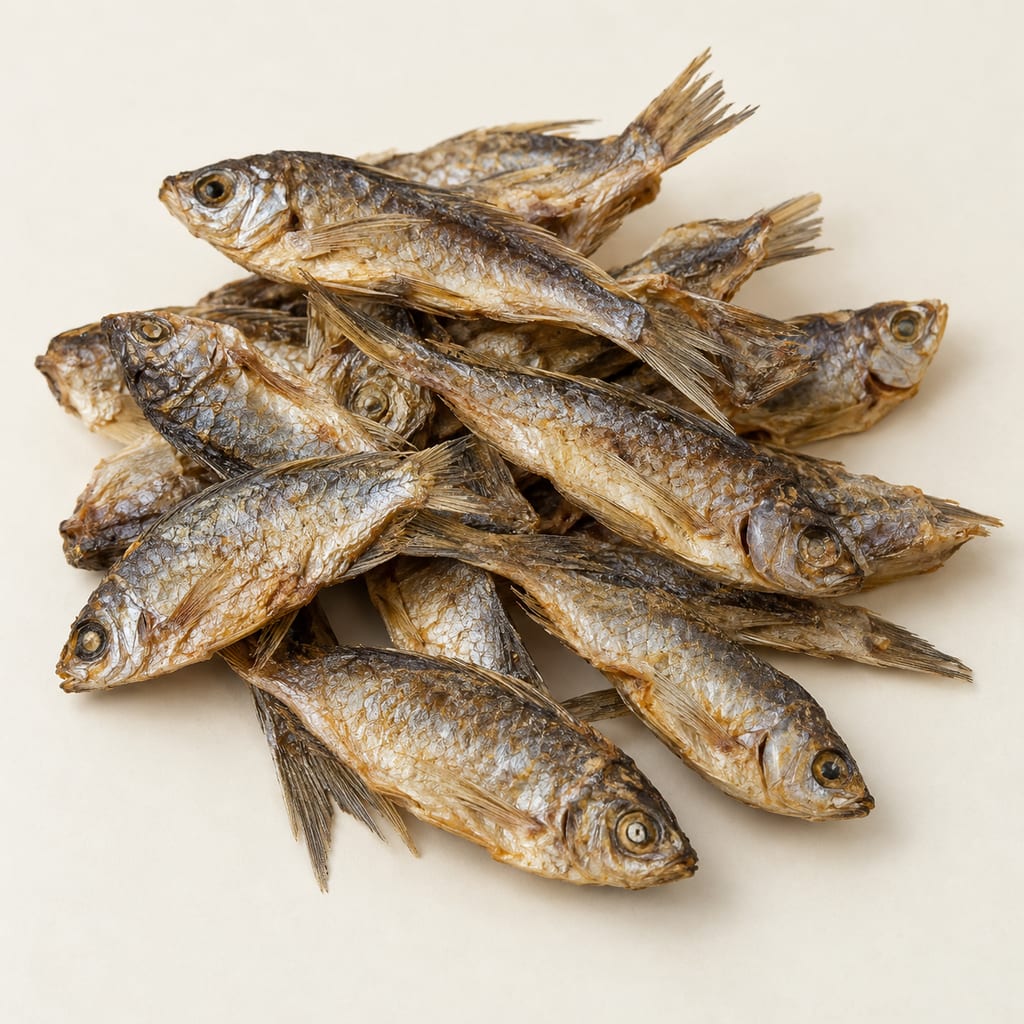
Utaka is a small cichlid of Lake Malawi, from the genus Copadichromis, sold dried in Malawi. It is one of the small fish that solar tents were tested on alongside usipa and ndunduma.
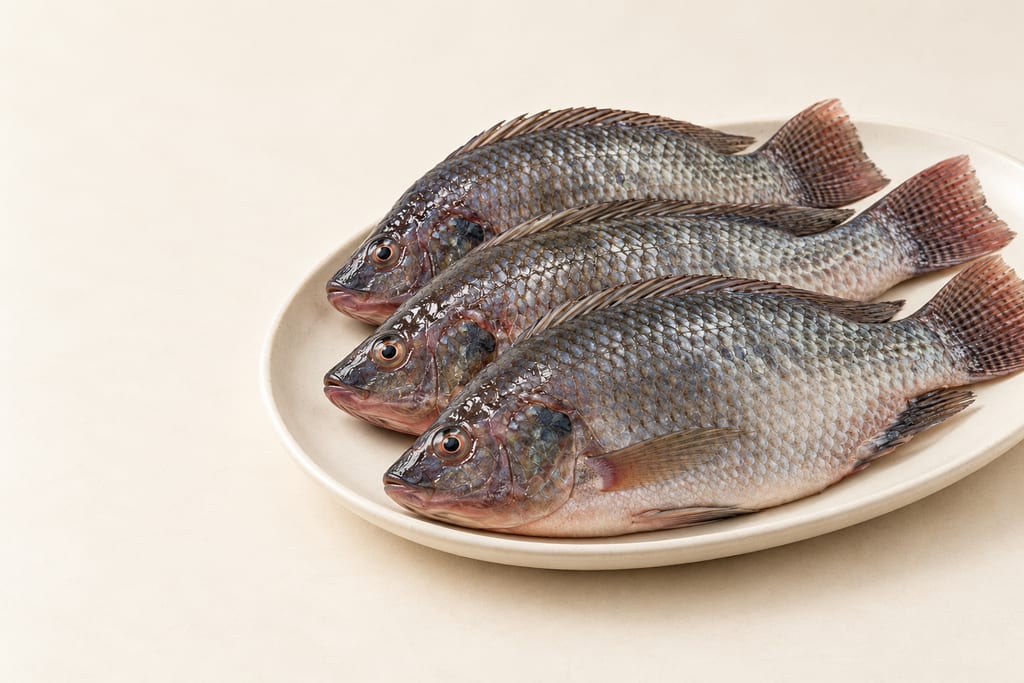
Tilapia is a common market name for several African freshwater cichlids, not one species. It is eaten fresh, farmed and preserved in distinct regional forms, including Ghanaian koobi and Botswana salt-dried fish.
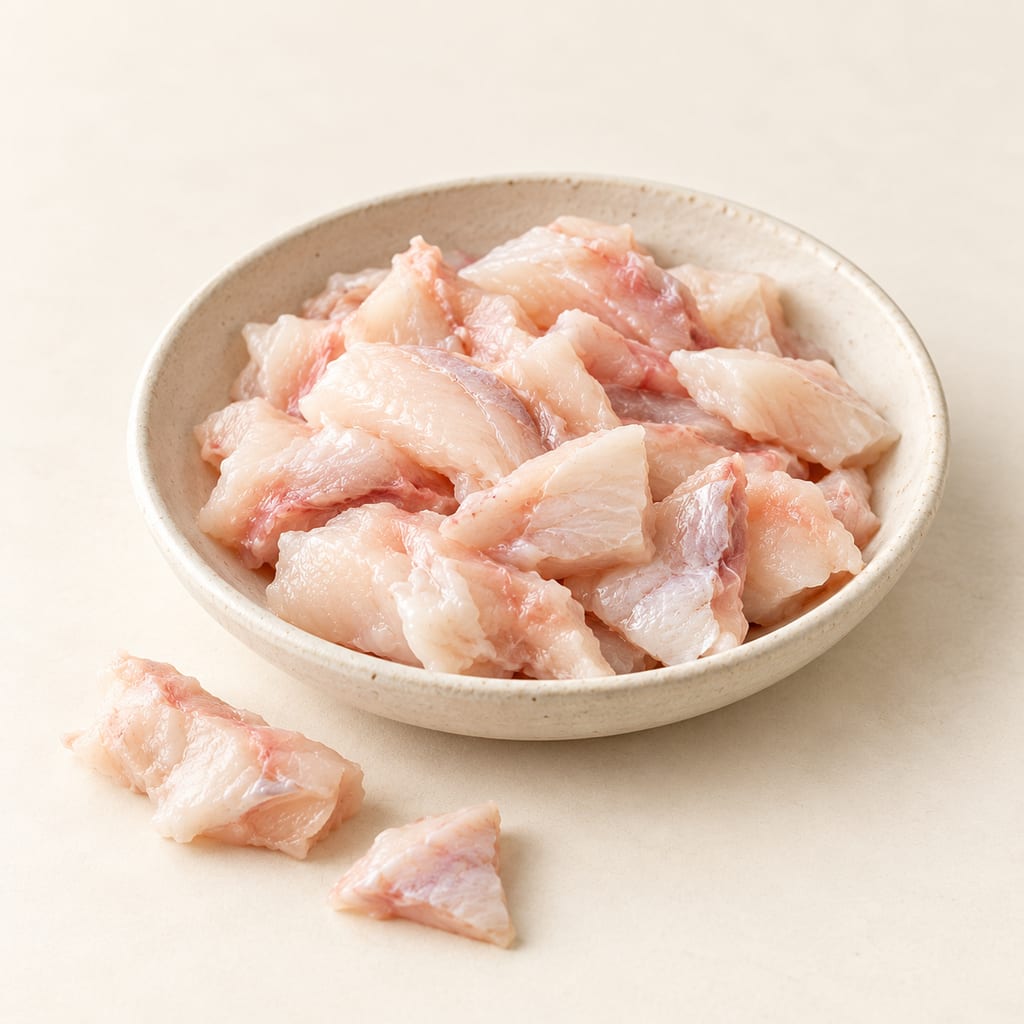
Fish trim is a variable food-processing material, from fillet offcuts to recovered flesh. Species, source tissues, bone and skin content, and handling history determine what a particular lot contains.
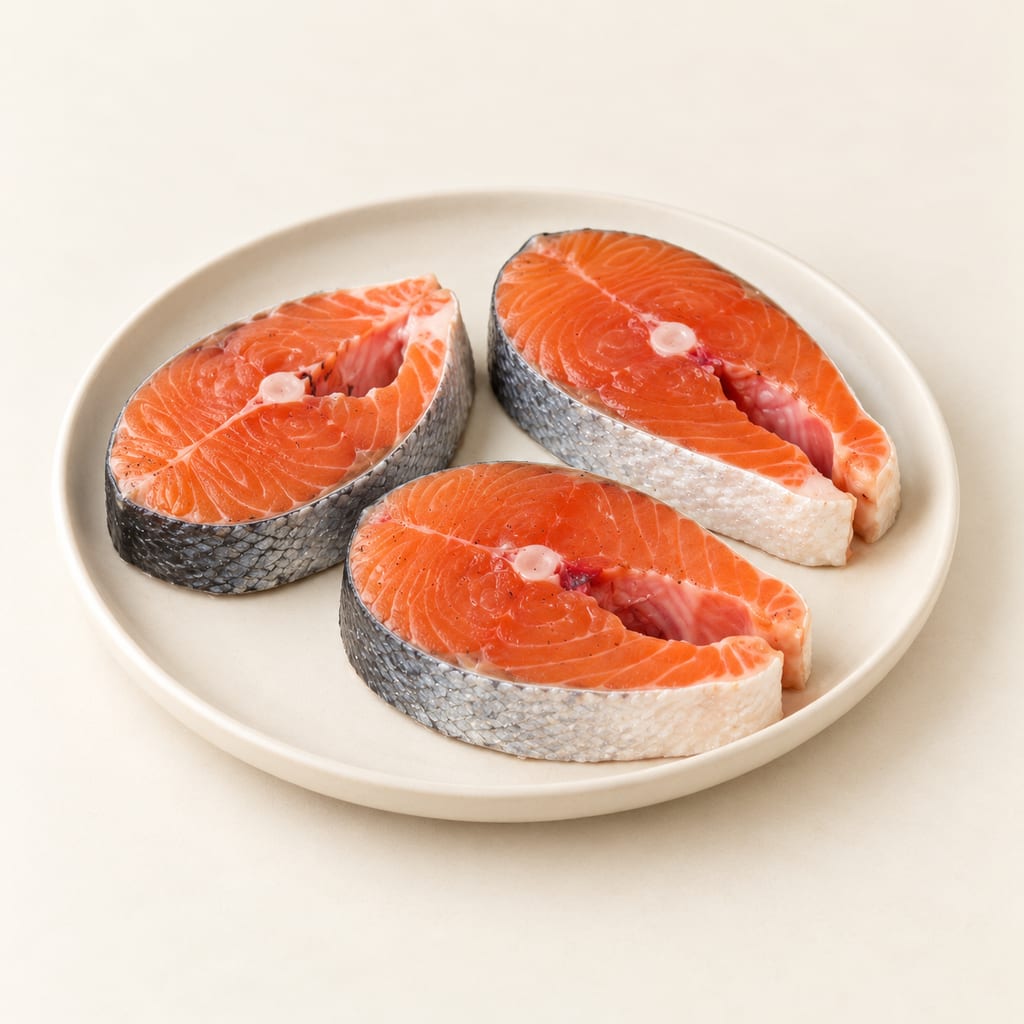
Fish is a broad raw ingredient whose species, cut and condition shape its texture, fat content and use. It can become a meal’s main portion or the raw material for distinct salted, dried and fermented preparations.
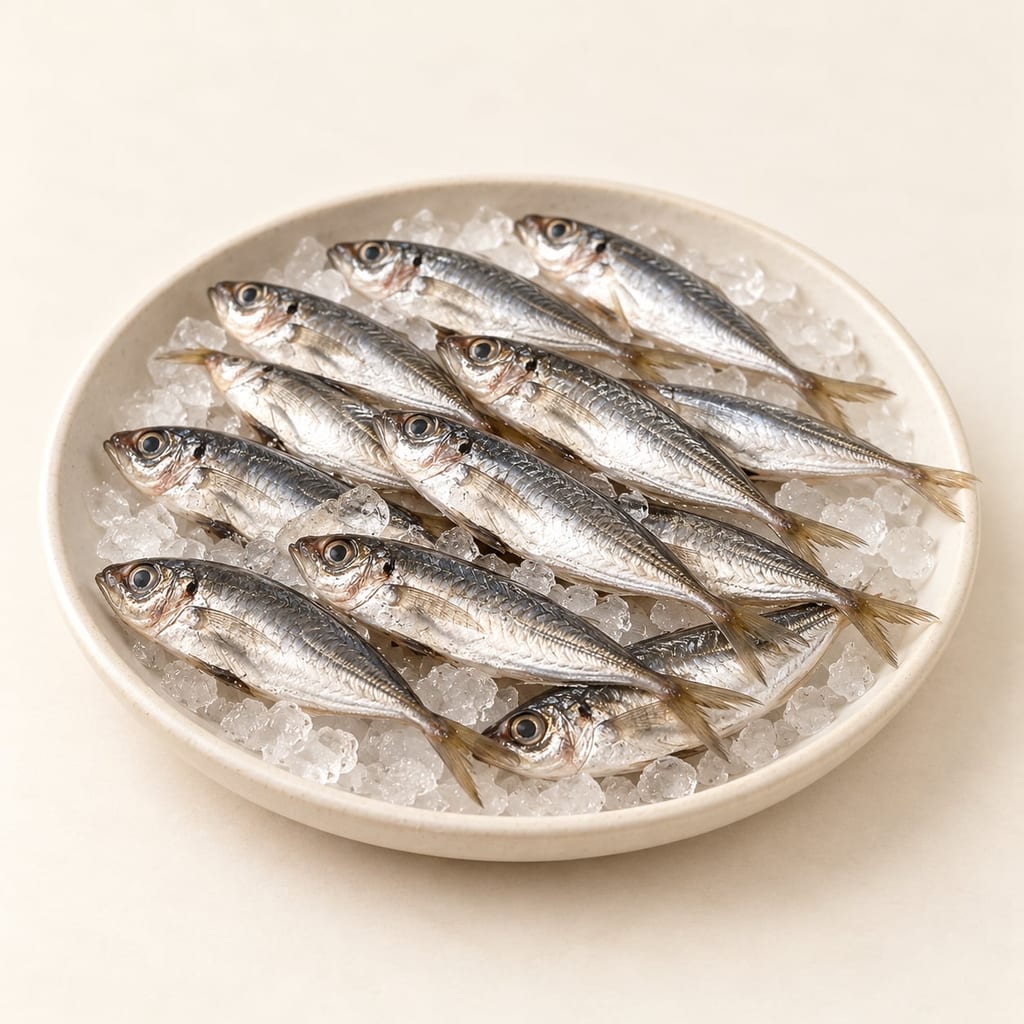
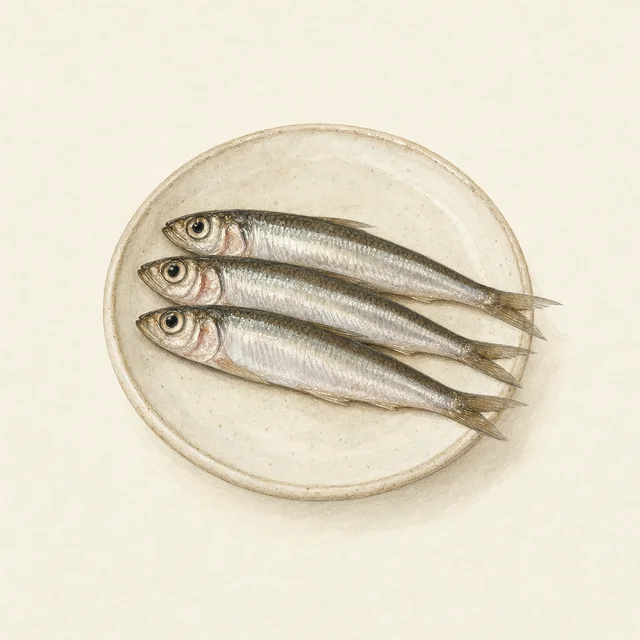
Anchovies, scad, and small cyprinids appear in documented regional fish sauces. Species selection and handling matter because fish hazards vary by species and process.
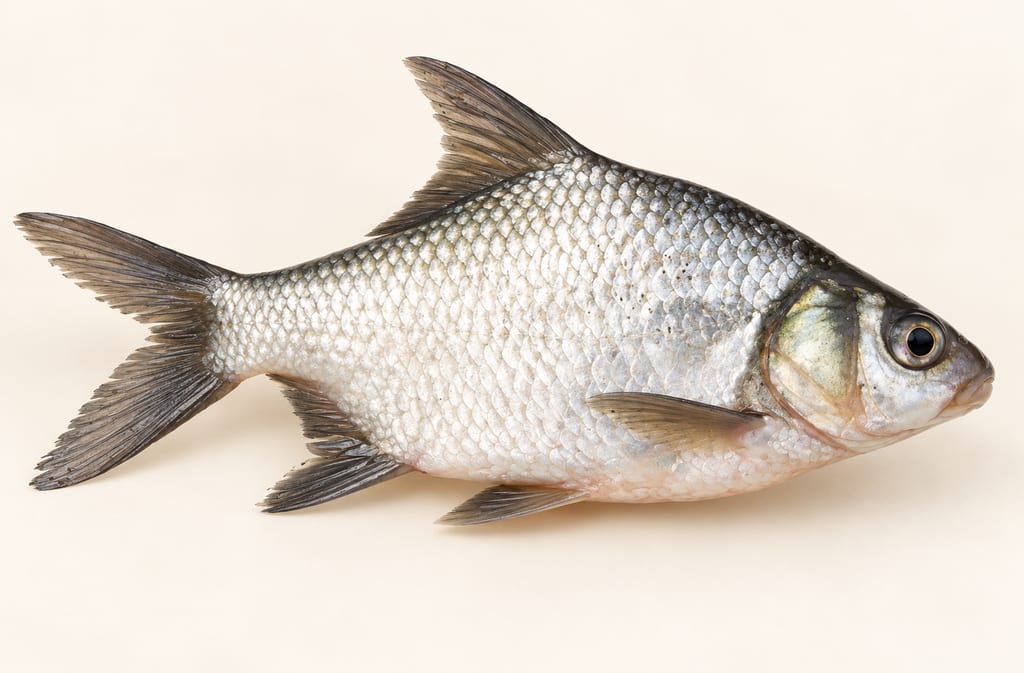
Freshwater fish substrate in a Vietnamese fish-sauce account, which particularly names Mekong cá dánh (*Puntioplites falcifer*) as a prized household sauce fish.
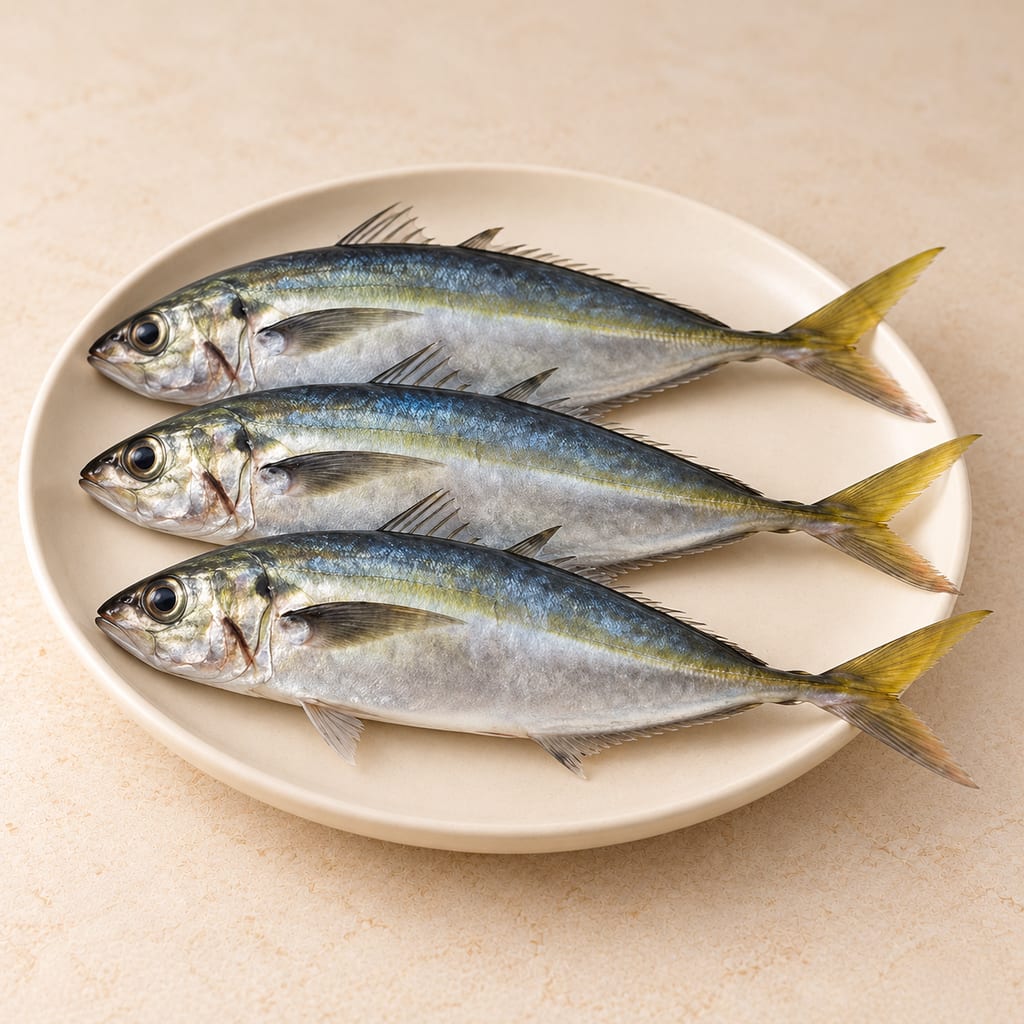
A marine scad named in a Vietnamese fish-sauce account as a whole-fish substrate; the account gives a 4:1 fish-to-salt example but no species-level voucher.
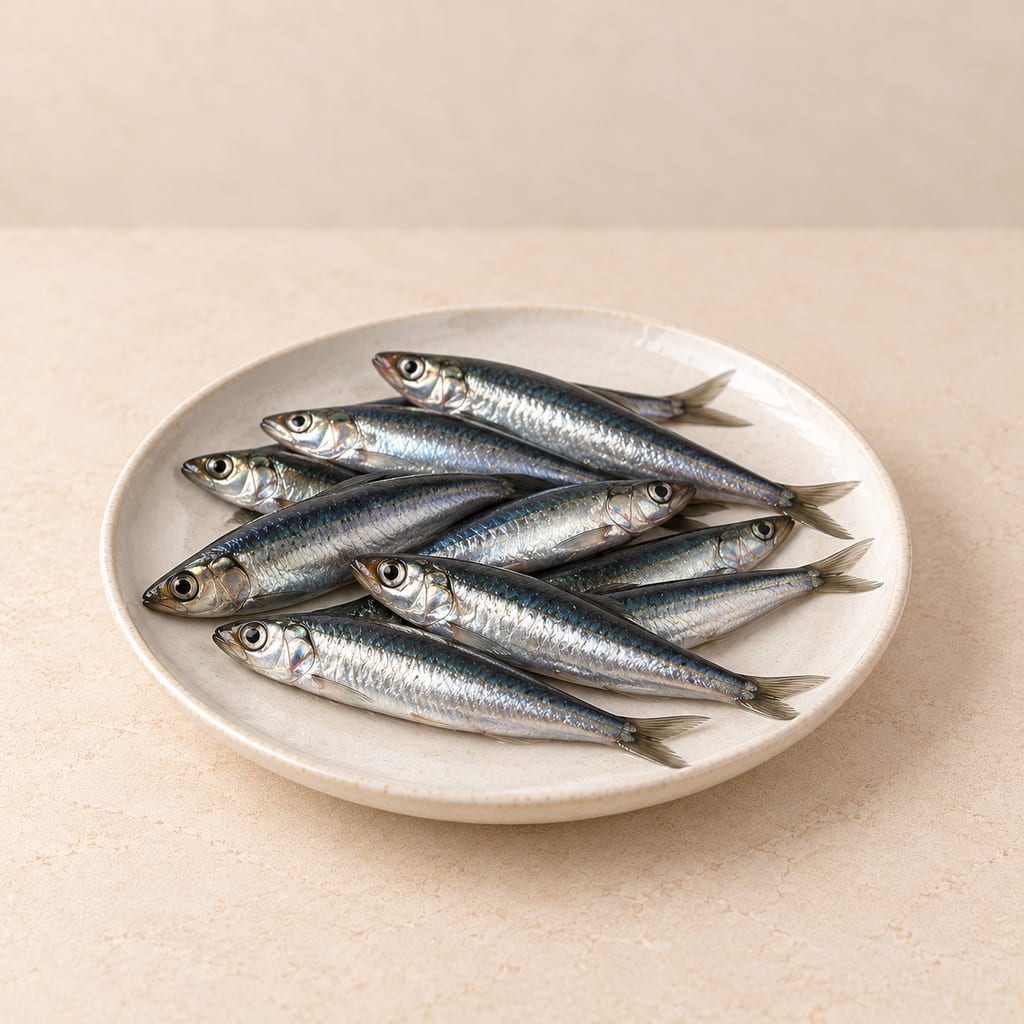
Anchovies are small schooling sea fish of the family Engraulidae, eaten fresh or dried and above all salted: as fillets in oil, whole salted fish or fish sauce.