
Barley and oat porridge (Viking Age)
Crushed or milled barley cooked in water until the starch softens and the mixture thickens, the plainest way a northern household turned stored grain into a meal, here with apple and hazelnut.
 FermenteaWhere food goes to change
Substrates
Hazelnuts from Corylus avellana, the common hazel, eaten raw, roasted or ground, with the Piedmont protected product and the limits of regional growing and storage advice.
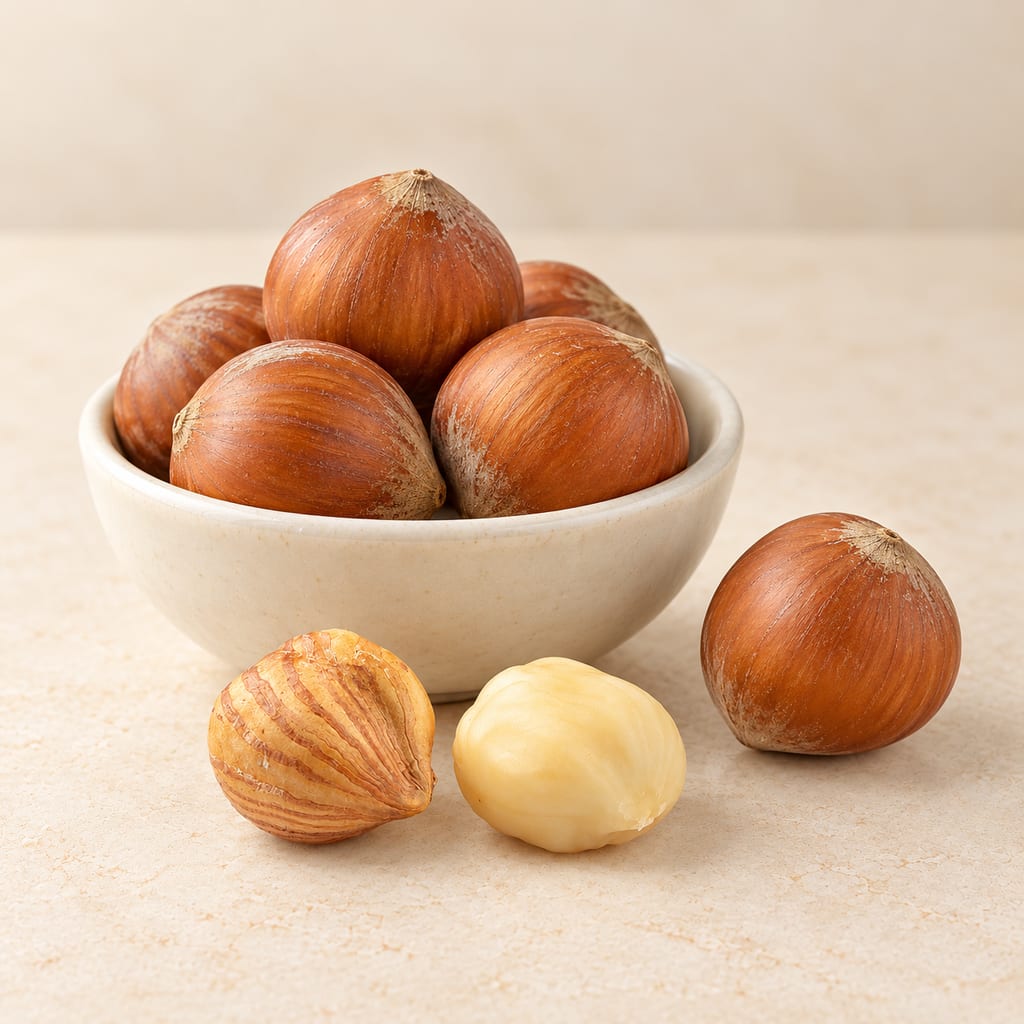
Hazelnuts are the kernels of Corylus avellana L., the common hazel, a shrub of Europe and the Caucasus. Kew gives its native range as Europe to the Caucasus. The kernels are eaten raw, roasted or ground to a paste after the bitter brown skin is removed. A 2022 Biological Flora review states that commercial hazelnuts are usually this species.
The English word hazelnut also appears in general food and crop contexts. This page keeps its claims with the species, or with the named product, that the sources support.
The RHS cobnut and filbert guide covers two species, C. avellana and C. maxima. It describes the cobnut's short husk and the filbert's longer husk. Those common-name forms are useful to a grower, but they are not a complete botanical identification key.
The Consorzio Tutela Nocciola Piemonte IGP describes a protected product made from the cultivar Tonda Gentile Trilobata within a defined area of Piedmont. The consortium ties its Gianduja origin story to Turin in 1806 and describes fresh or dried nuts, confectionery and savoury uses.
That is the consortium's own regional account. It does not prove the origin of every gianduja or every hazelnut product, and a cultivar name in one regional product does not identify the cultivar used elsewhere.
The RHS guide recommends a sheltered site without frost pockets, full sun or light shade, well-drained soil and a pH of 6.5 to 7.5. It notes that cropping can suffer below −10°C because cold disrupts pollination. Male and female flowers appear on the same tree, but their flowering periods often do not overlap, so it advises at least two compatible cultivars for reliable nut set. It also says a nearby wild hazel can pollinate most cultivars; that general note does not identify a compatible partner for every pair.
Oregon State University Extension explains that hazelnuts are wind-pollinated and self-incompatible, and can also be cross-incompatible, so pollinator compatibility and overlapping bloom both matter. Utah State University reports that European hazelnut blossoms early and can lose flowers to unseasonable cold, and its cultivar advice is specific to Utah. None of these sources sets a universal climate, a pairing chart or a planting calendar.
The RHS guide places UK flowering mainly from January to March and harvest near late September, as the husks begin to yellow. It describes air-drying and turning the harvested nuts, but gives no measurable drying endpoint.
Oregon State's consumer guidance says that hazelnut oils can become rancid, that shelled and roasted nuts are more perishable, and that cold storage helps keep quality. Those are quality observations, not a validated safety duration. UK food-business allergen guidance lists hazelnuts among tree-nut allergens, which matters for anyone serving them to others.
The reviewed pages describe uses, but none gives a complete household roasting batch with quantities, timing, an endpoint and storage. They do not establish a productive container or greenhouse method either. A regional confectionery tradition or a common name alone does not identify the cultivar in another recipe.
Reference and research only. Fermenta cannot identify a gathered specimen or guarantee that it is safe to eat. Competent local identification is needed before eating any wild plant.
This page covers a cultivated and commercial nut. It is not a field-identification guide for wild hazel, and it carries no safe-storage or safe-roasting rule beyond what the cited sources state.
Kew gives the native range of the species; the sources reviewed here do not place the nut in food traditions by region.
The consortium describes the protected product of cultivar Tonda Gentile Trilobata in its defined Piedmont area.
Crushed or milled barley cooked in water until the starch softens and the mixture thickens, the plainest way a northern household turned stored grain into a meal, here with apple and hazelnut.
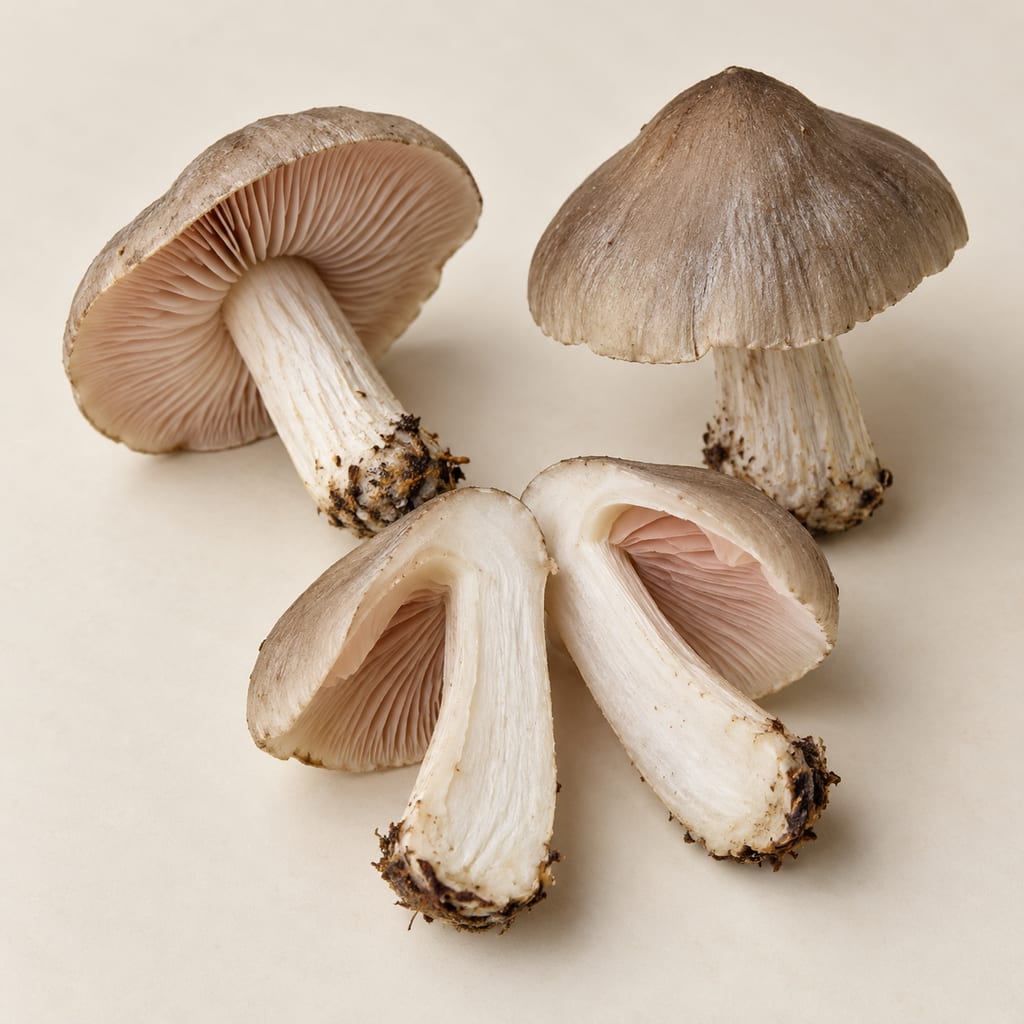
A woodland pinkgill reported as local food in Sikkim and parts of Italy, but difficult to identify and subject to strong regional warnings about confusion with toxic Entoloma species.
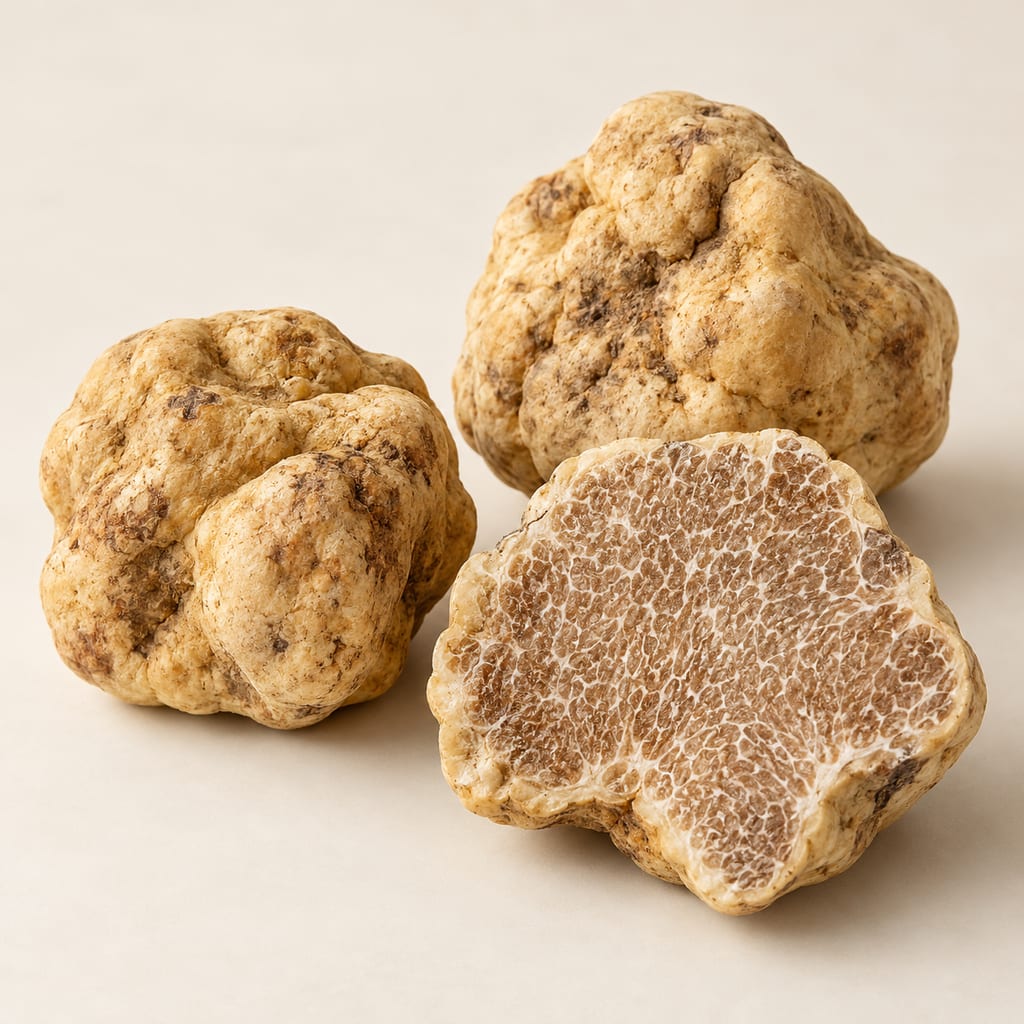
Tuber magnatum is a subterranean, tree-associated European truffle prized for its aroma. It is often shaved raw over warm, simply prepared foods during local autumn and winter seasons.
No community contributions have been published for this entry yet.
Sign in to contribute. Published comments and photos are free to read.
Royal Botanic Gardens, KewIngredient research
Corylus avellana L. | Plants of the World OnlineCited in: Overview; What the sources do not give; Identification and safety
Royal Horticultural SocietyIngredient research
Cobnuts and filbertsCited in: Names: cobnuts, filberts and the species; Growing: pollination and cold; Harvest, storage and allergens
Utah State University ExtensionIngredient research
Hazelnuts in the Home OrchardCited in: Growing: pollination and cold
Oregon State University Extension ServiceIngredient research
Growing Hazelnuts in the Pacific Northwest: Pollination and Nut DevelopmentCited in: Growing: pollination and cold
Journal of Ecology / Wiley Online LibraryIngredient research
Biological Flora of Britain and Ireland: Corylus avellanaCited in: Overview
Oregon State University Extension ServiceIngredient research
What should I know about buying and storing hazelnuts?Cited in: Harvest, storage and allergens; Identification and safety
Consorzio Tutela Nocciola Piemonte I.G.P.Ingredient research
La Nocciola Piemonte I.G.P.Cited in: A protected regional product; What the sources do not give
UK Food Standards AgencyIngredient research
Allergen guidance for food businessesCited in: Harvest, storage and allergens