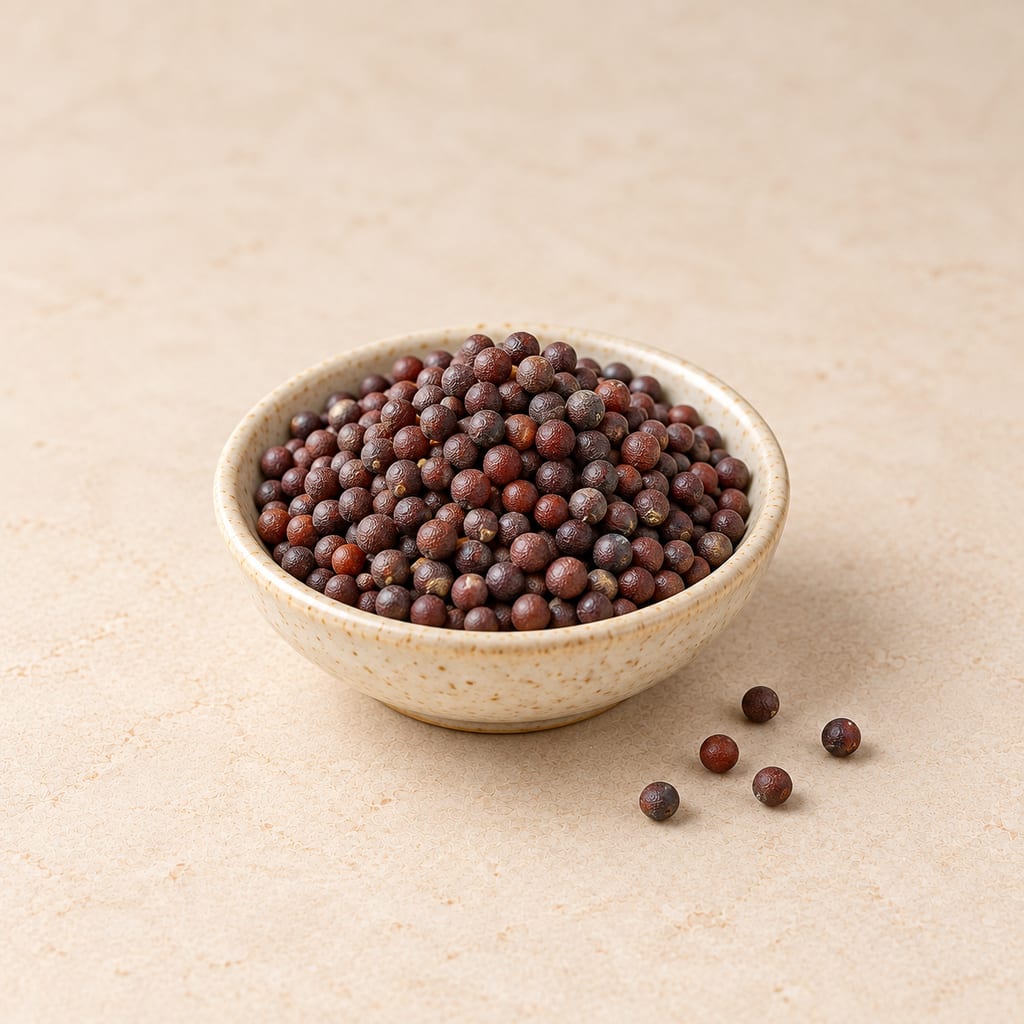
Black mustard seed
Black mustard seed is the small, dark, very pungent seed of Brassica nigra, the hottest of the three mustards. It gives its bite through sinigrin, which turns into allyl isothiocyanate when the crushed seed meets water.
 FermenteaWhere food goes to change
Substrates
Sweet chestnut (Castanea sativa), a starchy tree nut eaten roasted, as flour and in confectionery, and kept apart from the toxic fruit of horse chestnut.
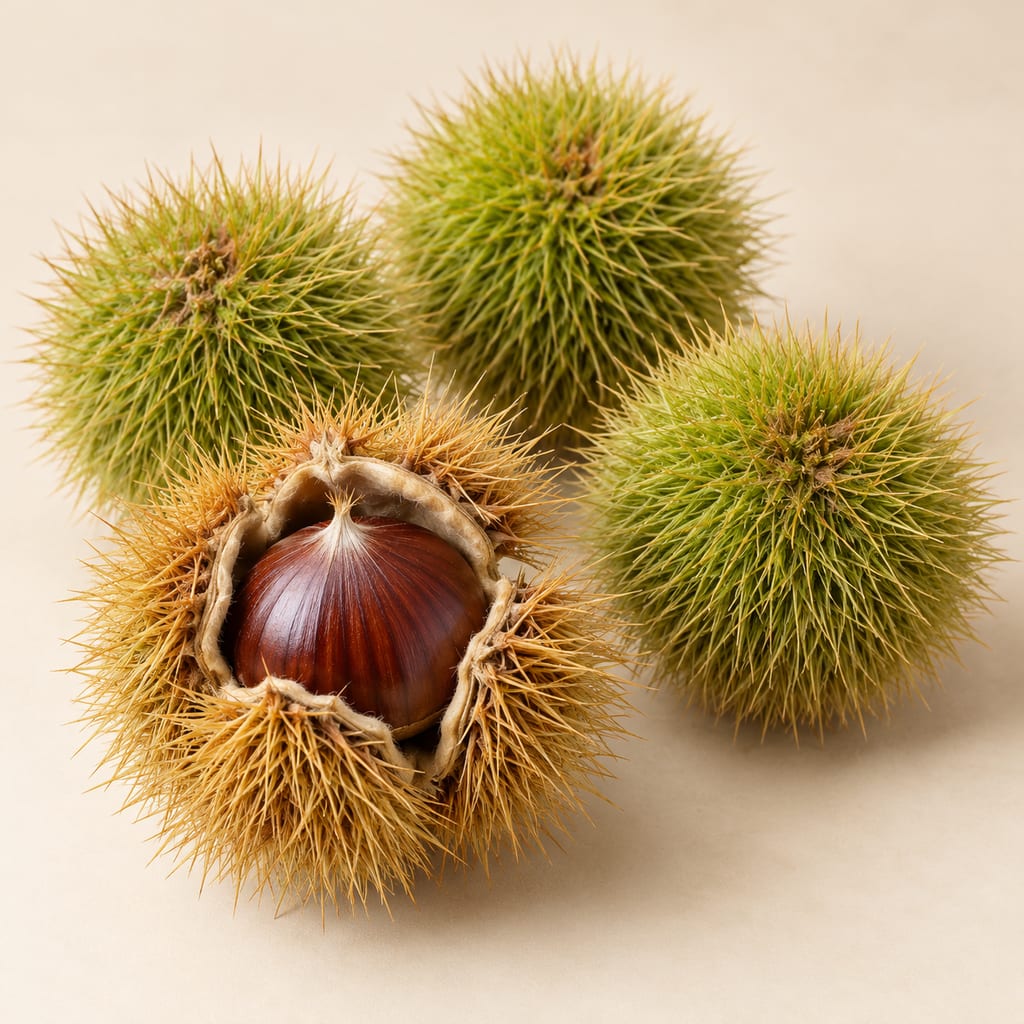
Sweet chestnut is the nut of Castanea sativa Mill., a tree that Kew gives as native from the Balkan Peninsula to northern Iran. Kew lists Castanea vulgaris as a synonym. Its profile describes the nuts as a starchy food cultivated for more than two thousand years, although the reviewed pages do not date the start of that cultivation.
The French Ministry of Agriculture explains that marron may mean a large cultivated edible chestnut or a processed chestnut product. The fruit of the horse chestnut, Aesculus hippocastanum, is called marron d'Inde and is toxic. The distinction is useful context for a buyer or a reader, but it is not a method for identifying a specimen.
Kew's profile lists roasted chestnuts, flour or coarse meal, confectionery, puddings, cakes, savoury dishes and poultry stuffing, and reports Corsican chestnut beer. These are uses Kew reports; they are not complete home methods, and the reviewed pages give no quantities, ordered steps or cooking endpoints for them.
The French Ministry records the regional importance of chestnut groves in Ardèche and the Cévennes, from the Middle Ages to a peak in the nineteenth century. It describes the present protected products in fresh, dried and flour forms.
Those appellations protect particular regional varieties and production practices. Their sensory descriptions should not be generalised to every sweet chestnut.
Kew describes a preference for a mild climate and warns that late-spring and early-autumn frost can affect flowering. The RHS profile places the species in its H6 hardiness class, whose band runs from −20 to −15°C; that category is not a measured survival or nut-crop threshold for every tree or cultivar. The RHS describes a large tree needing full sun and well-drained loam or sand, with acid or neutral soil.
Forest Research's guidance is written for British forestry sites. It describes warmer, more continental lowland conditions with roughly 550 to 850 mm of annual rain, acid sandy loams, and poor suitability to alkaline or waterlogged ground and exposed sites. It calls chestnut comparatively drought tolerant and strongly light-demanding once established. Containerised seedlings are nursery stock, not evidence for keeping a mature nut-bearing tree in a pot, and the sources give no greenhouse or productive container protocol.
The French Ministry describes fresh chestnuts as fragile and sensitive to heat and humidity, and advises keeping them in the refrigerator vegetable drawer for no more than seven to eight days. It offers shell appearance, weight and floating nuts as quality clues. Those checks do not establish botanical identity or prove that a nut is safe to eat, and the storage period is consumer guidance rather than a universal preservation limit.
Reference and research only. Fermenta cannot identify a gathered specimen or guarantee that it is safe to eat. Competent local identification is needed before eating any wild plant.
The distinction between edible Castanea and the toxic fruit of Aesculus is context, not a field key. The reviewed pages do not establish one identification method, and they give no safe quantity or processing rule beyond the storage guidance quoted above.
Kew gives the native range of the species; the food reports reviewed here name no region of traditional preparation.
The French Ministry records the regional importance of chestnut groves there.
Black mustard seed is the small, dark, very pungent seed of Brassica nigra, the hottest of the three mustards. It gives its bite through sinigrin, which turns into allyl isothiocyanate when the crushed seed meets water.
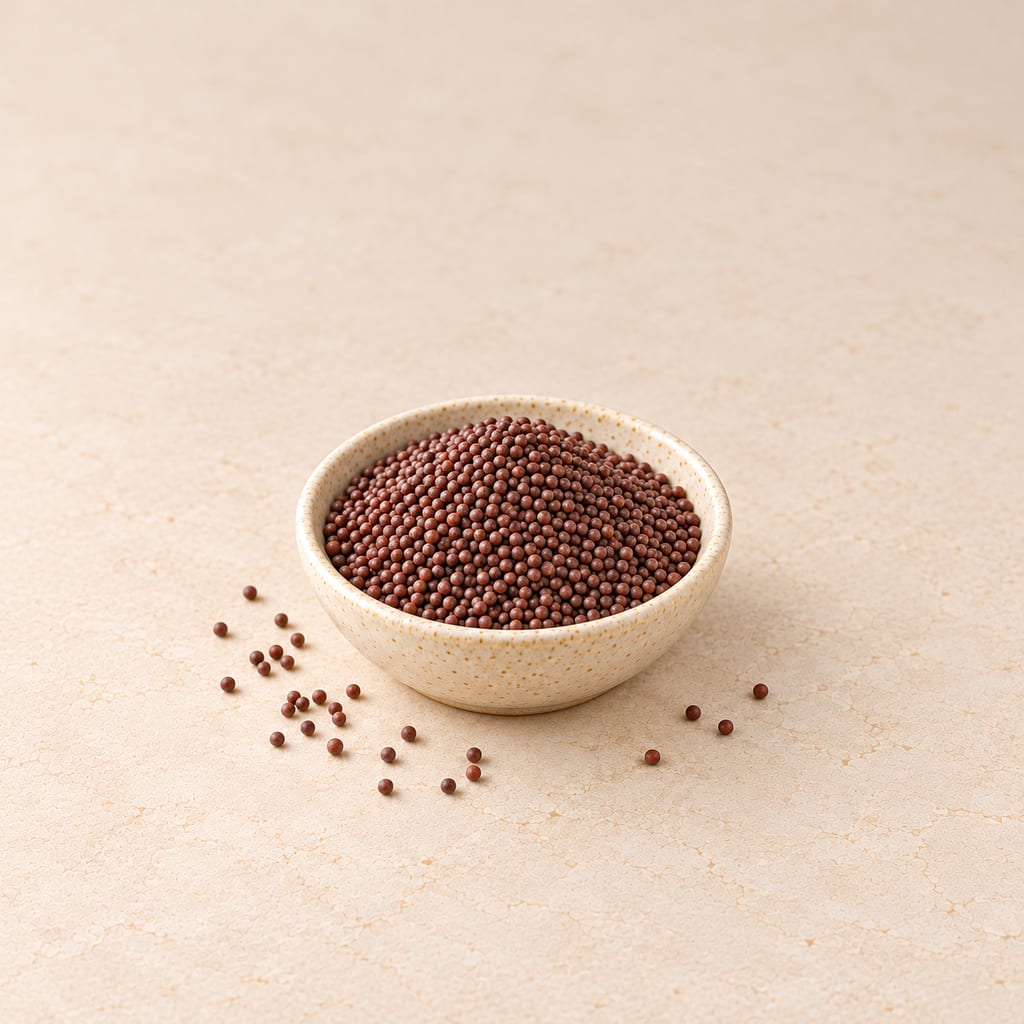
Brown or oriental mustard seed comes from Brassica juncea, a hybrid of black mustard and turnip rape. It is the hot, easily harvested seed behind Dijon, spicy brown mustards and much of the mustard oil of the Indian subcontinent.
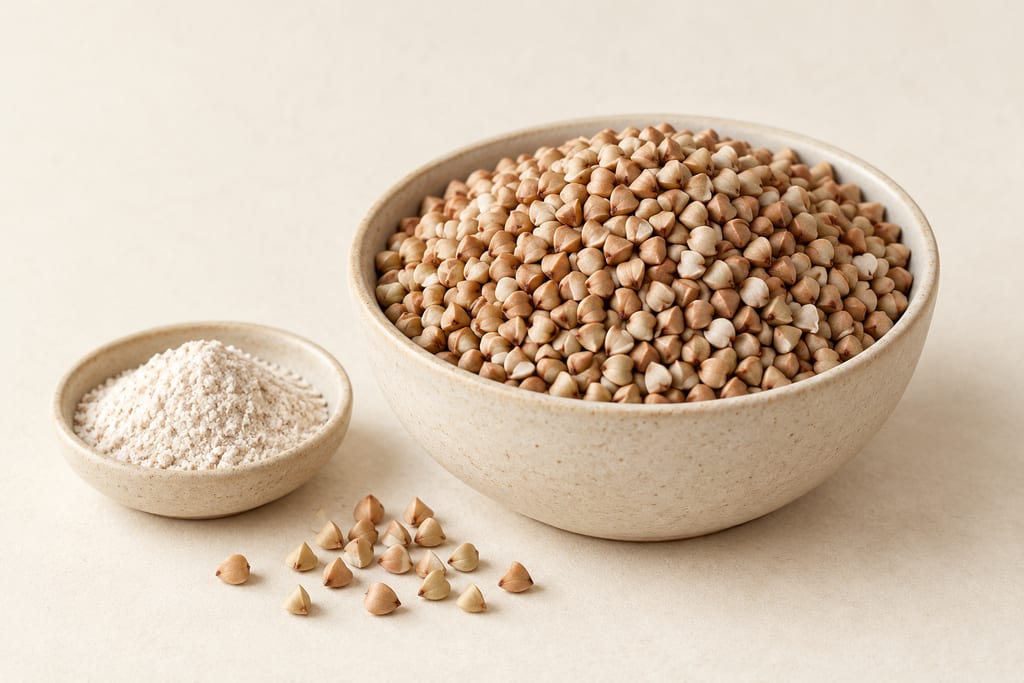
Buckwheat is a triangular-seeded flowering plant whose whole groats and flour cross regional food traditions, from porridge and pancakes to modern sourdough and gluten-free bread.
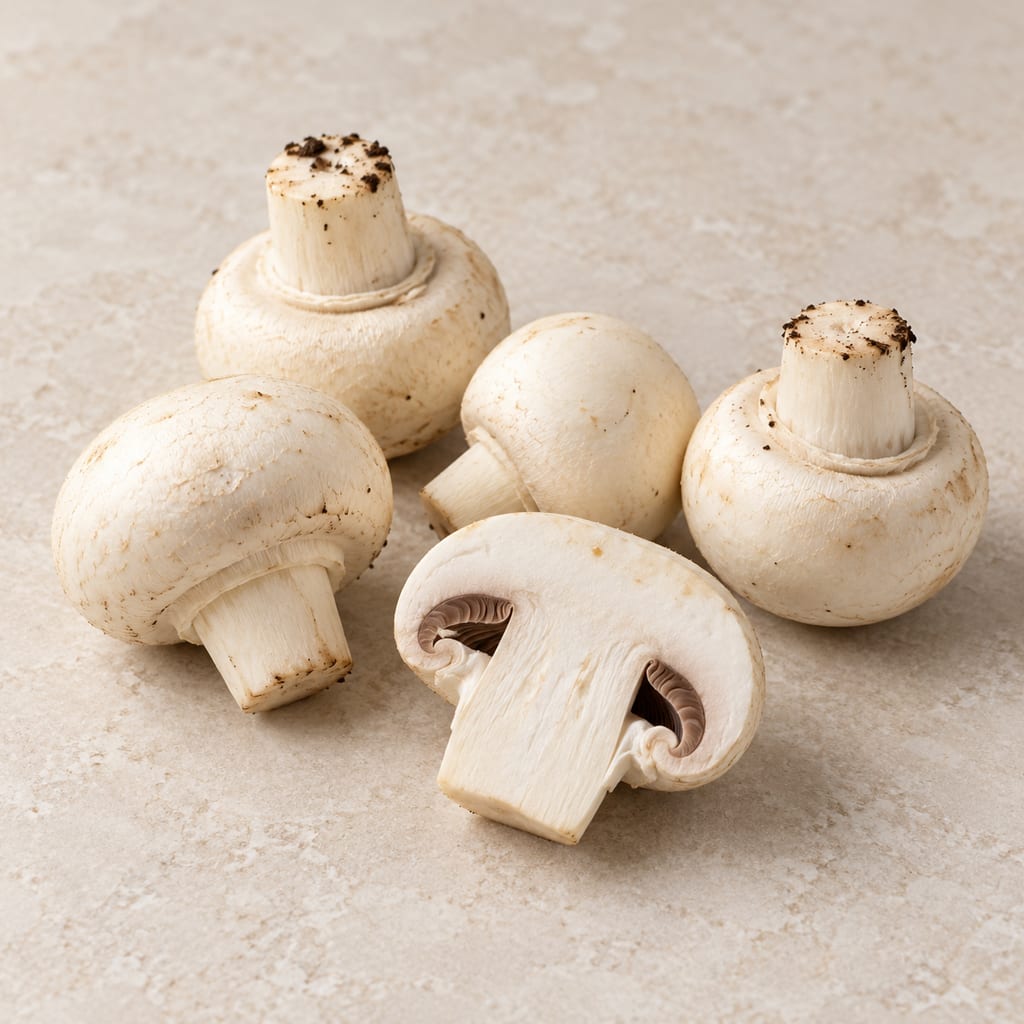
A cultivated form of Agaricus bisporus sold young as a button and at more mature stages as cremini or portobello, used fresh or preserved in everyday cooking.
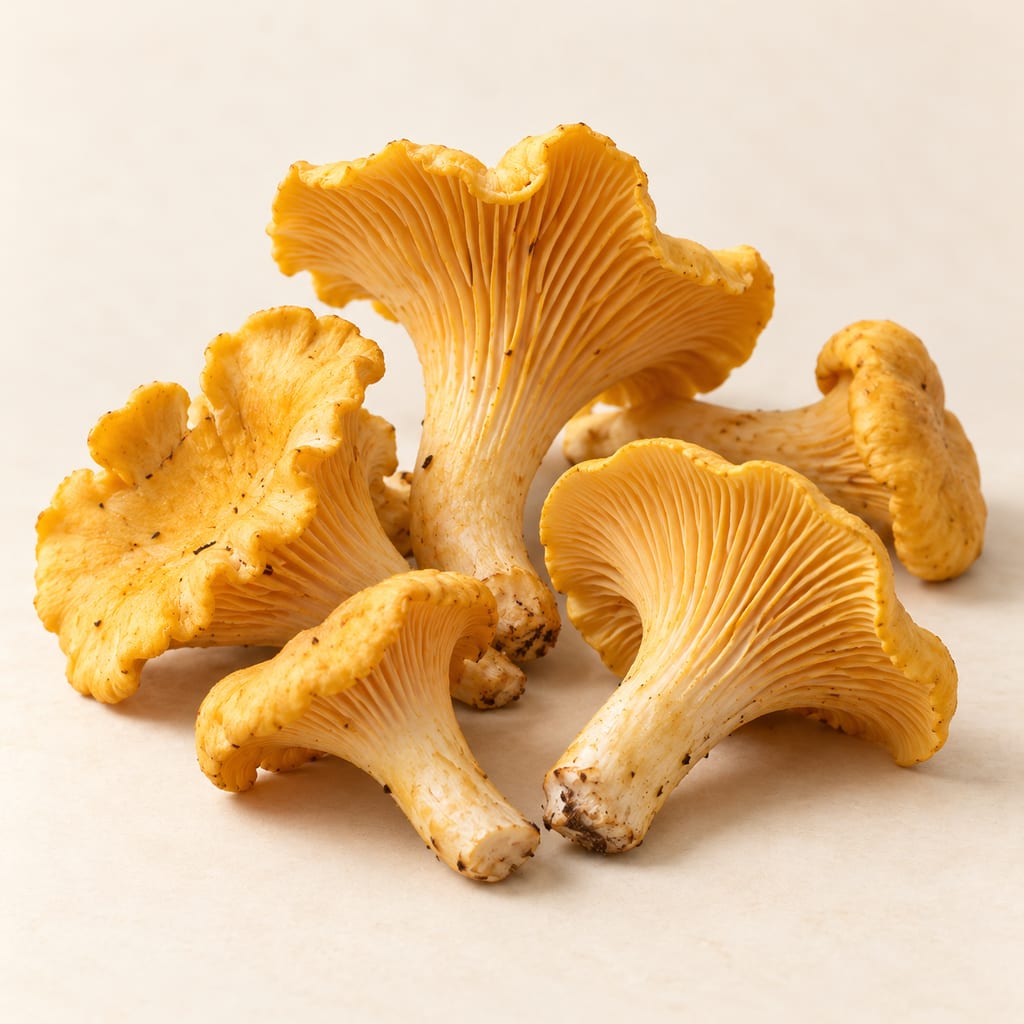
Chanterelles are wild, tree-associated edible mushrooms, particularly the European golden chanterelle Cantharellus cibarius, prized for their firm flesh, fruity aroma and use fresh, frozen, dried or pickled.
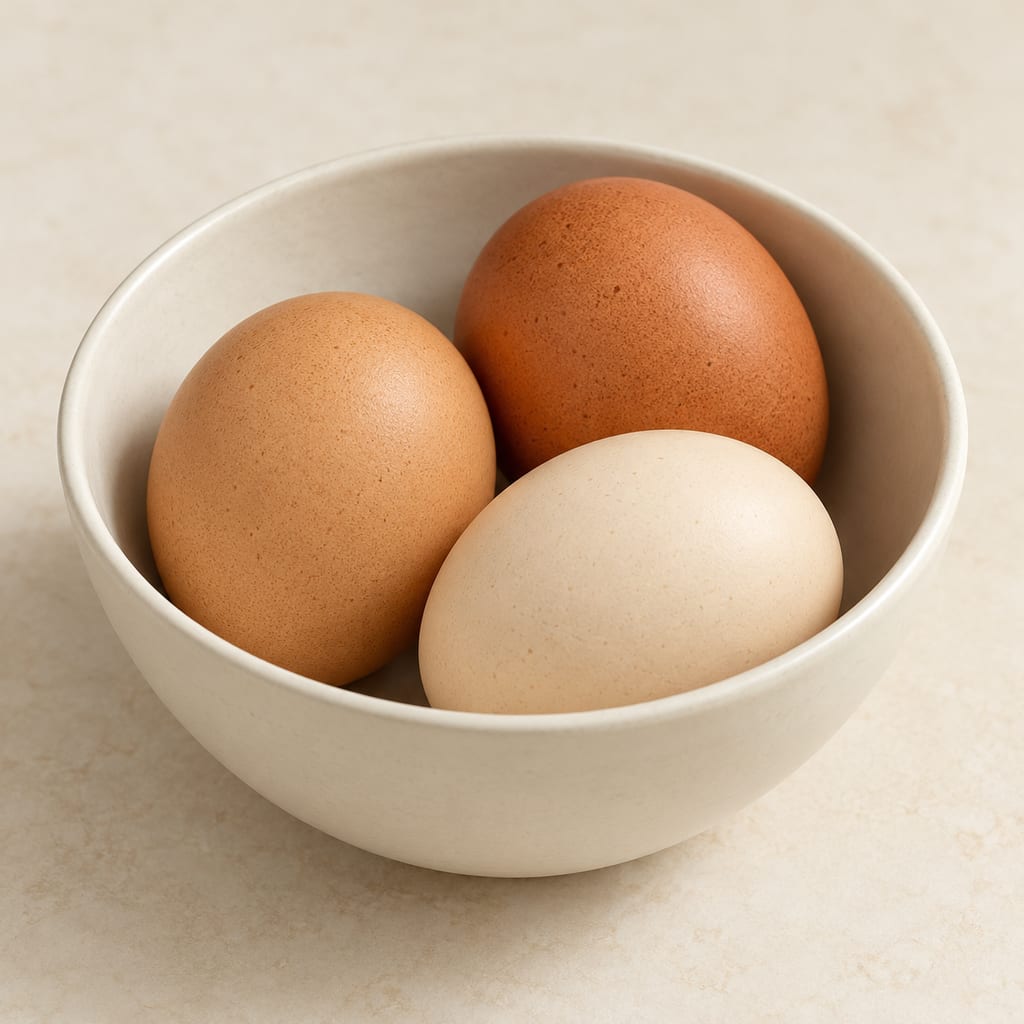
Chicken eggs supply proteins and yolk fats that set and emulsify. Atlas breads use them in enriched doughs, surface washes and a sourdough pancake batter mixed after fermentation.
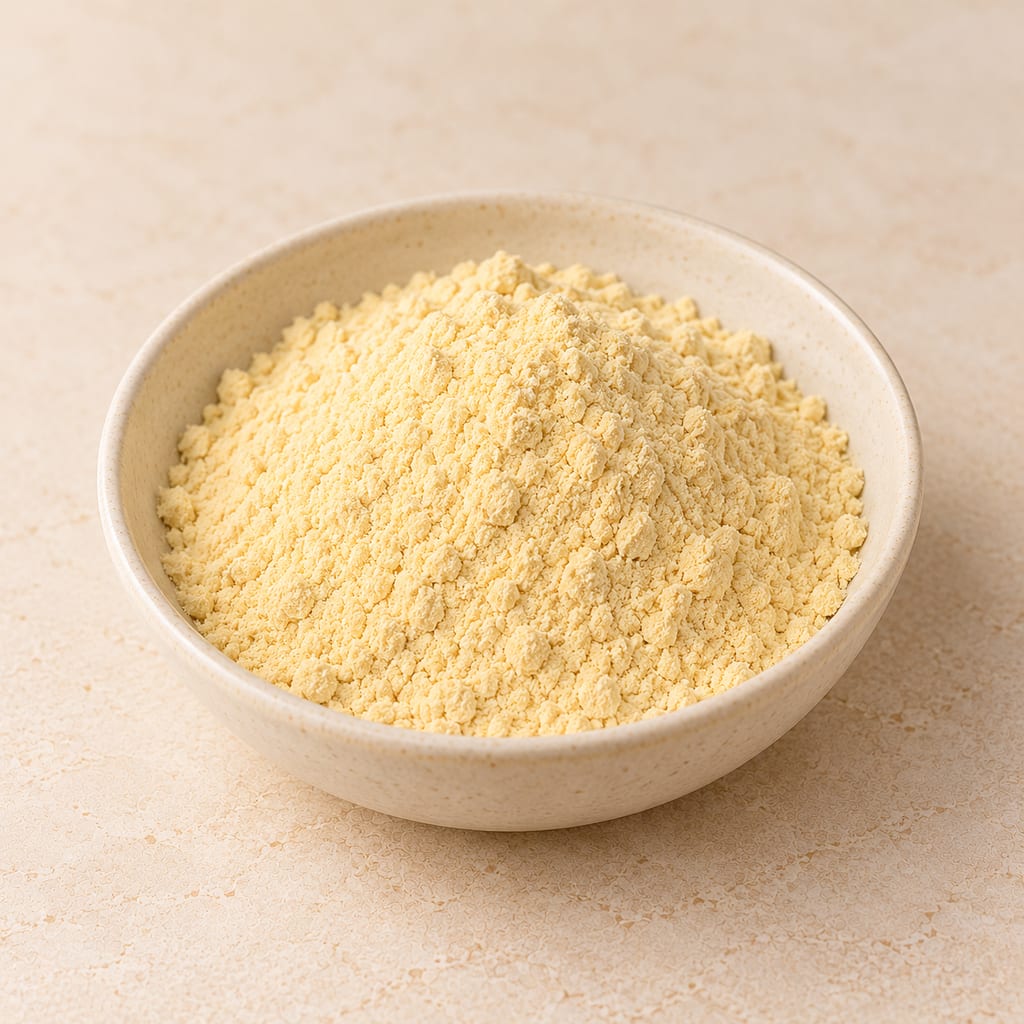
Chickpea flour is milled Cicer arietinum, used as besan in many Indian dishes and as the base of breads such as socca and farinata.
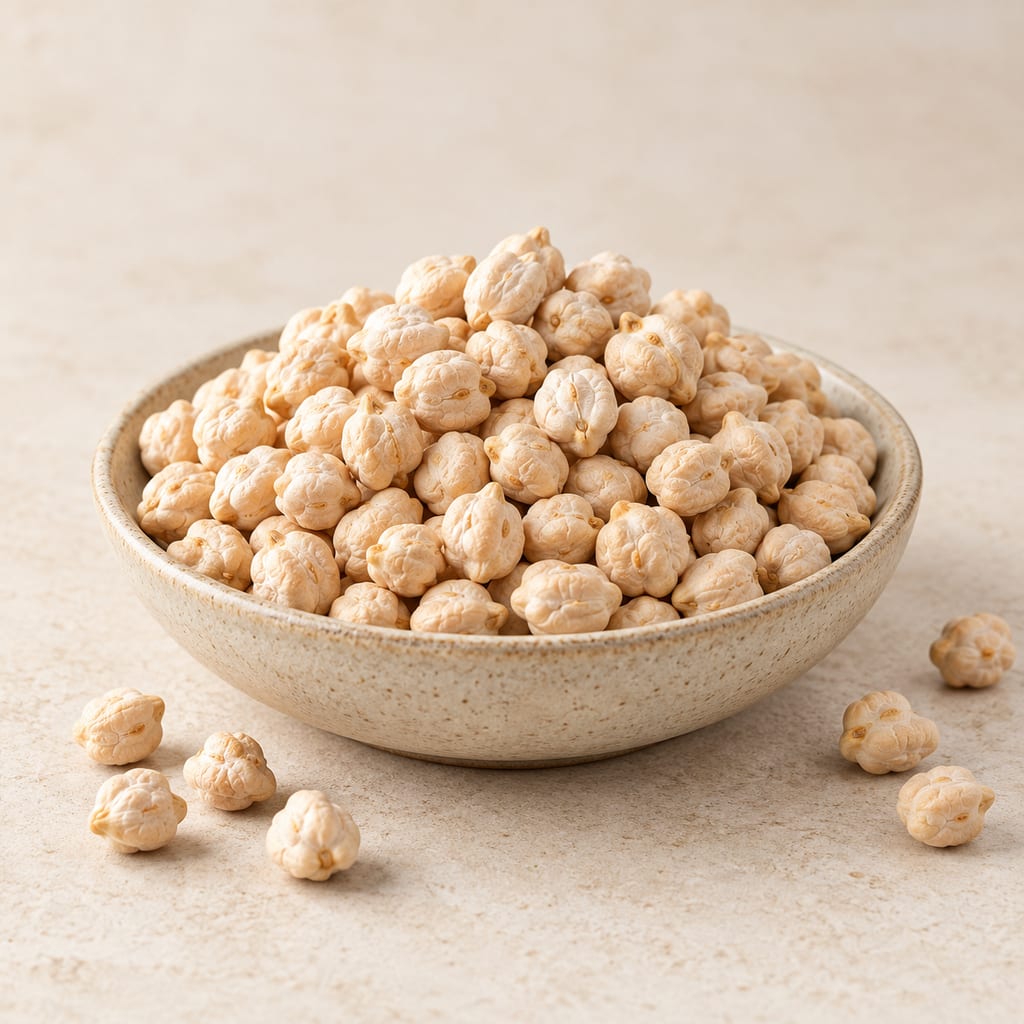
Chickpeas (Cicer arietinum) are dry pulses eaten whole or milled into flour, which gives socca, farinata and other breads a dense, nutty batter or dough.
No community contributions have been published for this entry yet.
Sign in to contribute. Published comments and photos are free to read.
Royal Botanic Gardens, KewIngredient research
Castanea sativa Mill. | Plants of the World OnlineCited in: Overview; Food uses; Growing in the UK and its limits; Identification and safety
Royal Horticultural SocietyIngredient research
Castanea vulgaris | sweet chestnut | RHS Plant ProfileCited in: Overview; Growing in the UK and its limits
Ministère de l’Agriculture, de l’Agro-alimentaire et de la Souveraineté alimentaireIngredient research
Les châtaignes AOP, doux fruits de l’automneCited in: Chestnut or horse chestnut; Regional chestnut groves; Fresh chestnuts; Identification and safety