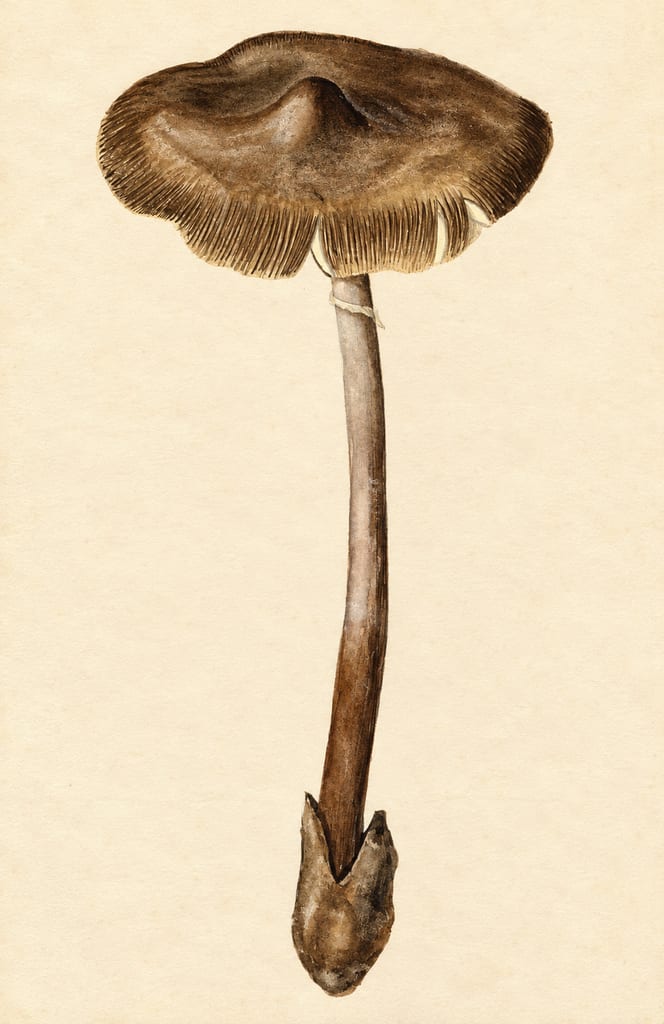
Amanita annulatovaginata
A wild ectomycorrhizal Amanita of the Congo rainforest, recorded as locally consumed in Tshopo province. Its preparation was not established, and the genus includes deadly species.
 FermenteaWhere food goes to change
Substrates
A gilled wood-decay fungus of conifer wood, known as oyster rollrim. One Congolese interview record shows local eating, but other regional references call it inedible, so the food status is in conflict.
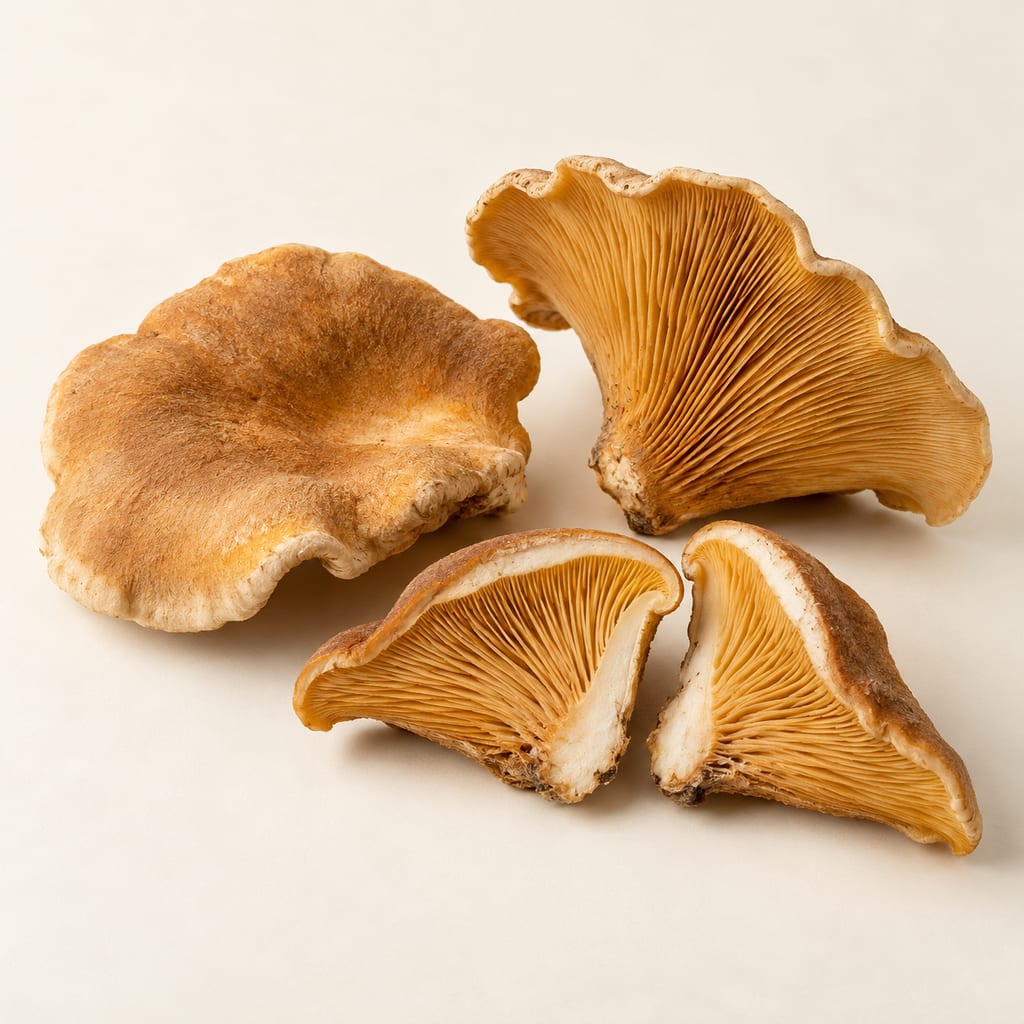
Tapinella panuoides (Batsch) E.-J. Gilbert is a gilled fungus. It was formerly known as Paxillus panuoides, and that name still appears in older books and in some databases. It is also called oyster rollrim. The catalogue keeps the name Tapinella panuoides and records Paxillus panuoides as a synonym.
The species is easy to confuse with Tapinella corrugata, which is also known as Paxillus corrugatus. A French field source also warns of confusion with Phyllotopsis nidulans, especially in young specimens. The lookalikes matter because the edibility records below depend on which fungus a collector actually had.
A French source describes it as growing on rotting conifer wood and as very rare on hardwoods. It is a decomposer of dead wood rather than a soil fungus, so it is found on stumps, logs and buried wood. The catalogue records the ecology as forest saprotroph, and supply as wild.
Searches of distribution databases turned up no African or Congolese record for this species. The Congolese record in the catalogue is therefore a single regional source, and it should be read on its own terms.
The Tshopo record comes from voucher-backed interviews in Democratic Republic of the Congo, in which the fungus is recorded as locally eaten. The catalogue notes that the species-specific preparation was not established. The catalogue also records that other regional references regard the species as inedible or of no culinary value. Its safety status is therefore marked as a conflict for research only.
A North American description also gives the edibility as unknown and says the taste is not distinctive. A Wikipedia source cites a field guide that covers both edible and inedible fungi, but the sources reviewed here do not show its verdict on this species. Taken together, the sources do not support a food claim.
Do not eat this fungus on the basis of this page. The catalogue says to exclude it from recommended-food lists until the record has been reviewed. Edibility depends on correct identification, and the lookalikes named above make field identification unreliable without a specialist.
A Congolese record of local eating does not establish that the fungus is safe for other people or other places. Eating a wild mushroom that other references call inedible is a risk that the sources do not resolve.
The record does not say which form was eaten, how it was cooked, how often it was eaten, or whether it was gathered from conifer or hardwood wood. A specialist review with voucher material from the Tshopo record, and a check of the other regional references, are the next research steps.
Recorded as locally consumed in voucher-backed interviews. The catalogue states that the species-specific preparation was not established.
A wild ectomycorrhizal Amanita of the Congo rainforest, recorded as locally consumed in Tshopo province. Its preparation was not established, and the genus includes deadly species.
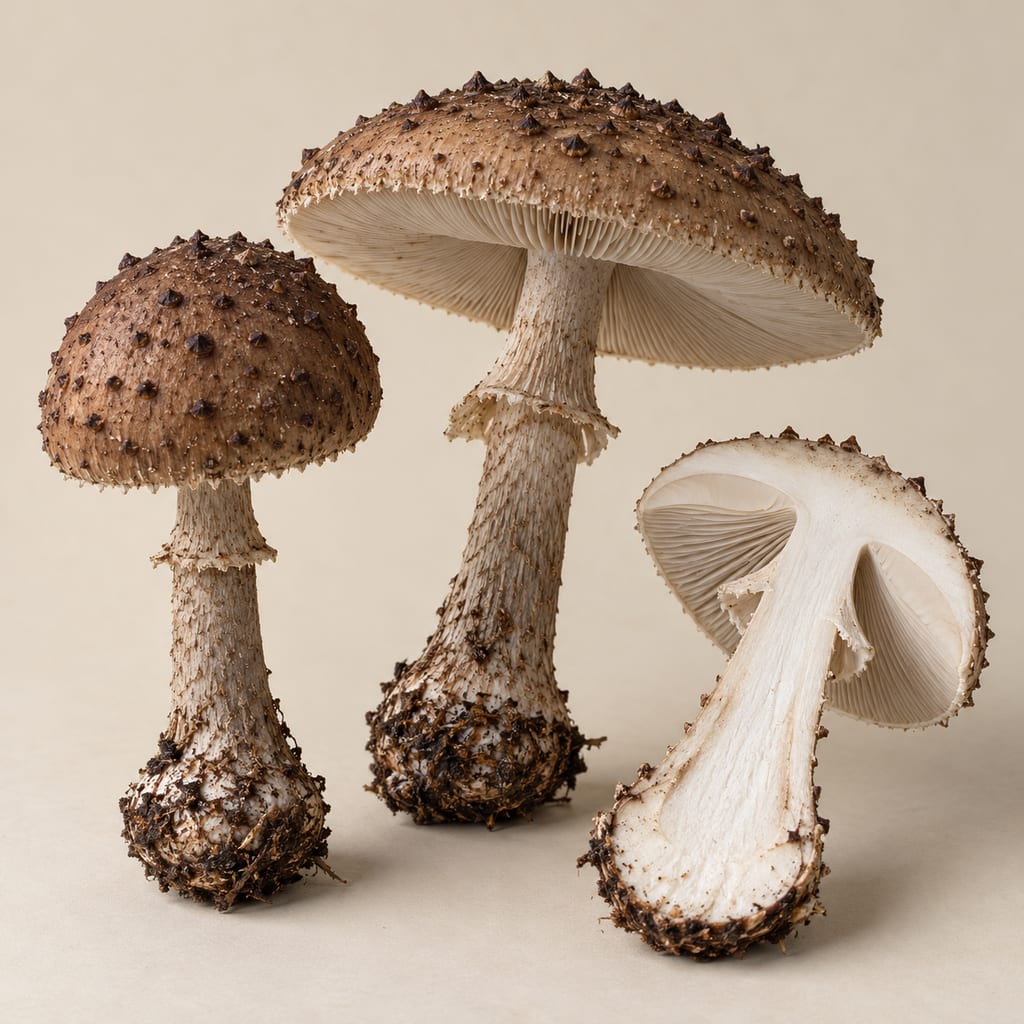
A wild ectomycorrhizal Amanita of the Congo rainforest, recorded as locally consumed in Tshopo province. Its preparation was not established, and the genus includes deadly species.
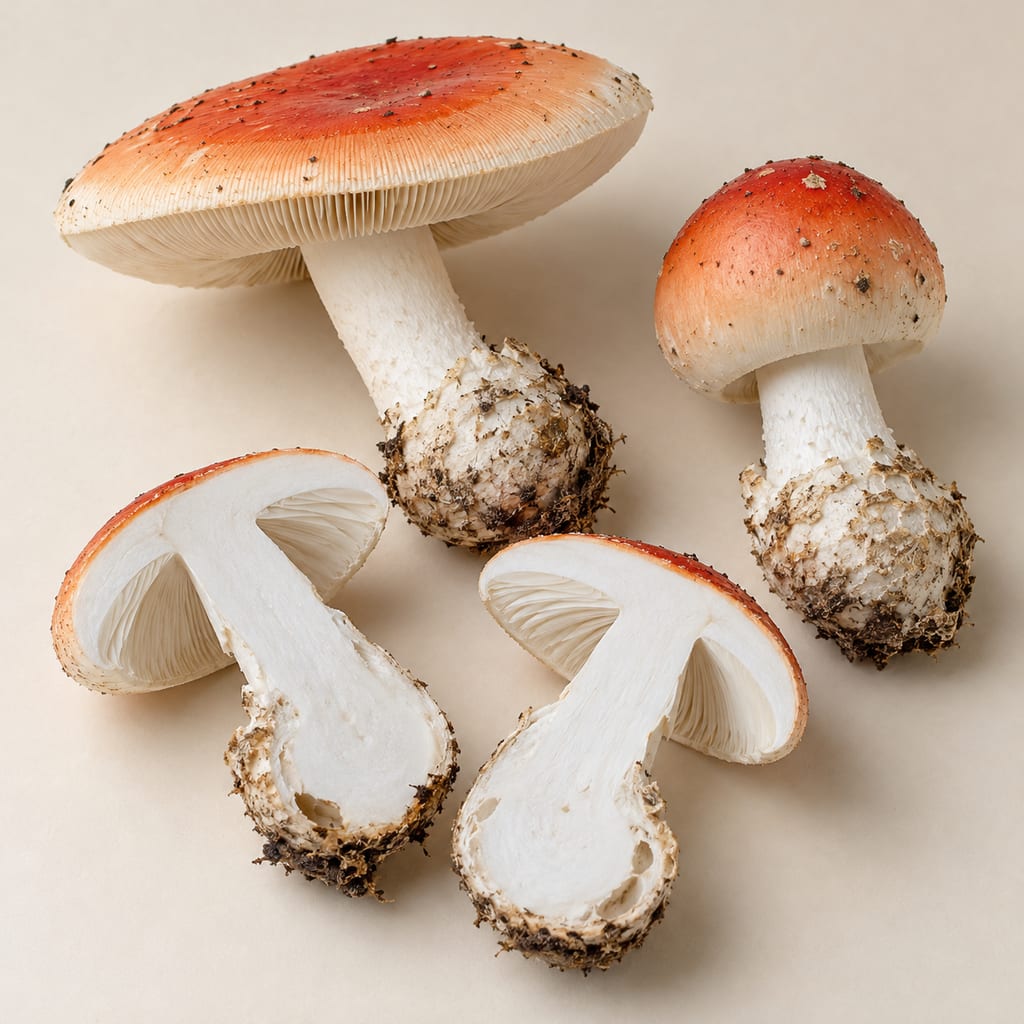
Amanita robusta Beeli is a poorly documented Central African Amanita known from voucher-backed rainforest collections in the Democratic Republic of the Congo and Cameroon. A Tshopo study reports local food use for a taxonomically supported voucher, but neither that record nor the name makes an unknown Amanita safe to identify or eat.
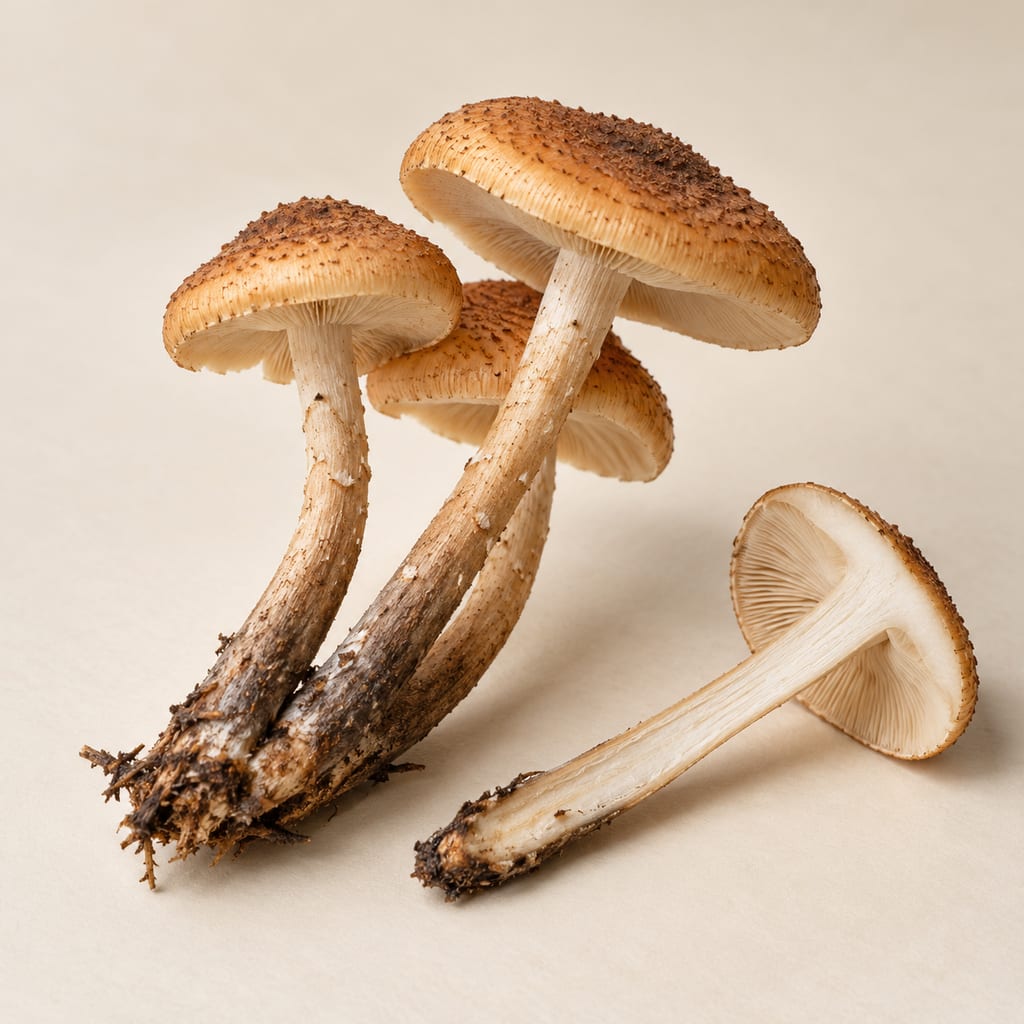
Armillaria heimii is a saprotrophic fungus of the honey-fungus genus, recorded as a wild food in Tshopo province, DR Congo. Its preparation and safety are not established in the sources.
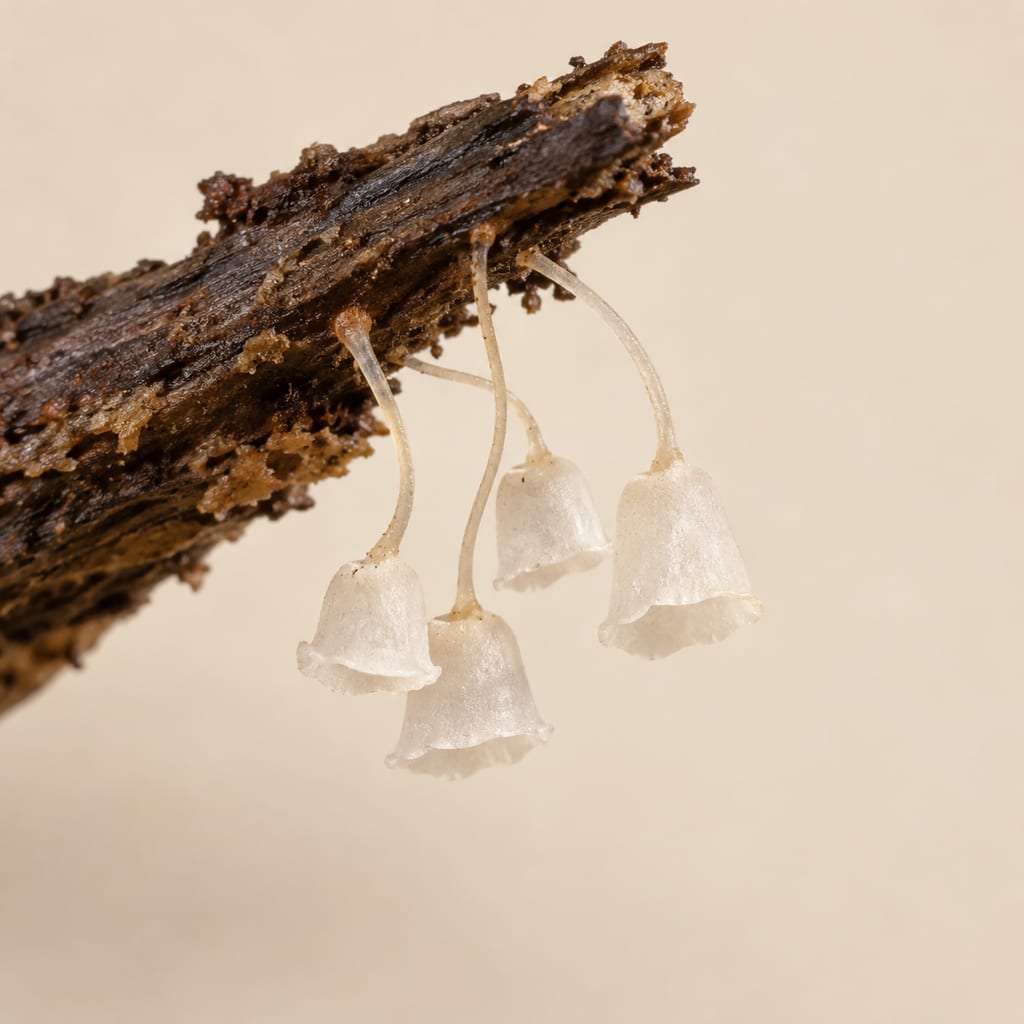
Calyptella longipes is a wood and litter decaying fungus of the rainforests of Tshopo province, DR Congo, where some ethnic groups in voucher-backed interviews eat it. Its preparation was not recorded.
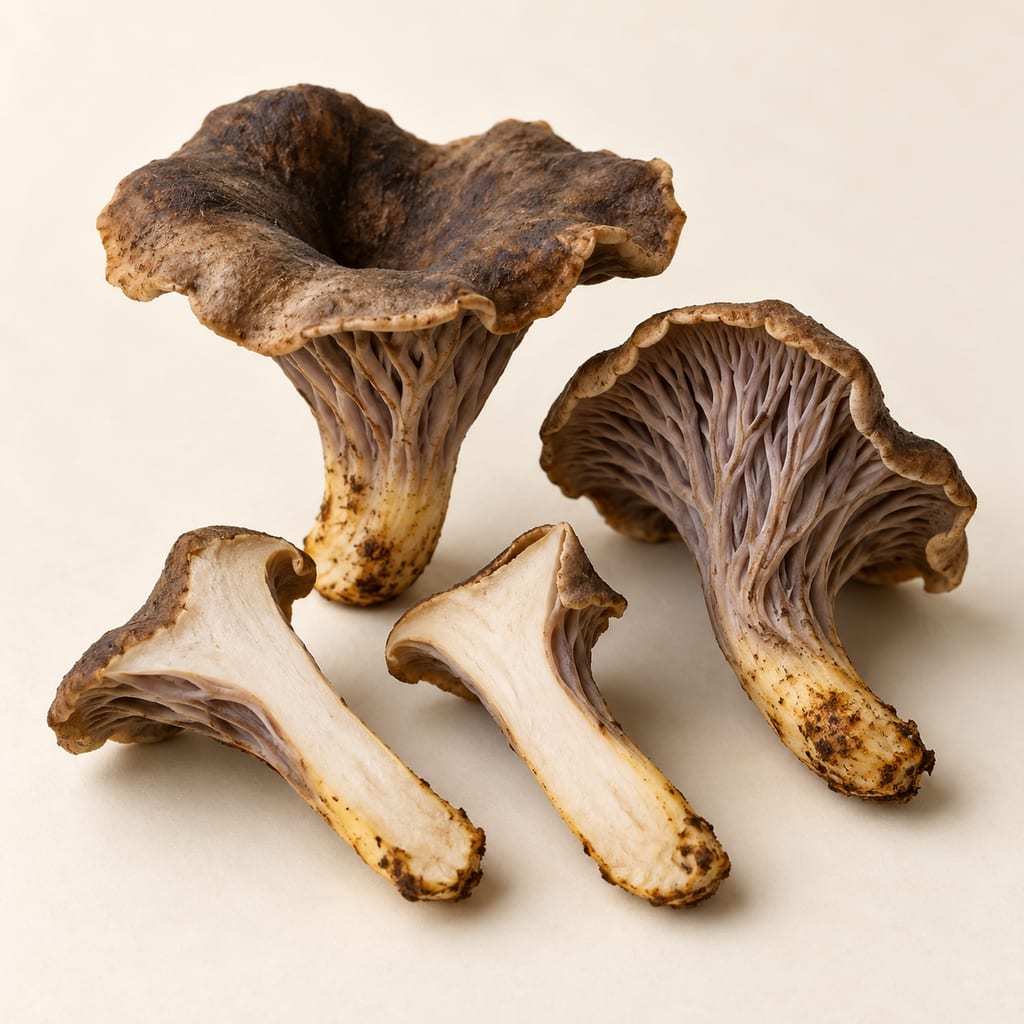
Cantharellus congolensis is an ectomycorrhizal chanterelle of sub-Saharan Africa, eaten in the Democratic Republic of the Congo under local names. Its edibility rests on food-use surveys, not on toxicity tests.
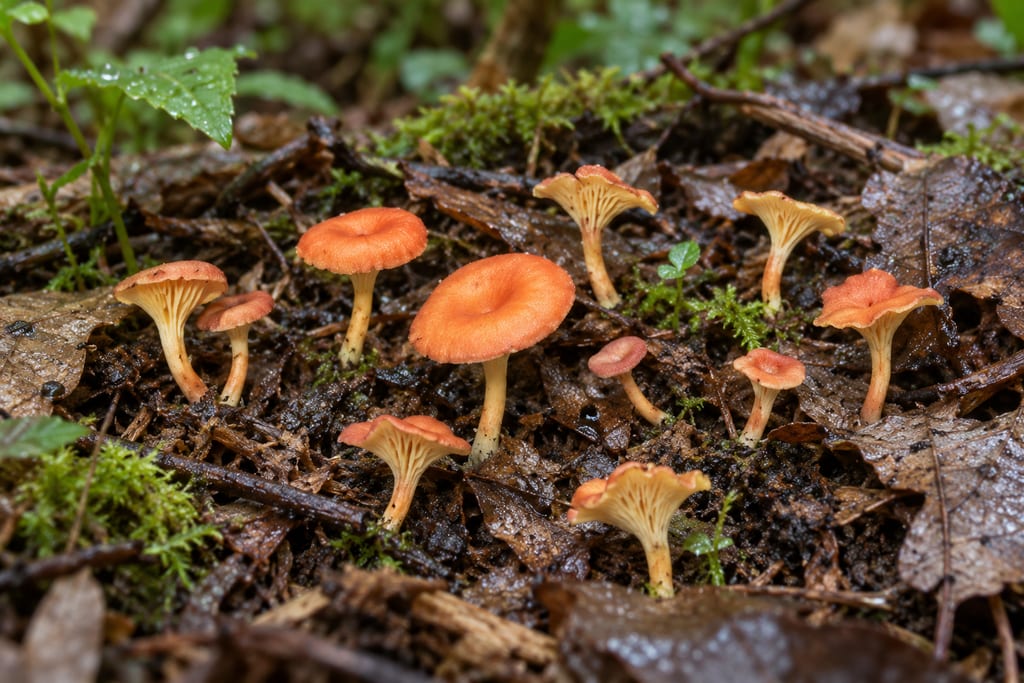
Cantharellus floridulus is an ectomycorrhizal rainforest fungus that informants in Tshopo province, DR Congo, eat in voucher-backed interviews. Its preparation is not recorded, and the source gives no toxicity statement.
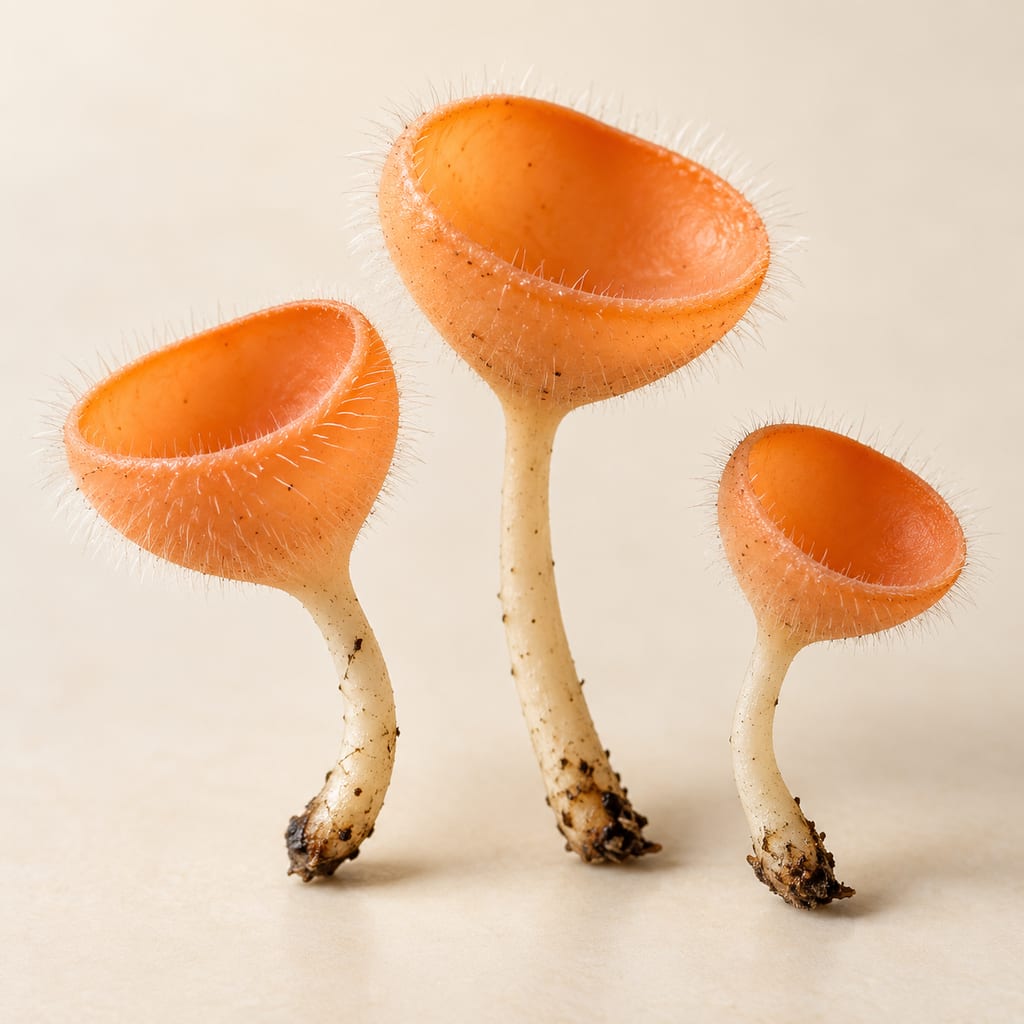
A forest cup fungus of the Tshopo province in the Democratic Republic of the Congo, recorded in local interviews as eaten. The species-level preparation is not established.
No community contributions have been published for this entry yet.
Sign in to contribute. Published comments and photos are free to read.
PubMed CentralFood use · Safety conflict
Supplied ethnomycology source for Tshopo food records (S056)Recorded as locally consumed in Tshopo voucher-backed interviews; preparation not established; regional references list it as inedible (catalogue summary; the article itself was not readable during this session)
Cited in: Food records and the conflict; Safety; What is still unknown
WikipediaTaxonomy · Edibility
Tapinella panuoidesCurrent name Tapinella panuoides; formerly Paxillus panuoides; oyster rollrim
Edibility reported as unknown in a North American description
Cited in: Naming the fungus; Where and how it grows; Food records and the conflict
MycocharentesHabitat · Identification
Tapinella panuoides (French field sheet)Grows on rotting conifer wood; very rare on hardwoods
Confusion with Tapinella corrugata and Phyllotopsis nidulans (young specimens)
Cited in: Naming the fungus; Where and how it grows