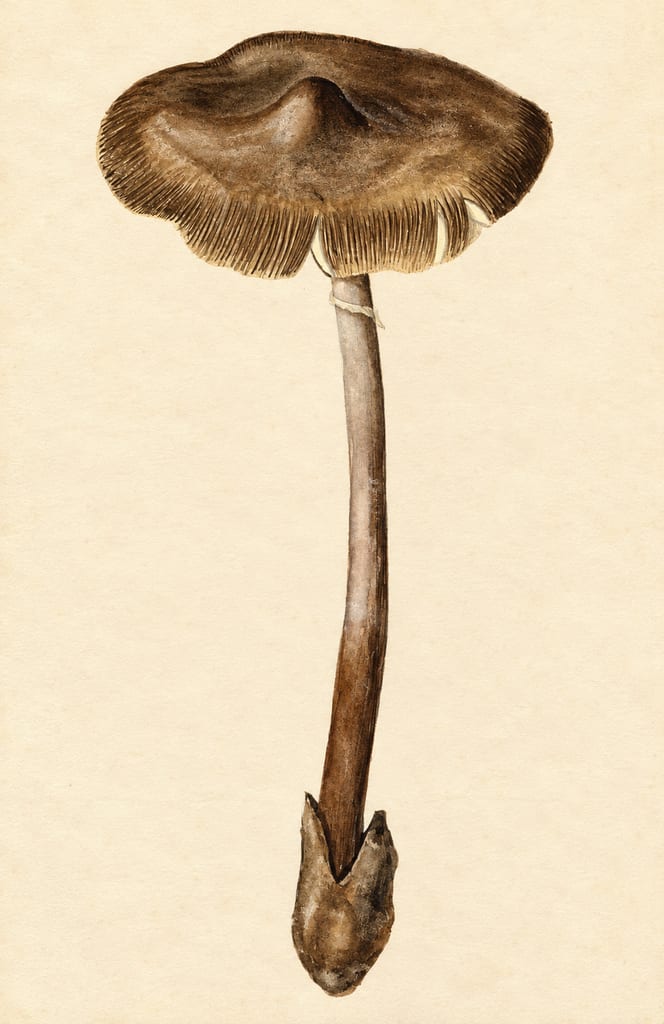
Amanita annulatovaginata
A wild ectomycorrhizal Amanita of the Congo rainforest, recorded as locally consumed in Tshopo province. Its preparation was not established, and the genus includes deadly species.
 FermenteaWhere food goes to change
Mushrooms
Armillaria heimii is a saprotrophic fungus of the honey-fungus genus, recorded as a wild food in Tshopo province, DR Congo. Its preparation and safety are not established in the sources.
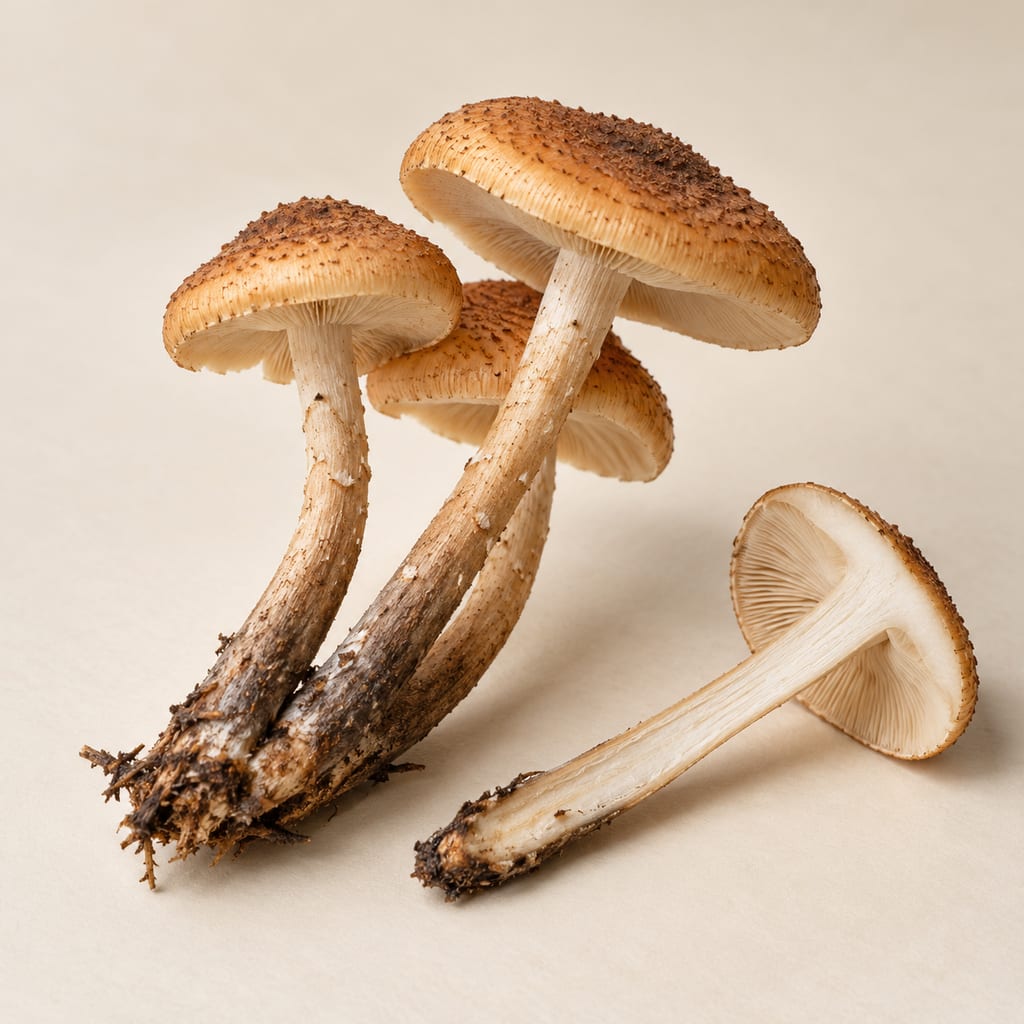
Armillaria heimii is a species of the honey-fungus genus Armillaria, named by Pegler. The catalogue records no common name for it. The catalogue treats the name as a research label, and this page does not validate it against the current taxonomic authorities.
The species is a saprotroph, which means it feeds on dead wood and plant matter rather than on living tree roots in the record used here. The catalogue records its ecology as forest saprotroph and its supply as wild.
The Tshopo study lists Armillaria heimii among the edible fungi that local people in the Yangambi and Yoko reserve areas consume. The study records the species in its food list with herbarium vouchers and cites three earlier or related sources for the record. The catalogue describes this as a voucher-backed local food record. The species-specific preparation is not established in the catalogue, and none is stated here.
The same study found that people in the area use fewer edible fungi than the forest provides, and that their main interest is in saprotrophic fungi from degraded mixed forest.
The catalogue states that this is an ethnomycological food-use record and not an independent toxicological assessment. Inclusion in the catalogue does not establish identity, edibility or a safe preparation. The species is not an identification and this page gives no edibility verdict for wild specimens. A specialist should confirm the identity from the herbarium vouchers before any use.
The sources do not give the parts used, the preparation, the storage, or the amount eaten. The sources also do not say how this record compares with other Armillaria species in the region.
Locally consumed in interviews around the Yangambi and Yoko reserves; a food-use record from one ethnomycological study.
A wild ectomycorrhizal Amanita of the Congo rainforest, recorded as locally consumed in Tshopo province. Its preparation was not established, and the genus includes deadly species.
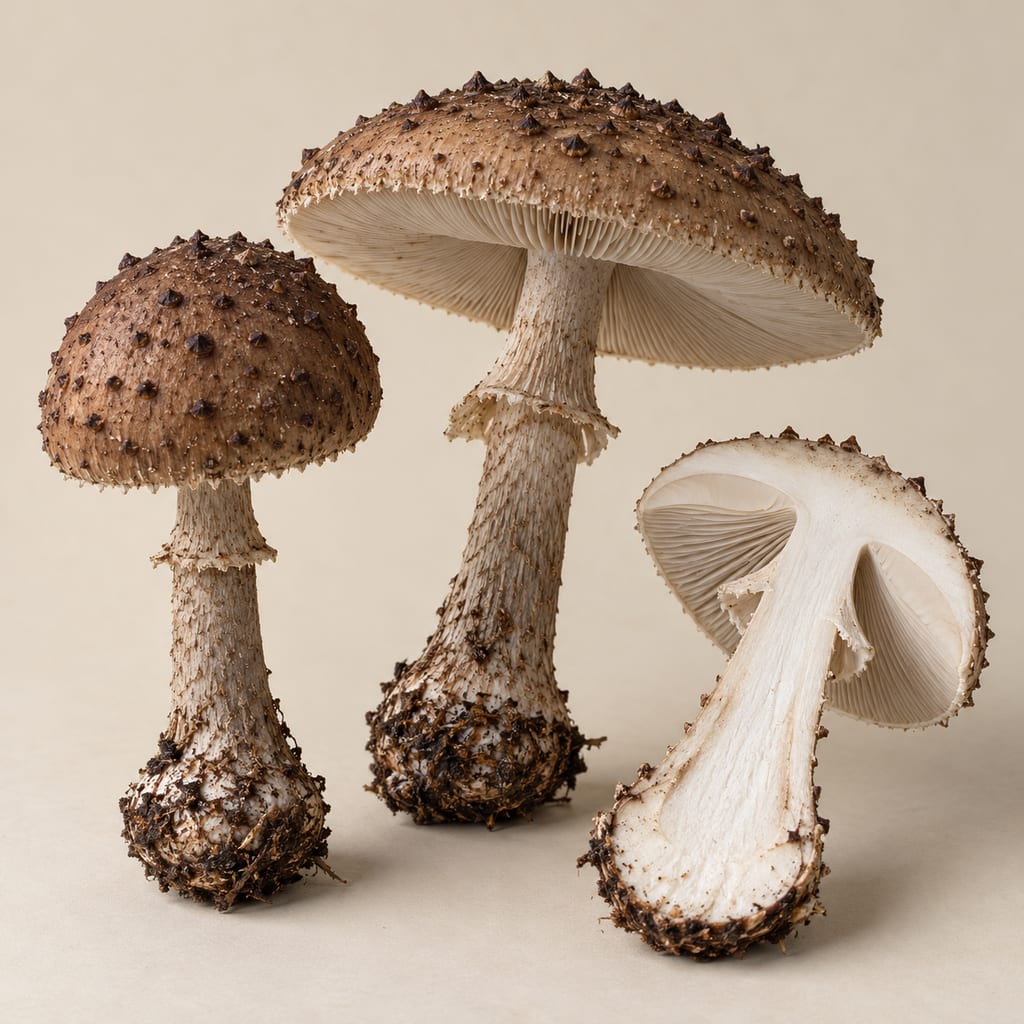
A wild ectomycorrhizal Amanita of the Congo rainforest, recorded as locally consumed in Tshopo province. Its preparation was not established, and the genus includes deadly species.
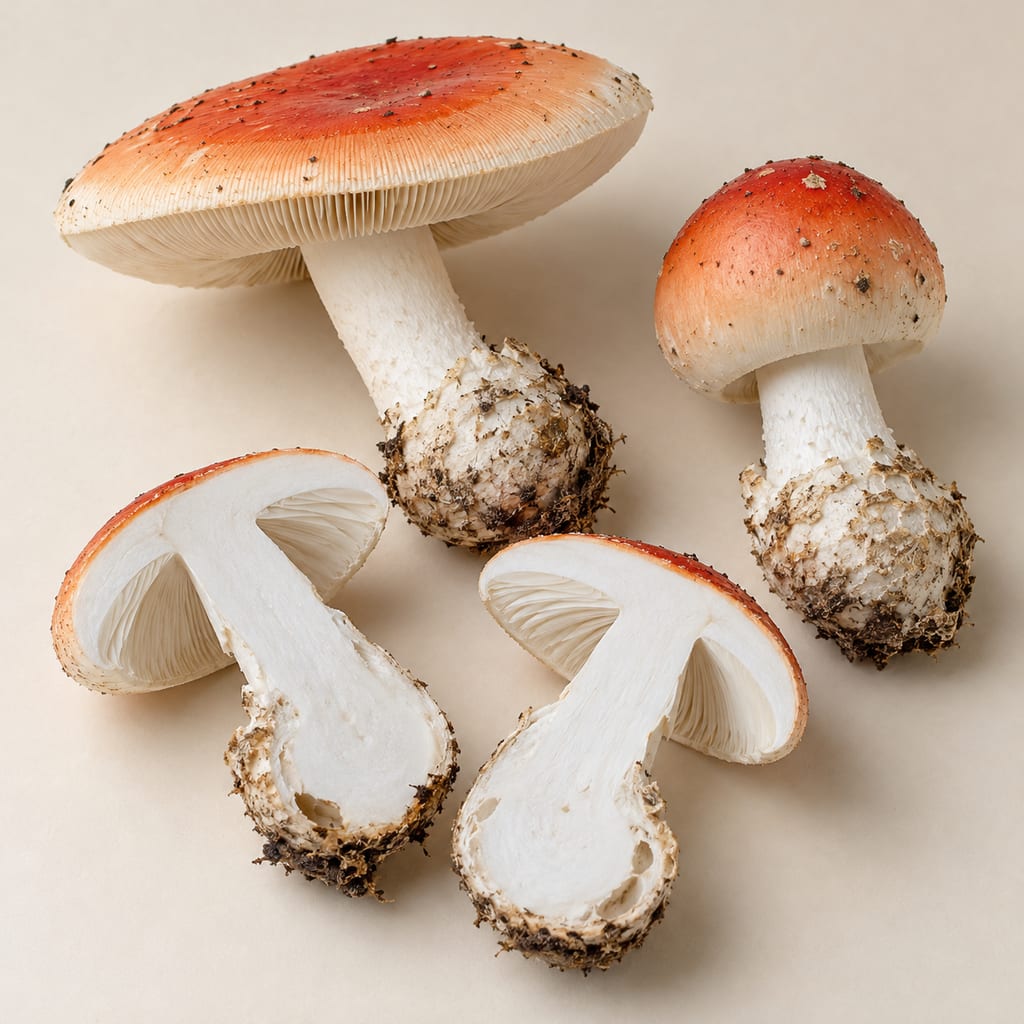
Amanita robusta Beeli is a poorly documented Central African Amanita known from voucher-backed rainforest collections in the Democratic Republic of the Congo and Cameroon. A Tshopo study reports local food use for a taxonomically supported voucher, but neither that record nor the name makes an unknown Amanita safe to identify or eat.
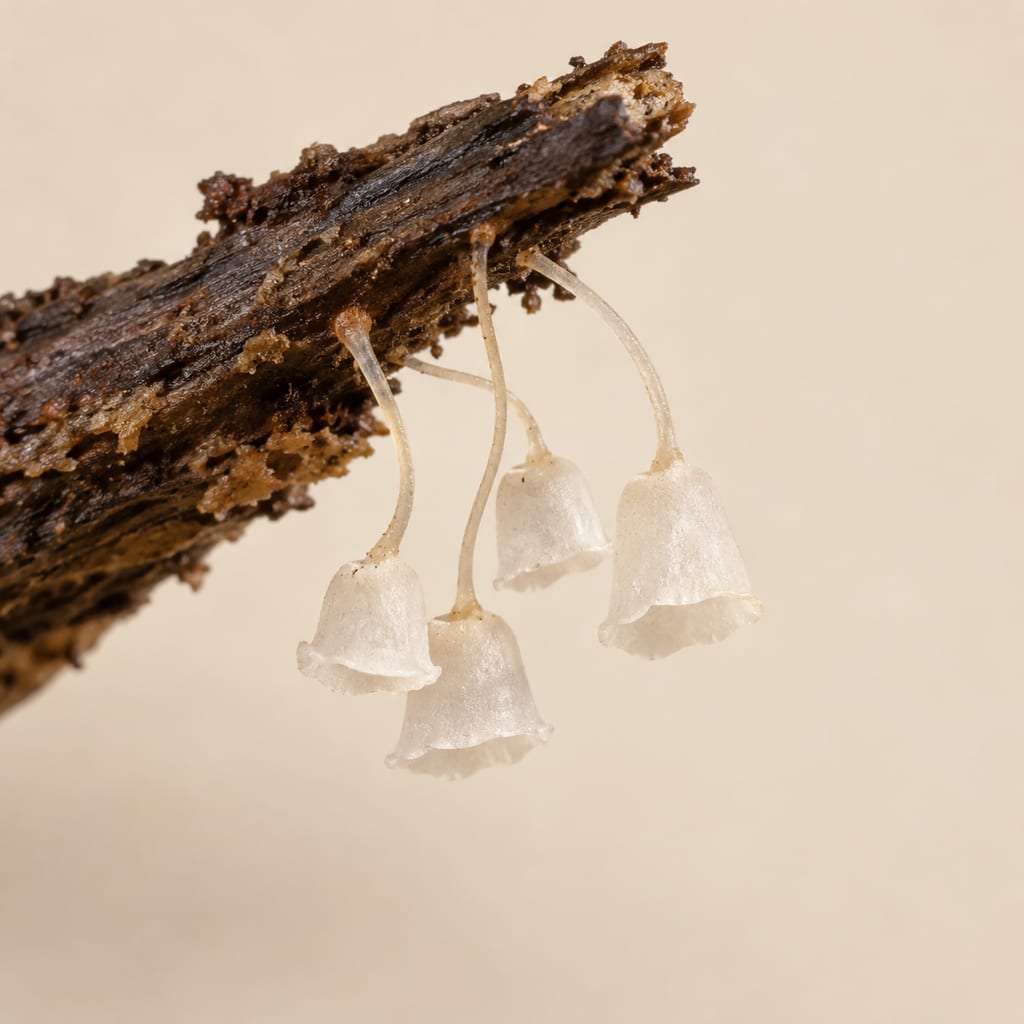
Calyptella longipes is a wood and litter decaying fungus of the rainforests of Tshopo province, DR Congo, where some ethnic groups in voucher-backed interviews eat it. Its preparation was not recorded.
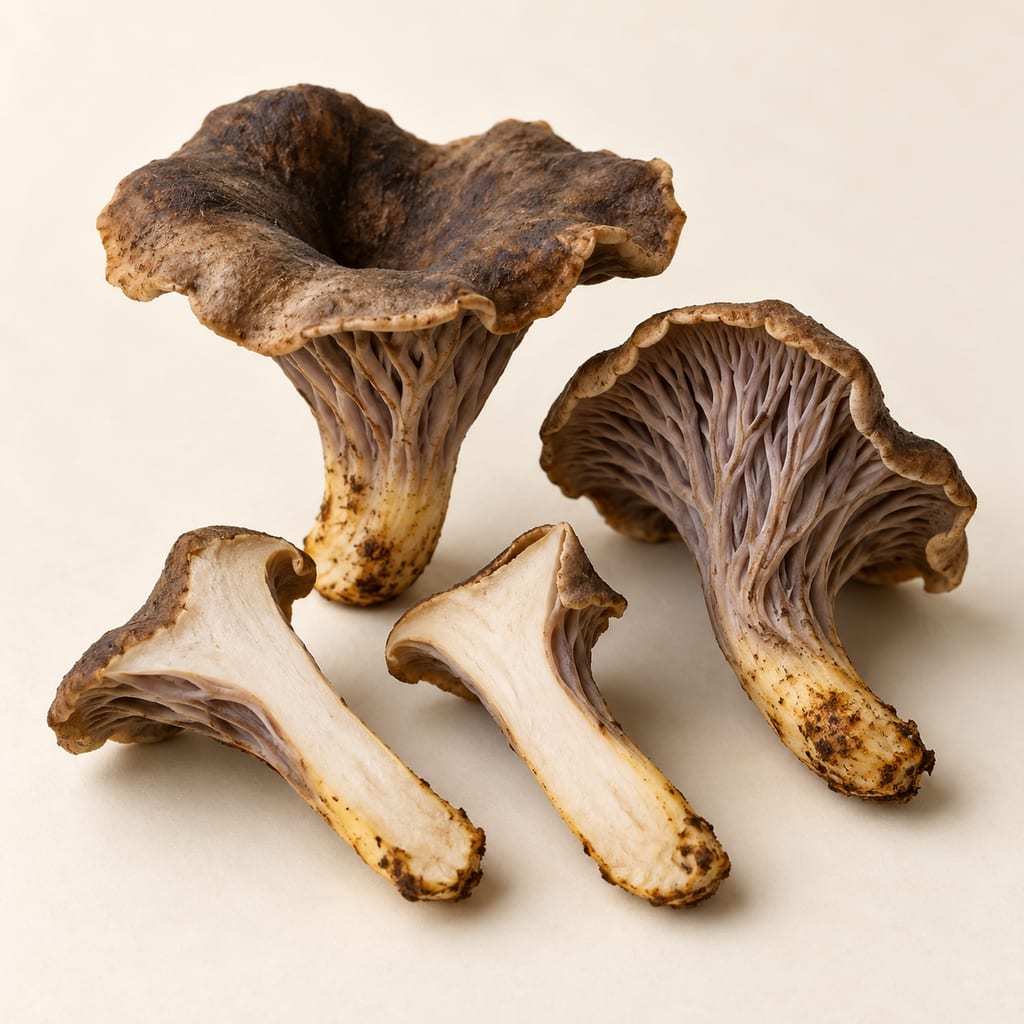
Cantharellus congolensis is an ectomycorrhizal chanterelle of sub-Saharan Africa, eaten in the Democratic Republic of the Congo under local names. Its edibility rests on food-use surveys, not on toxicity tests.
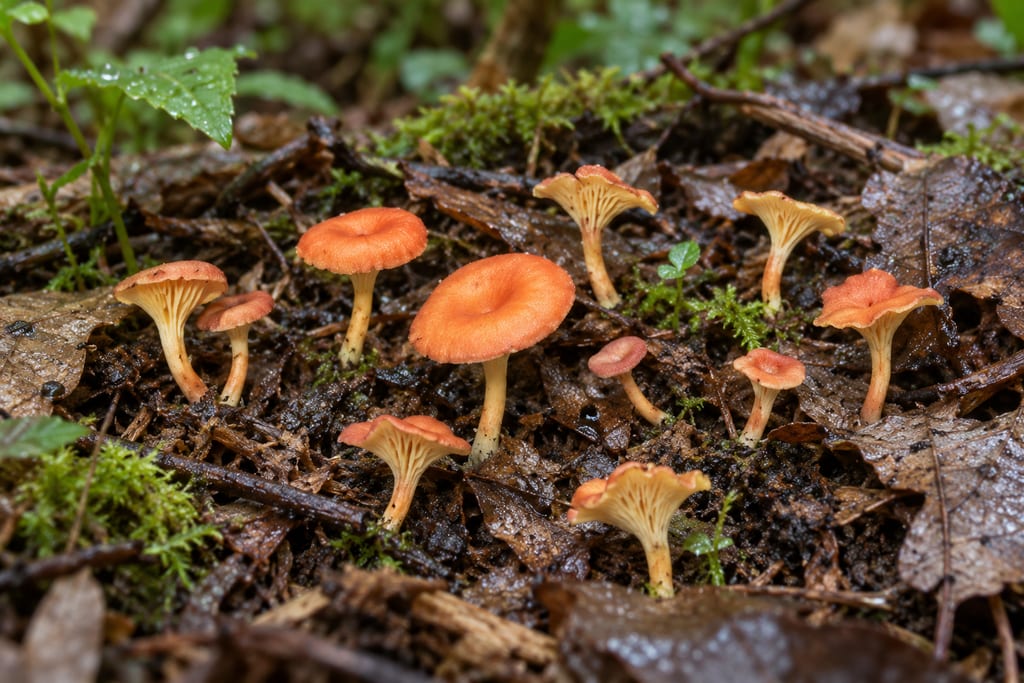
Cantharellus floridulus is an ectomycorrhizal rainforest fungus that informants in Tshopo province, DR Congo, eat in voucher-backed interviews. Its preparation is not recorded, and the source gives no toxicity statement.
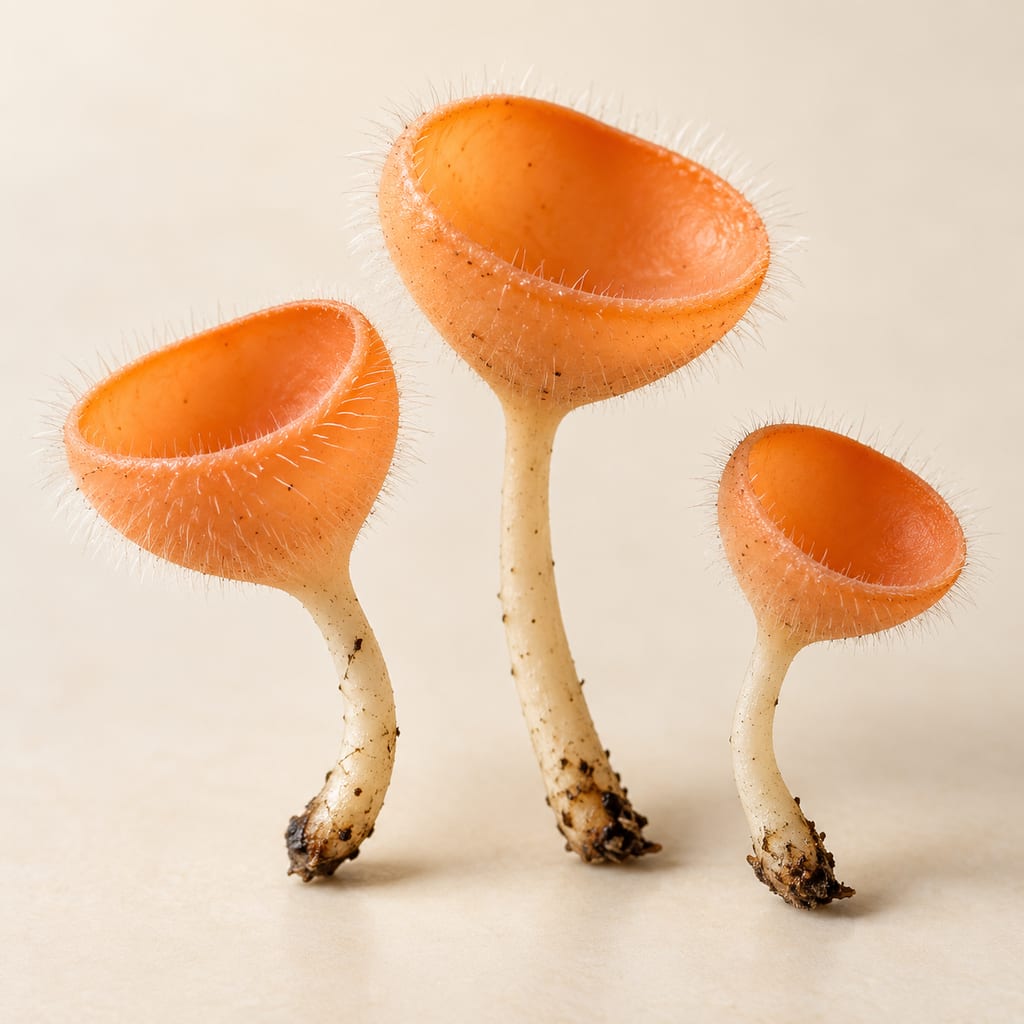
A forest cup fungus of the Tshopo province in the Democratic Republic of the Congo, recorded in local interviews as eaten. The species-level preparation is not established.
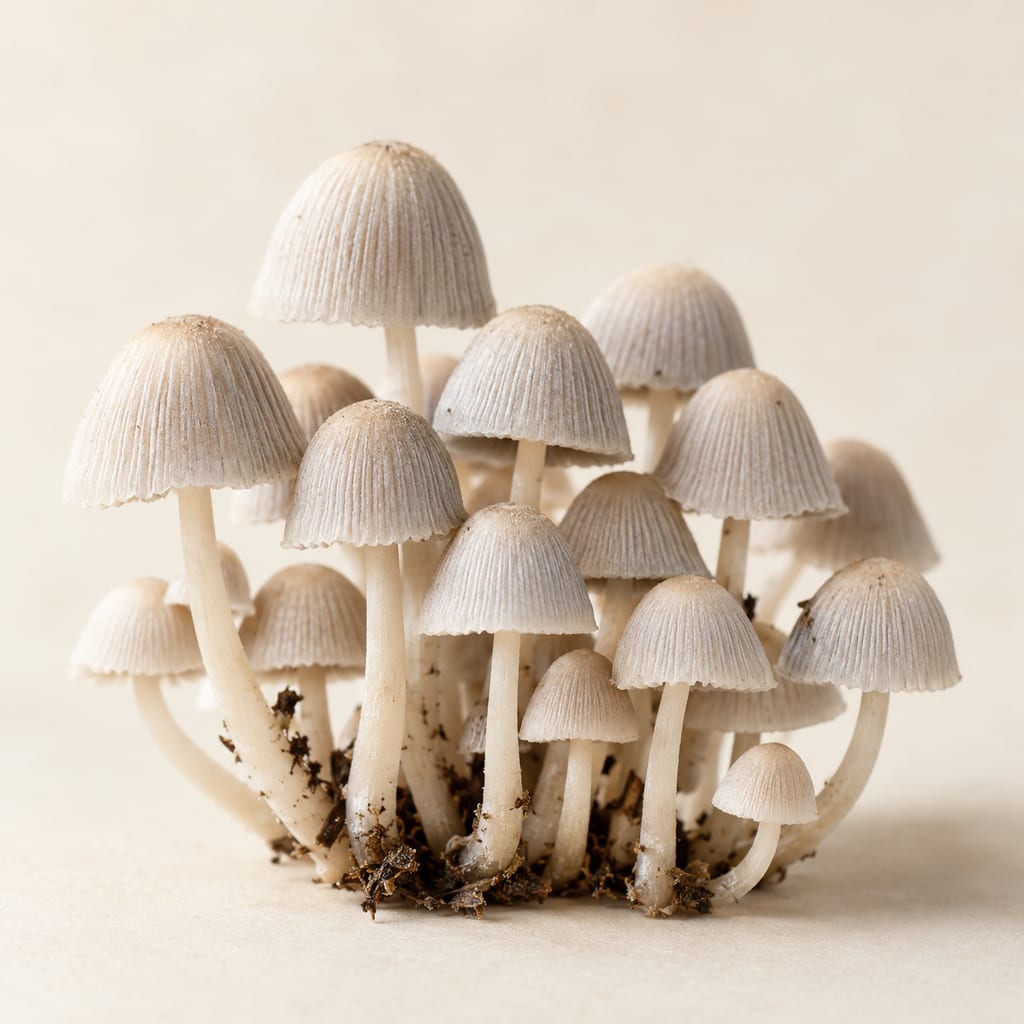
Coprinellus disseminatus is a small saprotrophic inky-cap mushroom that grows in clusters on wood and debris. A Congolese food-use record and a Colombian catalogue entry both call it edible, but neither describes its preparation.
No community contributions have been published for this entry yet.
Sign in to contribute. Published comments and photos are free to read.
Journal of Ethnobiology and Ethnomedicine (via PubMed Central)Food · Ecology · Identification
Wild edible ectomycorrhizal fungi: an underutilized food resource from the rainforests of Tshopo province (Democratic Republic of the Congo)Armillaria heimii Pegler is listed among the food fungi of the Tshopo study, classed as saprotrophic, with herbarium vouchers cited (ADK5230, MKH046)
The interviews covered 160 informants from six ethnic communities; local interest is mainly in saprotrophic fungi from degraded mixed forests
Cited in: What the mushroom is; Ecology; Food use as recorded; Identification and safety; Open questions