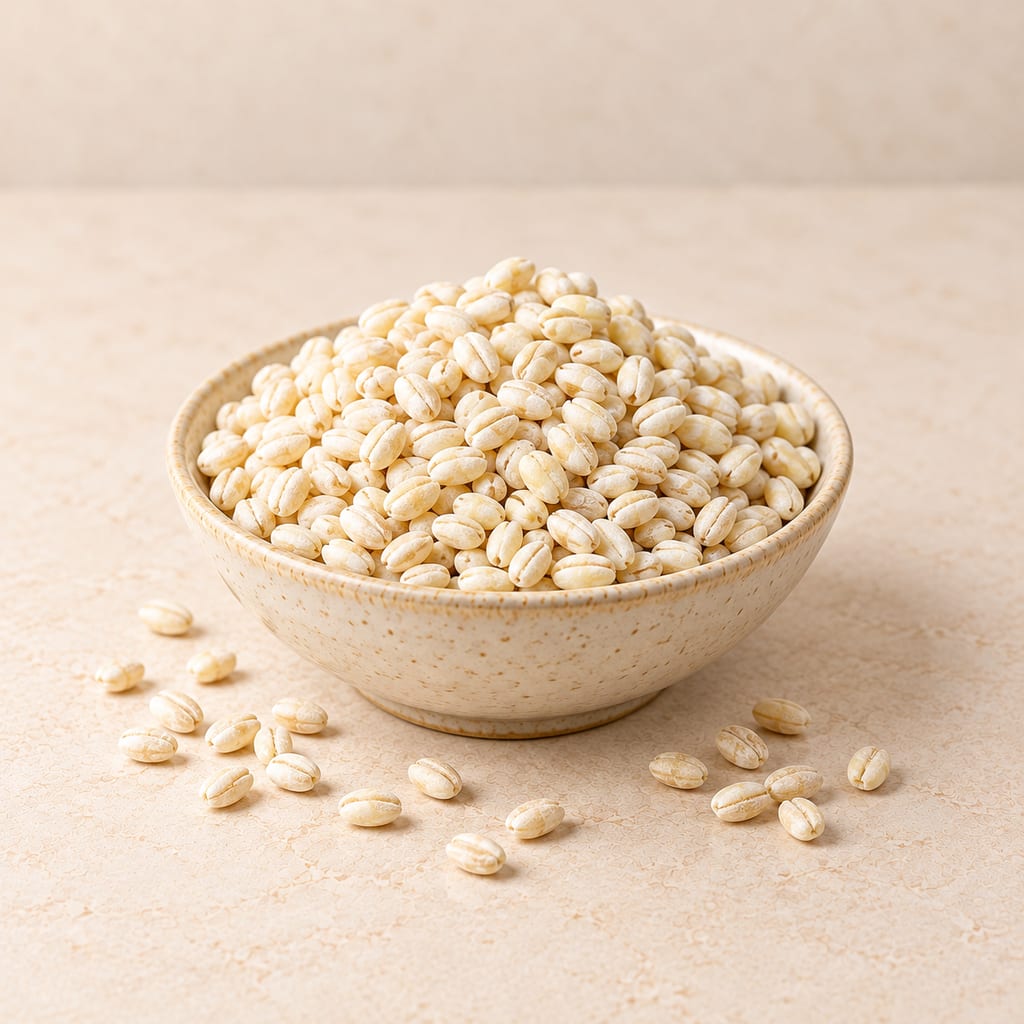
Barley
Barley is a hardy cereal, domesticated in the Middle East over 10,000 years ago, eaten whole, pearled or milled, malted for brewing, and grown with koji mold for barley miso.
 FermenteaWhere food goes to change
Substrates
Fusarium venenatum is the filamentous fungus grown in large fermenters to make mycoprotein, the edible mycelium behind Quorn, using glucose as feedstock in a continuous process.
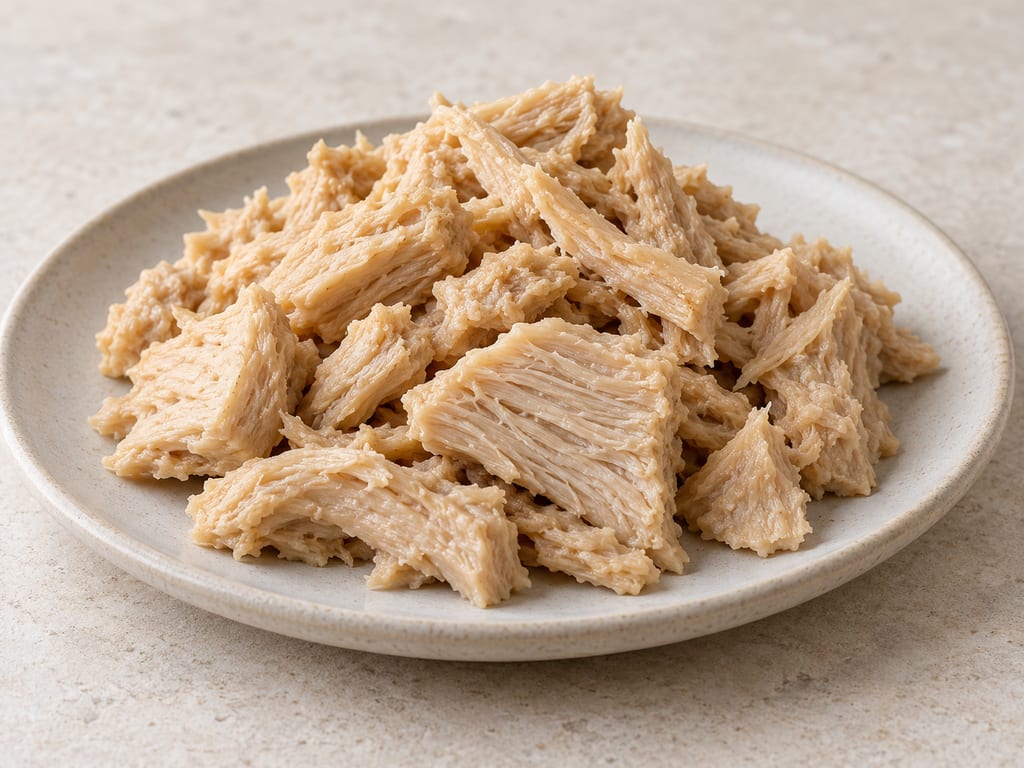
Fusarium venenatum is a filamentous fungus that grows as a fine, branching mycelium. The food ingredient is not the fungus as found in nature but mycoprotein, the edible biomass harvested from a controlled fermentation of the strain A3/5. Its strain name was once given as F. graminearum A3/5, which shows why the species name alone does not identify a production organism.
As a food, the biomass is a fibrous, meat-like protein. Its texture depends on the mycelium, and the production process is designed to keep the hyphae intact.
Rank Hovis McDougall set out in 1964 to develop a food from starch, and its screening programme selected the fungus. The first production used starch-based feedstock, which was a cereal-processing by-product. The Marlow Foods process later used glucose.
The fermenters came from earlier industrial work. The first production vessel, of about 40 cubic metres, was originally built by ICI to grow a bacterium for animal feed. Later plants were much larger, at about 155 cubic metres each.
Production runs as a continuous flow culture in an air-lift fermenter. The culture is run as a glucose-stat at a dilution rate of about 0.17 to 0.20 per hour, which keeps glucose in excess. Nitrogen is supplied as ammonia. Continuous culture gives much higher productivity than a batch process, which is why the process was built this way.
Highly branched colonial mutants arise during long runs and change the texture, making the product more friable. Fermentations are therefore usually ended within about 1000 hours of starting continuous flow.
Some Fusarium species produce mycotoxins under nitrogen limitation, and certain F. venenatum strains, including the production strain A3/5/3, have done so under severe nitrogen limitation. The production conditions contain excess nutrients, and tests every 24 hours, sensitive to two parts per billion, have been negative. Producers and regulators rely on those tests rather than on the species name.
The safety of the mycoprotein product depends on the strain and on the production controls, not on the species alone. This page does not give a general safety verdict for the fungus outside the production process.
The sources differ on where the original soil isolate was found, and the page does not give a year for the isolation. The protein-yield comparisons and carbon footprint figures found in secondary material were not checked against primary studies and are not used here.
Production history of the Quorn process; the sources differ on where the original soil isolate was found, so no isolation place is given here.
Barley is a hardy cereal, domesticated in the Middle East over 10,000 years ago, eaten whole, pearled or milled, malted for brewing, and grown with koji mold for barley miso.
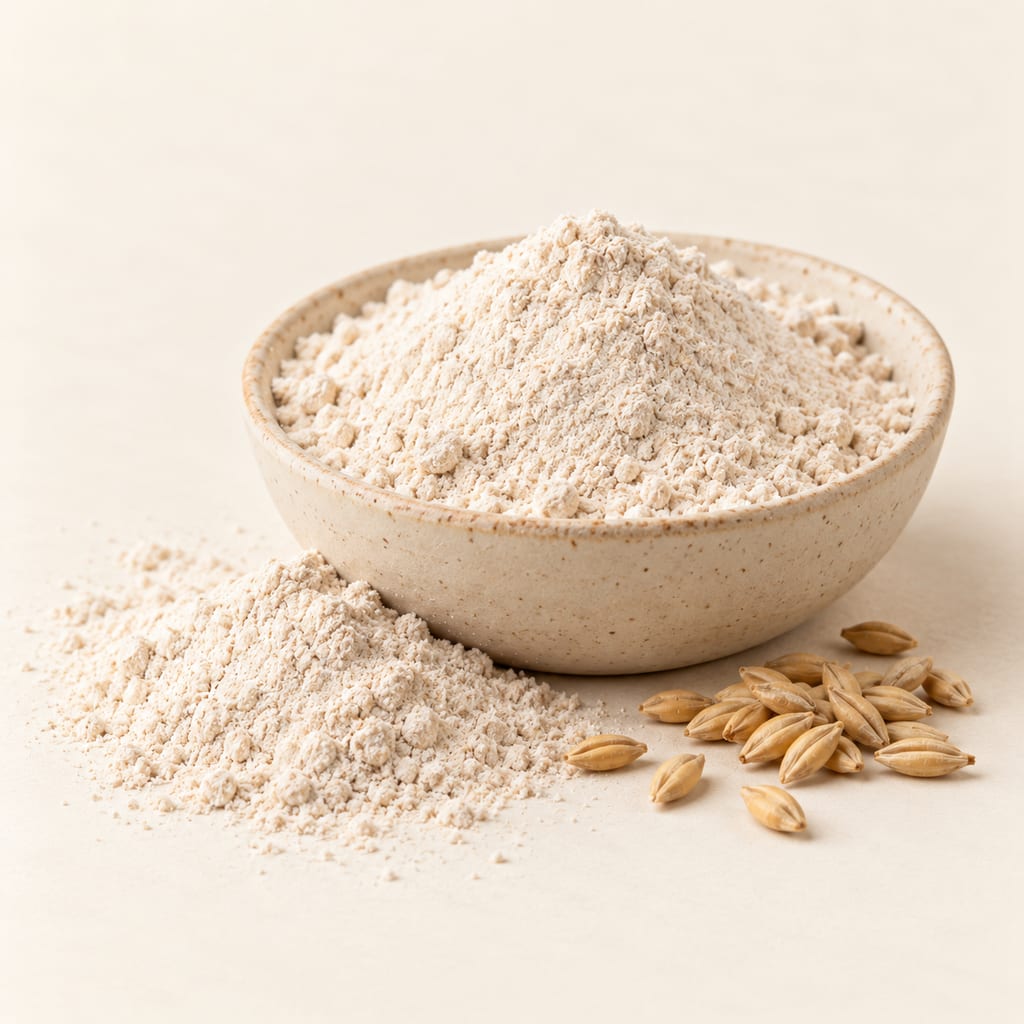
Barley flour is ground barley grain; whether it comes from pearled or hulless kernels, its milling and limited wheat-like gluten-forming ability shape the doughs and foods it can make.
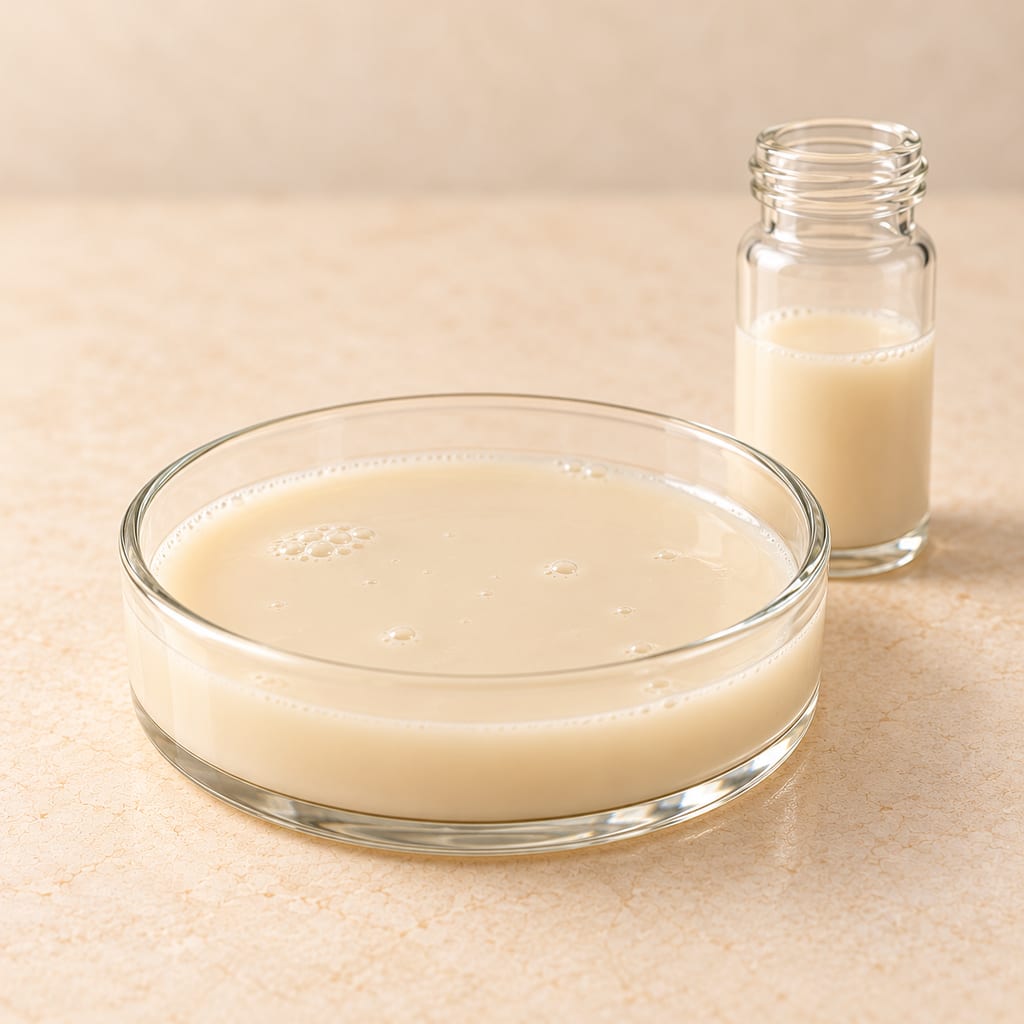
Brewer’s yeast is a working name for living cultures selected for brewing, not one strain or always one species. Ale and lager cultures differ, and older household books may use the term for foam or sediment from brewery beer.
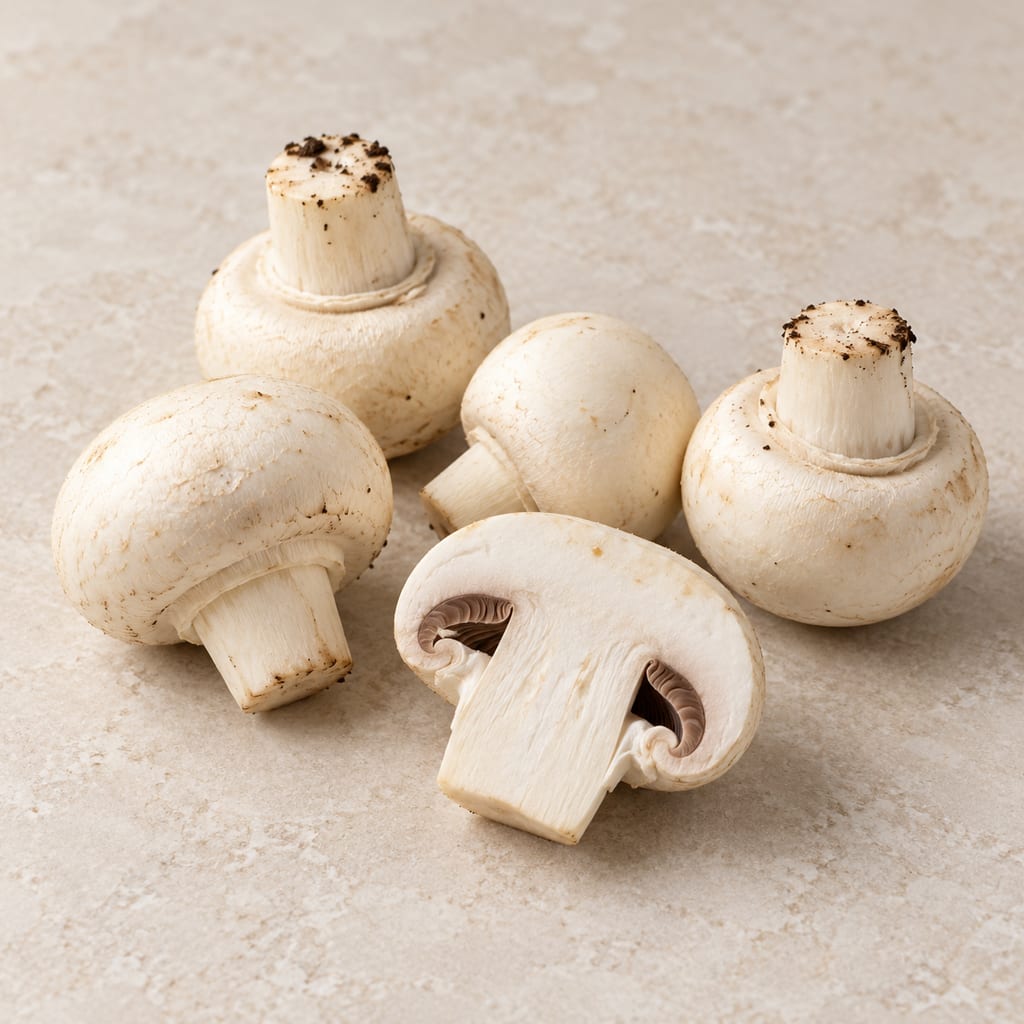
A cultivated form of Agaricus bisporus sold young as a button and at more mature stages as cremini or portobello, used fresh or preserved in everyday cooking.
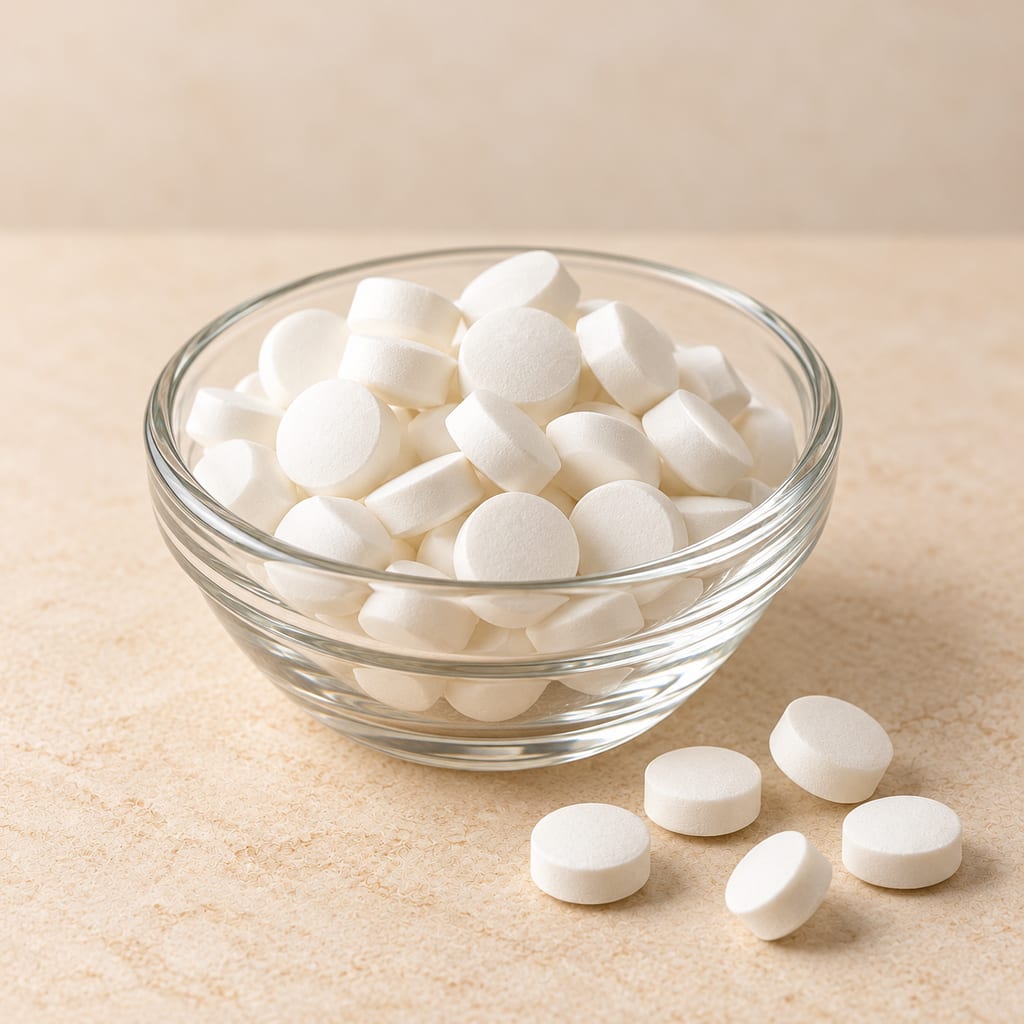
Campden tablets portion a metabisulfite salt for particular wine, cider or other fermentation uses. Tablet strength and the resulting free sulfur dioxide depend on the product and liquid.
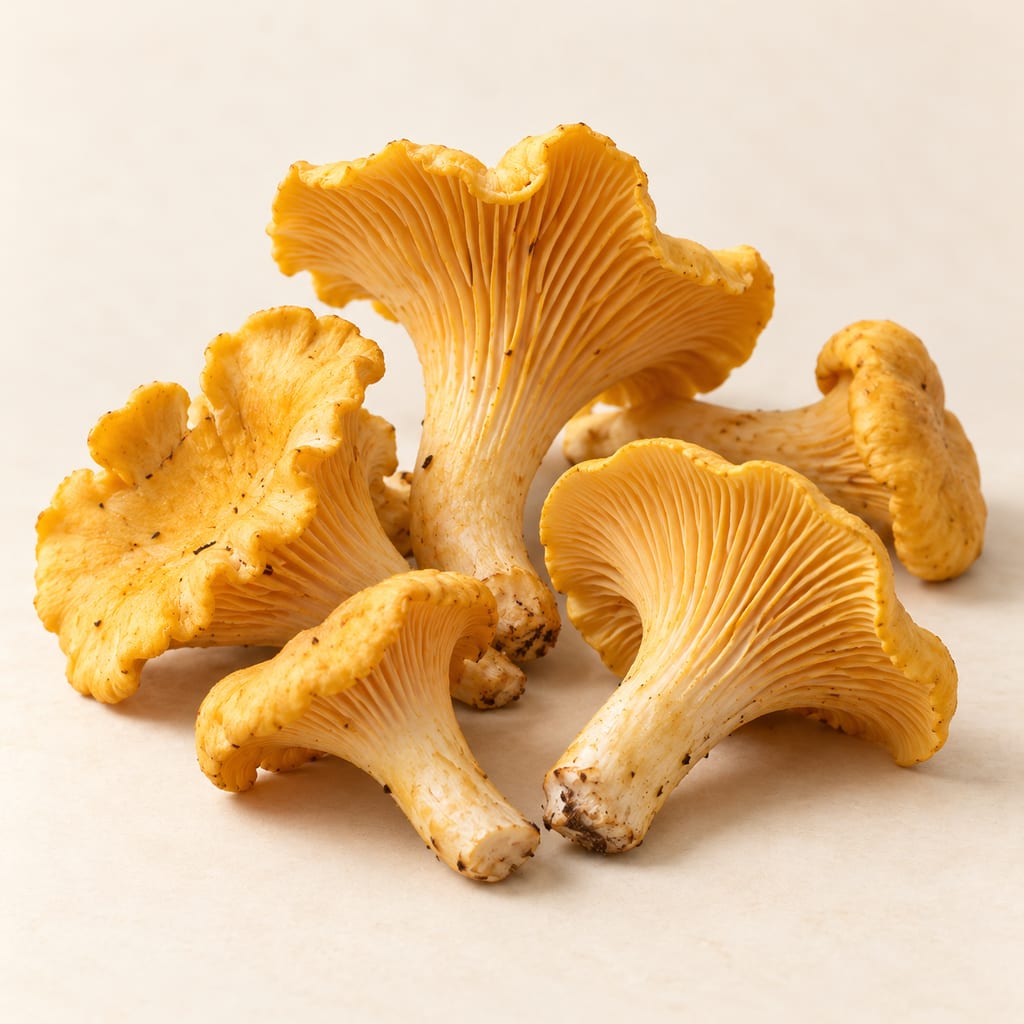
Chanterelles are wild, tree-associated edible mushrooms, particularly the European golden chanterelle Cantharellus cibarius, prized for their firm flesh, fruity aroma and use fresh, frozen, dried or pickled.
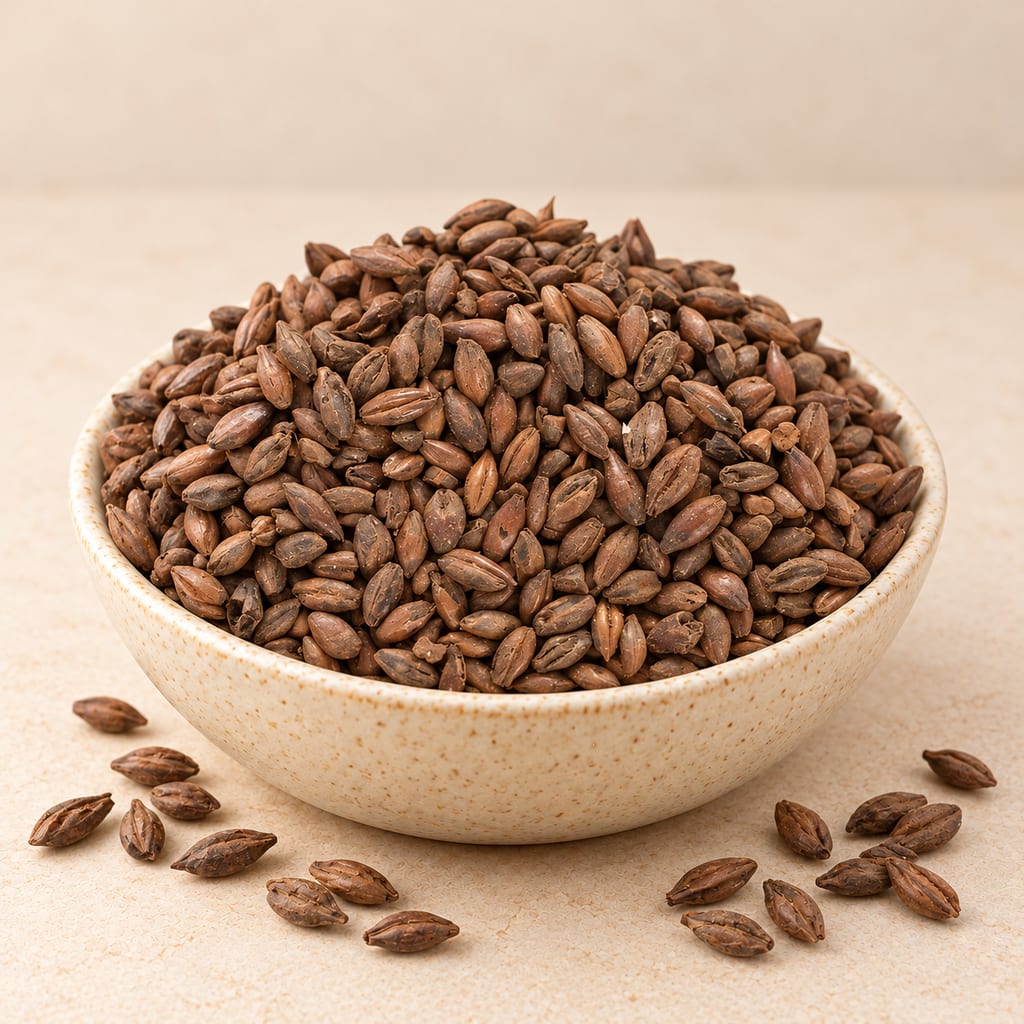
Chocolate malt is barley that has been malted and then roasted to a dark brown, used in porters, stouts and brown ales for colour and a bitter-cocoa, roasted-coffee flavour. It contains no cocoa.
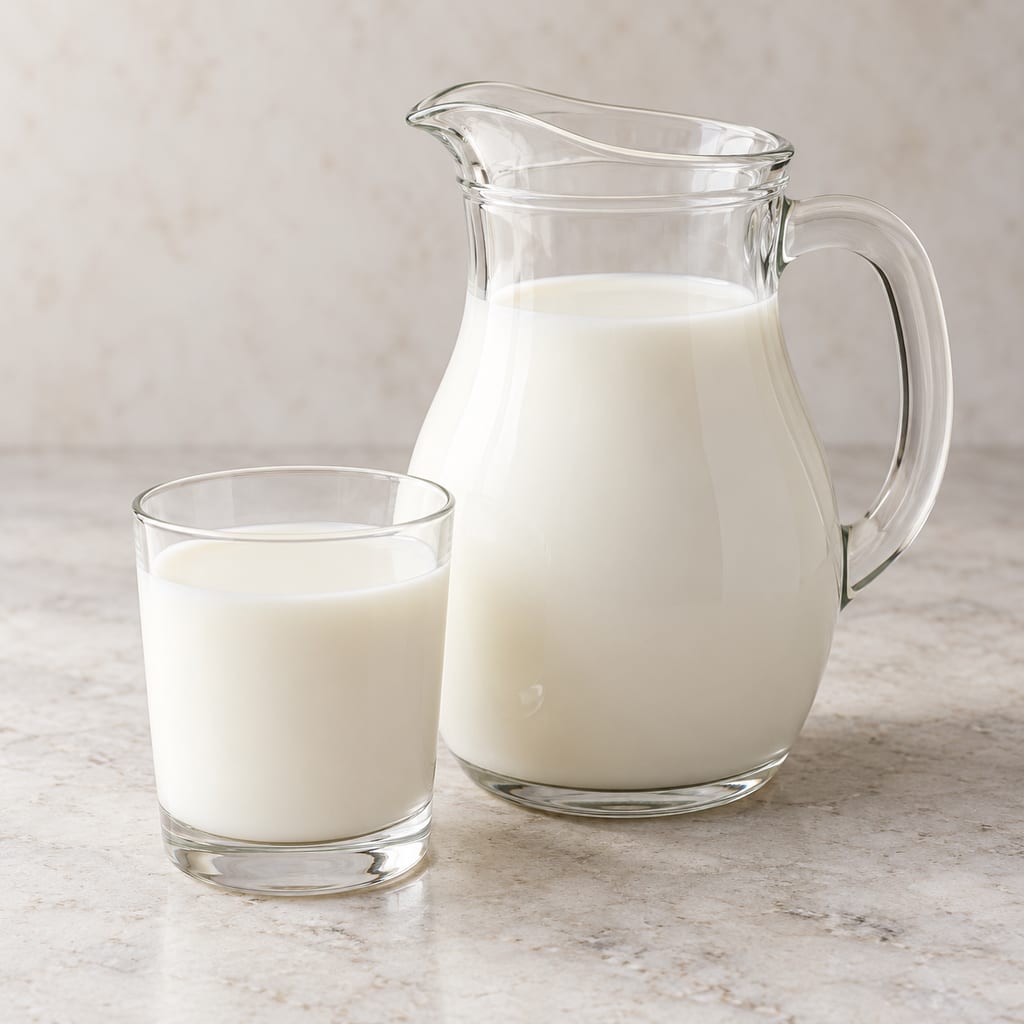
Cow milk and water-buffalo milk are distinct dairy substrates whose fat, protein and mineral balance affects cheese; this ingredient name preserves a choice rather than defining a blend.

A Cap-Pelé boucanière is an Acadian herring-smoking building. The documented Willie Niles example is a one-storey wood-frame structure with a ridge smoke vent and interior bays for hanging fish-bearing cannes.

Achcharu is a family of Sri Lankan vinegar pickles made with mixed vegetables or seasonal fruit and a piquant spice dressing. This version is a quick, refrigerated, non-fermented mixed-vegetable pickle.

The acocote is a long, hollowed and dried gourd used to draw aguamiel from a mature maguey. It is a harvesting tool: the sap is transferred to a separate vessel before it ferments into pulque.

Adrak murabba preserves young ginger in sugar syrup, a sweet South Asian preparation recorded in Indian cookery and food-processing sources.

Parkia biglobosa seeds are fermented into regional West African seasonings, including nététou, iru, dawadawa and soumbala. The yellow fruit pulp is a separate food, and names and methods vary by place.

Japanese reddish-brown vinegar from sake lees matured about three years, turned to vinegar by acetic bacteria; the vinegar of Handa and Edomae sushi rice.

A refined common-wheat flour blended for a broad range of baking; its protein and behavior vary with wheat, milling and market.

The almond mushroom, Agaricus subrufescens, was cultivated in eastern North America in the 1800s, lost its market, and returned as a cultivated mushroom from Brazil, where it is grown under several names.
No community contributions have been published for this entry yet.
Sign in to contribute. Published comments and photos are free to read.
21st Century Guidebook to Fungi (second edition)History · Method · Safety
17.18 The Quorn fermentation and evolution in fermentersRHM began in 1964; isolate A3/5/3 from stock deposited at the International Mycological Institute in 1969
Continuous air-lift fermentation on glucose feedstock, nitrogen supplied as ammonia, glucose-stat at dilution rate 0.17-0.20 per hour
Certain F. venenatum strains, including A3/5/3, produced mycotoxins under severe nitrogen limitation; production conditions tests negative
Colonial mutants appear after about 107 generations and make the product more friable; fermentations often ended by about 1000 h
Cited in: What the fungus is; Development of the process; How it is grown; Safety and mycotoxins; Notes
Taylor and Francis OnlineIdentity
Supplied catalogue source (Fusarium venenatum)Supplied catalogue source; not independently revalidated