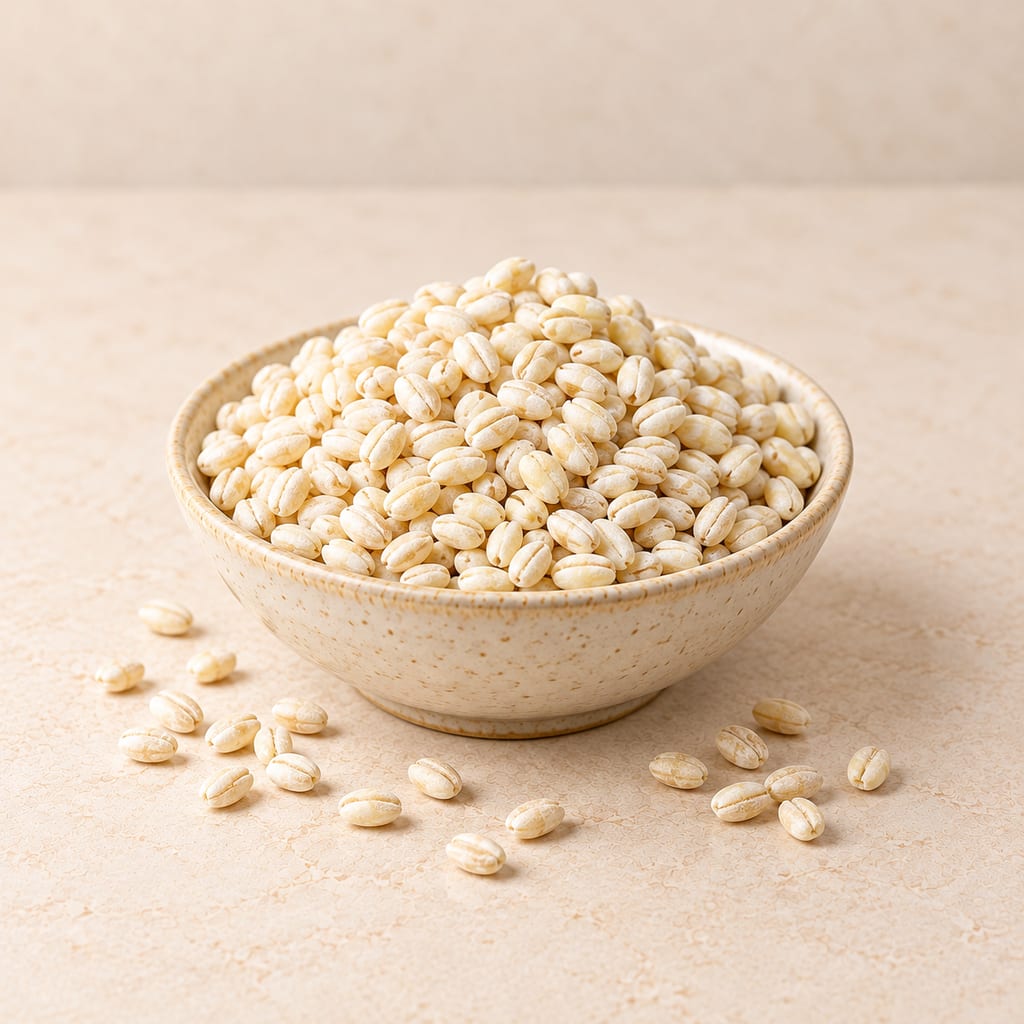
Barley
Barley is a hardy cereal, domesticated in the Middle East over 10,000 years ago, eaten whole, pearled or milled, malted for brewing, and grown with koji mold for barley miso.
 FermenteaWhere food goes to change
Substrates
Rose petals are fragrant floral ingredients used fresh or dried in syrups, jams, jellies, drinks and desserts; culinary use depends on correct identification and food-safe growing.
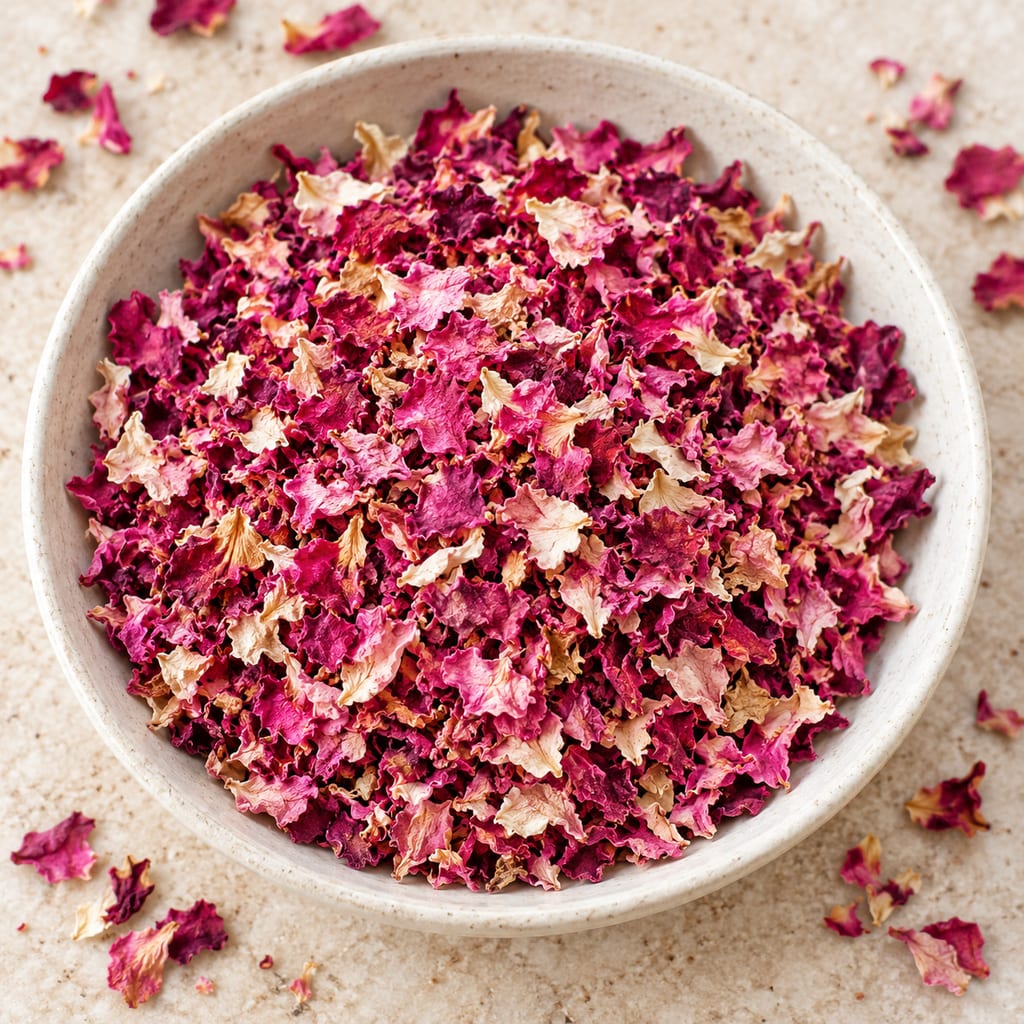
Rose petals are the detachable floral parts of roses in the genus Rosa. This page uses the broad name because rose-petal foods draw on more than one species and cultivar. Iowa State Extension names rugosa rose (Rosa rugosa), Damask rose (Rosa × damascena) and gallica rose (Rosa gallica) among the roses with especially good-tasting petals. Colorado State Extension lists rose as Rosa spp. in its edible-flower guide. Those sources support petals from identified culinary roses; they do not identify the species used in every rose preserve.
A petal is not a rose hip. The hip is the fruit that develops beneath the flower after it has been pollinated; petals are harvested from the bloom itself. Rose water and rose oil are also different ingredients: they are products of processing the flower, whereas this record is about petals, fresh or dried, used as a botanical ingredient.
The name on a recipe matters. Georgian rose muraba is described simply as a preserve made from rose petals, without a botanical species. A separate Isparta recipe specifies fragrant Damascene petals. That difference should remain visible: Rosa × damascena is a documented culinary example, not a species assignment for every Georgian or other rose-petal preparation.
Fragrance is a useful culinary selection quality in the extension guidance: Iowa State describes rose-petal flavor as slightly sweet and floral, with possible apple, cinnamon or mint notes, and recommends fragrant species or varieties. It also notes that flavor differs among roses. The rose name alone therefore does not promise one uniform aroma or taste.
The white base or heel where a petal joins the flower may taste bitter. Iowa State recommends removing it, and the University of Alaska Fairbanks guide makes the same point for roses. The Isparta rose-jam method likewise trims the white pointed ends. This is a flavor choice documented in these uses, not a safety treatment.
Only the petals are normally used from rose flowers in the cited culinary guidance. Separating them from the flower keeps the ingredient distinct from stems, leaves, anthers, pistils and hips. The colour of petals can range widely, but a striking ornamental bloom by itself says nothing about its flavor, identity or suitability for eating.
Fresh petals are used for aroma, color and a delicate floral taste. Iowa State lists vinegars, vinaigrettes, sauces, salads and desserts; the Alaska Extension guide adds jams, jellies, syrups and ice creams. A flower-petal jelly can also draw its aroma into water: the University of Maine describes steeping dried rose petals, straining them out, then setting the infused liquid with sugar, pectin and lemon juice. Fresh and dried petals are both used, but the example recipe's quantities are specific to its own formulation.
The Isparta rose-jam example gives a clear illustration of how petals contribute. It uses fragrant Damascene petals, lemon juice and sugar; the petal ends are removed, the petals are washed and rubbed with sugar, rested, then simmered with water until the mixture thickens. The petals provide the floral material and aroma, while the finished preparation is a sweet preserve. This is one regional recipe, not a general formula for other flowers or rose species.
Georgian rose muraba is a different documented preparation. Its published method crushes aromatic petals with sugar, rests the mixture refrigerated, then cooks it with a separate sugar syrup and returns the released petal liquid before simmering further. It is cooled, sealed in jars and kept refrigerated. The recipe does not name a rose species. It is useful evidence for the fresh-petal ingredient and one preserve tradition, but its quantities and storage instructions should not be silently combined with the Isparta method.
Dried petals also appear in flower jellies and other recipes. They can be steeped, strained out, or used as an aromatic addition according to the recipe. A dried petal sold for food remains a raw ingredient; the drying itself does not supply a tested preservation process for a finished jam or jelly. Follow the directions and storage conditions of the particular tested preparation rather than transferring them from one rose recipe to another.
Rose-petal preserves are documented in both Georgian and Turkish sources, but the records describe distinct settings and methods. Georgian Recipes presents rose muraba as a Georgian preserve served cold as dessert or used as jam, usually made in May when roses flower. The article was posted in 2014. It provides a contemporary recipe record, not evidence for the first date or botanical identity of rose-petal cooking in Georgia.
The Western Mediterranean food guide associates rose cultivation and rose-petal foods with Isparta, in southwestern Turkey. It reports that rose plants were brought to Isparta from the Kazan region of Bulgaria in the nineteenth century, and describes the area’s cultivation for rose oil. It also presents rose-petal jam with clotted cream as a local breakfast pairing, and a recipe titled Rose Jam made with fragrant Damascene petals. These details establish an Isparta association for that named preparation; they do not establish Isparta as the origin of rose-petal foods generally.
Rose petals also flavor drinks and sweets beyond preserves. The Alaska Extension guide lists syrups, ice cream, salads, jams and jellies; the Western Mediterranean guide discusses rose water in puddings and rose-flavored Turkish delight. These are related uses of the rose flower, but rose water and confectionery made with it are not the same ingredient as detached petals.
Correct identification is essential. Colorado State Extension advises choosing flowers by scientific name because common names can mislead and some plants are poisonous. It also says not to eat flowers from florists, garden centers or nurseries, whose growing treatments may not be suitable for food. The Alaska and Iowa guides warn that ornamental-plant pesticides may not be labeled or safe for edible use. Use only petals from plants positively identified as culinary roses and grown without treatments unsuitable for food; a familiar rose smell or attractive appearance is not proof.
Some people may react to flower pollen or experience sensitivity after eating an unfamiliar flower. Alaska Extension cautions that pollen may trigger reactions for people with asthma, hay fever or other allergies, and recommends trying a new edible flower sparingly. Colorado State likewise recommends introducing new flowers slowly to watch for allergic reactions or stomach upset. This is a practical caution, not a guarantee that a small amount will be safe for every person.
Flower petals are low-acid ingredients. The University of Maine warns that rose-petal jelly needs added lemon juice for safe canning and says room-temperature storage should use a research-based, tested recipe. Its guidance is specifically about flower jellies; it does not validate a generic rose-jam formula. In particular, the Georgian muraba page instructs refrigeration, while the Isparta recipe prints a cool, dry storage instruction without establishing a tested canning process. Neither should be treated as proof that an arbitrary jar is shelf-stable. The sources here do not establish a universal rose-petal canning method or a safe storage time for every preserve.
Flower pollen may trigger reactions in people with asthma, hay fever or other allergies; people trying edible flowers for the first time should begin sparingly.
The source documents one rose-muraba preparation in Georgia but does not name the rose species or claim the origin of rose-petal foods.
The regional guide documents rose cultivation and rose-petal jam use in Isparta; this is not a claim that the ingredient or preparation originated there.
Barley is a hardy cereal, domesticated in the Middle East over 10,000 years ago, eaten whole, pearled or milled, malted for brewing, and grown with koji mold for barley miso.
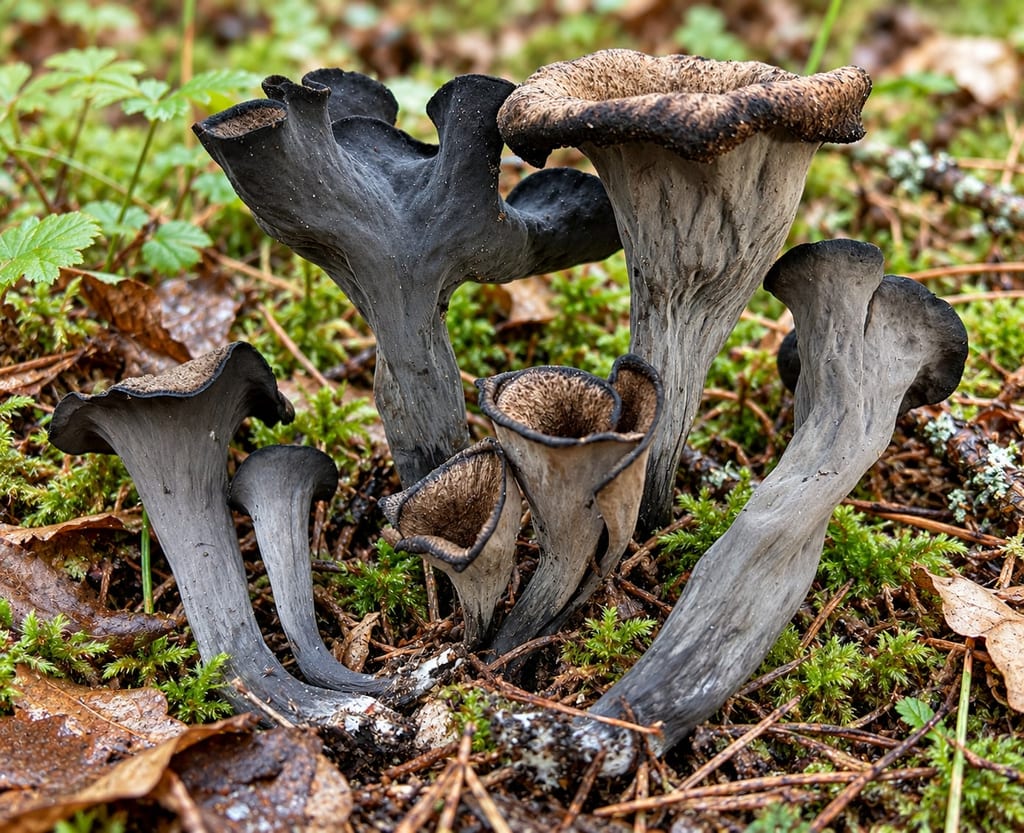
Black trumpet, or horn of plenty, is Craterellus cornucopioides, a dark hollow woodland mushroom used in cooked dishes and dried seasonings, with regional identity and range limits.
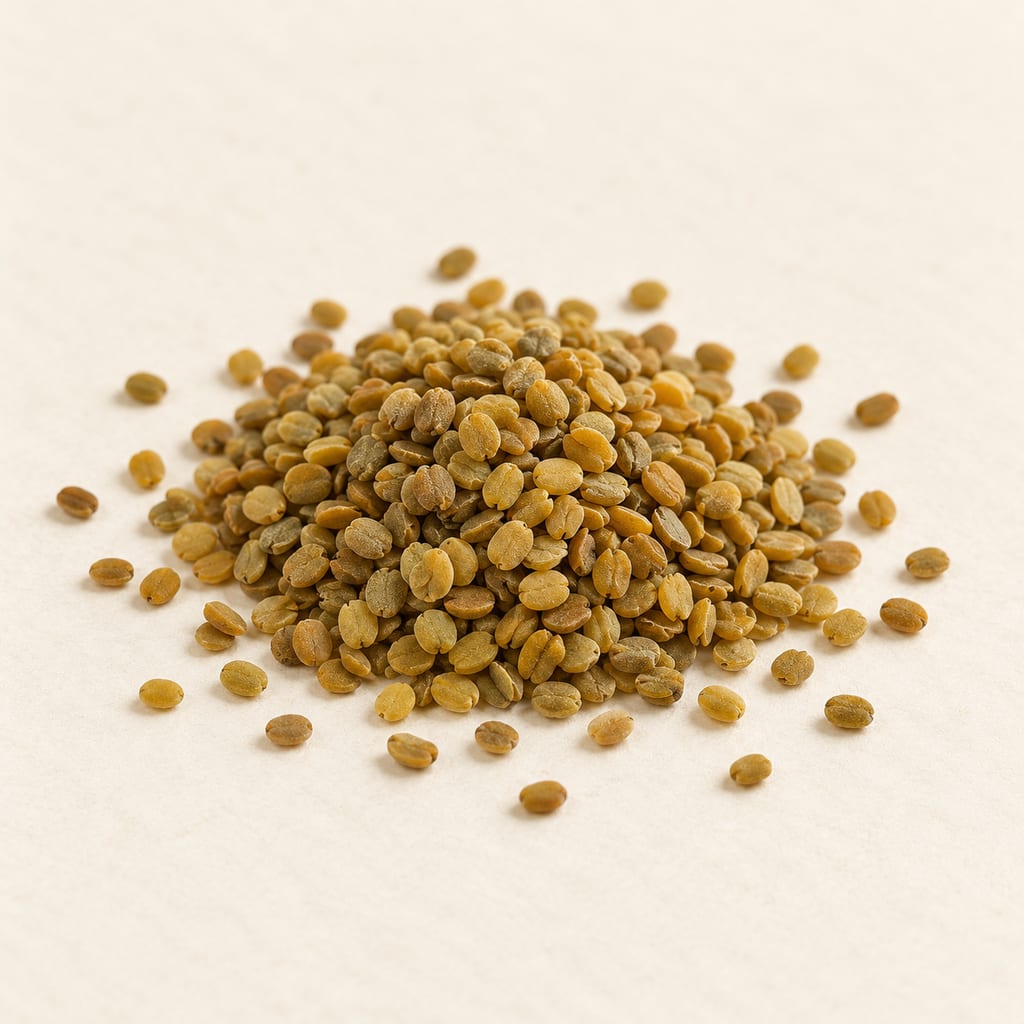
Blue fenugreek (Trigonella caerulea) is an aromatic annual used as an herb in Alpine cheese and bread and as a seed spice in Georgian cooking; its identity differs from common fenugreek.
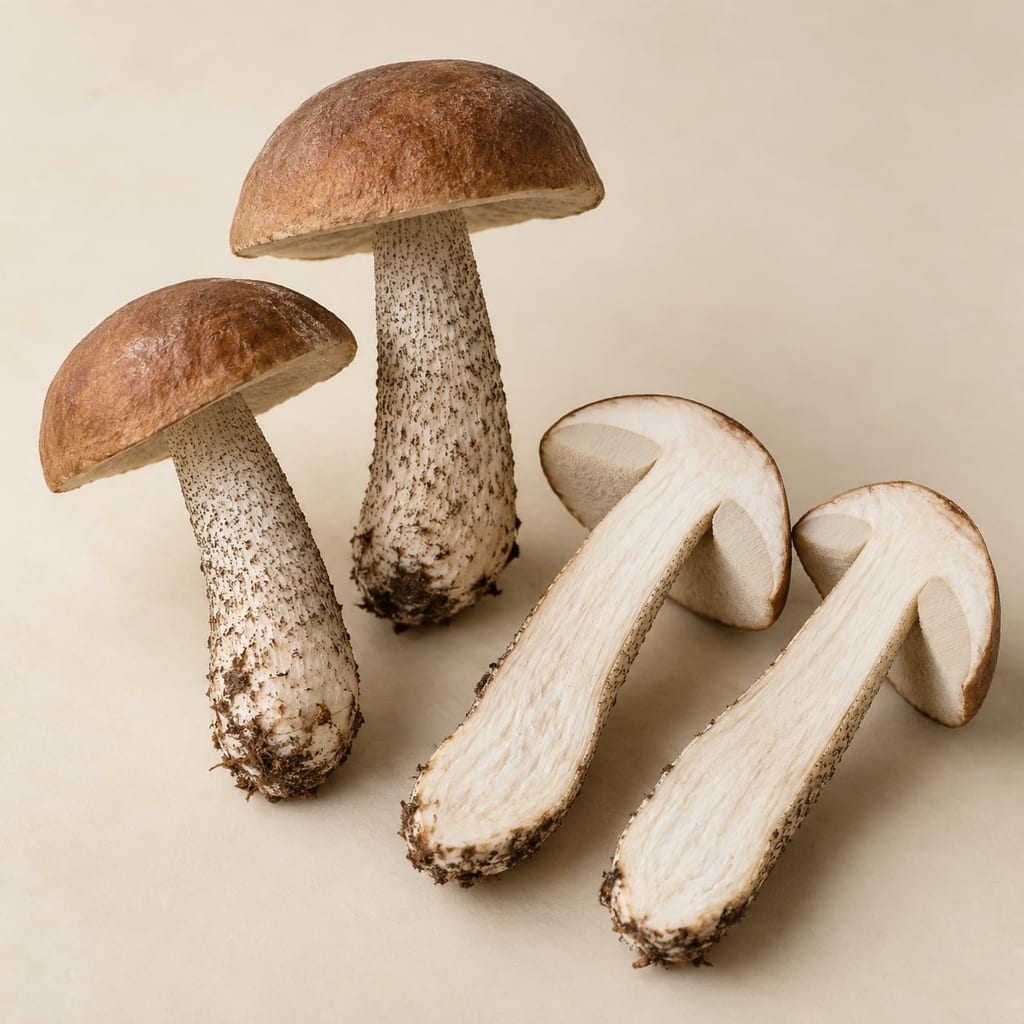
A wild birch-associated bolete eaten in parts of Europe. Its older name, Boletus scaber, remains common in historical sources; regional food records and cooking cautions require source-specific reading.
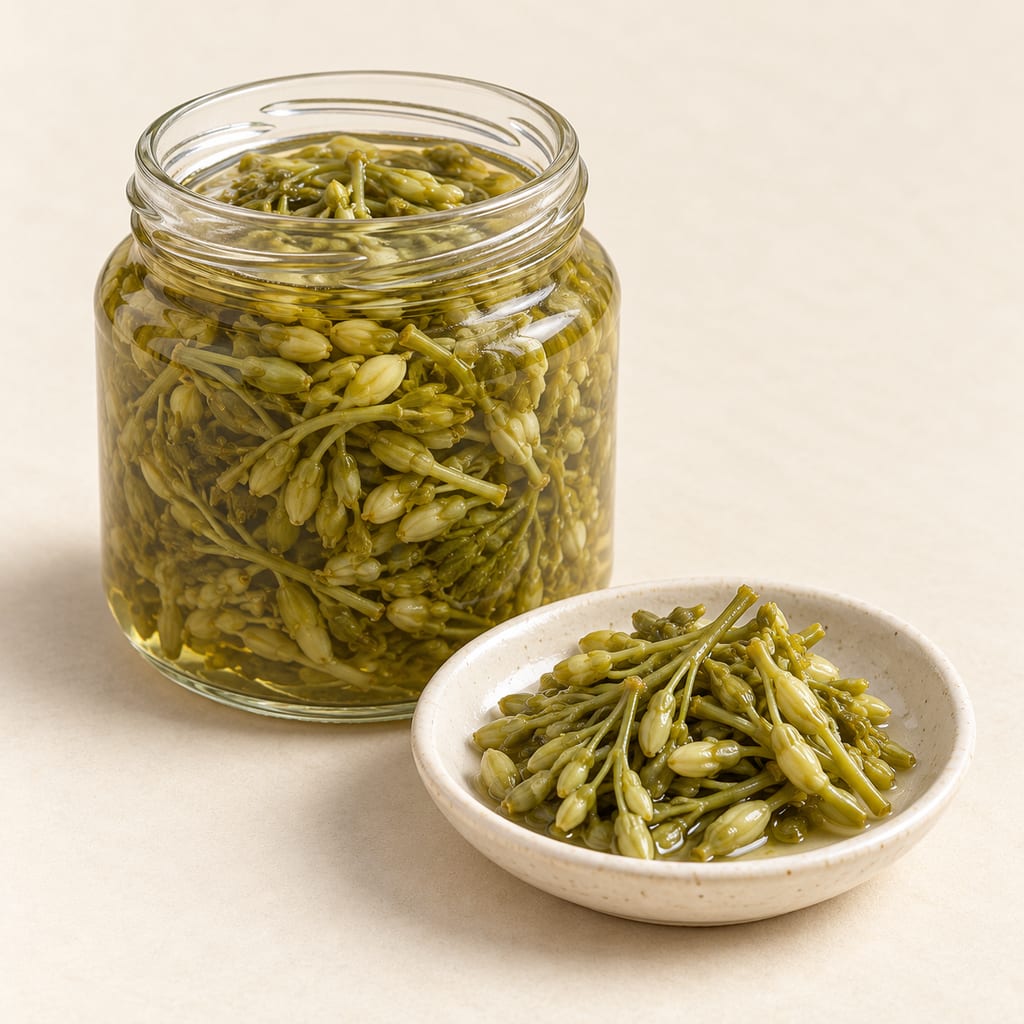
Georgian sources describe jonjoli as a flower-bud food associated with more than one Staphylea species. A 2021 figure caption names S. pinnata for the pictured preparation, while the study’s food table and the FAO profile preserve paired or shared-species evidence.
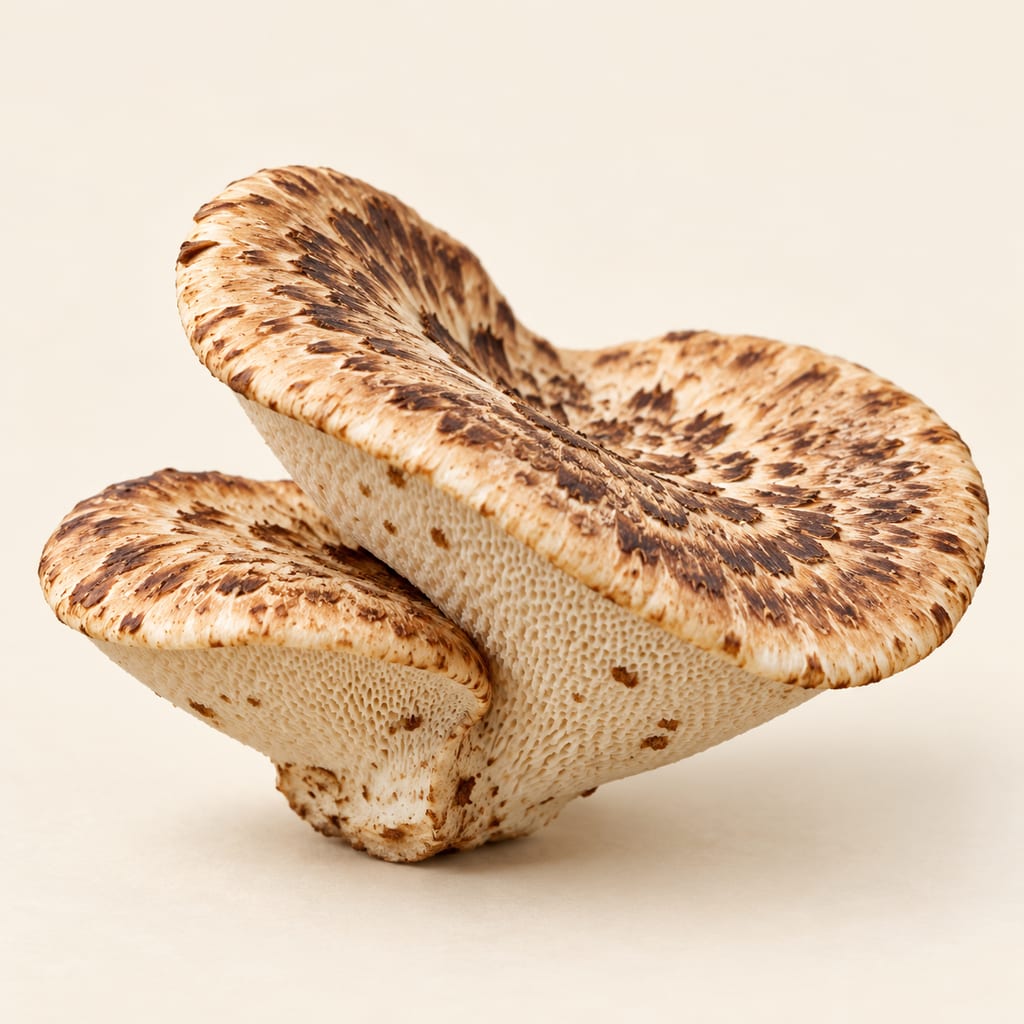
Dryad’s saddle is a wild hardwood polypore whose young tender margins are cooked in some regional food traditions; mature brackets quickly become tough.
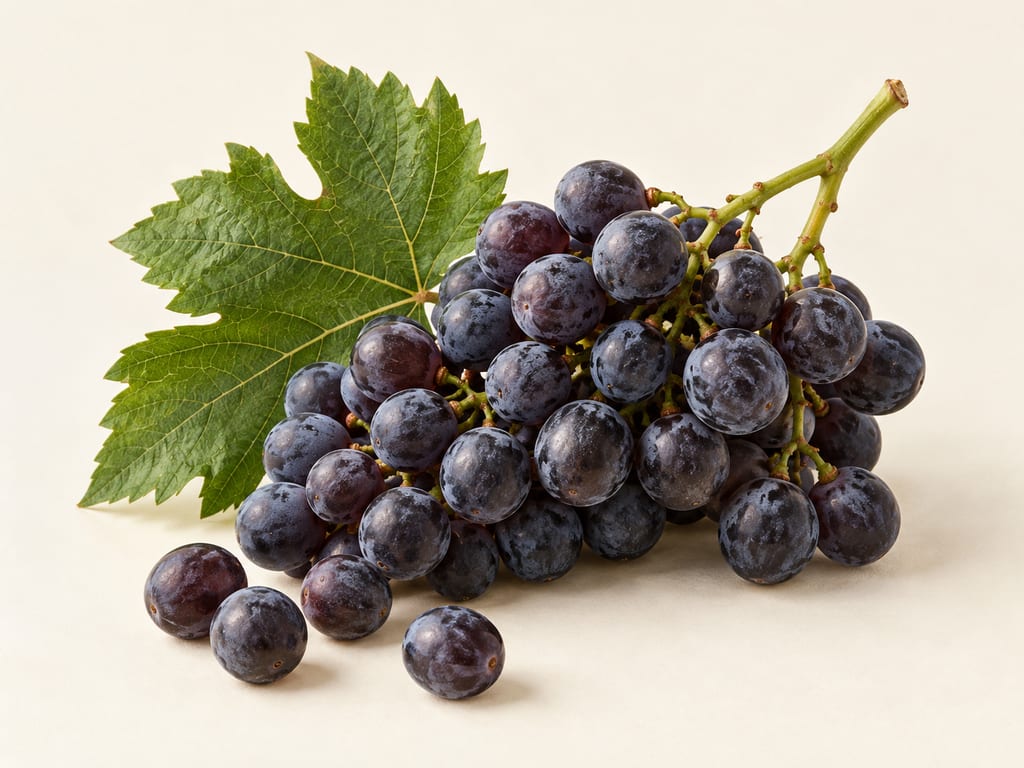
Wine grapes are fresh berries selected for vinification; their sugars fuel alcoholic fermentation, while cultivar, ripeness and handling shape the fruit and the wine it can become.
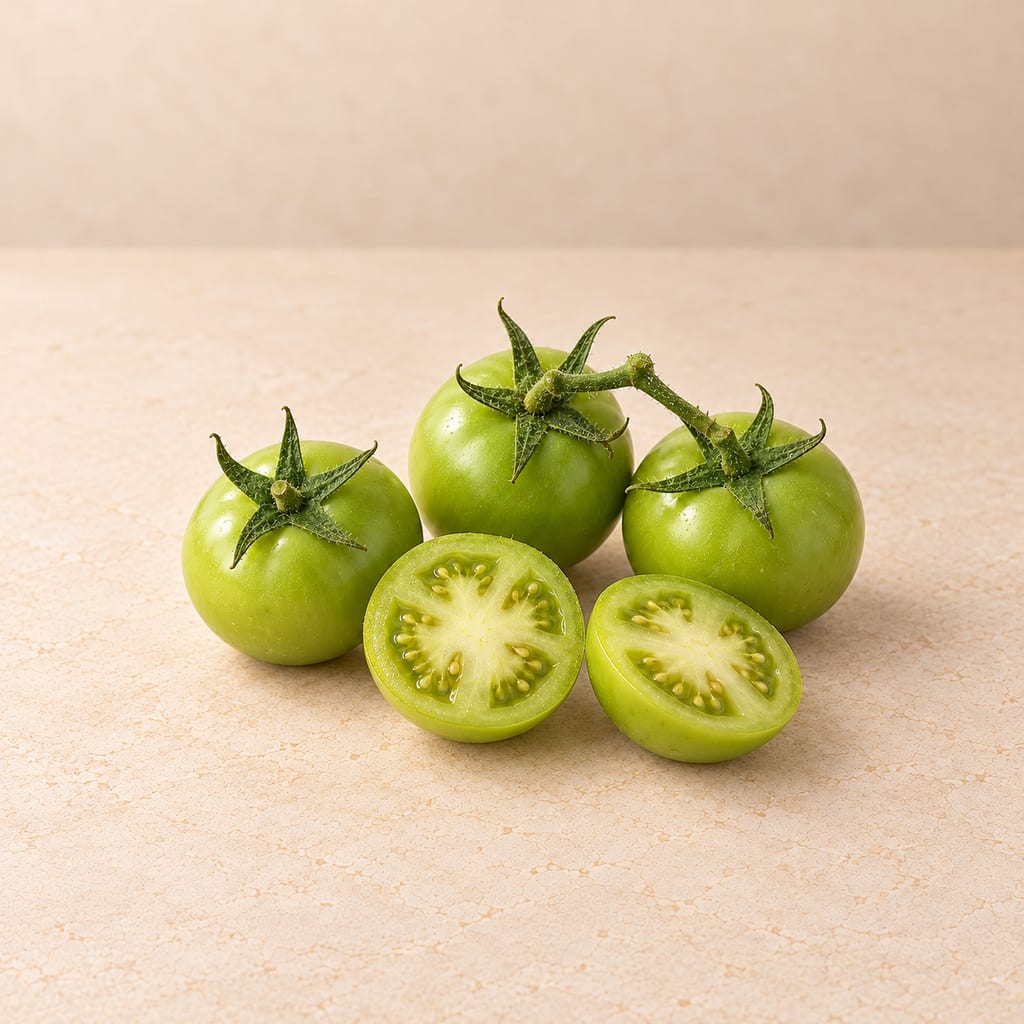
A green tomato is an unripe tomato, firm and sour, used for frying, pickling, relish and ferments. It carries tomatine, which falls as the fruit ripens.
No community contributions have been published for this entry yet.
Sign in to contribute. Published comments and photos are free to read.
Iowa State University Extension and OutreachCulinary use · Selection · Safety
How to Select and Use Roses in GardenRose petals are used fresh in vinegars, vinaigrettes, sauces, salads and desserts.
The source describes rose-petal flavor and names Rosa rugosa, R. × damascena and R. gallica as especially good-tasting roses.
Remove the bitter white base; only use petals from plants not sprayed with pesticides.
Cited in: The petal, not the hip; Fragrance, taste and the petal base; Fresh and dried petals in the kitchen; Choosing petals and keeping safety claims bounded
Colorado State University ExtensionIdentity · Selection · Safety
Edible FlowersLists Rose as Rosa spp. among edible flowers.
Requires correct scientific identification and flowers grown without pesticides; excludes florist, garden-center and nursery flowers.
Advises gradual introduction to identify allergic reactions or stomach upset.
Cited in: The petal, not the hip; Fragrance, taste and the petal base; Choosing petals and keeping safety claims bounded
University of Alaska Fairbanks Cooperative Extension ServiceCulinary use · Selection · Safety
Edible Flowers for the Garden & TableLists rose petals for jams, jellies, syrups, ice creams and salads.
Warns about ornamental pesticides, florist bouquets, misidentification and pollen-related reactions; notes that rose petal bases can be bitter.
Cited in: Fresh and dried petals in the kitchen; Choosing petals and keeping safety claims bounded
University of Maine Cooperative ExtensionCulinary use · Safety
How to Make Flower Petal Jelly SafelyDescribes rose-petal jelly from fresh or dried petals and gives the process outline for a tested recipe.
States flower petals are not very acidic and says to use a research-based tested recipe for room-temperature canning; advises refrigeration or freezing for untested jelly.
Cited in: Fresh and dried petals in the kitchen; Choosing petals and keeping safety claims bounded
Georgian RecipesDocumented preparation · Culinary use
Rose MurabaDescribes Georgian rose muraba as rose petals and sugar, usually made in May when roses flower; species is not identified.
The recipe uses aromatic petals, sugar and water, rests the sugared petals refrigerated, then syrup-cooks them and instructs refrigeration after cooling.
Serves the preserve cold as dessert or jam.
Cited in: Regional foodways and the Damask rose
Western Mediterranean Development Agency (BAKA)Documented use · Culinary use · History
Culinary Culture in Antalya and the Western MediterraneanConnects fragrant Damascene rose petals, rose-petal jam and Isparta; describes the jam with clotted cream.
The recipe removes the white petal ends and uses fragrant Damascene petals, sugar, water and lemon.
Reports rose plants were brought to Isparta from Bulgaria in the nineteenth century; this does not date rose-petal use globally.
Cited in: Fresh and dried petals in the kitchen; Regional foodways and the Damask rose