
African fermented foods, drinks and preservation
From sour breads and milk to savoury seeds, cassava staples and living beers, African fermentation follows the crop, the community and the work of transformation.
 FermenteaWhere food goes to change
Substrates
Legmi is sweet sap tapped from date palms in southern Tunisia. It is consumed fresh and can ferment rapidly through native yeasts, lactic acid bacteria and acetic acid bacteria.
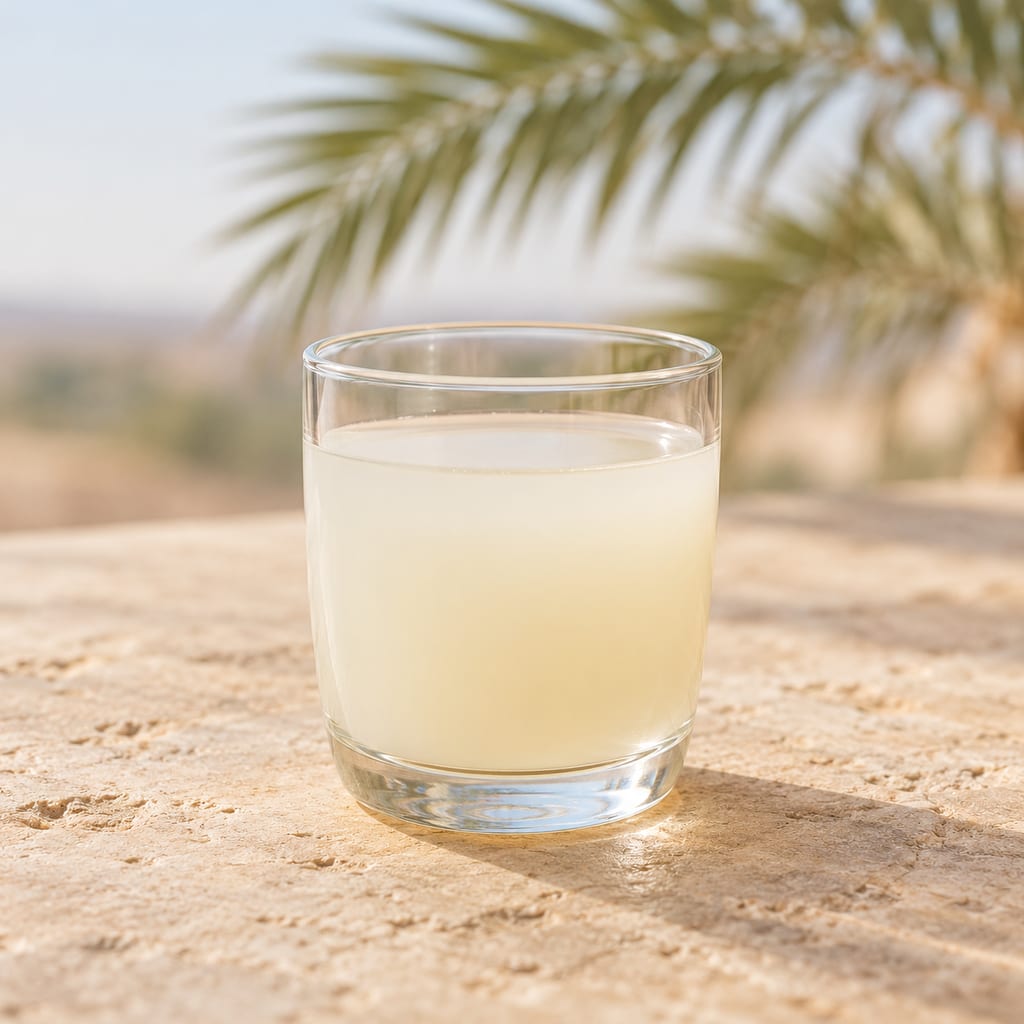
Date palm sap is the sweet liquid collected from the living date palm, Phoenix dactylifera L. In southern Tunisia the drink is known as legmi or lagmi. It is made from the palm, not from the date fruit: date syrup, date molasses and date-fruit vinegar belong to different ingredients and processes.
The Tunisian microbiology study describes the sap as clear and sugary, collected by tapping the palm. A local producer narrative from Kerkennah also identifies its legmi as sap from Phoenix dactylifera. These descriptions anchor this page to Tunisian date-palm sap. Other palms around Africa and Asia also yield sap, but species-specific names and practices should remain separate.
Legmi and lagmi are spelling variants used for the Tunisian drink. The unfermented sap is sweet and is consumed fresh. Fermentation changes it: yeasts can produce alcohol, while lactic acid bacteria and acetic acid bacteria are also part of the native microbial community documented in Tunisian samples. A drink described simply as legmi may refer to fresh sap or to a later fermented state, so descriptions should say which one is meant when the source does.
Palm wine is a broad category across many palm species and regions. It is not a precise synonym for Tunisian legmi in every context. In particular, research on sap from wild date palm in Bangladesh or coconut, palmyra, nipa, oil or sugar palms cannot be transferred to Phoenix dactylifera without stating the different species and location.
The strongest geographic evidence here is southern Tunisia. Ghariani and colleagues collected 12 samples in oases in Kebili, Gabès, Medenine and Tataouine. Their study names Kinta, El Hammouri, Deglet Noor and Alligue among the palm varieties sampled. A separate study characterized sap associated with Deglet Nour palms near Tozeur.
A MedSNAIL producer narrative records two Kerkennah producers and explicitly names the archipelago as the territory for their legmi. It describes their own seasonal and harvesting context. That document is valuable evidence of local producer knowledge, but its account is not a universal calendar or a technical standard for all regions. The page therefore records these places individually instead of implying that every Tunisian oasis shares one practice.
Fresh legmi carries fermentable sugars and its native microorganisms. The Tunisian study reports yeasts, lactic acid bacteria and acetic acid bacteria in sap and calls the substrate readily fermentable. In the researchers' laboratory observations, counts were taken on arrival and after three and seven days of spontaneous fermentation at room temperature. Those observations demonstrate change over time in the tested samples; they are not a household timetable or a validated fermentation recipe.
Different organisms contribute different transformations. Yeasts can convert sugars into alcohol. Lactic acid bacteria produce acids, and acetic acid bacteria can oxidize ethanol to acetic acid when conditions allow. The presence of these groups does not mean that every batch follows the same sequence, tastes the same, or reaches a predictable acidity or alcohol content.
Ghariani and colleagues isolated acetic acid bacteria as preliminary work toward possible palm-sap vinegar starters. Their paper says application of selected strains for vinegar production was still under investigation. It does not establish that a traditional Tunisian date-sap vinegar is a standardized product. A separate atlas entry for Algerian date vinegar concerns date fruit, not tapped palm sap.
Collecting sap requires work on a living palm and is not a simple kitchen extraction. The Kerkennah producer account describes a skilled practice involving preparation of the palm's crown and repeated attention to the sap outlet; it presents that knowledge as locally transmitted and delicate. These details are evidence about that producer tradition, not instructions for untrained readers. The page does not prescribe cuts, tools, climbing, yields or a tapping schedule.
Fresh sap ferments readily. Research samples were transported cold and analyzed promptly; another physicochemical study froze its analytical material to prevent fermentation. Those laboratory choices show that researchers distinguish fresh sap from a changing fermented product. They do not create a validated domestic storage or preservation method. No universal time, temperature, pH, alcohol, or shelf-life limit is established by the sources used here.
Spontaneous fermentation can vary with the palm, collection conditions, time and resident microbes. A pleasant smell, sweet taste, visible activity or a home pH reading cannot establish that sap is safe or predict its alcohol content. The cited Tunisian studies investigate microbial composition and physicochemical properties; they do not validate a consumer process, define a safe storage limit, or show that every fermented batch is suitable to drink.
Palm tapping involves climbing and deliberate work on a living tree. The local producer account frames this as skilled practice. Readers should not treat this ingredient overview as a tapping guide. When making or serving a fermented drink, follow an independently validated process appropriate to the product and jurisdiction; if the source evidence does not provide a limit, that limit remains unknown.
The published studies measure the composition of samples, but values depend on variety, collection and fermentation stage. Sugar and other measured constituents change as microorganisms act. A figure from one fresh sample should not be presented as the composition of fermented legmi generally, and this ingredient page makes no health or nutrition claim.
Researchers sometimes preserve fresh sap by freezing it before analysis, while fermentation experiments compare samples at different elapsed times. This distinction matters when interpreting reported values: fresh sap, spontaneously fermented sap and laboratory-preserved sap are different sample states.
Historical imagery gives a limited but concrete record of legmi's public life. Wikimedia Commons identifies an old postcard image as a legmi vending stall in Gabès; another postcard is captioned as a palm-wine stall in Gabès, Tunisia. These images support the association of the drink with that place, but they do not establish a first date, exact recipe, or unchanged continuity across generations.
The sources reviewed do not provide a reliable earliest written attestation of legmi. This page therefore records its period as unknown rather than converting modern studies or postcard dates into an invented origin.
The plant named in the Tunisian research is Phoenix dactylifera, the cultivated date palm. Sap research should identify both species and product: the same broad word, palm, covers plants whose sap differs in composition and use. Ghariani and colleagues examined Kinta, El Hammouri, Deglet Noor and Alligue samples. That list shows variety in the study material; it is not an exhaustive Tunisian cultivar register, and it does not rank the varieties for sweetness, fermentation or quality.
A MedSNAIL narrative from two Kerkennah producers describes date palms as a prominent part of the archipelago landscape. It notes that the date palm has separate male and female plants, and describes an extraction practice that involves opening the upper growing part of the palm. The account stresses that the work is delicate and learned locally. These details help explain why tapping is a specialized agricultural practice rather than an ordinary household preparation.
Seasonal descriptions vary with the place and source. The microbiology paper reports a spring collection window for Tunisia based on earlier literature; the Kerkennah producer narrative records a broader local season. Neither should be presented as a single national calendar. Palm variety, site and local practice belong beside any harvest dates. The available research does not support telling a reader when a particular tree should be tapped or how much sap it will yield.
Fresh legmi is a short-lived state in the sense that its microorganisms can begin to change its sugars after collection. This is a biological description, not a shelf-life claim. The 2017 study followed fresh samples at receipt and after three and seven days during a controlled laboratory observation at room temperature. It reported the presence and changing counts of microbial groups. The study was designed to isolate and identify acetic acid bacteria; it was not a consumer validation study and does not show that a specific elapsed time produces a safe or desirable drink.
Processing state therefore matters whenever the drink is named. A seller or source may describe sweet fresh sap, naturally fermented sap, or a sample held for laboratory analysis. Frozen or chilled material in a study cannot be treated as evidence of an ordinary household cold chain; likewise, the alcohol or acidity of one fermented sample cannot be generalized to all collected sap. In this page, 'fresh' and 'fermented' identify different states rather than a promise about taste or stability.
Temperature, exposure, vessel cleanliness and the starting microbial community can affect fermentation in general, but the cited legmi studies do not establish a household protocol for controlling those variables. A recipe writer should not fill those gaps with invented vessel specifications or a guessed endpoint. Where local knowledge describes how a producer handles the sap, that account should be attributed to its place and practitioners.
Acetic acid bacteria are relevant because, under suitable conditions, they can convert ethanol into acetic acid. Ghariani and colleagues isolated and identified several such bacteria from Tunisian date-palm sap. The paper frames the work as an early step toward evaluating strains as starter cultures for vinegar. At publication, the application of selected isolates to palm-sap vinegar remained under investigation.
That distinction matters because a scientific possibility is not proof of an established foodway. This study does not give a validated home vinegar process, an endpoint, a safe acidity threshold, or evidence that legmi vinegar was a standardized historical product. The supplied atlas separately names traditional date vinegar from the Algerian Sahara, but its substrate is date fruit. It should not be relabelled as sap vinegar, and the two preparations should not be collapsed into one ingredient story.
Commercial palm vinegars and vinegars made from other fruits may exist in markets, but a product label alone does not establish that it is the same as a documented Tunisian legmi process. Until a source describes the actual material and method, this page treats legmi vinegar as a research avenue and leaves historical or traditional status unclaimed.
Legmi is documented as a sweet fresh drink and as sap that can become an alcoholic drink through spontaneous fermentation. These are the supported uses in this record. The available sources do not establish a standard culinary syrup, a universal sweetener, or a routine vinegar ingredient. Sap may be used differently by particular households or producers, but those uses need their own direct evidence before they are added.
Date palm fruit is an important food in its own right, but this page does not infer sap use from fruit use. Nor does the presence of fermentable sugars establish a nutritional benefit. Composition varies by variety, location, freshness and fermentation state; observed values from one study sample belong to that sample and should not be advertised as a general health property.
The historical record remains partial. Modern microbiology and producer documentation show that legmi is a living practice and provide important geographic detail. The two Gabès postcard records show that legmi vending was represented in historical visual material. They do not tell us how far the practice extended at the date of the postcard, how it was made, or when it began. No first attestation is assigned until a dated primary source can support one.
Regional association for date palm sap called lagmi/legmi; the research sampled several southern regions and does not imply that every locality follows one method.
A study sampled sap from Gabès region and a historical postcard is identified as a legmi stall in Gabès.
Named producer narrative documents legmi and date-palm tapping in Kerkennah; its described practice should not be generalized to all Tunisian palms.
One of four southern Tunisian sampling regions in a microbiology study; this supports research sampling, not a claim of exclusive origin.
One of four southern Tunisian sampling regions in a microbiology study; the association records documented samples.
One of four southern Tunisian sampling regions in a microbiology study; the association records documented samples.
Date sap composition was studied from this region; this row records research sampling rather than asserting a specific fermentation tradition.
From sour breads and milk to savoury seeds, cassava staples and living beers, African fermentation follows the crop, the community and the work of transformation.
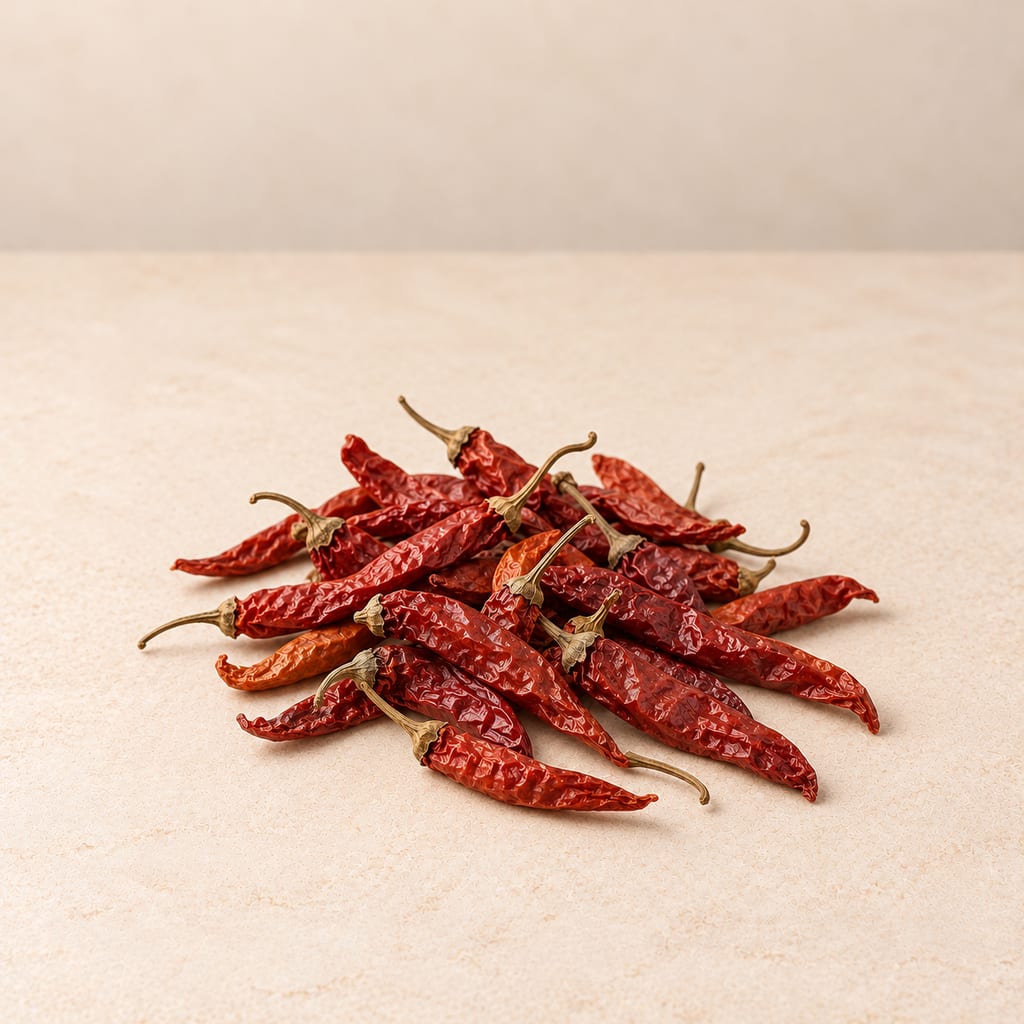
Dried red chillies are ripe chilli pods, mostly Capsicum annuum, preserved by drying and used whole, soaked, flaked or ground in pastes such as harissa and in spice blends.
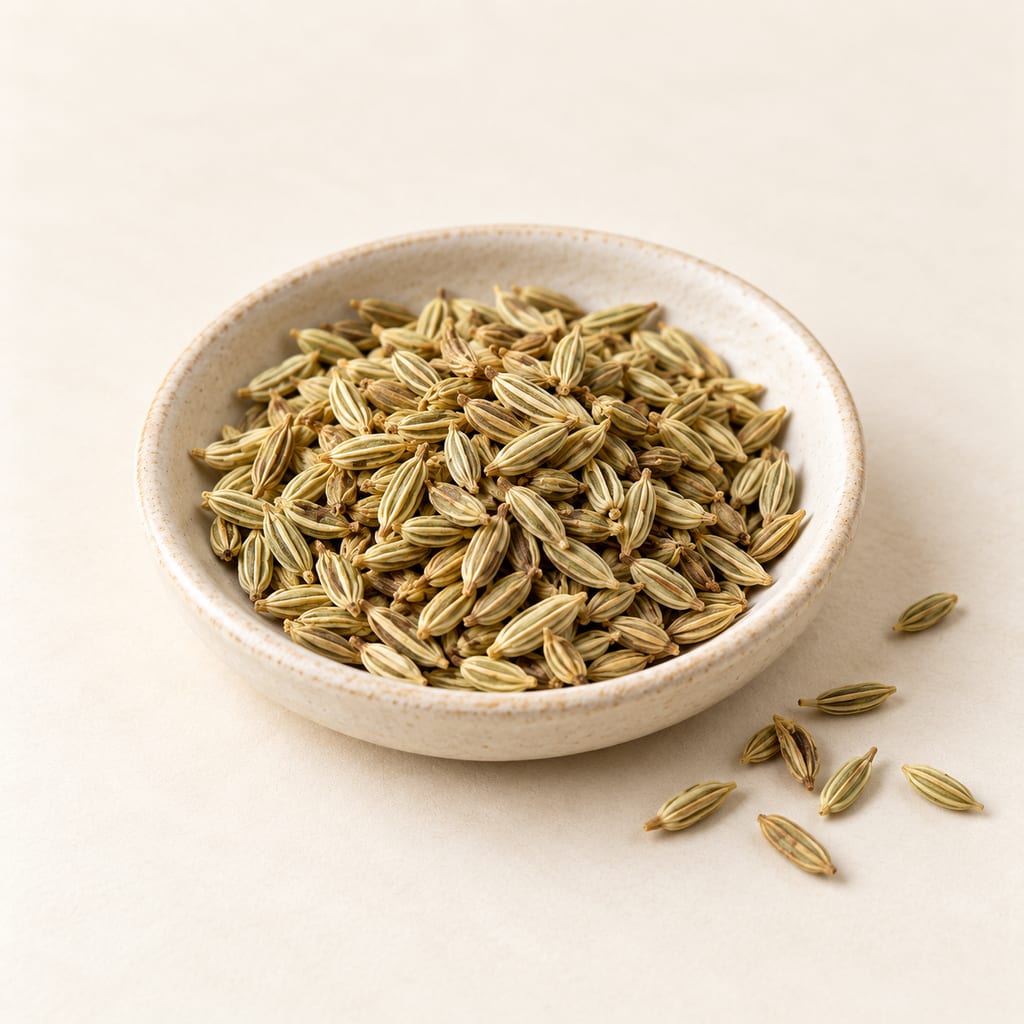
Fennel seed is the dried aromatic fruit of Foeniculum vulgare; a Himachal Pradesh survey records it among the seasonings of Galgal pickle.
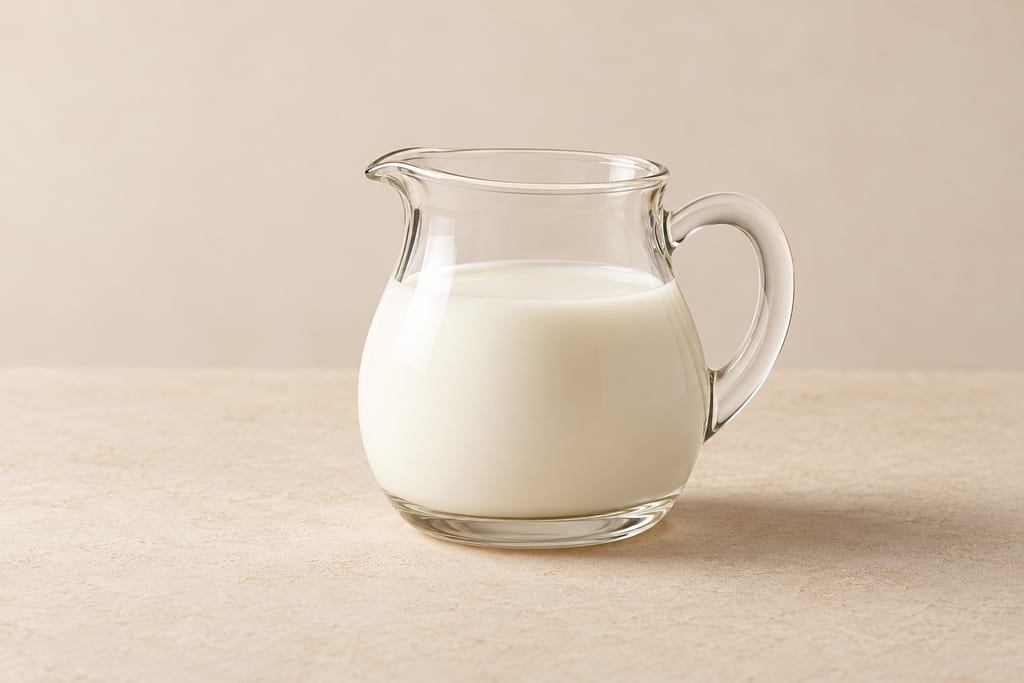
Mare milk is milk produced by a lactating female horse. Its composition varies with breed and lactation; raw milk, pasteurized milk and fermented drinks such as airag or qymyz are distinct forms with different handling and evidence.
Sugar-rich liquid tapped from different palms, gathered fresh or transformed into local drinks and sweeteners; species and collection stage shape its composition.
Pasteurized mare milk is liquid horse milk treated before sale or fermentation. Its relatively low fat and casein and high lactose distinguish it from cow milk, with composition varying by animal and lactation.
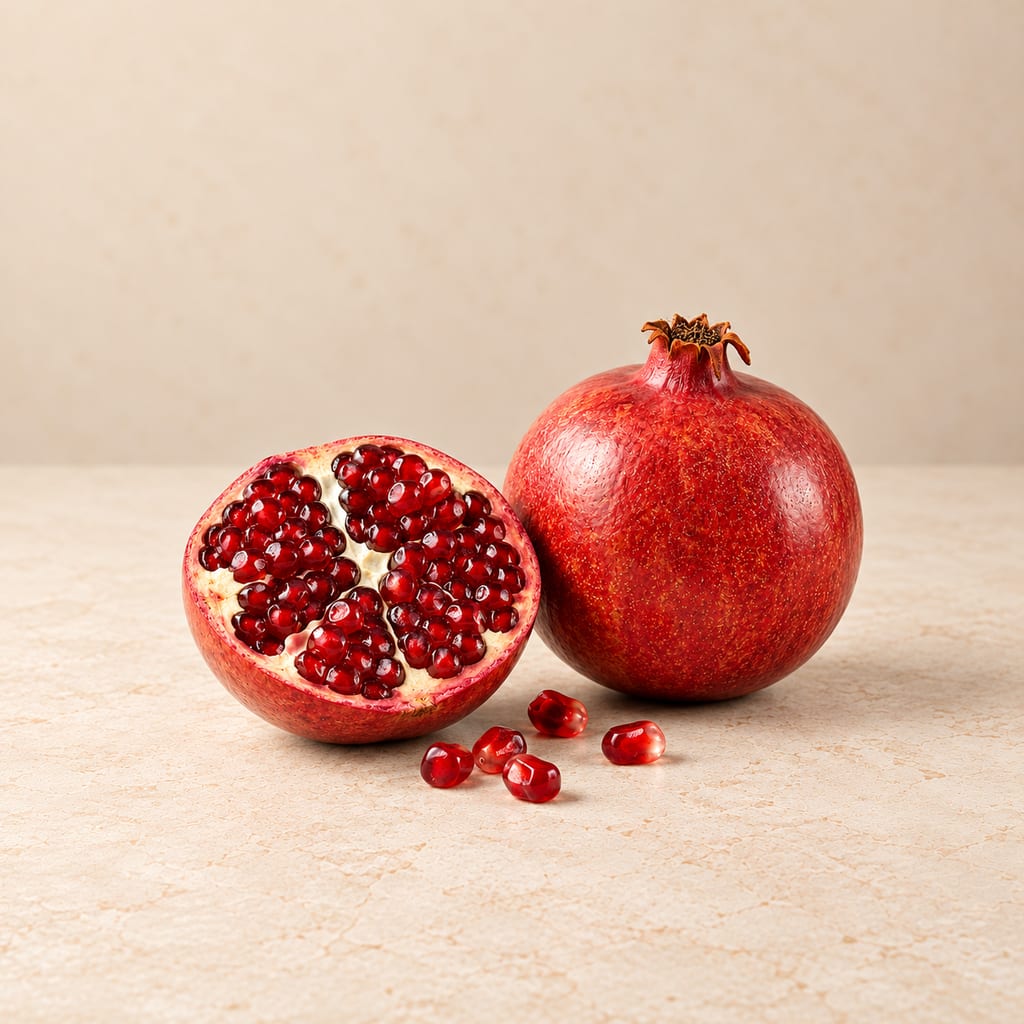
The pomegranate (Punica granatum) is a seed-filled fruit whose arils run from sweet to sharply sour, depending on citric acid. Sour fruit becomes juice, molasses and dried anardana.
No community contributions have been published for this entry yet.
Sign in to contribute. Published comments and photos are free to read.
African Journal of Microbiology ResearchPrimary research · Fermentation · Microbiology · Geography
Identification of acetic acid bacteria isolated from Tunisian palm sapIdentifies Tunisian Lagmi as clear sugary sap tapped from Phoenix dactylifera; sweet sap rapidly ferments through native yeasts, lactic acid bacteria and acetic acid bacteria.
Study sampled 12 sap samples from four southern Tunisian regions and four varieties; observed D0, D3 and D7 spontaneous fermentation in laboratory samples.
Use of selected acetic acid bacteria as starters for vinegar was still under investigation, not a standardized traditional vinegar method.
Cited in: What it is; Names and forms; Where it is gathered; Its role in fermentation; Tapping and handling; Food safety and evidence limits; Nutrition and composition; Historical record; The palm, its varieties and the harvest; Fresh sap and changing sap; From sap to vinegar: a research lead, not a settled tradition; Use beyond fermentation and what remains uncertain
FAMP / MedSNAIL, ENI CBC Mediterranean Sea Basin ProgrammeLocal producer narrative · Geography · Traditional use
MedSNAIL Narrative Labels — Sfax (Tunisia)Two named producers from the Kerkennah archipelago identify their product as legmi from Phoenix dactylifera.
The producer narrative describes skilled, locally transmitted tapping practice and an archipelago-specific seasonal range; it is not a universal protocol or a safety validation.
Cited in: What it is; Where it is gathered; Tapping and handling; Food safety and evidence limits; Historical record; The palm, its varieties and the harvest; Use beyond fermentation and what remains uncertain
International Journal of Food PropertiesPrimary research · Composition
Physicochemical Characteristics of Date Sap ‘Lagmi’ from Deglet Nour Palm (Phoenix dactylifera)Study characterizes date palm sap collected around Tozeur and distinguishes fresh sap from fermented product; analytical samples were frozen to prevent fermentation.
Cited in: Where it is gathered; Tapping and handling; Food safety and evidence limits; Nutrition and composition; Fresh sap and changing sap
Scientia AgricolaPrimary research · Composition
Physicochemical and Functional Properties of Typical Tunisian Drink: Date Palm SapStudy compares date palm sap collection at the beginning and after seven days and documents differences in samples; it does not establish a household safety limit or standard process.
Cited in: Tapping and handling; Food safety and evidence limits; Nutrition and composition; Fresh sap and changing sap
Food BiophysicsPrimary research · Fermentation
Physicochemical and functional properties of typical Tunisian drink: date palm sapDescribes fresh sap consumption and spontaneous fermentation into an alcoholic drink in the Tunisian context; notes tapping techniques vary.
Cited in: Names and forms; Its role in fermentation
Wikimedia CommonsImage rights · Historical image identification
File:Legmi gabes.jpgCommons record identifies a legmi vending stall in Gabès; Tunisian public-domain claim based on expired photographic copyright term.
Cited in: Historical record; Use beyond fermentation and what remains uncertain