
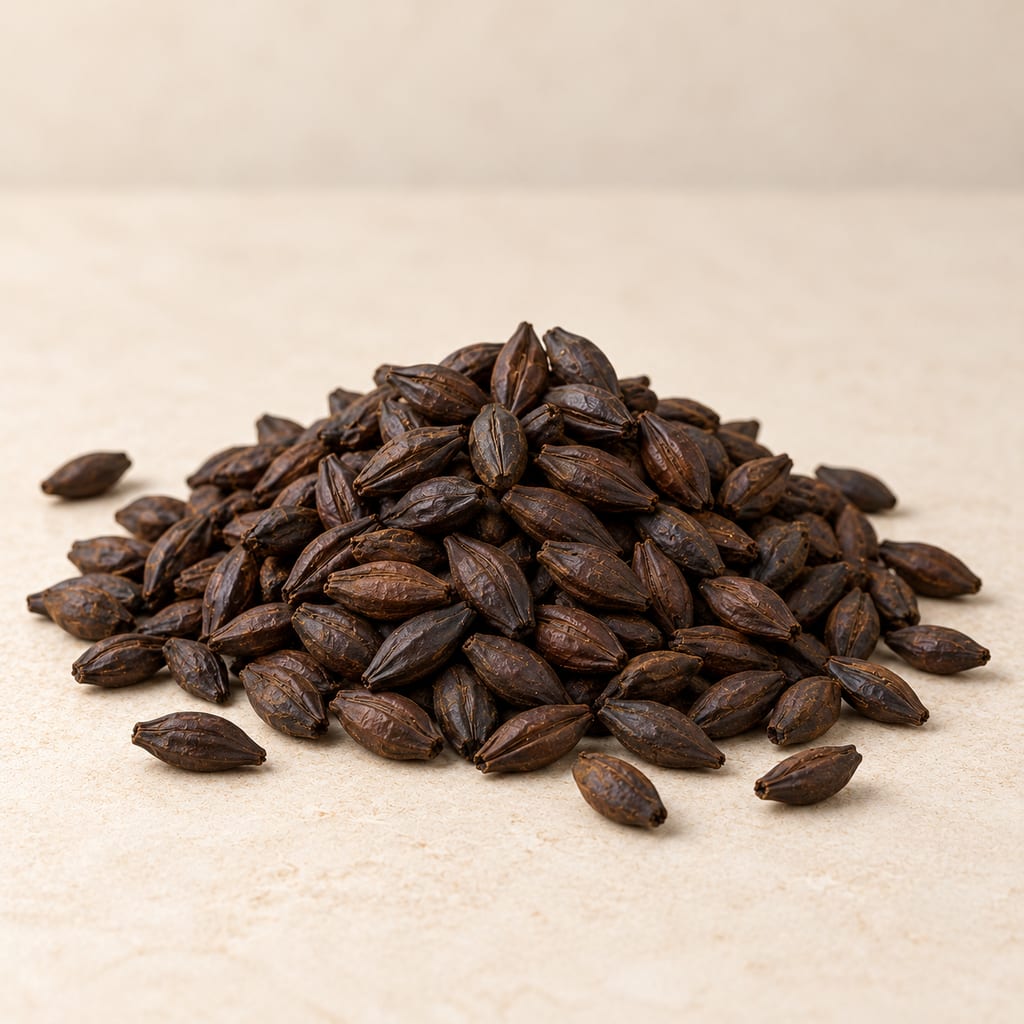
Black patent malt
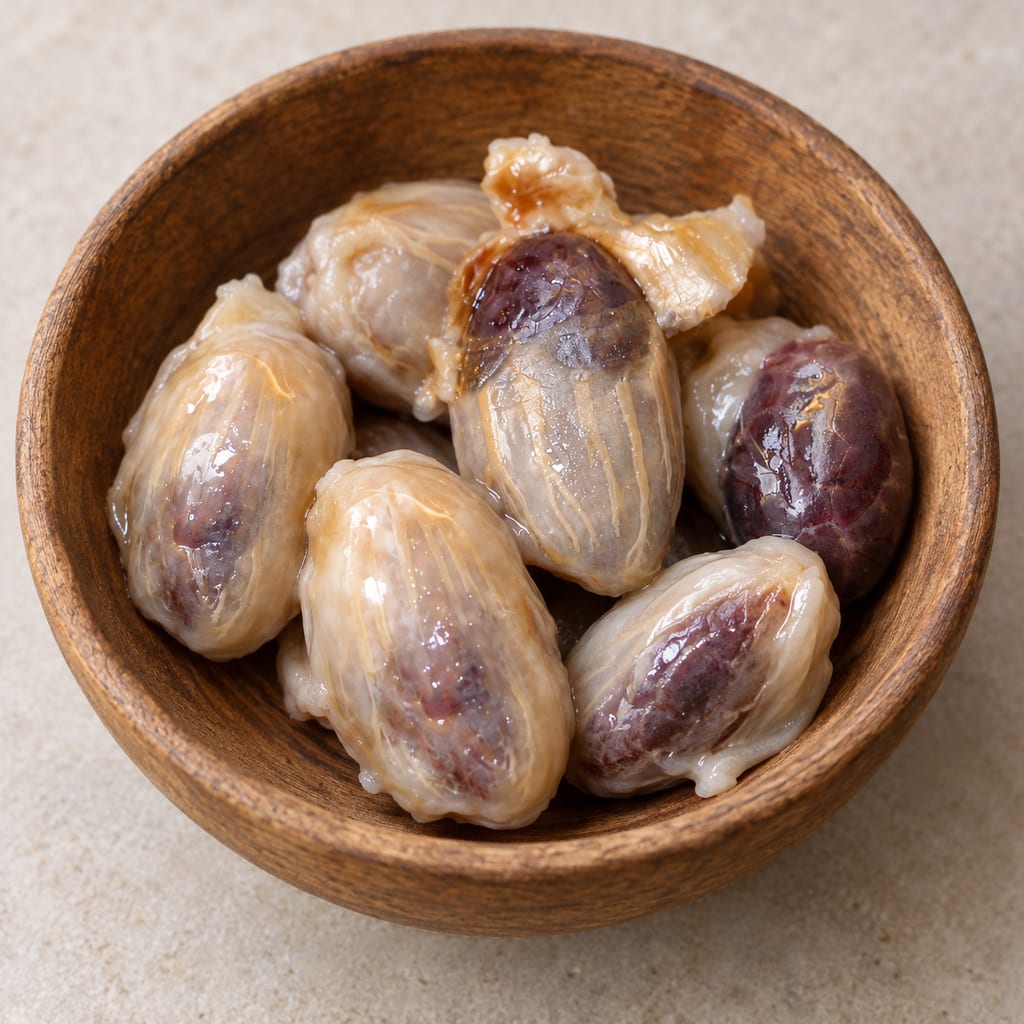
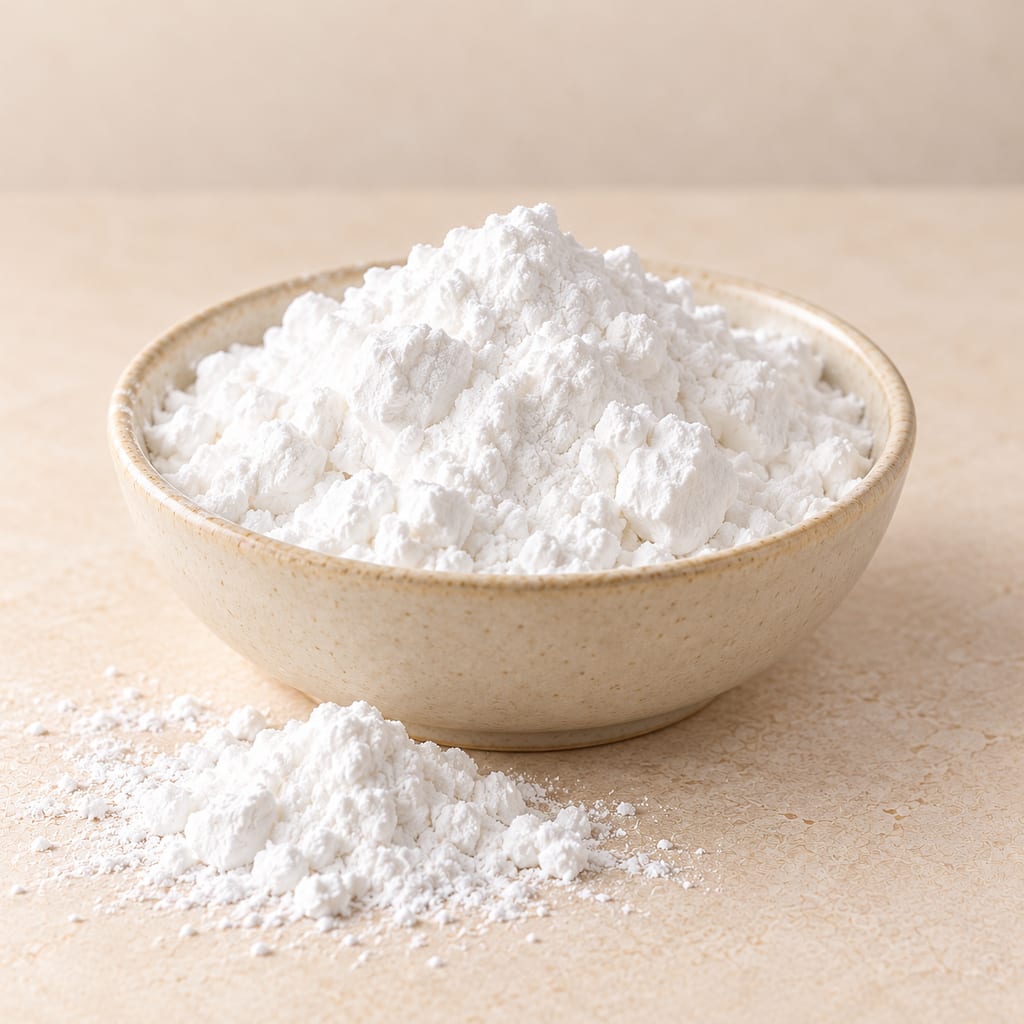
An intensely roasted malt used for dark colour and dry roasted flavour in beer, with a nineteenth-century patent name and distinct whole, milled and flour forms.
 FermenteaWhere food goes to change
1086 articles on substrates, cultures and additives.
An intensely roasted malt used for dark colour and dry roasted flavour in beer, with a nineteenth-century patent name and distinct whole, milled and flour forms.
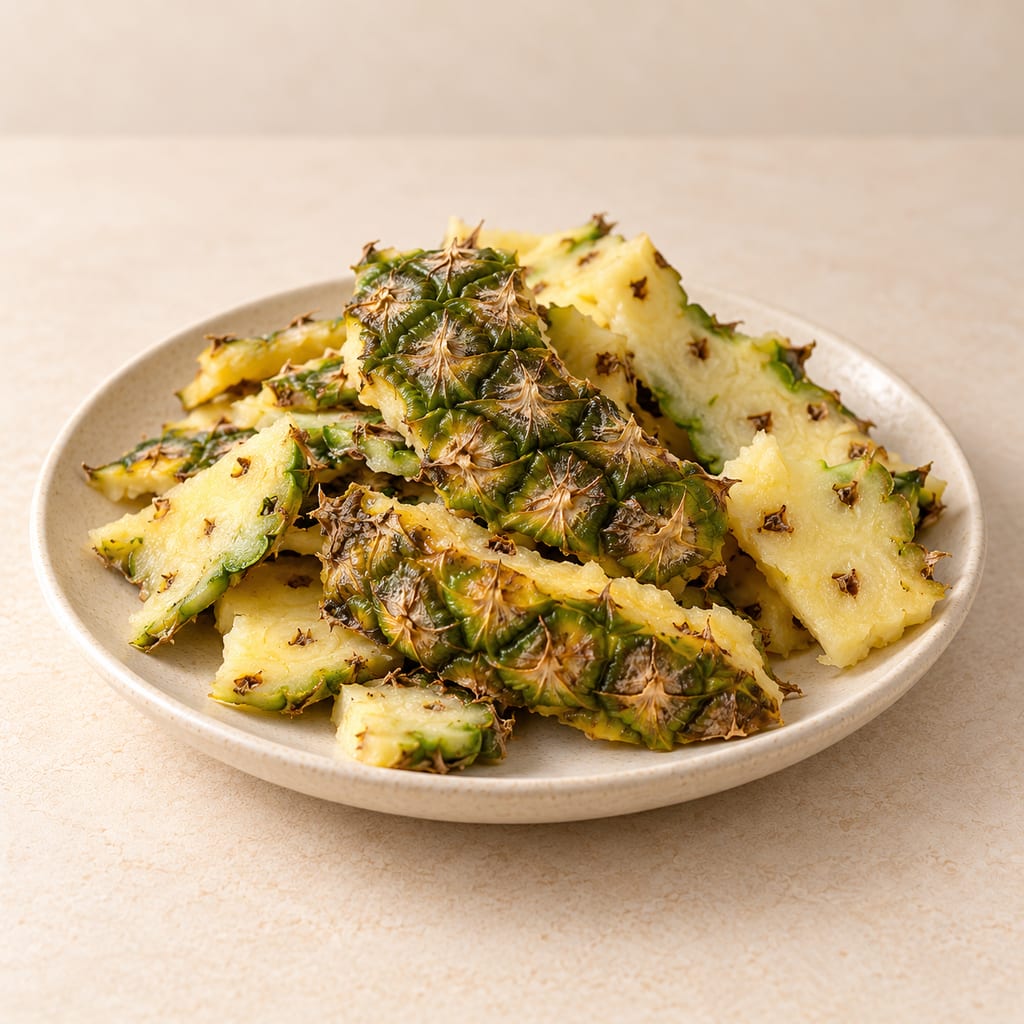
Pineapple peel is the tough, fibrous outer skin of Ananas comosus, comprising roughly a third of the fruit's mass. It serves as a flavoring substrate and fiber source in drinks like chicha de jora and tepache.
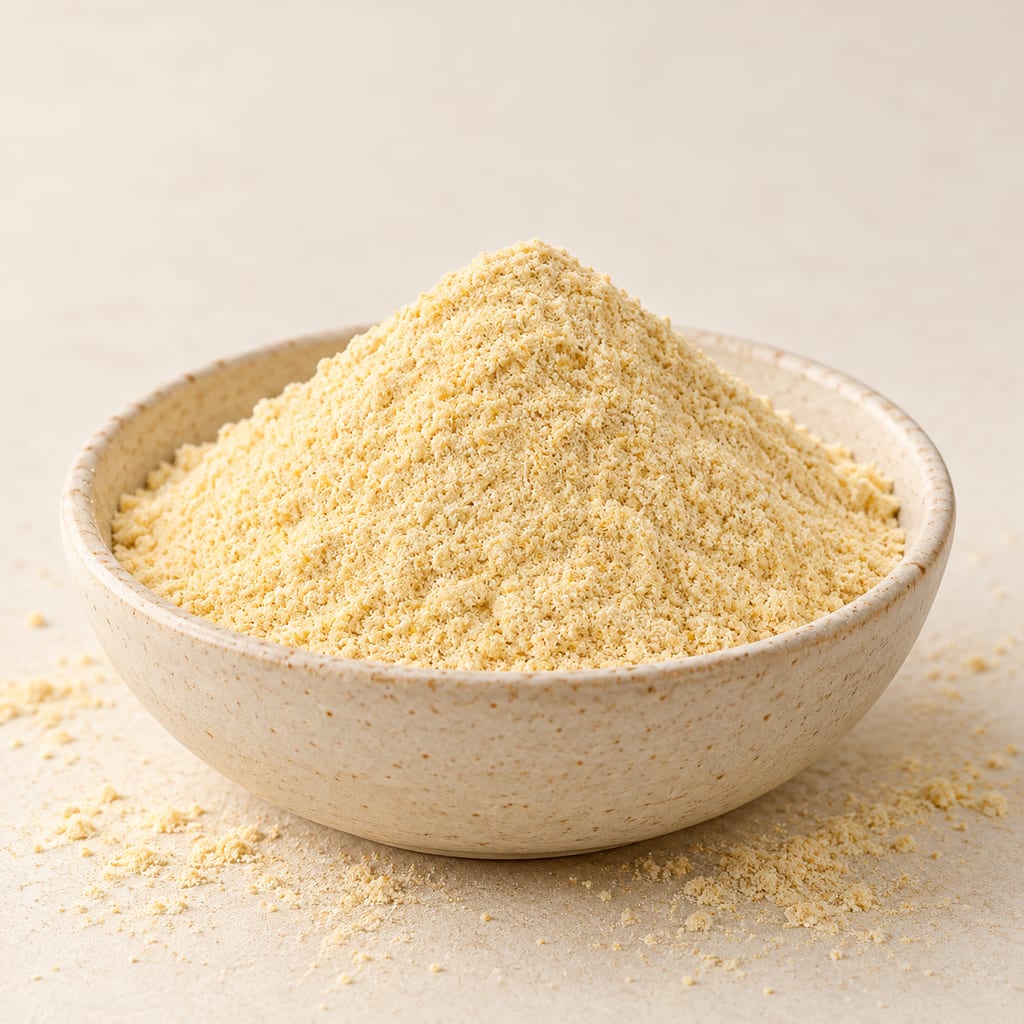
Jora flour is ground malted maize, produced by germinating, drying and milling corn kernels. It provides the enzymatic starch breakdown essential for chicha de jora.
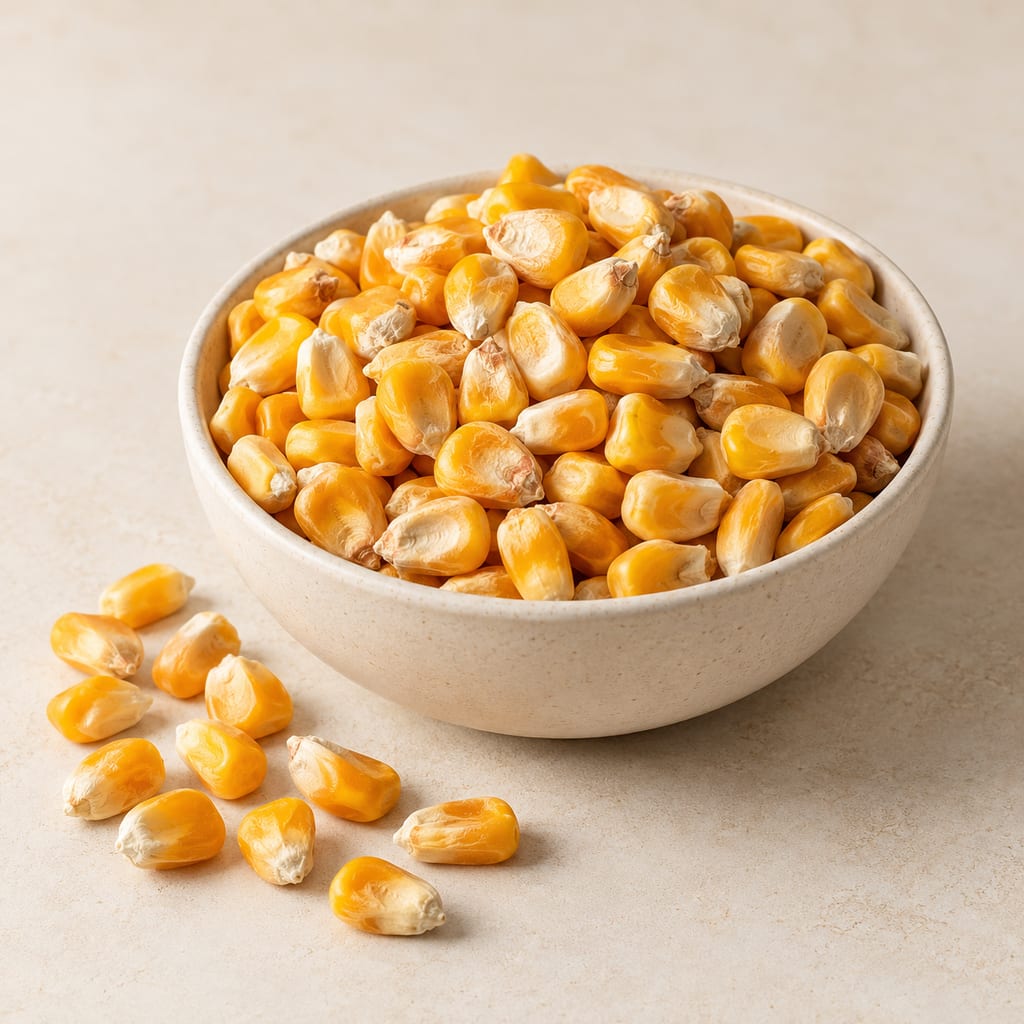
Maize is the foundational grain of Andean fermentation. Its role in brewing chicha de jora depends on germination into jora, a malted form generating enzymes and sugars necessary for alcoholic fermentation.
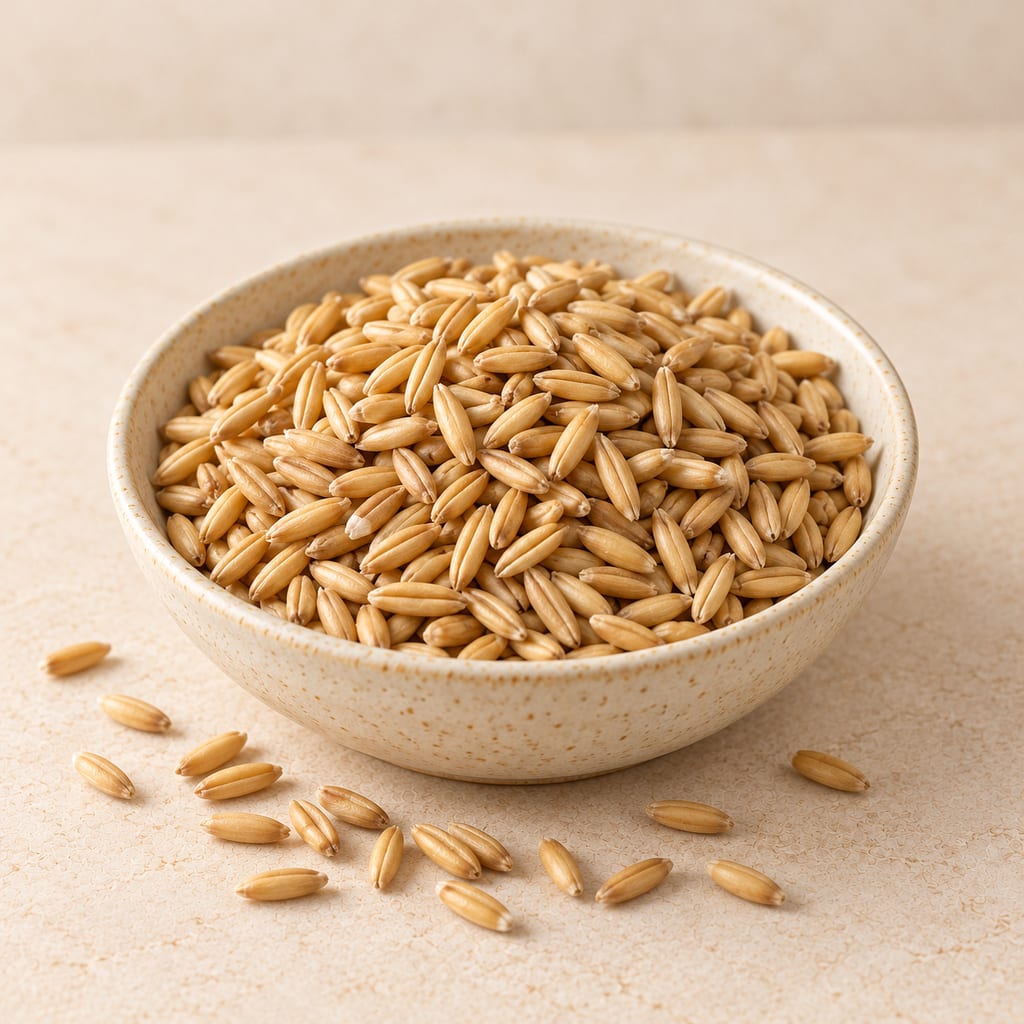
A cereal grain sold as groats, cut pieces, flakes, flour and malt. Oats shape porridge, bread and brewing differently as processing changes hydration, texture, starch, beta-glucan, protein and oil.
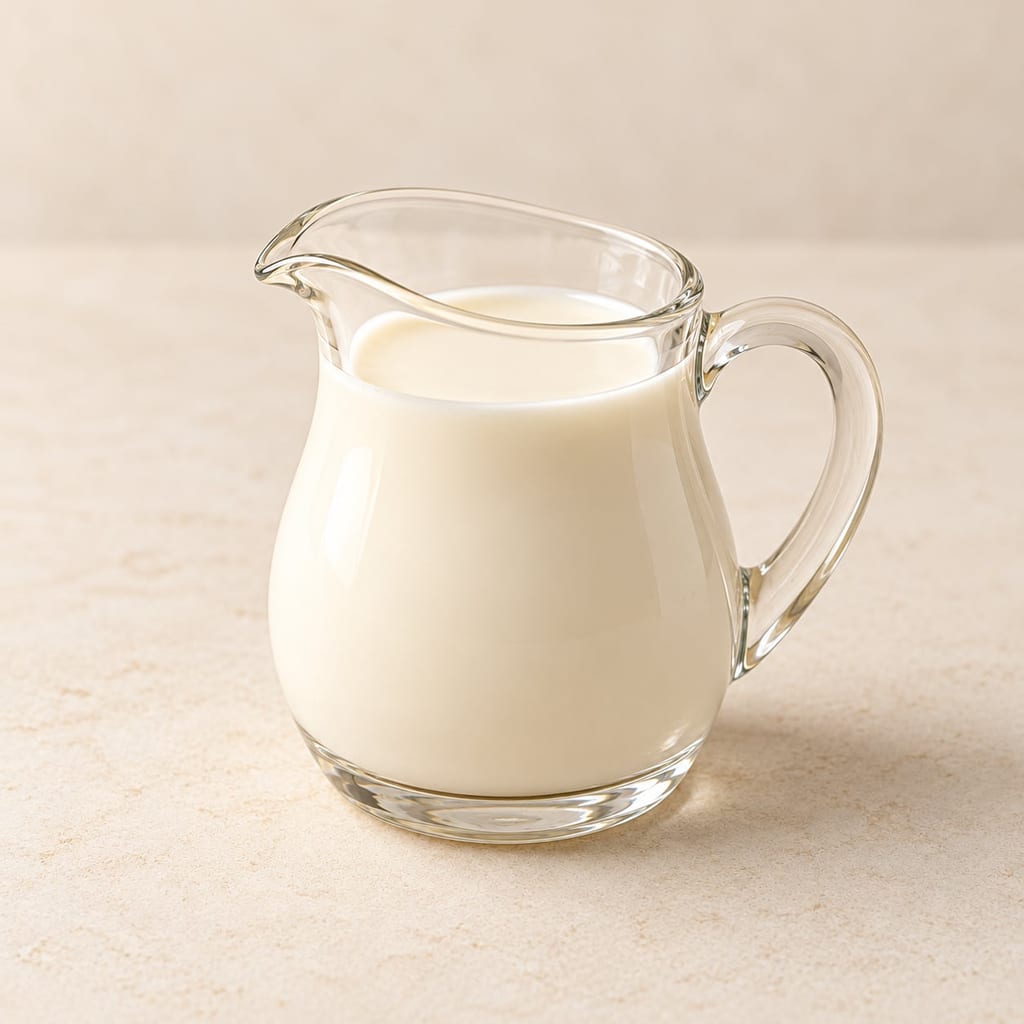
A fat-rich liquid separated from milk, used to enrich cheese and sauces, form whipped foams and supply fat for cultured cream and butter.
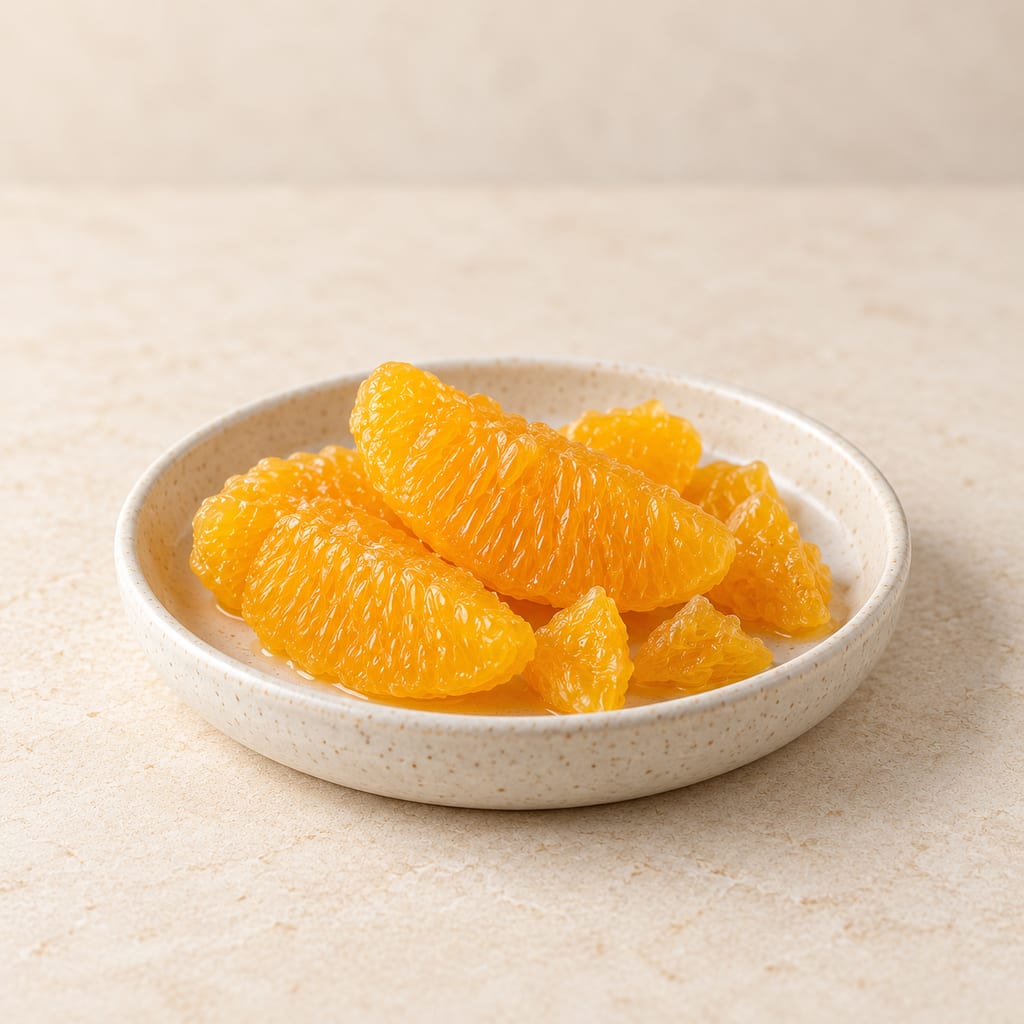
Fresh orange segment flesh, prepared separately from rind and membranes, bringing juicy tissue, sweetness, acidity and aroma to marmalade and other foods.
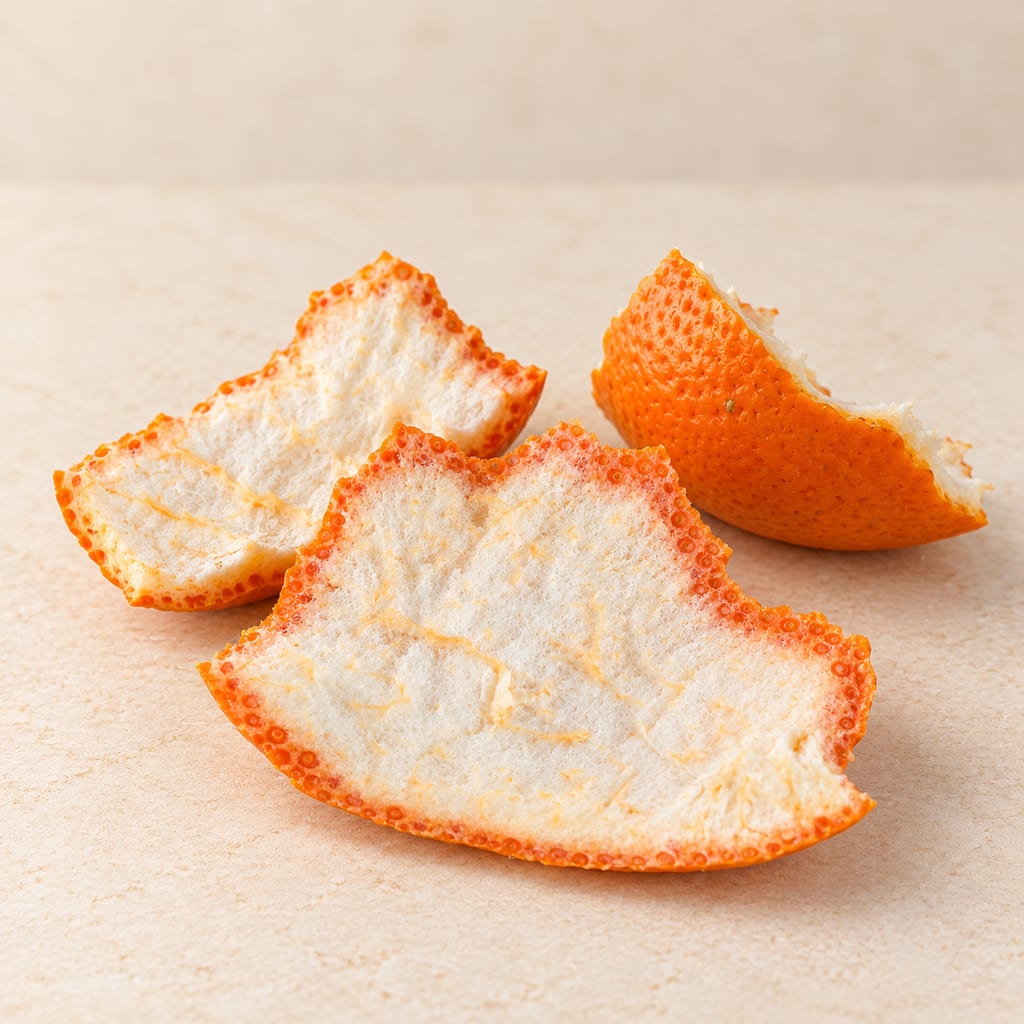
Orange rind retaining its white inner pith, combining aromatic outer peel with the body and pectin used in marmalade and other citrus preparations.
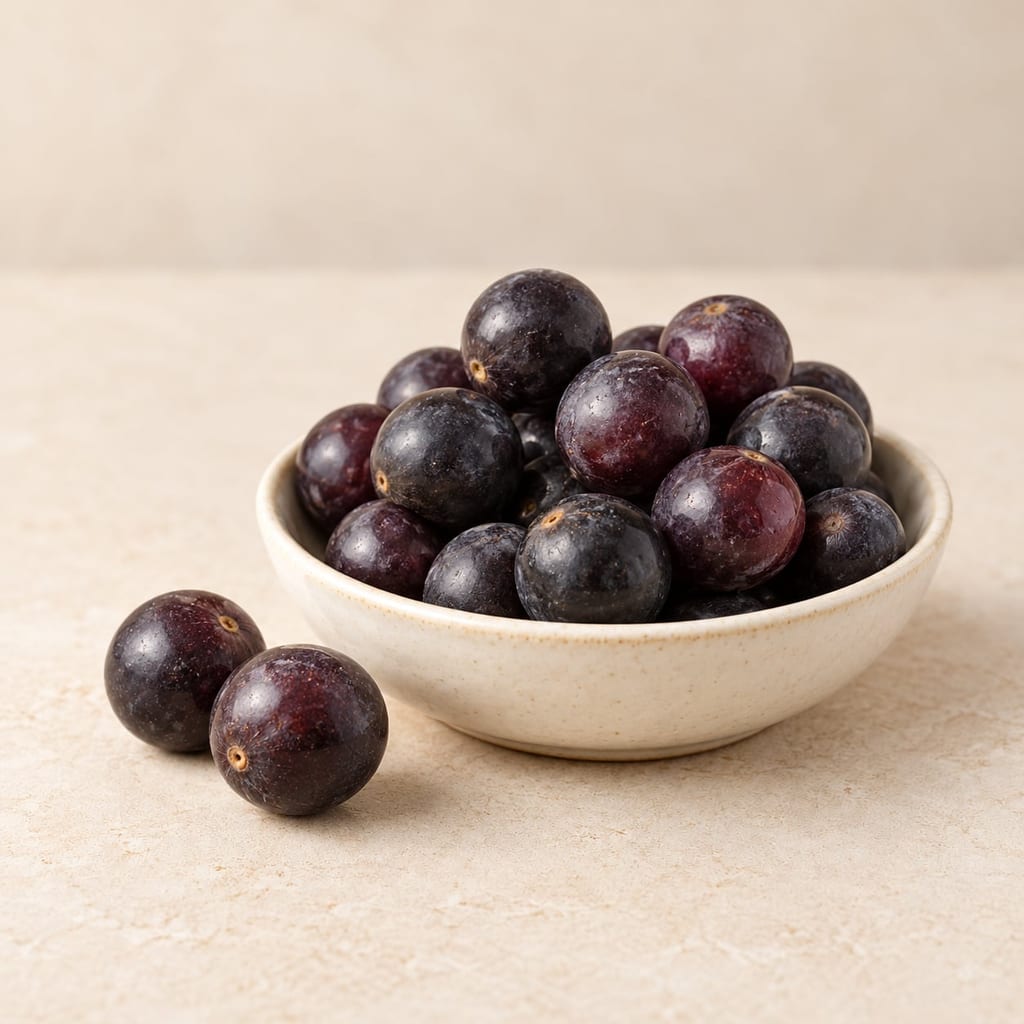
Dark-fruited muscadines have thick coloured skins, soft aromatic pulp and prominent seeds, used fresh or made into juice, preserves and red wine.
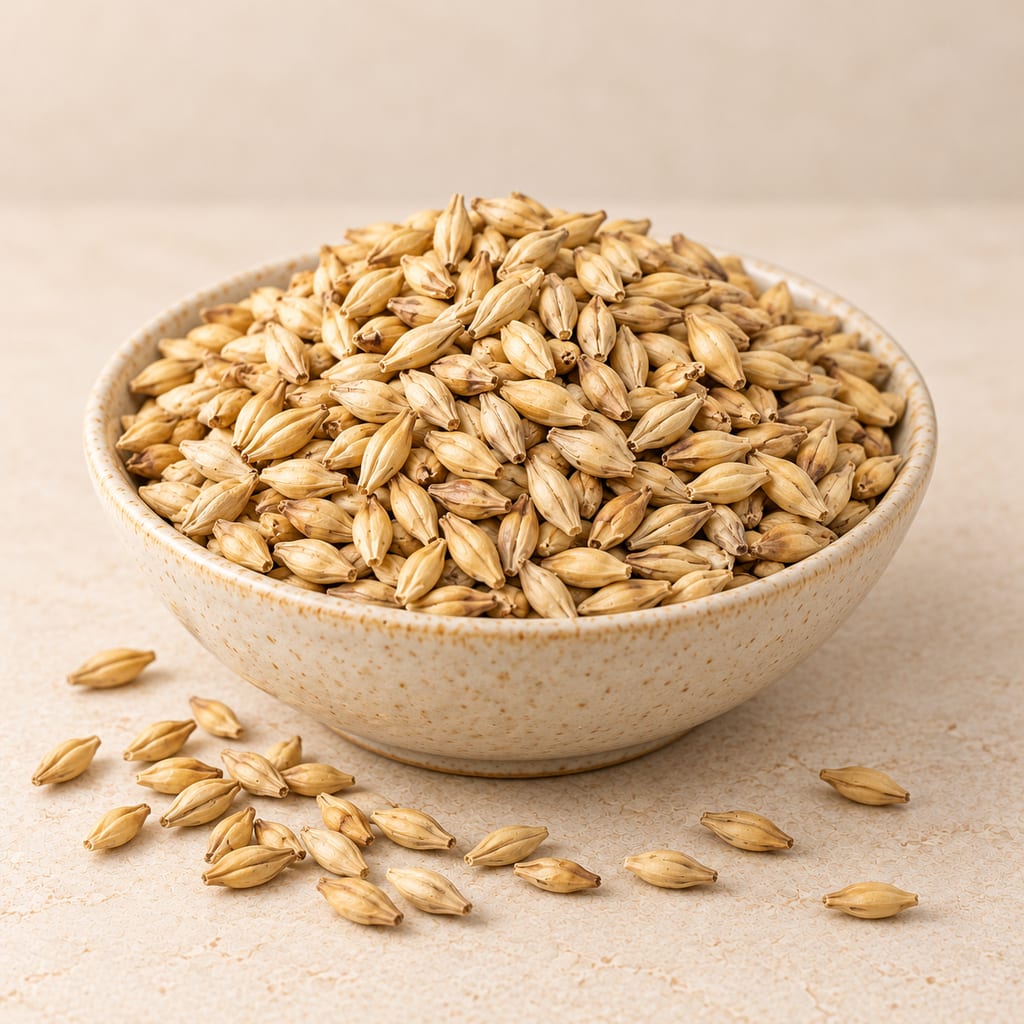
A pale, lightly kilned barley base malt that supplies wort material and brewing enzymes, with product-specific flavour, analysis and handling requirements.
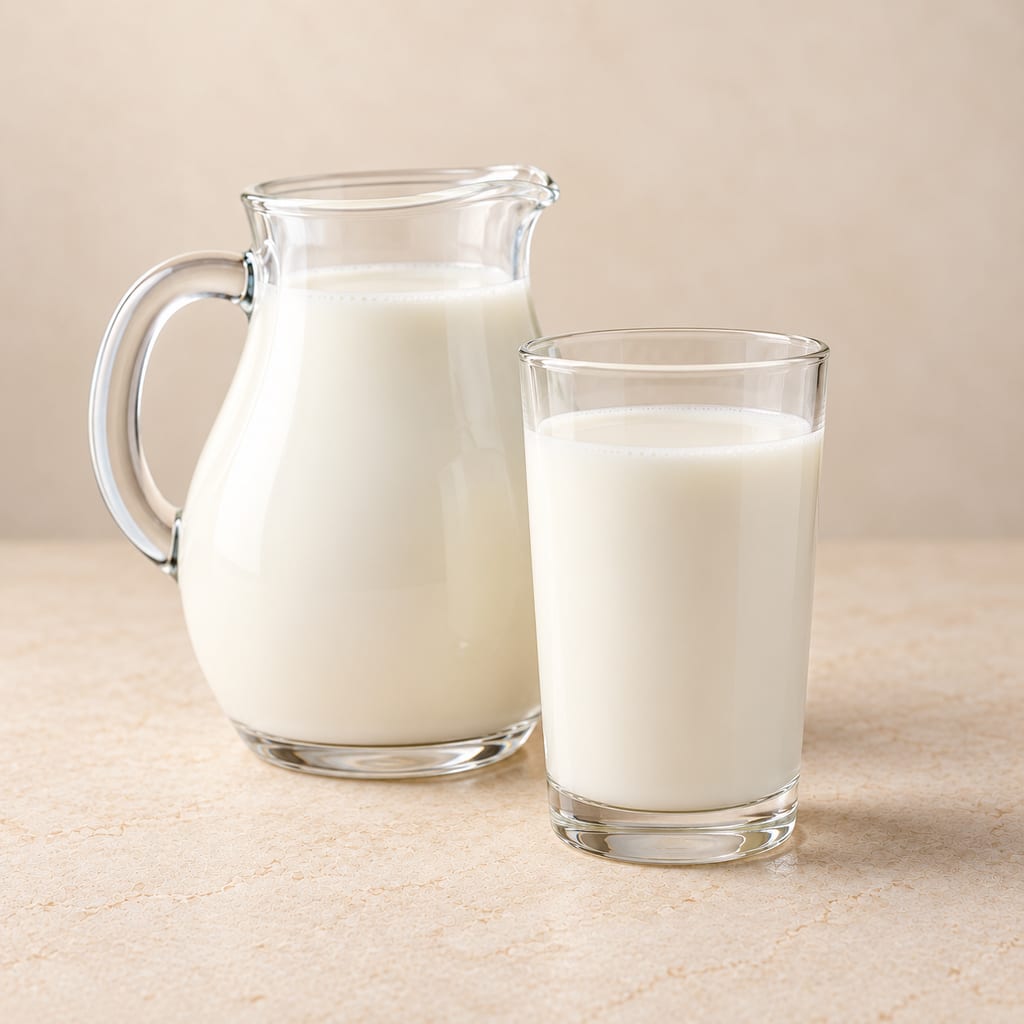
Cow milk in its whole-fat category supplies fat, proteins and lactose for cooking, cultured dairy and cheese. Heat treatment and homogenization are separate product choices.
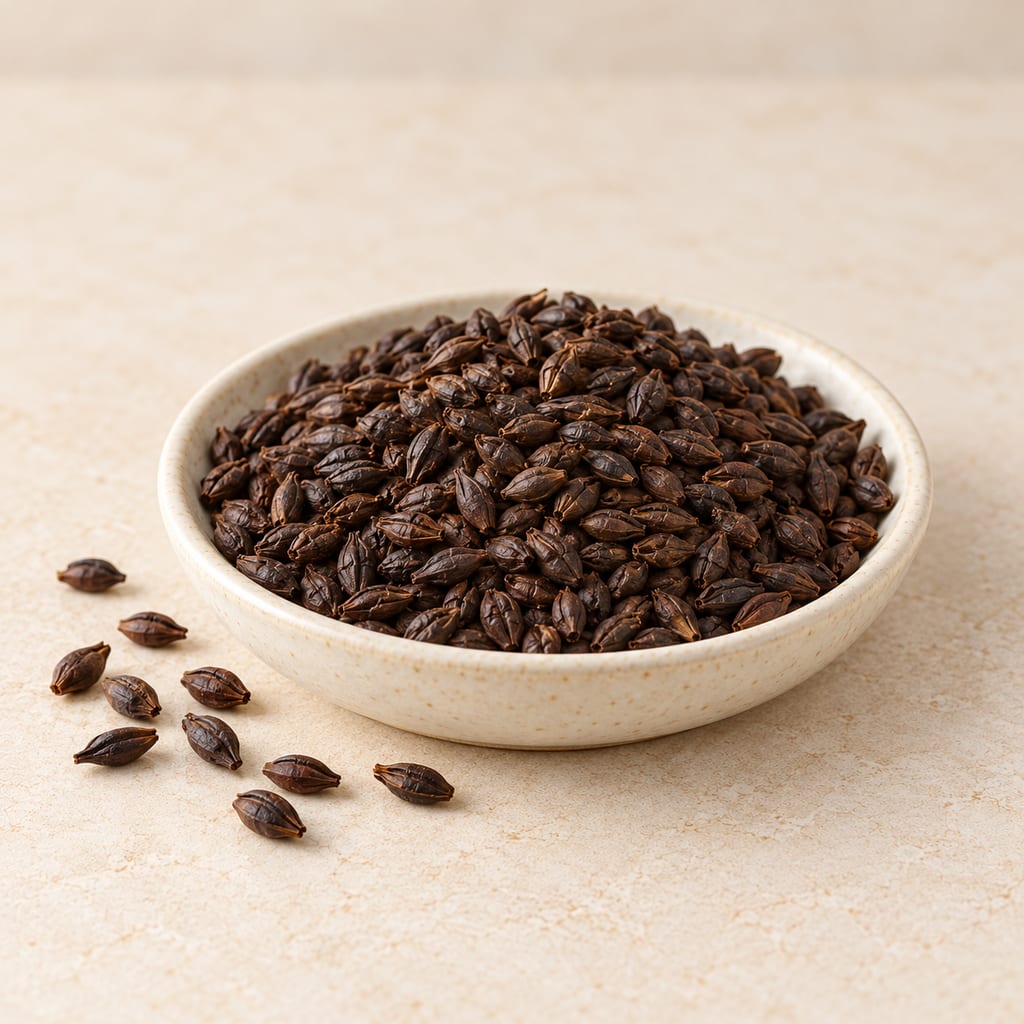
A dark roasted barley malt grade used for strong colour and coffee-to-chocolate roast character; standard Type3 differs from the husk-reduced Special line.
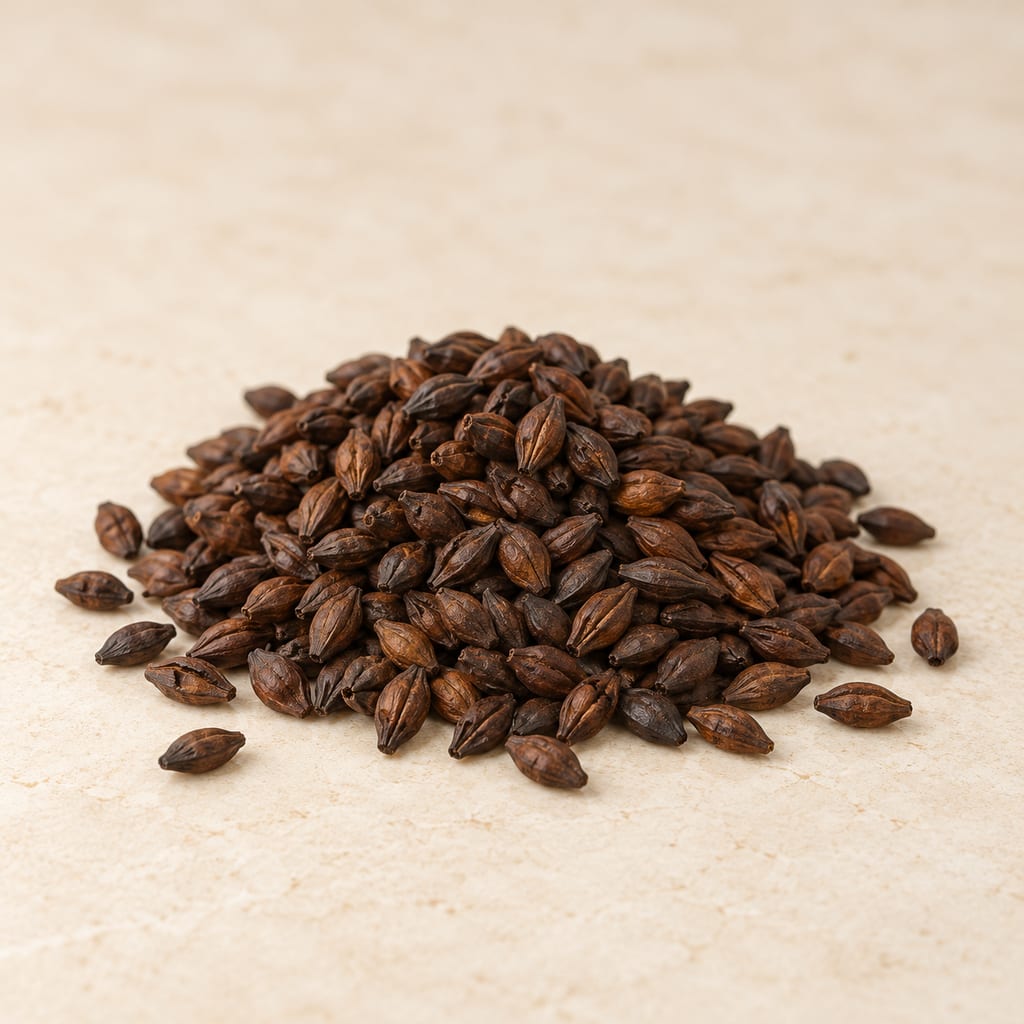
Dark-roasted unmalted barley used for colour and a dry roasted edge in stout, with other roast grades used in grain infusions and foods.
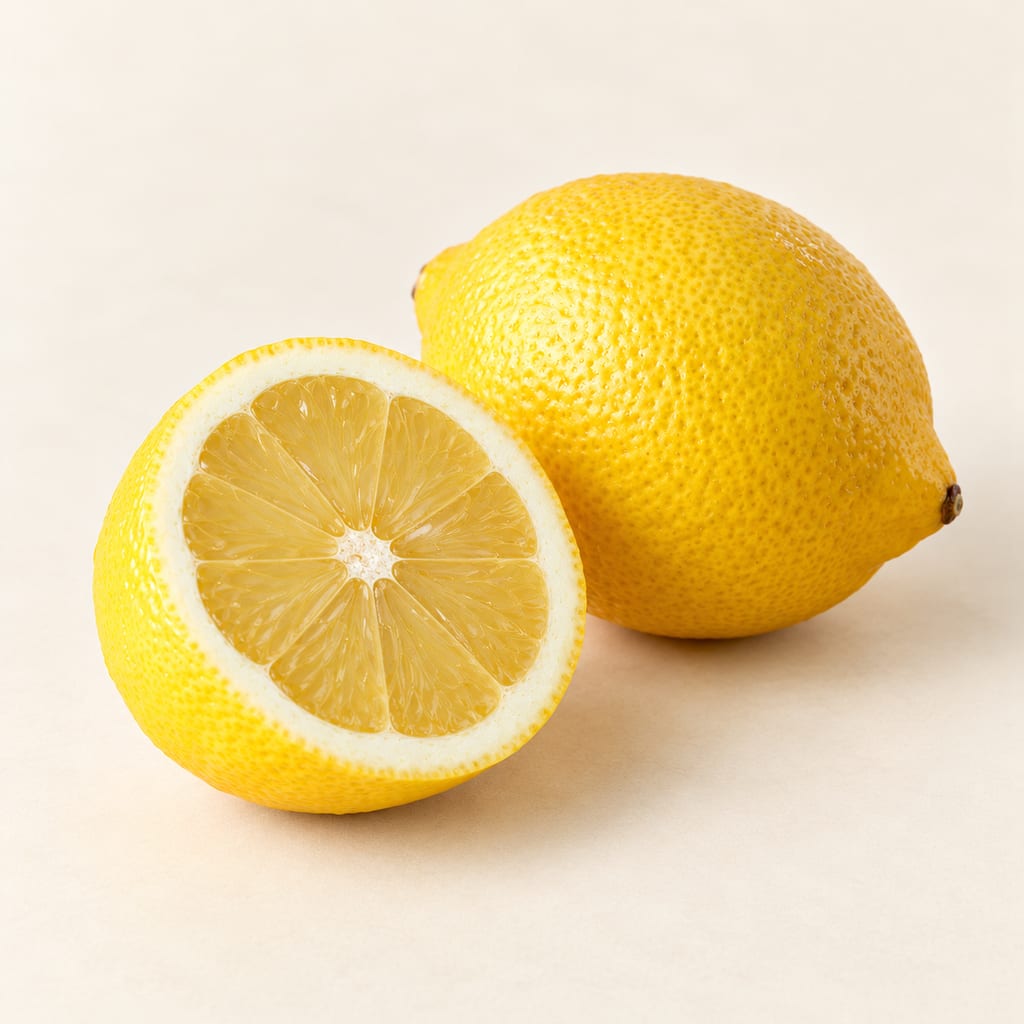
Lemons are aromatic, acidic citrus fruits whose peel, pith and juice serve different jobs in food and drink. The fruit is a hybrid with a complex history.
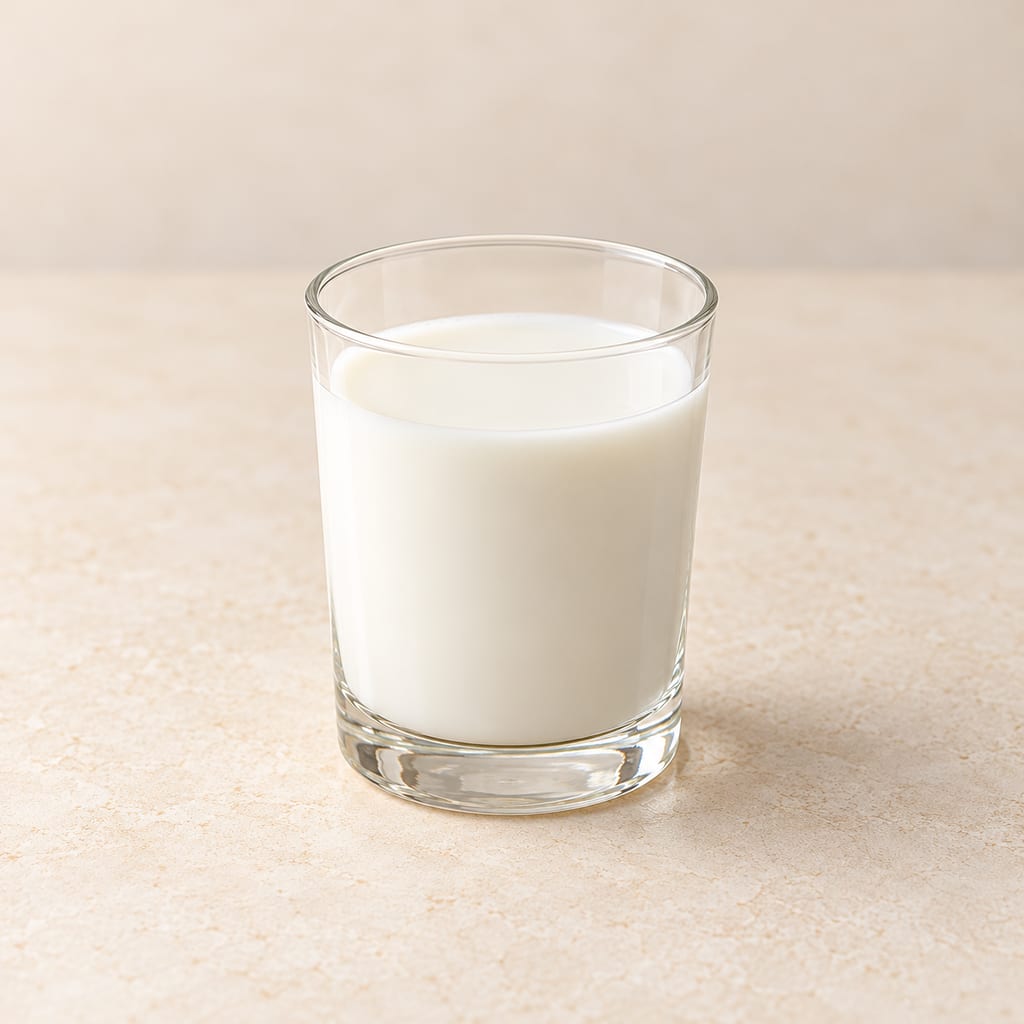
Milk with most of its fat separated into cream, retaining lactose and proteins used in cultured curds, starter media and other dairy foods.
Heat-treated dairy cream whose fat globules have not been mechanically homogenized, retaining a form used for churning cultured and sweet-cream butter.
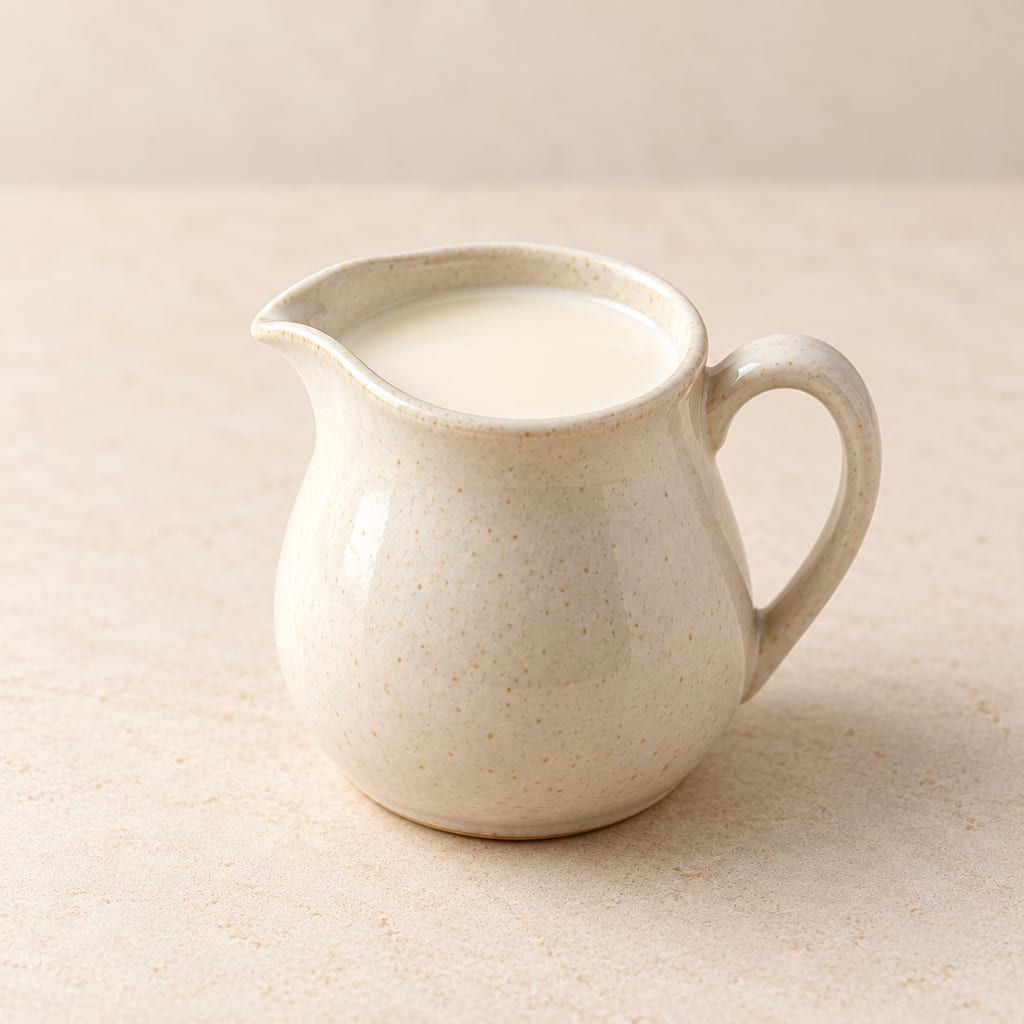
The fat-rich fraction of milk, used as a pouring ingredient, a whipped foam, a cultured dairy substrate or the starting material for butter.
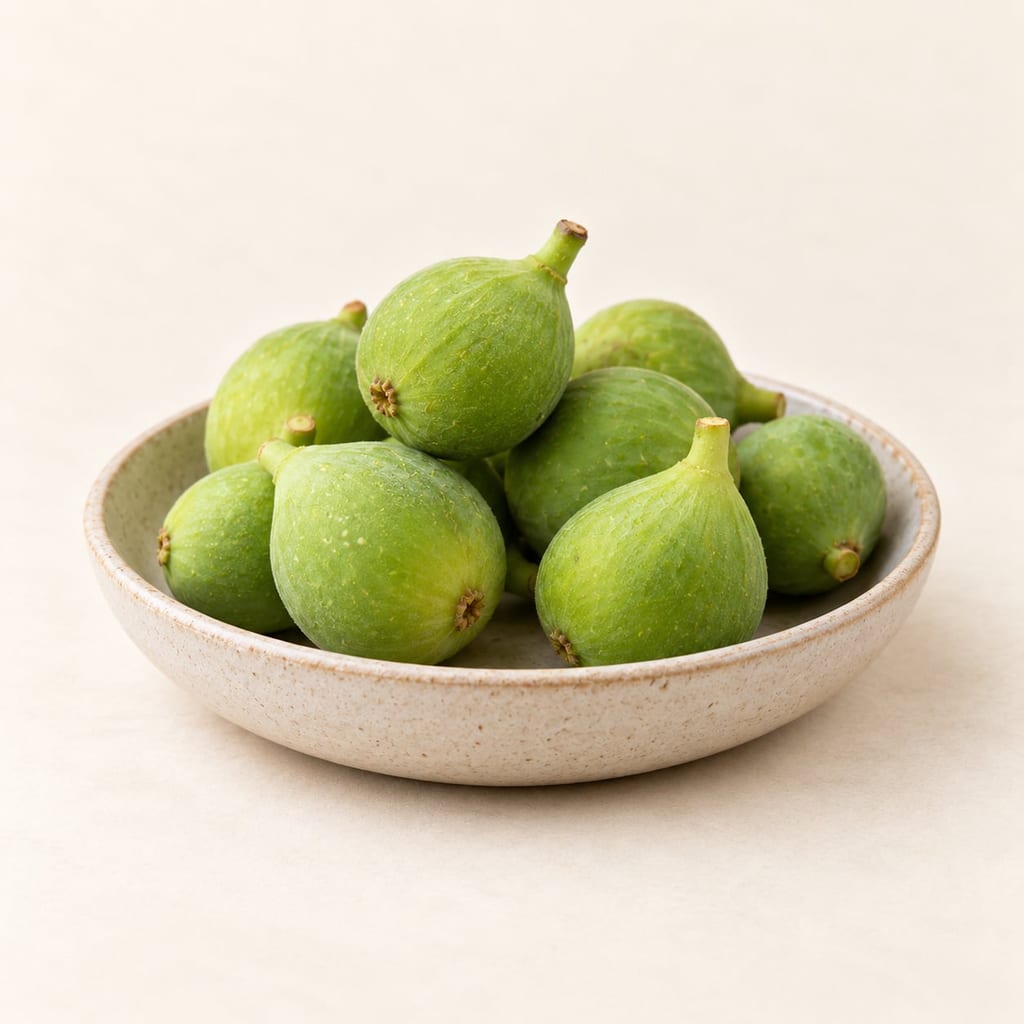
Firm green figs are the unripe fruit of the fig tree selected for preserves that keep the fruit whole and let it absorb syrup.
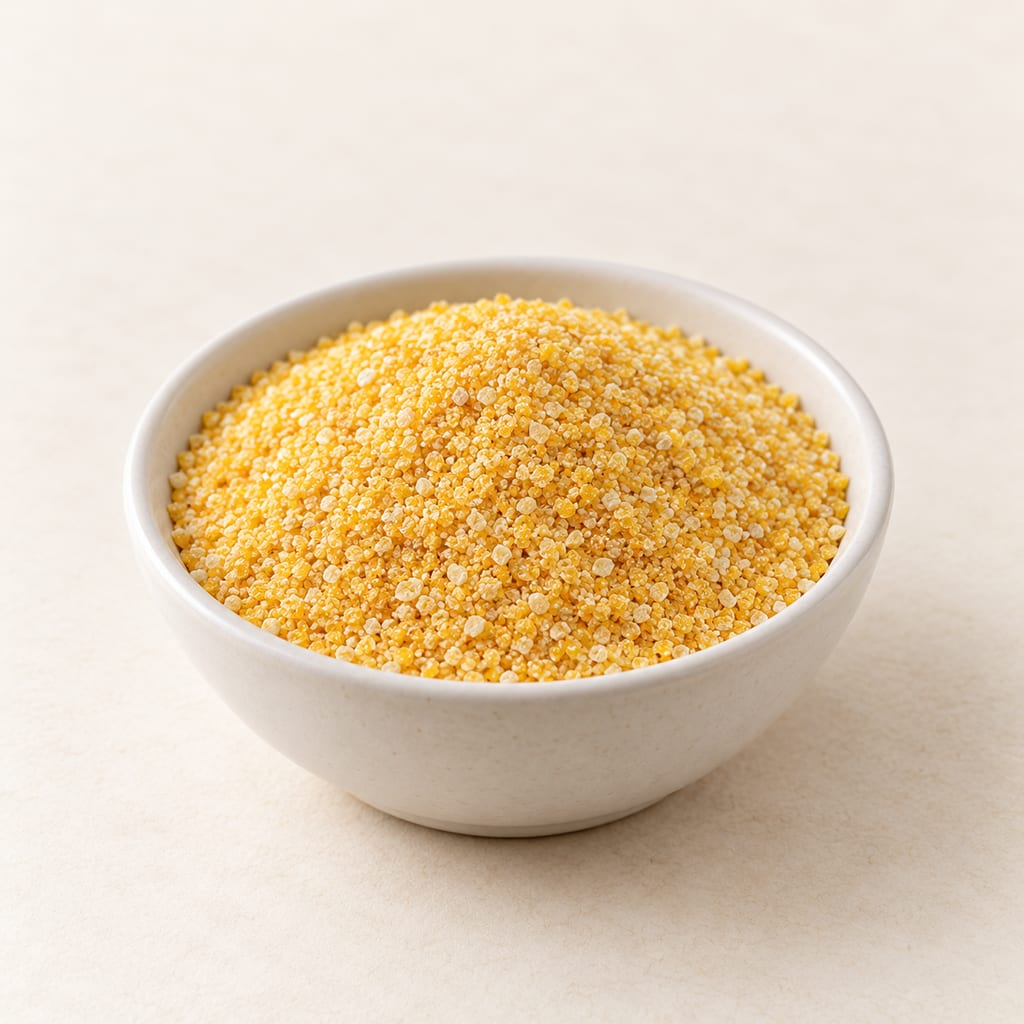
Yellow cornmeal is ground dried maize. Its particle size and milling treatment shape its texture and keeping quality; in the cited sourdough English muffin method, it is an exterior coating rather than part of the dough.
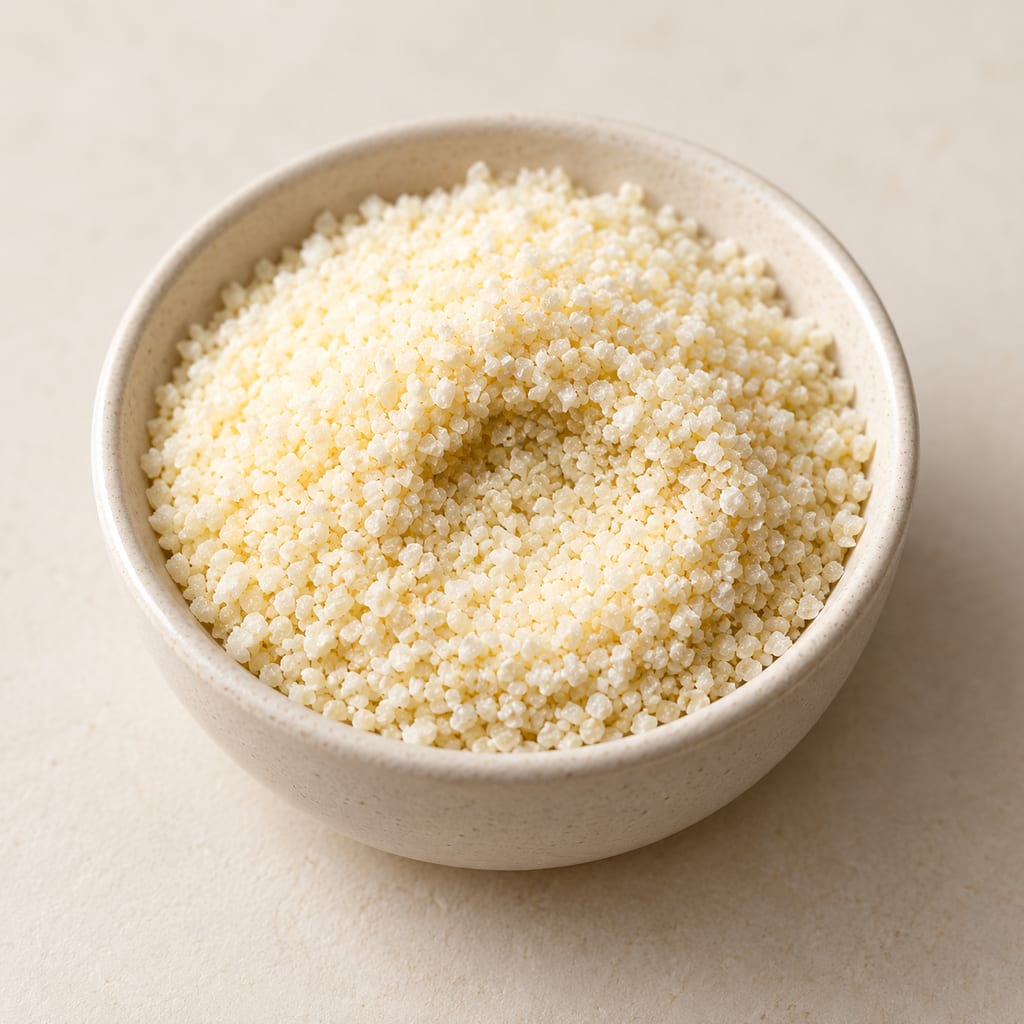
Semolina is a granular wheat milling product; in many markets it means durum, while some standards also use the name for other wheat. In sourdough English muffins, it is an optional surface coating, not the main flour.
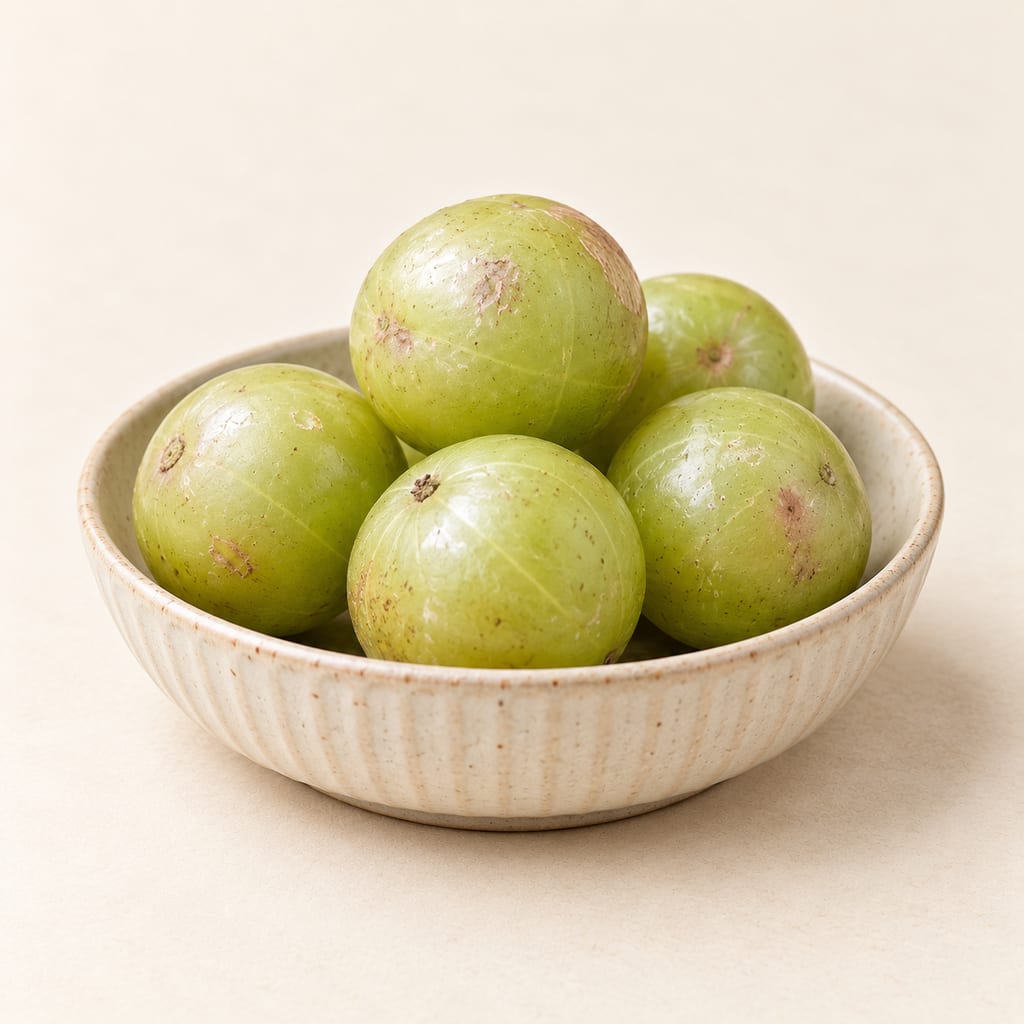
Amla is the firm, sharply sour fruit of Phyllanthus emblica. Cooks transform it into murabba, pickles, chutneys, drinks and dried snacks.
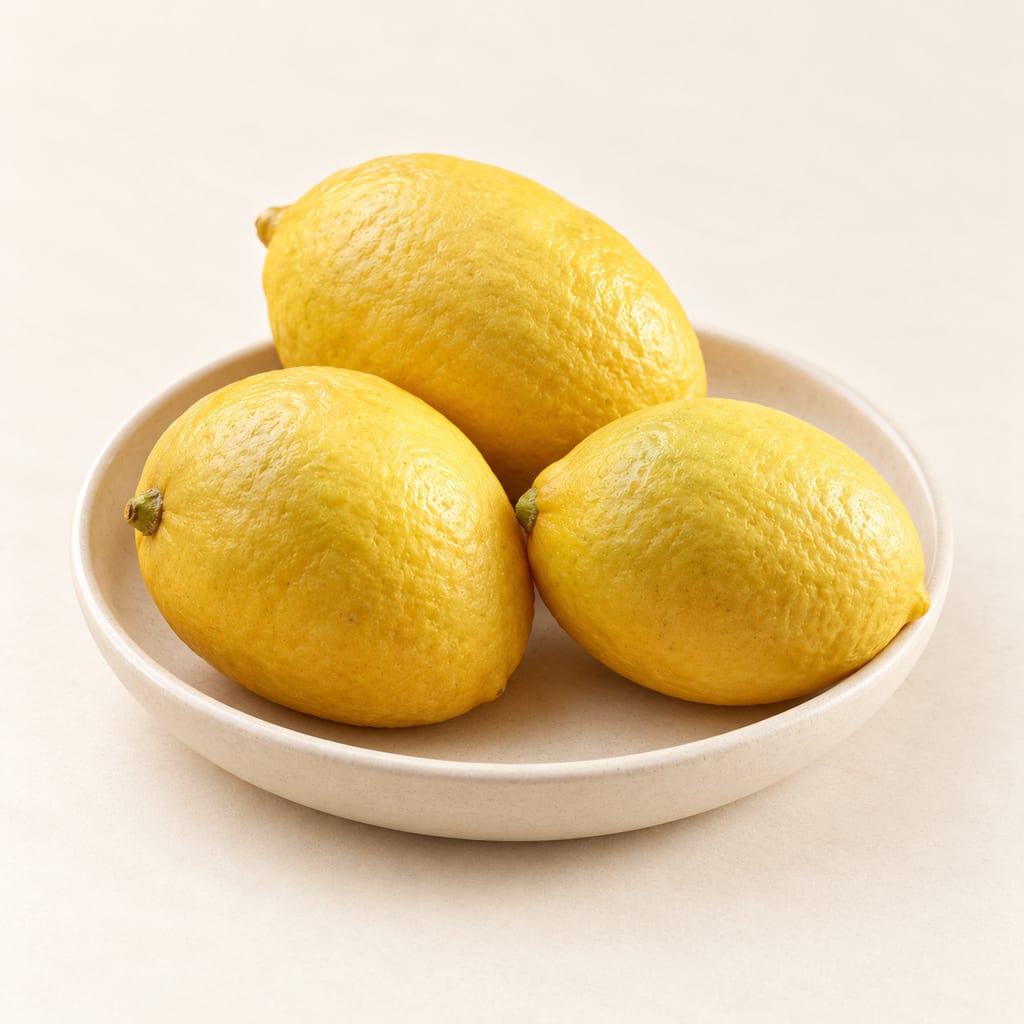
Himachal galgal is a large sour hill citrus used for pickles, concentrated juice and fresh winter preparations; its botanical naming varies across authorities.
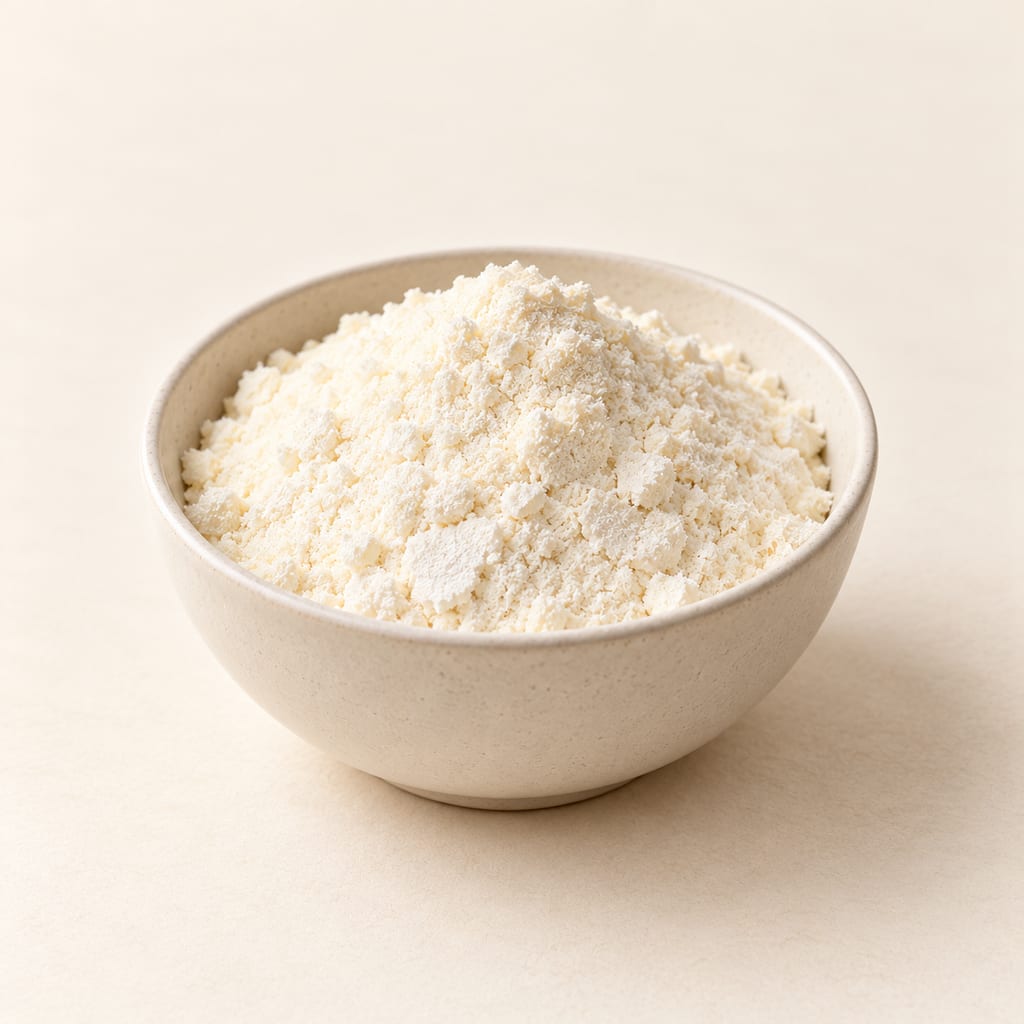
Dry milk is a family of dairy ingredients made by removing most water from milk or cream. The name includes distinct whole, partly skimmed and nonfat powders; fat level, heat treatment and particle form determine handling and use.
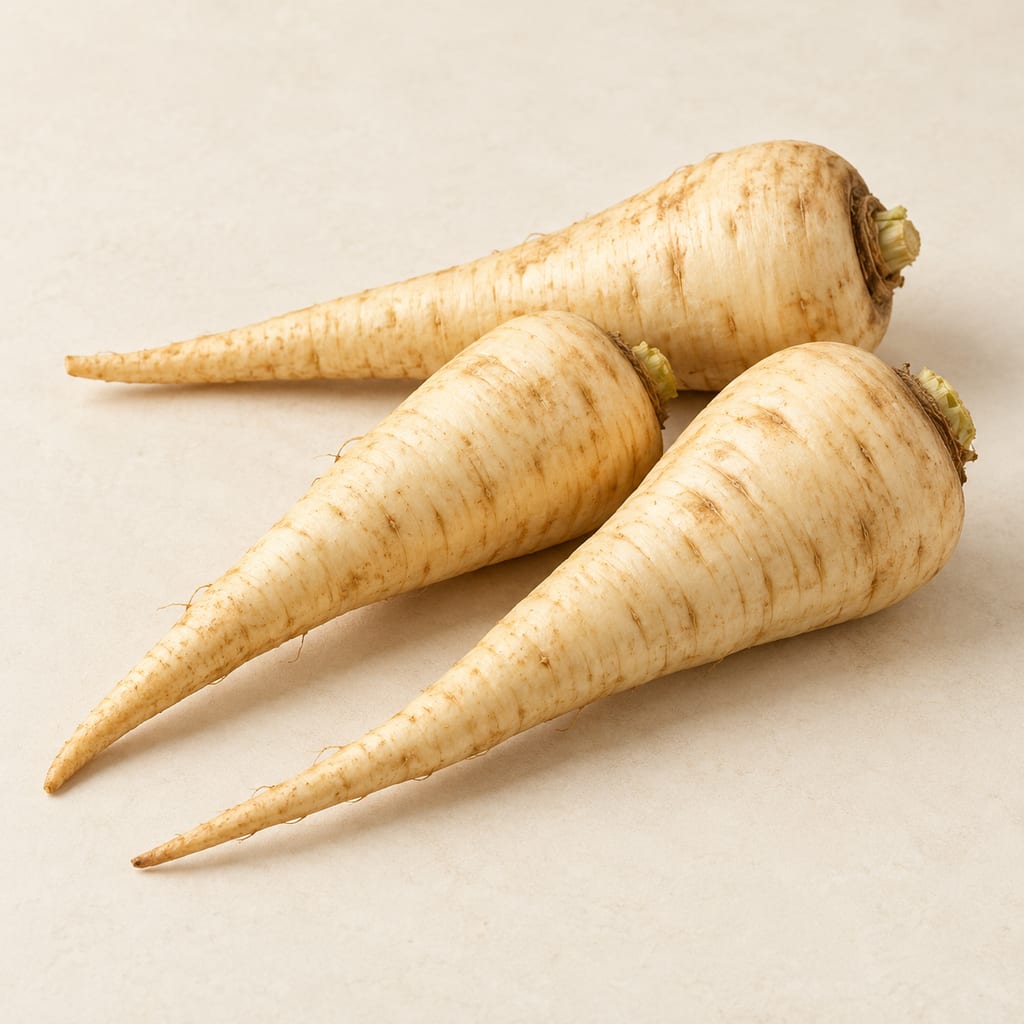
Sweet, aromatic storage roots used as a cooked vegetable and in household wines, with starch and soluble sugars that change as the roots grow and are stored.
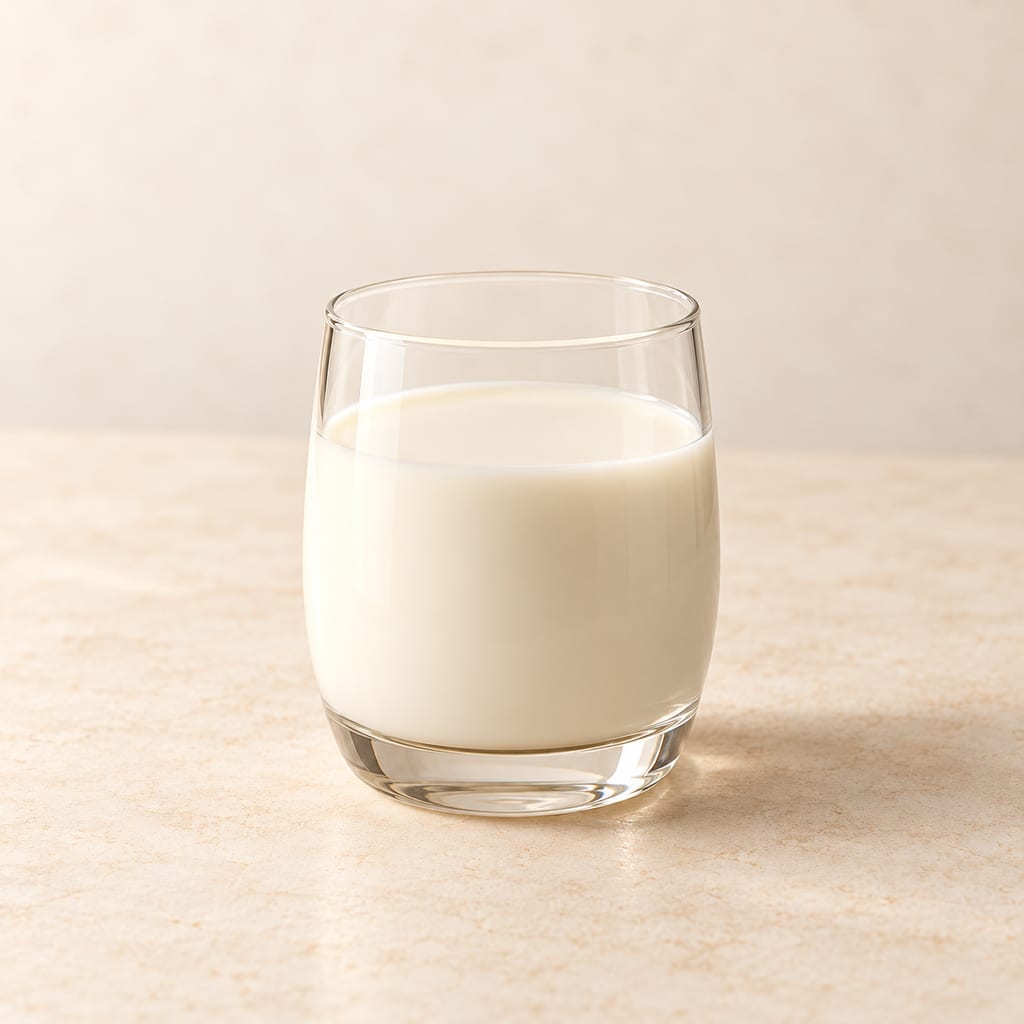
Full-fat milk given conventional pasteurization, selected in linked cultured-milk and cheese methods for its composition and treatment.
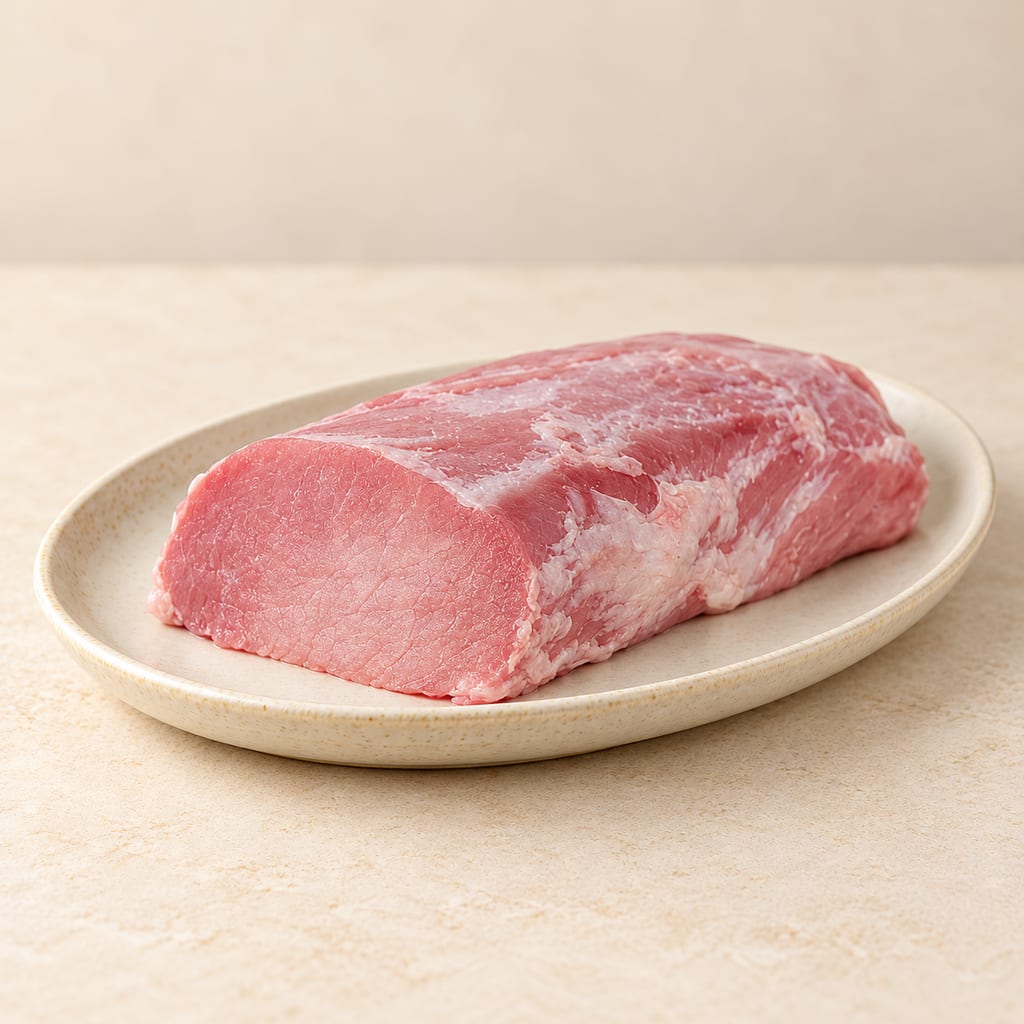
Trimmed domestic-pig muscle supplies the protein framework, water and meat flavor in fermented sausages; cut, condition and handling affect how it binds and ripens.
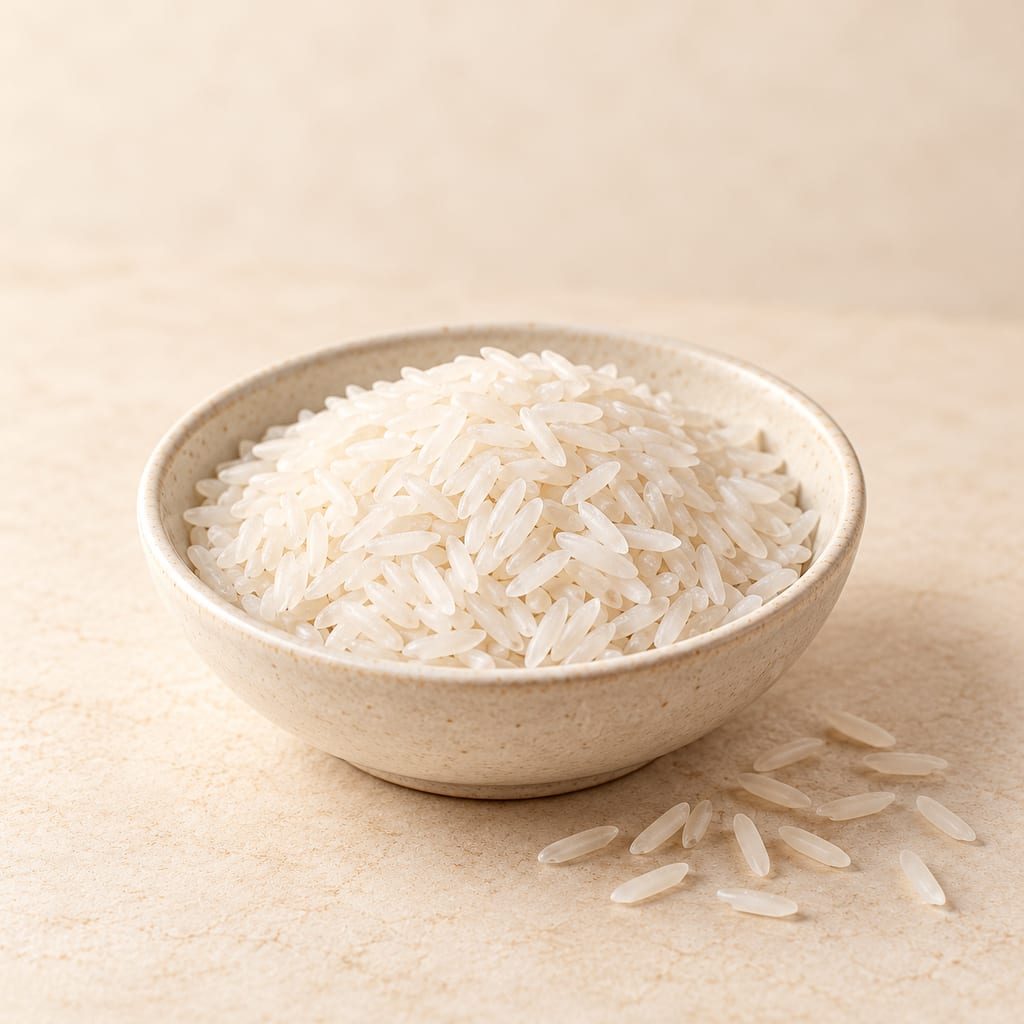
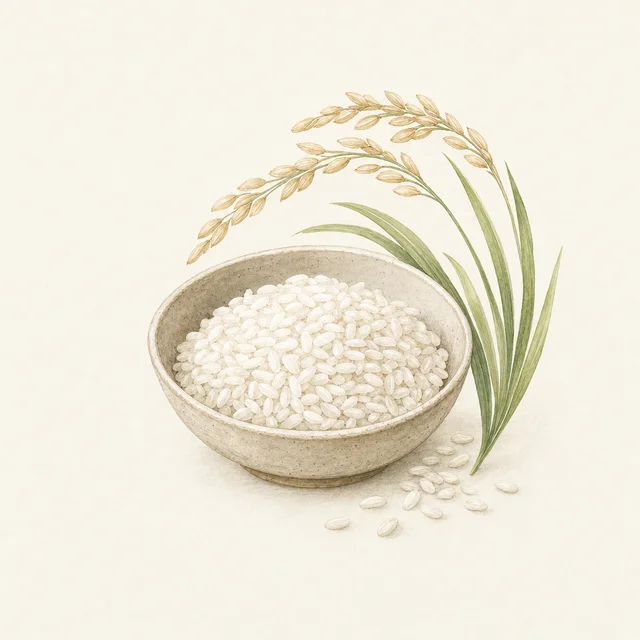
Rice contributes starch to flatbreads, steamed breads, batters and many distinct fermentations. Its species, milling and starch character shape how it cooks, binds, expands and feeds enzymes.
Whole milk retains its milkfat and brings fat, casein, lactose, minerals and water to the table; species and processing still shape how it tastes and sets.
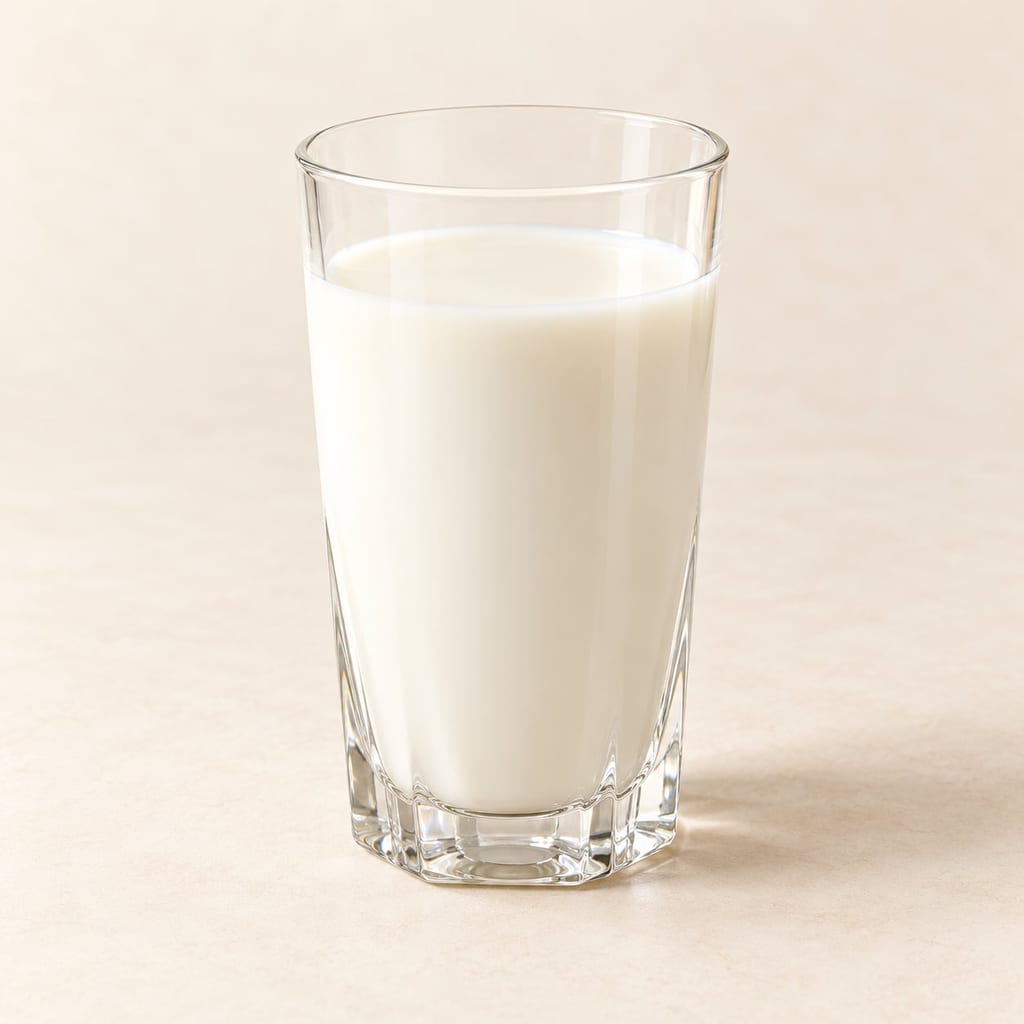
Milk is the fluid produced by dairy animals. Its species, fat level, heat treatment and handling shape the way it can be drunk, cultured or turned into curd.
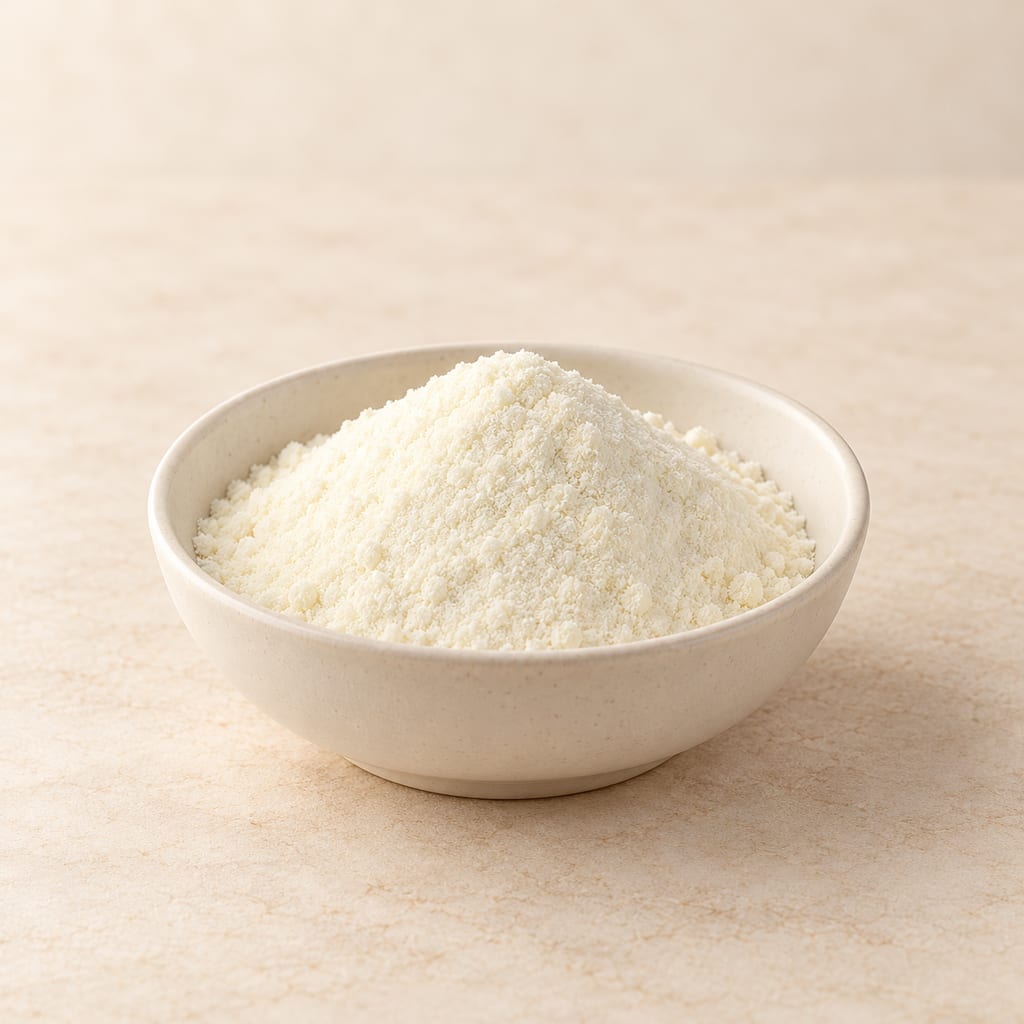
Nonfat dry milk powder is dried skim milk that adds protein, lactose and minerals without much fat. It supplies milk solids for cultured dairy, baking and frozen desserts.