

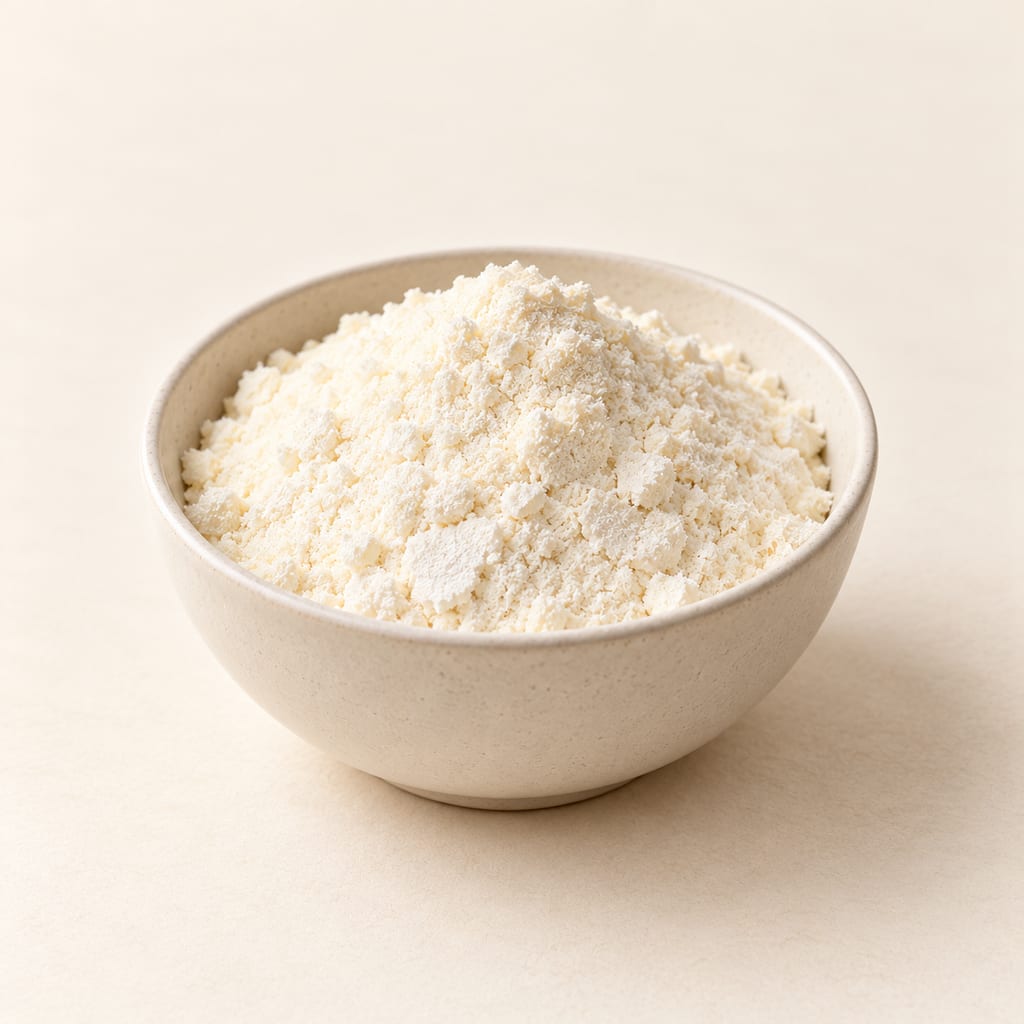


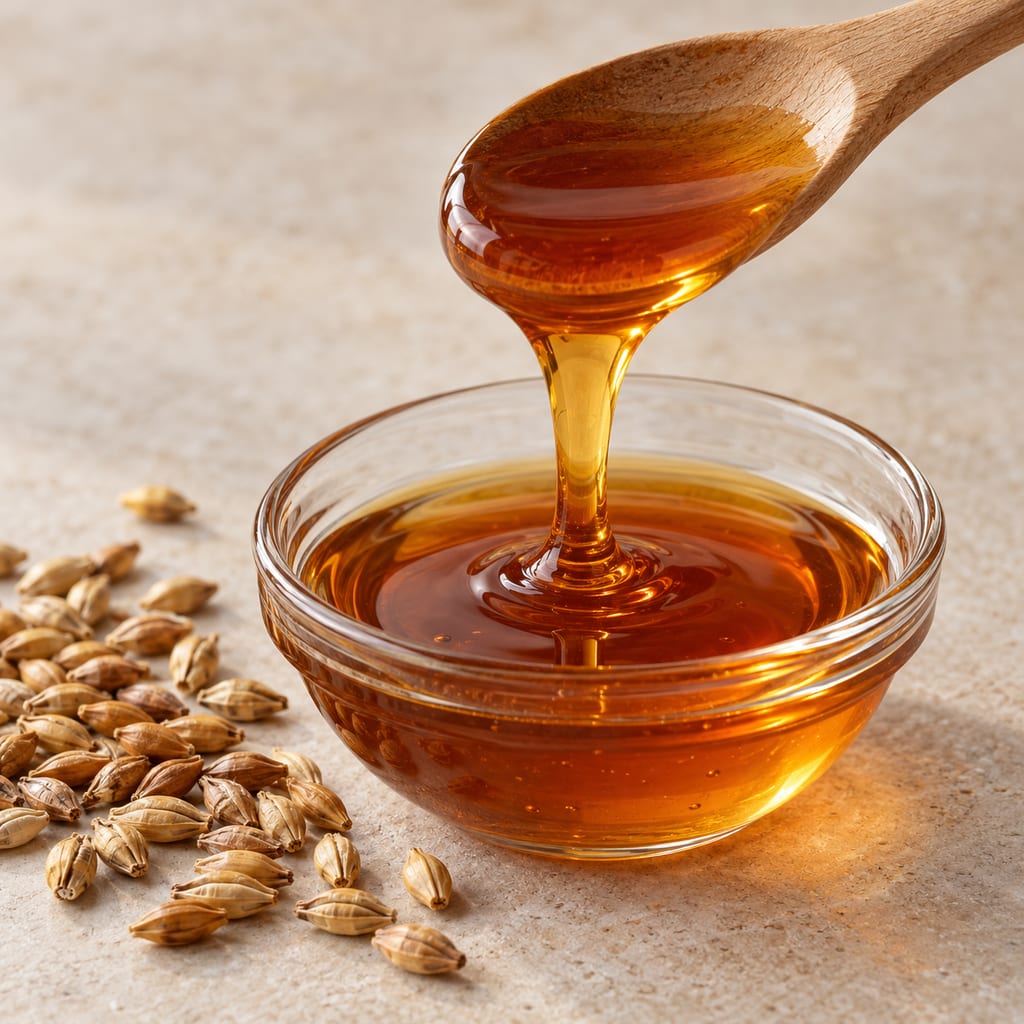
Briess wheat extract
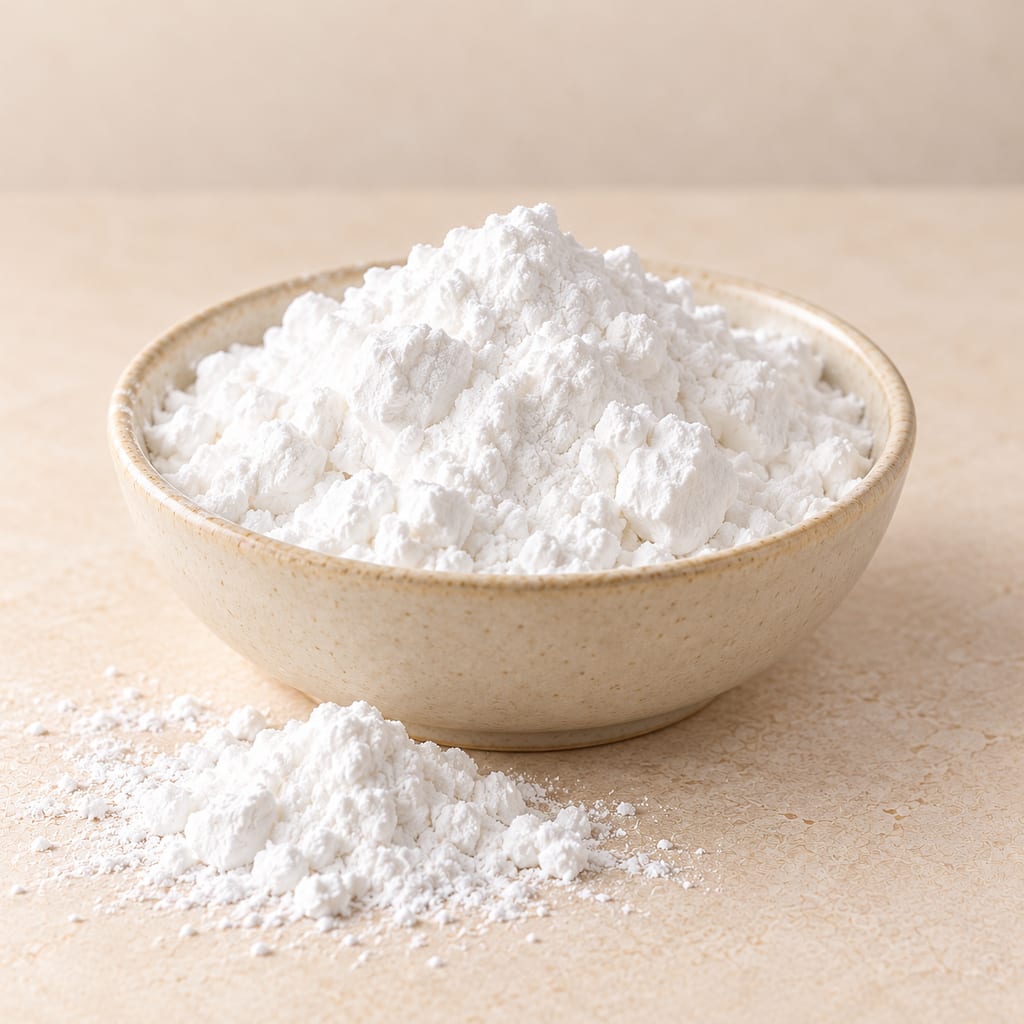
Briess wheat extract is prepared wheat-and-barley malt wort sold in concentrated form for brewing. The linked Weizen recipe uses two cans, 6.6 lb total, without naming a specific Briess wheat-extract variant.
 FermenteaWhere food goes to change
1086 articles on substrates, cultures and additives.
Briess wheat extract is prepared wheat-and-barley malt wort sold in concentrated form for brewing. The linked Weizen recipe uses two cans, 6.6 lb total, without naming a specific Briess wheat-extract variant.
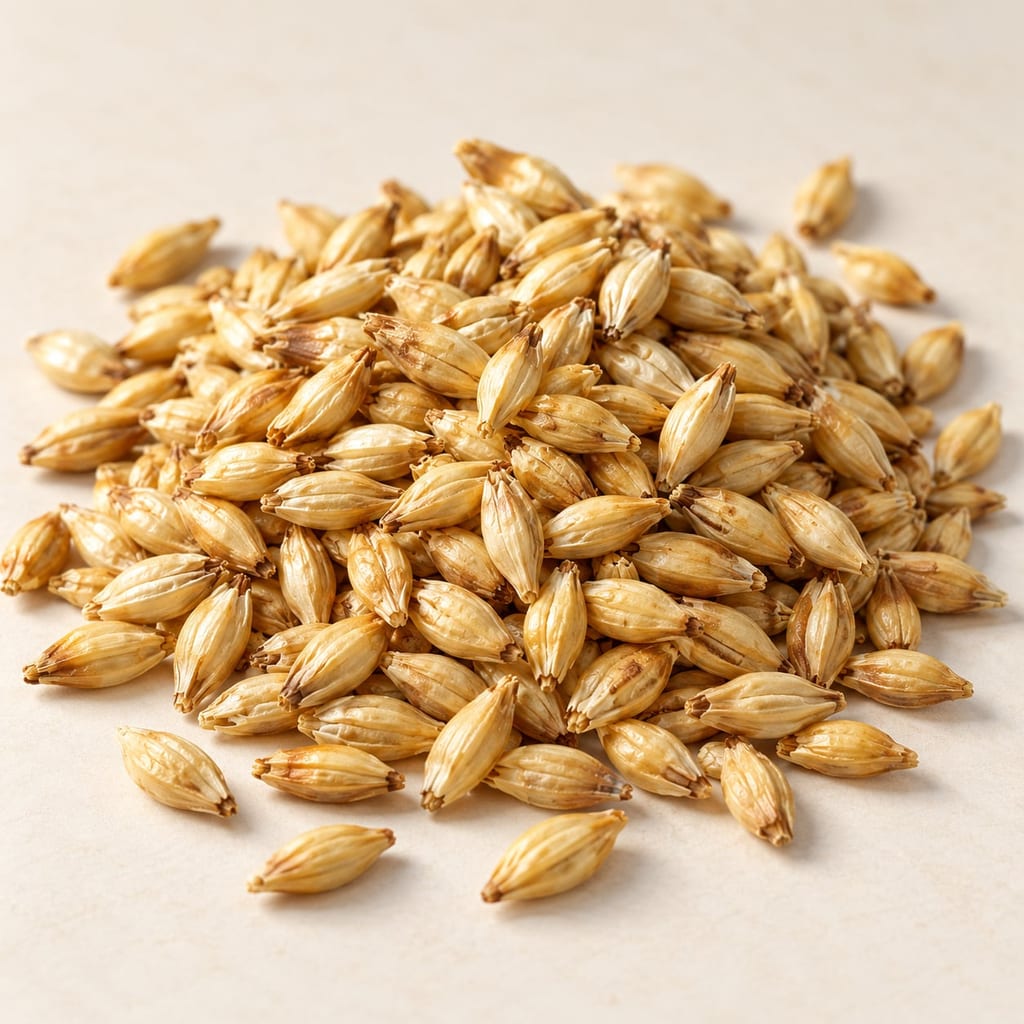
A pale, enzyme-free barley malt made by Briess for use alongside other brewing malts, with intended contributions to beer body and foam.
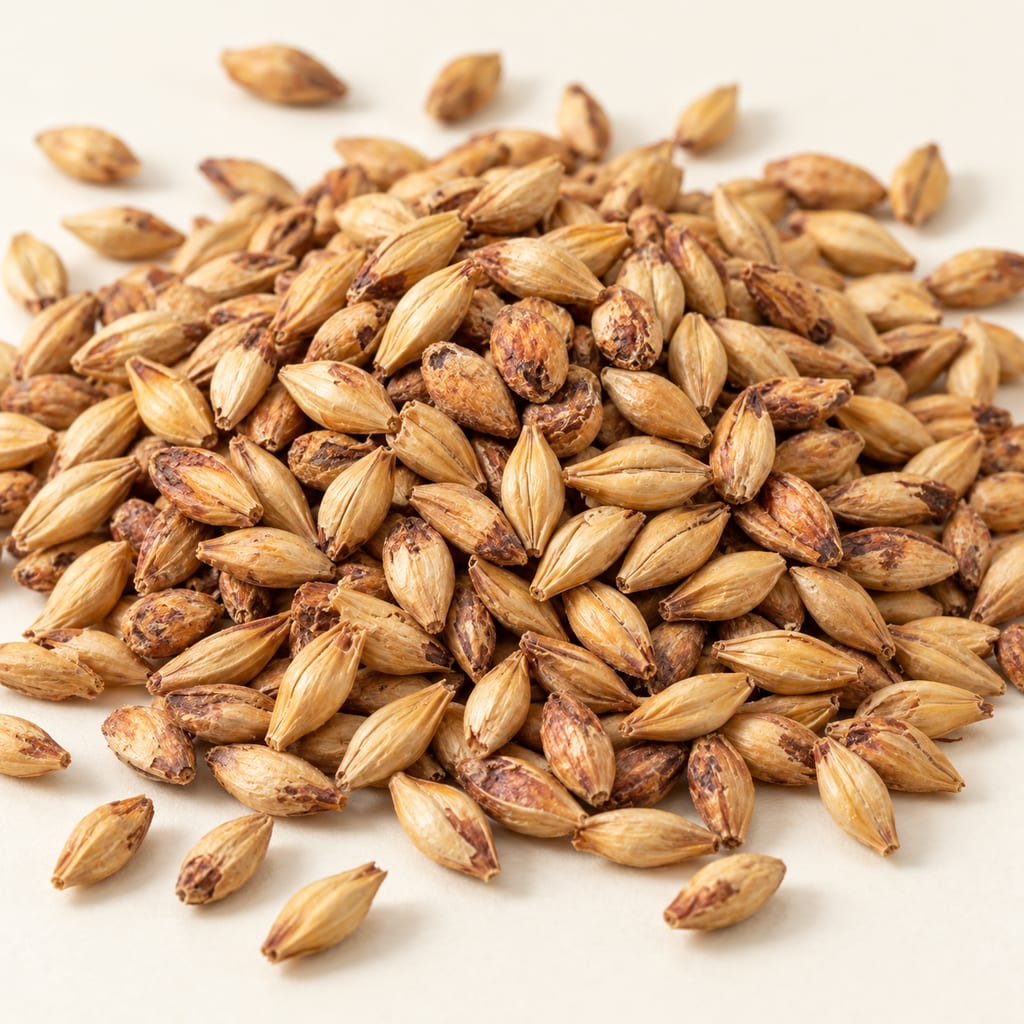
Briess Aromatic Munich Malt 20L is a deeply kilned two-row barley malt used in small measure to lend malt aroma and colour. Monk’s Ration lists three ounces alongside four pounds of pale base malt.
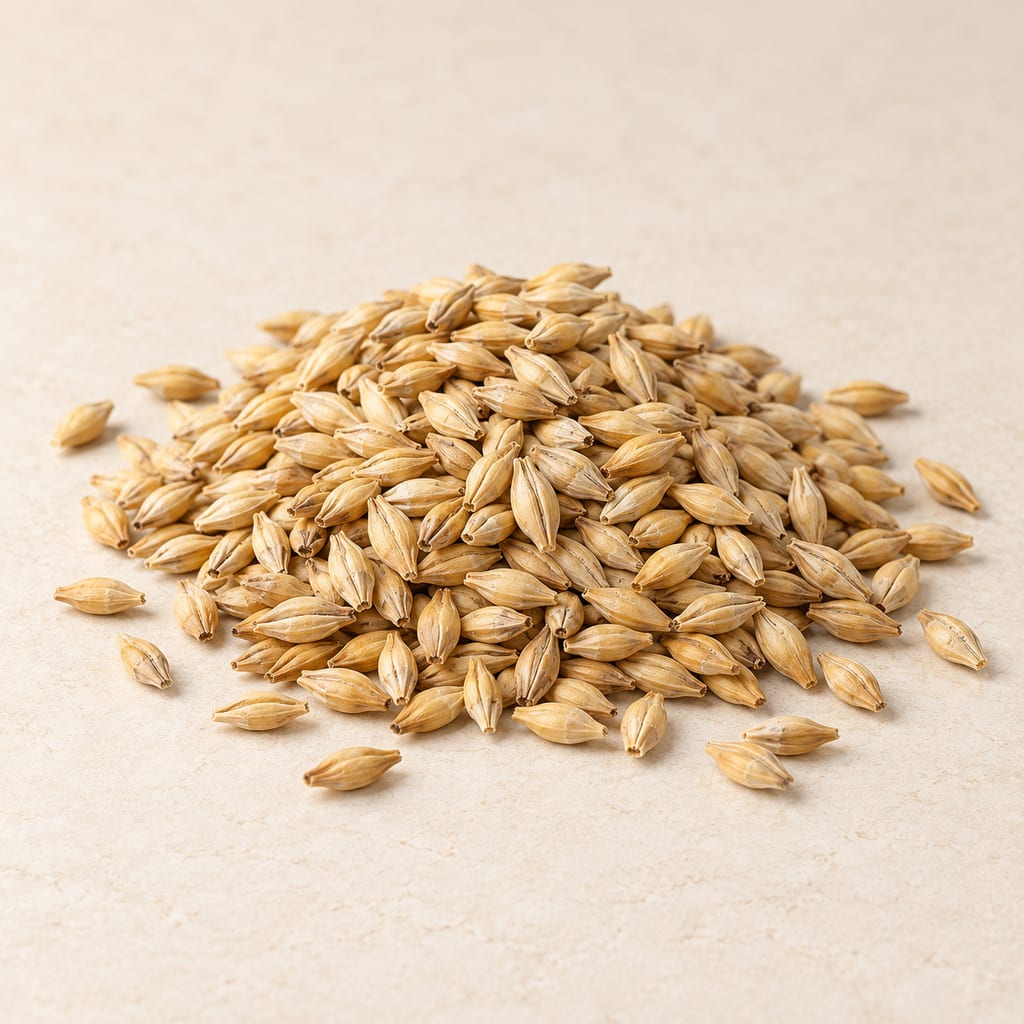
A lightly kilned brewing base made from two-row barley. It supplies starch and enzymes for the mash, with the maltster’s product and lot analysis defining its brewing properties.
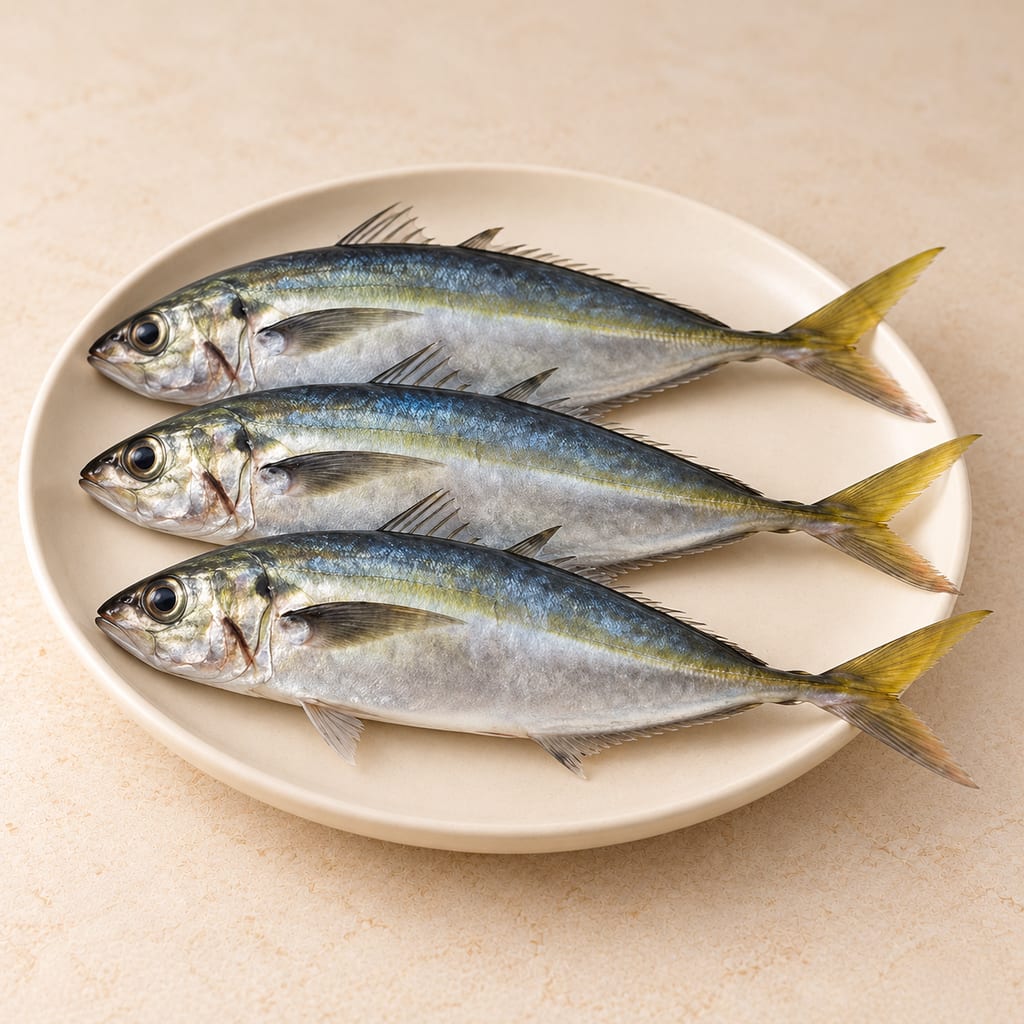
A marine scad named in a Vietnamese fish-sauce account as a whole-fish substrate; the account gives a 4:1 fish-to-salt example but no species-level voucher.
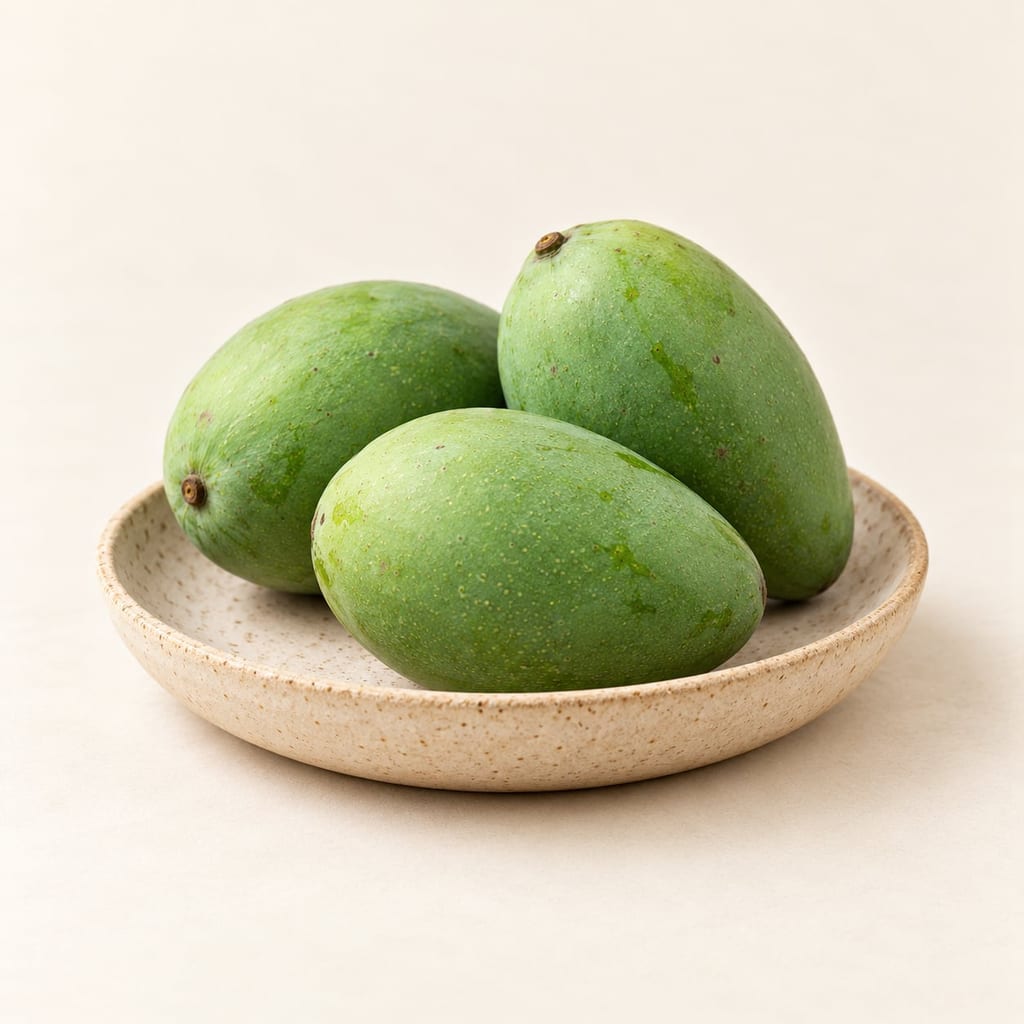
Unripe mango offers sourness and firm texture at several maturity stages, from tender whole pickle fruit to mature-green slices for cooking or drying.
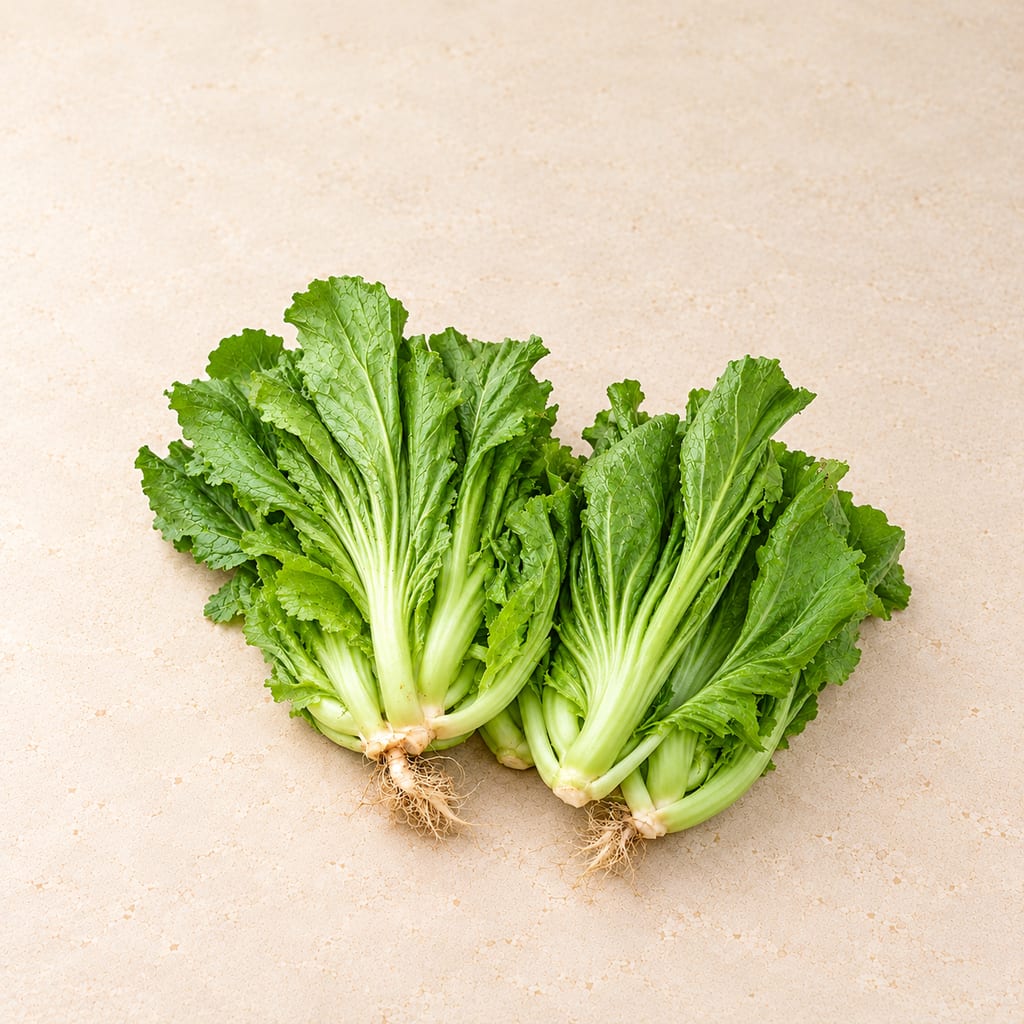
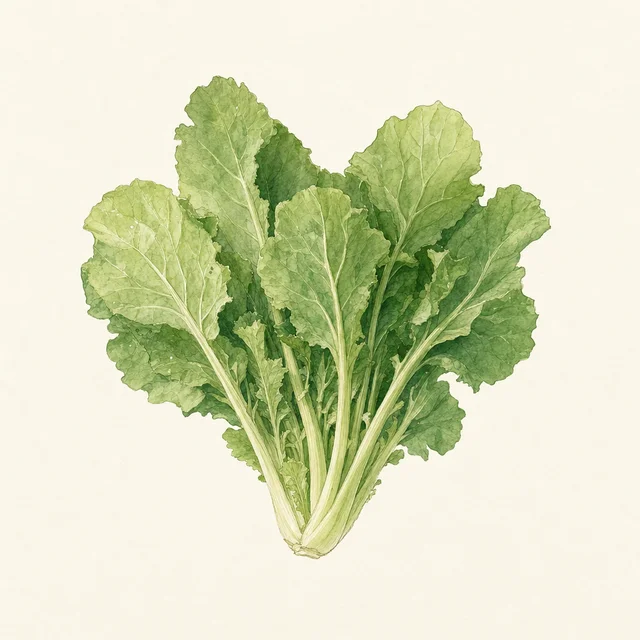
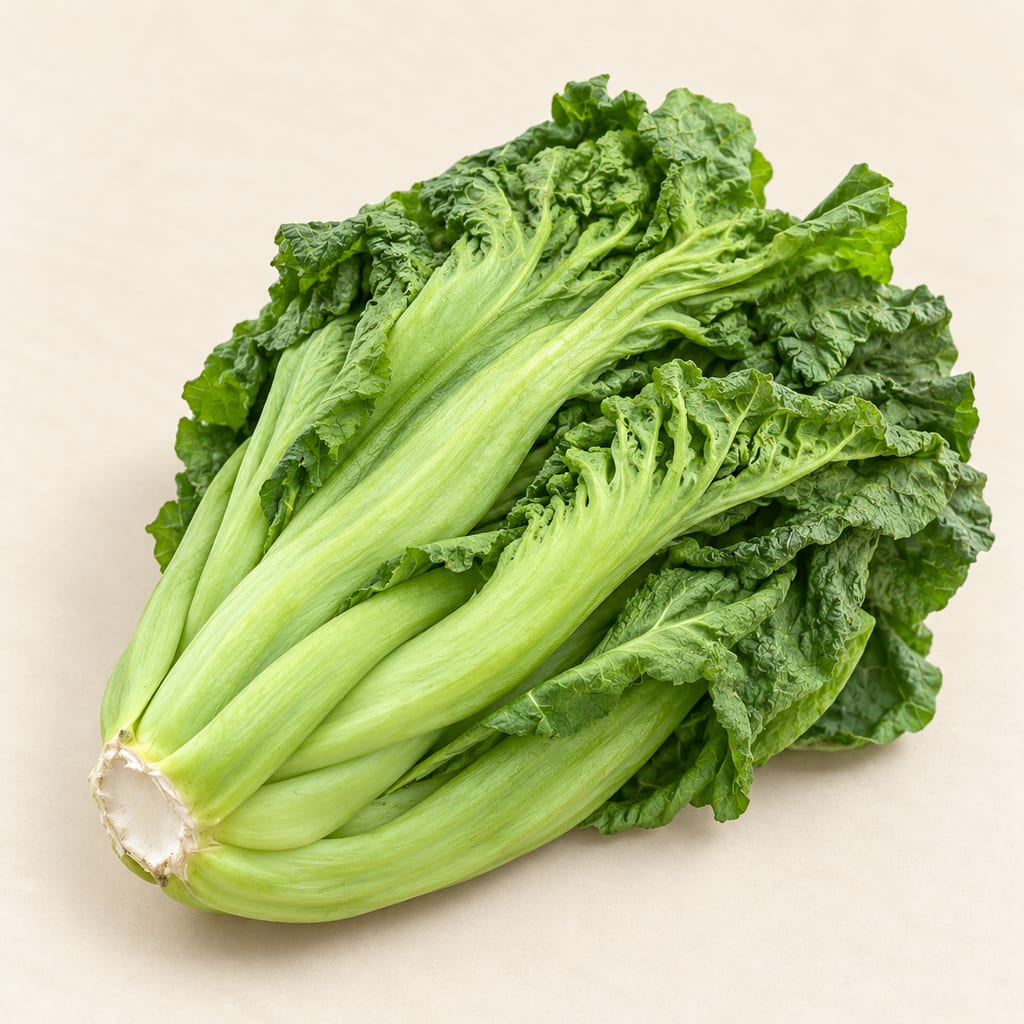
The leaves of Brassica juncea, a hardy cool-season crop with a sharp, sulfurous bite, eaten fresh and cooked and fermented across Asia as pickled greens, kimchi and gundruk.

Ripe avocado flesh is the soft, buttery, fat-rich pulp of Persea americana, eaten raw. It is low in acid, so it is a fresh ingredient that needs care in chilled dishes.
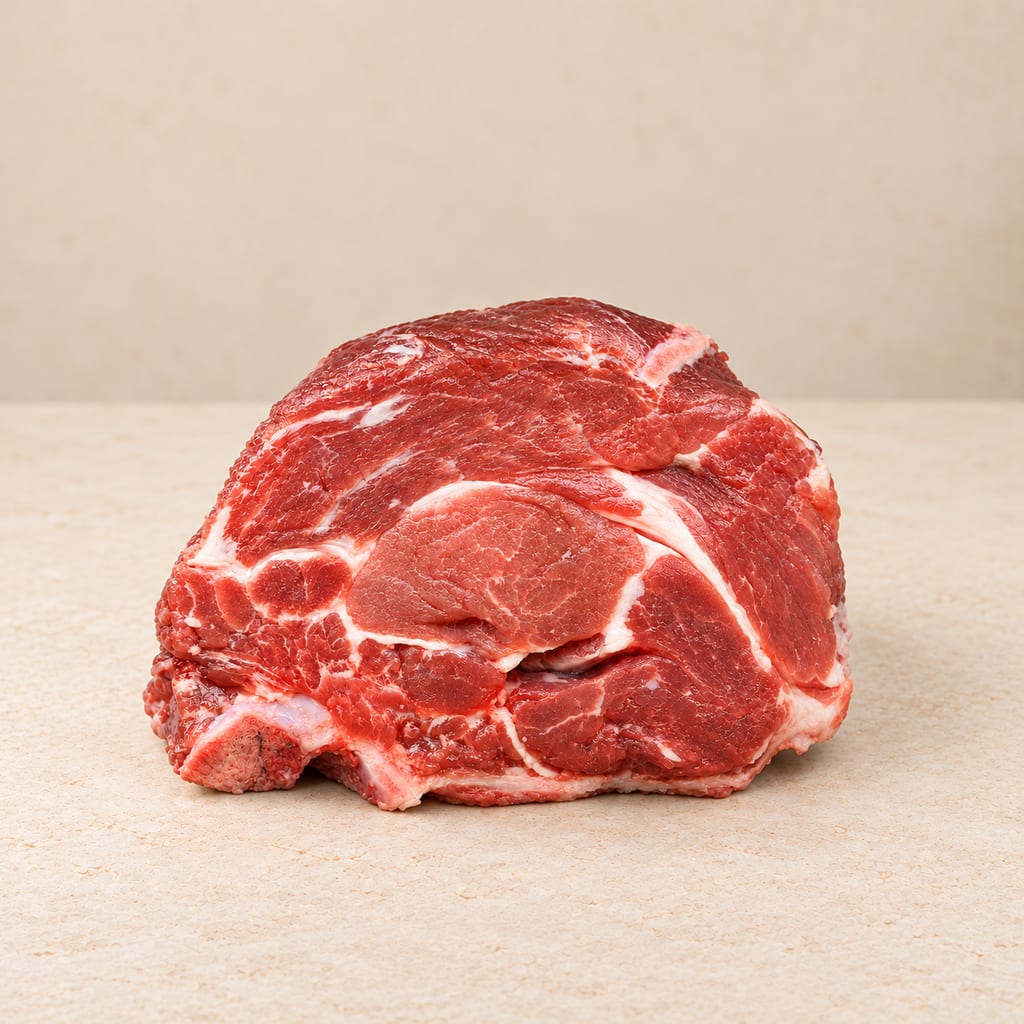
Pork shoulder is the forequarter of the pig, divided into the upper Boston butt and the lower picnic. It is a working muscle group with connective tissue and fat, and it is the usual lean meat for sausage.
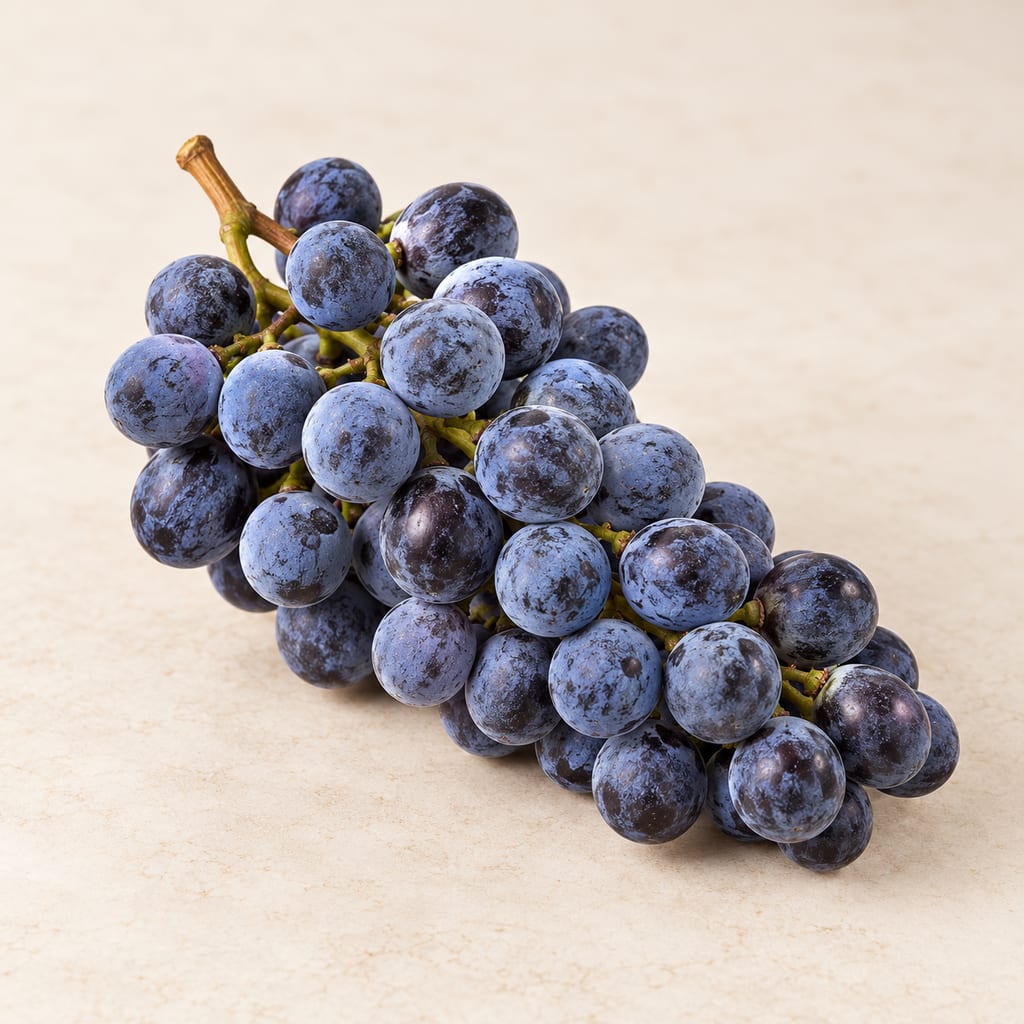
Concord is a seeded, blue-black slip-skin grape with a distinctive aroma, used fresh and in juice, preserves, pies and wine.
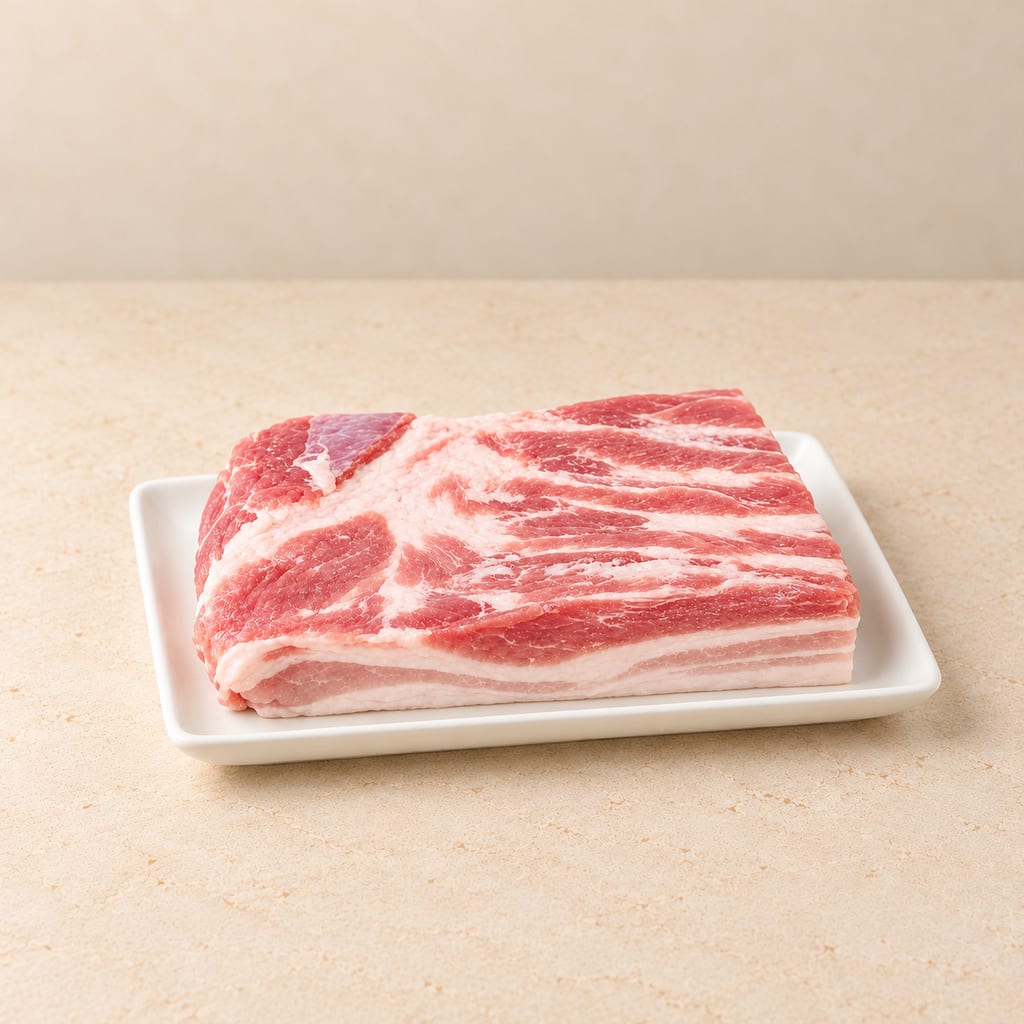
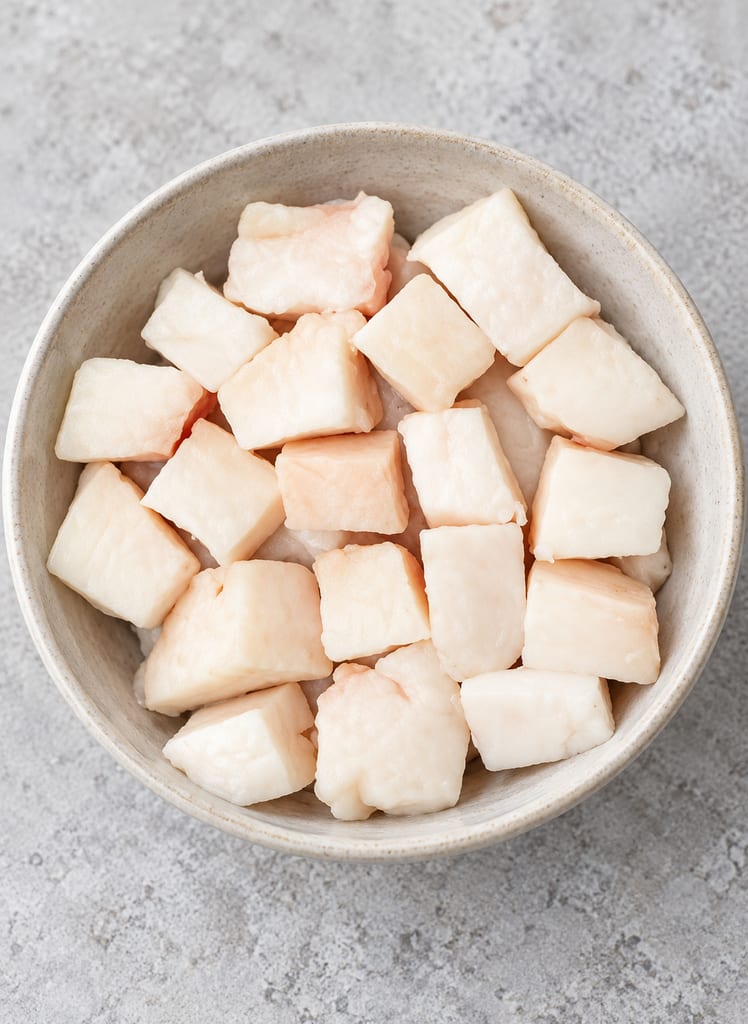
Raw pork belly combines muscle and adipose tissue in layers. Its fat content varies, and a recipe weight of belly is not a measured weight of pure fat.
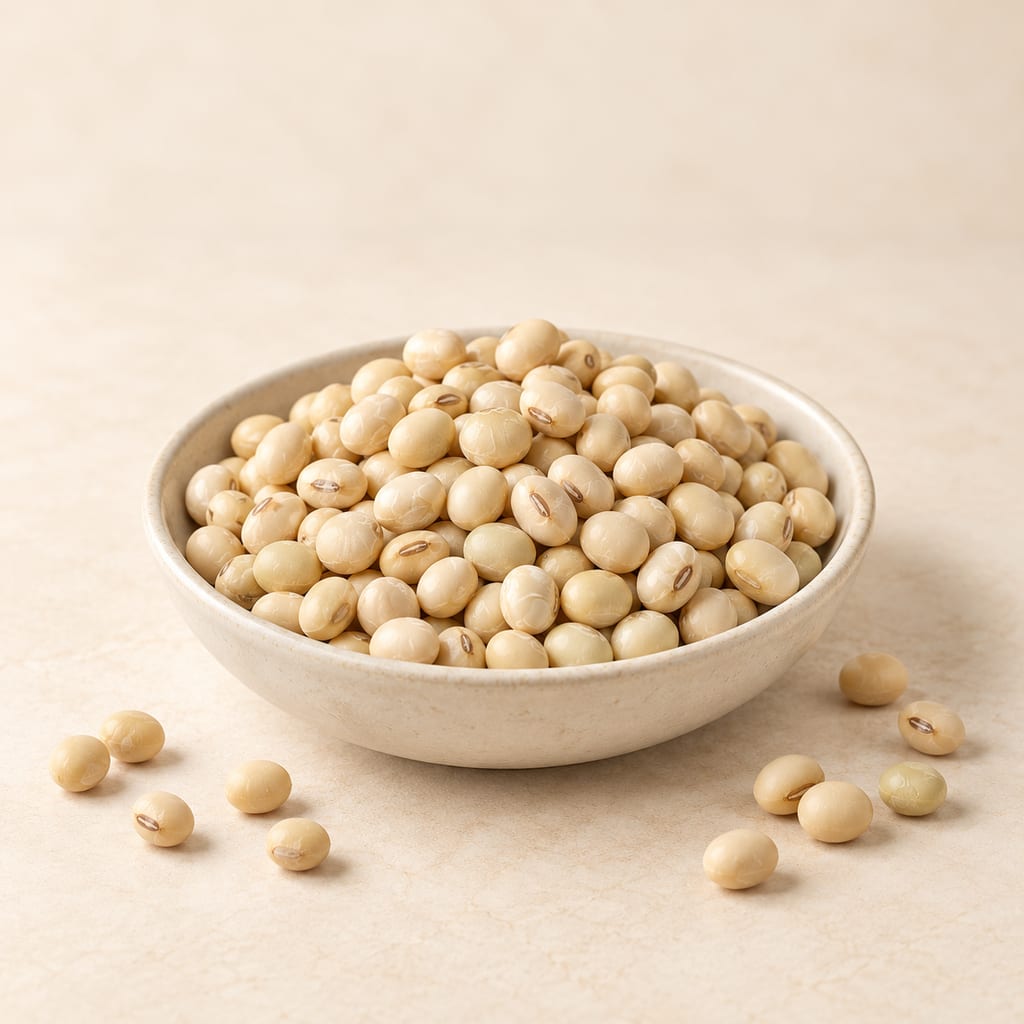
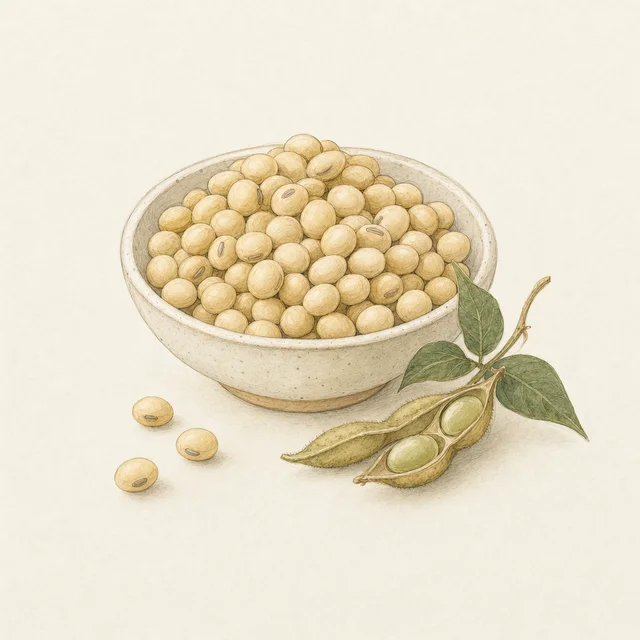
Soybeans are the mature dry seeds of Glycine max, about 40 percent protein and 20 percent oil, the substrate of tempeh, natto, miso, soy sauce and many other fermented foods.
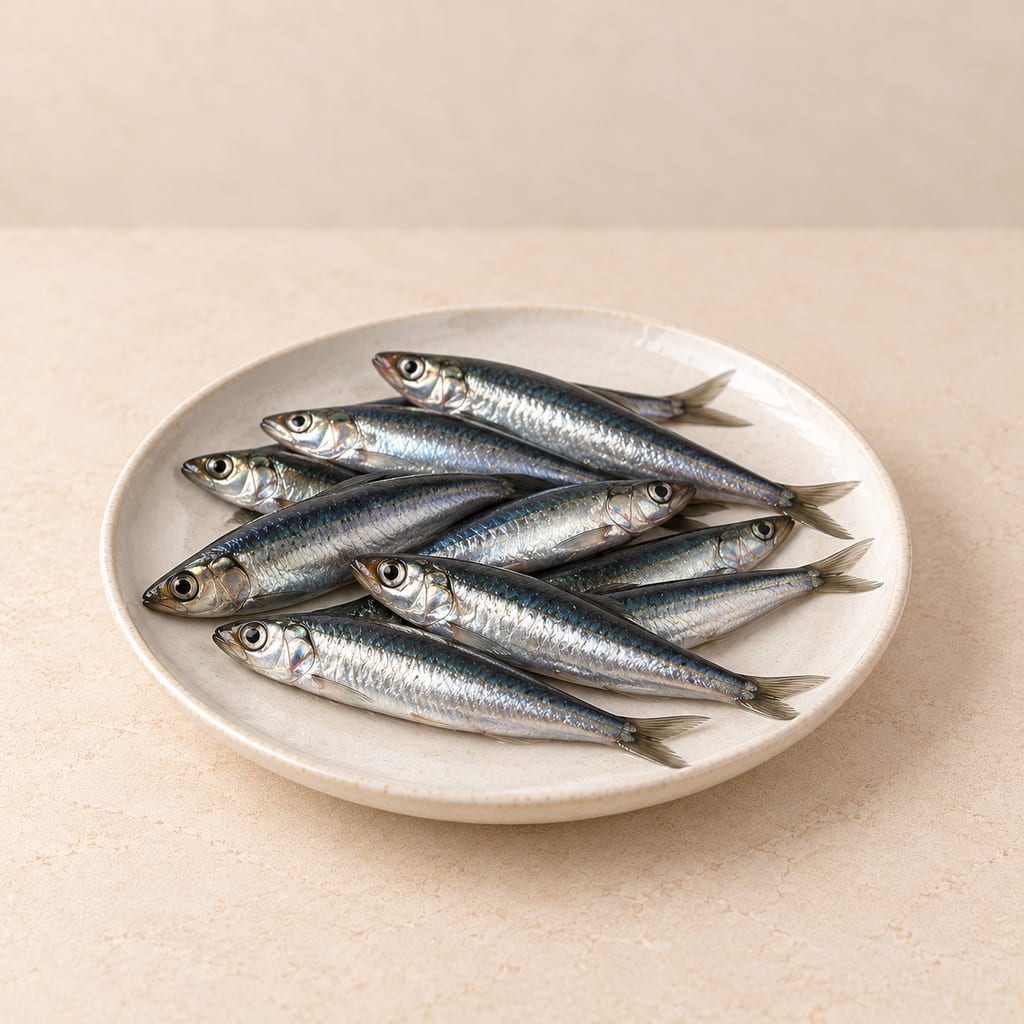
Anchovies are small schooling sea fish of the family Engraulidae, eaten fresh or dried and above all salted: as fillets in oil, whole salted fish or fish sauce.
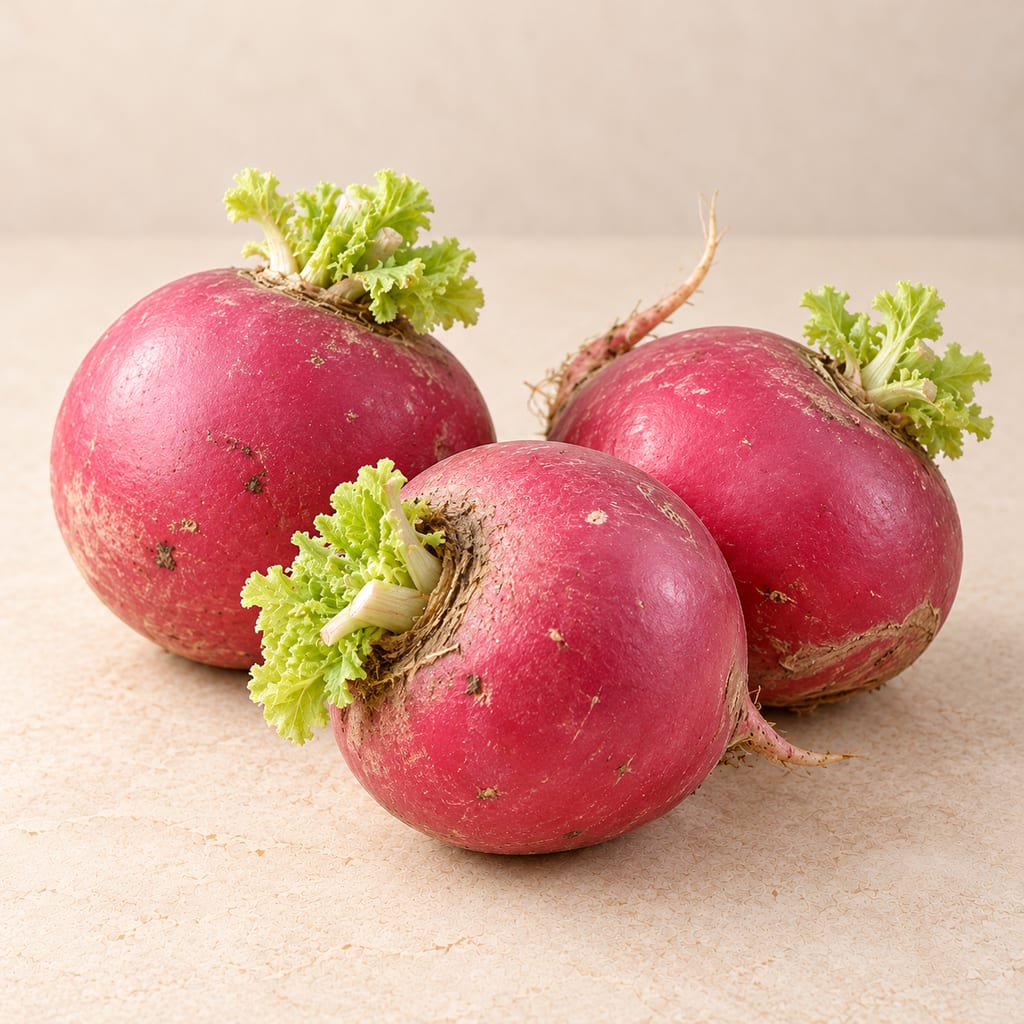
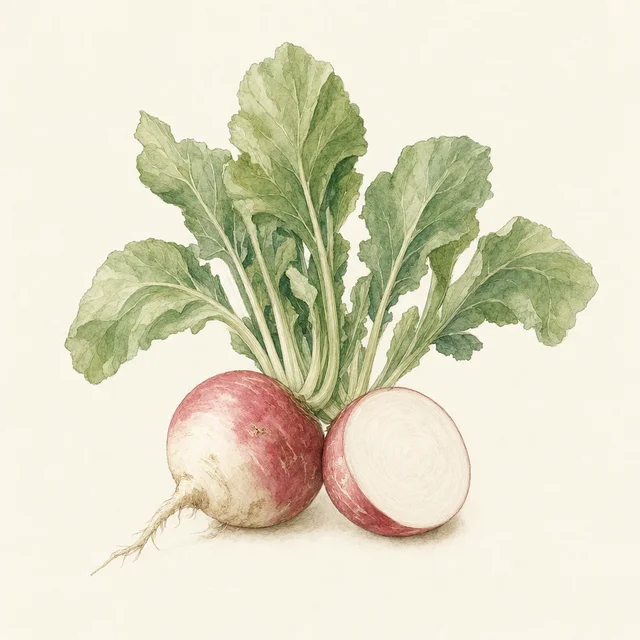
Red turnips are the heritage turnips of Japan's Kiso valley; their stems and leaves are fermented without salt into sunki, a sour amber pickle.
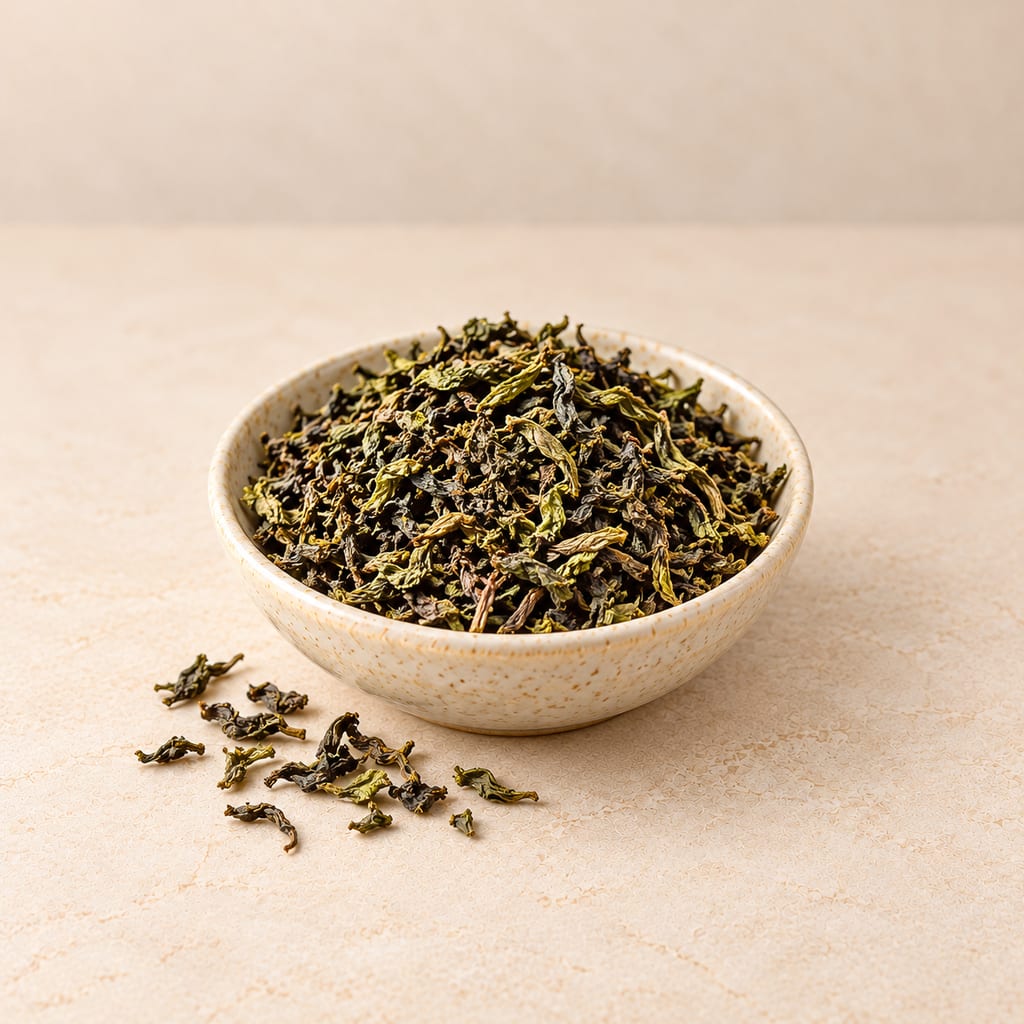
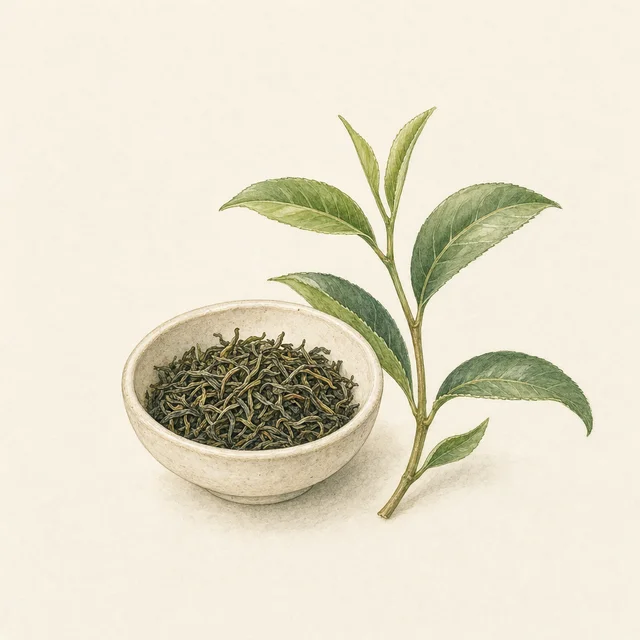
Tea is the processed leaf of Camellia sinensis, an evergreen shrub from the borderlands of south-western China. Steeped and sweetened, it is the base of kombucha and jun.

Toasted almonds are whole sweet almond kernels dry-roasted until golden to brown. Heat replaces their marzipan note with a roasted, nutty one; they thicken and flavour romesco.
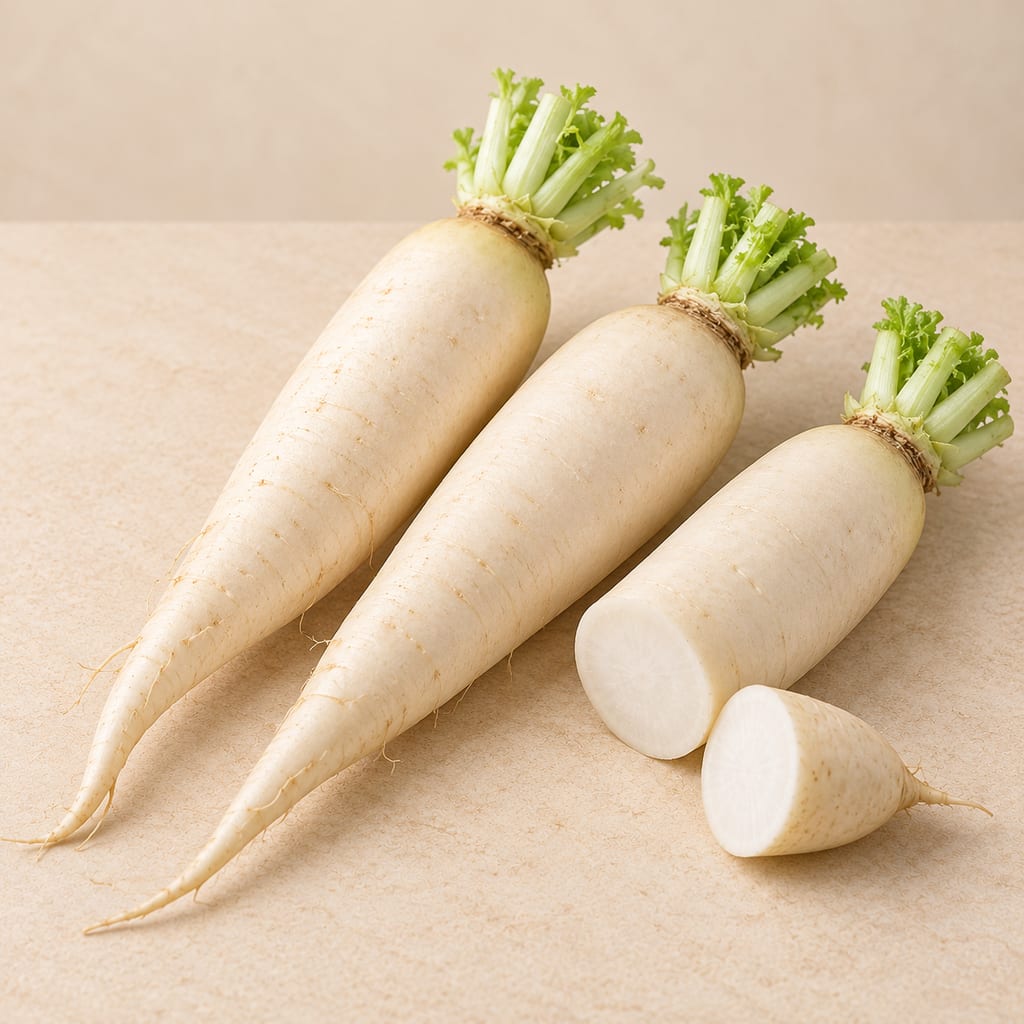
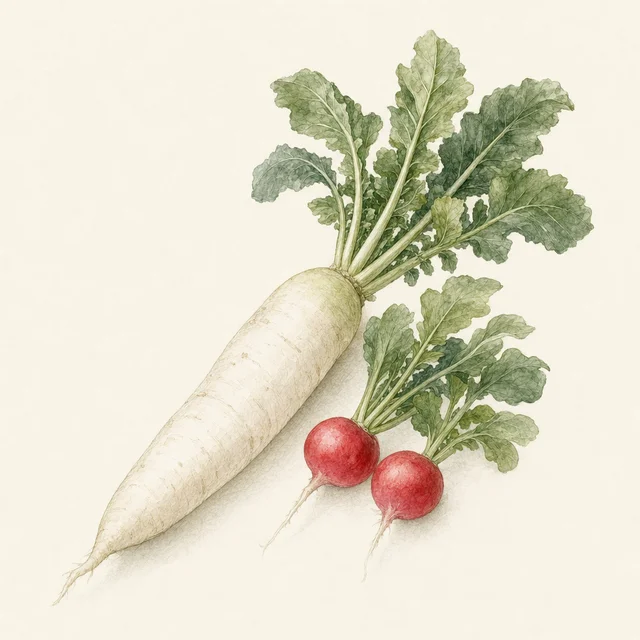
Radish and daikon are the crisp, peppery roots, leaves and seed pods of Raphanus sativus, fermented as kimchi, takuan and sinki and eaten raw across Asia and Europe.
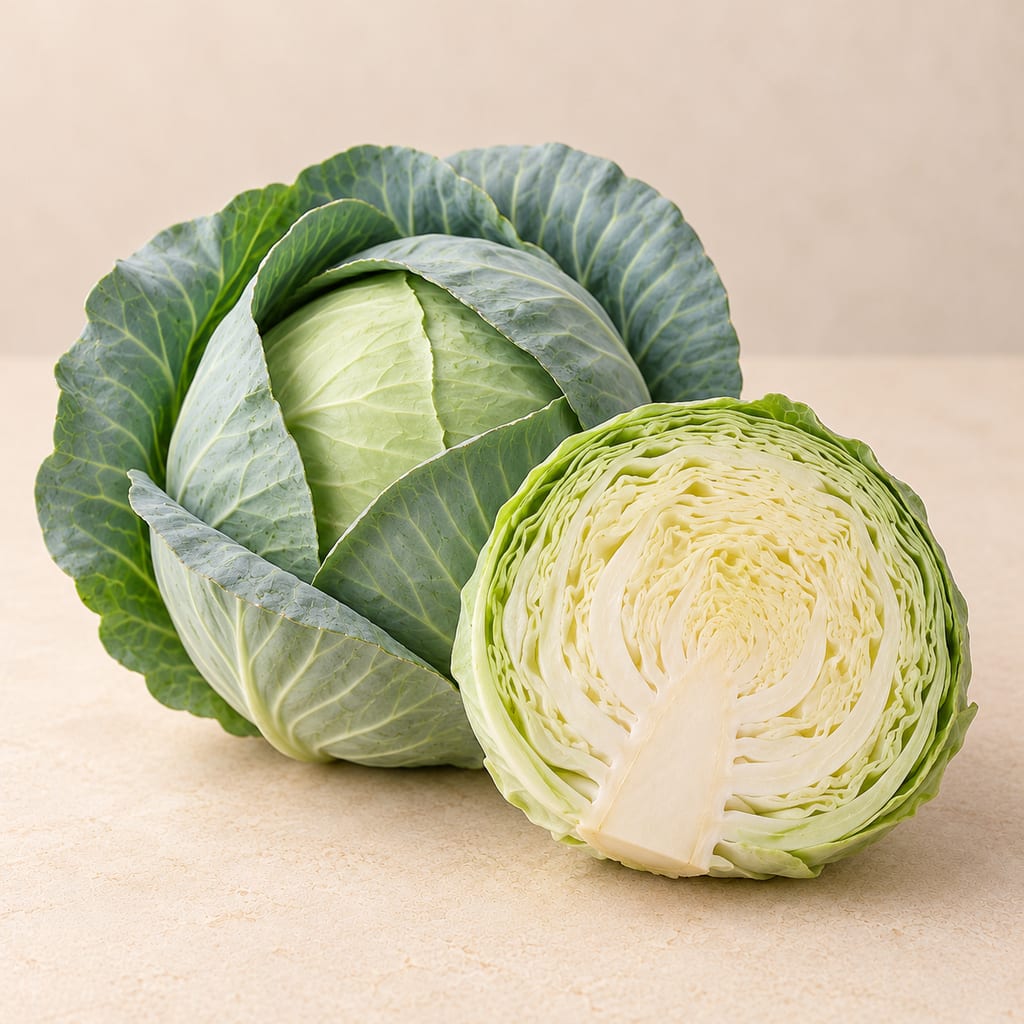
Cabbage is the dense leafy head of Brassica oleracea, a European vegetable that keeps for months and is the classic raw material for sauerkraut, with napa cabbage the base of kimchi.
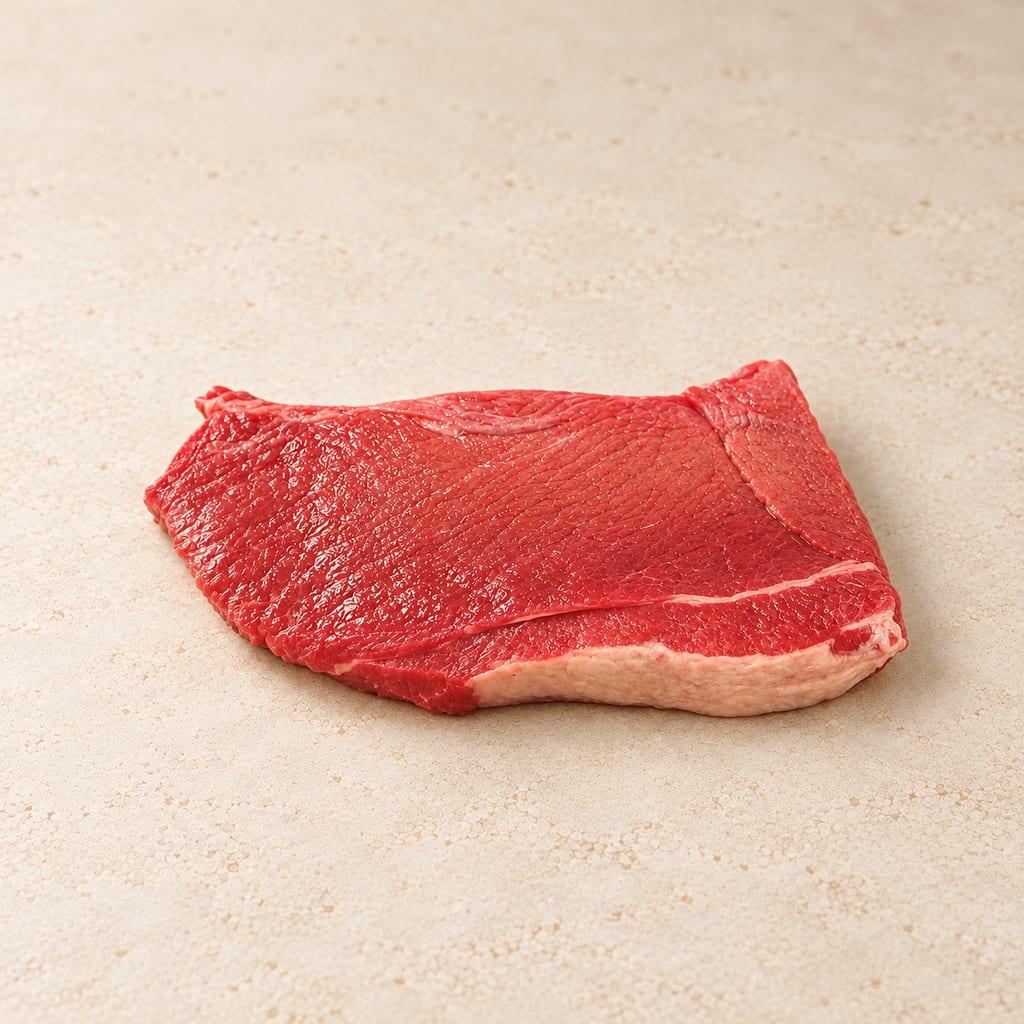
Lean beef is the trimmed muscle of cattle, Bos taurus and Bos indicus. In Genoa-style salami it is the second lean meat beside pork, ground fine, with pork back fat added separately.
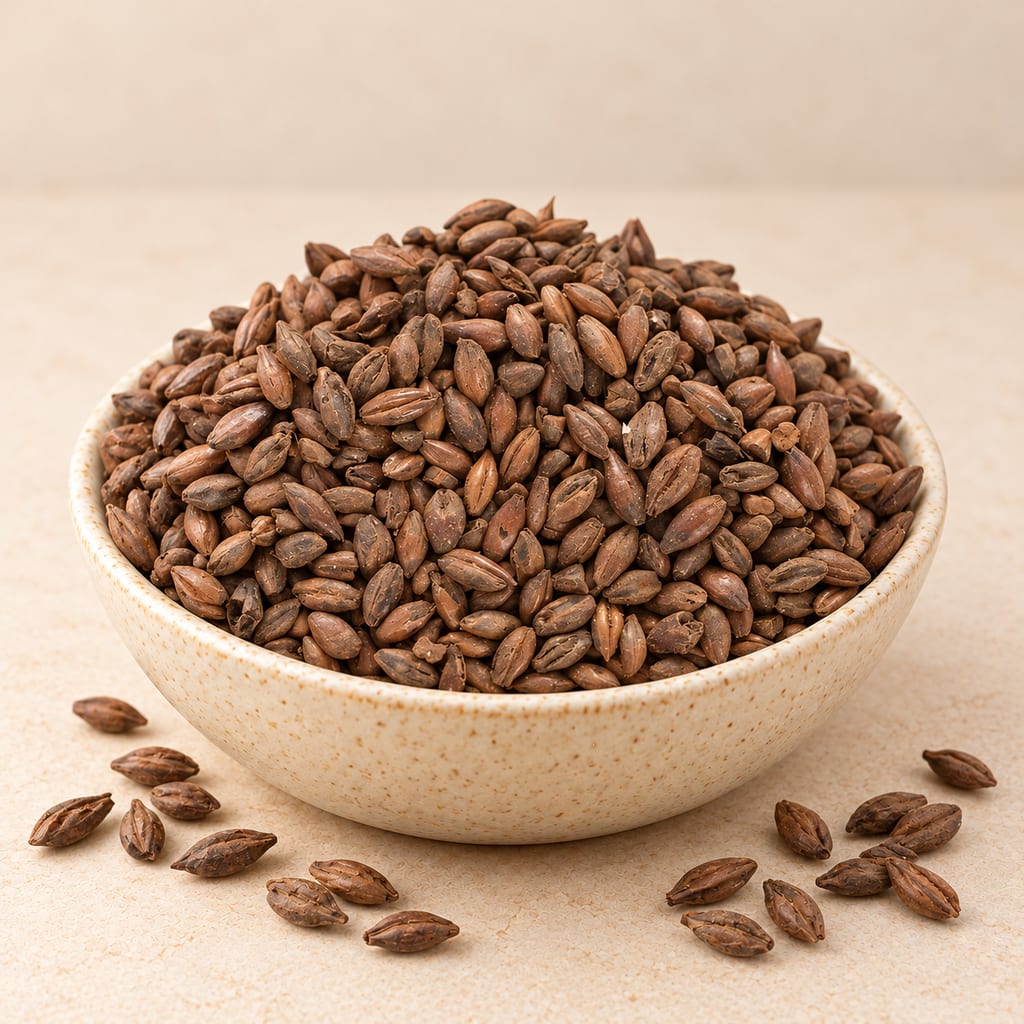
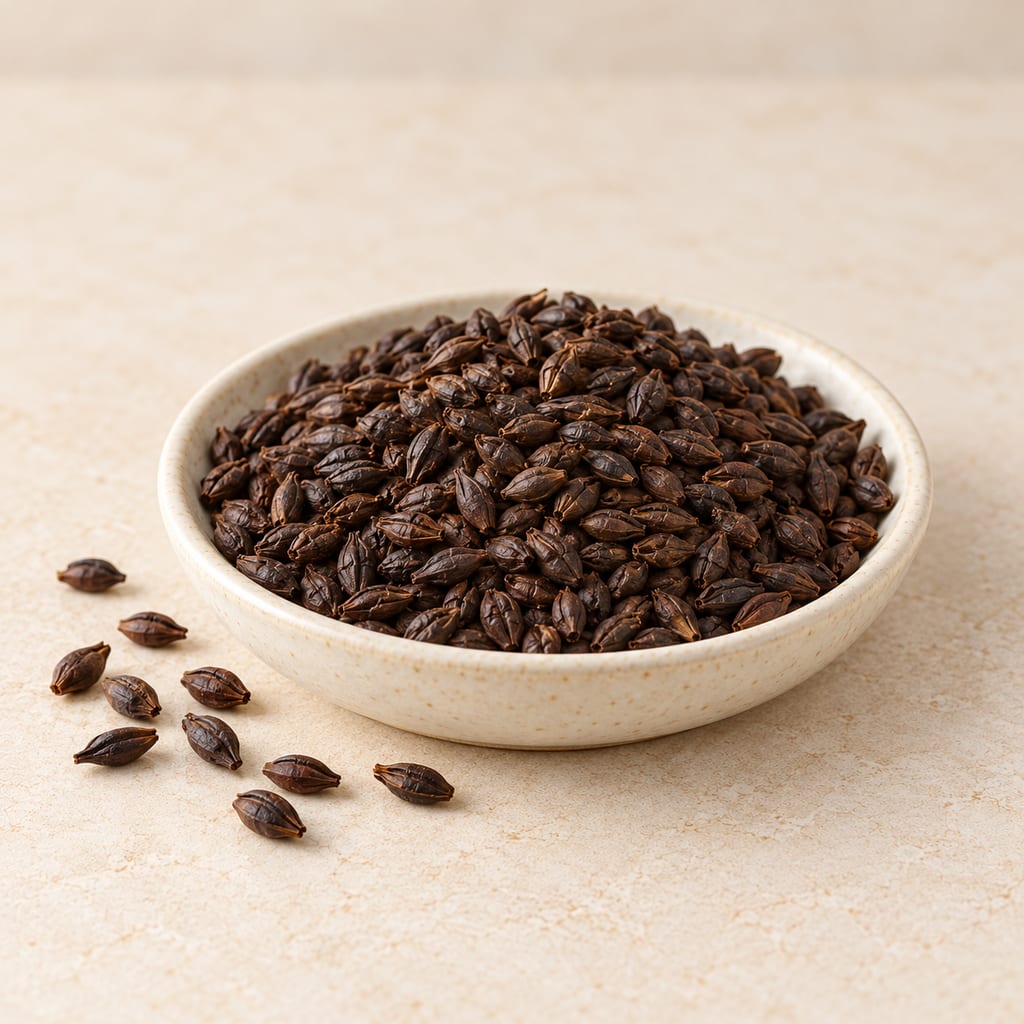
Chocolate malt is barley that has been malted and then roasted to a dark brown, used in porters, stouts and brown ales for colour and a bitter-cocoa, roasted-coffee flavour. It contains no cocoa.
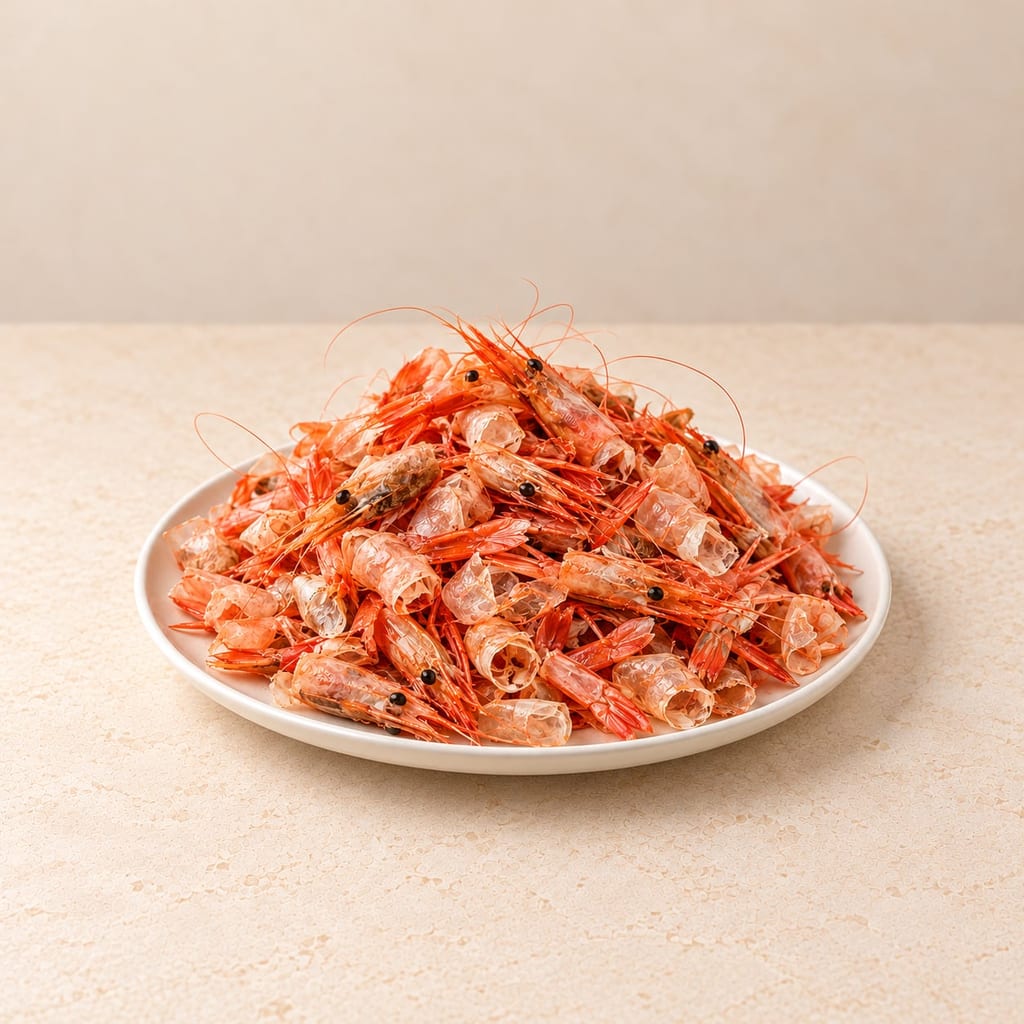
The combined head tissue and shells saved during peeling; chef Alex Perry uses a weighed kilogram of this mix in a distinct shrimp garum.
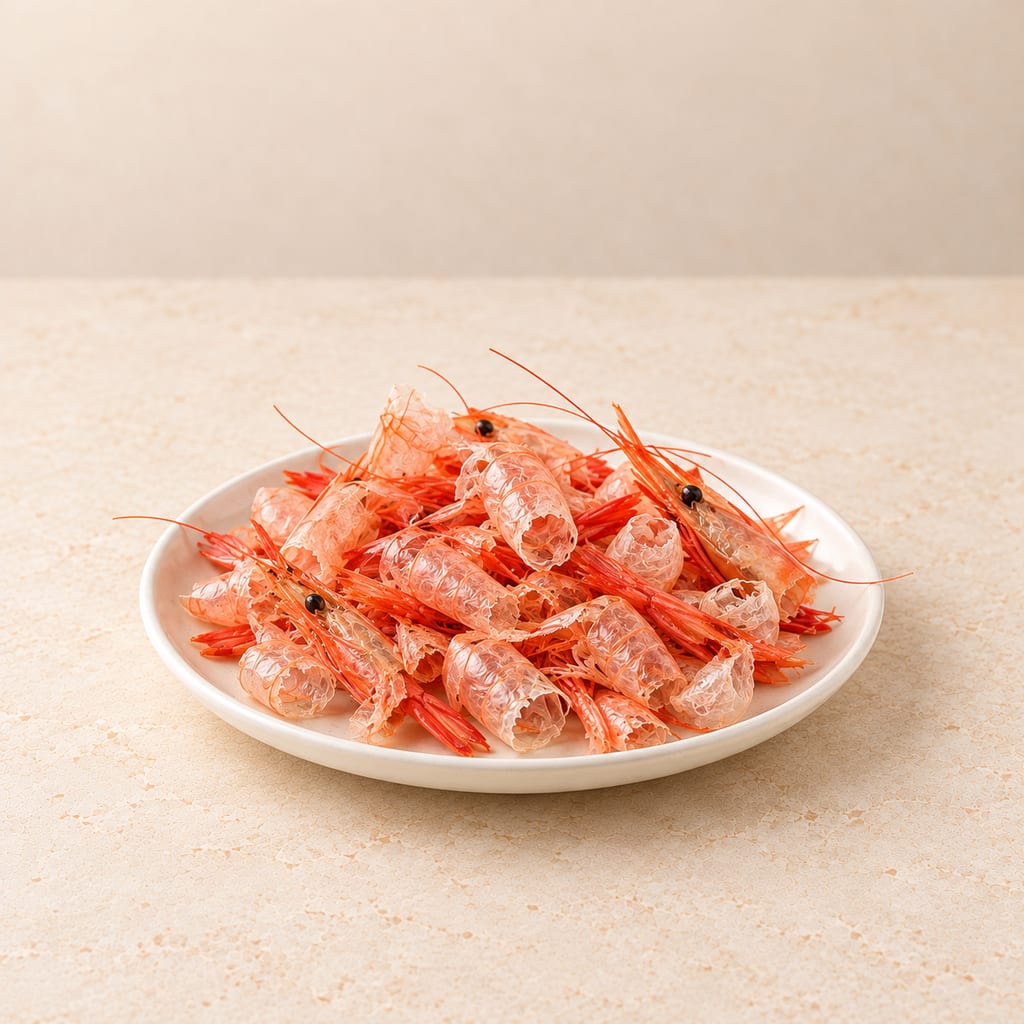
Peeled shrimp exoskeleton used for strained stocks; modern quick-garum guidance names shells as a possible substrate without a shell-specific formula.
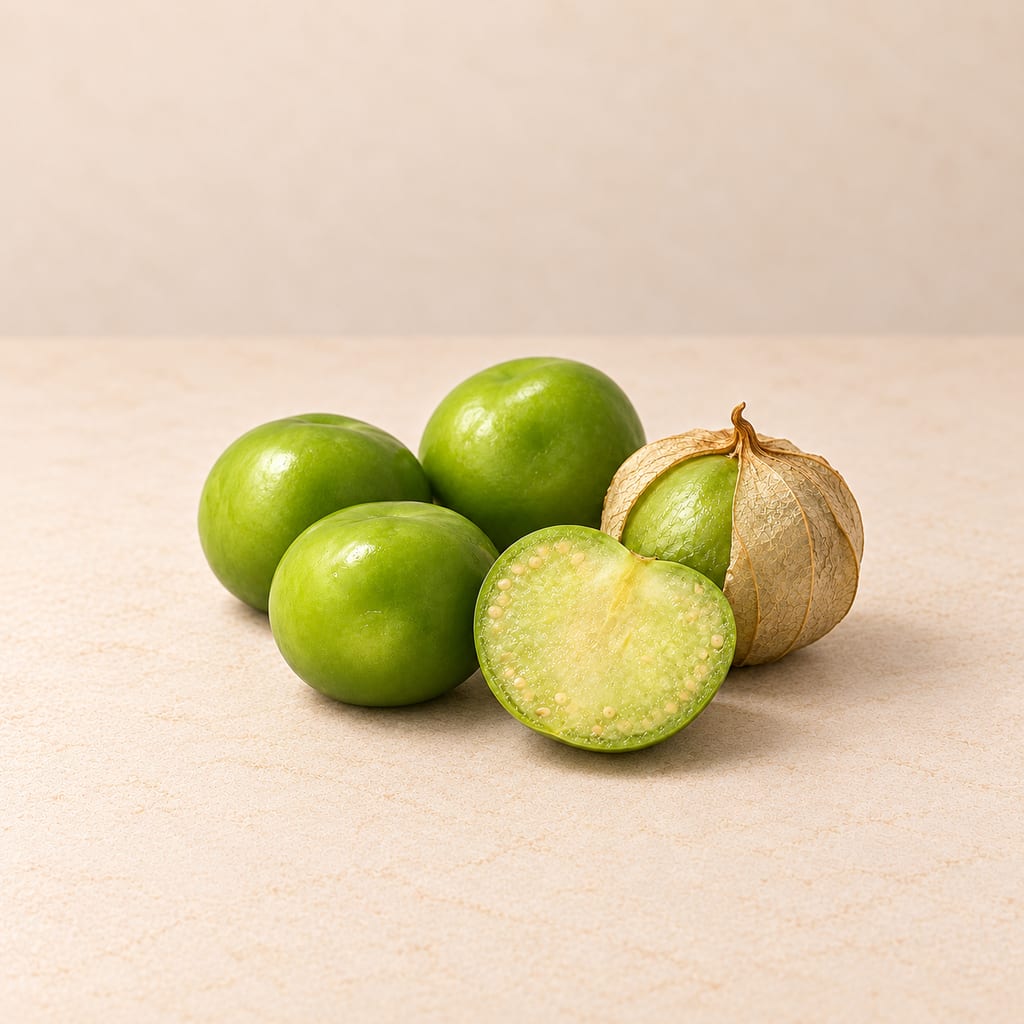
The tomatillo is the tart green fruit of Physalis ixocarpa, a Mexican relative of the tomato that grows inside a papery husk. It is the base of salsa verde.
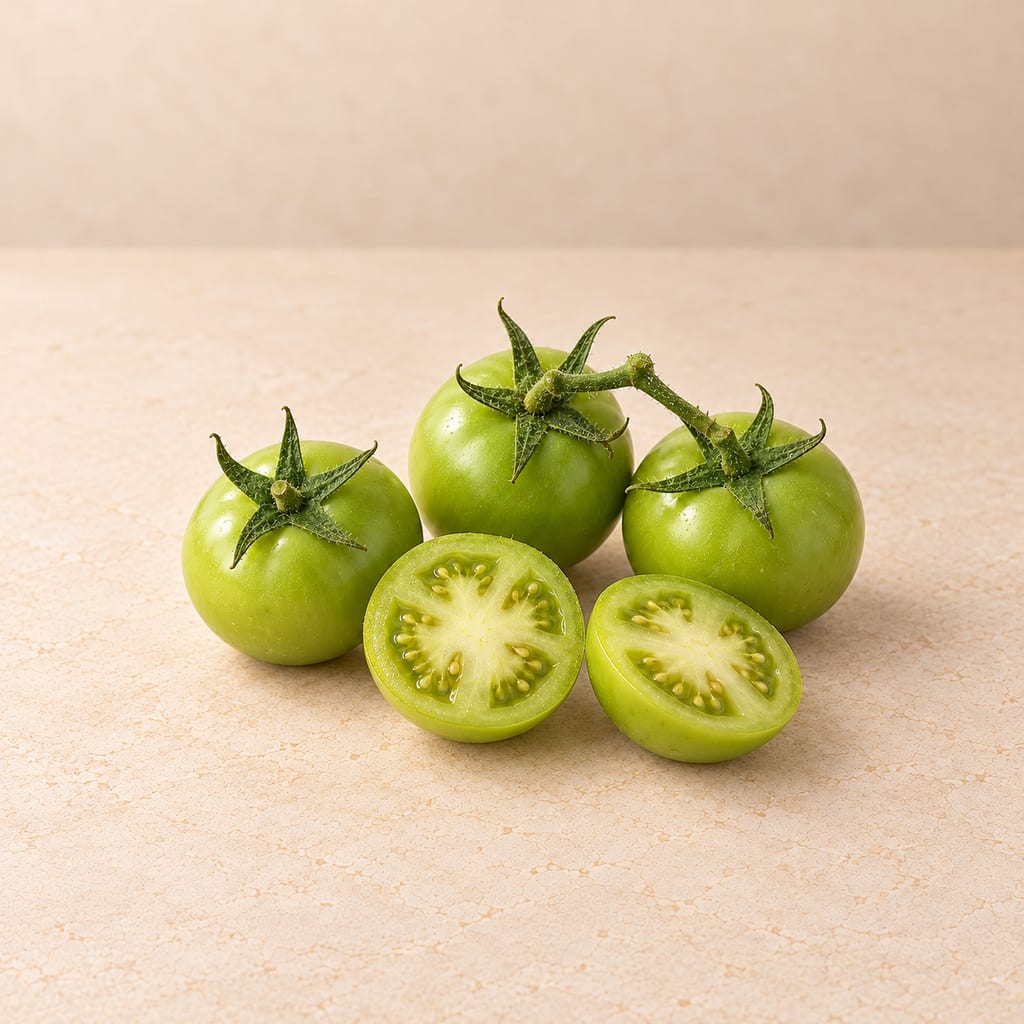
A green tomato is an unripe tomato, firm and sour, used for frying, pickling, relish and ferments. It carries tomatine, which falls as the fruit ripens.
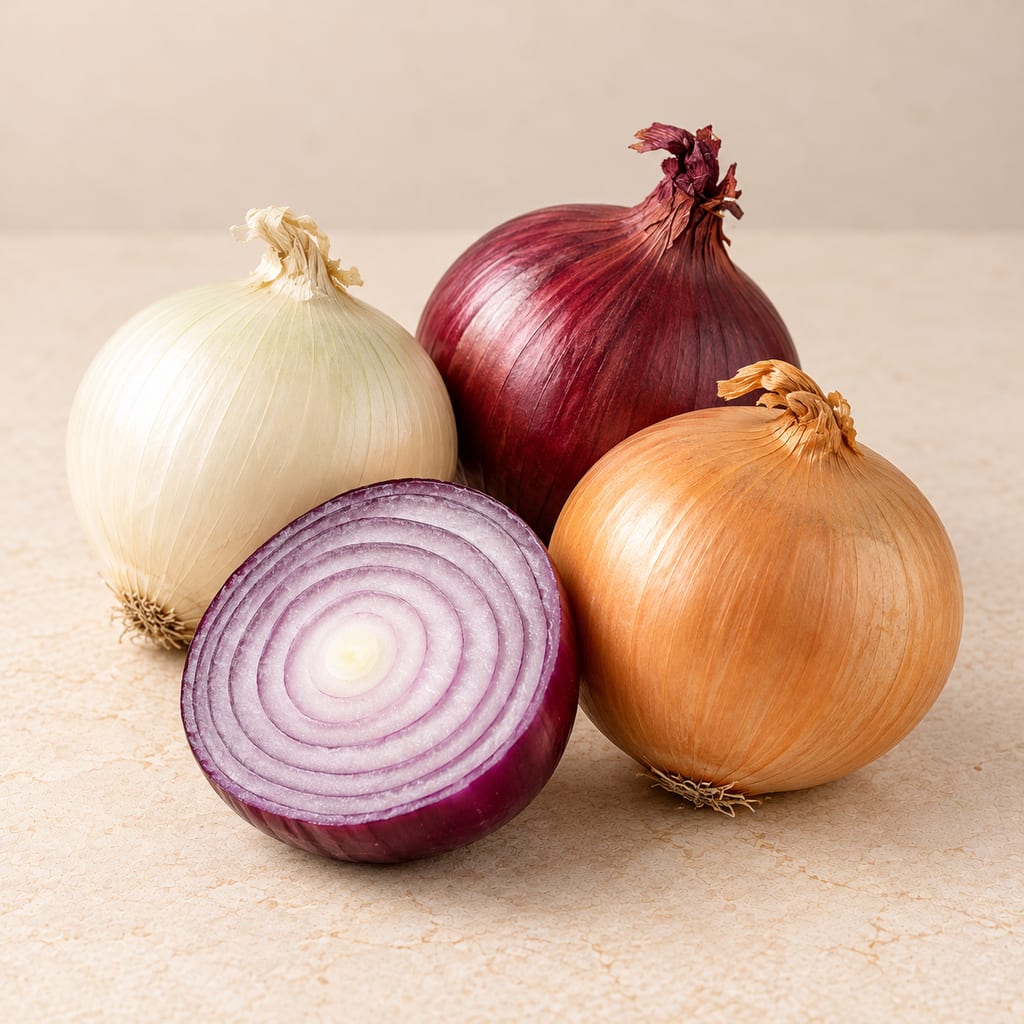
The onion is the bulb of Allium cepa, built from swollen leaf bases, and is eaten raw, cooked, pickled and as a seasoning in ferments. It is known only from cultivation and probably began in Central Asia.
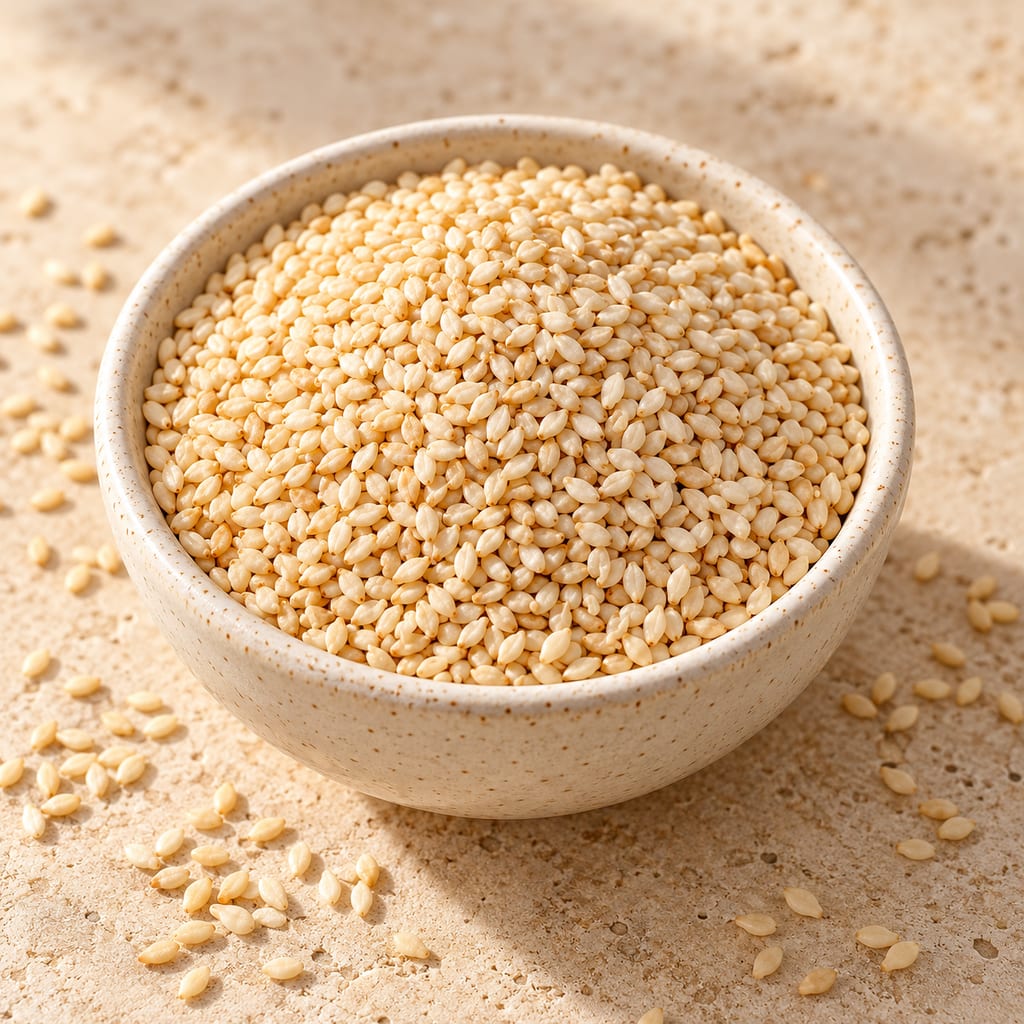
Sesame seed, from Sesamum indicum, is about half oil and is eaten whole, ground into paste or pressed into oil. It was a crop of South Asia by the Harappan period and reached Mesopotamia before 2000 BC.
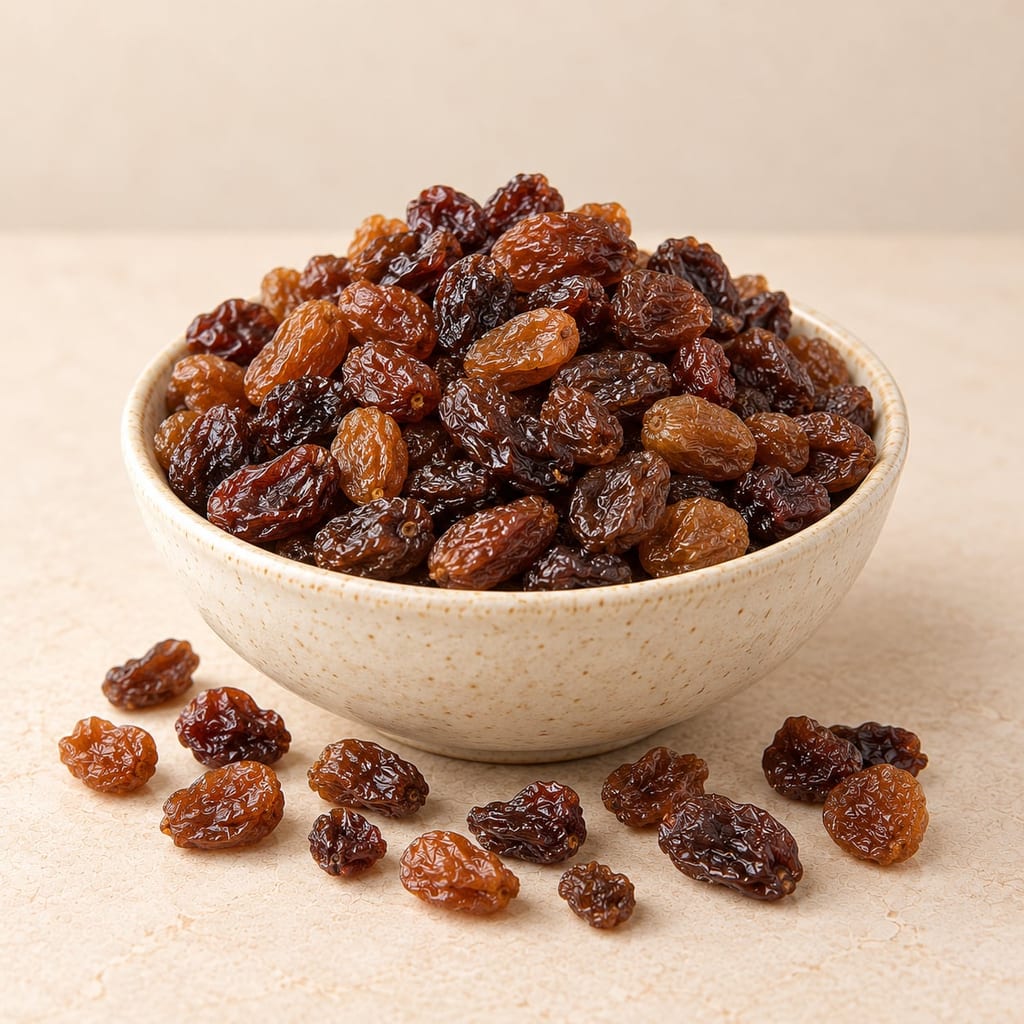
Raisins are dried grapes whose variety and drying method shape their size, colour and flavour. In a documented 1861 ginger wine they are stoned, chopped and added to the cask after yeast.
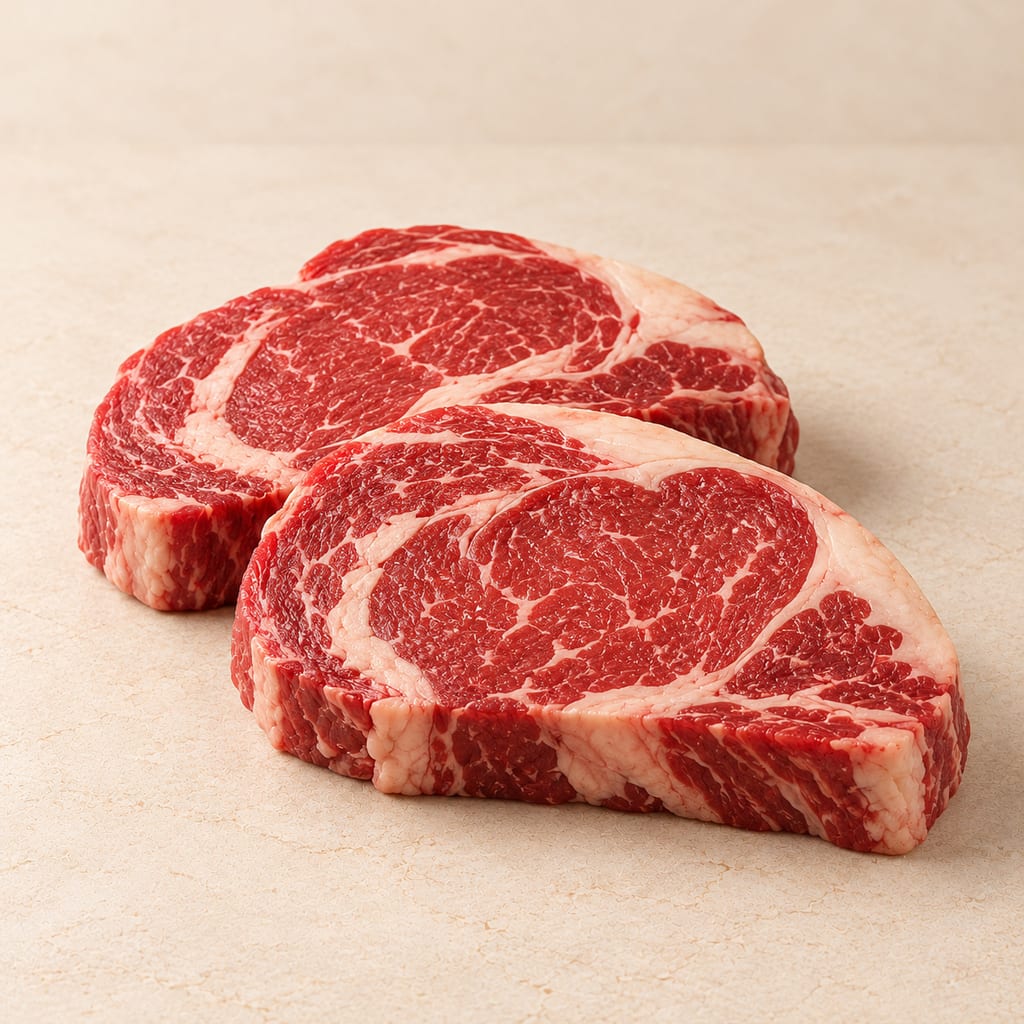
Beef is the meat of domestic cattle, Bos taurus and Bos indicus, sold as steaks, roasts, ground meat and cured products, and used in broths, salami and koji seasonings.
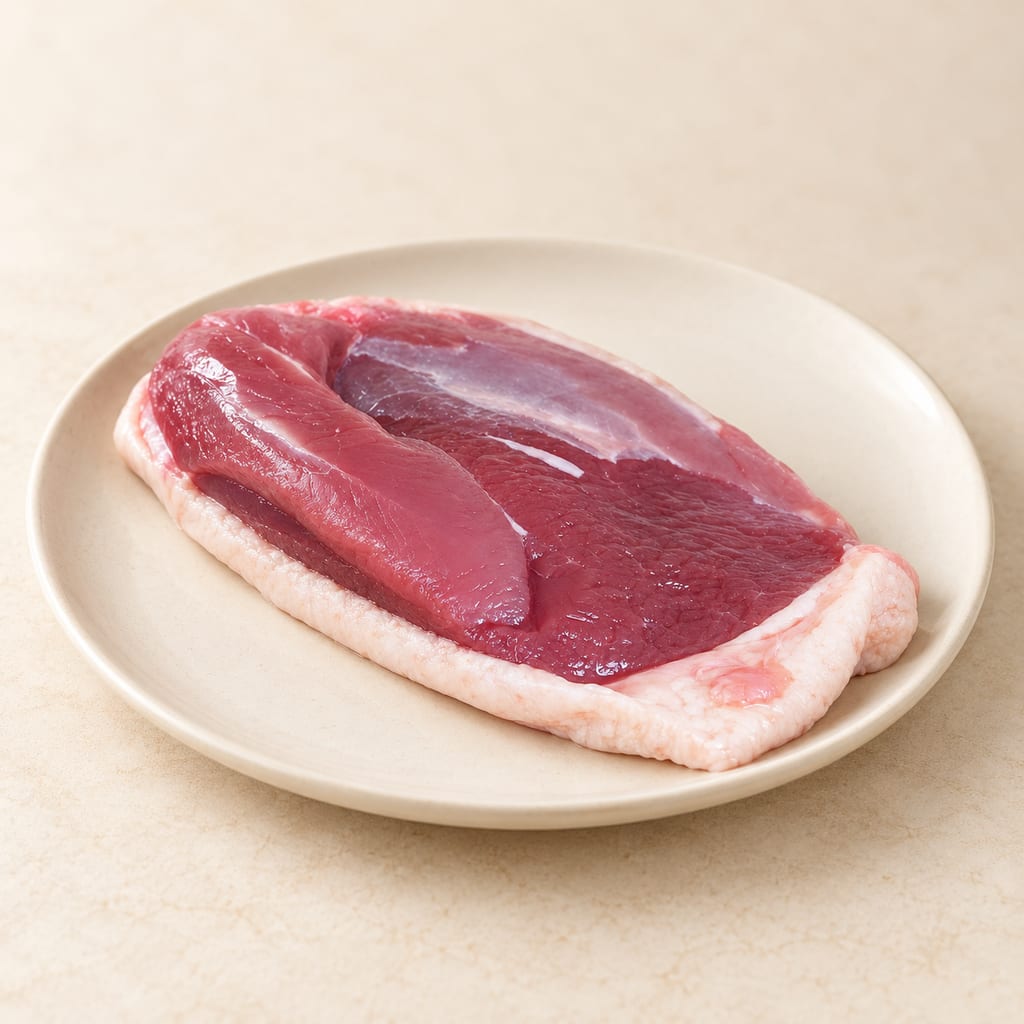
Duck is the dark, rich meat of a domesticated water bird, sold whole or as breast, leg, skin, fat, giblets, bones and trimmings, each with its own use in the kitchen.
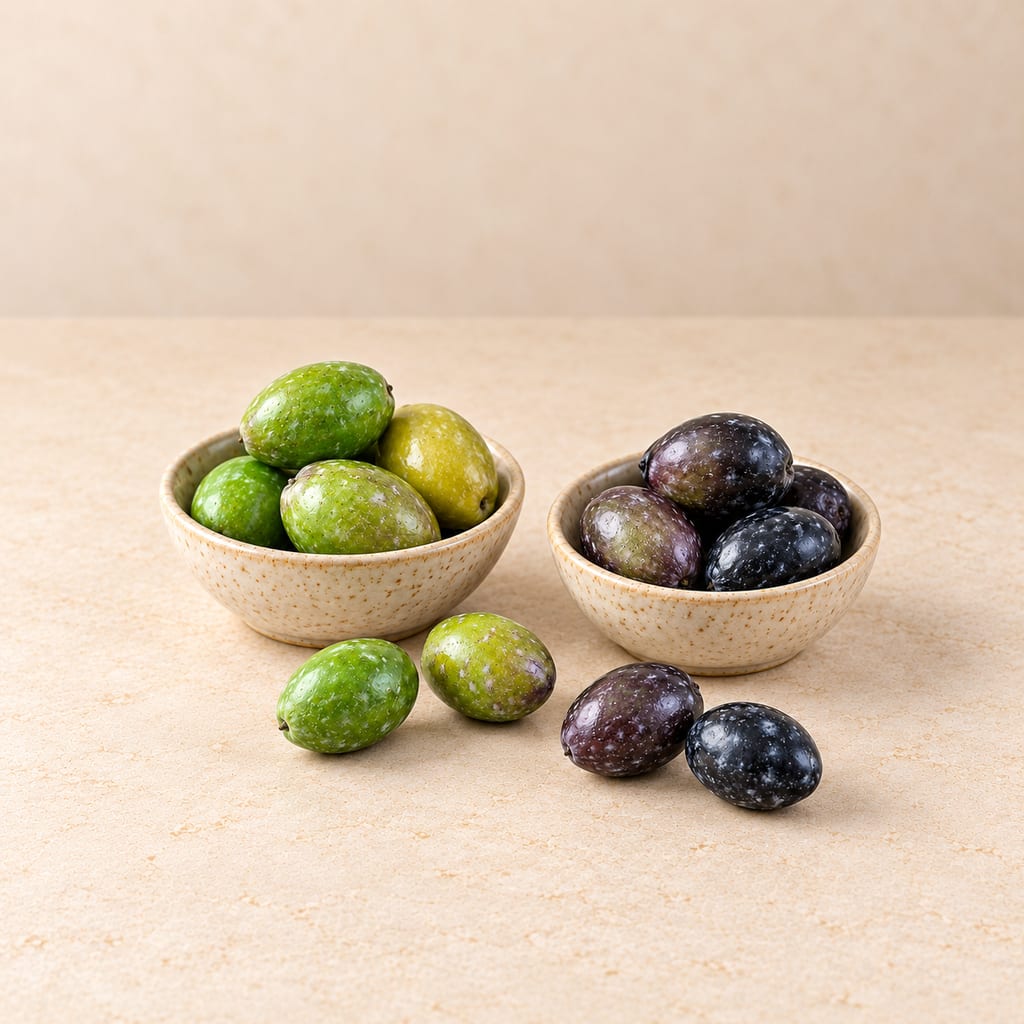
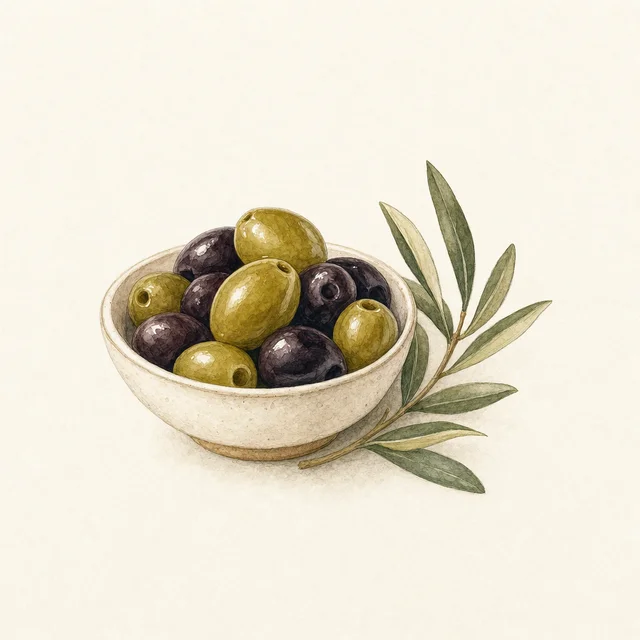
Olives are the bitter fruit of Olea europaea, made edible by lye, brine or salt, and the raw material of the table olives that are cured and fermented around the Mediterranean.
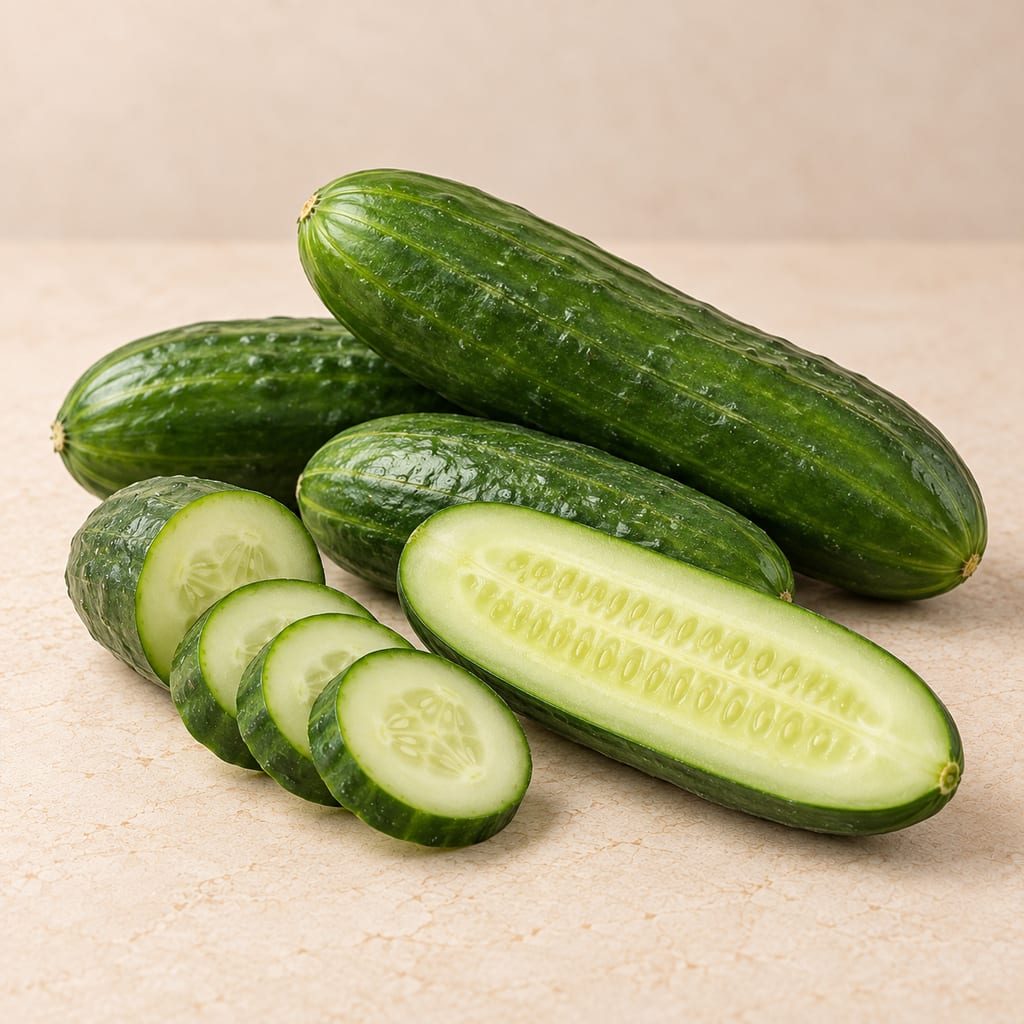
Cucumber is the watery fruit of Cucumis sativus, domesticated in India, and the classic raw material of brine pickles from New York dills to Nepali khalpi and Korean oi-sobagi.
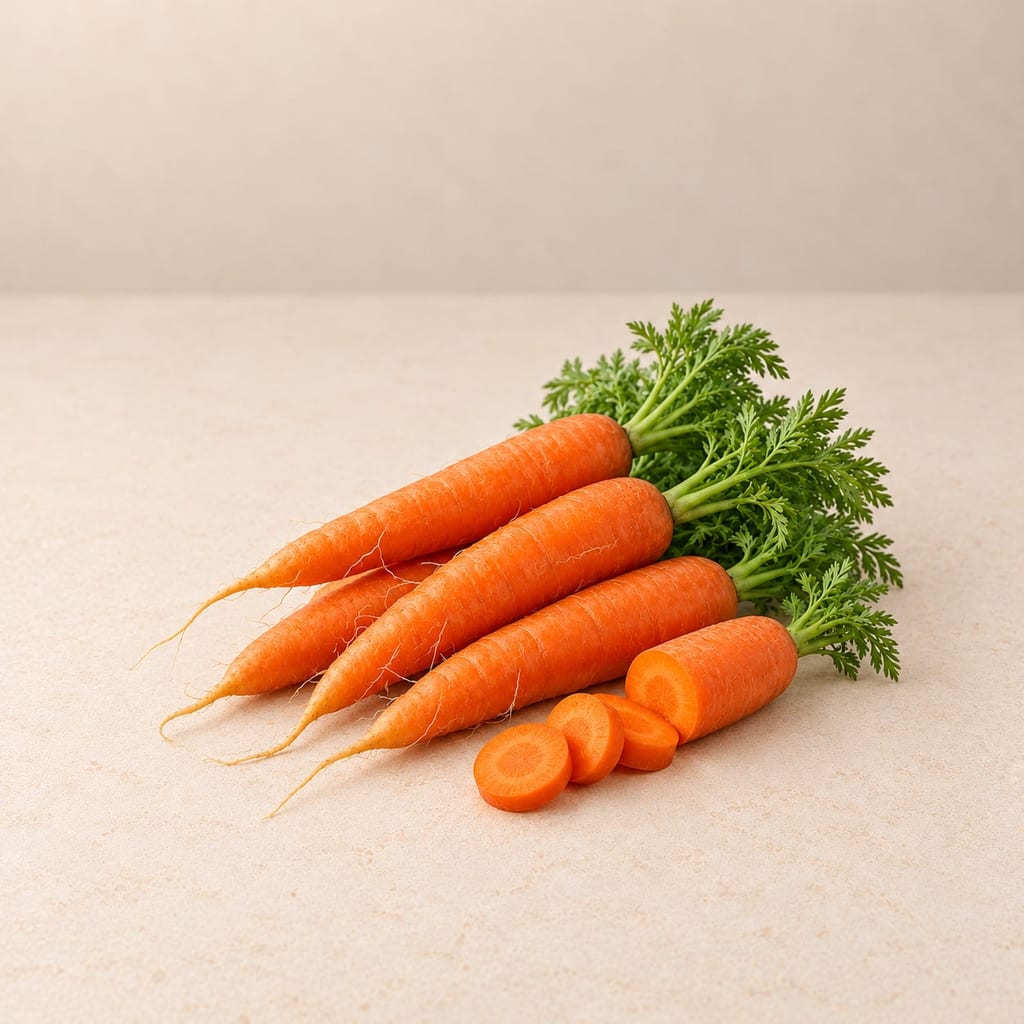
Carrot is the sweet taproot of Daucus carota subsp. sativus, domesticated in Central Asia, and the raw material of kanji and a common companion in fermented vegetable mixes.
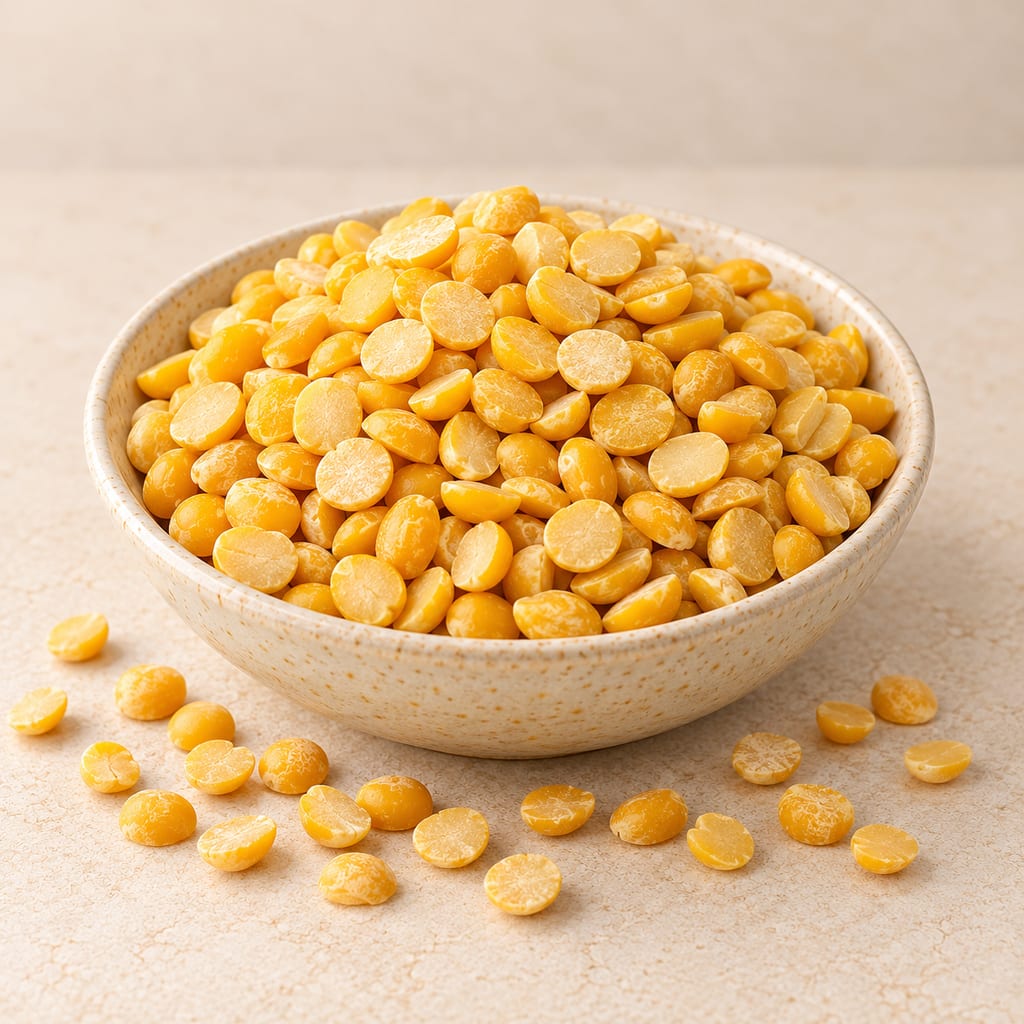
Yellow split peas are dried field peas with the seed coat removed and the two halves separated. They cook to a soft, starchy, protein-rich paste for soups, puddings, sweets and one modern peaso garum.
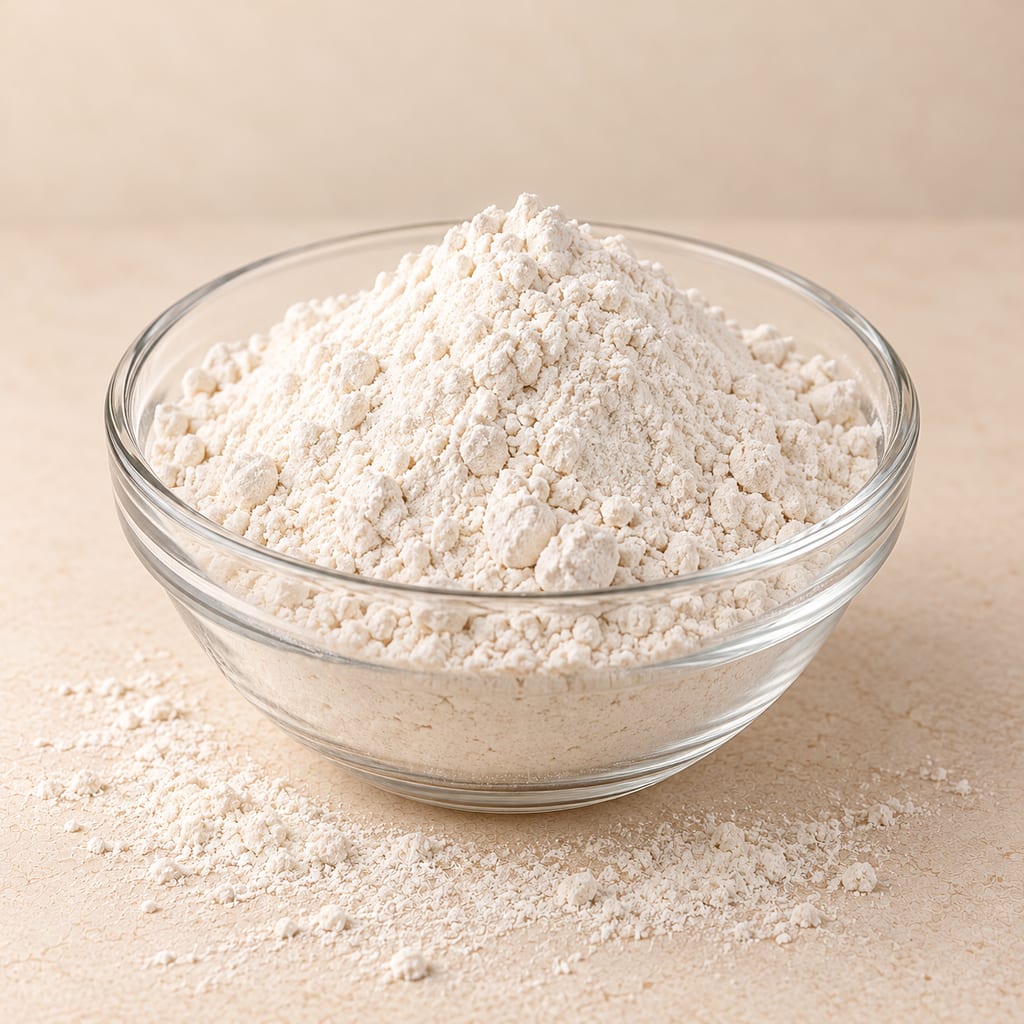
Wheat flour is milled wheat grain, from whole meal to fine white flour, used to make bread, thicken liquids and appear as an optional ingredient in fruit pastes such as Georgian mulberry tklapi.
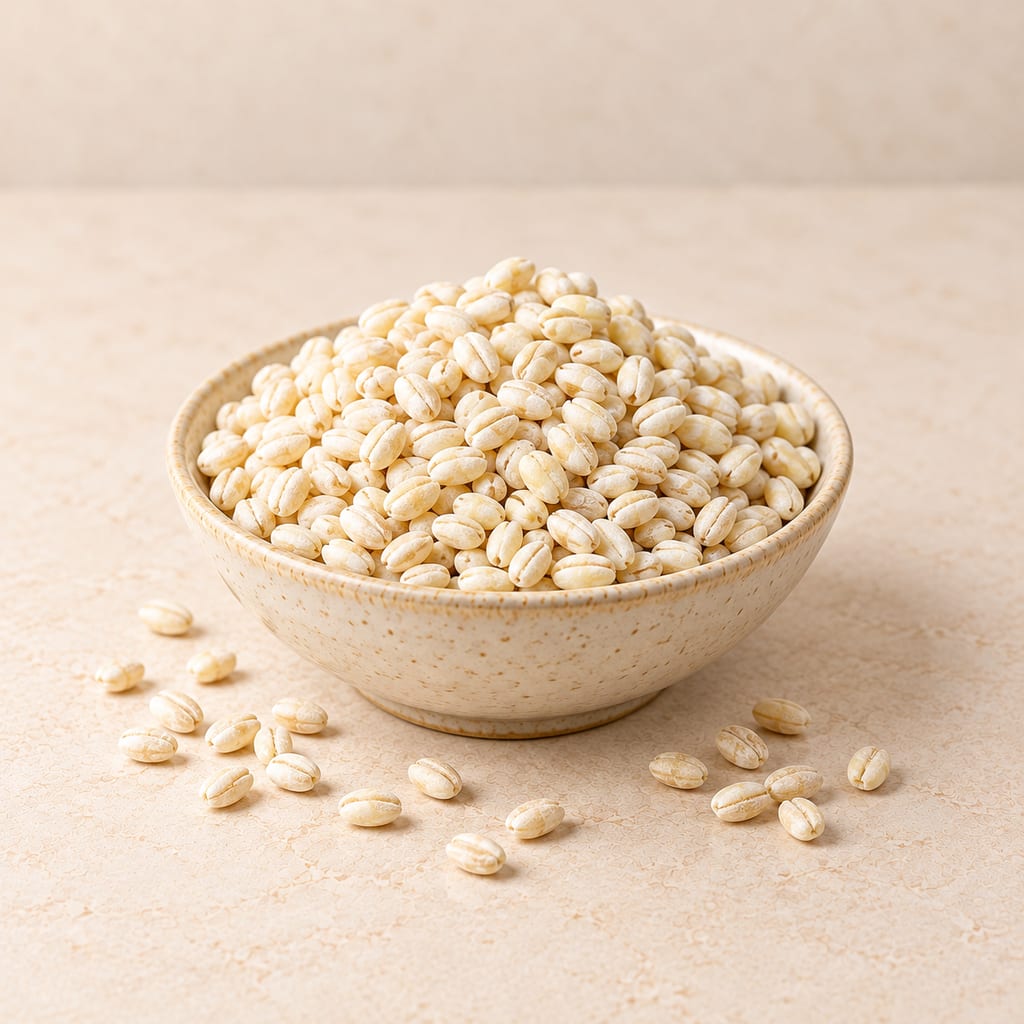
Barley is a hardy cereal, domesticated in the Middle East over 10,000 years ago, eaten whole, pearled or milled, malted for brewing, and grown with koji mold for barley miso.
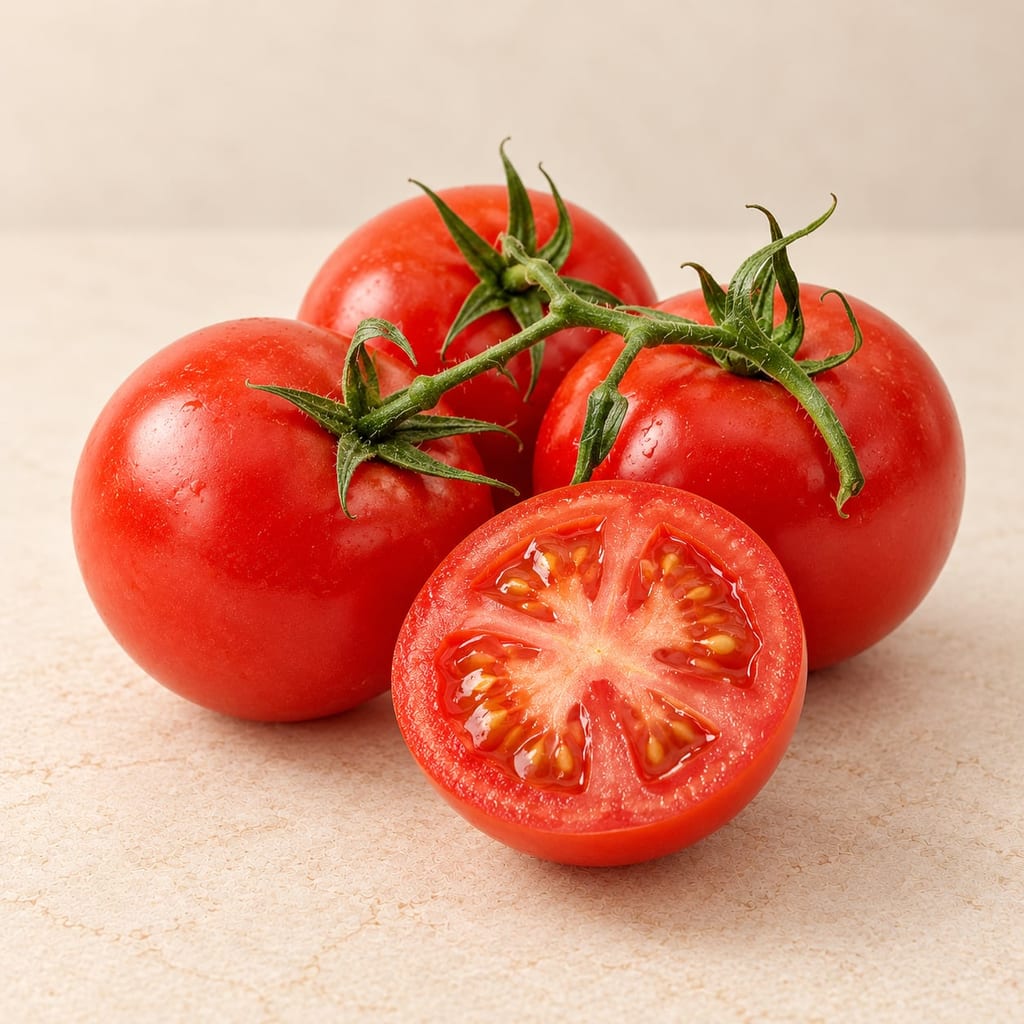
Tomatoes are the fruit of Solanum lycopersicum, wild in the Andes and domesticated in Mesoamerica. They are eaten ripe or green, fresh, cooked, canned and fermented.
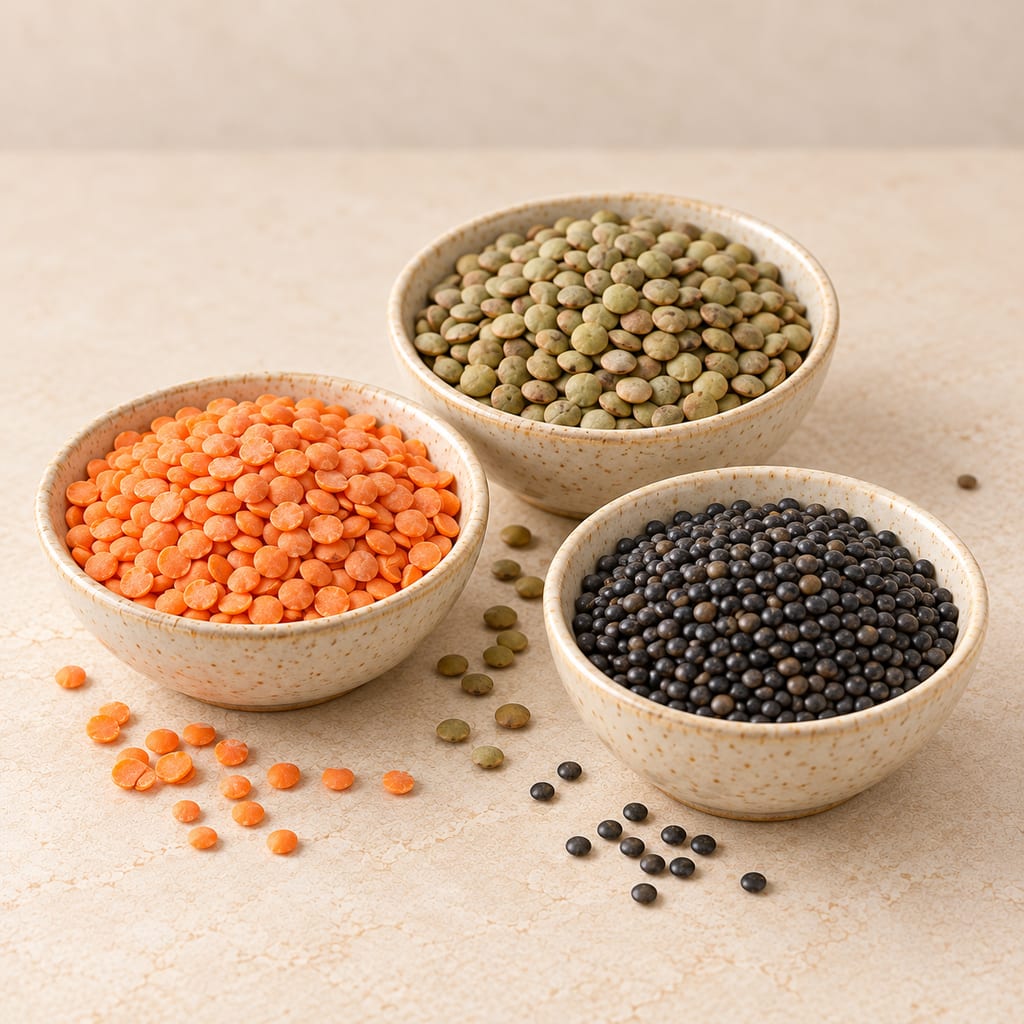
Lentils are the flat, lens-shaped seeds of Lens culinaris, a legume first cultivated in Southwest Asia 8,000 to 10,000 years ago. They are cooked whole, dehulled, split or milled into flour.
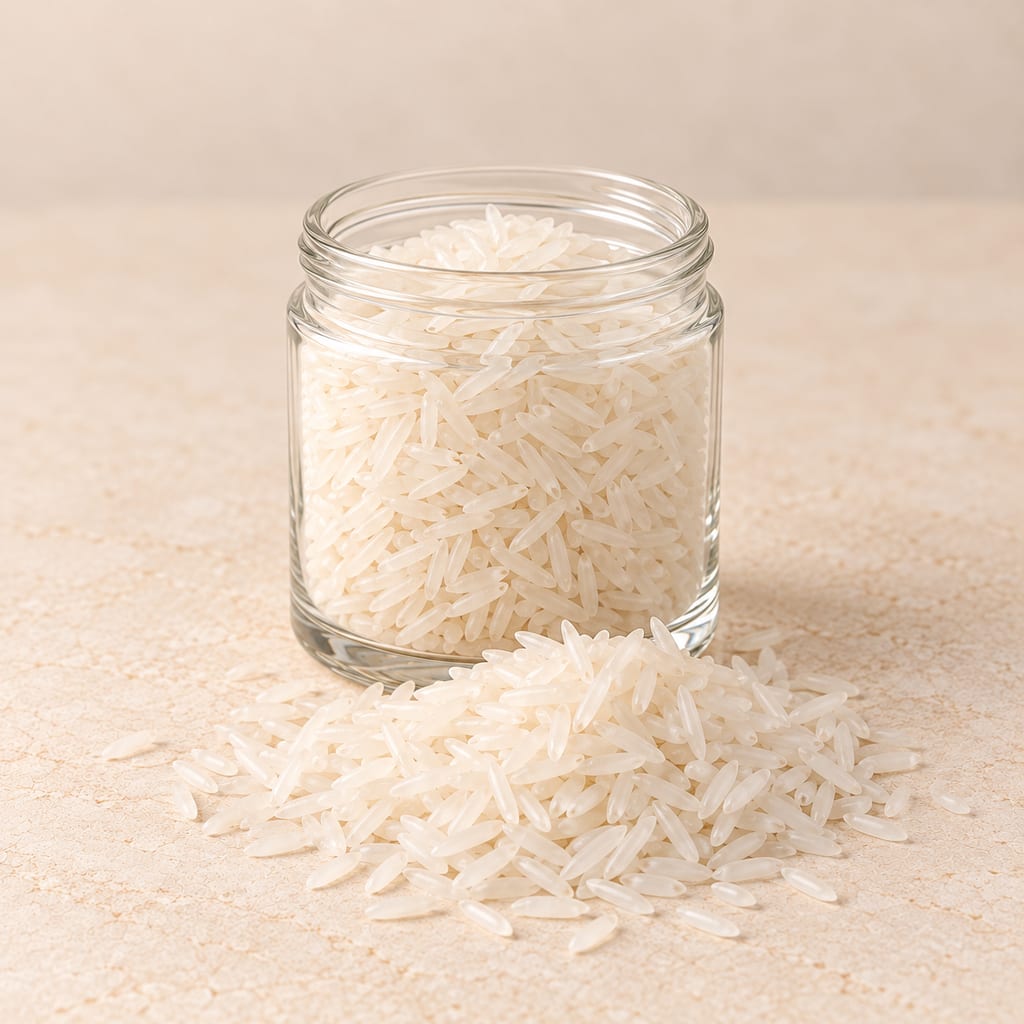
Thai indica rice is the starch-bearing grain Sakimoto steams for Yonaguni awamori koji. The producer names its origin and rice group, but no cultivar, lot or grain grade.
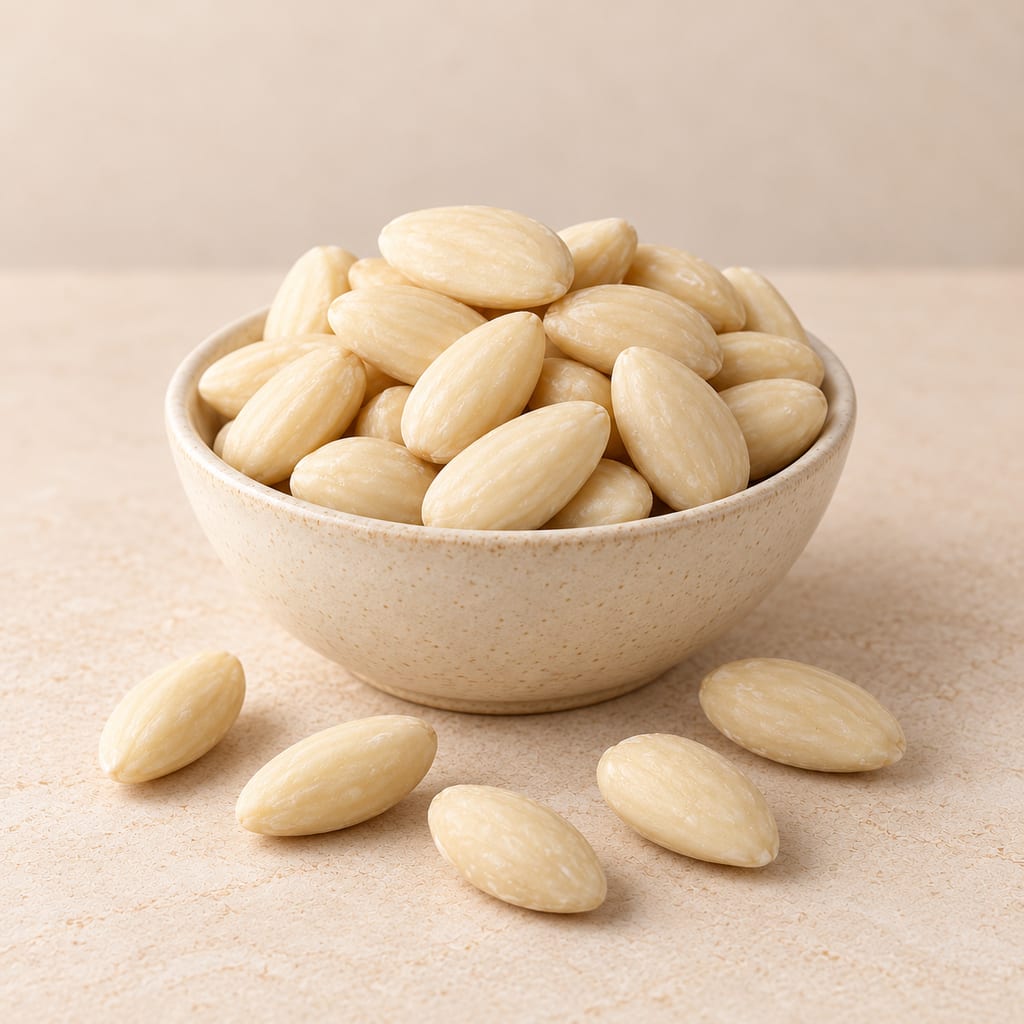
Blanched almonds are sweet almond kernels with the brown seed coat removed. A documented amla murabba cooks ten optional slivered kernels into the finishing syrup with spices and saffron.
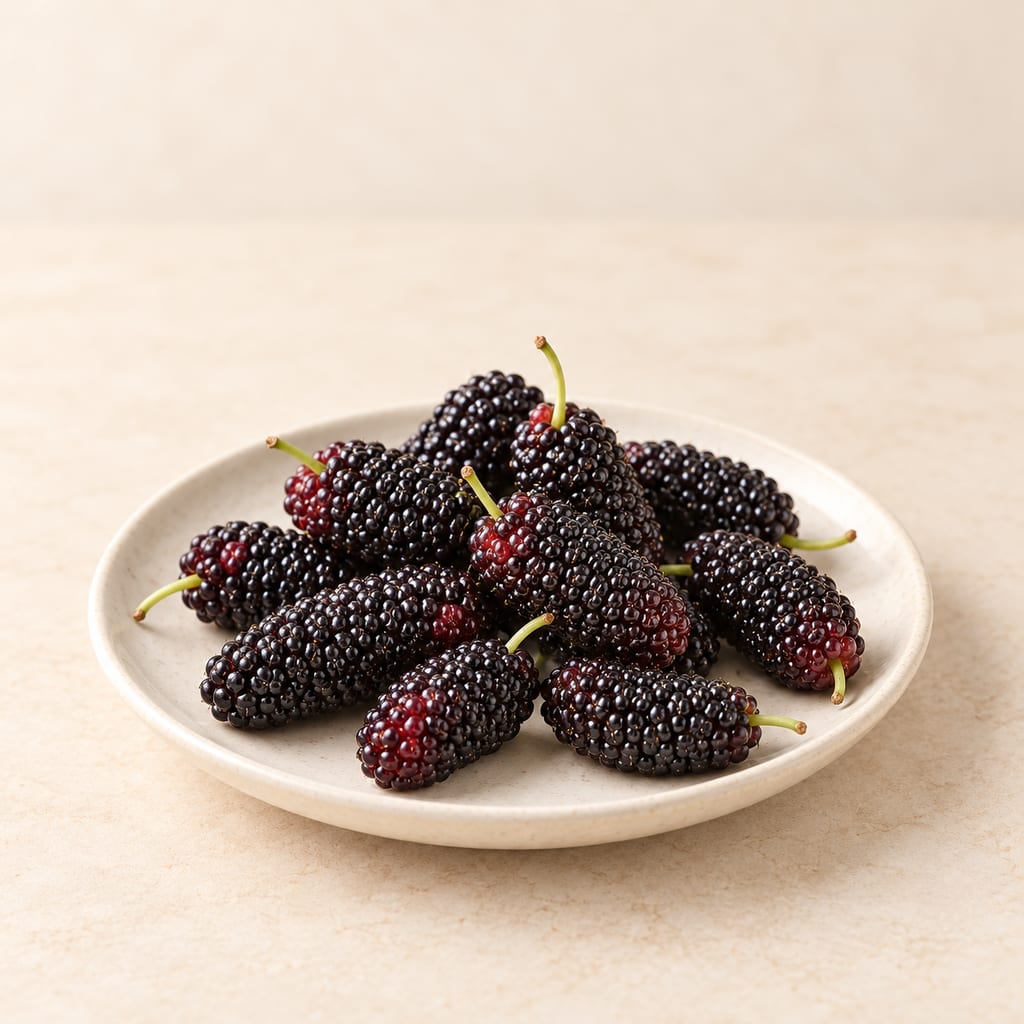
Mulberries are the soft fruits of Morus trees, used fresh and dried and as the fruit base for documented Georgian tklapi. The cited tklapi accounts do not identify a species.
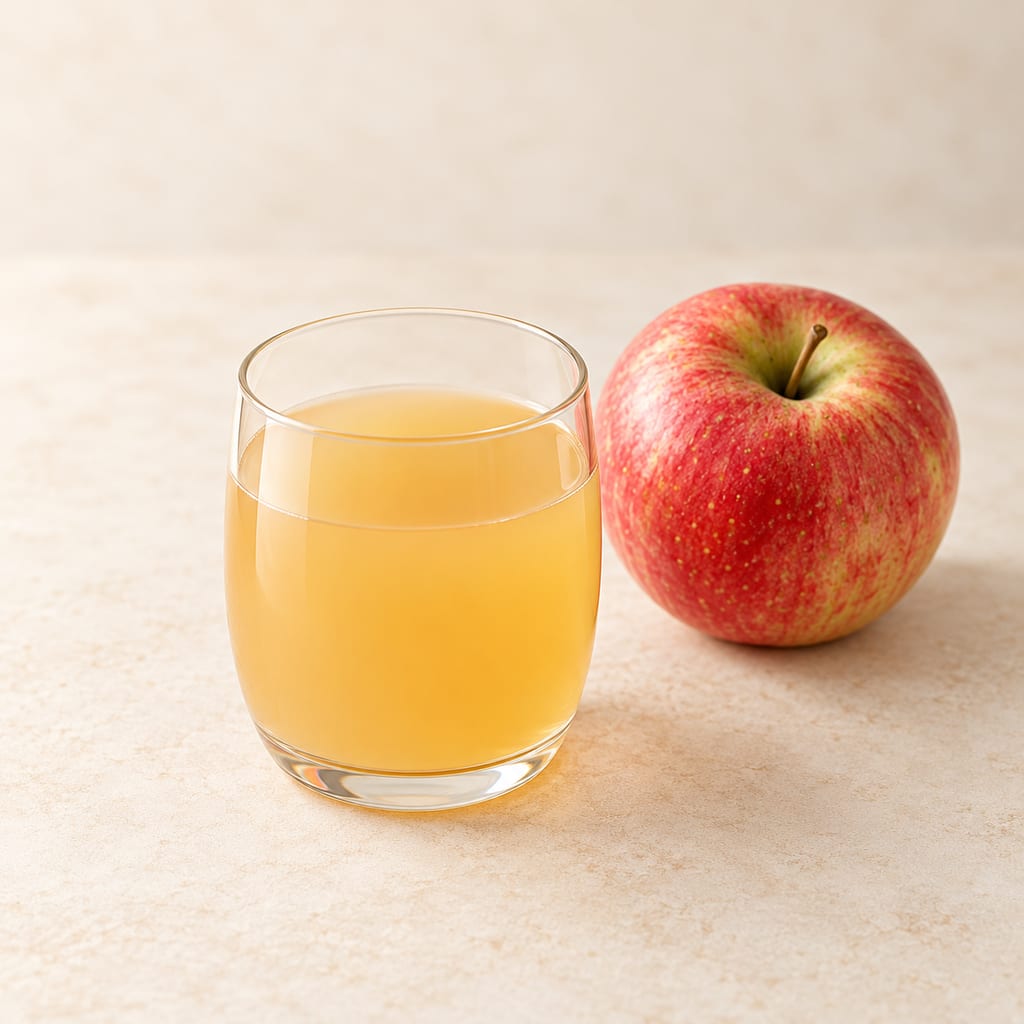
Apple juice without added preservatives, used as a drink, a cooking ingredient and a substrate for cider. Its cultivar, clarity, concentration and treatment history depend on the actual product.
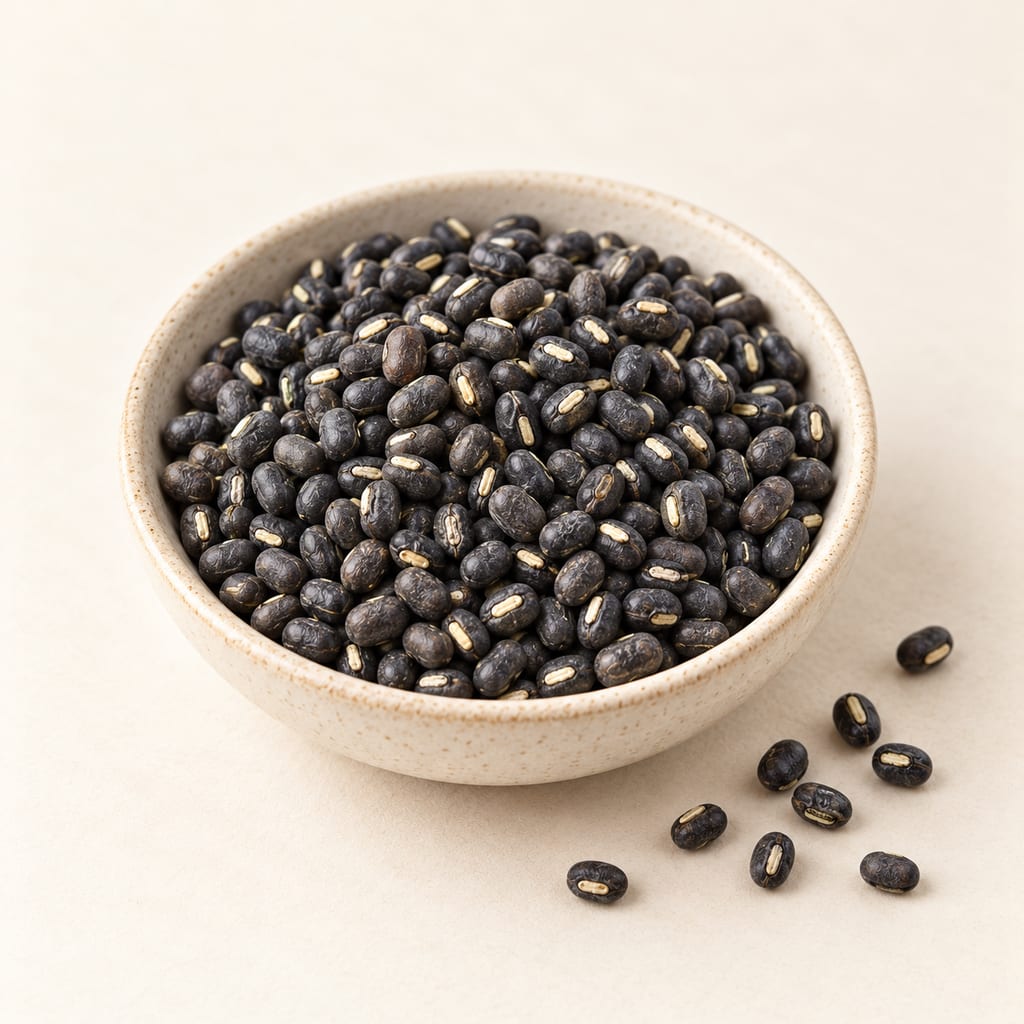
Black gram, or urad, is a South Asian pulse whose whole dark seeds and dehulled white dal make distinct cooked and fermented foods.
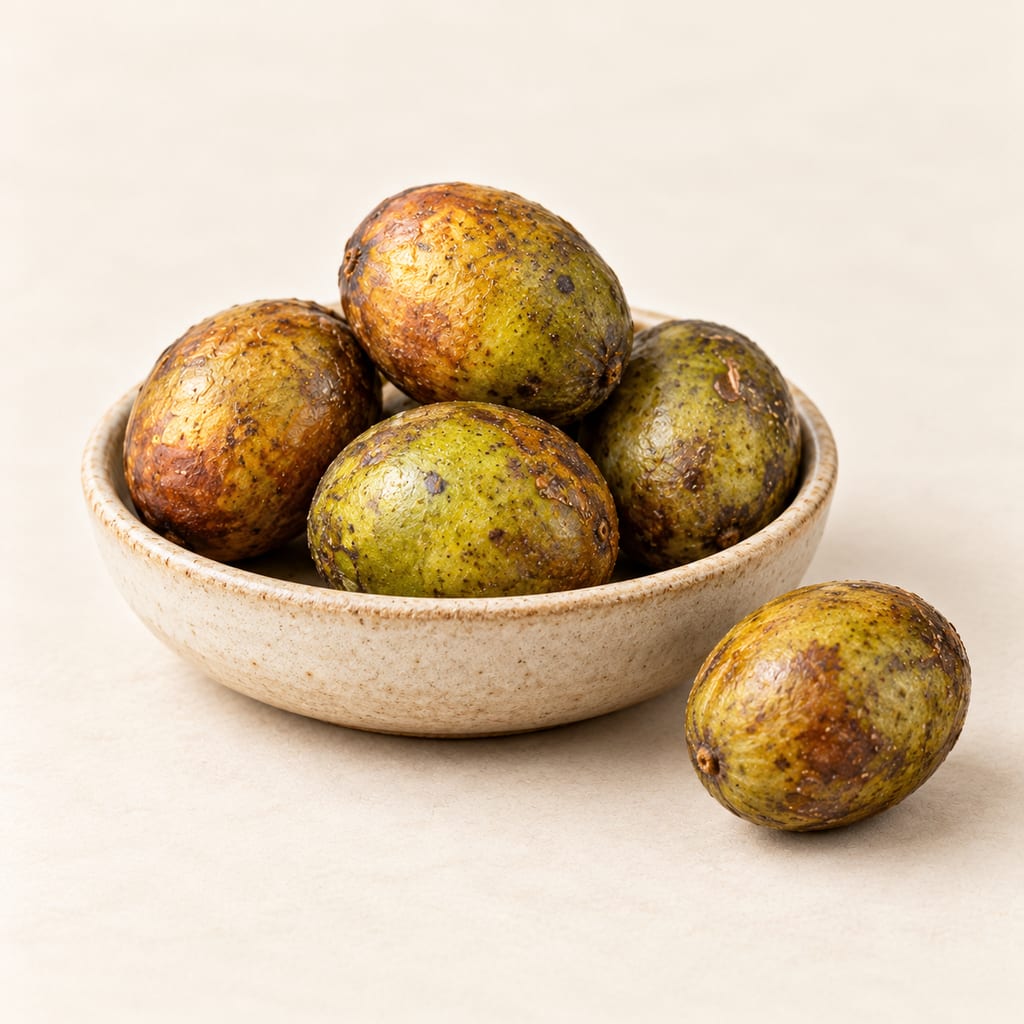
Lapsi is Nepal's tart stone fruit from Choerospondias axillaris. Its cooked pulp becomes achar, titaura, mada and other sour or sweet preserves.
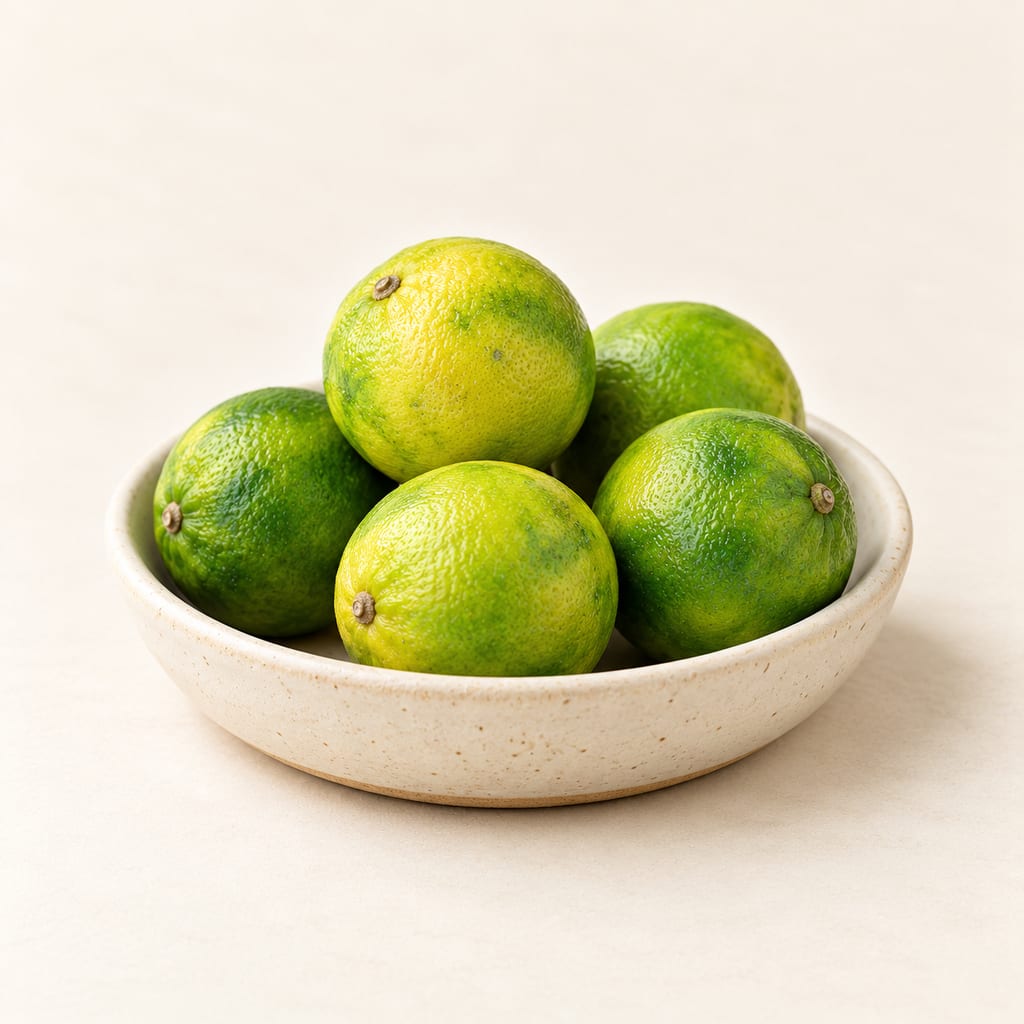
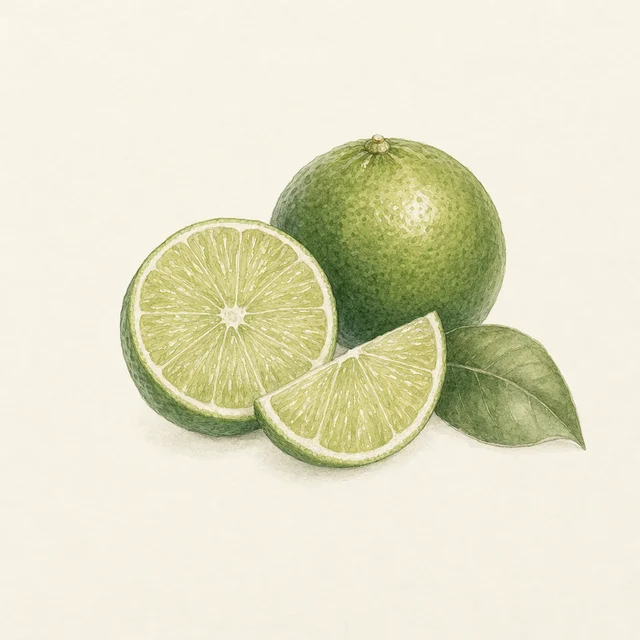
Lime brings sour juice, fragrant peel and firm rind to fresh food and preserved condiments; the fruit named in a recipe may belong to several citrus types.

Milk from a ewe, used in cheese and cultured dairy foods. Its protein, fat and solids vary with the animal and season; it contains lactose and milk allergens.
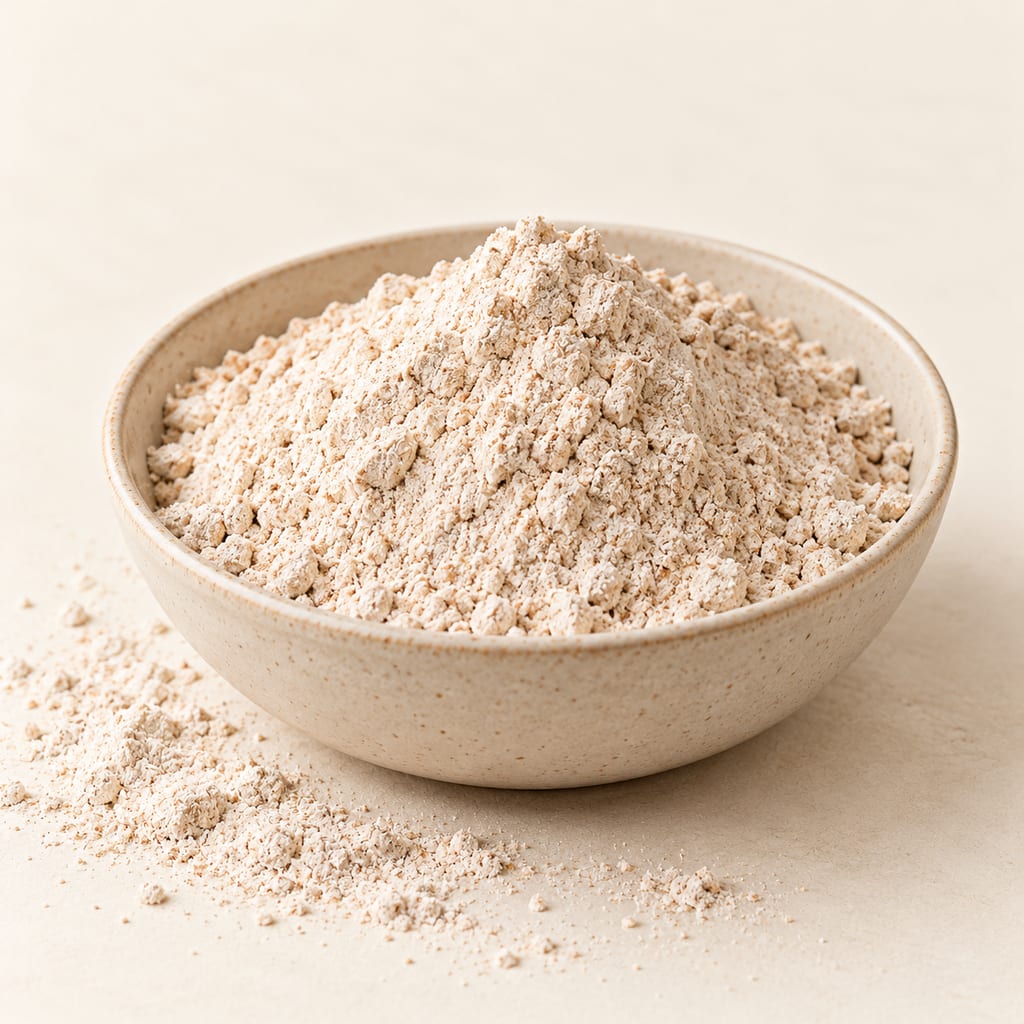
Whole-wheat flour contains the bran, germ and endosperm of wheat in their original proportions. Its fuller grain flavour and dough behaviour depend on the wheat and milling.
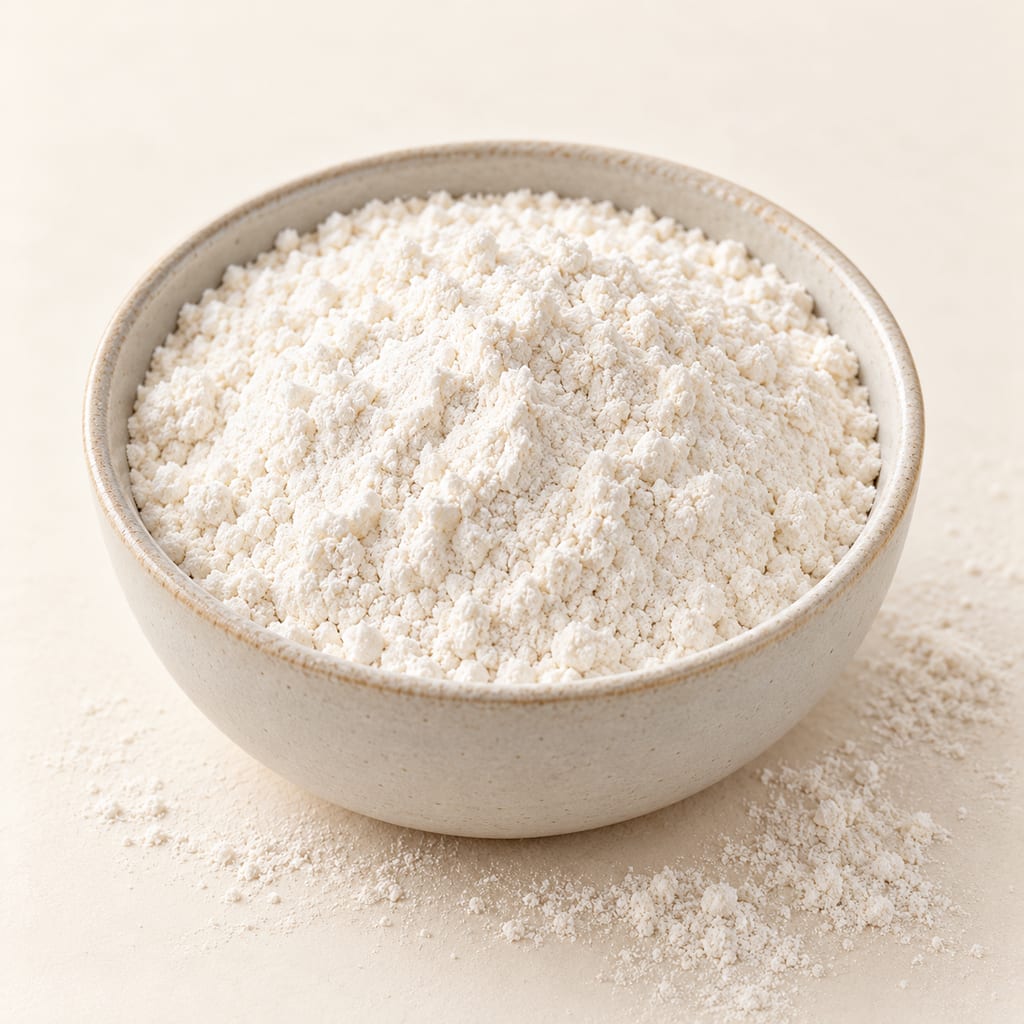
Bread flour is wheat flour chosen for dough strength and gas retention. Its protein level and baking performance vary by wheat, mill and product.

A refined common-wheat flour blended for a broad range of baking; its protein and behavior vary with wheat, milling and market.
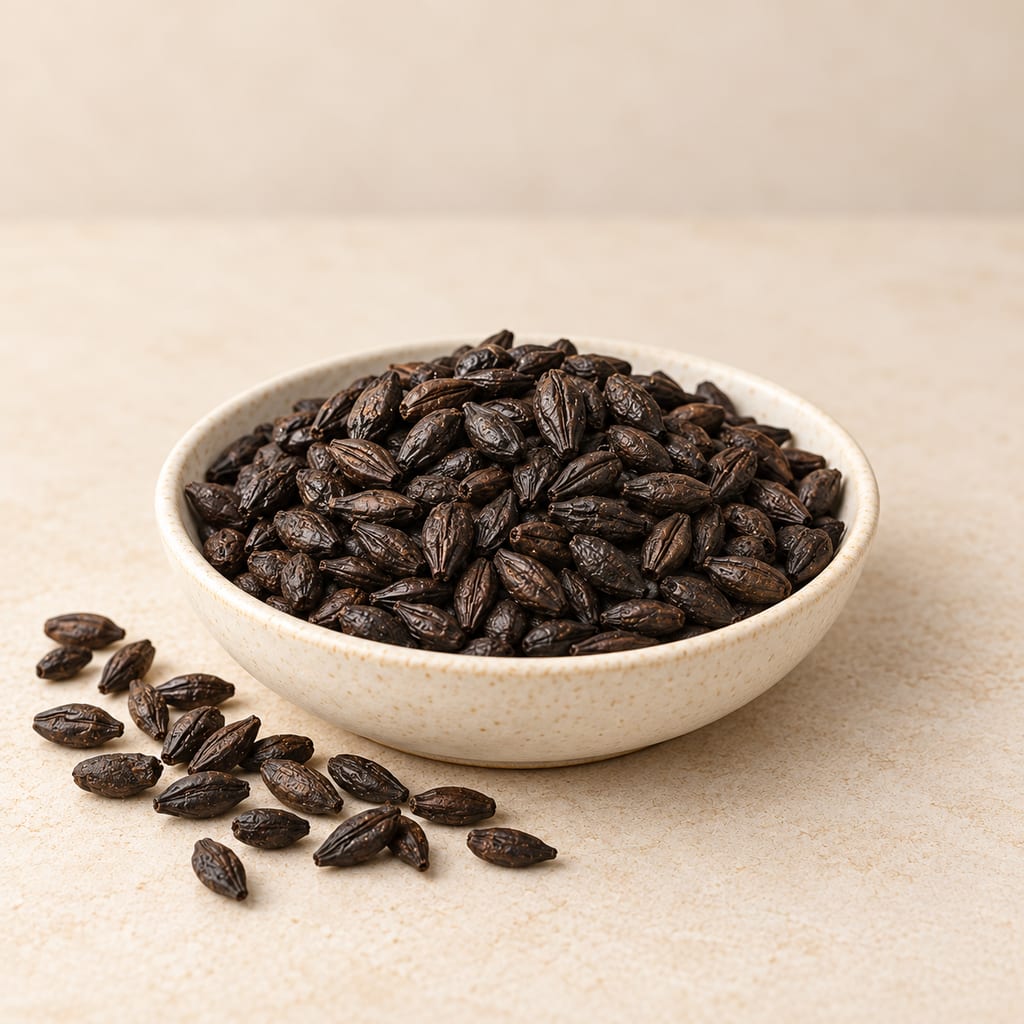
Roasted specialty malt named for coffee-like aroma, with the exact roast grade and colour varying by maltster; it is distinct from added coffee beans.
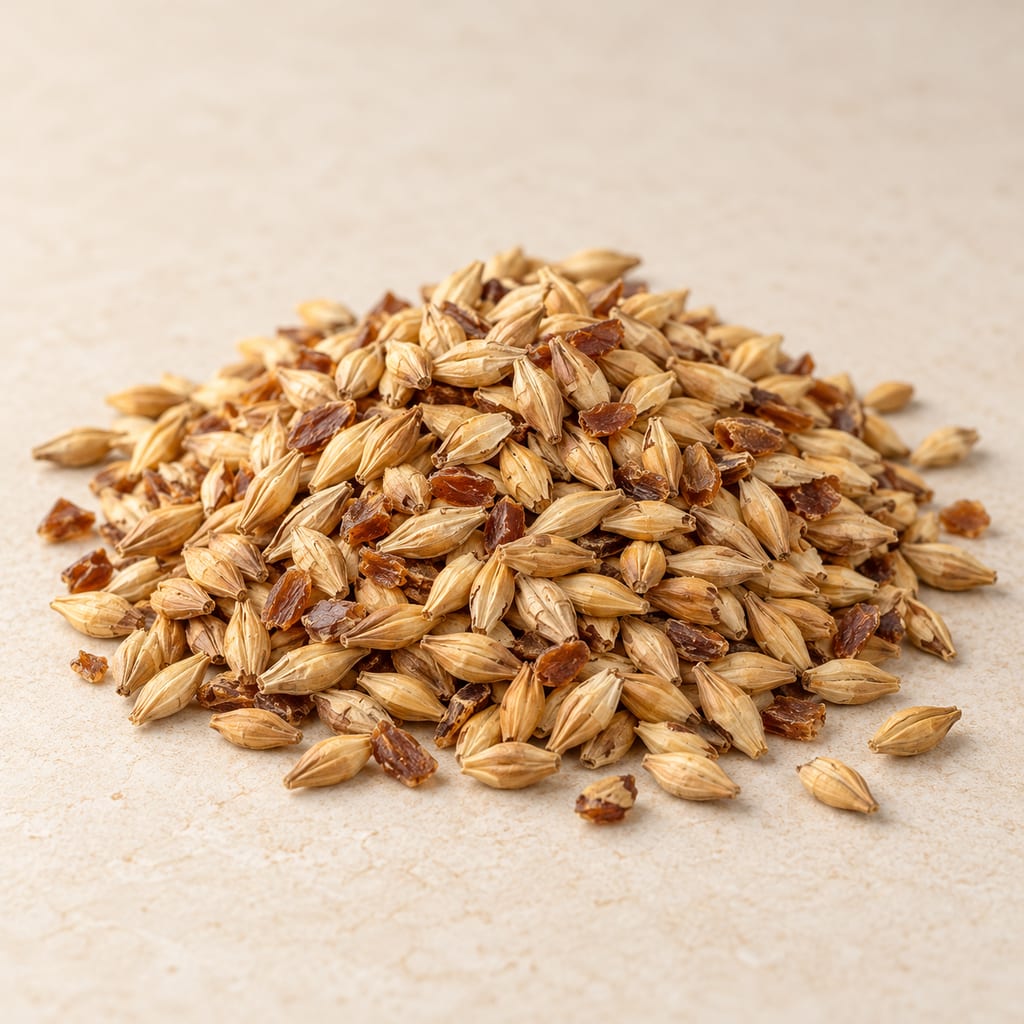
A caramel/crystal barley malt colour grade that supplies caramel-like flavour, colour and extract; producer and process refine what the 60 label means.