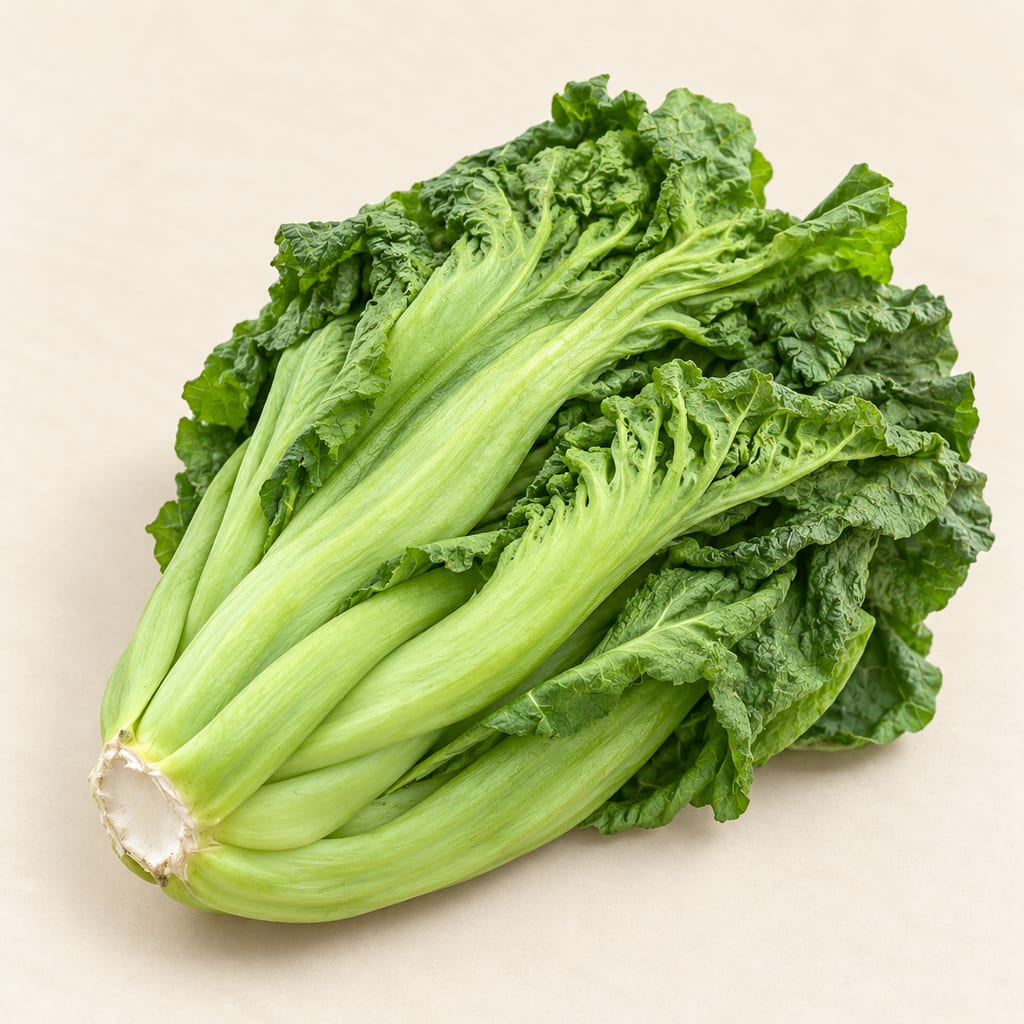
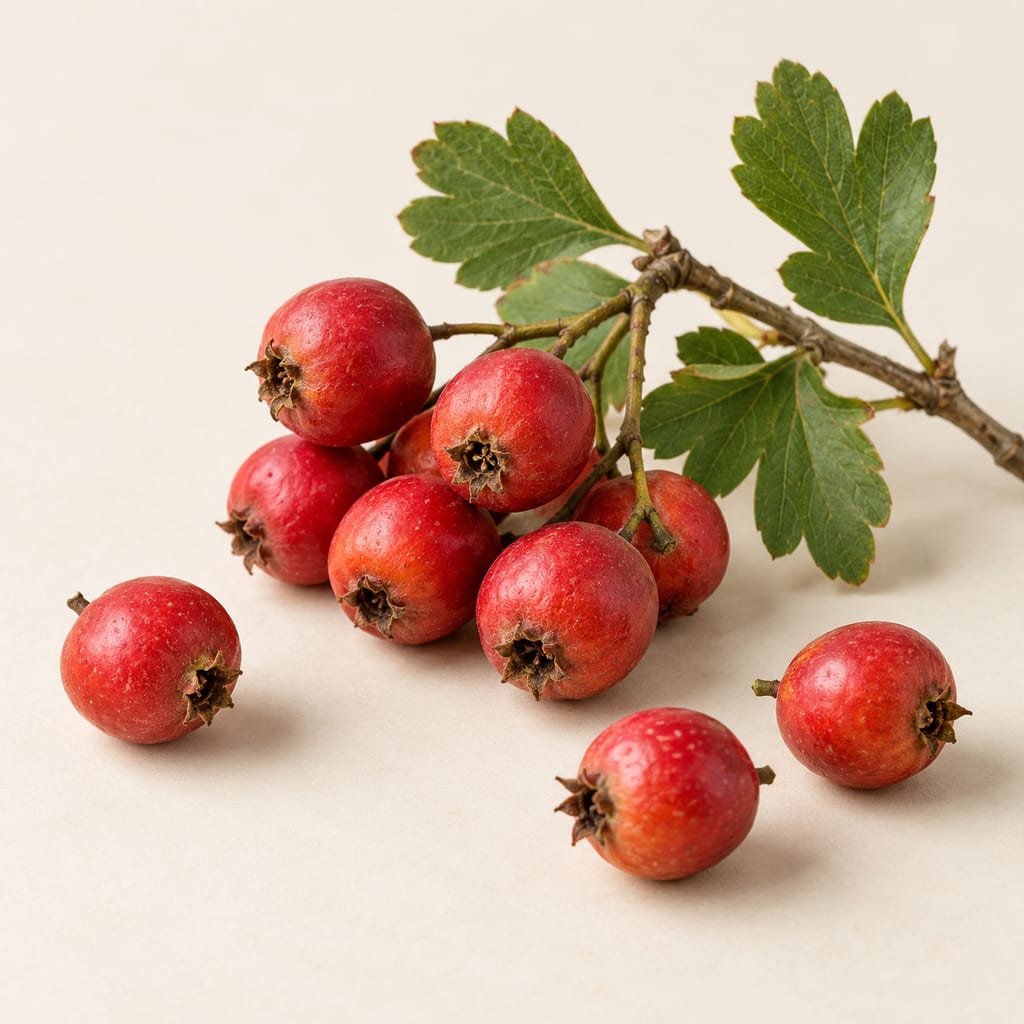
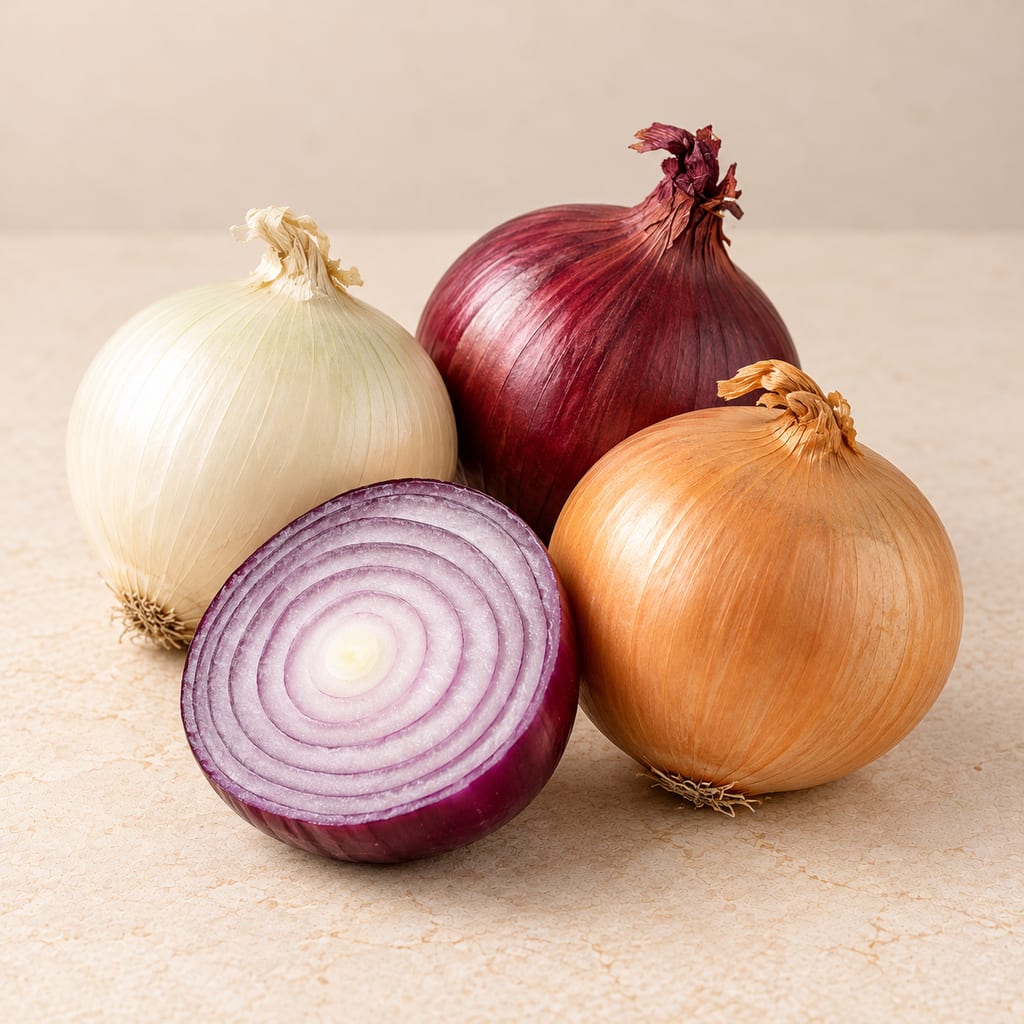
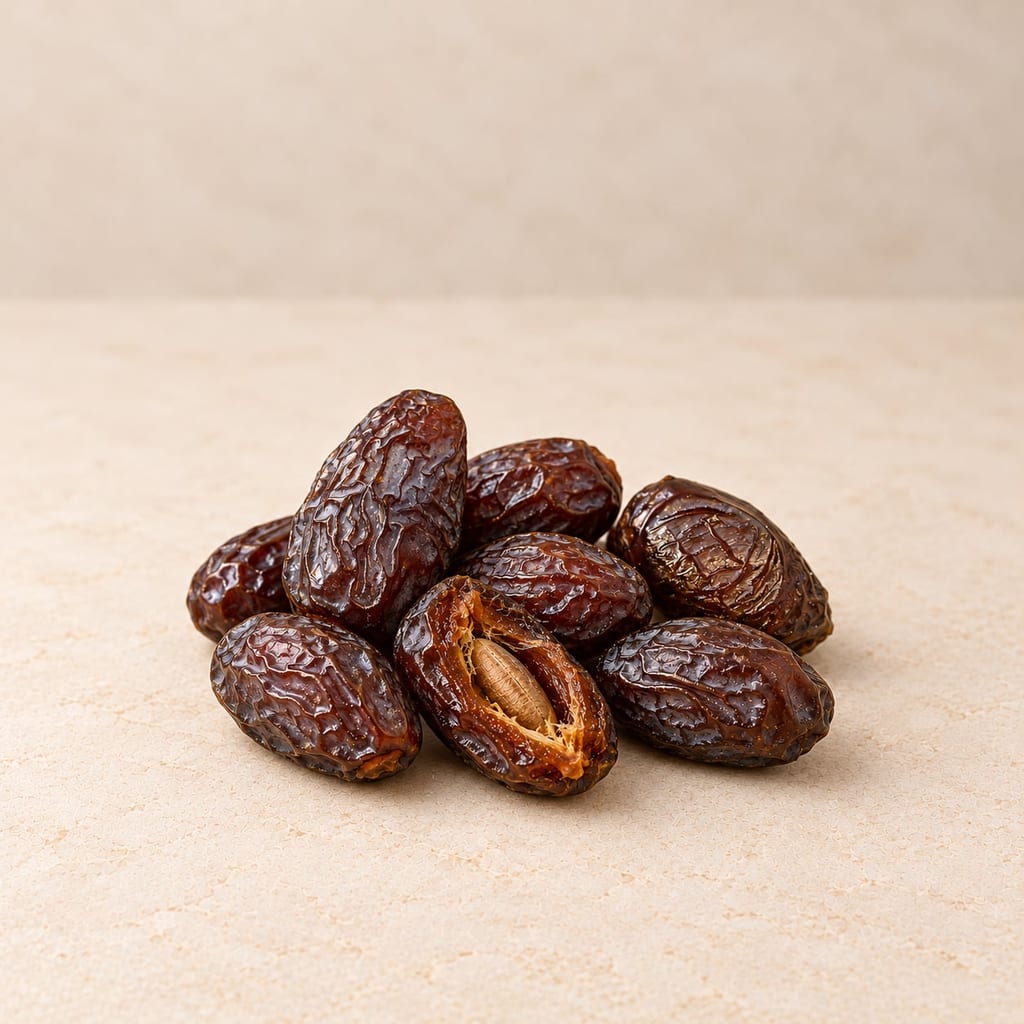

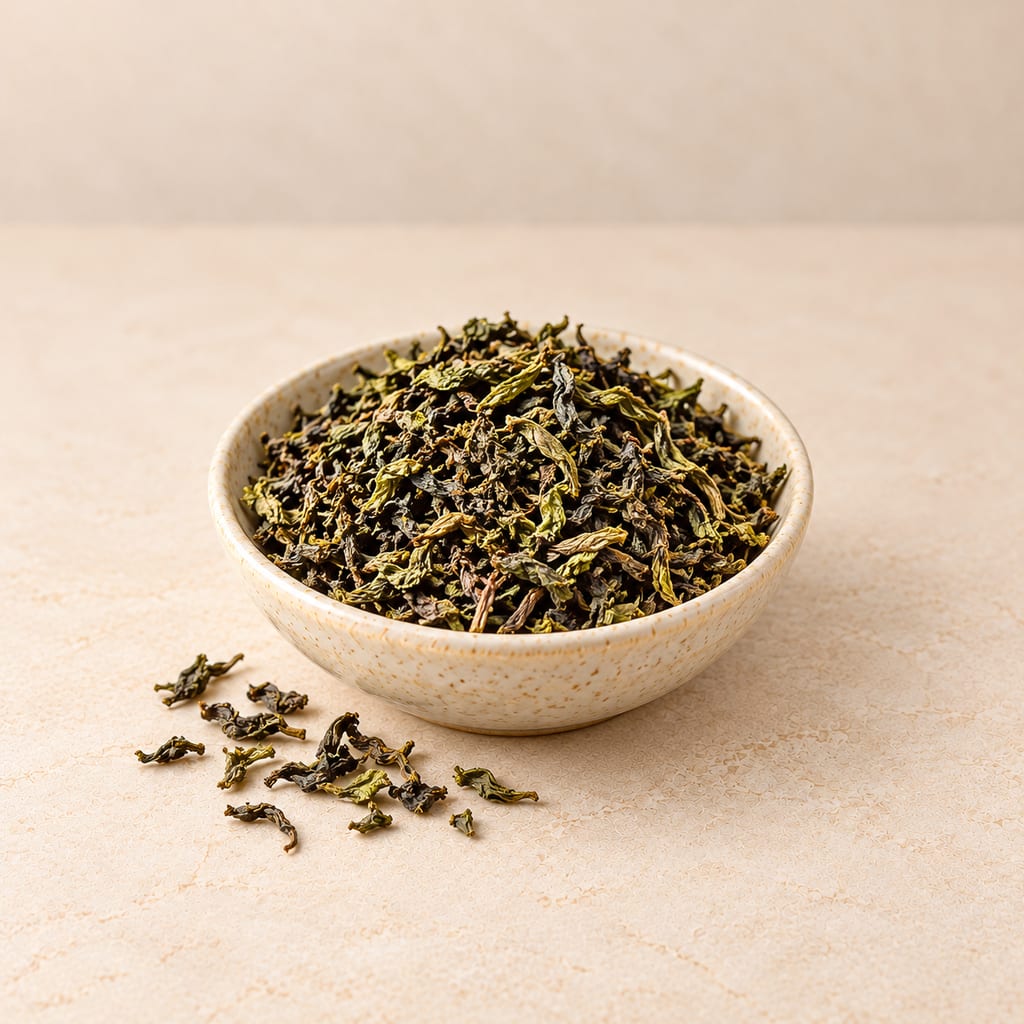
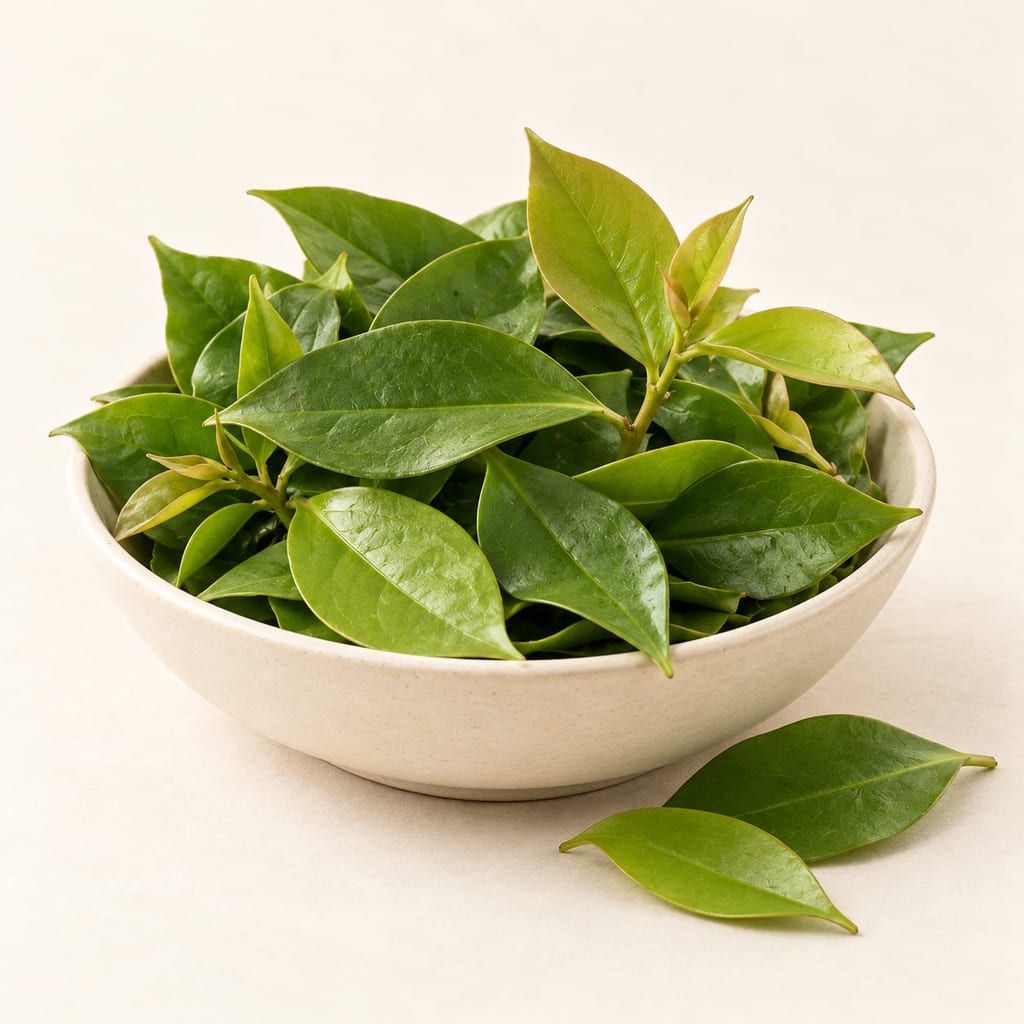
Ora-pro-nóbis leaves
Embrapa documents ora-pro-nóbis as a leafy cactus used in parts of Minas Gerais and Goiás, with species-specific planting and harvest guidance and clear gaps around climate limits and food-safety validation.
 FermenteaWhere food goes to change
1086 articles on substrates, cultures and additives.
Embrapa documents ora-pro-nóbis as a leafy cactus used in parts of Minas Gerais and Goiás, with species-specific planting and harvest guidance and clear gaps around climate limits and food-safety validation.
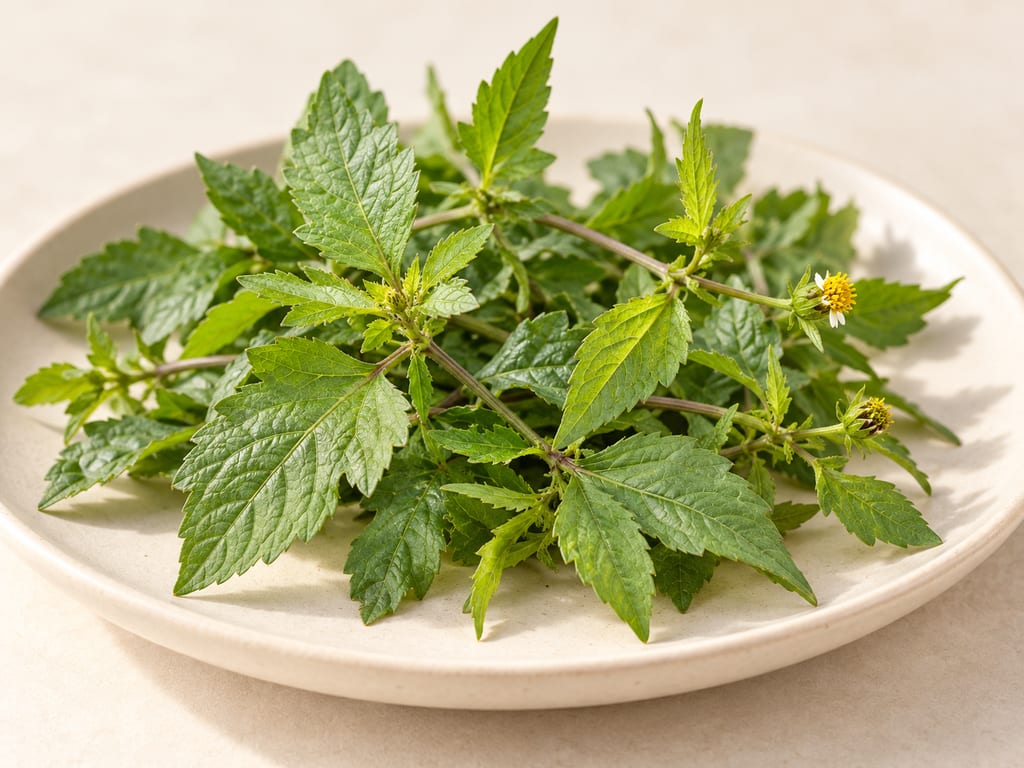
Zambian food references name Bidens pilosa as black jack and report leaves in local food records. A household study also recorded a genus-level Bidens group, but its vouchers and collection statistics cannot be assigned to this species.
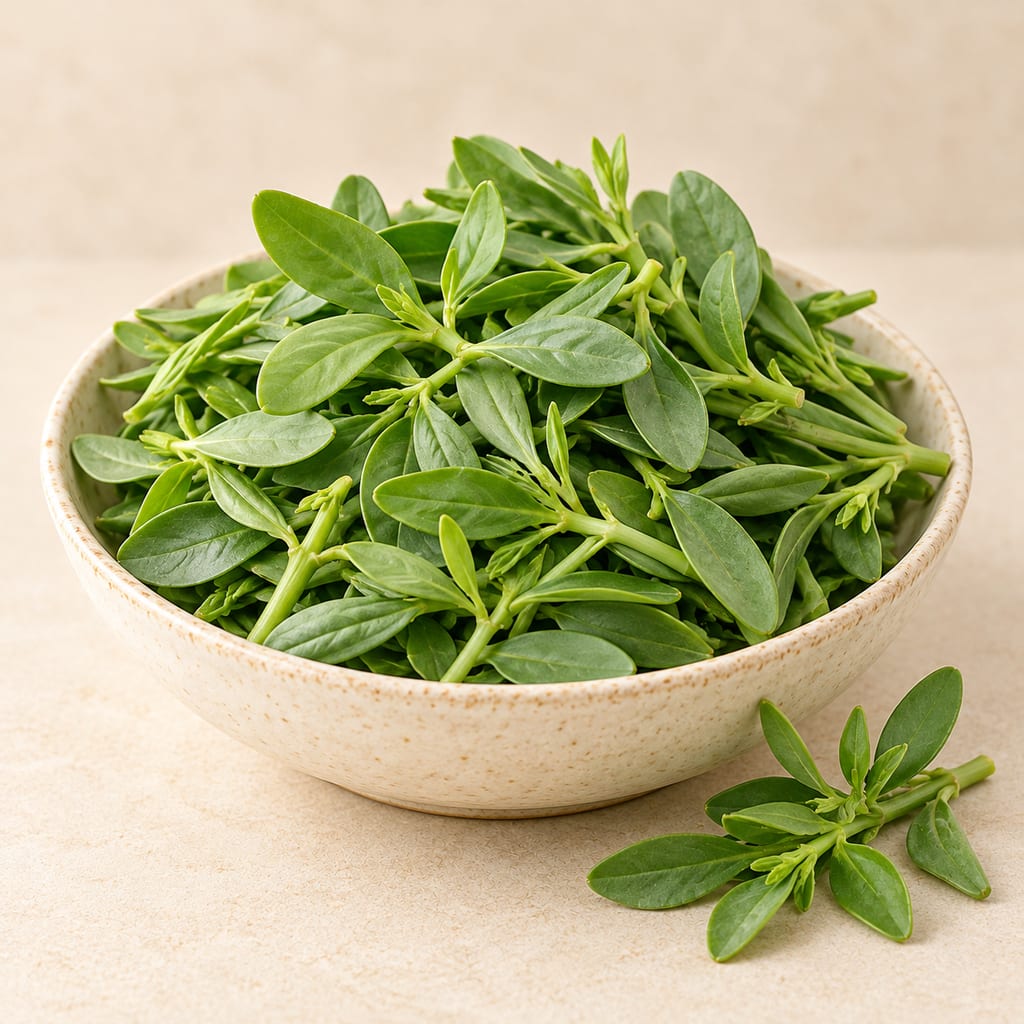
Waterleaf leaves and shoots are recorded as cooked vegetables and sauce thickeners in Nigeria, and in Thai soup and fried dishes; growing reports vary by source and setting.
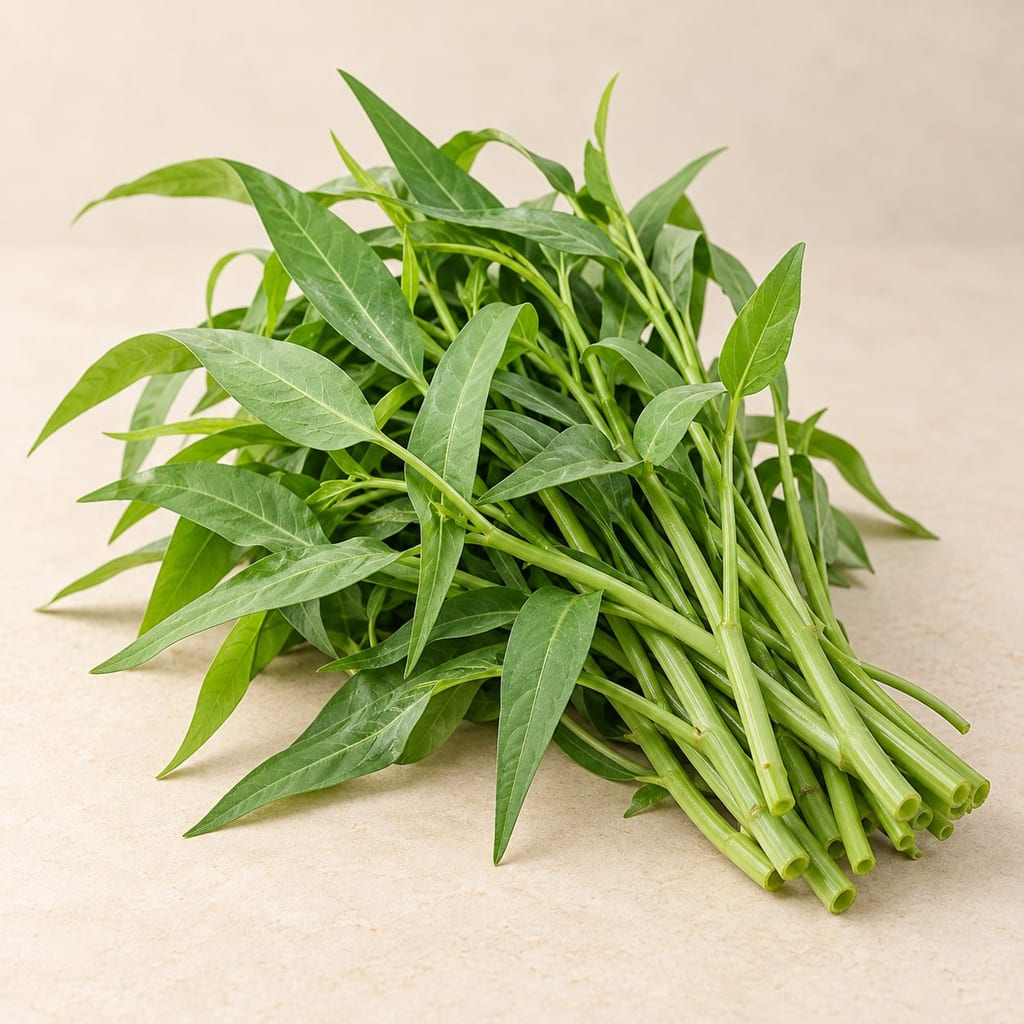
Bangladesh sources document Kolmi or Kalmi leaves and tender shoots as vegetables, alongside soil-pot, waterlogged-sack, pond-tray and protected hydroponic experiments. A contemporary abstract reports BARI’s historical Gimakalmi release, but cultivar continuity is unresolved; food notes and cultivation results remain source- and study-specific.
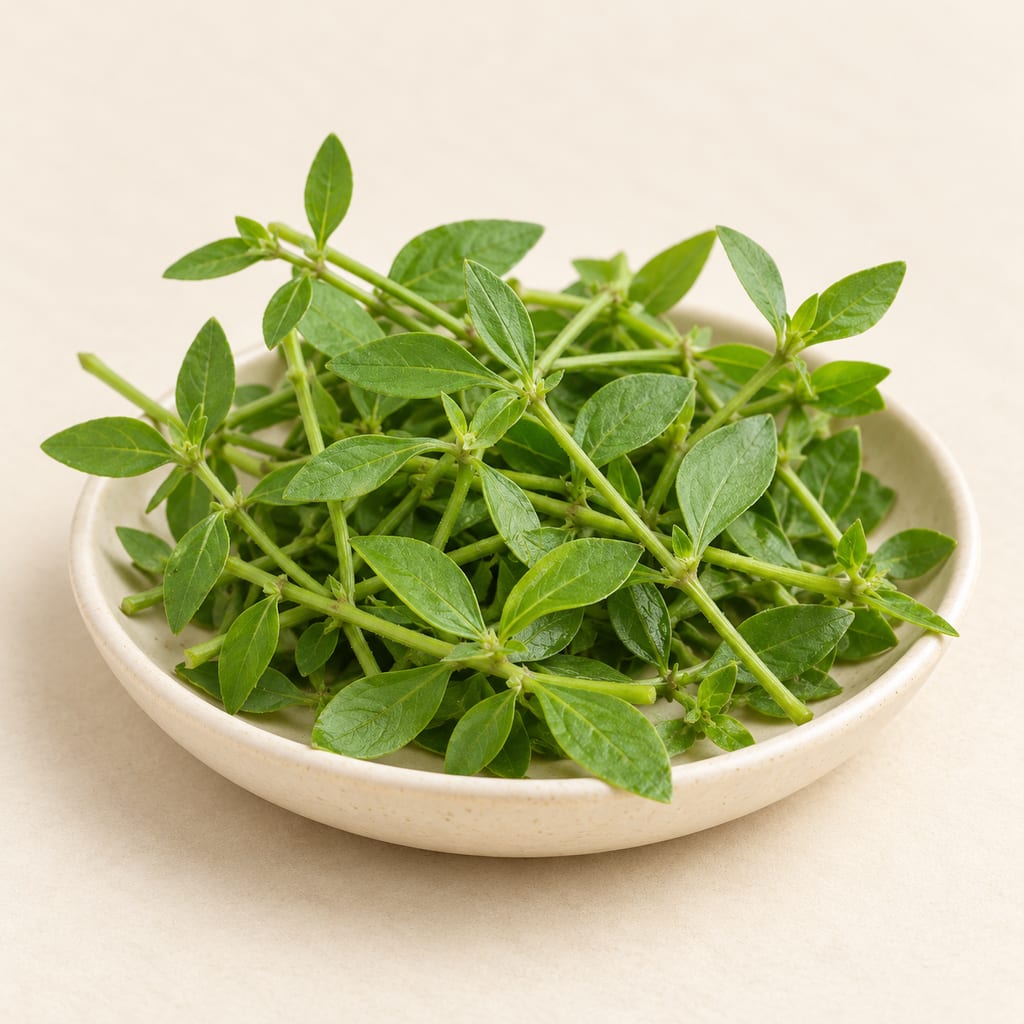
A source-scoped account of Sri Lankan Mukunuwenna crop forms, field guidance and two described household food preparations, with identity and recipe gaps kept explicit.
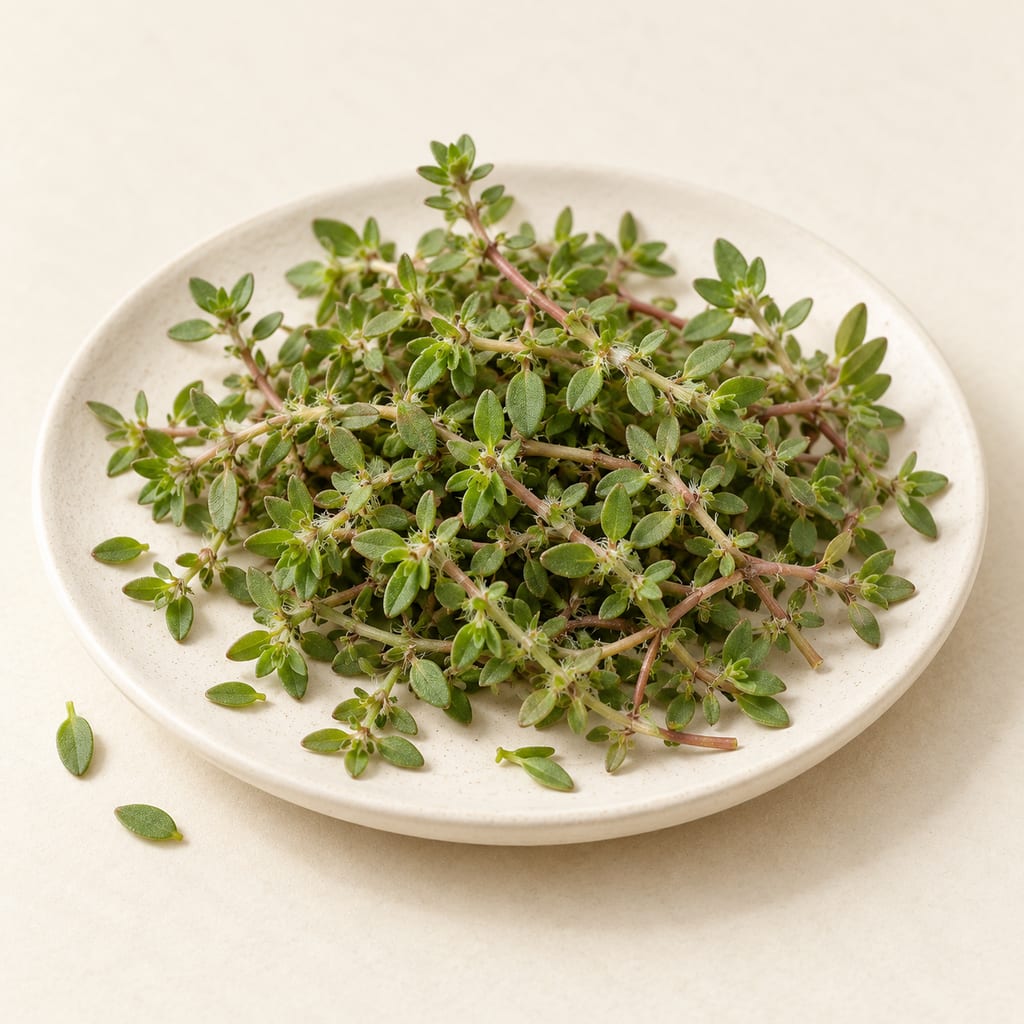
Small-leaved purslane is reported as a wild vegetable in Kenya and broader tropical accounts; PROTA describes it as a spreading weed and advises against cultivation.
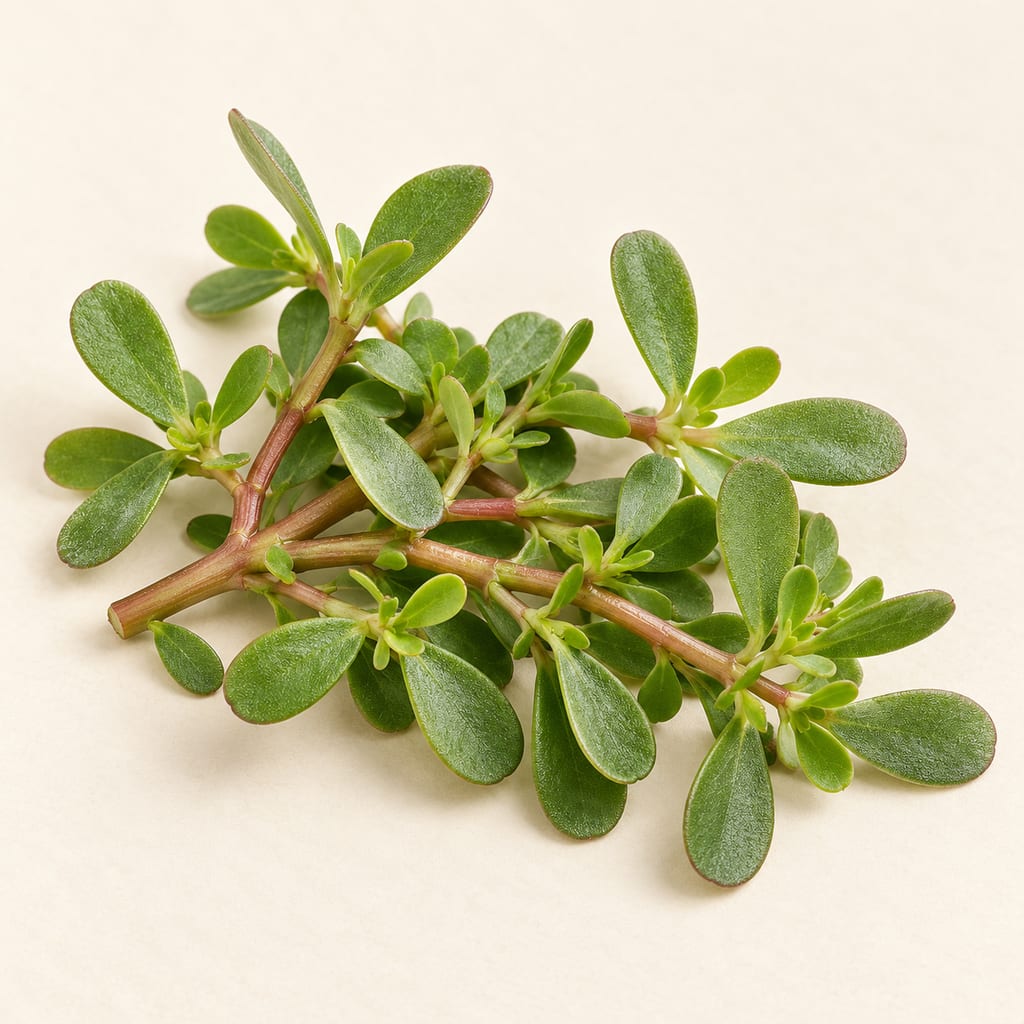
Portulaca oleracea is documented as a food plant in distinct Mexican and Taishan contexts. A Morelos cookbook names a verdolaga-and-pork dish, a Mexican field trial measures one local crop, and Taishan sources disagree about the plant part; none provides a universal safe dose, detox method or gathering guide.
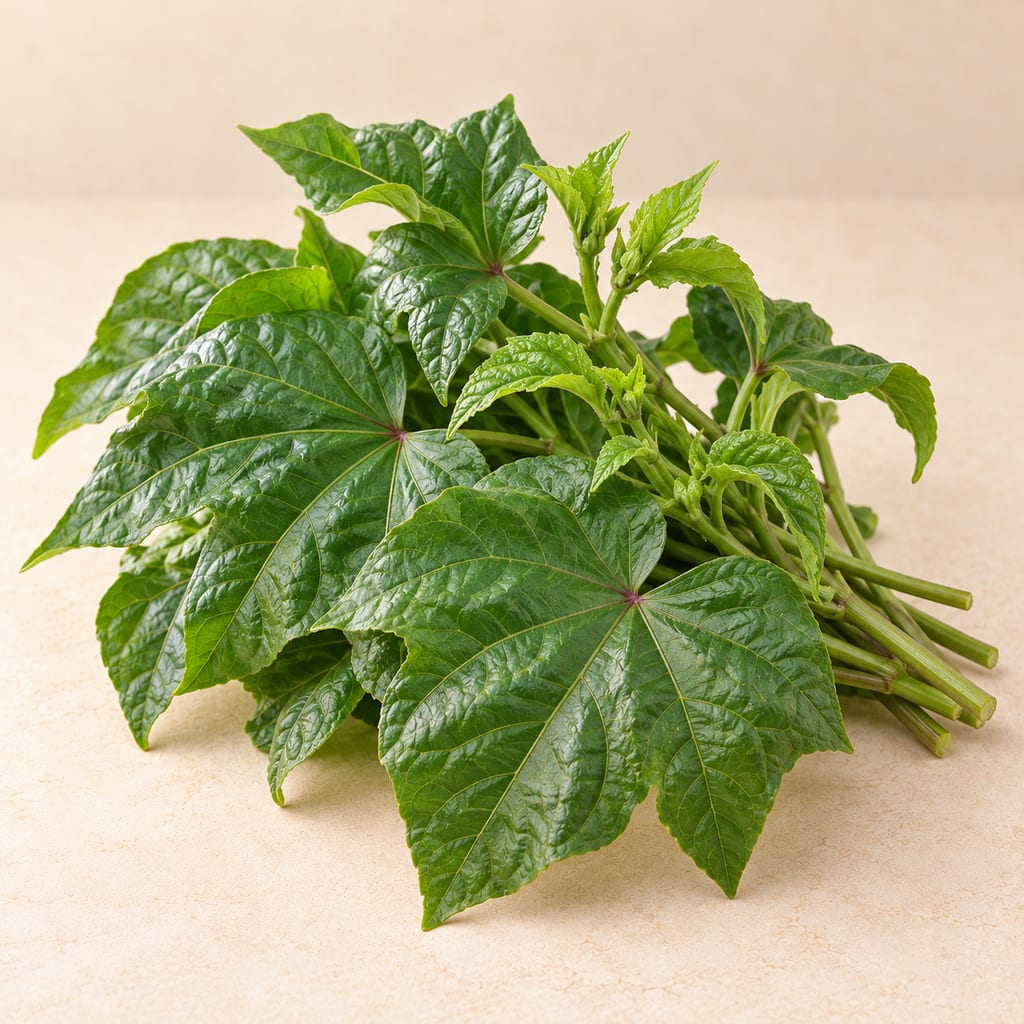
Papua New Guinea sources describe aibika leaves and shoot tips as cooked greens. Crop forms vary, and the reports do not identify a single cultivar or provide a complete recipe.
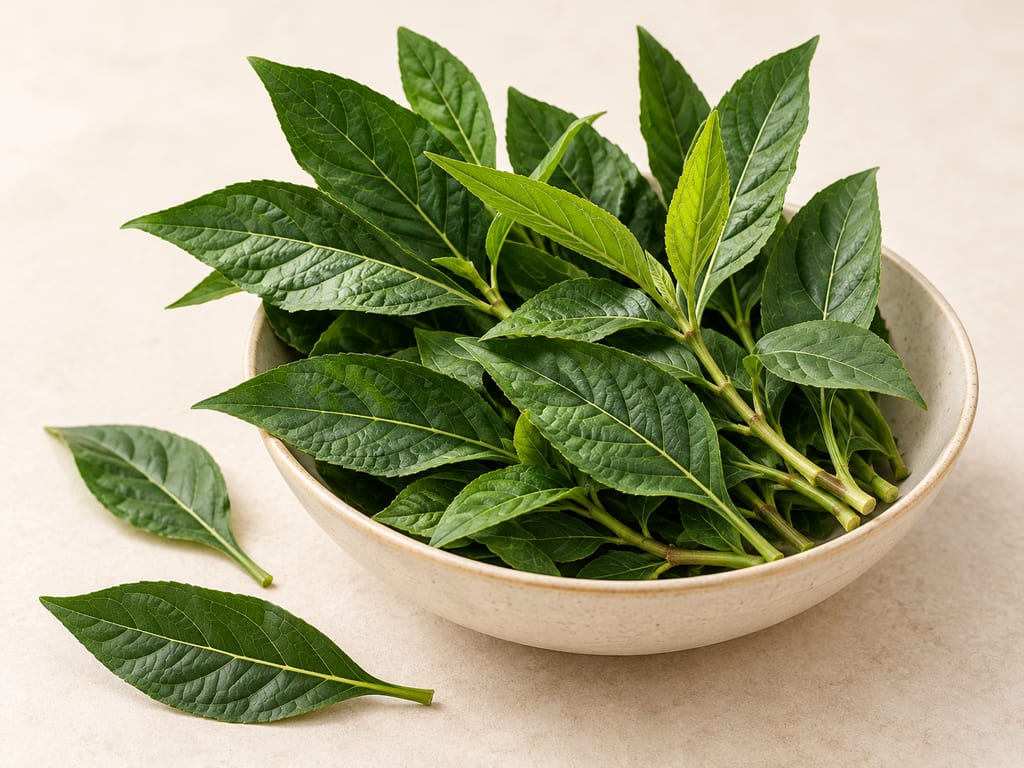
A source-linked account of bitterleaf as a West and Central African leafy vegetable, with its accepted-name synonym, reported household preparations and cultivation context kept distinct from safety guidance.
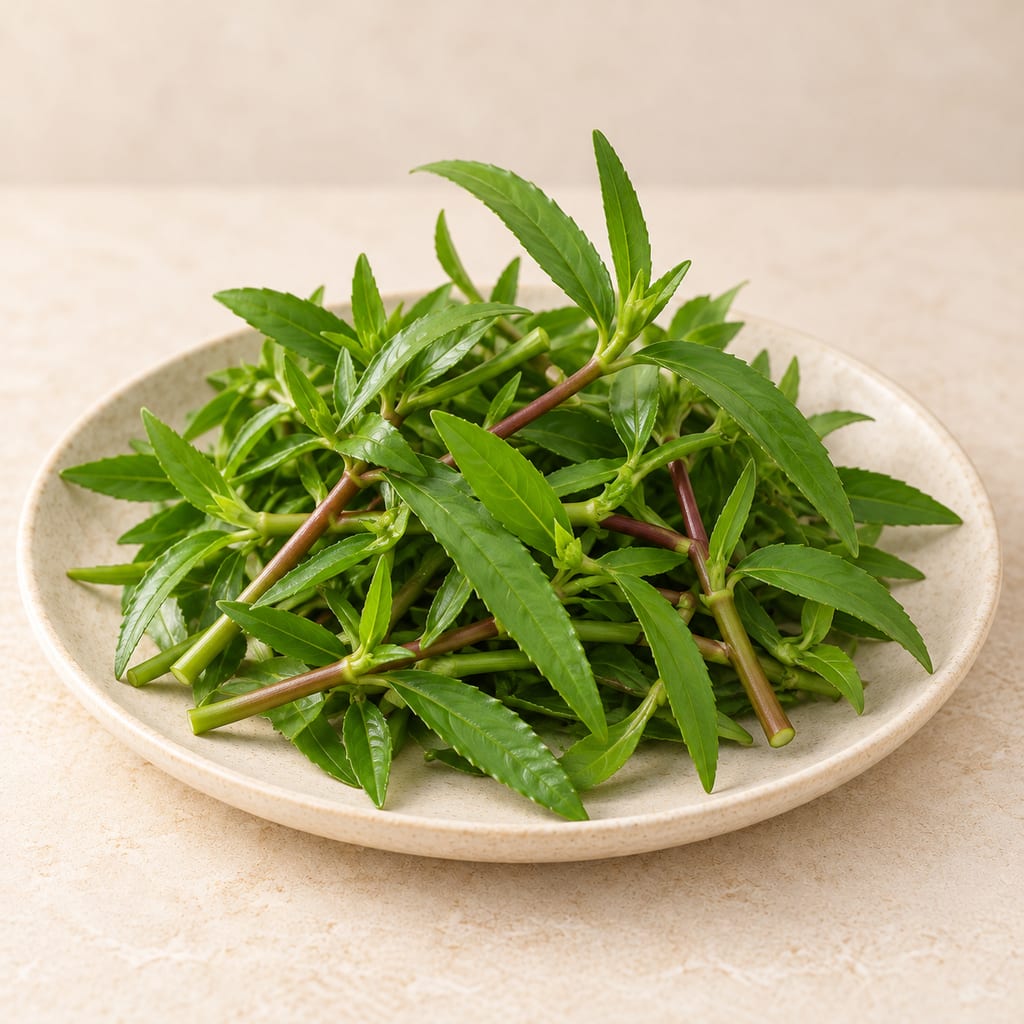
Bangladesh food and cultivation sources use several spellings and overlapping wetland names. This account distinguishes the accepted name from source labels and describes regional food reports and one waterlogged sack experiment without turning it into a household growing or cooking prescription.
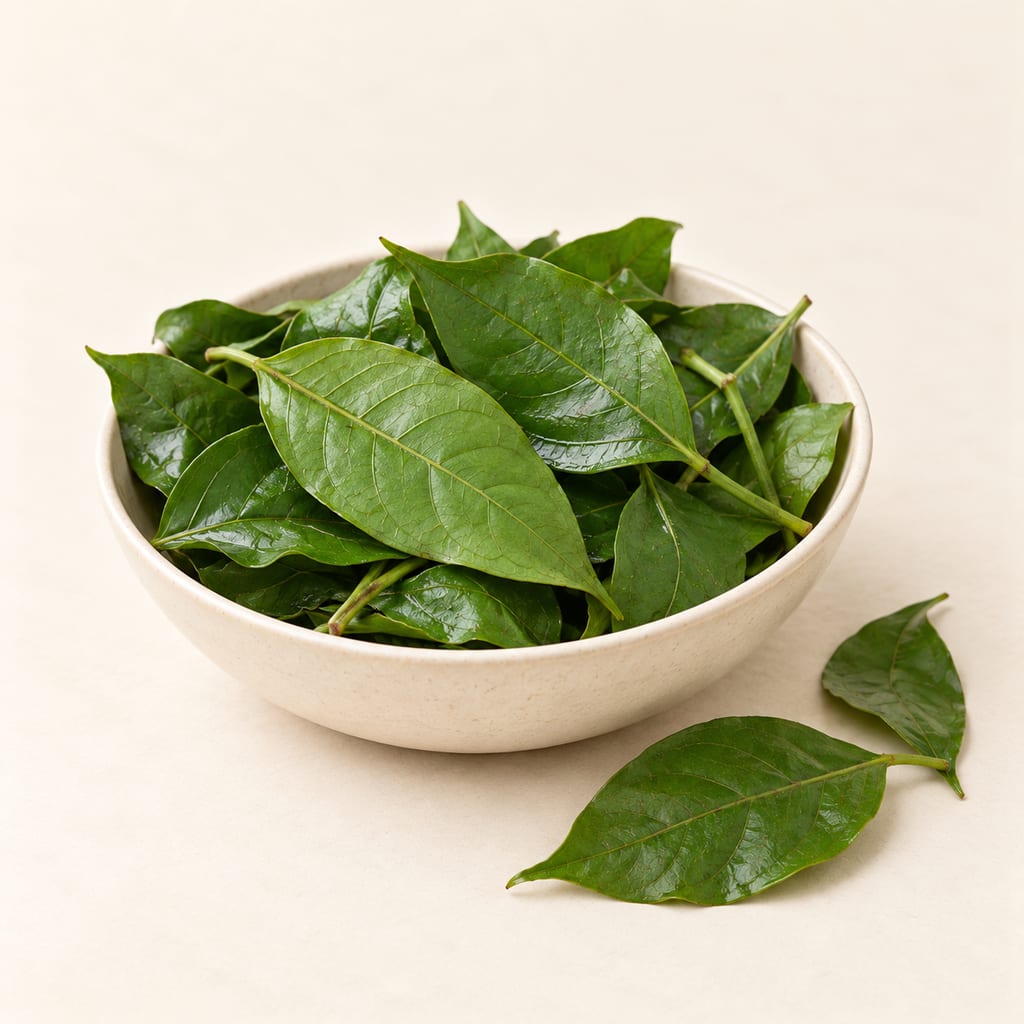
A source-linked account of Gnetum africanum as a climbing forest vegetable, with shared market names and paired-species food and cultivation reports clearly qualified.
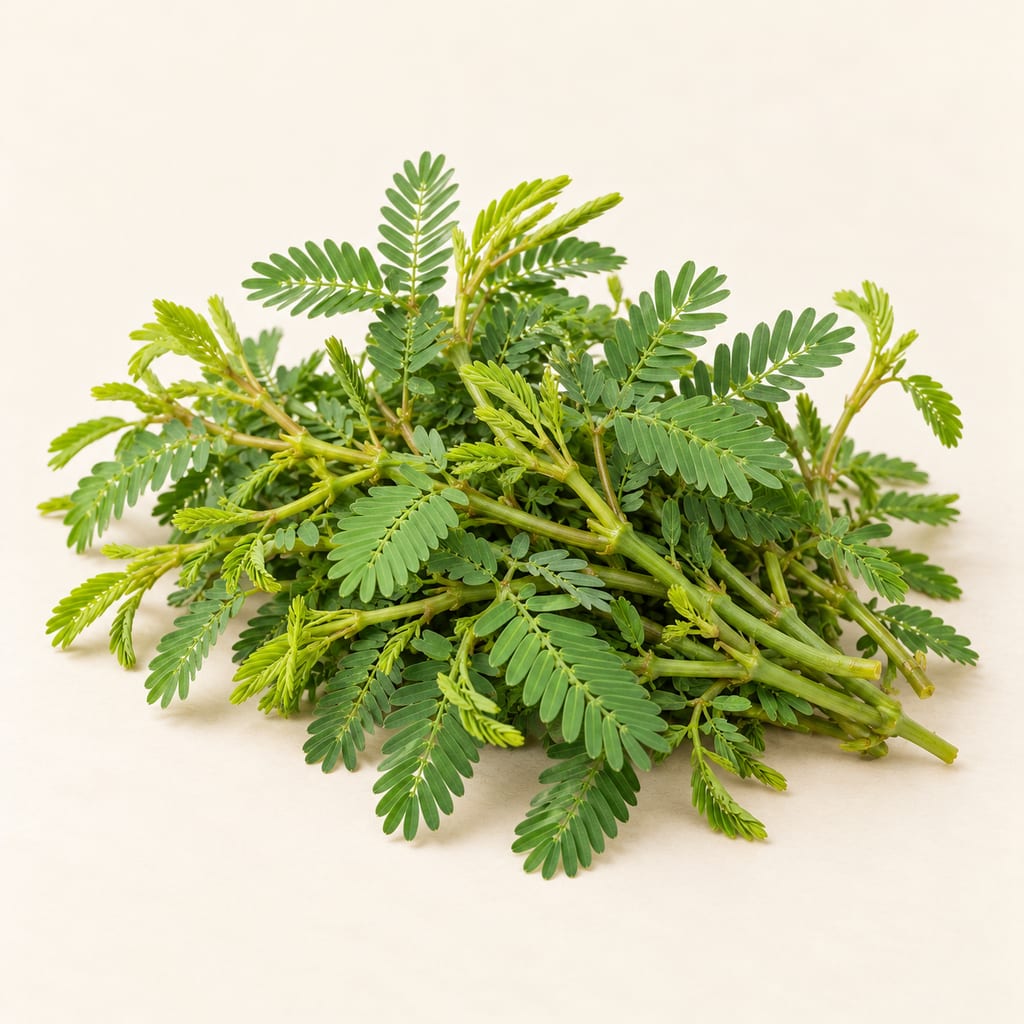
Lao market and field accounts describe water mimosa as a wetland vegetable, while a regional handbook records separate Thai cultivation practices.
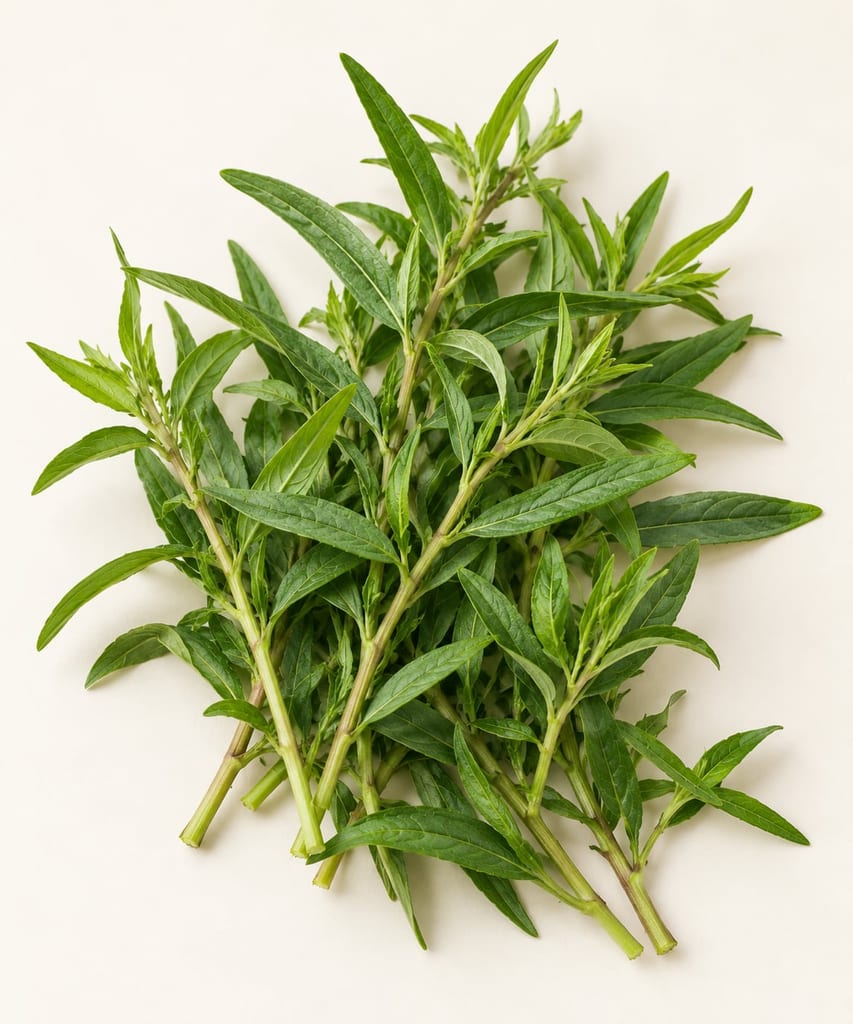
Tanzanian sources describe wild simsim as a leafy vegetable gathered and sometimes protected around homes. A printed SASS name resembles the accepted species name but has no voucher, so that row’s taxon remains unconfirmed.
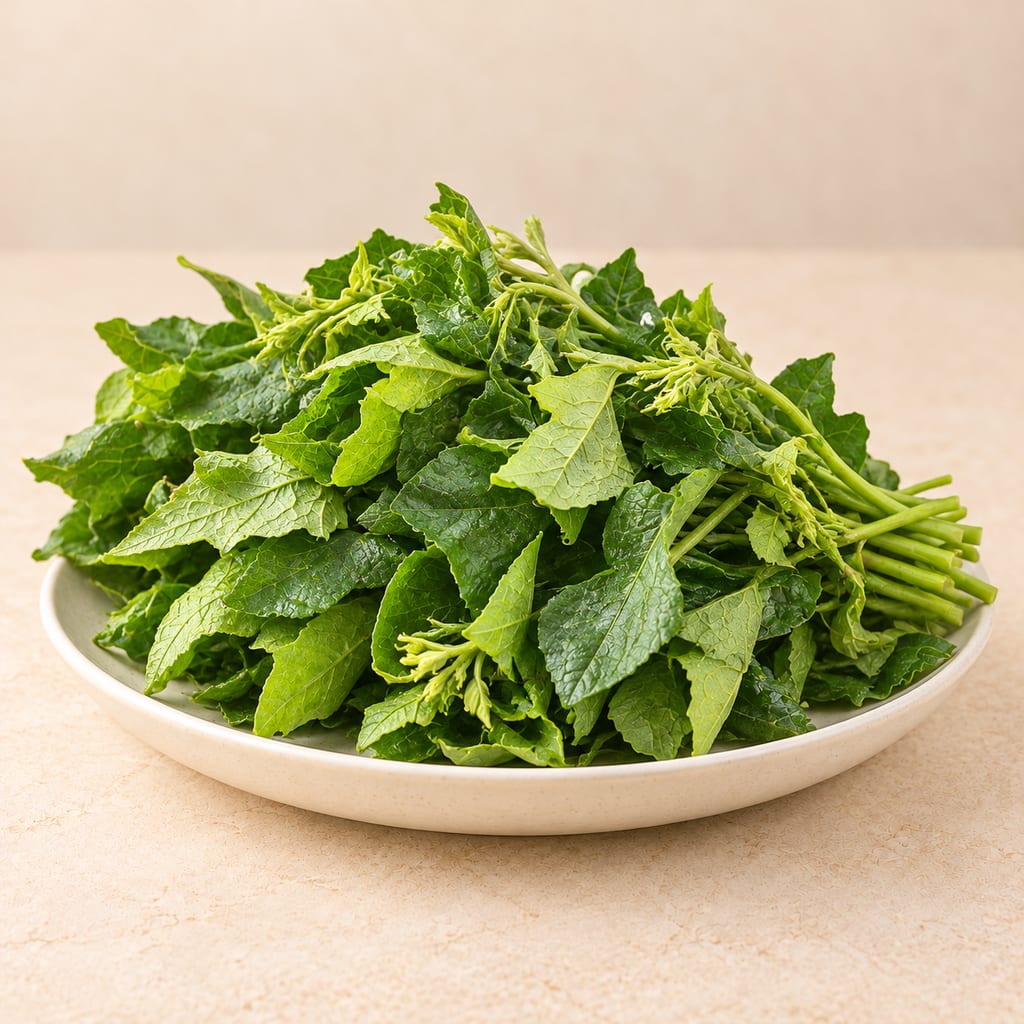
Kew accepts Telfairia occidentalis. Nigerian sources describe ugu and leaf, shoot and seed-kernel food uses, alongside institutional field-growing guidance whose regional scope and limits remain important.
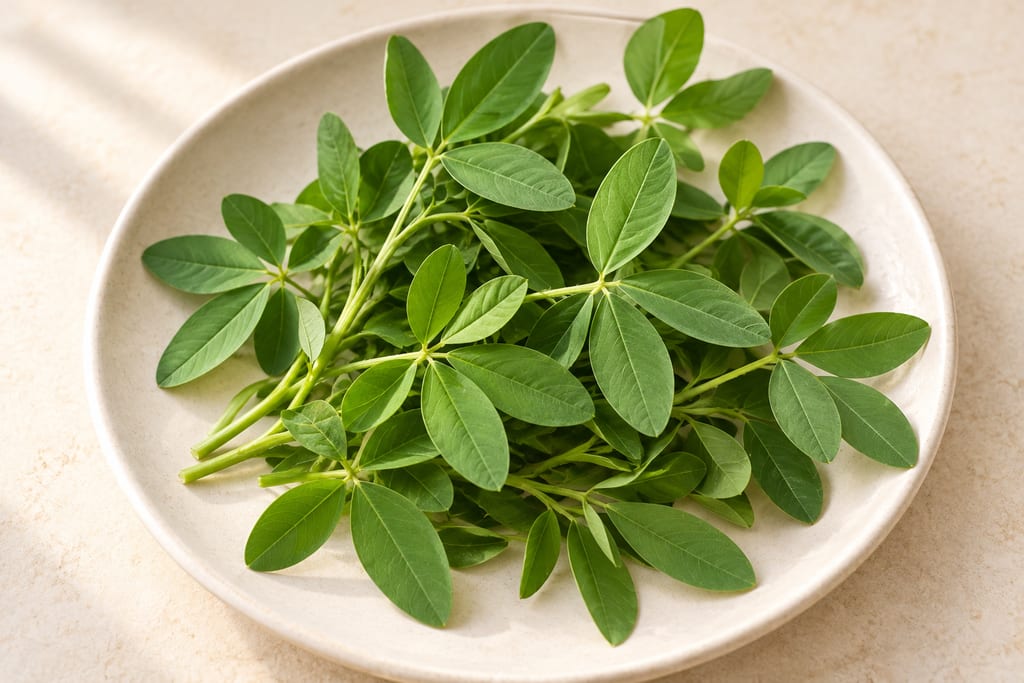
Kew accepts Crotalaria longirostrata. Guatemalan ICTA sources describe leaves, stems and tender shoots in cooked foods, while a community study reports market purchase of chipilín that was absent from the sampled village. Similar names and source-reported hazards do not provide a plant-identification or preparation-safety rule.
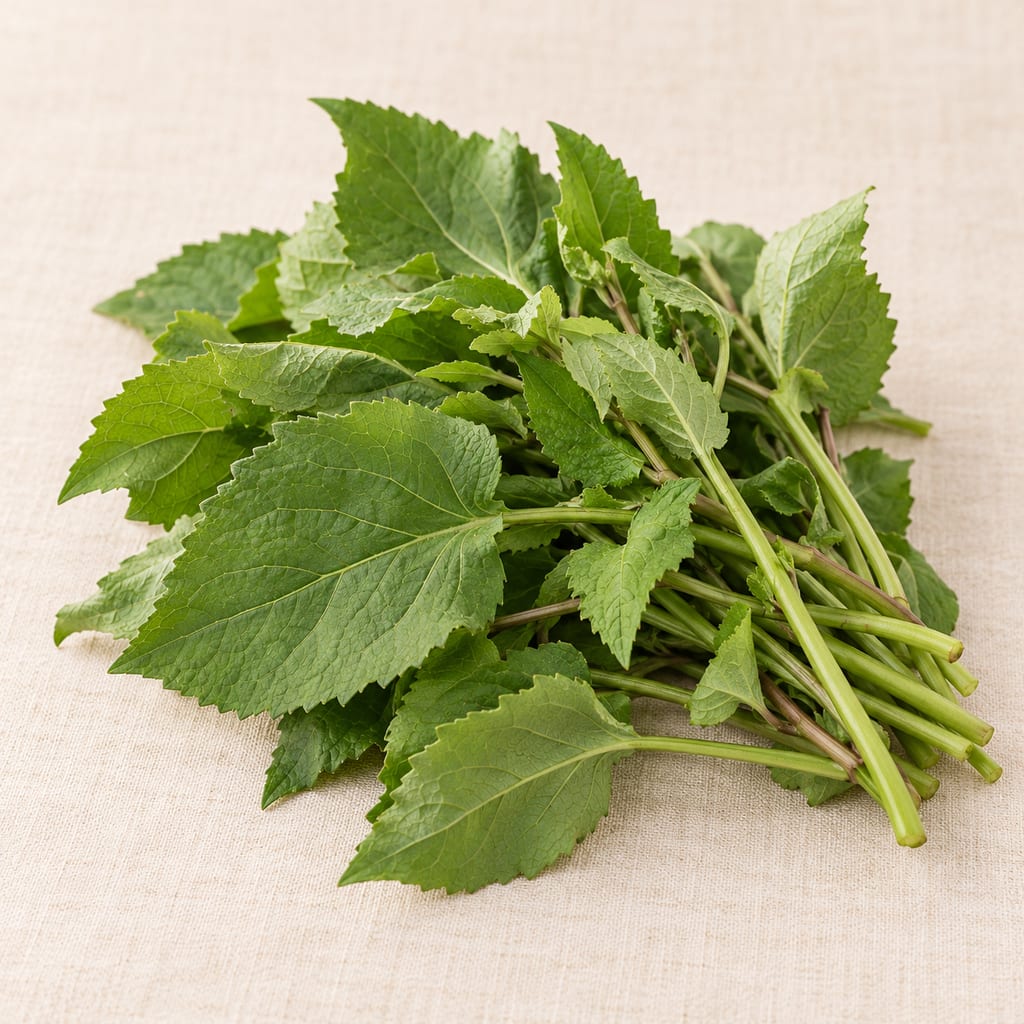
Korean extension sources describe chamchwi as a spring leafy crop and name a Chungcheongbuk-do rice wrap. The RDA crop page gives nursery and field guidance, while container evidence comes from a shared multi-crop balcony model rather than a chamchwi-specific trial.
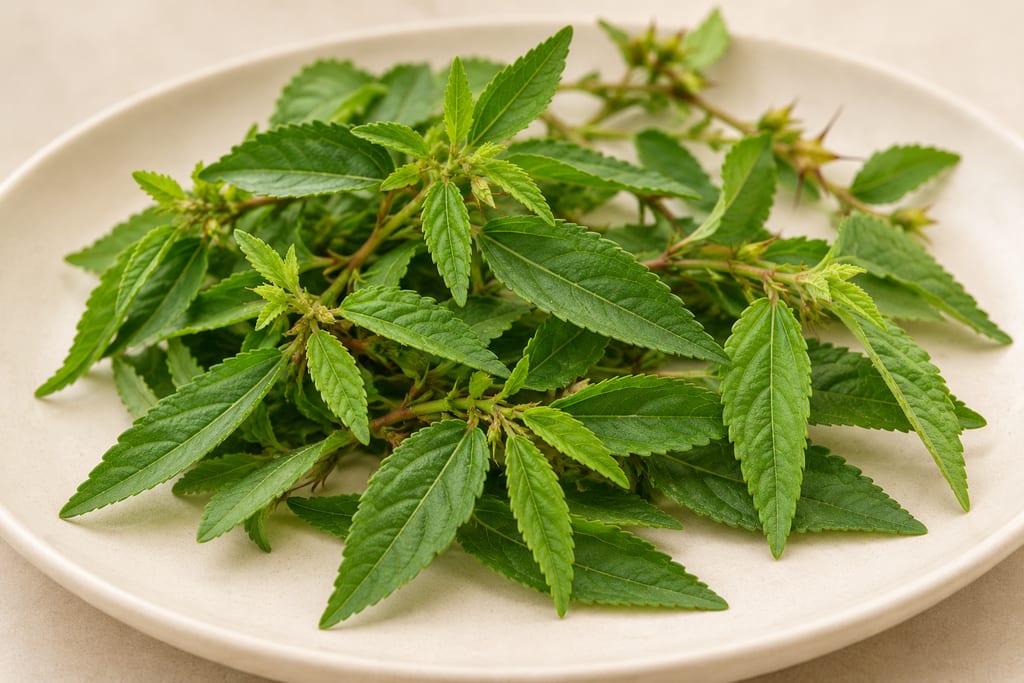
Zimbabwe flora and local studies report Corchorus tridens leaves as food, while a horticulture abstract confirms that a production study was conducted without exposing its methods or results. Similar Corchorus names in older food sources refer to distinct or unresolved taxa. Current evidence does not establish a home-growing protocol or complete recipe.
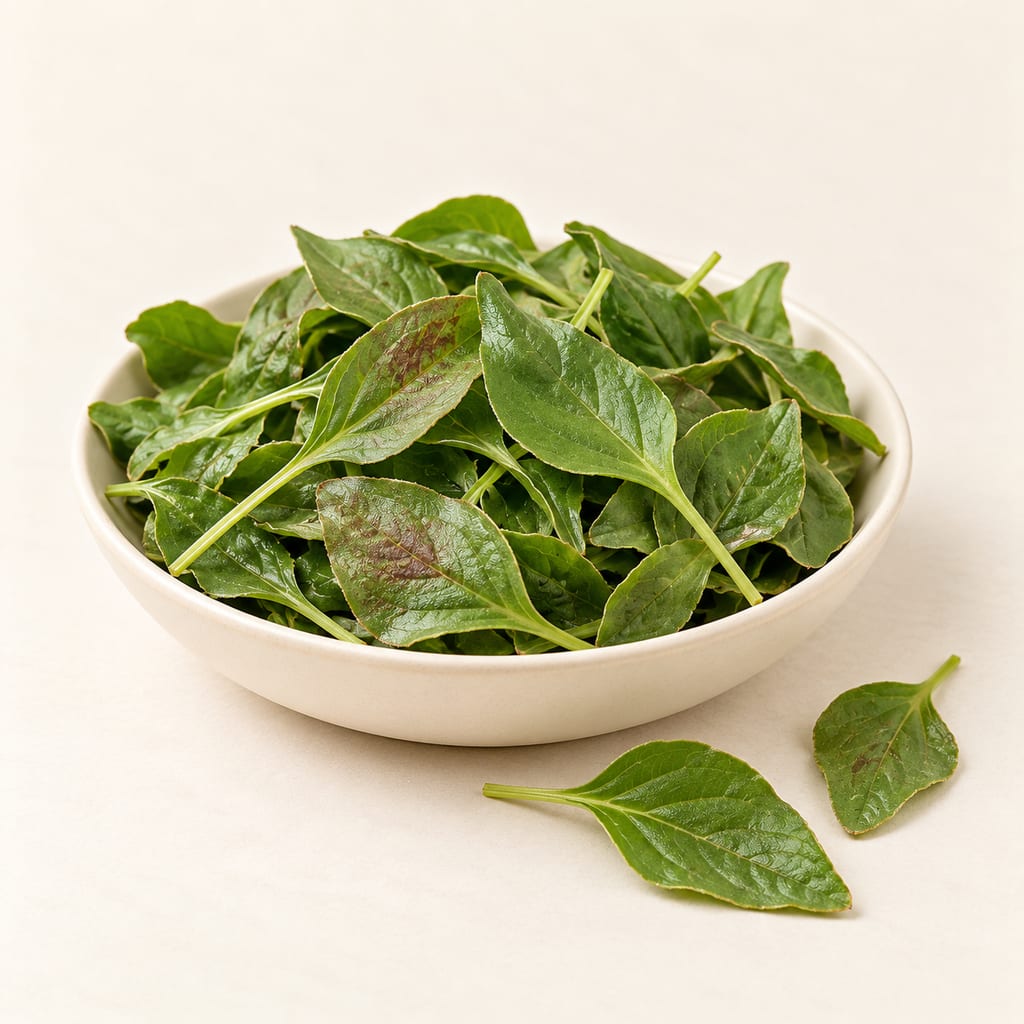
A Kabbe survey lists Amaranthus thunbergii leaves as a leafy vegetable, but its preparation field is ambiguous. Similarity to A. dinteri complicates older food records, and cultivation evidence is limited to one trial known through indexed excerpts.
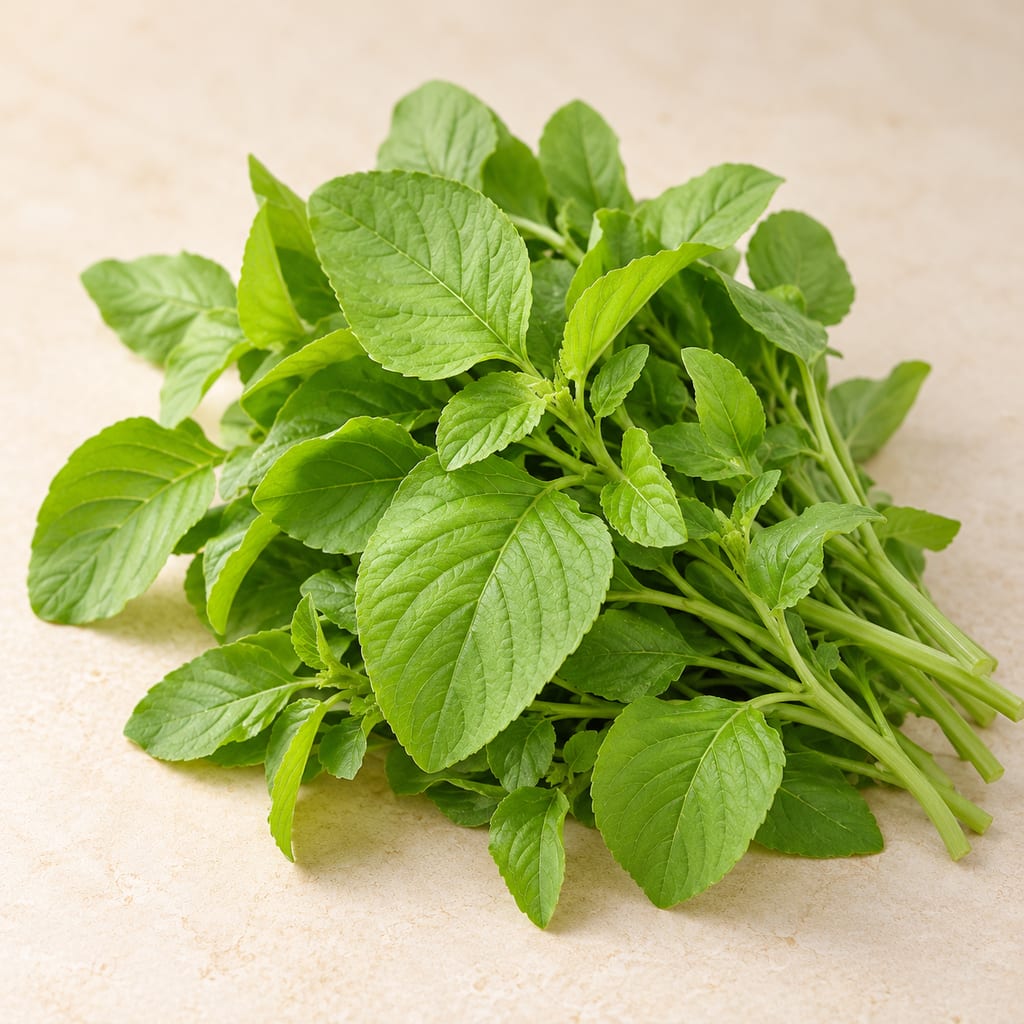
Fiji and Mauritius sources describe Amaranthus viridis food use and crop guidance; local labels and regional field advice remain tied to their own sources.
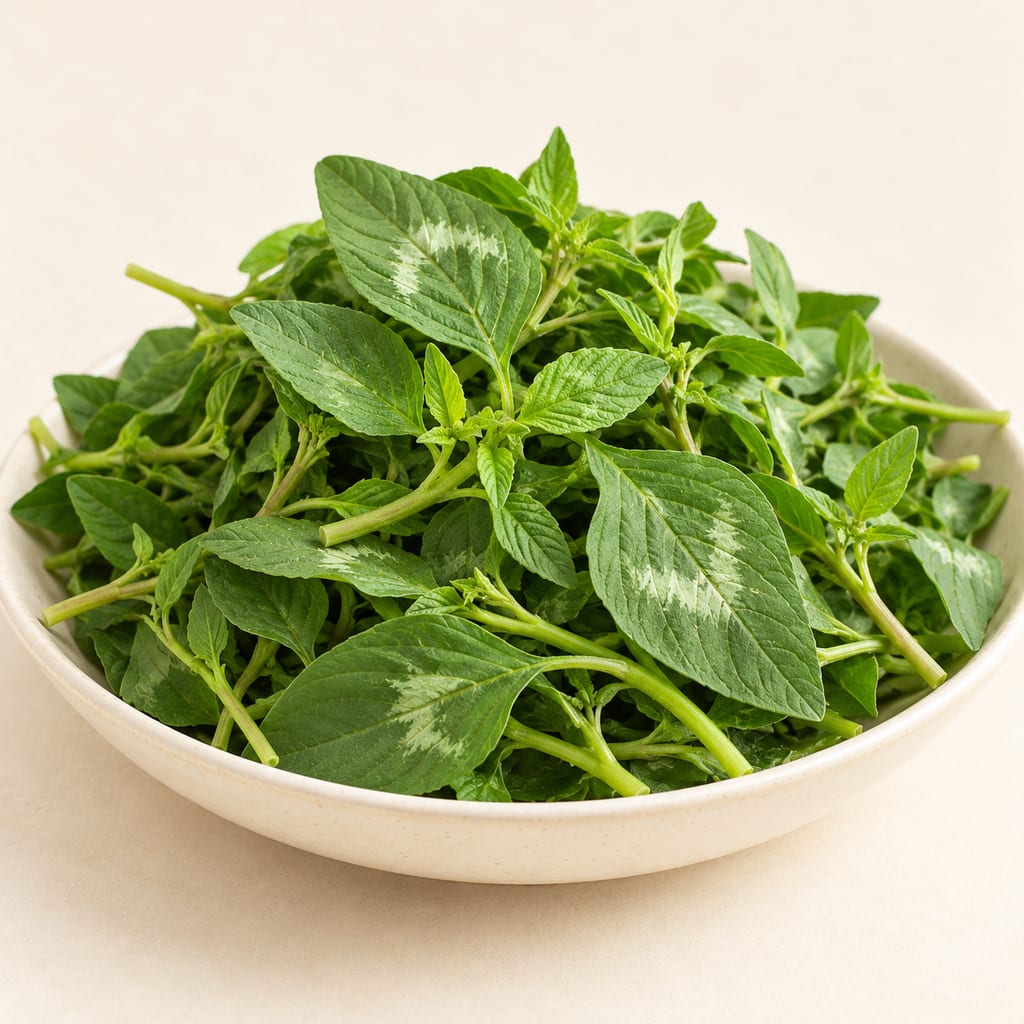
Amaranthus spinosus is recorded as a collected vegetable in several regional sources, but the Taishan study’s narrative and supplementary table do not agree on which plant part is used. Its food accounts are ethnobotanical records, not a complete preparation or a safety recommendation.
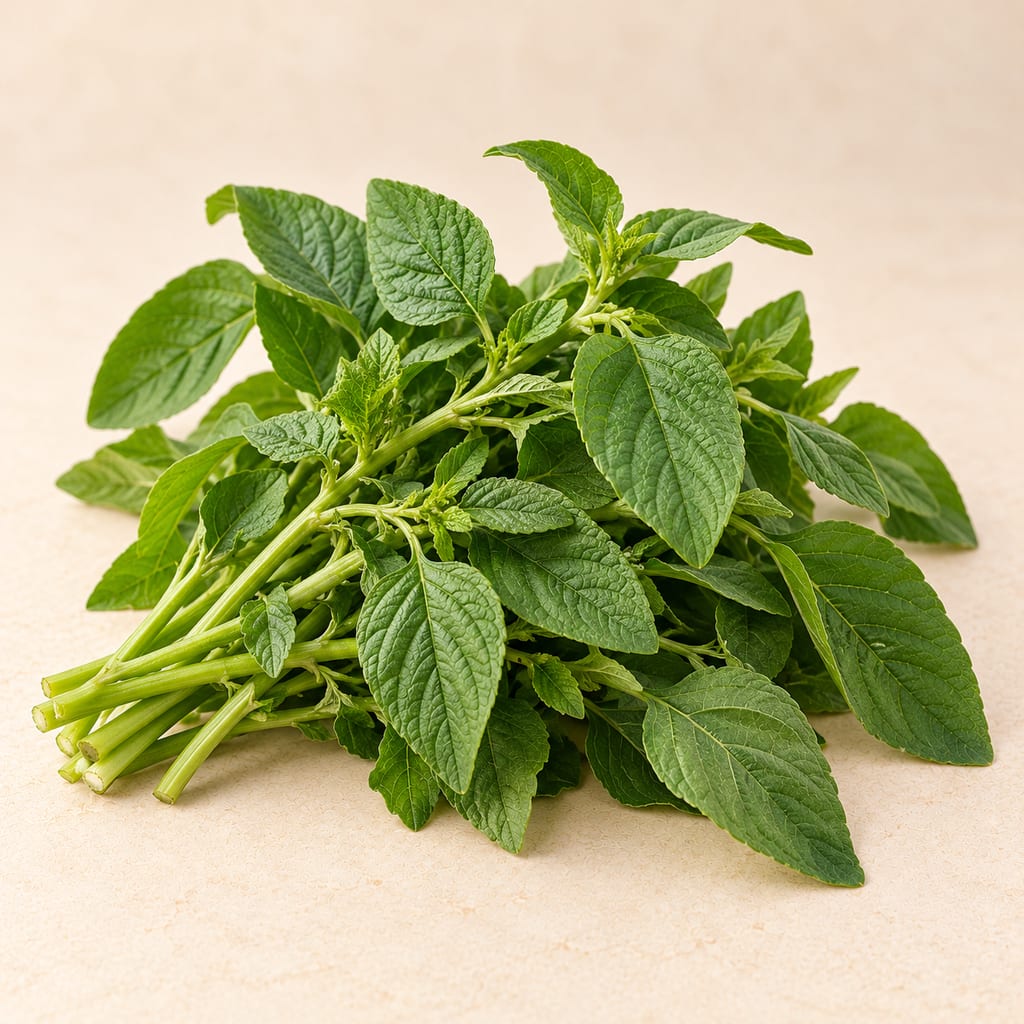
Ugandan reports associate A. dubius with leafy use and dodo, while Rwanda sources record additional leafy use and conflicting local names. Kew lists the species as introduced in Rwanda; eHinga guidance is crop-group information, not an accession-specific trial.
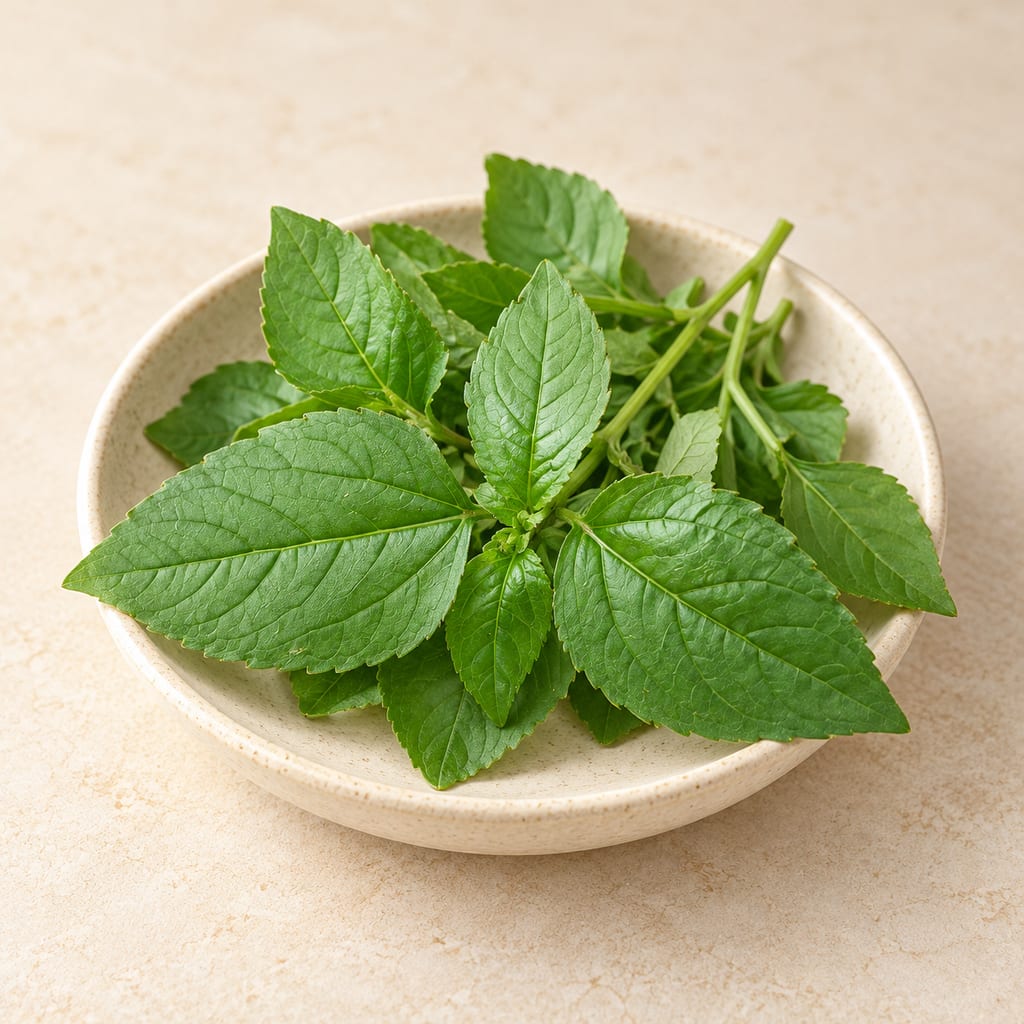
Jambu is a Brazilian leafy crop described in Pará food traditions; botanical authorities and Brazilian profiles differ on its origin, while cultivation evidence is specific to Embrapa guidance and a small set of Pará experiments.
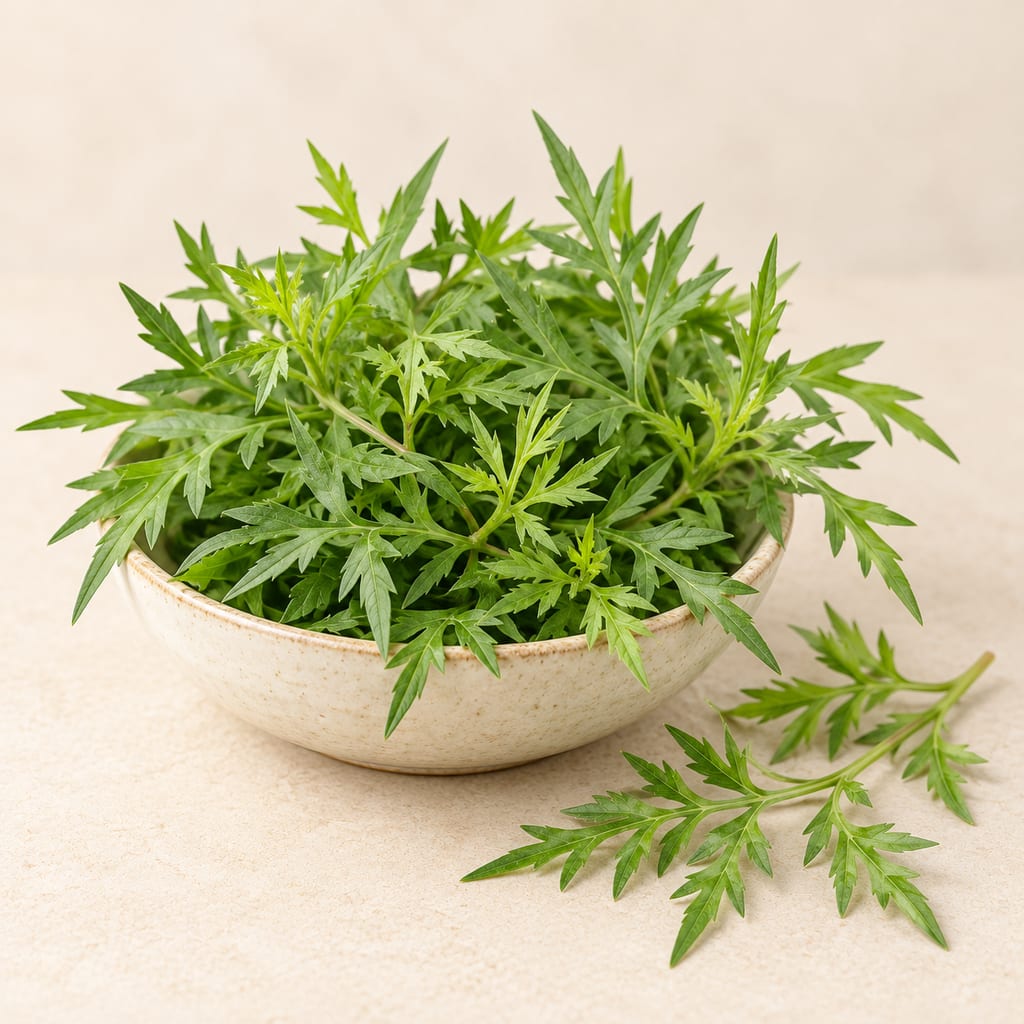
Kenikir is a leafy Cosmos caudatus vegetable documented in Indonesia; sources describe raw and cooked use, while a shared name with C. sulphureus leaves identification uncertain.
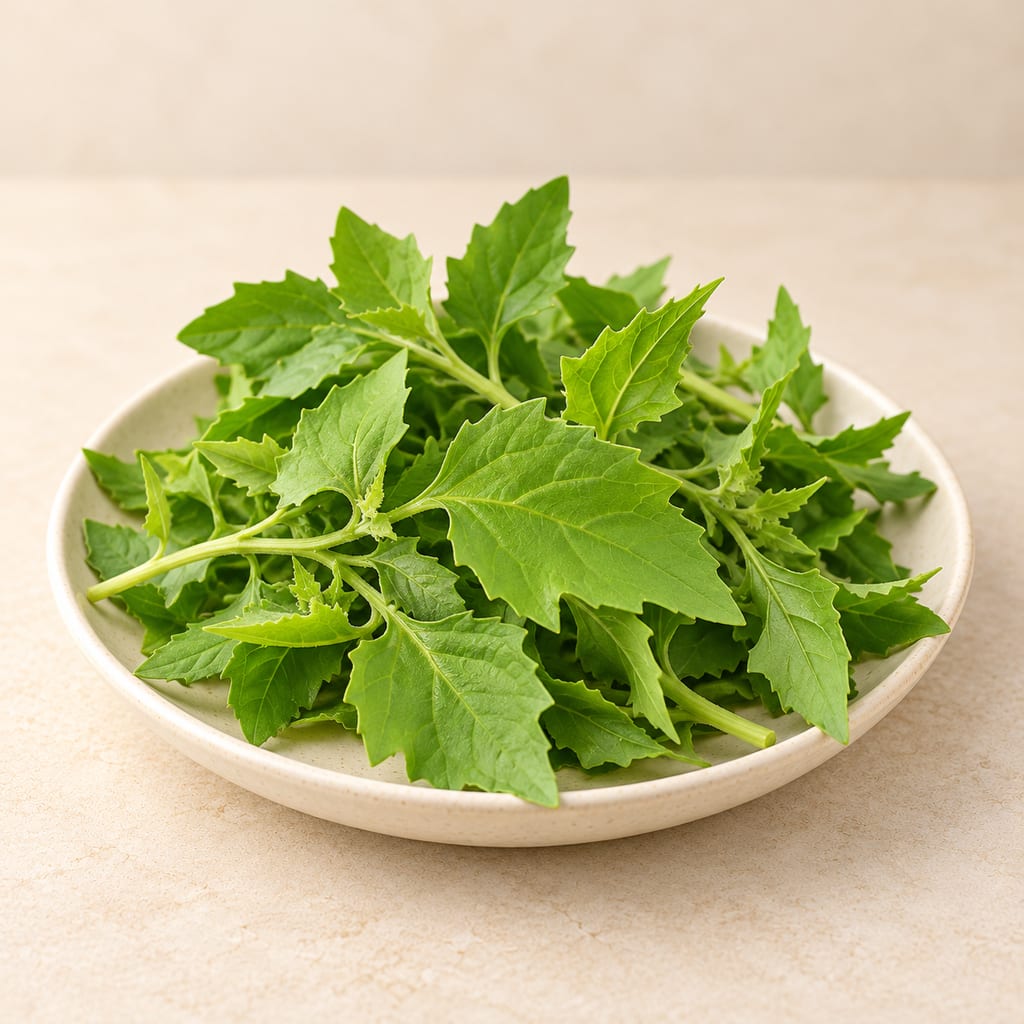
Chenopodium album is a widespread annual with documented leafy-vegetable use in parts of India. Cultivated bathua trials and food-composition experiments describe particular plants and samples, not a universal foraging or safety method.
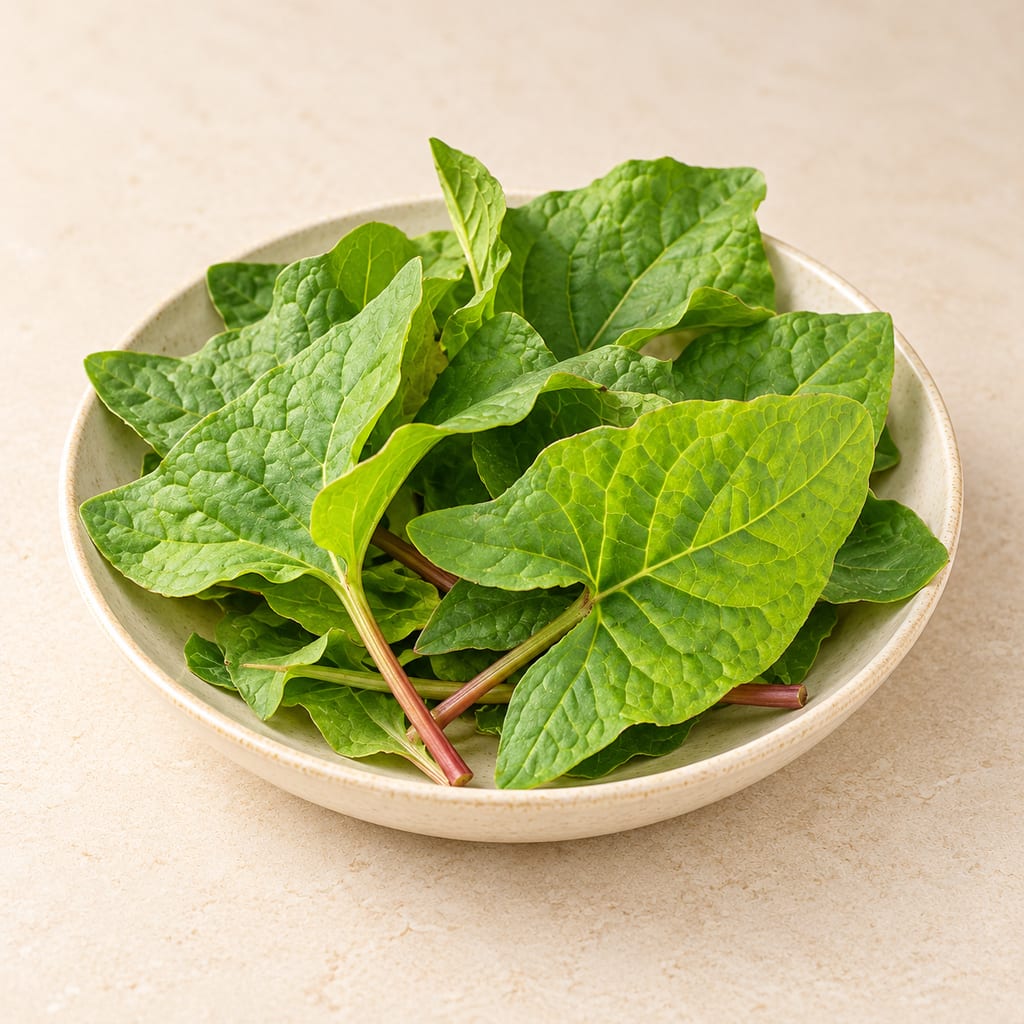
Kew accepts Blitum bonus-henricus, a European perennial also called Good King Henry. RHS guidance describes edible spinach-like leaves and UK garden cultivation, while a Dutch botanical-garden account records a historical shoot-blanching practice. Neither source supplies a complete recipe or a safe serving threshold.
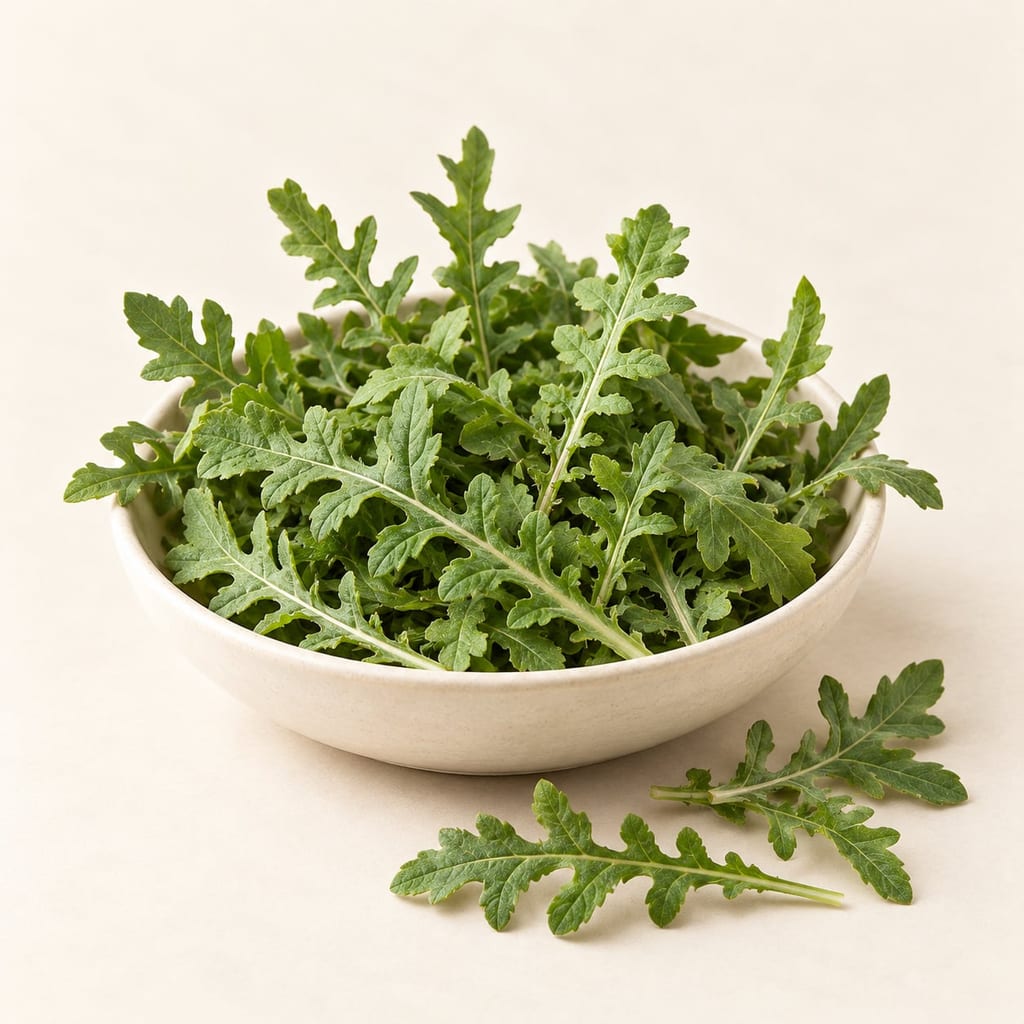
Capsella bursa-pastoris appears in Shanghai botanical notes, Korean 냉이 crop and dish records, a Japanese Seven Herbs custom, and a Dulong wild-edible comparison. These sources describe different regional contexts and do not supply a complete household pickle method or identification guide.
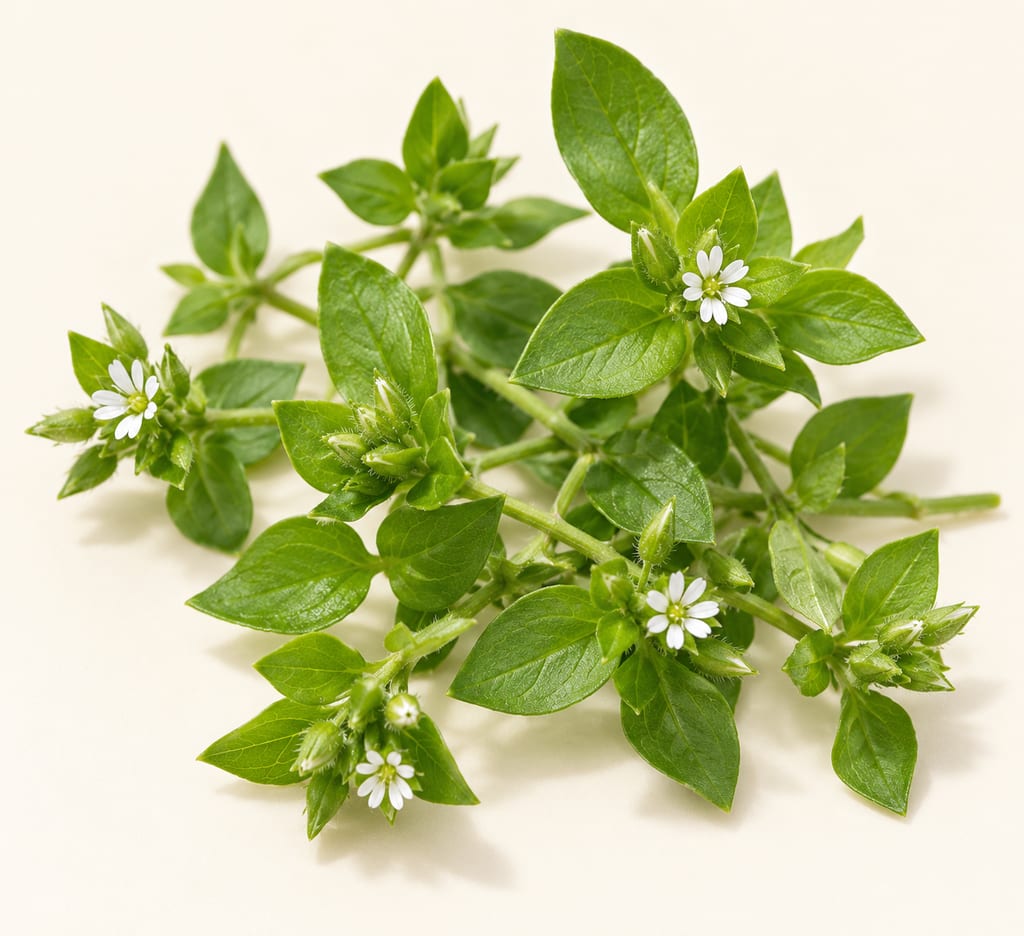
Common chickweed (Stellaria media) is a cool-season garden plant with documented food-use descriptions. UK and US sources describe where it grows and how it spreads, but do not establish a managed food-crop system or a complete recipe.
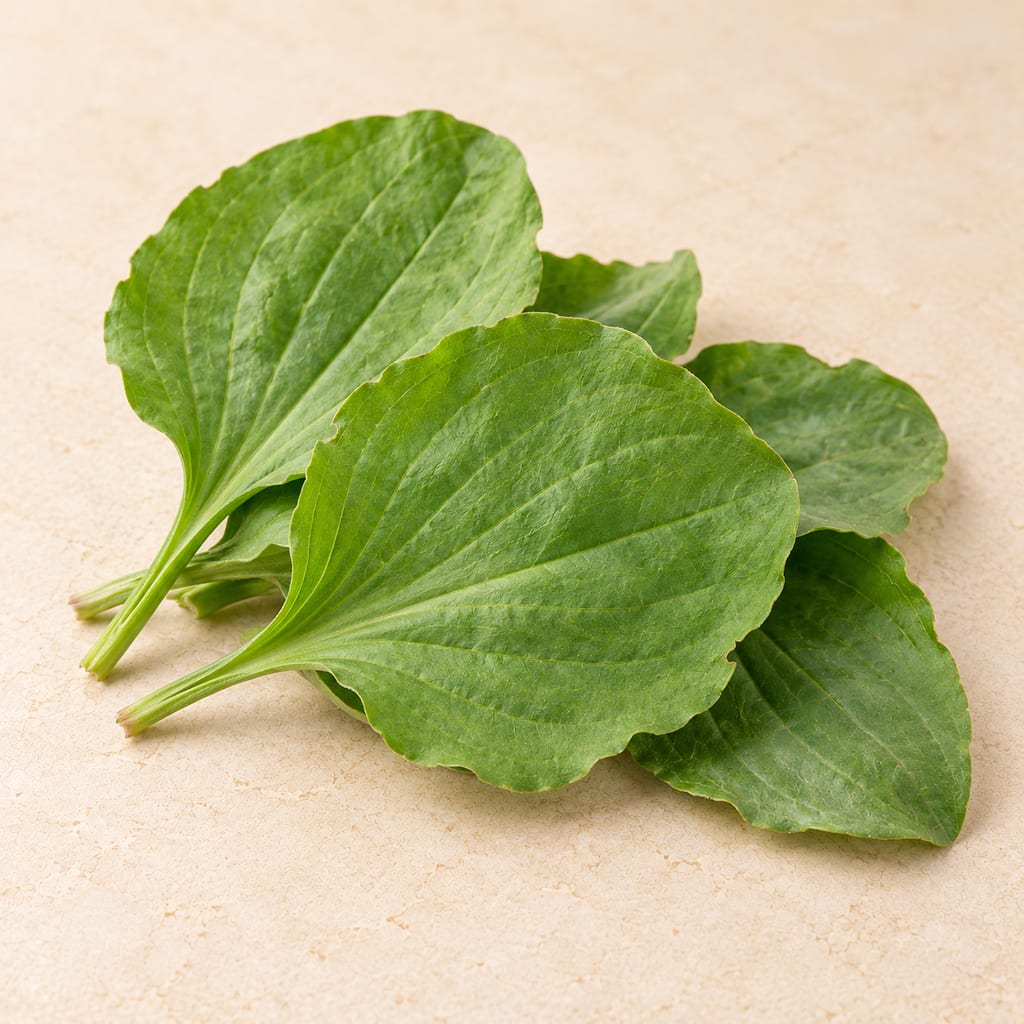
Plantago asiatica has a local Chinese food-use record and Japanese cultivation guidance whose medicinal-crop purpose limits how it can be applied to food growing.
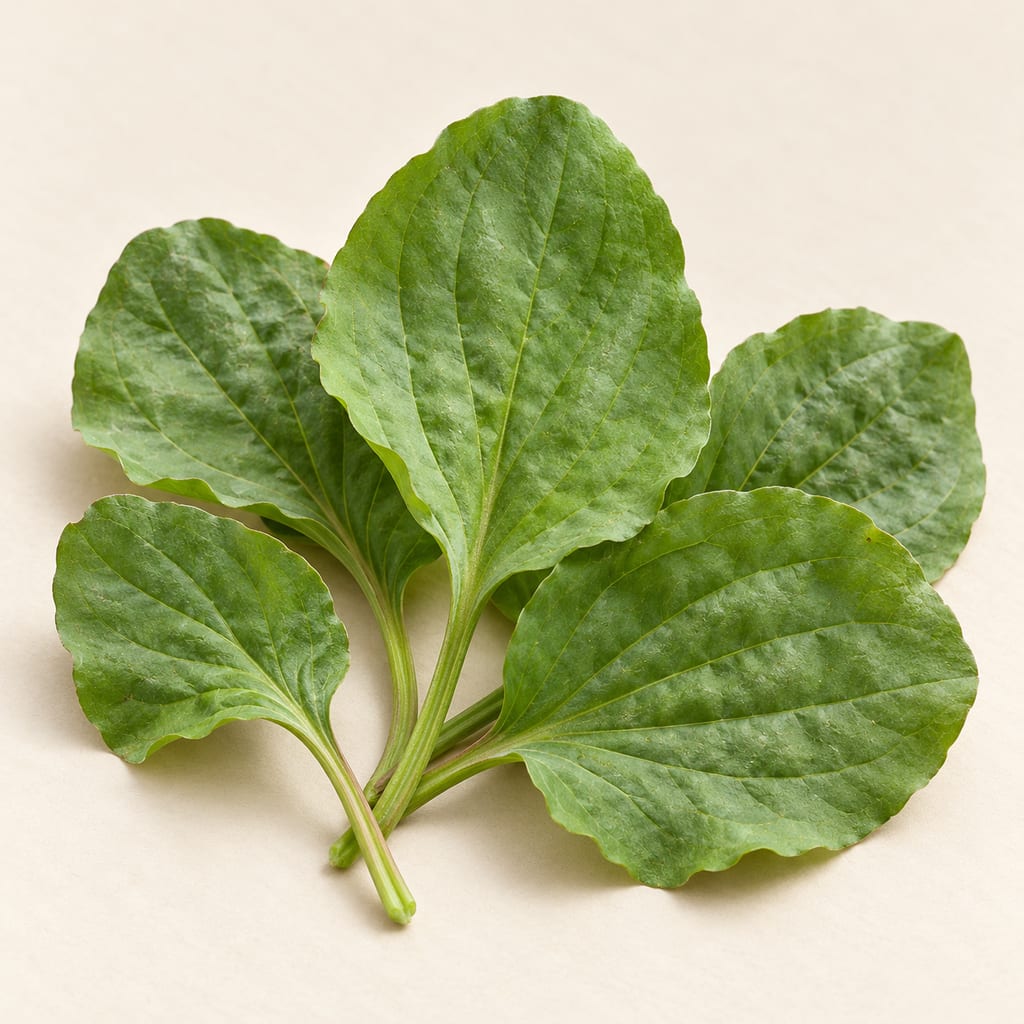
Plantago major is distinct from P. asiatica and other plantains in the food records reviewed here. Dulong survey material, Japanese food notes and horticultural sources describe different parts and settings, but do not establish a complete recipe or a safe wild-harvest method.
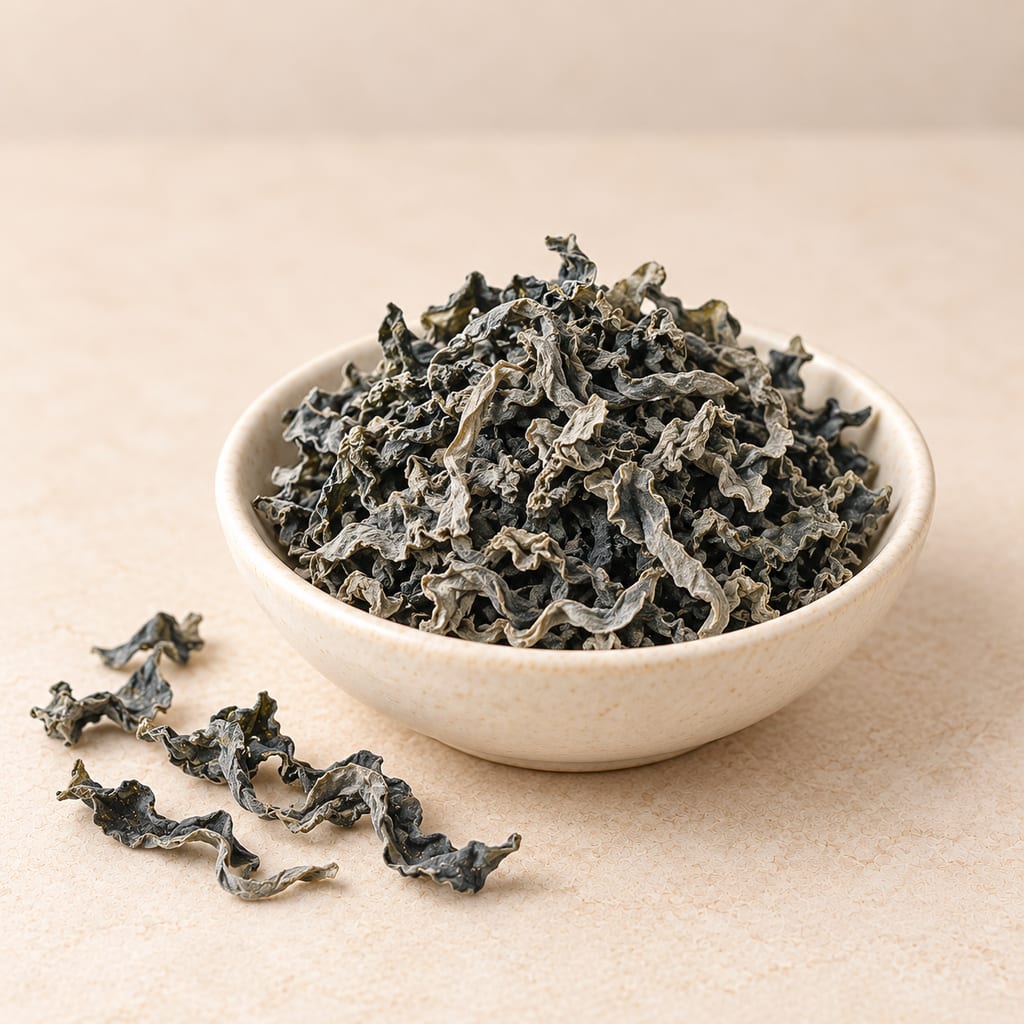
Wakame is an edible brown kelp native to the northwest Pacific, harvested or cultivated for its tender blades, firm stems and frilled reproductive parts, and used in soups, salads, rice dishes and preserved seaweed products.
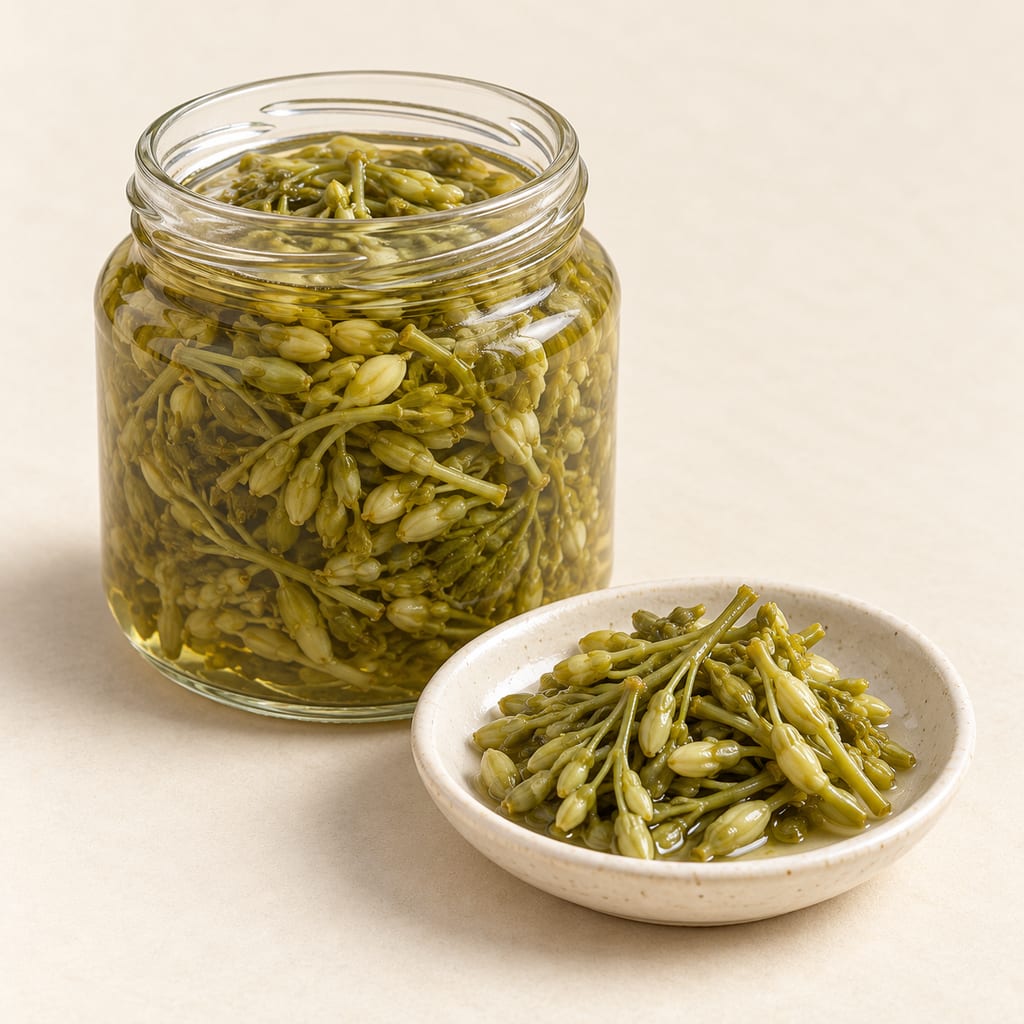
Georgian sources describe jonjoli as a flower-bud food associated with more than one Staphylea species. A 2021 figure caption names S. pinnata for the pictured preparation, while the study’s food table and the FAO profile preserve paired or shared-species evidence.

Sheep and goat milk supplies the proteins, fat, lactose and minerals from which small-ruminant cheeses are made. Its proportions and composition vary; no fixed ratio is established here.
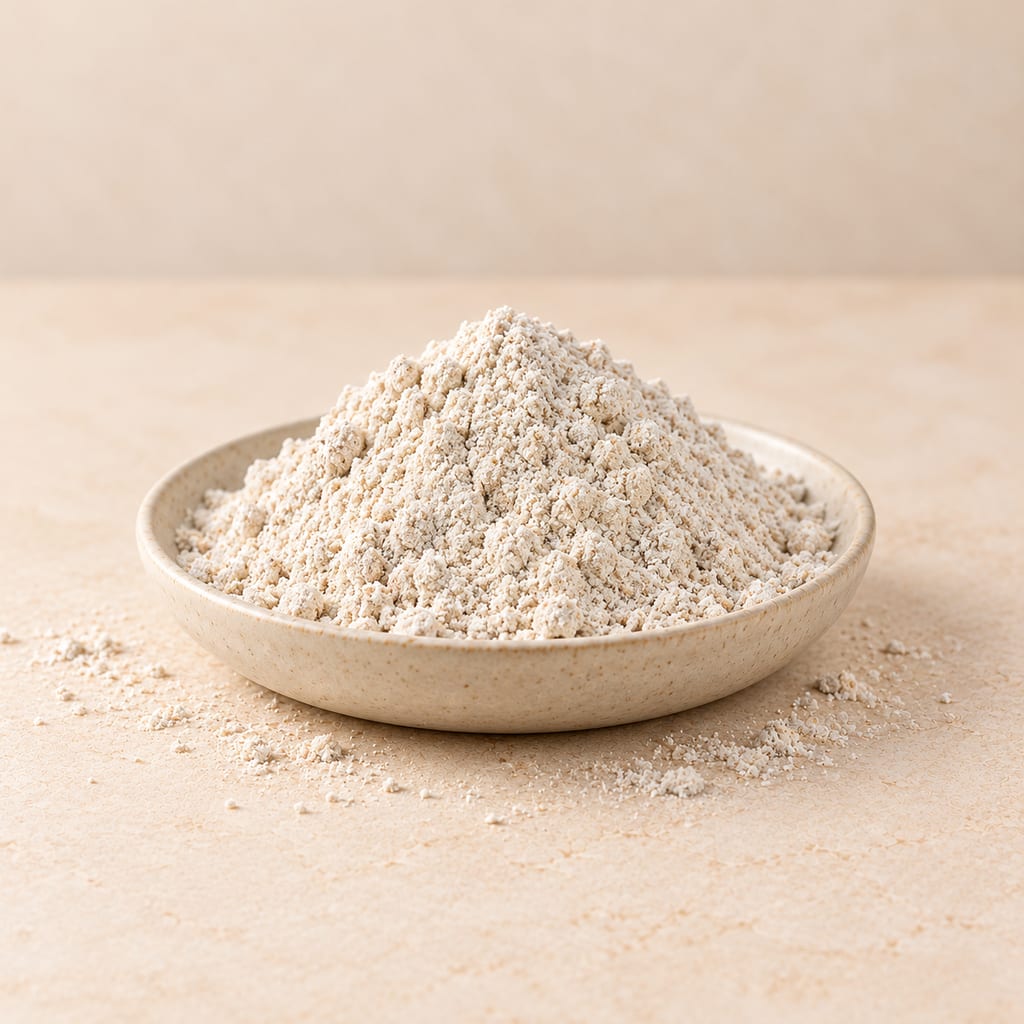
King Arthur Rye Flour Blend combines rye flours with wheat flour for rye character in a dough with some wheat gluten structure. Its component proportions are undisclosed.
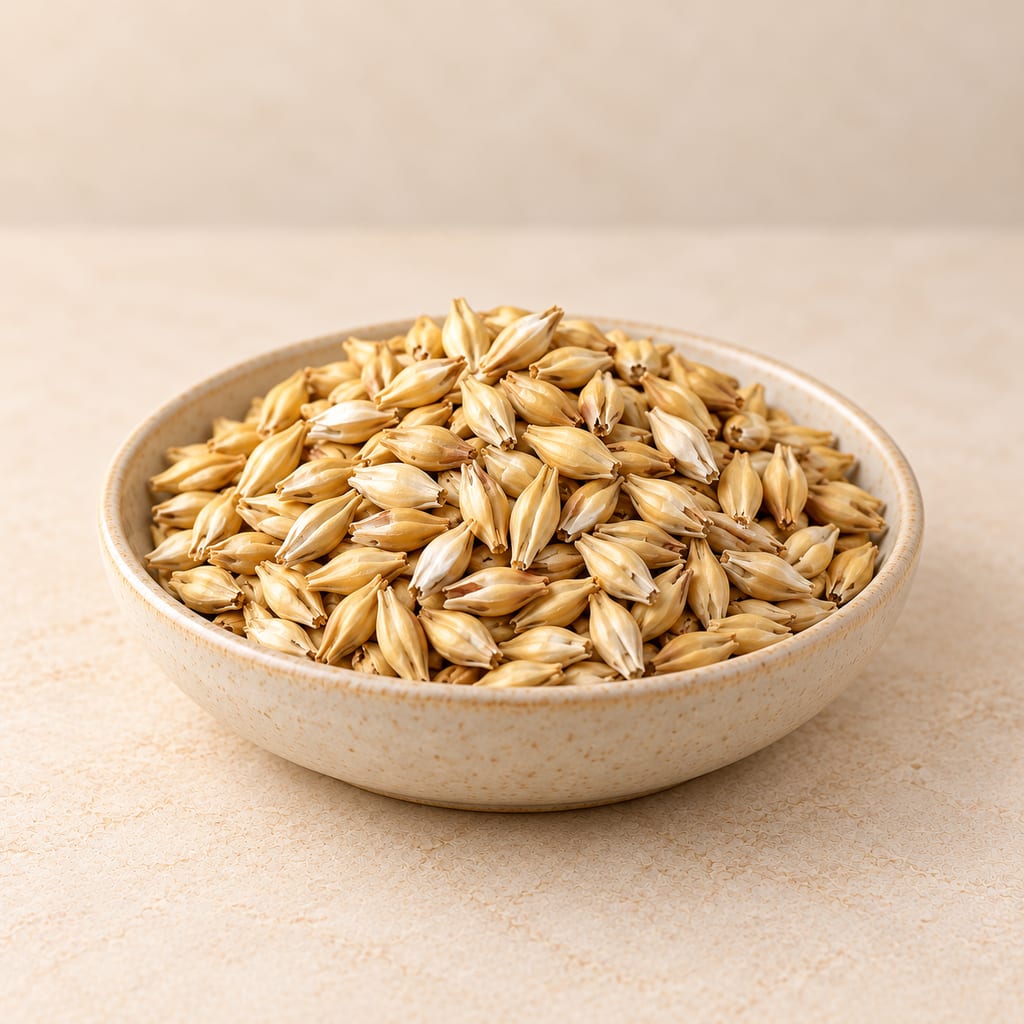
Root Shoot Pilsner malt is a pale barley base malt named in Monk’s Ration. Root Shoot currently lists several pale Pilsner products; the recipe does not identify which one or a lot specification.
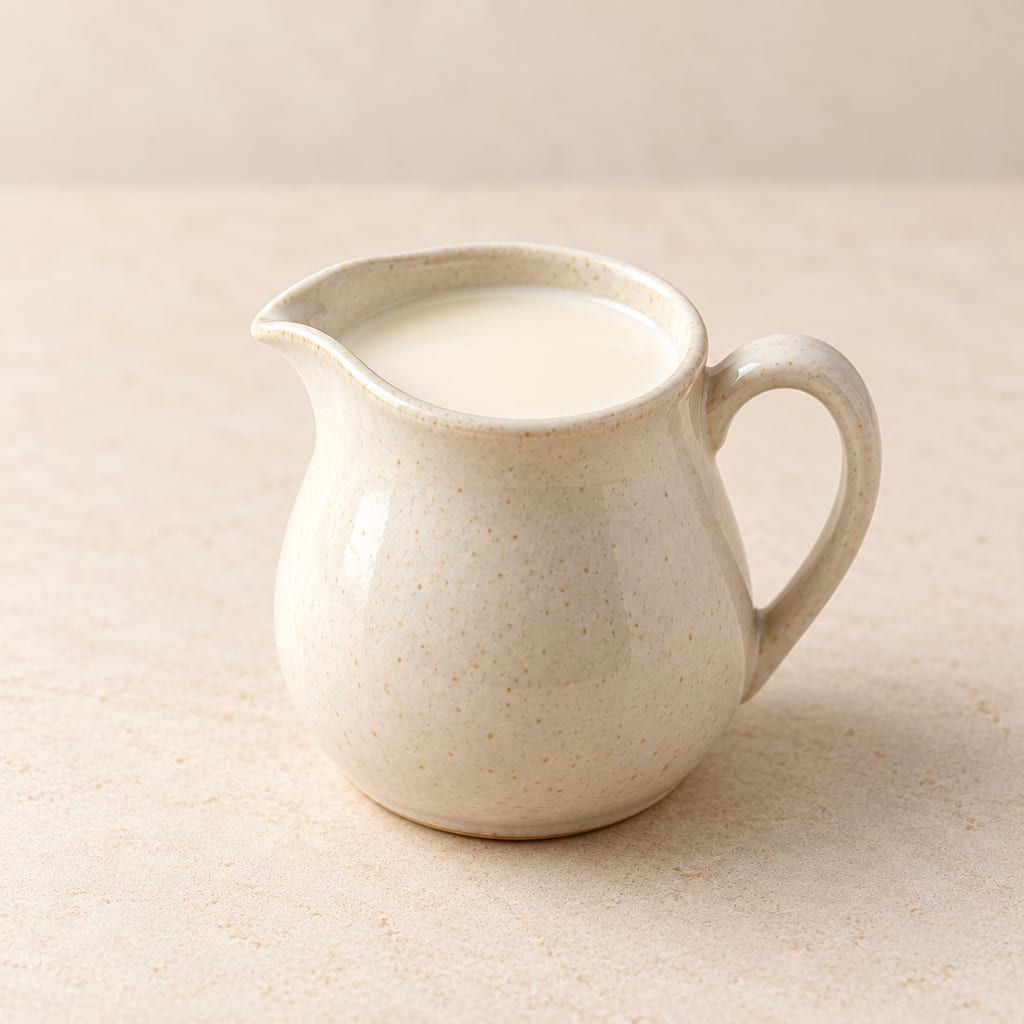
Liquid milk with most fat removed and a pasteurizing treatment applied, used as a protein-rich base for fresh curds.
Pasteurized mare milk is liquid horse milk treated before sale or fermentation. Its relatively low fat and casein and high lactose distinguish it from cow milk, with composition varying by animal and lactation.
Liquid pasteurized cream used for cultured fresh cheese, with a fat grade whose meaning differs between markets.
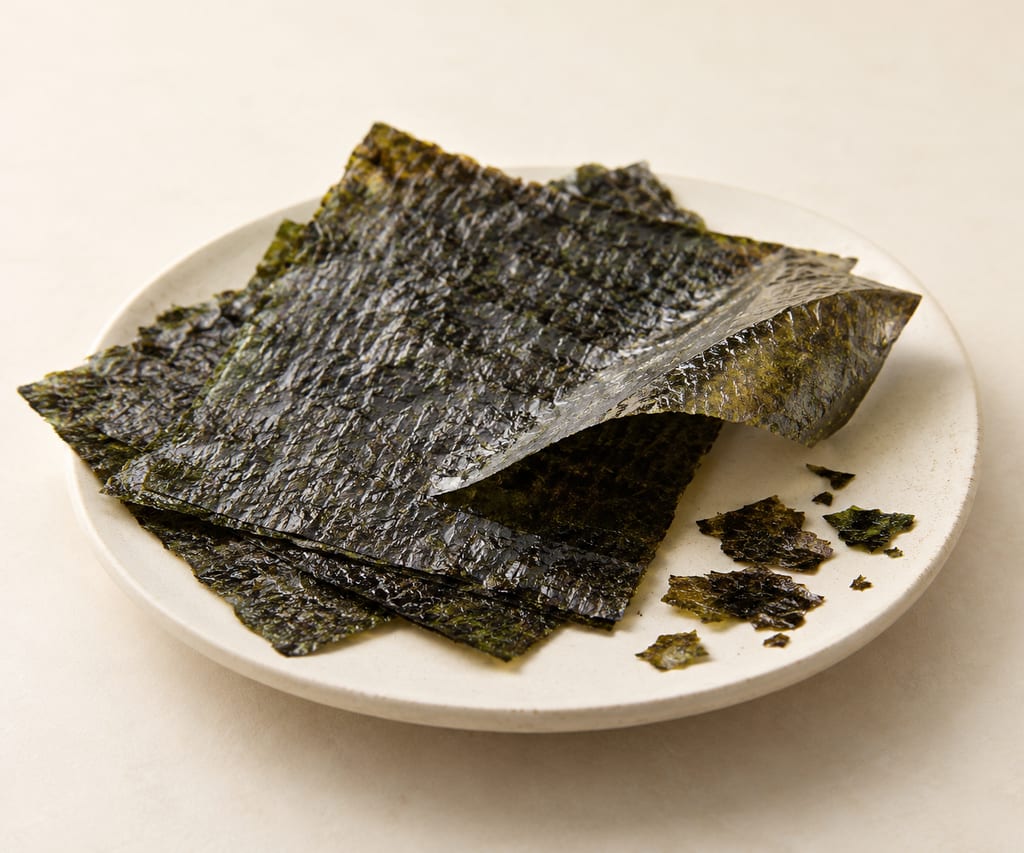
Nori is a red seaweed farmed in East Asia and dried into thin sheets, prized for its savoury flavour and crisp texture when roasted and used with rice, in soups and as a seasoning.
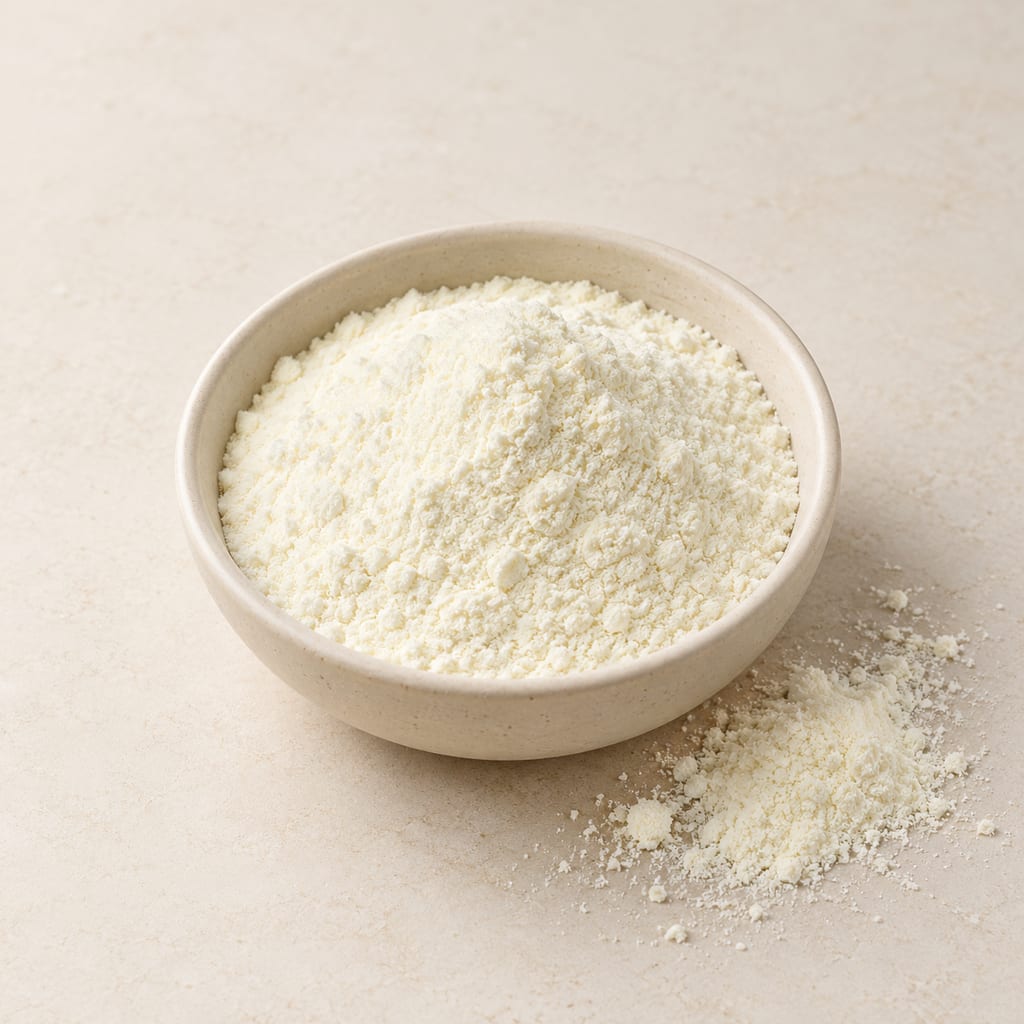
Nonfat dry milk is pasteurized skim milk dried to a pale powder. It supplies milk solids in the linked salami recipe, which names it as a binder but does not establish a measured effect.
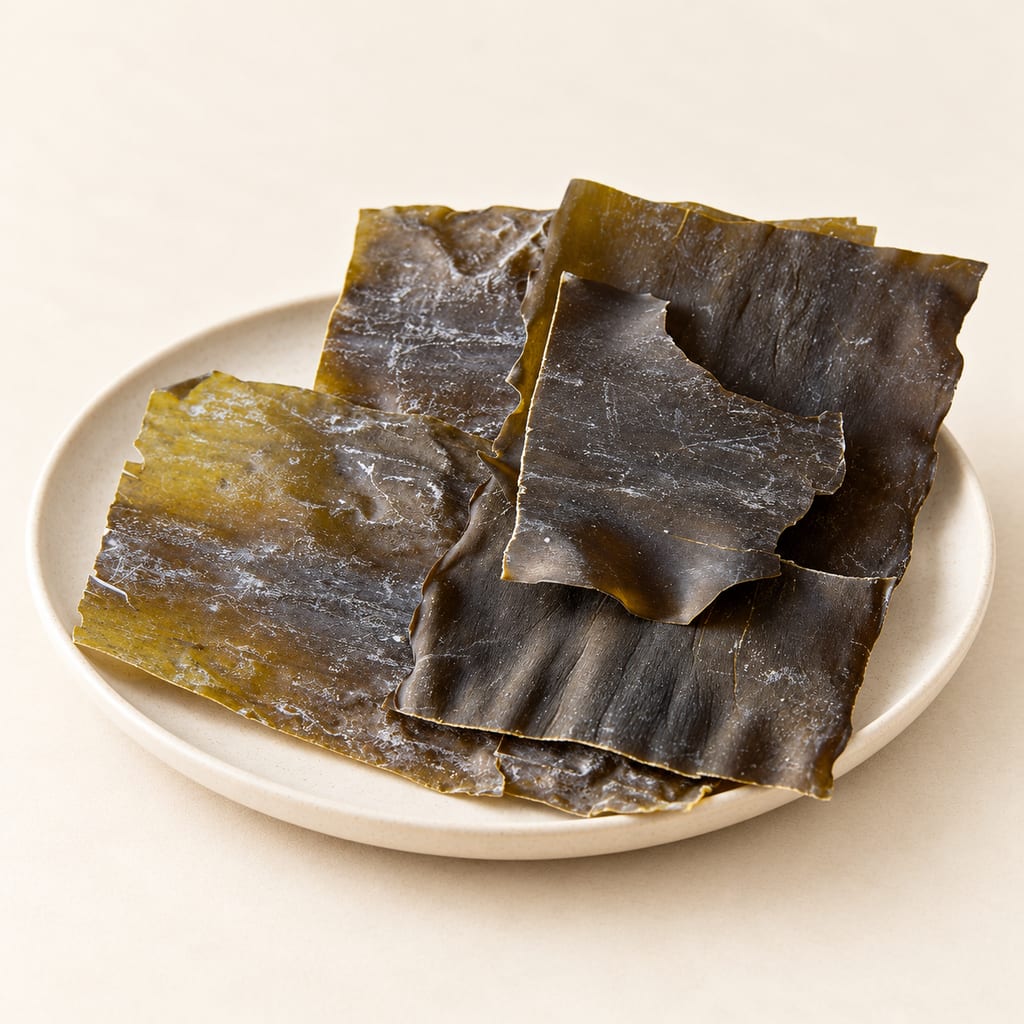
Kombu is a group of edible brown kelps, chiefly harvested around northern Japan or cultivated in East Asia, used for umami-rich stocks, simmered dishes, seasonings and preserved foods.
Unpasteurized sheep milk with its natural fat retained, documented as the starting milk for Kashkaval. Seasonal composition affects curd behavior; raw status does not establish microbiological safety.
Heat-treated milk from domestic goats supplies lactose, proteins and fat for cultured dairy and cheese; its heat treatment and composition affect how it behaves in the vat.

Cow milk and water-buffalo milk are distinct dairy substrates whose fat, protein and mineral balance affects cheese; this ingredient name preserves a choice rather than defining a blend.
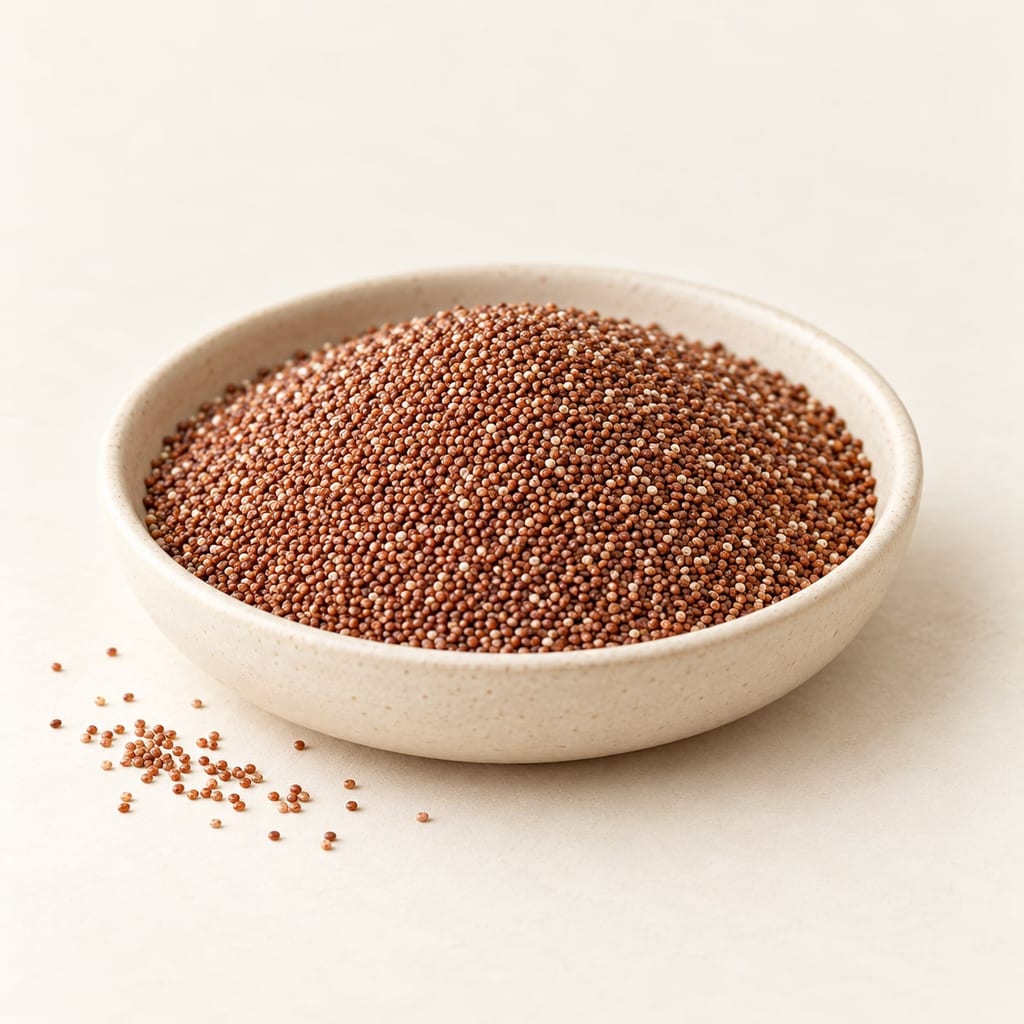
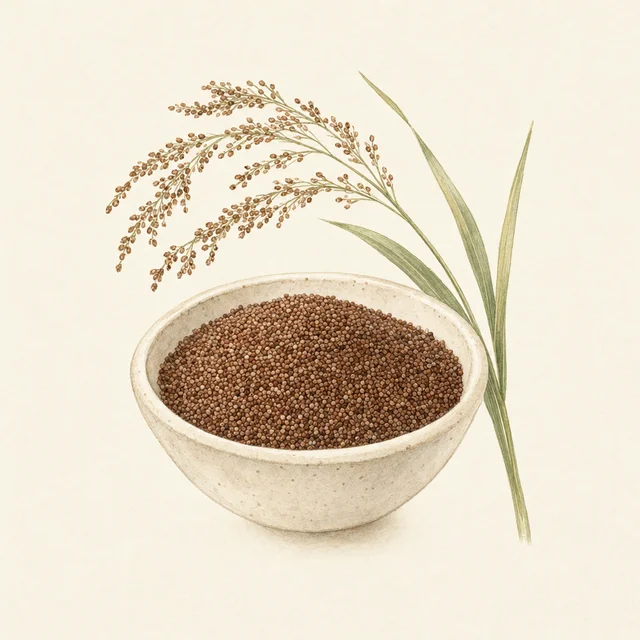
Teff is a tiny-seeded cereal long cultivated in Ethiopia and used whole or milled. Its flour anchors injera and other foods, while variety, milling and local practice shape how it is used.
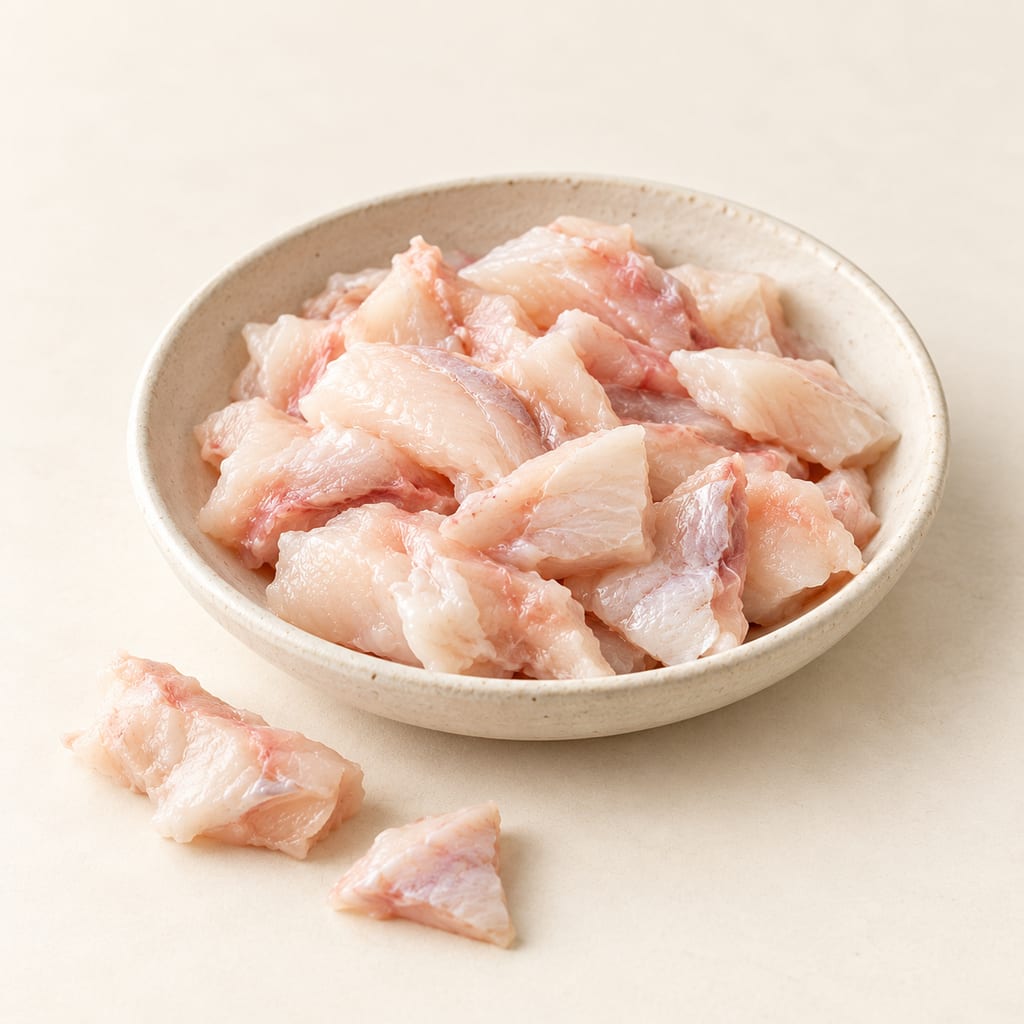
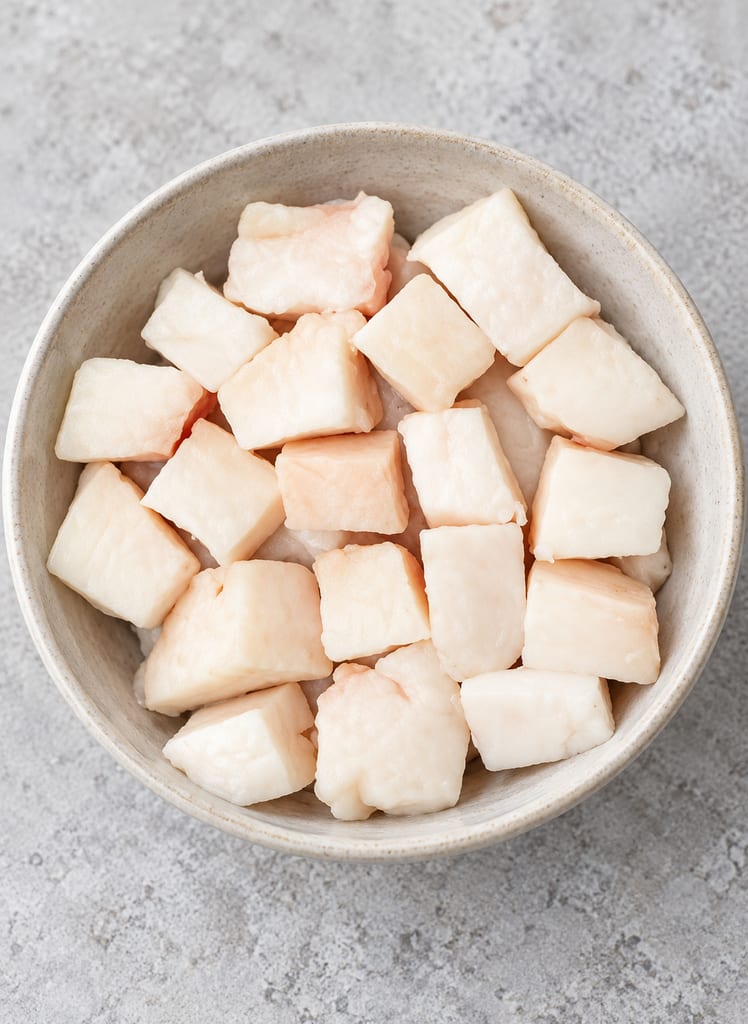
Fish trim is a variable food-processing material, from fillet offcuts to recovered flesh. Species, source tissues, bone and skin content, and handling history determine what a particular lot contains.
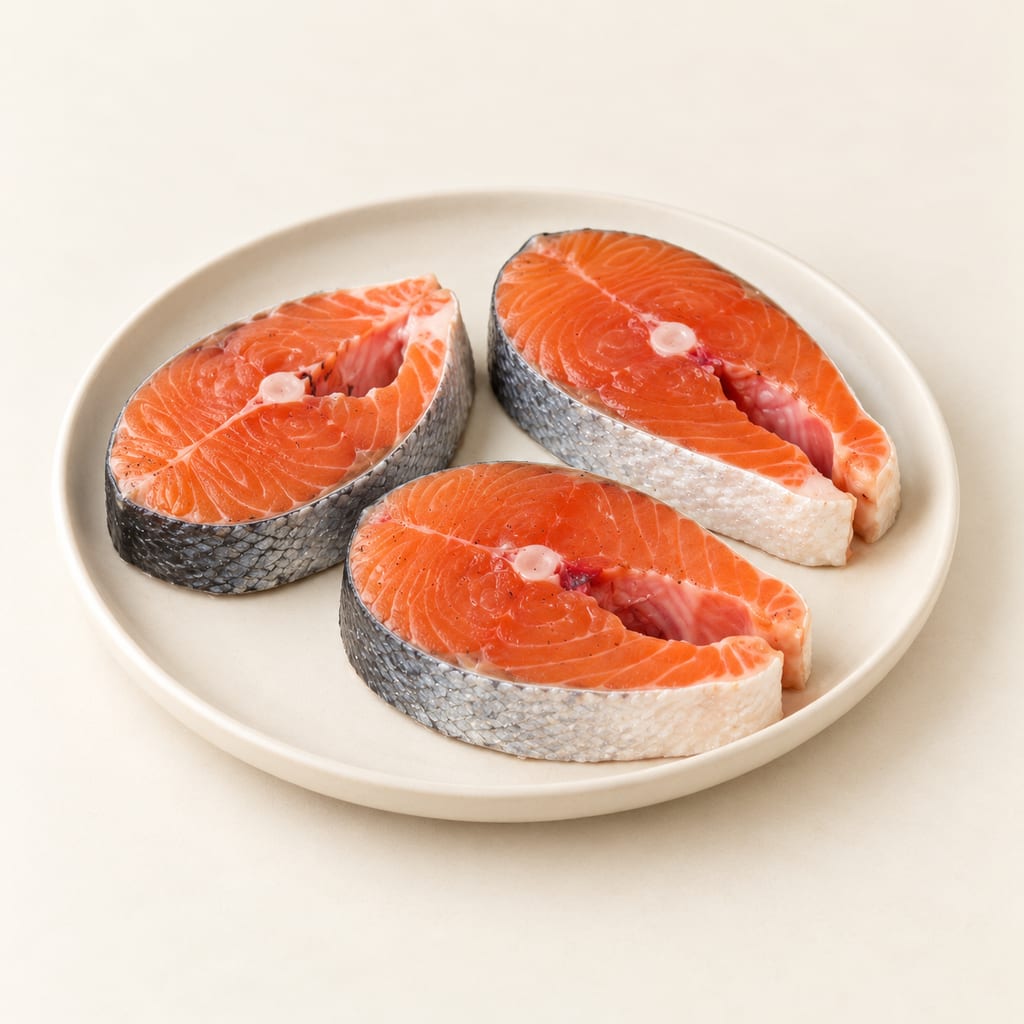
Fish is a broad raw ingredient whose species, cut and condition shape its texture, fat content and use. It can become a meal’s main portion or the raw material for distinct salted, dried and fermented preparations.
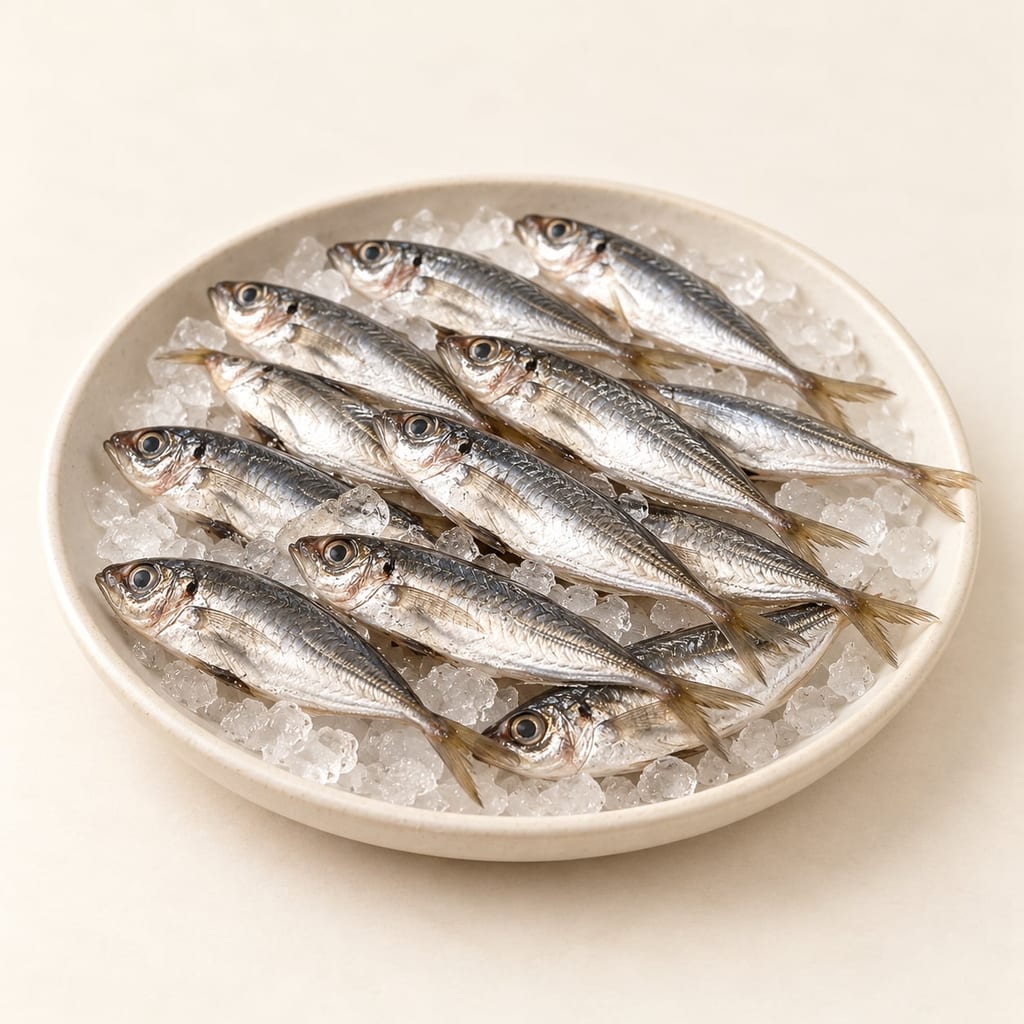
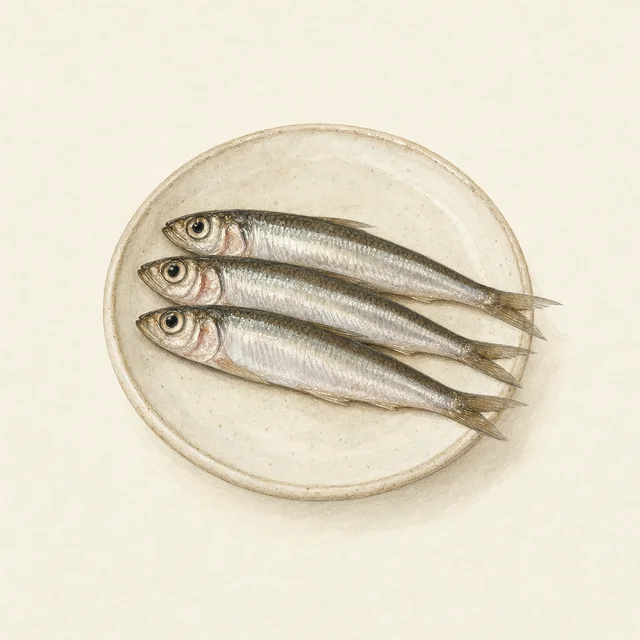
Anchovies, scad, and small cyprinids appear in documented regional fish sauces. Species selection and handling matter because fish hazards vary by species and process.
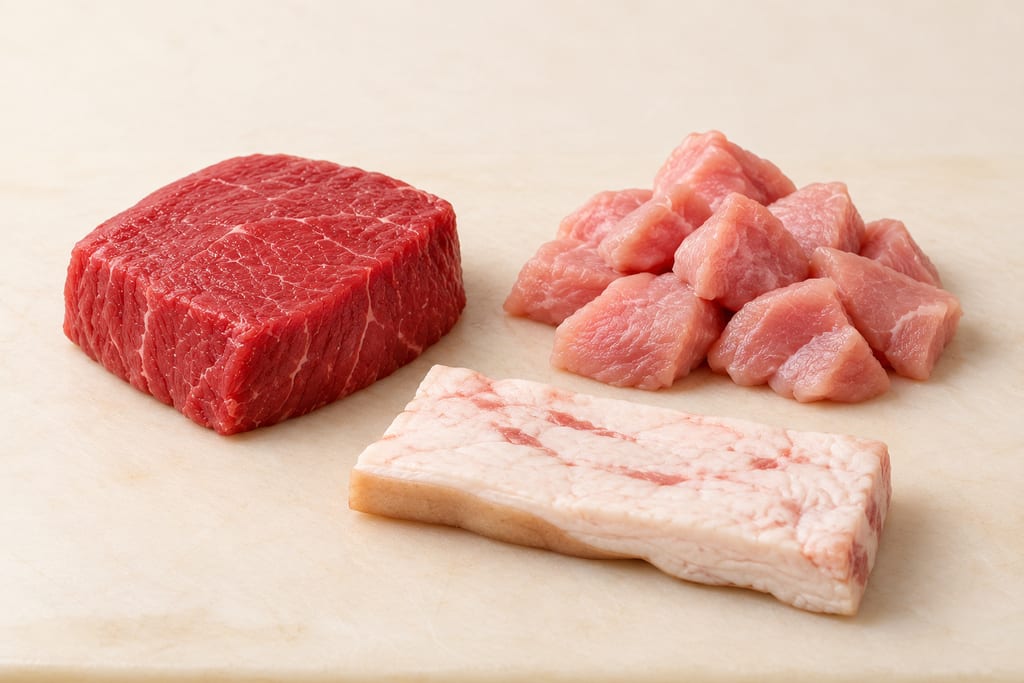
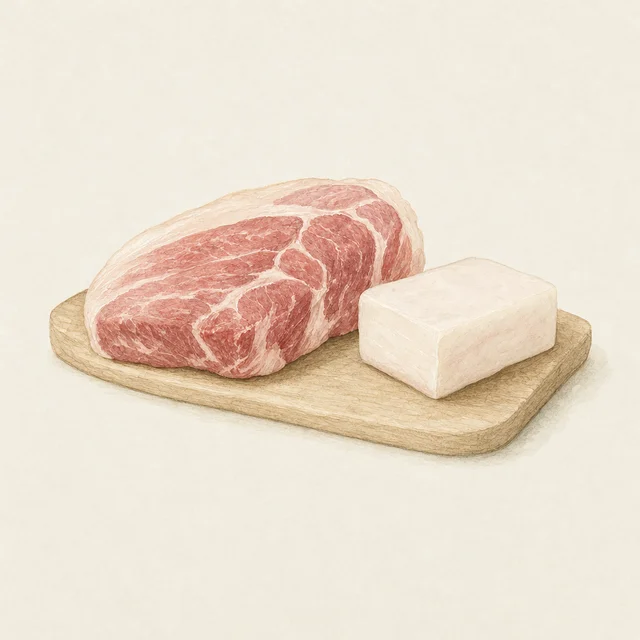
Dry sausage recipes depend on the chosen lean meat, fat source, particle size, temperature, and process. A percentage from one recipe should not be generalized to every salami.
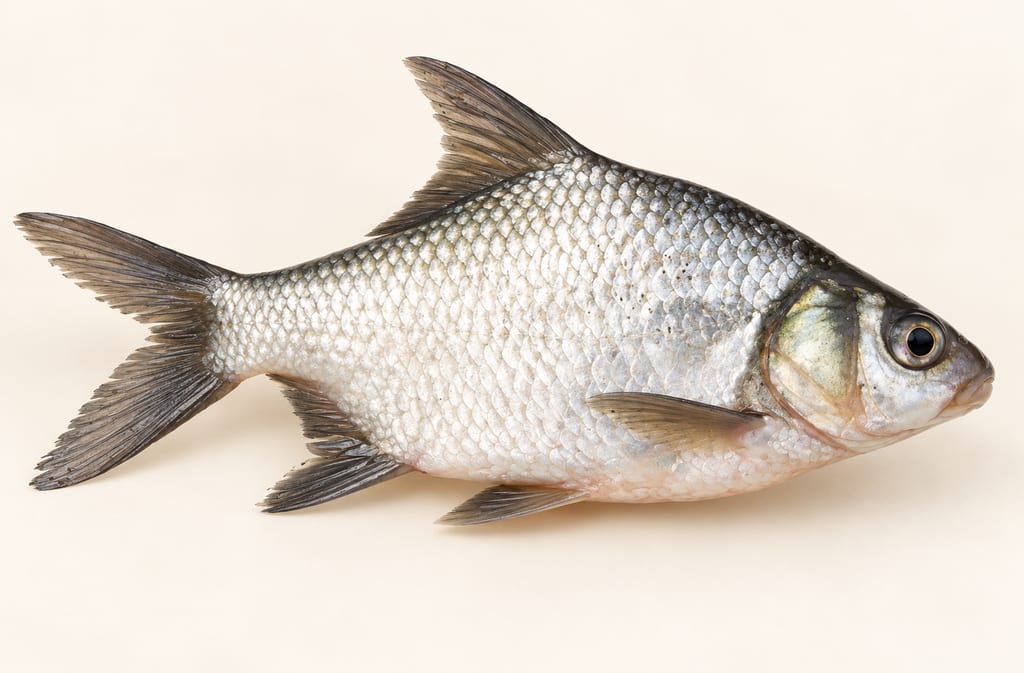
Freshwater fish substrate in a Vietnamese fish-sauce account, which particularly names Mekong cá dánh (*Puntioplites falcifer*) as a prized household sauce fish.
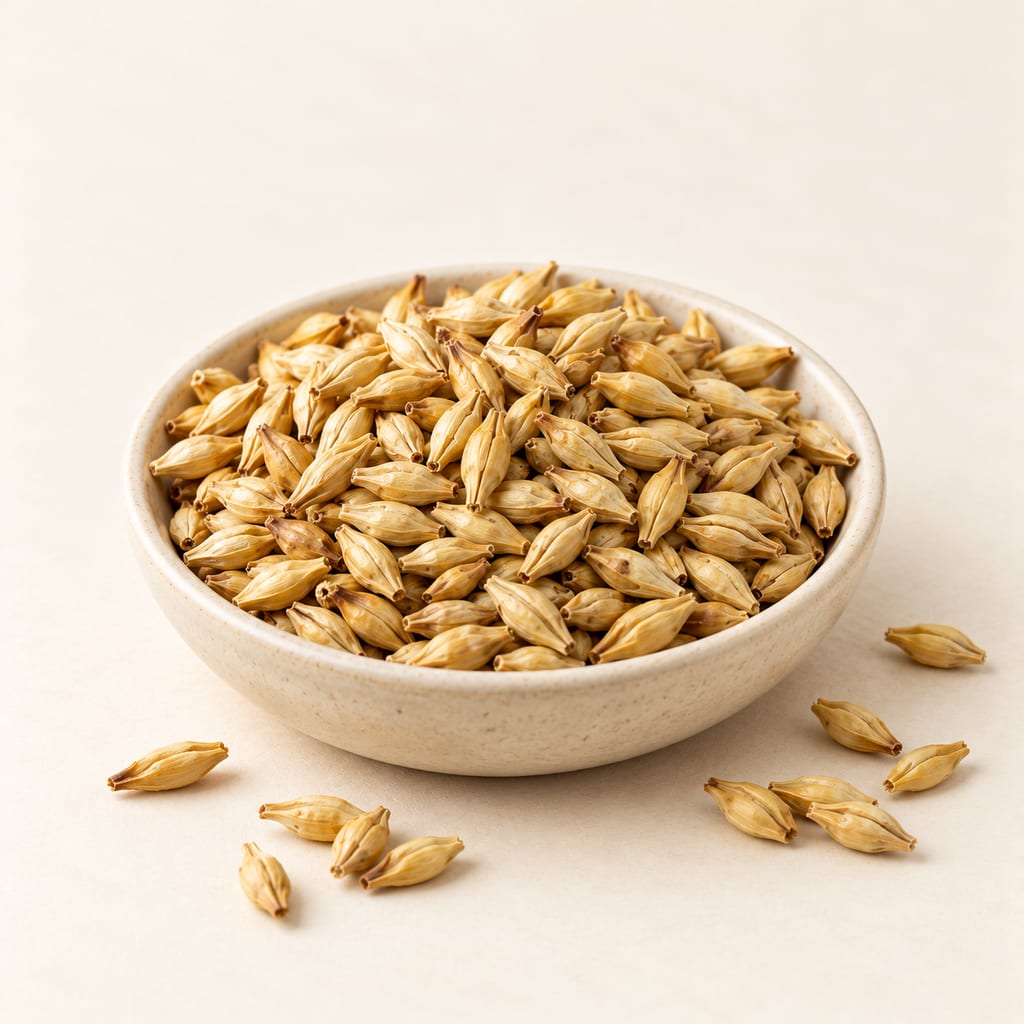
A pale specialty-malt name used for different commercial products. Briess Carapils and Weyermann CARAPILS have distinct specifications; an unbranded recipe does not identify either one.