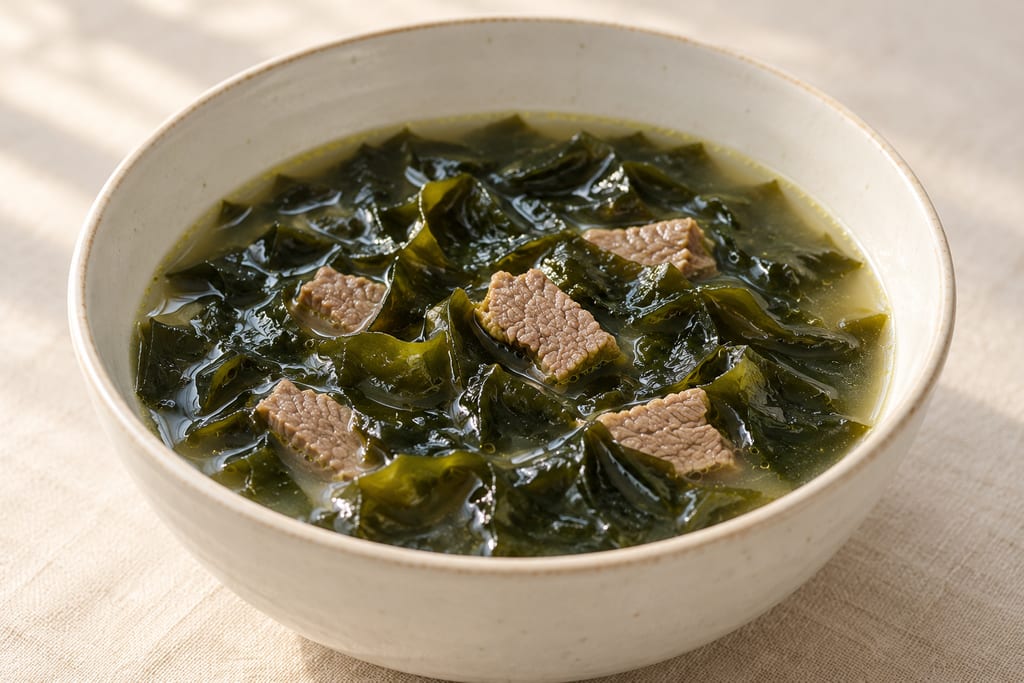
Miyeok-guk (Korean Seaweed Soup)
A Korean soup of rehydrated brown seaweed simmered with beef, seafood or a plain seasoned broth, traditionally served after childbirth, on birthdays and as an everyday meal.
 FermenteaWhere food goes to change
Substrates
Wakame is an edible brown kelp native to the northwest Pacific, harvested or cultivated for its tender blades, firm stems and frilled reproductive parts, and used in soups, salads, rice dishes and preserved seaweed products.
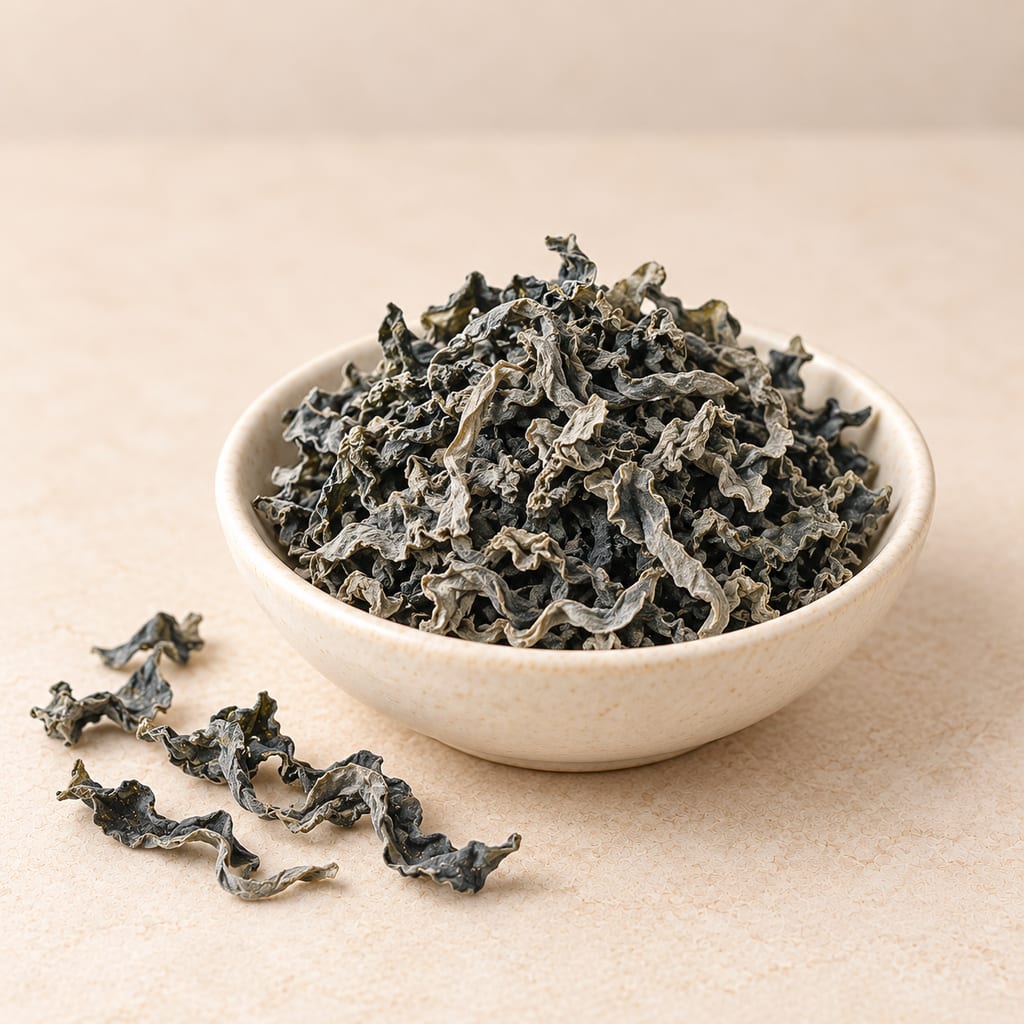
Wakame is the edible brown seaweed Undaria pinnatifida, a large marine alga belonging to the class Phaeophyceae, order Laminariales and family Alariaceae. It grows naturally along temperate northwest Pacific coasts and is cultivated extensively for food. Its common names include Japanese wakame, Korean miyeok and Chinese qundai cai. English-language markets sometimes call it sea mustard or Japanese kelp. Undaria belongs to the same order as the large brown seaweeds called kelp, but wakame is a different species from the kombu used to make Japanese stock.
The edible seaweed is the large sporophyte stage of the organism. It attaches to rocks or other hard surfaces using a branching, claw-like holdfast, which anchors it but does not function like a land plant's roots. A flattened stalk, or stipe, extends upwards into a prominent midrib running through the blade. Mature blades are divided into irregular lobes on either side of this central rib, giving them a feathered outline. Near the base of mature specimens, frilled reproductive structures called sporophylls develop around the stalk. The complete organism can reach several metres in length under favourable conditions, but size varies with age and environment.
Different parts are sold as distinct foods. The broad, relatively tender blade is the part most commonly meant by wakame. The firmer central stalk is called kuki-wakame in Japanese and is often cut into strips for seasoned side dishes. The folded reproductive structure is called mekabu and has a slippery, viscous texture when chopped. These are anatomical parts of Undaria pinnatifida, not separate species. Australian aquatic-biota standards explicitly distinguish wakame as the frond, kukiwakame as the midrib and mekabu as the sporophyll. Botanical classification also distinguishes Undaria pinnatifida from related species such as Undaria undarioides and Undaria peterseniana.
Fresh wakame is usually golden-brown or olive-brown rather than the bright green seen in many prepared products. Heat treatment changes its appearance rapidly, and the blanched blades can become a clear green colour. Fresh wakame is mostly water; dried wakame is light and compact and takes the water back up when it is soaked. The taste is mildly marine, savoury and sometimes naturally salty, with a soft but resilient bite. Wakame is not fermented in the ordinary way. Drying, blanching, salting and soaking are the usual treatments, though controlled fermentation has been tried in the laboratory.
Wakame is native to the northwest Pacific, including coastal waters of Japan, Korea, China and the Russian Far East. People around these coasts have gathered seaweed for a very long time. One relatively secure Japanese reference is the Izumo no kuni fudoki, a regional record completed in 733 CE. Japan's agriculture ministry reads the text as recording the use of wakame around Izumo, now part of Shimane Prefecture. That is an eighth-century written link between wakame and the region, though a text of that age cannot say which species of seaweed it meant.
Japanese government sources describe wakame as an old tribute commodity, gathered from many coastal regions and circulated beyond the places where it grew. They also report its use as payment to craftsmen during and after the medieval period. By the Edo period, improved transport helped dried wakame, kombu and other marine products circulate more widely. Drying mattered because fresh seaweed spoils quickly and is mostly water. Several regional preparations developed, including salt-preserved wakame, dried blades, powdered wakame and ash-dried wakame. Some regional techniques continued into modern commercial production without requiring fermentation.
Korean miyeok has its own cultural history, tied to childbirth and birthdays. The National Institute of Korean History describes a traditional first meal served to a woman after giving birth, consisting of rice and miyeok-guk. It records customs surrounding long, unbroken seaweed blades and offerings connected with Samsin, a figure associated with childbirth. The Korean fisheries information service also refers to historical writings linking postpartum consumption with the observation of whales eating seaweed.
Modern aquaculture developed much later than these food traditions. Japan's agriculture ministry dates the development of modern wakame cultivation techniques in Tohoku to around 1955, with Miyagi Prefecture achieving large-scale production of seed material in 1956 and beginning commercial cultivation around 1960. A FAO training report records artificial-seeding cultivation in Korea from 1963. The species subsequently spread beyond its native range, sometimes through maritime transport and shellfish-related activities. It now grows wild in Europe, Australia, New Zealand and Argentina. Scotland's government lists wakame as an invasive non-native marine species. In some of those regions it is harvested for food, but that does not remove the risk of spreading living plants or spores.
Wakame has a life cycle with two very different-looking generations. The large edible plant is a diploid sporophyte. When mature, specialised tissues on the folded sporophyll produce haploid swimming zoospores through meiosis. These settle on a suitable surface and develop into microscopic male and female gametophytes. Under favourable conditions, the male gametophytes release sperm that fertilise eggs on the female gametophytes. The resulting diploid embryos grow into new sporophytes. The visible seaweed is therefore only one stage of a cycle that also includes microscopic reproductive forms. Temperature and light help regulate reproduction, growth and the transition between stages.
Commercial farming begins with fertile reproductive material or maintained gametophyte cultures. Farmers obtain spores or young sporophytes on strings under controlled hatchery conditions. The seeded strings are later attached to larger ropes or growing structures suspended in coastal waters. FAO documentation describes floating and hanging-rope cultivation in Korea, where farmers adjust the depth of the crop as it grows. Water movement, suitable salinity, light, nutrient supply and temperature all influence development. In traditional East Asian production areas, the visible crop generally grows during the cooler months and is harvested as it approaches commercial size. Seasons differ by place; Southern Hemisphere farms run on a different calendar.
Harvesting normally involves cutting the fronds from ropes or collecting suitable wild plants. The broad blades, central stems and reproductive parts may be separated for different products. Fresh wakame is washed and processed promptly because its quality changes after harvest. FAO training materials describe three commercial Korean processes: drying the washed fronds, blanching and salting the fronds, or removing salt from previously preserved wakame before cutting and drying it. One documented process heats fresh fronds at 90–98°C for approximately 40–60 seconds, cools them promptly and mixes them with salt at a ratio of 3 parts salt to 10 parts seaweed by weight. That is an industrial procedure, not a home preserving method.
Japan's agriculture ministry separately describes Miyagi's yudoshi-enzo wakame, in which the freshly harvested seaweed is briefly immersed in hot seawater, rapidly cooled, salted and subsequently dewatered. It specifies salting for at least 24 hours before further processing. Another regional method makes ita-wakame by carefully washing fresh blades, laying them flat and drying them without seasoning. The Shimane account specifies processing the harvested blades within four hours and drying the arranged material at low temperature for about 24 hours. These figures belong to those particular products. Blanching, salting and drying slow spoilage by changing temperature, moisture and water activity; none of them is a microbial fermentation.
Wakame contains several groups of carbohydrate that land vegetables lack. Alginate is a structural polysaccharide built from mannuronic and guluronic acid units. It helps maintain the flexibility and strength of the seaweed tissue. Its carboxyl groups can interact with calcium ions, which can form bridges between alginate chains and produce firmer structures. Fucoidan is a family of sulphated, fucose-rich polysaccharides, while laminarin is a glucose-based storage carbohydrate. Mannitol, a sugar alcohol, helps brown algae manage their carbon and salt balance. Their relative amounts depend on species, tissue, age, season and growing conditions.
Wakame's characteristic brown colour comes from photosynthetic pigments, mainly fucoxanthin, alongside chlorophylls a and c. In the living alga, these pigments occur within specialised light-harvesting systems. During blanching, heat changes pigment-protein organisation and the optical properties of the tissue, making the green colour associated with chlorophyll more apparent. A 2020 study found that both wakame blades and the reproductive structure mekabu changed from brown to green within 20 seconds of blanching. It also measured large losses of several water-soluble compounds from the blade during this early treatment. A separate 2022 study compared blanching, boiling, steaming and baking, finding different effects on colour, texture and retention of measured compounds.
Processing changes the seaweed's physical texture as well as its flavour. Drying removes water and concentrates the remaining nonvolatile constituents by weight. Rehydration allows water to penetrate the tissue and interact with its polysaccharides. Heat softens tissue, while the extent of softening depends on treatment duration and the condition of the alginate-rich structure. Japanese food-science research published in 2008 found that longer boiling reduced breaking strength and insoluble dietary fibre, while calcium lactate treatment produced firmer wakame than sodium gluconate treatment. Salt preservation draws water out through osmotic effects and reduces water activity. These are chemical and physical transformations rather than fermentation.
Ordinary wakame is non-fermented, but controlled fermentation has been investigated experimentally. A Food Chemistry study published in October 2026 fermented Undaria pinnatifida slurry with different lactic acid bacterial starter preparations. Fermentation using a kimchi-derived starter was associated with dominance by Lactiplantibacillus, while a milk-derived starter produced a community dominated by Streptococcus. The treatments produced different patterns of carbohydrate metabolism, amino acid turnover, lipid-related metabolism, texture and flavour. So selected microbes can transform wakame under controlled conditions. That is not a traditional fermentation, and nothing in it shows that a home culture would be safe. Separate research has also used commercial protease preparations to hydrolyse wakame sporophyll residues and generate savoury flavour compounds.
Wakame is sold fresh, frozen, dried, salted and blanched-salted. The best form depends on the intended dish. Dried cut wakame is convenient for soups because the pieces absorb water quickly and can be added in small amounts. Whole dried blades are useful when a particular shape or larger pieces are wanted. Salted wakame generally needs desalting before use and is often valued for its firm texture. Fresh or frozen wakame can be useful for preparations where its natural shape is important. Check whether a product contains only wakame or also added salt, oil, seasoning or other seaweeds. A prepared seaweed salad may contain other seaweeds as well.
When choosing fresh wakame, look for intact tissue without obvious decay, unpleasant spoilage odours or excessive physical damage. Colour must be interpreted in relation to processing: freshly harvested wakame is normally brownish, while blanched wakame is green. A bright-green product that has darkened has lost pigment, but colour alone says nothing about safety. A 2025 study of blanching and salting found that treatment temperature and duration strongly affected colour and breaking strength. Salt concentration had less effect on these particular quality measurements within the tested range. Product quality therefore reflects both the state of the harvested seaweed and the processing conditions.
Dried wakame should be protected from moisture. Once exposed to humid air, the material can absorb water, lose its intended texture and deteriorate more rapidly. Studies of dried wakame link its water uptake to its alginate content and show chlorophyll breaking down in storage. Keep opened packages in suitable moisture-resistant containers, away from heat and direct sunlight, and follow the manufacturer's shelf-life instructions. Fresh wakame is a perishable marine food and requires refrigeration or appropriate freezing. Salted wakame is not always shelf stable: some commercial products are meant to be kept chilled or frozen. Salt levels, water activity, packaging and the processing history determine preservation requirements.
Food safety concerns include excessive iodine intake, potentially toxic elements, microbiological contamination and pollution of harvesting waters. The European Food Safety Authority's 2023 assessment found considerable variability in iodine and metal concentrations among seaweed samples, including differences within species. The British Dietetic Association advises against eating brown seaweed or kelp more than once a week, particularly during pregnancy, because excessive iodine intake can affect thyroid function. People with thyroid disease, pregnancy-related dietary concerns or other iodine sensitivities should seek individual professional advice. Seaweed should be obtained from traceable food suppliers rather than gathered from harbours or unknown waters. Because wakame is invasive, never put living plants or spores into new coastal water.
Japanese wakame varies both by region and by processing method. Sanriku wakame, associated especially with the Iwate and Miyagi coasts, is a major commercial product, usually sold after blanching and salting. Miyagi's traditional-food documentation distinguishes several preserved forms: shio-momi wakame, salted and kneaded to remove water; nama-enzo wakame, in which fresh seaweed is pressed and salted; and yudoshi-enzo wakame, which is blanched before salting. The last is now the standard commercial preparation. Naruto wakame from Tokushima is another recognised regional product. A particular traditional form, Naruto haiboshi wakame, is dried with the use of ash and keeps its green colour and firm texture.
On the Sea of Japan coast, especially in Shimane and Tottori, ita-wakame is made by arranging washed seaweed blades into thin, flat layers and drying them. It is sold as a crisp, sheet-like product rather than the familiar chopped soup ingredient. Shimane's version is also called menoha. In Fukui Prefecture, kona-wakame is made from dried wakame crushed into small flakes or powder. Government records describe local consumption before wider commercial distribution developed in the early Showa period. Yamaguchi has traditions of using dried chopped wakame on rice balls, as well as preserving or seasoning fresh wakame with soy sauce. These regional products have different textures, moisture levels and culinary purposes, despite using the same underlying seaweed species.
Different parts of the organism produce further food categories. The soft blade is the standard wakame used in soup and salad. Kuki-wakame refers to the thicker central stalk, which is often sliced, seasoned or cooked separately. Mekabu is the folded sporophyll surrounding the lower stalk of mature plants. It has a slippery texture that becomes especially noticeable when finely chopped and hydrated. Japanese food traditions use mekabu in preparations such as mekabu tororo. Mekabu is not young wakame leaves. Other Undaria species exist, but they are not Undaria pinnatifida.
Korean miyeok is most often encountered as dried seaweed for soup, although other forms are eaten as salads, side dishes and seasoned stems. Its cultivation and processing have their own industrial history, including the development of artificial seeding and rope systems during the twentieth century. Chinese qundai cai is also grown and processed as an edible kelp, with scientific research documenting Chinese blanched-salted products and their use in further processing. Outside the native range, Undaria pinnatifida has established populations in countries including France, the United Kingdom, Australia and New Zealand. It has been commercially cultivated in Brittany and harvested in parts of Australia, but it can also spread aggressively in introduced marine ecosystems. Wakame is not native to those places.
In Japan, wakame is most familiar as an ingredient in miso soup, clear soups and vinegar-dressed salads. Dried pieces are rehydrated before use or added directly to sufficiently liquid dishes, depending on the product and recipe. In soup, the blades absorb water, unfold and become soft while retaining some resilience. Wakame also appears in sunomono, commonly alongside cucumber and other ingredients in a vinegar-based dressing. It can be used in dressed vegetable dishes, noodle preparations, hot pots, tempura, stir-fries and brief hot-water cooking such as shabu-shabu. The correct treatment depends on the part being cooked: tender blades need different handling from thick central stems.
Regional Japanese preparations use the properties of dried wakame in ways that differ from soup making. Ita-wakame from Shimane and Tottori may be eaten crisp, lightly toasted or crumbled over rice. Fukui's kona-wakame is used as a seasoning over rice and other foods. In Yamaguchi, wakame musubi is made by coating a rice ball with chopped dried wakame. The Ministry of Agriculture, Forestry and Fisheries also documents a regional preparation from Hagi in which fresh wakame is rubbed with soy sauce, squeezed and cut into small pieces. So wakame can be the main ingredient, a preserved side dish or a seasoning, not only a vegetable dropped into soup.
In Korea, miyeok-guk is central to the culinary identity of the ingredient. Dried miyeok is rehydrated and cooked in a broth, sometimes with beef, shellfish or other ingredients depending on household and regional practice. The dish is closely associated with food served after childbirth and with birthdays, when it expresses remembrance of the mother's experience. Historical Korean descriptions also mention a plain postpartum soup using seaweed, dried mussels or no meat, seasoned with soy sauce and sesame oil. Other Korean uses include seasoned seaweed salads, cold preparations and cooked strips of the stem.
Wakame contributes savoury flavour, marine aroma and a soft or slippery texture depending on the part and processing method. The blades can absorb broth and dressings, while chopped mekabu releases a more viscous texture associated with its polysaccharide-rich tissue. In contemporary food research, wakame is also investigated as a source of alginate, fucoidan, fucoxanthin and protein-derived flavour ingredients. One study used enzymatic hydrolysis of sporophyll processing residues to produce a savoury seafood-like flavouring. More recent research has investigated controlled lactic acid fermentation of wakame slurry.
A Korean soup of rehydrated brown seaweed simmered with beef, seafood or a plain seasoned broth, traditionally served after childbirth, on birthdays and as an everyday meal.
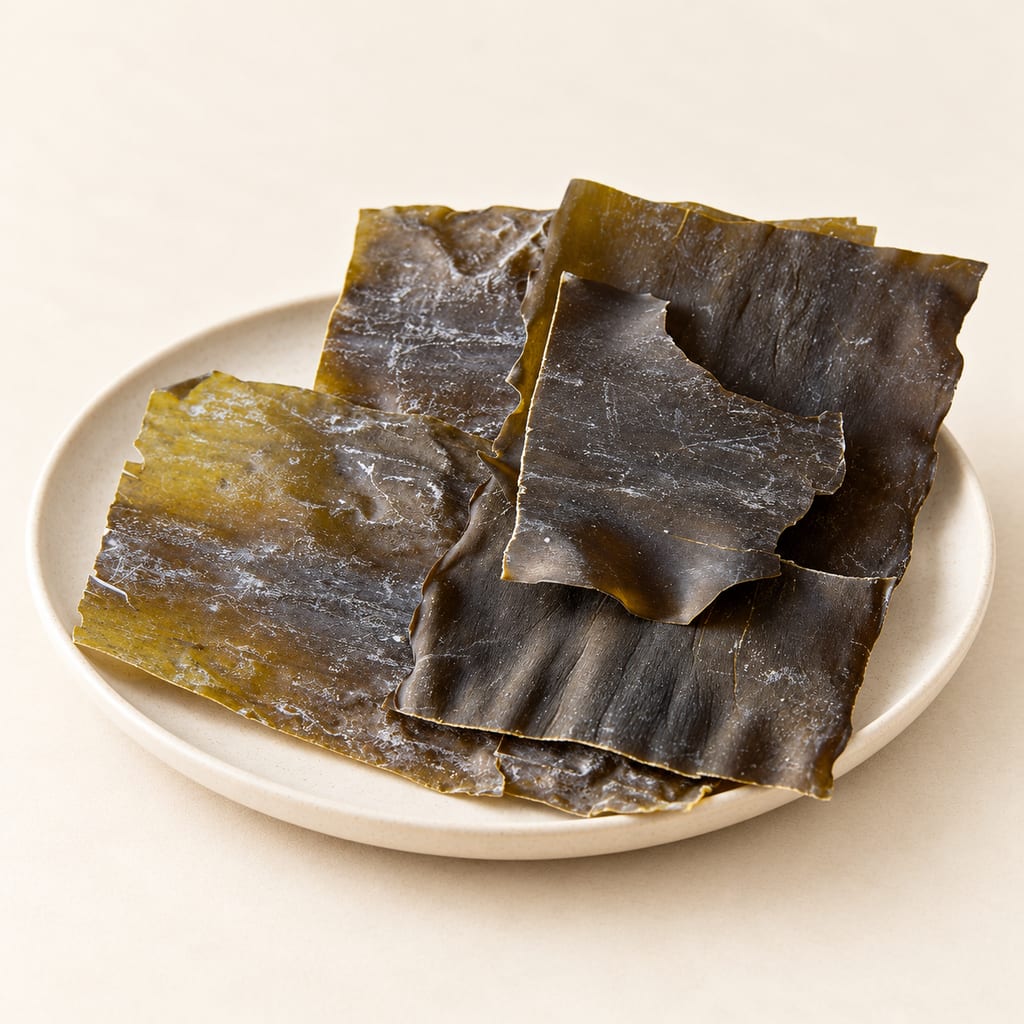
Kombu is a group of edible brown kelps, chiefly harvested around northern Japan or cultivated in East Asia, used for umami-rich stocks, simmered dishes, seasonings and preserved foods.
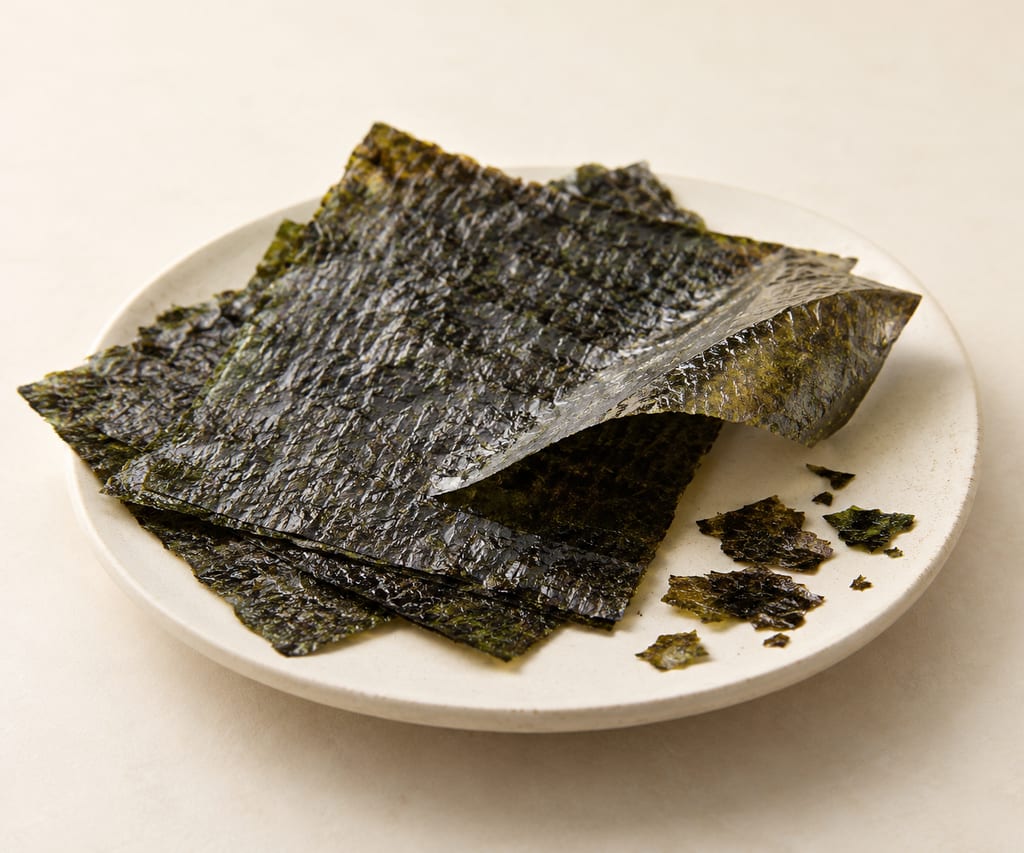
Nori is a red seaweed farmed in East Asia and dried into thin sheets, prized for its savoury flavour and crisp texture when roasted and used with rice, in soups and as a seasoning.

A gelling polysaccharide extracted from red seaweeds, sold as kanten strips or powder; it sets firm at a low concentration and stays solid until about 85 °C.
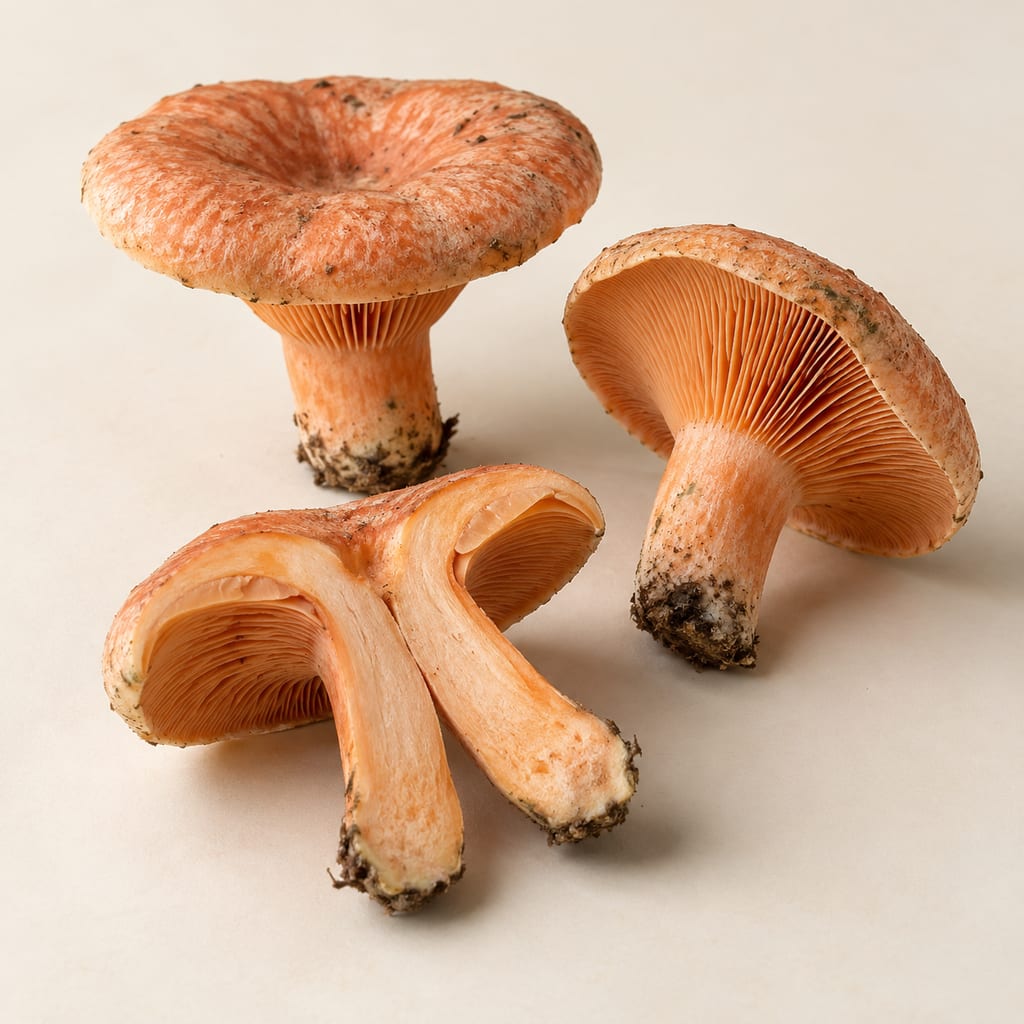
Akahatsu, Lactarius akahatsu, is a wild milkcap of East Asian pine and mixed forests that is sold in Yunnan markets, with its edibility and identity still needing species-level review.

The almond mushroom, Agaricus subrufescens, was cultivated in eastern North America in the 1800s, lost its market, and returned as a cultivated mushroom from Brazil, where it is grown under several names.
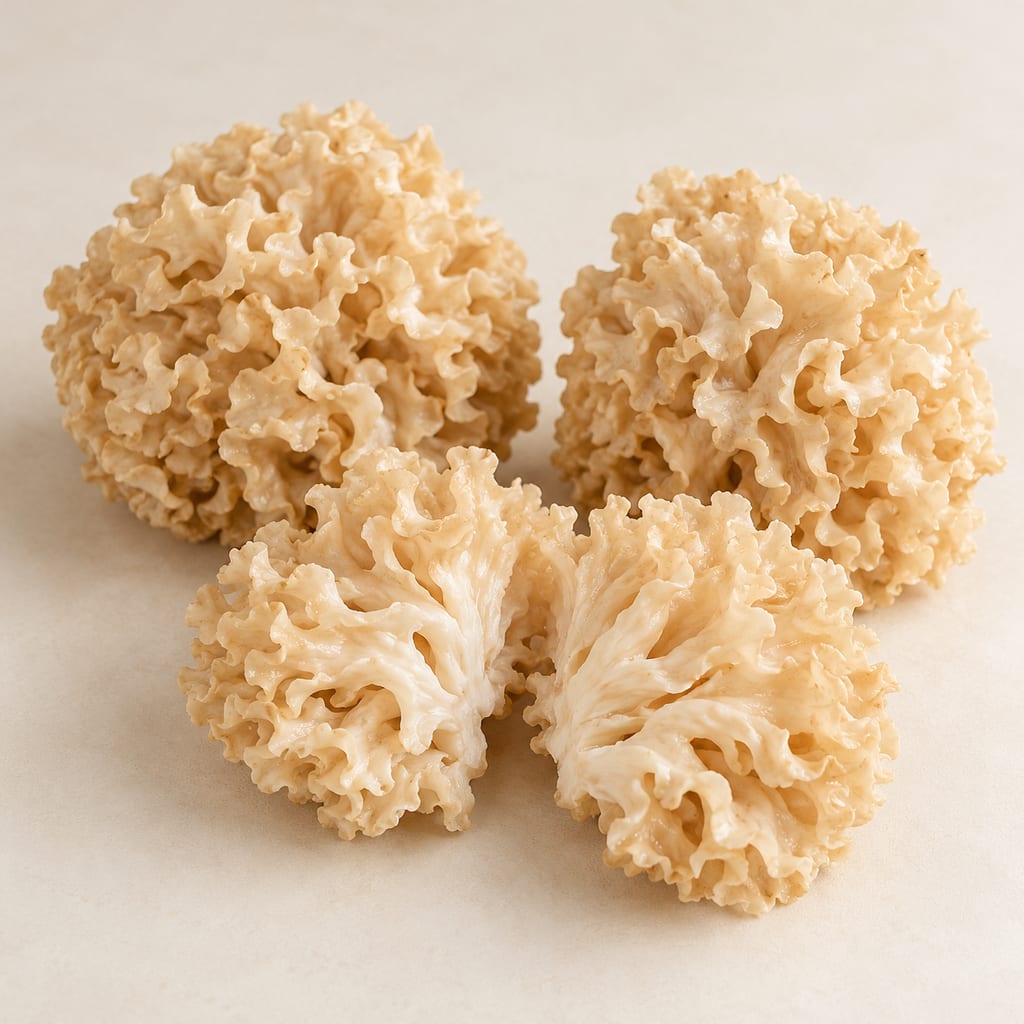
The Asian cauliflower mushroom, Sparassis latifolia, is a cultivated fungus with a frilled, fronded form that is eaten in China, Japan and Korea. Many Asian records under the name Sparassis crispa refer to this species.
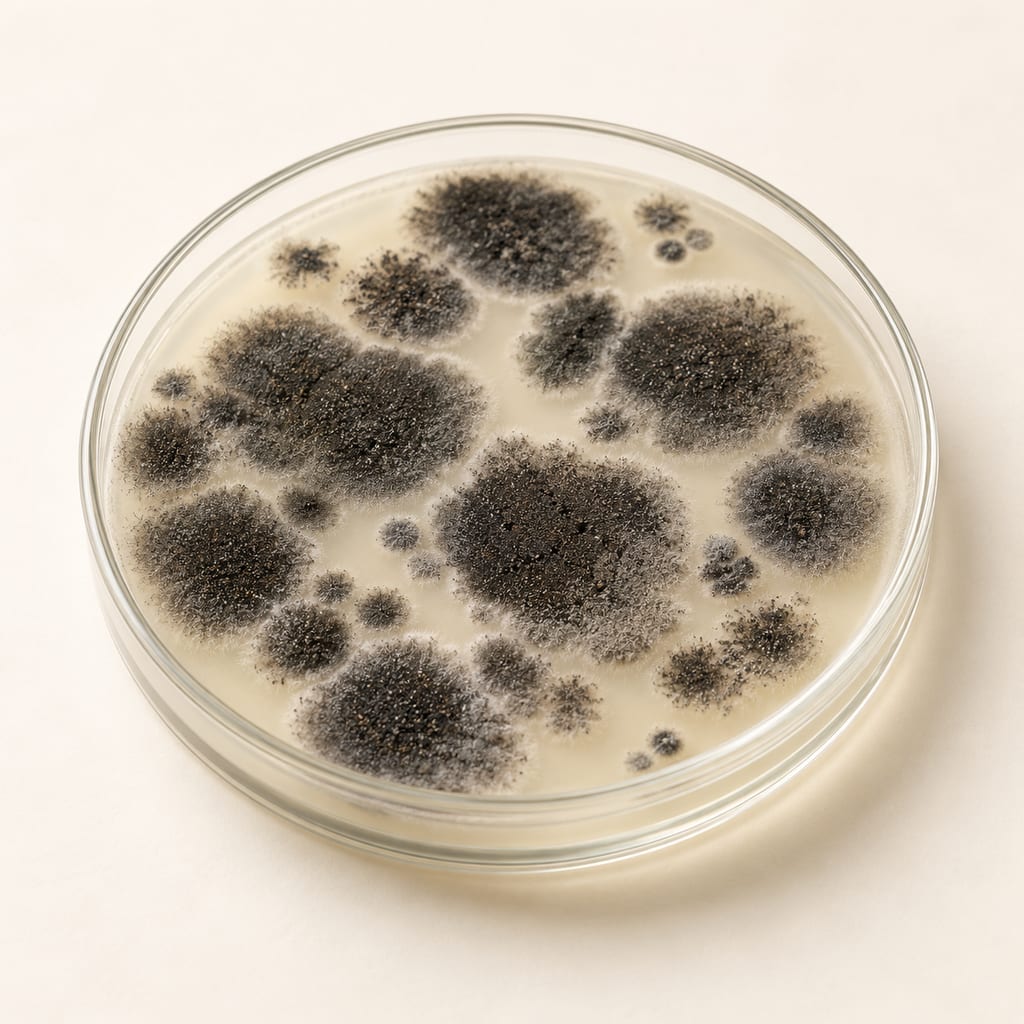
Aspergillus luchuensis is the black koji mould used in Japanese shochu and awamori, valued for the citric acid it makes alongside the starch-converting enzymes of koji.
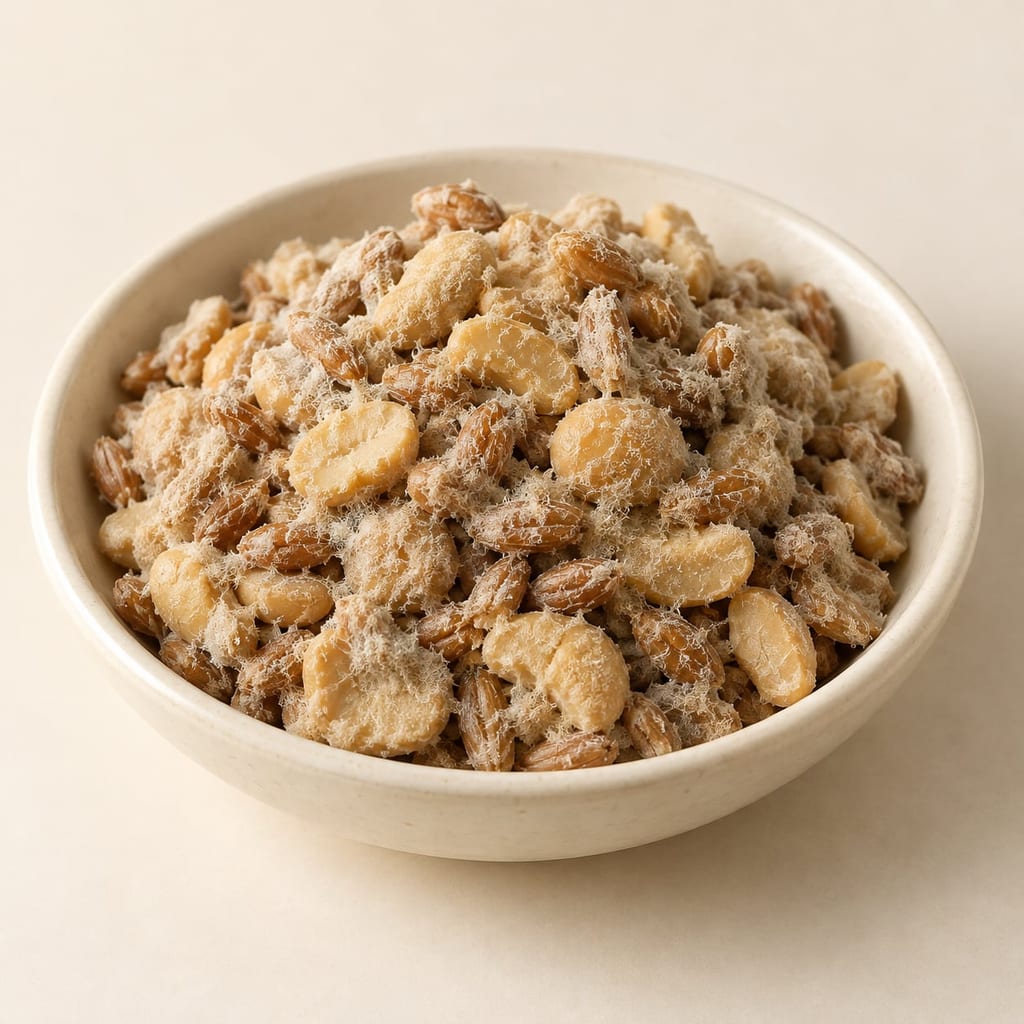
Aspergillus sojae is a koji mould of the Aspergillus flavus group, closely related to A. oryzae, used as a starter in soybean fermentations such as Korean meju, doenjang and ganjang.
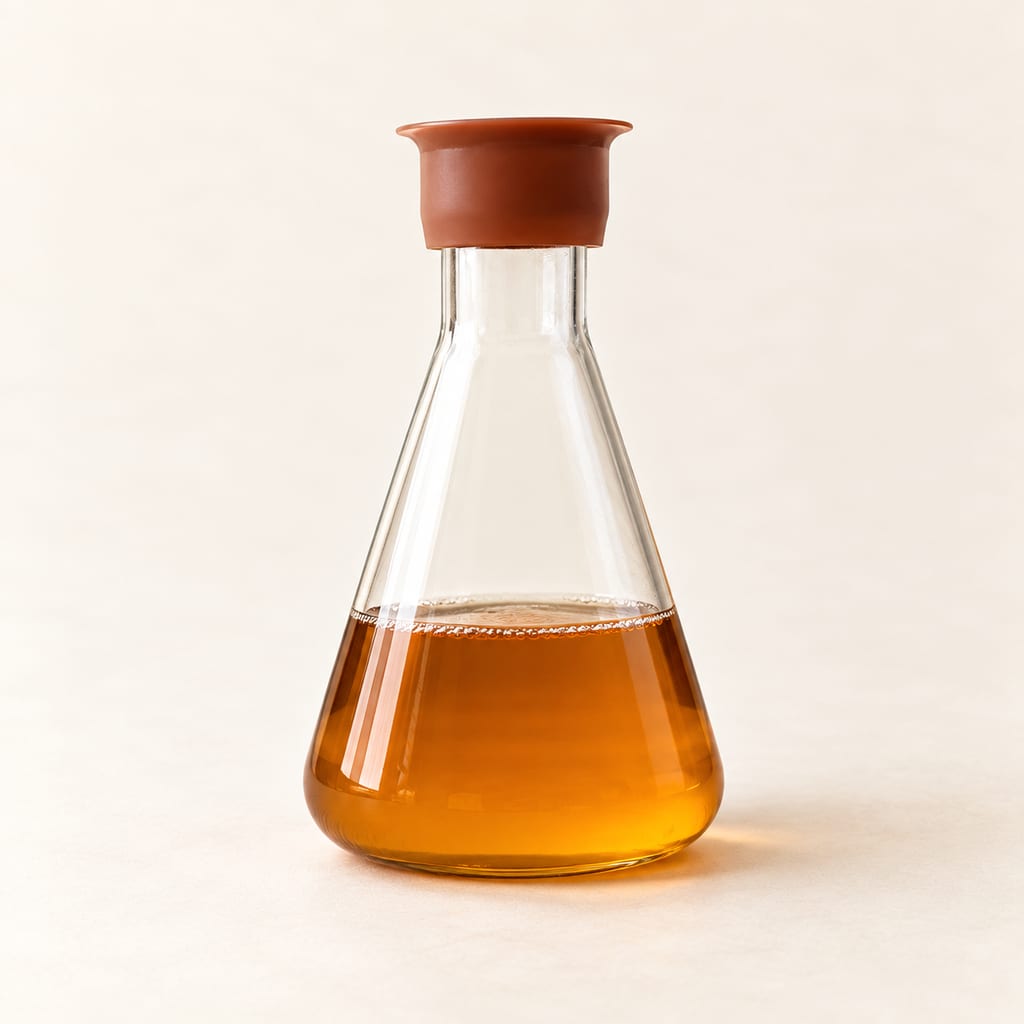
Awamori yeast ferments sugar released from rice koji in the Okinawan spirit’s mash. Sakimoto names the ingredient but gives no strain, form, supplier or dose.
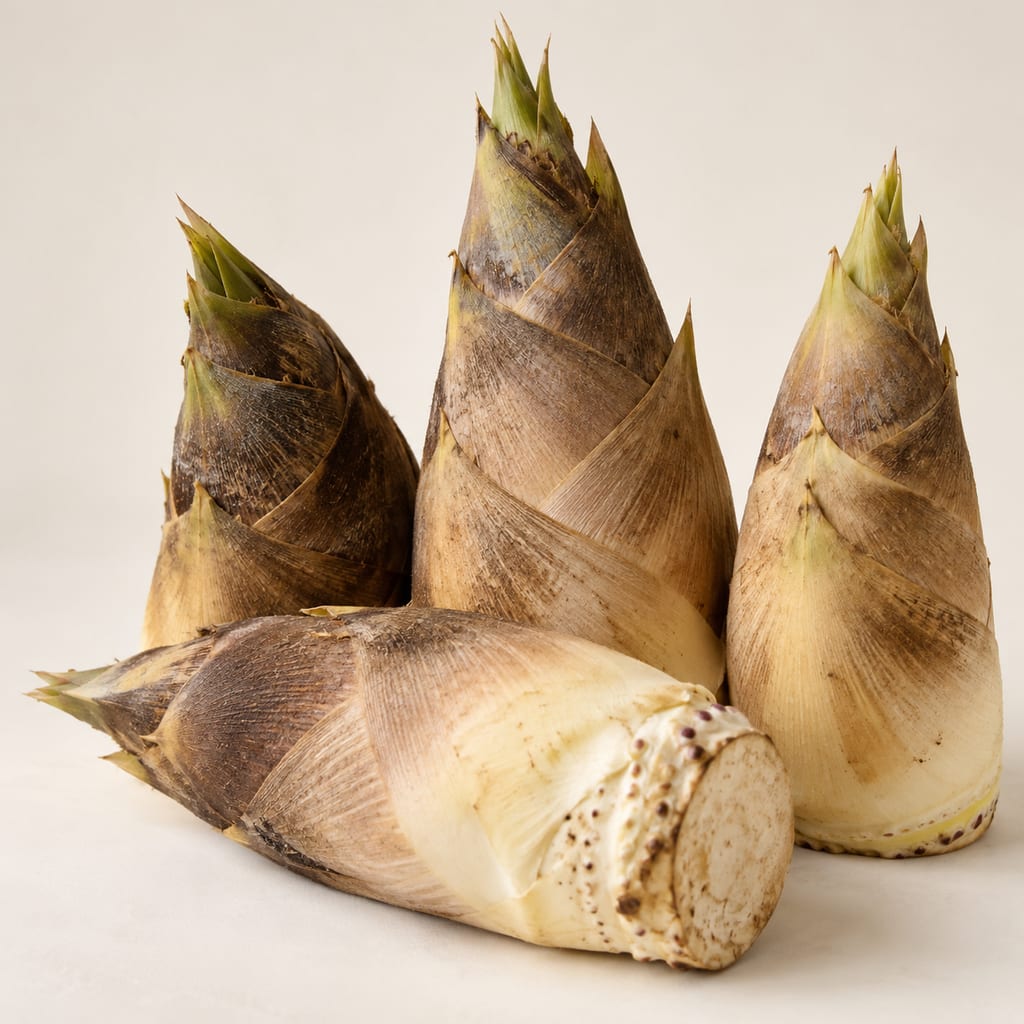
Bamboo shoots are the young culms of many bamboo species, eaten after boiling or leaching in Asia, and fermented into sour and preserved foods in the Himalayas, northeast India and Burma.

Protected Italian vinegar made only from cooked grape must, fermented and aged in a battery of wooden barrels for at least 12 years: sweet, sharp and syrupy.
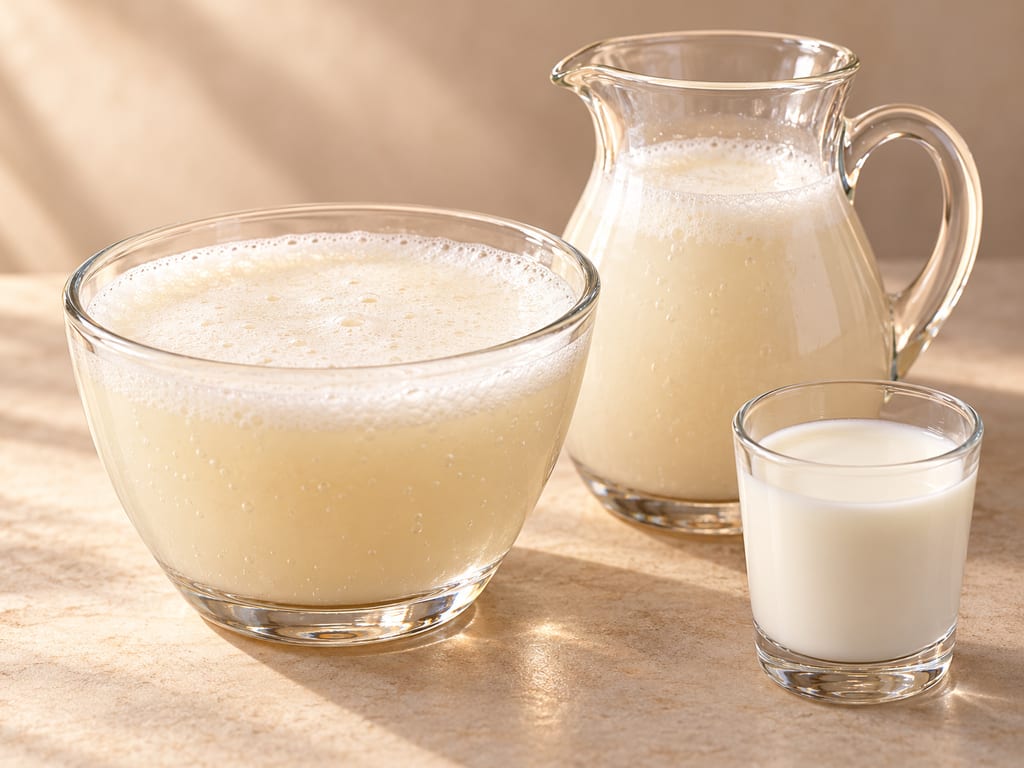
Airag is Mongolia’s fermented mare’s-milk drink, traditionally churned with saved starter in a reusable cowhide khokhuur.

Appam, or hoppers, are South Indian and Sri Lankan rice pancakes made from a fermented coconut-and-rice batter and cooked in a curved pan to a crisp lacy rim and a soft, spongy centre.
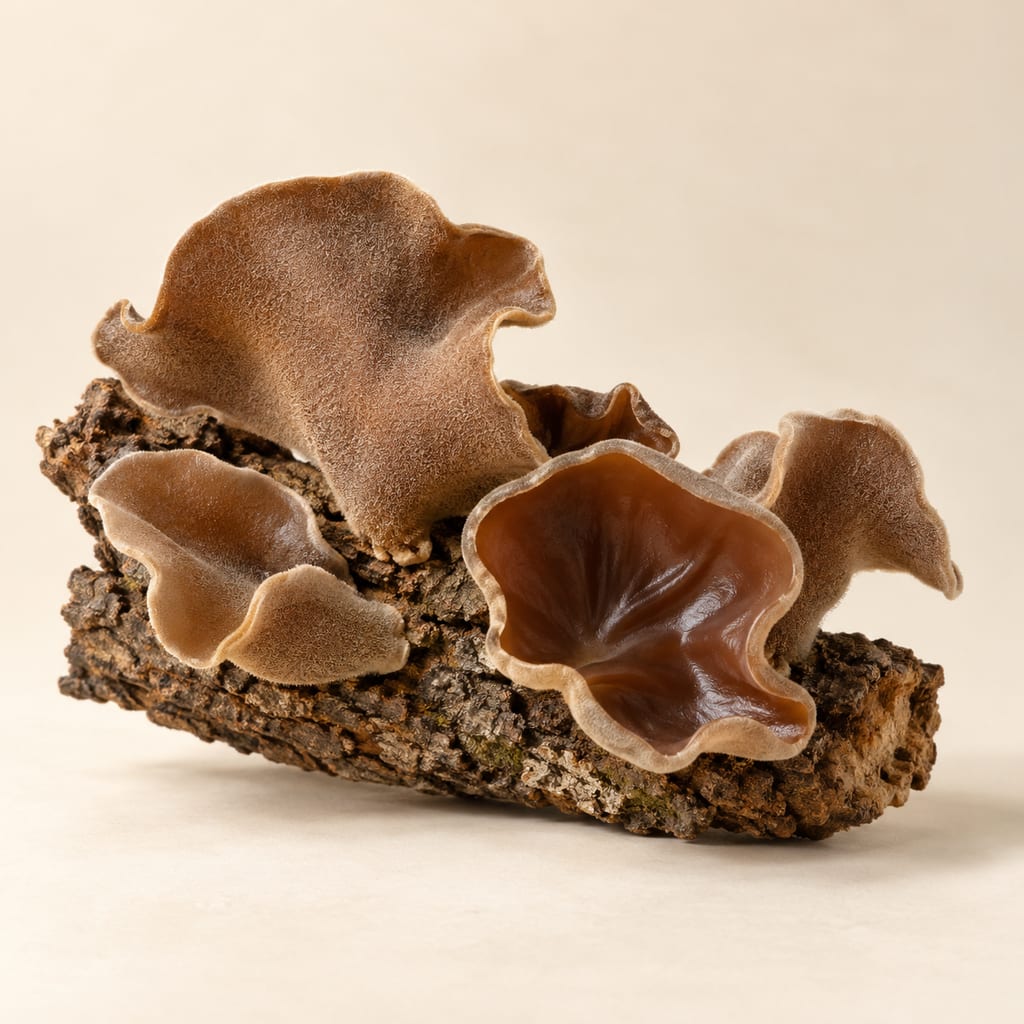
Auricularia tremellosa is a wood ear fungus of the genus that supplies most dried wood ear sold in China; its own food record is thin, and the culinary practice described here comes from the closely related wood ear species.

Ayran is Turkey’s cold, savoury yogurt drink: plain yogurt is loosened with water and lightly salted, then whisked smooth or aerated into a soft cap of foam.
A thin stone griddle used over an open hearth. Norwegian archaeology documents the established tradition from the early Middle Ages; a Viking-period origin is only a cautious suggestion linked to Shetland.

Crushed or milled barley cooked in water until the starch softens and the mixture thickens, the plainest way a northern household turned stored grain into a meal, here with apple and hazelnut.
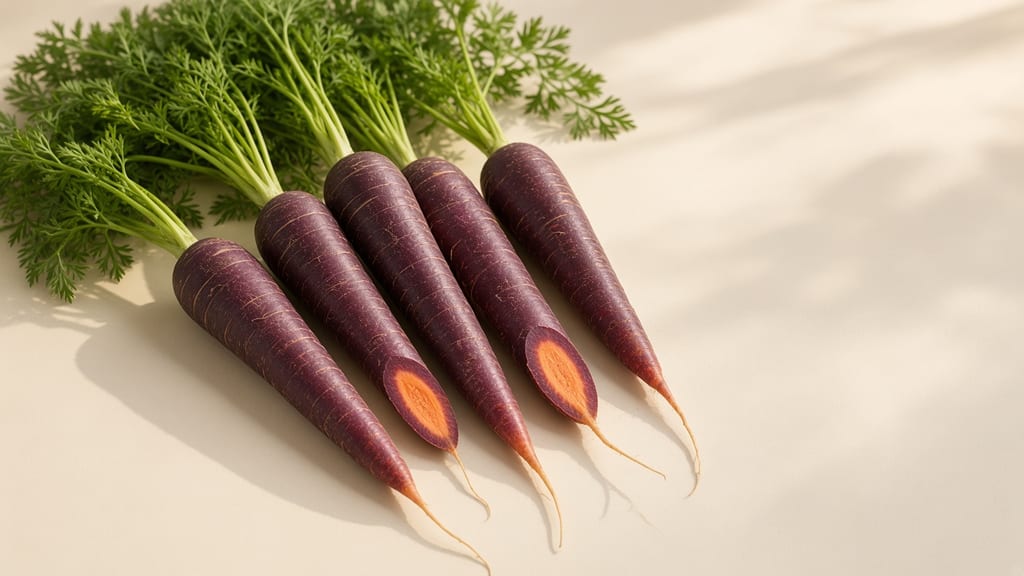
Black carrot is the anthocyanin-pigmented Eastern carrot (Daucus carota var. atrorubens), the purple root that preceded orange types and still colours kanji and şalgam.
No community contributions have been published for this entry yet.
Sign in to contribute. Published comments and photos are free to read.
World Register of Marine Species (WoRMS)Reference
Undaria pinnatifida — Taxonomic RecordsAccepted scientific name Undaria pinnatifida (Harvey) Suringar, 1873
Classification in the brown-algal family Alariaceae and order Laminariales
Historical taxonomic combinations and infraspecific names
Scientific distinction between species and named morphological forms
Cited in: What it is
National Center for Biotechnology Information (NCBI), National Library of MedicineReference
Undaria pinnatifida — Taxonomy and NamesNCBI Taxonomy ID 74381
Accepted scientific name Undaria pinnatifida
Original basionym Alaria pinnatifida Harvey, 1860
Taxonomic placement among brown algae
Historical transfer from Alaria to Undaria
Cited in: What it is
European CommissionReference
Undaria pinnatifida — Commercial DesignationsScientific identity and accepted commercial names
Classification within Phaeophyceae, Laminariales and Alariaceae
Recognition of wild harvesting and aquaculture as production methods
European commercial names including wakame, wakame-tang and undaria pierzastodzielna
Distinction between botanical identity and national commercial designations
Food and Agriculture Organization of the United Nations (FAO)Reference
Report on the Training Course on Seaweed Farming — Country ReportsHistorical documentation of sea mustard aquaculture in Korea
Culture of Undaria pinnatifida using artificial seeding
Cultivation on suspended ropes and growing structures
Importance of the cooler growing season
Separation of dried, blanched-salted and cut commercial products
Reported blanching at 90–98°C for approximately 40–60 seconds
Reported salt-to-seaweed mass ratio of 3:10 in a commercial process
Storage and marketing of processed Undaria
Historical technological context of Korean seaweed production
Cited in: What it is; Where it comes from and its history; How it is grown, harvested or made; Regional variations and kinds
Food and Agriculture Organization of the United Nations (FAO)Reference
Current Situation of Seaweed Aquaculture Development in ROKGeographical distribution of commercial Korean seaweed cultivation
Differences between eastern, southern and western Korean coastal environments
Long-line and hanging-rope cultivation methods
Importance of Undaria pinnatifida in Korean aquaculture
Historical production conditions rather than contemporary production statistics
Cited in: How it is grown, harvested or made
Ministry of Agriculture, Forestry and Fisheries, JapanReference
板わかめ、めのは (Ita Wakame, Menoha)Traditional dried wakame production in Shimane Prefecture
Historical reference to wakame in the Izumo no kuni fudoki
Japanese-language source identifying completion of the text in 733 CE
Relationship between wakame gathering and coastal customs
Development of modern aquaculture around 1955
Local commercial history of ita-wakame
Harvesting and drying of unseasoned wakame
Consumption as a crisp food and as a seasoning over rice
Cited in: Where it comes from and its history
Ministry of Agriculture, Forestry and Fisheries, JapanReference
Ita Wakame (Menoha) — Traditional Foods in JapanEnglish-language description of Shimane ita-wakame
Traditional harvesting from the San-in coast
Making thin dried sheets without cooking or seasoning
Consumption as a crisp snack or crumbled seasoning
Historical importance of wakame in Izumo
Regional aquaculture production history
Difference between ita-wakame and commercially blanched-salted wakame
Discrepancy between the English date of 744 CE and Japanese date of 733 CE for the Izumo fudoki
Cited in: How it is grown, harvested or made; Regional variations and kinds; How it is eaten and used
Ministry of Agriculture, Forestry and Fisheries, JapanReference
塩蔵ワカメ (Salt-Preserved Wakame)Traditional and modern processing methods in Miyagi Prefecture
Distinction between shio-momi, nama-enzo and yudoshi-enzo wakame
Development of large-scale wakame seed production in Miyagi in 1956
Beginning of local commercial aquaculture around 1960
Brief blanching in heated seawater followed by rapid cooling
Salting for at least 24 hours in the documented regional process
Separation of blades and stems after processing
Seaweed quality problems associated with mature raw material and large processing batches
Regional dishes using salted wakame
Cited in: Where it comes from and its history; How it is grown, harvested or made; How it is chosen and stored; Regional variations and kinds; How it is eaten and used
Ministry of Agriculture, Forestry and Fisheries, JapanReference
粉わかめ (Kona Wakame)Traditional powdered and flaked wakame in Fukui Prefecture
Regional coastal gathering and drying
Use of dried wakame as a seasoning
Historical development of local production and distribution
Differences between powdered wakame and rehydrated leaf products
Cited in: Regional variations and kinds
Ministry of Agriculture, Forestry and Fisheries, JapanReference
Wakame Musubi — Our Regional CuisinesRegional wakame rice-ball tradition in Yamaguchi Prefecture
Association with Hagi, Kitaura and Nagato
Seasonal harvesting and drying of wakame
Use of chopped dried wakame to coat or season rice
Distinction between coastal regional cooking and modern commercial soup ingredients
Cited in: How it is eaten and used
National Institute of Korean History, Republic of KoreaReference
첫날, 첫국밥 (The First Day, the First Soup and Rice)Traditional Korean childbirth food customs
Preparation of miyeok-guk for women after giving birth
Use of plain seaweed broth and versions containing dried mussels
Customs involving seaweed associated with Samsin
Relationship between miyeok-guk and the cultural meaning of childbirth
Historical documentary references concerning postpartum diets
Distinction between historical health beliefs and scientifically established physiological effects
Cited in: Where it comes from and its history; How it is eaten and used
Kikkoman CorporationReference
Wakame Seaweed — Ingredient GlossaryCommercial differences between fresh, salted and dried wakame
Natural brown colour and green colour after blanching
Use of wakame in soups, salads and stews
Culinary differences between blade, stem wakame and mekabu
Storage considerations for products with different moisture contents
Need to rehydrate or desalt particular commercial products before use
Cited in: How it is chosen and stored; How it is eaten and used
Algal Research, ElsevierReference
Effect of Blanching on the Concentration of Metabolites in Two Parts of Undaria pinnatifida, Wakame (Leaf) and Mekabu (Sporophyll)Experimental comparison of wakame blades and mekabu sporophylls
Brown-to-green colour change within 20 seconds of blanching
Loss of water-soluble metabolites during early blanching
Different rates of metabolite loss in the blade and sporophyll
Effect of processing on the biochemical composition of different anatomical parts
Distinction between colour change and preservation of all nutritional compounds
Cited in: What it is; What it does in fermentation and cooking
Foods, MDPIReference
Traditional Cooking Methods Affect Color, Texture and Bioactive Nutrients of Undaria pinnatifidaExperimental comparison of blanching, steaming, boiling and baking
Effects of cooking methods on fucoxanthin and chlorophyll a
Differences in texture and colour after thermal processing
Measurements of total phenolic compounds
Effects of cooking on biochemical retention
Laboratory preparation conditions used in the 2022 study
Need to distinguish experimental cooking treatments from universal culinary recommendations
Algal Research, ElsevierReference
Postharvest Processing of Undaria pinnatifida: Effect of Blanching and Salting Parameters on the Quality of Yudoshi-enzo WakameExperimental effects of blanching temperature and time
Measurement of breaking strength and colour
Optimisation of blanching conditions in a specific experimental system
Comparison of salt concentrations for processed wakame
Observation that salting had a smaller effect than blanching on the studied colour and texture responses
Postharvest quality of blanched-salted wakame
Cited in: How it is grown, harvested or made; What it does in fermentation and cooking; How it is chosen and stored
Food Chemistry, ElsevierReference
Lactic Acid Bacteria Fermentation of Undaria pinnatifida: Microbial Dominance, Metabolic Remodeling, and Quality FormationControlled fermentation of wakame slurry using different lactic acid bacterial starters
Predominance of Lactiplantibacillus in the kimchi-starter treatment
Predominance of Streptococcus in the milk-starter treatment
Starter-dependent changes in carbohydrate and amino acid metabolism
Changes in lipid-related metabolic pathways
Associations between microbial community composition, flavour and texture
Evidence for experimental wakame fermentation rather than an established traditional process
Publication date of 15 October 2026
Cited in: What it does in fermentation and cooking; How it is eaten and used
Food Chemistry, ElsevierReference
Comprehensive Analysis of Vacuum Impregnation-Assisted Fermented Extracts Improving the Texture and Flavor of Undaria pinnatifida: Insights from Physicochemical, Flavor Omics, and MicrobiomicsExperimental use of calcium lactate to improve wakame texture
Interaction between calcium ions and acidic polysaccharides
Application of fermented extracts prepared from wakame processing residues
Reduction of selected undesirable volatile compounds
Use of lactic acid bacteria and yeast in controlled extract production
Distinction between experimental flavour modification and conventional preserved wakame
EFSA Journal, European Food Safety AuthorityReference
Dietary Exposure to Heavy Metals and Iodine Intake via Consumption of Seaweeds and Halophytes in the European PopulationAssessment of iodine exposure through seaweed consumption
Occurrence data for arsenic, cadmium, lead and mercury
Variation in contaminant levels between seaweed types
Differences between total arsenic and inorganic arsenic measurements
Dietary exposure assessment based on European occurrence and consumption data
Importance of species-specific iodine and contaminant assessment
Limitations of using general seaweed composition figures for individual wakame products
Cited in: How it is chosen and stored
British Dietetic AssociationReference
Iodine — Food Fact SheetRole of iodine in thyroid hormone production
Potential harm from excessive iodine intake
Substantial variation in iodine content of seaweeds
Guidance against eating brown seaweed or kelp more than once a week, particularly during pregnancy
Importance of individual nutritional advice where thyroid conditions or pregnancy are relevant
Distinction between eating seaweed and using seaweed as an iodine supplement
Cited in: How it is chosen and stored
Scottish GovernmentReference
Shetland Islands Regional Marine Plan — Section A: Clean and SafeIdentification of Undaria pinnatifida as a potentially harmful invasive non-native marine species
Importance of preventing movement of invasive species between marine areas
Biosecurity measures for boats, equipment and coastal activities
Environmental distinction between commercially useful seaweed and its impact when introduced outside its native range
IUCN Invasive Species Specialist GroupReference
Undaria pinnatifida — Global Invasive Species DatabaseNative and introduced geographical ranges
Morphology and identifying characteristics
Recognised scientific synonyms and common names
Life cycle and reproductive biology
Spread through maritime activities
Potential effects on native marine communities
Importance of preventing accidental introduction and dispersal