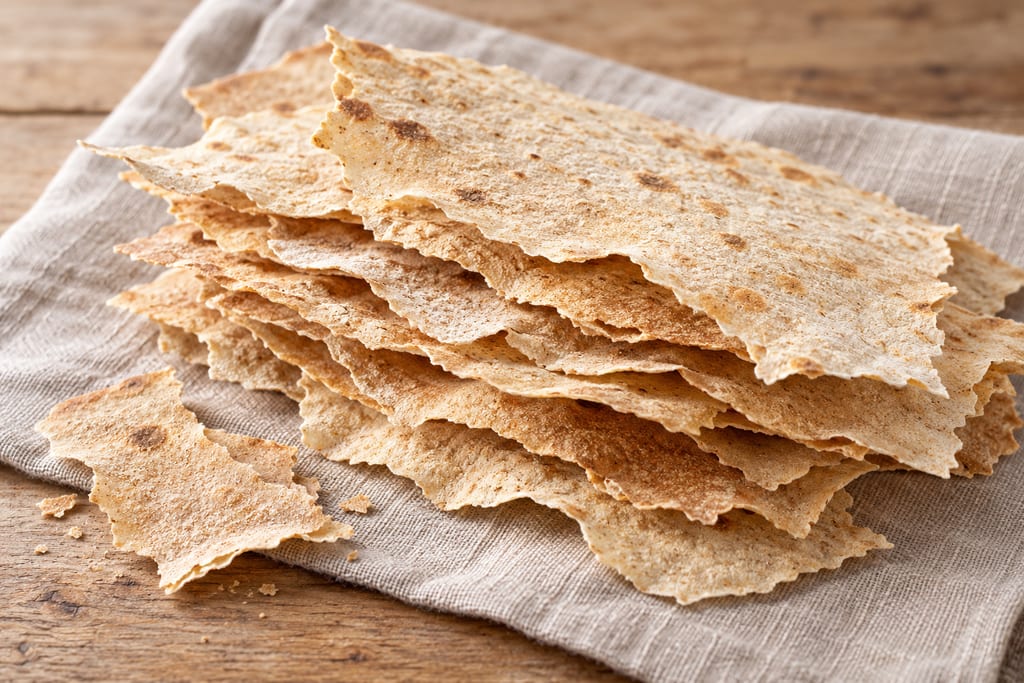
Flatbrød (Onsøy recipe attributed to Lisa Kjenne)
Thin, unleavened Norwegian flatbread made from sifted wheat and oat flours, fine whole rye, salt and water, then rolled with barley flour and cooked on a takke.
 FermenteaWhere food goes to change
Substrates
Oat flour is milled oats, from fine whole-groat powder to flour with some bran removed; its low gluten-forming capacity changes how it behaves in dough.
Oat flour is a powder made by milling oats. It is a processed cereal ingredient, not the intact oat grain, a rolled flake, or oat bran. Those forms begin with the same crop but differ in structure, particle size and how a cook uses them. Common cultivated oats are Avena sativa; the flour used in some East Asian foods comes from naked oats, Avena nuda or hulless oat cultivars. The source batch and label determine which form is meant.
In the United States, a regulatory description for whole oat flour defines it as clean, dehulled oat groats that are steamed and ground without significant loss of the bran. That is a narrower definition than the everyday name oat flour. Commercial products may use whole groats, a portion of the groat, stabilized flakes, or fractions separated by sieving. Bran-rich flour, whole-groat flour and an endosperm-rich fine fraction should not be treated as identical products just because each is pale and powdery.
English-language names can also confuse product forms. In the United States, oatmeal most often means a cooked cereal or the flakes used to make it; in other English usage, oatmeal can mean ground oats. Oat flour makes the intended fine milling clearer, while meal usually signals a coarser grind. Read the ingredient name in its local recipe and on the package instead of silently changing flakes, meal and flour into one another.
A mill first cleans and grades grain and removes the inedible hull. The edible groat retains bran, germ and endosperm. Many food processes then apply steam or heat to stabilize the grain before it is cut, rolled, flaked or milled. Oat lipids are relatively abundant, and active enzymes can alter them during storage; heat treatment helps limit rancid or bitter flavor changes. Milling can begin with the groat or with flakes, depending on the product.
Grinding reduces the groat to particles, and sifting sorts them by size. A mill can recycle larger particles through another pass or separate a coarser bran fraction from fine flour. The resulting color, flavor and texture depend on oat variety, prior heat treatment, retained bran and germ, mill type, screen size and the amount of air moved through the mill. Flour made from flakes can differ in fineness from flour made directly from groats.
These distinctions matter when comparing bags or adapting a formula. A whole-groat flour keeps much of the grain's bran and germ. A partially debranned or refined flour has a different composition and may absorb water, taste and behave differently. Labels and product specifications tell the reader more than the generic word flour; no single color, grind or nutritional profile defines every oat flour.
The sources consulted do not identify one inventor, first date or birthplace for oat flour. Oat cultivation and the history of oat porridge or oatcakes are older and broader subjects than this particular milled product; those histories cannot by themselves date the powder. The clearest evidence here is for specific uses rather than an origin story.
Norsk Tradisjonsmat records an old flatbrød formula from Onsøy attributed to Lisa Kjenne, born in 1850. It calls for sifted oat flour with sifted wheat flour, whole rye, salt and water, and describes rolling thin breads with barley flour before baking them on a takke. The source does not date Kjenne's particular formula. It does document oat flour as part of a named Norwegian preparation.
A United States Department of Agriculture circular issued on August 14, 1918, called Use Oats to Save Wheat, includes oat flour among wheat-saving ingredients and gives recipes for baked goods. It documents wartime U.S. household-baking use, not when the product was invented. Together these records show different uses in Norway and the United States without proving either place was the flour's point of origin.
In the Onsøy flatbrød formula, oat flour is one of several grains in a thin, unraised dough. The source lists 600 g sifted oat flour alongside 1 kg sifted wheat flour and 400 g finely ground whole rye, then salt and water. The dough is mixed, rolled thin with barley flour and baked on a takke.
A separate tradition in western Inner Mongolia and Shanxi uses flour made from roasted naked oats for noodle foods. A review in Cereal Foods World describes roasting oat grain, milling it, mixing the flour with boiling water, sheeting the dough and forming it into different noodle shapes. The flour is the named substrate, and the steps explain how it becomes a cohesive cooked food. The source identifies this as a naked-oat tradition, so it should not be generalized to every Avena sativa flour or to all foods called oat noodles.
The two examples show how oat flour can be one component of a mixed-grain flatbread or the main base for a regional noodle preparation. They also show why the name alone does not reveal the starting oat, heat treatment, flour grade, added grain or cooking method. Geography here records documented use: it does not map oat cultivation or claim that the flour originated in either place.
Oat flour contributes oat flavor, starch, protein, oil and fibre to a mixture. It does not build the extensible gluten network formed by wheat proteins when wheat dough is mixed with water. In a mixed-wheat dough, replacing some wheat flour with oat flour dilutes that network. A USDA Agricultural Research Service study found lower loaf volume and changes to crumb texture and color in its tested wheat breads with oat flour. It also reported that flour particle size mattered. The outcome belongs to those treatment conditions, not a universal substitution percentage.
In cakes, muffins, cookies and pancakes, a recipe may use oat flour for tenderness, flavor or moisture absorption. It can thicken cooked dishes as well. Its fibre and particle size affect how much water the flour holds, while the recipe's eggs, starches, gums or wheat flour may provide structure. A pancake or quick bread written for oat flour is not the same formula as a wheat loaf; do not exchange a cup of flour for another cup without a tested recipe.
Oat flour can appear beside yeast, sourdough or other leaveners, but it is not a fermenting culture. Flour supplies food and structure; microorganisms or chemical leaveners perform separate jobs. For a named bread, keep its substrate, hydration and rising process tied to that recipe's evidence.
A home cook can make a coarse-to-fine oat powder from plain dry rolled oats. Quaker's preparation guide says to blend dry oats until they become fine and powdery, then measure the amount required by a baking formula. A food processor or blender can do the grinding; stopping to stir or sift can help identify larger flakes that remain. That home method makes a useful flour-like ingredient, but it is not the same controlled process as milling stabilized groats into a specified whole or refined grade.
Rolled oats have already been hulled and processed. Grinding them is a practical way to prepare a small quantity when a recipe calls for ground oats, but particle size may remain coarser than commercial flour. The mill, time and sieve control that difference; the source does not establish a single texture requirement for every dish. Use the flour in a formula written for oat flour or test a small batch rather than assume a direct wheat-flour replacement.
Choose a flour whose label or specification matches the recipe: whole-groat, partially debranned, fine, coarse or heat-treated products can differ. Keep it sealed in a cool, dry place and follow its package directions. Oats contain lipids that can develop stale, bitter or rancid flavors as flour ages; light, heat, moisture and air can speed quality loss. No universal storage duration is supported for every grind and package, so this record gives none.
Flour is not a ready-to-eat food. CDC warns that uncooked flour and dough may carry germs and advises people not to taste raw dough or batter. Use oat flour in food prepared according to its cooking instructions, wash hands and clean utensils and work surfaces after handling uncooked dough. No home heating time or temperature is supplied here as a universal safety treatment.
Oats do not contain the same gluten-forming proteins as wheat, but oat products can contact wheat, rye or barley during growing, handling, transport or milling. Under U.S. FDA rules, oats carrying a gluten-free claim must contain less than 20 ppm gluten. A gluten-free label is meaningful only for the product that meets the applicable rule; it is not a guarantee that every oat flour is free of cross-contact. People with celiac disease or gluten sensitivity should seek advice from their clinician when choosing oat products.
The source lists sifted oat flour in this specific Onsøy flatbrød formula; it does not place oat cultivation or the origin of oat flour here.
The review describes roasted naked-oat grain milled into flour for noodles; this is a specific regional oat form and use, not all oat flour.
The review describes roasted naked-oat grain milled into flour for noodles; this is a specific regional oat form and use, not all oat flour.
A federal circular records oat flour in household baking recipes; its publication does not claim that oat flour originated in the United States.
Thin, unleavened Norwegian flatbread made from sifted wheat and oat flours, fine whole rye, salt and water, then rolled with barley flour and cooked on a takke.
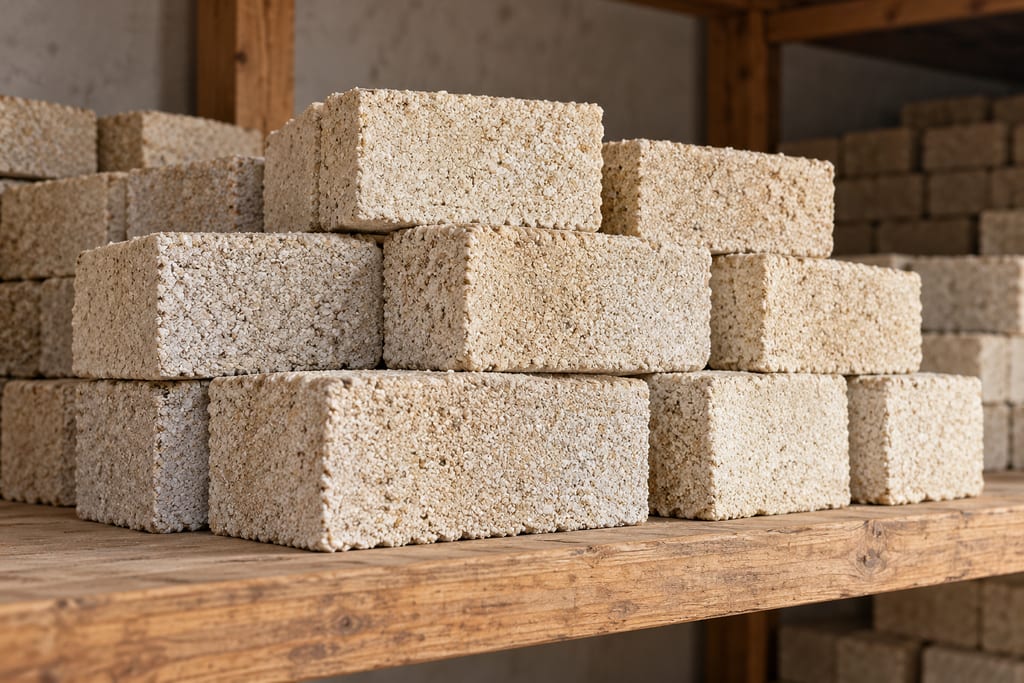
A shaped grain starter (daqu) from Chinese baijiu production, classed as low-temperature because its bricks reach the lowest peak temperatures of the three daqu types; used mainly for light-flavor baijiu.
No community contributions have been published for this entry yet.
Sign in to contribute. Published comments and photos are free to read.
Norsk Tradisjonsmat (Norges Bygdekvinnelag)Use · Geography · History
FlatbrødAn Onsøy formula attributed to Lisa Kjenne (born 1850) lists 600 g sifted oat flour among wheat and rye flours; the flour is rolled into thin flatbrød and baked on a takke.
The page labels the recipe old and gives a seasonal baking account for flatbrød; these claims do not date the invention of oat flour.
Cited in: No single origin is established; Regional preparations use different oats
U.S. Food and Drug Administration / Electronic Code of Federal RegulationsIdentity · Processing · Classification
21 CFR § 101.81: Health claims: Soluble fiber from certain foods and risk of coronary heart diseaseFor the specific regulated term whole oat flour, the rule describes steamed, clean, dehulled oat groats ground without significant loss of oat bran; this definition is not generalized to every flour.
Cited in: Oat flour begins with a groat; Cleaning, stabilizing and grinding
British Journal of Nutrition, Cambridge University PressIdentity · Processing · Science · Storage · Uses
Processing of oats and the impact of processing operations on nutrition and health benefitsReview describes dehulling, heat stabilization, grinding of groats or flakes, sifting and separation of bran/fine fractions; oat flour can be used in breads, cereals, snack bars and other foods.
Oat flour tends to clump during milling because of its lipid content; grain stabilization addresses enzymes associated with rancidity.
Cited in: Oat flour begins with a groat; Cleaning, stabilizing and grinding; What oat flour contributes to dough; Making a small amount at home; Choosing, keeping and cooking it
Cereal Foods World / Cereals & Grains AssociationUses · Geography · Processing
Increasing Whole Grain Consumption in China: Processing and Sensory ChallengesDescribes traditional roasted-oat flour noodles as a staple in western Inner Mongolia and Shanxi, China; roasted oat grain is milled, mixed with boiling water, sheeted and formed into noodles.
This concerns naked oats and a regional noodle process, not all oat flour or all oat species.
Cited in: Regional preparations use different oats
United States Department of Agriculture, Office of the SecretaryHistory · Use
Use Oats to Save Wheat (Agriculture Department Circular 118)The August 14, 1918 circular presents oat flour and recipes for baked goods using oats to conserve wheat during wartime; it documents a dated use, not origin or first use.
Cited in: No single origin is established
U.S. Food and Drug AdministrationSafety · Handling
Questions and Answers on the Gluten-Free Food Labeling Final RuleOats may be labelled gluten-free when unavoidable cross-contact remains below 20 ppm under the U.S. rule; oats and oat products face cross-contact risks from wheat, rye and barley.
U.S. Centers for Disease Control and PreventionSafety · Handling
Raw Flour and DoughFlour can carry pathogens and is not ready-to-eat; do not taste uncooked dough or batter and follow the cooking directions for the food.
Cited in: Choosing, keeping and cooking it
USDA Agricultural Research ServiceUse · Method
Application of Oat Flour in Bread BakingThis study reports lower loaf volume, crumb texture and color when oat flour replaced wheat flour in its tested formulations; the result is specific to its treatments and not a universal substitution ratio.
Cited in: What oat flour contributes to dough
Quaker OatsHome preparation · Use
How To Cook Oats - Traditional, Instant, Steel...Quaker describes blending dry oats until fine and powdery for use as flour in baking or as a thickener; this is a home method for the maker's flake product, not a guarantee of industrially milled grade equivalence.
Cited in: What oat flour contributes to dough; Making a small amount at home