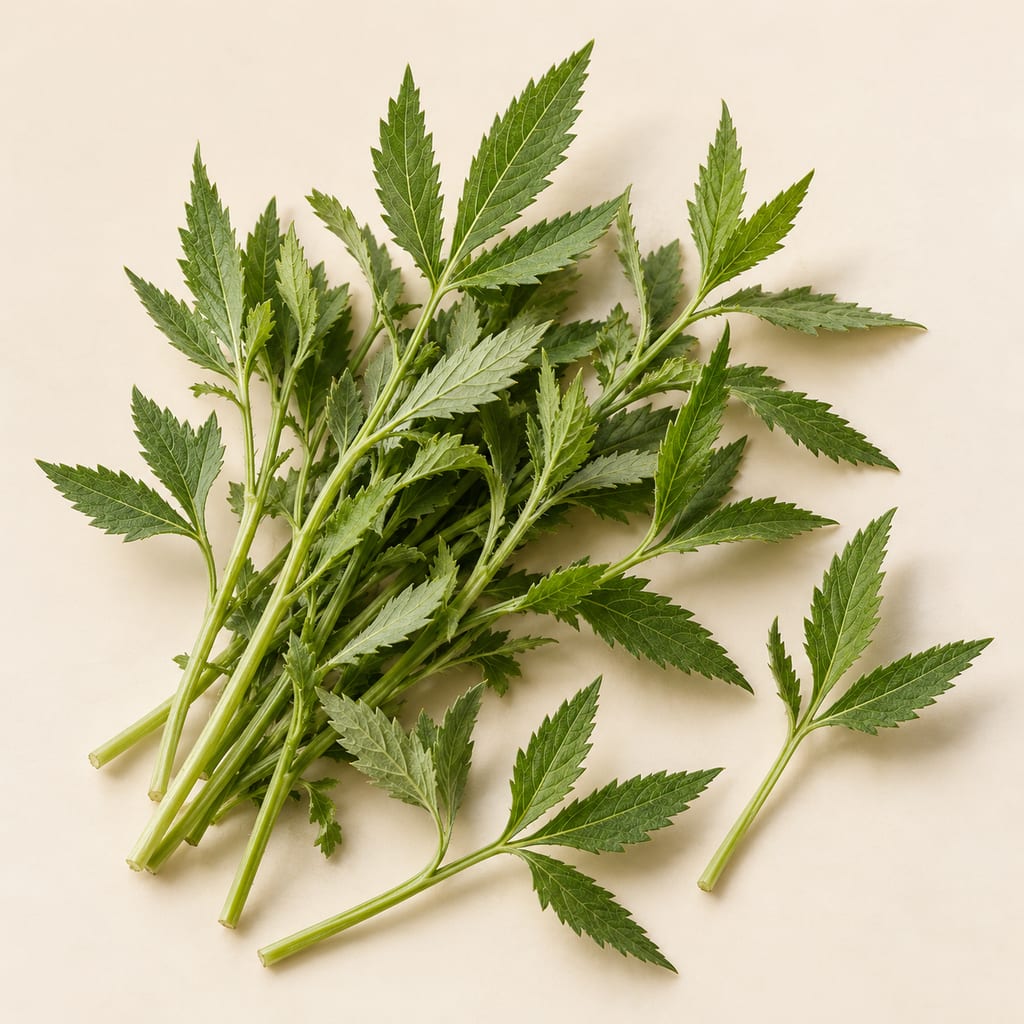
Falcaria vulgaris (sibekh leaves)
Sibekh is the young leafy growth of Falcaria vulgaris, an Apiaceae herb sold in Yerevan markets and fried with eggs; pickled, dried and canned uses are recorded without methods.
 FermenteaWhere food goes to change
Substrates
Tuberous chervil, Chaerophyllum bulbosum, is a biennial of the carrot family grown for its root in central Europe and gathered for its young leaves in Armenia.
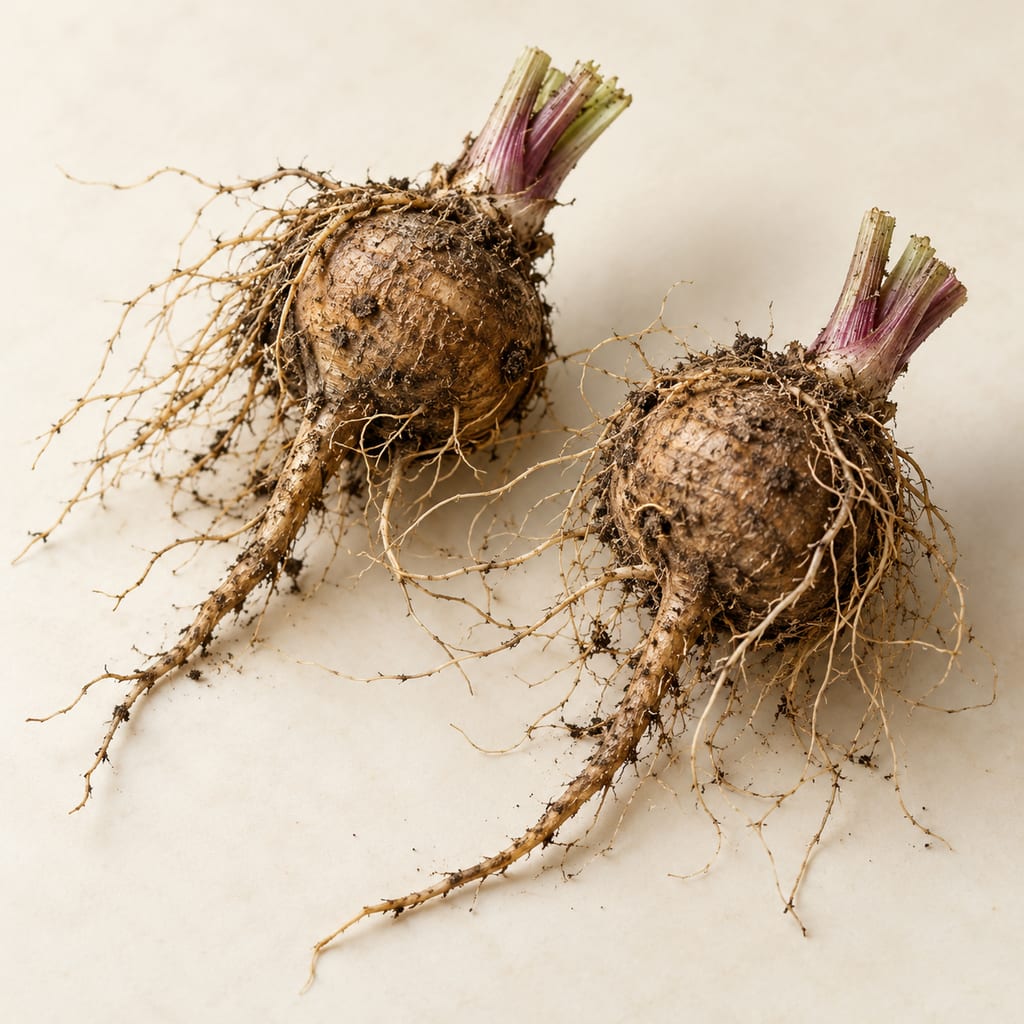
Chaerophyllum bulbosum L. is a biennial of the carrot family. Kew describes it as a plant of the temperate biome with Transcaucasia in its wider range, and lists C. caucasicum and C. posofianum among its synonyms. English names include tuberous chervil, turnip-rooted chervil and bulbous-rooted chervil. It is a different plant from the leafy salad herb called chervil.
The cultivated form is grown for its short, swollen root, which is cooked as a vegetable. In the Armenian records, by contrast, the young leaves are the food. Both uses sit in the same species.
A 2024 review of the plant in the Carpathian Basin reports cultivation across eastern and central Europe in the Middle Ages, and says the same could be true of the Carpathian Basin. Hungarian cookery books mention it from the 16th century, especially in Transylvanian cooking. Documented cultivation of the cultivated form, called chervil-beet, begins only in the mid-19th century.
Its popularity fell from the late nineteenth century. By the middle of the twentieth century it counted among the vegetables out of fashion, cultivation was sporadic and then fully neglected, and the review cites only one 21st-century record of gathering and eating it, in Transylvania. These points come from the review's abstract.
A study of wild plants sold in the markets of Yerevan, covering 2016 to 2019, records young leaves fried with eggs in a dish called tapakats mandak. The same study lists roots under a mixed plant-parts field and does not tie them to the leaf dish. A 2016 paper on Yezidi and Kurdish plant foods, from fieldwork in 2013 to 2015, lists the plant inside a grouped Chaerophyllum row with the printed names ghemi and mandek. That row cannot be assigned to this species alone, and the names should not be read as a single community's word.
A 2022 field paper calls the first-year leaf rosette valuable food, used fresh or canned, and says young second-year flowering stems are also used. It gives no canning method.
The 2022 paper reports a three-year trial at Ashtarak, from 2019 to 2021. Autumn soil preparation used 35 to 40 tonnes of manure per hectare with phosphorus and potassium and deep ploughing. Seed was sown in spring on three-line tapes 45 cm apart, thinned at the second true leaf and again 15 to 20 days later to 7 cm, with a nitrogen dressing for leaf mass. The crop was cut as green mass before the rosette edges hardened, and six irrigations at 600 cubic metres are reported without an area or a statement of whether that is per event or in total.
Three ex-situ accessions came from Gegharkunik and Shirak. The paper gives no replication, yield, soil pH or site climate. No measured frost, heat or photoperiod response was found, and no container or greenhouse trial.
No culture, fermentation role or preservation mechanism is documented for this plant, and fresh or canned use is not a canning process. The reports give no household recipe with quantities, cooking time or storage limit, and the egg dish has none. A 2013 pharmacognostic abstract describes collecting the plant as medicinal material in May and June 2010 at three Armenian sites; that is medicinal research, not a crop calendar. The Armenian biodiversity overview asks for productivity and permissible-harvest data, and no species-specific conservation status or collection permission was found.
Sold and eaten as young leaves in Yerevan (2016 to 2019 observations) and trialled in cultivation at Ashtarak. Kew does not name Armenia individually in the distribution list it shows.
Hungarian cookery books name the plant from the 16th century, especially in Transylvania. A basin-wide medieval crop is possible but not proved.
Sibekh is the young leafy growth of Falcaria vulgaris, an Apiaceae herb sold in Yerevan markets and fried with eggs; pickled, dried and canned uses are recorded without methods.
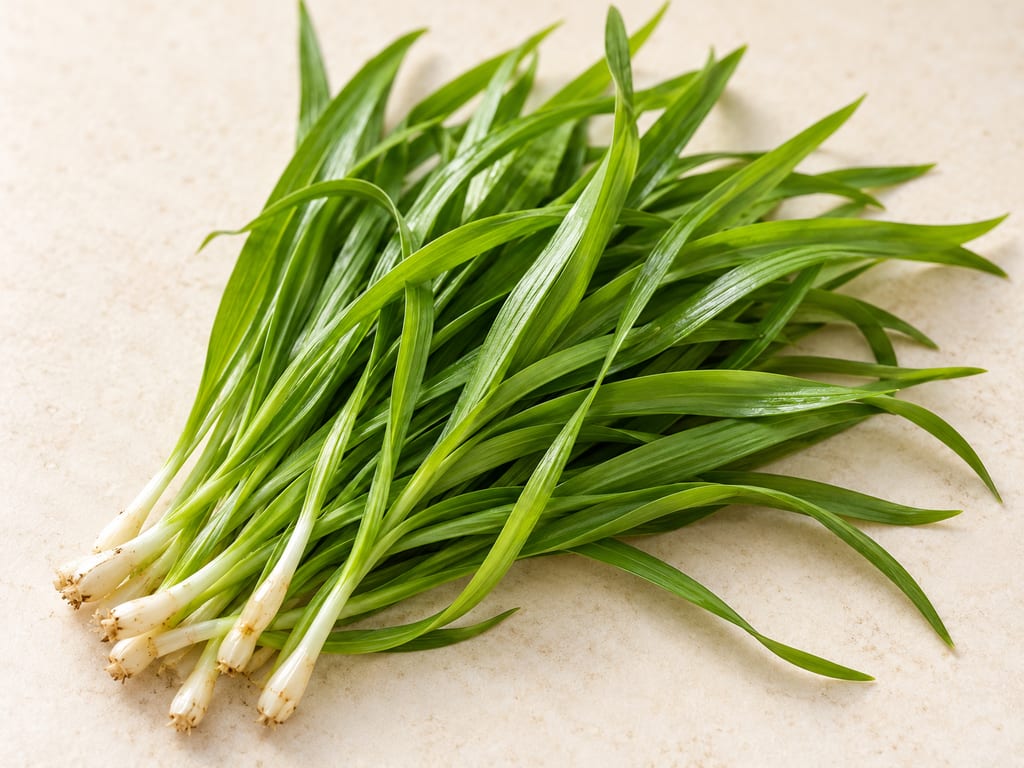
Few-flowered garlic (Allium paradoxum) is a bulbous perennial native from eastern Ukraine through the Caucasus to Iran. Its leaves and, in some documented traditions, stems, bulbs or bulbils are eaten fresh, cooked or preserved.
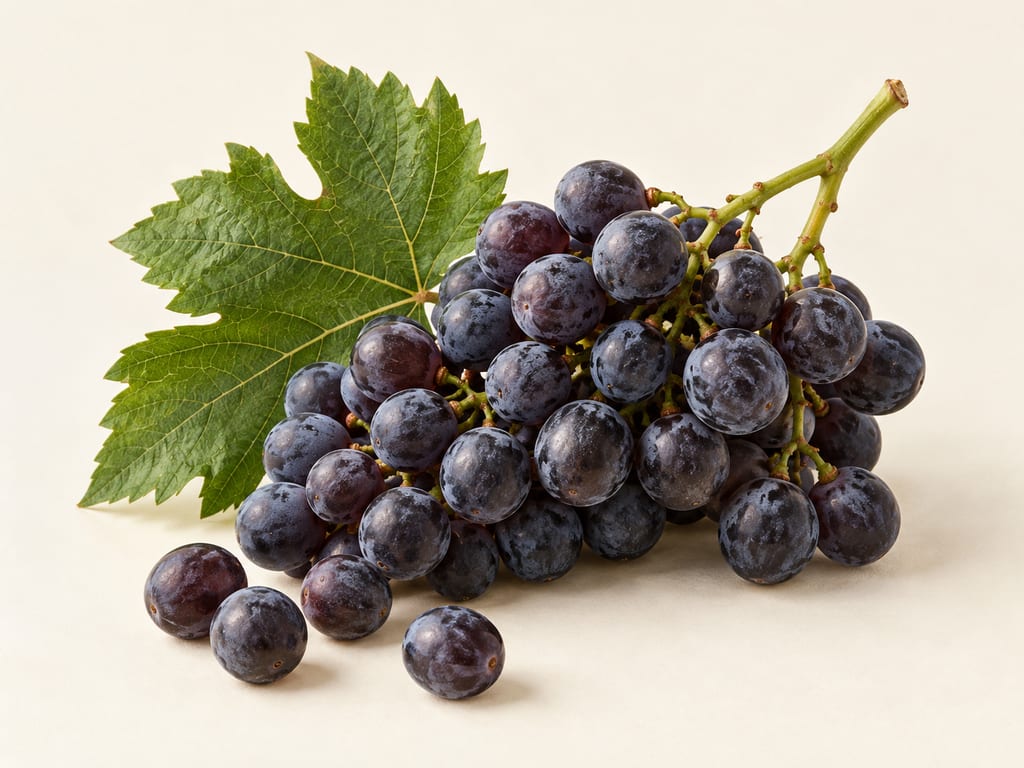
Wine grapes are fresh berries selected for vinification; their sugars fuel alcoholic fermentation, while cultivar, ripeness and handling shape the fruit and the wine it can become.
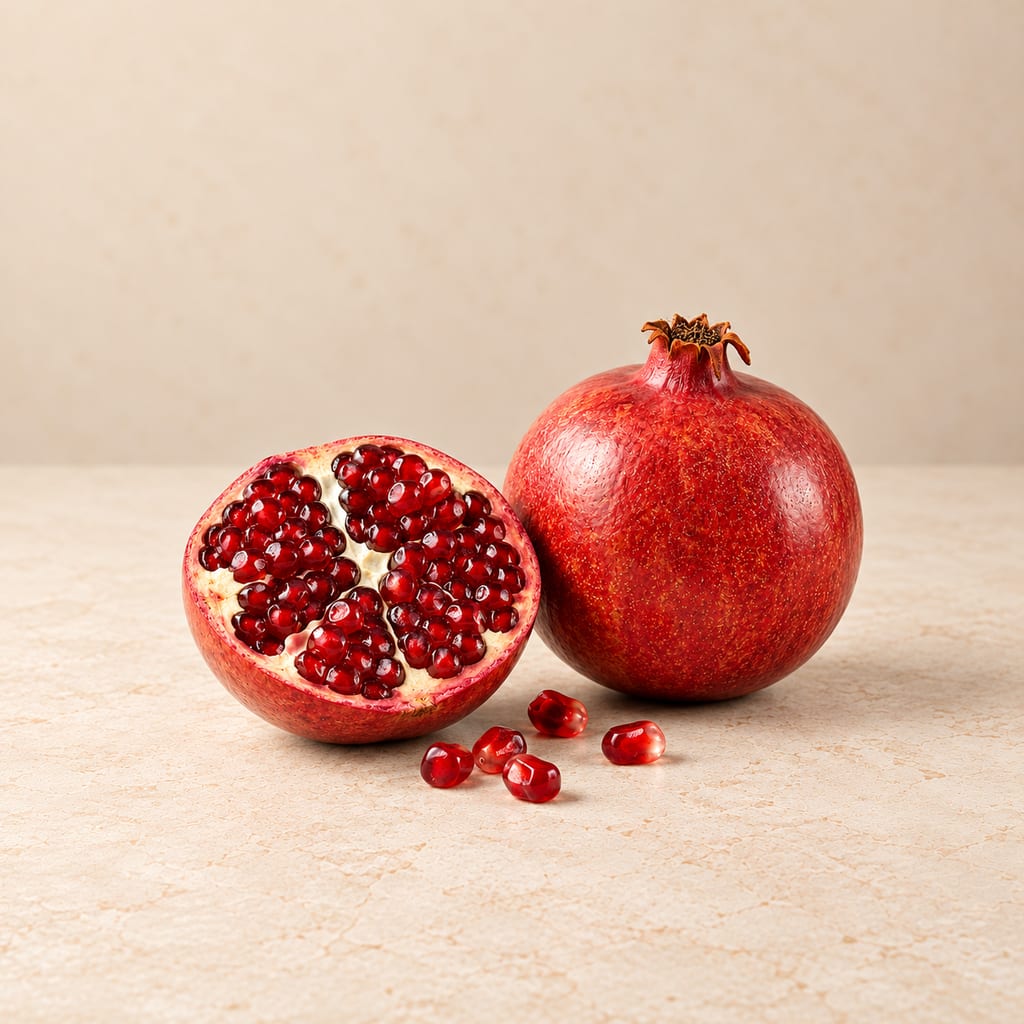
The pomegranate (Punica granatum) is a seed-filled fruit whose arils run from sweet to sharply sour, depending on citric acid. Sour fruit becomes juice, molasses and dried anardana.

A gelling polysaccharide extracted from red seaweeds, sold as kanten strips or powder; it sets firm at a low concentration and stays solid until about 85 °C.

A Dominican table and seasoning condiment of sour orange juice, mixed with lime and salt and bottled raw; garlic, oregano or a hot pepper may be added for meat or a spicier bottle.

Cicerbita alpina is an alpine perennial whose tender shoots and leaves have been eaten raw or cooked. Sámi milk preparations and modern Carnian dishes are distinct uses, with serious identification and preservation limits.

Japanese skipjack tuna cooked, then repeatedly smoked and dried over a wood fire by the hand-fired tebiyama method into a hard block for shaving into dashi: the first stage of katsuobushi.

A Swedish-style spirit vinegar made by fermenting neutral alcohol with live vinegar bacteria, with a separate guide to commercial ättika strengths.

A yeast-raised wheat ring shaped from a firm dough, briefly boiled and baked. This source-batch formula gives a gently malted crust and a chewy crumb.

A warm dip of garlic, anchovy and olive oil, often enriched with butter, that Piedmont serves over a flame with raw and cooked vegetables and bread.

Bechamel is a white sauce of milk thickened with a butter and flour roux, one of the French mother sauces, and the base from which Mornay and other cheese and cream sauces are made.
No community contributions have been published for this entry yet.
Sign in to contribute. Published comments and photos are free to read.
Royal Botanic Gardens, Kew, Plants of the World OnlineIdentity
Chaerophyllum bulbosum L.Accepted name, biennial habit, temperate biome, Transcaucasia in distribution, synonyms C. caucasicum and C. posofianum
Cited in: What it is; Cultivation at Ashtarak
Journal of Ethnobiology and Ethnomedicine (2020)Use
Wild plants and fungi sold in the markets of Yerevan (Armenia)Young leaves fried with eggs, tapakats mandak; name mandak; 2016 to 2019 observations
Cited in: Leaves in Armenia
Institute of Archaeology and Ethnography, Armenia (2016)Use
Food as a marker for economy and part of identity: traditional vegetal food of Yezidis and KurdsGrouped Chaerophyllum row with names ghemi and mandek, fieldwork 2013 to 2015
Cited in: Leaves in Armenia
Zenodo (Harutyunyan et al., 2022)Use · Cultivation
Ex situ conservation and domestication process of a number of wild edible plants spread in ArmeniaRosette leaves eaten fresh or canned; Ashtarak cultivation 2019 to 2021; manure, spacing, thinning, irrigation
Cited in: Leaves in Armenia; Cultivation at Ashtarak; What the sources leave open
Armenian Journal of Pharmacy (2013), abstractIdentity
The pharmacognostic research of bulbous-rooted chervil (Chaerophyllum bulbosum L.)Collection as medicinal material at early flowering in May and June 2010 from three Armenian sites
Cited in: What the sources leave open
Biodiversity of ArmeniaConservation
Wild plants used by humans / Useful plantsProductivity and permissible-harvest data still needed
Cited in: What the sources leave open
Nemeth, Horvath & Pinke, Kitaibelia 29(2), 141-159 (2024), abstractHistory
A csemege baraboly (Chaerophyllum bulbosum) etnobotanikai es kulturtorteneti jelentosege a Karpat-medencebenMedieval cultivation in eastern and central Europe; Hungarian cookery books from the 16th century; chervil-beet from the mid-19th century; decline by the mid-20th century
Cited in: A root vegetable of central Europe