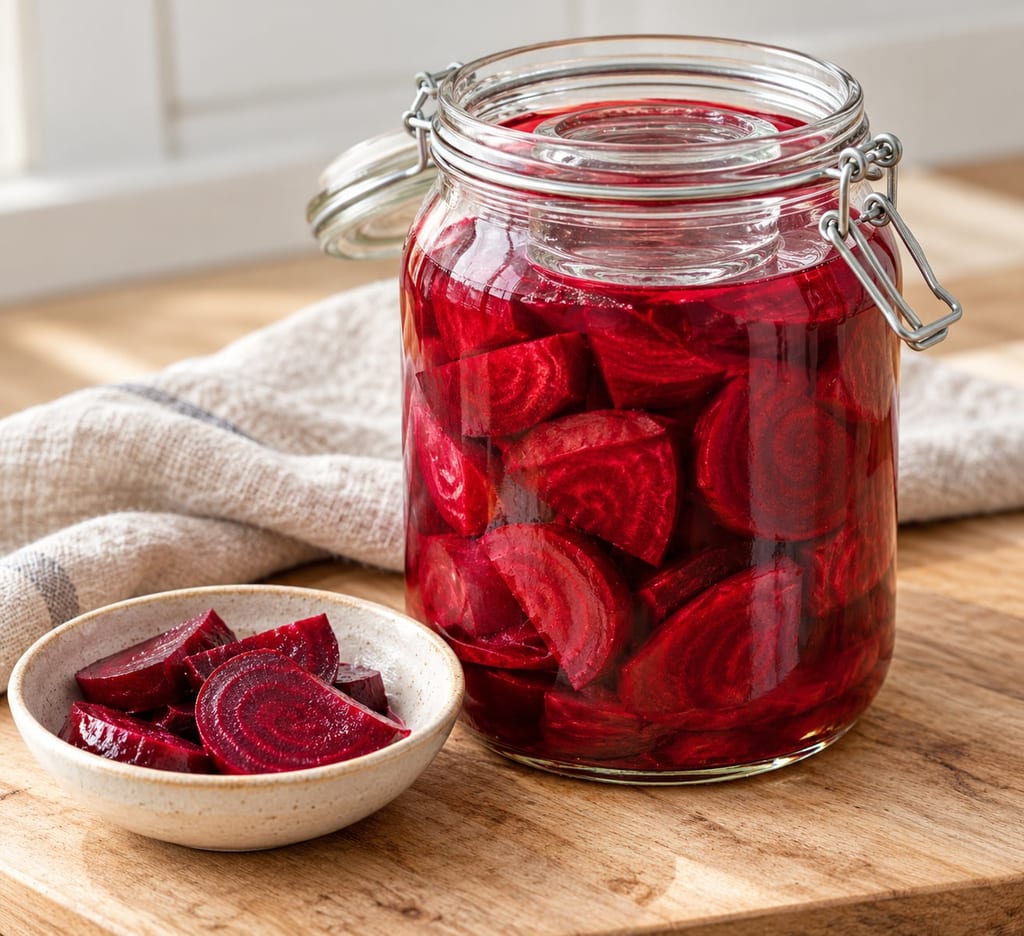
Lacto-fermented beets
Raw beetroot cut and packed into a jar under a salt-water brine, fermented until sour and deeply coloured; the batch weight is not recorded.
 FermenteaWhere food goes to change
Substrates
Beetroot is the red taproot of Beta vulgaris. In Poland its soured juice replaced hogweed as the base of barszcz from the eighteenth century, and beet leaven is still made for Christmas Eve.
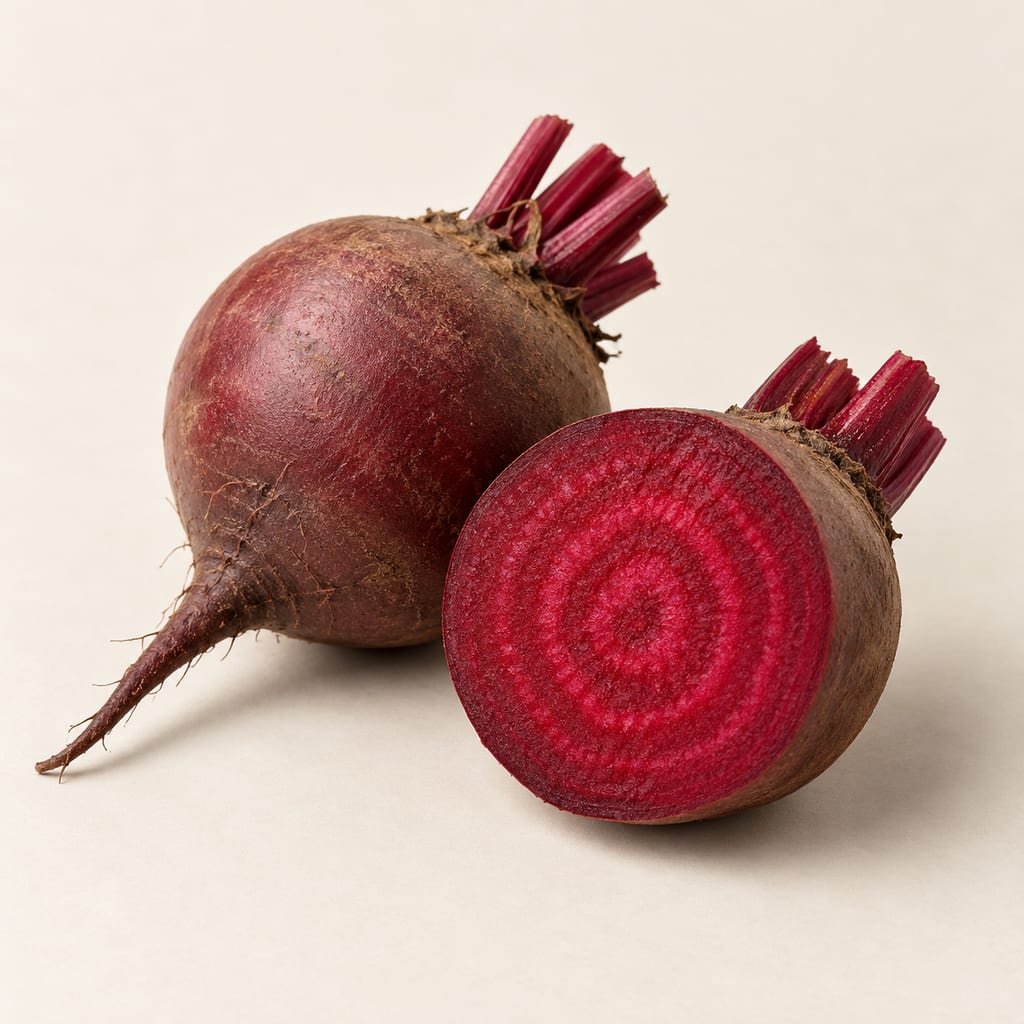
Beetroot is the swollen taproot of Beta vulgaris subsp. vulgaris, grouped as the Conditiva Group. It is also called table beet, garden beet or red beet, and there are golden forms. The same subspecies gives sugar beet, Swiss chard and the fodder crop mangelwurzel. Its leaves are eaten too, as beet greens. Most cultivars take 55 to 65 days from germination to a harvestable root, and the slices of many show rings of lighter and darker red.
The colour comes from betanin, a red betalain pigment. Betanin passes through the body unchanged and can briefly colour urine or stools red, which is harmless. Raw beetroot is about 88% water and 10% carbohydrate, and it is a good source of folate. Beets also take up nitrate from the soil.
Beta is the old Latin name for the plant. Beets were grown by the ancient Egyptians, Greeks and Romans, first mainly for their leaves, and by the Roman period probably for their roots as well. Written records go back to Babylonia in the eighth century BC.
In Polish the old word for beet was ćwikła. Gloger notes that Mączyński's dictionary of 1564 has only ćwikła, and that both white and red beets were once called by that name. Botwa, botwina and boćwina, from the Latin beta, became the folk name for the commonest kind of beet. Today ćwikła means a relish of grated beetroot with horseradish.
Barszcz was first the name of a plant, common hogweed, and of the sour soup made from its fermented leaves. Gloger writes that as boćwina spread, the barszcz cooked from the wild plant went out of use. In Lithuania everyday barszcz was then cooked from beet tops, and in the Crown from the roots alone.
Brückner dates the change of meaning to the eighteenth century, when barszcz came to mean a sour soup of beets and also the rye soup called white barszcz. Łuczaj's review of Polish wild food plants agrees that in the eighteenth century hogweed soup became a rare food of poorer people and beetroot soup took over its name.
For barszcz the beets were soured first. Gloger describes a separate wooden vessel for beet kwas in every Polish country house, and in the manors a large oak barrel without a top, covered with linen, in which beets were soured continuously. The kitchen drew kwas for the family, the servants and villagers who came with a pot when their own beets ran out. He also recalls beet kwas mixed with honey as a gargle for a sore throat.
That sour lives on as zakwas z kiszonych buraków, beet leaven, on Poland's list of traditional products. The listing says souring beets before Christmas was especially important, because good Christmas Eve barszcz was unthinkable without it. Elsewhere, pickled beetroot is often made by brine fermentation into tangy, crisp pickles.
Gloger lists the beet barszcz of his time: red with small dumplings and a marrow bone, whitened with smoked meat, clear and meatless for breakfast after a night of dancing or for the midday meal on Christmas Eve, and on fast days with groats and dried mushrooms.
Beetroot is eaten boiled, roasted, steamed or raw, and the young leaves go into salads. In Poland and Ukraine it is grated with horseradish into ćwikła. Lithuania has a cold beetroot soup with kefir, šaltibarščiai, and Russia has botvinya, made with beet greens and kvass. Betanin from the roots is used as a red food colouring.
Beets can be harvested young for greens or left to form roots. Much commercial beetroot is boiled and sterilised or pickled. For fermentation, the sources on this page do not set a variety, size or salt level. See the beet leaven recipe for a documented method.
Soured beets for barszcz.
Barszcz cooked from beet tops.
Raw beetroot cut and packed into a jar under a salt-water brine, fermented until sour and deeply coloured; the batch weight is not recorded.
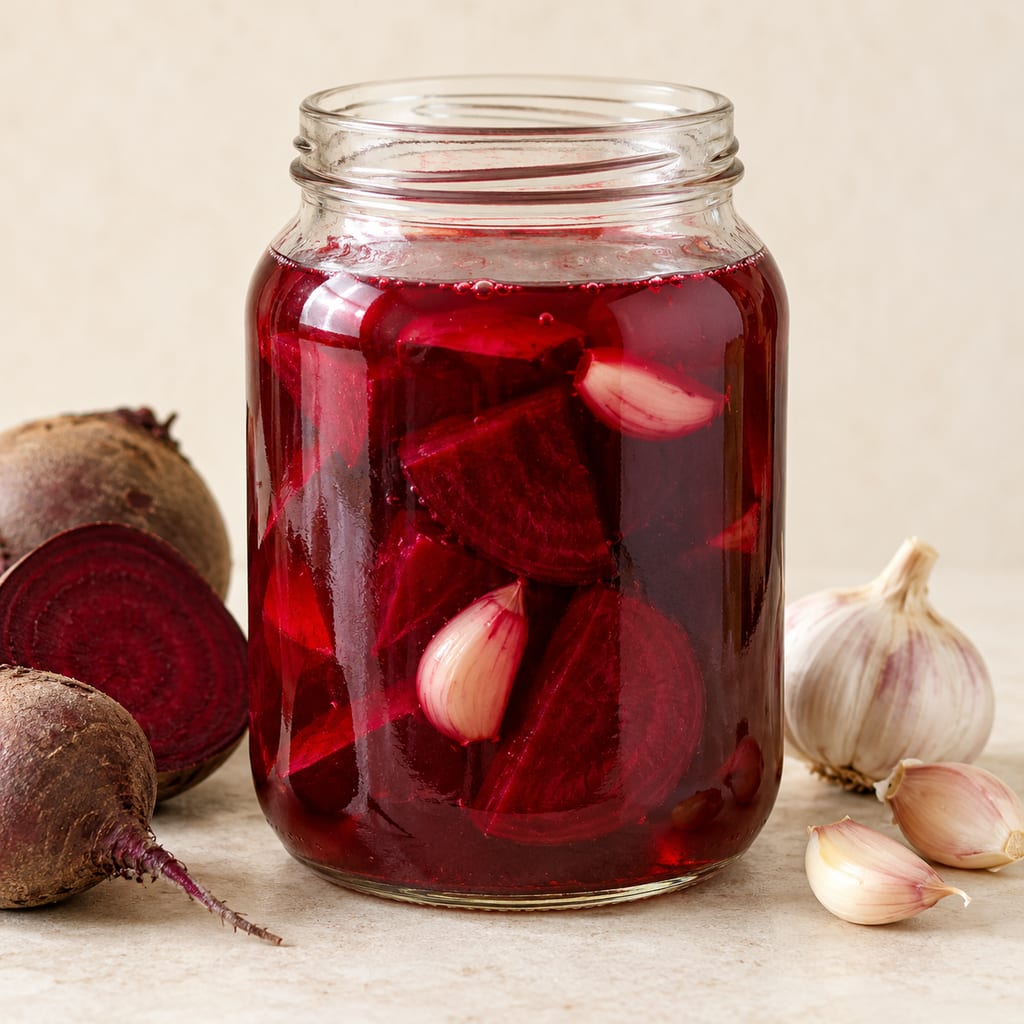
Zakwas buraczany is the fermented red-beet liquid used as the sour base for Polish beet barszcz. The liquid is made from beetroot, garlic, salt and water, and the official sources give no quantities.
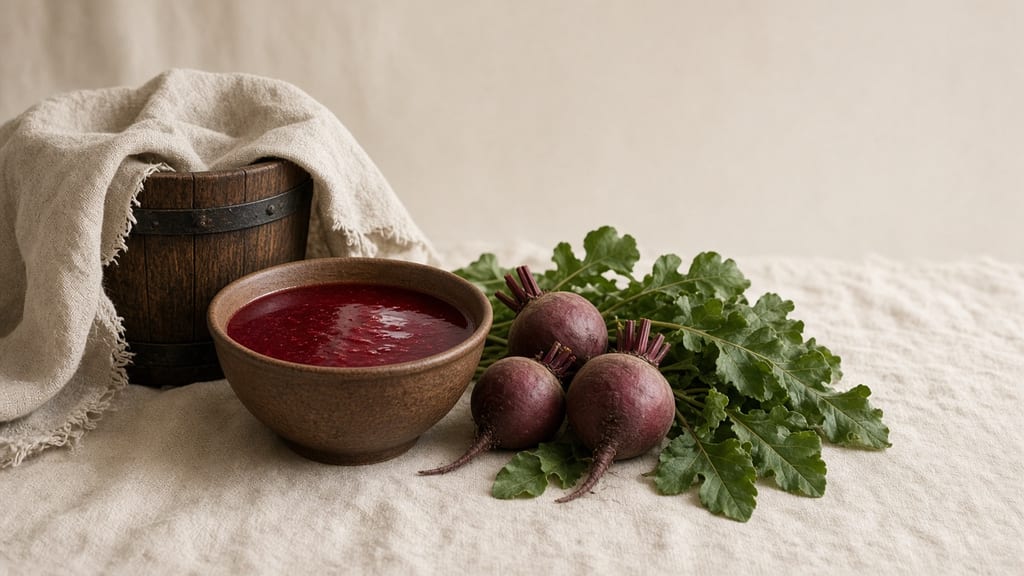
Before beetroot, Polish barszcz was a soup of soured hogweed leaves. Herbals, menus and an old cookbook show how a rye sour and then the beet barrel took over its name.
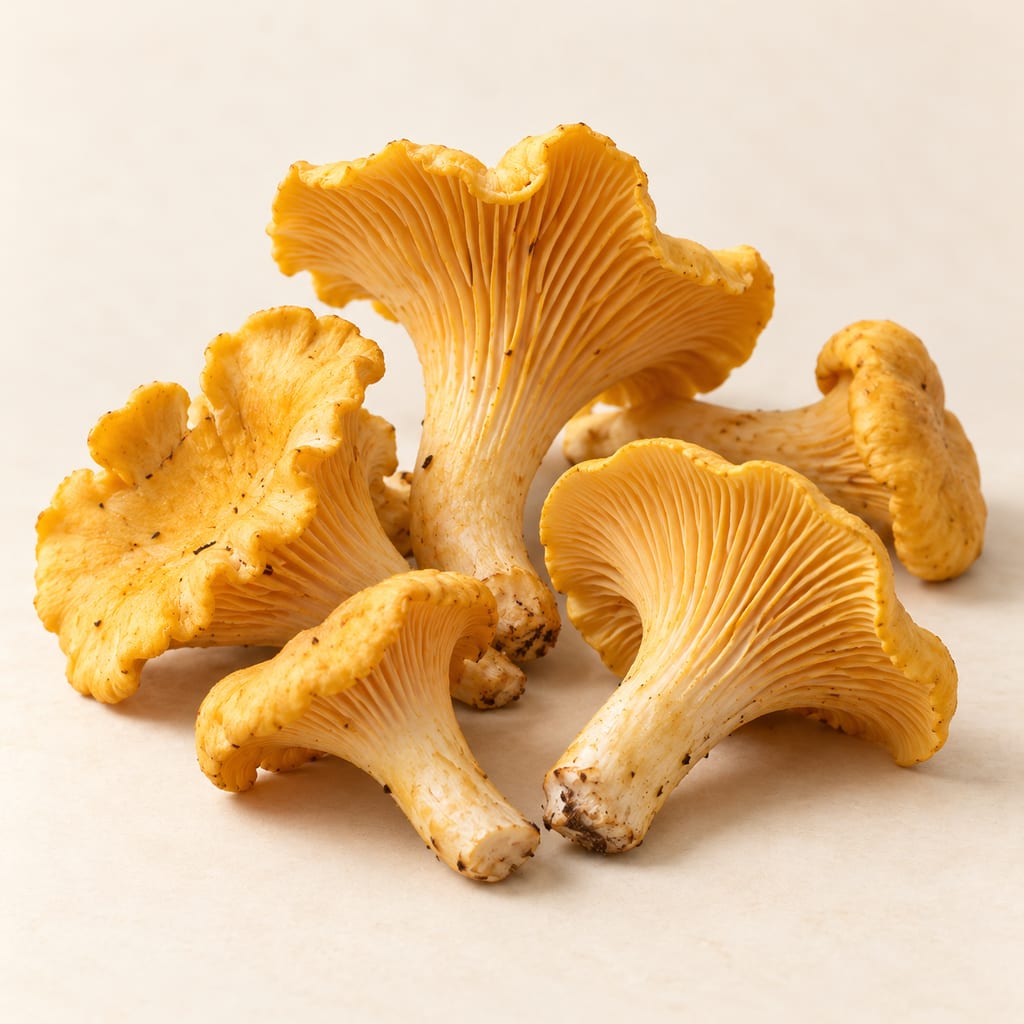
Chanterelles are wild, tree-associated edible mushrooms, particularly the European golden chanterelle Cantharellus cibarius, prized for their firm flesh, fruity aroma and use fresh, frozen, dried or pickled.
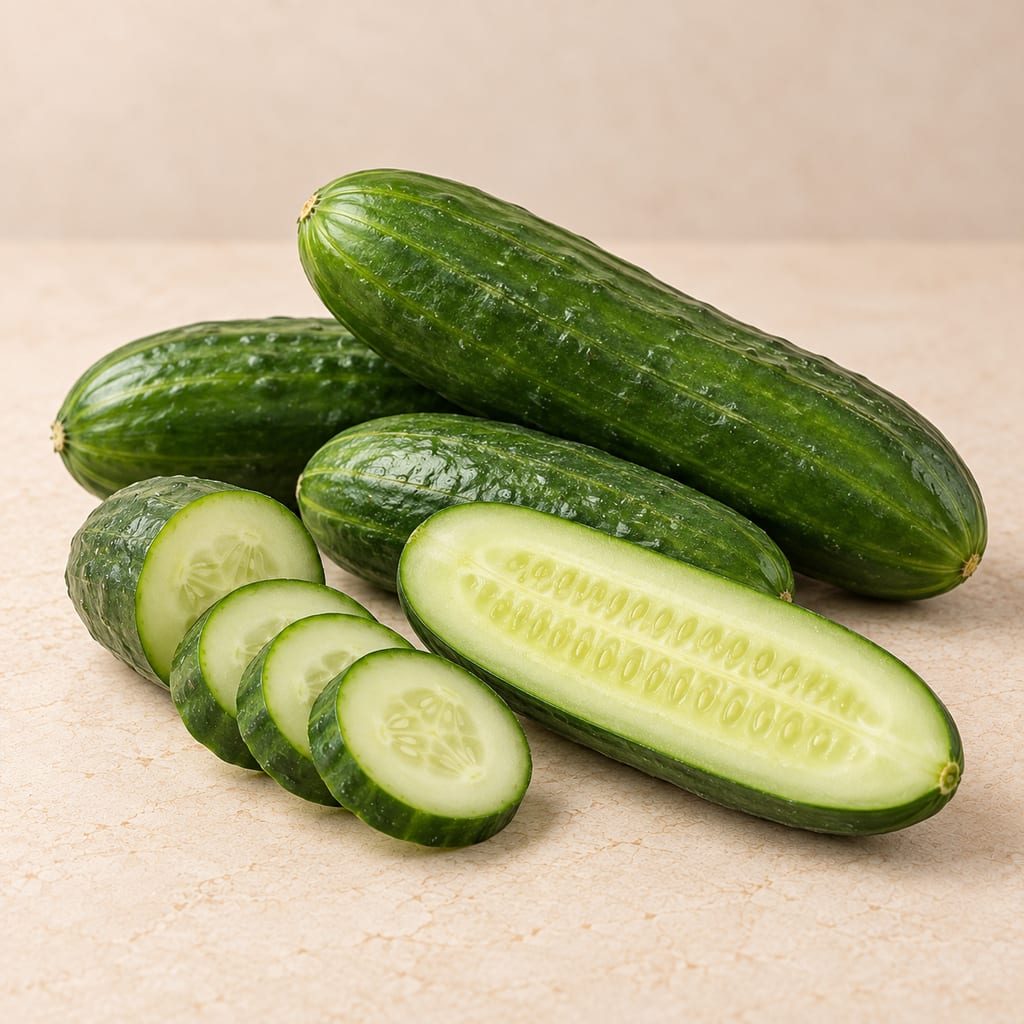
Cucumber is the watery fruit of Cucumis sativus, domesticated in India, and the classic raw material of brine pickles from New York dills to Nepali khalpi and Korean oi-sobagi.
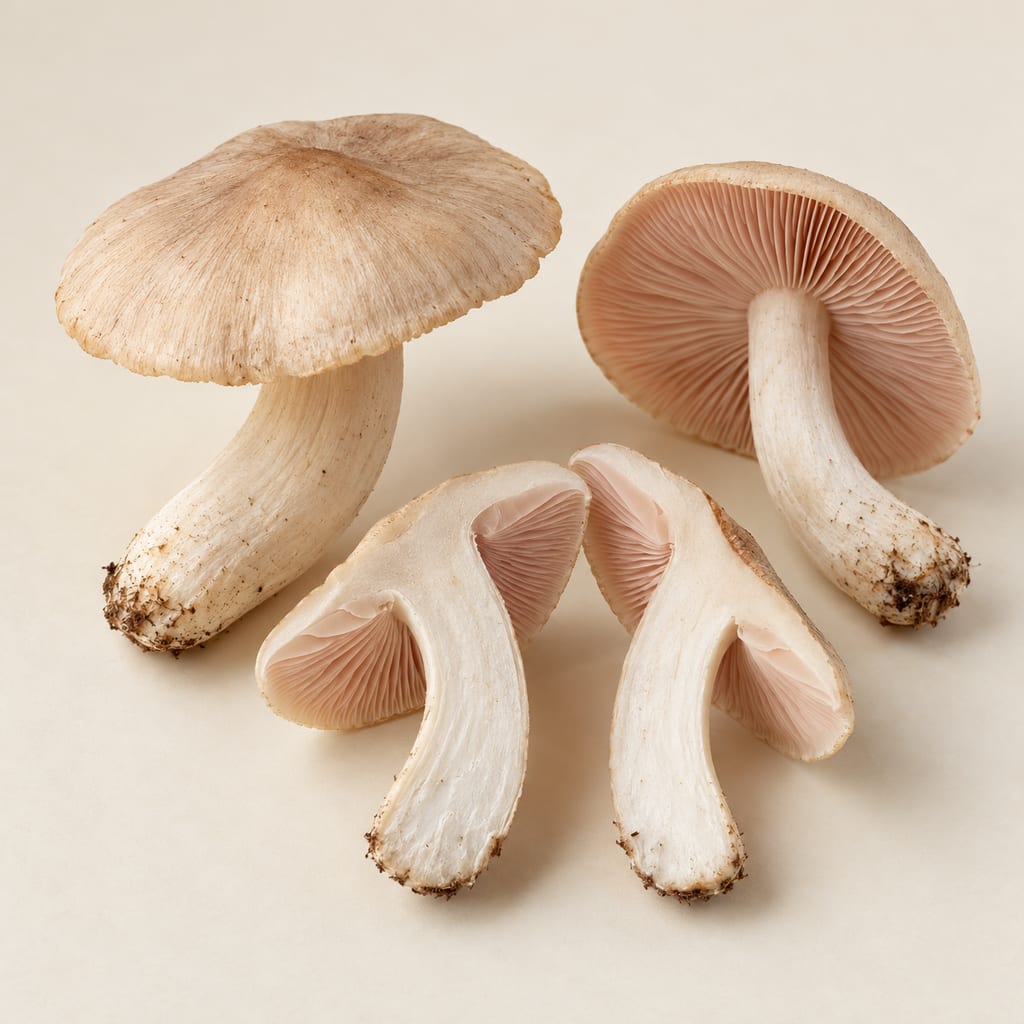
Entoloma sepium is a spring pinkgill associated with Rosaceae. Chinese and European sources list it as edible or conditionally edible, while taxonomic uncertainty and a poisonous lookalike warrant caution.
Cortinarius caperatus, formerly Rozites caperatus, is a wild food appreciated in northern Europe and parts of North America. Identification and contaminant risks require care.
Hogweed, Heracleum sphondylium, is the meadow plant of the carrot family that gave barszcz its name. Its young leaves were soured into soup; its sap burns skin in sunlight.
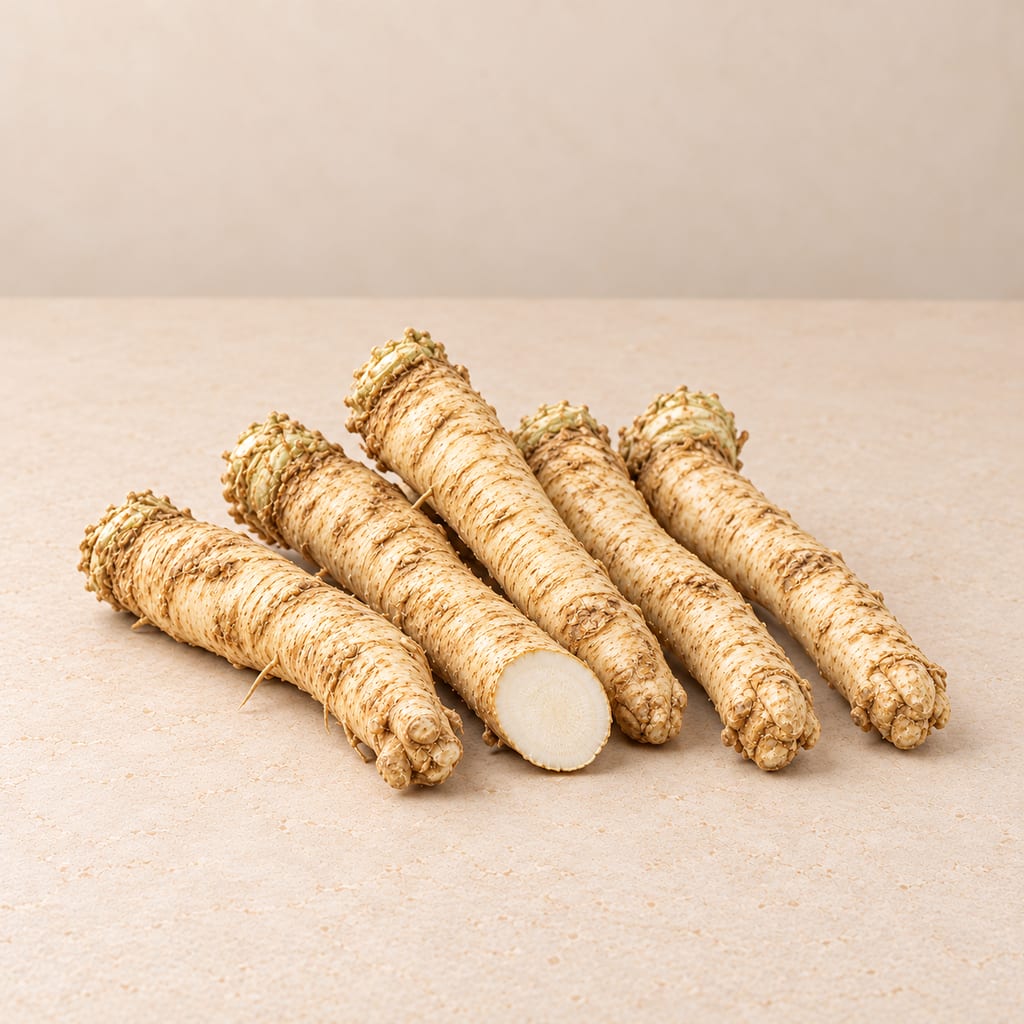
Horseradish is the long white root of Armoracia rusticana, a perennial of the mustard family. Grated, it releases a sharp, nose-clearing heat that vinegar fixes in the sauce.
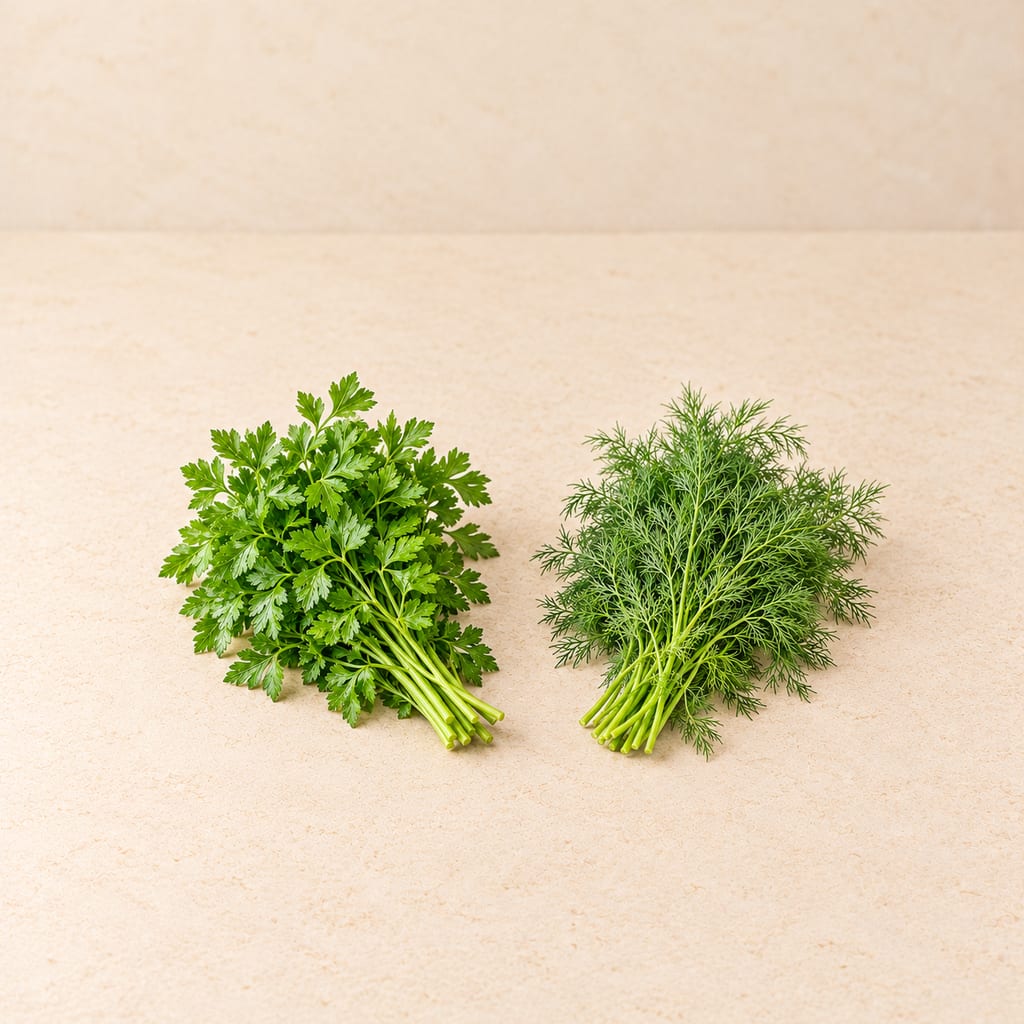
Parsley and dill are two leafy herbs of the carrot family, used fresh for their green, clean flavour. Dill also gives its name to dill pickles, the best-known cucumber ferment.
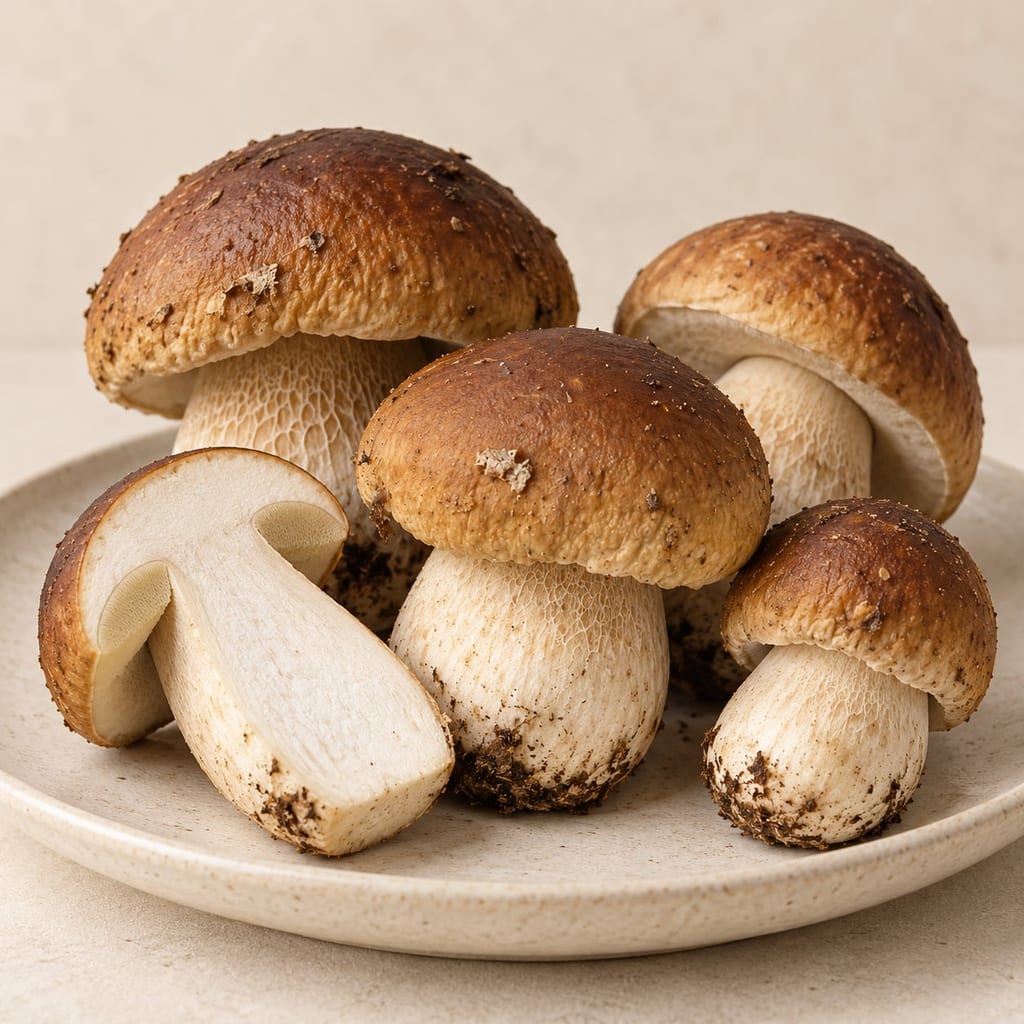
Porcini are prized wild ectomycorrhizal mushrooms from several closely related Boletus species, harvested chiefly from forests and sold fresh, dried or frozen for their firm texture and concentrated savoury aroma.

At North Abydos in Egypt, a fixed early Dynastic brewery comprised parallel semi-subterranean installations with rows of ceramic mash vats; excavation reports revise their number, scale and estimated batch capacity.

Ají amarillo is the orange-yellow Peruvian chilli cultivar group of Capsicum baccatum, used to colour and season huancaína sauce and ají de gallina. Published heat estimates do not establish one range for the named cultivar.

Toasted almonds are whole sweet almond kernels dry-roasted until golden to brown. Heat replaces their marzipan note with a roasted, nutty one; they thicken and flavour romesco.

Kodiak salmon, halibut and cod cut as seg'aq and hung on an initaq rack to become tamuuq, with kac'amaasaq and kupcuunaq named as different results.

Aniseed is the dried ripe fruit of Pimpinella anisum, an aromatic Apiaceae spice commonly called a seed. It adds a sweet, warm aroma to breads such as Moroccan krachel and South African mosbolletjies, and is distinct from star anise.

A fixed Late Chalcolithic installation in Areni-1 cave combined a shallow clay pressing basin with a large jar set into the cave floor and storage vessels nearby.

Ripe avocado flesh is the soft, buttery, fat-rich pulp of Persea americana, eaten raw. It is low in acid, so it is a fresh ingredient that needs care in chilled dishes.

A portable dome and pan used over a hearth, with embers on the lid and heat from below. Regional peka and saç forms share this principle while differing in materials, pan shape and how the food is cooked.
No community contributions have been published for this entry yet.
Sign in to contribute. Published comments and photos are free to read.
WikipediaIdentity · History · Culinary · Secondary
BeetrootBotany and cultivar groups; betanin; nutrition; ancient cultivation; culinary uses
Cited in: A red taproot; An old crop and a Polish name; Beetroot in fermentation; Other uses; Choosing and storing
Zygmunt Gloger, 1900 (Wikisource)History
Encyklopedia staropolska: Boćwinaćwikła and boćwina; spread of boćwina ended hogweed barszcz; tops in Lithuania, roots in the Crown
Cited in: An old crop and a Polish name; How beetroot took the name barszcz
Zygmunt Gloger, 1900 (Wikisource)History · Culinary
Encyklopedia staropolska: BarszczBeet kwas vessels and the manor barrel; gargle; forms of barszcz
Cited in: How beetroot took the name barszcz; Beetroot in fermentation; Forms of barszcz
Aleksander Brückner, 1927 (Wikisource)History
Słownik etymologiczny języka polskiego: barszczBarszcz meaning beet soup from the eighteenth century
Cited in: How beetroot took the name barszcz
Łuczaj and Szymański, Journal of Ethnobiology and Ethnomedicine, 2007History
Wild vascular plants gathered for consumption in the Polish countryside: a reviewBeetroot soup took over the name in the eighteenth century
Cited in: How beetroot took the name barszcz
Ministerstwo Rolnictwa i Rozwoju Wsi, Lista produktów tradycyjnychHistory · Culinary
Zakwas z kiszonych burakówBeet souring before Christmas for Christmas Eve barszcz
Cited in: Beetroot in fermentation