
Agar / kanten
A gelling polysaccharide extracted from red seaweeds, sold as kanten strips or powder; it sets firm at a low concentration and stays solid until about 85 °C.
 FermenteaWhere food goes to change
Flour from waxy rice varieties sets into cohesive, chewy doughs and pastes. Cooks use it in rice cakes, dumplings, selected breads and fermented seasoning pastes.
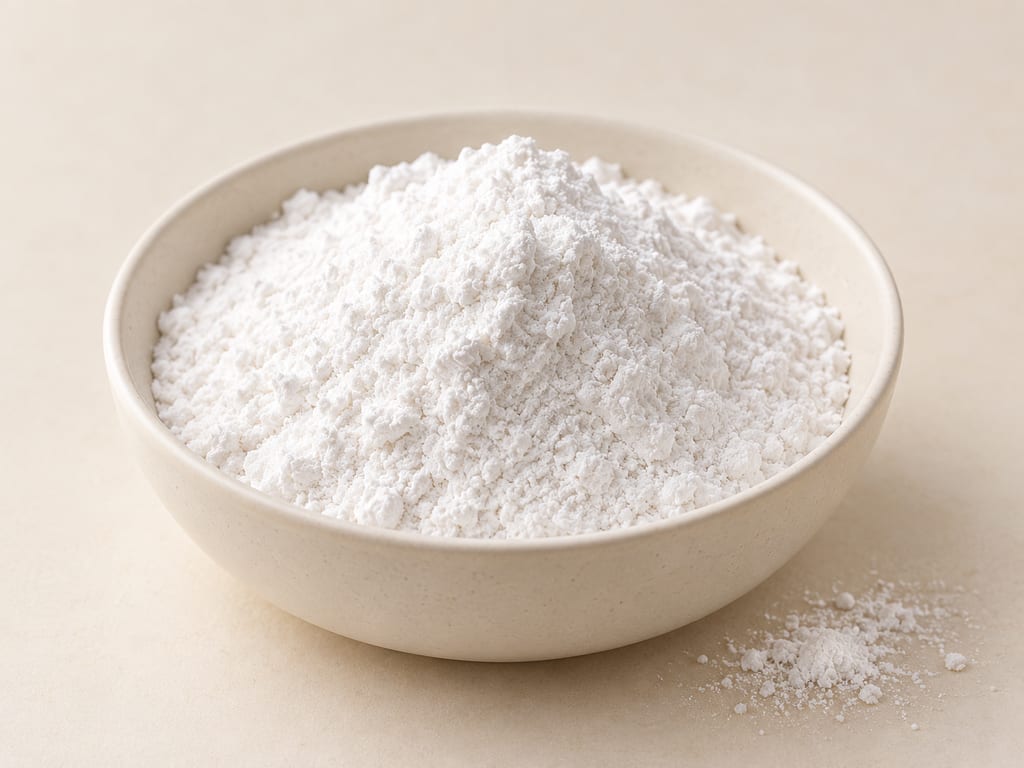
Glutinous rice flour is milled from glutinous rice, a waxy form of cultivated rice (Oryza sativa). The word glutinous describes the sticky texture of cooked rice; it does not mean the flour contains wheat gluten. Sweet rice flour and sticky rice flour are common English names.
Its starch composition distinguishes it from ordinary, non-waxy rice flour. Glutinous rice has very little amylose and consists mostly of amylopectin. With water and heat, its starch swells into a cohesive, tacky mass. That quality suits chewy cakes and dumpling skins, while a bread formula designed for ordinary rice flour may become denser or stickier if the flour is substituted without reformulation.
This is a milled grain, not whole sticky rice, extracted rice starch or a cooked flour paste. Korean chapssalgaru (찹쌀가루) is the Korean name for sweet rice flour. Japanese shiratamako is a water-milled glutinous-rice flour, while domyojiko is steamed, dried and coarsely ground; these forms retain the waxy-rice base but have different processing and texture.
The glutinous phenotype is linked to reduced amylose synthesis associated with the rice Waxy gene. Genetic research discusses selection of this trait and the use of glutinous rice among upland peoples in Laos and northern Thailand and in Asian festival foods. This evidence concerns the grain. The sources reviewed here do not establish when or where glutinous rice was first milled into flour.
Glutinous rice flour can be produced by dry milling or by wet milling soaked rice and separating and drying the fine material. Research comparing wet milling, low-temperature impact milling and roller milling found differences in particle size and damaged starch. Those flour samples also differed in pasting behaviour, and the sweet dumplings made from them did not behave identically.
Particle size affects hydration and mouthfeel; starch damage can change how the flour takes up water. A fine, wet-milled flour and a coarser dry-milled flour may therefore make doughs of different firmness. The study establishes that the milling route matters, not a single water ratio for every recipe.
Heat and water make starch granules swell and lose their original structure, creating the paste and chew valued in many glutinous-rice foods. The low amylose and high amylopectin content help explain its cohesive texture. Other ingredients, the grind and the heating method affect the result, so the grain type alone cannot predict exact firmness or cooking time.
Glutinous rice flour appears in Japanese confectionery, Korean rice cakes, Chinese tangyuan and Malaysian and Indonesian dodol. These are distinct foods rather than one shared recipe. Japan's Ministry of Agriculture distinguishes the wet-milled shiratamako used for daifuku and shiratama dumplings from domyojiko used in sakura mochi. Research on tangyuan finds that different glutinous flour samples change processing behaviour.
The Filipino bread atlas identifies glutinous flour in some bibingka preparations. Ilocos-style Royal Bibingka uses glutinous rice flour for a chewy rice cake, while a modern bibingka formula blends ordinary and glutinous rice flours. Traditional bibingka galapong instead starts with soaked and ground rice. Each method begins with a different material and produces a different set.
For bread and rice cakes, keep the formula's flour identity and proportion. Ordinary rice flour can produce a looser batter; glutinous flour adds cohesion and chew. A bag of one is not a direct equal-volume substitute for the other, and a dry flour does not automatically replace a soaked grain paste.
Korean cooks also use glutinous rice flour in a cooked porridge for kimchi seasoning. After cooking and cooling, the thick paste helps the seasoning cling to cabbage. The flour must be cooked before it is mixed into the seasoning; raw flour is not ready to eat.
A gochujang method in the Fermentea catalogue cooks glutinous rice flour in malt liquid until it thickens, then cools the mixture before adding meju powder, red pepper and salt. The flour supplies starch and helps form the base, but it is not a starter culture or a fermented product. The recipe's fermentation cannot be attributed to the flour alone.
These uses do not make cooked rice paste mandatory in all kimchi or gochujang. Other recipes use different ingredients or omit it. Available sources do not isolate the flour's effect on the microorganisms in the finished ferment, so no special fermentation benefit or schedule is claimed.
Read the package for glutinous, sweet or sticky rice flour and match the named form to the recipe. Ordinary rice flour is different. The words “gluten-free” do not establish that a particular bag was protected from wheat cross-contact during milling, packing or kitchen handling; people who must avoid gluten should check the product information.
Some home methods soak glutinous rice and grind it with water to make a fresh slurry. That starting material differs from a dry retail flour and from specialty Japanese forms that were previously cooked or milled by a particular method. Follow a recipe written for the flour or rice state you have rather than adding water until the result merely looks similar.
Keep the flour in a sealed container and follow the package's storage instructions. Flour dust can spread to ready-to-eat food, so wash hands, bowls, utensils and work surfaces after contact with raw flour. The sources here do not support one shelf life for every glutinous rice flour.
Treat flour as raw. Harmful bacteria can reach grain in the field or during processing, and ordinary milling does not reliably kill them. Do not taste dry flour, batter or raw dough; cook flour-containing foods as the recipe and package direct. Sourness, bubbling or the lack of wheat gluten does not show that uncooked flour is safe.
Japanese government sources document glutinous-rice flour forms and their uses; this records use, not origin.
A Korean cooking reference documents chapssalgaru in rice cakes and cooked kimchi seasoning porridge; this records use, not origin.
A Filipino cooking reference documents glutinous flour in Royal Bibingka and in a modern bibingka blend; this records recipes, not exclusive regional ownership.
Research evaluates glutinous rice flour in tangyuan processing; this records a studied use, not a single origin.
Research documents glutinous rice and foods across the region, including Laos and northern Thailand; it does not establish a flour birthplace.
A gelling polysaccharide extracted from red seaweeds, sold as kanten strips or powder; it sets firm at a low concentration and stays solid until about 85 °C.
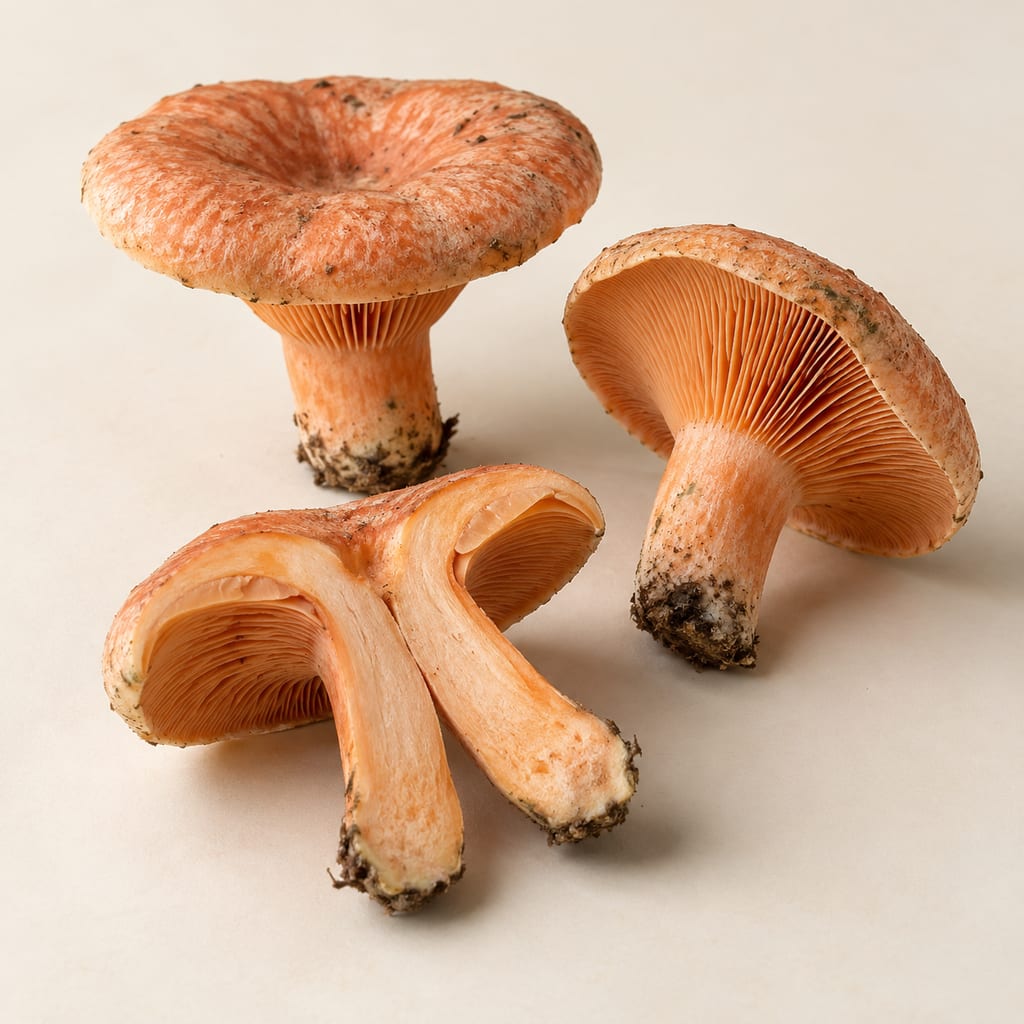
Akahatsu, Lactarius akahatsu, is a wild milkcap of East Asian pine and mixed forests that is sold in Yunnan markets, with its edibility and identity still needing species-level review.

The almond mushroom, Agaricus subrufescens, was cultivated in eastern North America in the 1800s, lost its market, and returned as a cultivated mushroom from Brazil, where it is grown under several names.
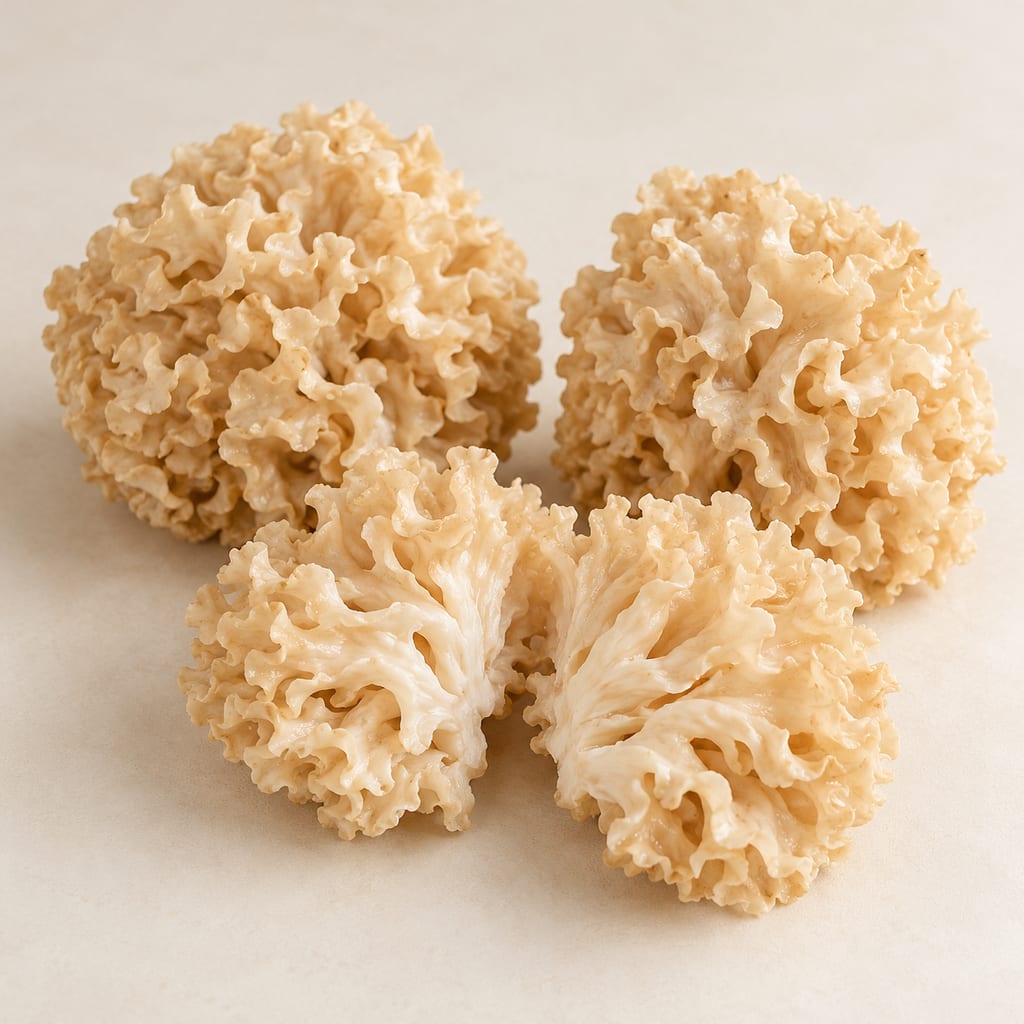
The Asian cauliflower mushroom, Sparassis latifolia, is a cultivated fungus with a frilled, fronded form that is eaten in China, Japan and Korea. Many Asian records under the name Sparassis crispa refer to this species.
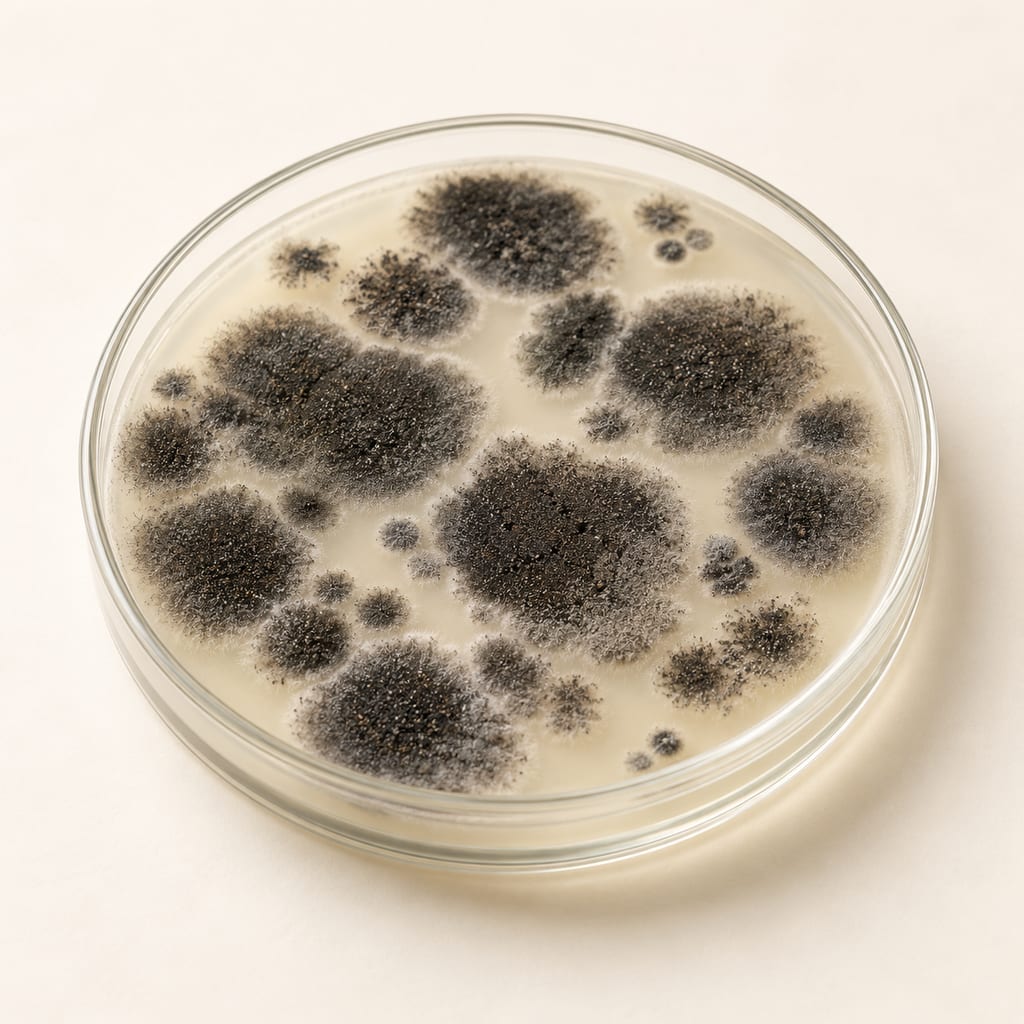
Aspergillus luchuensis is the black koji mould used in Japanese shochu and awamori, valued for the citric acid it makes alongside the starch-converting enzymes of koji.
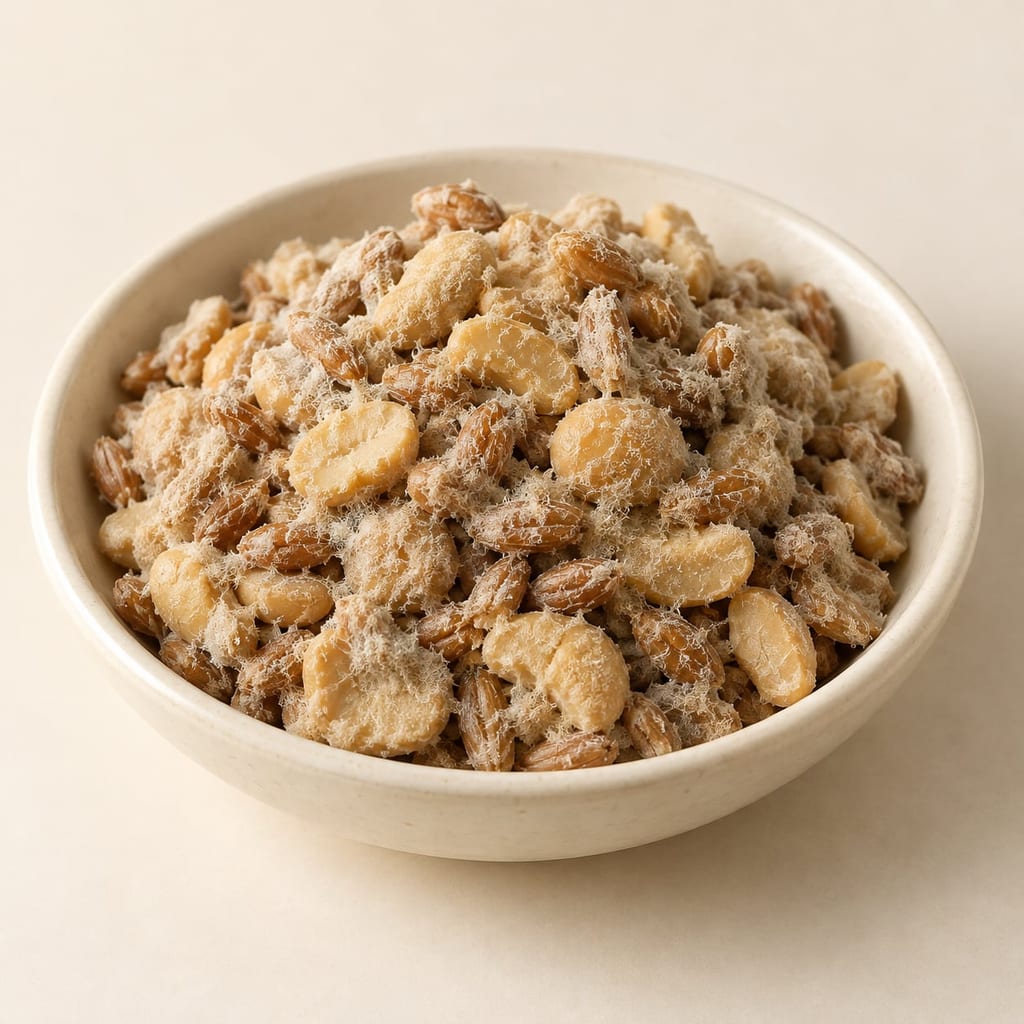
Aspergillus sojae is a koji mould of the Aspergillus flavus group, closely related to A. oryzae, used as a starter in soybean fermentations such as Korean meju, doenjang and ganjang.

Awamori yeast ferments sugar released from rice koji in the Okinawan spirit’s mash. Sakimoto names the ingredient but gives no strain, form, supplier or dose.

Bamboo shoots are the young culms of many bamboo species, eaten after boiling or leaching in Asia, and fermented into sour and preserved foods in the Himalayas, northeast India and Burma.
No community contributions have been published for this entry yet.
Sign in to contribute. Published comments and photos are free to read.
Ministry of Agriculture, Forestry and Fisheries of JapanIdentity · Forms · Uses
米粉の利用 (Uses of rice flour)Rice flour can be made from non-glutinous or glutinous rice. MAFF distinguishes wet-milled shiratamako from cooked, dried and coarsely ground domyojiko, and lists glutinous-rice flour uses in Japanese sweets.
Cited in: Flour from waxy rice; Milling changes how it works; A flour for chewy cakes and selected breads
Ministry of Agriculture, Forestry and Fisheries of JapanIdentity · Starch · Uses
Traditional Dietary Cultures of the JapaneseGlutinous rice is composed mostly of amylopectin and cooks stickier than non-glutinous rice; glutinous flour products include shiratamako and foods such as daifuku and sakura mochi.
Cited in: Flour from waxy rice; A flour for chewy cakes and selected breads
Journal of Food Science and Technology / PubMed CentralProcessing · Science · Uses
Effects of milling methods on the properties of glutinous rice flour and sweet dumplingsThe study compares wet, impact dry and roller dry milling; milling route changes particle size and damaged starch, and sweet dumplings made with the resulting flours differ.
Cited in: Milling changes how it works
Journal of Food Science and Technology / PubMed CentralIdentity · Starch · Geography · Uses
Influence of honey types and heating treatment on the rheological properties of glutinous rice flour gelsCharacterizes glutinous rice as waxy rice with amylopectin-rich starch; names mochi, hangwa, injeolmi, dodol and Bhoja chaul across Asian food traditions; studies the properties of glutinous rice flour gels.
Cited in: Milling changes how it works; A flour for chewy cakes and selected breads
Genetics / PubMed CentralHistory · Identity
Selection Under Domestication: Evidence for a Sweep in the Rice Waxy Genomic RegionThe glutinous phenotype results from reduced amylose synthesis associated with the rice Waxy gene; the paper discusses selection of this grain trait and its use in Asia, but does not date glutinous rice flour.
Cited in: Flour from waxy rice
Kawaling PinoyBread use · Preparation · Geography
Royal BibingkaIdentifies Ilocos-style Royal Bibingka as a Filipino rice cake made from glutinous rice flour and describes a baked batter that sets chewy.
Cited in: A flour for chewy cakes and selected breads
Kawaling PinoyBread use · Preparation · Geography
BibingkaA modern home formula mixes ordinary rice flour and glutinous rice flour; the page distinguishes this from galapong made from soaked, ground rice and from glutinous-flour Royal Bibingka.
Cited in: A flour for chewy cakes and selected breads
Maangchi's Korean cookingIdentity · Use · Fermentation · Handling
Sweet rice flour (Chapssalgaru)Identifies chapssalgaru (찹쌀가루) as glutinous or sweet rice flour, describes rice-cake and cooked kimchi-porridge uses, and recommends checking the package date.
Cited in: Cooked flour in fermented seasoning pastes; Choosing and handling it at home
PubMedUses · Processing
Physicochemical Evolution of Glutinous Rice Flour and Its Influence on Tangyuan Processing PerformanceStudy of Chinese tangyuan evaluates processing behavior of glutinous rice flour and reports that flour samples differ in composition and functional properties.
Cited in: A flour for chewy cakes and selected breads
U.S. Food and Drug AdministrationSafety
Handling Flour Safely: What You Need to KnowRaw flour can carry harmful bacteria; milling does not reliably kill them. Do not eat raw flour, dough or batter; cook flour foods and wash hands and utensils after handling.
Cited in: Choosing and handling it at home
UK GovernmentHandling · Safety
Handling flour and flour products safelyKeep flour in a sealed bag or container, follow package handling and storage instructions, cook flour foods thoroughly and clean after handling raw flour.
Cited in: Choosing and handling it at home