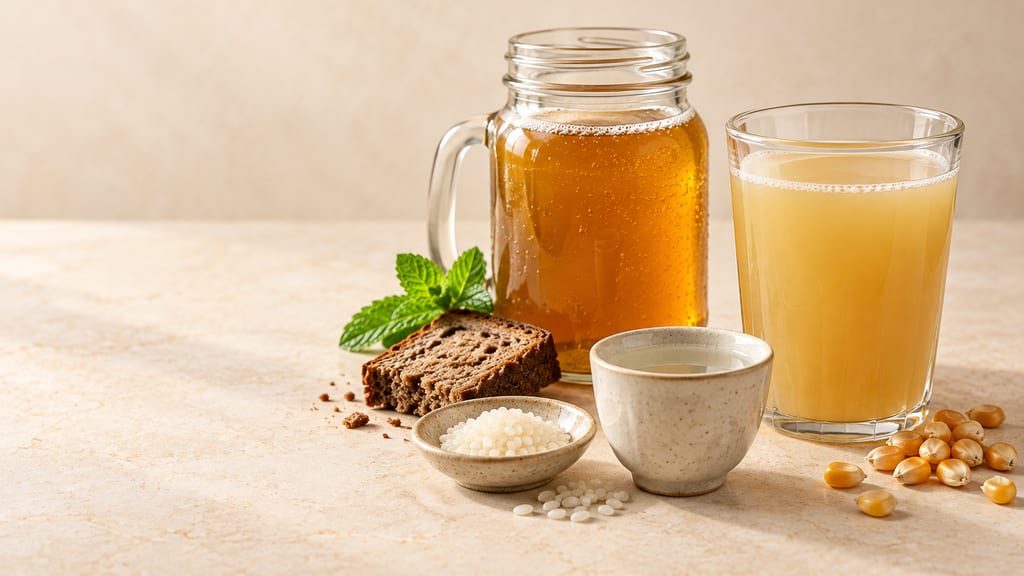
Yeast and the world's fermented drinks
People kept, traded and steered living ferments for thousands of years before anyone saw a yeast cell. This is that history, region by region, and a guide to what a yeast strain is today.
 FermenteaWhere food goes to change
Bubod is the Philippine rice starter behind Cordillera tapuy and tapey: dry mixed-culture cakes of molds, yeasts and bacteria, plus a standardized granular version developed by DOST.
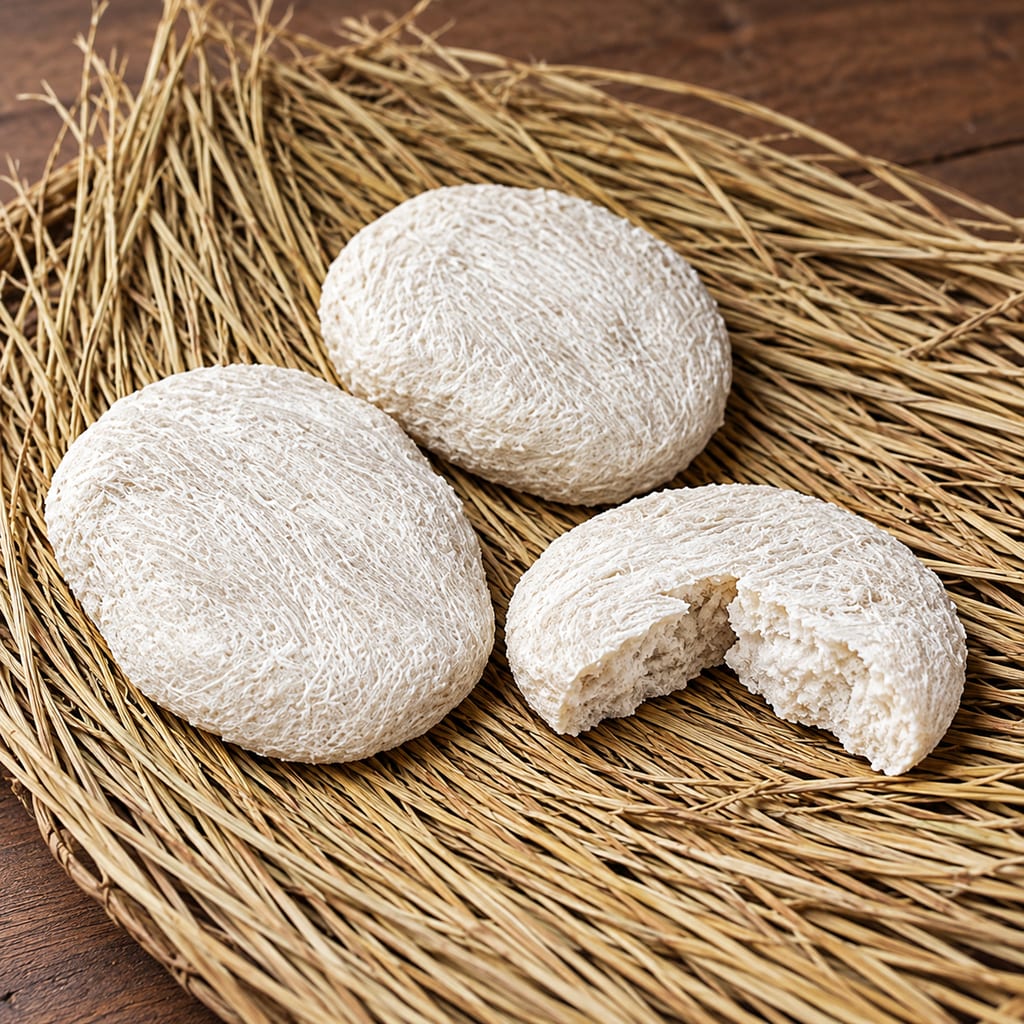
Bubod is the starter used to ferment glutinous rice into the Philippine rice wine called tapuy, and tapey in some Cordillera communities. The Philippine Department of Science and Technology calls it a wine starter and describes the traditional form as compact, dry, flattened balls, in contrast to an improved granular starter made with selected pure cultures.
Bubod is a mixed culture, so the cake, a laboratory isolate, a standardized product and the finished wine are separate things. Tapuy and tapey are beverage names in particular Cordillera sources; the similarity of the names does not make every local batch or starter interchangeable.
A 1990 Japanese study of Philippine bubod and tapuy isolated molds, bacteria and yeasts, including Saccharomycopsis fibuligera and Saccharomyces cerevisiae, and assigned the yeast genera complementary roles in the fermentation. A 2009 report abstract lists several molds, yeasts and lactic-acid bacteria from samples collected in Ifugao, Benguet and Baguio City. These are findings about the sampled starters and not a recipe for a universal microbial mixture.
A 2017 paper isolated one yeast from a cake bought in Baguio and reported a 78 percent DNA match to Pichia kudriavzevii, while noting low signal and noise in the sequence. That isolate cannot identify the whole mixed starter, and the proposed species identity is not authenticated here. The granular DOST product, made with selected cultures, should not be confused with every traditional bubod cake.
A 2019 Cordillera heirloom cookbook records a Kankanaey Besao way of making bubod with a retained mother cake and rice flour, and says sunny weather is best for drying, with a fireplace as the alternative. It gives no drying time, moisture endpoint, yield or packaged storage condition. The same book records a Besao tapey made with two bubod cakes and balatinaw rice; that recipe belongs to its community and not to every product called tapuy or tapey.
A separate Bontoc family account in the book recalls tapey for Christmas, graduations, weddings and reunions, and a starter associated with the narrator's mother's barrio of Mainit, with a different method and with changes as fermentation continues. These are records of local knowledge, not a national calendar or a validated safety process.
Tourism Philippines says a traditional glutinous-rice bibingka galapong version ferments soaked rice with wild yeast starter bubod or tuba before grinding it into batter. The page is a travel overview, not a measured recipe or microbial study, so this remains an attributed account of one variant.
A 2015 Philippine Cultural Education entry describes bibingka made from ground rice, coconut milk and sugar and explains cooking with heat above and below. It does not describe fermentation. The accounts concern different descriptions of a broad bibingka family; neither supports assigning bubod to every version or reconstructing a process.
The 2009 and 2013 research reports were seen only as abstracts, and the 1990 paper through its abstract. Institutional reports give different storage observations for different developed starters without full evaluation details on the accessible pages, so those figures are not a general shelf-life instruction. The sources do not establish one origin, a national production season, complete storage guidance or a validated food-safety process.
DOST and a 1990 study document bubod use for Philippine tapuy; Tourism Philippines attributes bubod to a traditional bibingka variant. These are documented associations, not a claim of origin or universal bread practice.
A Kankanaey Besao cake method and samples from Ifugao, Benguet and Baguio City are documented; this does not locate an origin.
People kept, traded and steered living ferments for thousands of years before anyone saw a yeast cell. This is that history, region by region, and a guide to what a yeast strain is today.
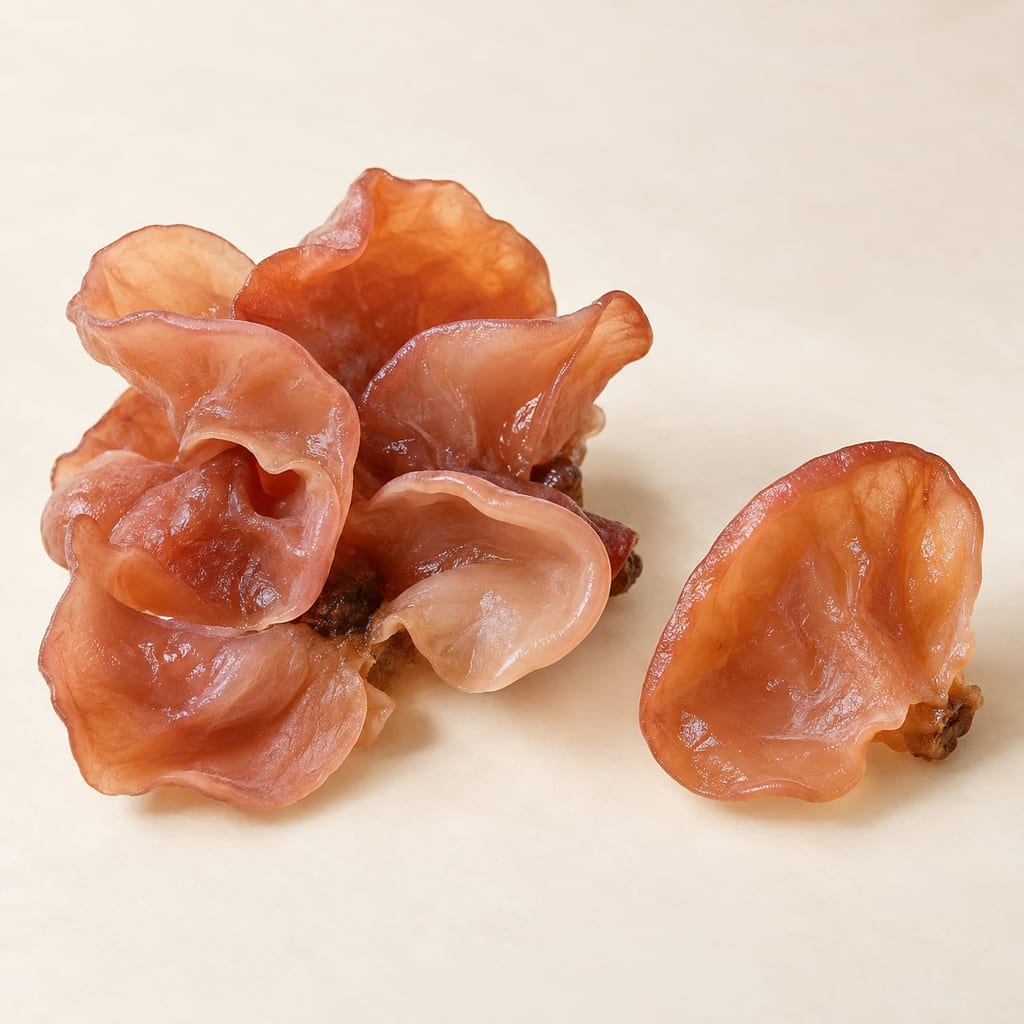
Auricularia thailandica is a thin, gelatinous wood ear described from Southeast Asian collections. Research reports it edible and experimentally cultivable, but species-specific recipes and everyday handling guidance are scarce.
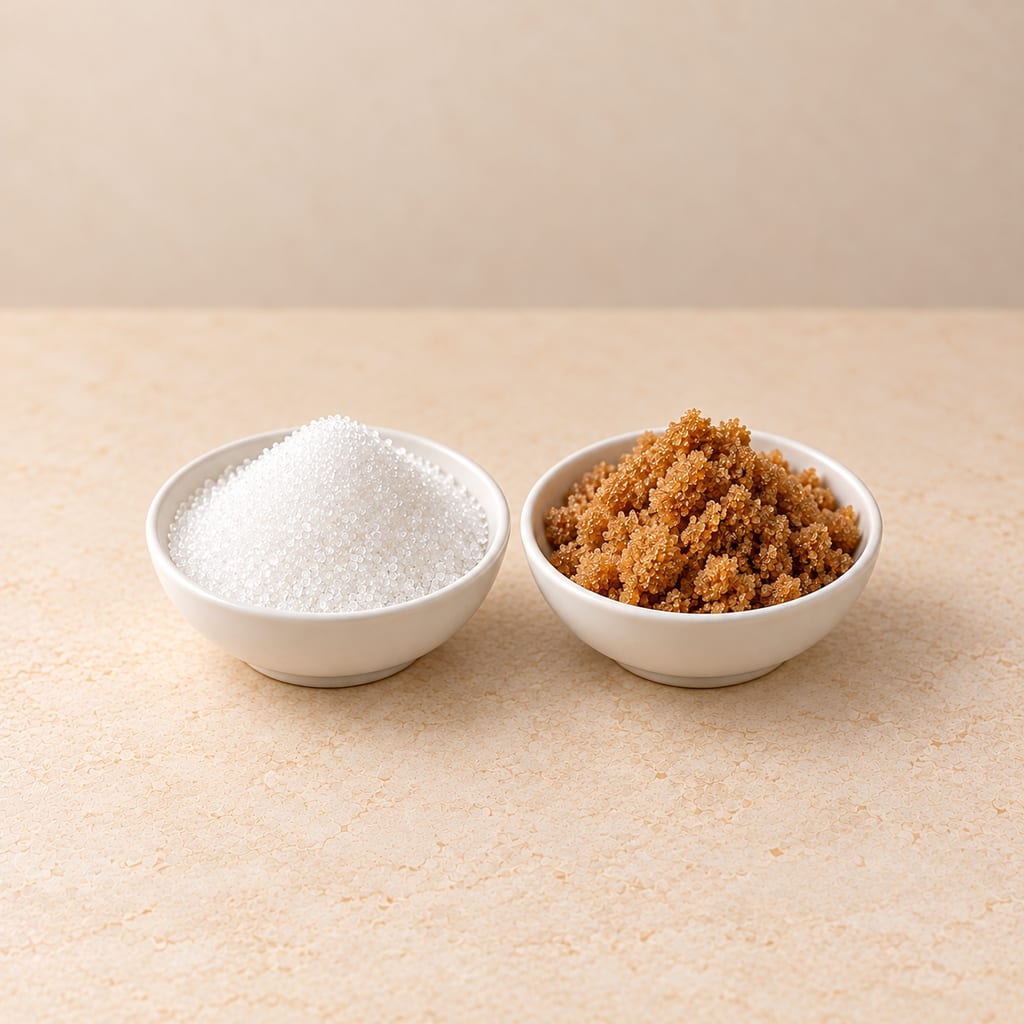
White sugar is refined sucrose, almost pure; brown sugar is sucrose with molasses, left in or added back. Molasses makes brown sugar moister, darker and more strongly flavoured.
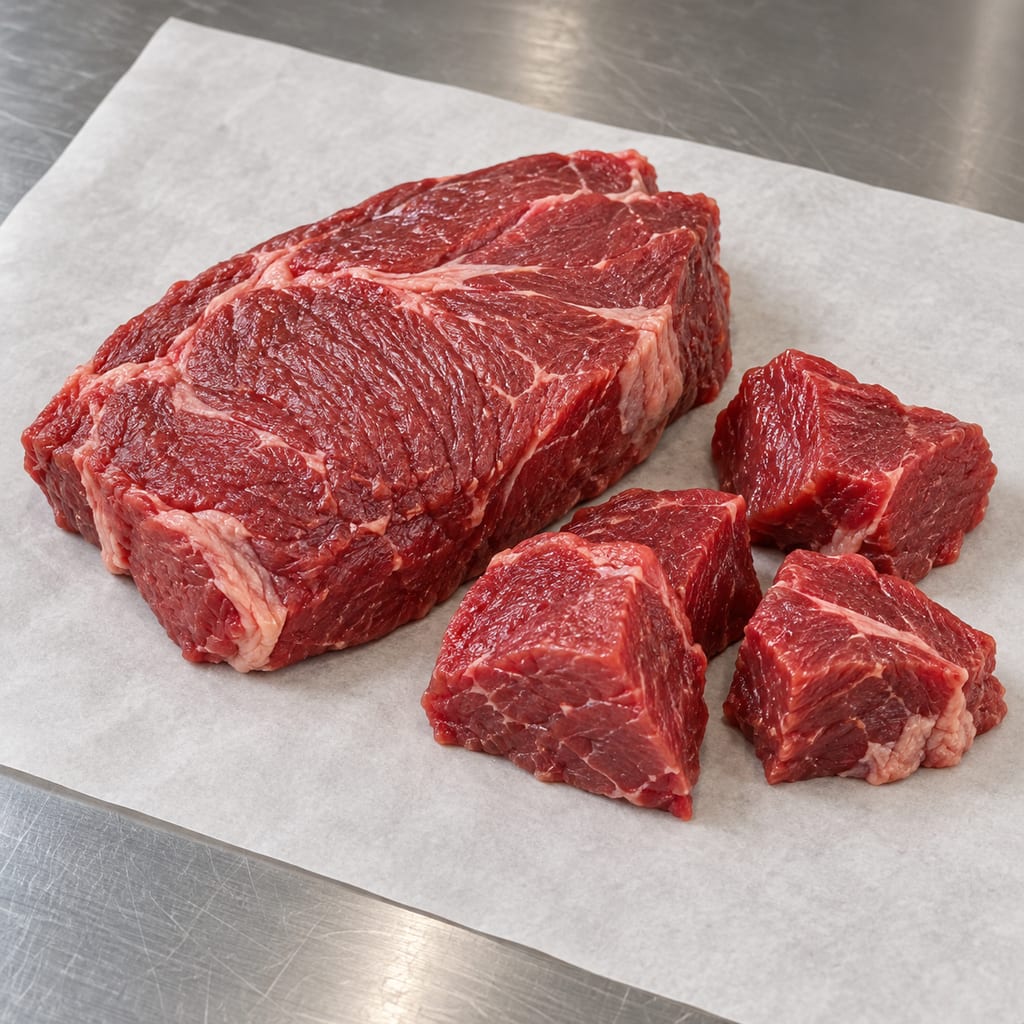
Water-buffalo meat, often called carabeef, is the flesh of Bubalus bubalis; its colour, texture and fat vary with animal, cut and production system. “Buffalo” can also mean bison or African buffalo in other contexts.
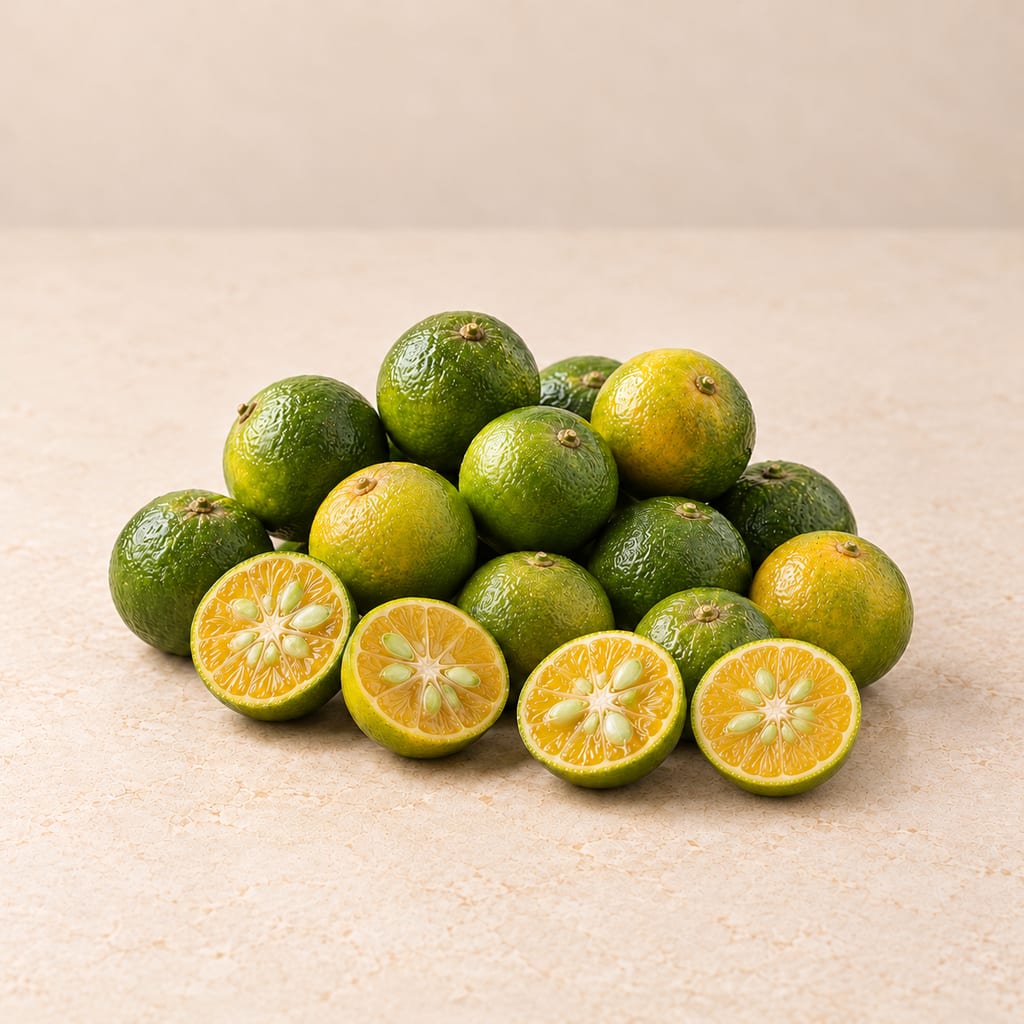
Calamansi is a small, very sour kumquat-mandarin hybrid, Philippine cooking’s all-purpose citrus, squeezed into soy sauce, fish sauce, broths and dips.
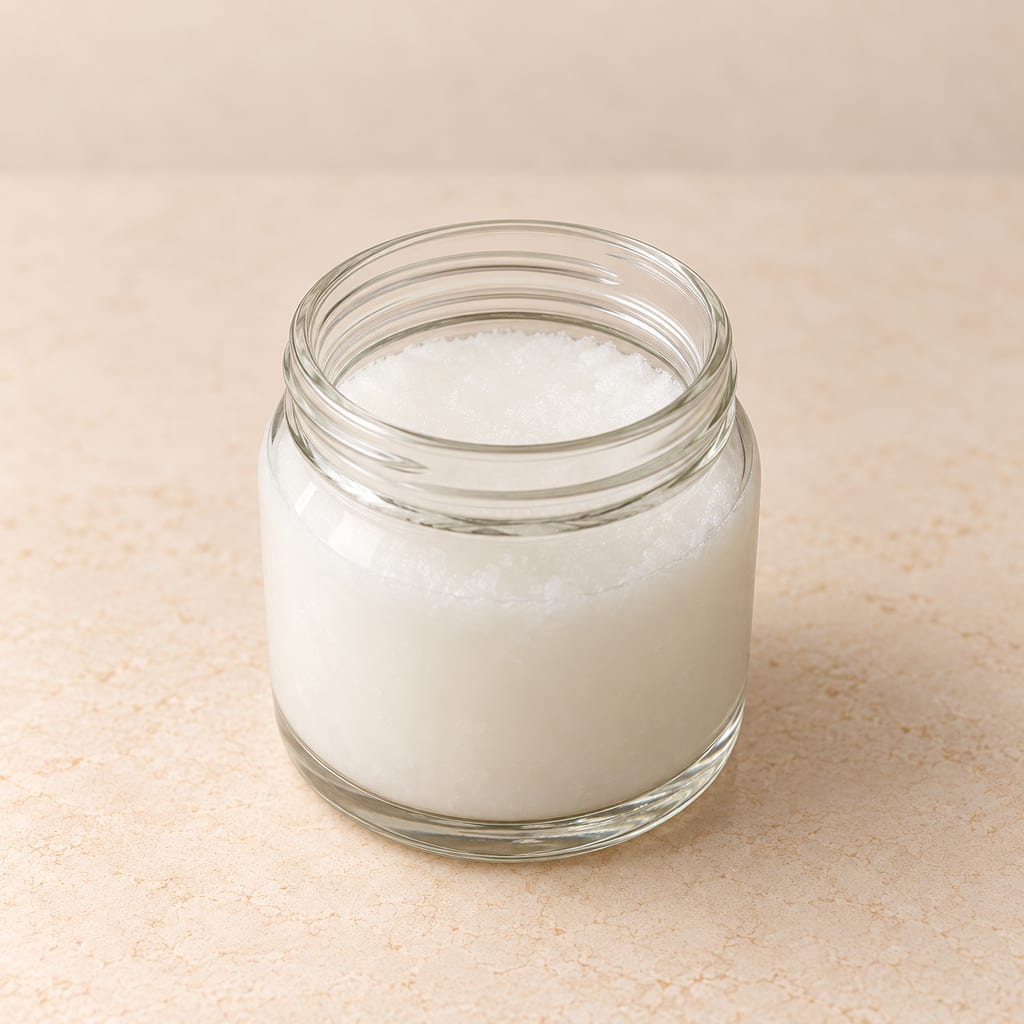
Fat pressed or separated from the kernel of a mature coconut: solid below about 25 °C, mostly saturated and half lauric acid, sold virgin, refined or hydrogenated.
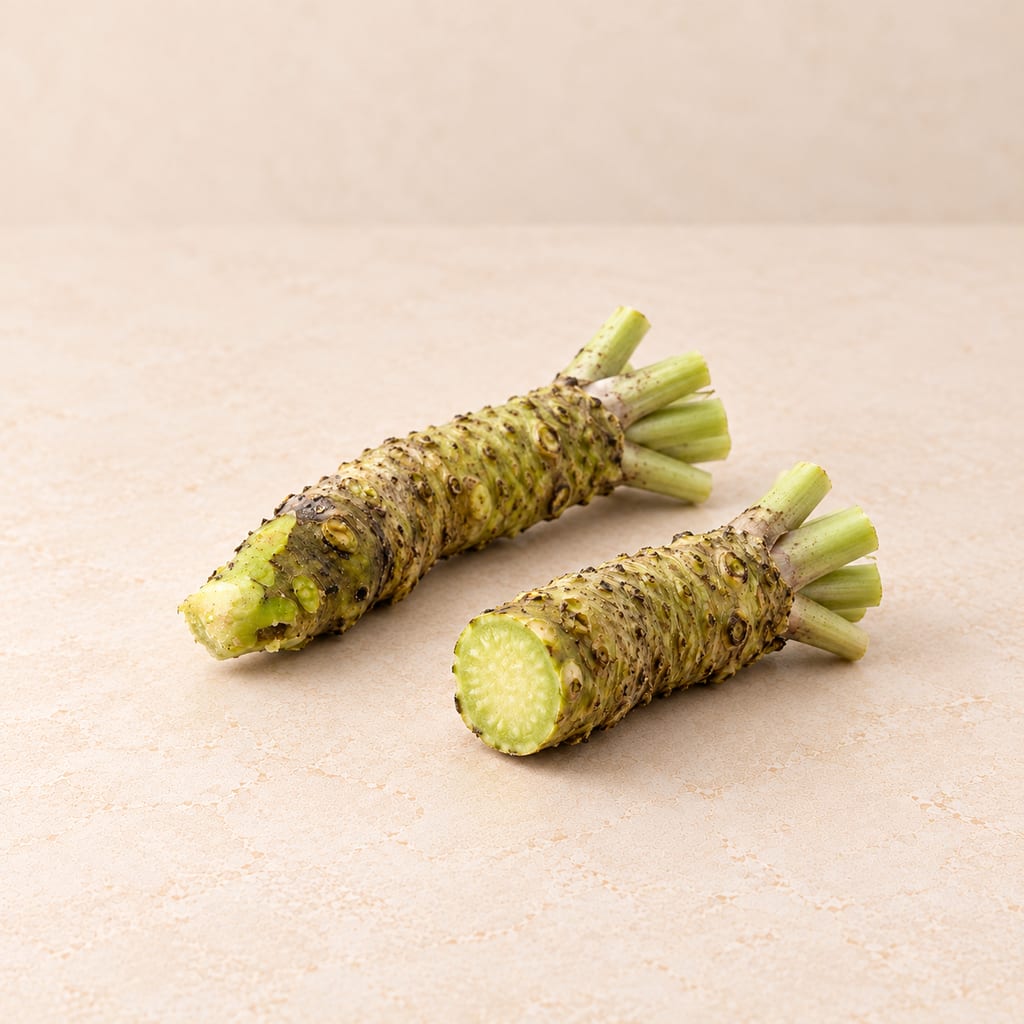
Wasabi is the enlarged stem of Eutrema japonicum, a pungent perennial in the mustard family. Fresh rhizome is grated as a Japanese condiment; powder and prepared paste are separate products.
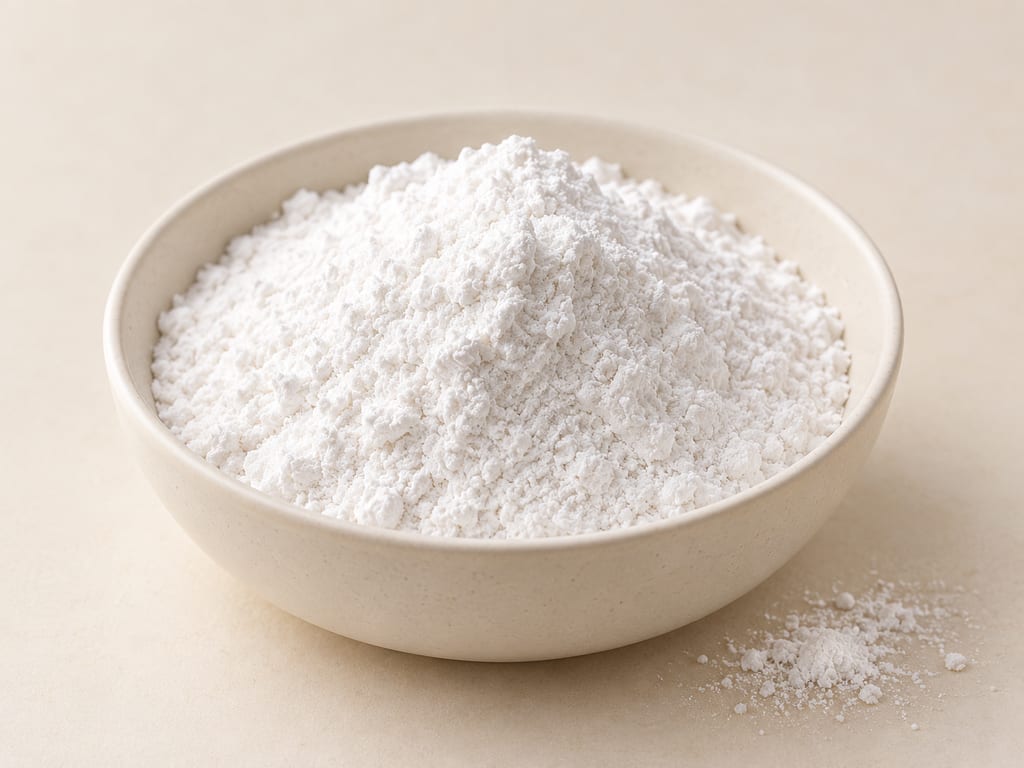
Flour from waxy rice varieties sets into cohesive, chewy doughs and pastes. Cooks use it in rice cakes, dumplings, selected breads and fermented seasoning pastes.
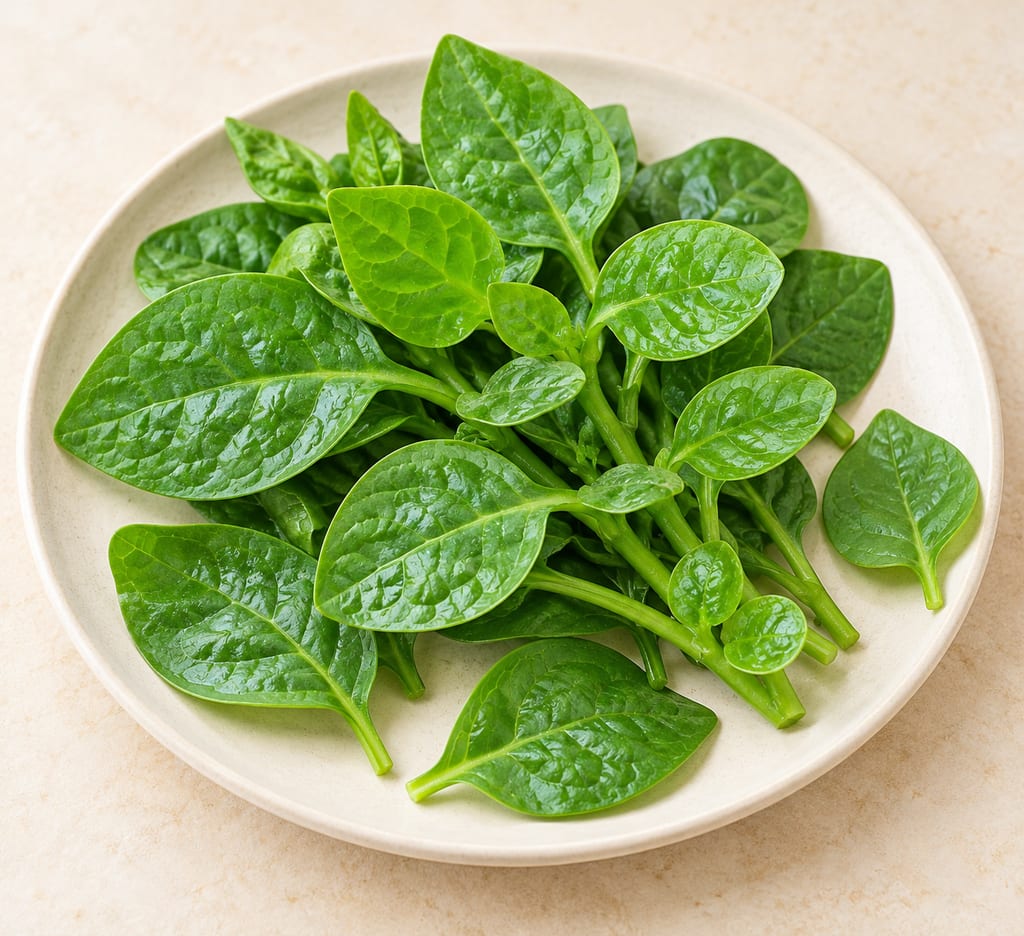
Malabar spinach, Basella alba, called alugbati in the Philippines, is a climbing leaf vegetable cooked in soups and stews. In New Caledonia an 1872 record shows it grown for dye.

Soft, spreadable Calabrian pork sausage made with a great deal of red chilli and fatty pork, stuffed into natural casings, sometimes smoked and matured while staying soft.

A way to add independent temperature logging to an existing food dehydrator without changing its built-in controls or protections. It is a monitoring method, not a rewiring plan.

Pleurotus cystidiosus is the abalone mushroom, a cultivated oyster-type fungus with dark brown caps that grows more slowly and is more demanding than other Pleurotus species.

A dark, balanced vinegar from Emilia-Romagna made by combining cooked or concentrated grape must with wine vinegar, then acetifying and refining it in wood under a protected specification.

A living dairy inoculum that starts controlled cream fermentation, developing acidity and aroma before sour cream or cultured butter is finished.

A small electric incubator holds jars at a selected temperature for yogurt and other documented warm food preparations. Controls, capacity and vessel arrangement vary by model.

Adygean salt is a seasoned table salt associated with Adygea and the wider North Caucasian culinary tradition. Salt is blended with garlic and a variable selection of herbs and spices; the exact mix depends on the named style and maker.

The African Caesar-group mushroom, Amanita masasiensis, is a wild ectomycorrhizal species of central and southern African woodlands, eaten locally. The genus contains deadly poisonous species, so identification needs care.
No community contributions have been published for this entry yet.
Sign in to contribute. Published comments and photos are free to read.
Philippine Department of Science and TechnologyIdentity · Documented use · Starter
DOST-ITDI standardizes wine starter to improve tapuy qualityIdentifies bubod as the starter used to ferment glutinous rice for tapuy.
Describes traditional compact, dry flattened balls and distinguishes an improved granular bubod process.
Cited in: Bubod as a rice starter; What is in it; Limits of the evidence
Journal of the Brewing Society of Japan / J-STAGEMicrobiology · Identity · Historical attestation
Microorganisms in Chinese Starter “Bubod” and Rice Wine “Tapuy” in the PhilippinesA 1990 study isolated molds, bacteria and yeasts from Philippine bubod and tapuy.
The study reported dominant molds and yeasts in sampled material; its composition is not universal across all bubod.
Cited in: What is in it
Tourism PhilippinesBread use · Variant context
Bibingka: what it is, history and how to eat itAttributes overnight fermentation of glutinous rice with bubod or tuba to a traditional bibingka galapong account.
This travel overview gives no measured formula or microbiological identification.
Cited in: An attributed bibingka use
Philippine Cultural Education Online / National Commission for Culture and the ArtsVariant context · Documented use
bibingkáDescribes bibingka made from ground rice, coconut milk and sugar, with banana-leaf-lined cooking and heat above and below.
Describes Manila Christmas use and regional variants; it does not state that the described preparation ferments.
Cited in: An attributed bibingka use
University of the Philippines Los Baños Food Science Cluster / FAO AGRISMicrobiology · Geography
Standardization of starter culture for rice wine (tapuy) processing2009 report abstract listing molds, yeasts and lactic-acid bacteria from samples from Ifugao, Benguet and Baguio City.
Cited in: Bubod as a rice starter; What is in it; Limits of the evidence
FAO AGRIS / University of the Philippines Los BañosStarter · Storage
Establishment of microbial succession of starter culture for rice wine (tapuy) processing2013 report abstract on microbial succession in a developed starter for tapuy.
Cited in: Limits of the evidence
Acta Manilana / University of Santo TomasMicrobiology
Molecular identification of a native wine yeast from bubod used in tapuy fermentationOne yeast isolated from a Baguio-market cake showed a 78 percent DNA match to Pichia kudriavzevii, with low signal and noise.
Cited in: What is in it
Philippine Task Force for Indigenous People's Rights and Partners for Indigenous Knowledge PhilippinesMethod · Use
Heirloom Recipes of the CordilleraKankanaey Besao bubod cake method with a retained mother cake and rice flour; Besao tapey with two bubod cakes and balatinaw rice; Bontoc family account of tapey occasions.
Cited in: Making and using it in the Cordillera