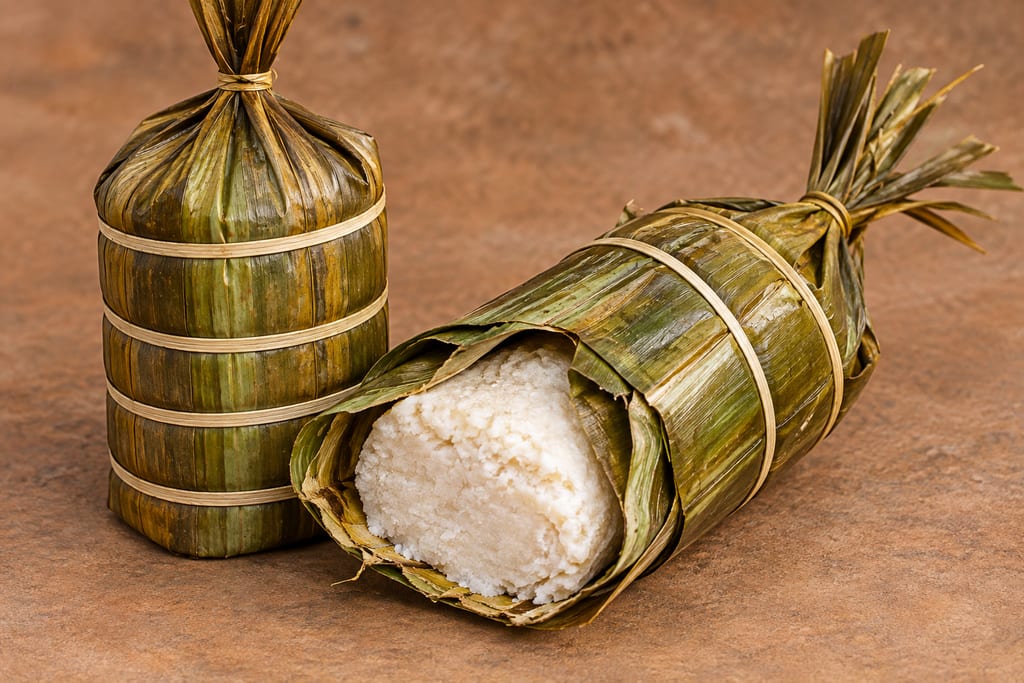
Wrapped sago leaf bundle
In Papua New Guinea, moist sago starch may be packed tightly inside leaves for storage. Greenhill’s field study records this as a preferred Western Province method and contrasts it with water-covered vessels in East Sepik.
 FermenteaWhere food goes to change
Sago starch is edible starch recovered from the pith of sago palms. It is pressed into thin cakes for Indonesian sagu lempeng, cooked as porridge and formed into other foods; in some regions, wet starch also ferments during storage.
Edible sago starch is recovered from the soft pith in the trunks of sago palms, principally species of Metroxylon. Once extracted and dried it is sold as a fine flour; wet starch and coarser pearl forms are also used. Indonesian tepung sagu means sago flour. The English names “sago” and “sago flour” can also be applied to cassava tapioca in some markets, so the label alone is not always enough to identify the plant source.
The Codex regional standard for edible sago flour defines its subject as flour made from palm pith or soft core and explicitly excludes cassava-tuber products, even where sellers call them sago flour. Cassava tapioca and palm sago may both be starches and can appear in similar forms, but they come from different plants. For sagu lempeng, the cited Indonesian account identifies starch from the sago-palm trunk, rather than cassava.
The distinction also matters when comparing food traditions. A powder, wet starch and pearl product can all be sold under the broad word “sago”, yet they need not share the same botanical source or behave alike in a pan. A reliable identification starts with the declared raw material and the product form, then follows the preparation written for that form.
Metroxylon sagu Rottb. is an accepted palm species in the Kew Plants of the World Online record. Kew gives its native range as Maluku to New Guinea and describes it as a tree of wet tropical environments. It grows in swamp forest, often at low elevation, and may occur in wild, semi-cultivated or managed stands. The species is cultivated elsewhere in Southeast Asia. Sago starch is not tied to one species alone: Indonesian sources also name Metroxylon rumphii, and the Codex flour definition covers Metroxylon species.
The palm's ecological range and the places that prepare a named food are different kinds of geography. Kew's native-range entry does not locate the invention of sagu lempeng. The Indonesian tourism account associates that bread with Papua, Maluku and parts of Sulawesi, without establishing a single birthplace. It also describes starch as a staple in communities across eastern Indonesia. These regional associations should not be collapsed into a claim that all sago flour, or all sago foods, began in one district.
The species grows slowly in wet lowlands and stores starch in the trunk. A Japanese technical review describes starch accumulation before flowering and notes that the trunk is processed for this reserve; that account surveys both true sago palm and thorny sago species. It helps explain why the pith is the harvested food material, but it does not imply that every region harvests on one schedule or uses the same palm.
The edible material lies inside the palm trunk. Traditional extraction separates it from the fibrous pith: the trunk is opened, the pith is pounded or scraped, and water carries suspended starch through a filter into a settling vessel. The starch settles out while much of the coarse fibre remains behind. Drying the recovered material produces flour. This broad sequence appears in both the Codex product definition and accounts of regional processing, though tools and working arrangements differ.
A 1984 FAO review describes palms being selected for their starch content, felled and processed soon afterward. It records pounding and scraping, kneading or washing the pith with water, filtering the suspension and allowing starch to settle. The troughs could be made from the felled palm and set near a stream. These are descriptions of particular traditional systems, not a universal or validated household extraction guide. They do not supply a modern home batch, sanitation controls or safety limits.
In the broad extraction sequence, water suspends the starch so it can be separated from pith fibres, and settling concentrates it before it is dried or kept wet. Local troughs, filters, palm-leaf packaging and the source of water are part of particular working systems. The retained fibre is not the flour itself. Commercially dried material and freshly settled starch therefore represent different stages, even when both are called sago.
Sago is encountered at more than one point between extraction and cooking. Freshly settled starch is wet and dense; dried edible sago flour is lighter and more portable. Small pearls are another processed form. A historical account from Sarawak describes wet starch mixed with rice bran and grated coconut, left overnight for a slightly acidic flavour, then worked into small pellets and baked. This pearl-making sequence includes fermentation, but it is a distinct preparation, not a step in making sagu lempeng.
A 1892 description of commercial sago reports rough palm starch shipped from the Moluccas and Sumatra to Singapore, where it was granulated by a process the author compared with tapioca. This is useful evidence that processed forms and trade existed by that date; it is not an origin date for either the palm or the food. Today, package form and ingredient wording need to be read together because “sago” can label either palm starch or cassava starch.
Form also records a process history. Dry flour has passed through settling and drying; wet starch can be carried in a leaf wrap or held below water; pearls are shaped particles that may be toasted or cooked further. These forms cannot be reliably identified by appearance alone when the starch has already been cooked. Product names and a clear source label carry more weight than a general resemblance to tapioca.
Sago starch has a mild taste and supplies body rather than a strong flavour. With water and heat, it can thicken into a paste or form a gel. A 2016 review from Japan's Agriculture & Livestock Industries Corporation describes sago starch granules as relatively large and reports a soft, translucent, flexible gel in the tested samples. The article's cooking and laboratory observations use a particular dried Sarawak starch; its measured properties should not be treated as a guaranteed outcome for every brand, moisture level or preparation.
The behaviour matters differently across dishes. In papeda, starch is mixed with hot water into a thick, cohesive porridge. Sagu lempeng is shaped thin and baked until dry, so the flour is used to make a firm flat cake rather than a spoonable gel. Pearl sago requires its own treatment to form discrete granules. These forms are not interchangeable instructions: a method for thick porridge cannot supply the missing proportions or baking conditions for a flatbread.
The Japanese review's sample was dried Sarawak starch, so its reported gel and granule features are best read as measured properties of that material. It does not provide an exact lempeng formula. A baker may encounter different flour textures or cakes that range from chewy to brittle, but without source-backed ratios and controlled observations those differences cannot be assigned to one universal cause.
Sagu lempeng is a thin cake made from sago flour in eastern Indonesia. The Indonesian tourism account names Papua and Maluku, and also reports the food in parts of Sulawesi. The flour is mixed with water and a little salt, pressed thin in a clay or iron mould, then baked. The finished cake can be crisp and dry or, depending on preparation, more yielding. Flour-to-water proportions, mould dimensions, heat, baking duration and a tested home method are not known.
The cake is served with savoury and sweet accompaniments. The account names grilled fish, sambal, grated coconut, palm sugar and nuts. It also describes hard pieces being softened in water or dipped in tea or coffee. Papeda, by contrast, is a thick sago porridge eaten with broth or other dishes; it shares the palm starch but is not a form of sagu lempeng. The dish has its own separate record; this ingredient page explains the palm starch it uses.
The word lempeng describes a flat cake form; it does not mean a leavened bread. The account describes mixing and moulding followed by baking, with no starter or fermentation stage in the cake method. A locally consumed fermented starch may be the same broad raw material after separate storage, but that does not make the cake itself a fermented preparation.
Wet palm starch has a separate life as a stored material. Research on traditional sago starch in Papua New Guinea documents spontaneous fermentation and acidification during storage, with variable safety outcomes. The supplied fieldwork archive records regional differences: water-covered pots and similar vessels are prominent in East Sepik, while leaf-wrapped packages are a preferred method in Western Province. These are descriptions of local storage practices, not proof that every wet starch is intentionally fermented or that one package is safer in all conditions.
Acidification is a change in the starch, not a safety guarantee. Fermented does not mean sterile or detoxified. The available research does not establish a general home process, safe storage duration or endpoint for wet sago. This page therefore treats fermentation as a documented use and links it to the research on the subject; it does not turn a local storage account into a household recipe. Keep the distinct fermented-starch preparation separate from dry flour used to bake lempeng.
The published study of Papua New Guinea starch examines spontaneous fermentation as a traditional practice, while the supplied fieldwork archive records two contrasting storage forms. It is useful to keep both in view: East Sepik is associated with water-covered storage; Western Province with leaf-wrapped bundles. Neither observation supplies a universal endpoint or a way to infer safety from the flavour or acidity of another batch.
Across the regions covered by the literature, sago starch is cooked as porridge, mixed into stews, baked or roasted in leaves or bamboo, and made into cakes and other flour foods. In eastern Indonesia, the tourism account lists papeda, bagea, pearls, biscuits, crackers and vermicelli among uses of sago flour. The FAO review describes flat cakes cooked on stone, earthenware or metal griddles as well as thick porridge. These examples show the starch's range; they do not mean that each food uses the same flour form or the same process.
Pearl sago in Sarawak offers a useful contrast because its documented method combines wet starch with rice bran and coconut and allows yeast and lactic-acid bacteria to contribute a mildly acidic taste before the mixture is shaped and heated. Lempeng, papeda and fermented pearl mixtures have different textures and operations. They should remain separate preparations rather than being treated as interchangeable recipes for one generic “sago dish”.
Other regional uses also reflect local ingredients and tools. The Sarawak pearl account includes rice bran and coconut, while eastern Indonesian flour foods include papeda and baked or fried products. These details show starch being fitted to familiar meals and processing systems. They are not a global recipe list, and the page names only uses for which the cited literature gives support.
Sago has a long regional history as a staple, but the first date for sago starch or sagu lempeng is not established by the sources used here. Kew's botanical record is not a food-history source, and modern tourism summaries are not enough to date the start of a named preparation. A 1892 book documents how a commercial sample of sago was identified and describes processing through Singapore. It shows that palm starch was already an object of scientific and commercial attention in the late nineteenth century, not when people first began eating it.
The tourism page also repeats claims about archaeological finds and ancient sago use. The underlying excavation publications were not assessed as a basis for this ingredient record, so it does not repeat a prehistoric date or a claim that a particular mould proves the earliest lempeng. Current geography, the history of palm starch as food, and the first evidence for a named baked cake are separate questions.
The 1892 writer's microscopy distinguished a fresh starch sample from processed commercial sago, whose granules had been altered by heat and moisture during preparation. The historical terminology and botanical classification in that book are dated, so it is used only for the fact that a sample and trade route were documented at the end of the nineteenth century. It does not settle how long the trade had existed before the author recorded it.
For a recipe that calls for palm sago, choose a product whose label or producer identifies sago-palm starch. If a package says only “sago”, check whether its plant source is specified; cassava-based tapioca can use the same market name. Flour, wet starch and pearls behave differently, and the sagu-lempeng account refers to flour. No universal substitution or conversion ratio is established here.
Use the storage directions supplied for the actual product. Dry commercial flour and freshly extracted wet starch are different materials, and the cited sources do not establish one shelf life or storage temperature for every form. For wet traditional storage or spontaneous fermentation, a food-safety conclusion cannot be drawn from acidity, taste, smell or visible activity. The research reports variable outcomes and does not provide a general home safety limit. The starch is a palm product, not a grain, but allergen cross-contact and every manufacturer's processing conditions are not assessed by the sources used here.
If the package gives only a generic name, ask the supplier whether the starch comes from Metroxylon pith or cassava tuber before substituting it in a regional recipe. A wrong source can change how a food sets and may erase the distinction a recipe is meant to preserve. This page offers no shelf-life promise for wet starch, no home extraction protocol, and no fermentation time or endpoint.
Sago flour and sagu lempeng are documented in Papua; this is a regional use association, not a precise origin claim.
Sagu lempeng is documented in Maluku; Kew also places Metroxylon sagu's native range from Maluku to New Guinea.
The source says sagu lempeng is known in parts of Sulawesi; it does not specify a locality.
Supplied fieldwork archive associates water-covered wet-starch storage with East Sepik; the regional detail does not imply a universal process or safety outcome.
Supplied fieldwork archive records leaf-wrapped wet-starch storage as a preferred regional method; this is not a claim that the practice is exclusive or safer.
In Papua New Guinea, moist sago starch may be packed tightly inside leaves for storage. Greenhill’s field study records this as a preferred Western Province method and contrasts it with water-covered vessels in East Sepik.
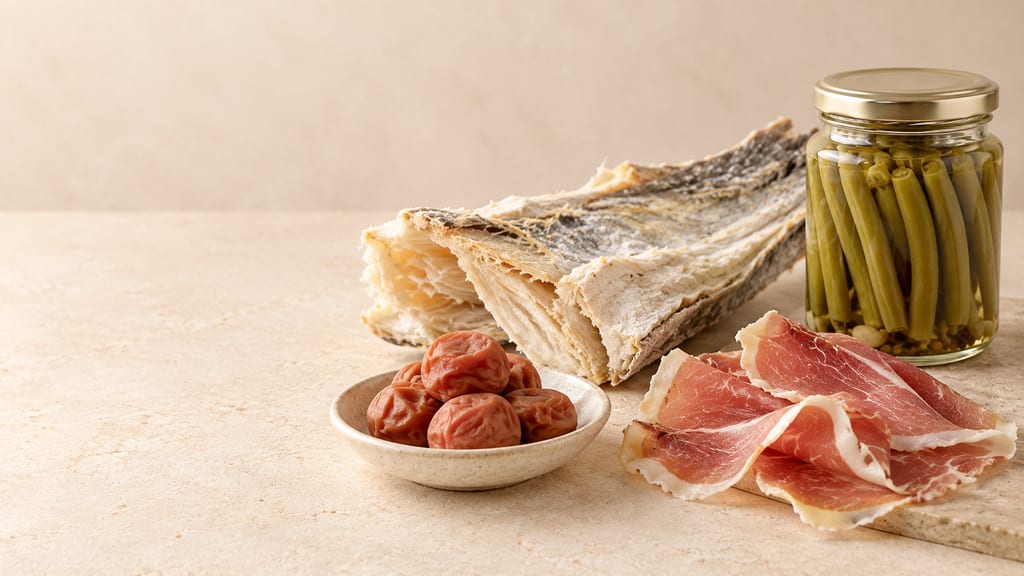
Every preserved food is a stack of barriers against microbes, enzymes, air and time. This is how they work, what a recipe's numbers measure, and how cooks worldwide build them.
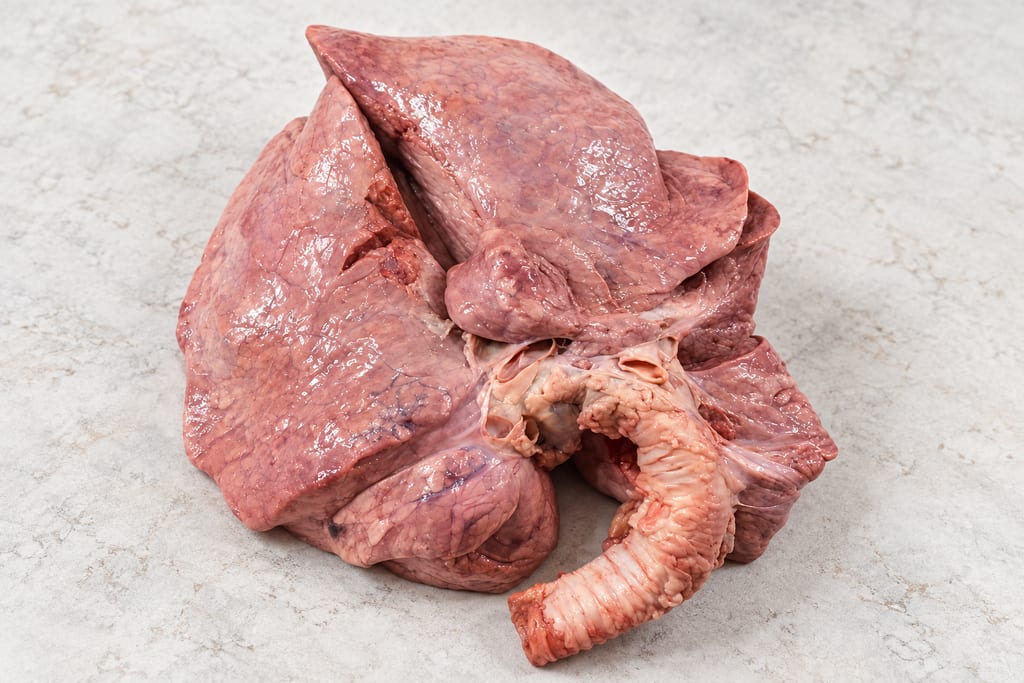
Beef lung is cattle offal used in regional Indonesian dishes and studied as a substrate for a modern fermented-sauce proof of concept. Culinary, regulatory and experimental uses vary; the sources support no universal process.
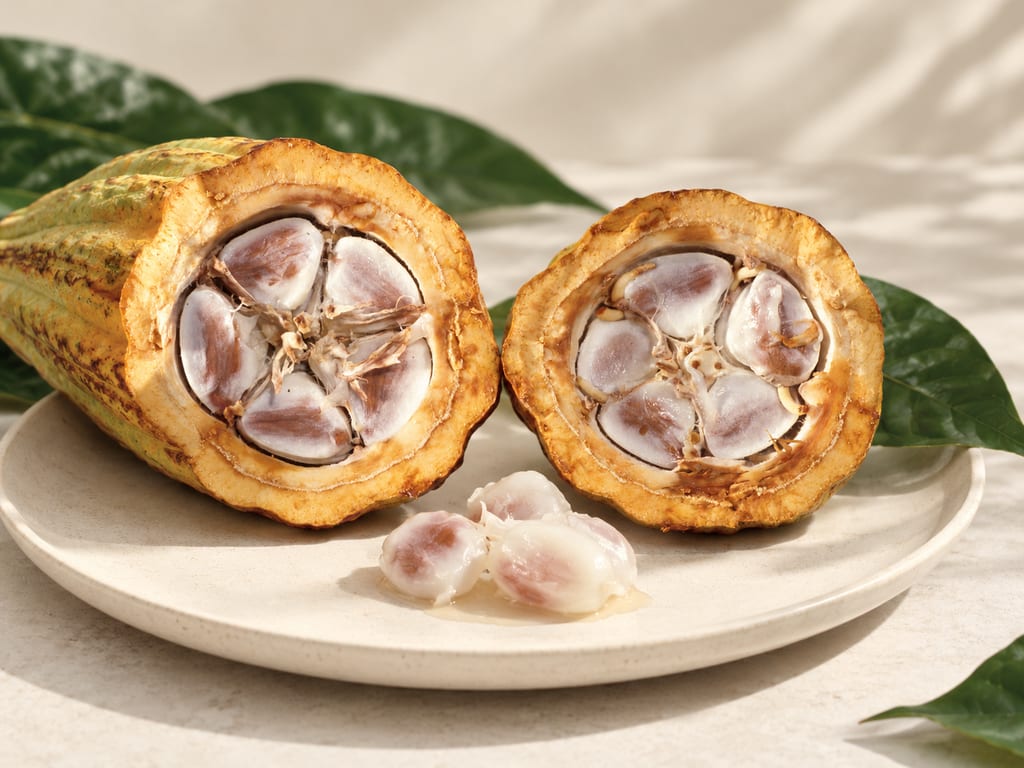
Cacao pulp is the moist, sweet-acid mucilage around cacao seeds. It fuels bean fermentation and can be extracted for fruit drinks, wine and vinegar.
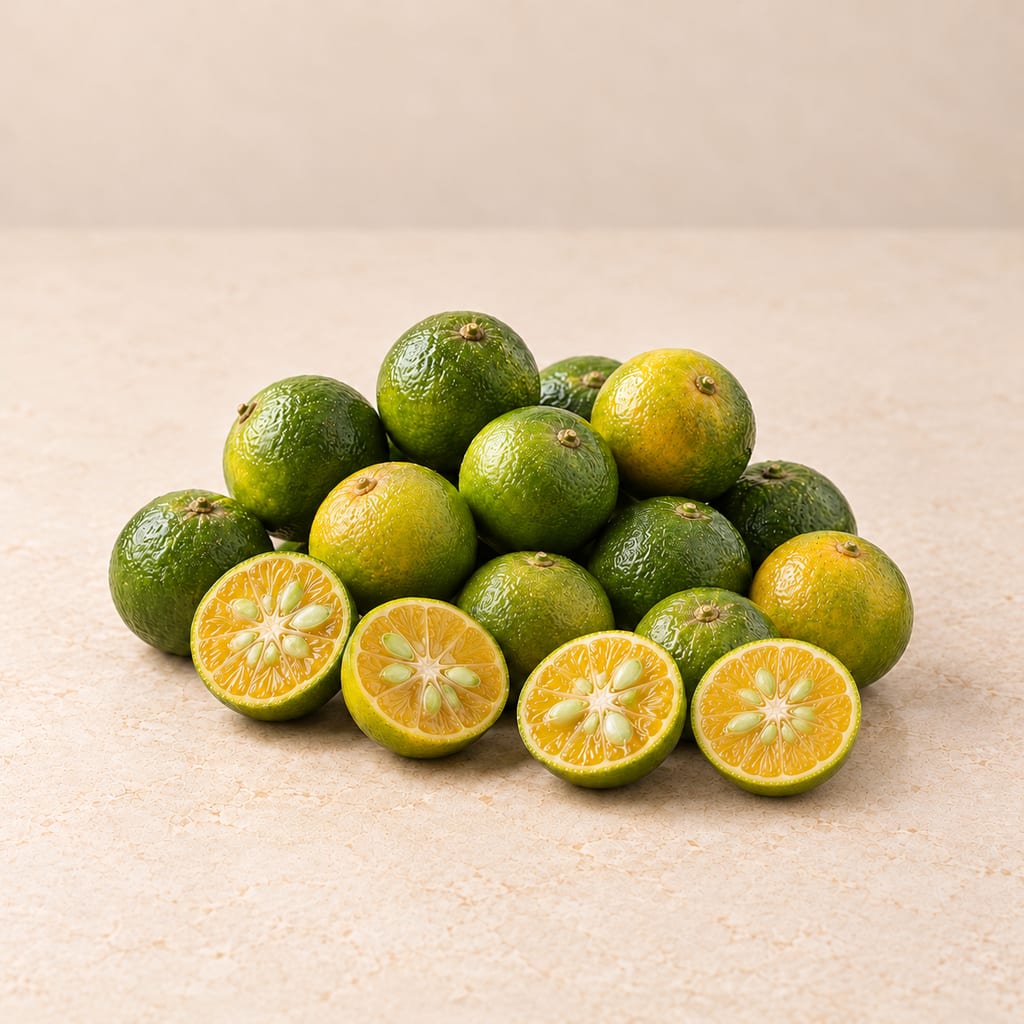
Calamansi is a small, very sour kumquat-mandarin hybrid, Philippine cooking’s all-purpose citrus, squeezed into soy sauce, fish sauce, broths and dips.
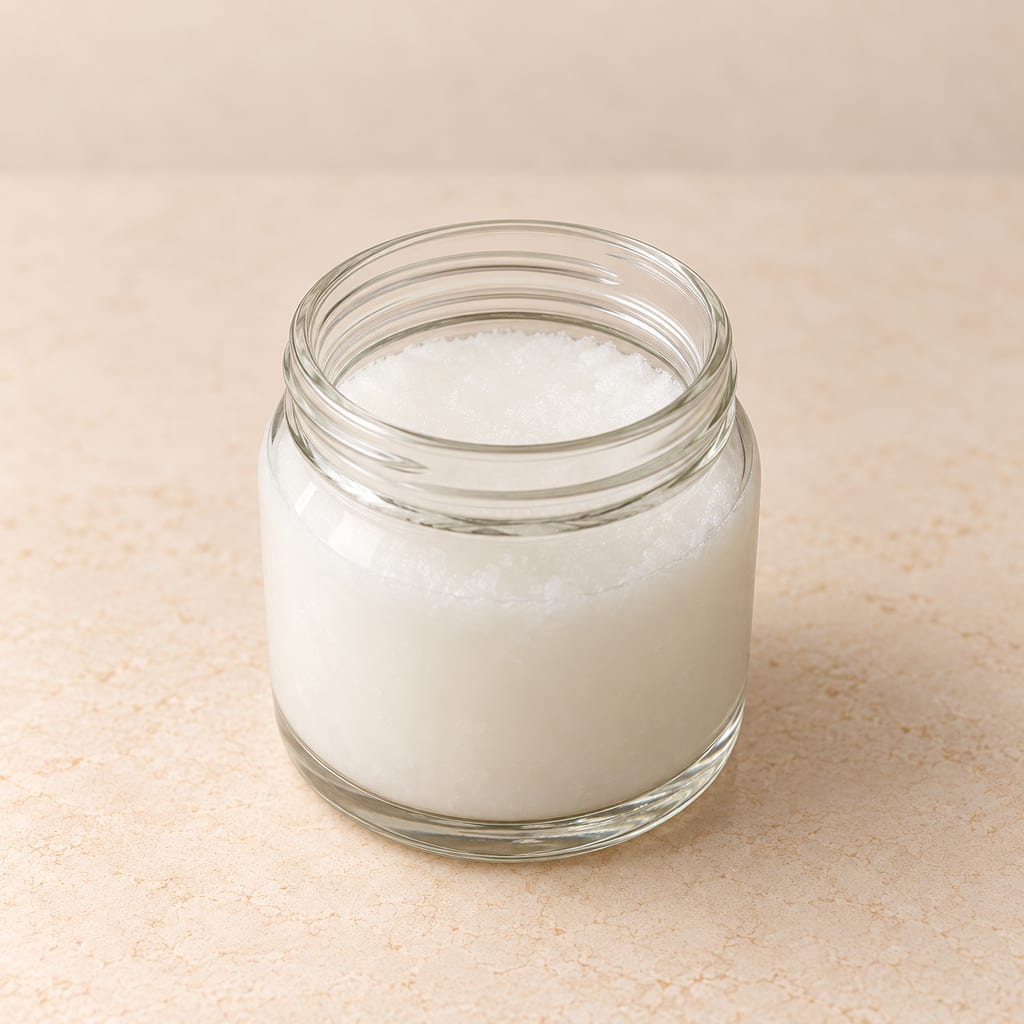
Fat pressed or separated from the kernel of a mature coconut: solid below about 25 °C, mostly saturated and half lauric acid, sold virgin, refined or hydrogenated.
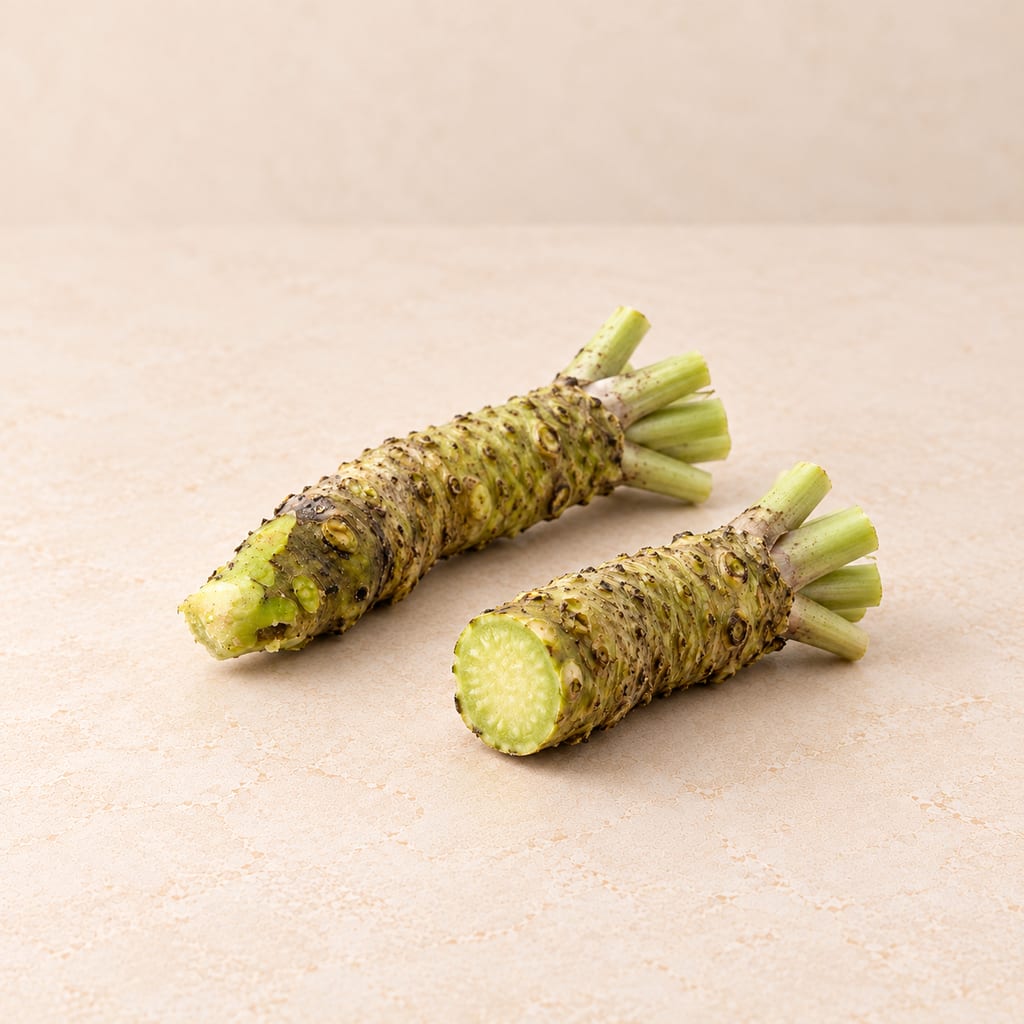
Wasabi is the enlarged stem of Eutrema japonicum, a pungent perennial in the mustard family. Fresh rhizome is grated as a Japanese condiment; powder and prepared paste are separate products.
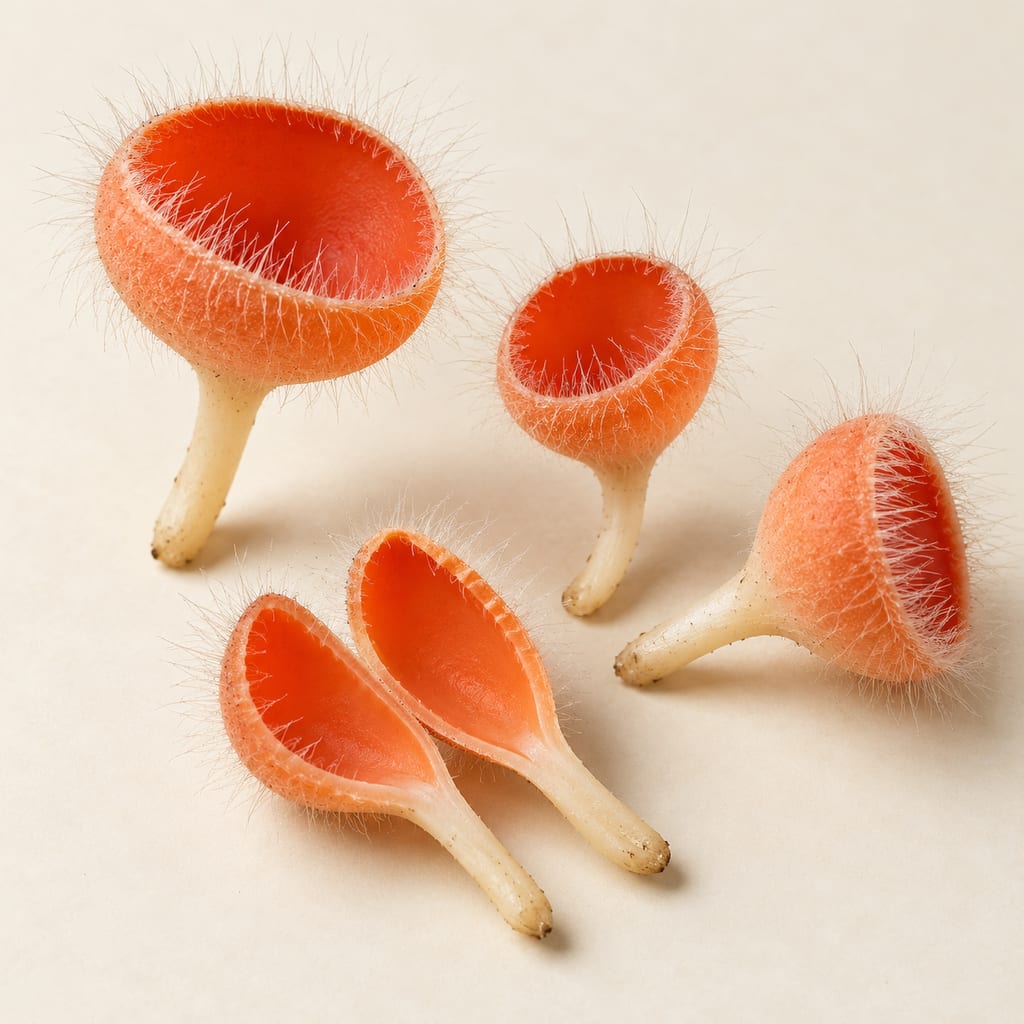
Cookeina tricholoma is a cup fungus of decaying wood, recorded as food in several tropical regions. Its food use is documented in ethnomycological reports, not established by a food-safety assessment.
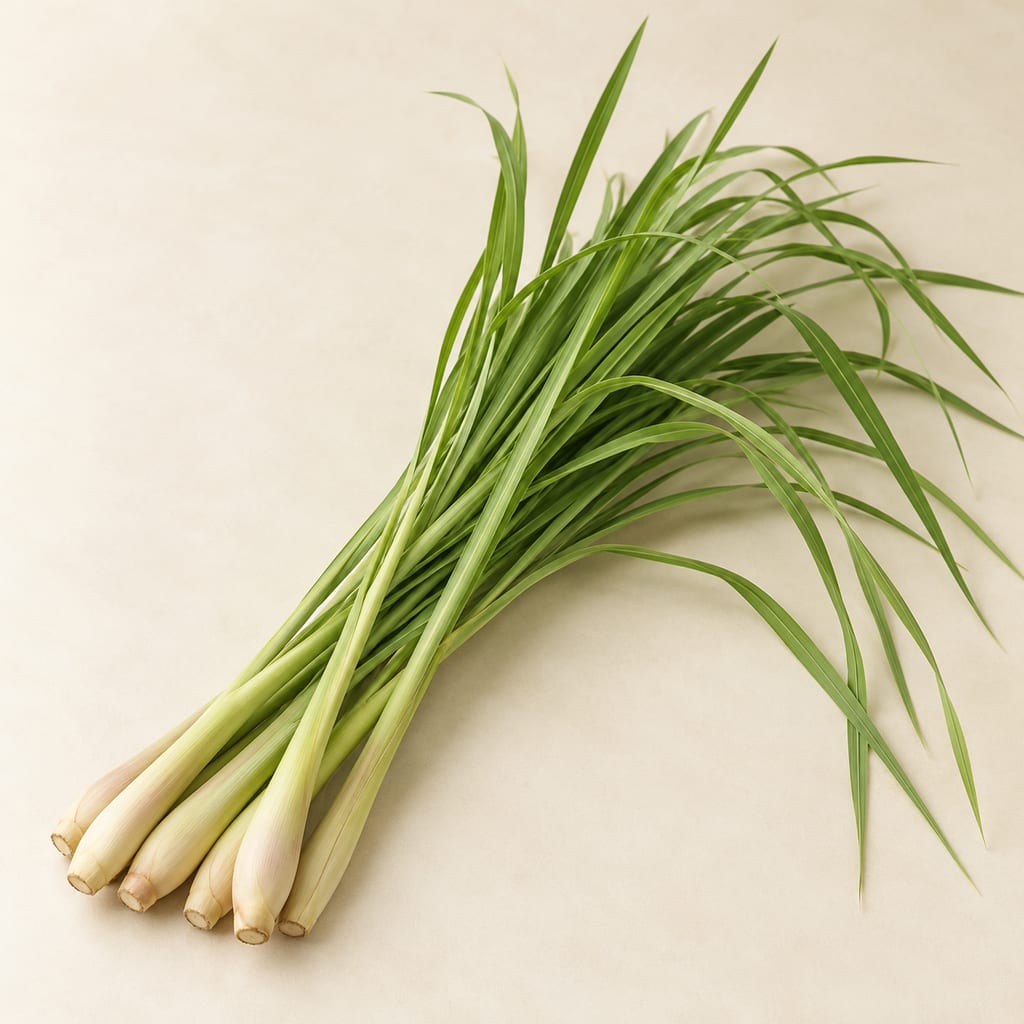
Lemongrass is Cymbopogon citratus, a tropical grass whose lemon-scented stalks and leaves flavour cooking across South and Southeast Asia. The common name also covers other Cymbopogon species.
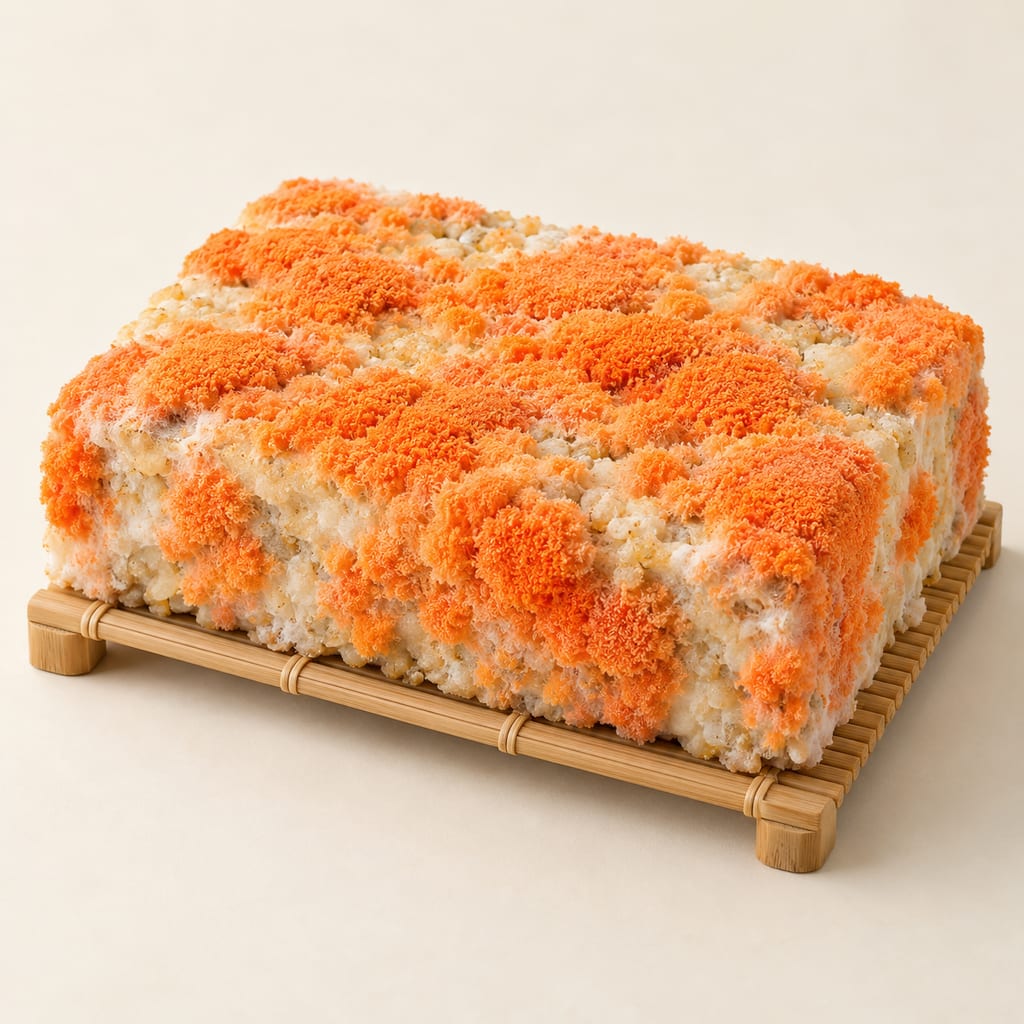
Neurospora intermedia is the orange-red mould that ferments the okara of red oncom, an Indonesian soy-pulp cake, and the culture used to start it.
No community contributions have been published for this entry yet.
Sign in to contribute. Published comments and photos are free to read.
FAO/WHO Codex Alimentarius CommissionIdentity · Definition · Production · Labelling
Regional Standard for Edible Sago Flour (Asia), CXS 301R-2011Defines edible sago flour as starch processed from the pith or soft core of Metroxylon palms.
Excludes cassava tuber products even when called sago flour in some regions.
Describes mechanical processing followed by soaking, settling and drying.
Cited in: A palm starch with a confusing name; The palms and their wetland range; From pith to starch; Wet starch, flour and pearls; Choosing and handling it
Plants of the World Online, Royal Botanic Gardens, KewTaxonomy · Geography · Habitat
Metroxylon sagu Rottb.Accepted species name.
Native range is Maluku to New Guinea; wet tropical biome.
Used to distinguish botanical range from food-use geography.
Cited in: The palms and their wetland range; History and what remains uncertain
Indonesia Travel, Ministry of Tourism, Republic of IndonesiaDish use · Method · Geography · Serving · Names
Sagu Lempeng: Makanan Pokok Tradisional Masyarakat Papua dan MalukuSagu lempeng uses sago flour from Metroxylon sagu; describes water and salt, a thin clay or iron mould, and baking without quantities or timings.
Associates it with Papua, Maluku and parts of Sulawesi.
Names accompaniments and other Indonesian flour uses; historical claims are not treated as established first attestations.
Cited in: A palm starch with a confusing name; The palms and their wetland range; From pith to starch; How it behaves in the kitchen; Sagu lempeng: a pressed, baked starch cake; Uses beyond lempeng; History and what remains uncertain
Indonesia Travel, Ministry of Tourism, Republic of IndonesiaNames · Uses · Geography
Tepung SaguUses tepung sagu for starch from Metroxylon sagu and associates the flour with Papua.
Describes neutral flavour and a chewy or slightly sticky cooked texture.
Names papeda and other local foods.
Cited in: How it behaves in the kitchen; Sagu lempeng: a pressed, baked starch cake; Uses beyond lempeng
Food and Agriculture Organization of the United NationsExtraction · Uses · Regional variation · Fermented food
Traditional post-harvest technology of perishable tropical staples, chapter 5Reviews palm pith extraction by pounding or scraping, washing, filtering and settling.
Describes local wet and leaf-wrapped storage and heat treatment without supplying a universal home safety protocol.
Describes Sarawak pearl-sago fermentation and cakes, porridge, stews and roasted or baked uses.
Cited in: From pith to starch; Wet starch, flour and pearls; How it behaves in the kitchen; Uses beyond lempeng
Food MicrobiologyFermentation · Safety
Spontaneous fermentation of traditional sago starch in Papua New GuineaPeer-reviewed study of traditional spontaneous fermentation of sago starch in Papua New Guinea; the supplied research archive records acidification and variable safety outcomes.
Cited in: Fermentation during wet storage; Choosing and handling it
Agriculture & Livestock Industries Corporation (Japan)Properties · Cooking
サゴでん粉の特性と調理適性 (Sago starch: properties and cooking suitability)Review of starch granules and gel properties, with experimental material from Sarawak.
Results are sample-specific and are not used as universal recipe endpoints.
Cited in: How it behaves in the kitchen
Baily and SonHistory · Identification
The principal starches used as food: illustrated with photo-micrographs, with a short description of their origin and charactersA 1892 work identifies a sample from Metroxylon sagu pith and describes Moluccas and Sumatra trade through Singapore.
Used only as a dated attestation, not as an origin date.
Cited in: Wet starch, flour and pearls; History and what remains uncertain