
African fermented foods, drinks and preservation
From sour breads and milk to savoury seeds, cassava staples and living beers, African fermentation follows the crop, the community and the work of transformation.
 FermenteaWhere food goes to change
Mullet is a broad name for several coastal fishes. In the Cape West Coast bokkom tradition, the local harder is the southern mullet Chelon richardsonii, formerly Liza richardsonii; identify species and product before substituting.
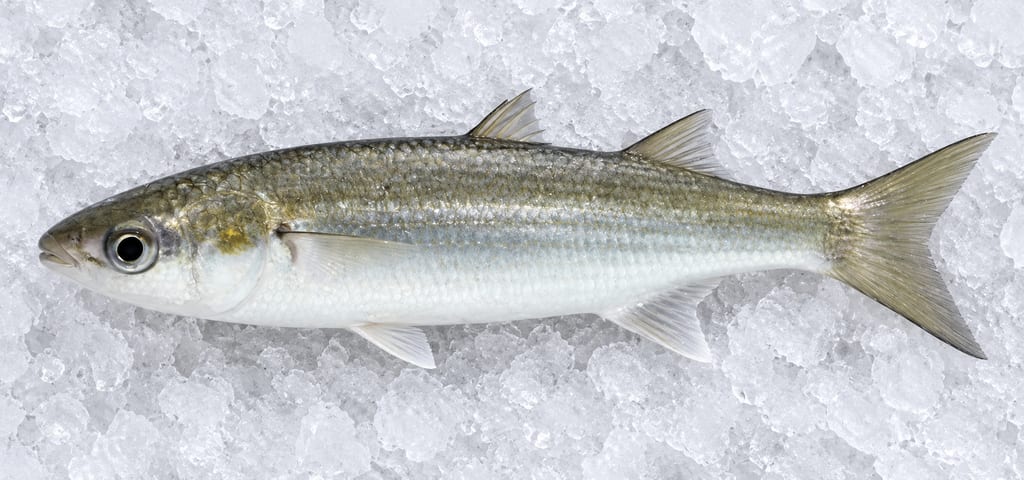
Mullet names several fishes in the family Mugilidae. The southern African fish commonly called harder or southern mullet is Chelon richardsonii; older sources use Liza richardsonii. Two Oceans Aquarium describes its silver body, pointed snout and yellow spot on the gill cover, and places it along the southern and western Cape coast. This fish is not Mugil cephalus, the flathead grey mullet used in other regional preparations. Preserve the species name given by a source rather than treating all mullets as interchangeable.
Bokkoms are a documented West Coast use of harders, but that does not establish that every product labelled mullet is bokkoms or that all batches use an identical fish size or process. Flesh, roe and whole-fish preservation are separate preparations.
GroundUp’s 2024 reporting from Velddrif describes harders salted and dried in bunches called bossies and records the work of local producers. The article notes that makers’ reported drying times vary with season and weather. These observations explain why a dried product should be bought from an identifiable producer instead of made by copying a general fish recipe. GroundUp reports that the fish is ready to eat after the head and tail are removed and the skin is peeled; follow the producer’s own handling and serving instructions.
WWF-SASSI identifies harders as Chelon richardsonii and lists the described South African gill-net and beach-seine fisheries as under improvement with a “DON’T BUY” advisory. Check current sourcing advice and origin before buying. The fish is a recognized allergen. A culinary description is not a sustainability endorsement. For fresh fish, ask the seller for the species and keep it refrigerated until cooking. Do not treat fish that has merely been salted or air-dried at home as shelf-stable or safe to eat from this page.
GroundUp documents harders processed as bokkoms in Velddrif. This identifies a local context, not every mullet species or every bokkom batch.
From sour breads and milk to savoury seeds, cassava staples and living beers, African fermentation follows the crop, the community and the work of transformation.
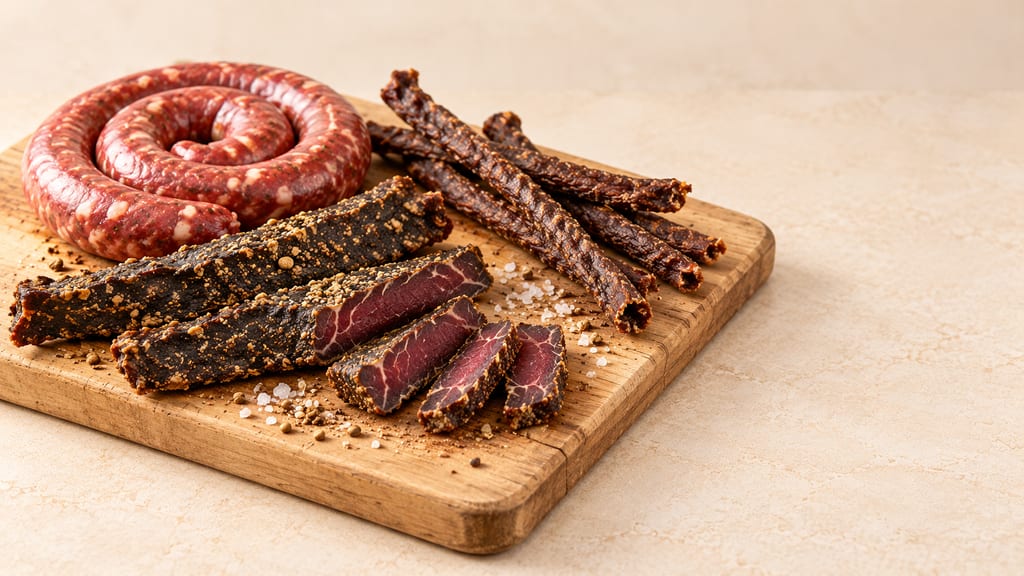
Boerewors, biltong and droëwors share a table but follow different paths from meat to meal. Their histories lead from the braai and butcher's counter to drying lines, household pots and the science of keeping food.
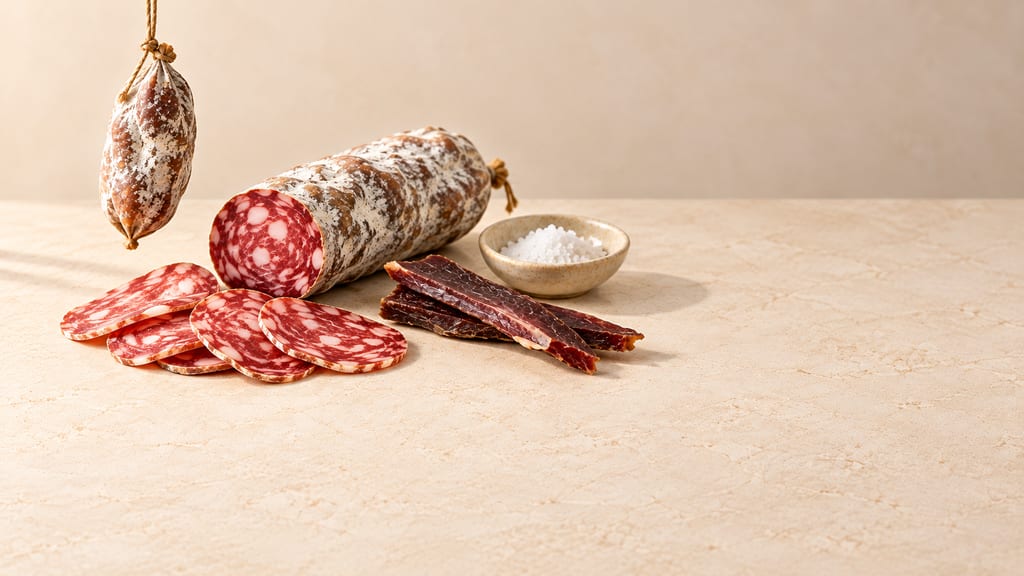
Dry salami, sour pork with rice, matured sheep and aged blubber follow different paths from animal to food. Their stories connect microbes with climate, slaughter, migration and the meals people share.

Aniseed is the dried ripe fruit of Pimpinella anisum, an aromatic Apiaceae spice commonly called a seed. It adds a sweet, warm aroma to breads such as Moroccan krachel and South African mosbolletjies, and is distinct from star anise.
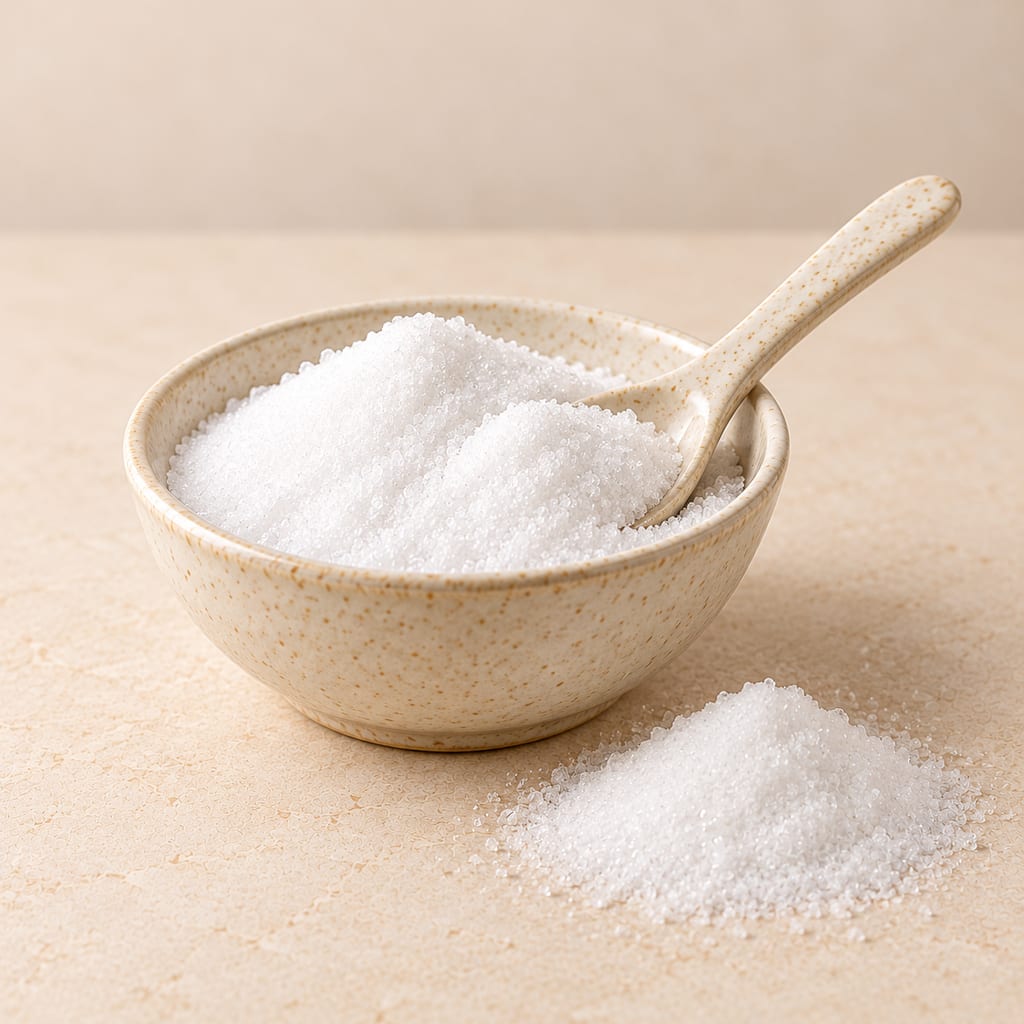
Sodium bicarbonate is a mildly alkaline kitchen powder used for leavening and, in two published South African green-fig konfyt methods, in the preliminary boil.
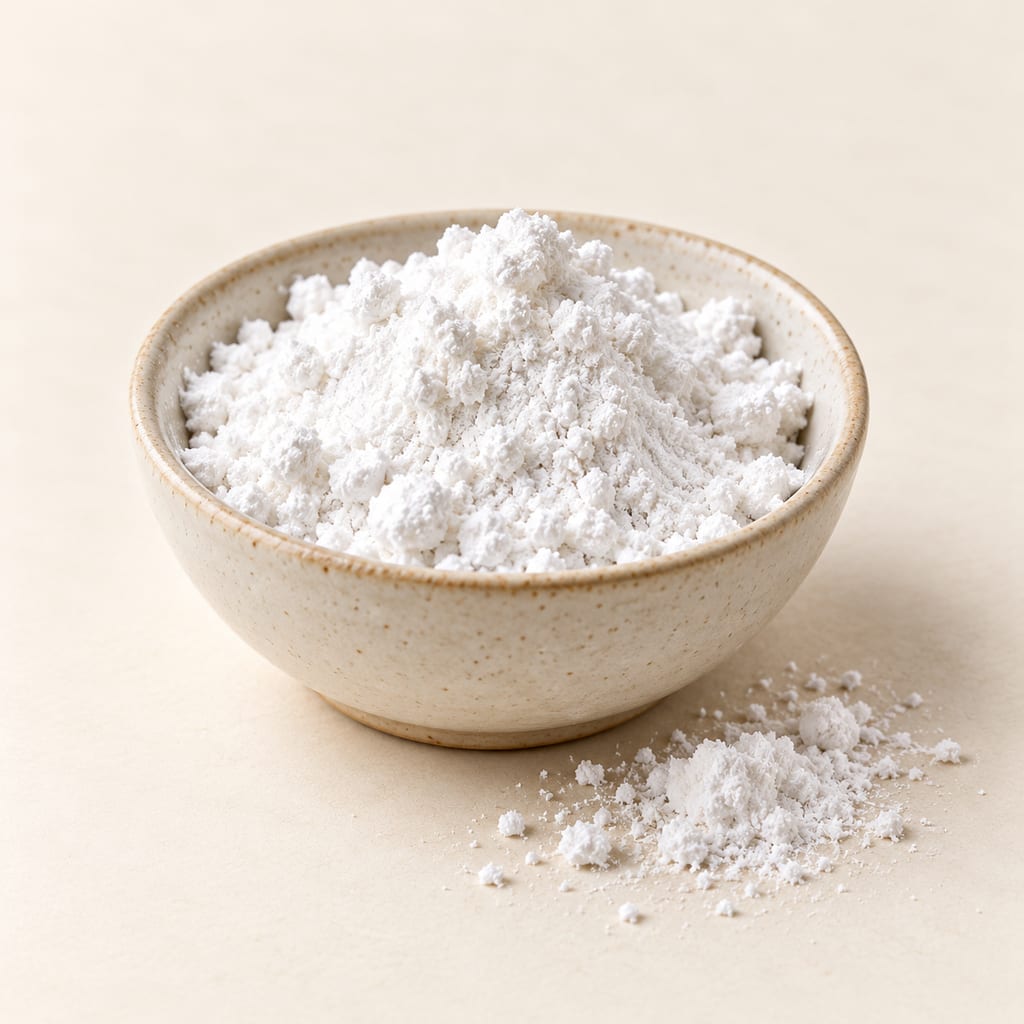
Cream of tartar is a grape-derived potassium tartrate salt used as a dry baking acid, foam aid and measured syrup ingredient.
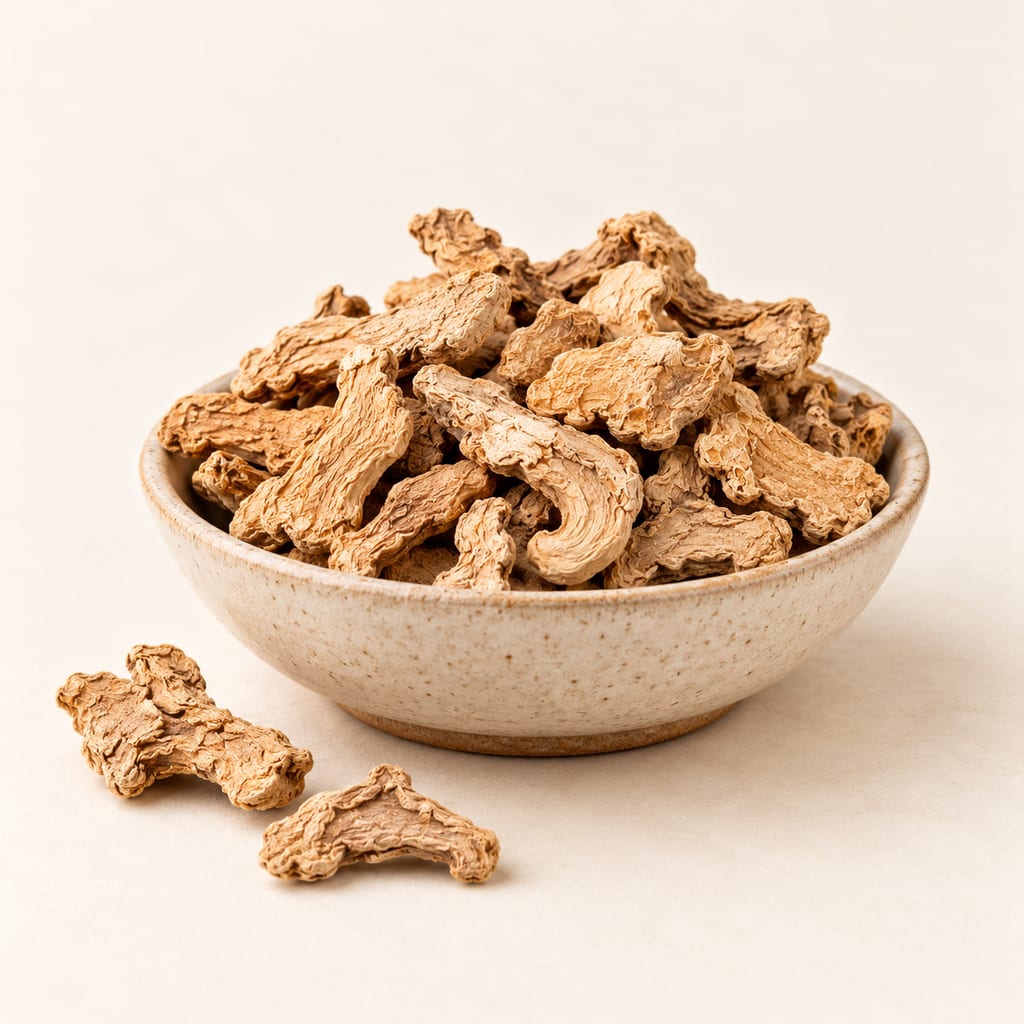
Dried ginger is the mature, dried rhizome of Zingiber officinale; its warm flavor and whole, sliced or ground forms serve different kinds of cooking.
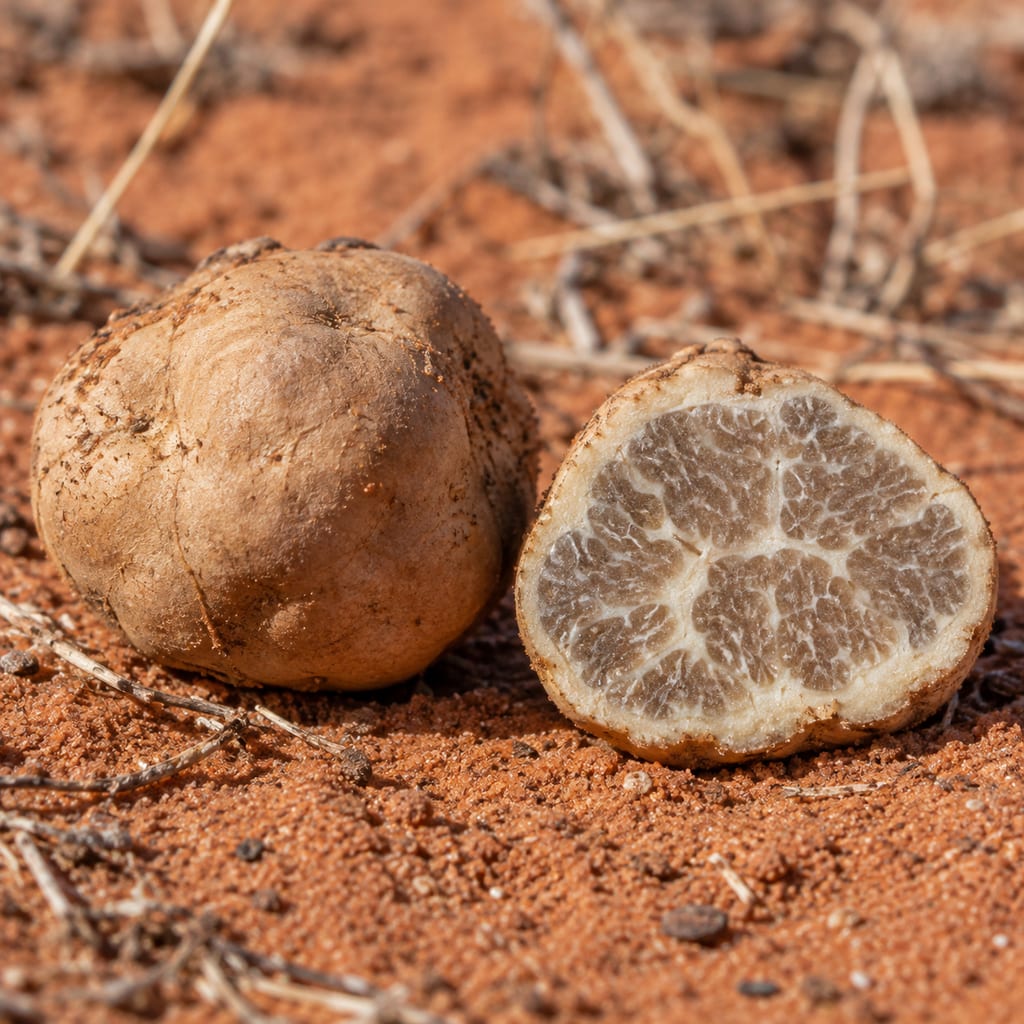
Eremiomyces echinulatus is a subterranean desert truffle of the Kalahari, recorded as food in regional ethnomycology and easily confused with the better-known Kalahari truffle, Kalaharituber pfeilii.
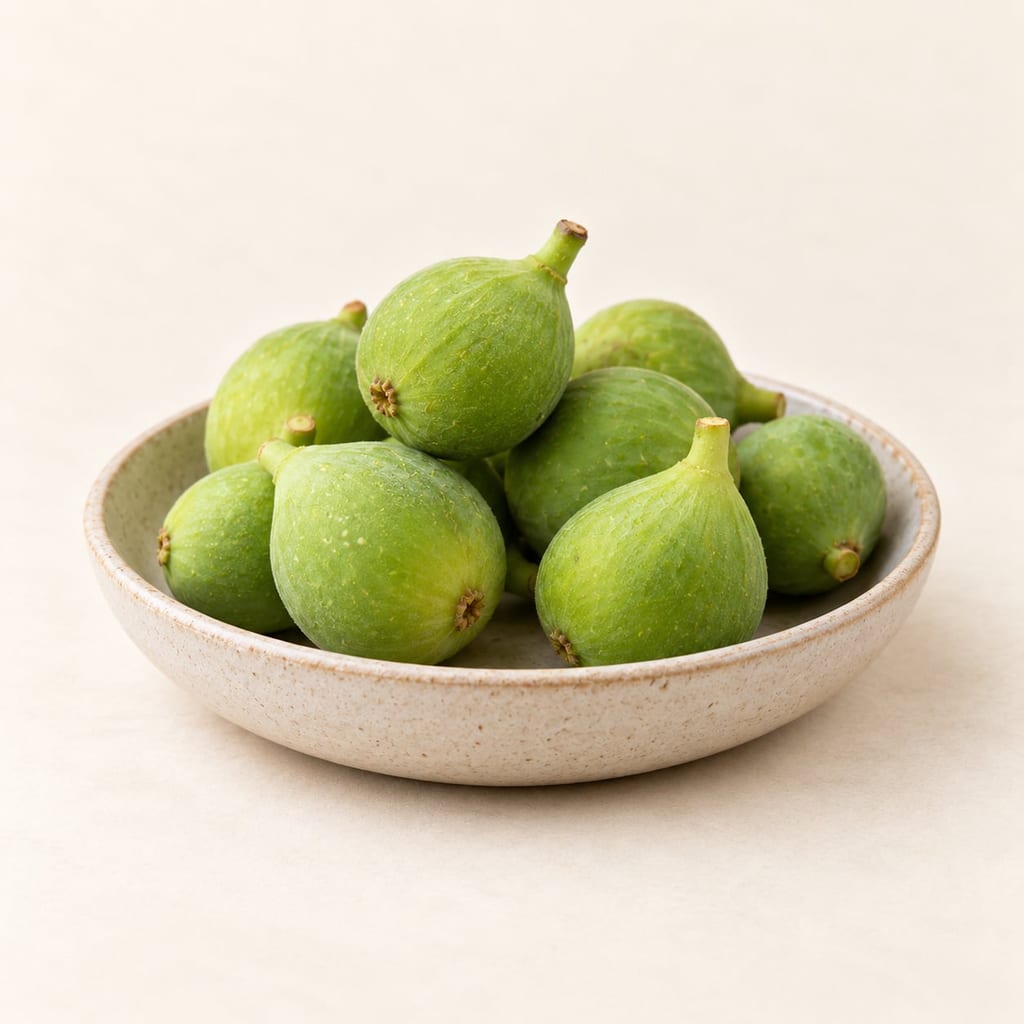
Firm green figs are the unripe fruit of the fig tree selected for preserves that keep the fruit whole and let it absorb syrup.
A rarely reported subterranean fungus from South Africa’s Northern Cape. It is grouped with Kalahari truffles in some literature, but occurrence in the Kalahari Desert proper and food use are unconfirmed.
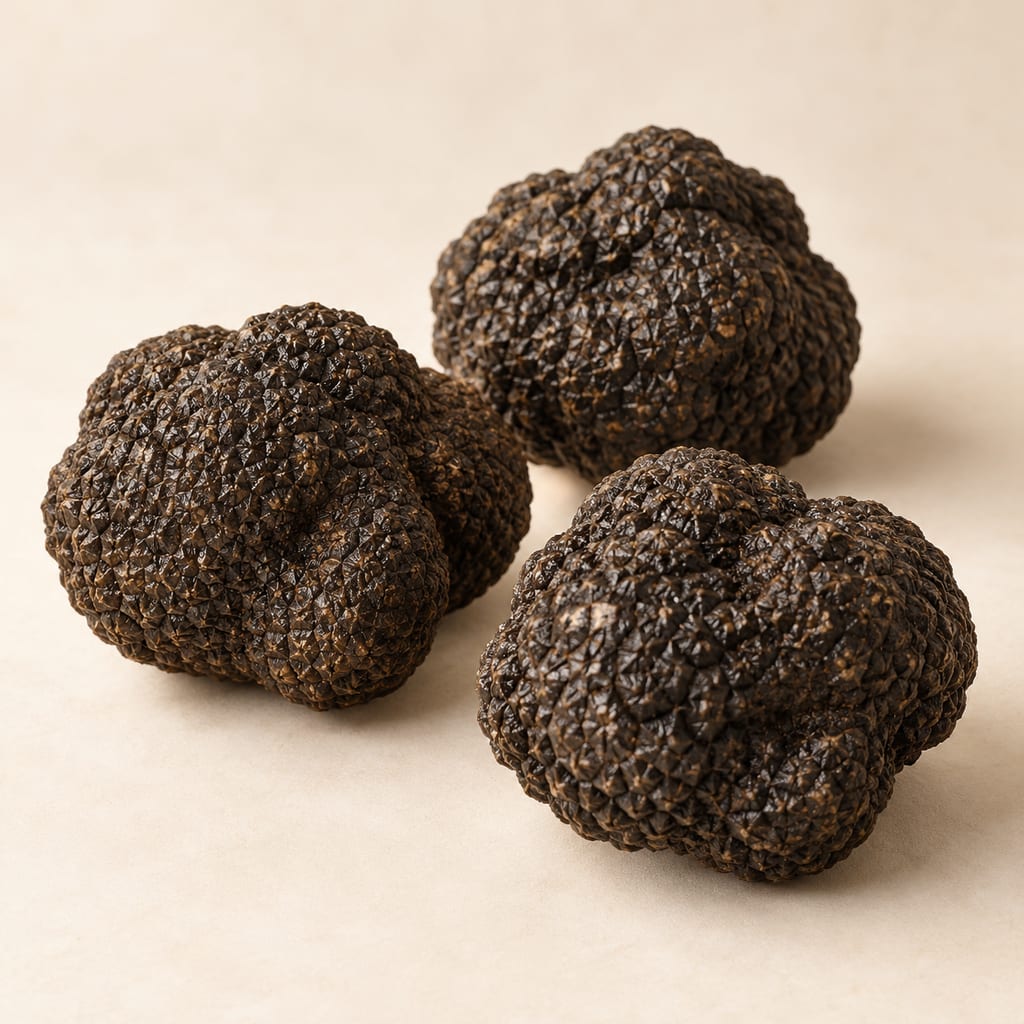
Tuber melanosporum is the Périgord black truffle, a mycorrhizal fungus of southern Europe grown in inoculated oak and hazel orchards and used as a high-value aromatic seasoning.
No community contributions have been published for this entry yet.
Sign in to contribute. Published comments and photos are free to read.
Two Oceans AquariumIdentity · Range · Traditional use
Southern mulletThe southern mullet is Chelon richardsonii, also called harder, and occurs along the southern and western Cape coast.
The aquarium describes the fish as a traditional delicacy known as bokkom and says it is salt-dried or smoked.
The aquarium reports Orange SASSI status and warns that the fish has been overfished in parts.
WWF-SASSIIdentity · Fishery · Sourcing
Harders — WWF-SASSI seafood guideHarders are Chelon richardsonii, previously Liza, also called mullet, southern mullet and bokkom.
WWF-SASSI describes concerns about overfishing and fishery management and classifies listed net fisheries as under improvement with a don't-buy advisory.
GroundUpDocumented use · Regional context · Handling
Small West Coast town is the world capital of this delicacyThe 2024 report identifies bokkoms as salted and dried harder fish produced in Velddrif.
It documents bunching, hanging, producer work and seasonal variation in local drying times; these observations are not a validated home process.
It says the fish is ready to eat after removing its head and tail and peeling the skin.