
Aniseed
Aniseed is the dried ripe fruit of Pimpinella anisum, an aromatic Apiaceae spice commonly called a seed. It adds a sweet, warm aroma to breads such as Moroccan krachel and South African mosbolletjies, and is distinct from star anise.
 FermenteaWhere food goes to change
Mushrooms
A rarely reported subterranean fungus from South Africa’s Northern Cape. It is grouped with Kalahari truffles in some literature, but occurrence in the Kalahari Desert proper and food use are unconfirmed.
Mattirolomyces austroafricanus is a subterranean fungus in the order Pezizales. Its original name was Terfezia austroafricana; later taxonomic work transferred it to Mattirolomyces. The species is reported from a small number of southern African collections, so its distribution remains much less documented than the better-known Kalahari truffle, Kalaharituber pfeilii.
The species name is retained here in the currently catalogued combination. This account does not reconcile every historical name or serve as an identification key.
The original 1973 description named it Terfezia austroafricana and said the species was known only from the Cape; the type was collected on a red sand dune near Upington, then Gordonia. A later review reports it west of Kimberley in Northern Cape Province. The authors include that area with Kalahari desert truffles because it lies in the same arid-savannah biogeographic zone as the southern Kalahari proper. The 2010 comparative paper also uses a broad Kalahari grouping, but neither label establishes occurrence in the Kalahari Desert itself. The Australian National Botanic Gardens summary likewise says it had not then been found from the Kalahari and was known from arid savannah in South Africa.
The best-known Kalahari truffle is a different species, Kalaharituber pfeilii, formerly Terfezia pfeilii. The 2008 review discusses food use by Khoisan communities in relation to Kalahari truffles, but does not document Mattirolomyces austroafricanus as a food they eat. The sources read here do not connect this species to Khoisan or San food use.
The supplied catalogue includes an unconfirmed food-use record for this species. The sources available here support its taxonomy and regional occurrence, but do not describe it being gathered or eaten. A regional review of foods and fungi must not be read as proof that every species it treats was a local food.
No preparation, cooking or storage method is documented for this species. This page does not present it as a traditional truffle food or provide a way to identify it.
The sources read give no toxicity information for this species, and no safety conclusion is drawn here. Truffles are identified by microscopic features as well as their appearance, and a fungus found underground should not be collected for food on the basis of appearance, smell or a local name.
This record is not a guide to identifying wild fungi. Identify any specimen with an expert before eating it.
The original type locality is near Upington (then Gordonia), and a later review reports the species west of Kimberley in Northern Cape. Its inclusion with Kalahari truffles reflects a shared arid-savannah biogeographic zone; it does not establish occurrence in the Kalahari Desert proper or food use.
Aniseed is the dried ripe fruit of Pimpinella anisum, an aromatic Apiaceae spice commonly called a seed. It adds a sweet, warm aroma to breads such as Moroccan krachel and South African mosbolletjies, and is distinct from star anise.

Sodium bicarbonate is a mildly alkaline kitchen powder used for leavening and, in two published South African green-fig konfyt methods, in the preliminary boil.
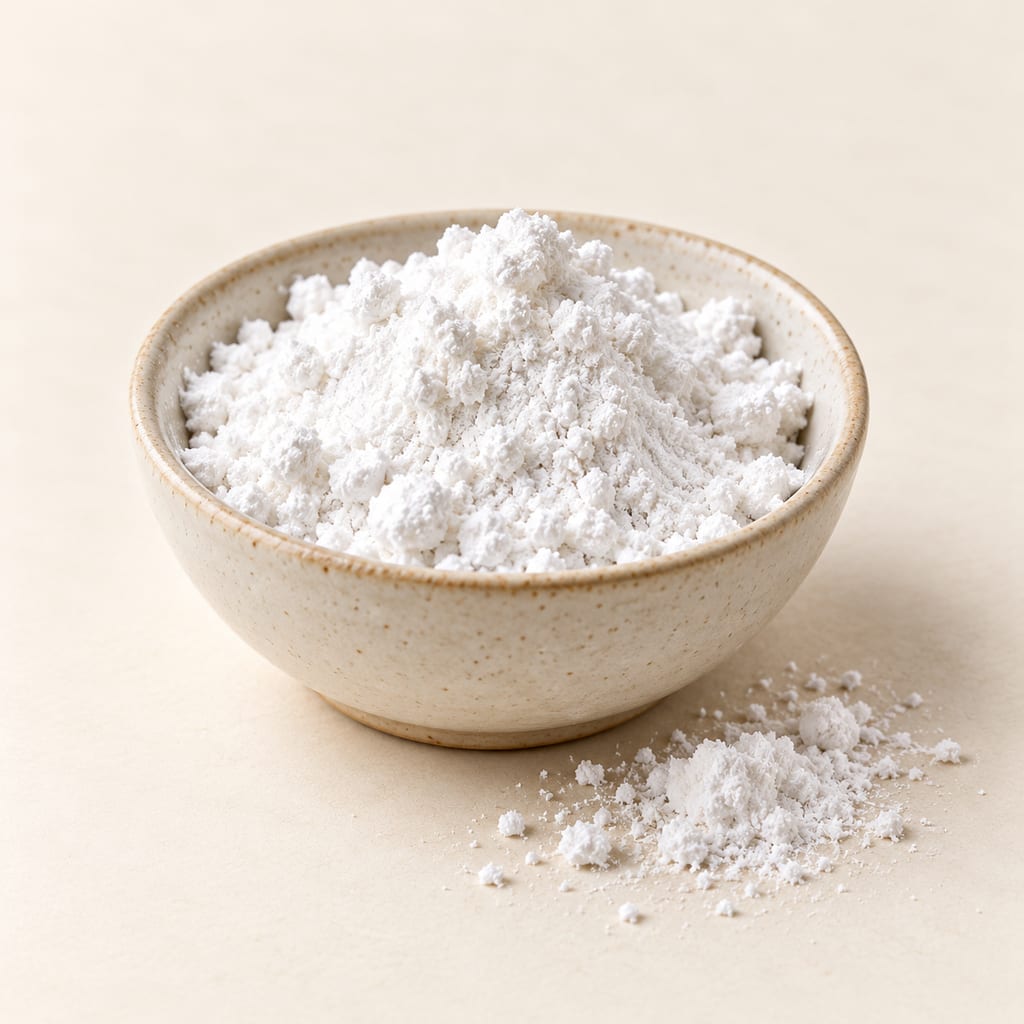
Cream of tartar is a grape-derived potassium tartrate salt used as a dry baking acid, foam aid and measured syrup ingredient.
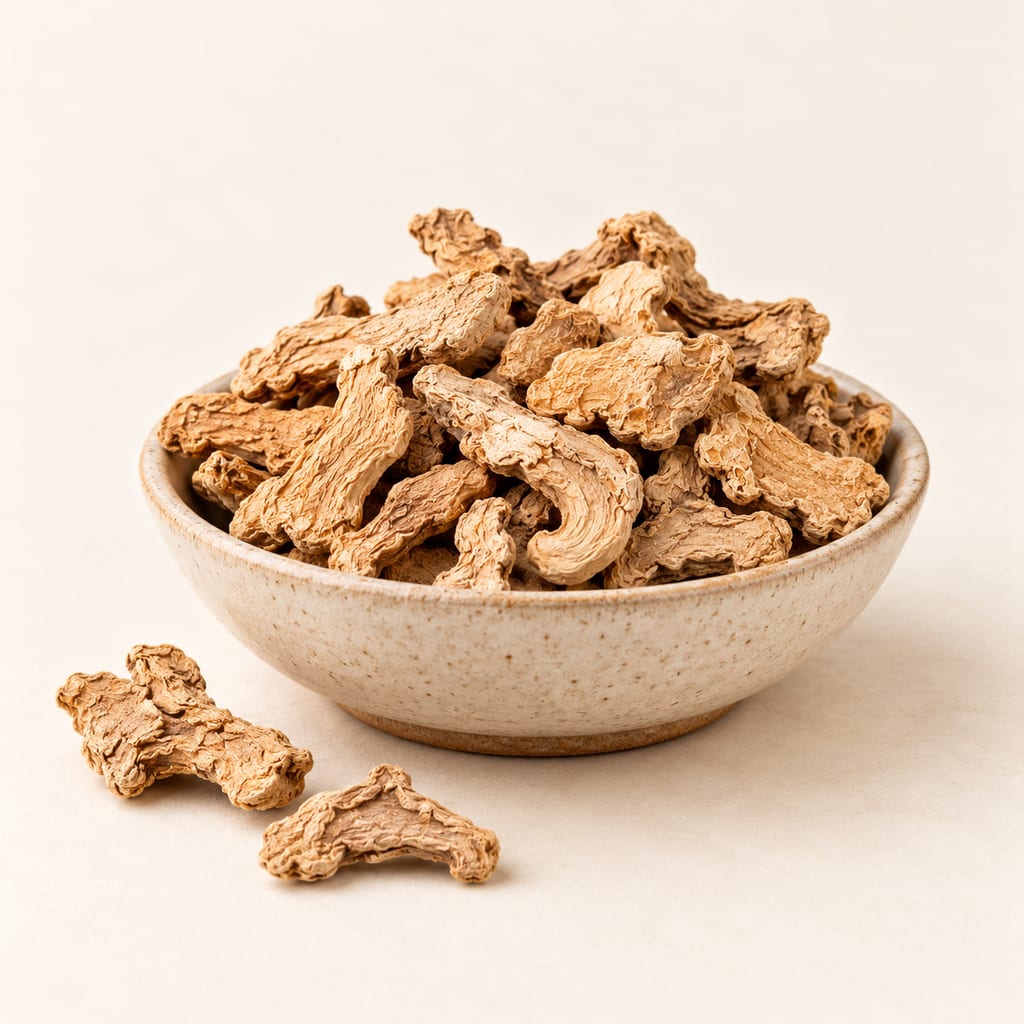
Dried ginger is the mature, dried rhizome of Zingiber officinale; its warm flavor and whole, sliced or ground forms serve different kinds of cooking.
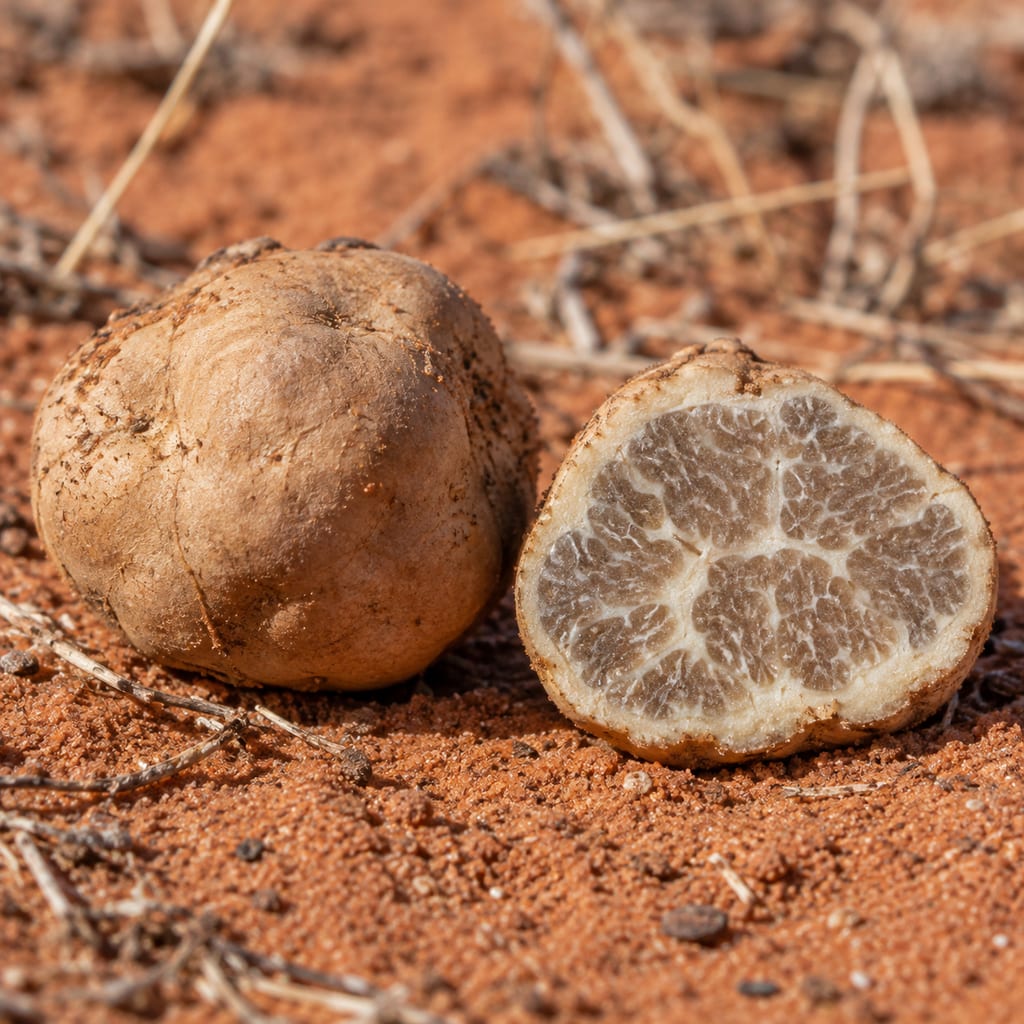
Eremiomyces echinulatus is a subterranean desert truffle of the Kalahari, recorded as food in regional ethnomycology and easily confused with the better-known Kalahari truffle, Kalaharituber pfeilii.
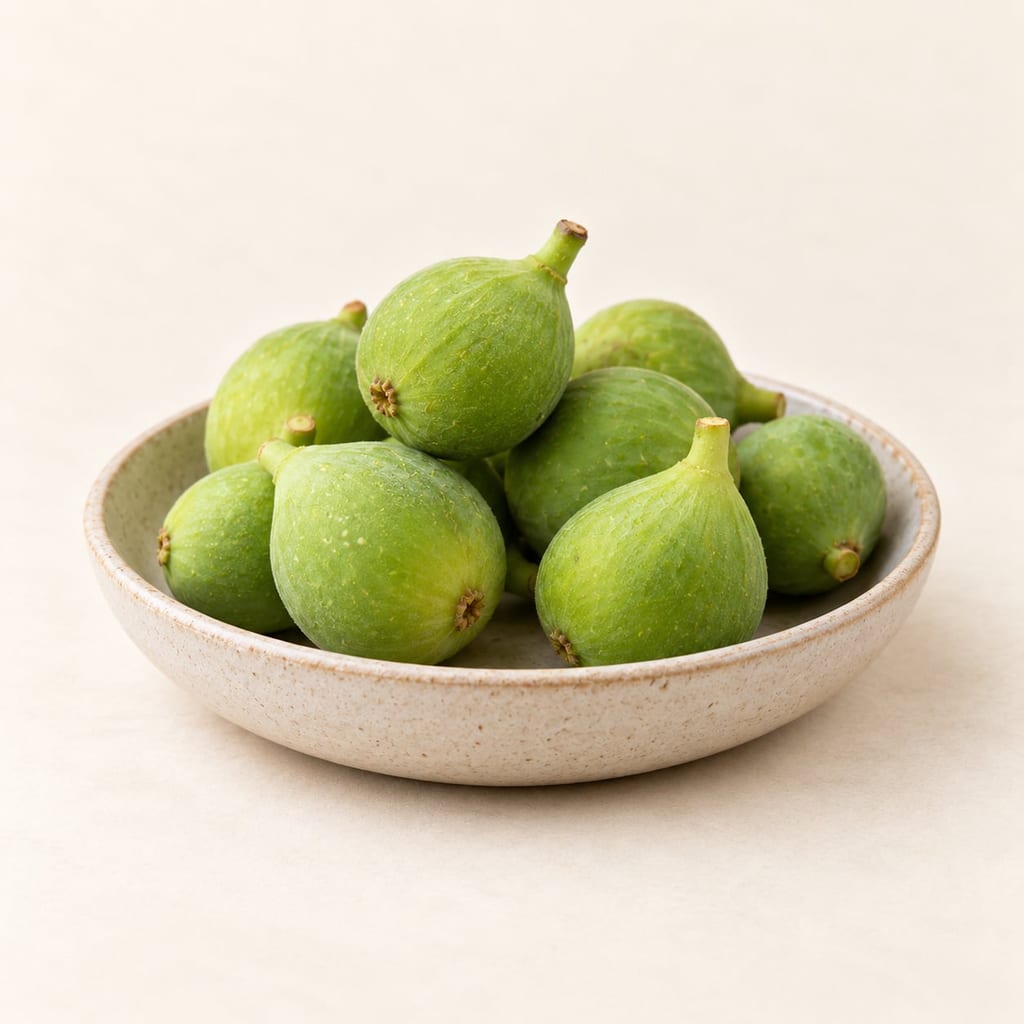
Firm green figs are the unripe fruit of the fig tree selected for preserves that keep the fruit whole and let it absorb syrup.
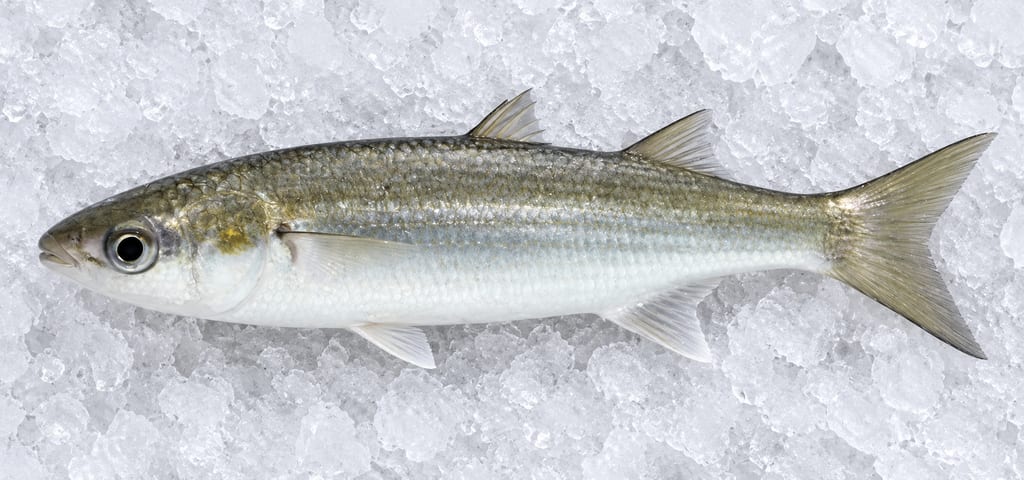
Mullet is a broad name for several coastal fishes. In the Cape West Coast bokkom tradition, the local harder is the southern mullet Chelon richardsonii, formerly Liza richardsonii; identify species and product before substituting.
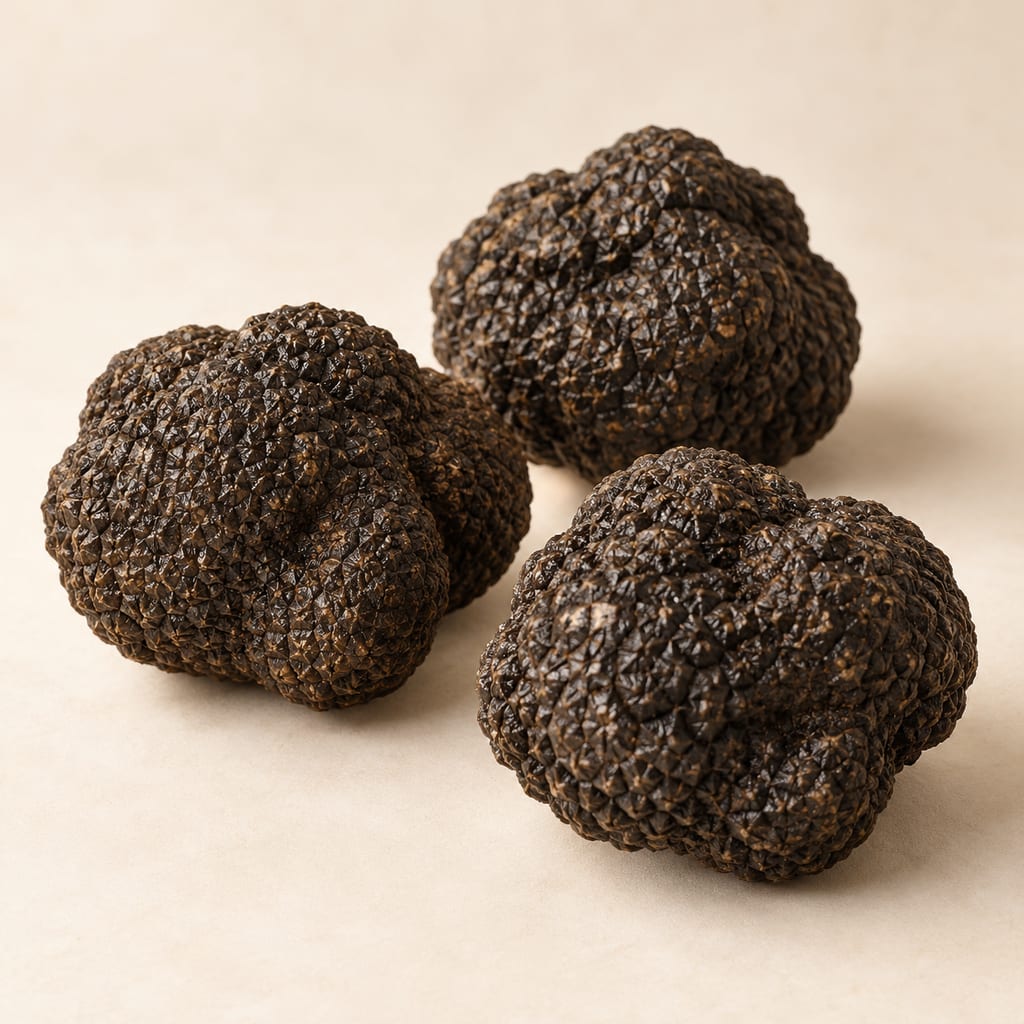
Tuber melanosporum is the Périgord black truffle, a mycorrhizal fungus of southern Europe grown in inoculated oak and hazel orchards and used as a high-value aromatic seasoning.
No community contributions have been published for this entry yet.
Sign in to contribute. Published comments and photos are free to read.
USDA Forest Service / Mycological ProgressIdentity · Taxonomy
Comparative taxonomy of desert truffles of the Australian outback and the African KalahariThe comparative paper validates the corrected combination Mattirolomyces austroafricanus and redescribes it among southern African desert truffles. Its broad Kalahari framing does not supply an exact Kalahari Desert locality for the species.
Cited in: What it is; Distribution; Safety and identification
Economic Botany / SpringerDistribution · Ethnomycology
Desert Truffles of the African Kalahari: Ecology, Ethnomycology, and TaxonomyThe review places Mattirolomyces austroafricanus west of Kimberley in Northern Cape and explains that it is included with Kalahari taxa because the area is in the same arid-savannah biogeographic zone as the southern Kalahari proper. Its food-use discussion does not document this species as eaten.
Cited in: Distribution; Food use
Bothalia / South African National Biodiversity InstituteIdentity · Distribution · Morphology
Notes on Southern African TuberalesThe original description names the species Terfezia austroafricana; the abstract says it was known only from the Cape. The type is from a red sand dune near Upington, then Gordonia. It describes the fresh ascocarp as pale cream and subglobose.
Cited in: What it is; Distribution
Australian National Botanic GardensDistribution
Desert truffles: Australia and the KalahariThe summary says Mattirolomyces austroafricanus had not yet been found from the Kalahari, but was known from arid savannah in South Africa.
Cited in: Distribution