
Akahatsu
Akahatsu, Lactarius akahatsu, is a wild milkcap of East Asian pine and mixed forests that is sold in Yunnan markets, with its edibility and identity still needing species-level review.
 FermenteaWhere food goes to change
Mushrooms
Cantharellus albovenosus, the Asian chanterelle, is an ectomycorrhizal forest chanterelle that is marketed in Yunnan; its species identity and local safety still need review.
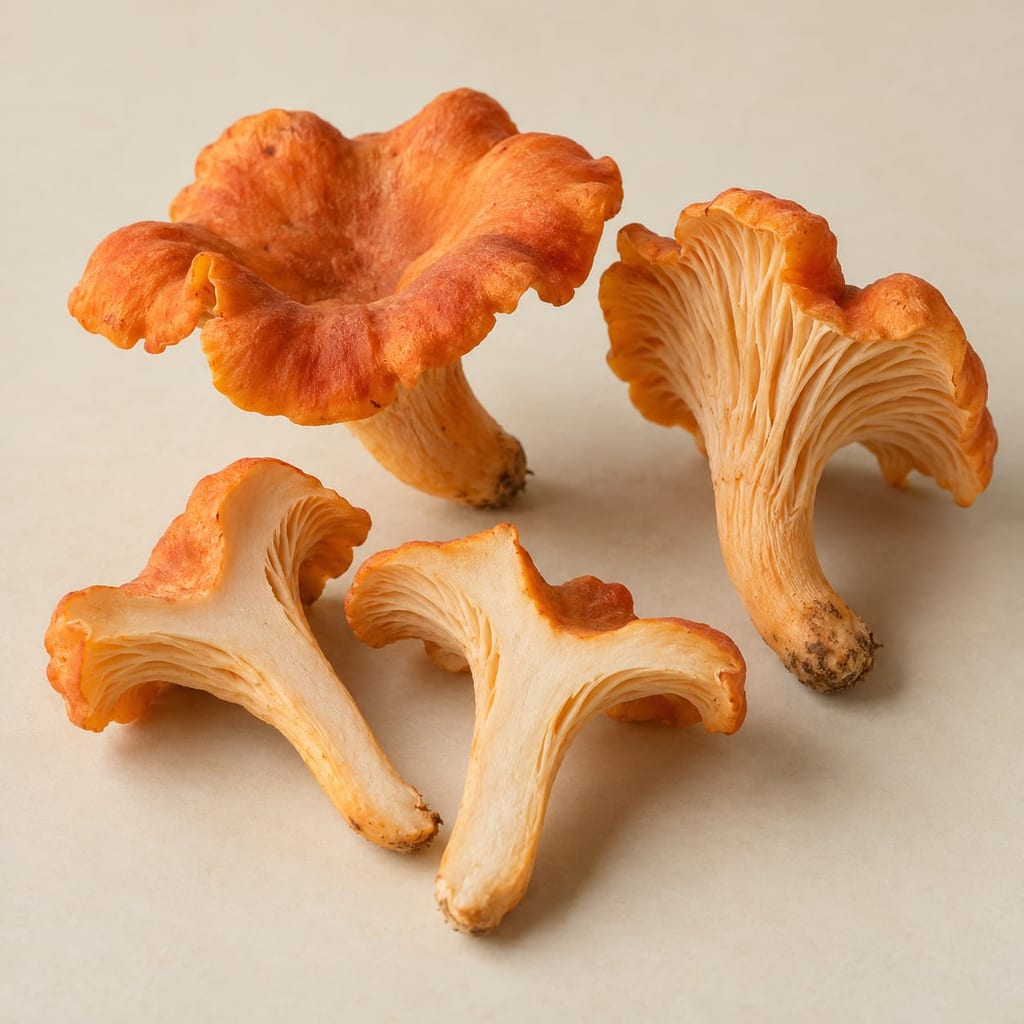
Cantharellus albovenosus is a chanterelle, a mushroom of the genus Cantharellus, that the supplied record gives the common name Asian chanterelle. It is recorded from Yunnan Province in southwest China and is described as an ectomycorrhizal forest fungus, meaning it grows in partnership with tree roots.
The record calls it a marketed chanterelle, which describes sale in the wild-mushroom trade. That is the extent of its food role in the sources read for this page.
The record keeps the name Cantharellus albovenosus as the source study used it and does not confirm it against current taxonomic authority. Chanterelles are often separated from one another only by microscopic features, so a field name needs confirmation.
The regional study identified its market and forest fungi by morphological and molecular methods, which is a research identification made on specimens.
The name is taxonomically disputed. Zhang et al. (2022) report C. albovenosus as new to China and separate it from C. phloginus by morphology, while their multilocus analysis did not resolve the two as distinct. Wang et al. (2023) sequenced the type and treat it as a white-gilled form within a broad C. phloginus population, and a 2025 regional treatment lists it as a synonym of C. phloginus. Species Fungorum still lists the name as accepted. The Yunnan record should be read as reported as C. albovenosus in the cited study, with the later taxonomic treatment stated beside it.
The Pu’er study visited eleven markets in the prefecture, recording the species on sale and their local names, prices and fruiting months. The record places this chanterelle among the species that vendors sell, but it gives no dish or preparation for it.
The study found that knowledge of these fungi is held mainly by older people and calls for further research and for keeping the knowledge in use.
The study recorded cooking and preservation methods for the fungi it documented. The abstract does not describe them for this species, and no preparation, drying or storage instruction is given here.
The sources do not establish that this mushroom is safe to eat, and they do not describe its look-alikes. The supplied record flags its taxonomy and local safety for species-level review. Market sale shows that people buy the mushroom; it does not show that a given specimen is the species named, or that any preparation makes it safe. Nothing on this page should be used to identify or eat a mushroom found in the wild.
A 2025 study in Food Chemistry investigates telling apart market specimens labelled C. albovenosus from the poisonous Omphalotus olearius. That is a reason for expert identification, not a home check: this page gives no visual checklist and no recommendation to eat a wild or market specimen on the strength of its name.
The record does not settle the current accepted name, the look-alike species, the local names beyond the common name, or how the mushroom is cooked or dried. The next questions are a species-level review and a food study of the Yunnan chanterelle trade.
Market and habitat records from the Pu’er study; the record does not place the species more precisely.
Akahatsu, Lactarius akahatsu, is a wild milkcap of East Asian pine and mixed forests that is sold in Yunnan markets, with its edibility and identity still needing species-level review.
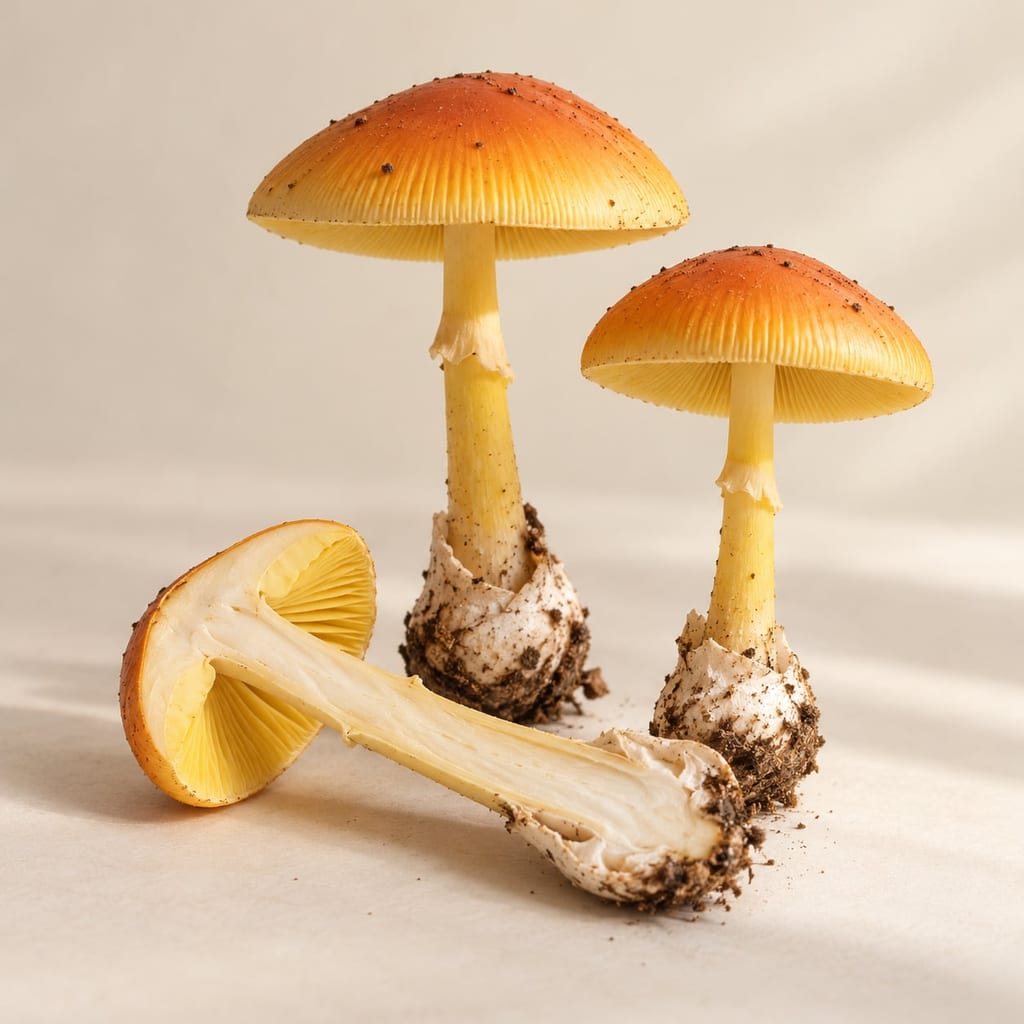
A wild Amanita of China, first reported there and listed as edible in a Yunnan ethnomycology study. The genus contains deadly species, so this page does not support identifying or eating it.
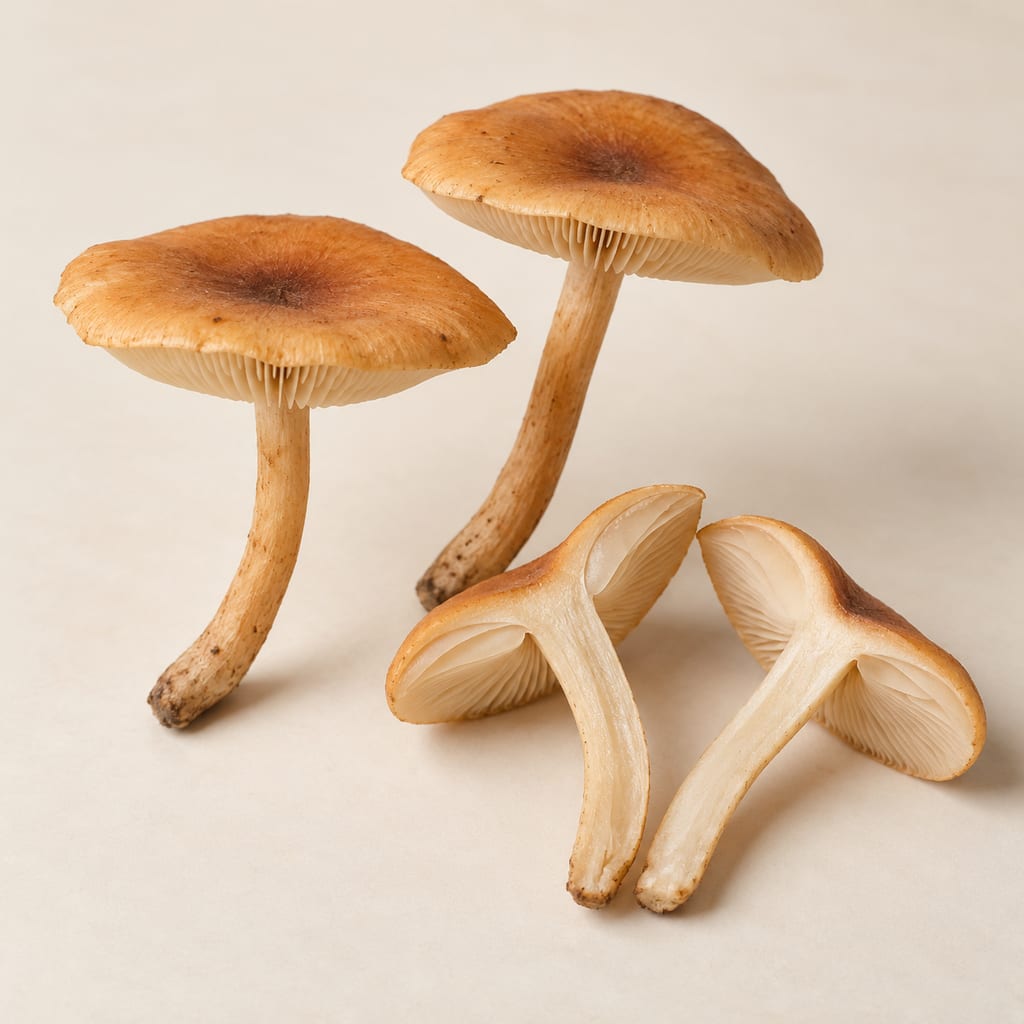
A wood-associated Armillaria recorded in Yunnan and Sichuan, China, and listed as edible in a 2026 Chinese catalogue.
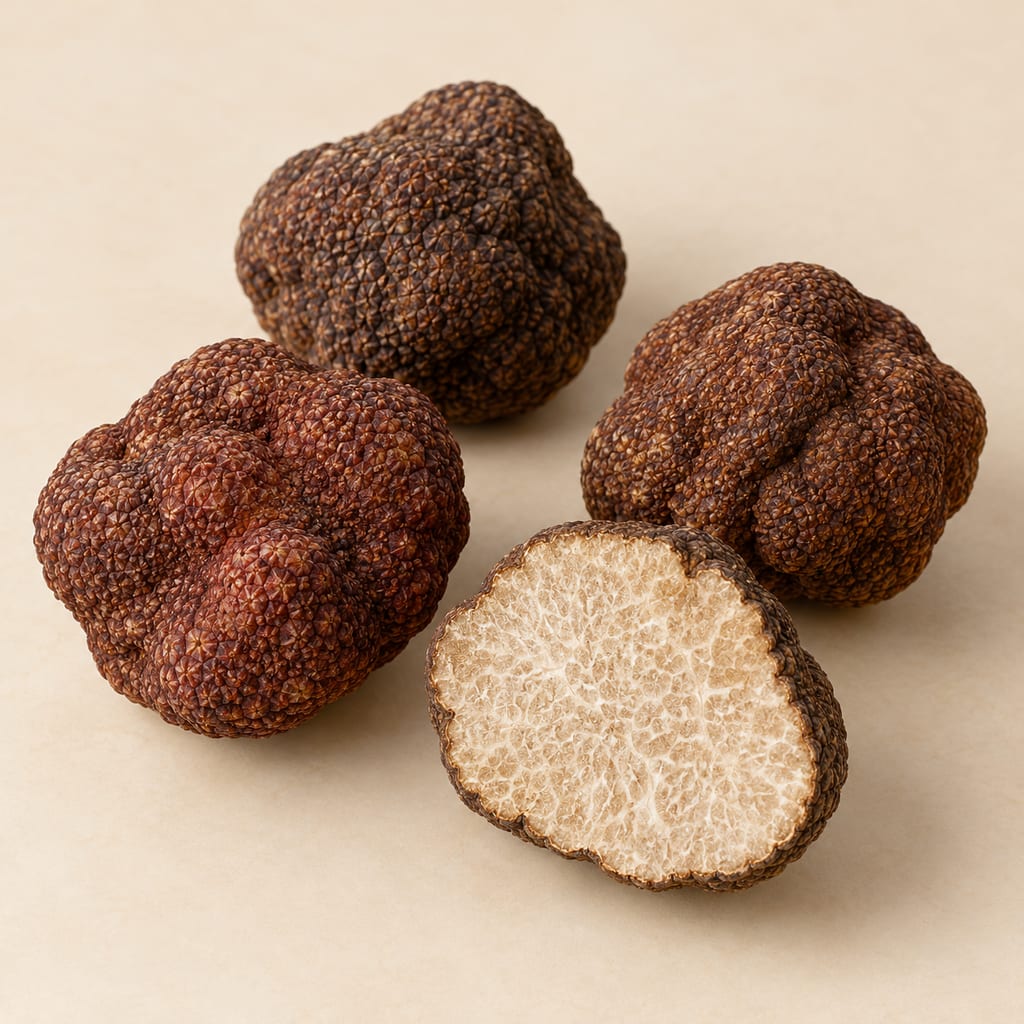
Tuber pseudohimalayense is a wild black truffle from Yunnan, China, listed as edible in a Chinese species catalogue. No independent assessment of its culinary use or safety is available.
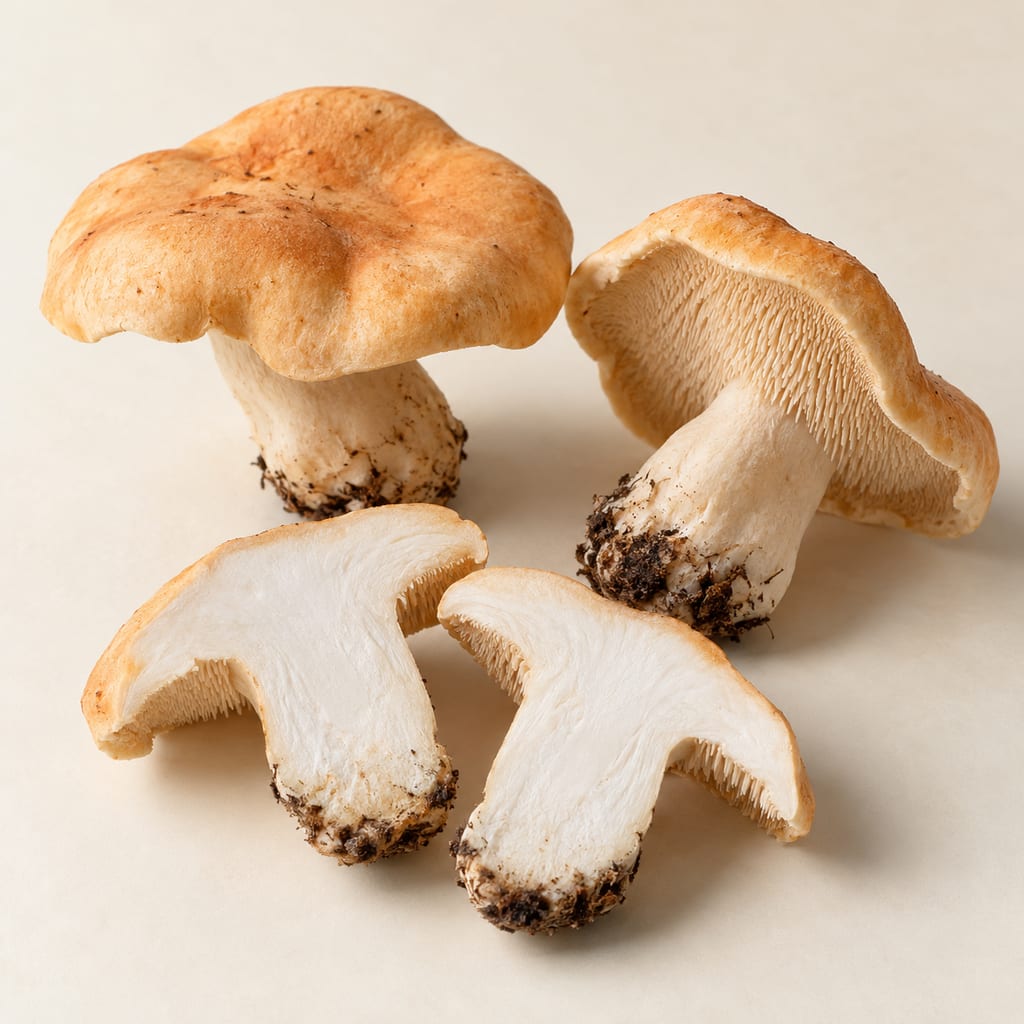
Hydnum berkeleyanum is a toothed, ectomycorrhizal forest fungus sold in food markets in Yunnan, China. Its regional identification is published, but its current name and local safety still need species-level review.
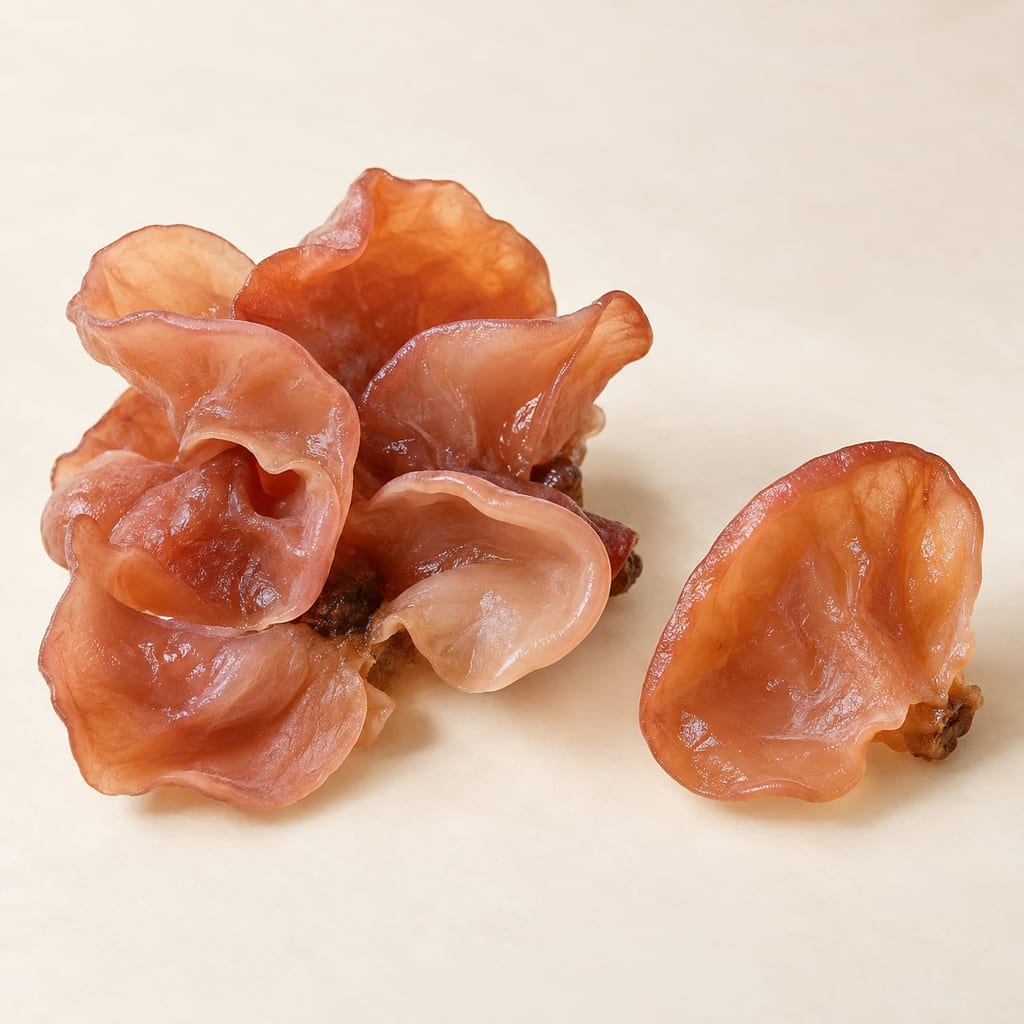
Auricularia thailandica is a thin, gelatinous wood ear described from Southeast Asian collections. Research reports it edible and experimentally cultivable, but species-specific recipes and everyday handling guidance are scarce.
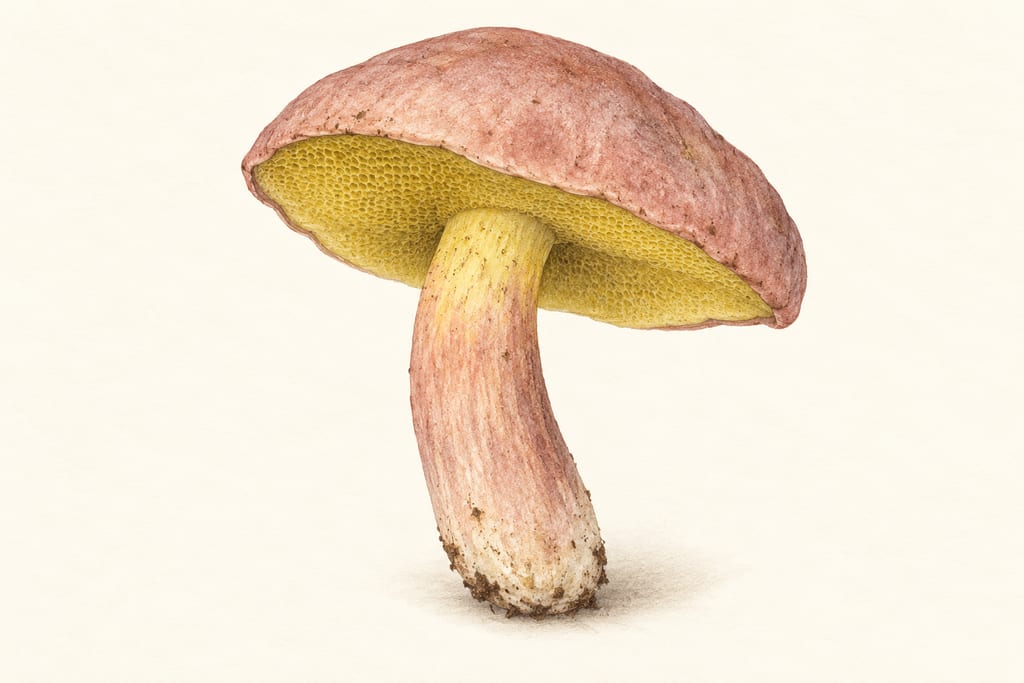
A 2023 Chinese taxonomic treatment accepts Boletellus indistinctus as a species. A separate Yunnan market record uses this name, but its specimen identification and local food safety have not been confirmed here.
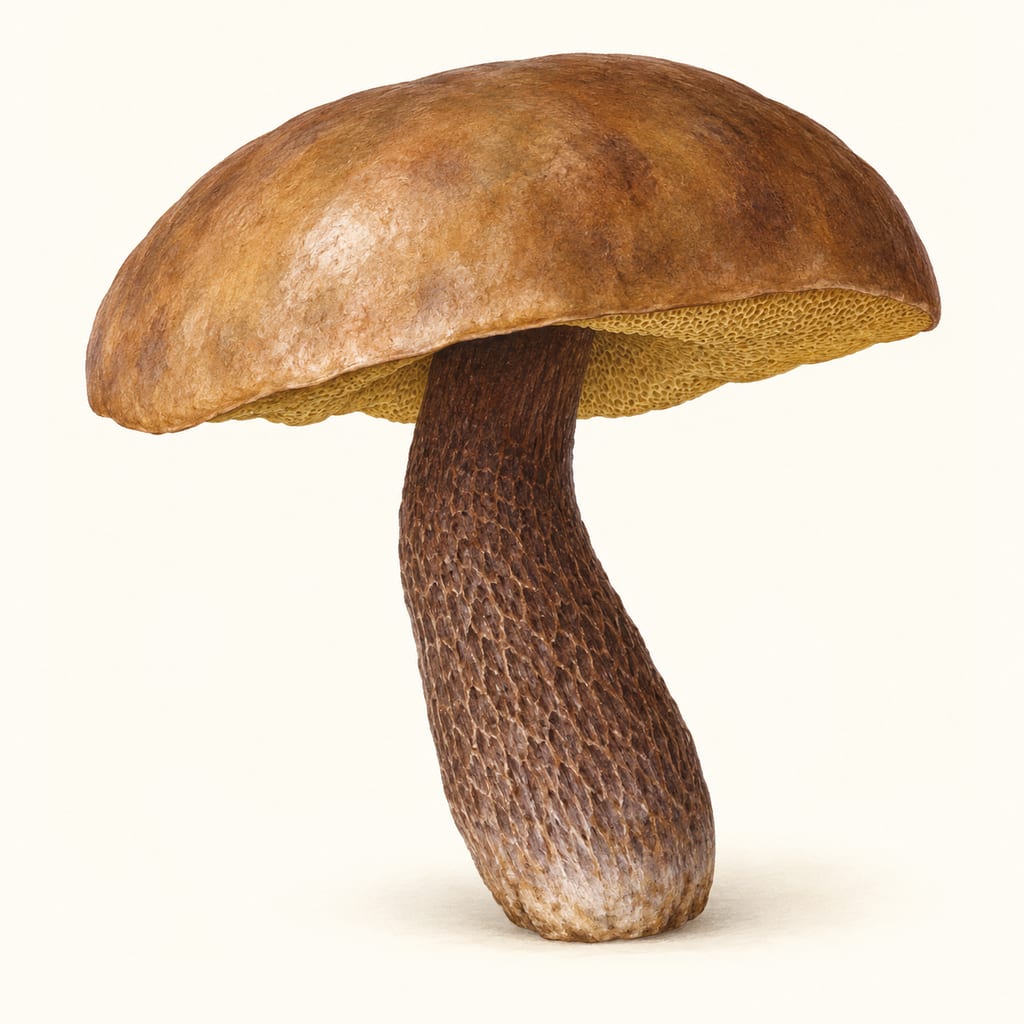
Boletus botryoides, the grape-coloured bolete, is a porcini-like wild bolete of central and south-western China. It is listed as edible in Chinese catalogues, but no dish or preparation is documented for it.
No community contributions have been published for this entry yet.
Sign in to contribute. Published comments and photos are free to read.
Journal of Ethnobiology and Ethnomedicine 18(1)History · Method
Ethnomycological study on wild mushrooms in Pu’er Prefecture, Southwest Yunnan, ChinaEleven markets sold 101 species from 22 families and 39 genera, about 76% ectomycorrhizal; collectors gathered 283 species, varieties and undescribed species from habitats.
Vendors and collectors were interviewed for local names, habitat, fruiting time, prices, cooking and preservation methods; fungi were identified morphologically and molecularly.
Cited in: Overview; Identity and taxonomy; Market and food use; Preparation and preservation; Safety and identification; Open questions
Journal of FungiIdentity · Taxonomy
Zhang et al. 2022, Cantharellus albovenosus new to China (Journal of Fungi 8:483)Reports C. albovenosus new to China; orange-red cap, pale ridges, spores about 7–8.5 × 5–6 µm; multilocus analysis did not resolve it from C. phloginus
MycosphereIdentity · Taxonomy
Wang et al. 2023, Mycosphere 14:153–194Sequenced the type of C. albovenosus; treats it as a white-gilled form within broad C. phloginus
Food ChemistrySafety
Food Chemistry 466 (2025), article 142189Study distinguishing market specimens labelled C. albovenosus from poisonous Omphalotus olearius