






Black carrot
Black carrot is the anthocyanin-pigmented Eastern carrot (Daucus carota var. atrorubens), the purple root that preceded orange types and still colours kanji and şalgam.
 FermenteaWhere food goes to change
1086 articles on substrates, cultures and additives.
 Fruits39
 Leafy and stem vegetables34
 Roots and tubers12
 Alliums6
 Fruiting and pod vegetables6
 Seaweeds5
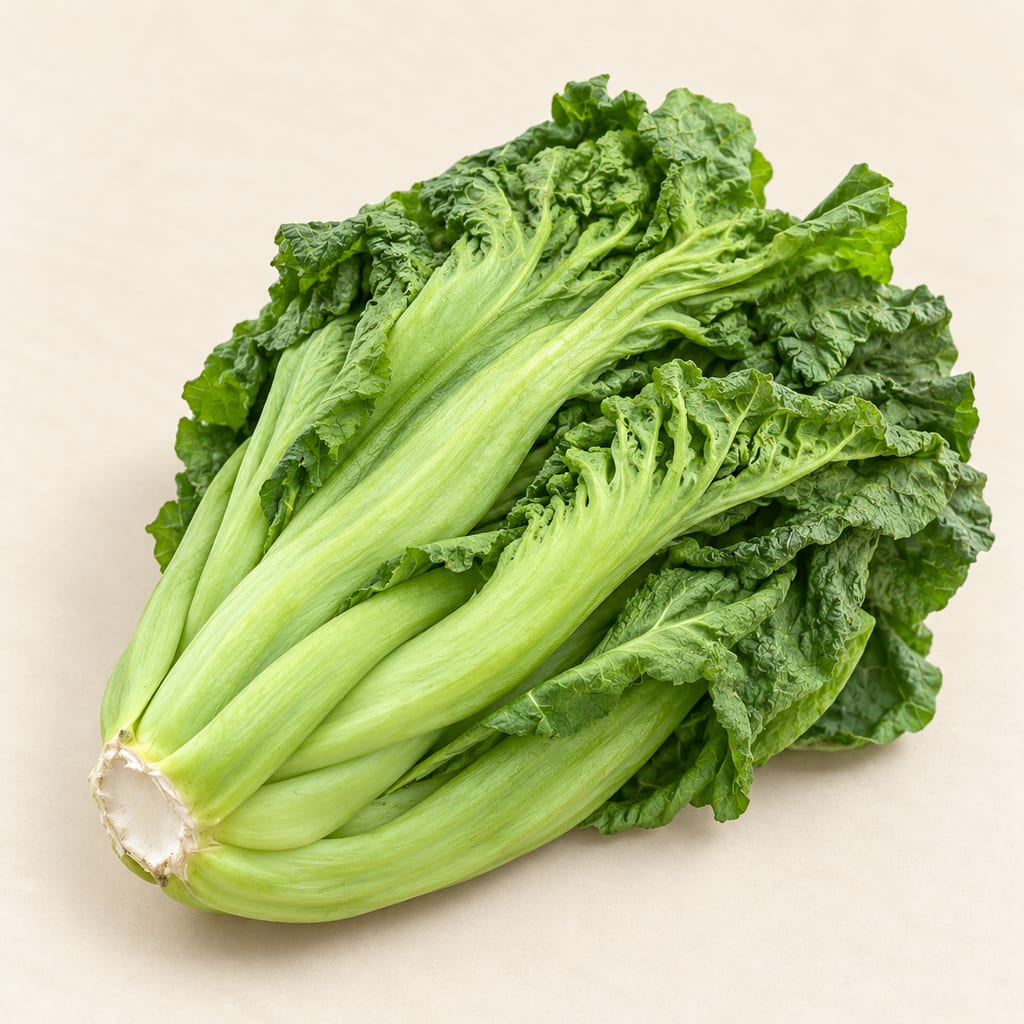 Cabbages, mustards and other brassicas3
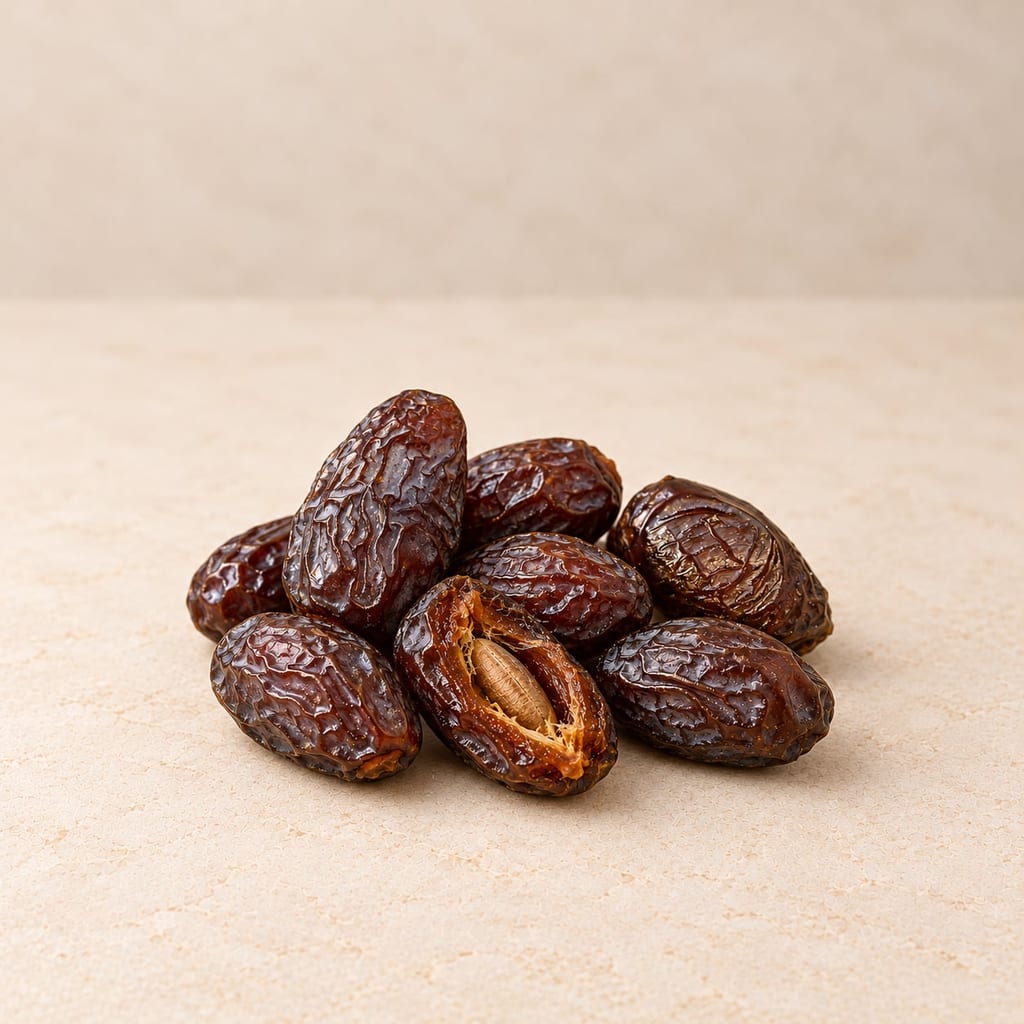 Dried and preserved fruits2
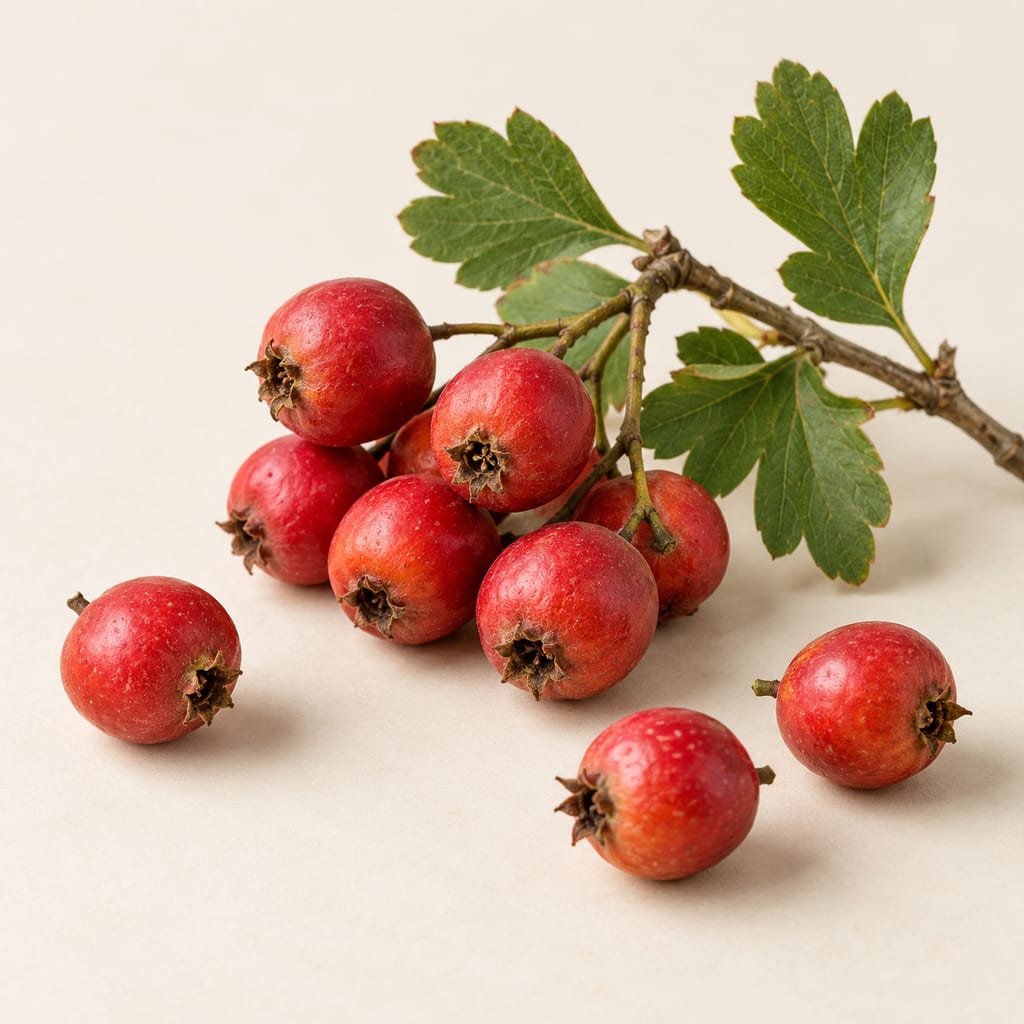 Pome fruit2
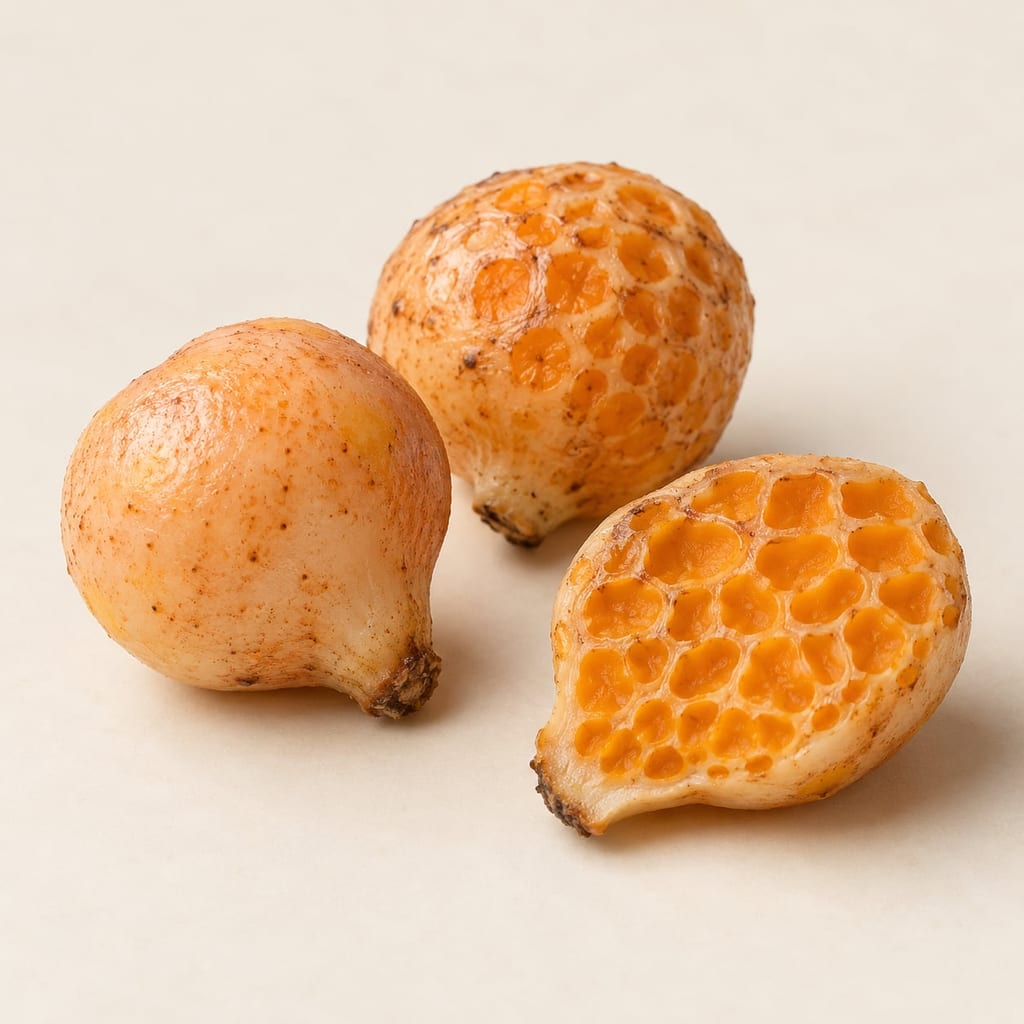 Citrus fruit1
 Stone fruit1
Black carrot is the anthocyanin-pigmented Eastern carrot (Daucus carota var. atrorubens), the purple root that preceded orange types and still colours kanji and şalgam.
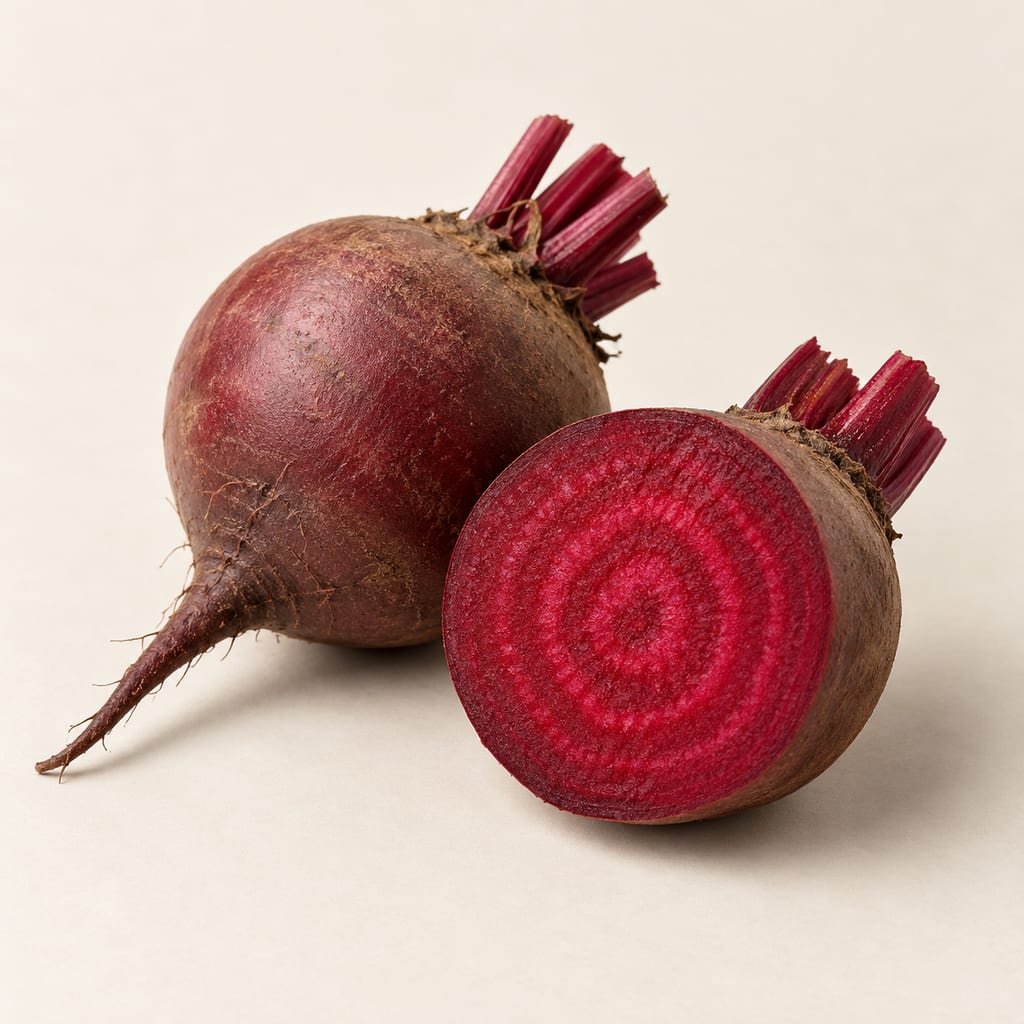
Beetroot is the red taproot of Beta vulgaris. In Poland its soured juice replaced hogweed as the base of barszcz from the eighteenth century, and beet leaven is still made for Christmas Eve.
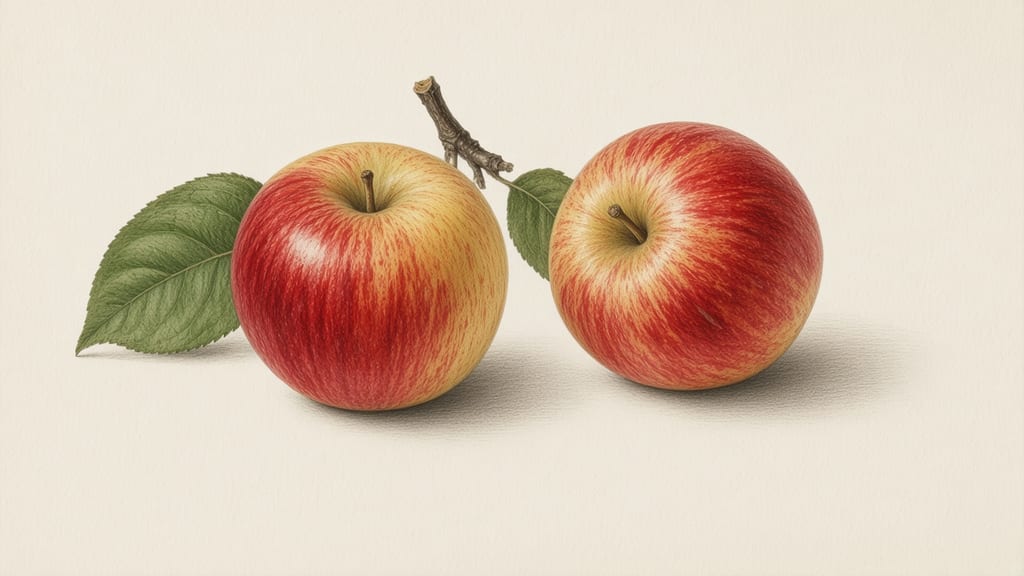
The Redstreak was the famous seventeenth-century cider apple of Herefordshire, linked with Lord Scudamore. A yellow apple streaked with red, it was lost as a distinct variety by the 1880s.
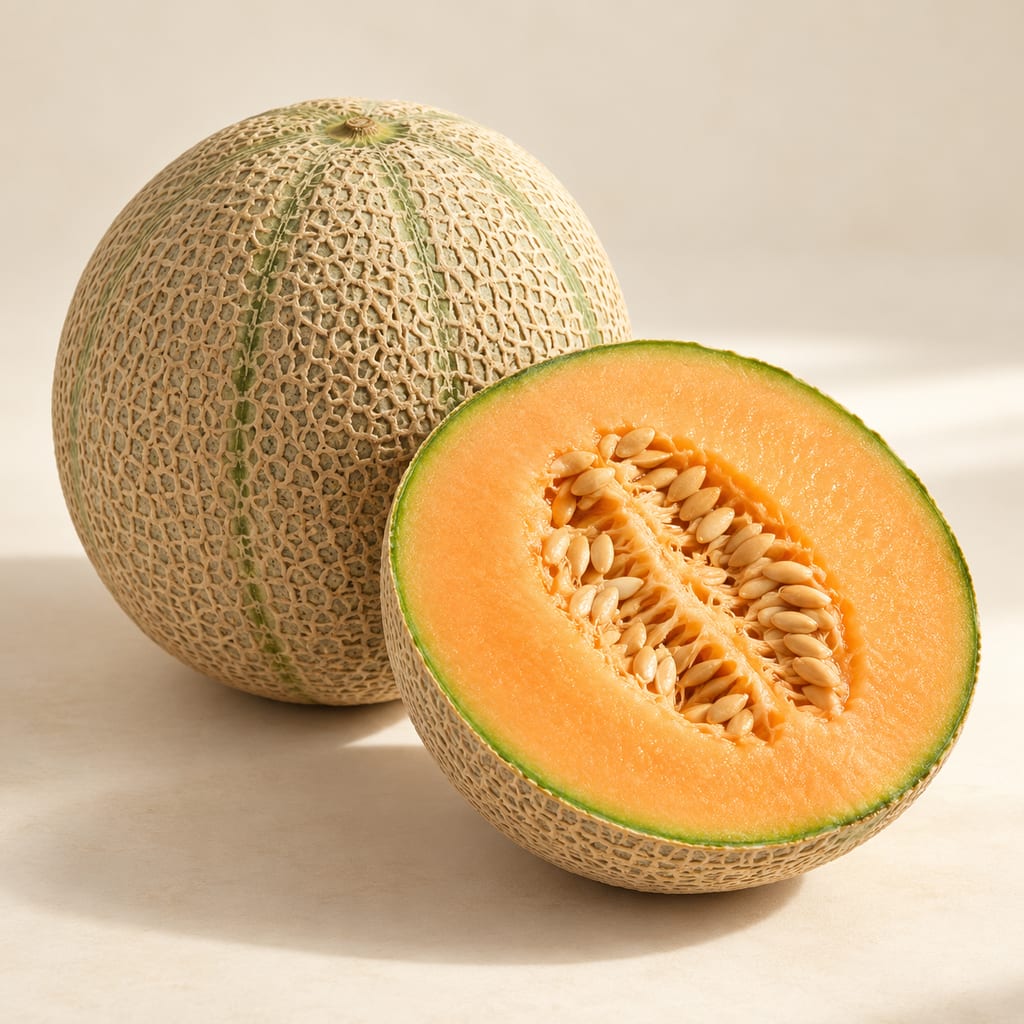
Cucumis melo, a cultivated melon of the Cucurbitaceae. Its origin is still debated: a review proposes Africa, and the wild melons it discusses are described as non-edible.
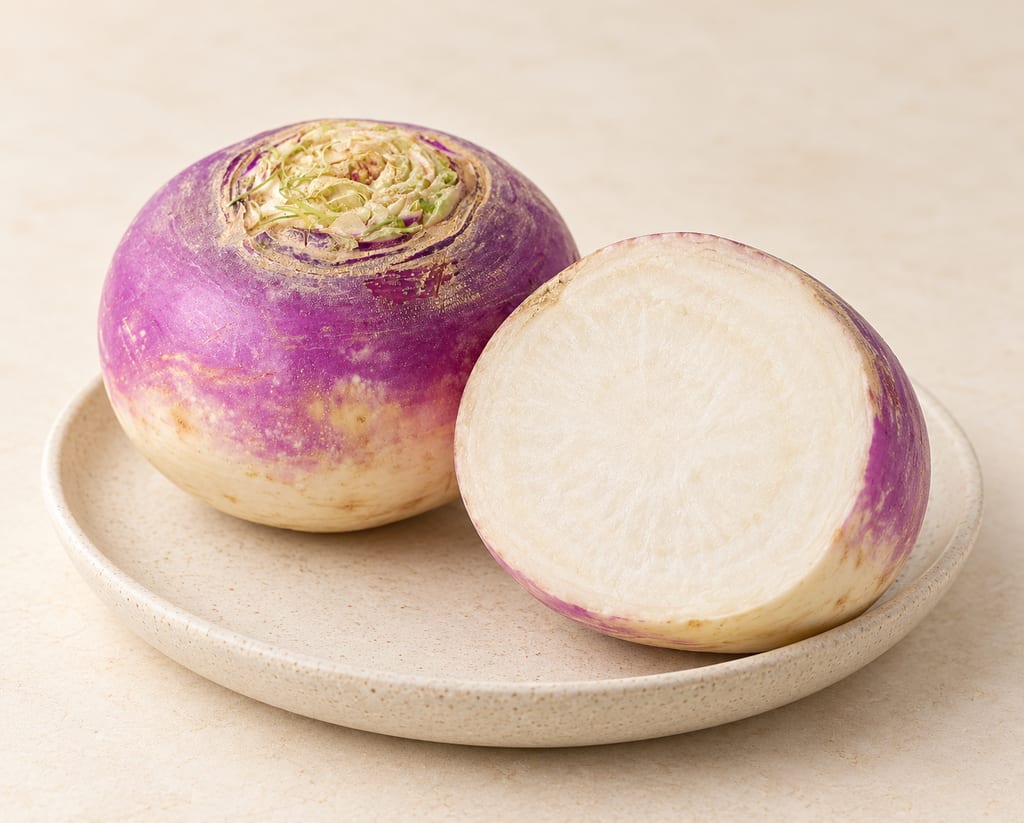
The turnip, a brassica crop whose roots and leaves are eaten. The source record names the species Brassica rapa, but its wild and naturalised forms are not assessed here.
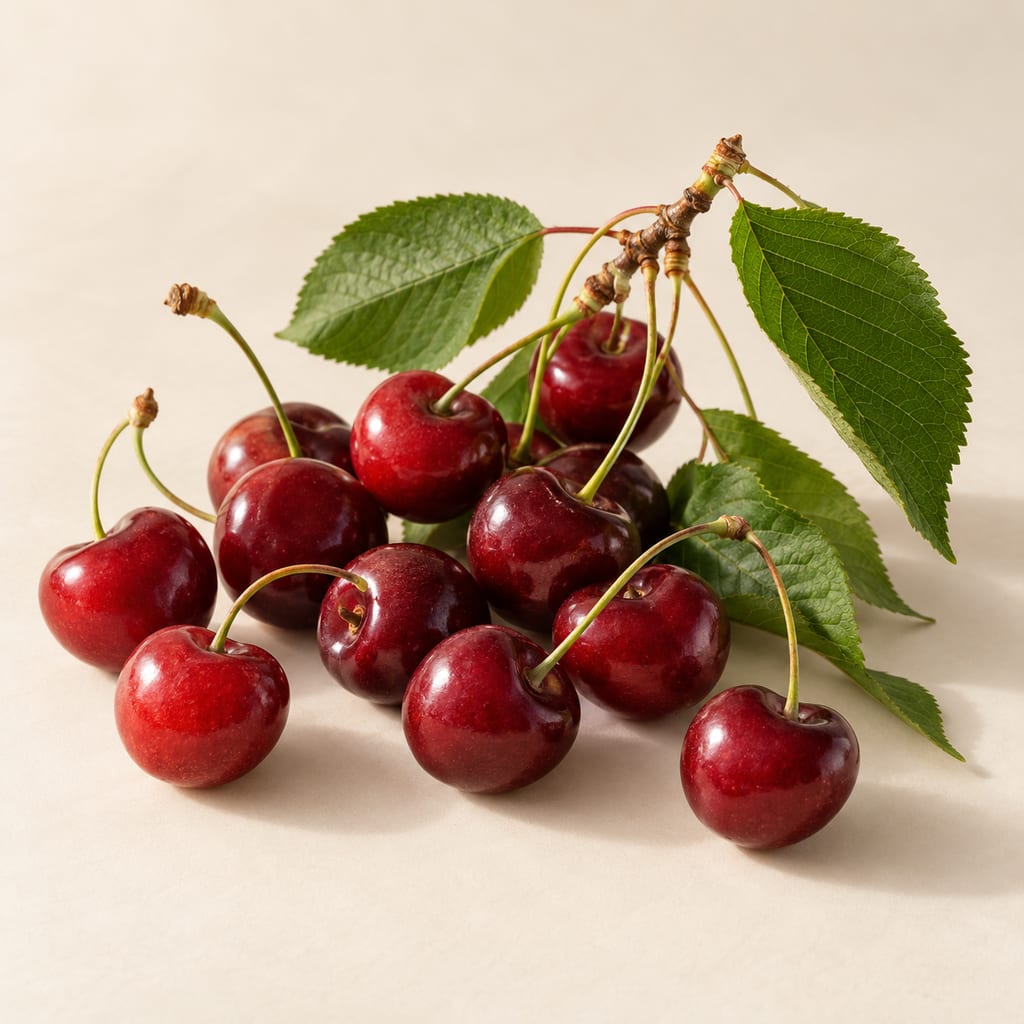
Prunus avium, the wild or gean cherry of Great Britain and Ireland, bears red summer fruit eaten by birds and used in cherry brandy. Kernel and leaf safety are not settled by the sources read.
Common hawthorn (Crataegus monogyna), a hedgerow shrub whose red haws and young leaves are reported as food, with sources that disagree on raw fruit and leaves.
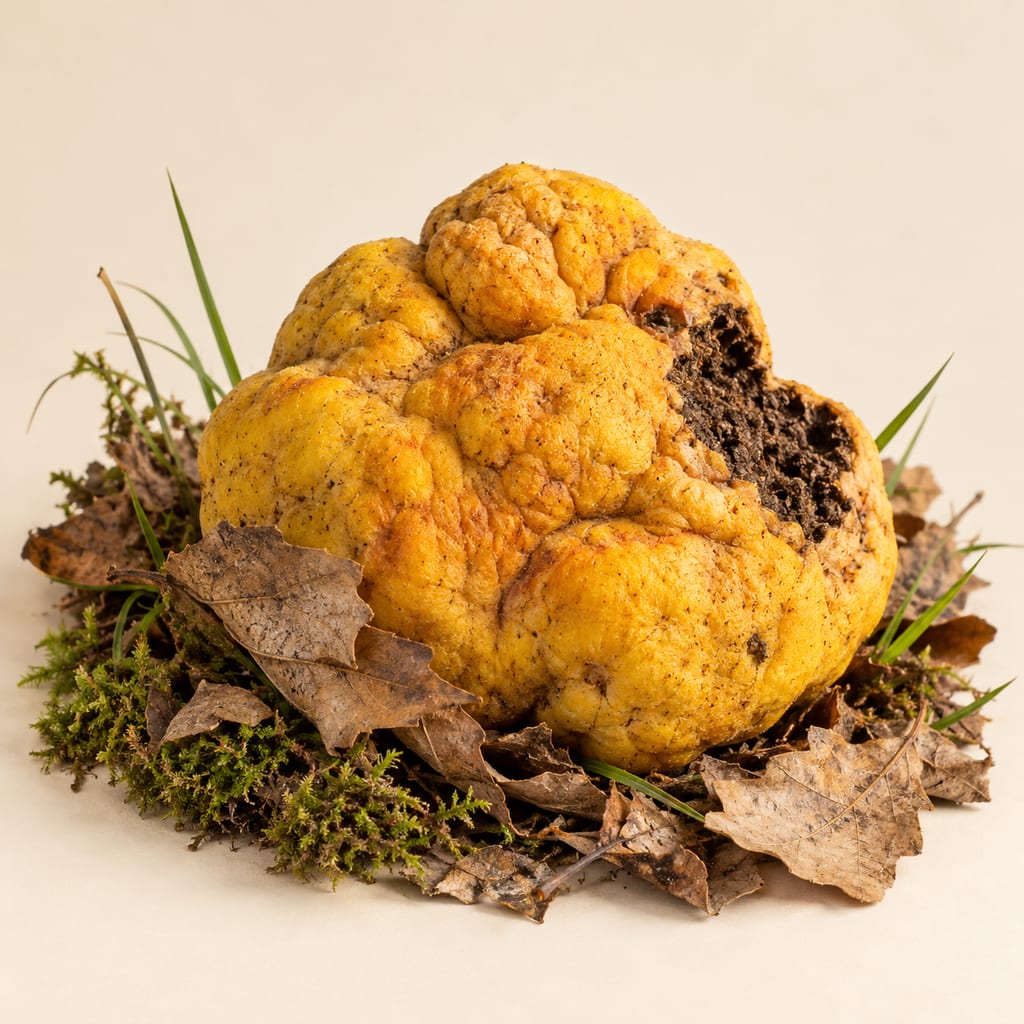
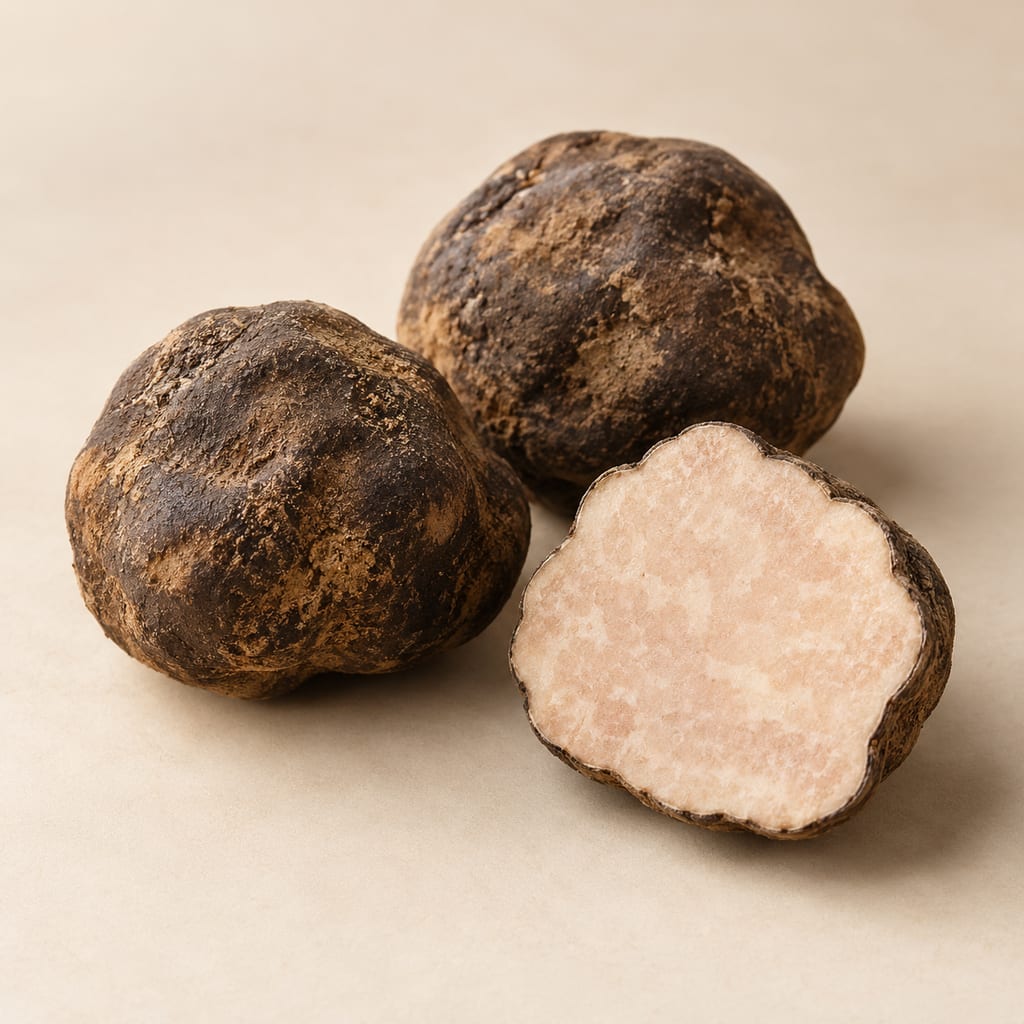
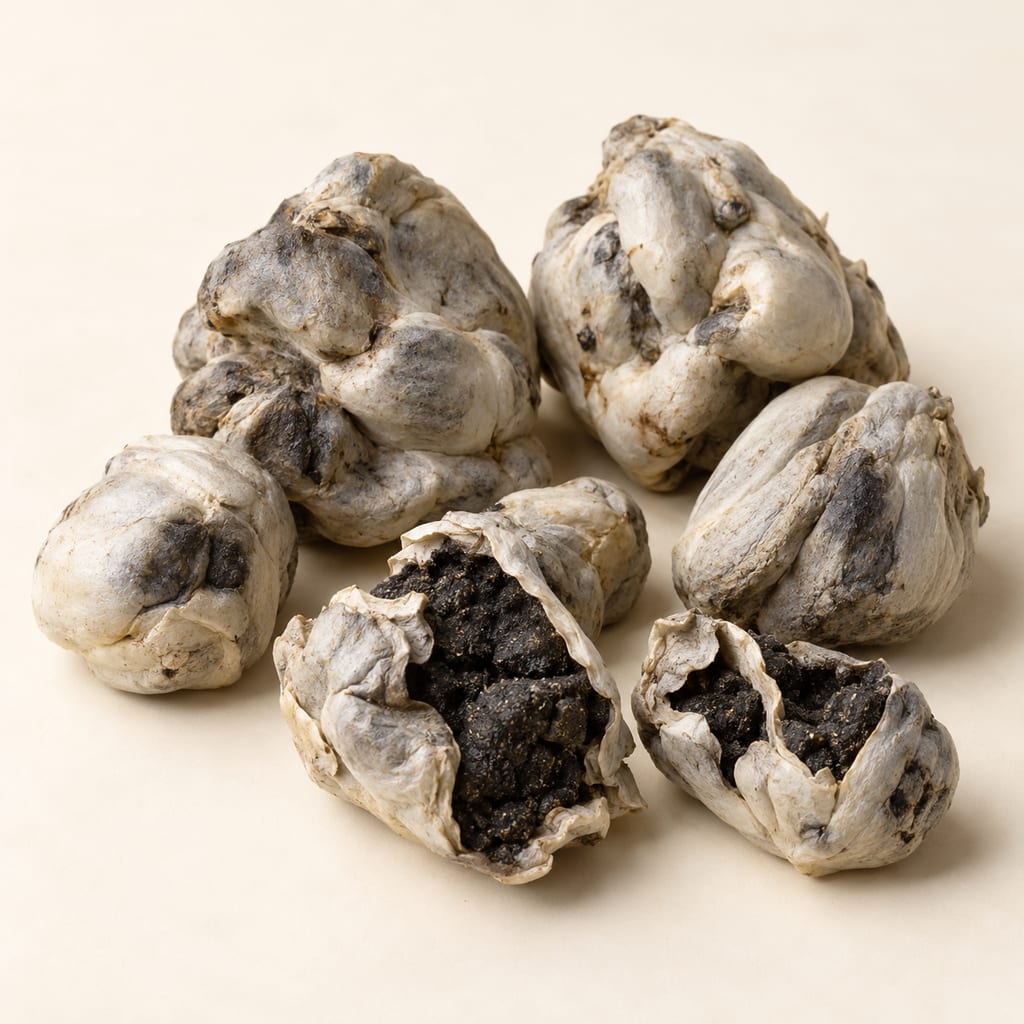
The African false truffle, Mackintoshia persica, is an ectomycorrhizal truffle-like fungus of miombo woodland in southern-central Africa. It is recorded as a regional edible, though its preparation is not documented.
Cyttaria gunnii is a fungus that forms galls on southern beech in Tasmania and Victoria. Aboriginal Australians ate its fleshy fruiting bodies, and modern sources disagree on its safety.
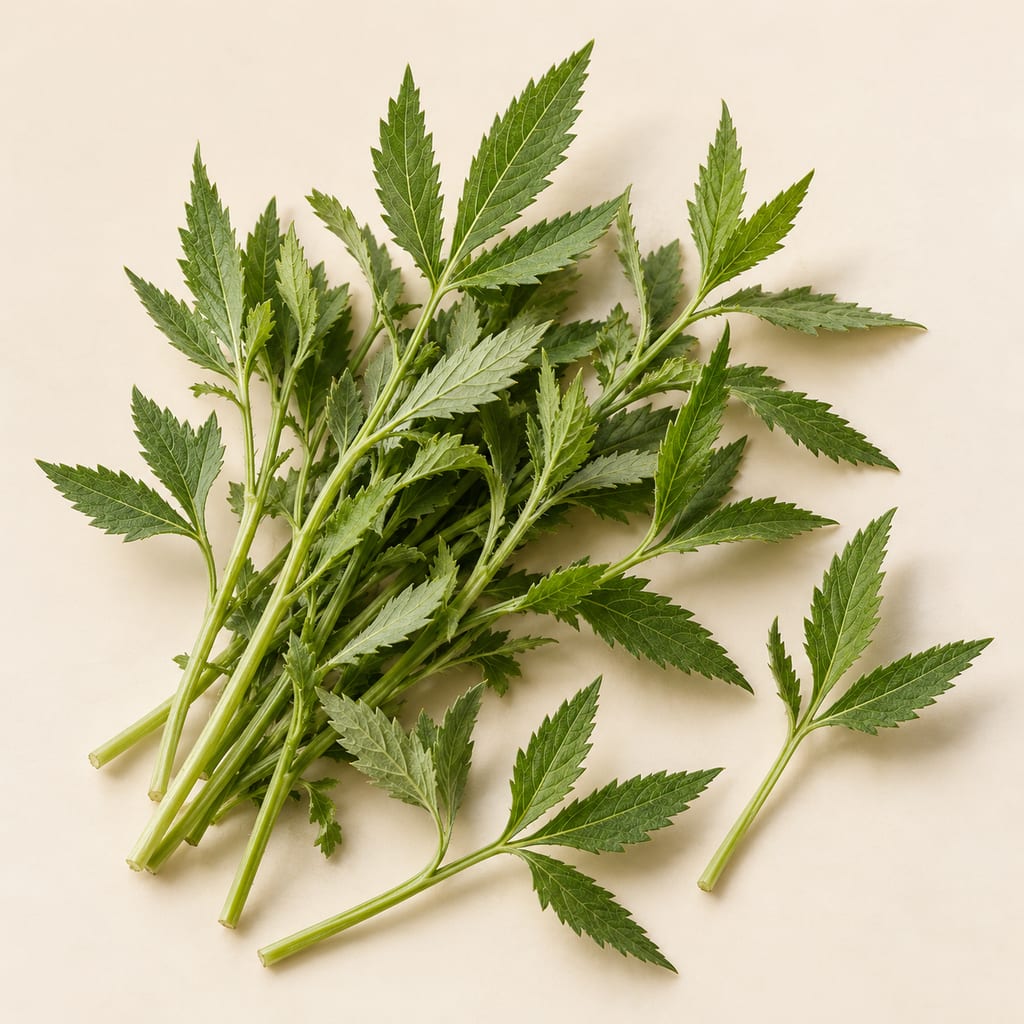
Sibekh is the young leafy growth of Falcaria vulgaris, an Apiaceae herb sold in Yerevan markets and fried with eggs; pickled, dried and canned uses are recorded without methods.
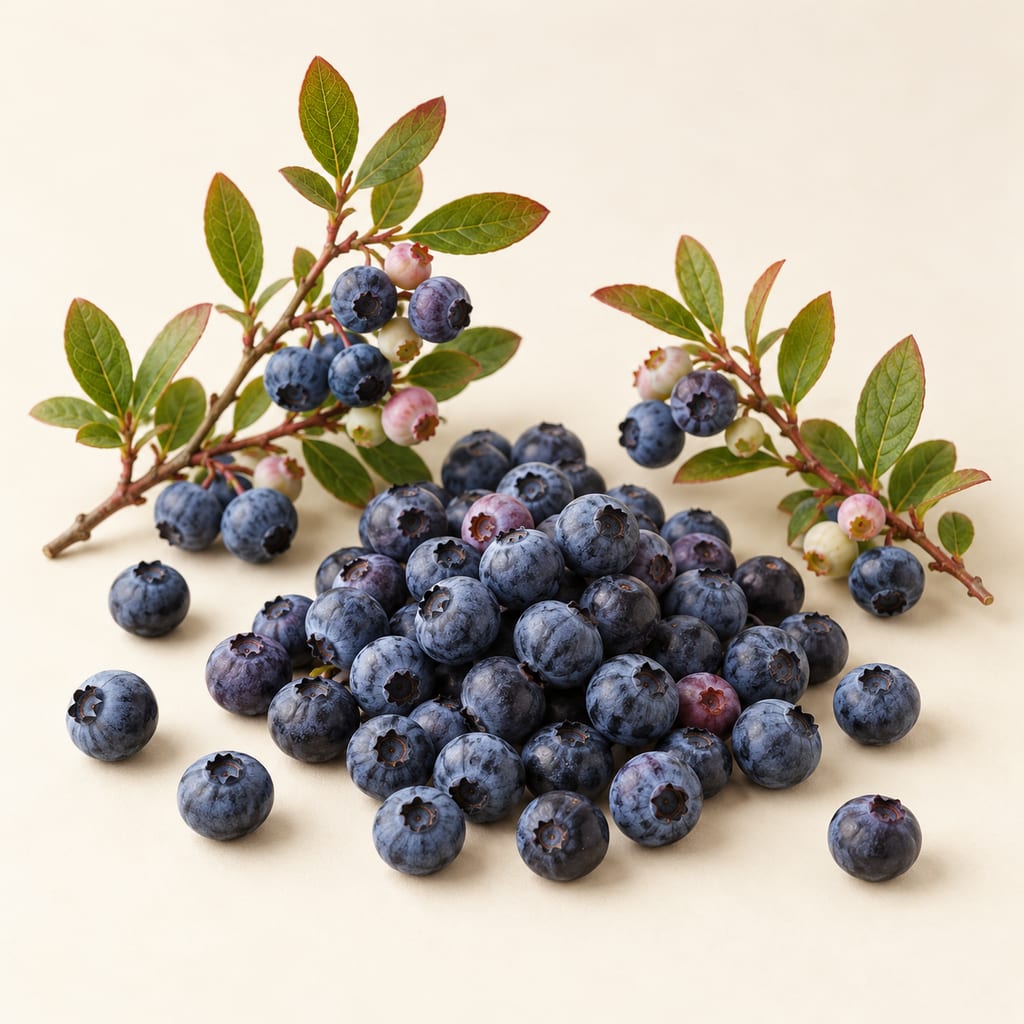
Lowbush or wild blueberry, Vaccinium angustifolium: a small subshrub of eastern North America whose berries are gathered wild and harvested from managed fields.
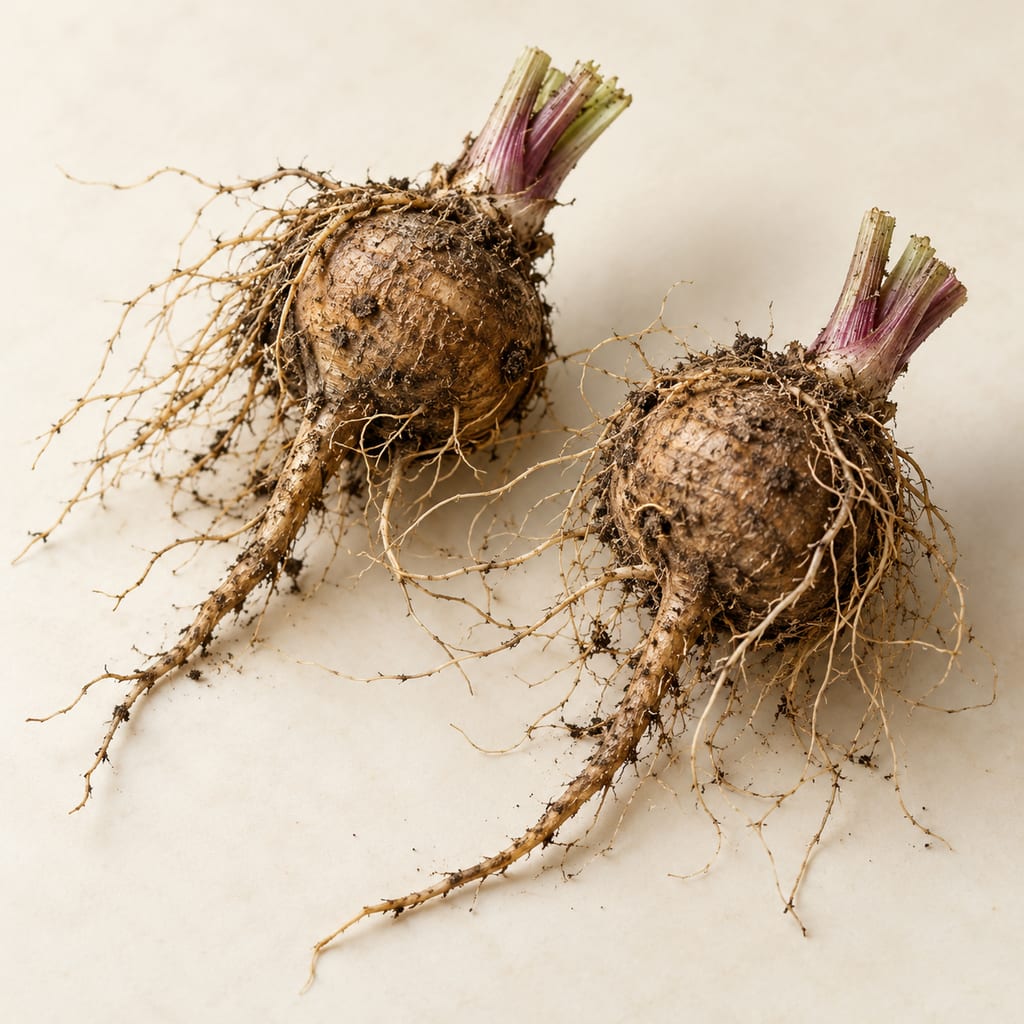
Tuberous chervil, Chaerophyllum bulbosum, is a biennial of the carrot family grown for its root in central Europe and gathered for its young leaves in Armenia.
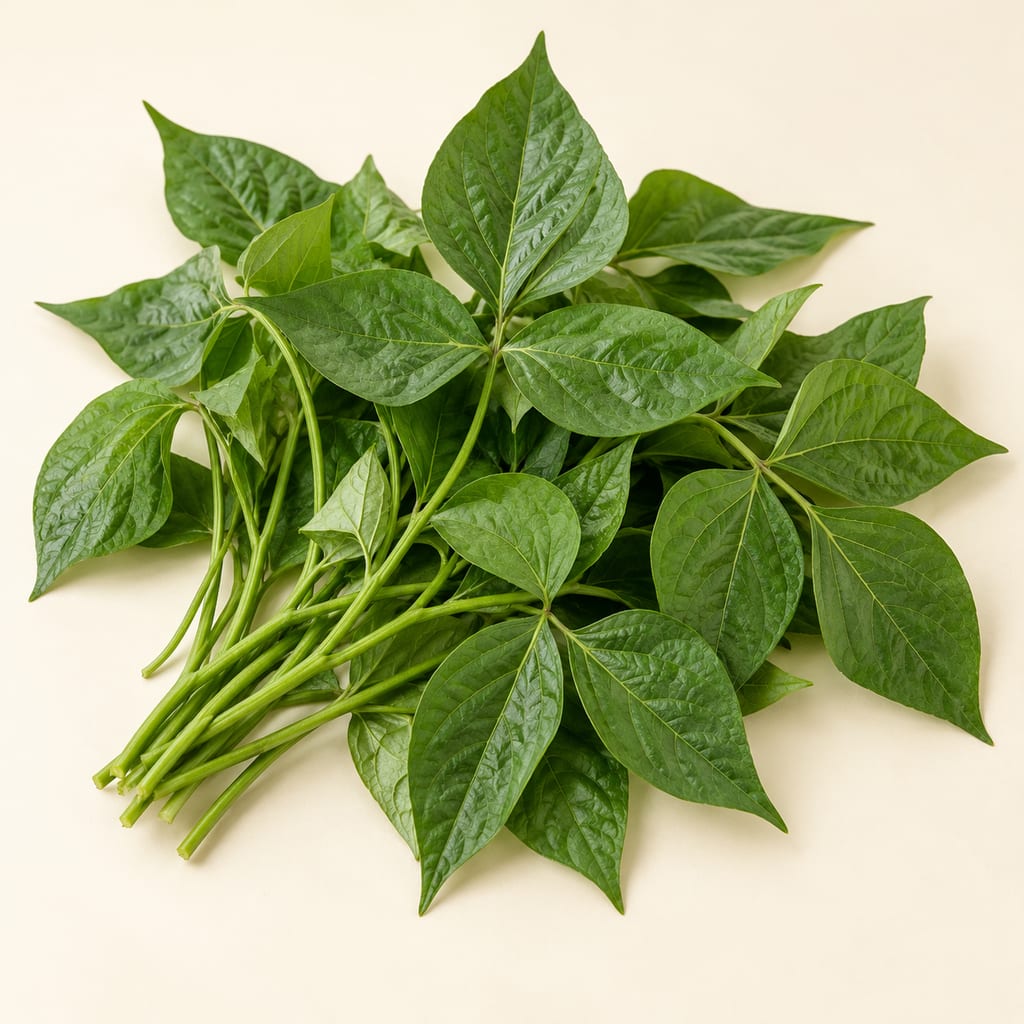
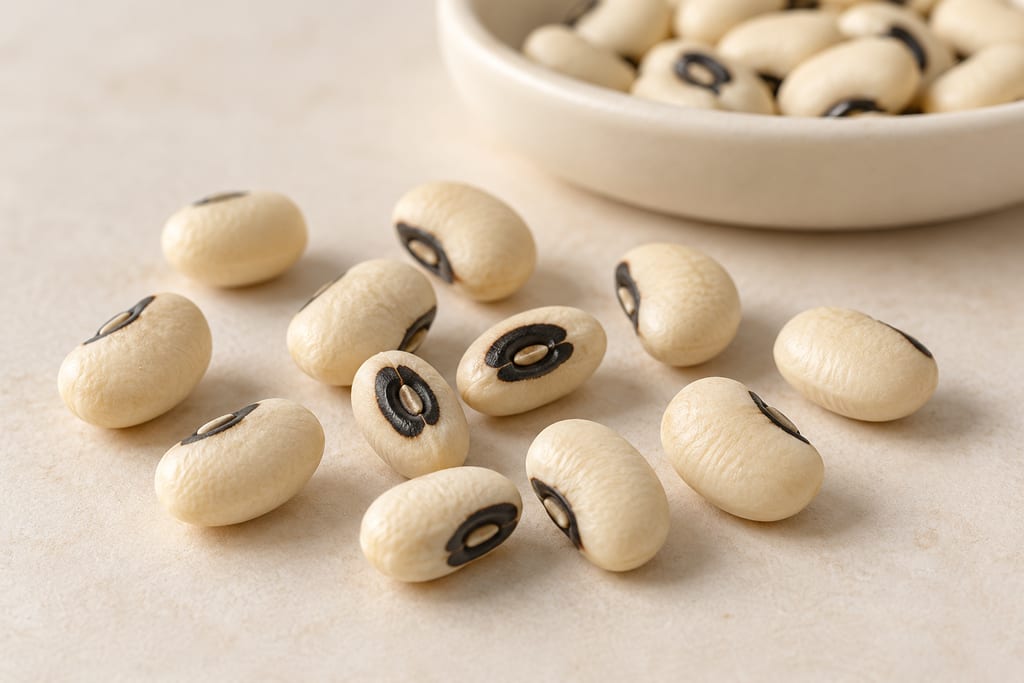
Cowpea leaves are eaten cooked and sun-dried in Botswana, where the dried product is called morogo wa dinawa. Studies of the crop add leaf-removal results and trial-site growing conditions.
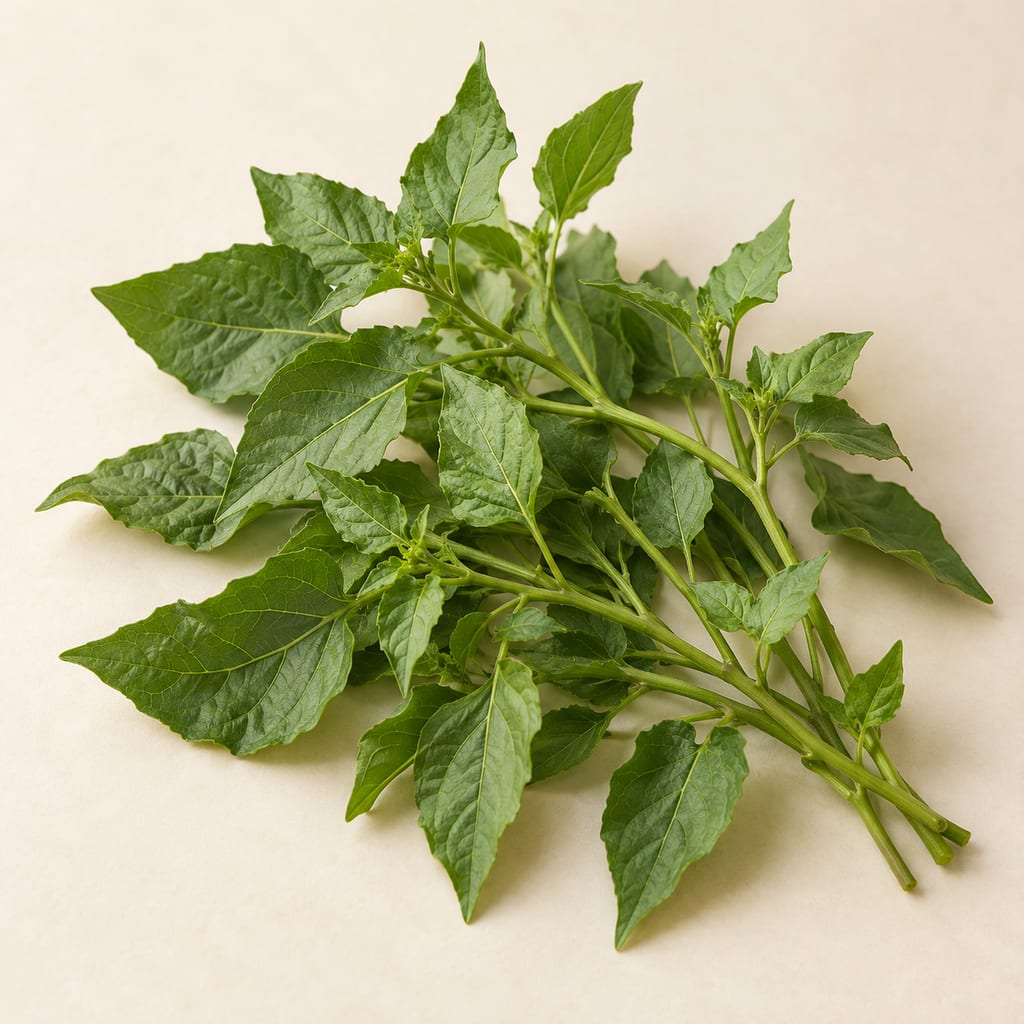
Brède morelle is a cooked leaf vegetable of New Caledonia, linked to Solanum americanum but recorded under the broad name Solanum nigrum. Sources conflict on its safety, and no cooking process is validated.
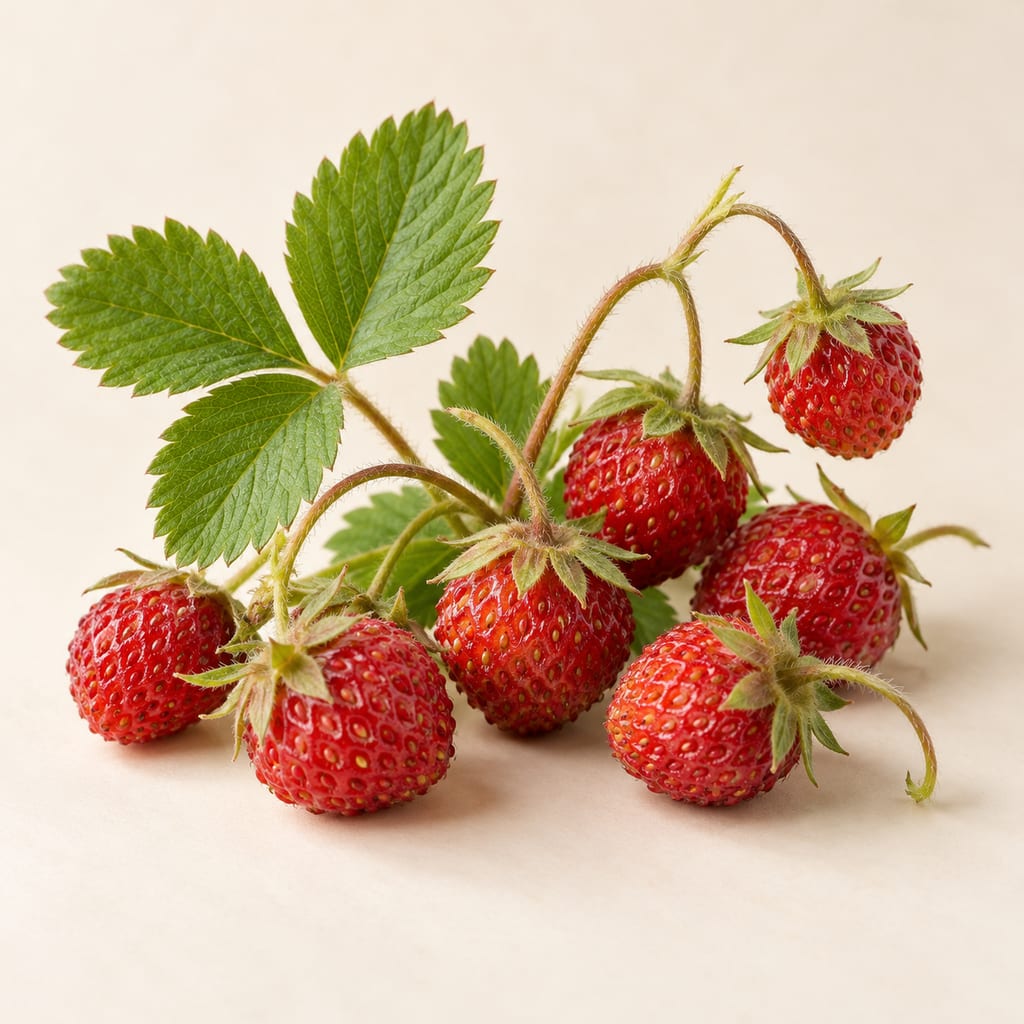
Woodland strawberry (Fragaria vesca) is a small-fruited perennial, picked wild for centuries and distinct from the large cultivated hybrid strawberry. It is eaten raw and in a few historical dishes.
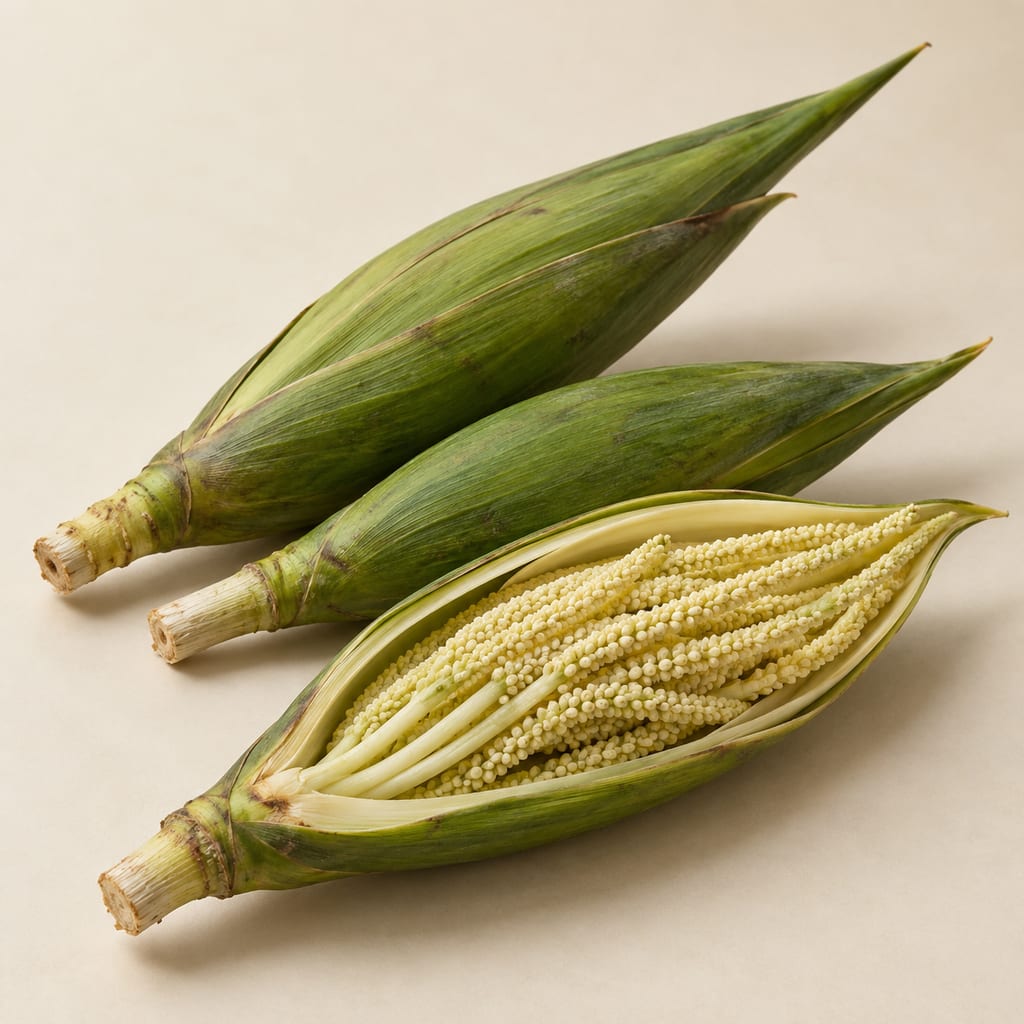
Pacaya, or tepejilote, is the edible male flower cluster of the palm Chamaedorea tepejilote, eaten in Honduras with egg, in tamales and soups, and sold pickled. Mexican farmers manage the palm in agroforests.
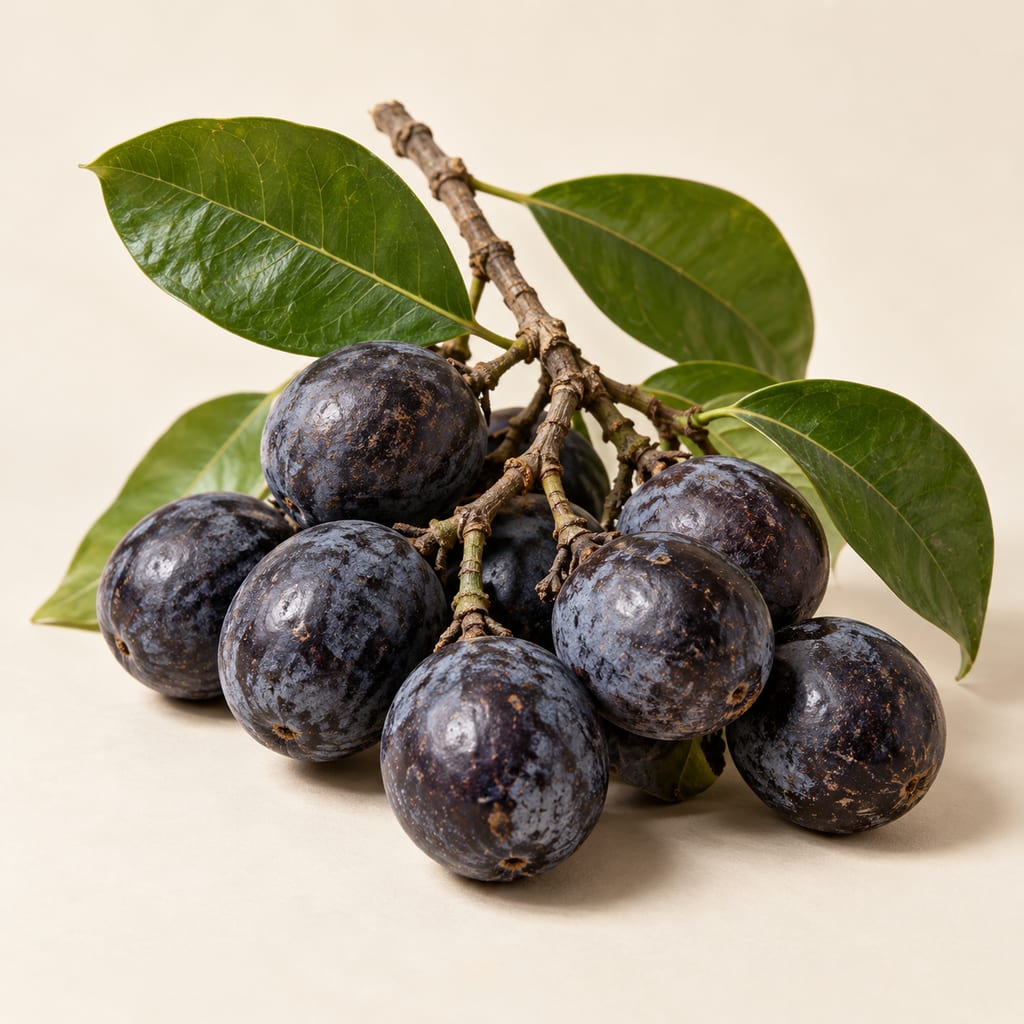
Matiti is the fruit of Artabotrys brachypetalus, a Mozambican Annonaceae species. Communities in Chicualacuala District eat the ripe fruit fresh and make traditional drinks and jam from it.
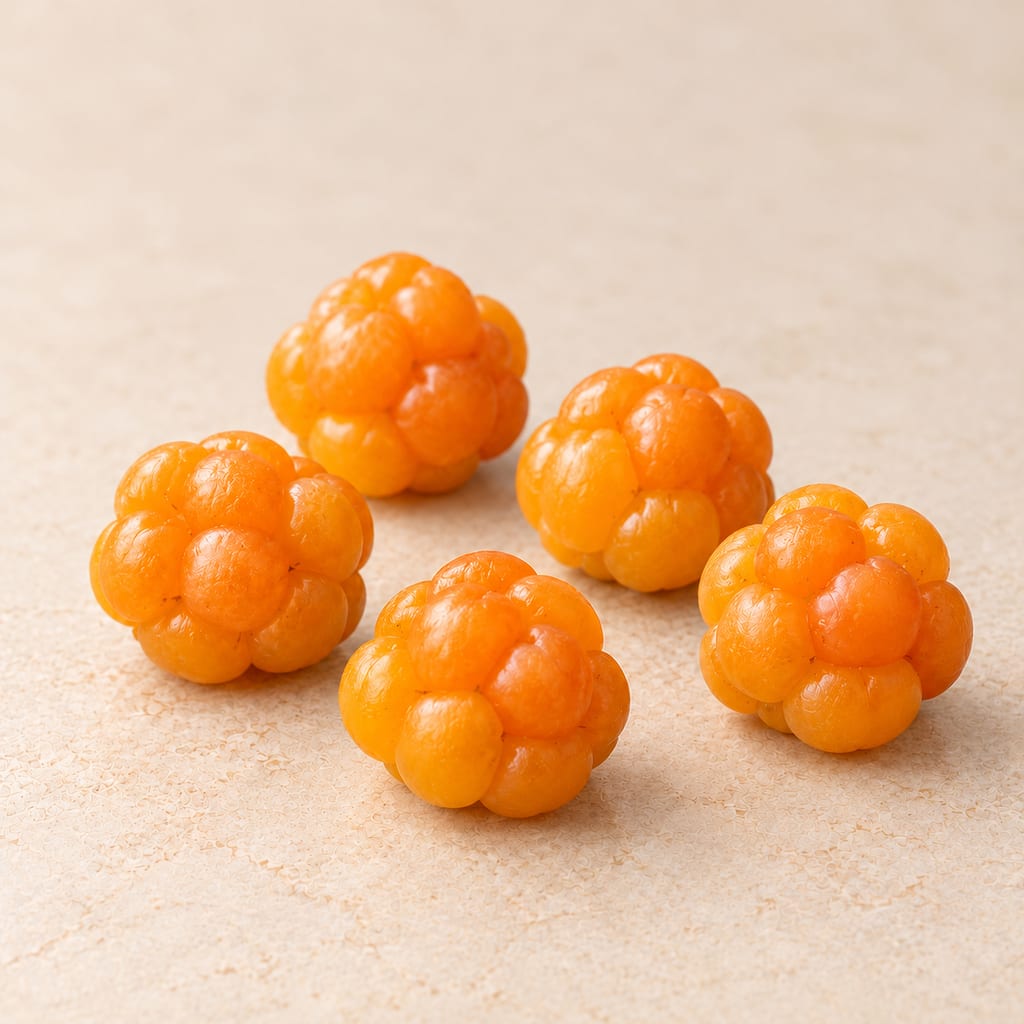
Cloudberry has distinct Gwich’in, Nunatsiavut, NunatuKavut-area and Québec records. A 2009 cutover-peatland trial reports site-specific rhizome establishment results, not a household pot or fruit-yield method.
Bamboo shoots are the young culms of many bamboo species, eaten after boiling or leaching in Asia, and fermented into sour and preserved foods in the Himalayas, northeast India and Burma.
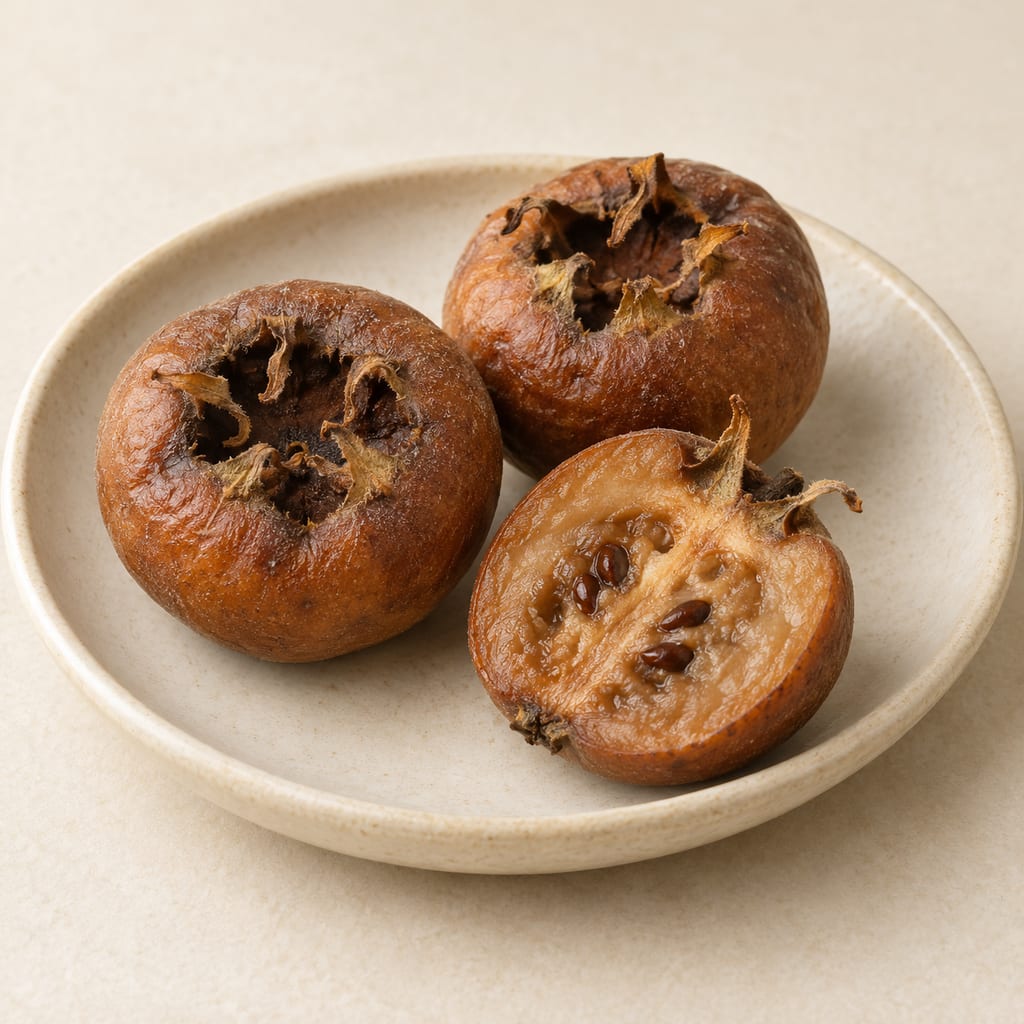
The common medlar, Mespilus germanica, is a small tree whose hard, sour fruit is eaten only after it has bletted, softening through decay into a sweet, apple-sauce-like pulp.
Takana is Japanese leaf mustard, including Miike takana of Fukuoka: pungent, broad leaves and stems eaten fresh or preserved as pickles.
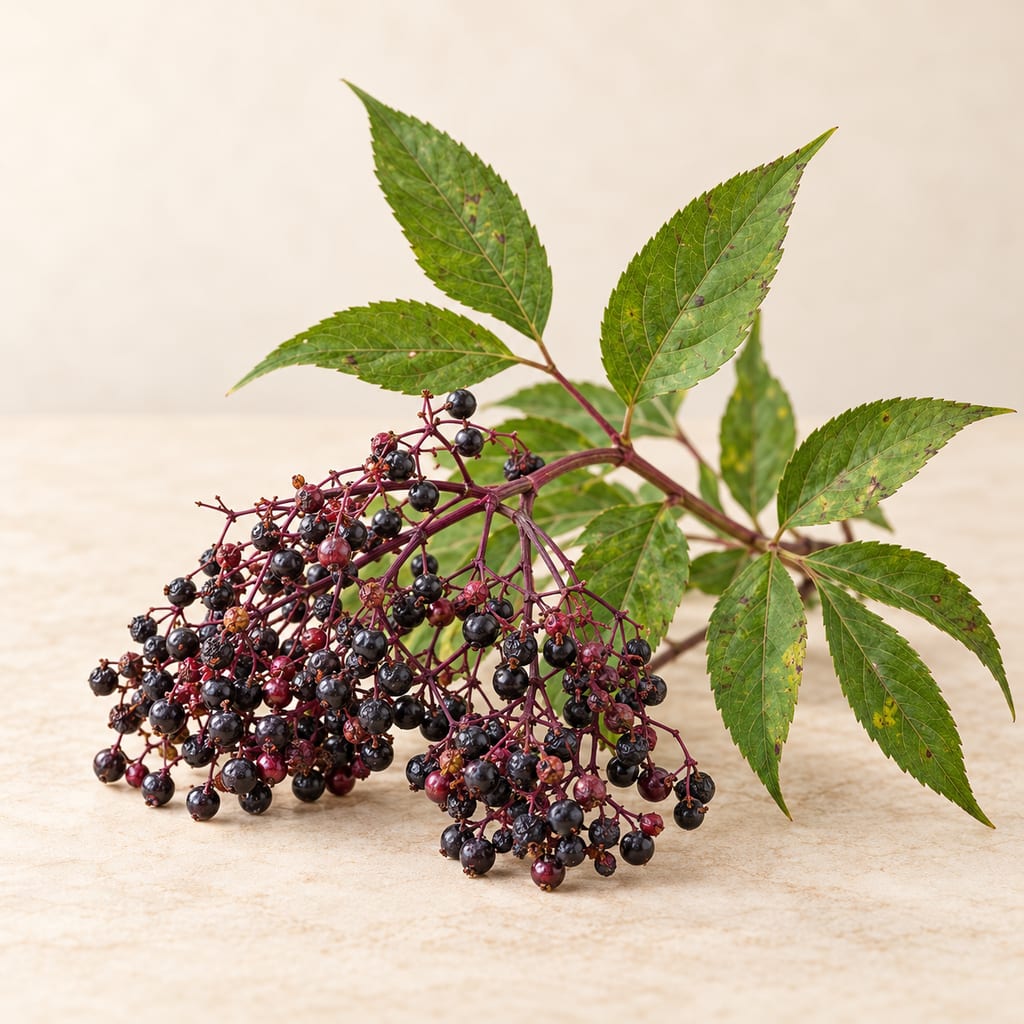
Sambucus canadensis is the accepted name used here for American elderberry. Missouri production guidance and named-cultivar studies give useful regional growing information, while food and analytical sources leave process questions open.
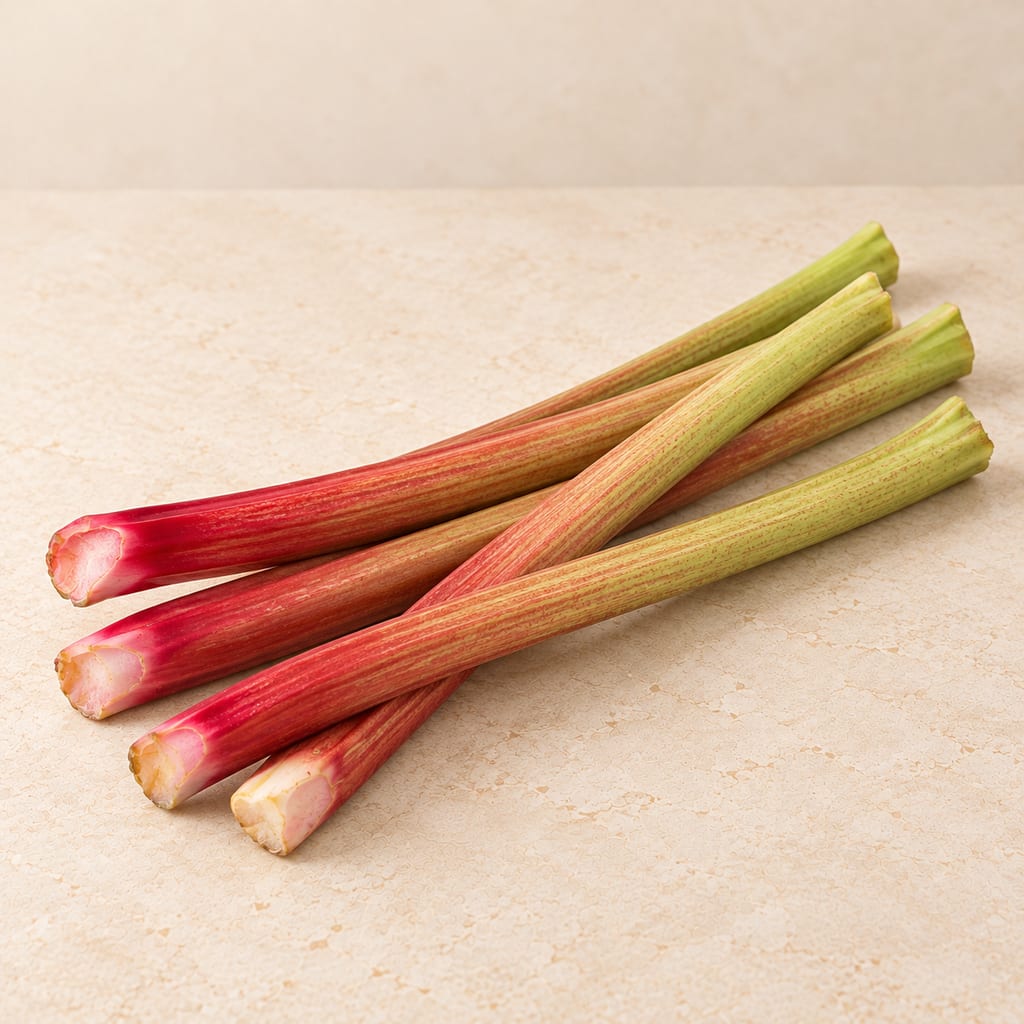
Rhubarb stalks are the tart leaf petioles of garden rhubarb, eaten as a vegetable and used in sweet dishes and wines; they lend a must sharpness and aroma but little sugar.
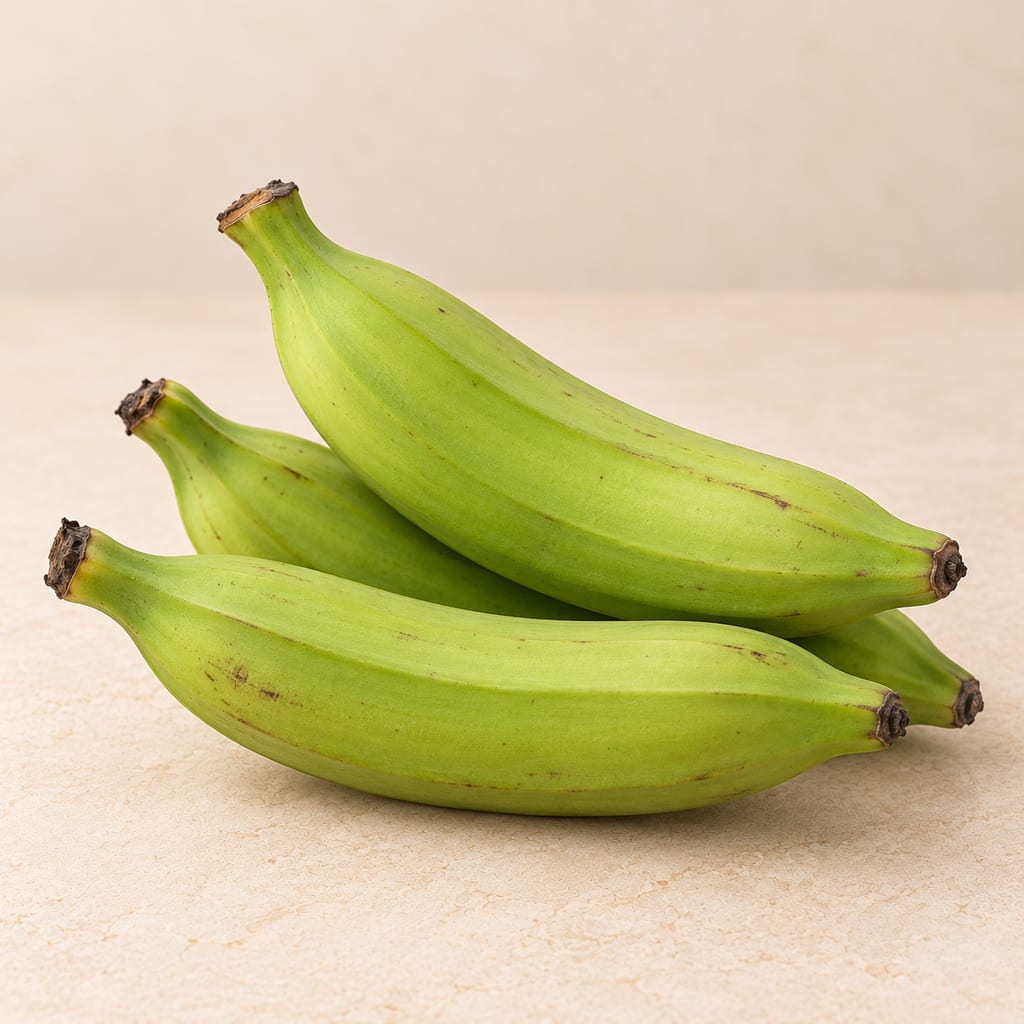
Plantains are starchy cooking bananas used green through fully ripe. Their firmness and sweetness shift with maturity, and ripe mashed fruit appears in a University of Rhode Island Liberian rice-bread adaptation.
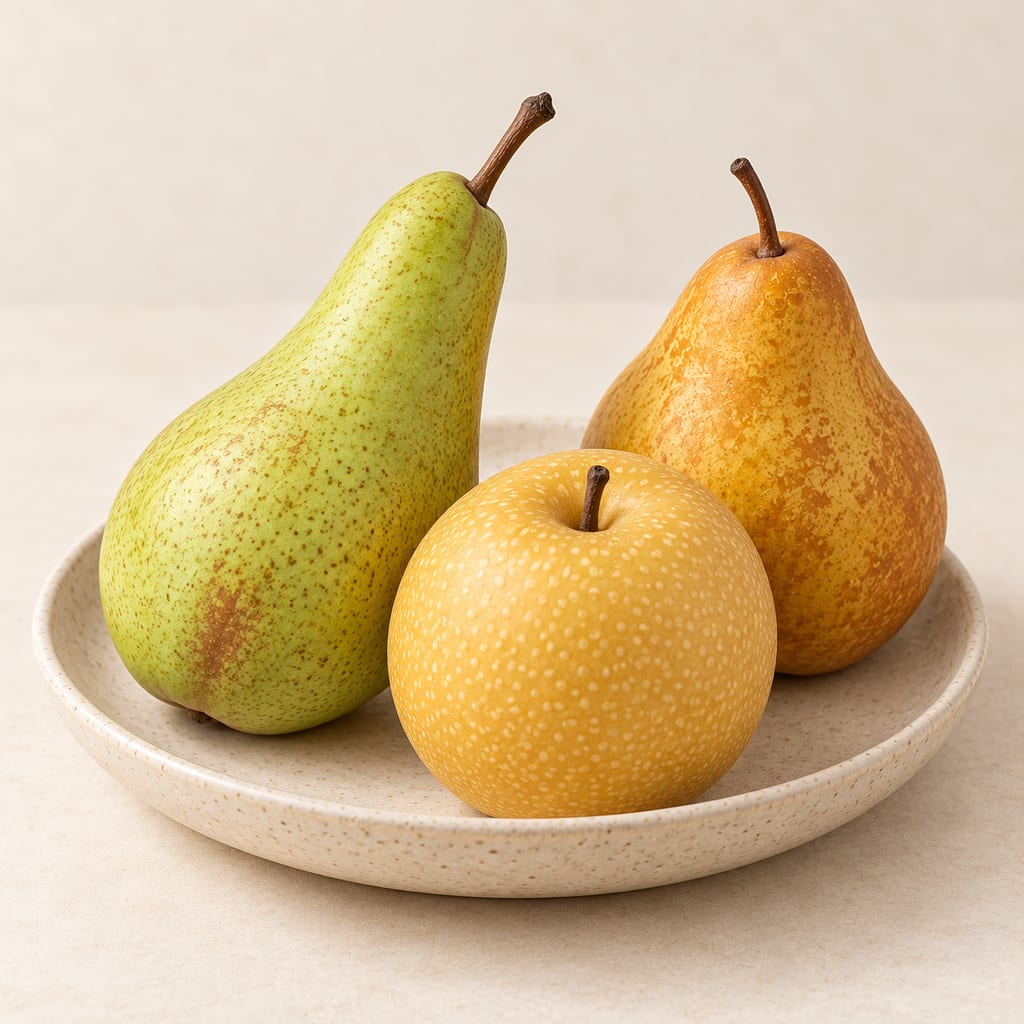
Pears are Pyrus fruits used fresh, pressed for perry, or crushed for fruit spirits; cultivar, species and ripening stage shape each preparation.
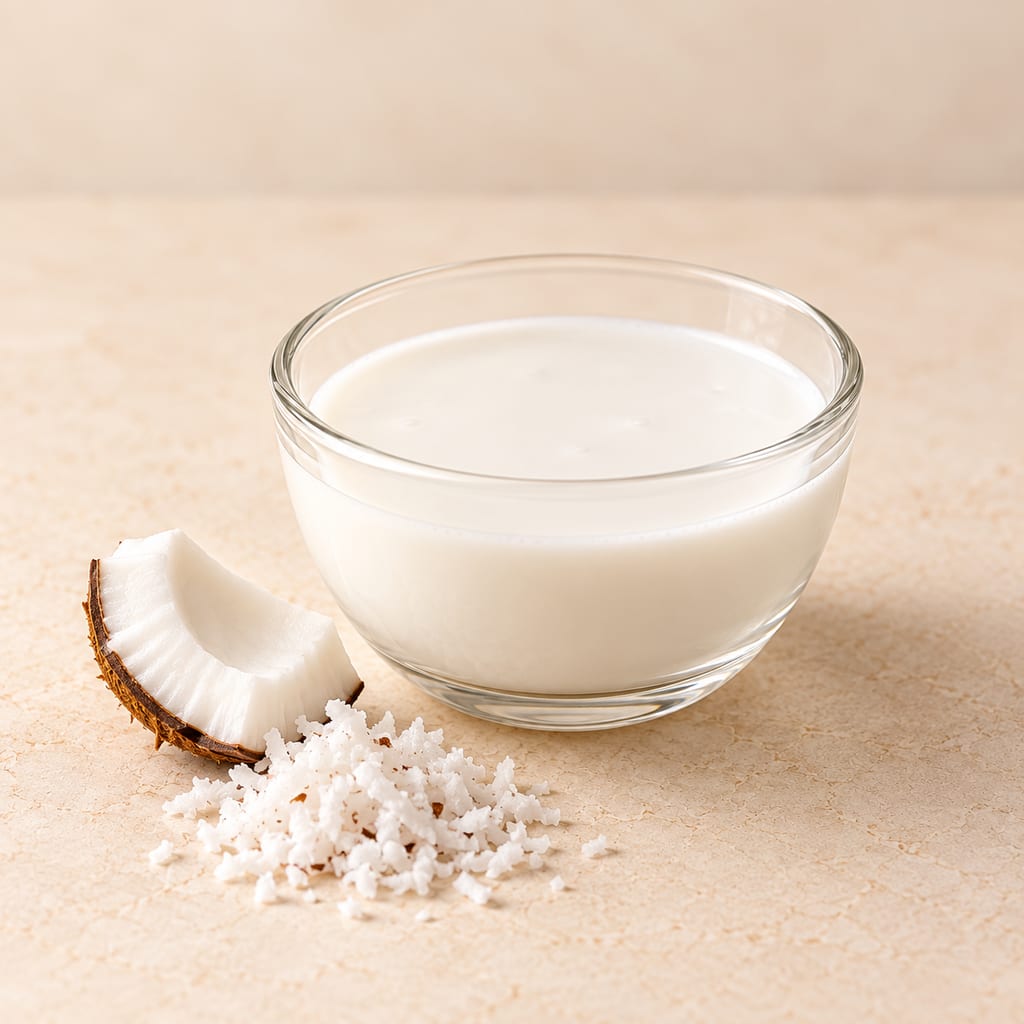
Coconut milk is an aqueous emulsion extracted from mature coconut kernel, sold fresh, packaged or reconstituted. It is distinct from the liquid naturally inside a coconut.
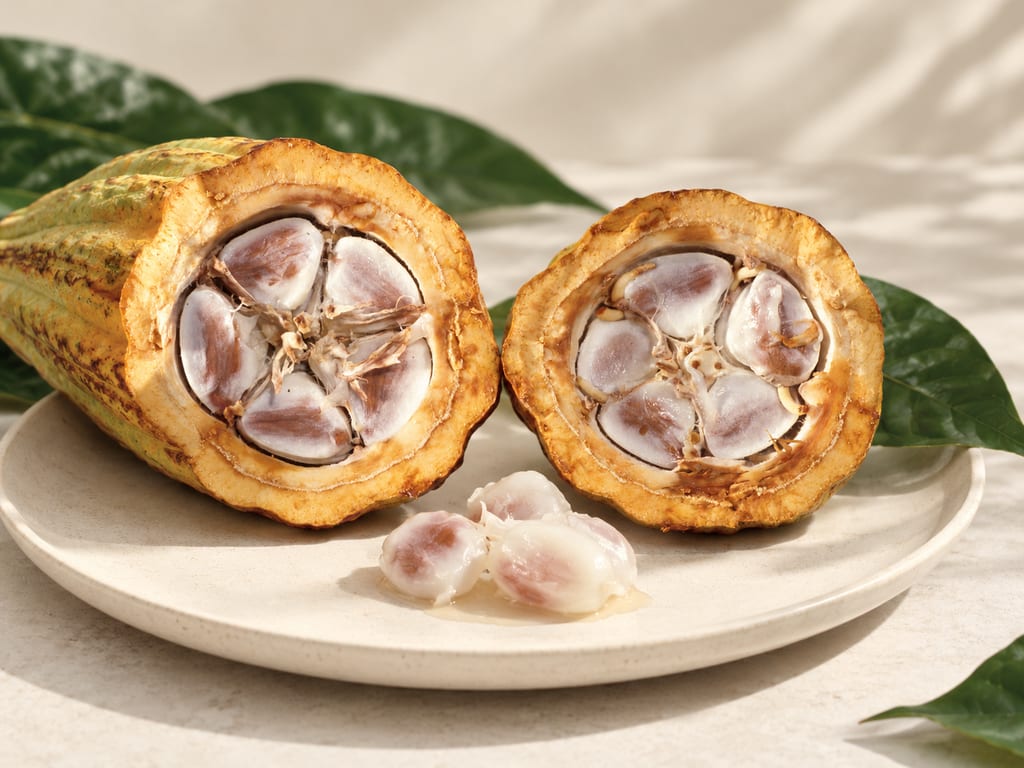
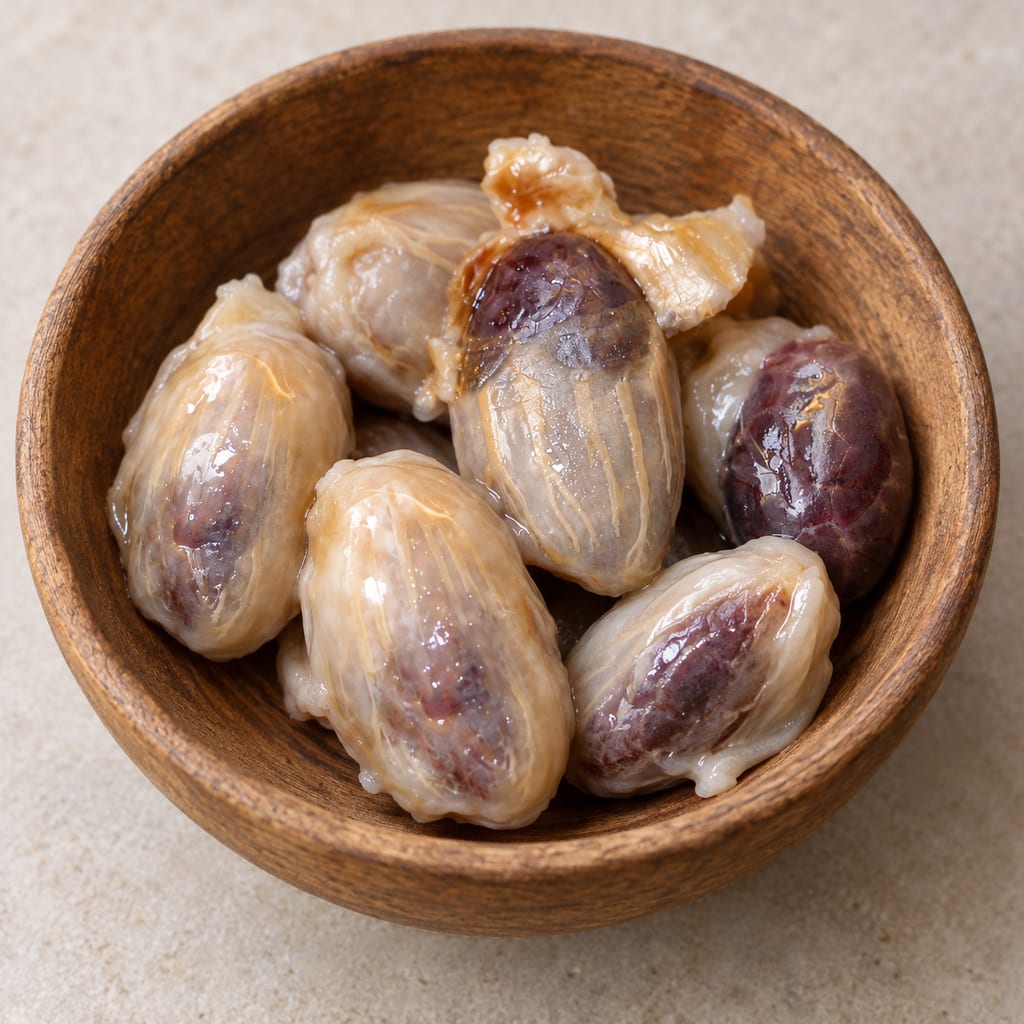
Cacao pulp is the moist, sweet-acid mucilage around cacao seeds. It fuels bean fermentation and can be extracted for fruit drinks, wine and vinegar.
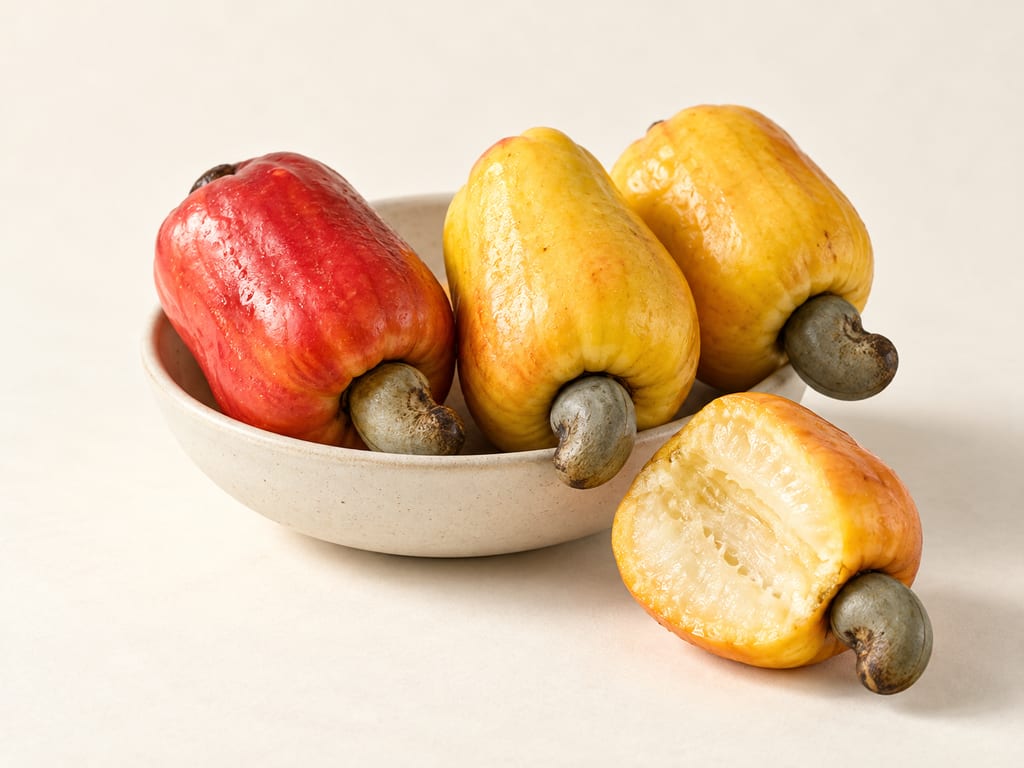
Cashew apple is the juicy swollen flower stalk attached to the cashew nut. Its fresh juice, cajuína, alcoholic ferments and vinegar are distinct products; the nut and its shell are separate materials.
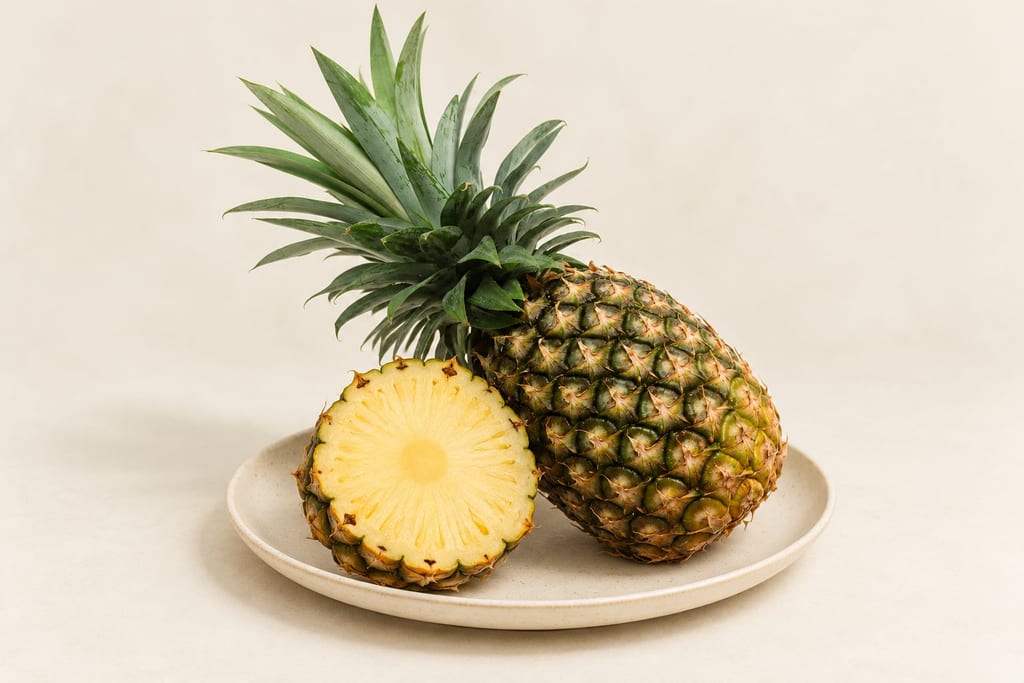
Pineapple is a sweet-tart tropical multiple fruit whose fresh flesh and peel supply sugars and acids to fruit ferments, while cultivar and maturity shape the balance.
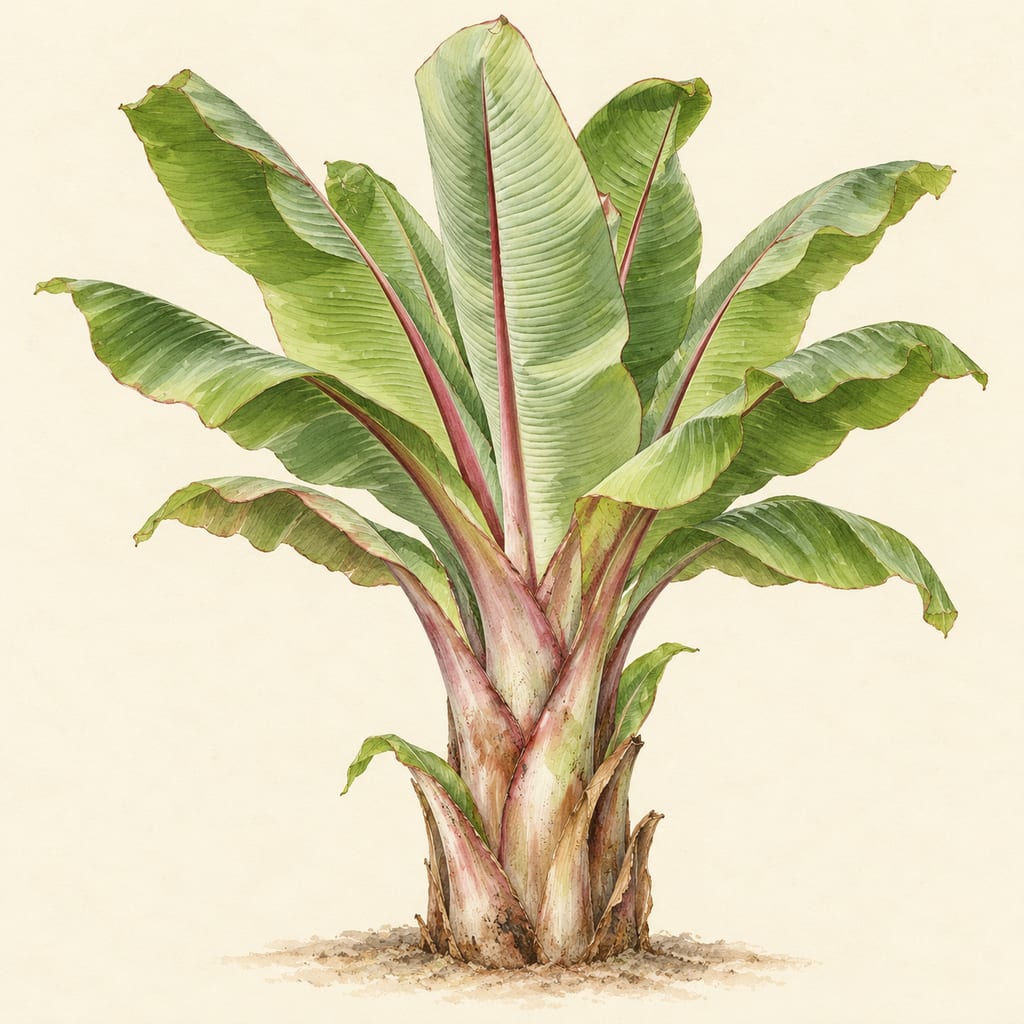
Enset is an Ethiopian staple crop grown for its starchy corm and pseudostem. Fermented kocho, extracted bulla and boiled amicho are distinct foods from the plant.
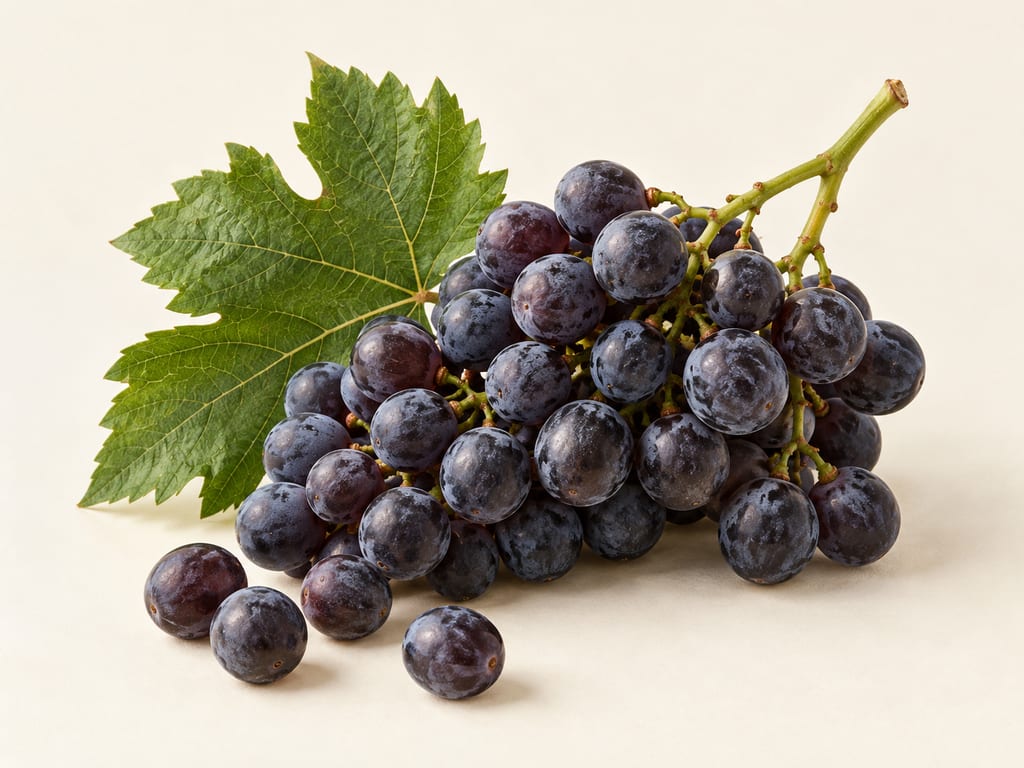
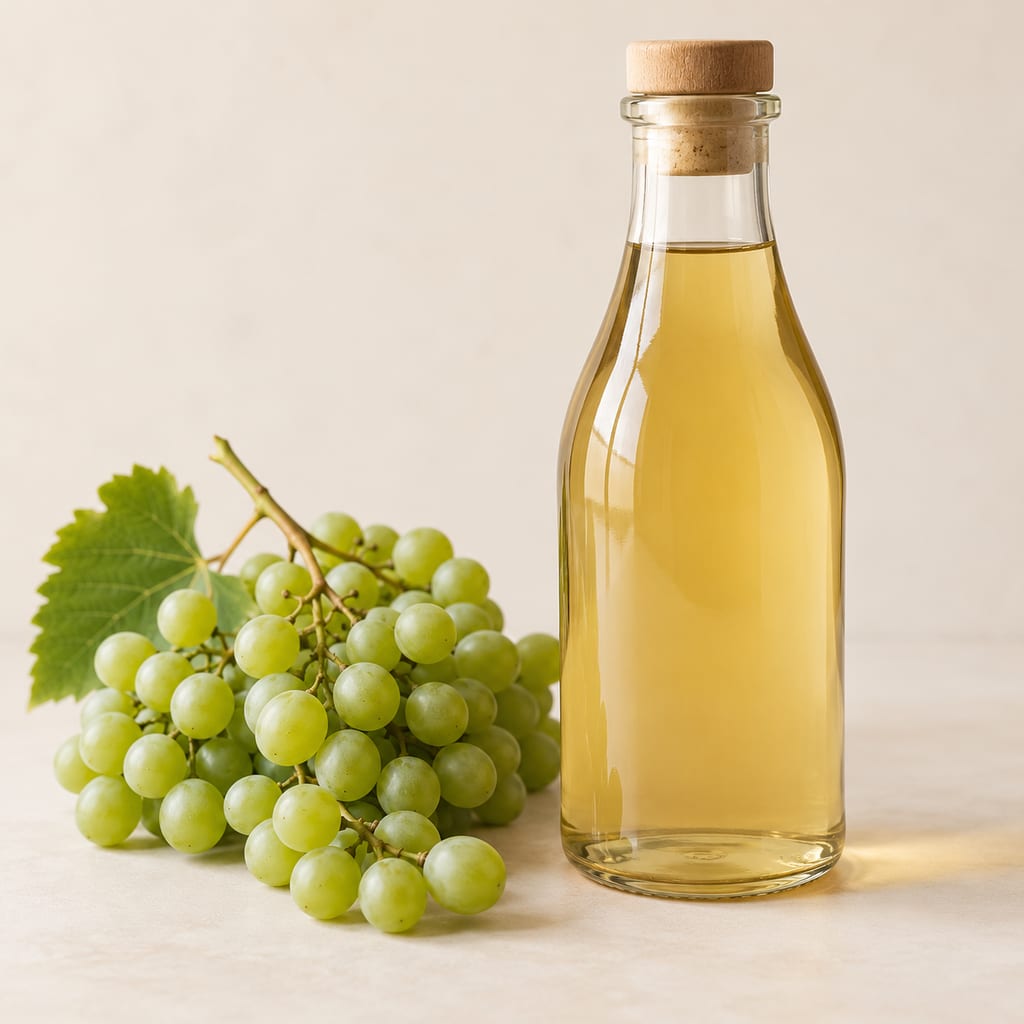
Wine grapes are fresh berries selected for vinification; their sugars fuel alcoholic fermentation, while cultivar, ripeness and handling shape the fruit and the wine it can become.
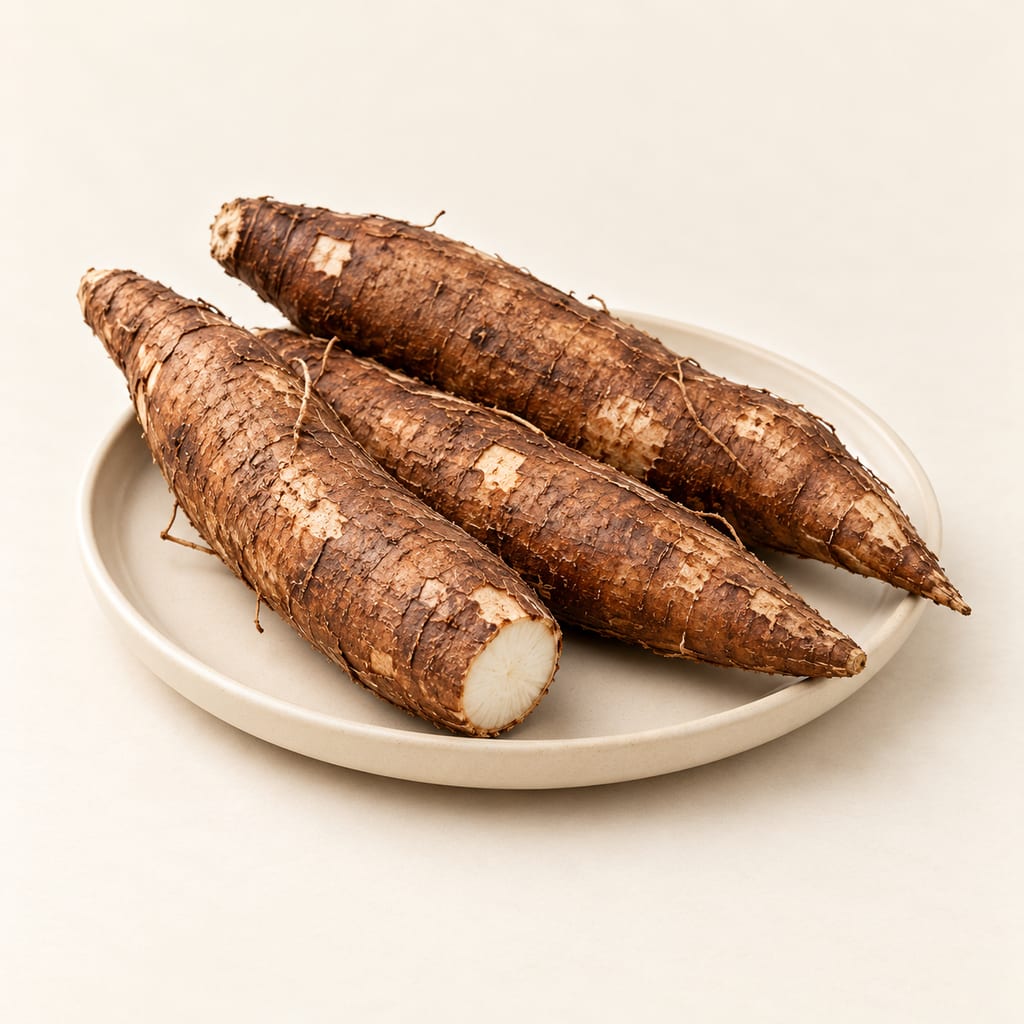
Cassava is the starchy root of Manihot esculenta, transformed across Africa into fermented doughs, granules and flours through distinct processes whose safety depends on thorough cyanogen removal.
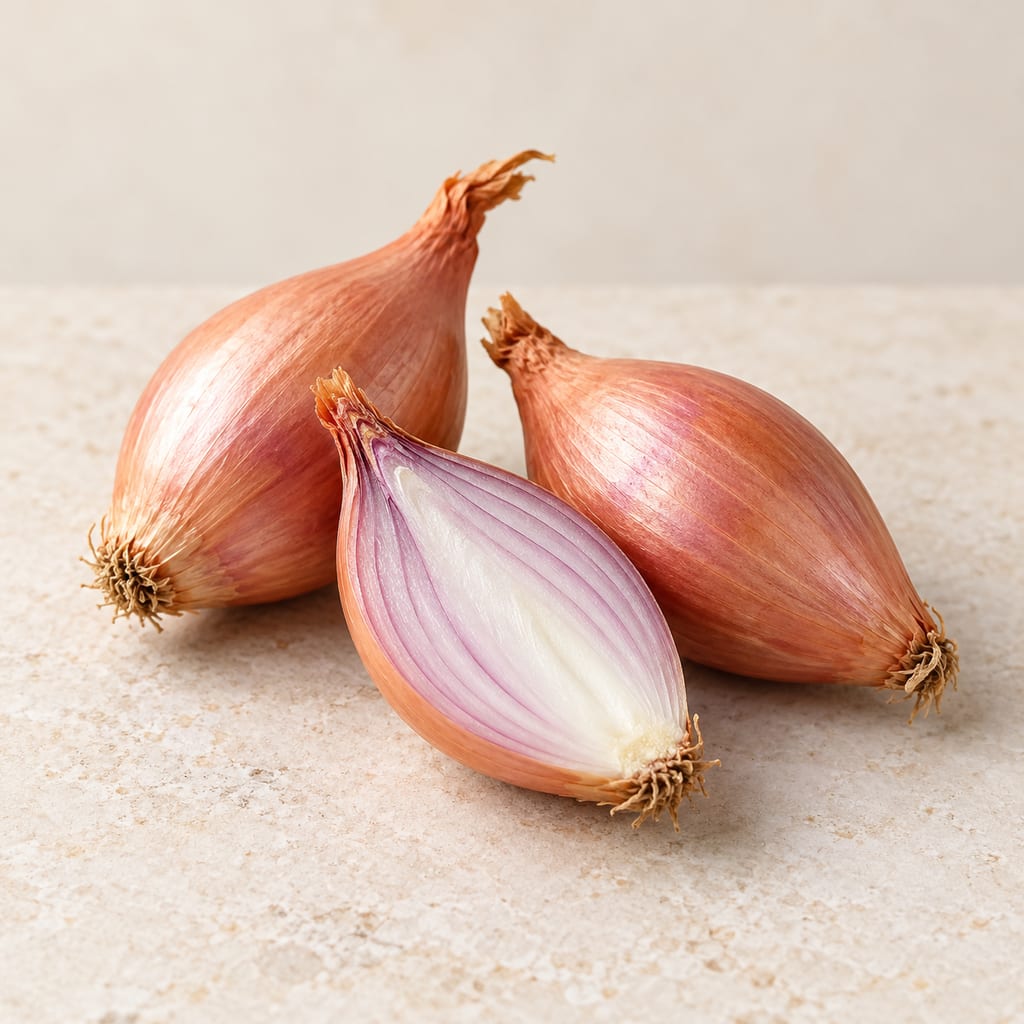
Shallots are small aromatic allium bulbs used raw, cooked and in condiments and fermented vegetable dishes.
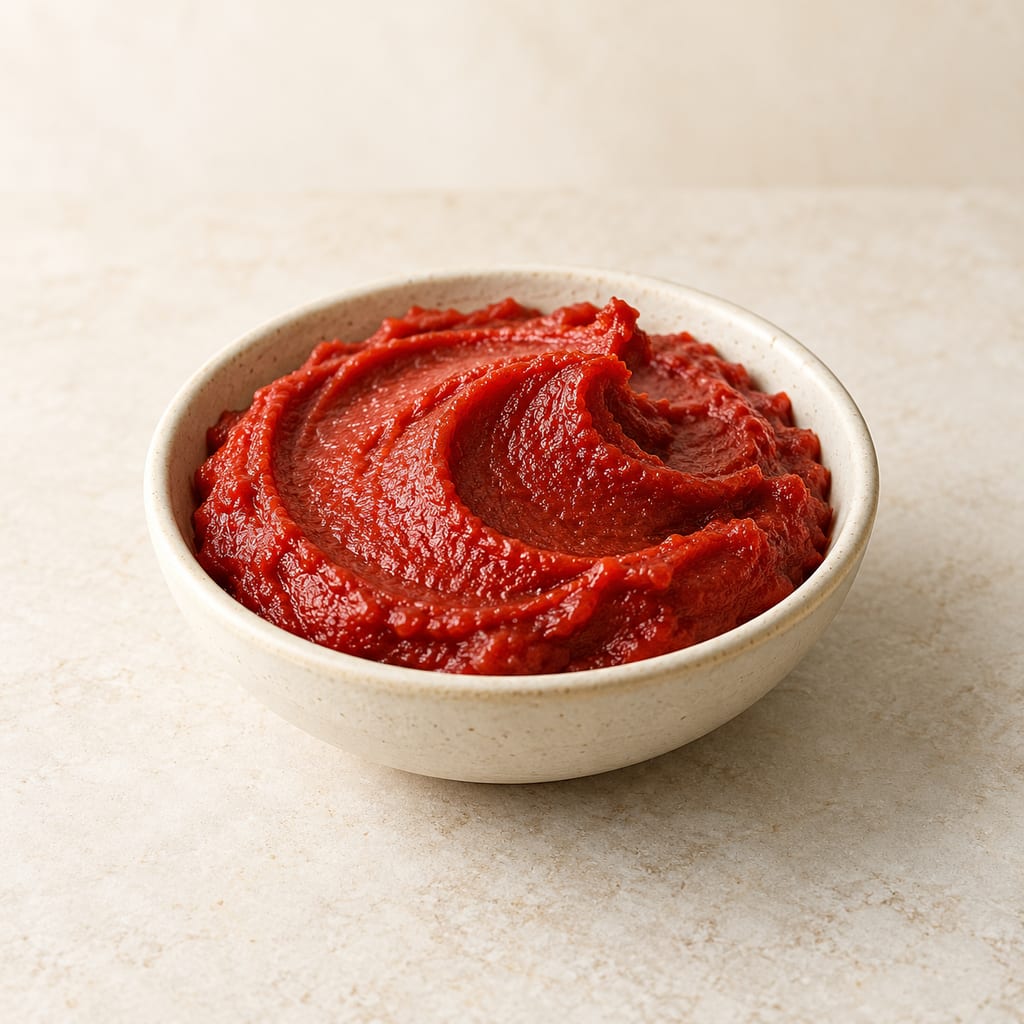
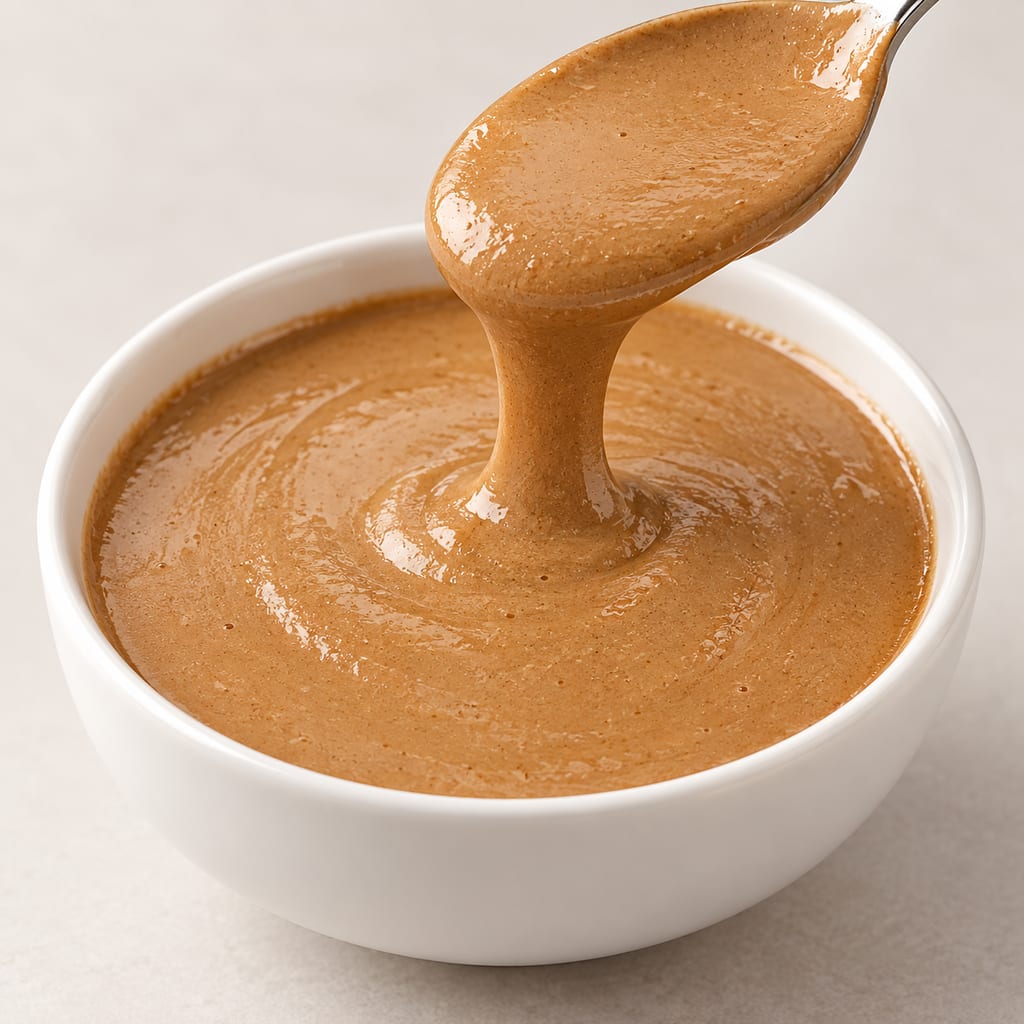
Double concentrated tomato paste is a thick tomato ingredient used to add colour and concentrated flavour to sauces and condiments.
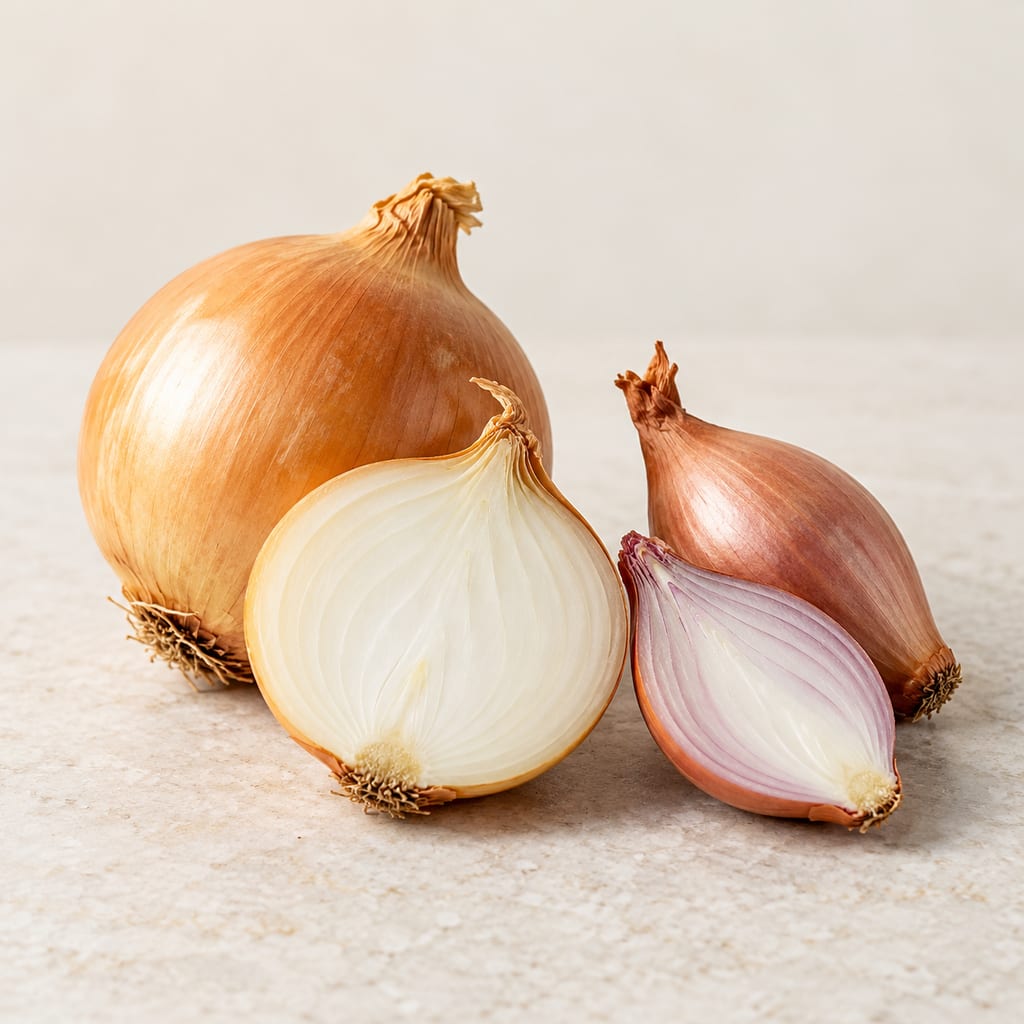
Onions and shallots are aromatic layered bulbs used raw, cooked and in fermented or preserved condiments.
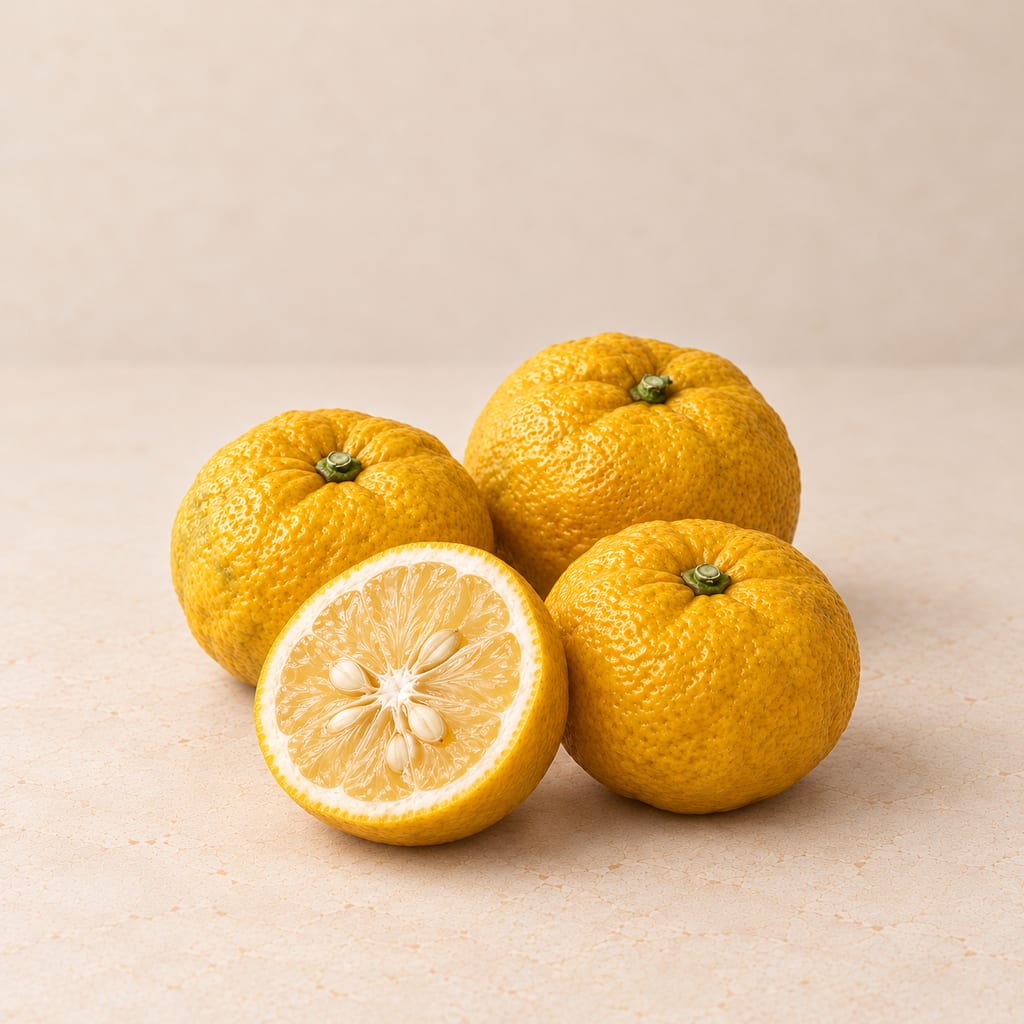
Yuzu (Citrus junos) is a hardy, thorny East Asian citrus whose sour juice and intensely scented peel flavour ponzu, yuzu kosho and preserves.
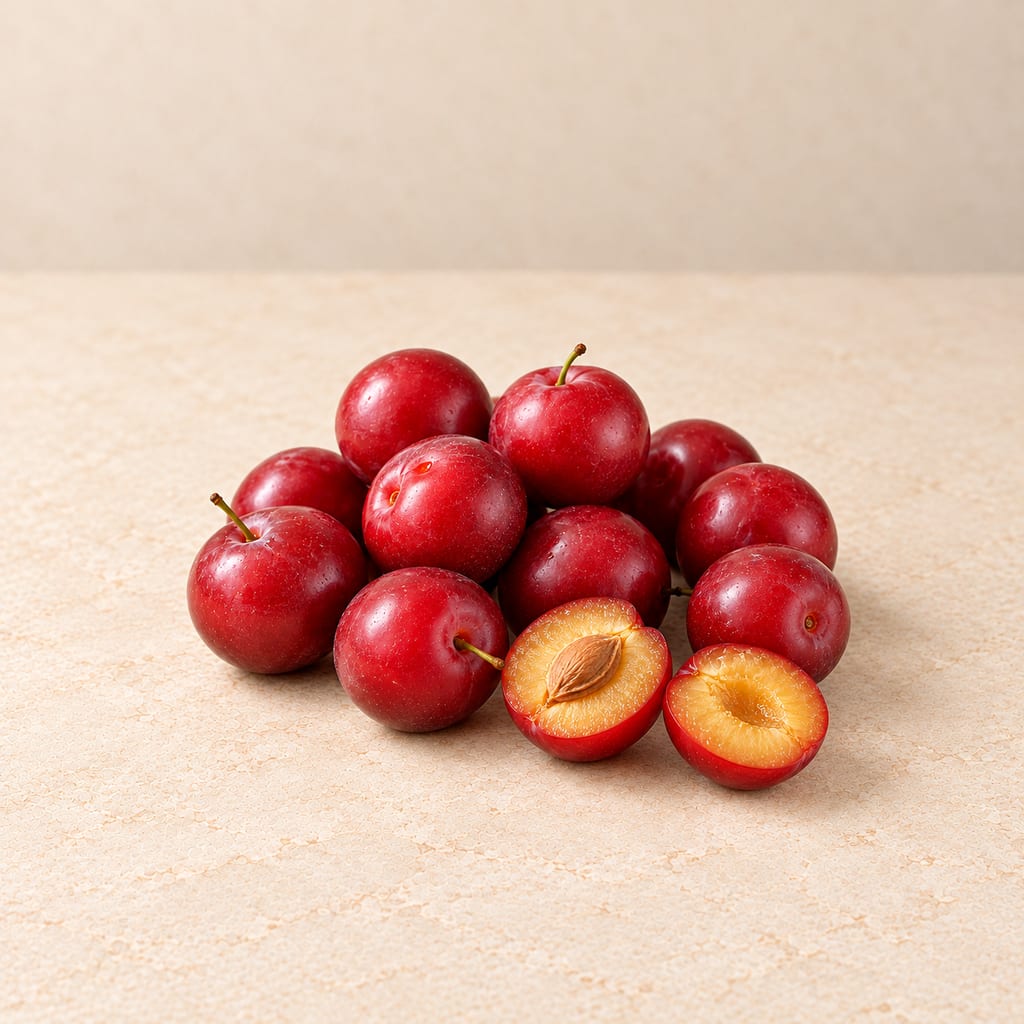
Cherry plums (Prunus cerasifera) are small, malic-acid-rich plums, red, yellow or green, that give Georgian tkemali sauce its sharp, fruity sourness.
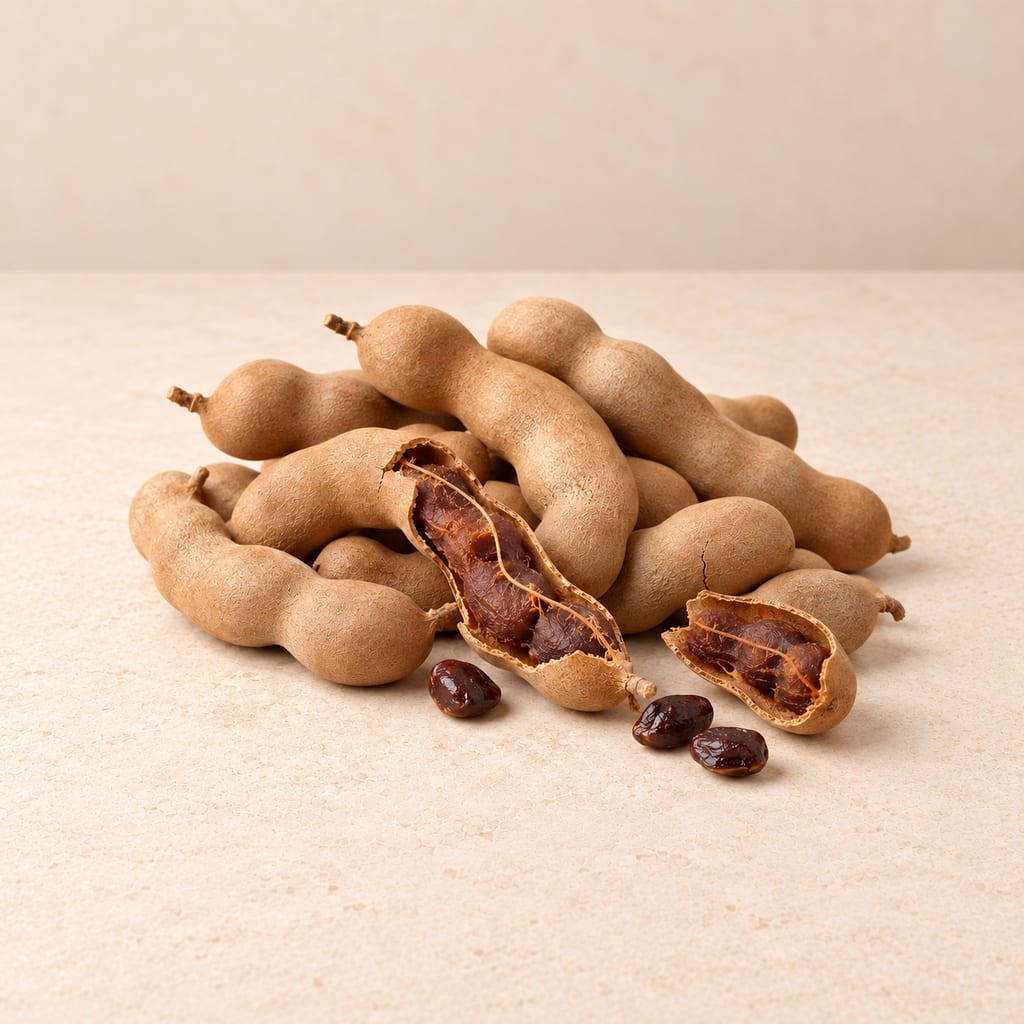
Tamarind pulp is the sweet-sour flesh of Tamarindus indica. It brings a tartaric-acid-led fruit flavour to chutneys, sauces and drinks; water content and sourness vary across forms and brands.
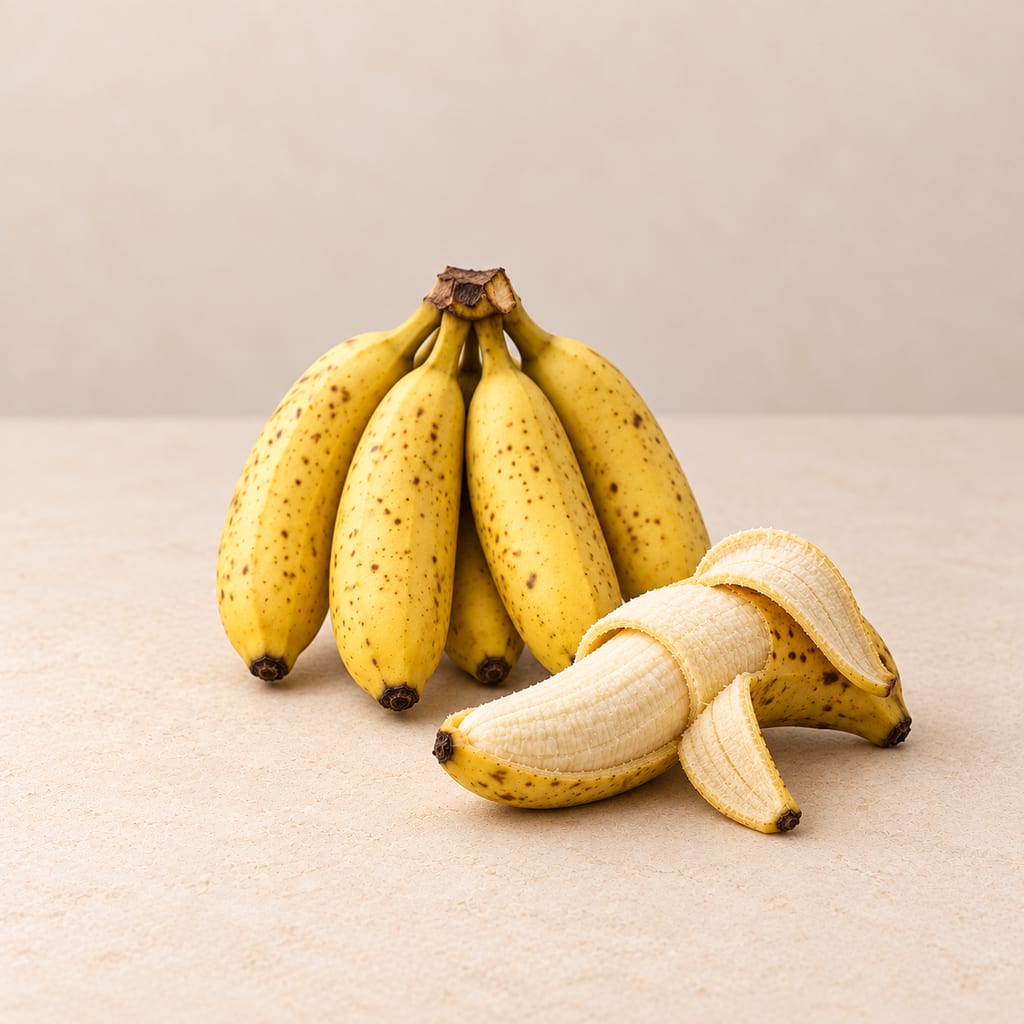
A ripe banana is sweet, soft pulp in which ripening has turned most of the starch into sugar. That sugar and softness make it a base for banana ketchup, beer, wine and vinegar.
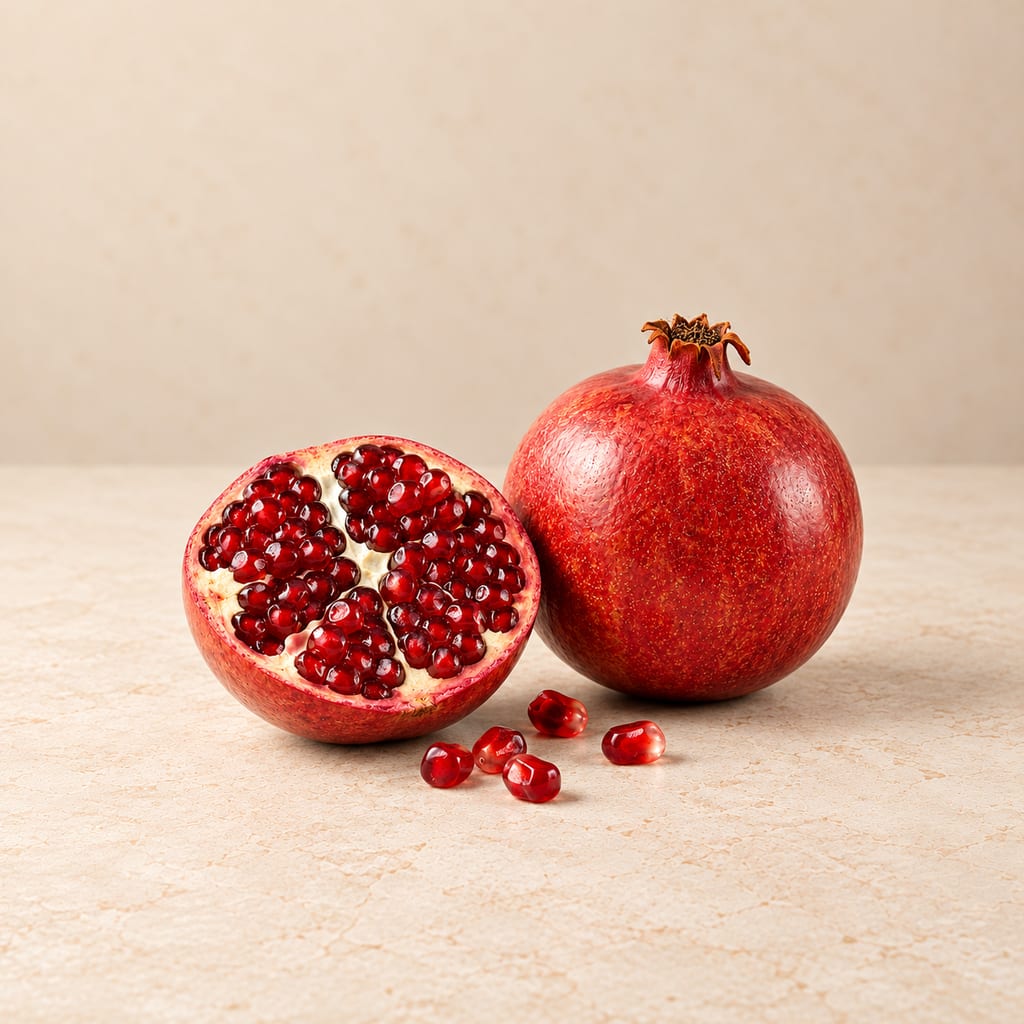
The pomegranate (Punica granatum) is a seed-filled fruit whose arils run from sweet to sharply sour, depending on citric acid. Sour fruit becomes juice, molasses and dried anardana.
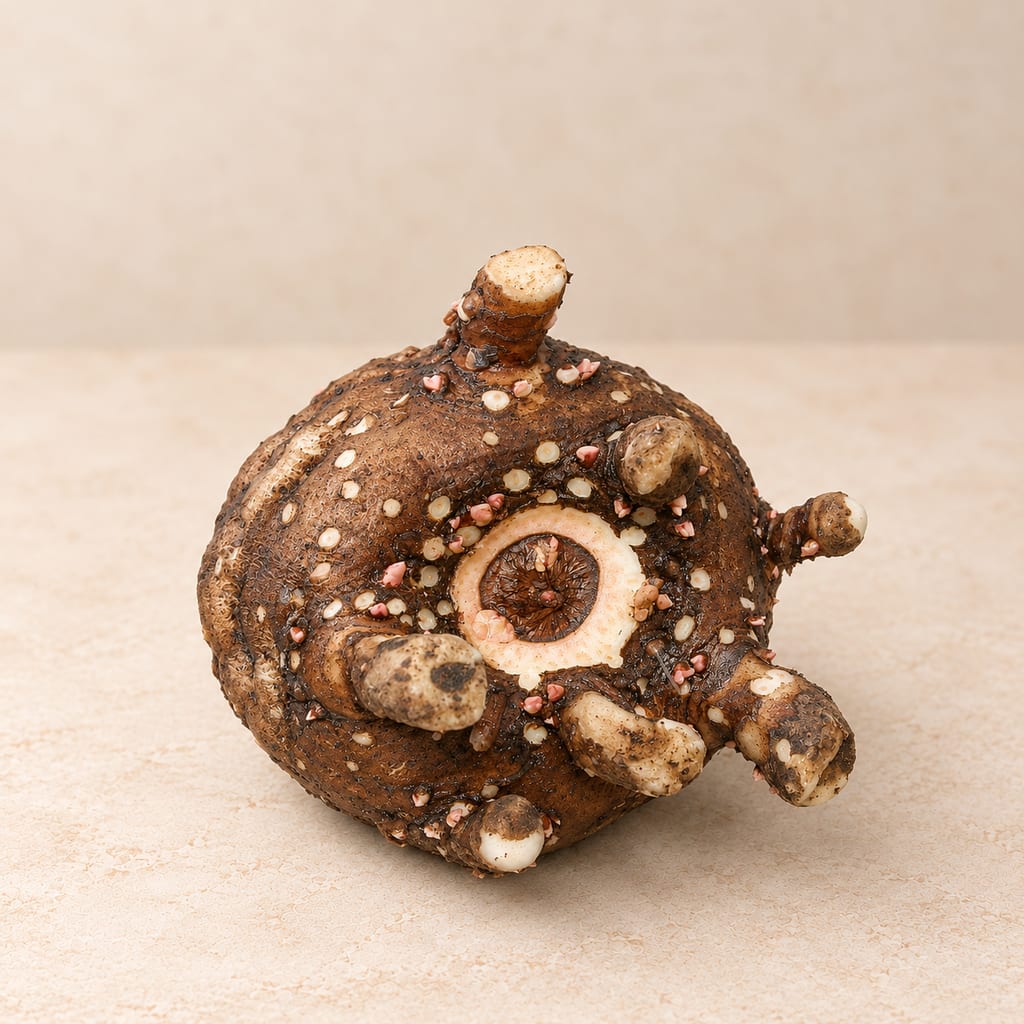
The toxic corm of Amorphophallus konjac and the glucomannan flour milled from it, which sets into a firm, heat-stable konnyaku gel when cooked with limewater.
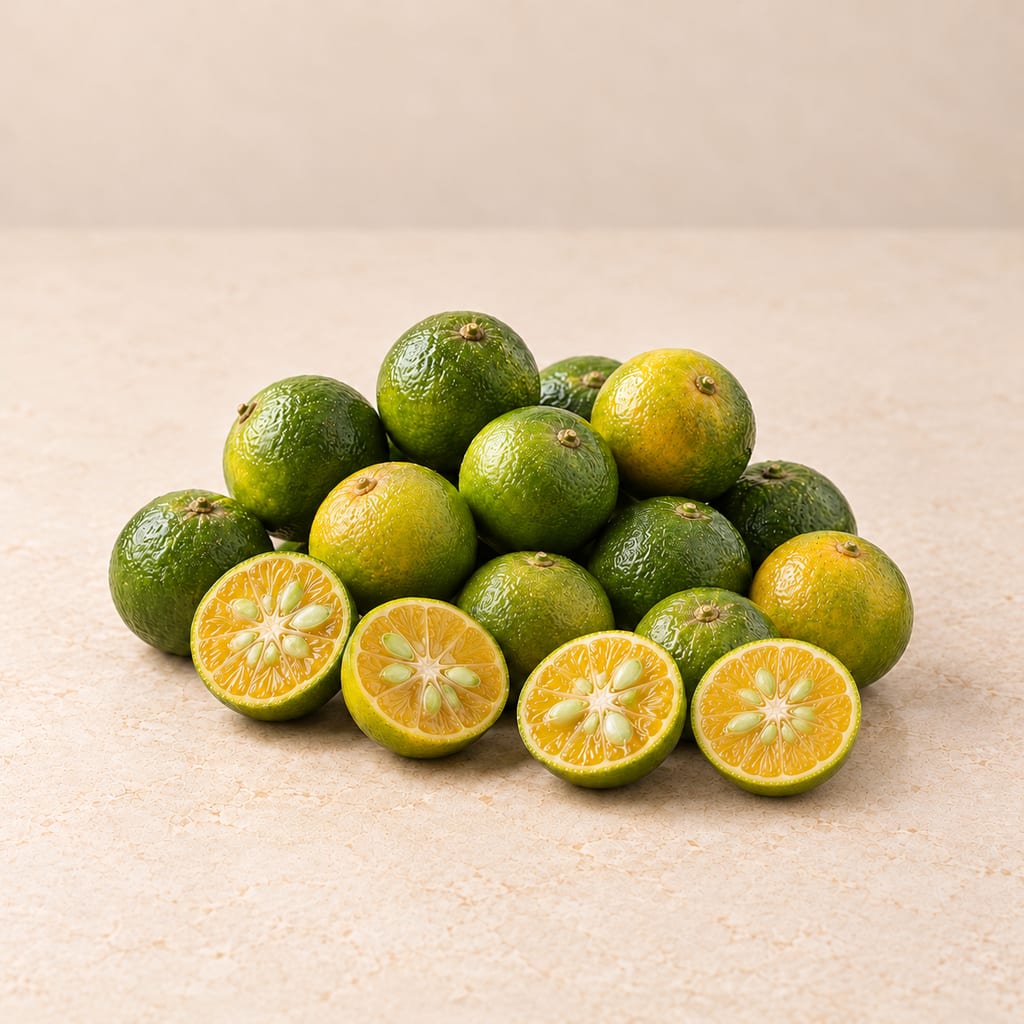
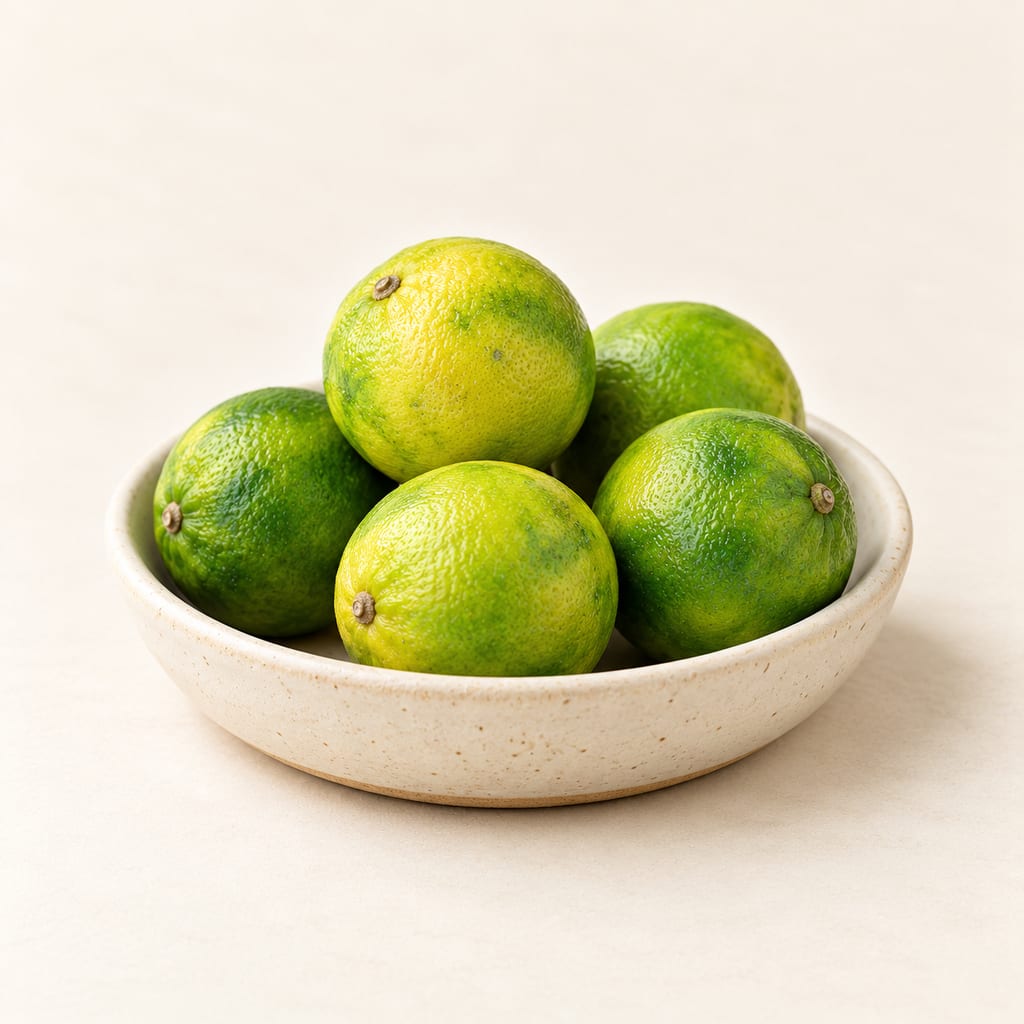
Calamansi is a small, very sour kumquat-mandarin hybrid, Philippine cooking’s all-purpose citrus, squeezed into soy sauce, fish sauce, broths and dips.
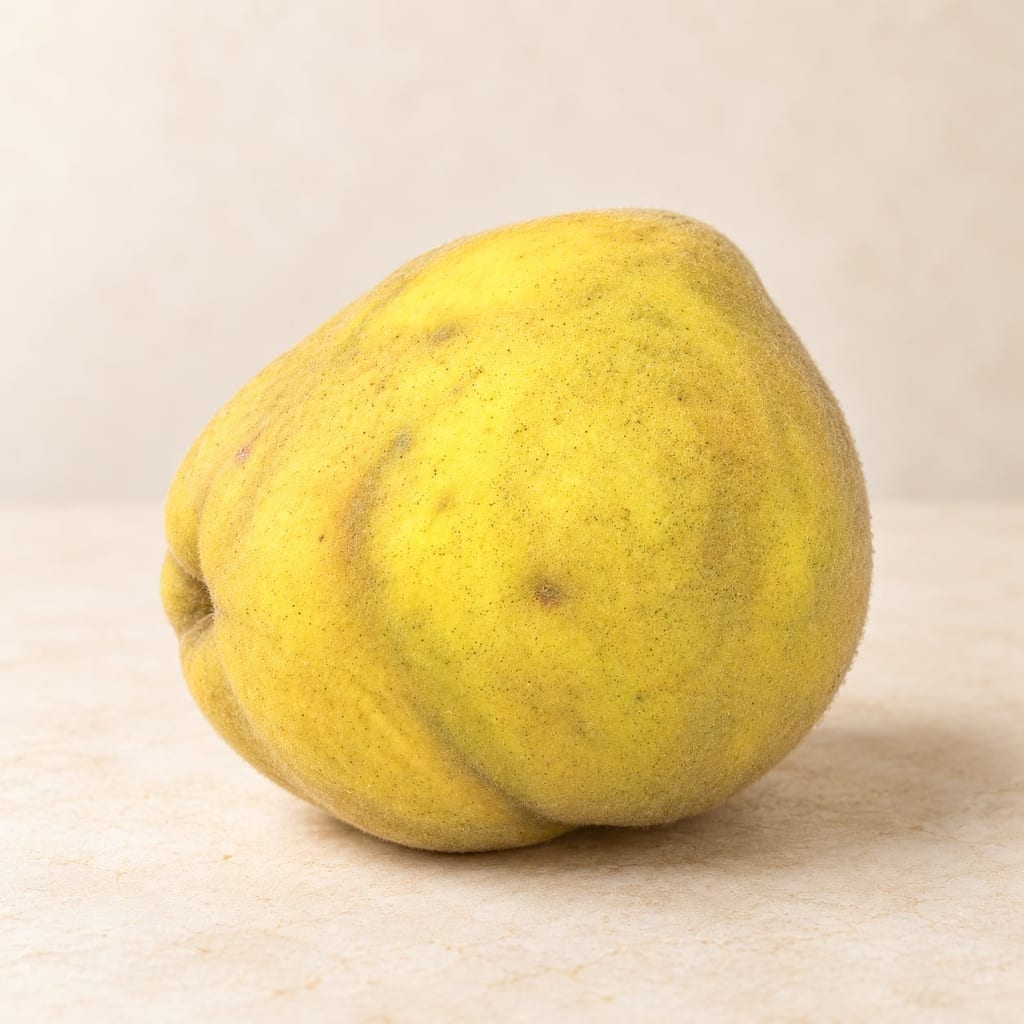
A fragrant, usually yellow pome with firm, tart and astringent flesh, cooked for tender fruit dishes, jelly and dense quince paste.

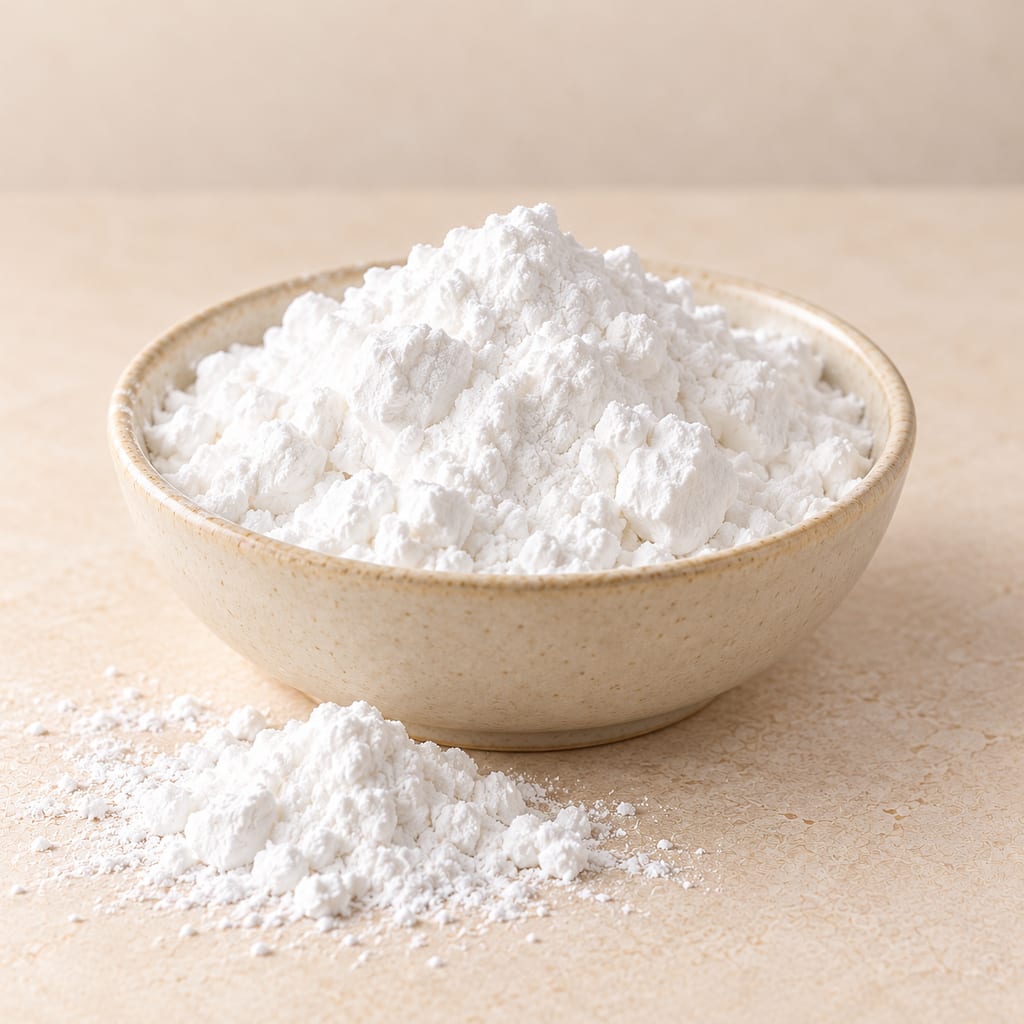
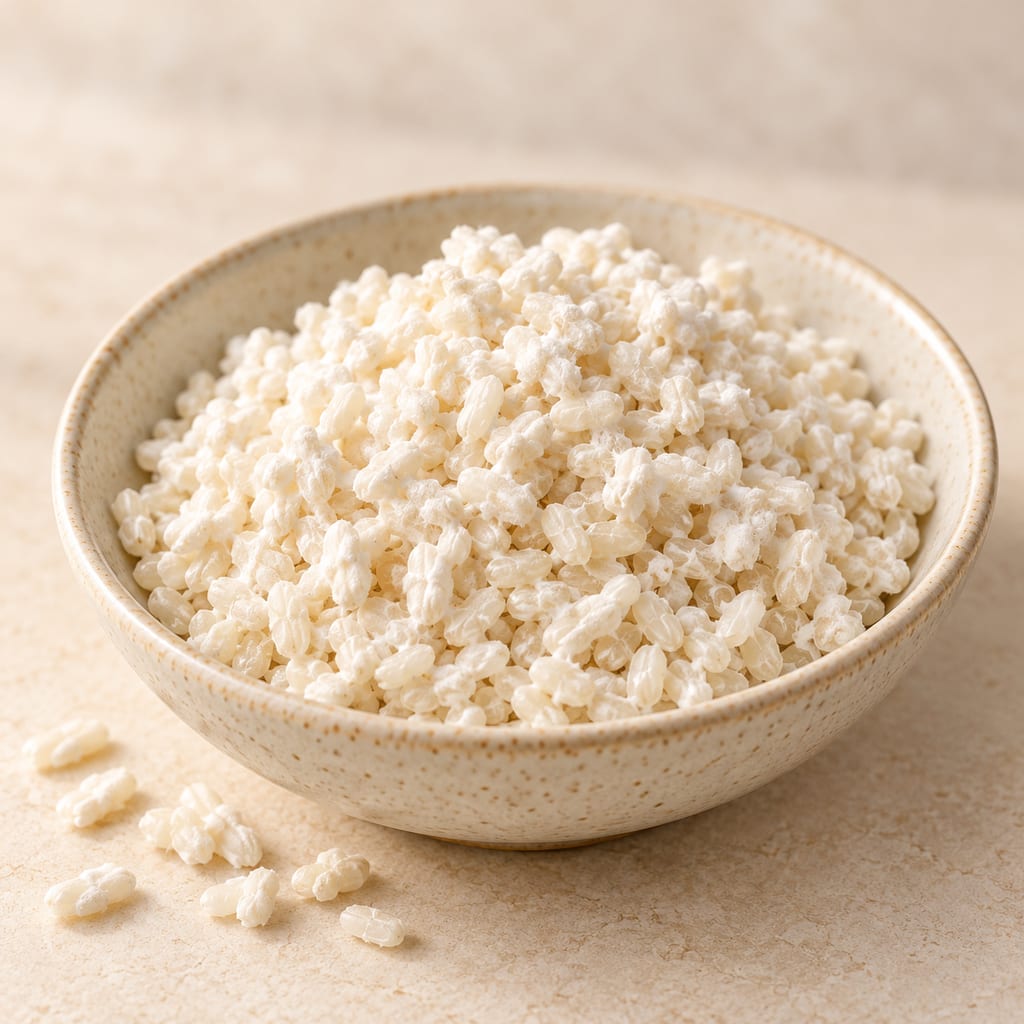
A gelling polysaccharide extracted from red seaweeds, sold as kanten strips or powder; it sets firm at a low concentration and stays solid until about 85 °C.
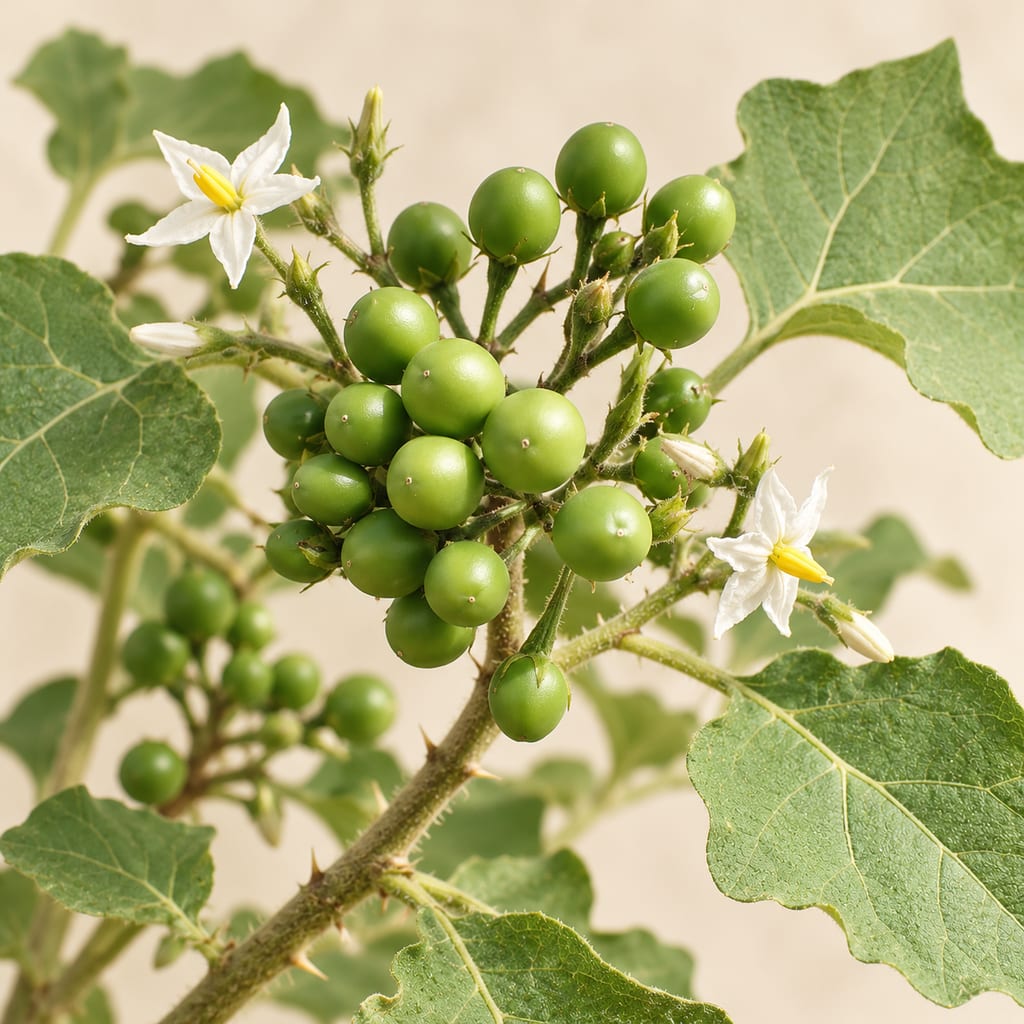
An East Akim survey reports fruit and leaf use in soups and stews; a separate Cape Coast experiment grew a selected seed accession. External poisoning reports do not establish Ghanaian incidence or a safe preparation method.
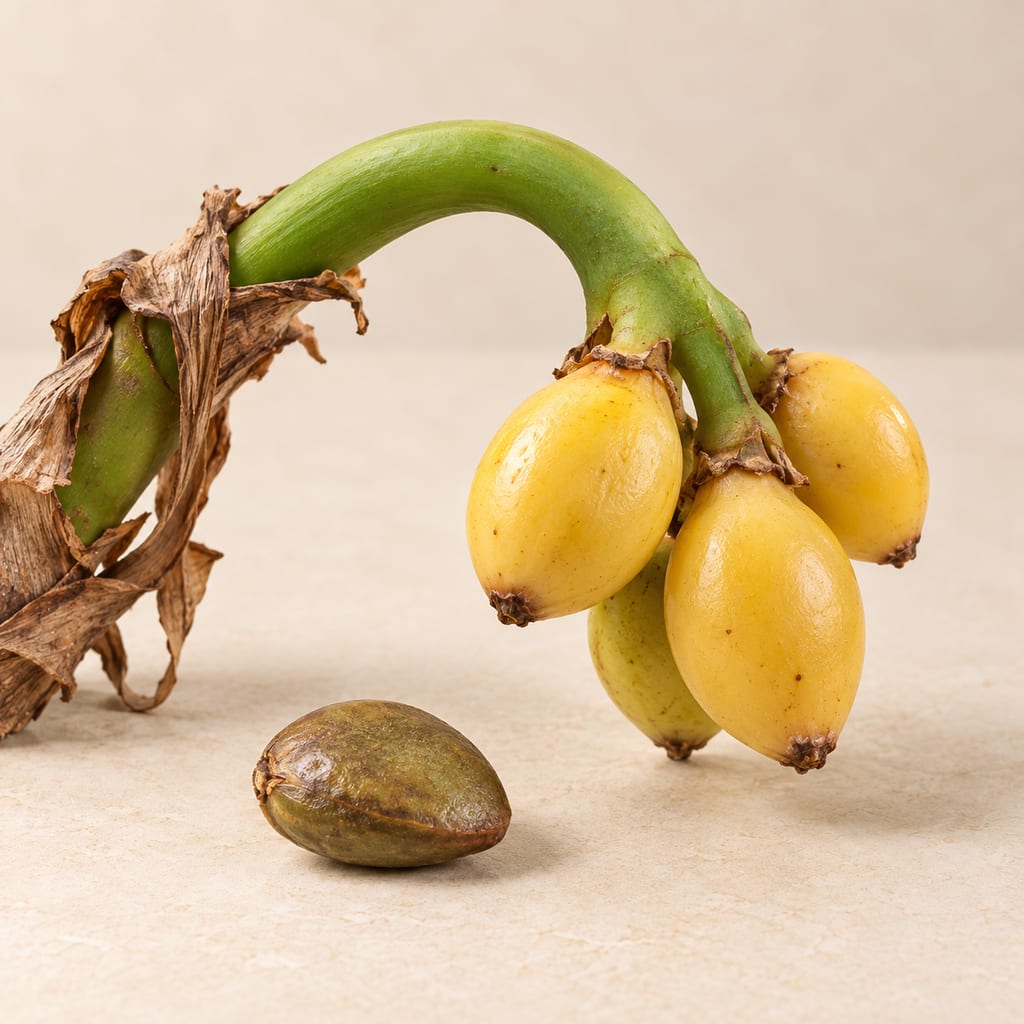
Madagascar sources document distinct seed and tuber food accounts for this wetland aroid; greenhouse cultivation data come from a botanical display, not food production.
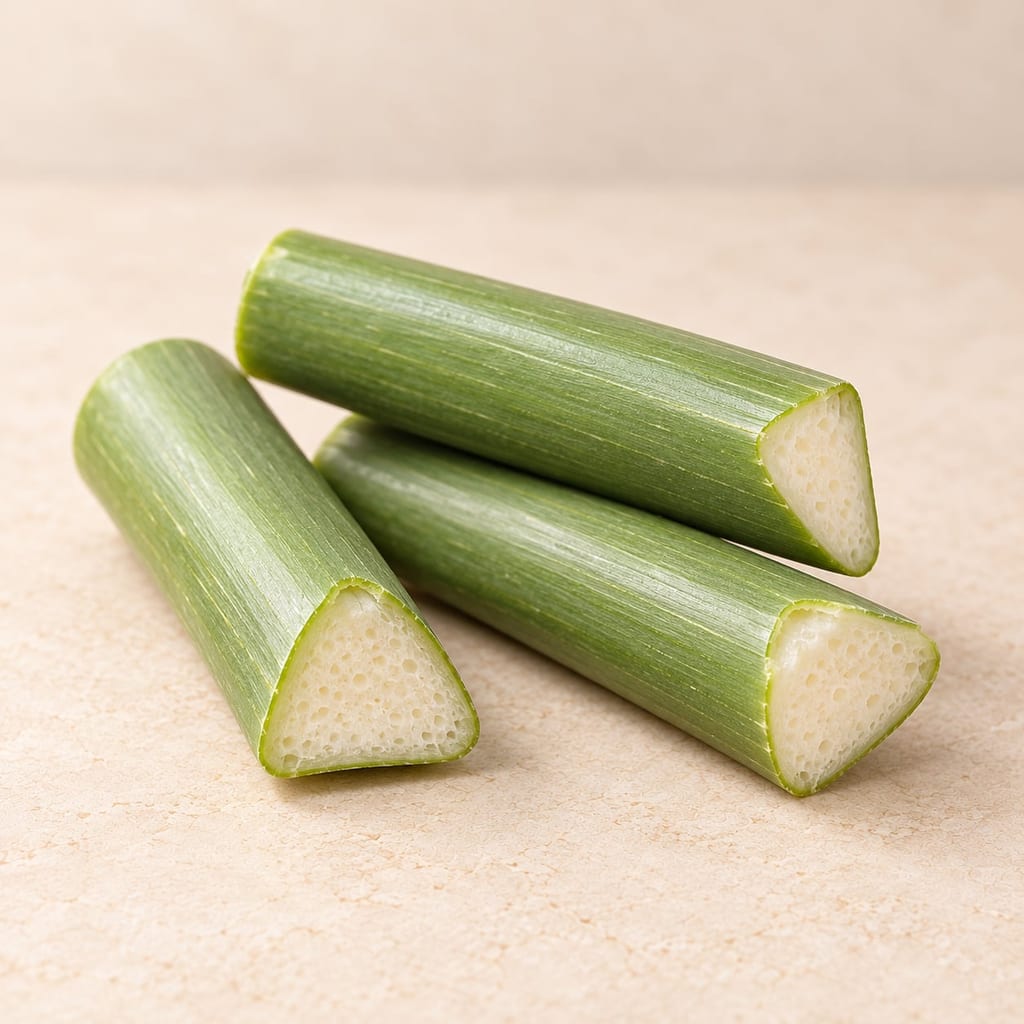
Aymara records from Lake Titicaca describe totora as food, with separate reports of rhizomes and the basal tutura stem; later planting evidence comes from a wastewater lagoon.
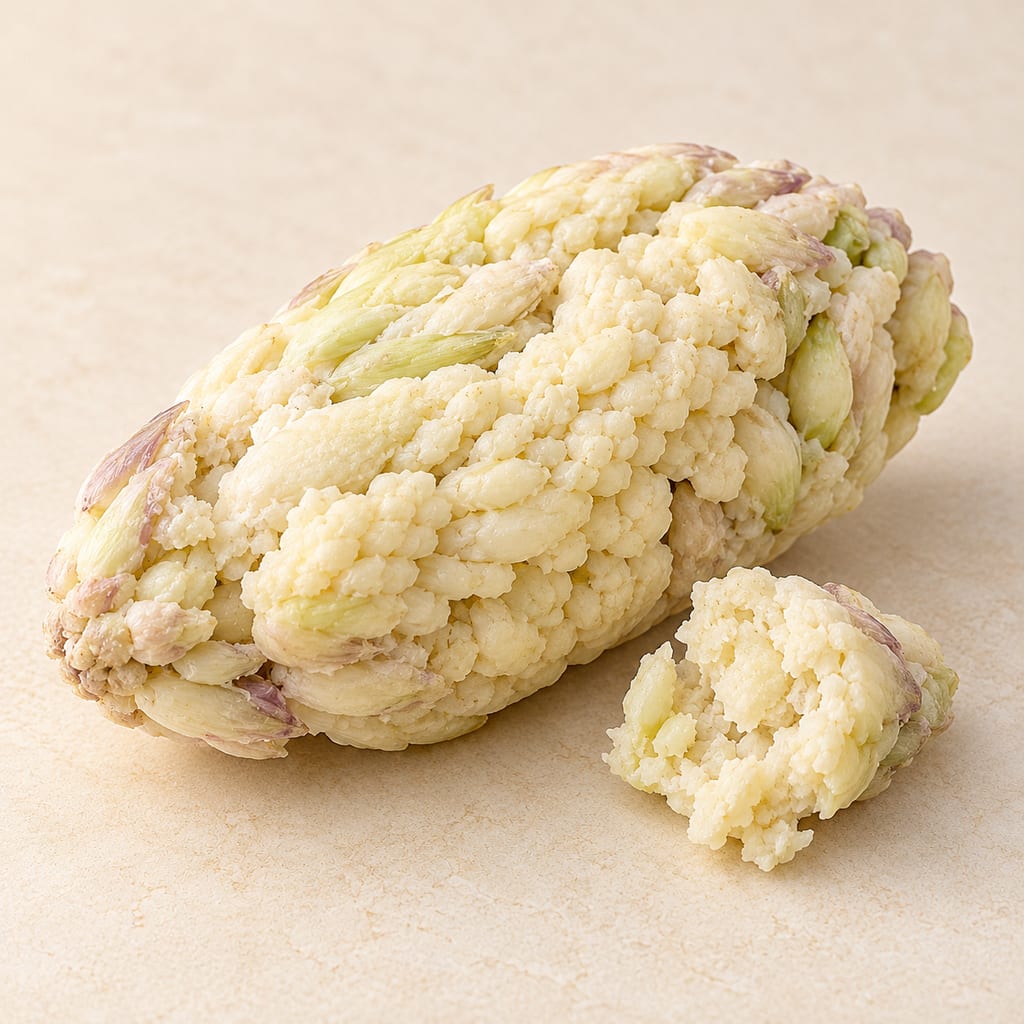
Fiji crop accounts call the edible inflorescence crop Saccharum edule; this crop-name concept remains unresolved in current botanical treatments.
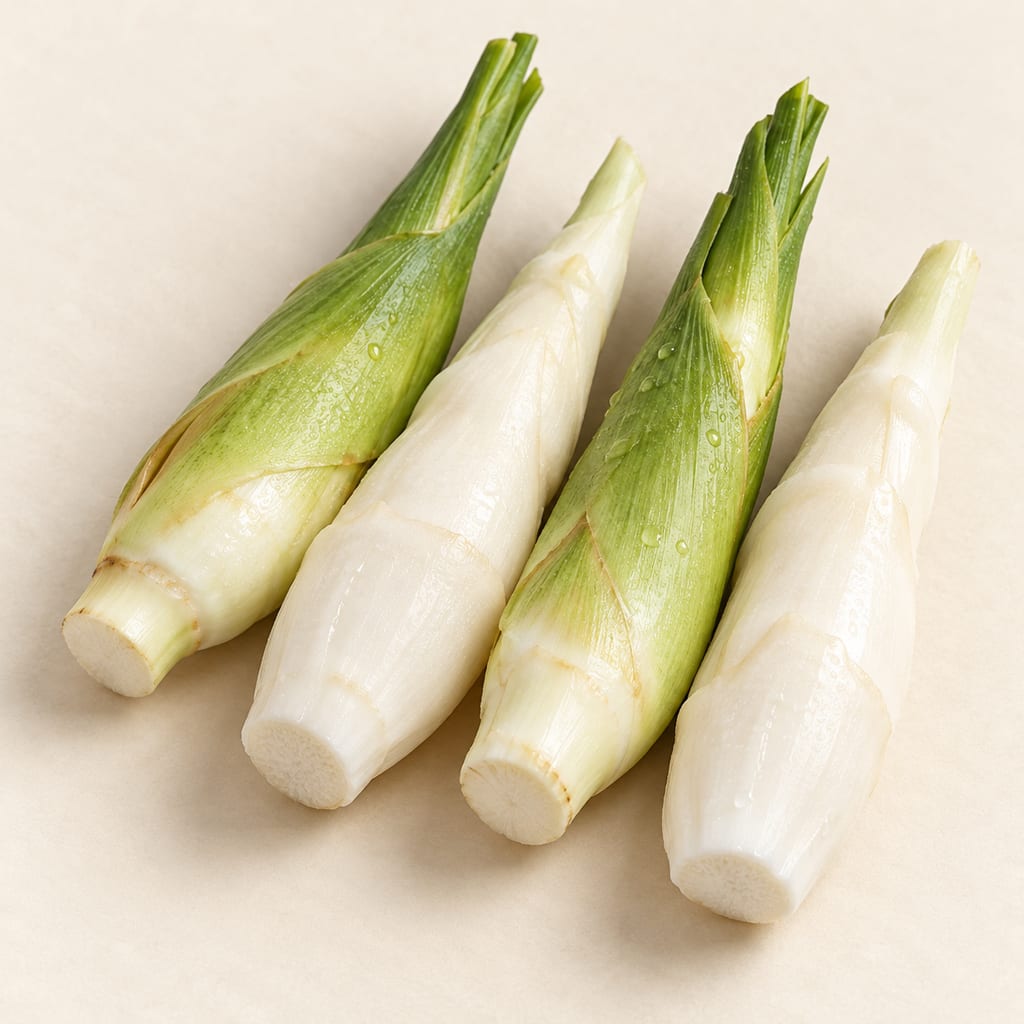
In Taiwan and Hong Kong food sources, jiaobai is the swollen stem of Zizania latifolia associated with Ustilago esculenta. It is distinct from the grain called North American wild rice, and the plant-fungus association is not food fermentation.
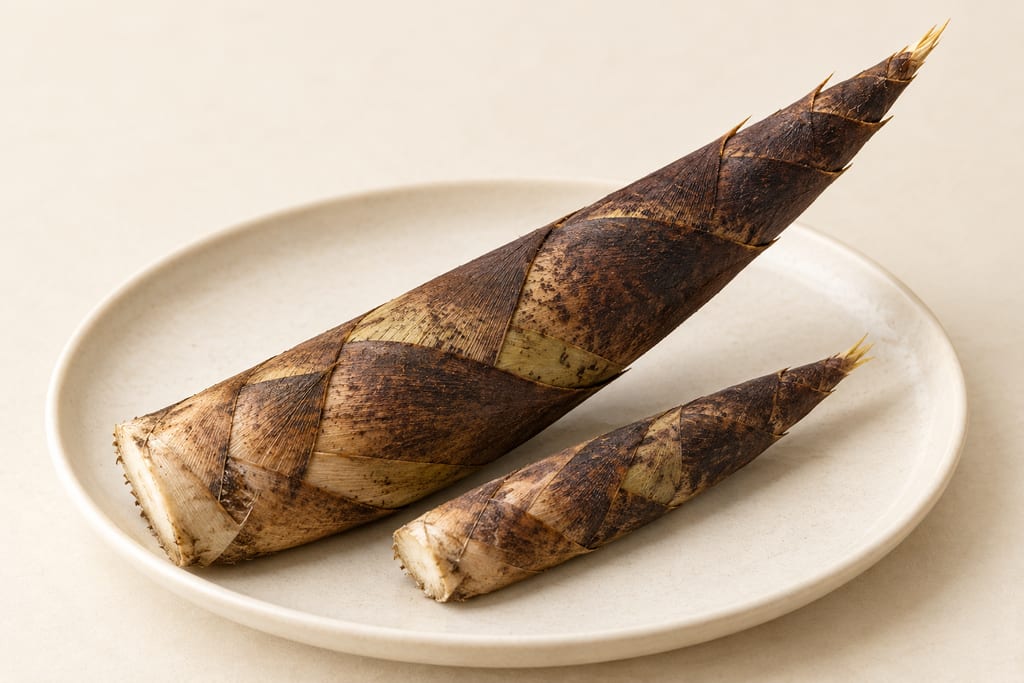
Japanese sources identify madake, Phyllostachys bambusoides, as a historically eaten bamboo shoot and describe a regional emergence season. Kew uses P. reticulata for the accepted-name treatment, while other floras retain P. bambusoides; species-specific food processing and household cultivation details remain unresolved.