

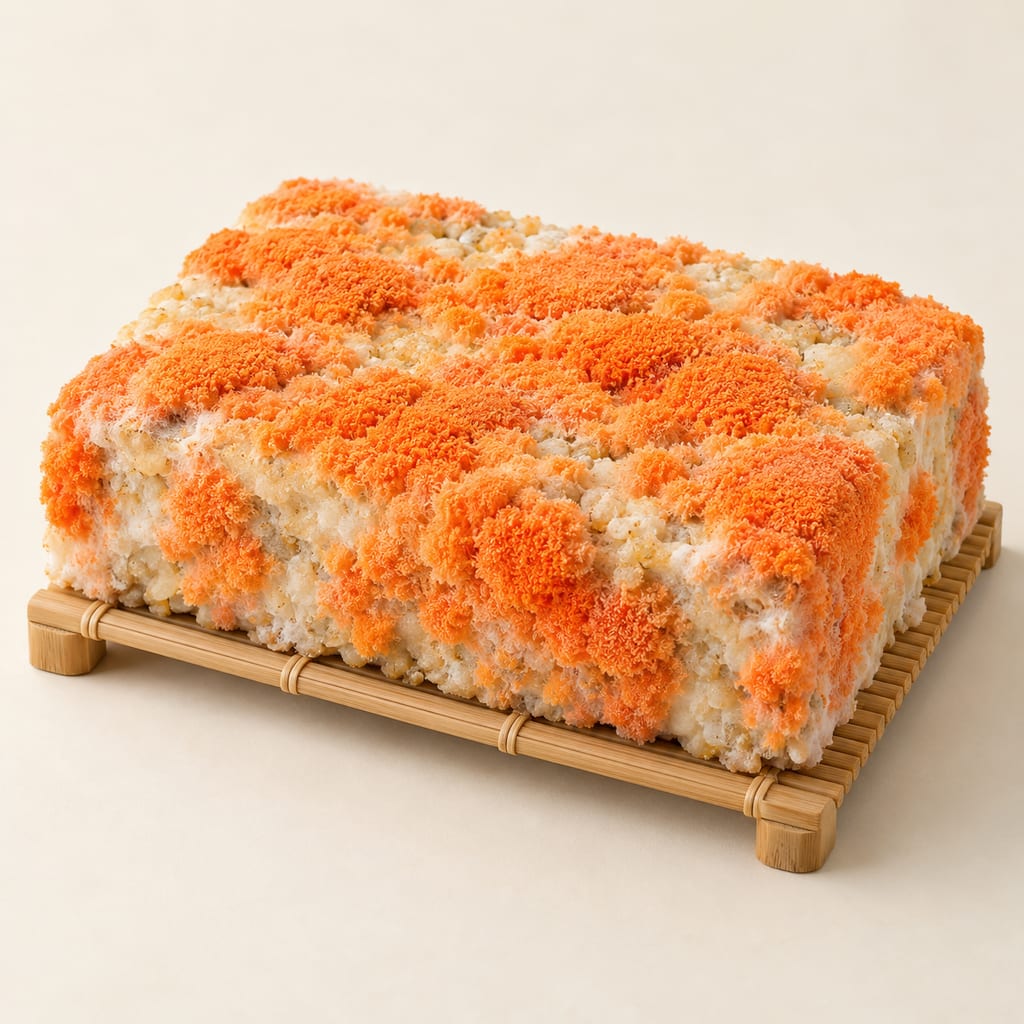
Neurospora intermedia culture
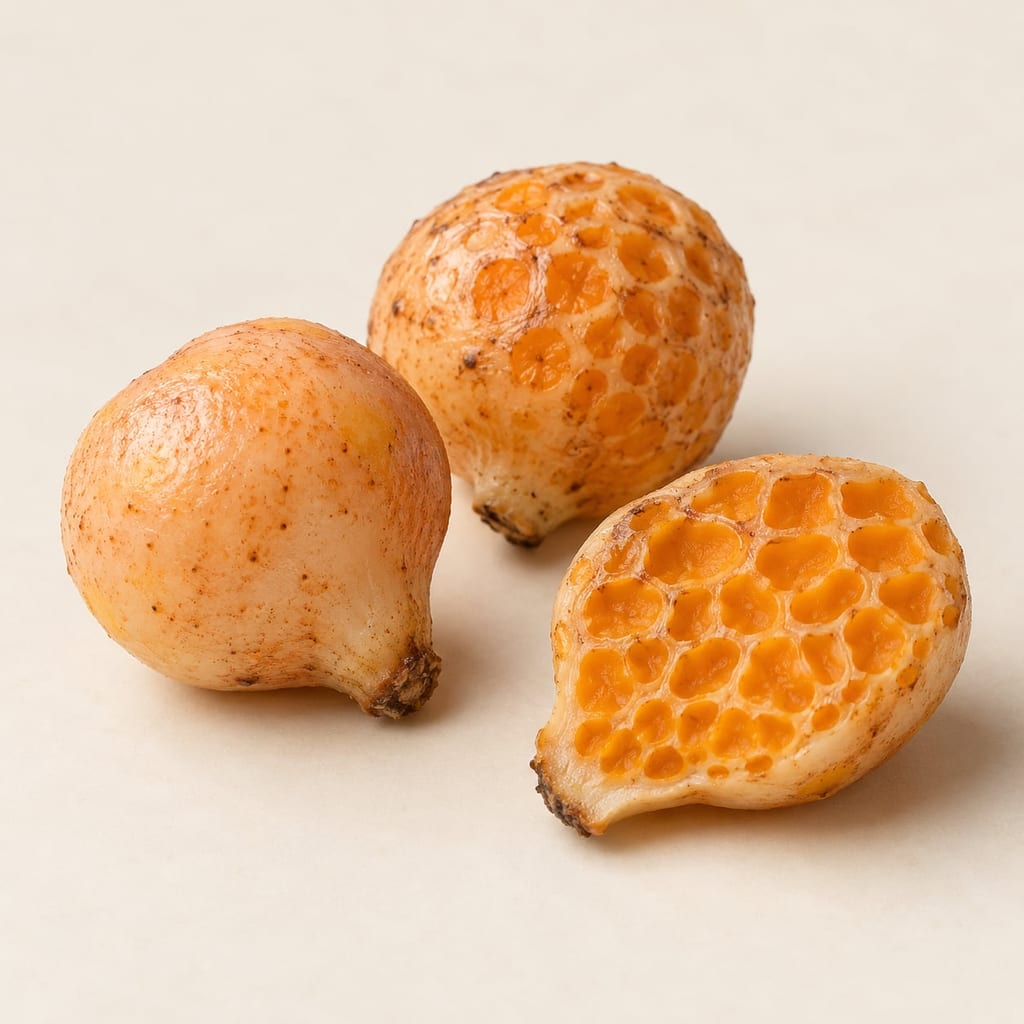
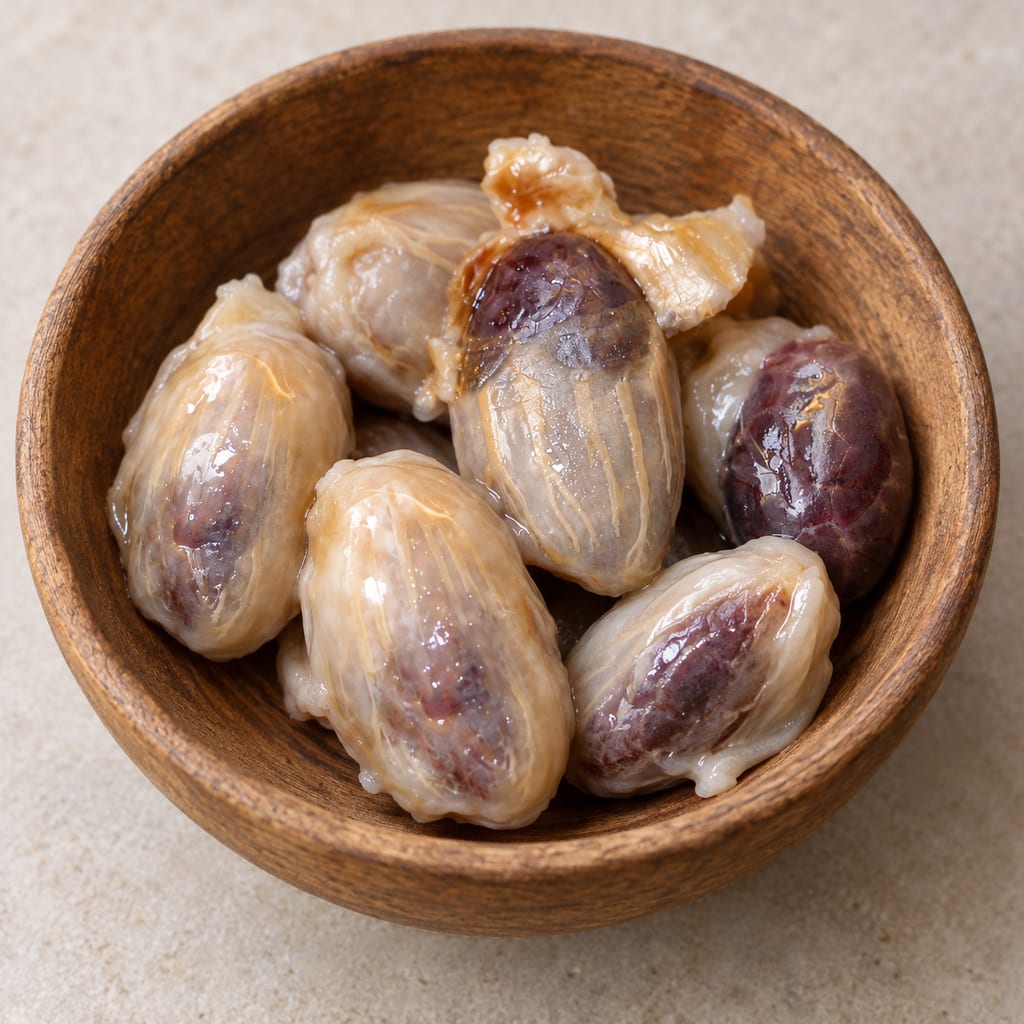
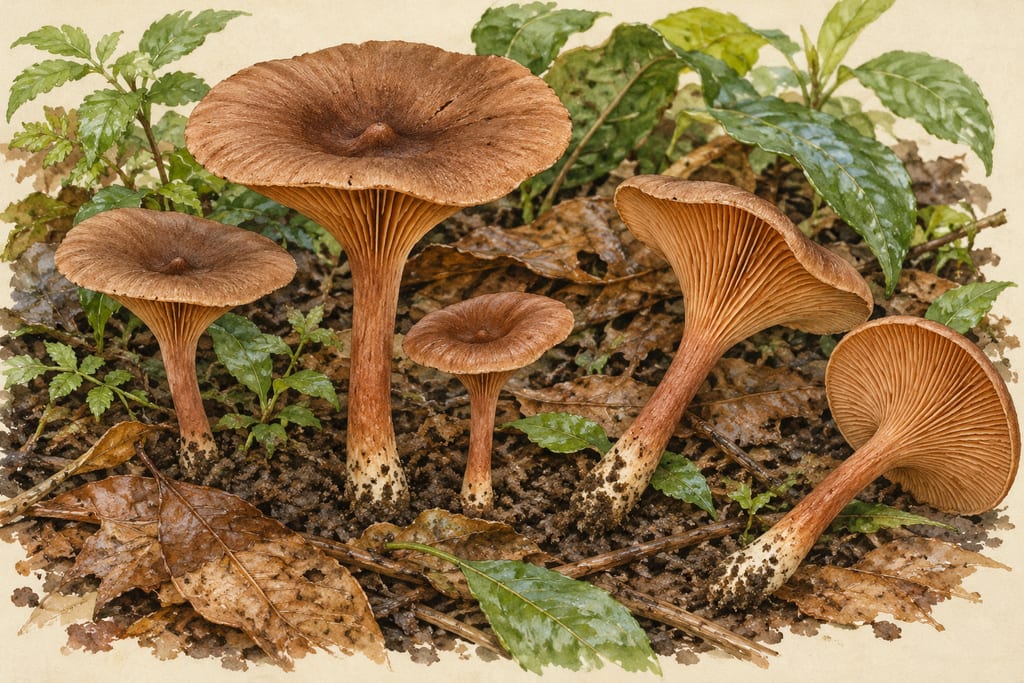
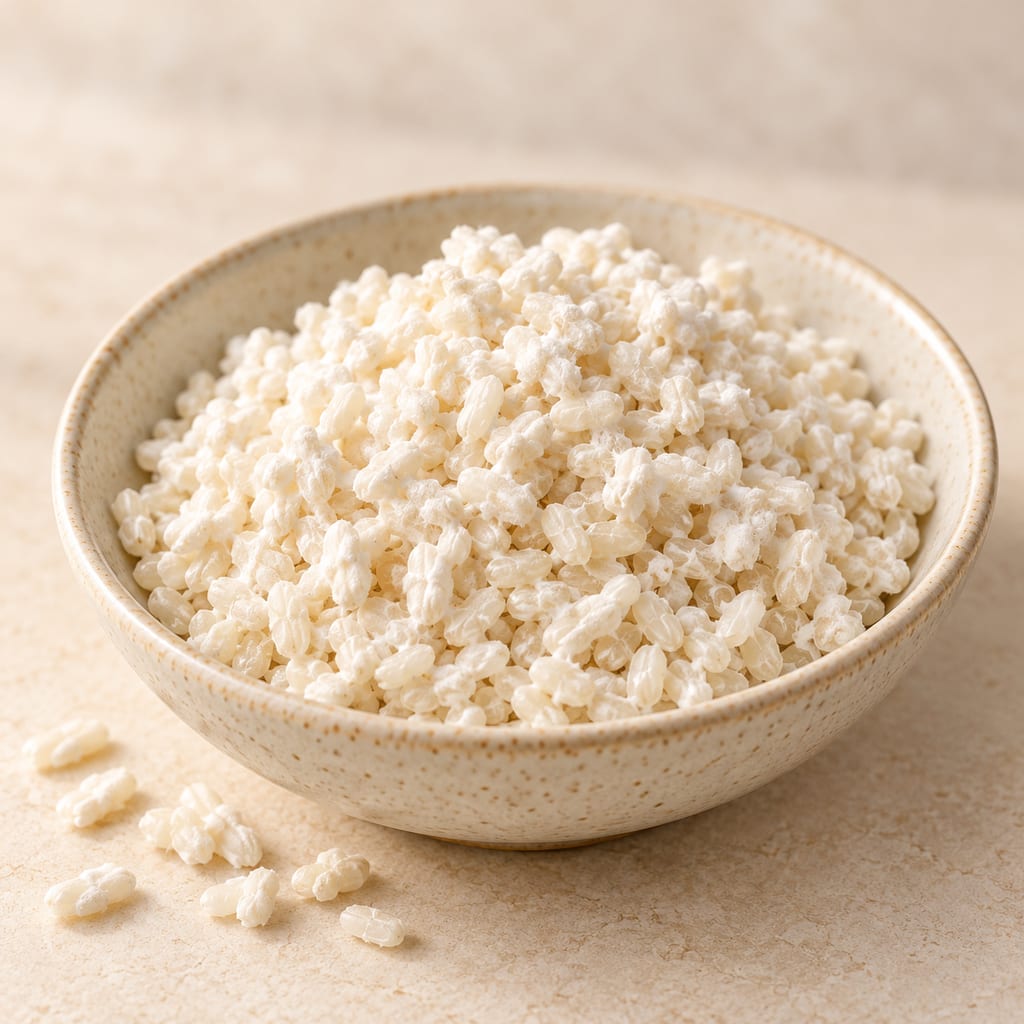
Neurospora intermedia is the orange-red mould that ferments the okara of red oncom, an Indonesian soy-pulp cake, and the culture used to start it.
 FermenteaWhere food goes to change
1086 articles on substrates, cultures and additives.
 Koji and amylolytic starters33
 Yeasts19
 Dairy starter cultures15
 Ripening moulds and yeasts11
 Meat starter cultures8
 SCOBYs and grain cultures6
 Back-slopped and retained starters5
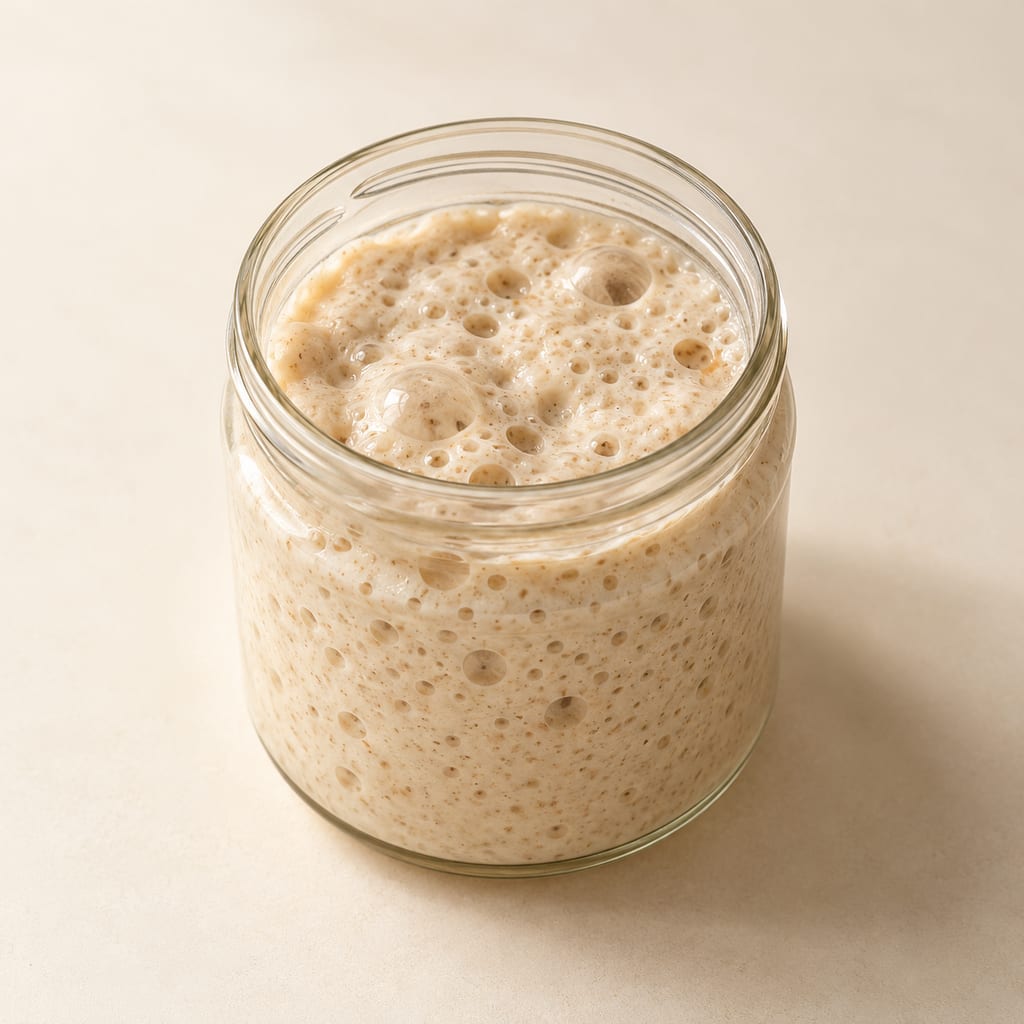 Leavens and sourdough starters3
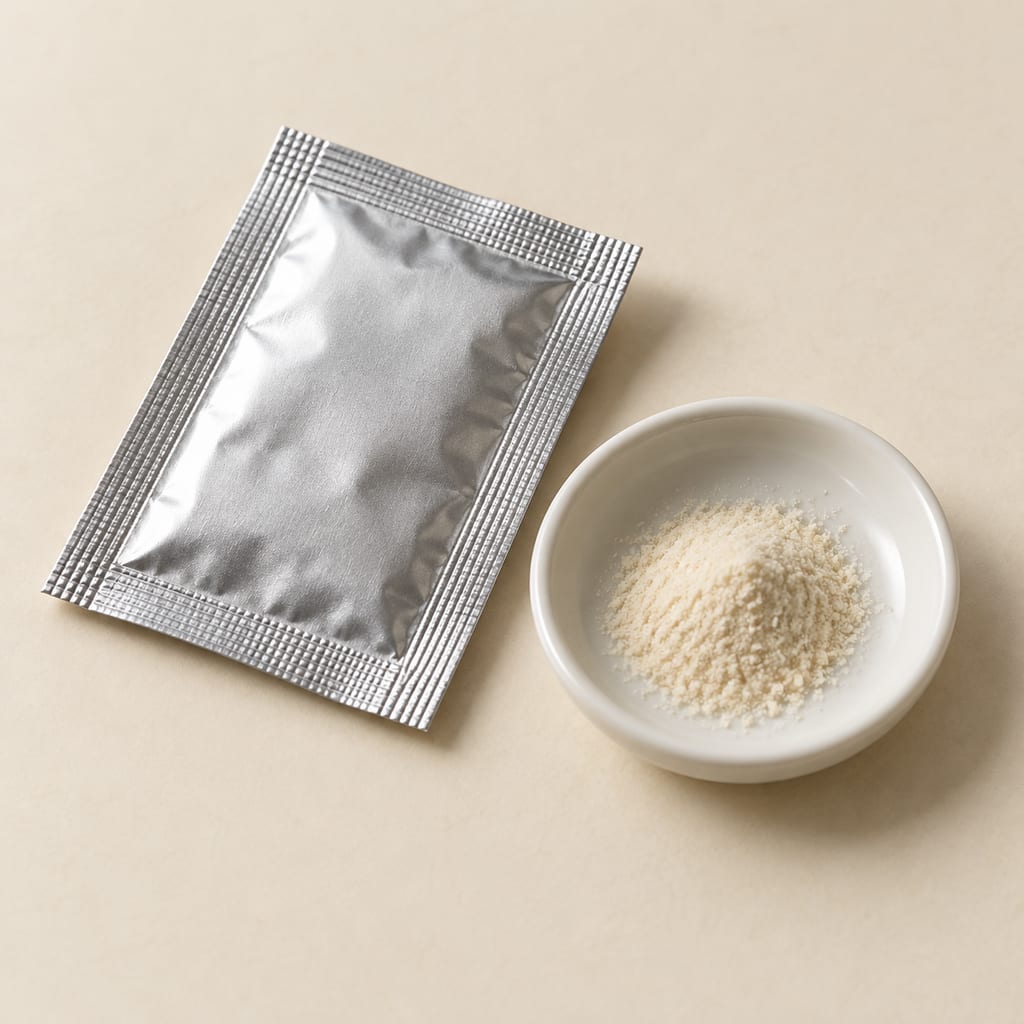 Lactic cultures2Legume mould starters1
Neurospora intermedia is the orange-red mould that ferments the okara of red oncom, an Indonesian soy-pulp cake, and the culture used to start it.
Geotrichum candidum is the yeast-like fungus that forms the pale, velvety coat on many soft-ripened cheeses and lowers the rind's acidity so that other ripening microbes can grow.
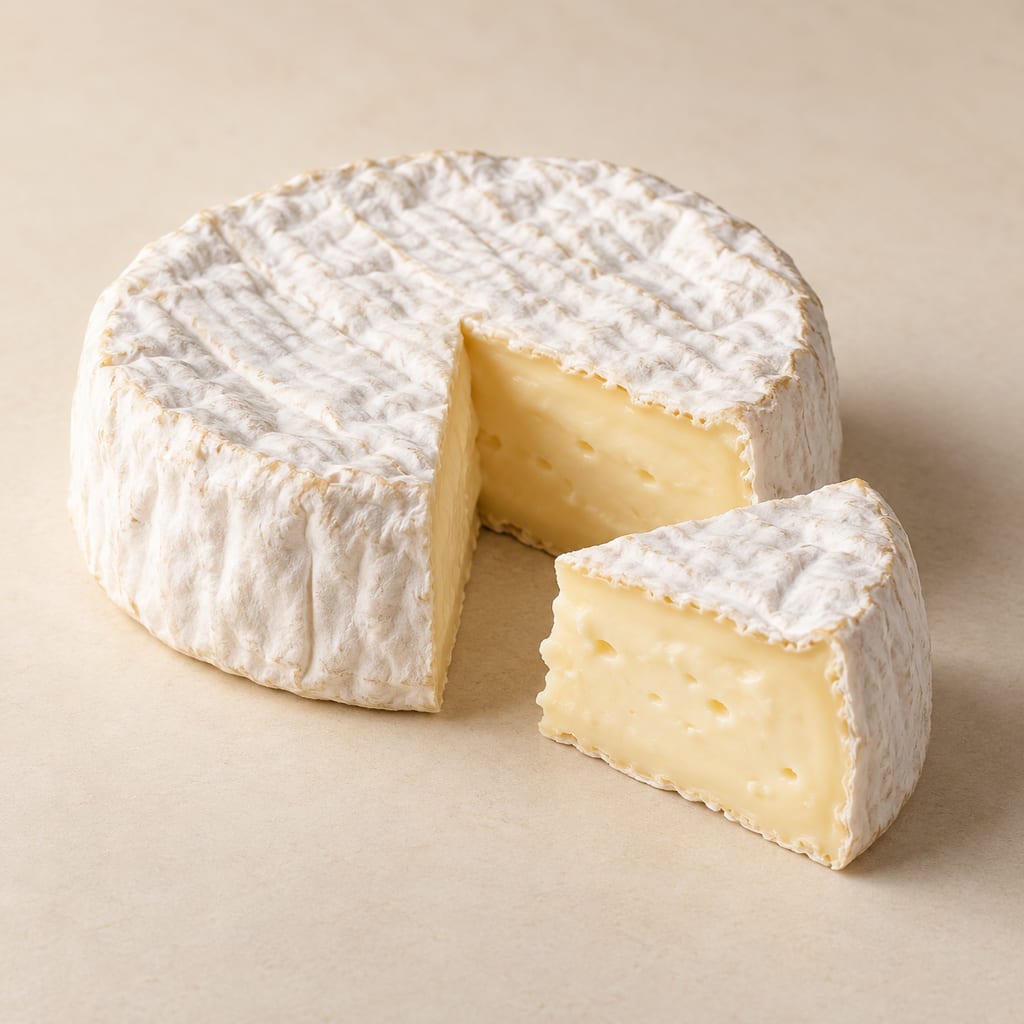
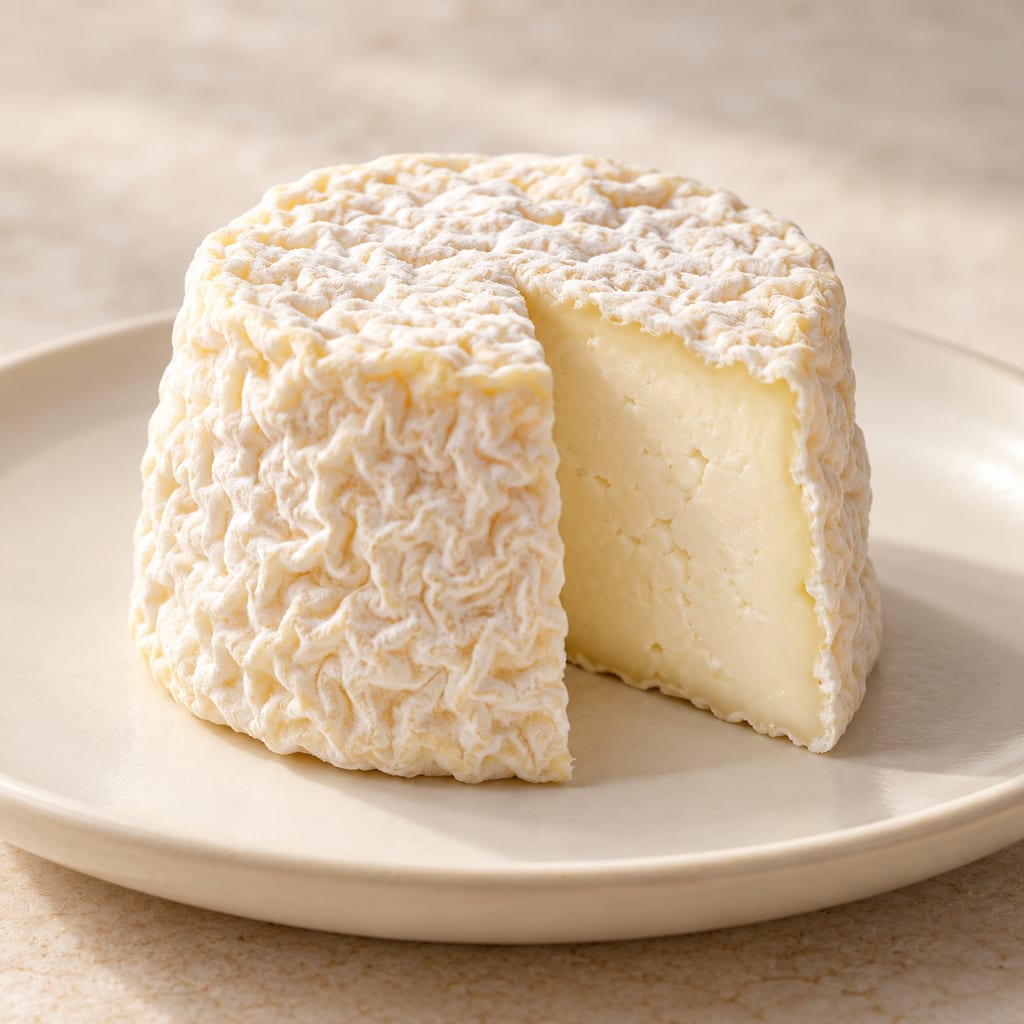
Penicillium camemberti is the white mould of Camembert and Brie, a domesticated fungus whose white, fluffy coat ripens soft cheese from the outside in.
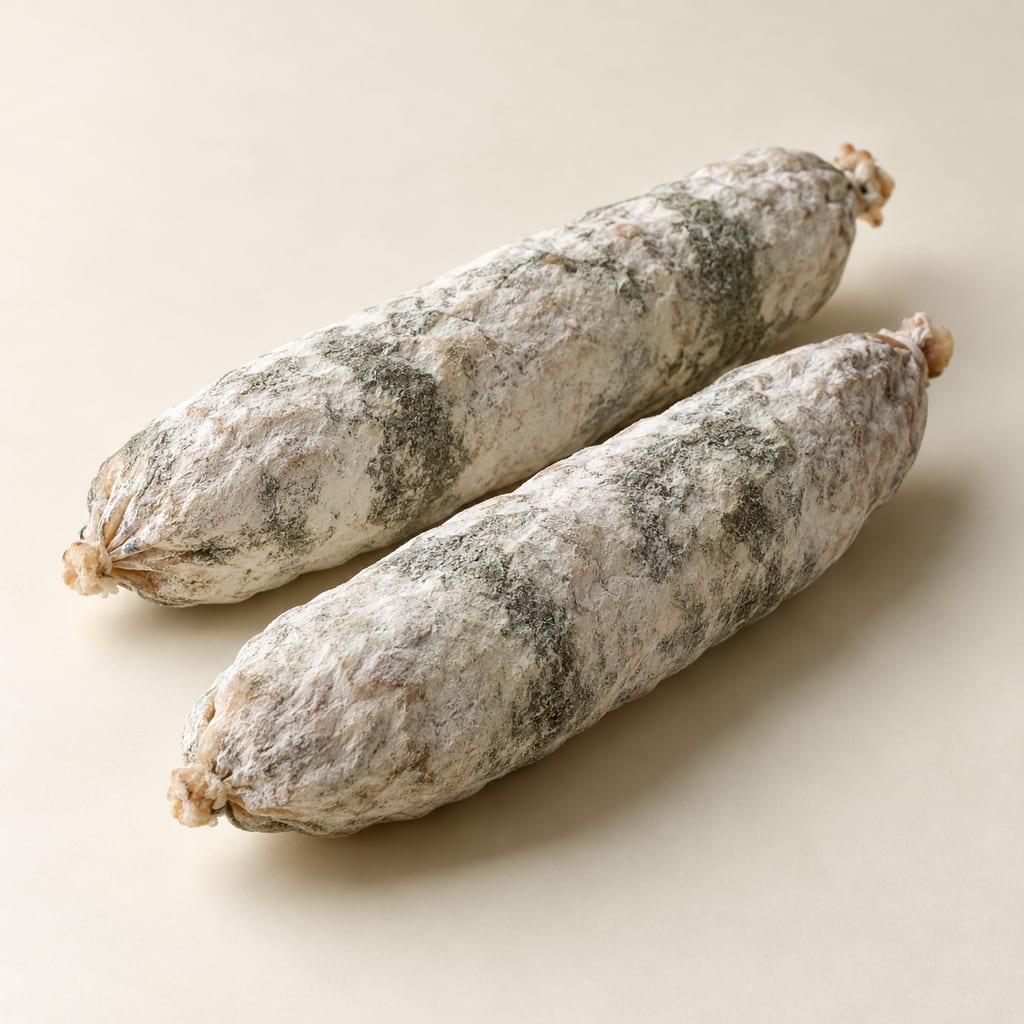
Penicillium nalgiovense is a mould sold as a selected starter culture for ripened foods, most often dry sausage, and tested in laboratory and cheese starter studies.
Selected mould cultures, often Penicillium, are applied to the casing of some dry-fermented sausages to grow a white surface cover. A white surface alone does not identify the organism or show safety.
A named fungal ripening culture in the cream-enriched Brie method. Geotrichum participates in the changing chemistry and community of the cheese surface.
A selected fungal culture for white, bloomy cheese rinds. Its growth and enzymes help change the acidity, texture and aroma of soft-ripened cheese.
A selected fungal culture for blue cheese. Growth in air spaces and enzymes acting on casein and fat help develop the marbled paste and characteristic aroma.
MOLD-800 is a freeze-dried blend of two Penicillium species applied to the outside of dry sausage to establish a pale surface bloom.
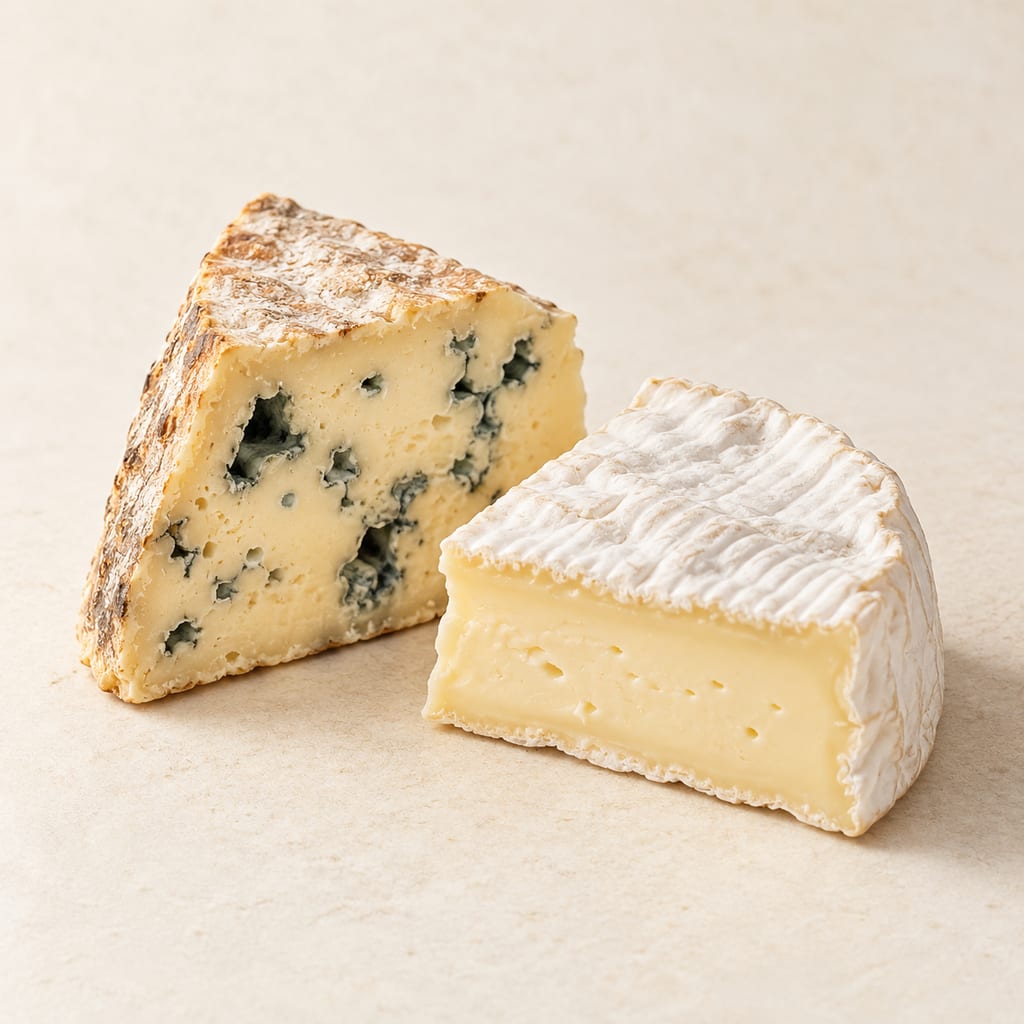
Selected molds and other surface organisms create characteristic ripening patterns in some cheeses. Identified commercial cultures are not interchangeable with unknown environmental mold.
Mold 600 is a freeze-dried Penicillium nalgiovense culture applied to dry sausage casings, where it develops a pale surface bloom and mushroom-like aroma.