
All-purpose wheat flour
A refined common-wheat flour blended for a broad range of baking; its protein and behavior vary with wheat, milling and market.
 FermenteaWhere food goes to change
Cultures
Selected molds and other surface organisms create characteristic ripening patterns in some cheeses. Identified commercial cultures are not interchangeable with unknown environmental mold.
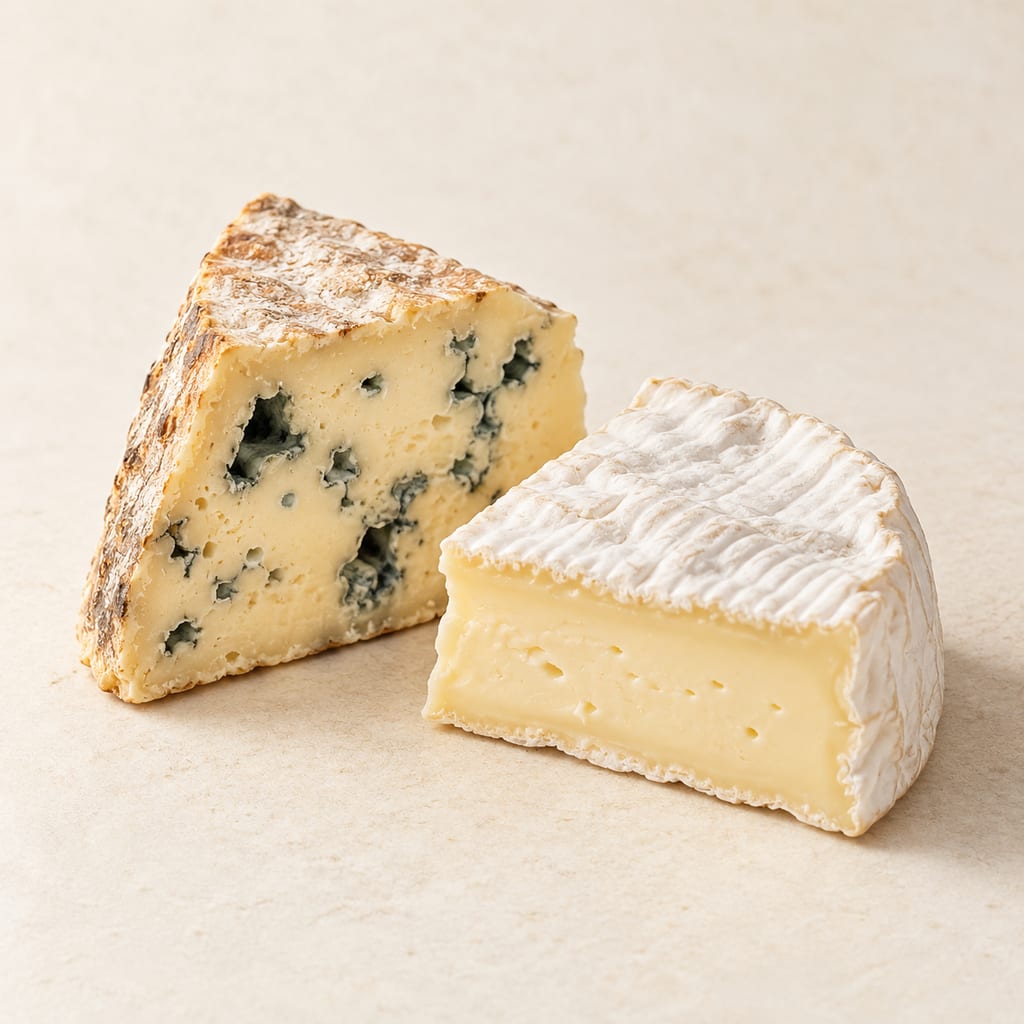
Penn State describes white molds used for Brie-style cheeses, blue mold in blue cheeses, and washing of some rinds with brine or another liquid. Natural rind and washed rind are distinct approaches; cheeses can belong to more than one style category.
The culture, cheese surface, humidity, oxygen exposure, salt, temperature, and aging schedule interact. The source notes that different molds have different growth conditions, so no universal humidity or temperature is supplied here.
An intentional cheese culture is an ingredient selected for a particular process. An unknown mold growing on a cheese is not established as a cheesemaking strain by its color or resemblance to a familiar rind.
Recipe records should name a culture only when the source identifies it or the producer’s instructions are cited. Do not infer that every organism within a named species or genus is appropriate for food use.
milk
A style overview, not a single place of origin.
A refined common-wheat flour blended for a broad range of baking; its protein and behavior vary with wheat, milling and market.

Toasted almonds are whole sweet almond kernels dry-roasted until golden to brown. Heat replaces their marzipan note with a roasted, nutty one; they thicken and flavour romesco.
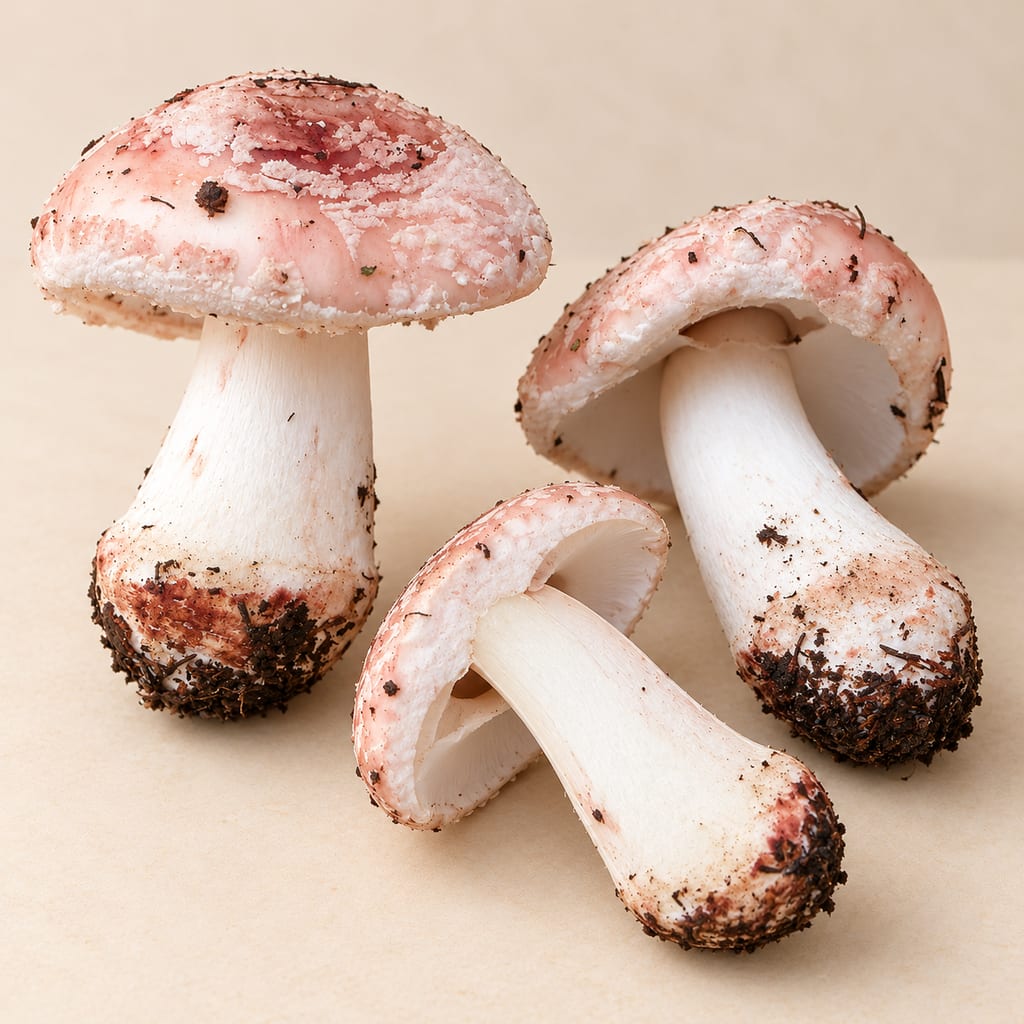
Amanita novinupta is a western North American blusher, a forest mushroom recorded as food in Mexico, and one that must be cooked because its raw flesh is toxic.
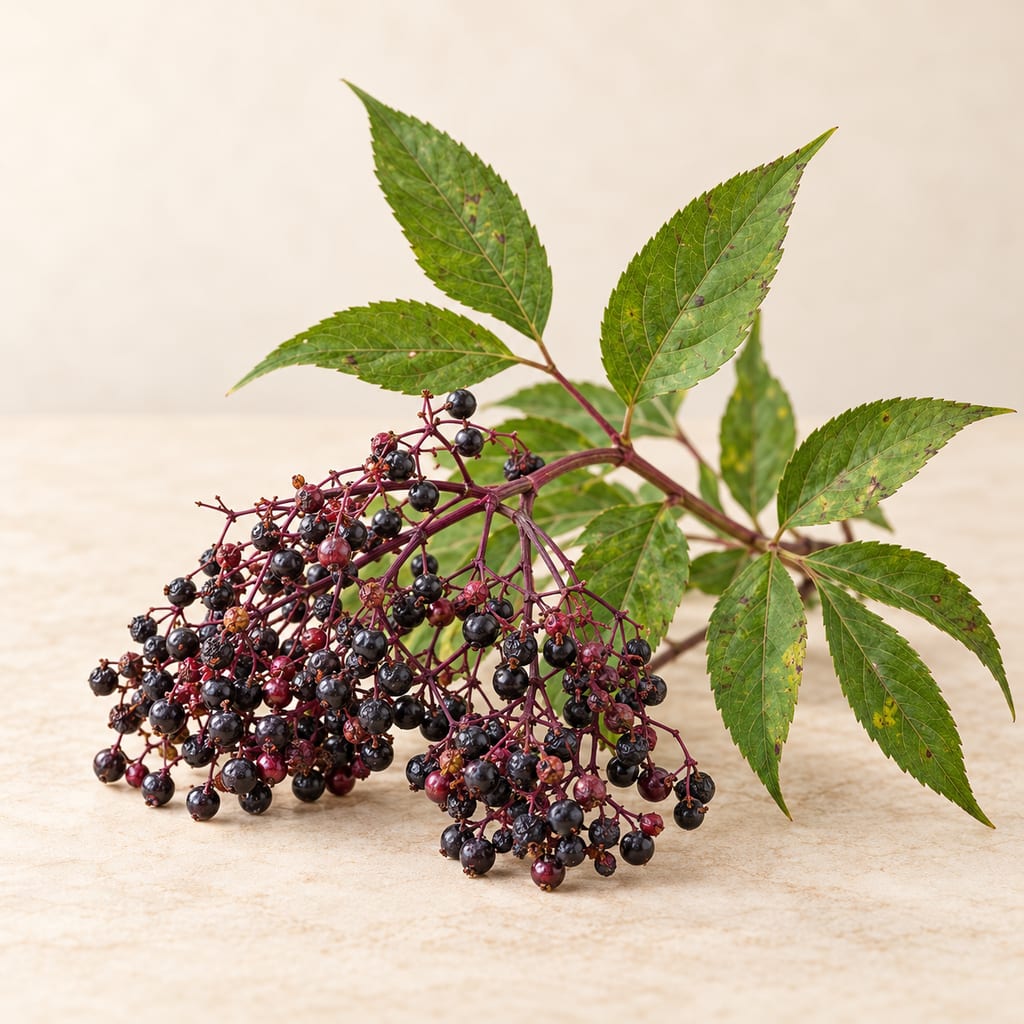
Sambucus canadensis is the accepted name used here for American elderberry. Missouri production guidance and named-cultivar studies give useful regional growing information, while food and analytical sources leave process questions open.
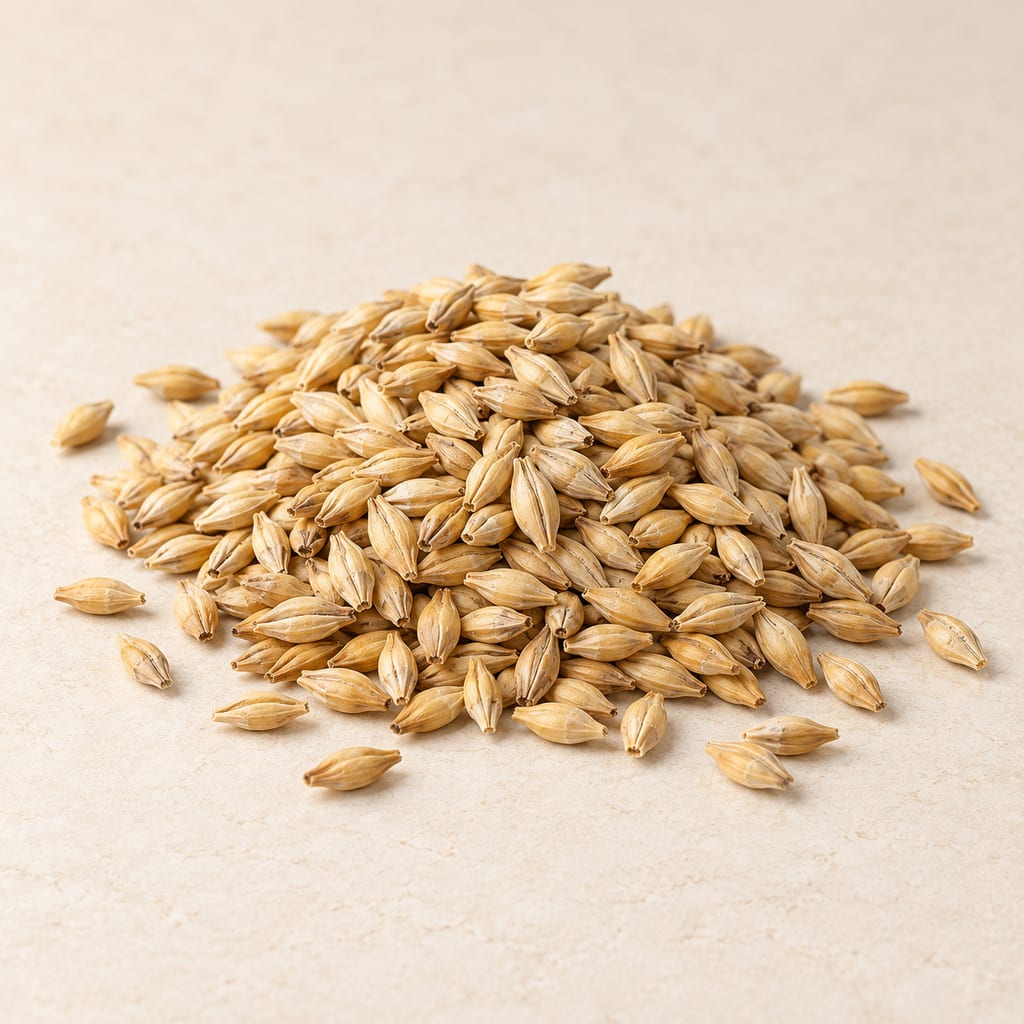
A lightly kilned brewing base made from two-row barley. It supplies starch and enzymes for the mash, with the maltster’s product and lot analysis defining its brewing properties.

Ripe avocado flesh is the soft, buttery, fat-rich pulp of Persea americana, eaten raw. It is low in acid, so it is a fresh ingredient that needs care in chilled dishes.
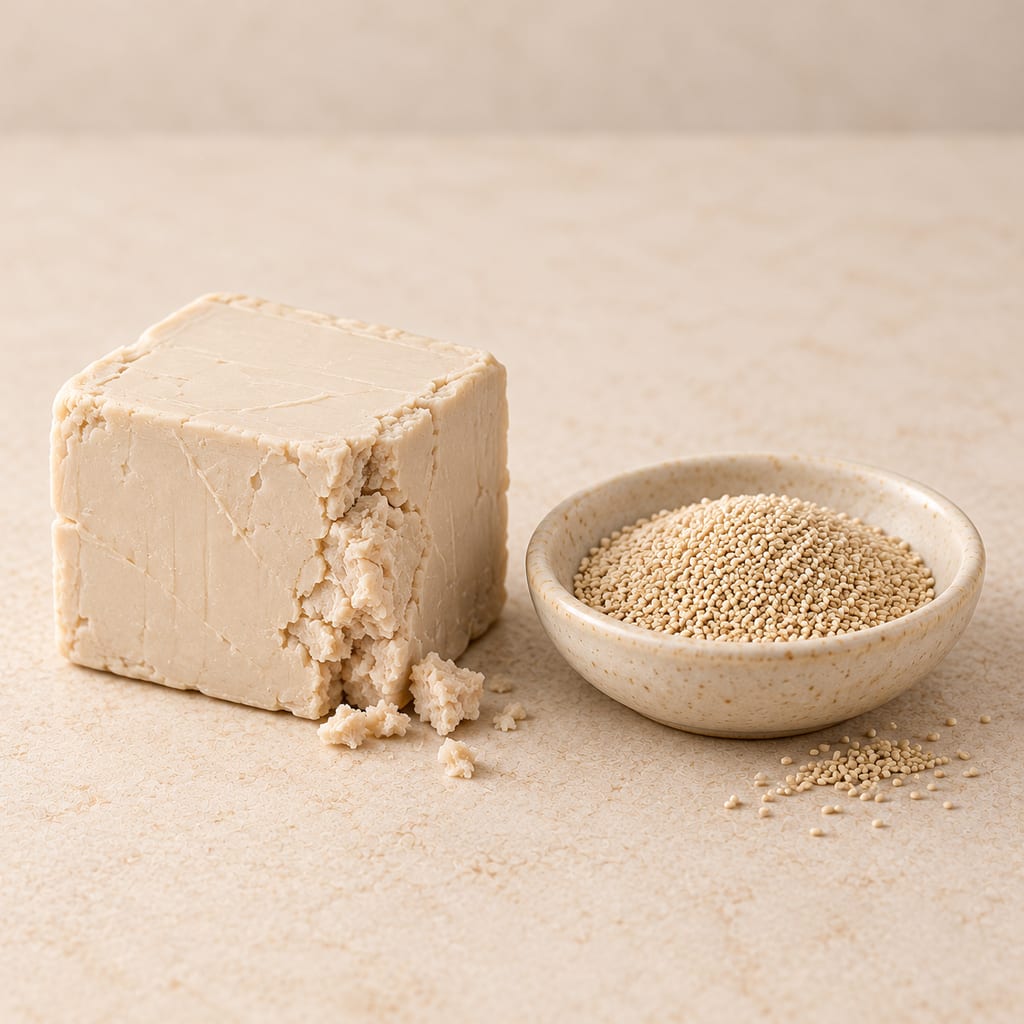
Baker's yeast is a cultivated living leavener, commonly sold fresh or dried. In dough, selected Saccharomyces cerevisiae cells make gas that can raise bread.
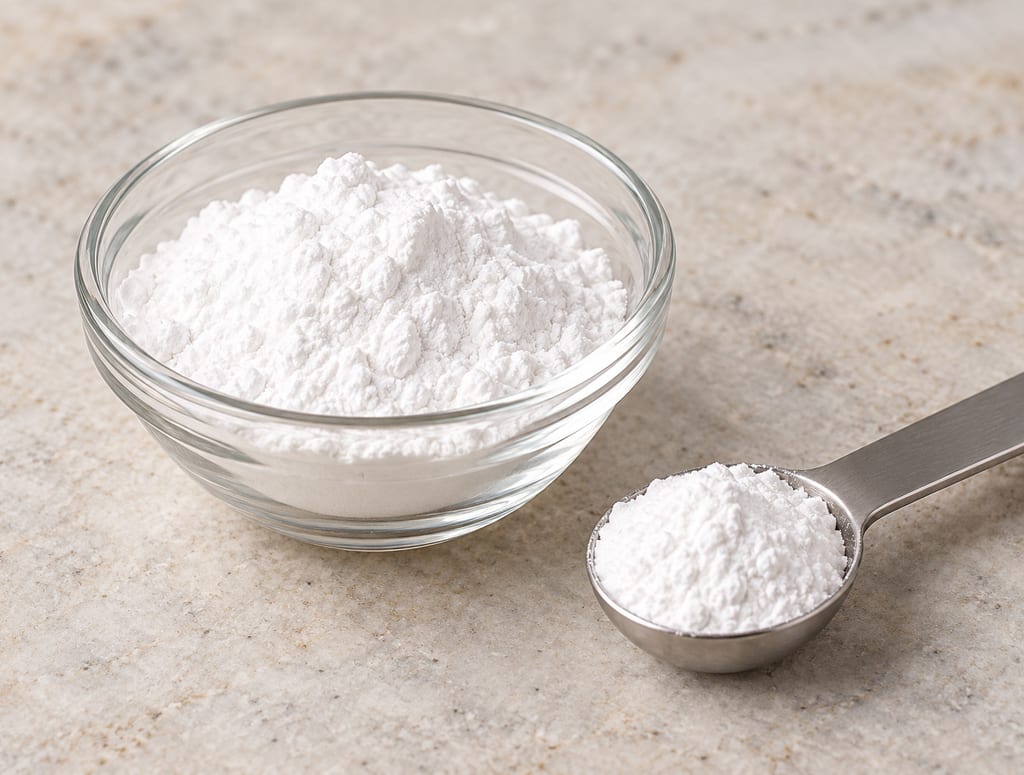
Baking powder is a dry chemical leavener that combines bicarbonate with acid-reacting ingredients and a carrier. Moisture and heat release carbon dioxide for quick breads, batters and griddle cakes.
No community contributions have been published for this entry yet.
Sign in to contribute. Published comments and photos are free to read.
Penn State ExtensionCulture context · Process
Farmstead and Artisan CheesemakingWhite and blue molds, rind washing, natural-rind styles, and style-specific growth requirements.
Penn State ExtensionCulture context · Process
Introduction to Making CheeseUse of blue mold spores and process variations for blue cheese compared with Cheddar.