
Natural casings
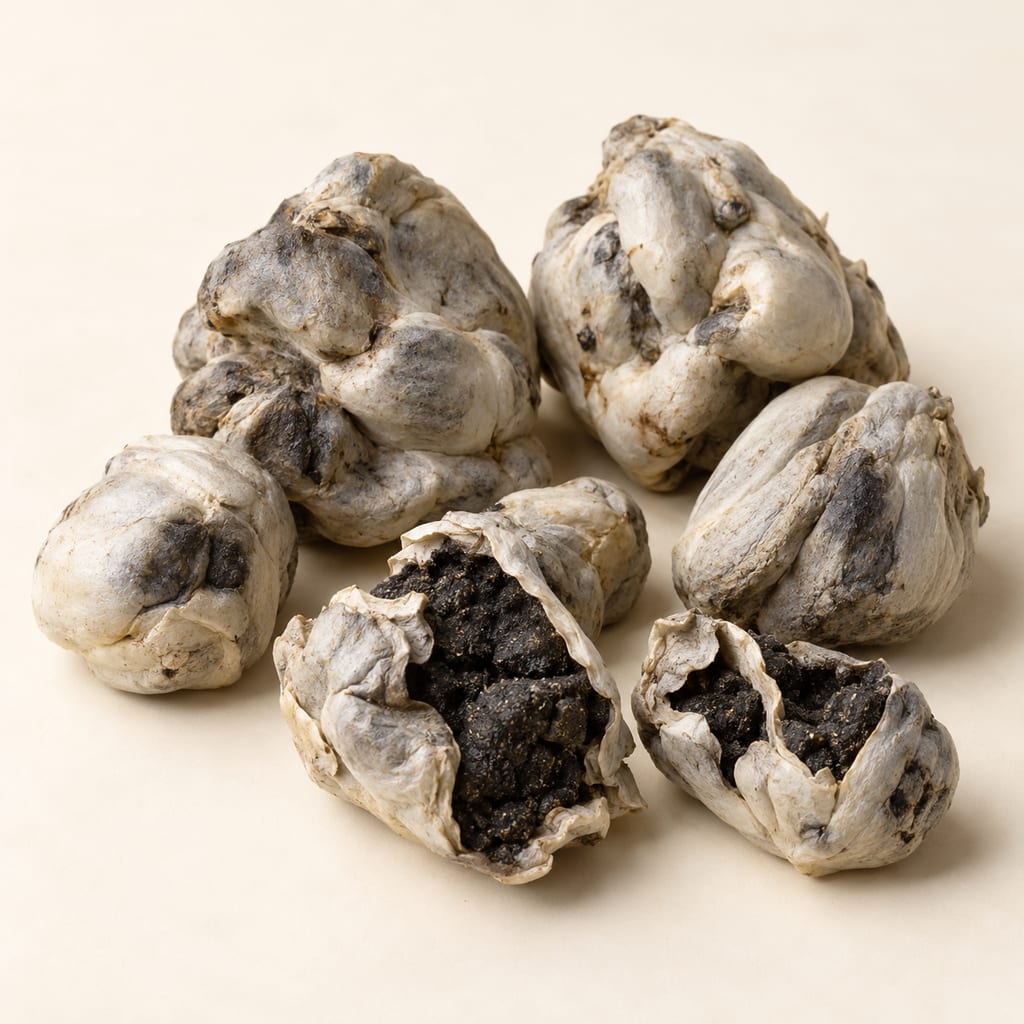
Natural casings are cleaned animal guts, stomachs, bladders and skins used to hold sausage and pudding fillings; the organ, animal and diameter decide the food's shape and drying.
 FermenteaWhere food goes to change
1086 articles on substrates, cultures and additives.
Natural casings are cleaned animal guts, stomachs, bladders and skins used to hold sausage and pudding fillings; the organ, animal and diameter decide the food's shape and drying.
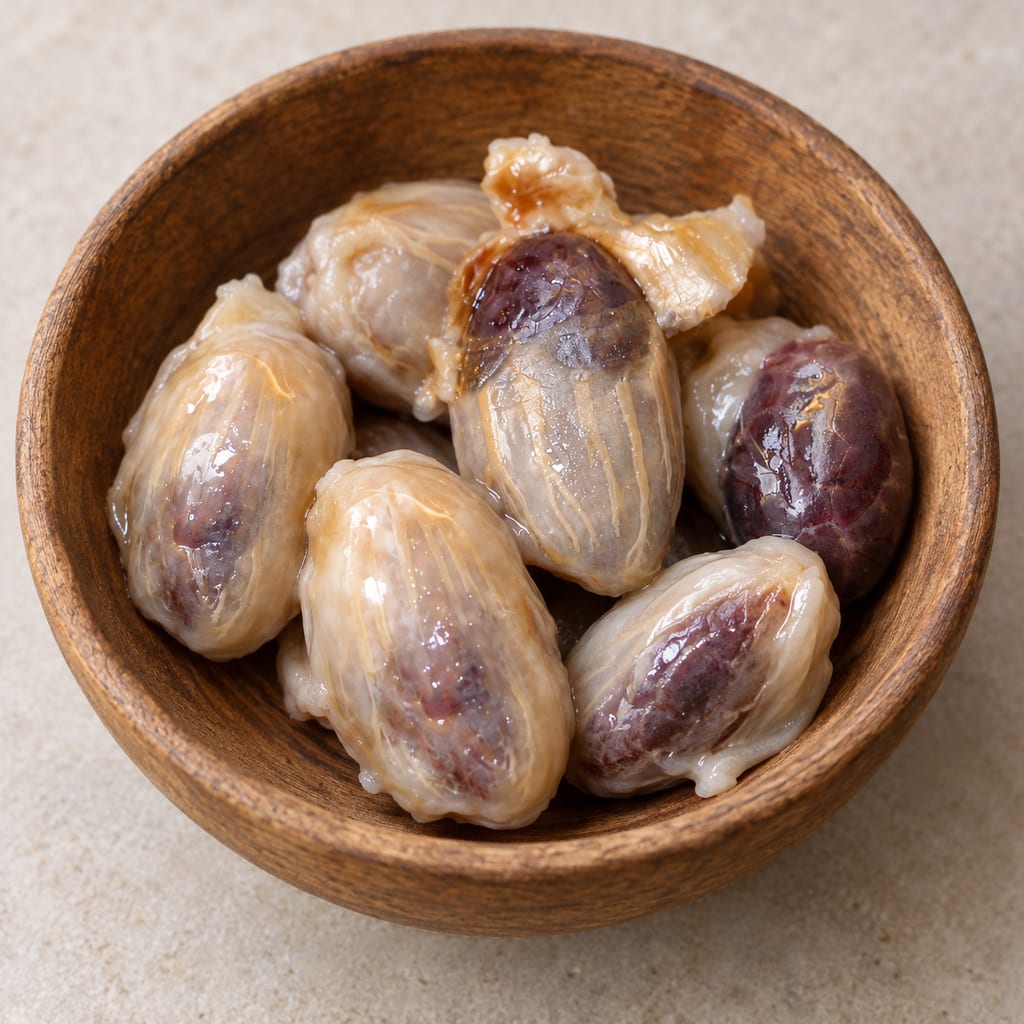
A cleaned pig caecum forms the broad, closed-end casing used for Slavonski kulen and Baranjski kulen. Its shape, preparation and regional names differ from other pig intestines.
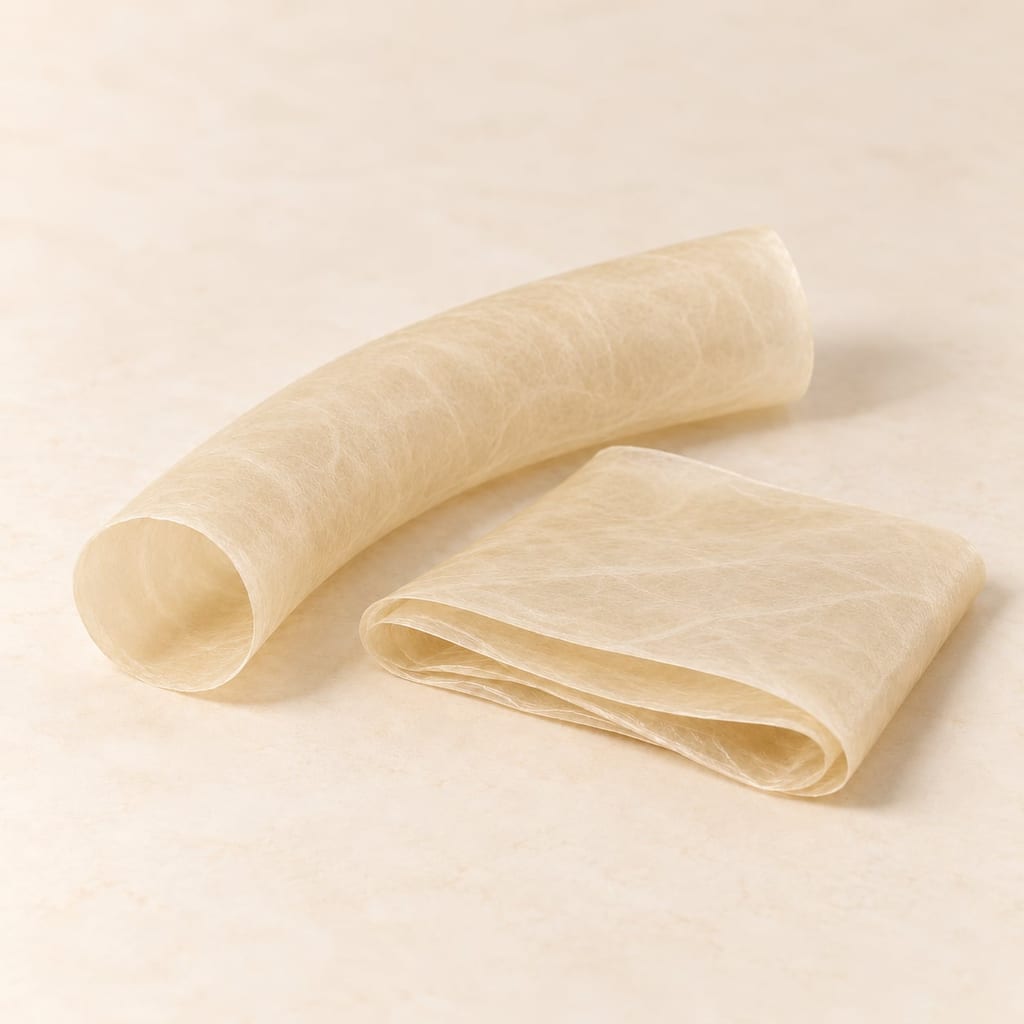
Non-edible fibrous sausage casings with an inner protein treatment that helps them stay against the meat as it dries and shrinks.
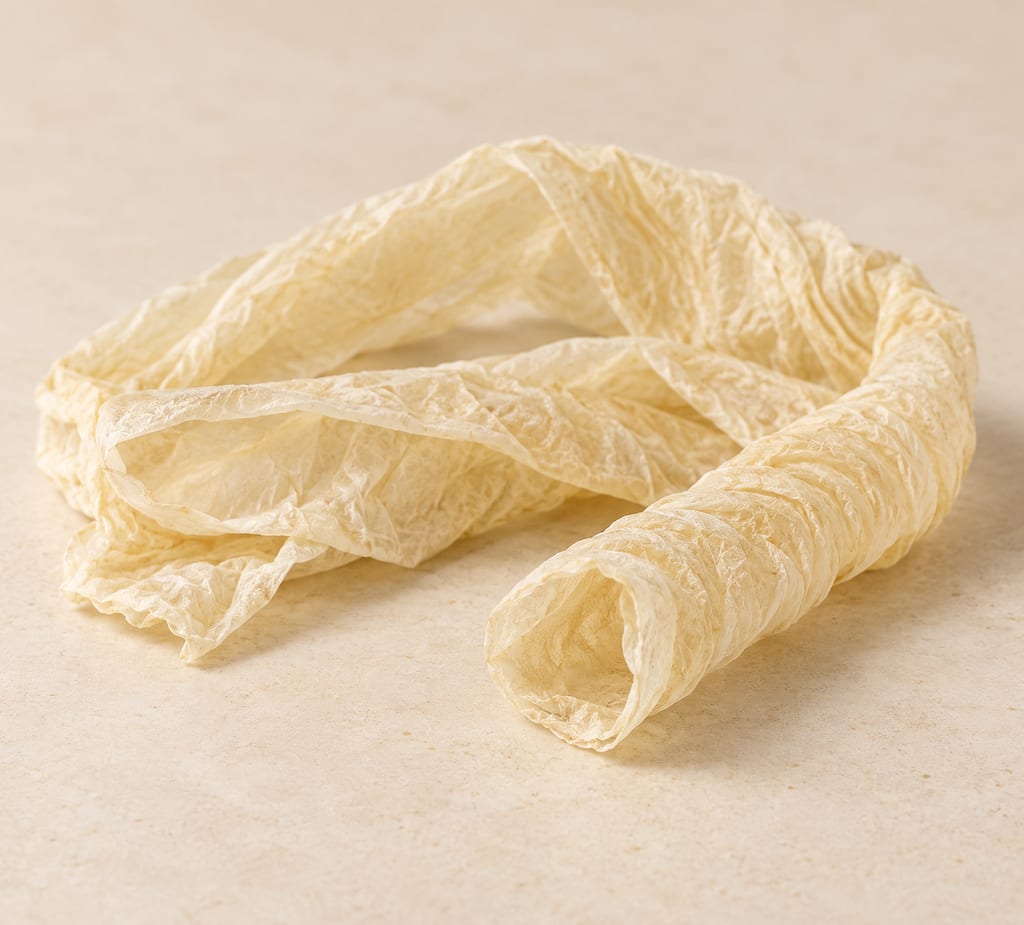
A 60 mm natural dried casing gives wide salami its animal-derived envelope and approximate stuffed diameter; its exact animal source and length depend on the chosen product.
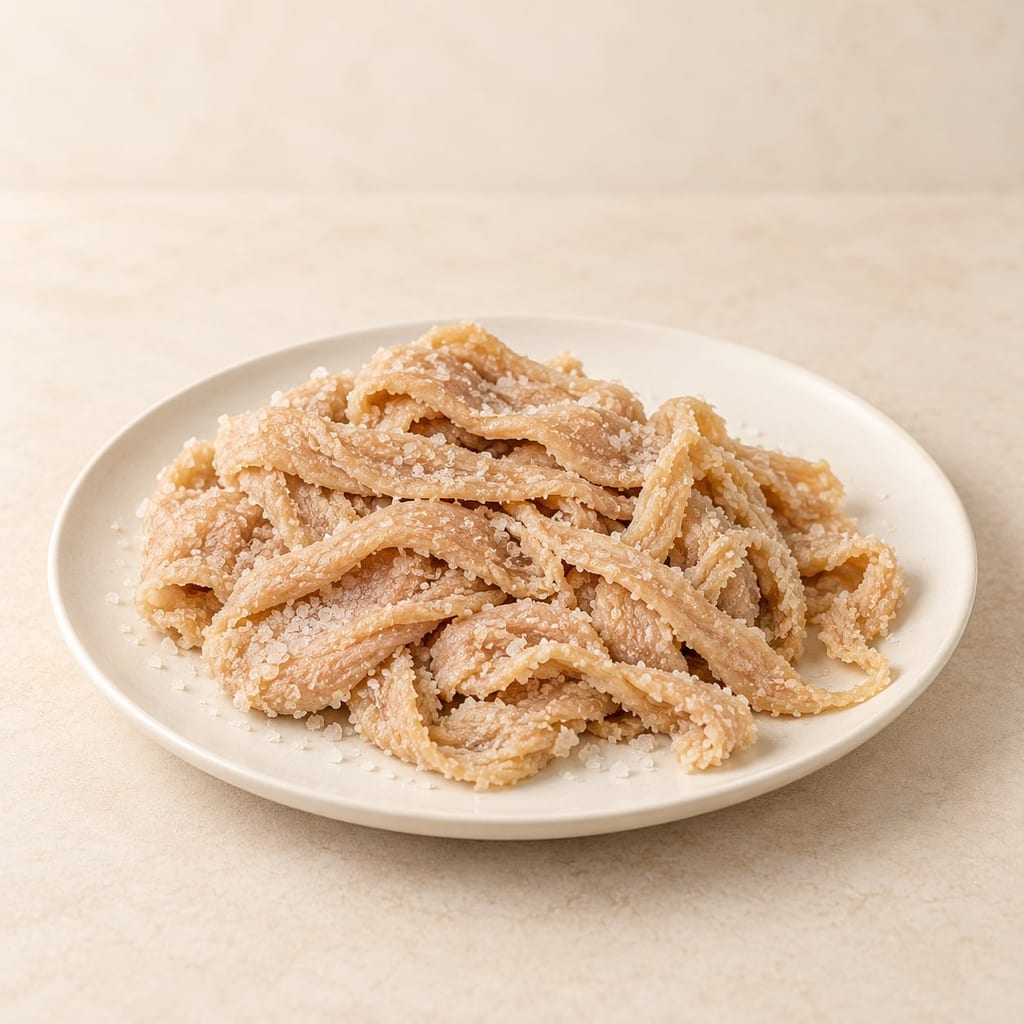
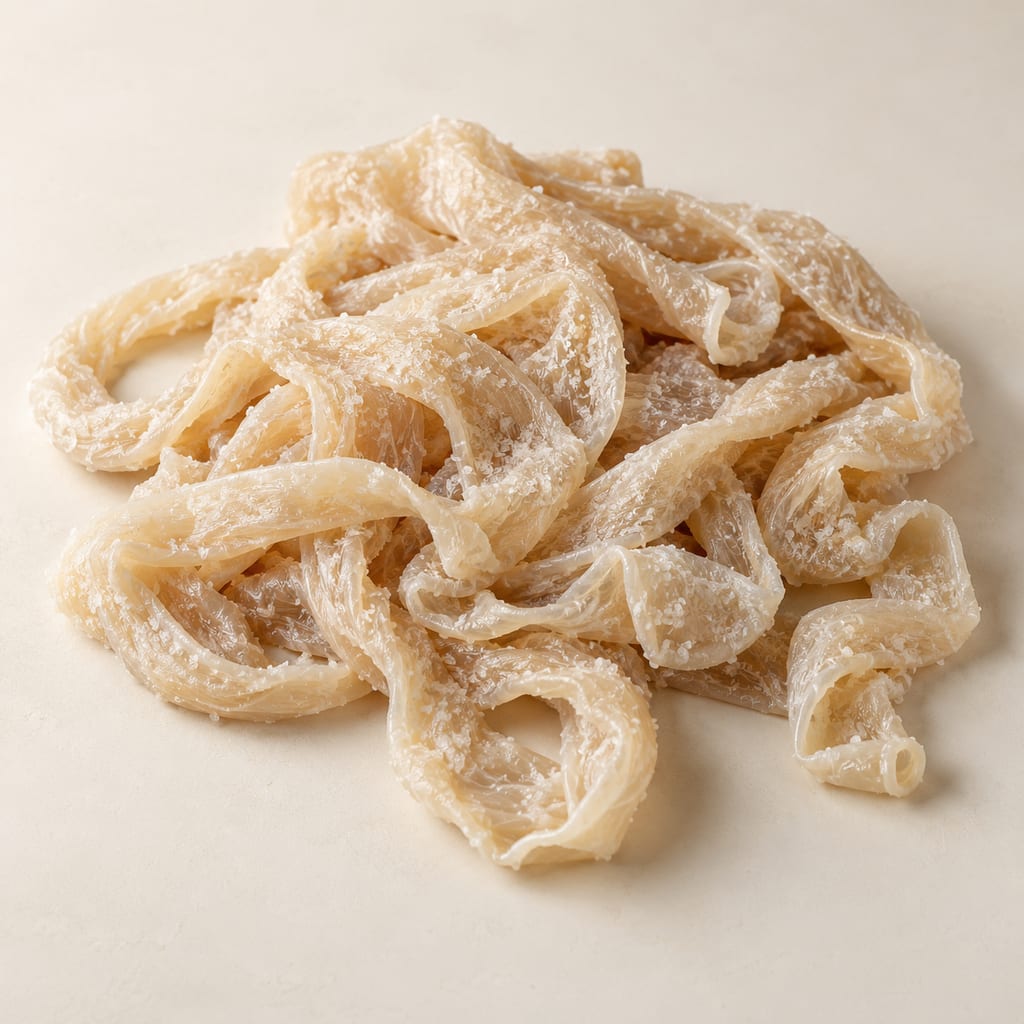
Cleaned, preserved pig intestinal tissue forms a flexible envelope for sausages. Section, calibre and packing affect handling, drying and the finished bite.