



Black carrot
Black carrot is the anthocyanin-pigmented Eastern carrot (Daucus carota var. atrorubens), the purple root that preceded orange types and still colours kanji and şalgam.
 FermenteaWhere food goes to change
1086 articles on substrates, cultures and additives.
 Fruits39
 Leafy and stem vegetables34
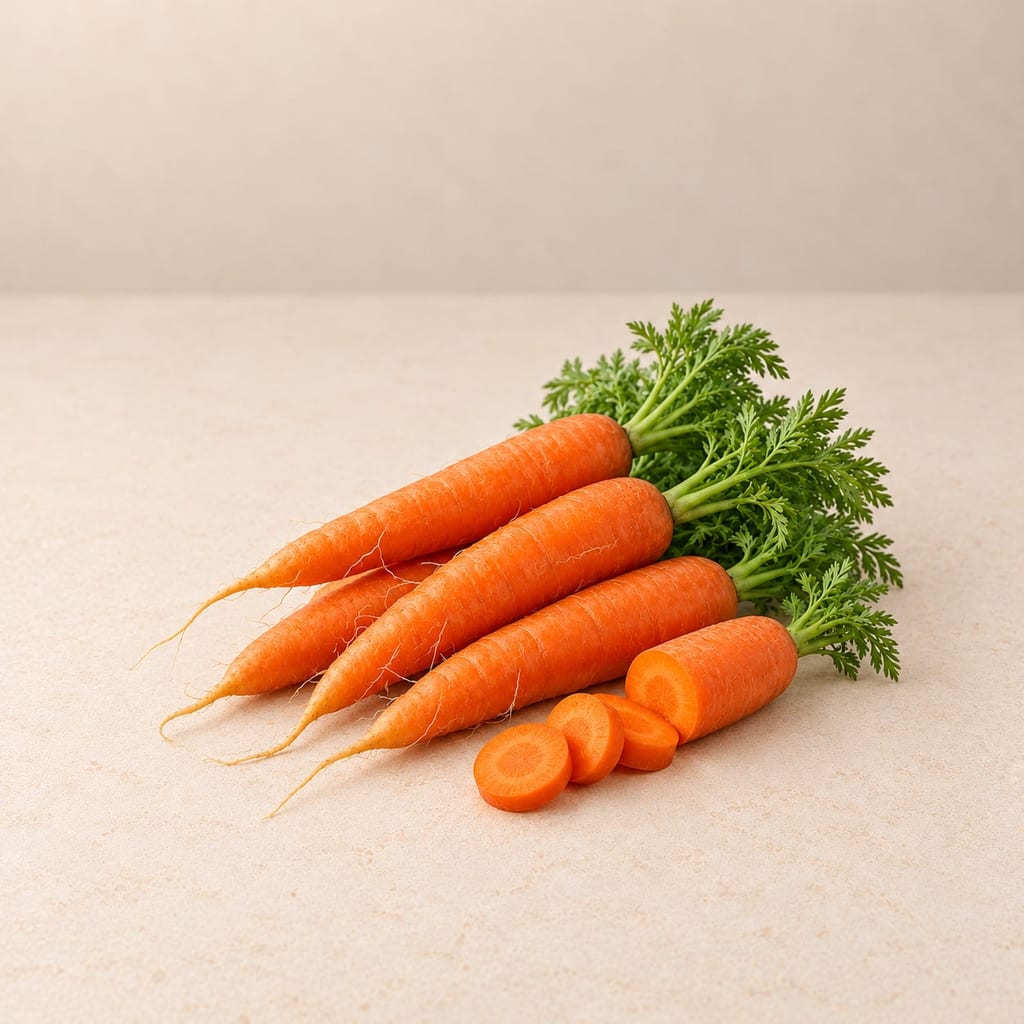 Roots and tubers12
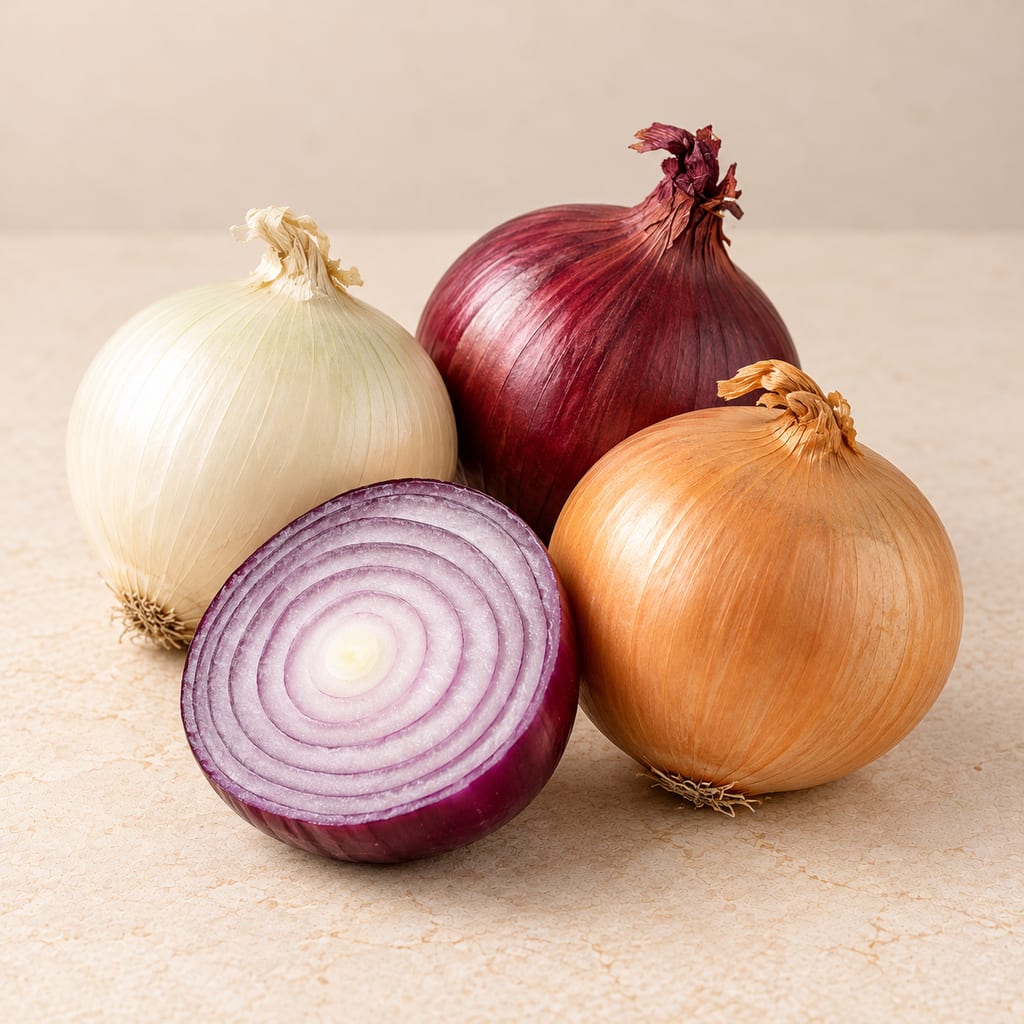 Alliums6
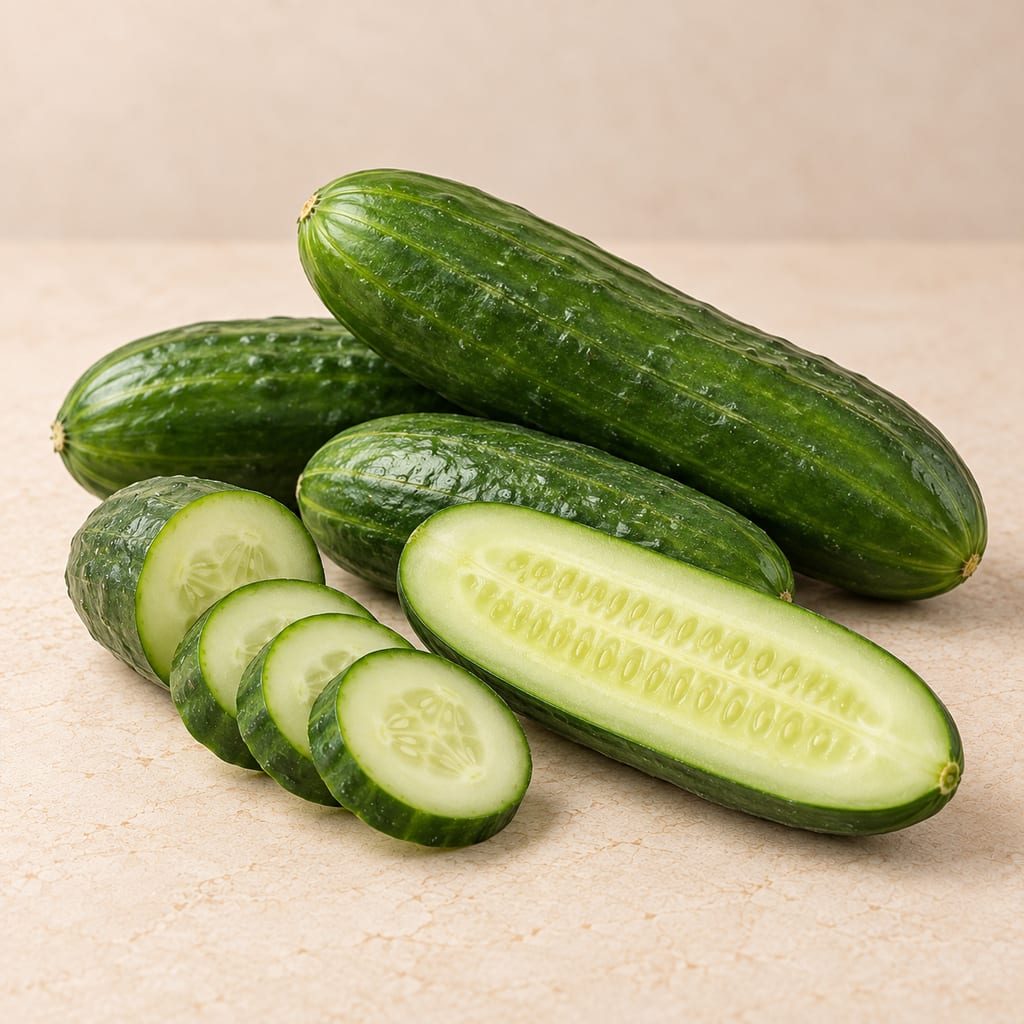 Fruiting and pod vegetables6
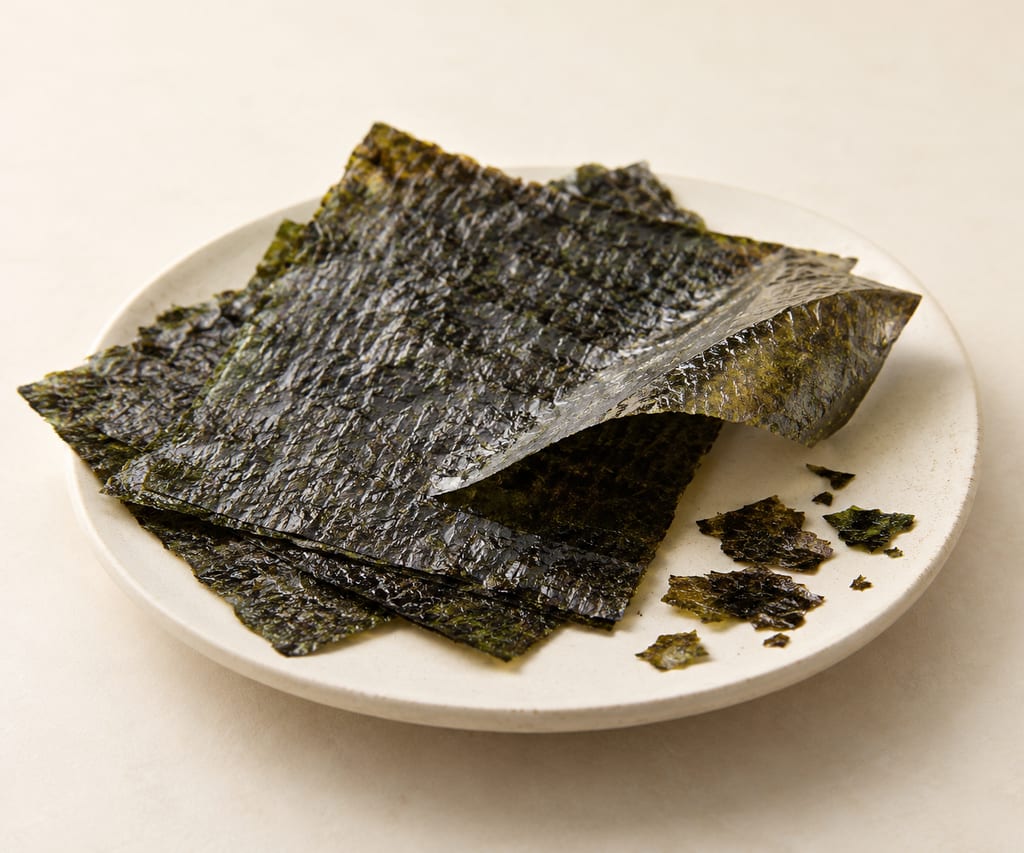 Seaweeds5
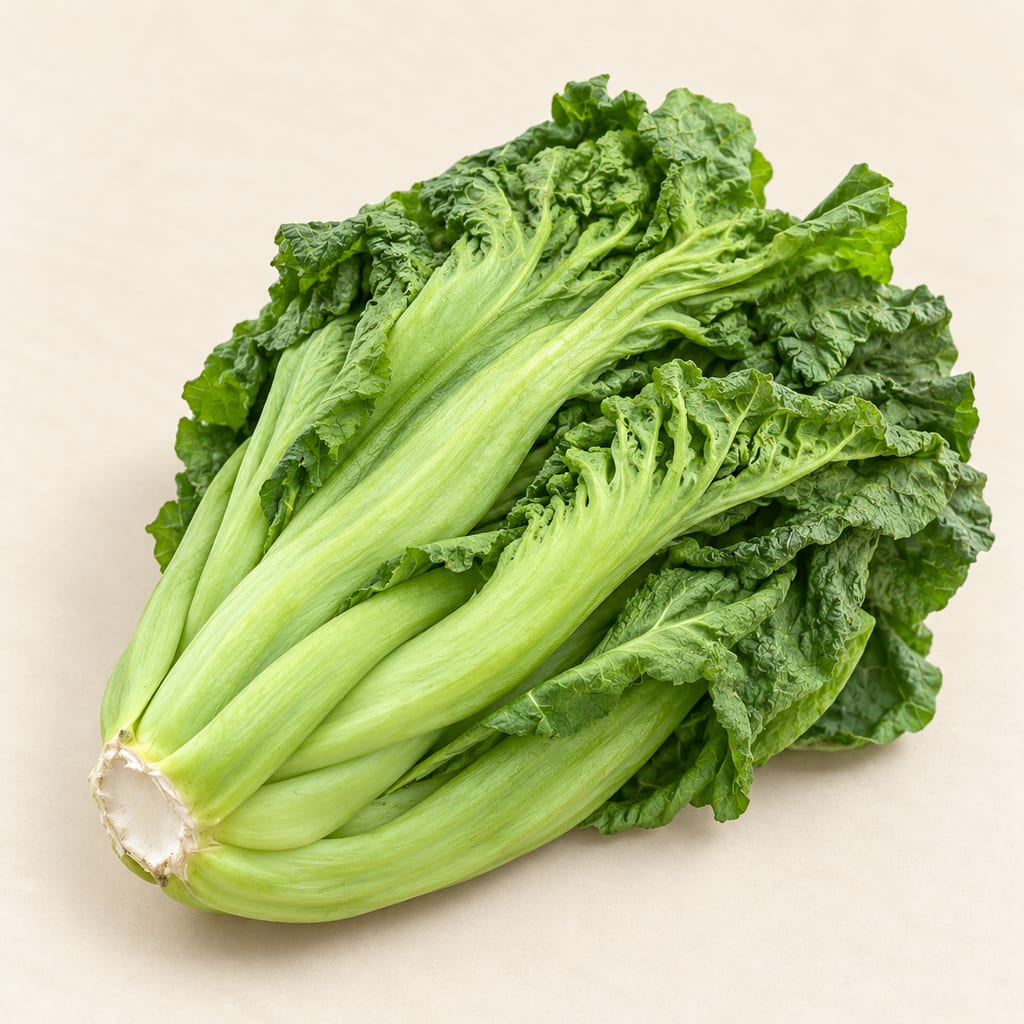 Cabbages, mustards and other brassicas3
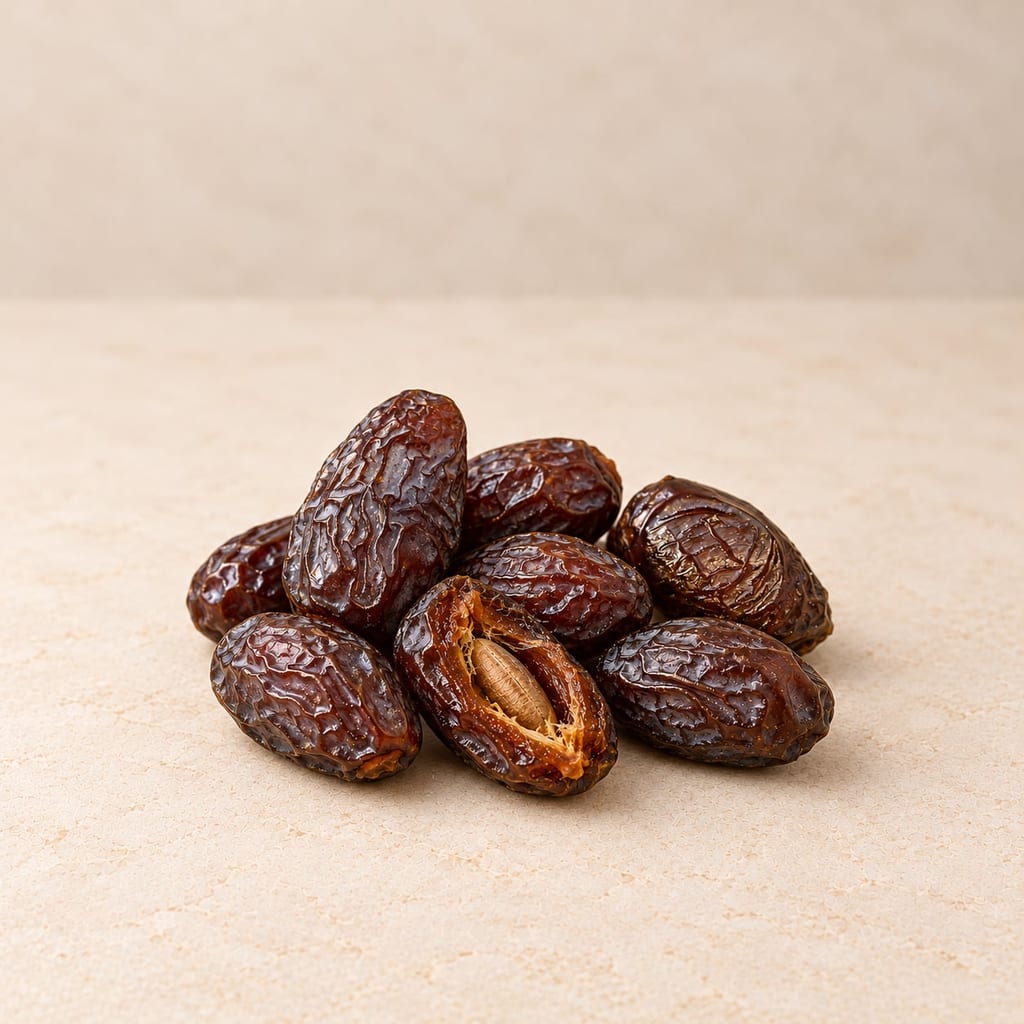 Dried and preserved fruits2
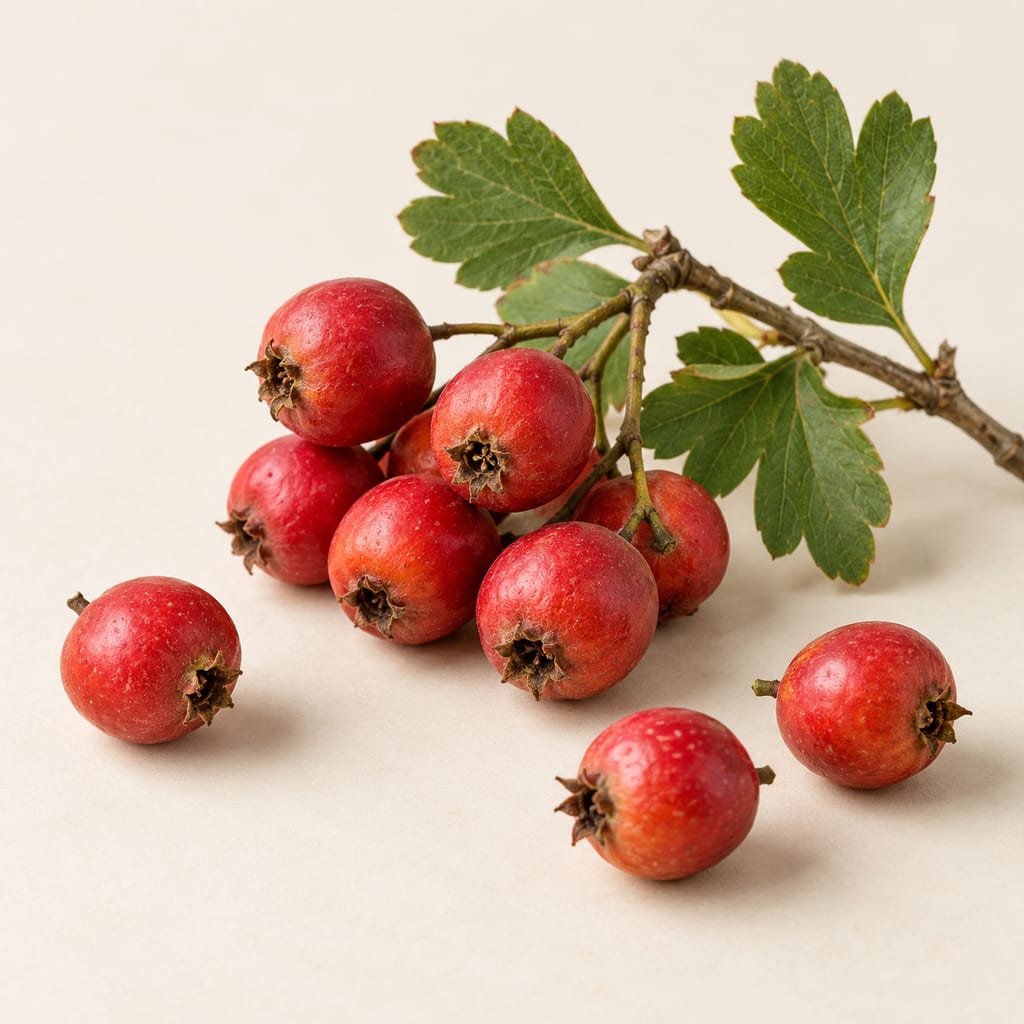 Pome fruit2
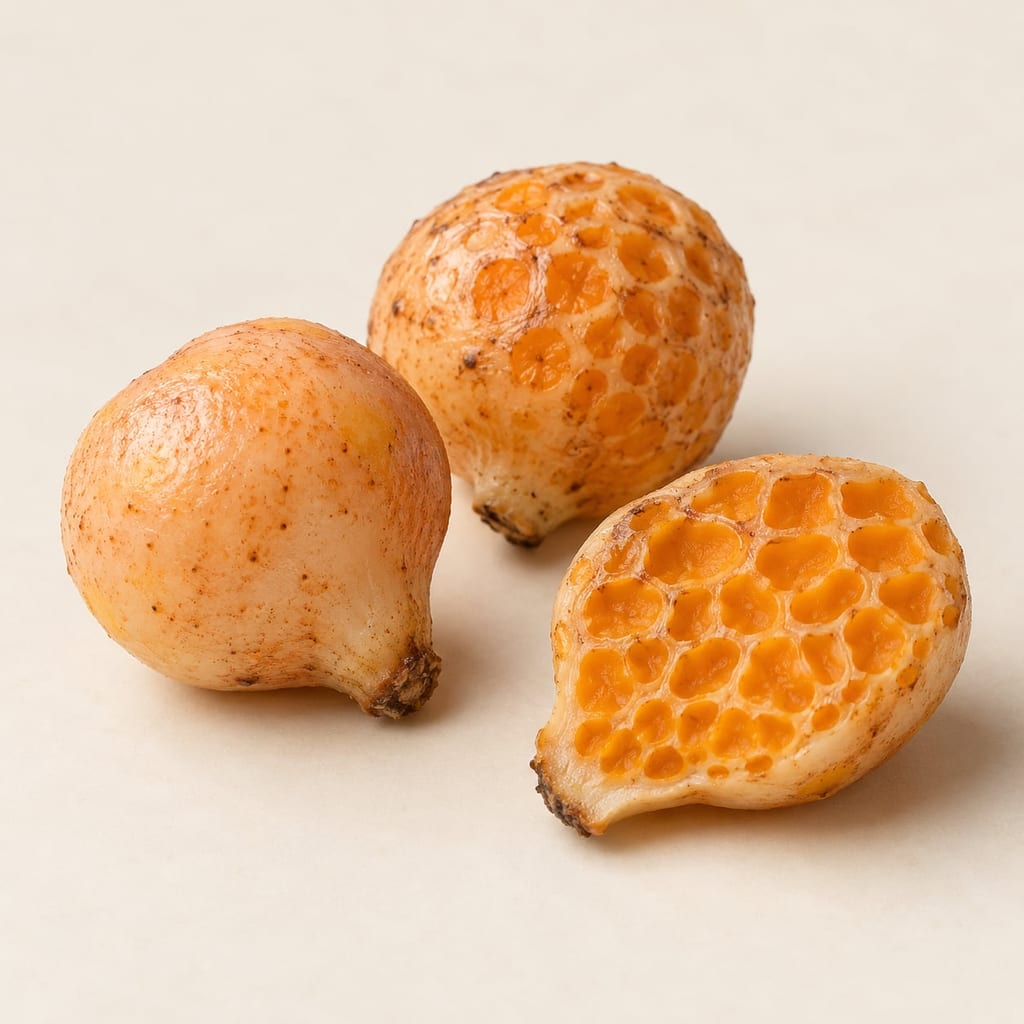 Citrus fruit1
 Stone fruit1
Black carrot is the anthocyanin-pigmented Eastern carrot (Daucus carota var. atrorubens), the purple root that preceded orange types and still colours kanji and şalgam.
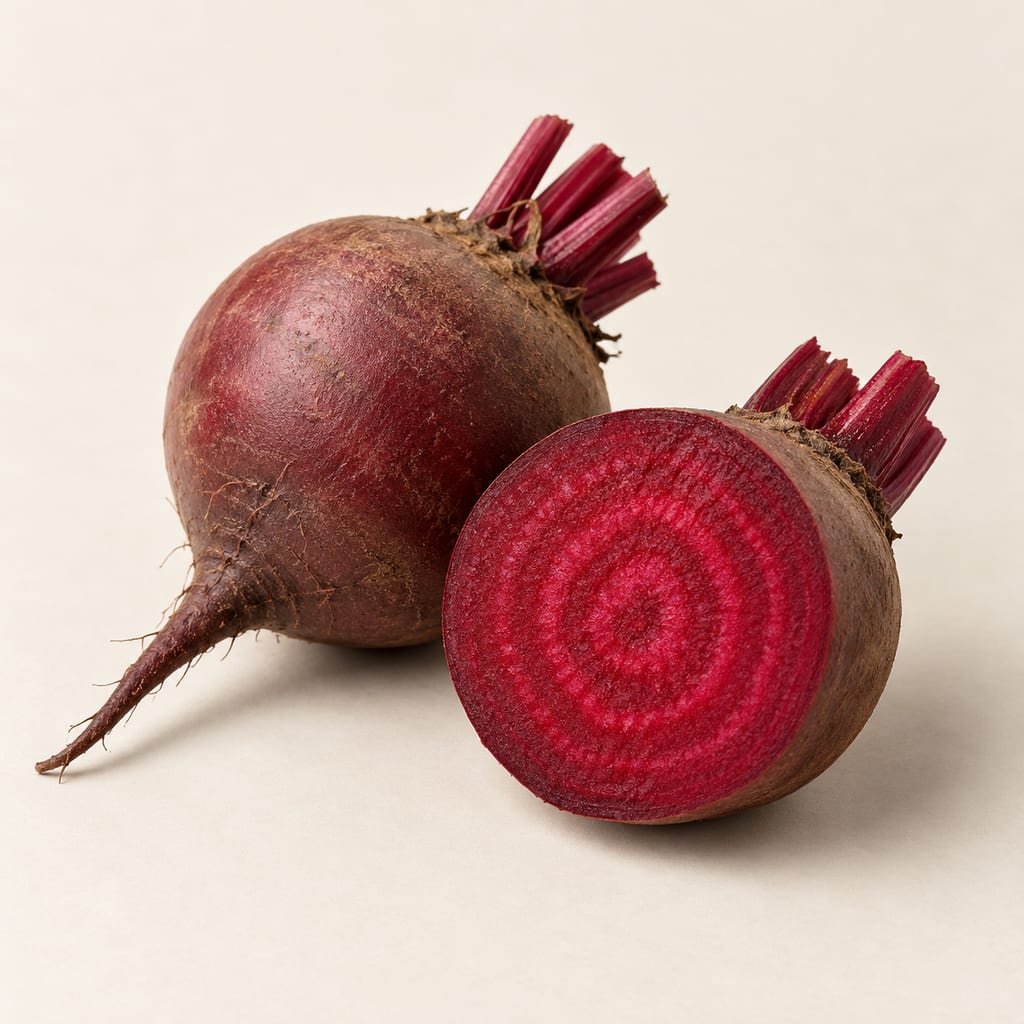
Beetroot is the red taproot of Beta vulgaris. In Poland its soured juice replaced hogweed as the base of barszcz from the eighteenth century, and beet leaven is still made for Christmas Eve.
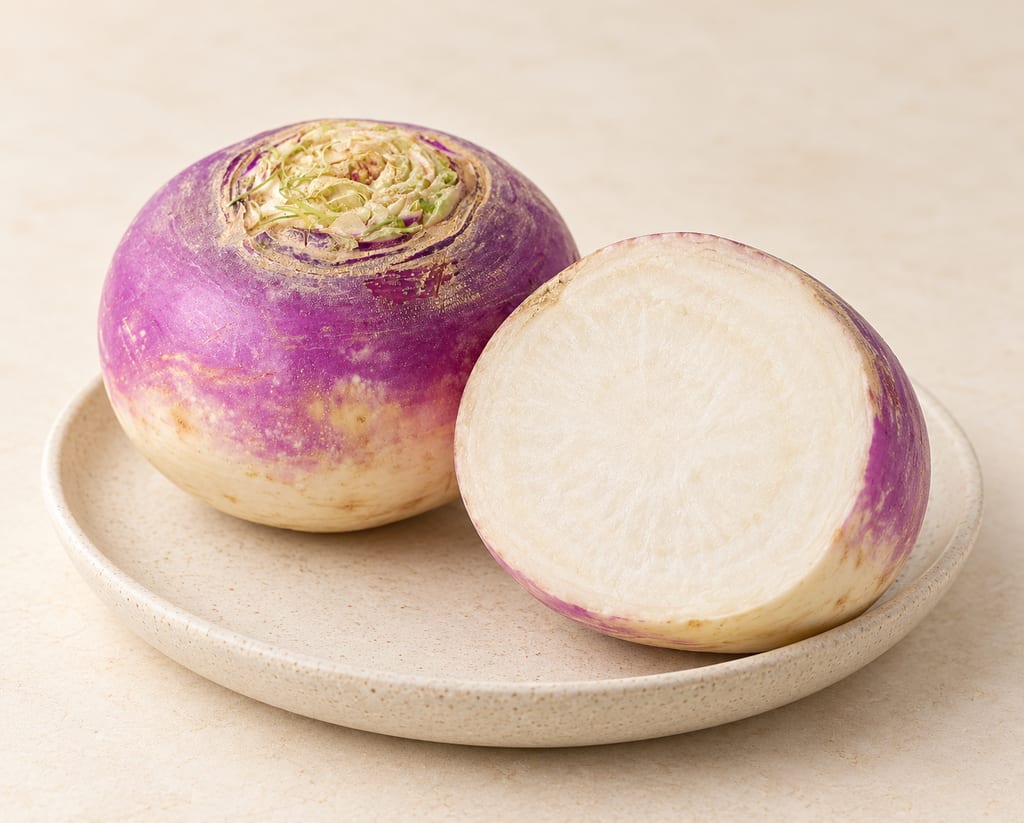
The turnip, a brassica crop whose roots and leaves are eaten. The source record names the species Brassica rapa, but its wild and naturalised forms are not assessed here.
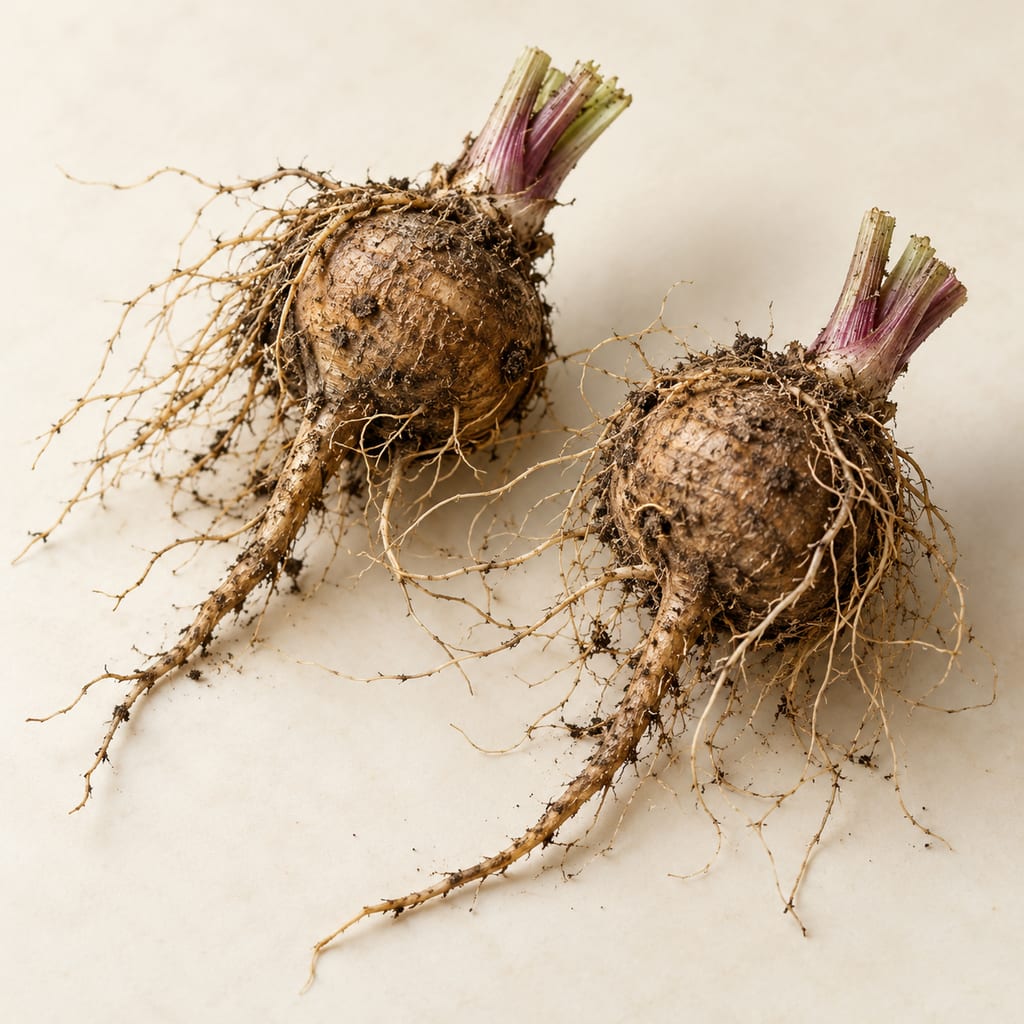
Tuberous chervil, Chaerophyllum bulbosum, is a biennial of the carrot family grown for its root in central Europe and gathered for its young leaves in Armenia.
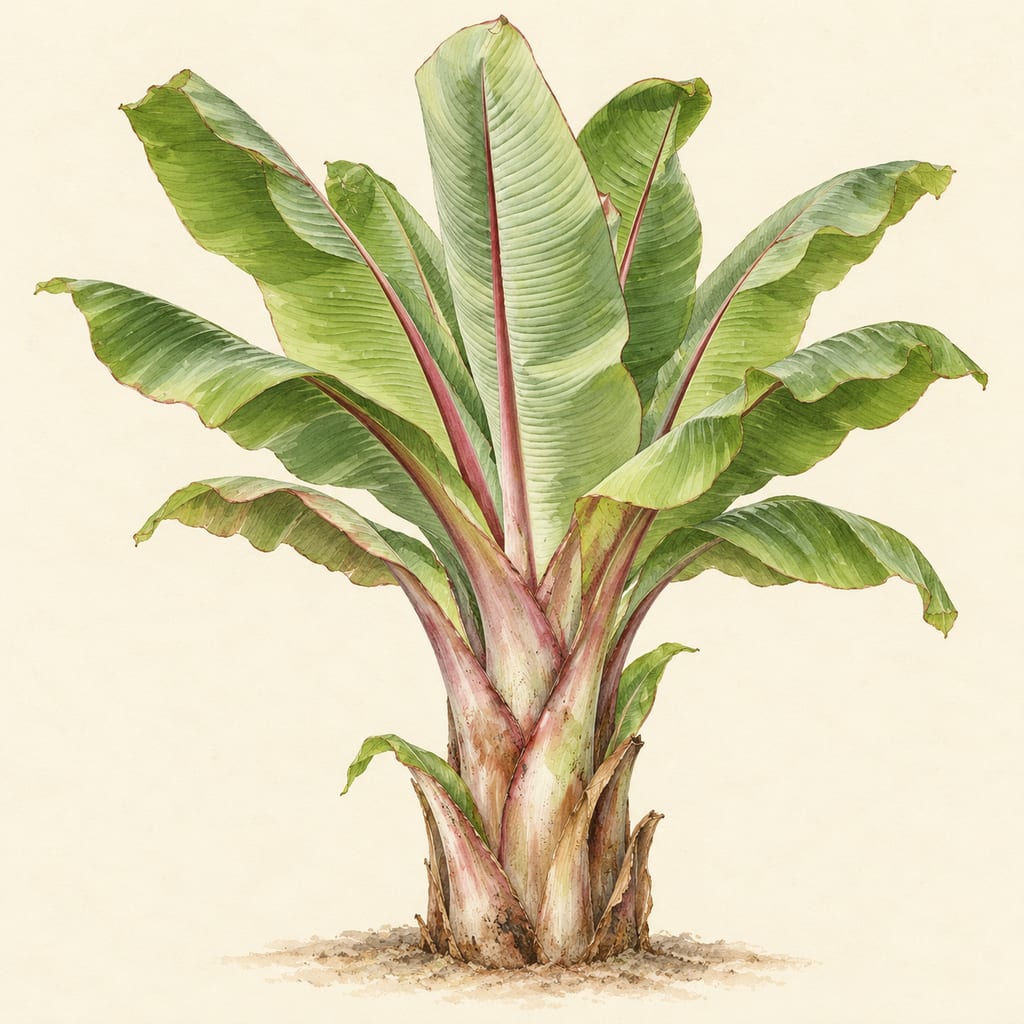
Enset is an Ethiopian staple crop grown for its starchy corm and pseudostem. Fermented kocho, extracted bulla and boiled amicho are distinct foods from the plant.
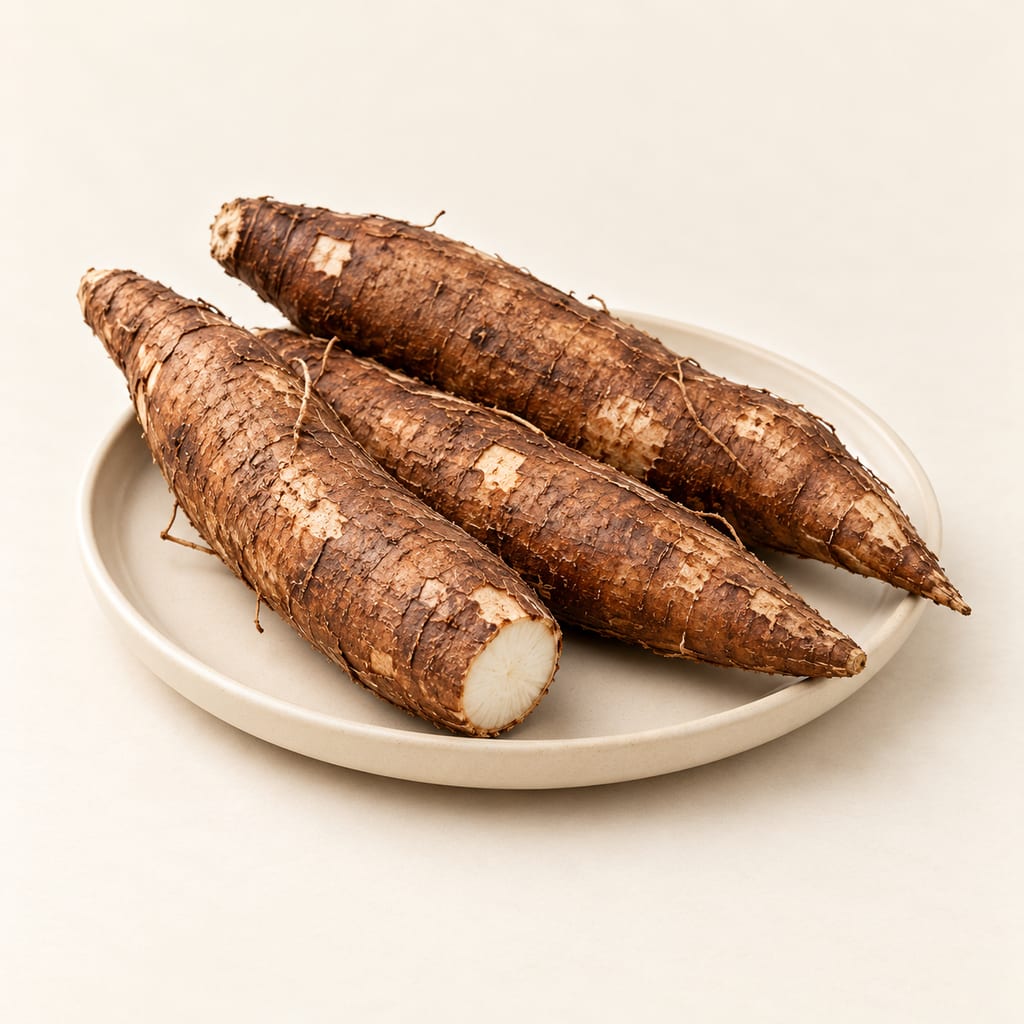
Cassava is the starchy root of Manihot esculenta, transformed across Africa into fermented doughs, granules and flours through distinct processes whose safety depends on thorough cyanogen removal.
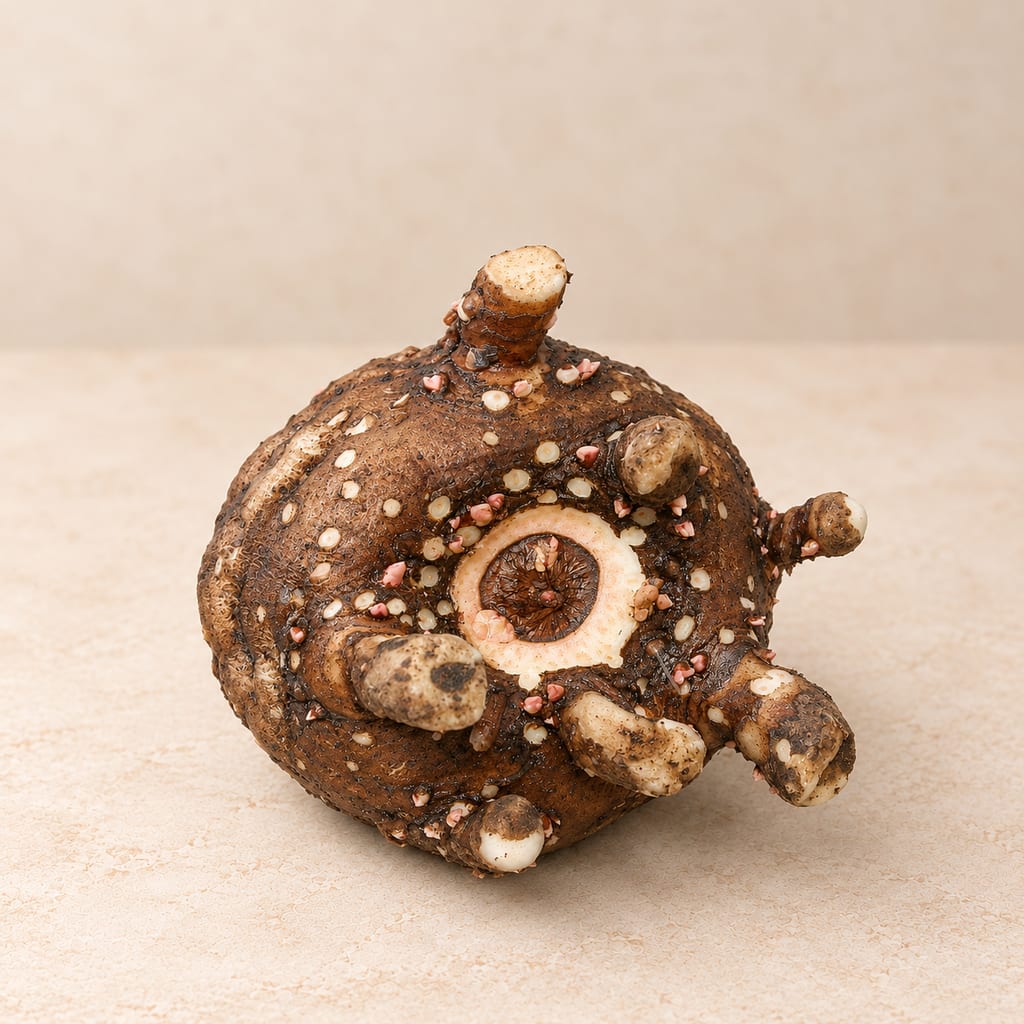
The toxic corm of Amorphophallus konjac and the glucomannan flour milled from it, which sets into a firm, heat-stable konnyaku gel when cooked with limewater.
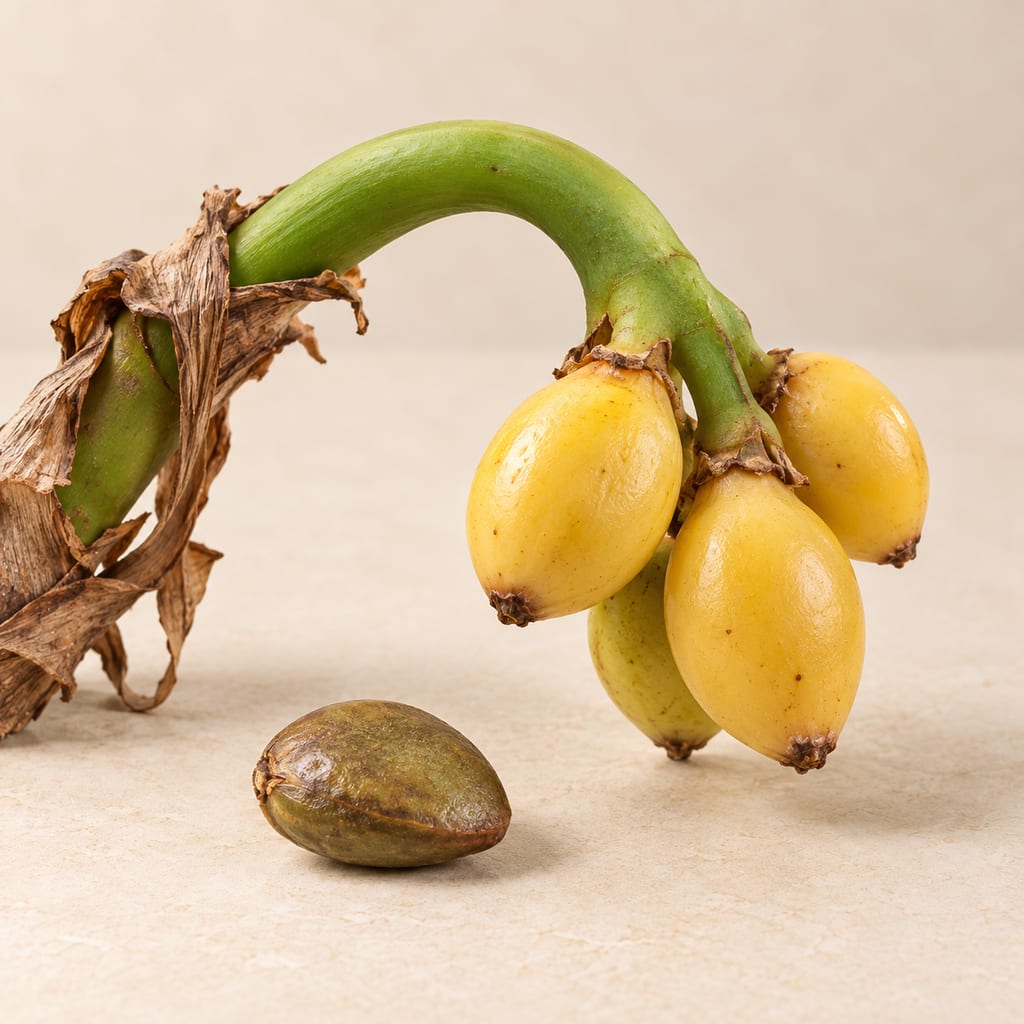
Madagascar sources document distinct seed and tuber food accounts for this wetland aroid; greenhouse cultivation data come from a botanical display, not food production.
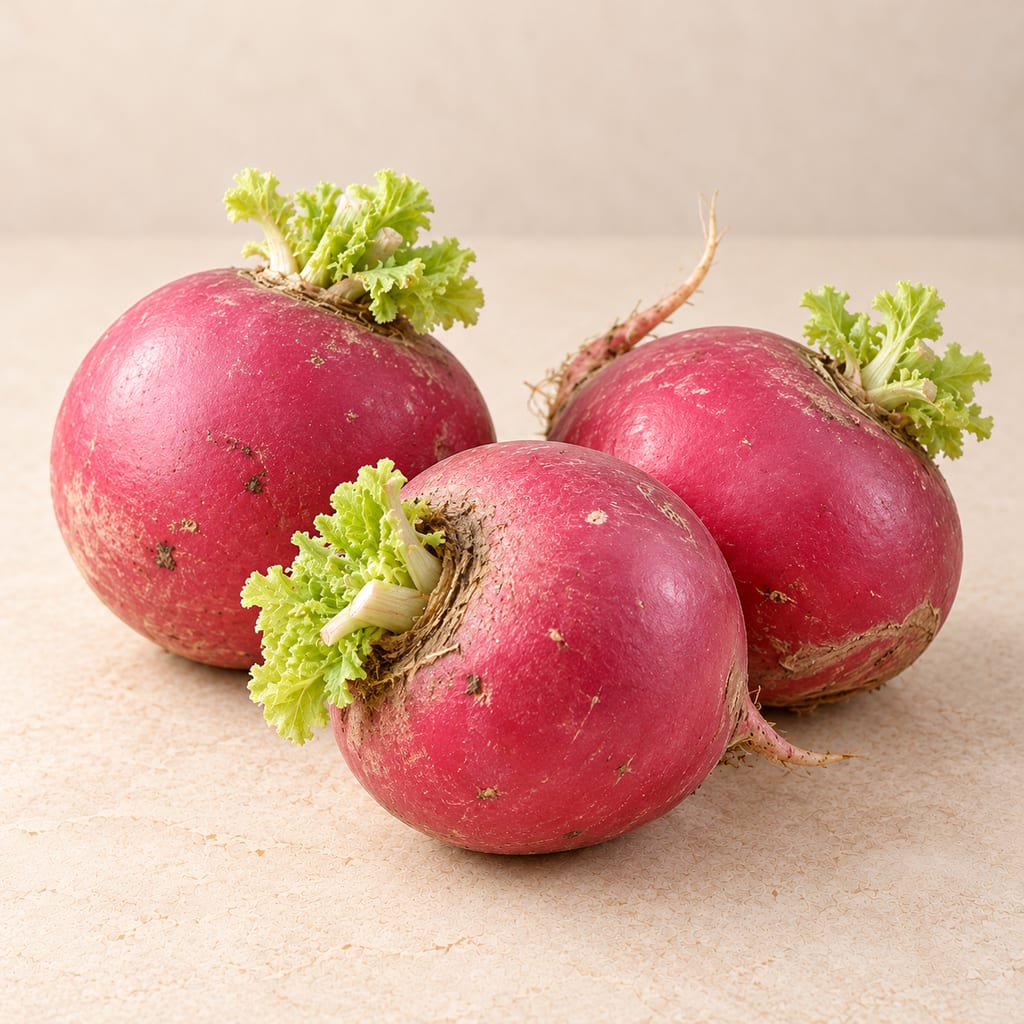
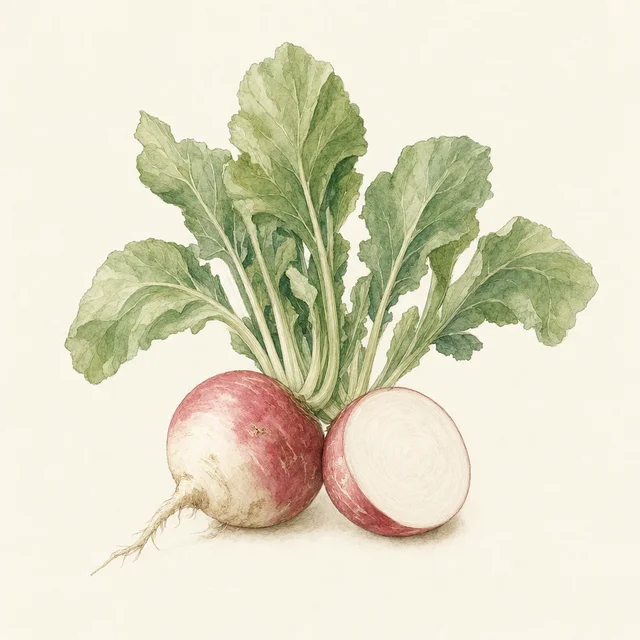
Red turnips are the heritage turnips of Japan's Kiso valley; their stems and leaves are fermented without salt into sunki, a sour amber pickle.
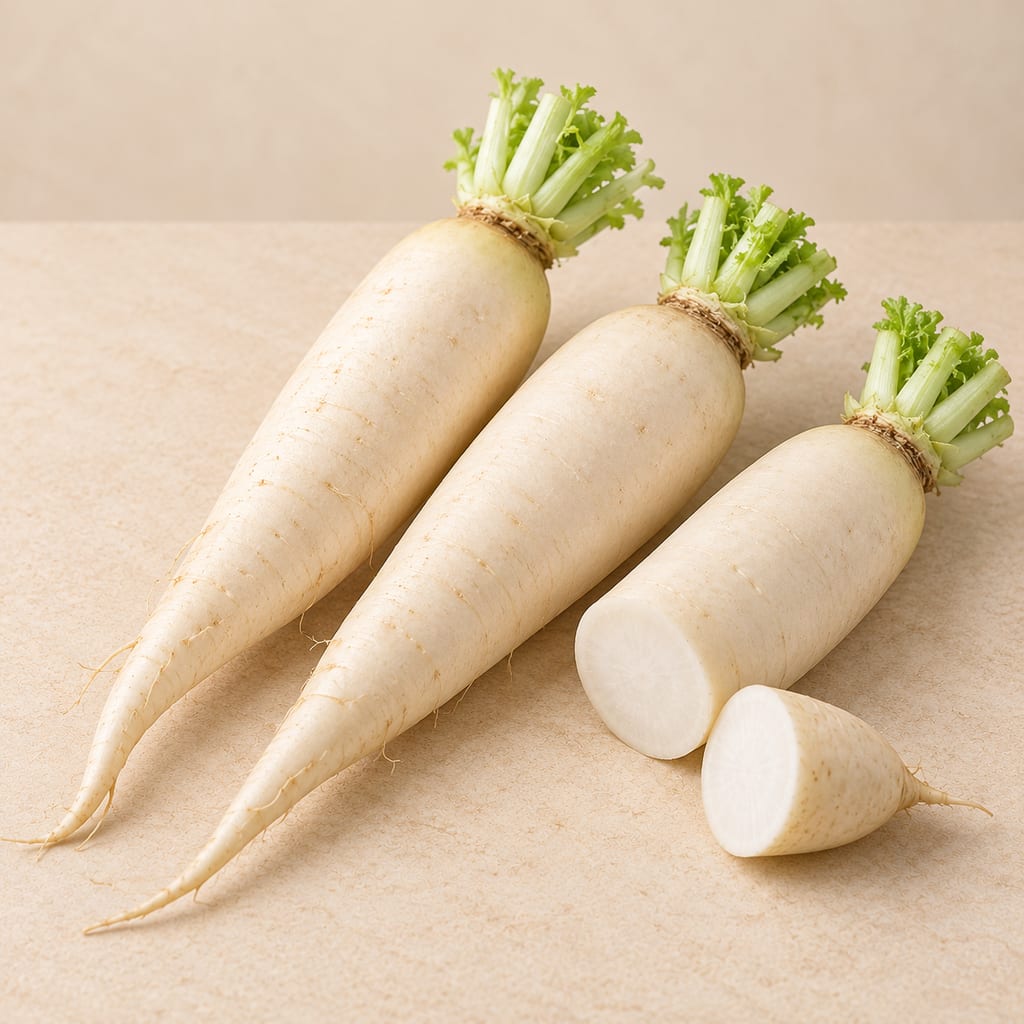
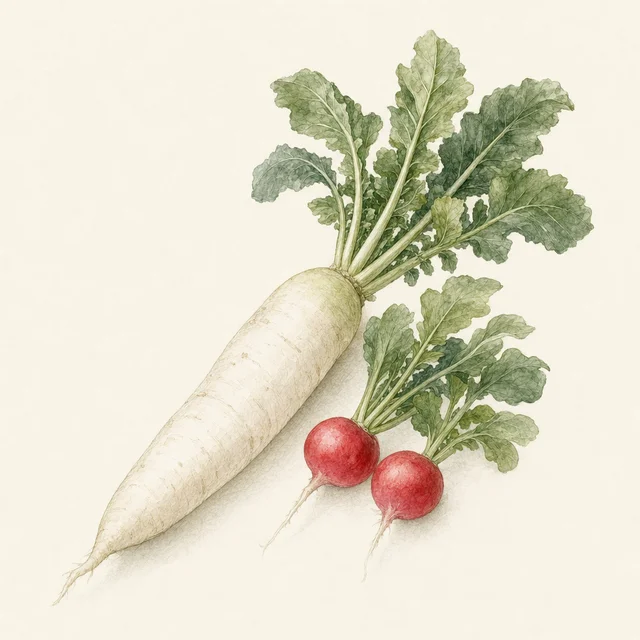
Radish and daikon are the crisp, peppery roots, leaves and seed pods of Raphanus sativus, fermented as kimchi, takuan and sinki and eaten raw across Asia and Europe.
Carrot is the sweet taproot of Daucus carota subsp. sativus, domesticated in Central Asia, and the raw material of kanji and a common companion in fermented vegetable mixes.
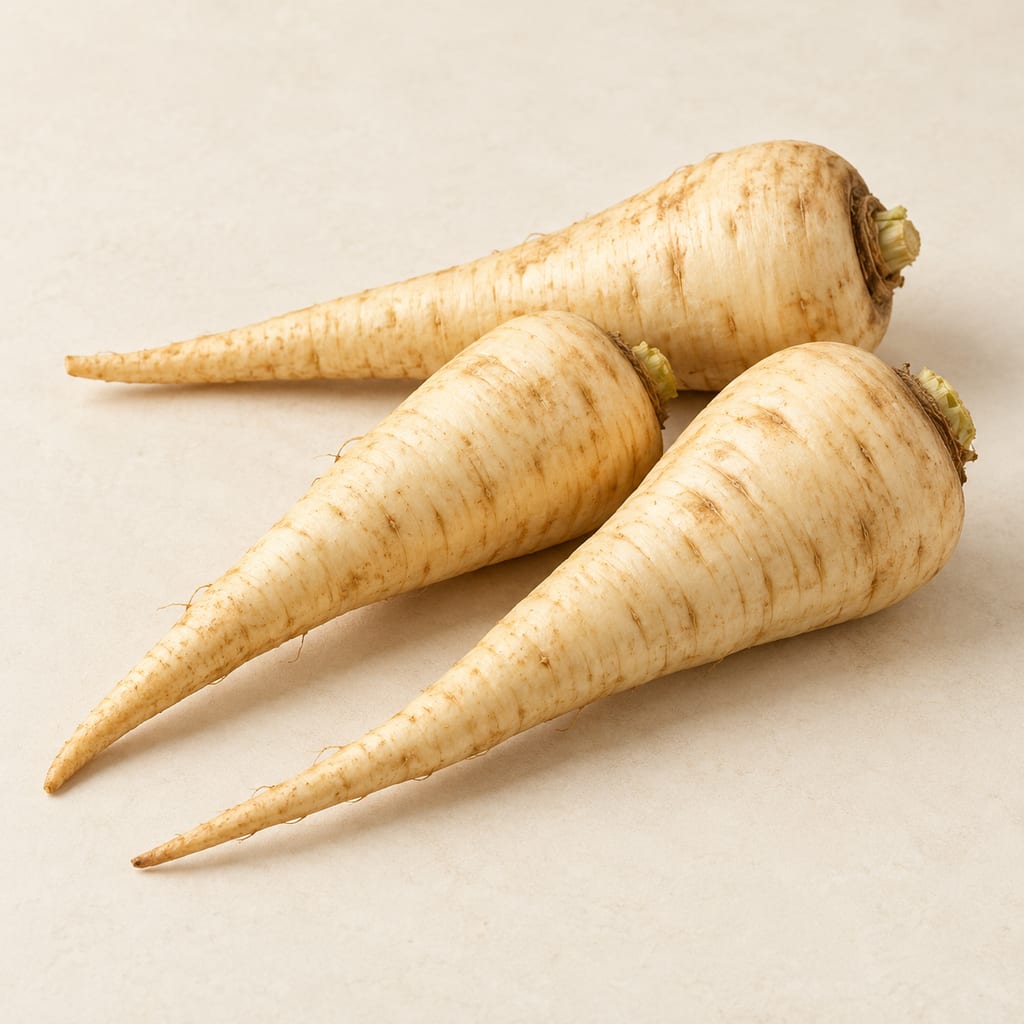
Sweet, aromatic storage roots used as a cooked vegetable and in household wines, with starch and soluble sugars that change as the roots grow and are stored.