





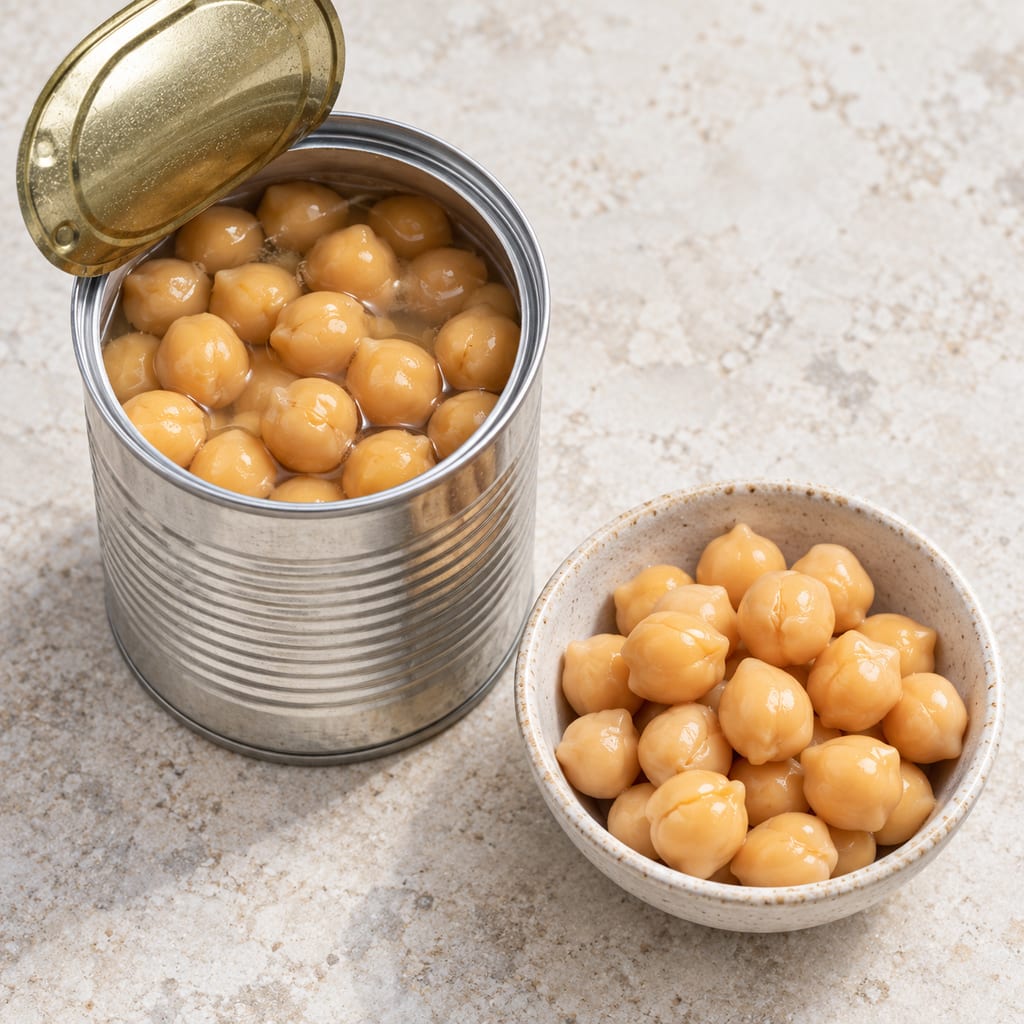
Chickpeas (canned)
Canned chickpeas are commercially cooked seeds of Cicer arietinum packed in liquid. The beans and their starchy cooking liquid can both be used; salt and texture vary by brand.
 FermenteaWhere food goes to change
1086 articles on substrates, cultures and additives.
 Grains, flours and brans34
 Malts and malt extracts15
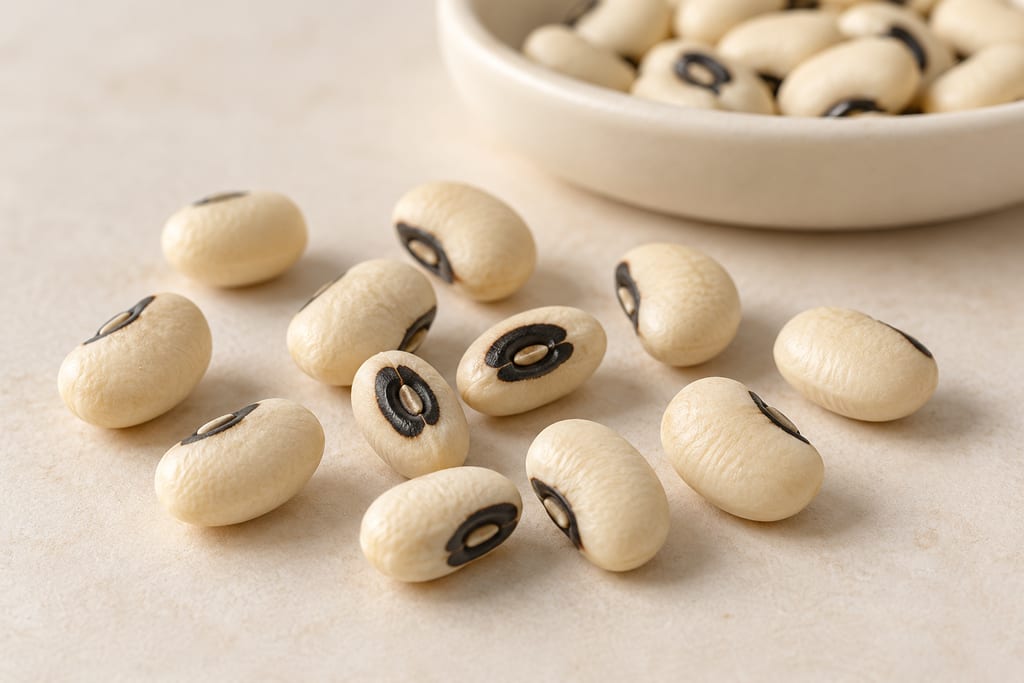 Legumes and pulses11
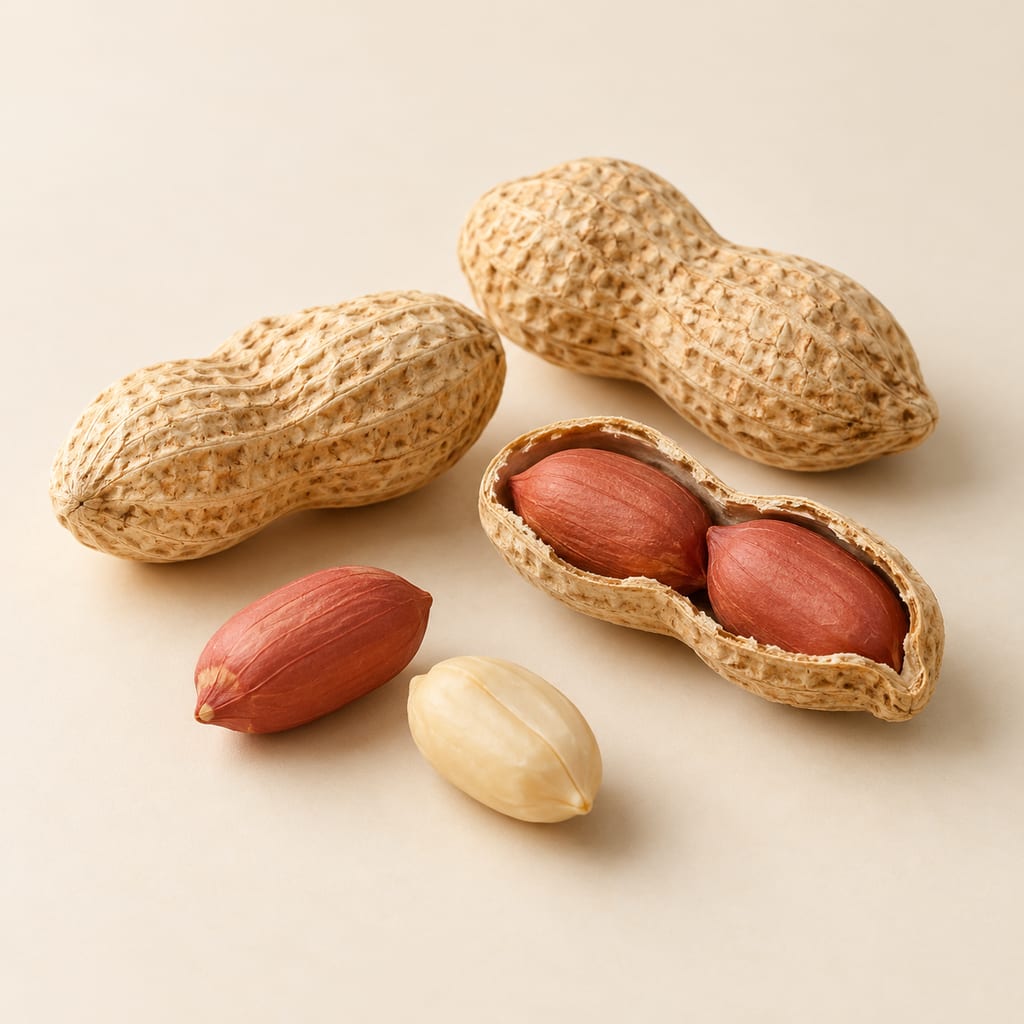 Nuts and oilseeds9
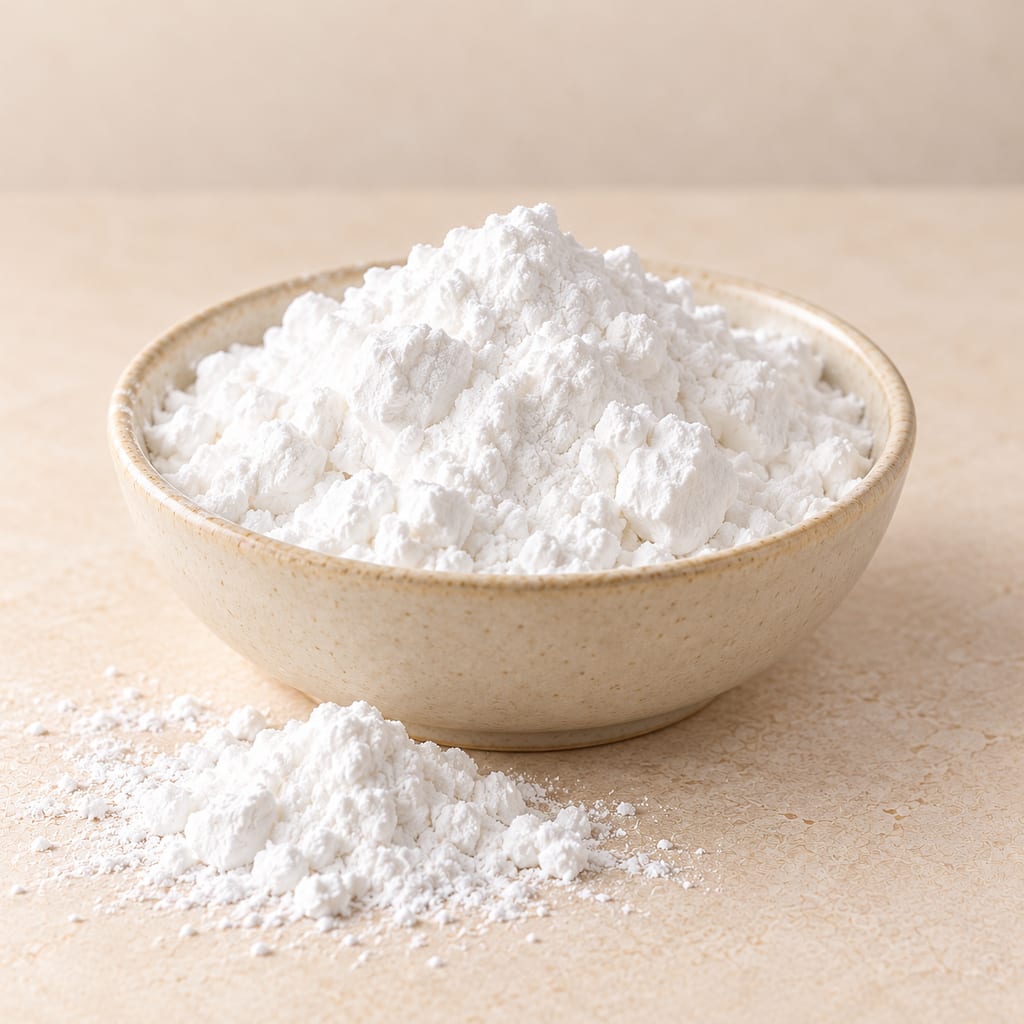 Starches4
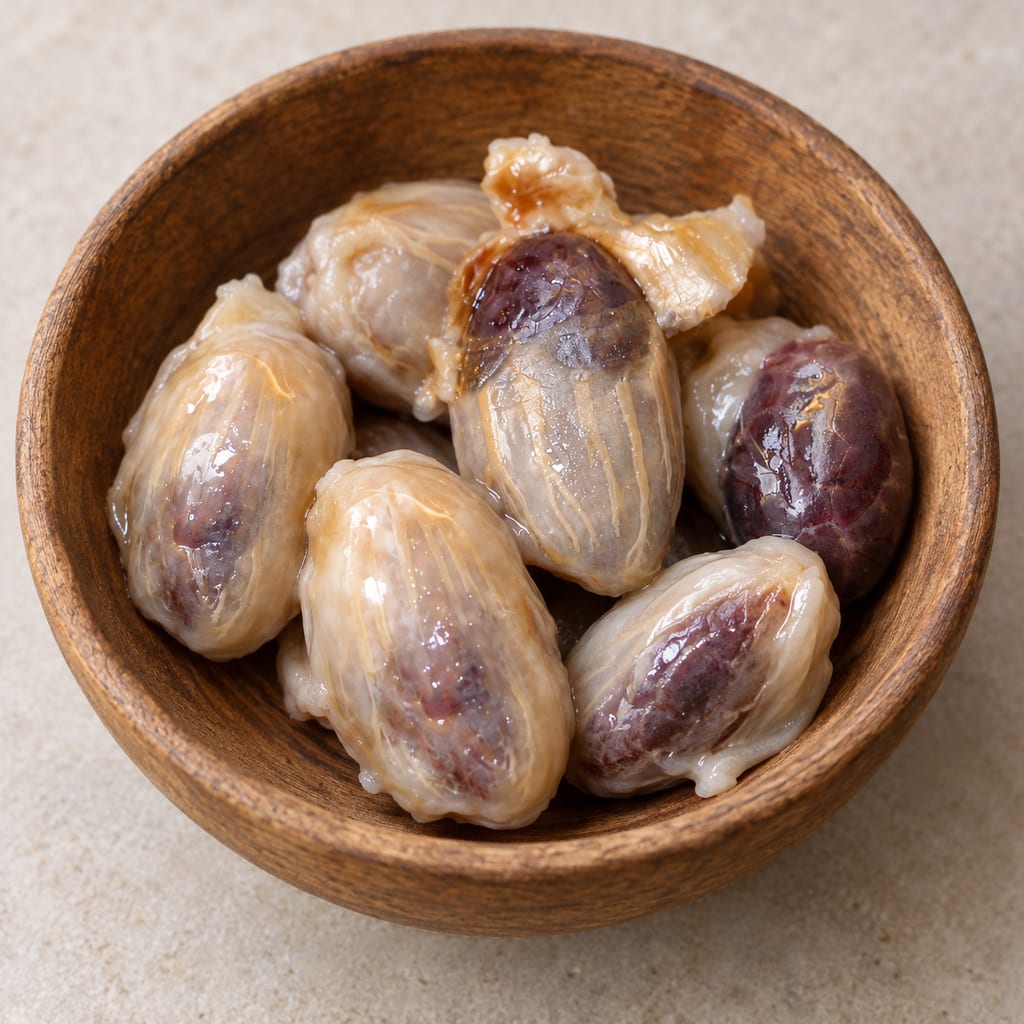 Coffee, cocoa and tea crops1
Canned chickpeas are commercially cooked seeds of Cicer arietinum packed in liquid. The beans and their starchy cooking liquid can both be used; salt and texture vary by brand.
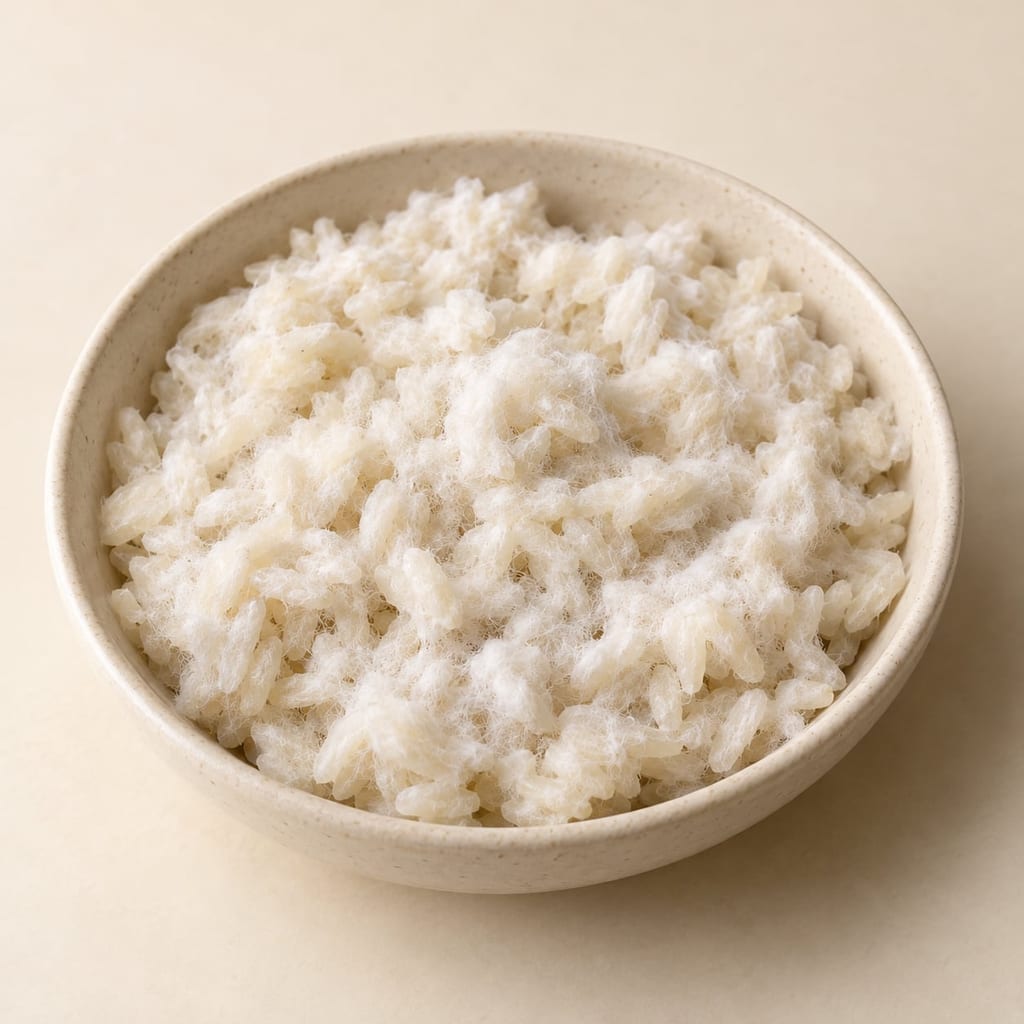
Aspergillus oryzae is the koji mould, a domesticated filamentous fungus grown on steamed grain or soybeans to make the enzyme-rich starter behind sake, soy sauce, miso and shochu.
Cowpeas are the seeds of Vigna unguiculata, eaten green and freshly shelled or fully mature and dry. Across Africa they serve as food, fodder and a crop partner, while research also examines them in fermented pastes and cereal doughs.
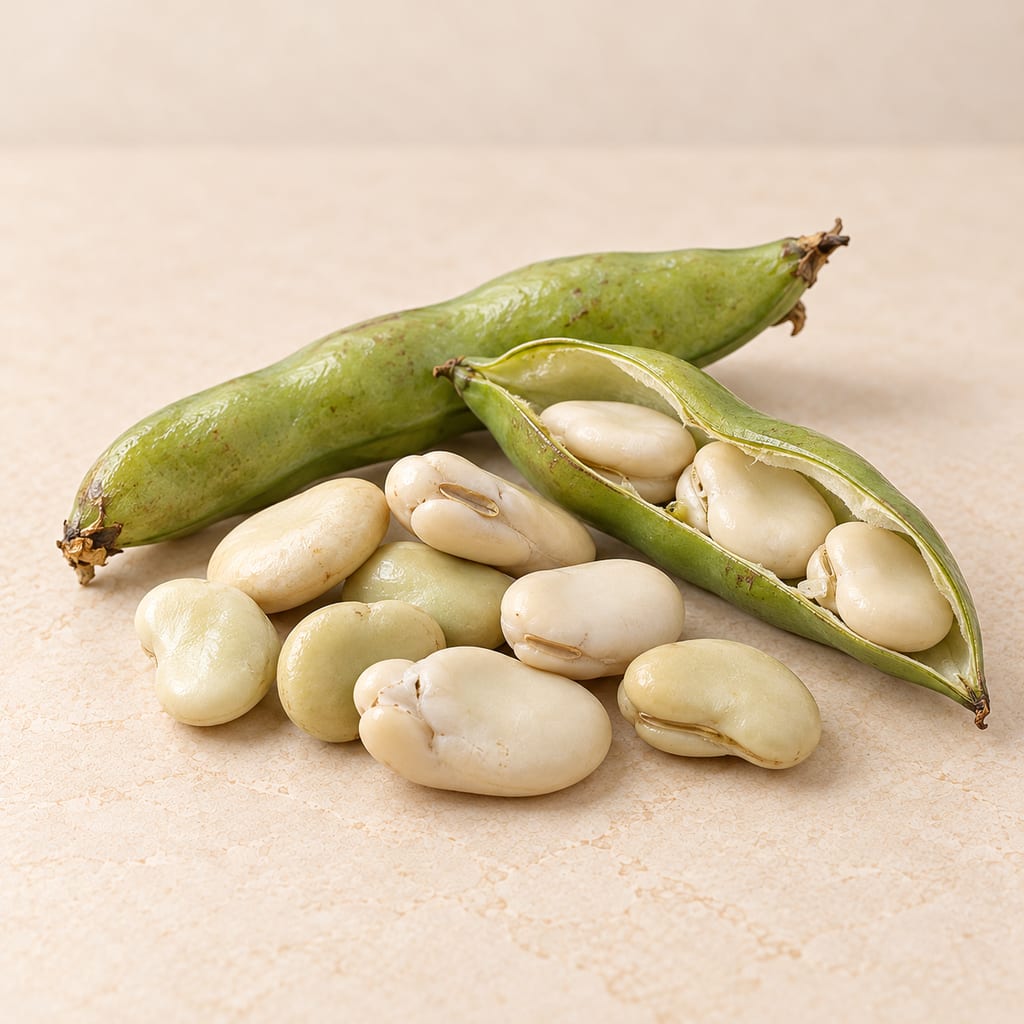
Faba beans are the seeds and edible pods of the cultivated legume Vicia faba L., also sold as broad beans or fava beans. They are eaten fresh or dried and provide the bean flour used in Ethiopian siljo, a sour fermented condiment.
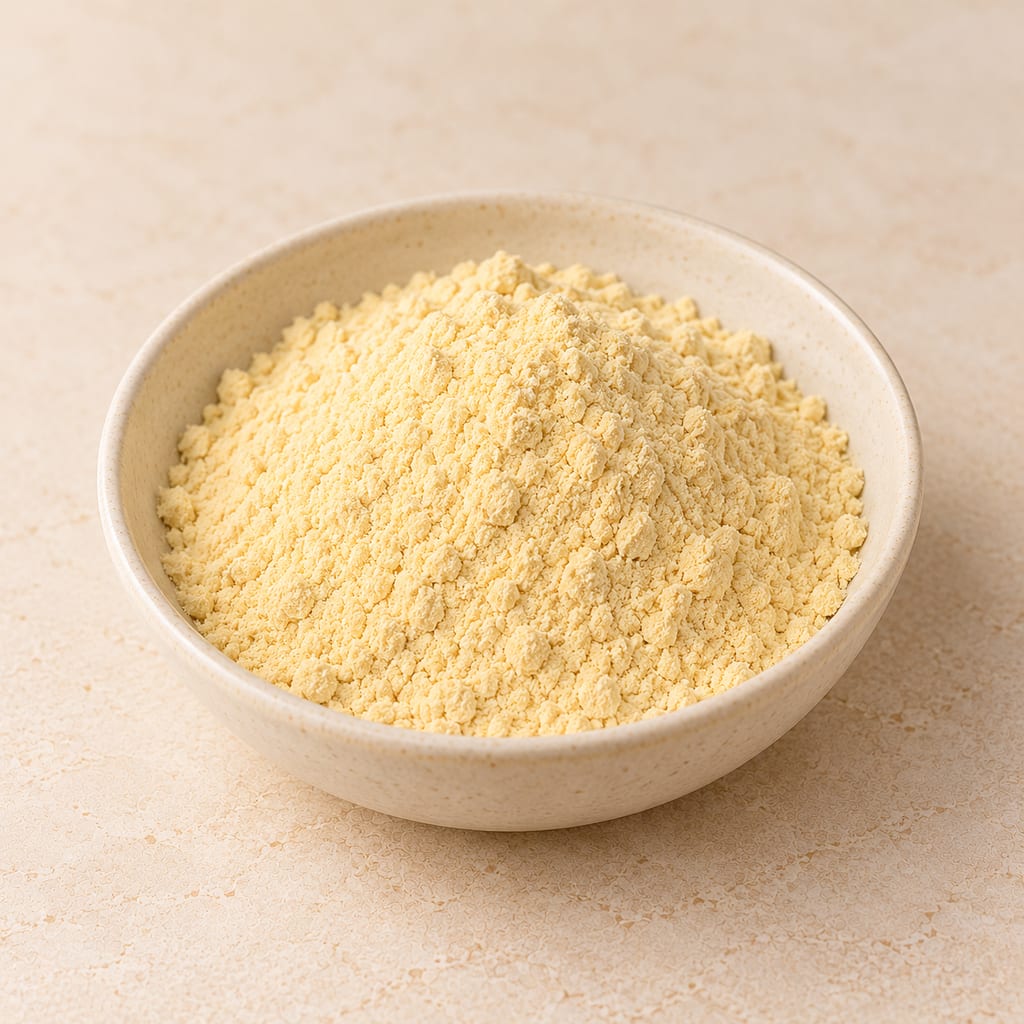
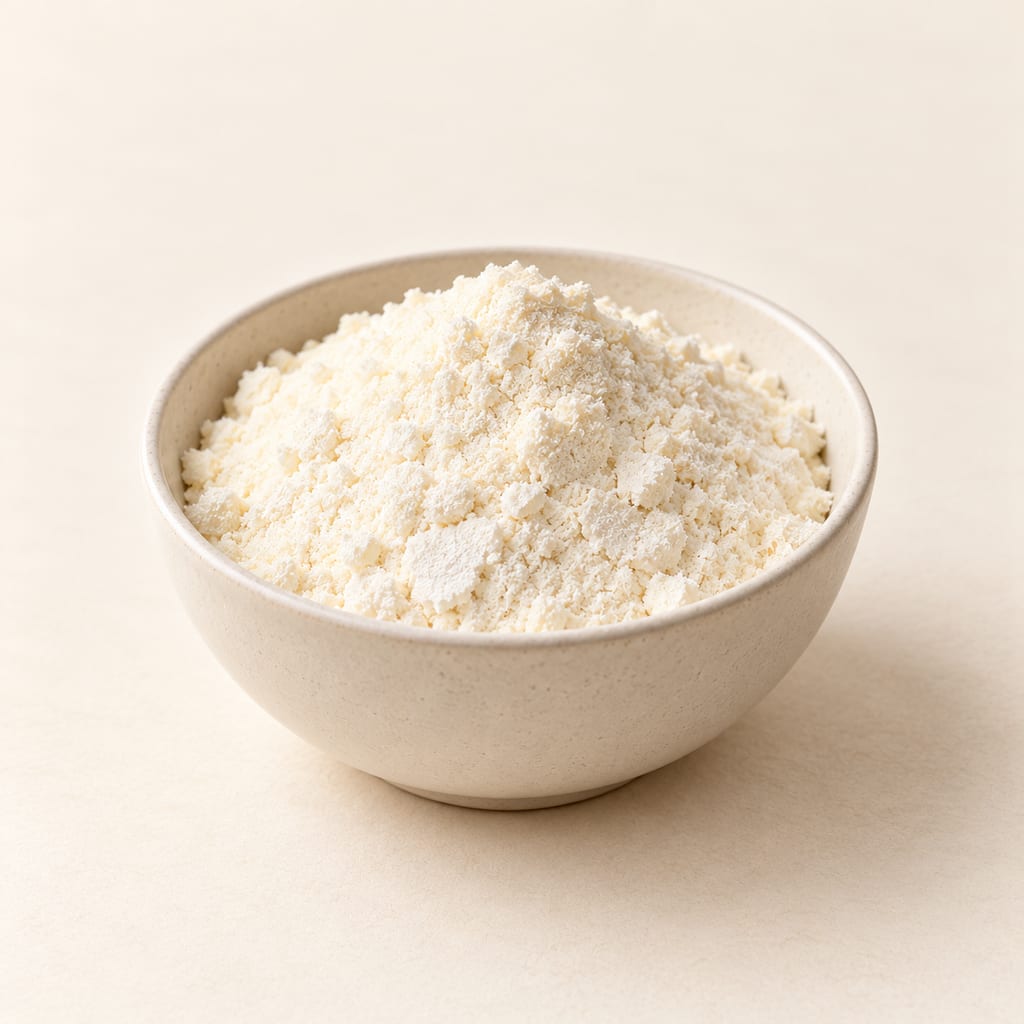
Chickpea flour is milled Cicer arietinum, used as besan in many Indian dishes and as the base of breads such as socca and farinata.
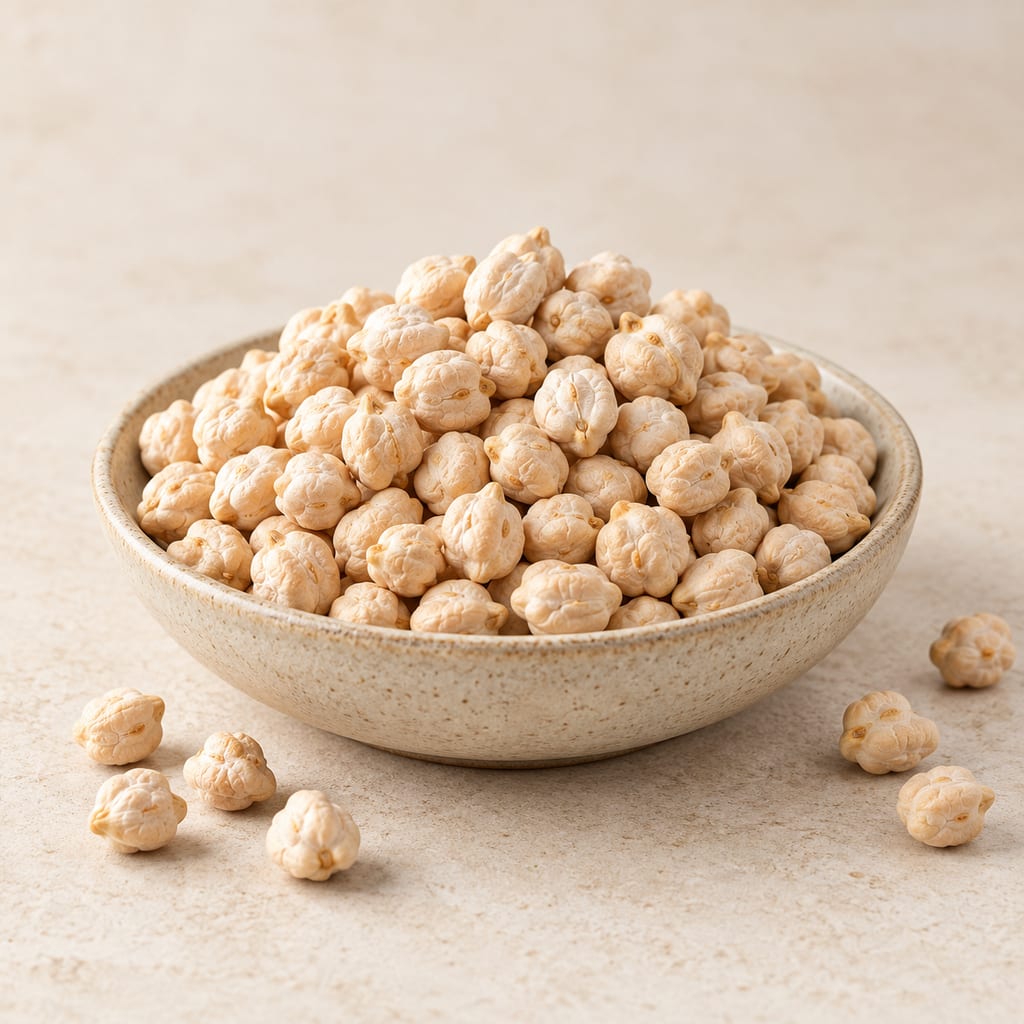
Chickpeas (Cicer arietinum) are dry pulses eaten whole or milled into flour, which gives socca, farinata and other breads a dense, nutty batter or dough.

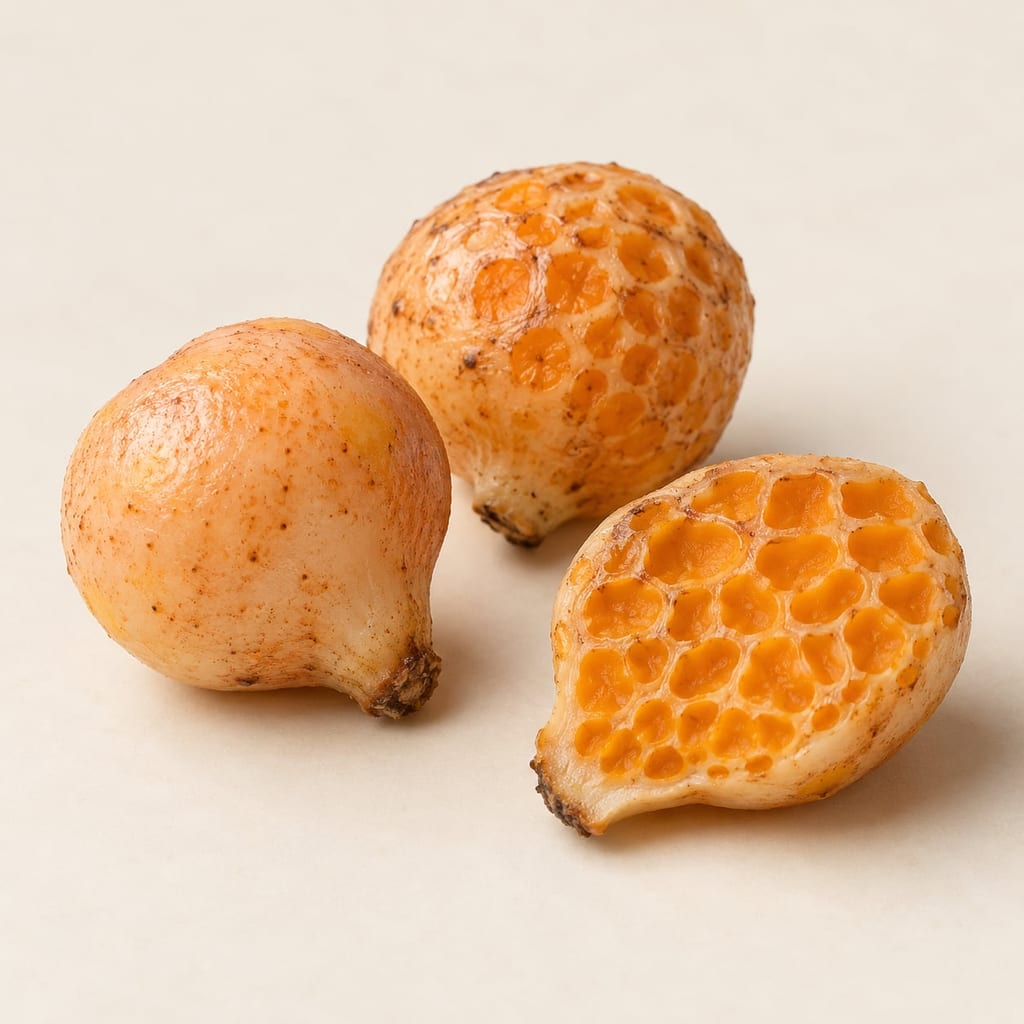
Parkia biglobosa seeds are fermented into regional West African seasonings, including nététou, iru, dawadawa and soumbala. The yellow fruit pulp is a separate food, and names and methods vary by place.
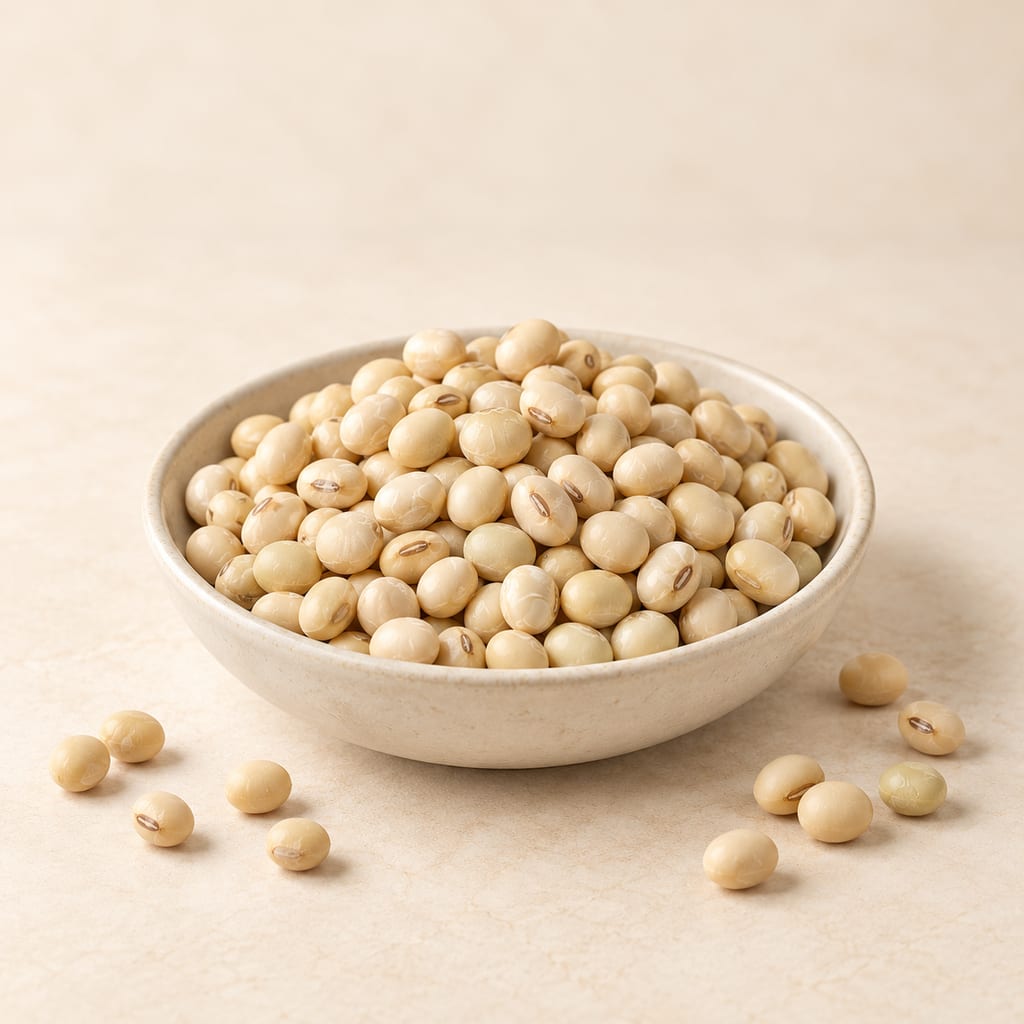
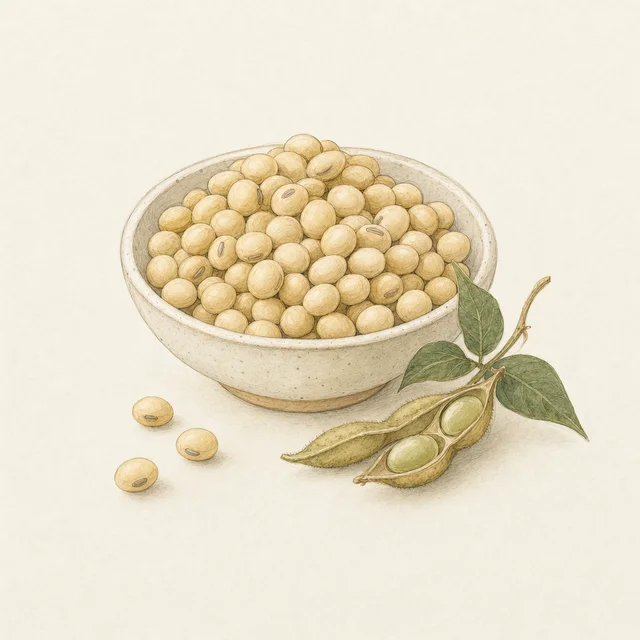
Soybeans are the mature dry seeds of Glycine max, about 40 percent protein and 20 percent oil, the substrate of tempeh, natto, miso, soy sauce and many other fermented foods.
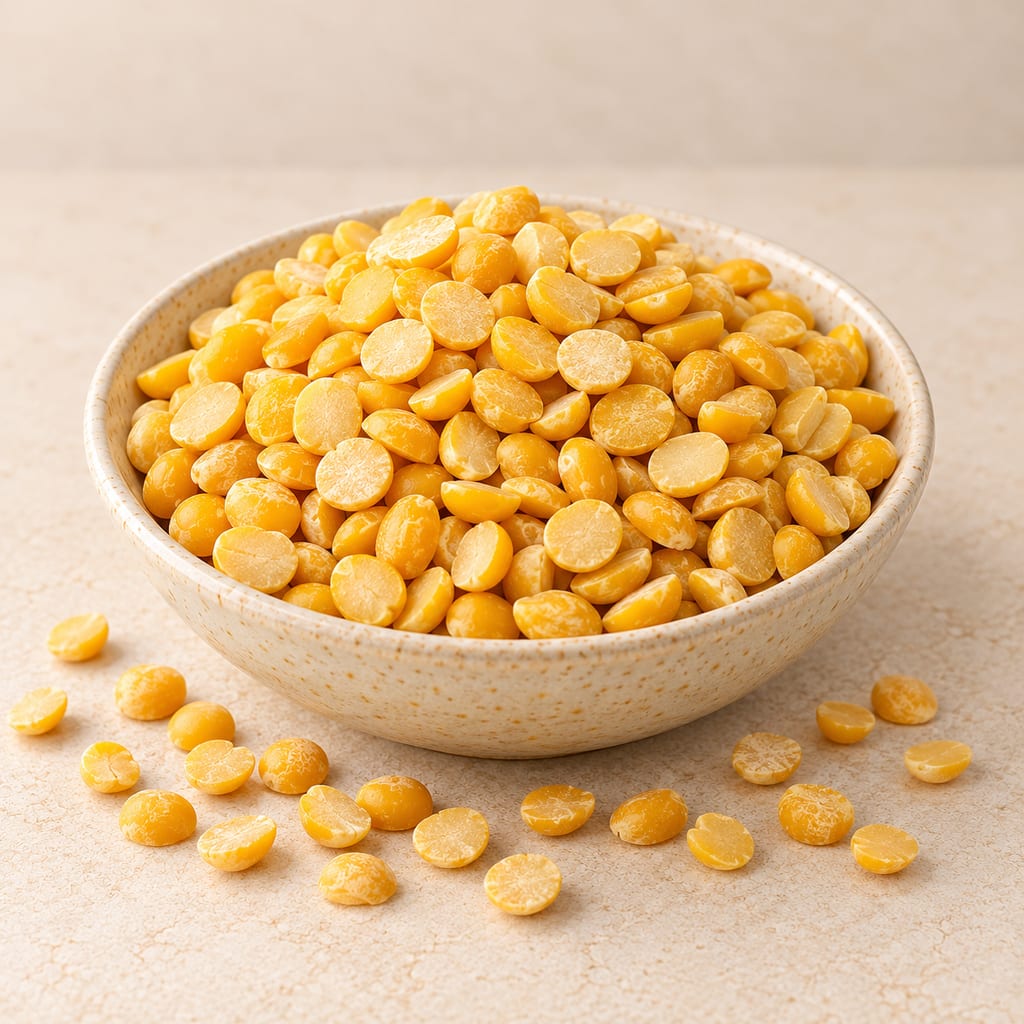
Yellow split peas are dried field peas with the seed coat removed and the two halves separated. They cook to a soft, starchy, protein-rich paste for soups, puddings, sweets and one modern peaso garum.
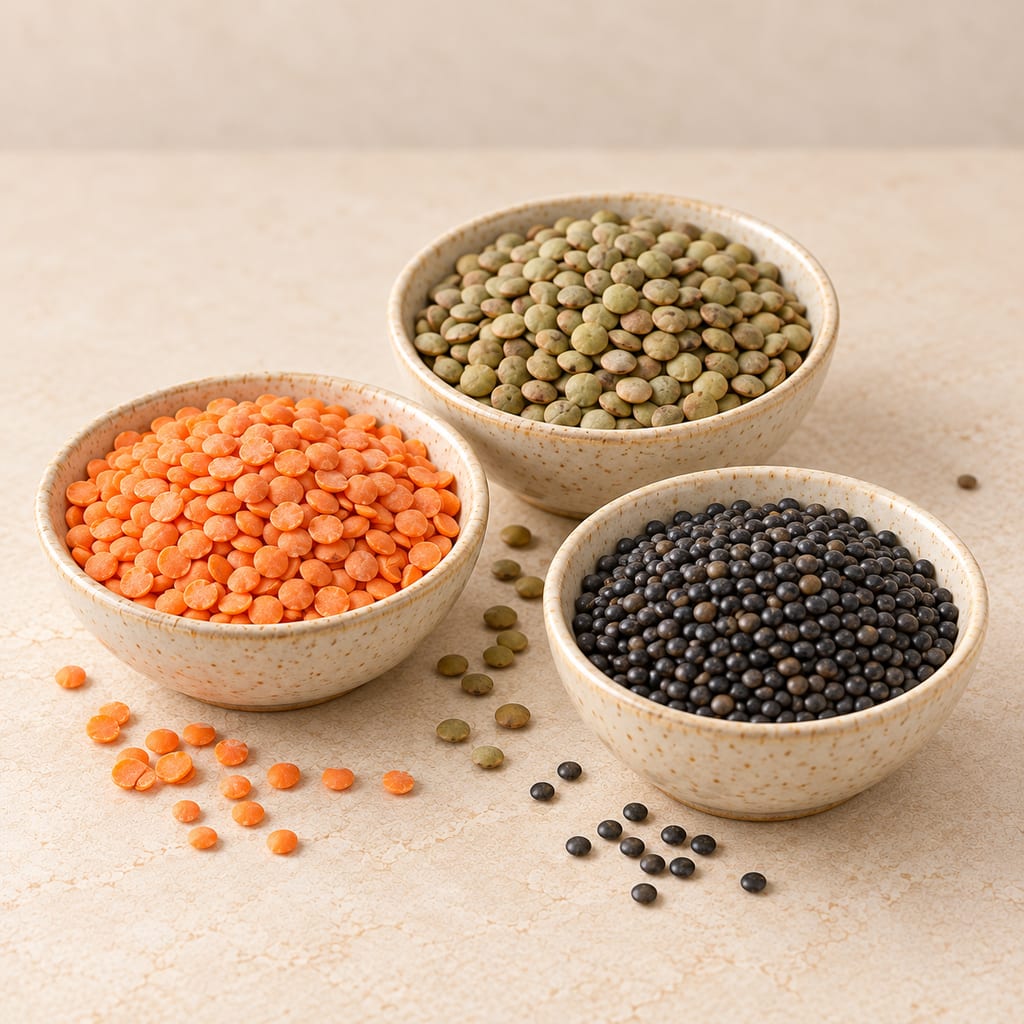
Lentils are the flat, lens-shaped seeds of Lens culinaris, a legume first cultivated in Southwest Asia 8,000 to 10,000 years ago. They are cooked whole, dehulled, split or milled into flour.
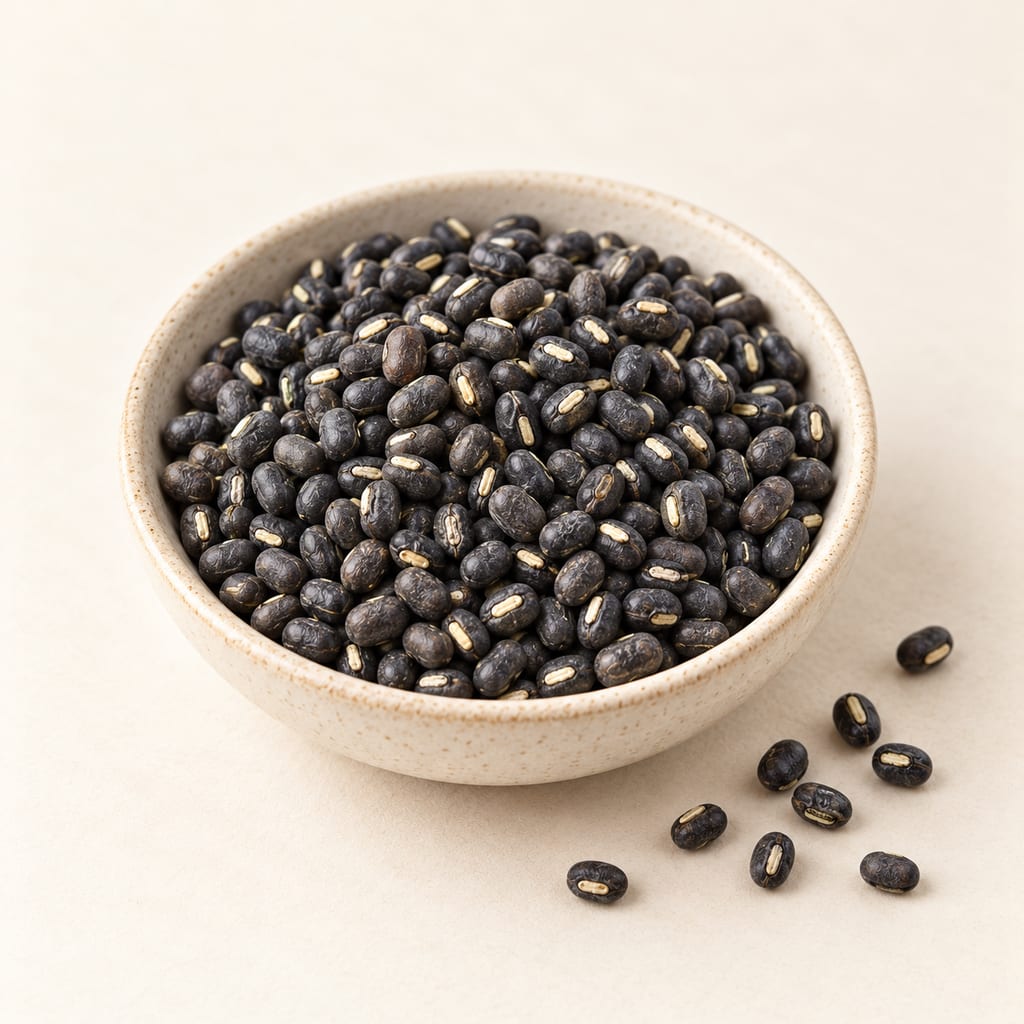
Black gram, or urad, is a South Asian pulse whose whole dark seeds and dehulled white dal make distinct cooked and fermented foods.