

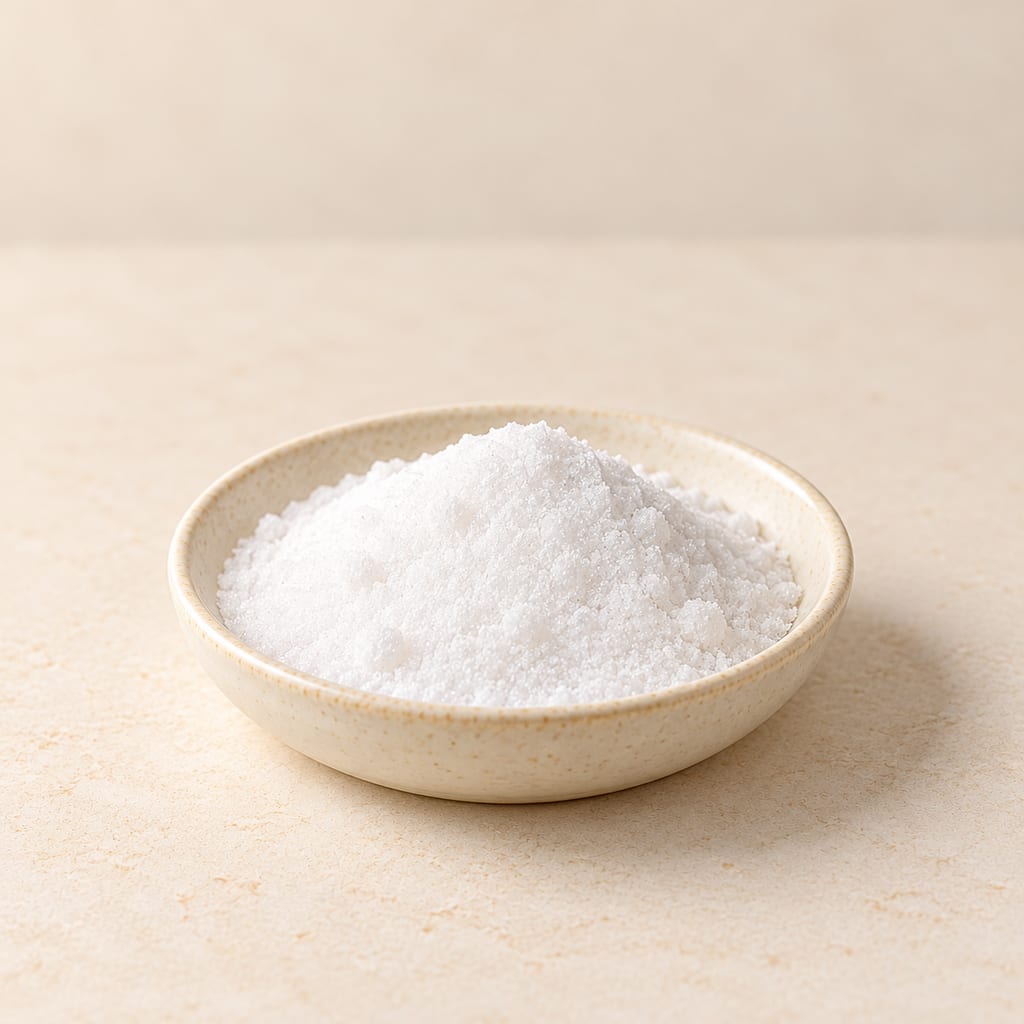
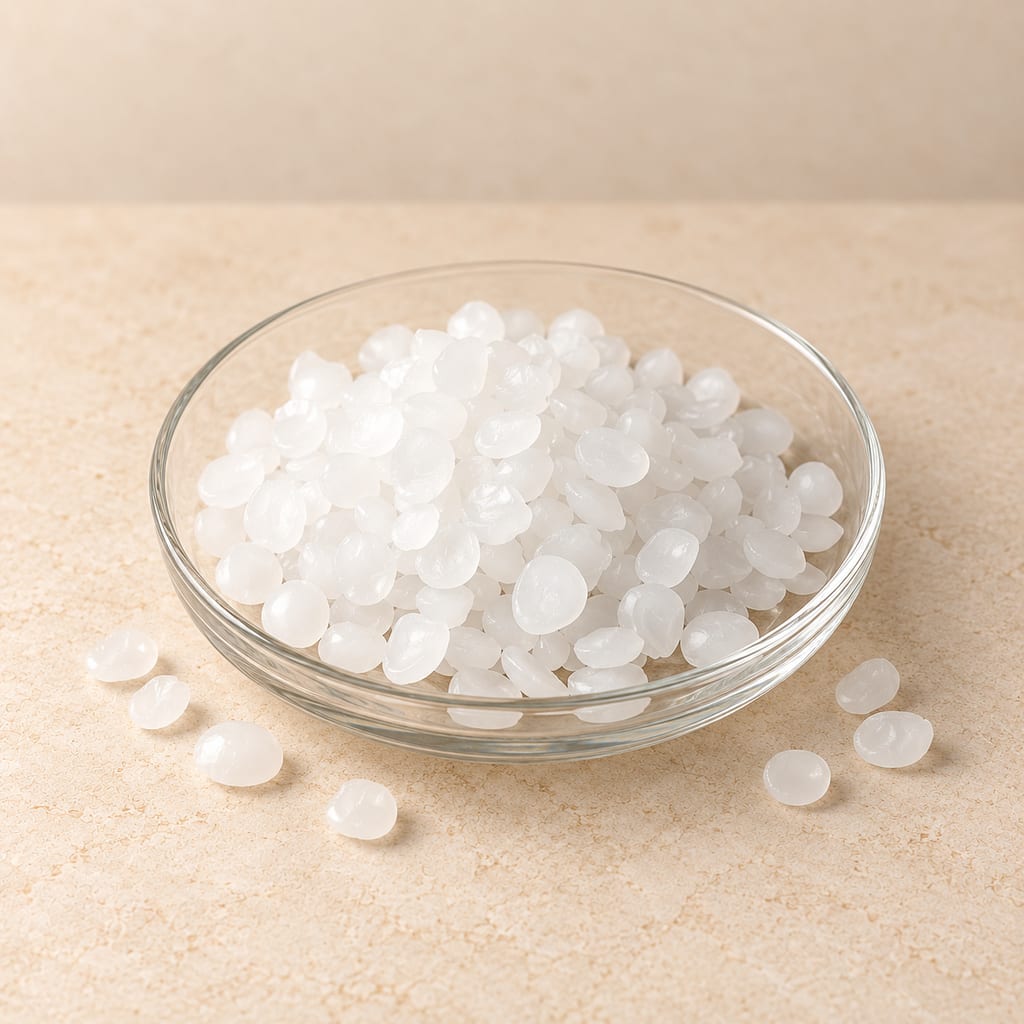
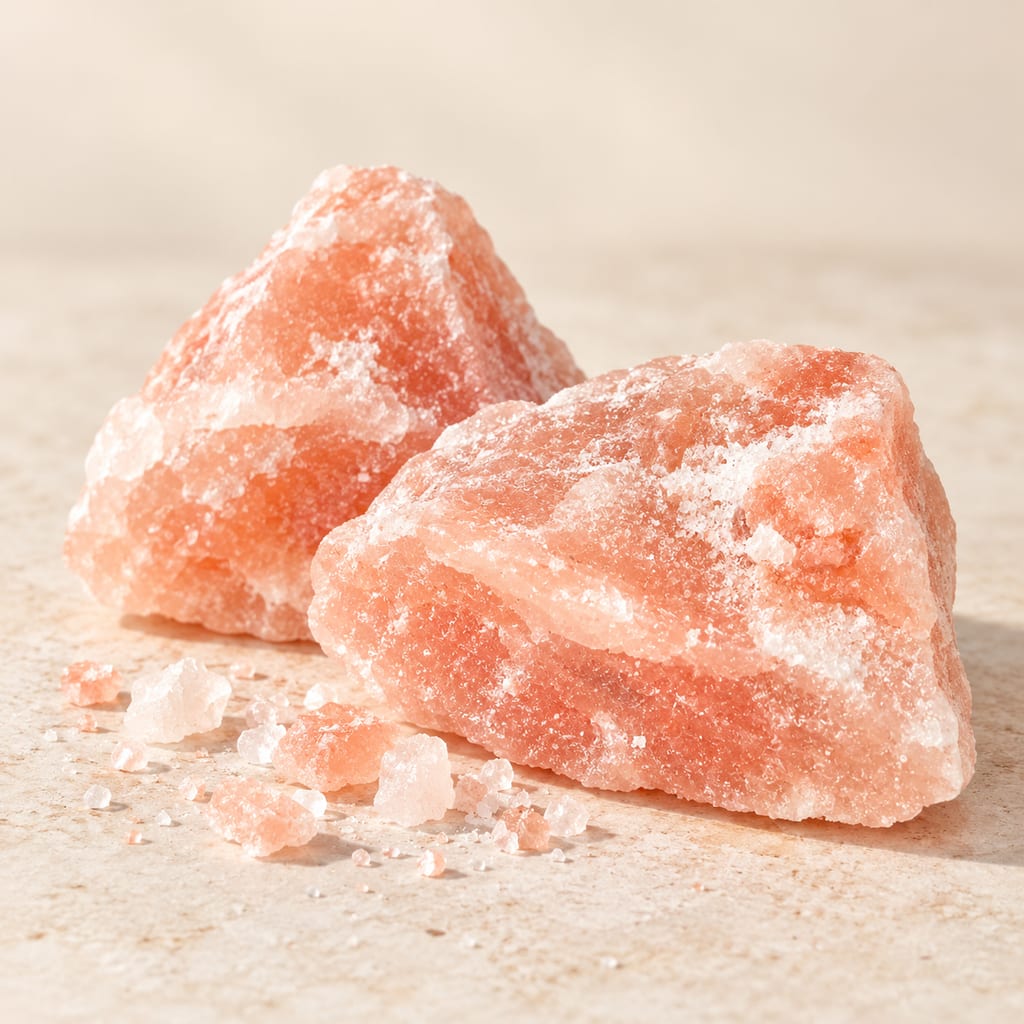
Pakistan Salt Range rock salt
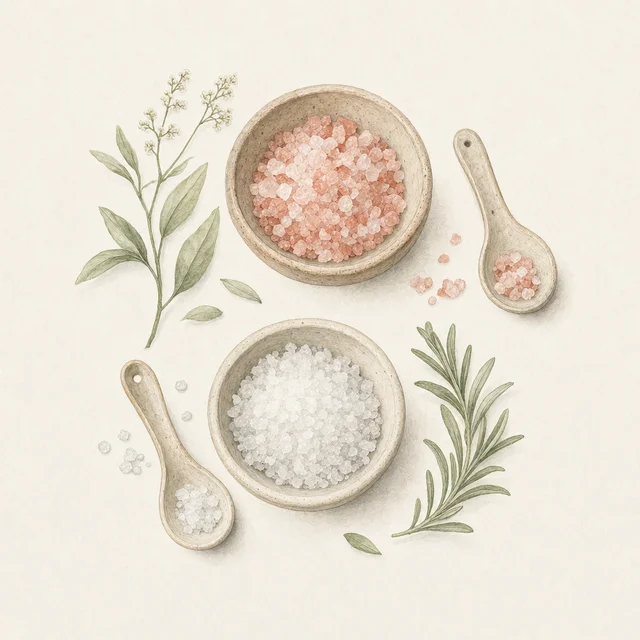
Rock salt from Pakistan’s Salt Range is sold in various forms, including pink salt intended for culinary use.
 FermenteaWhere food goes to change
1086 articles on substrates, cultures and additives.
Rock salt from Pakistan’s Salt Range is sold in various forms, including pink salt intended for culinary use.
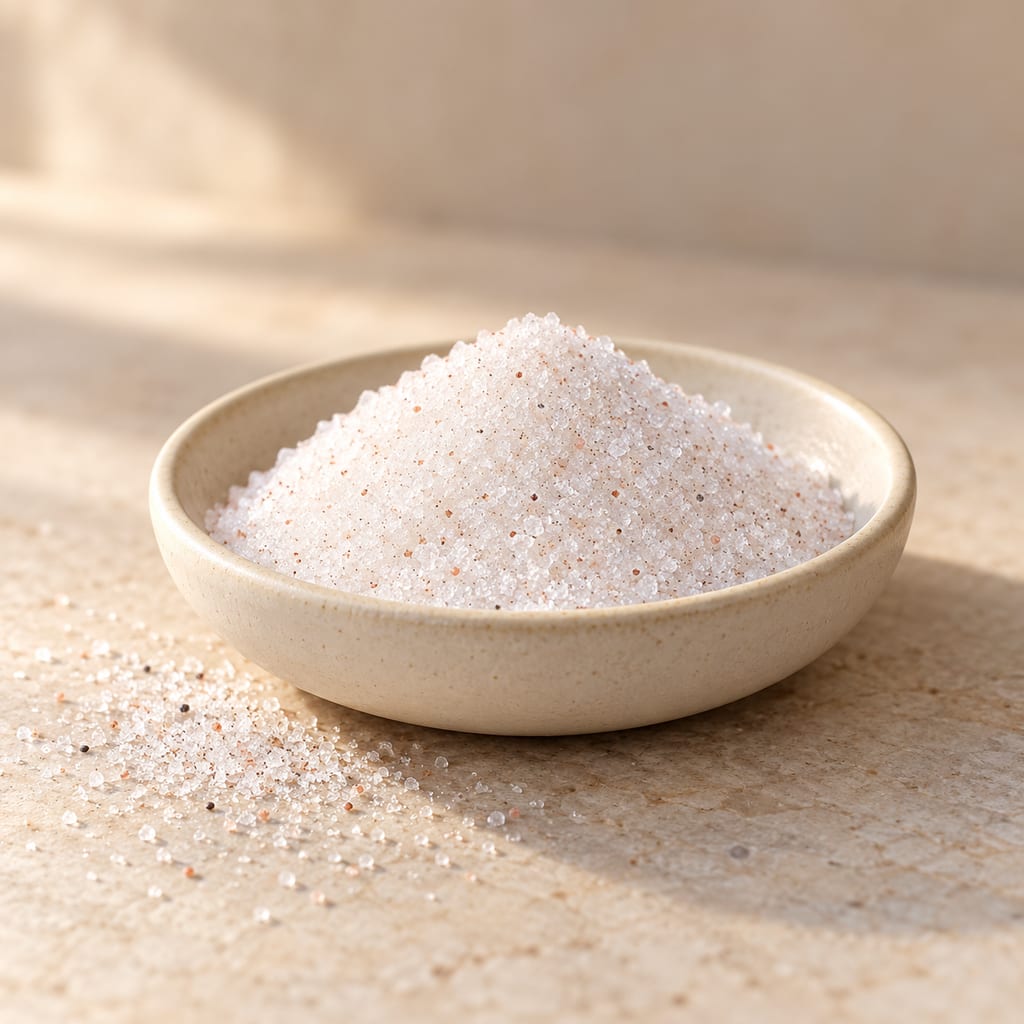
Redmond Real Salt is a branded culinary salt mined in central Utah and sold in several grain sizes.
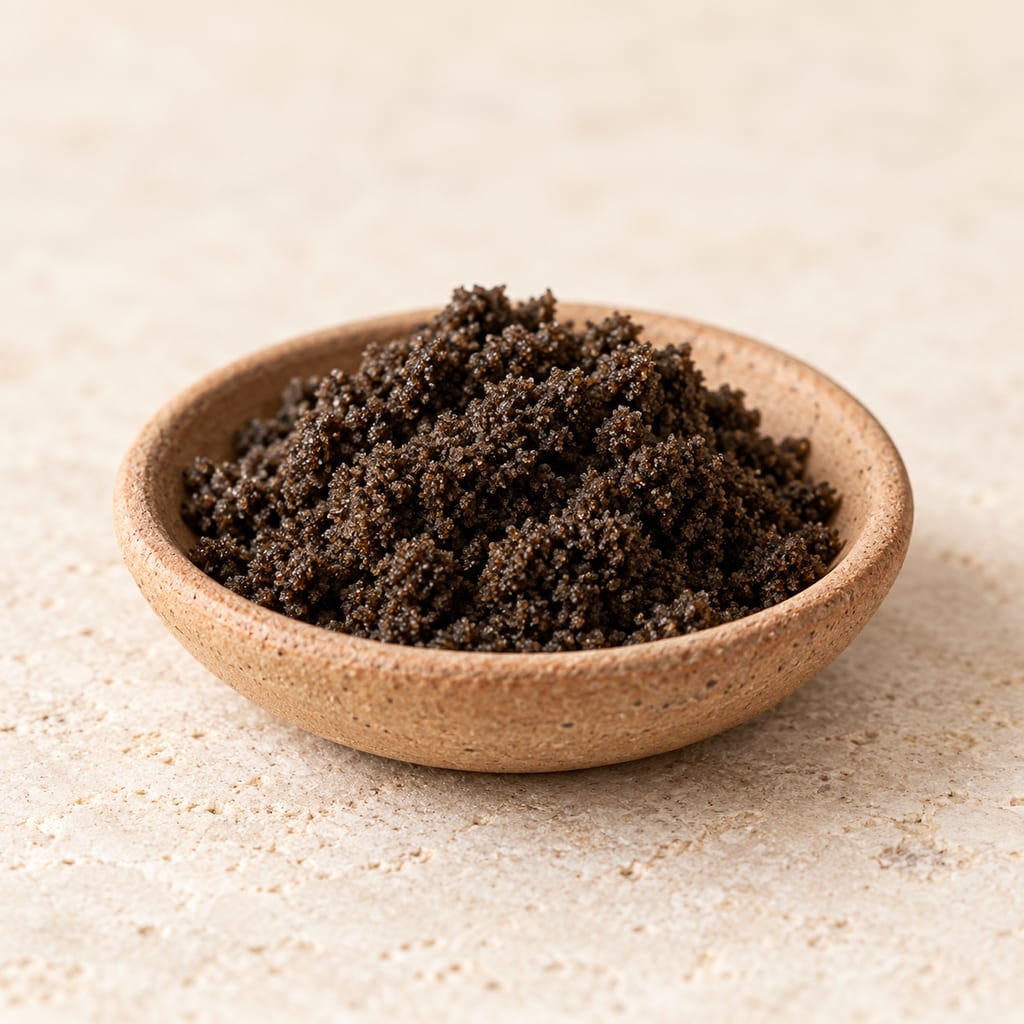
A dark, traditionally produced salt associated with Sacapulas in Guatemala’s Quiché department.
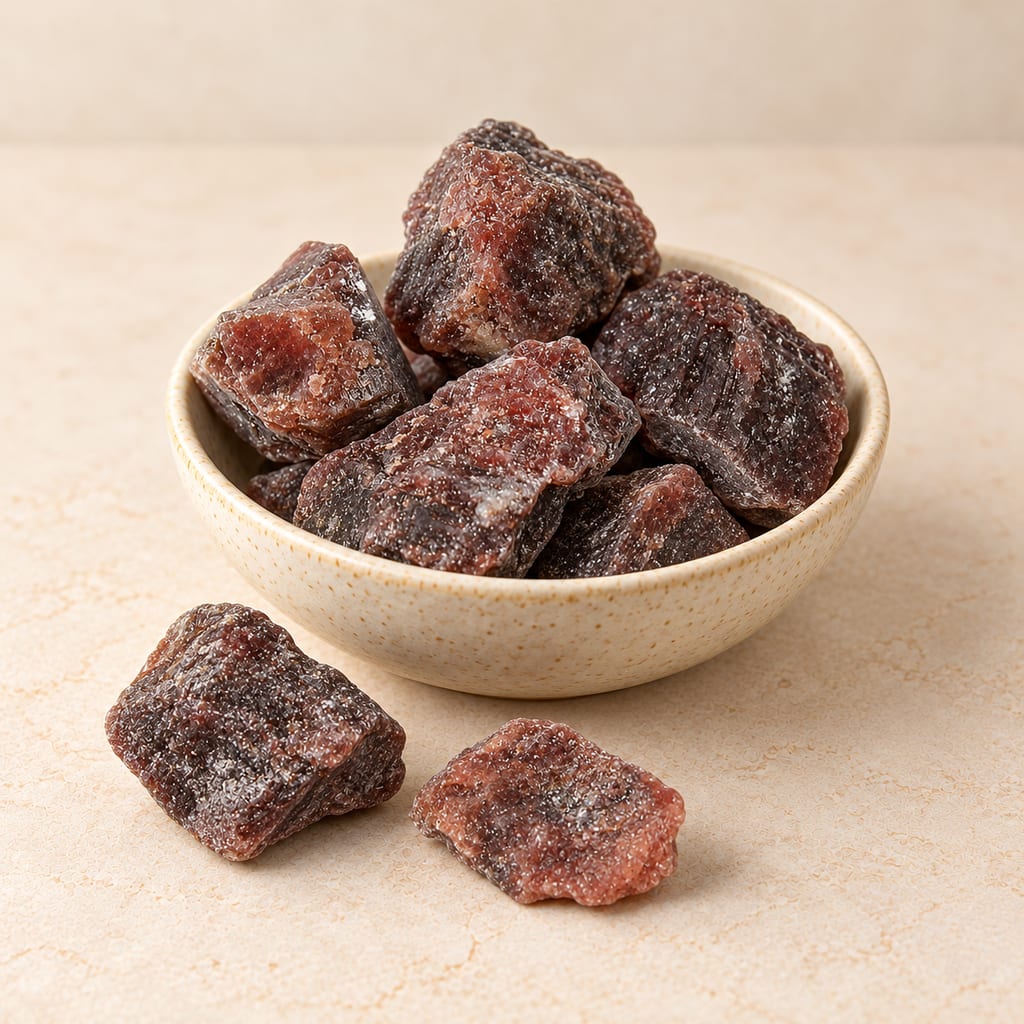
Black salt, or kala namak, is a South Asian rock salt fired with plant material until it holds sulphur compounds and smells of boiled eggs. It seasons chaats, chutneys and fruit, and it gives vegan egg dishes their eggy note.
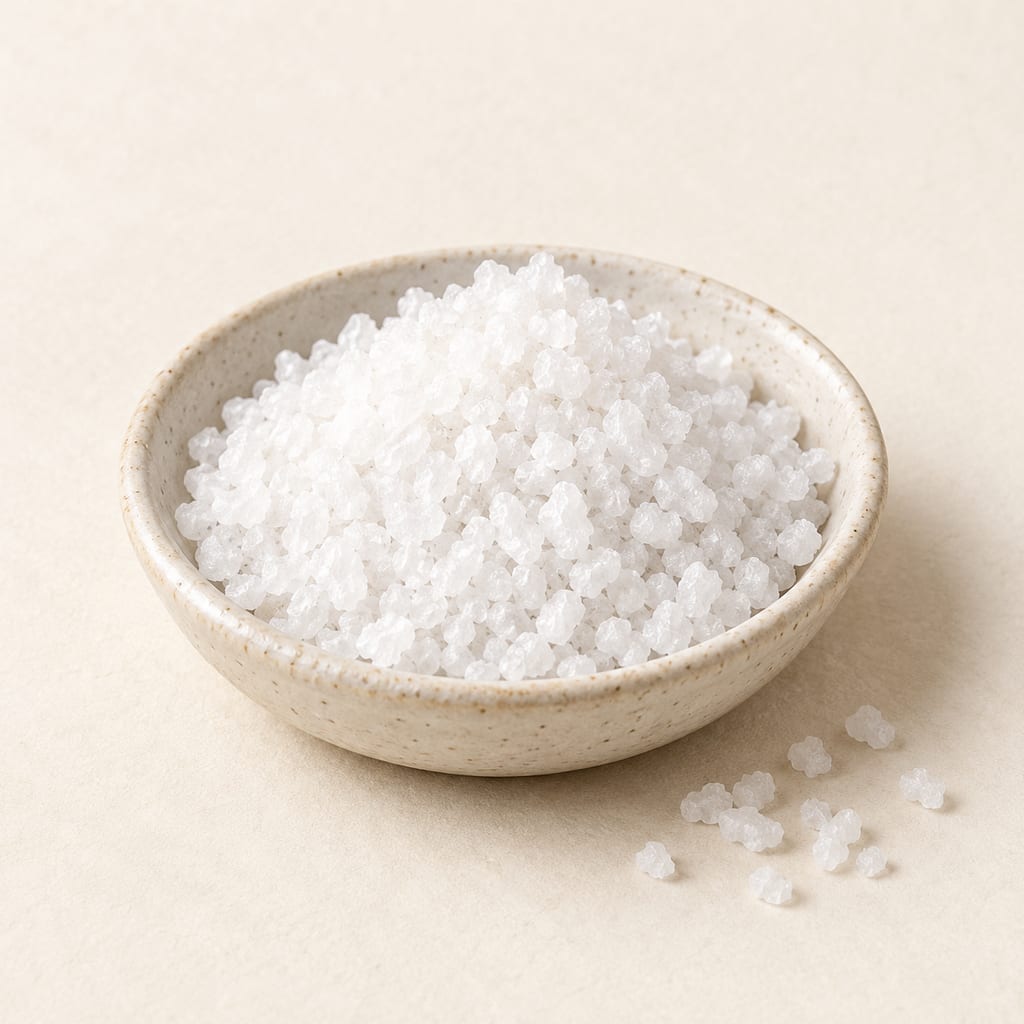
Pretzel salt is chosen for the crystals left on a baked surface. Grain size, shape and any coating determine how it adheres, dissolves and tastes.
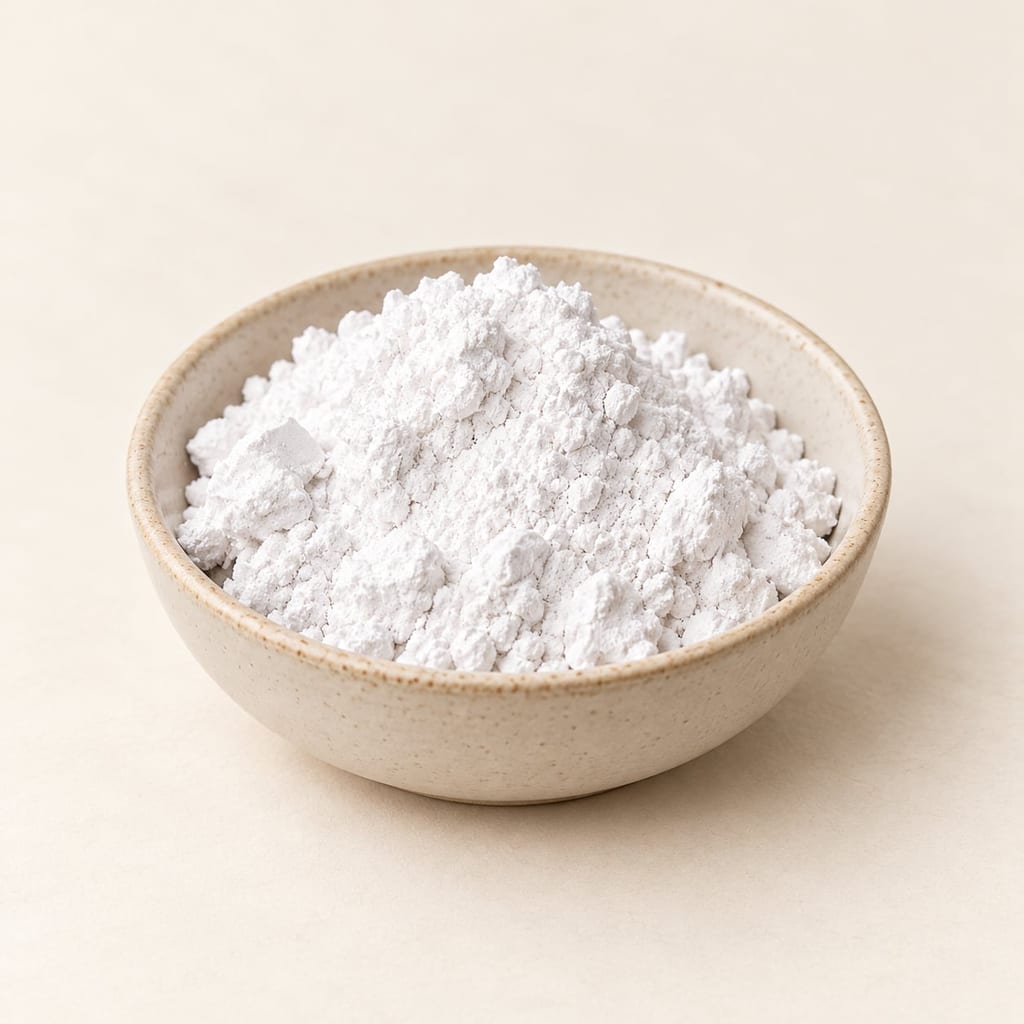
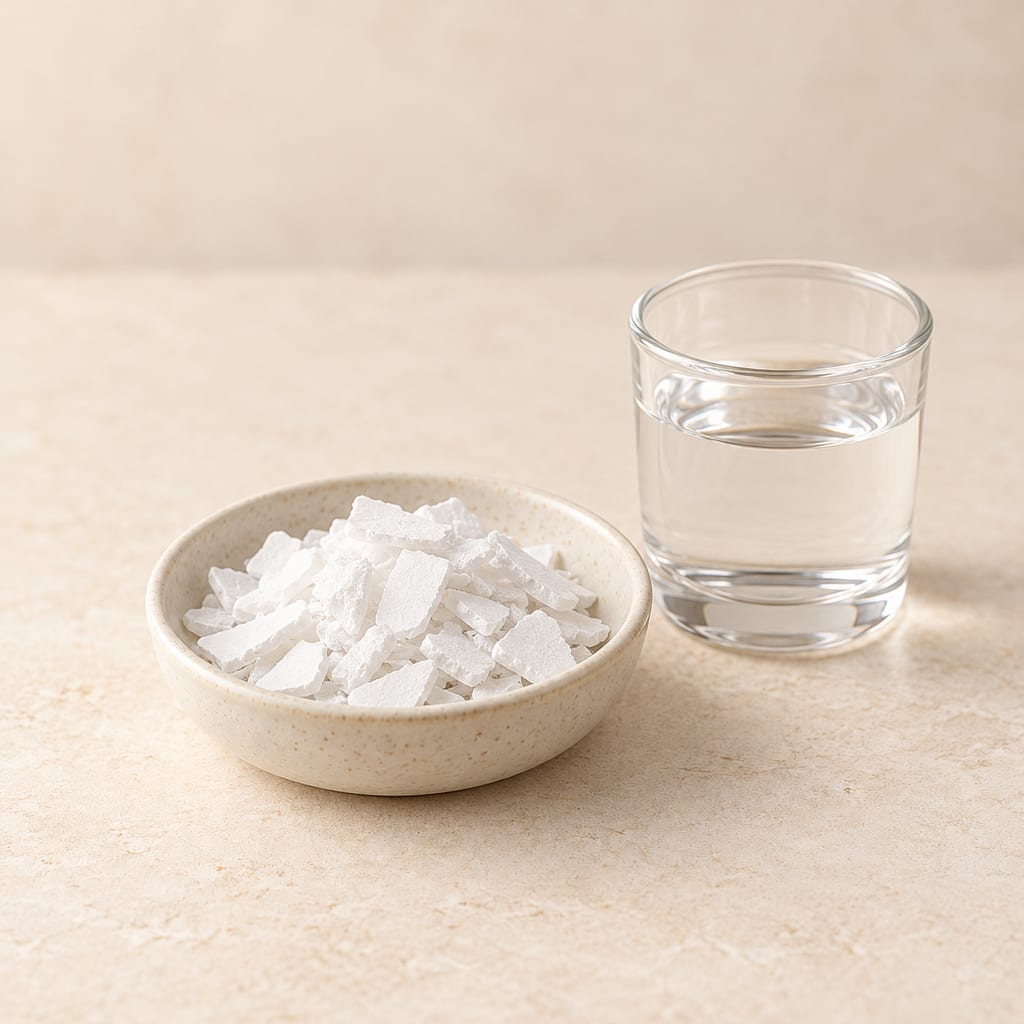
Food-grade slaked lime is calcium hydroxide, an alkaline processing aid used in distinct food treatments including green-fig soaking and maize nixtamalization.
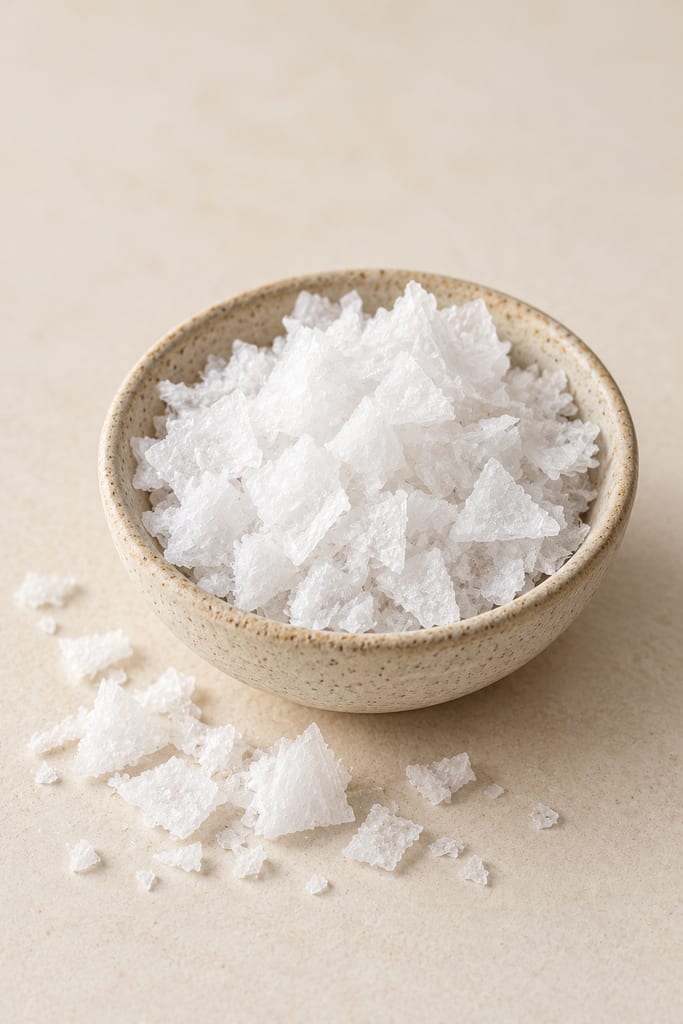
Flaky sea salt consists of thin, brittle crystals used for surface seasoning and texture. Production methods and bulk density vary, so it is not a direct volume substitute for fine salt.
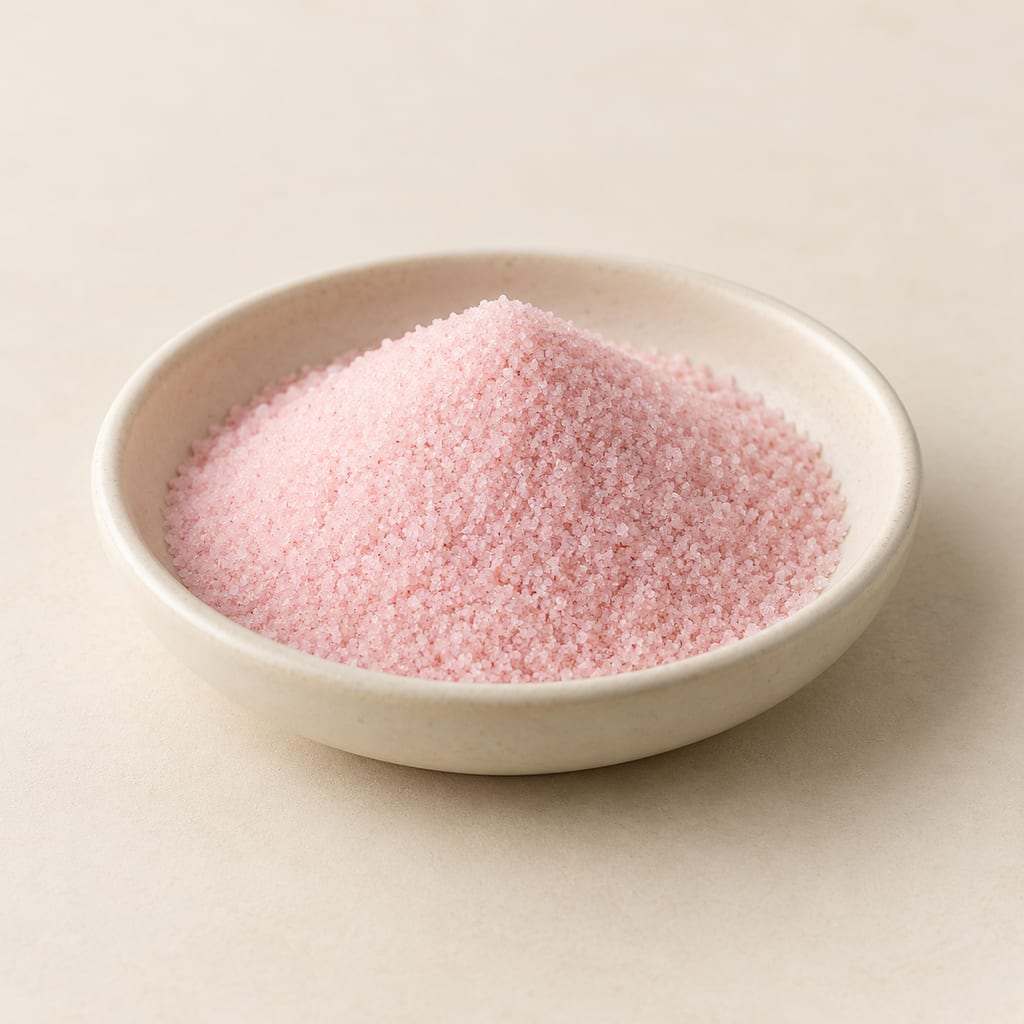
Insta Cure #1 is a measured salt and sodium nitrite blend used in specified meat-curing methods, including bacon and some sausages. It differs from nitrate-containing Cure #2 and must be matched to the recipe and product.
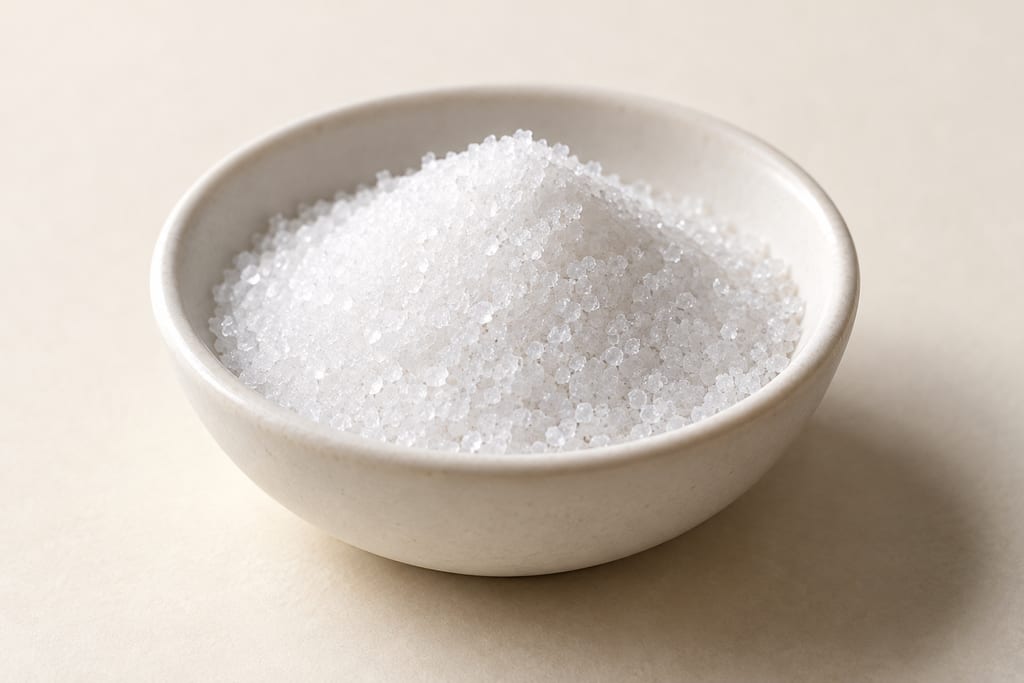
An unspecified alum named in an amla murabba soaking step. Potassium alum, ammonium alum and aluminium sulfate are distinct materials with different properties.
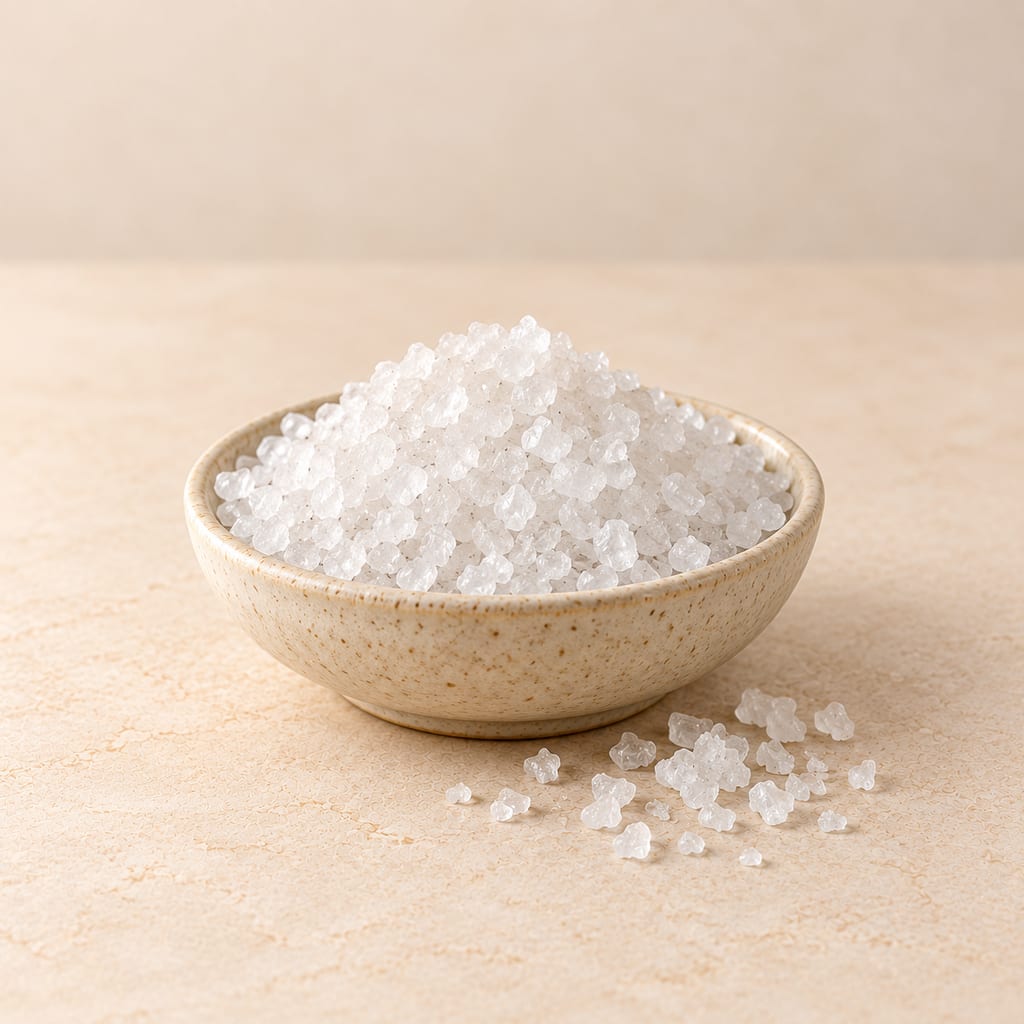
Coarse salt is food-grade salt in large grains, from sea, rock deposits or brine, used for curing, brining, pickling and packing fish.
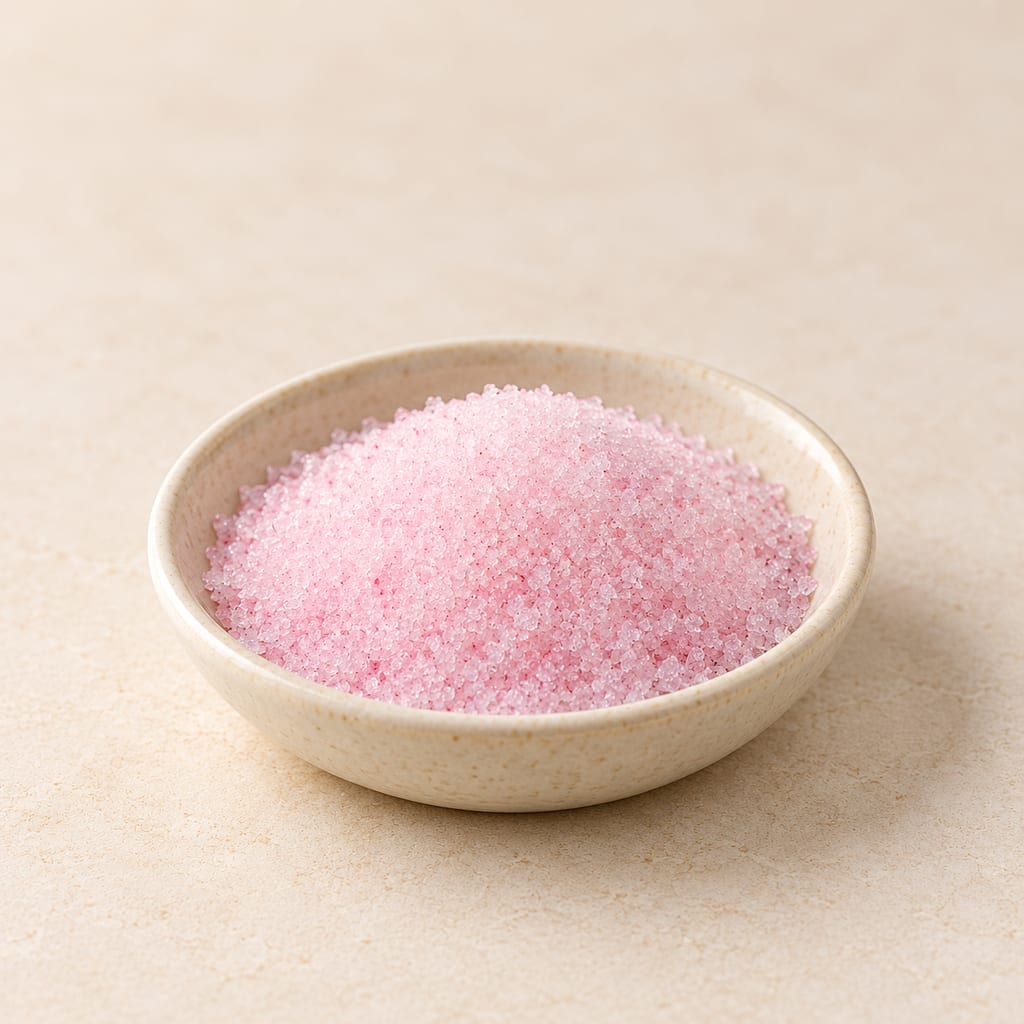
Curing salts are measured blends of sodium chloride with sodium nitrite, or nitrite and nitrate, used to cure meat. Cure #1, Cure #2 and proprietary mixes differ in composition and in the processes they suit.
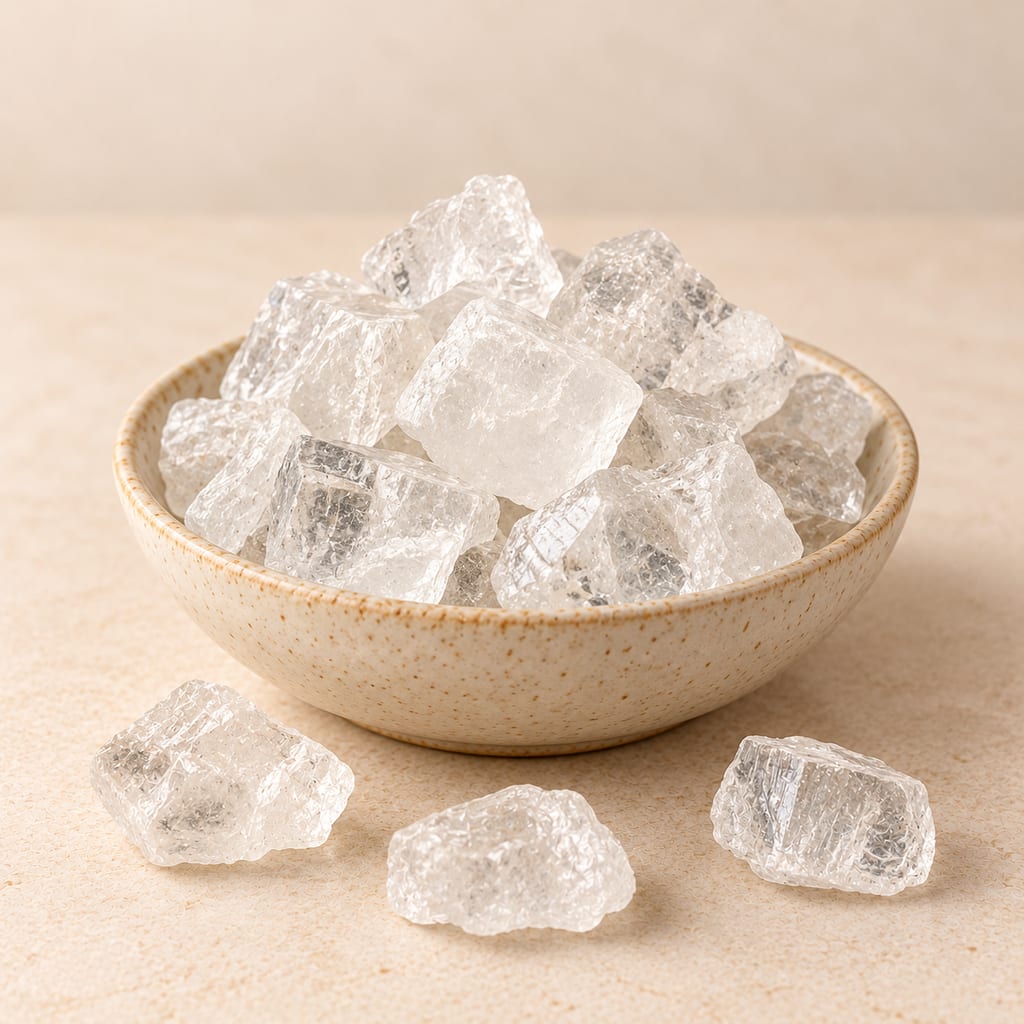
Rock salt is sodium chloride mined from ancient salt beds, sold from coarse grey chunks to pink Himalayan crystals and the fired black salt, kala namak, used in Indian cooking.
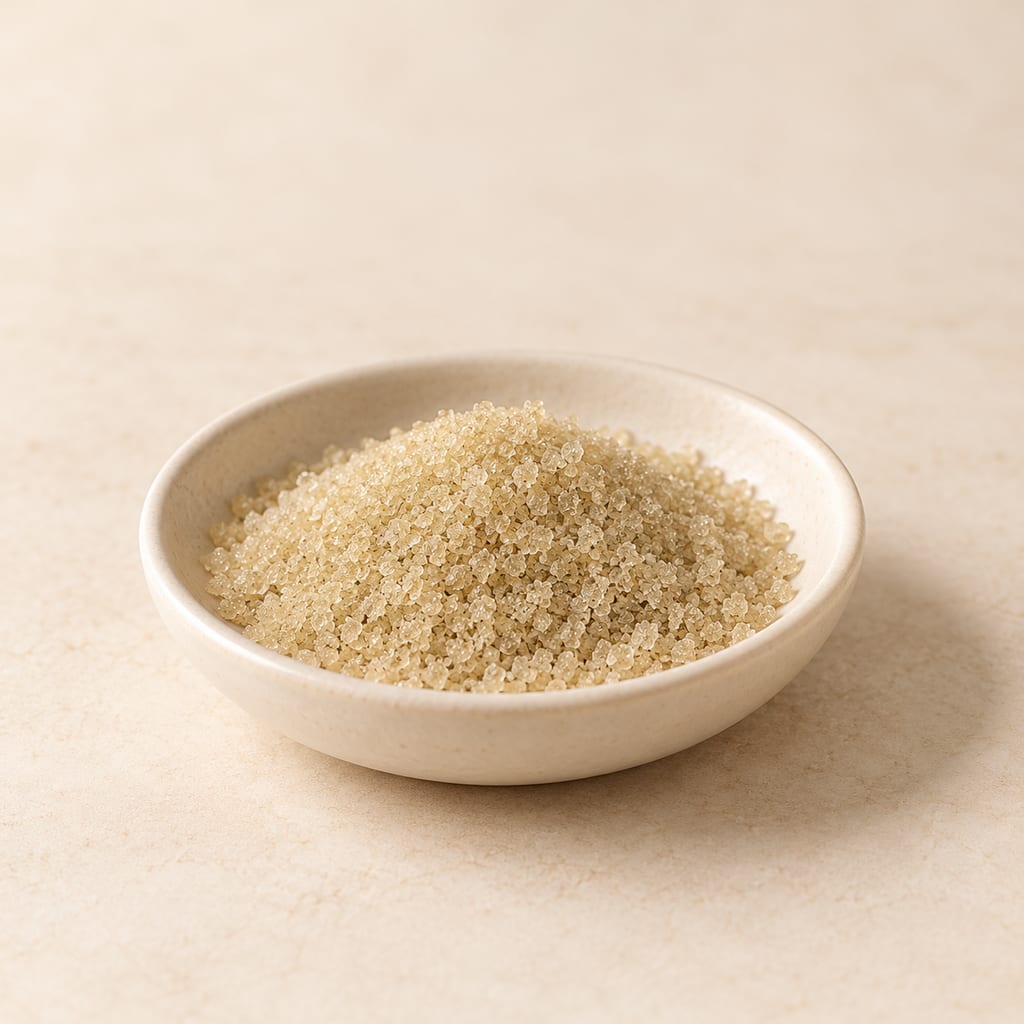
The Sausage Maker’s currently declared dry-curing blend contains salt, 6.25% sodium nitrite, 1% sodium nitrate and annatto. Its identity and role differ from plain salt and other Cure #2 formulations.
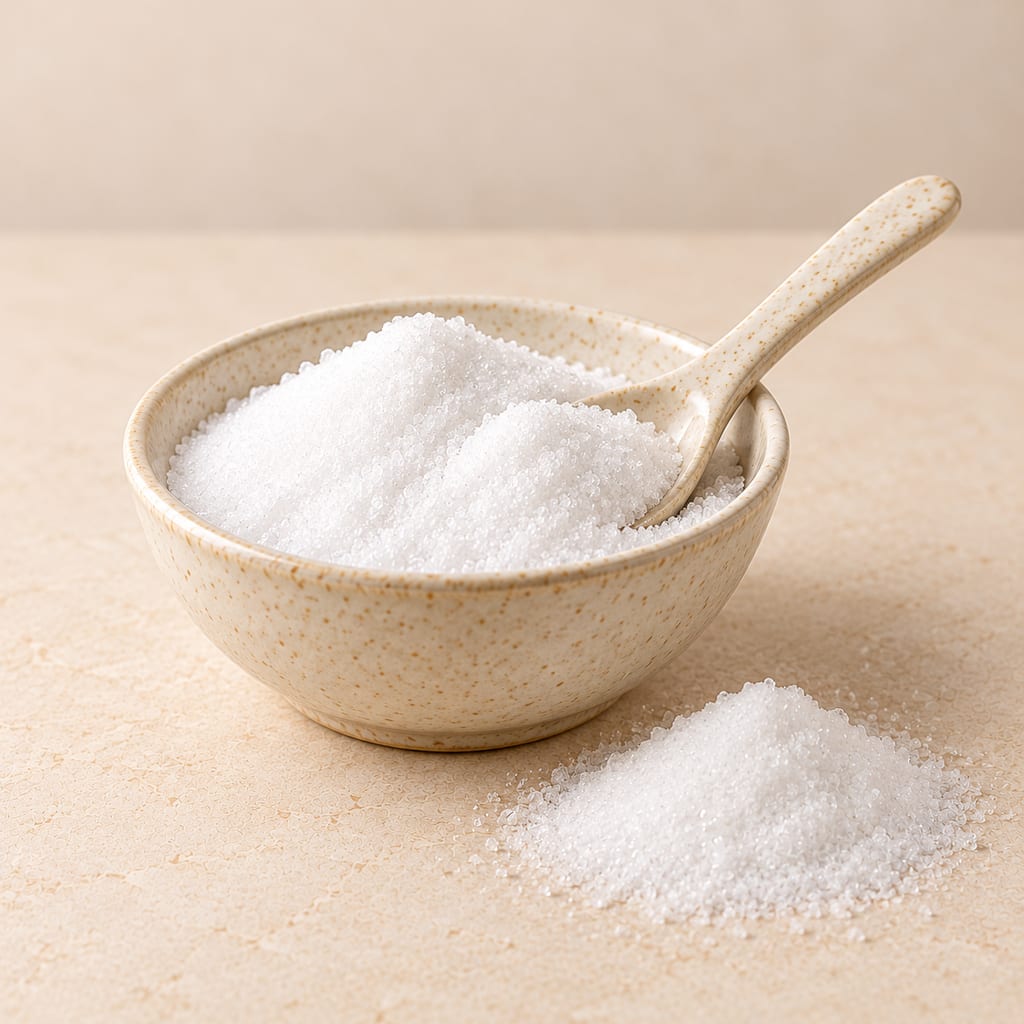
Sodium bicarbonate is a mildly alkaline kitchen powder used for leavening and, in two published South African green-fig konfyt methods, in the preliminary boil.
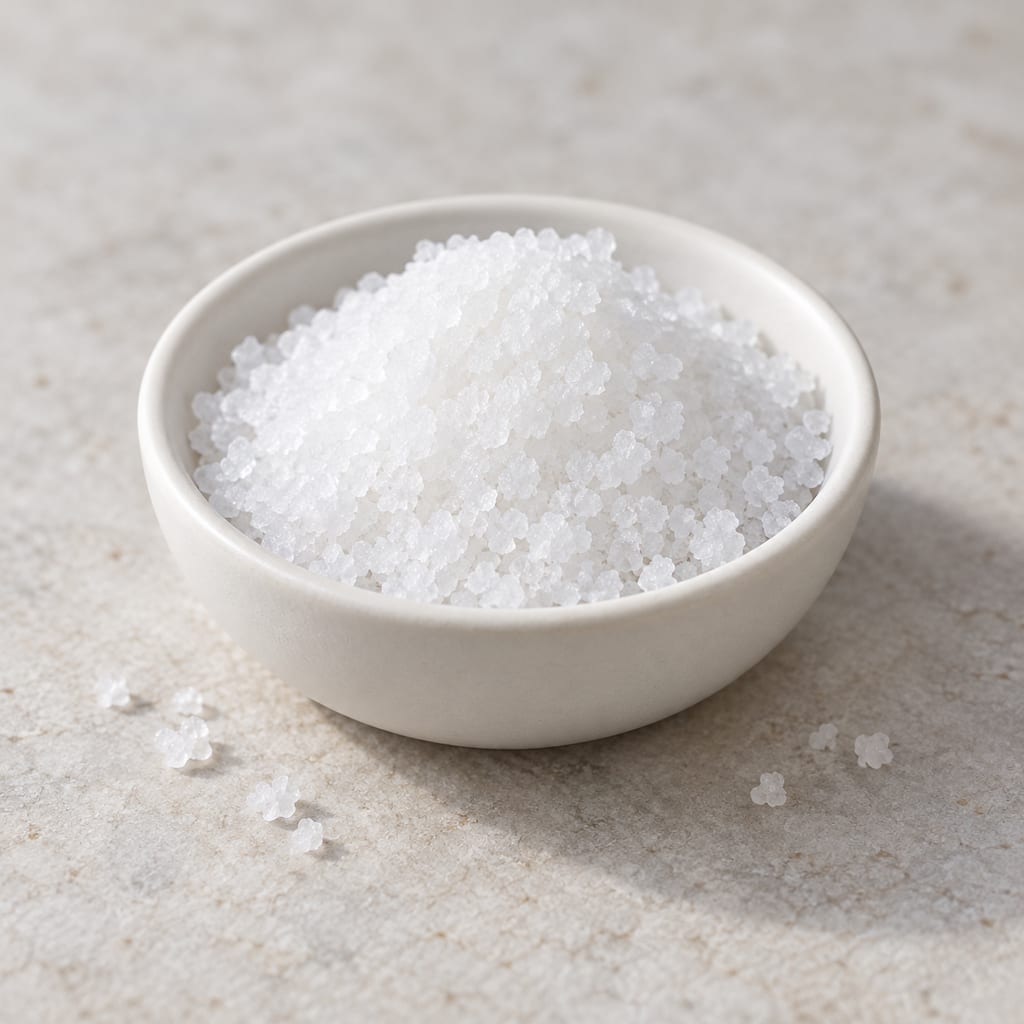
Food-grade sodium chloride selected for cheesemaking seasons curd and changes its moisture, microbial environment and rind; grain and application must suit the particular cheese.
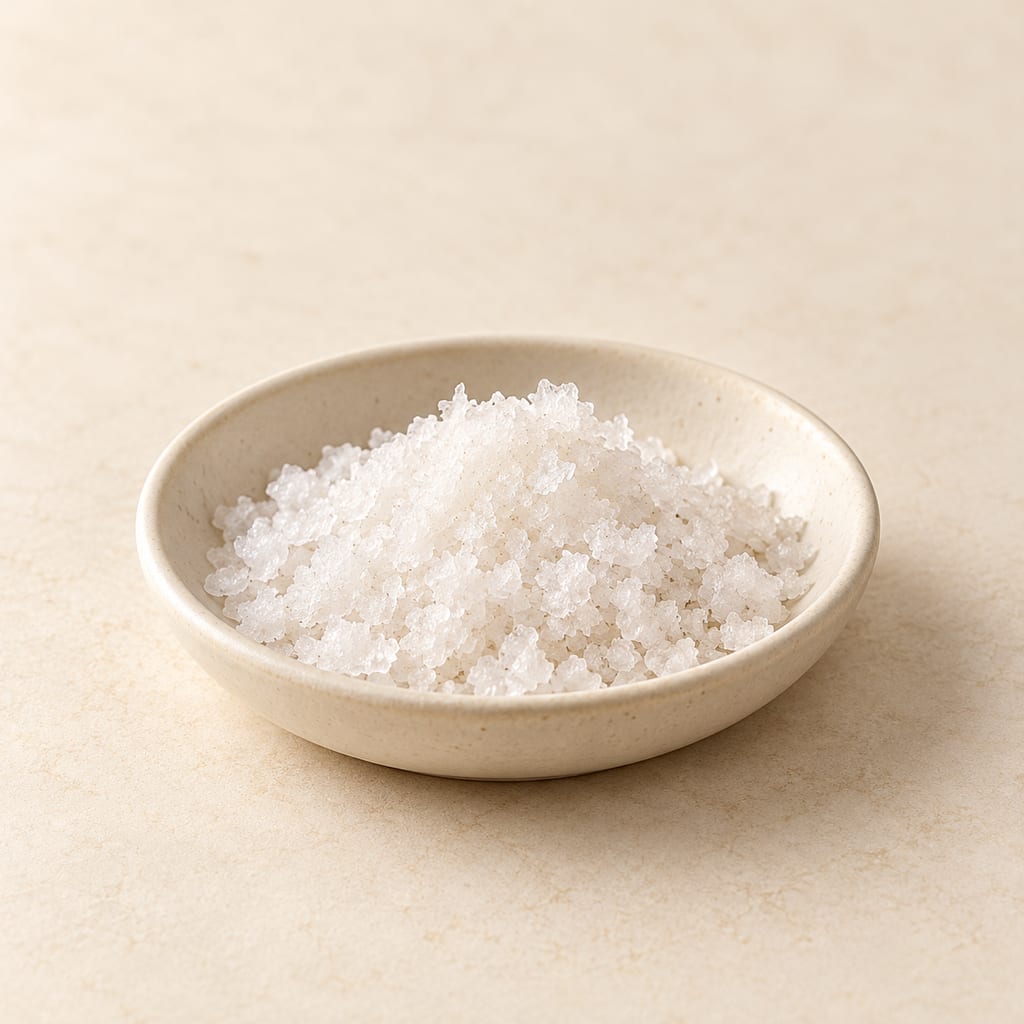
Salt recovered from seawater comes as fine grains, coarse crystals and delicate flakes. Its production, crystal form and measured use connect coastal saltworking with cooking and preservation.
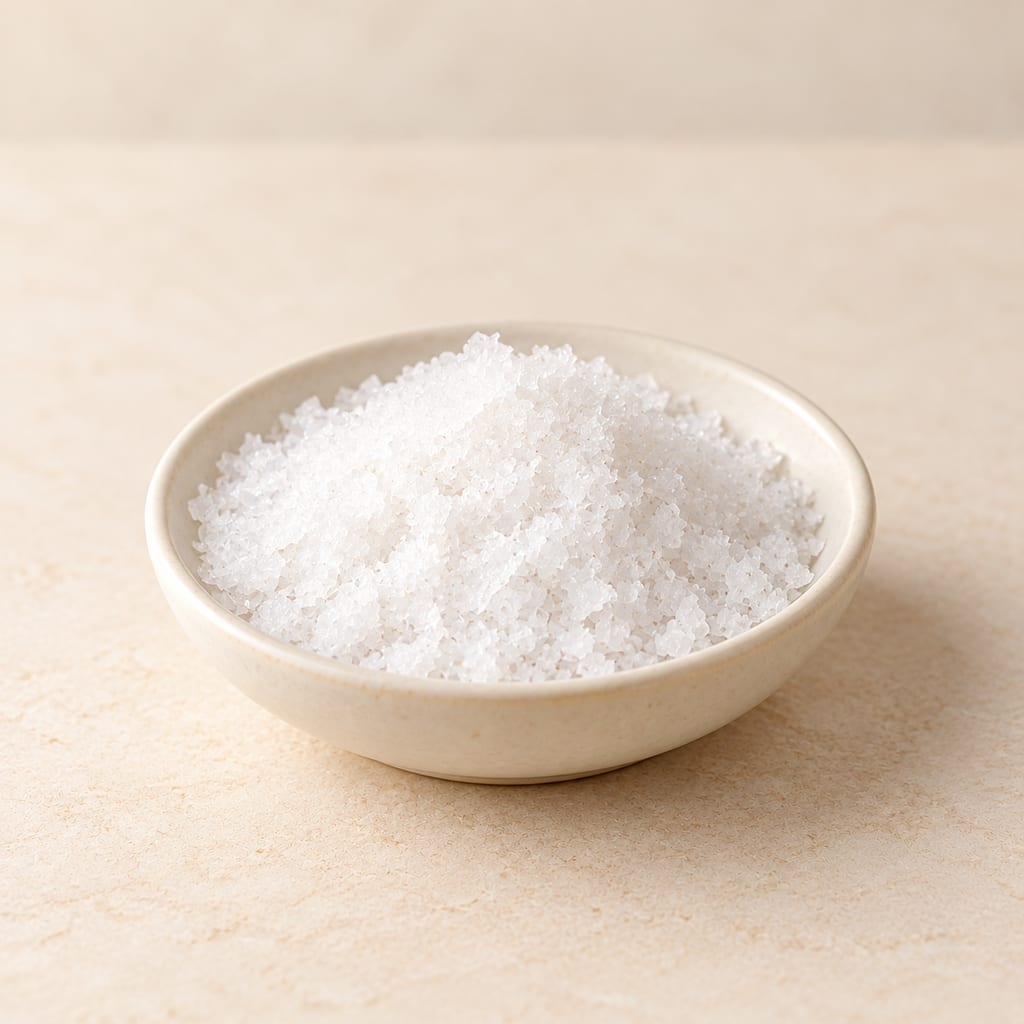
Coarse cooking salt named for its use in koshering meat. Its flakes vary by maker, so crystal shape, additives and the recipe’s unit all matter.
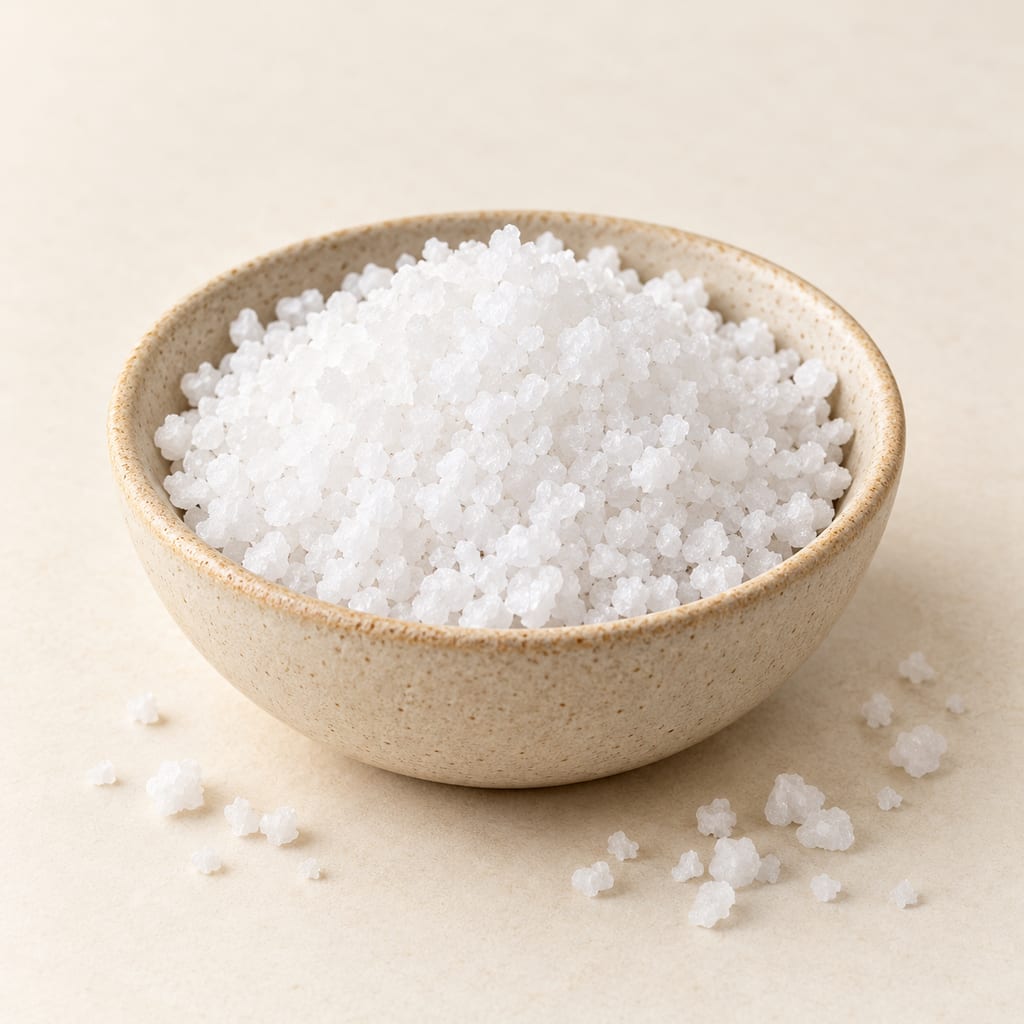
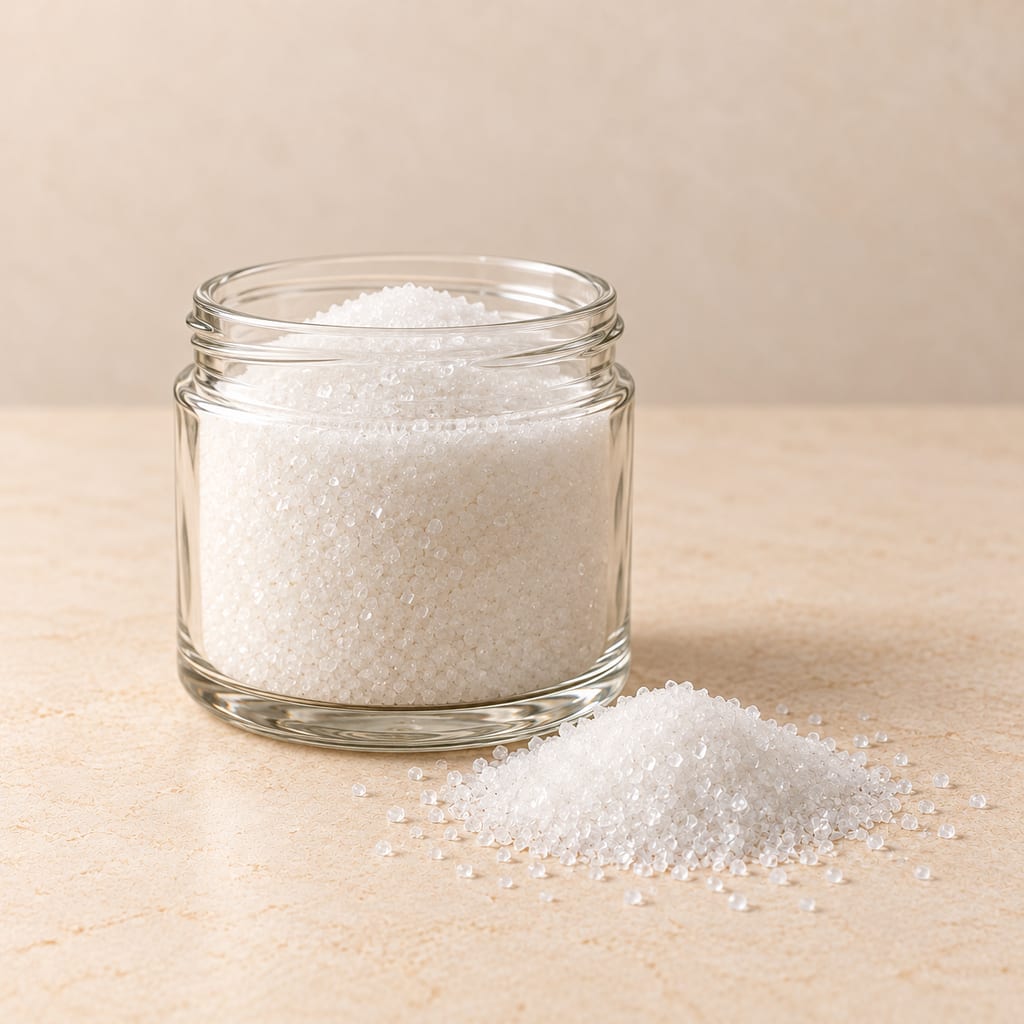
Food-grade sodium chloride seasons food and changes water movement in brines and cures; crystal size and the recipe's measurement method matter.
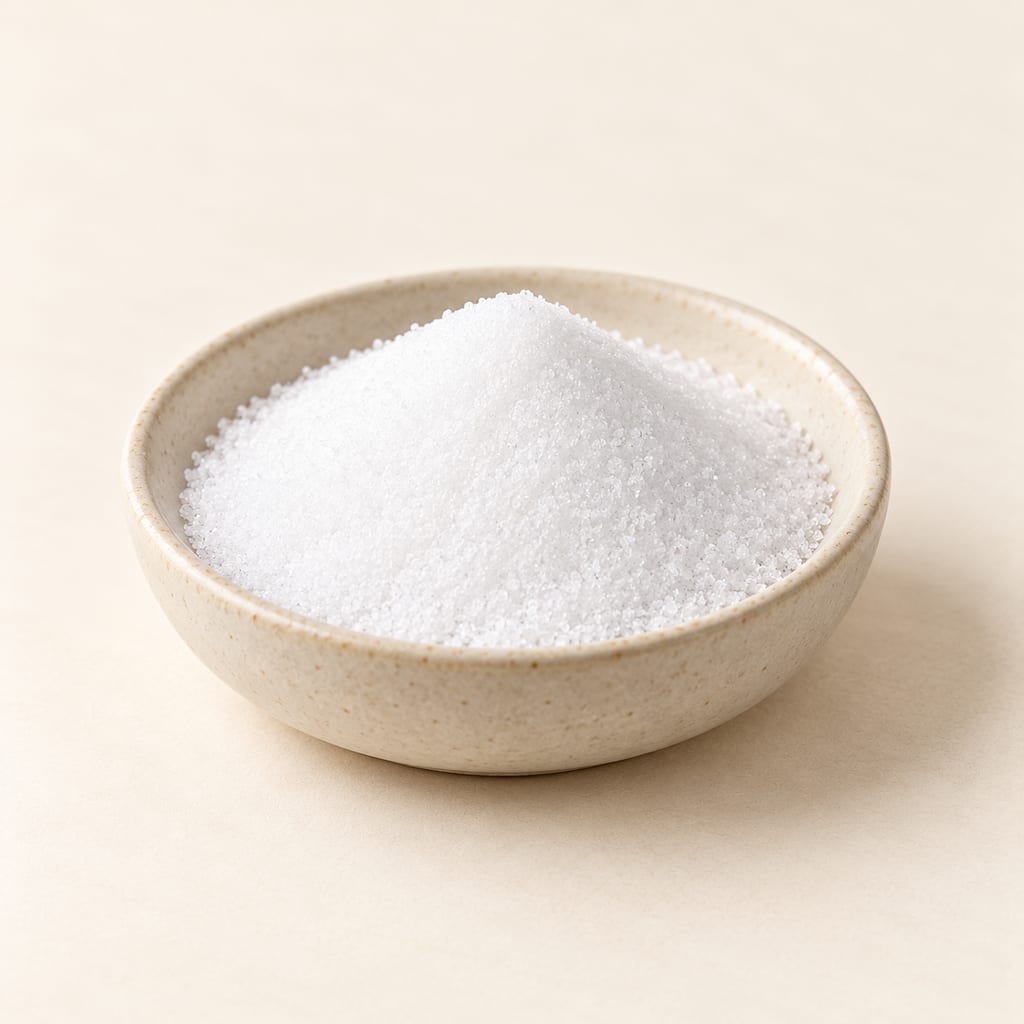
Table salt is fine-grained food-grade sodium chloride for everyday seasoning and measured cooking. Products may include iodine or an anti-caking agent.