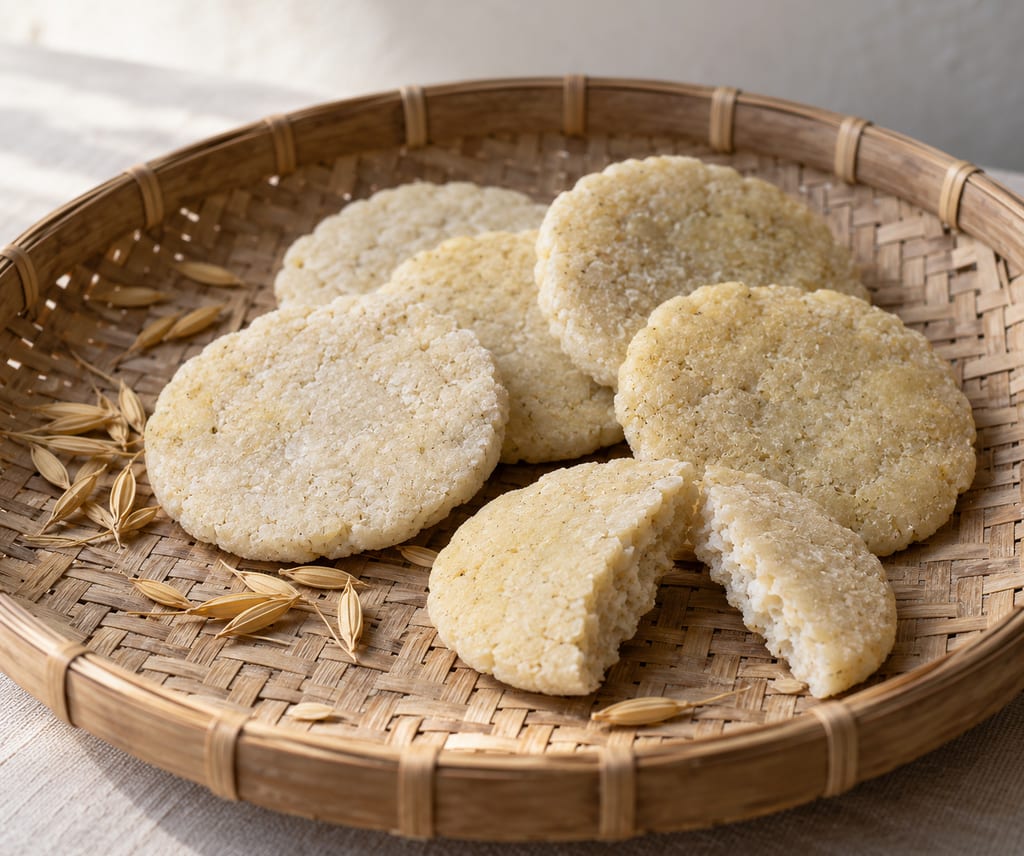

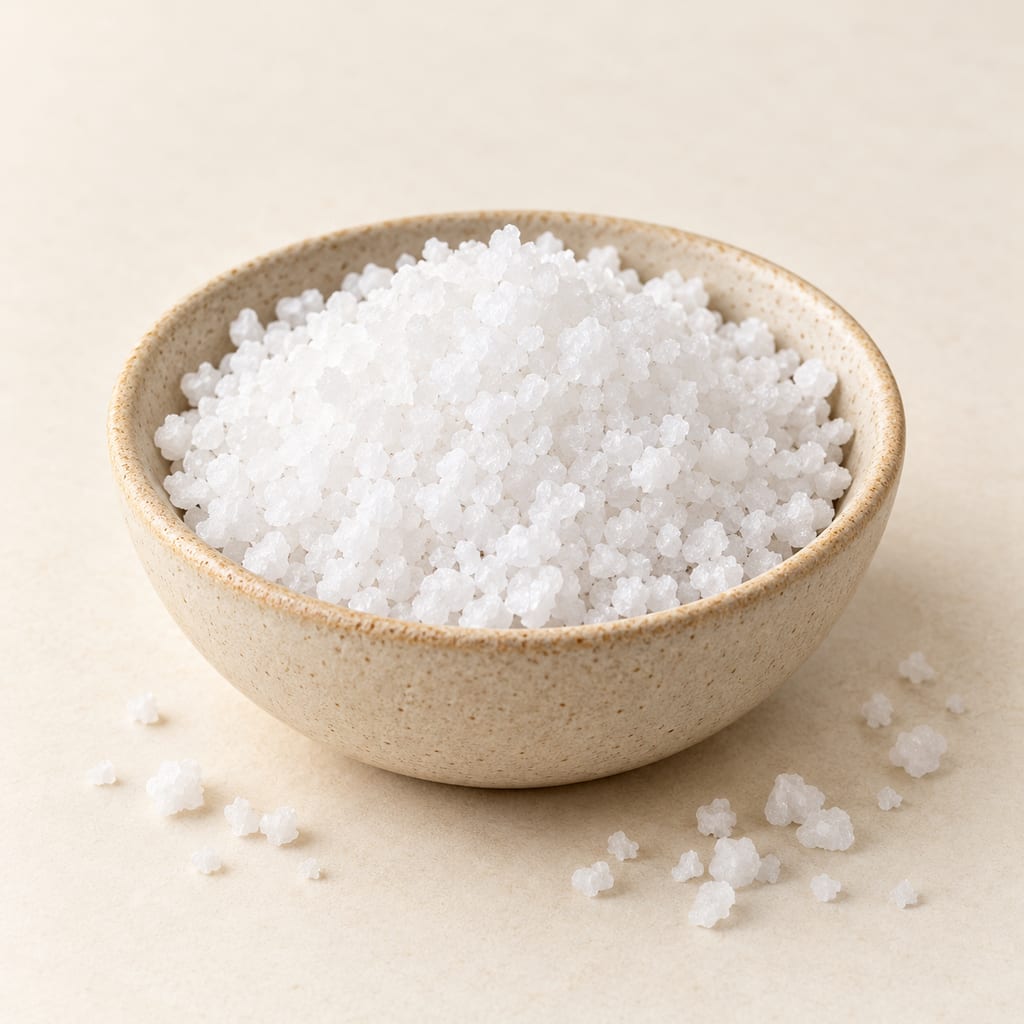
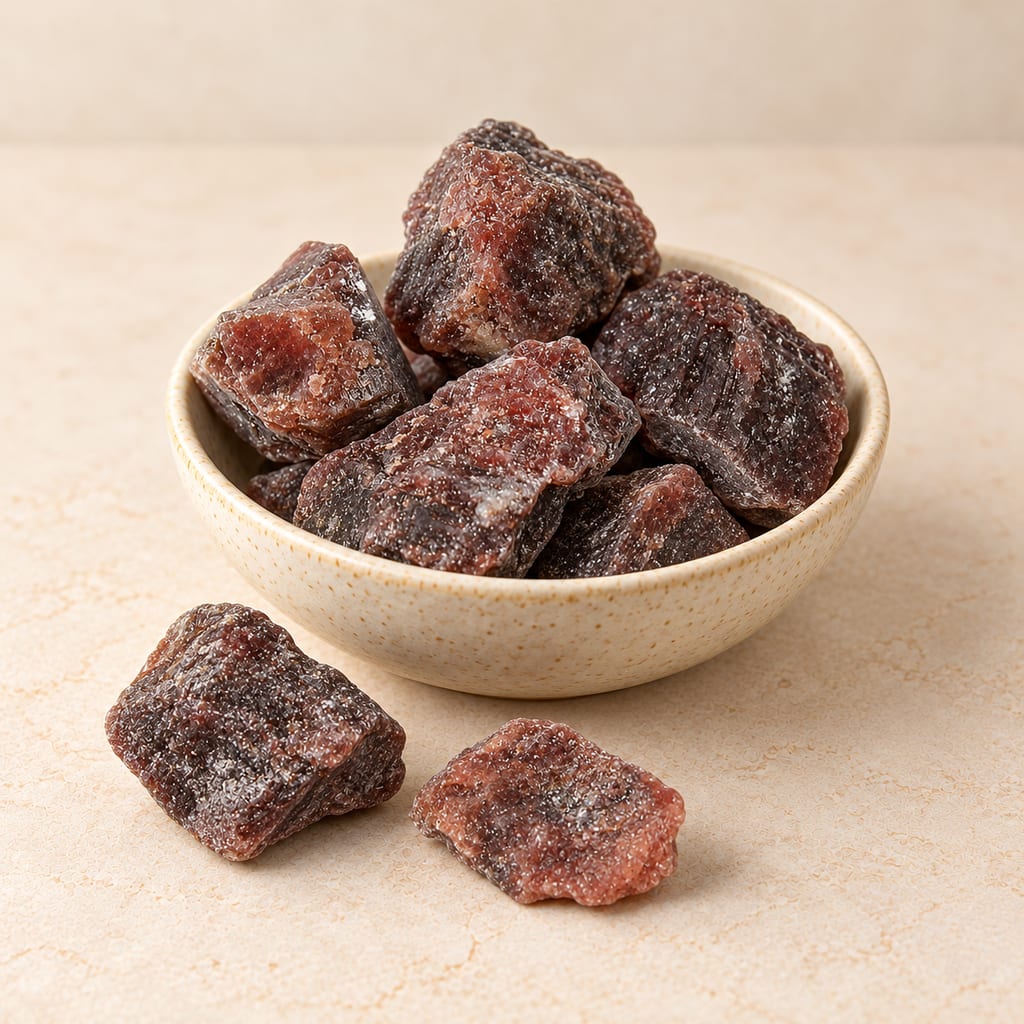
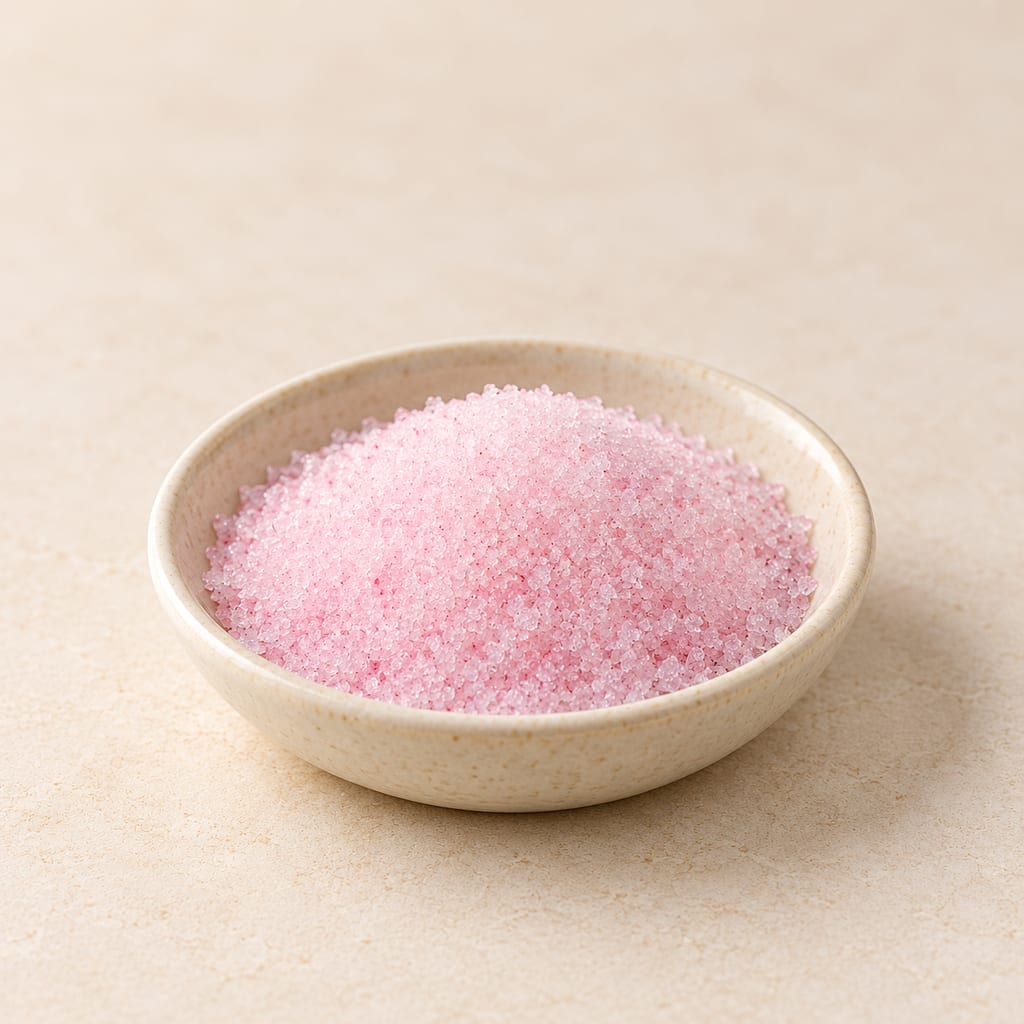
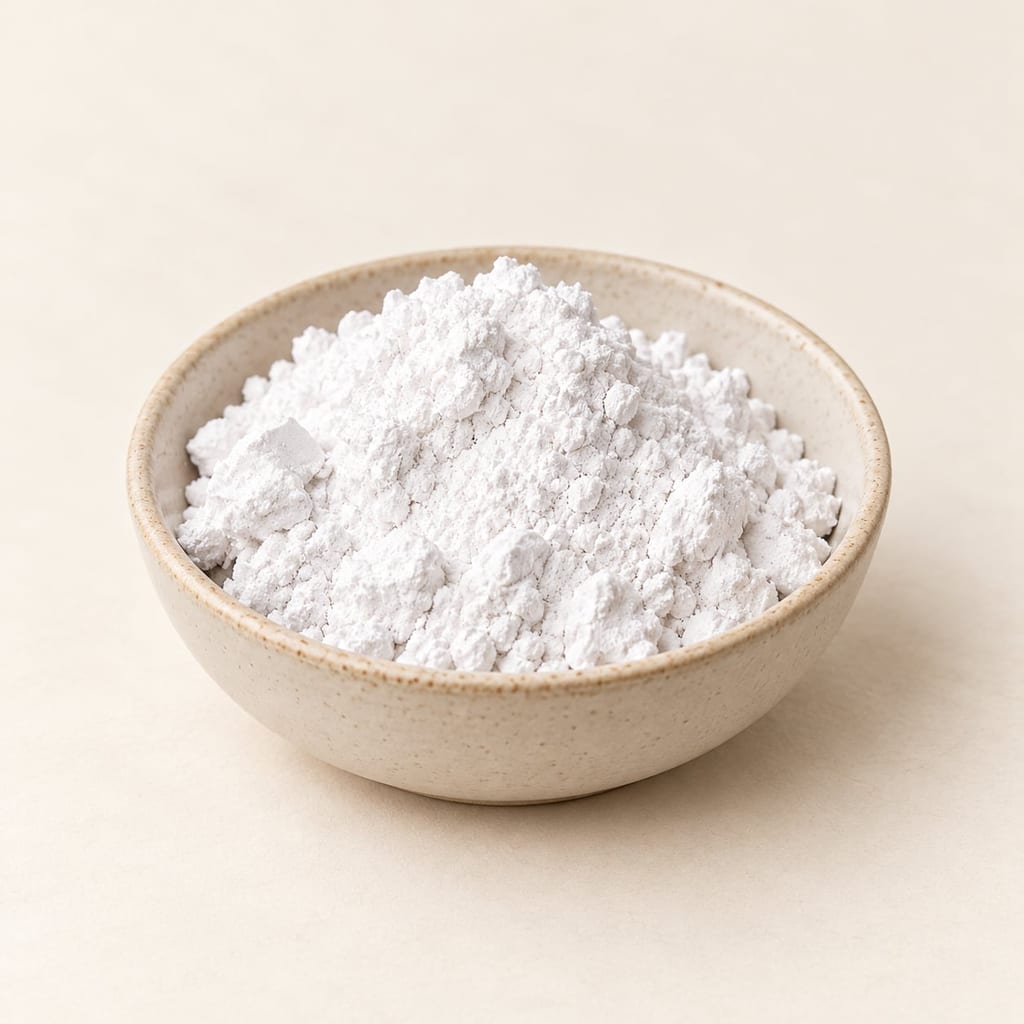

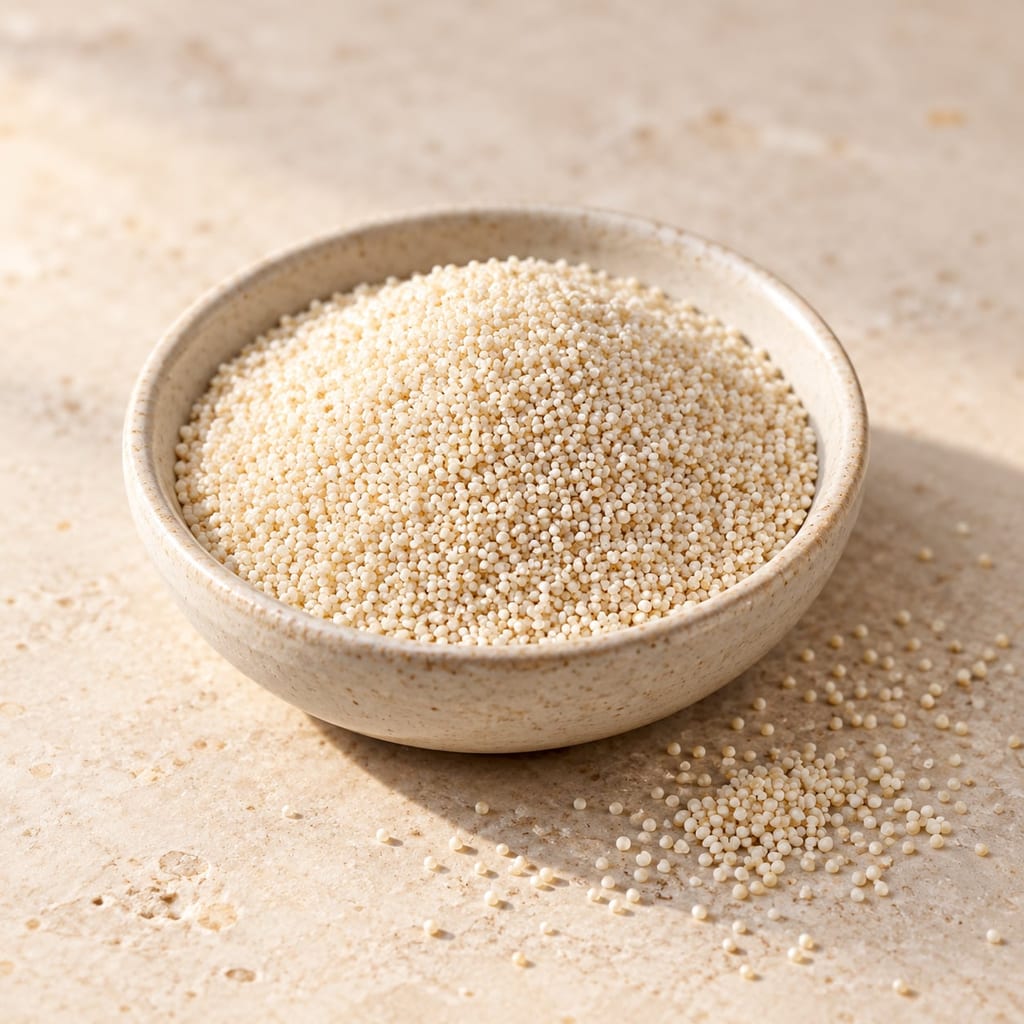
Fonio grain
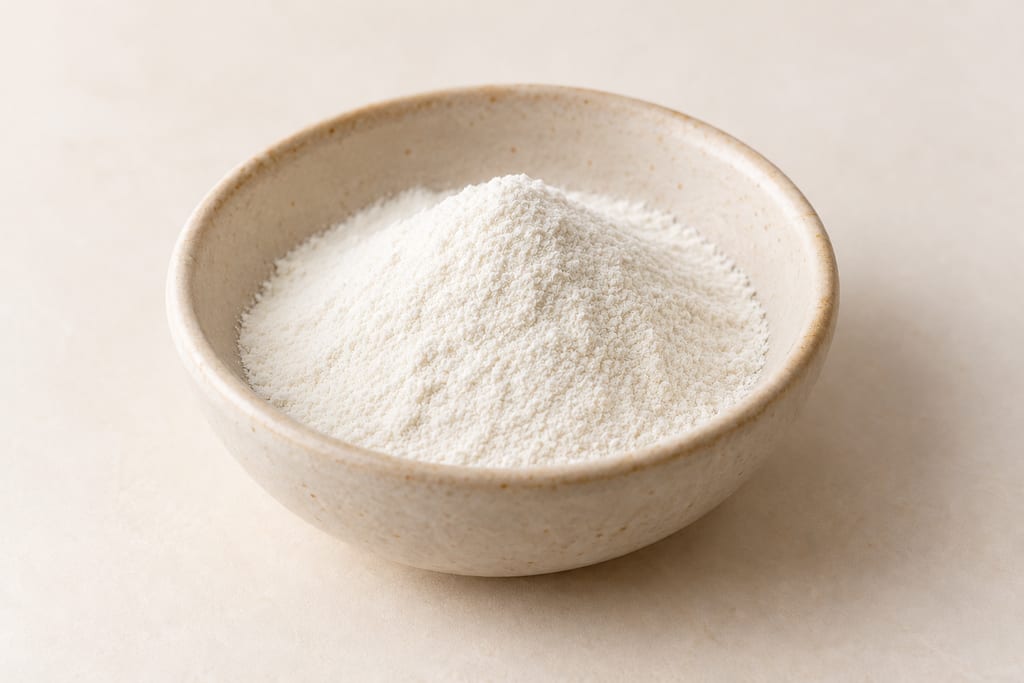
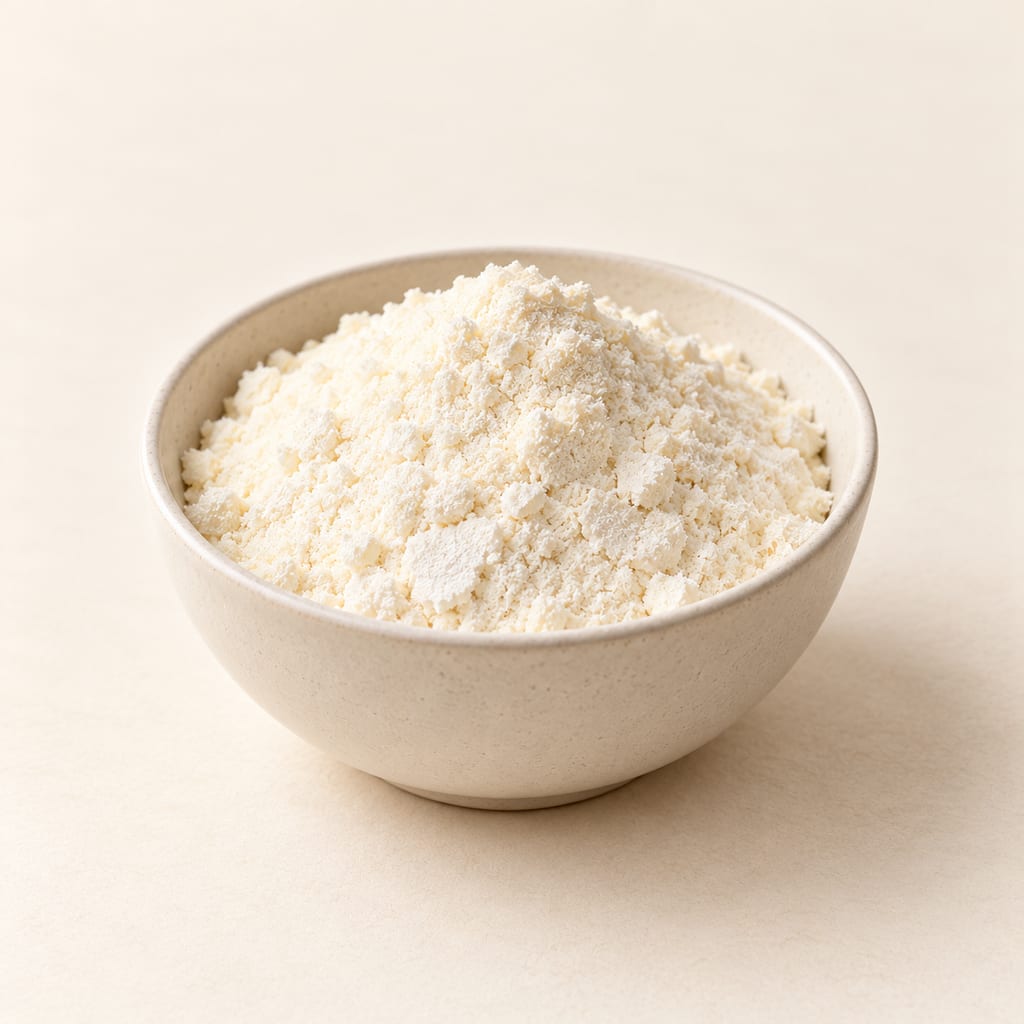
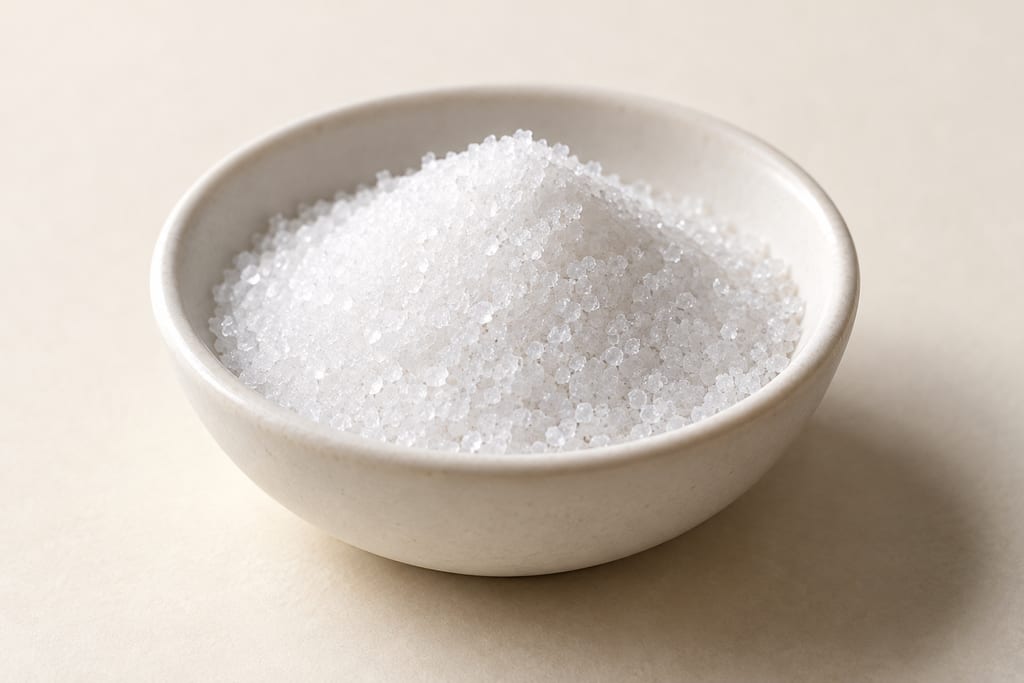
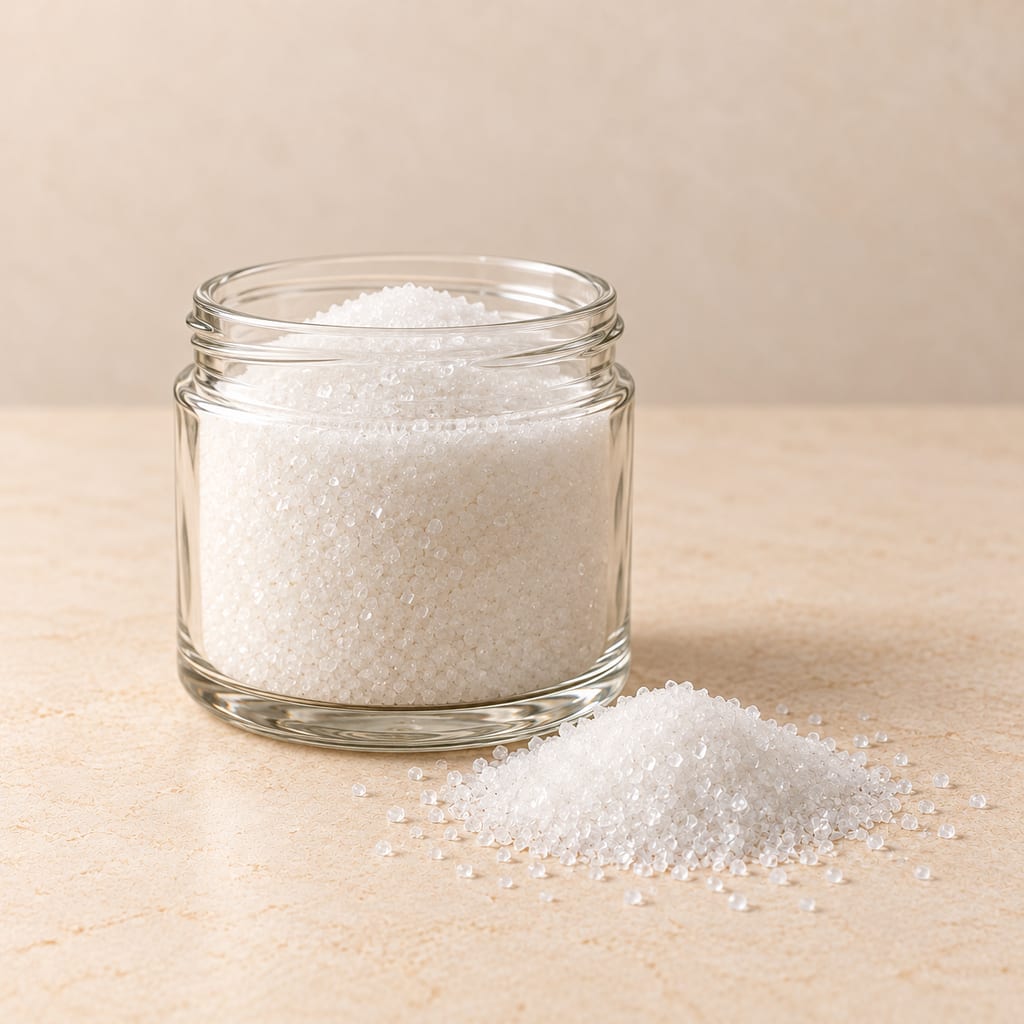
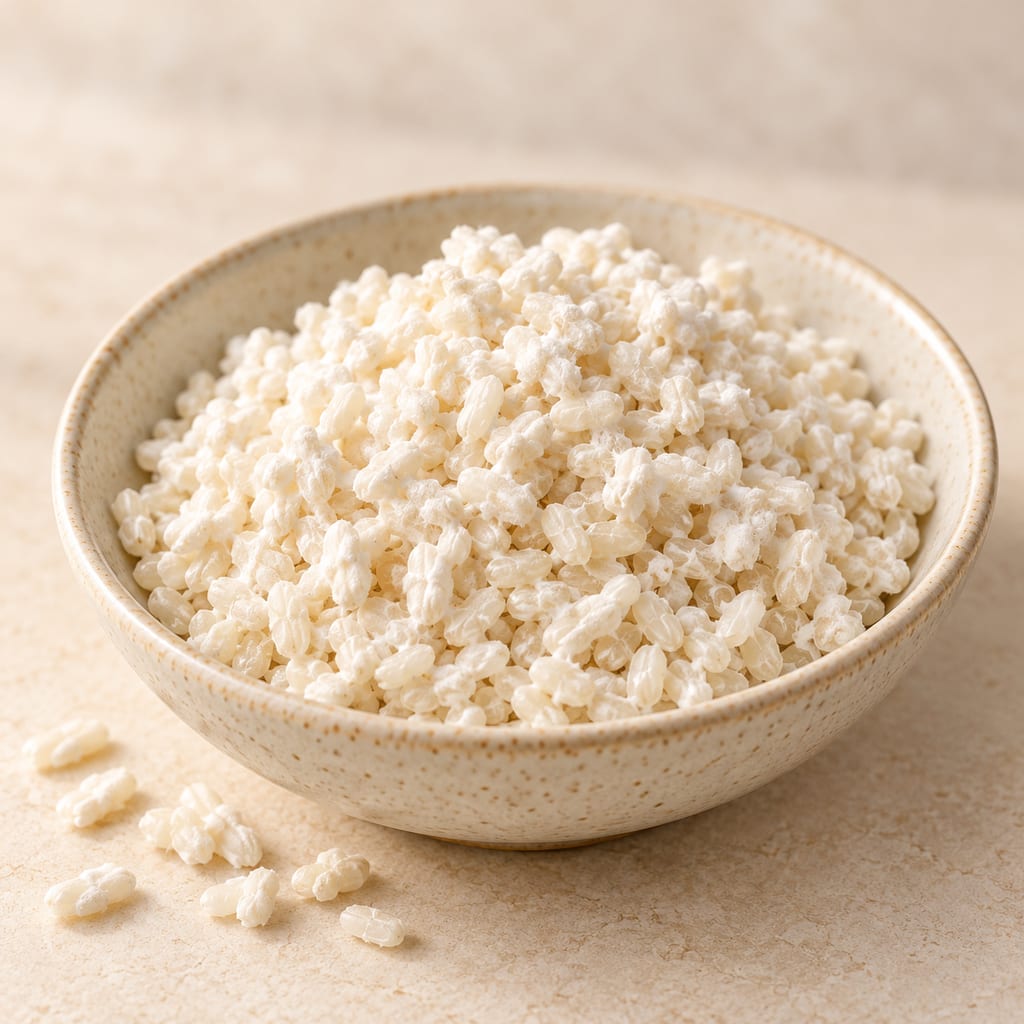
Fonio covers two distinct West African cereals: white fonio (Digitaria exilis) and black fonio (D. iburua). Both are eaten in cooked dishes; sources also document fermented drinks and controlled fonio fermentations.
 FermenteaWhere food goes to change
1086 articles on substrates, cultures and additives.
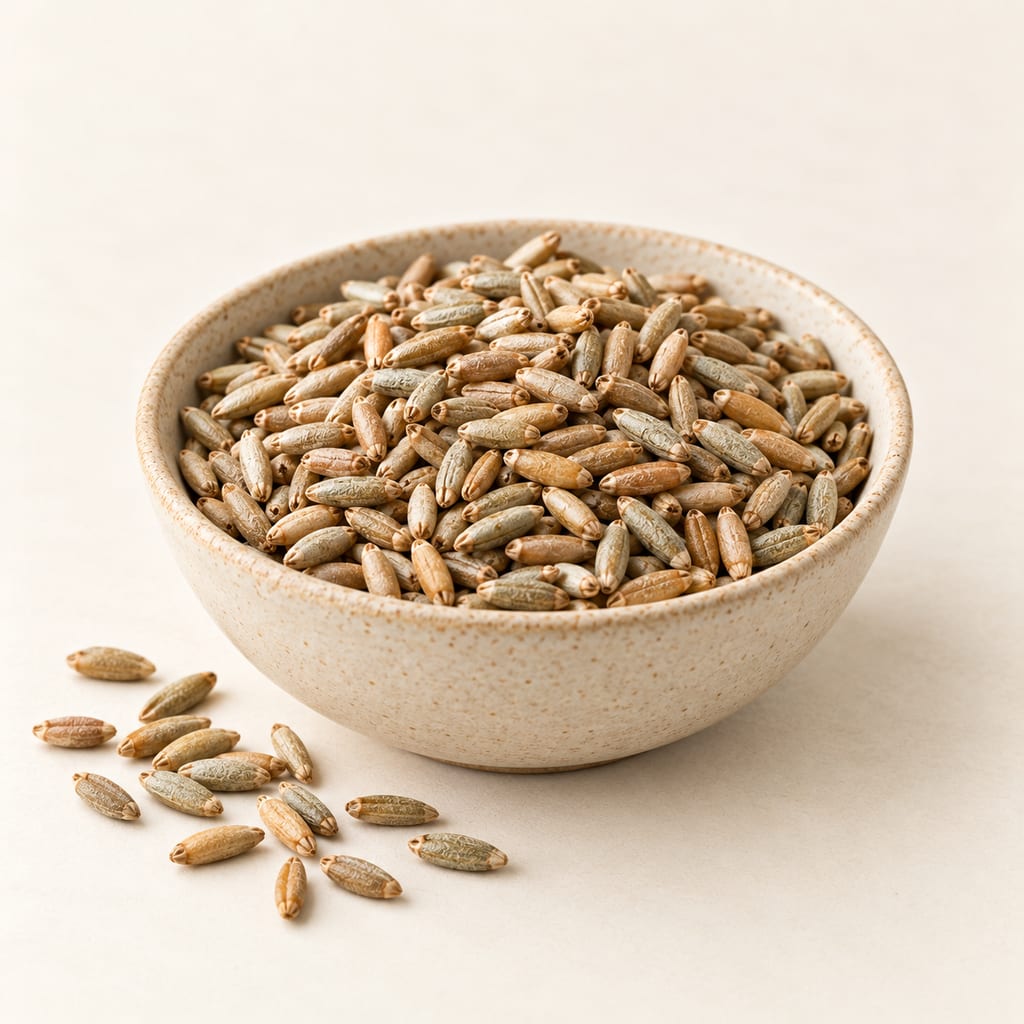 Grains, flours and brans34
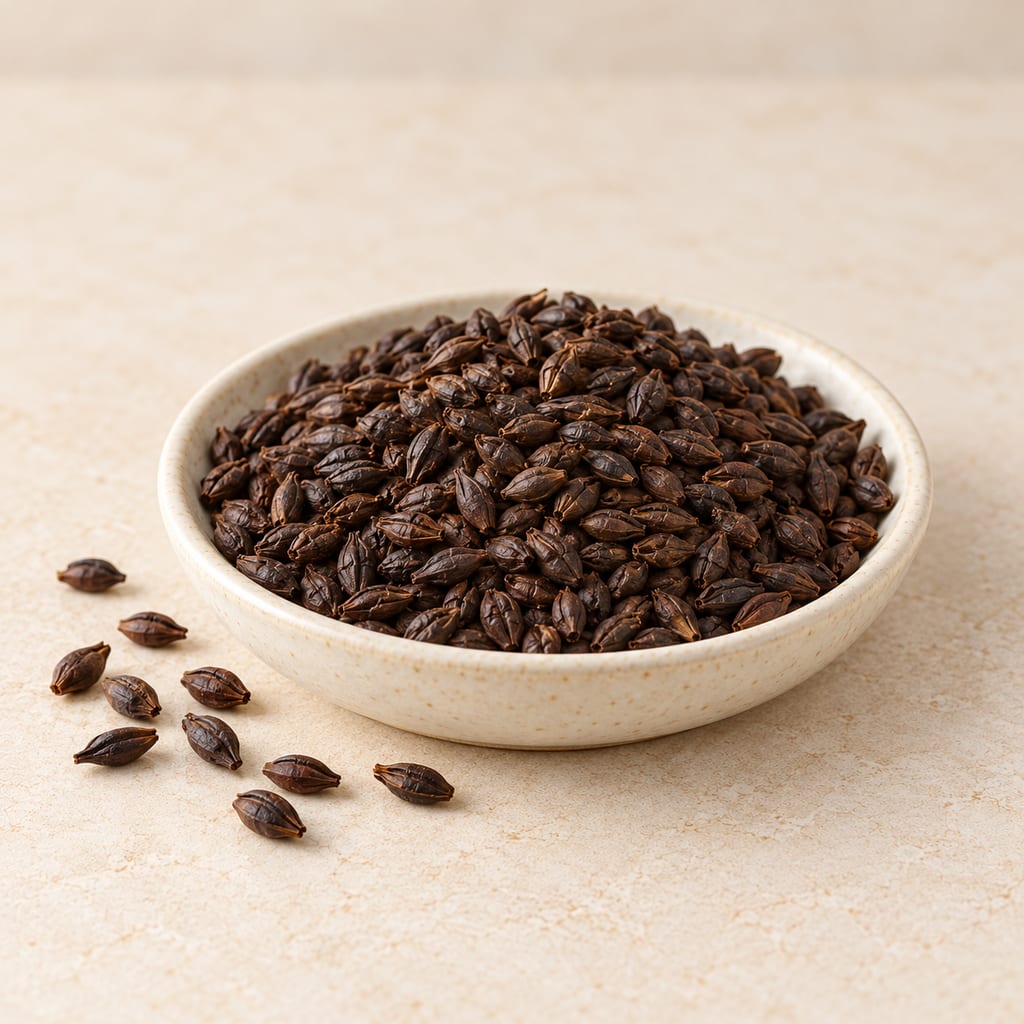 Malts and malt extracts15
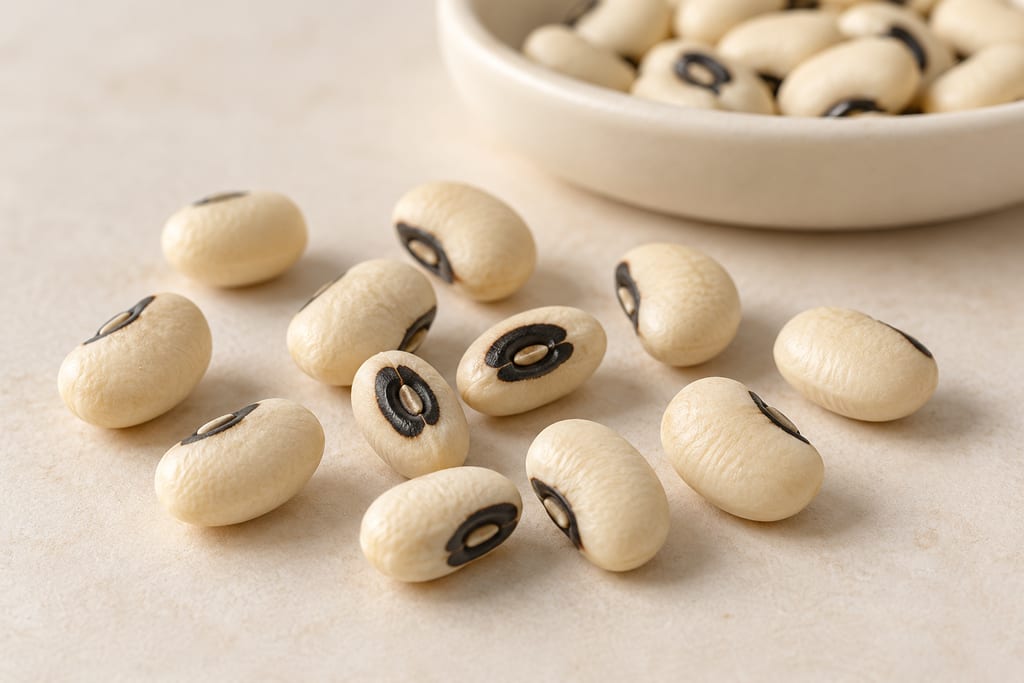 Legumes and pulses11
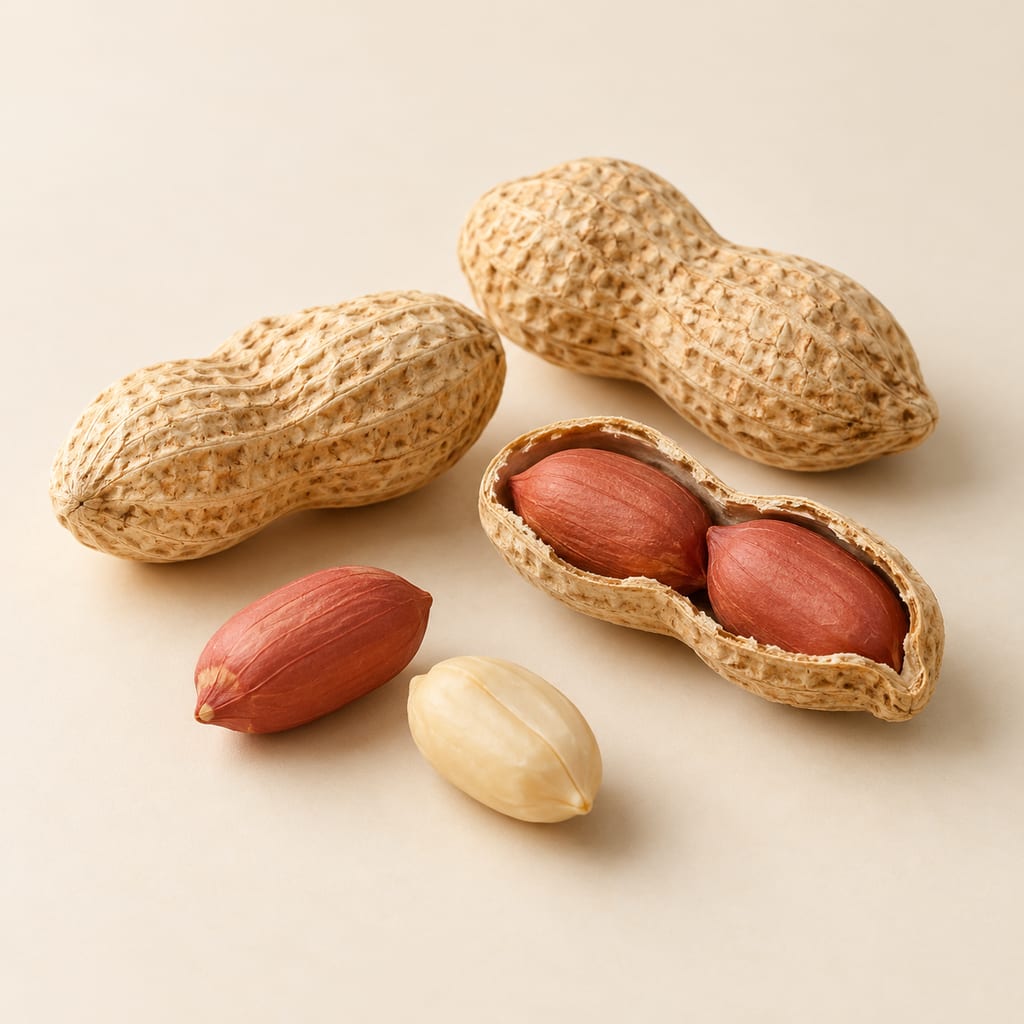 Nuts and oilseeds9
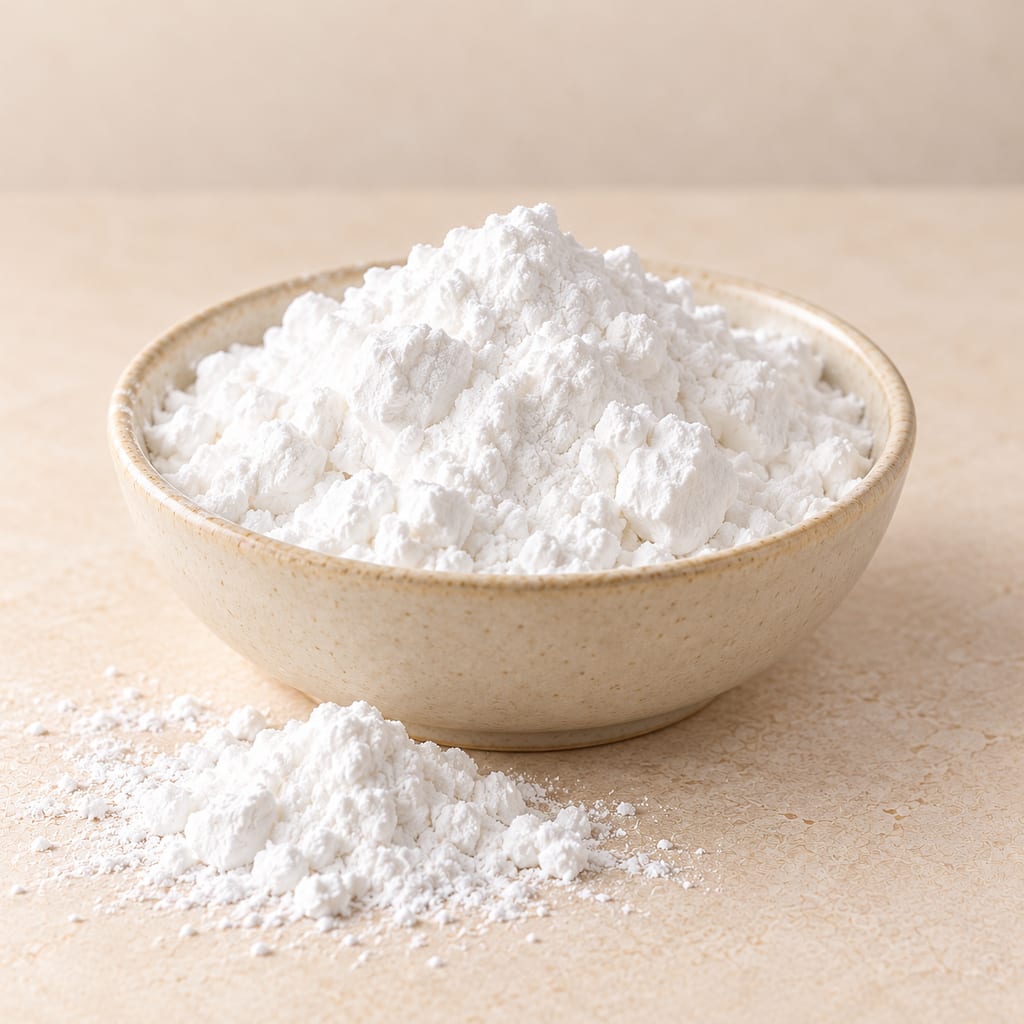 Starches4
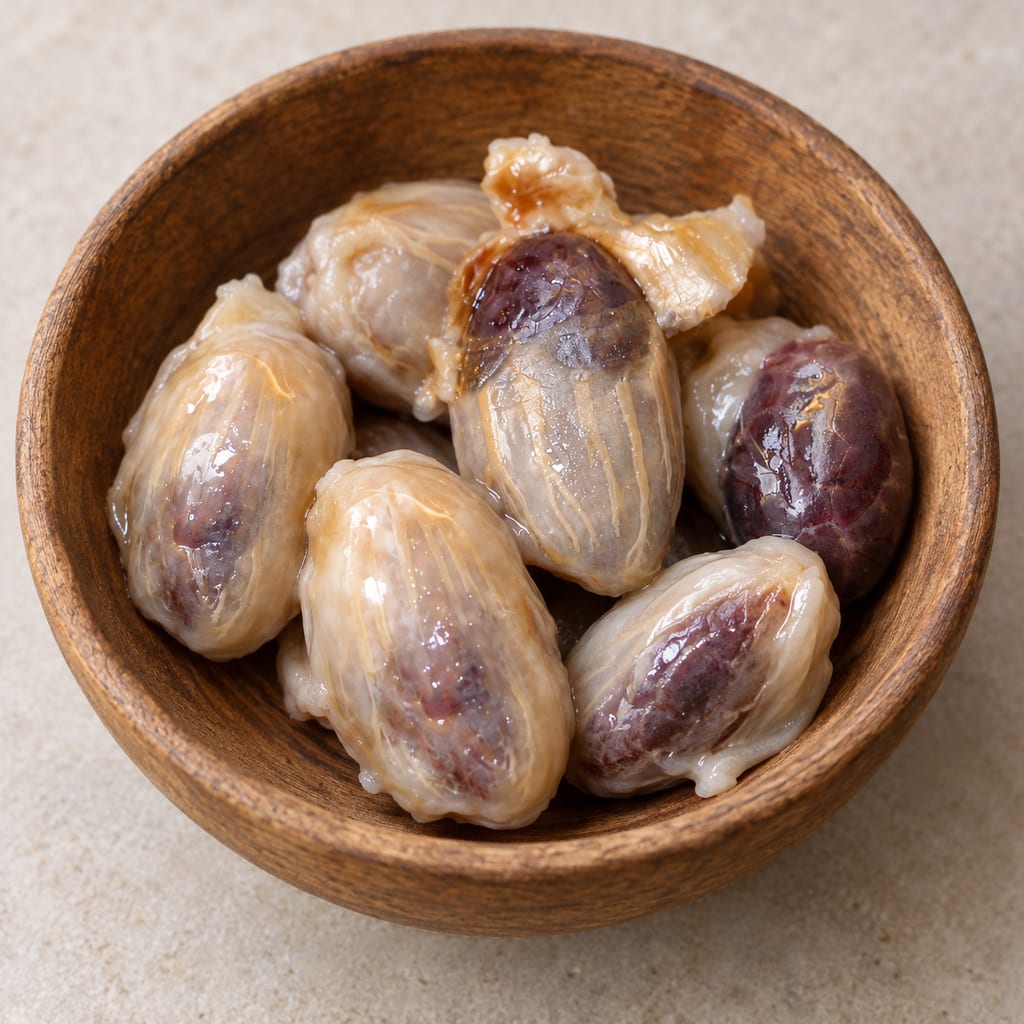 Coffee, cocoa and tea crops1
Fonio covers two distinct West African cereals: white fonio (Digitaria exilis) and black fonio (D. iburua). Both are eaten in cooked dishes; sources also document fermented drinks and controlled fonio fermentations.
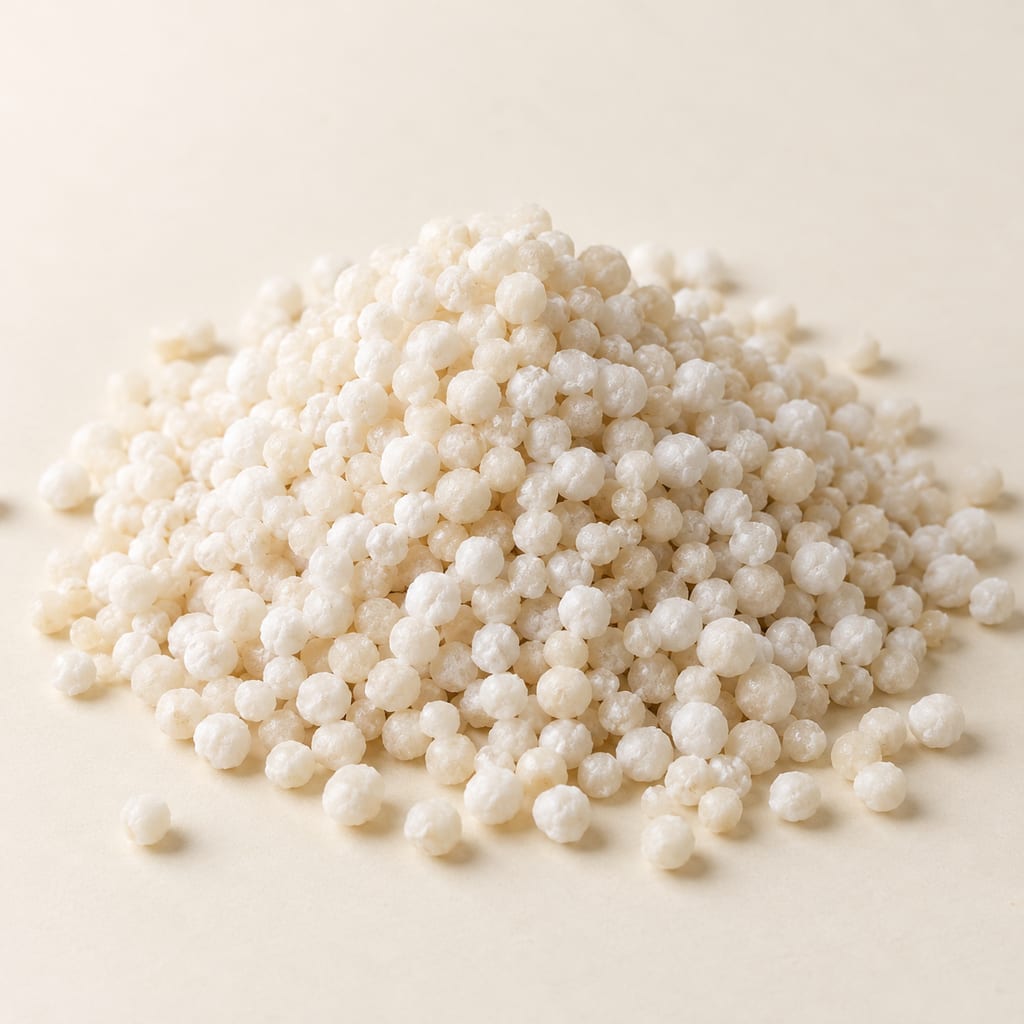
Sago is the starch extracted from the pith of several palms, mainly Metroxylon sagu, and it is dried into flour or pearls that are a staple in Southeast Asia and New Guinea.
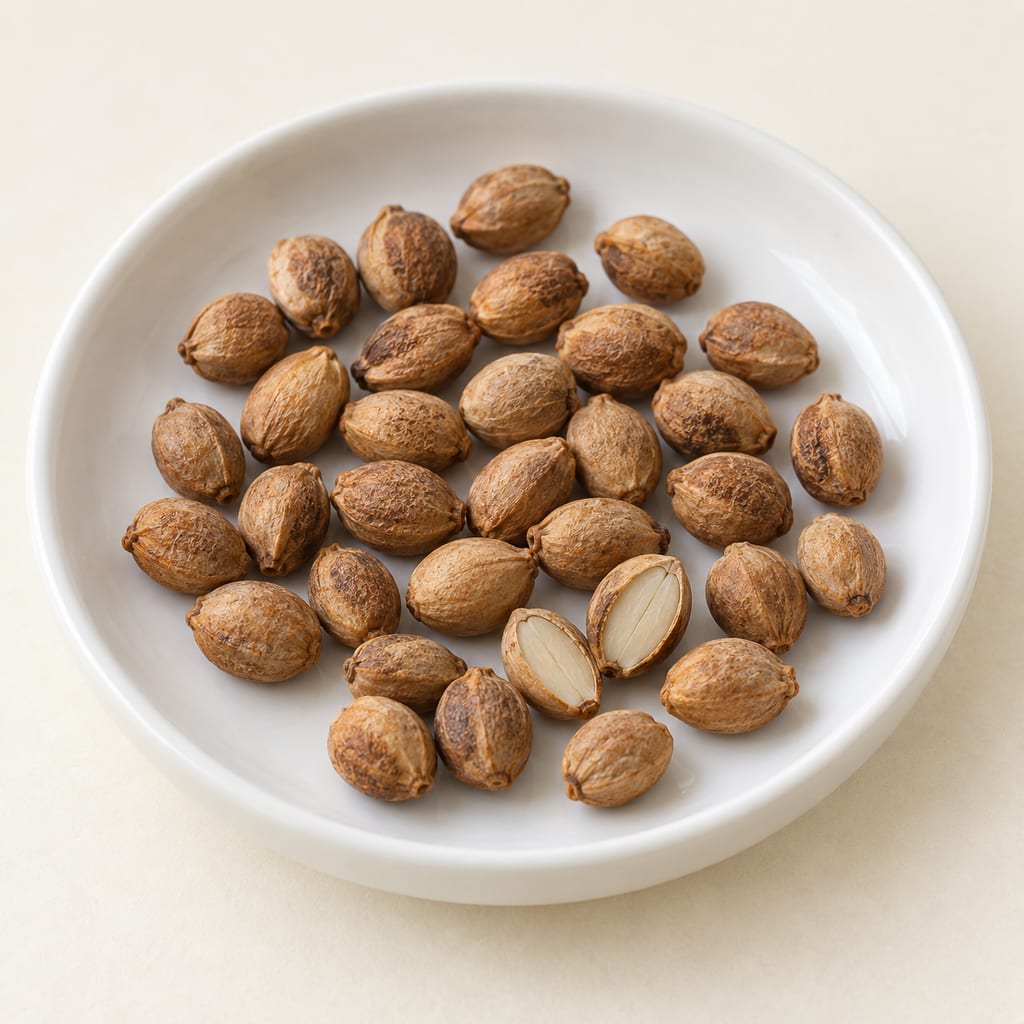
The seeds of the African breadfruit, Treculia africana, are cooked, dried and milled into flour in West and Central Africa, and the fruit is heaped and fermented before the seeds are washed out.
Remilled durum wheat flour (Italian semola rimacinata di grano duro) is durum semolina milled again to a finer particle size. It is used in regional and home breads, but handles differently from coarse semolina.
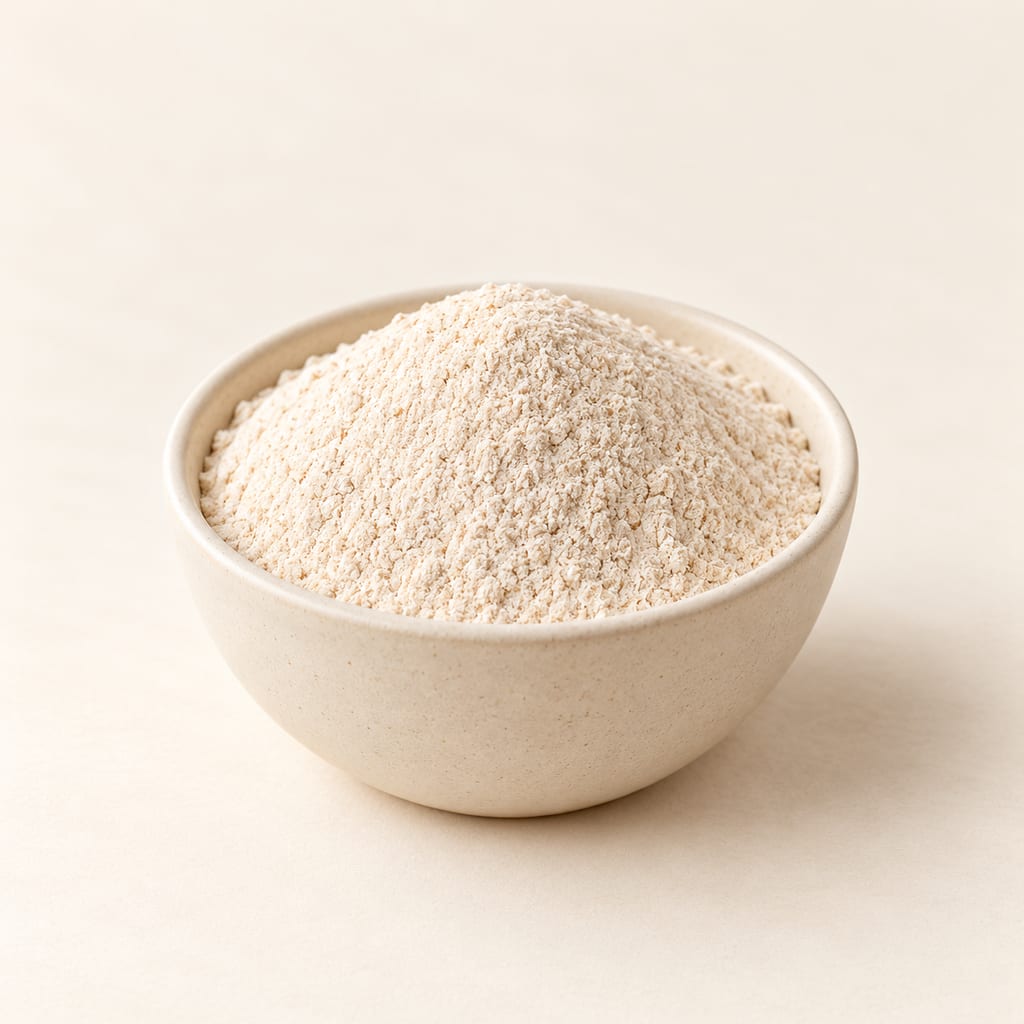
Atta is wheat flour used across South Asian bread traditions. Indian standards distinguish wheat flour (atta) from resultant atta; milling route and particle size shape its behavior in chapati dough.
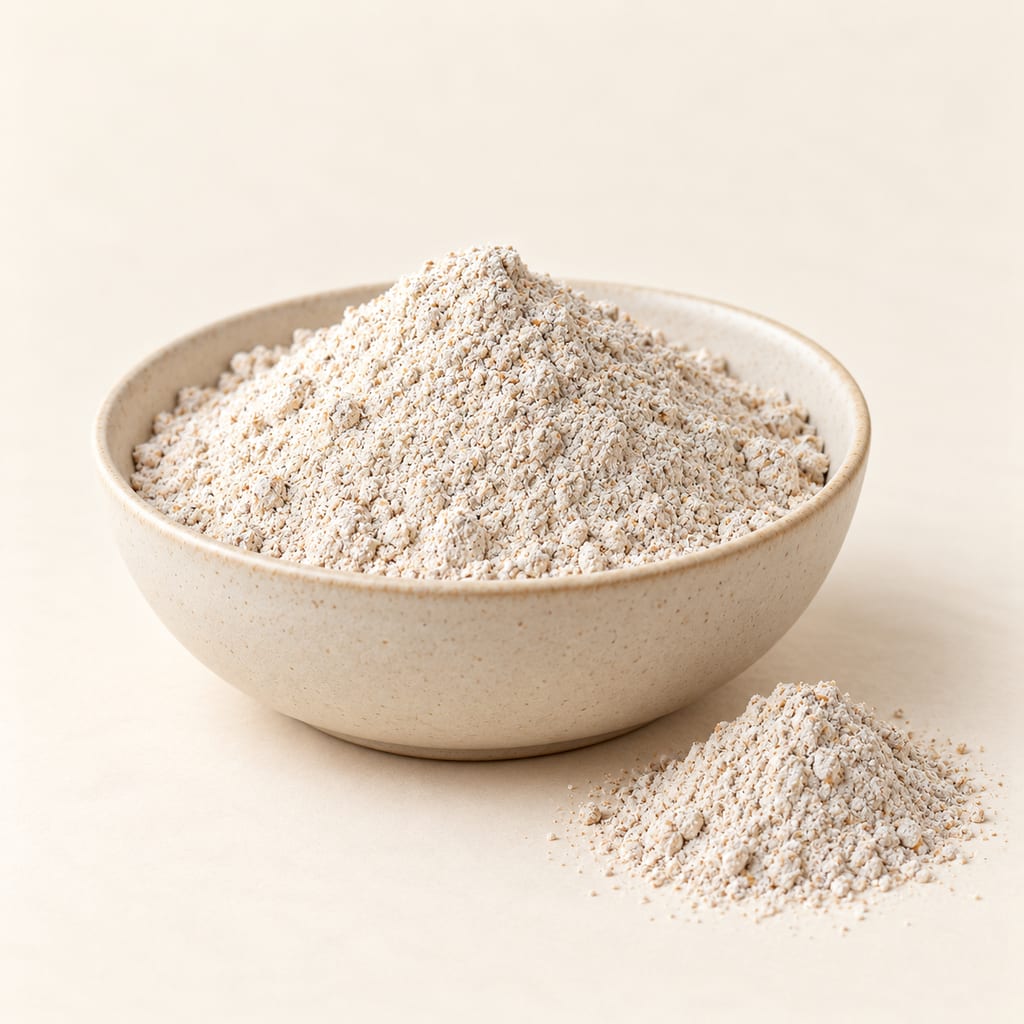
Rye flour is milled rye grain, sold as sifted, dark or wholemeal forms. Its starch and water-binding arabinoxylans shape rye breads, while its proteins do not form wheat's gas-trapping network.
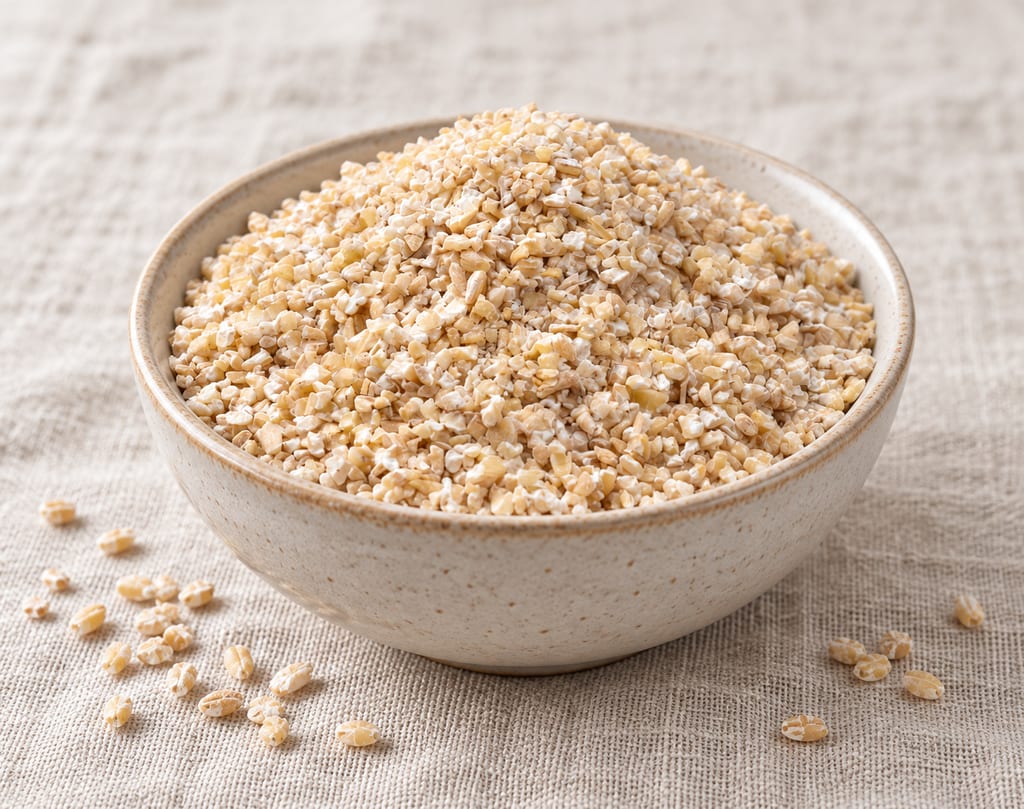
Barley groats are barley kernels with their inedible outer hull removed, sold whole or further cut and polished. In Småland’s coarse isterband sausage, cooked korngryn may extend pork and/or beef, alongside or instead of potato.
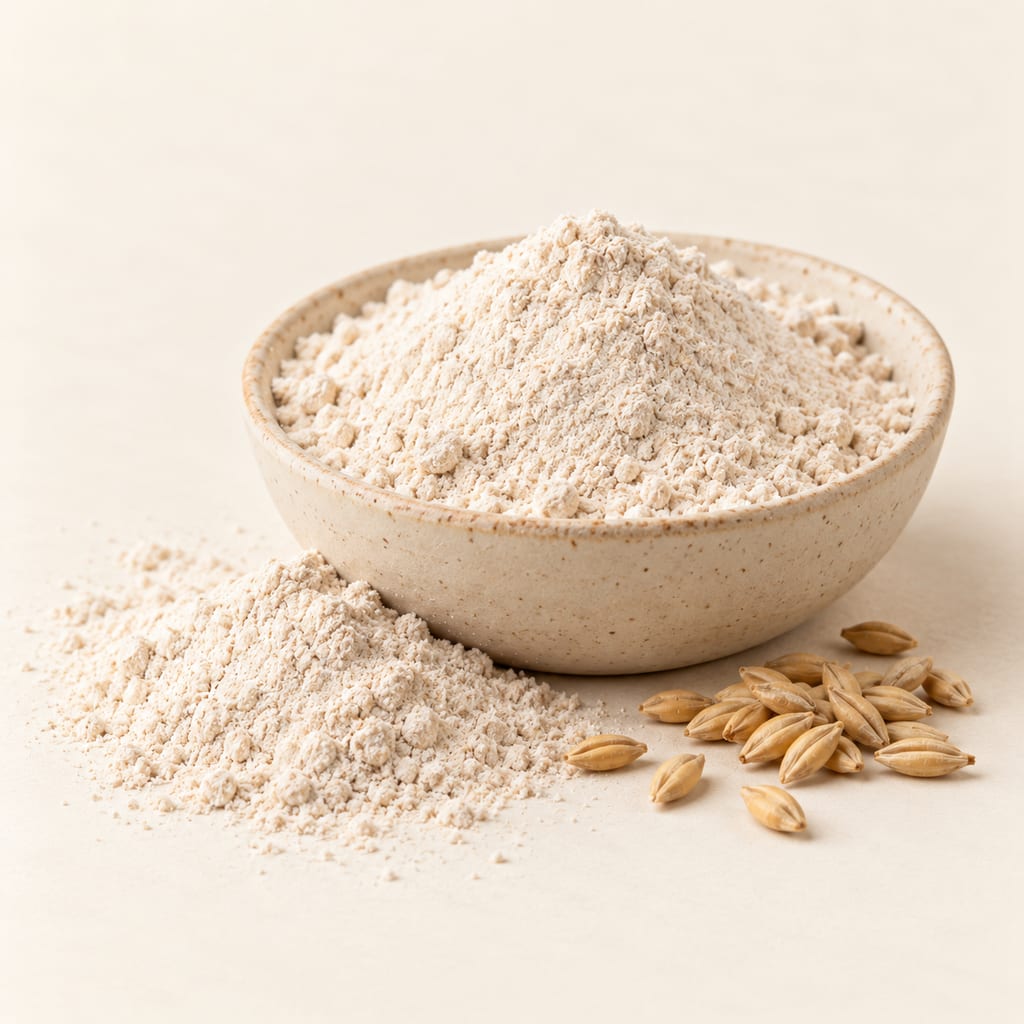
Barley flour is ground barley grain; whether it comes from pearled or hulless kernels, its milling and limited wheat-like gluten-forming ability shape the doughs and foods it can make.
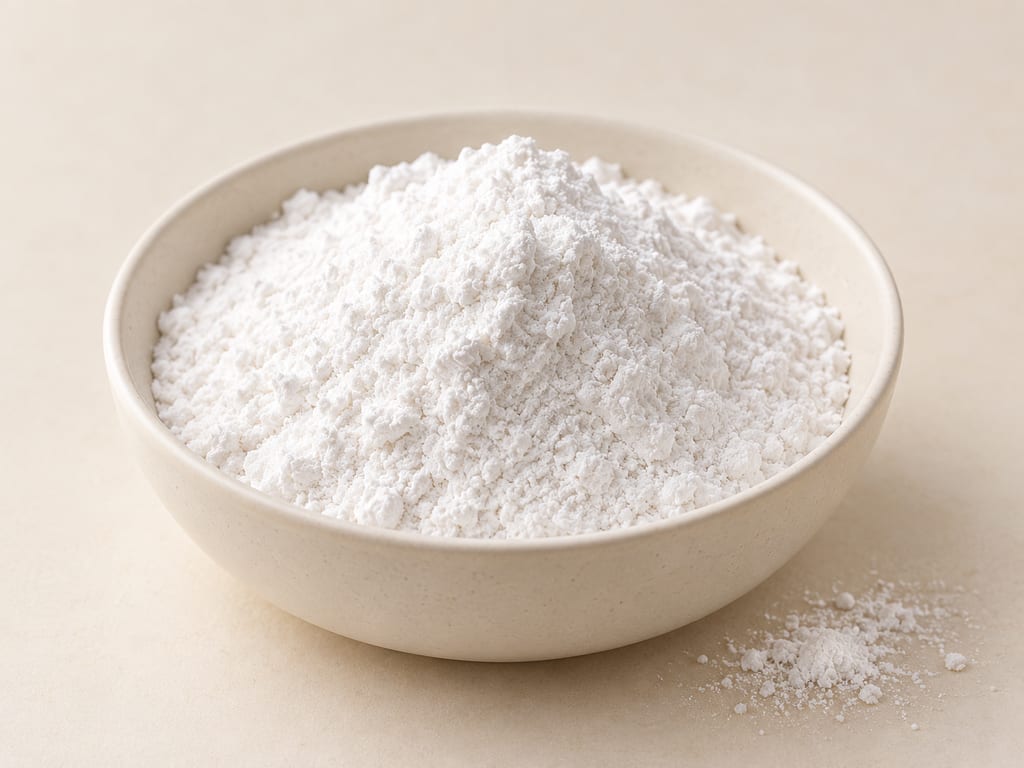
Flour from waxy rice varieties sets into cohesive, chewy doughs and pastes. Cooks use it in rice cakes, dumplings, selected breads and fermented seasoning pastes.
Oat flour is milled oats, from fine whole-groat powder to flour with some bran removed; its low gluten-forming capacity changes how it behaves in dough.
Rice flour is ground, non-waxy rice used in breads, batters and noodles. Its particle size, milling and rice variety shape how it absorbs water and sets when cooked.
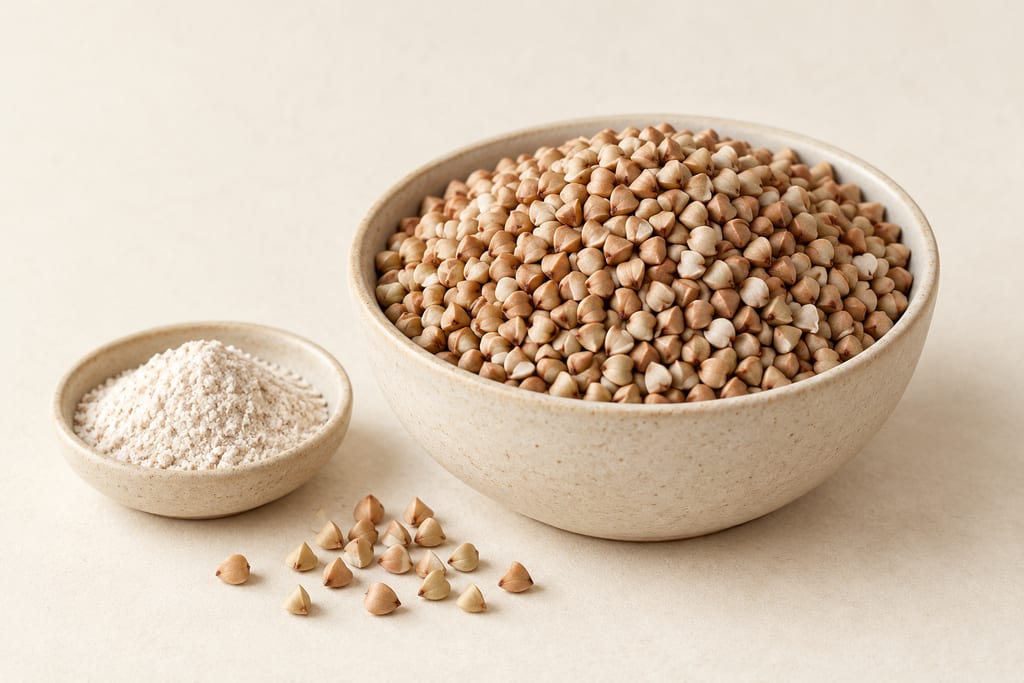
Buckwheat is a triangular-seeded flowering plant whose whole groats and flour cross regional food traditions, from porridge and pancakes to modern sourdough and gluten-free bread.
Wheat is the edible seed of grasses in the Triticum genus, a diverse family of grain crops used whole, cracked and milled. The page covers the raw grain; flour grades and blends have separate pages.
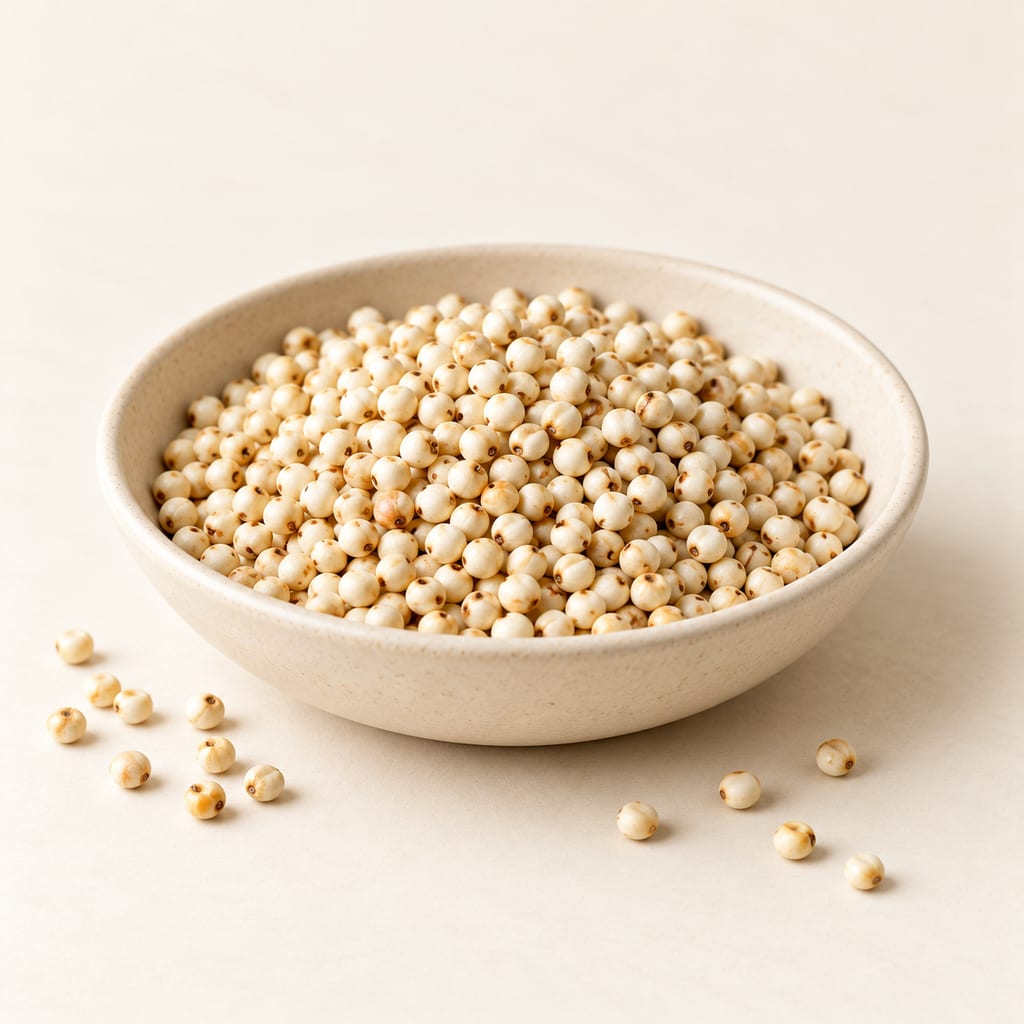
Sorghum is the grain of Sorghum bicolor, a variable African-origin cereal used whole, milled, malted and cooked in distinct fermented foods and drinks.
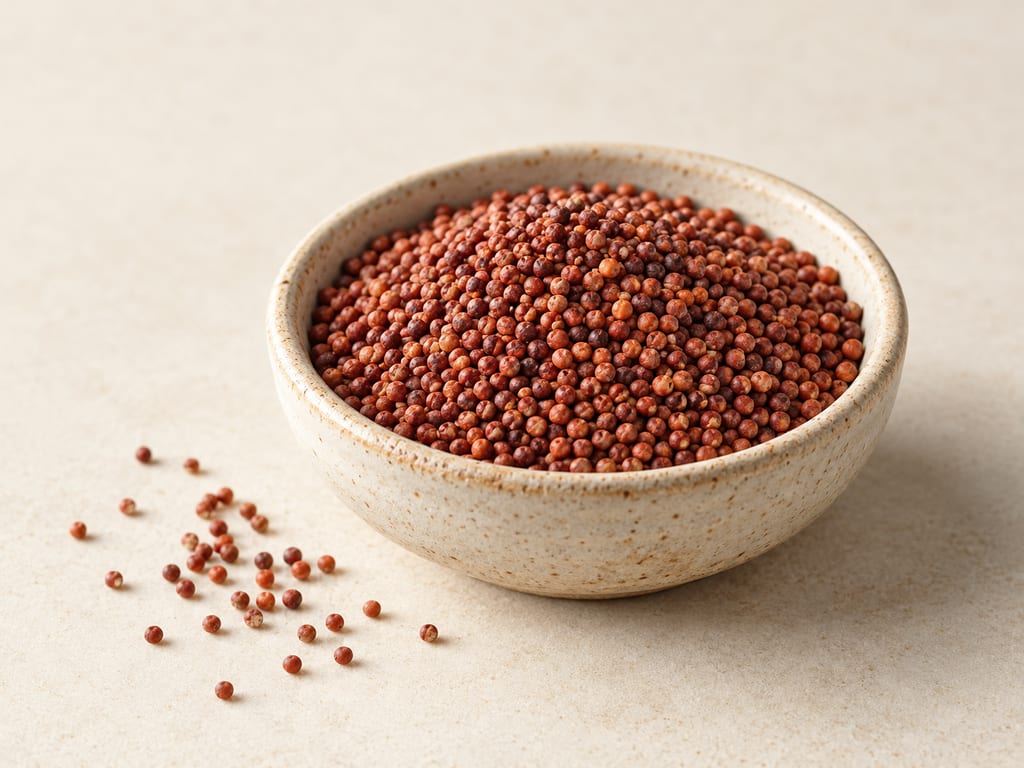
Finger millet (Eleusine coracana) is a small-grained cereal grown across parts of Africa and Asia. It is milled, cooked, malted and fermented in distinct food traditions.
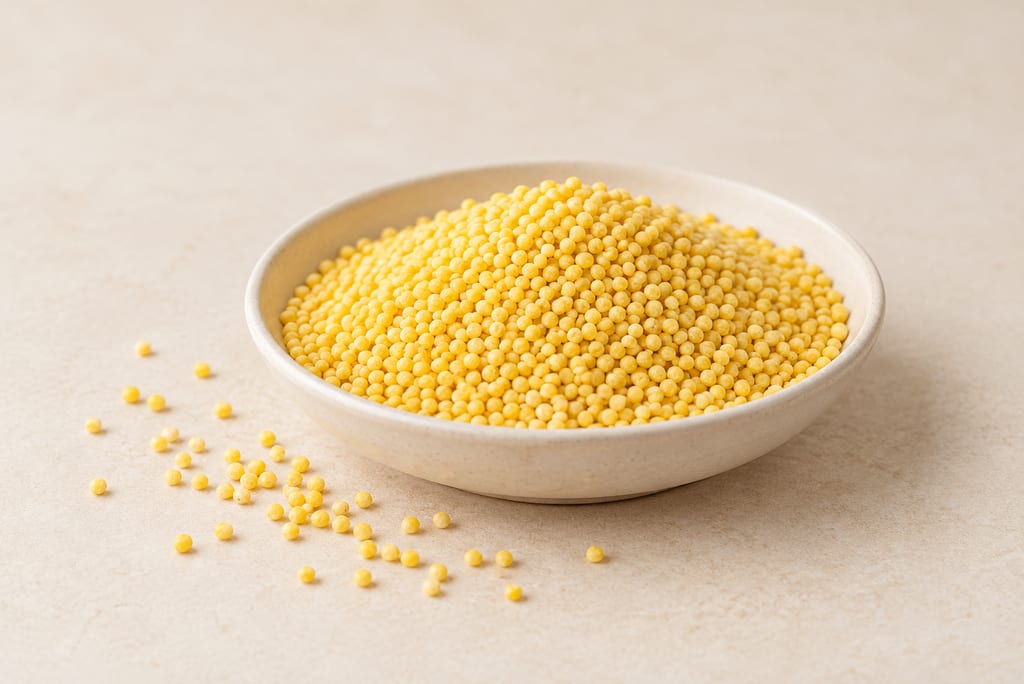
Millet names several small-seeded cereals. In African fermented foods, pearl millet and finger millet become sour gruels, doughs and drinks through distinct combinations of soaking, milling, cooking, malting and fermentation.
The grain of Secale cereale is milled whole or refined for breads whose crumb, flavour and fermentation differ from wheat loaves.
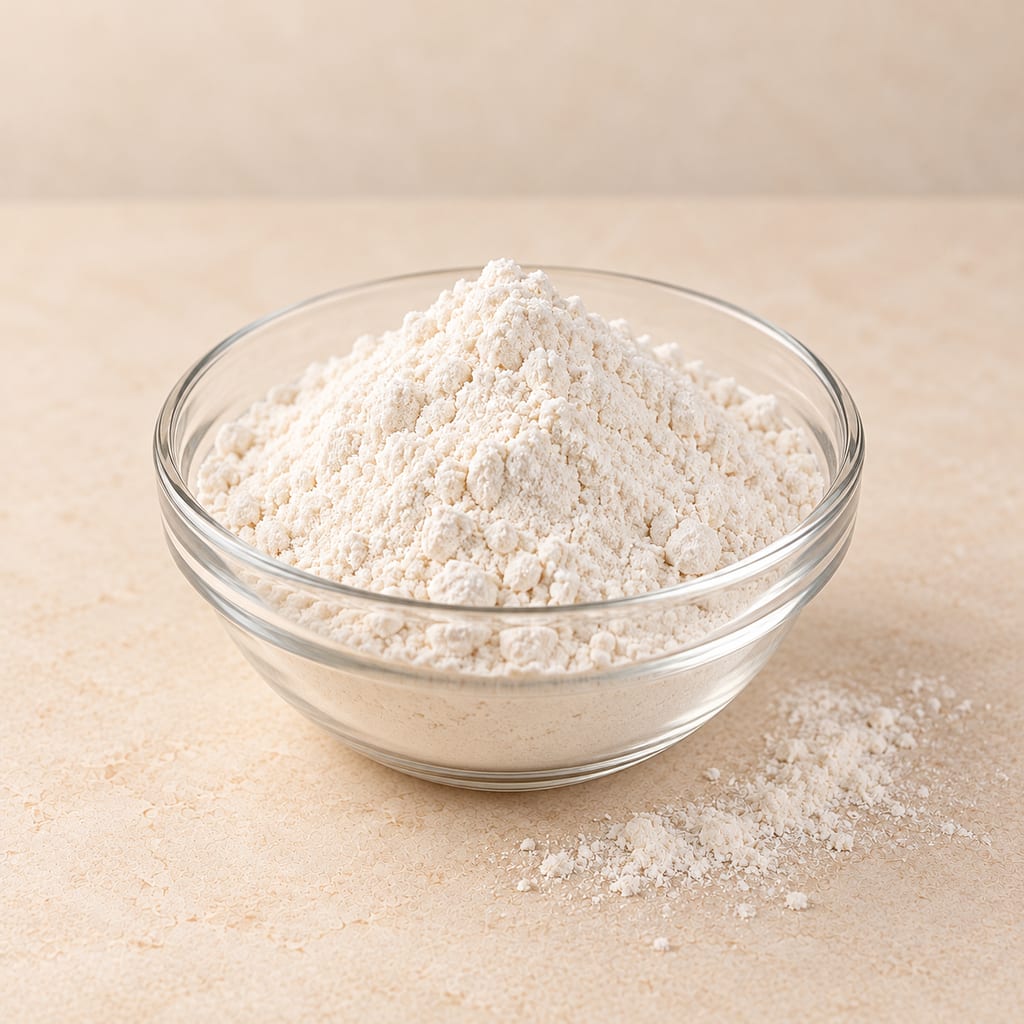
Bread flour and all-purpose flour give yeast dough its gluten network; pan de cristal and pain de mie use them in different ways.
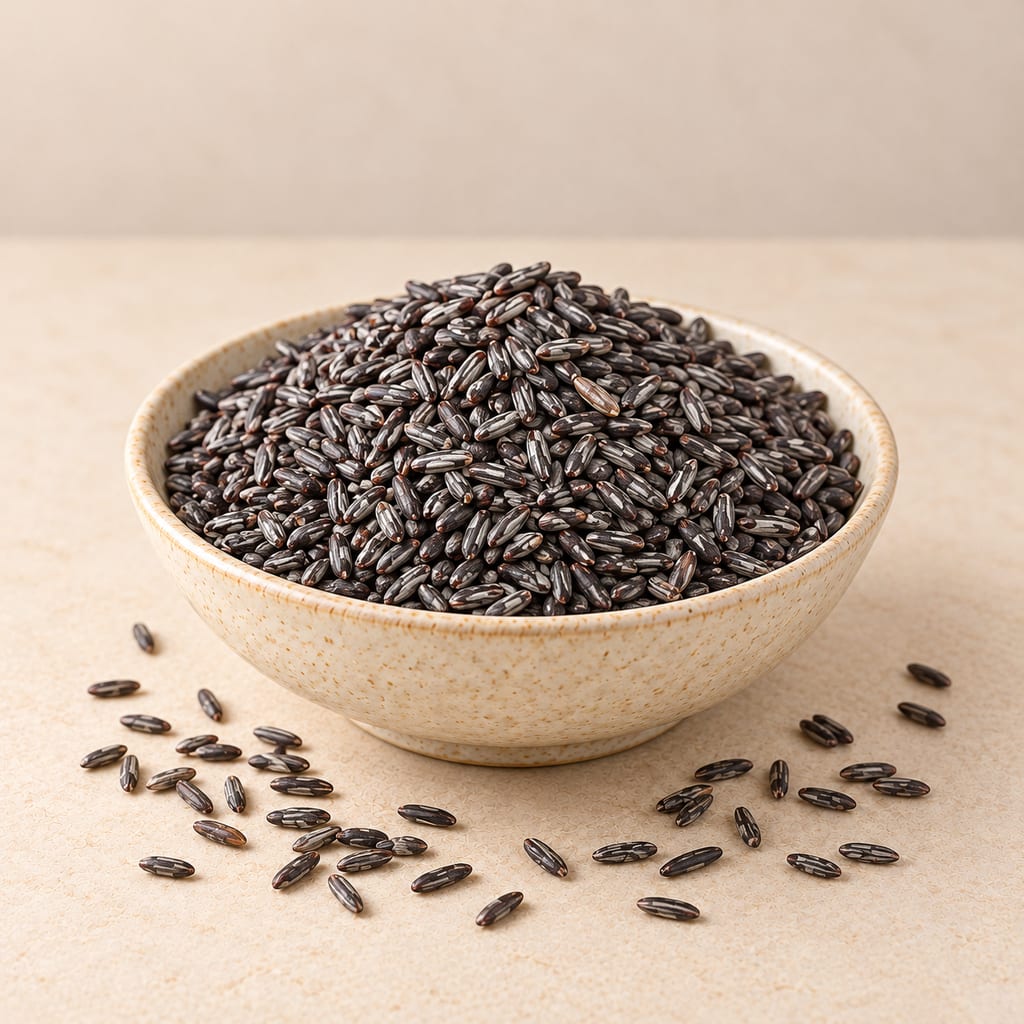
Dahyangheukmi (다향흑미) is a registered Korean black-rice cultivar with an aromatic, non-glutinous grain. It has been used to make rice-flour nuruk, yakju and gochujang in published studies.
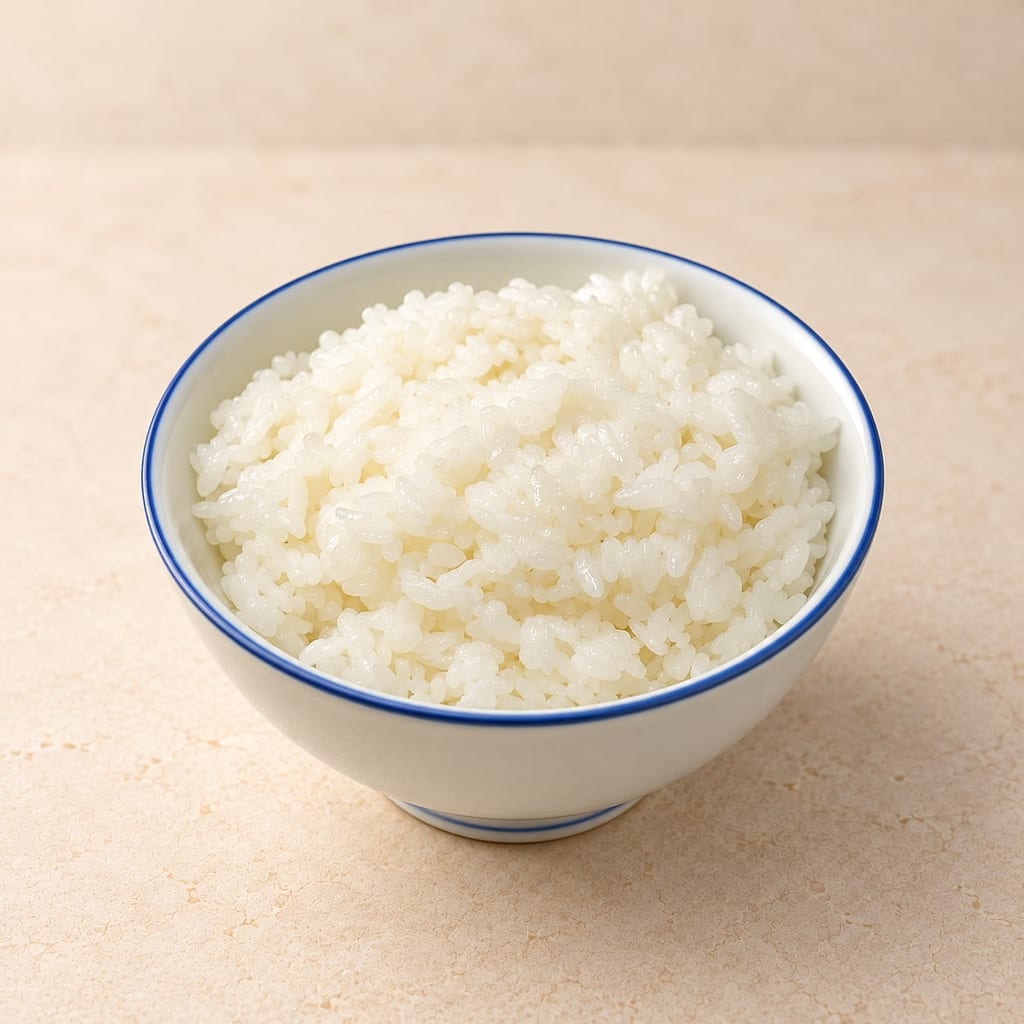
Cooked rice is rice grain heated in water until its starch gelatinizes; in Thai sour sausage it feeds the bacteria that acidify the meat.
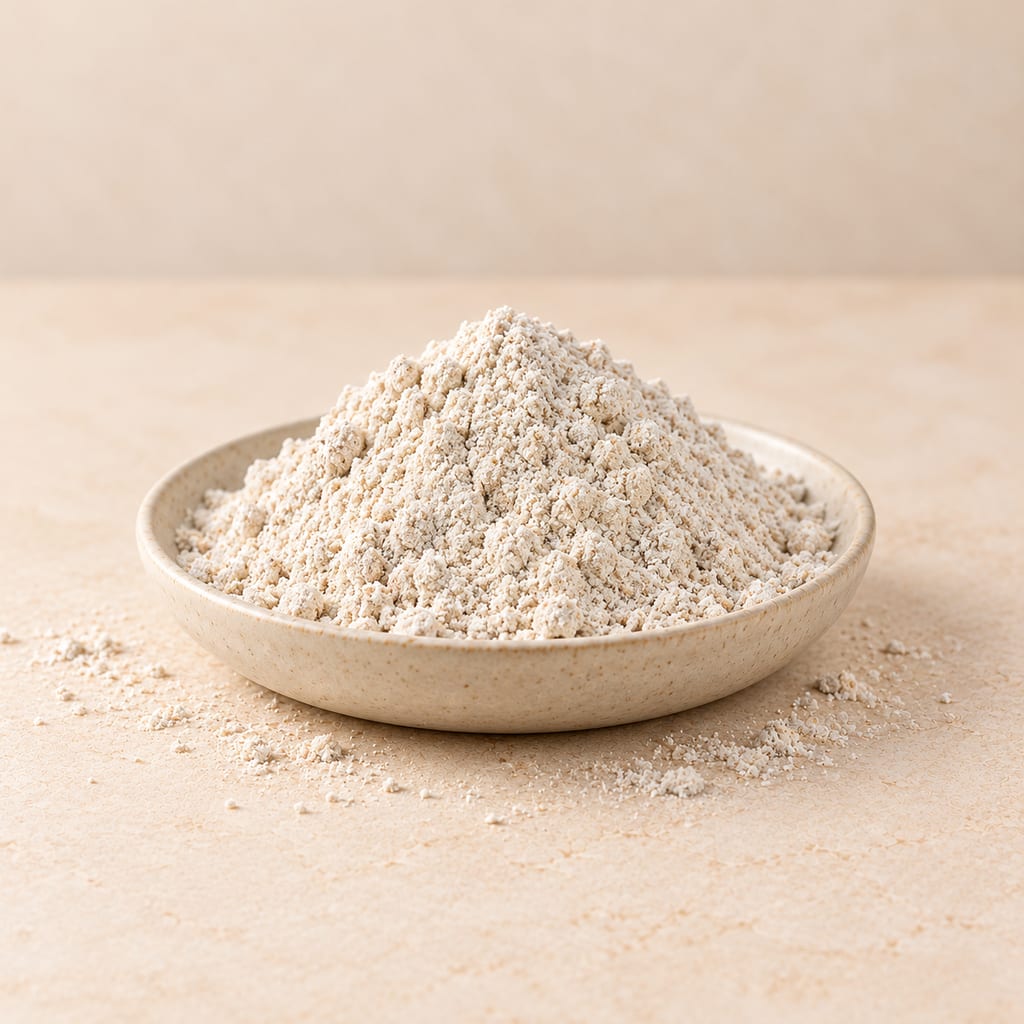
King Arthur Rye Flour Blend combines rye flours with wheat flour for rye character in a dough with some wheat gluten structure. Its component proportions are undisclosed.
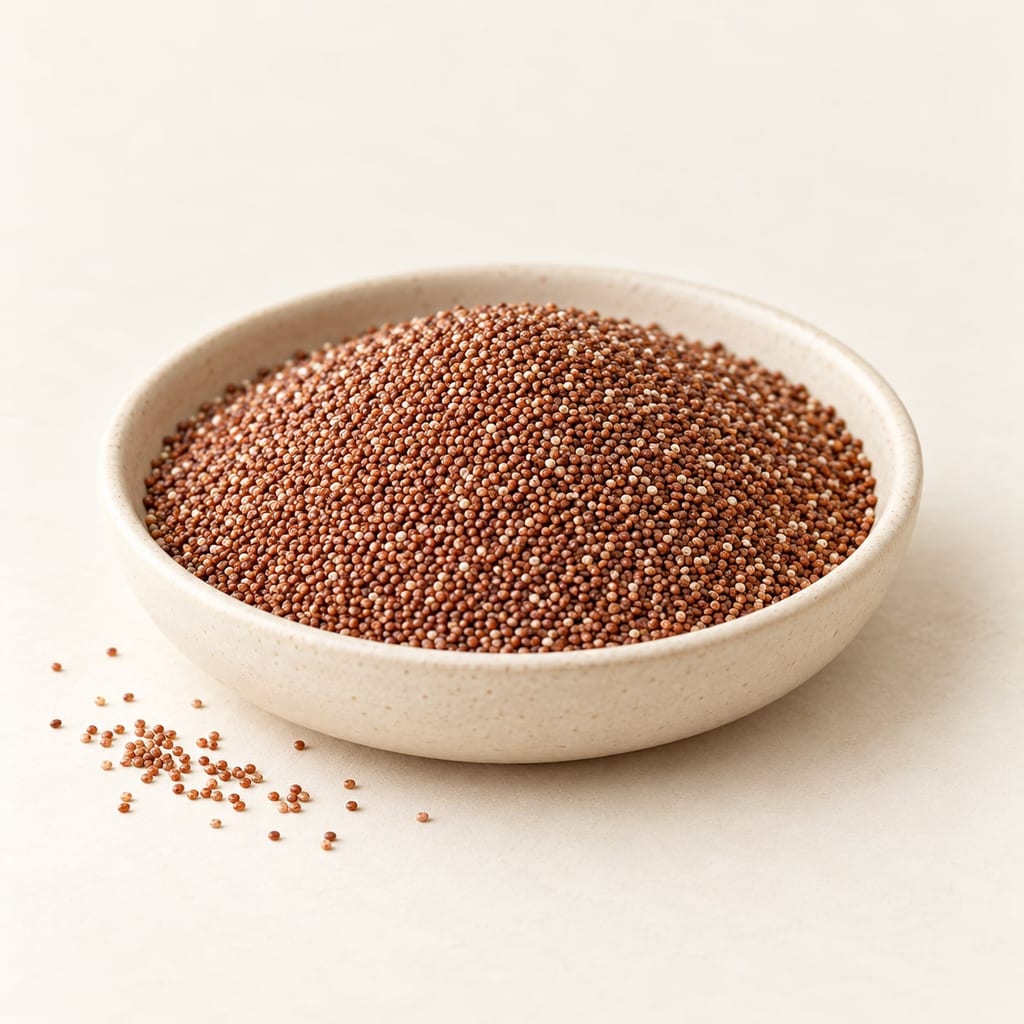
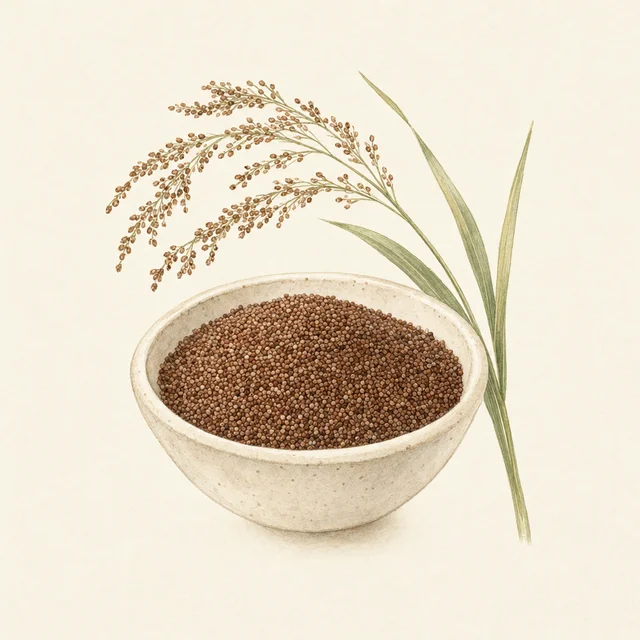
Teff is a tiny-seeded cereal long cultivated in Ethiopia and used whole or milled. Its flour anchors injera and other foods, while variety, milling and local practice shape how it is used.
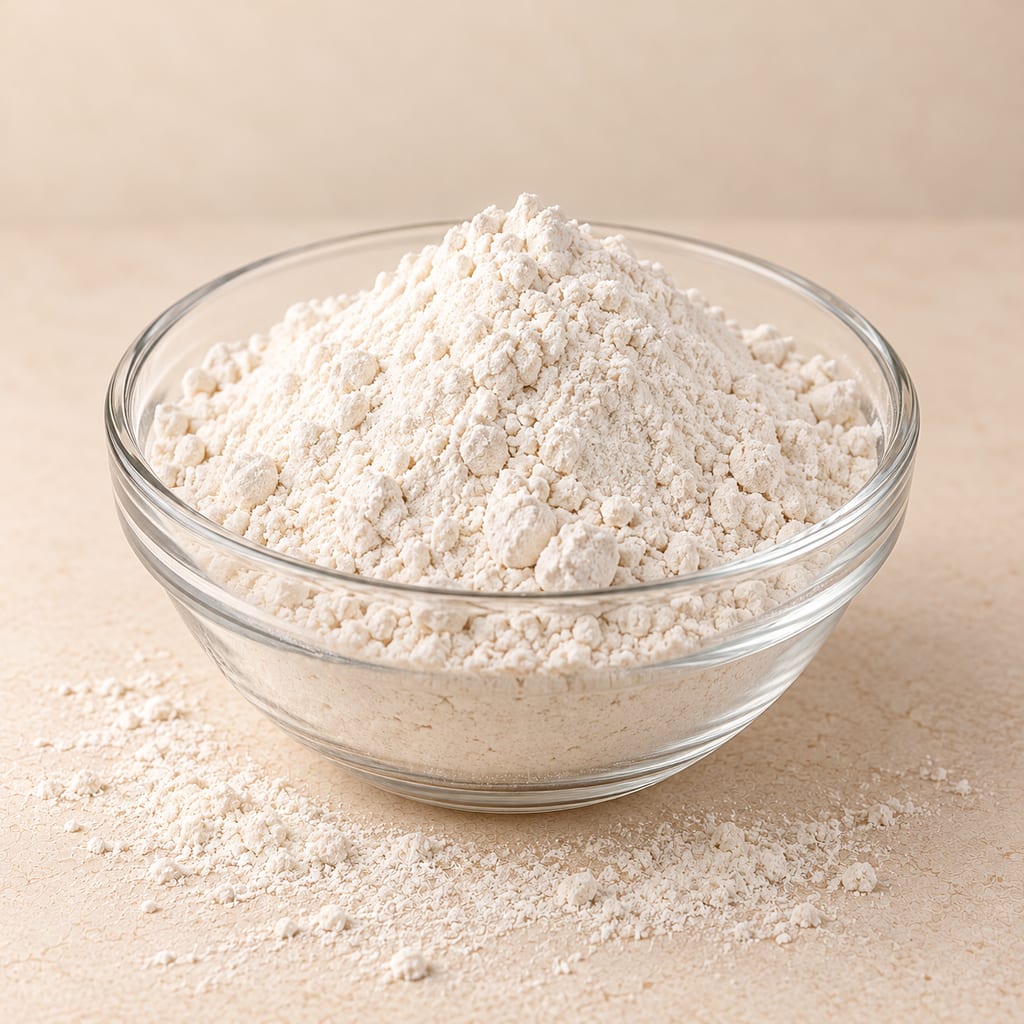
Wheat flour is milled wheat grain, from whole meal to fine white flour, used to make bread, thicken liquids and appear as an optional ingredient in fruit pastes such as Georgian mulberry tklapi.
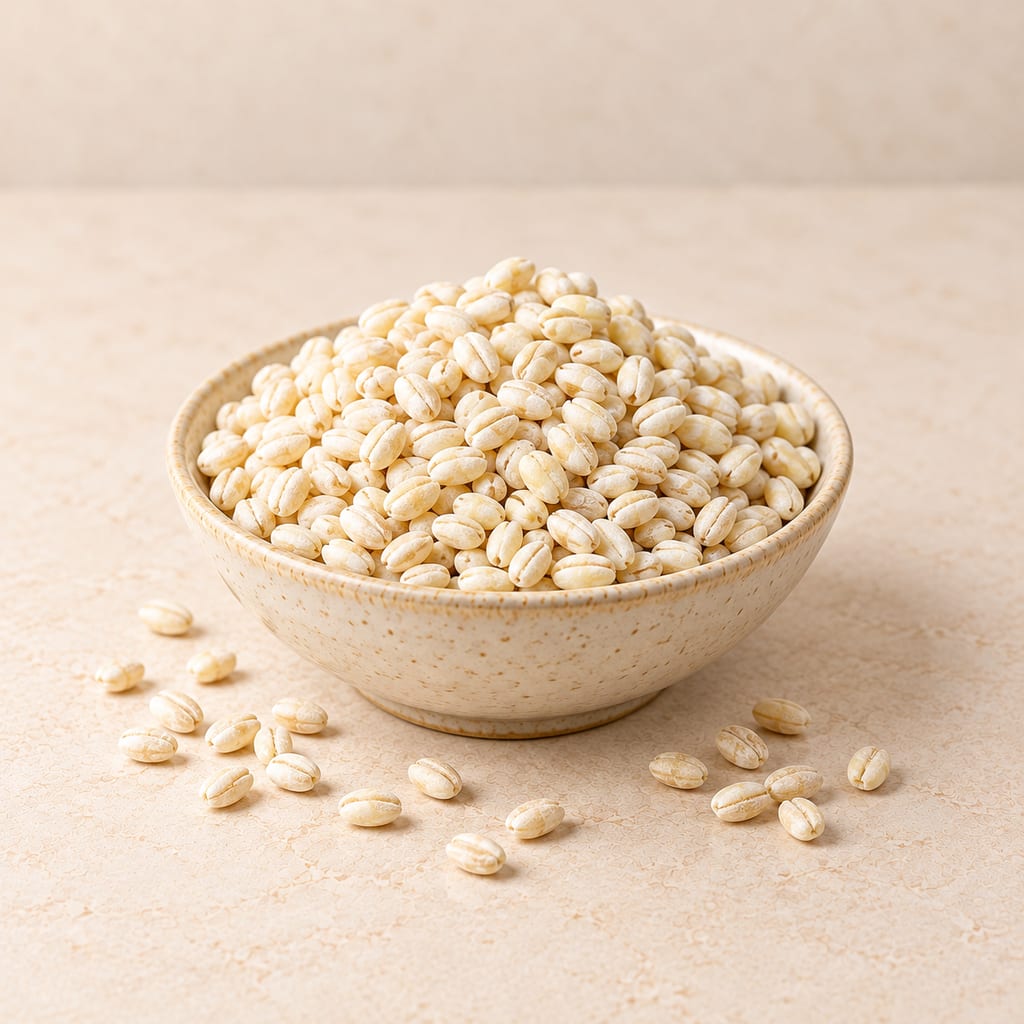
Barley is a hardy cereal, domesticated in the Middle East over 10,000 years ago, eaten whole, pearled or milled, malted for brewing, and grown with koji mold for barley miso.
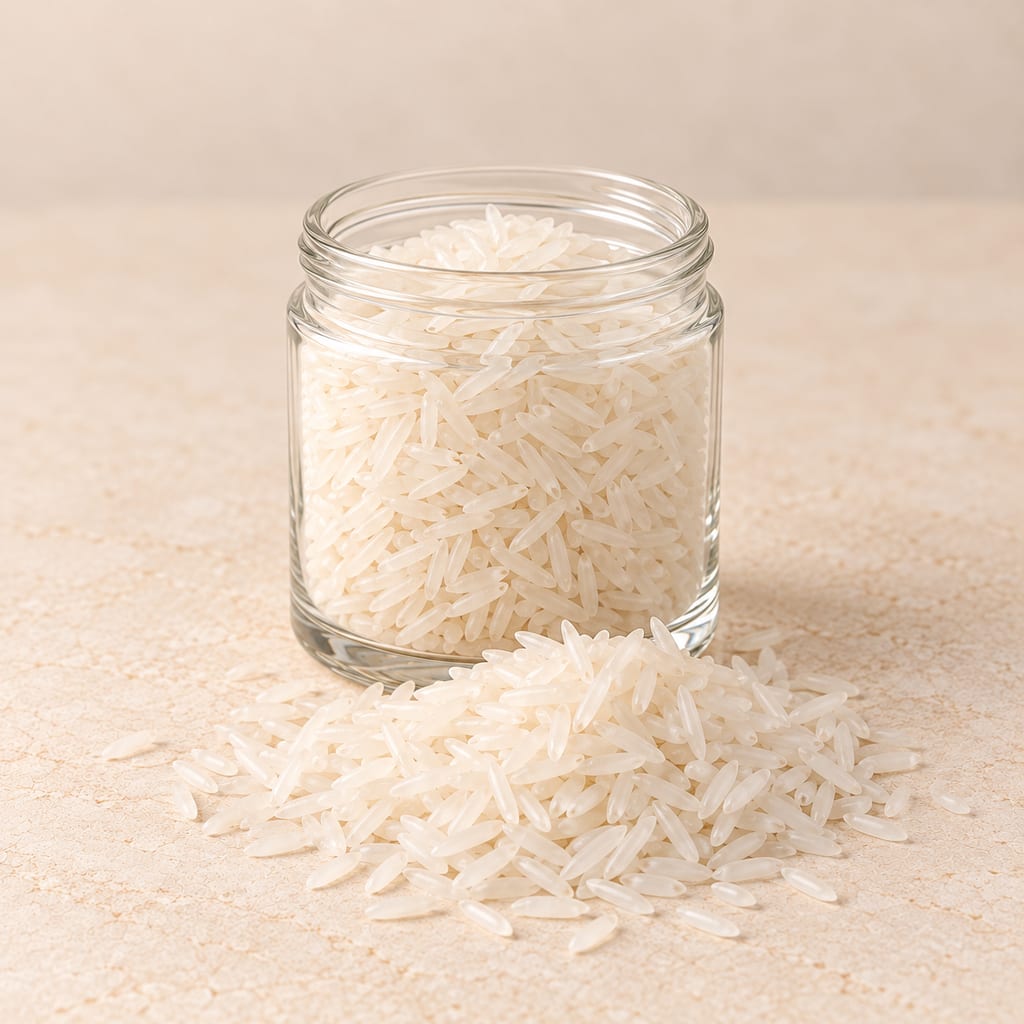
Thai indica rice is the starch-bearing grain Sakimoto steams for Yonaguni awamori koji. The producer names its origin and rice group, but no cultivar, lot or grain grade.
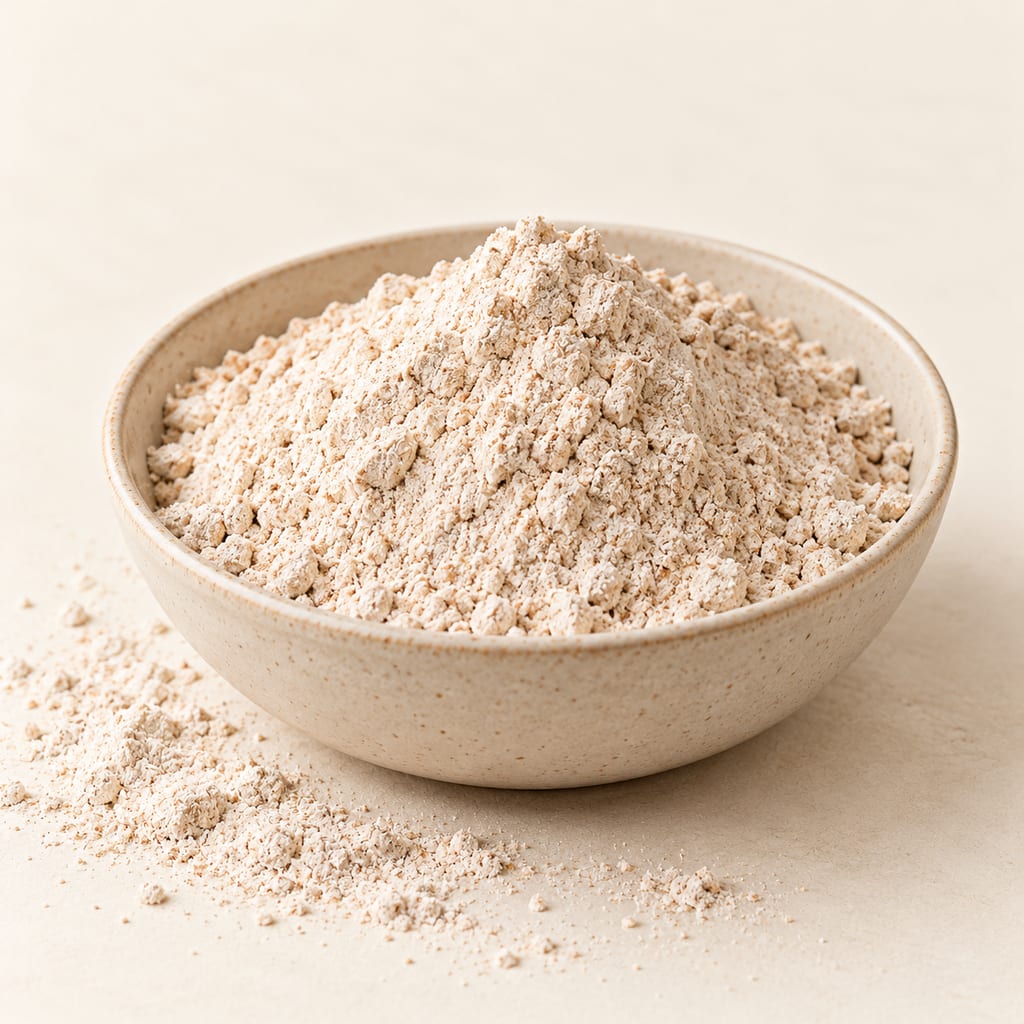
Whole-wheat flour contains the bran, germ and endosperm of wheat in their original proportions. Its fuller grain flavour and dough behaviour depend on the wheat and milling.
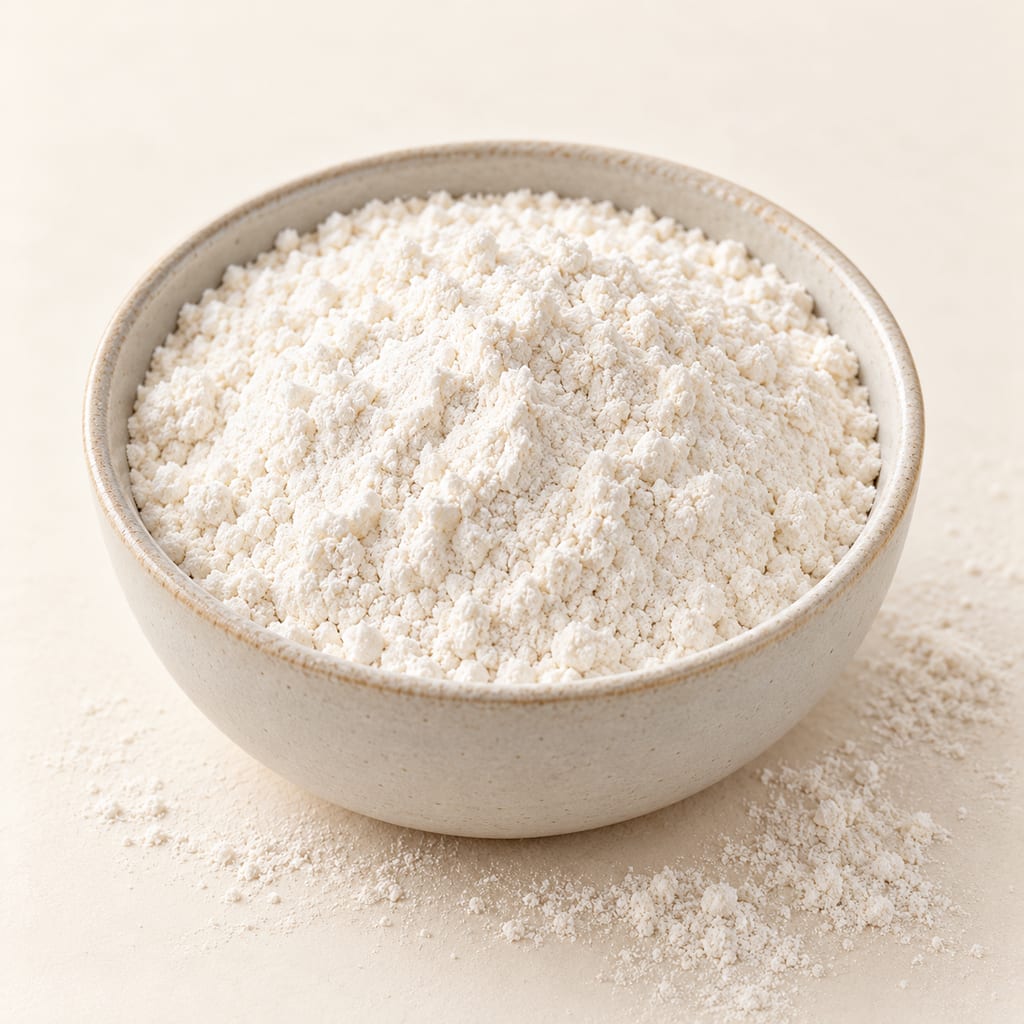
Bread flour is wheat flour chosen for dough strength and gas retention. Its protein level and baking performance vary by wheat, mill and product.

A refined common-wheat flour blended for a broad range of baking; its protein and behavior vary with wheat, milling and market.
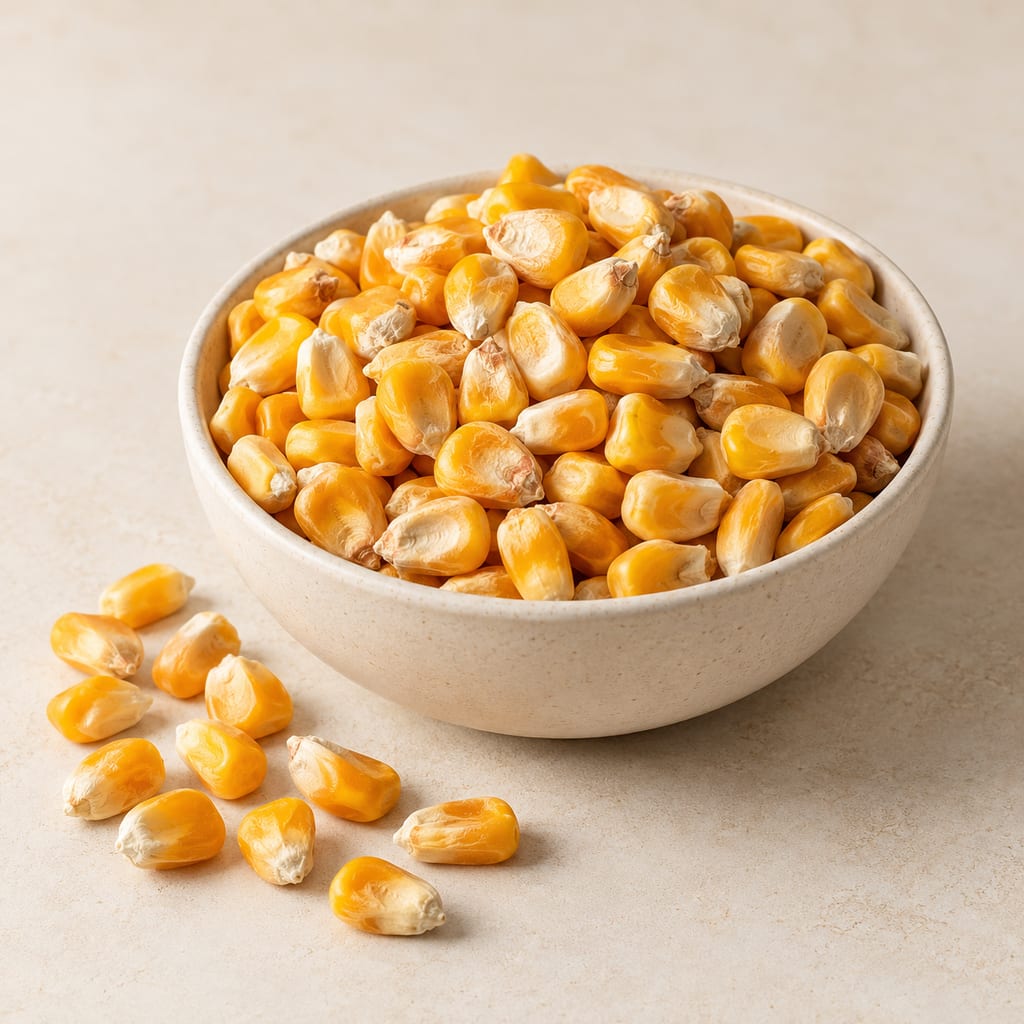
Maize is the foundational grain of Andean fermentation. Its role in brewing chicha de jora depends on germination into jora, a malted form generating enzymes and sugars necessary for alcoholic fermentation.
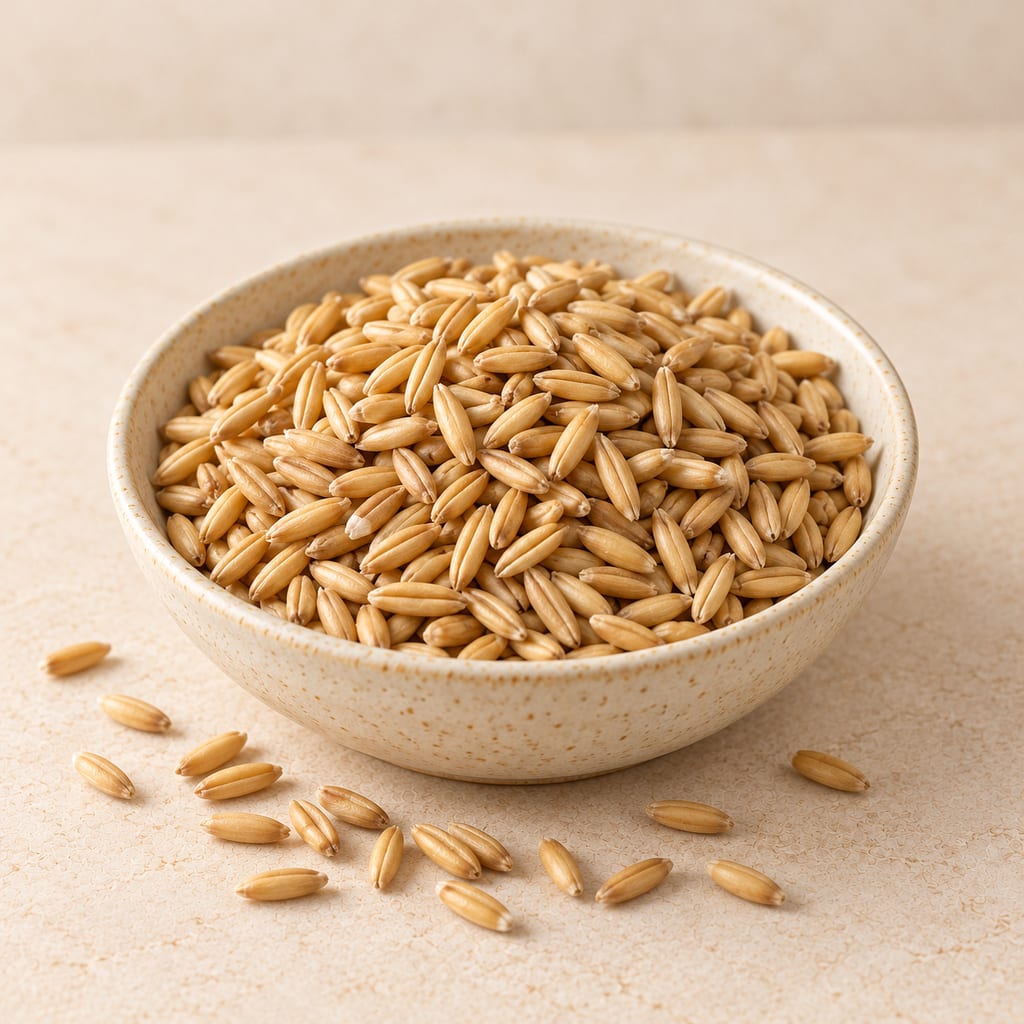
A cereal grain sold as groats, cut pieces, flakes, flour and malt. Oats shape porridge, bread and brewing differently as processing changes hydration, texture, starch, beta-glucan, protein and oil.
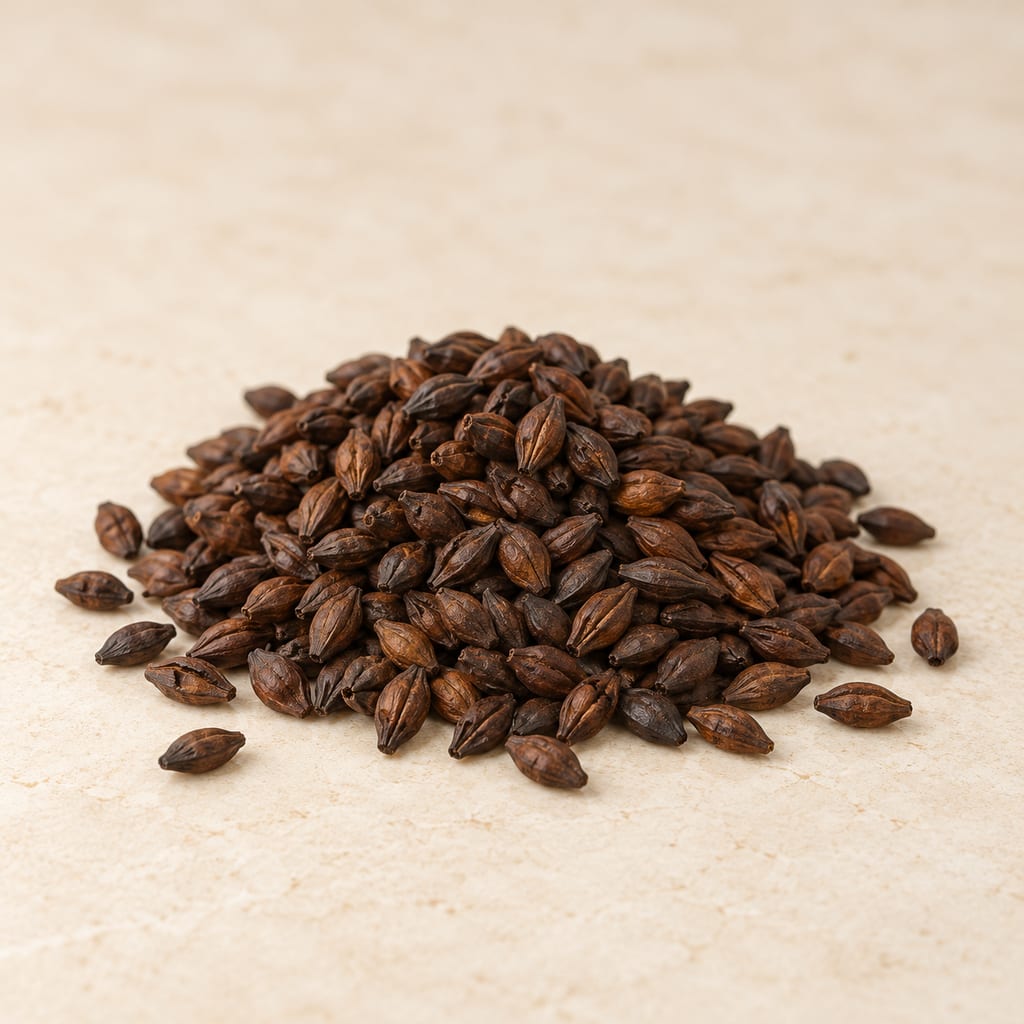
Dark-roasted unmalted barley used for colour and a dry roasted edge in stout, with other roast grades used in grain infusions and foods.
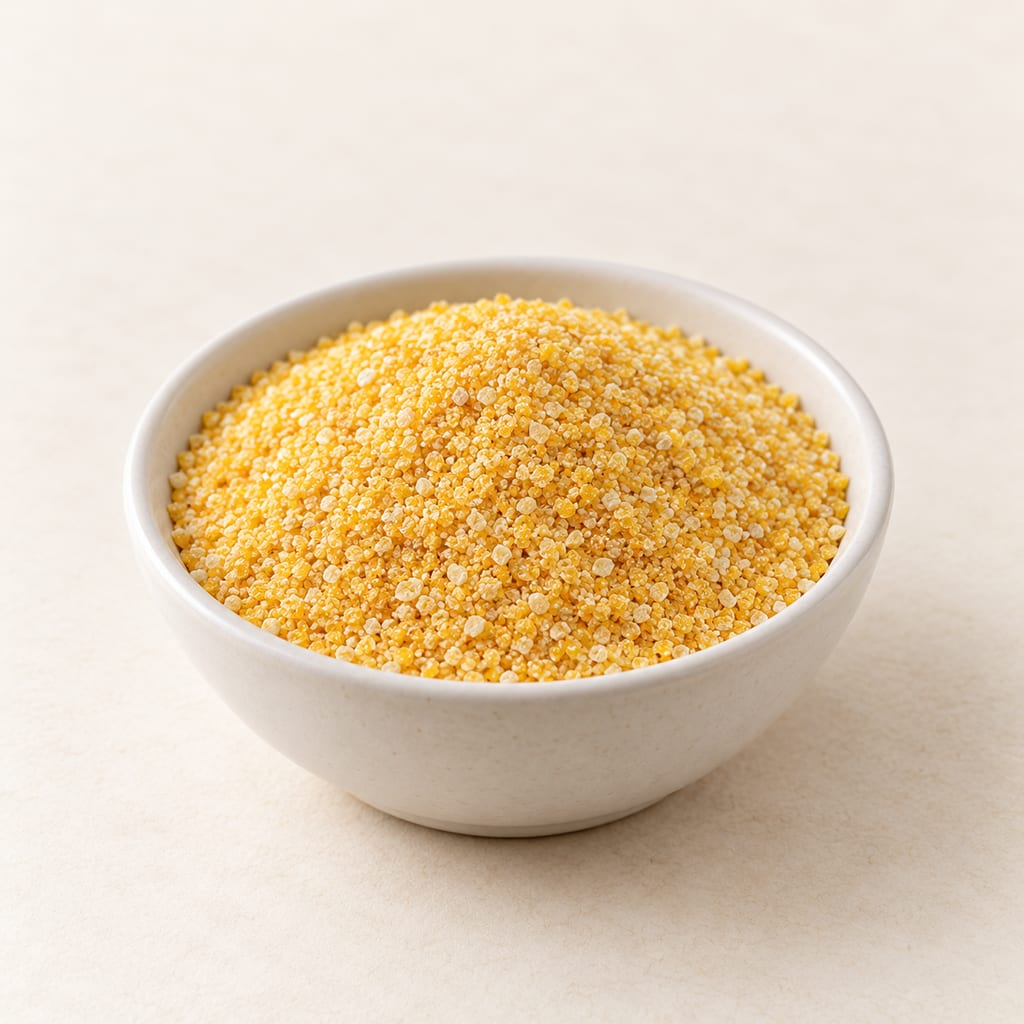
Yellow cornmeal is ground dried maize. Its particle size and milling treatment shape its texture and keeping quality; in the cited sourdough English muffin method, it is an exterior coating rather than part of the dough.
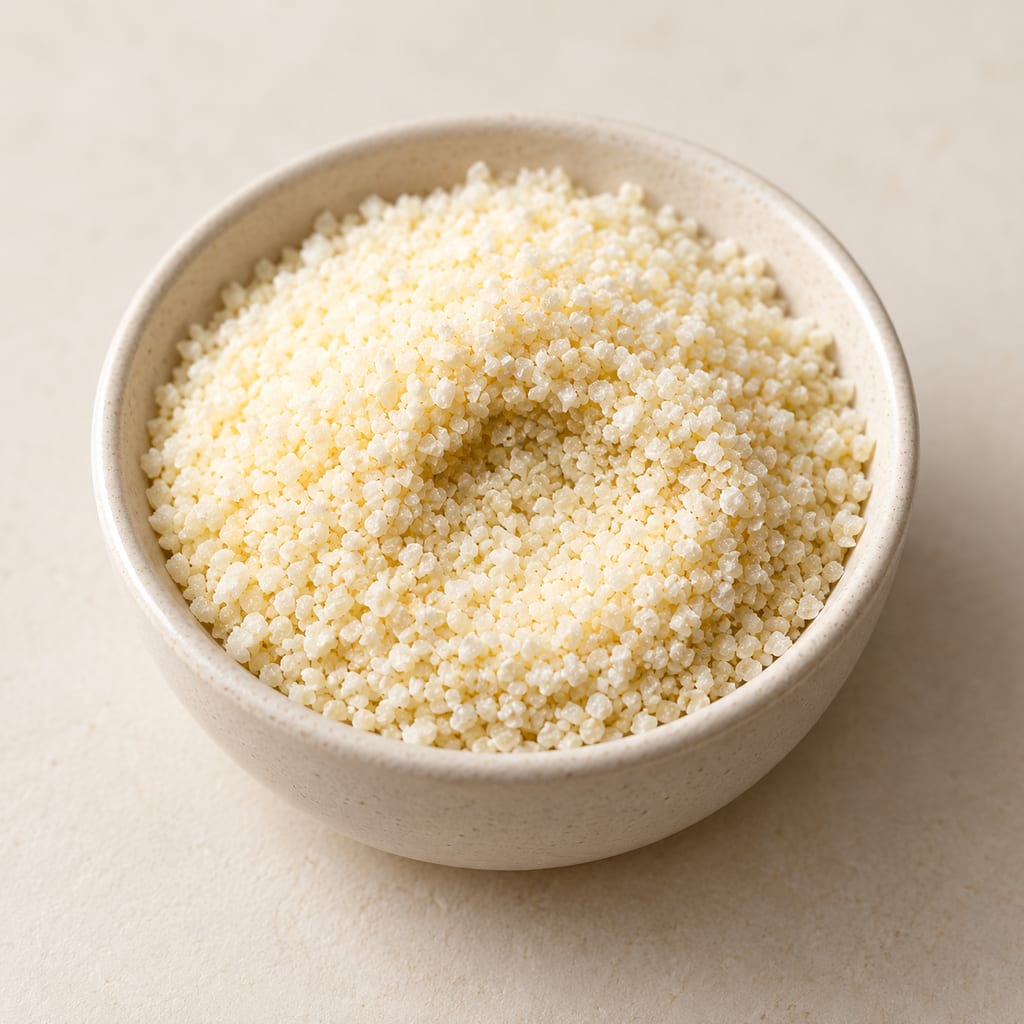
Semolina is a granular wheat milling product; in many markets it means durum, while some standards also use the name for other wheat. In sourdough English muffins, it is an optional surface coating, not the main flour.
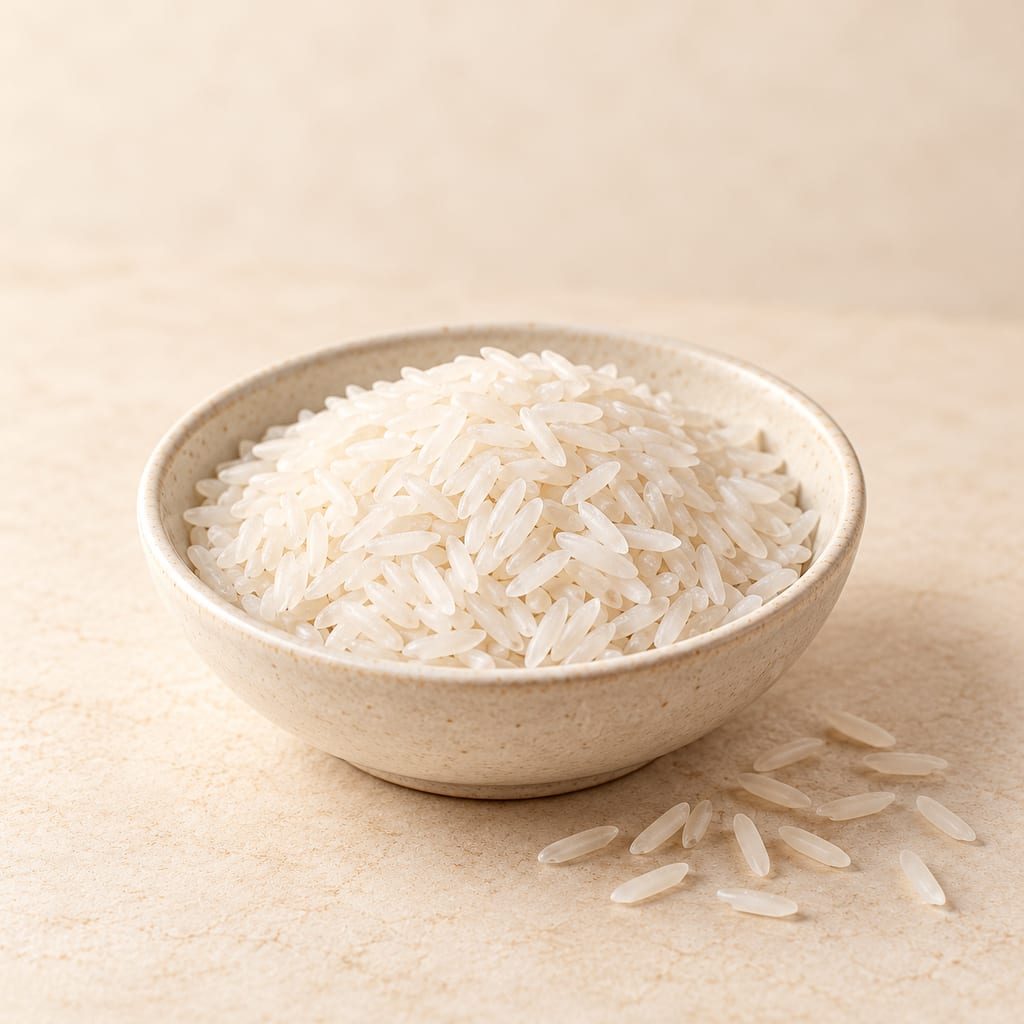
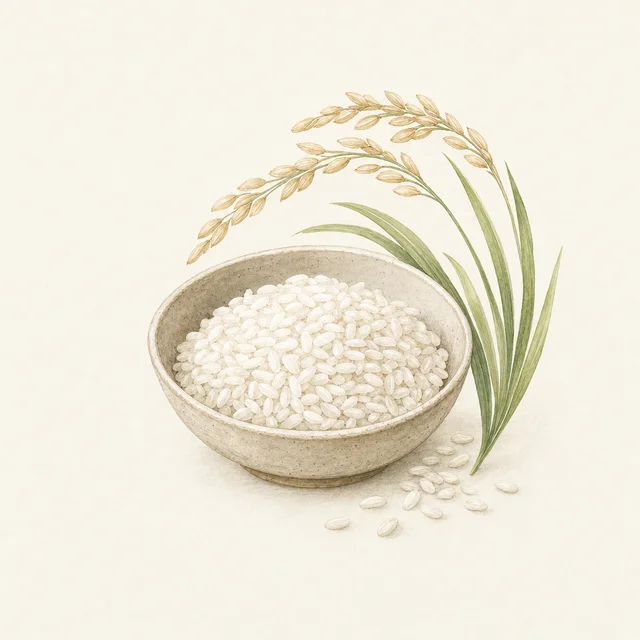
Rice contributes starch to flatbreads, steamed breads, batters and many distinct fermentations. Its species, milling and starch character shape how it cooks, binds, expands and feeds enzymes.