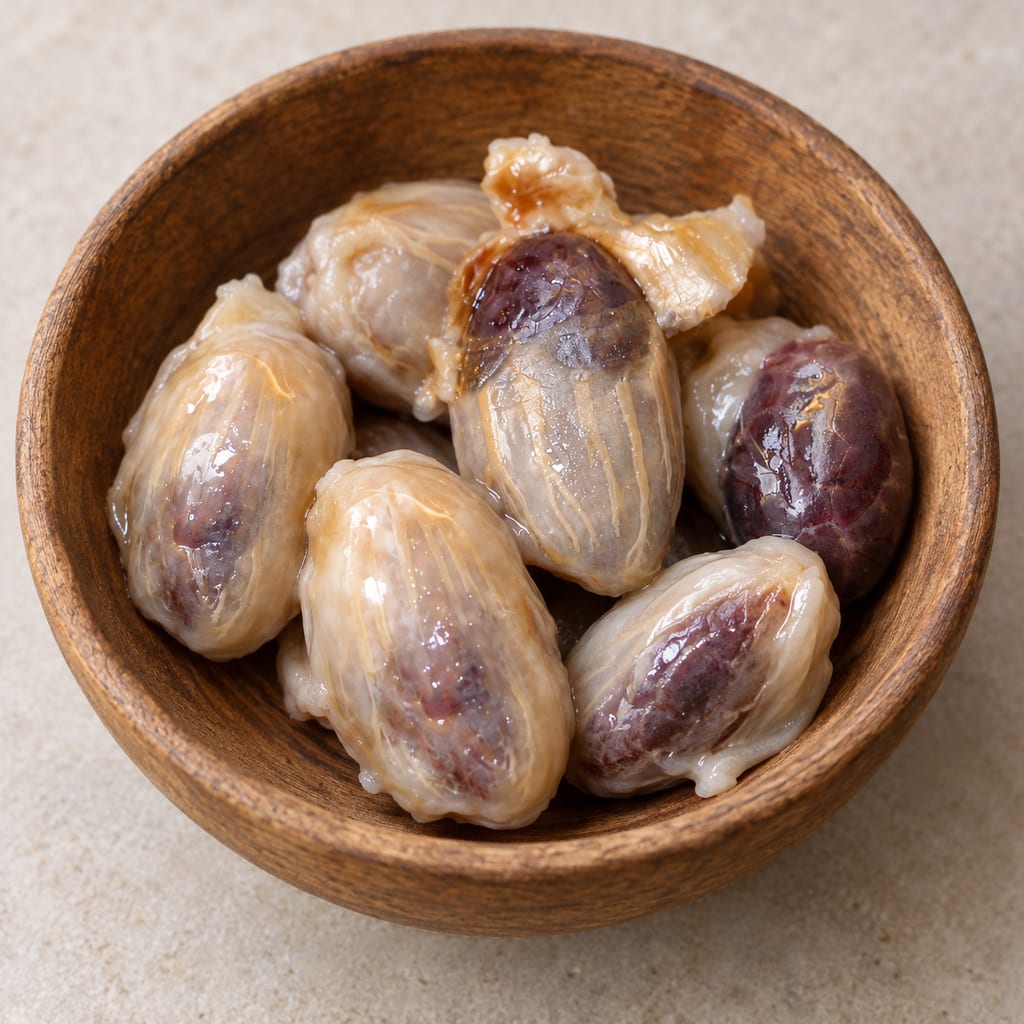

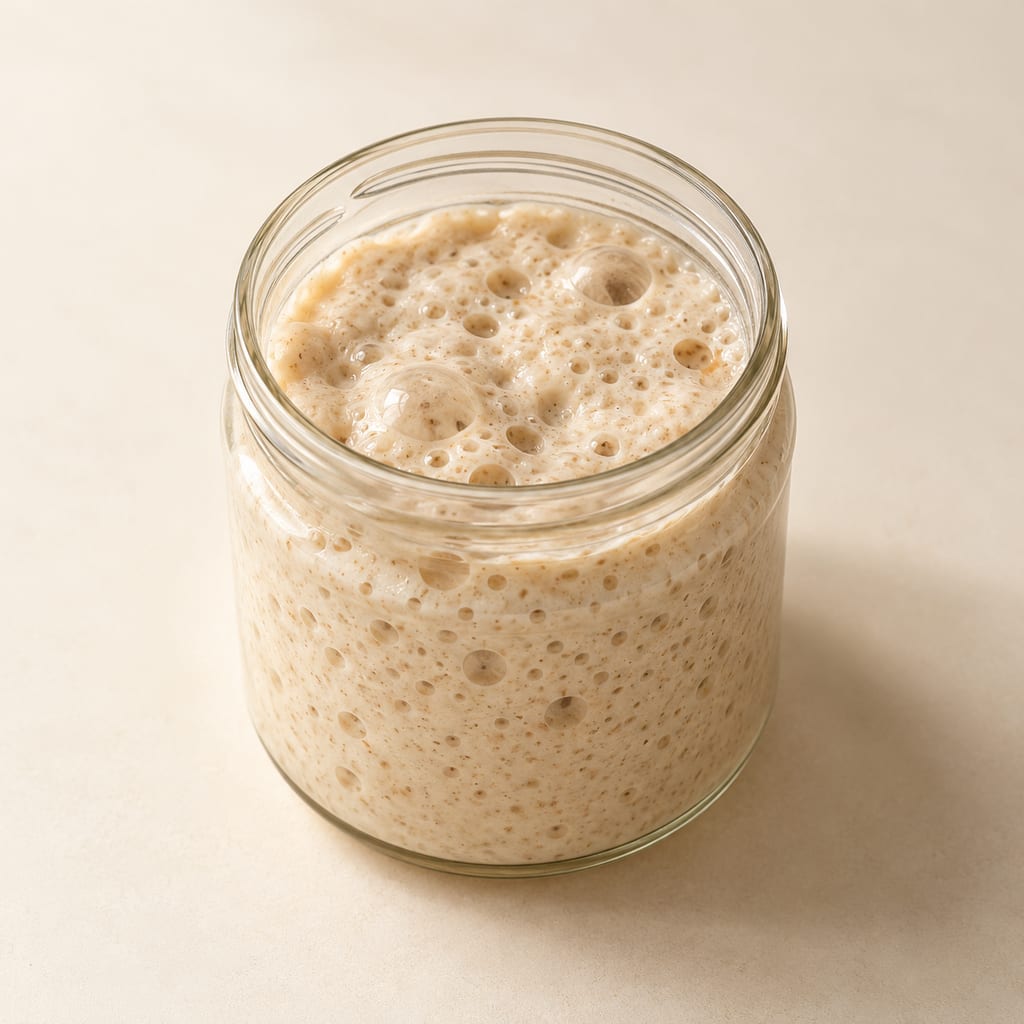
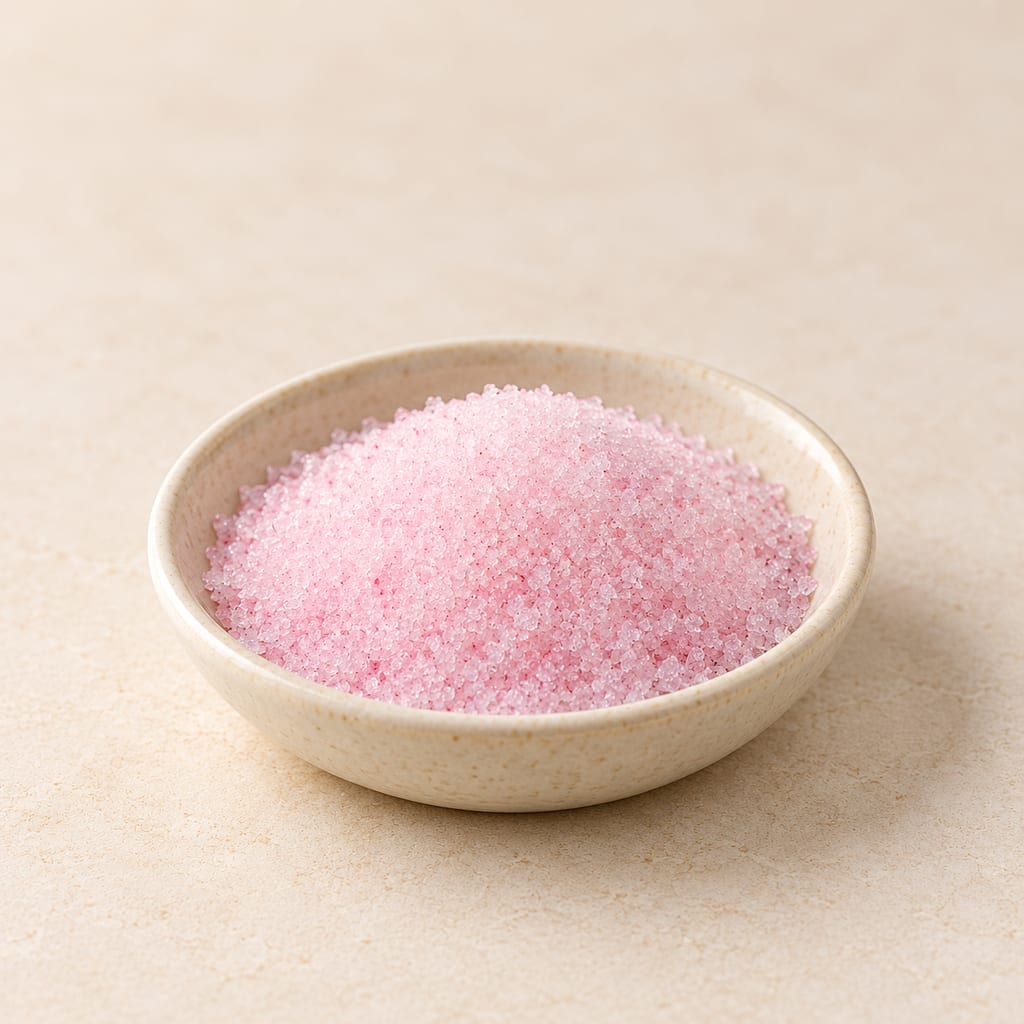
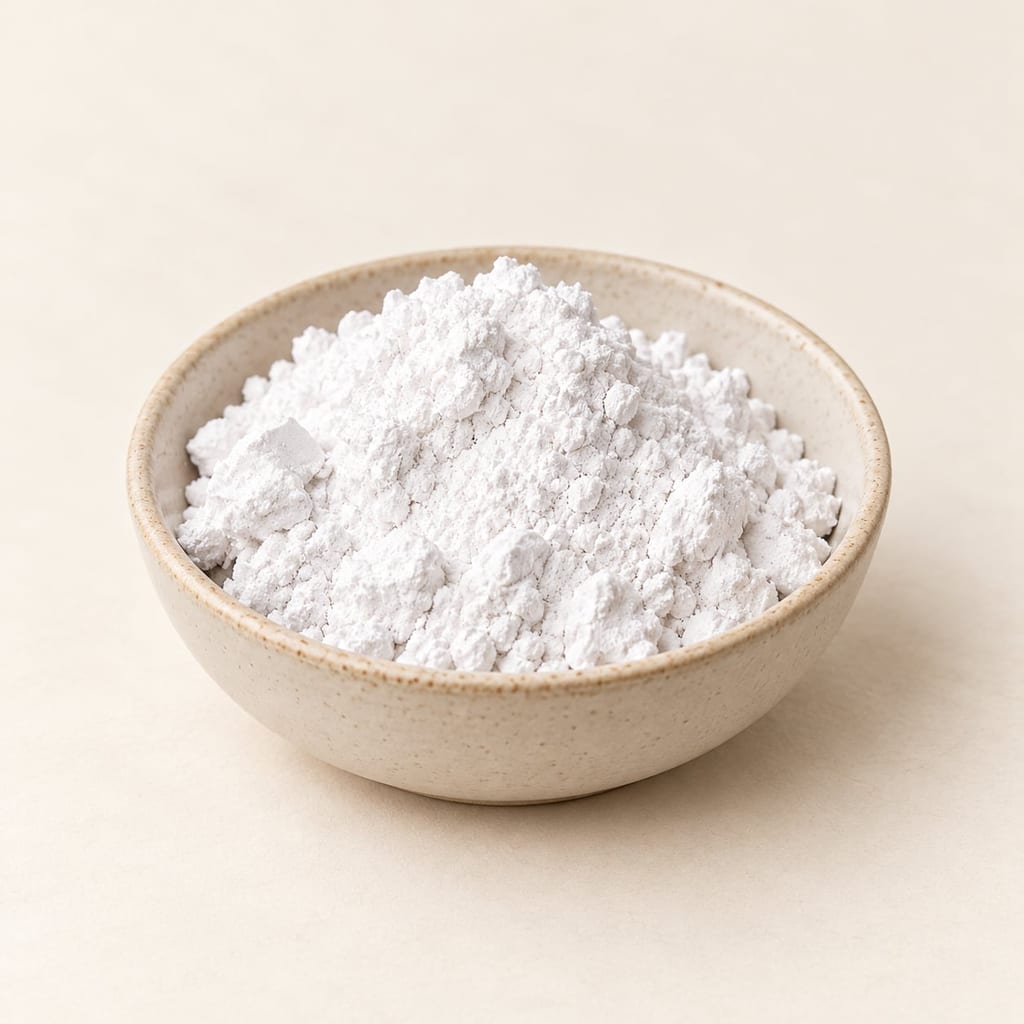
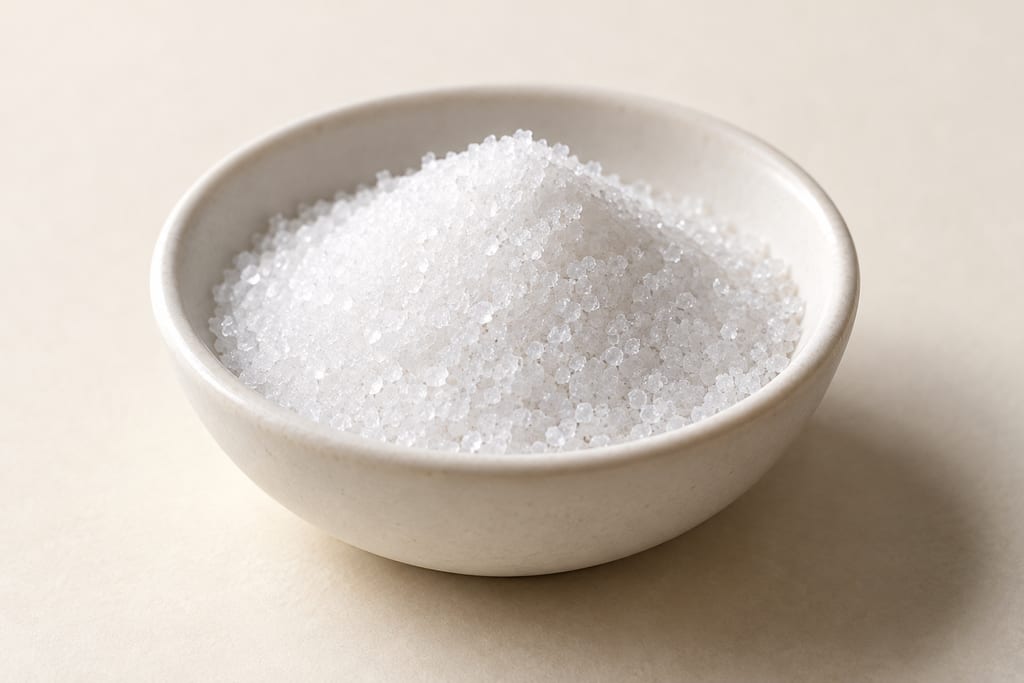
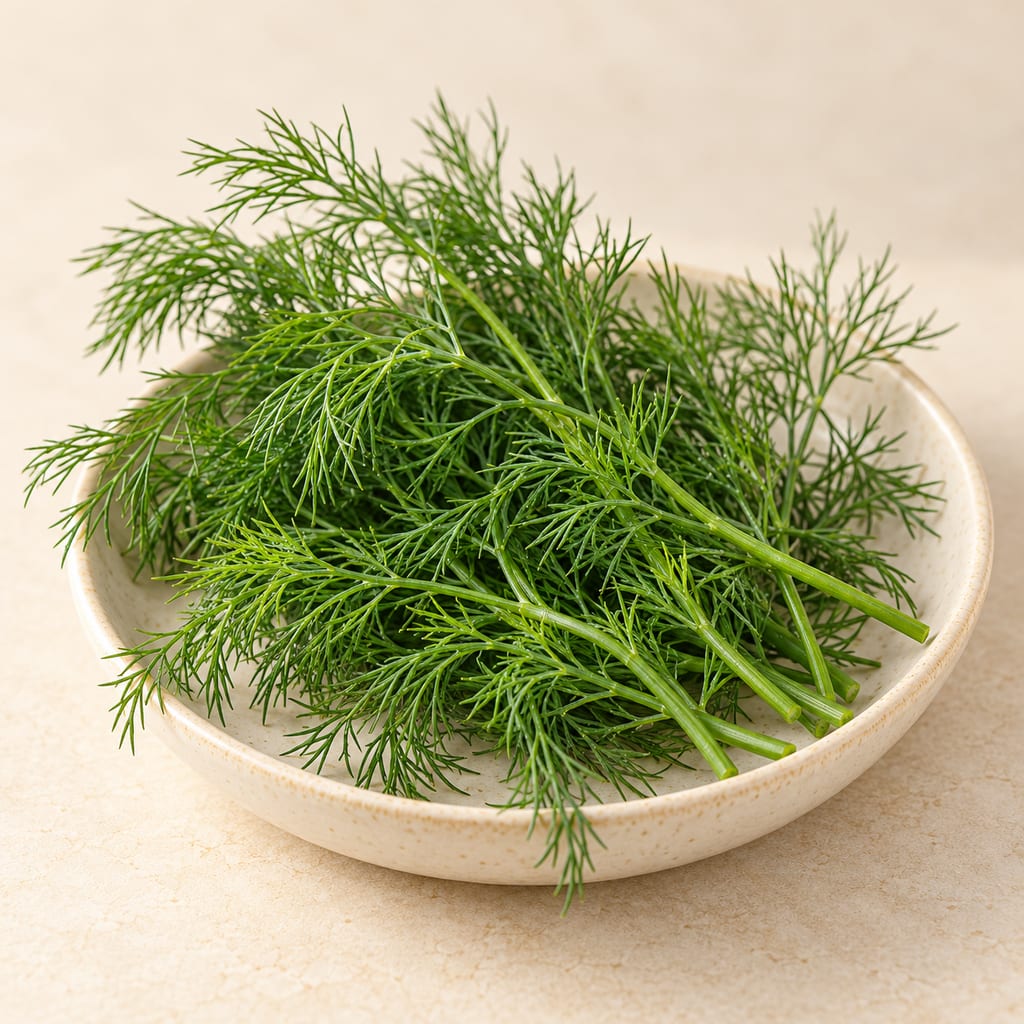
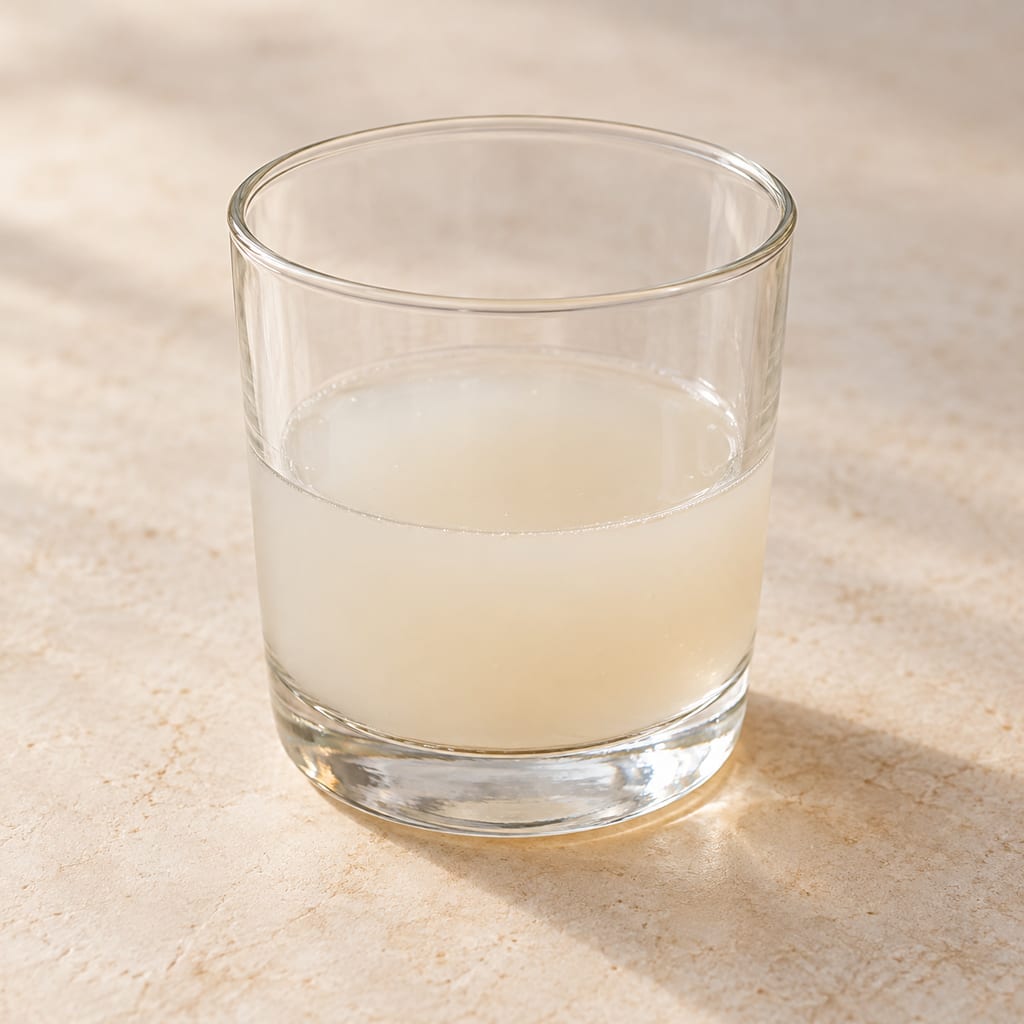
Hyphaene petersiana sap
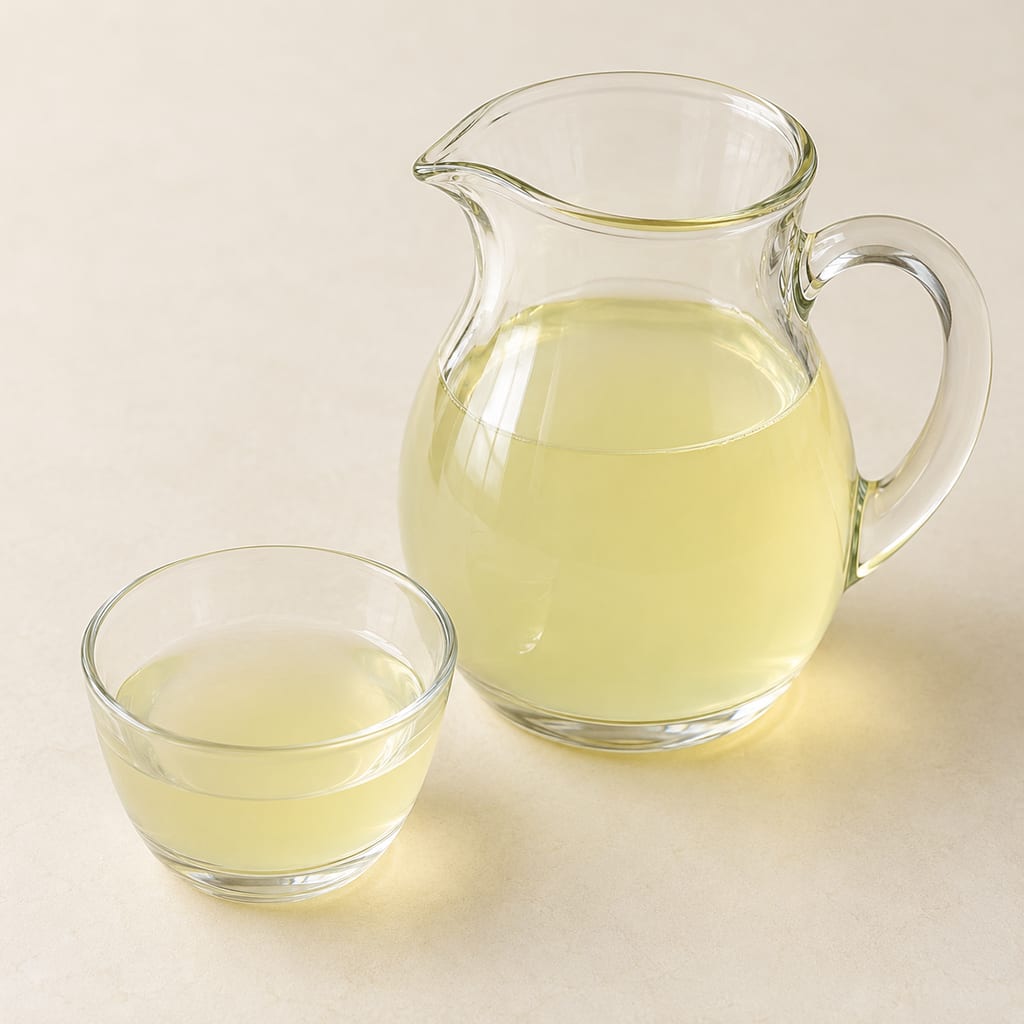
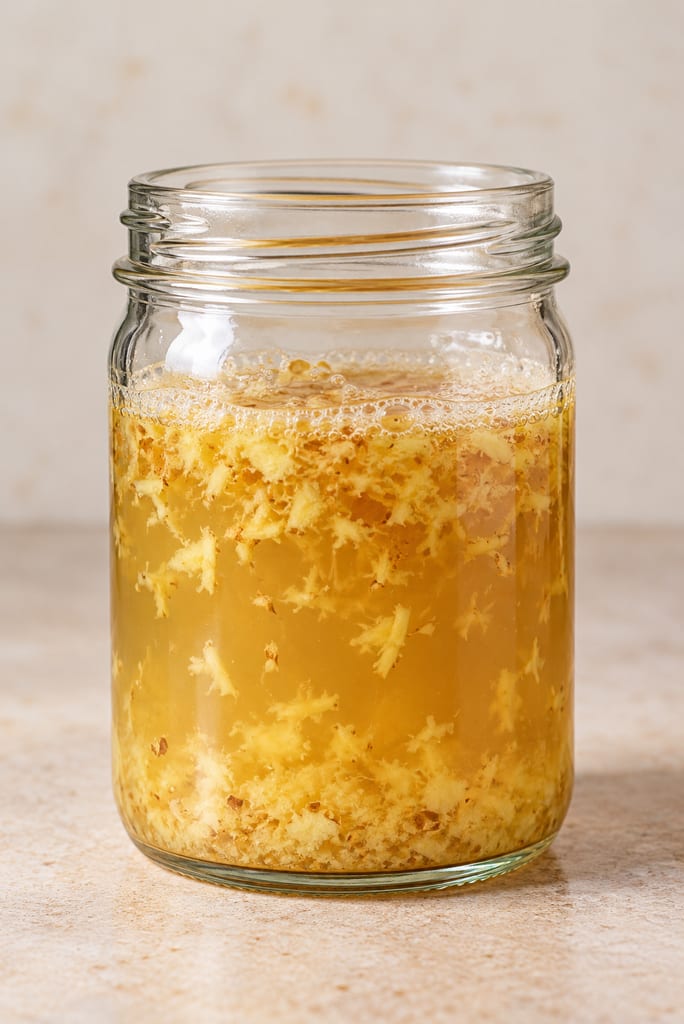
Sap tapped from Hyphaene petersiana, distinct from the fermented Utchema drink made from it and from sap of other palms.
 FermenteaWhere food goes to change
1086 articles on substrates, cultures and additives.
Sap tapped from Hyphaene petersiana, distinct from the fermented Utchema drink made from it and from sap of other palms.
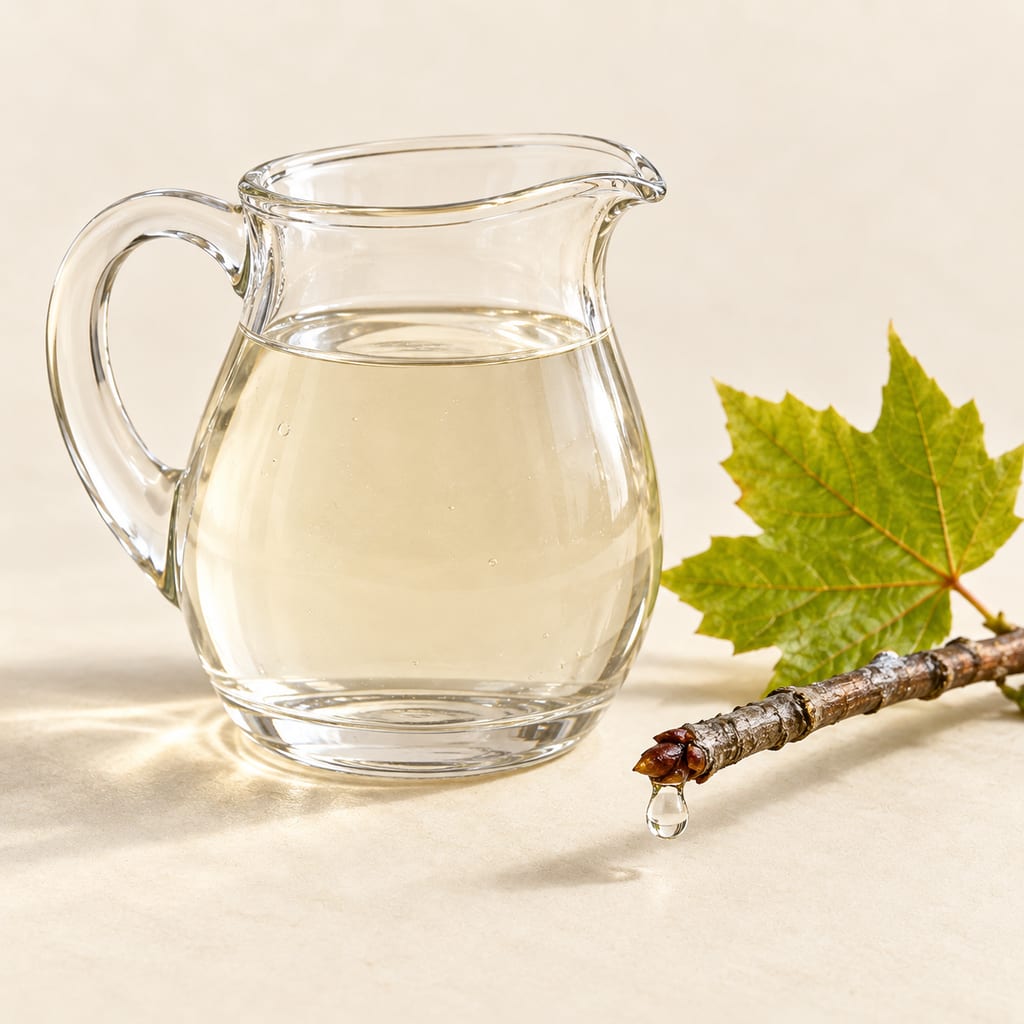
Maple sap is the dilute, mildly sweet liquid gathered from maple trees in late winter and early spring, before heat concentrates it into syrup or sugar.
Sugar-rich liquid tapped from different palms, gathered fresh or transformed into local drinks and sweeteners; species and collection stage shape its composition.
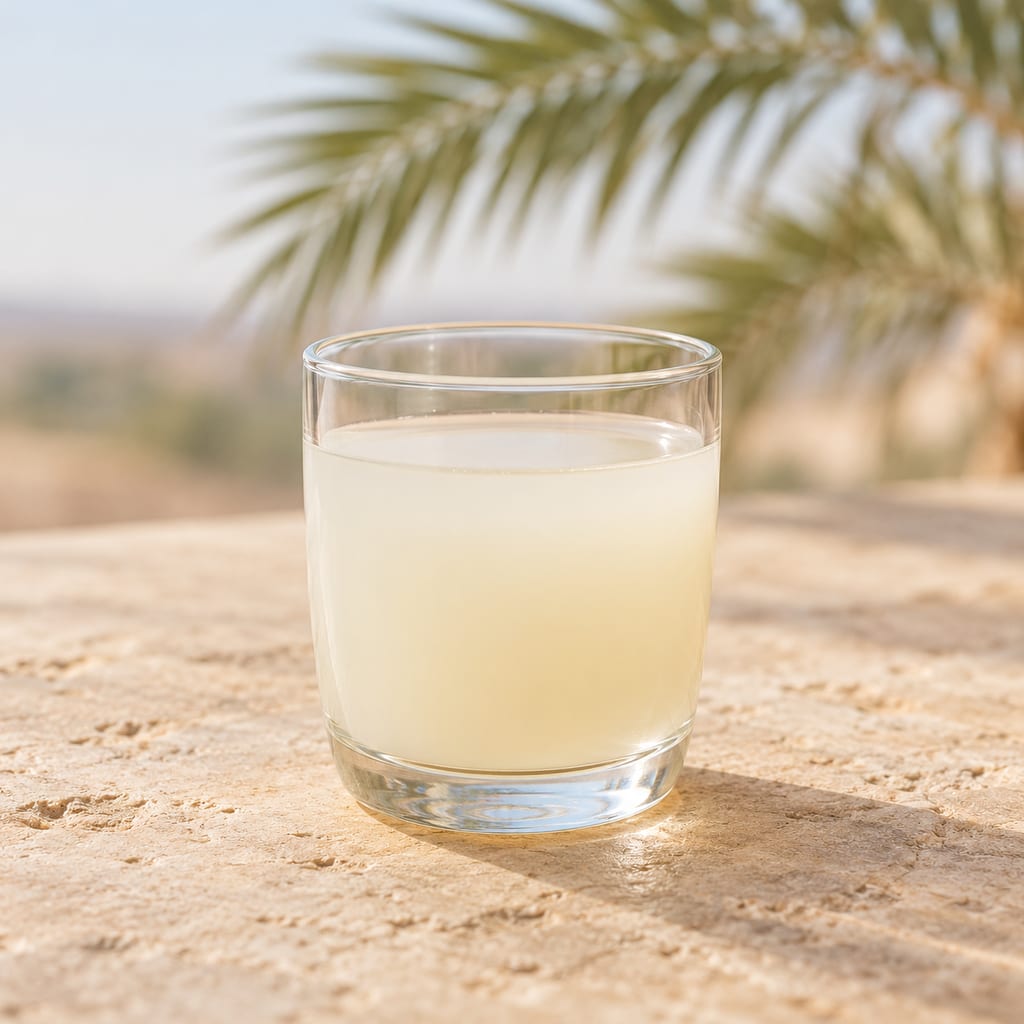
Legmi is sweet sap tapped from date palms in southern Tunisia. It is consumed fresh and can ferment rapidly through native yeasts, lactic acid bacteria and acetic acid bacteria.
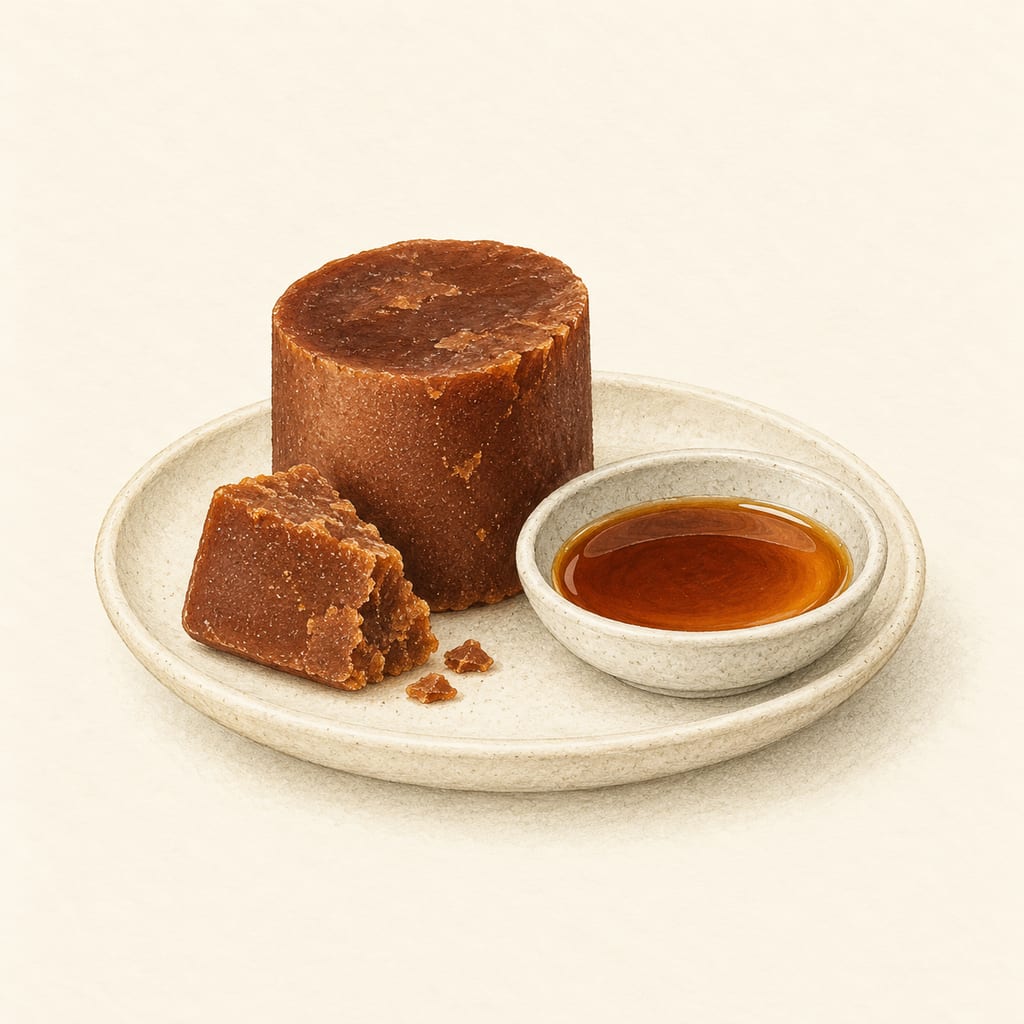
Palm sugar is made by concentrating sap from several palm species. The plant and the finished form shape its aroma, flavour and use.
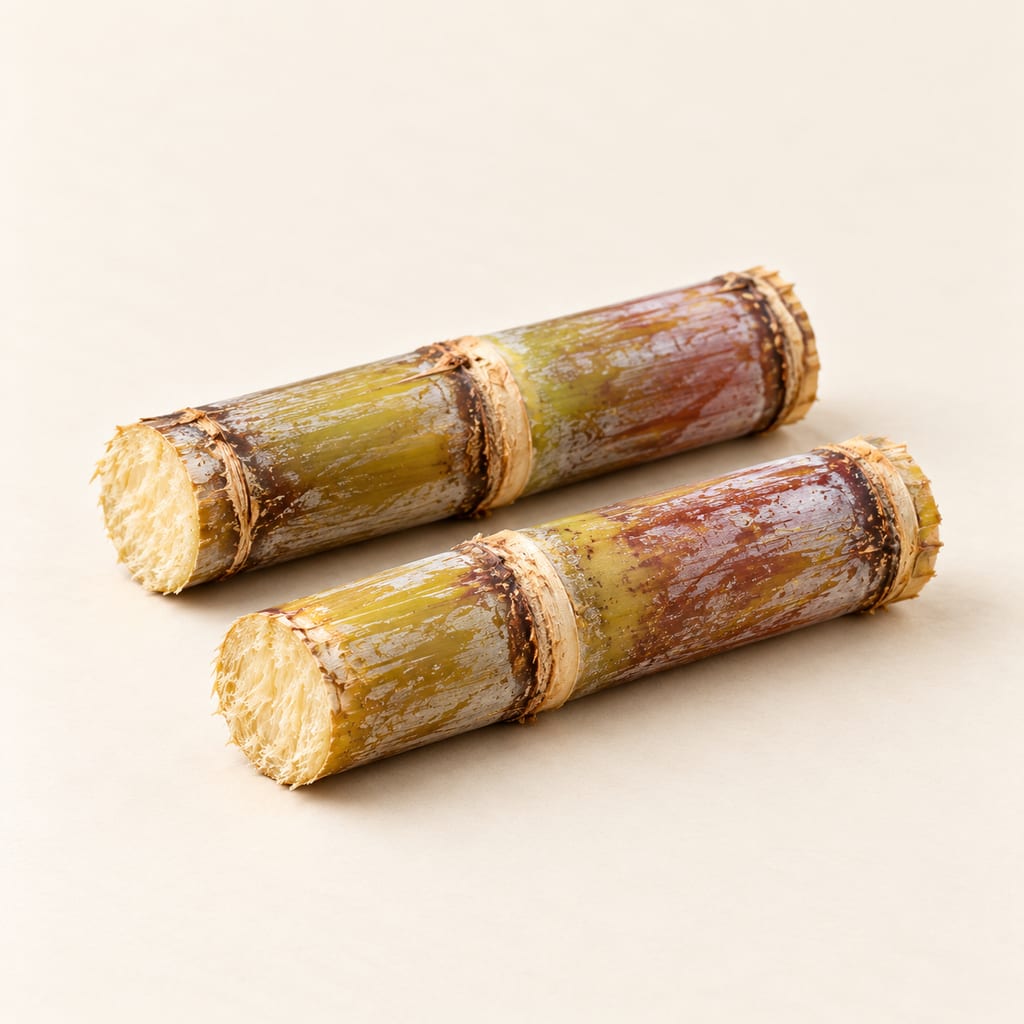
Sugarcane is a tall tropical grass whose jointed stalk stores sucrose-rich juice. Fresh cane and its expressed juice feed very different preparations, from boiled sugar and syrups to fermented drinks such as Ilocano basi.
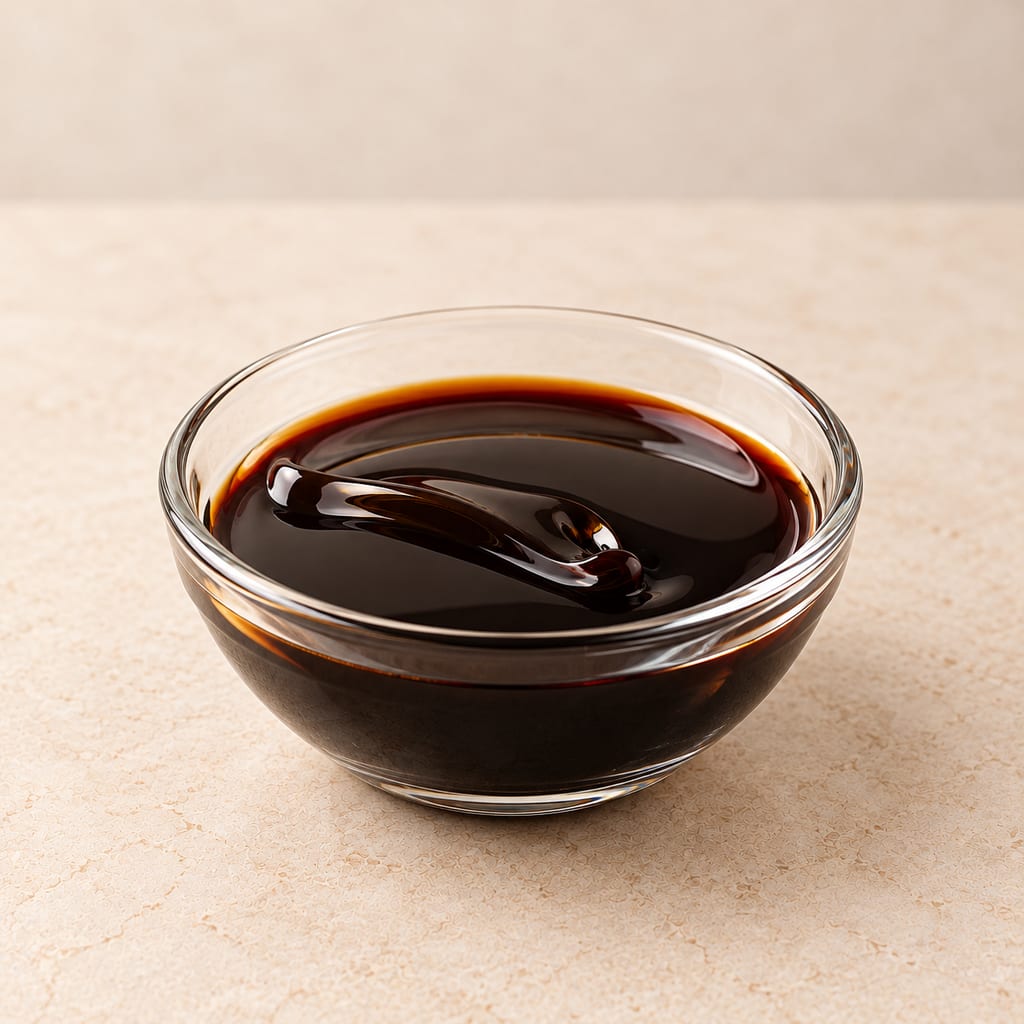
Cane syrup is sugarcane juice boiled down until it is thick and sweet, or the first syrup left after sugar is crystallised. Historical American recipes used it as a sweetener in ham cures.
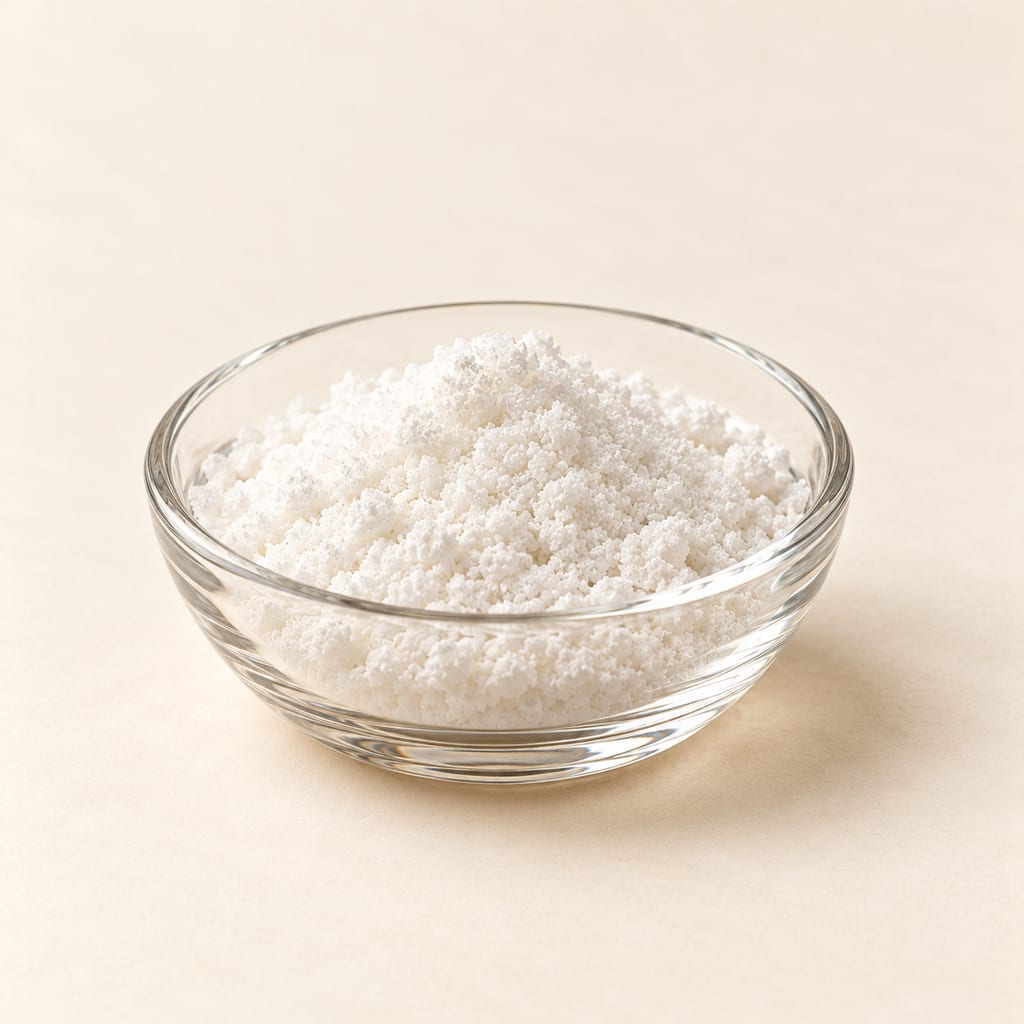
Priming sugar supplies fermentable carbohydrate for carbonation during conditioning. The name can cover sucrose, dextrose or formulated drops; the linked cider recipe specifies neither a sugar type nor an amount.
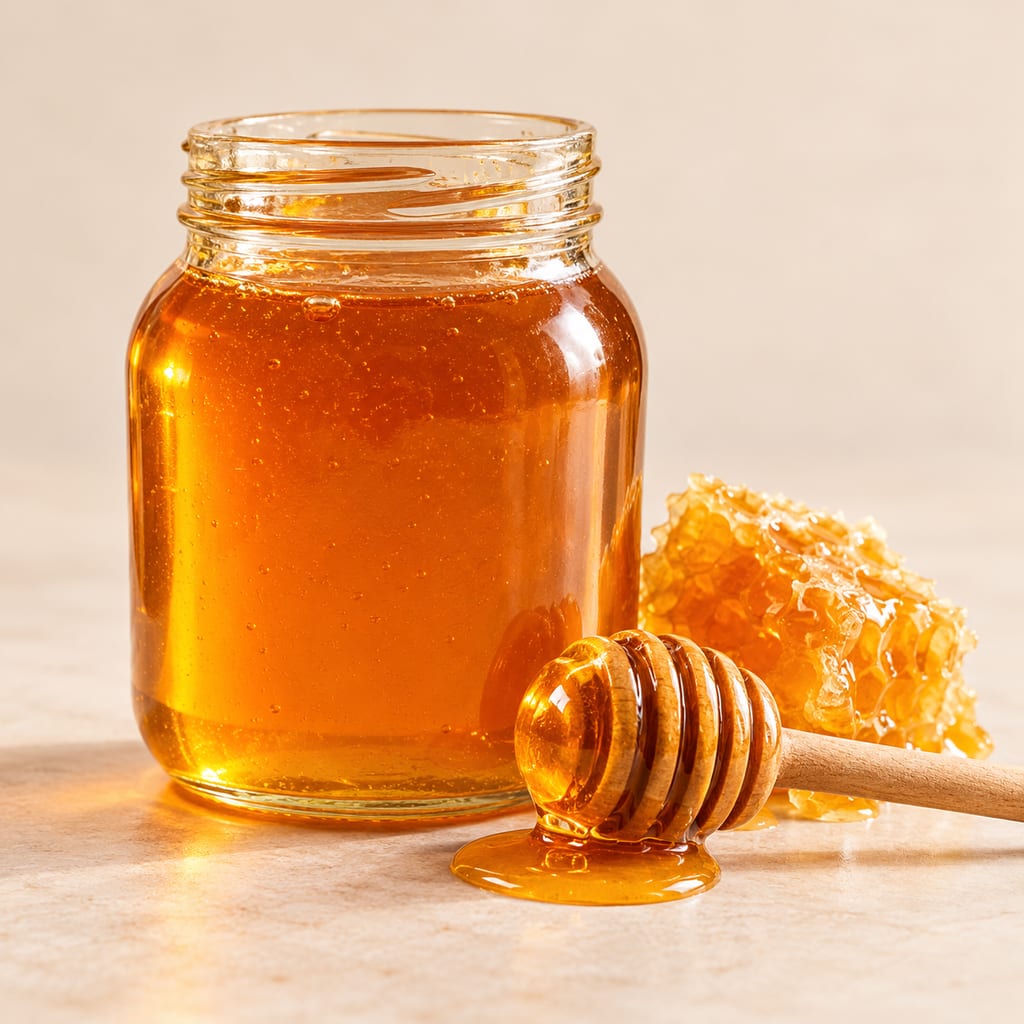
Honey is a bee-made food from floral nectar or honeydew; breads use it in dough or as a syrup served with cooked griddle breads.
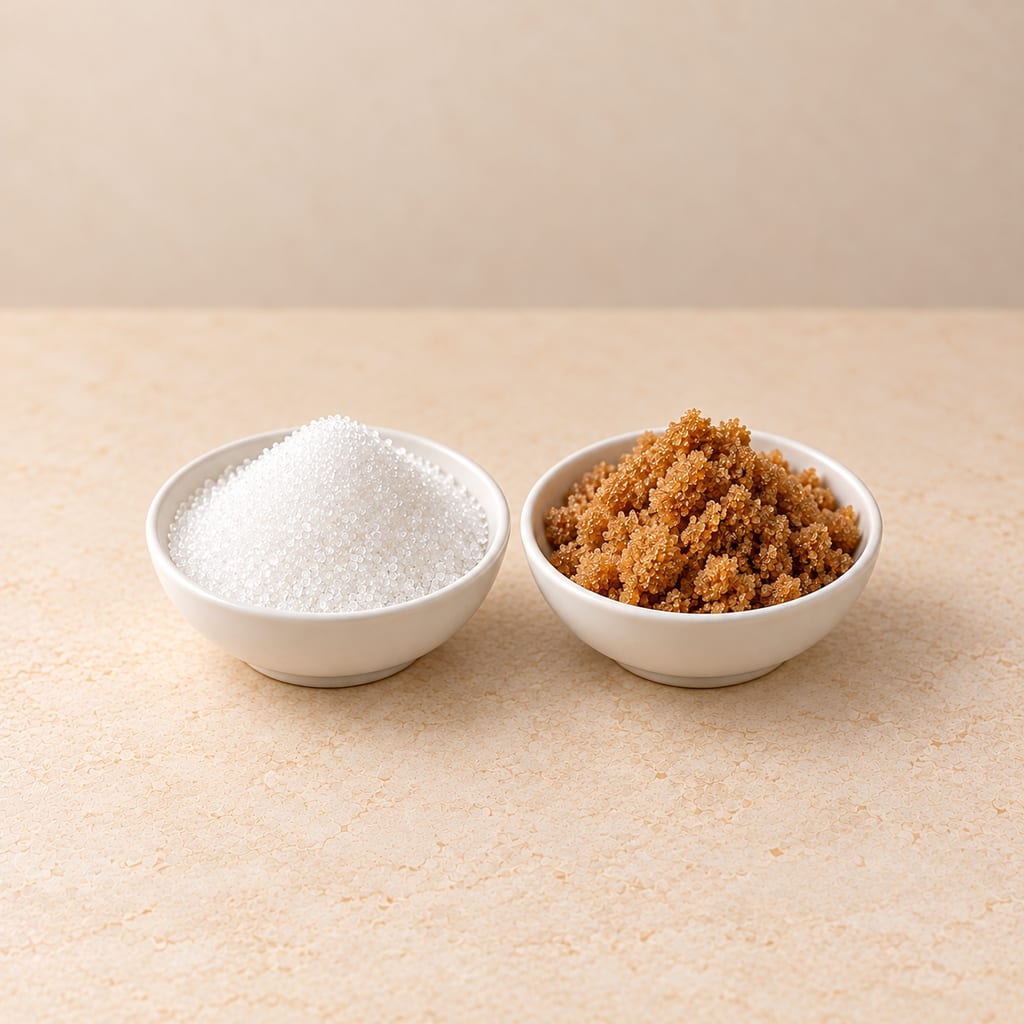
White sugar is refined sucrose, almost pure; brown sugar is sucrose with molasses, left in or added back. Molasses makes brown sugar moister, darker and more strongly flavoured.
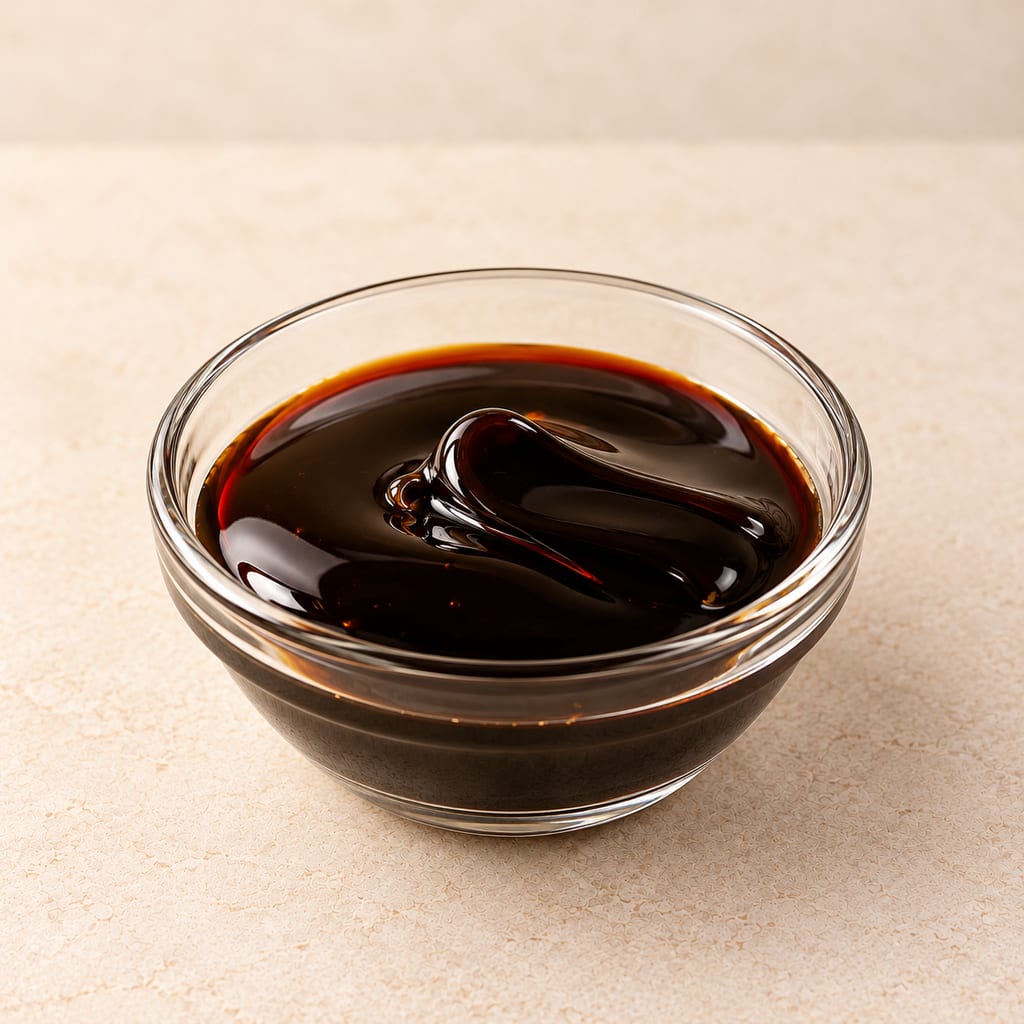
Molasses is the syrup separated as sugar crystallises from cane or beet; its grades and food uses vary, from Anadama and steamed brown bread to fermentation.
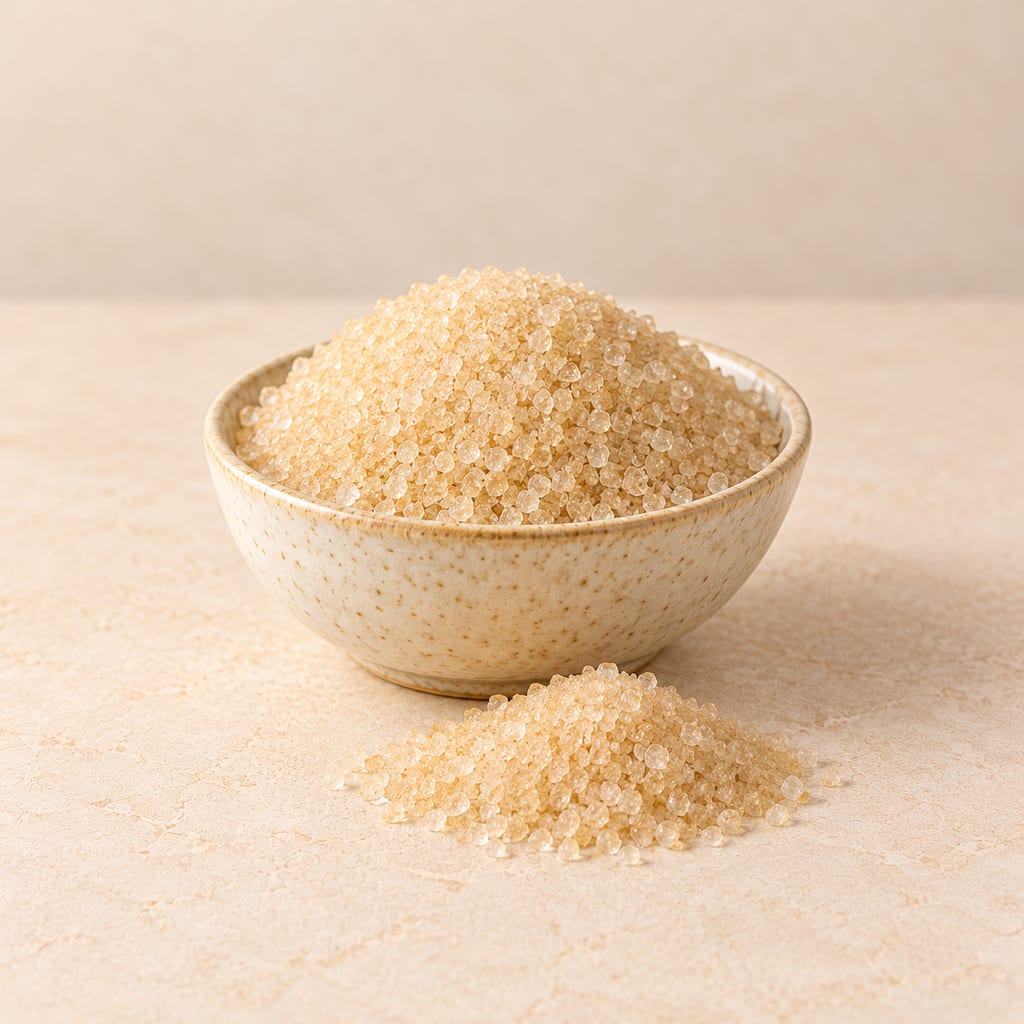
Turbinado is a pale golden cane sugar made by washing and spinning raw crystals, leaving large, dry grains that keep a faint trace of molasses and a mild toffee note.
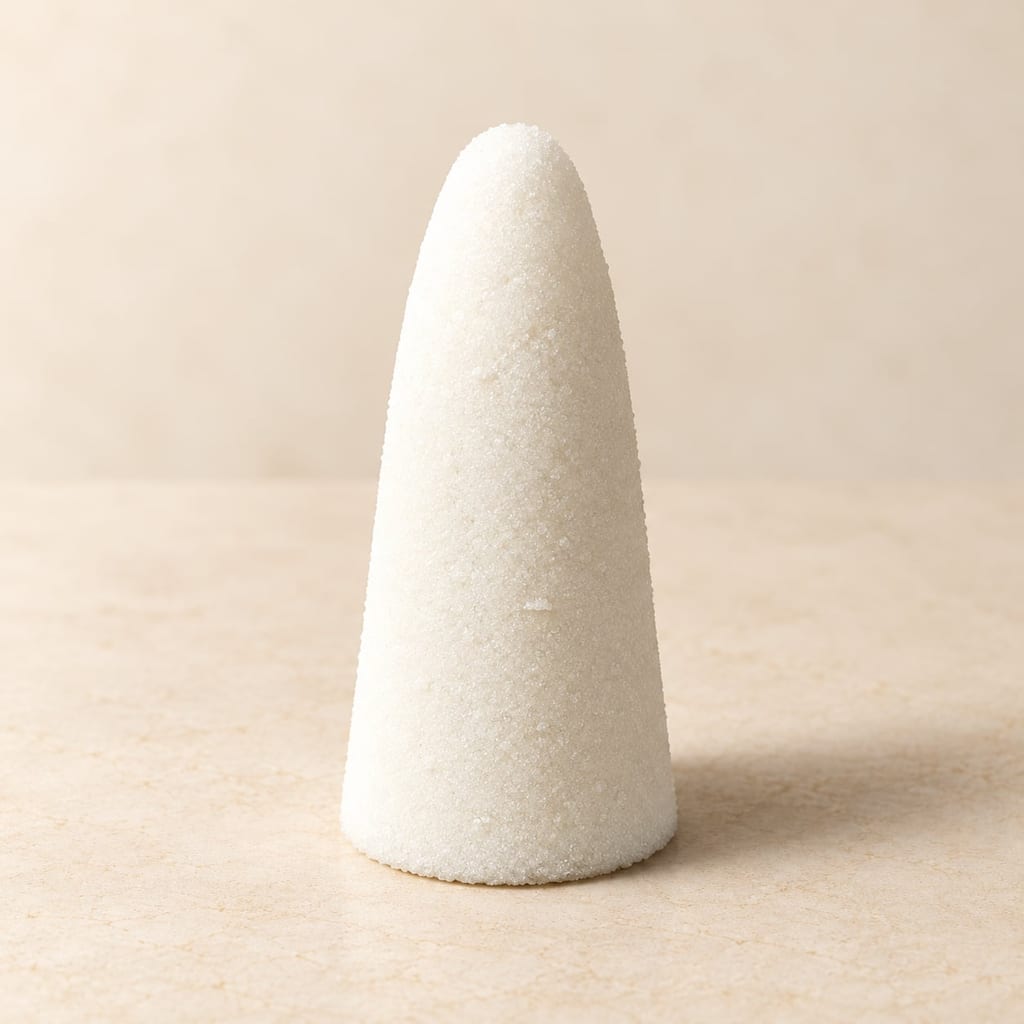
Refined sugar formed into a solid cone, historically cut or powdered for kitchen use and dissolved into wine liquor.
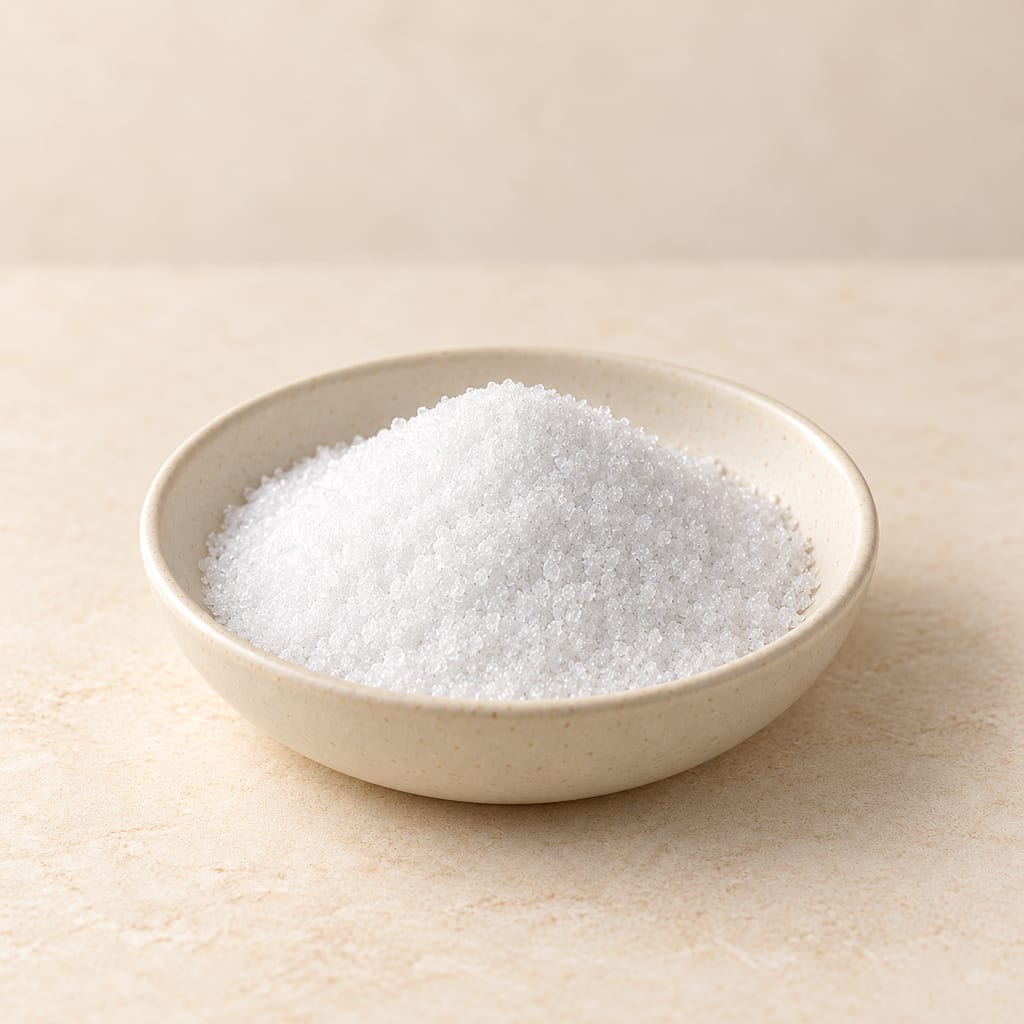
Crystalline D-glucose supplies fermentable carbohydrate to starter bacteria. Hydration state, starch source and product formulation remain relevant when selecting the powder.
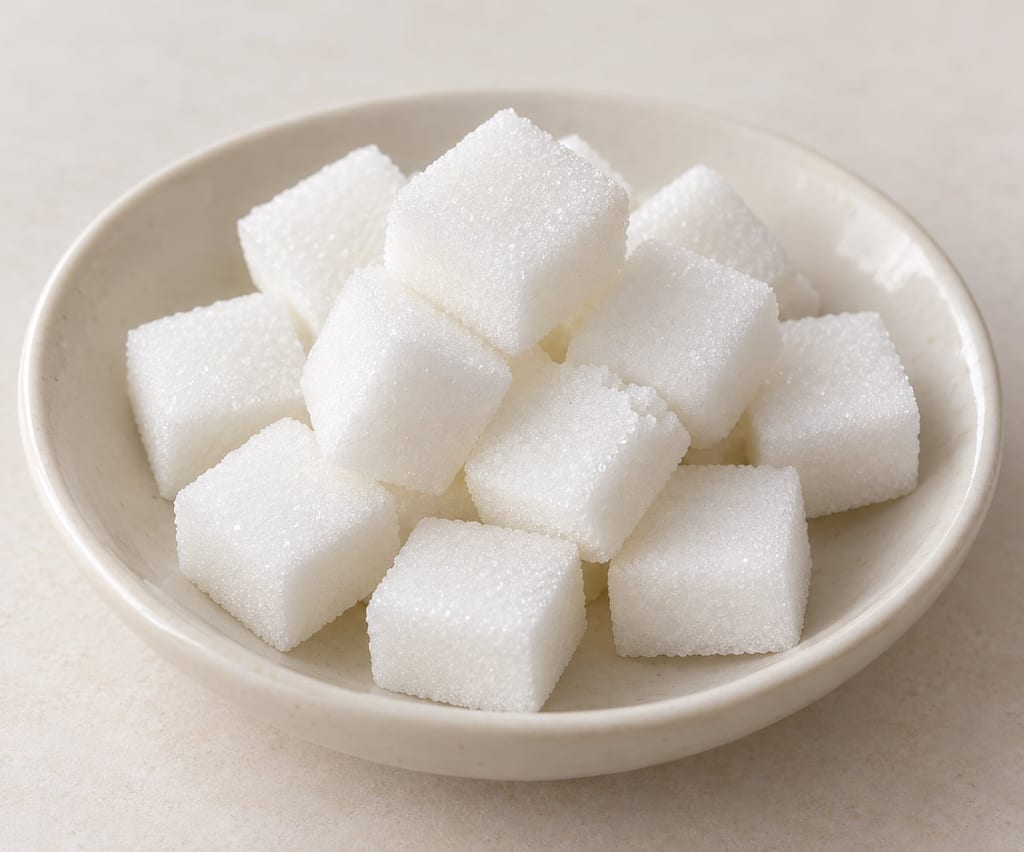
A historical refined-sugar form whose name has covered truncated cones and, in later usage, smaller pressed or cast pieces.
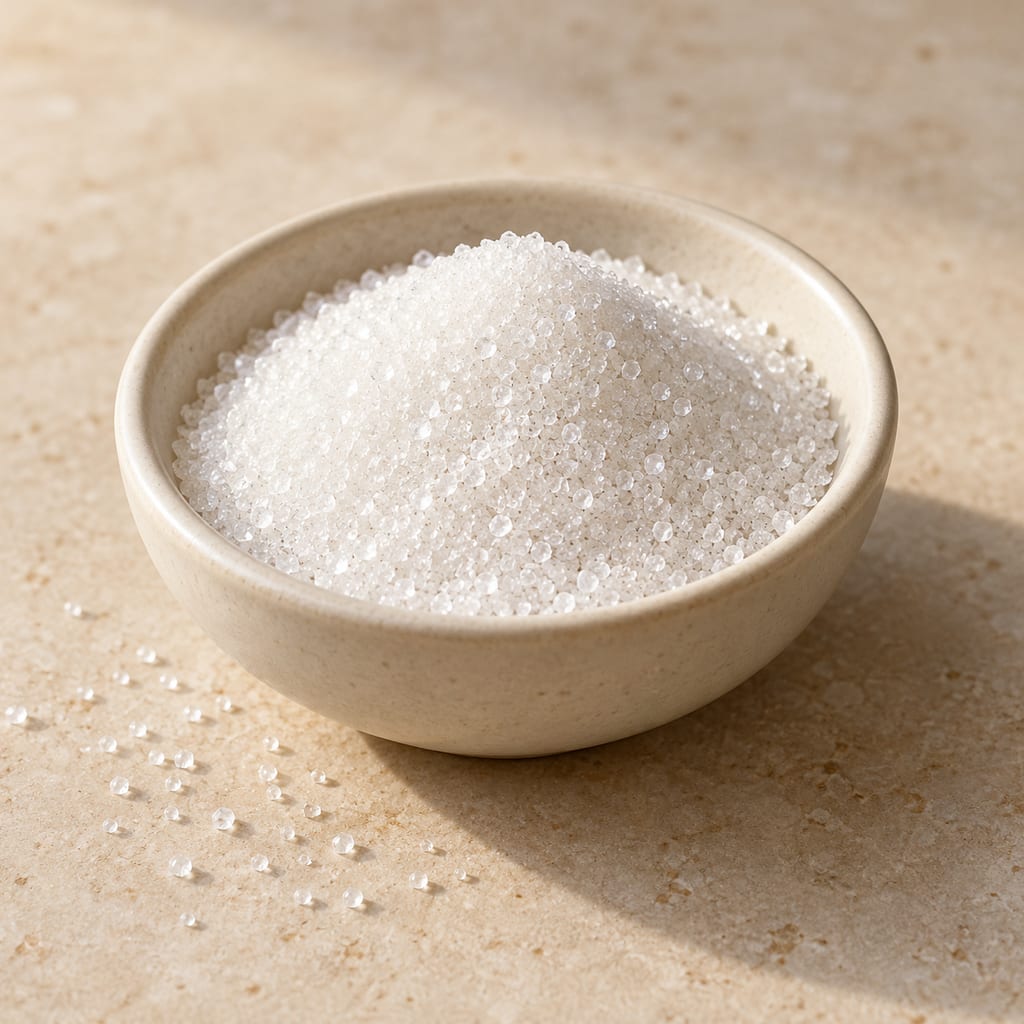
Granulated sugar is dry crystalline sucrose refined from cane or beet. It sweetens dough, feeds baking yeast, and helps set particular fruit spreads.
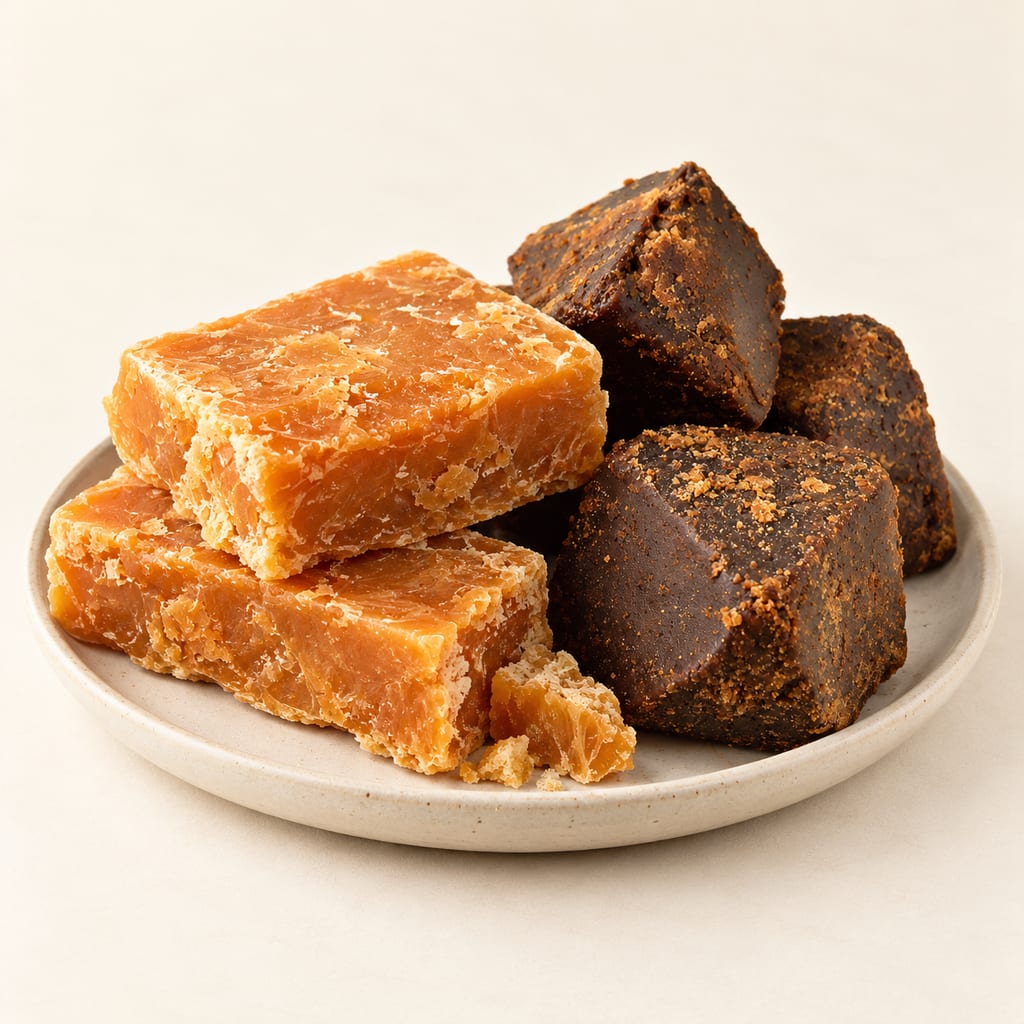
Jaggery is a family of concentrated, non-centrifugal sweeteners made from cane juice or palm sap. Plant source and form shape its flavour and use.
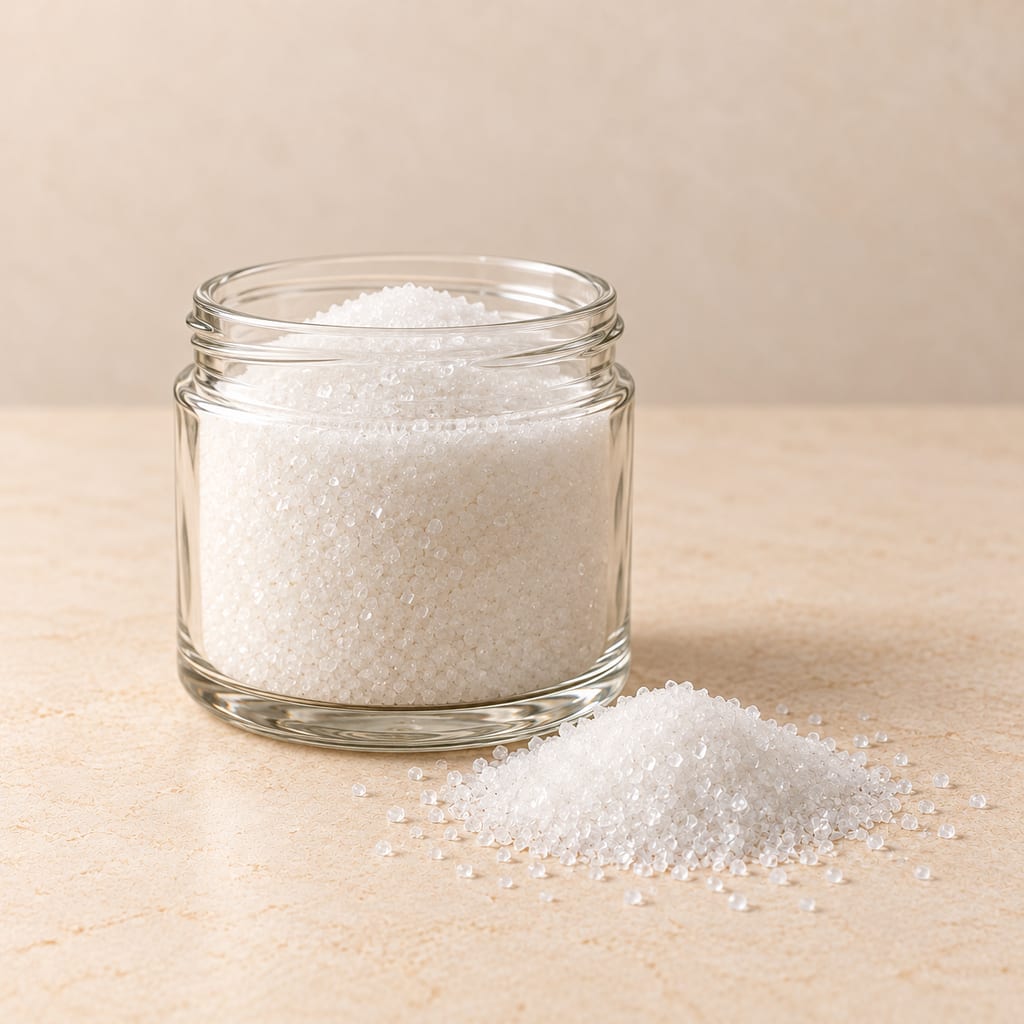
Sugar is a family of sweeteners with different forms and food roles; refined white sucrose may come from cane or beet, while less refined forms add other flavours and moisture.
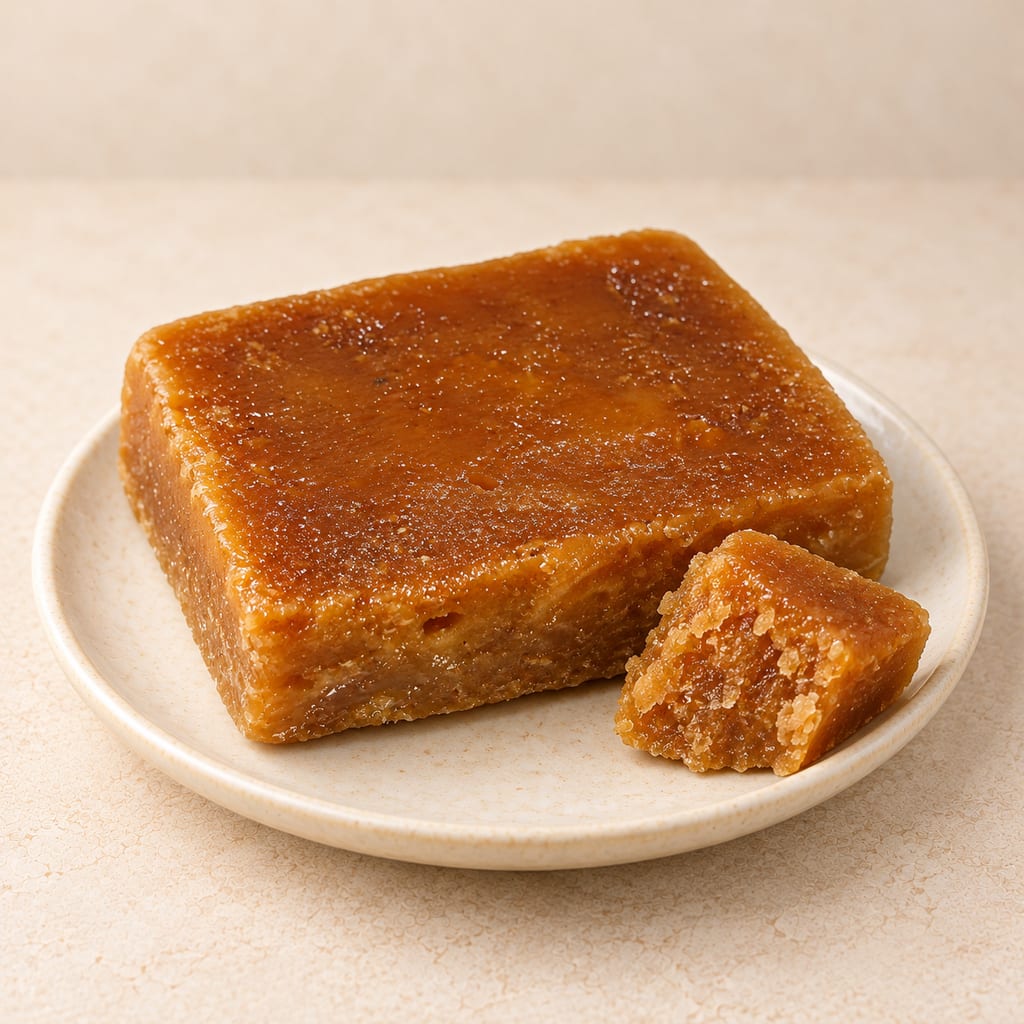
Panela is a solid, non-centrifugal sugarcane sweetener made by concentrating juice and letting it set. A documented Ecuadorian chicha recipe adds it after the cooked jora mixture cools.