
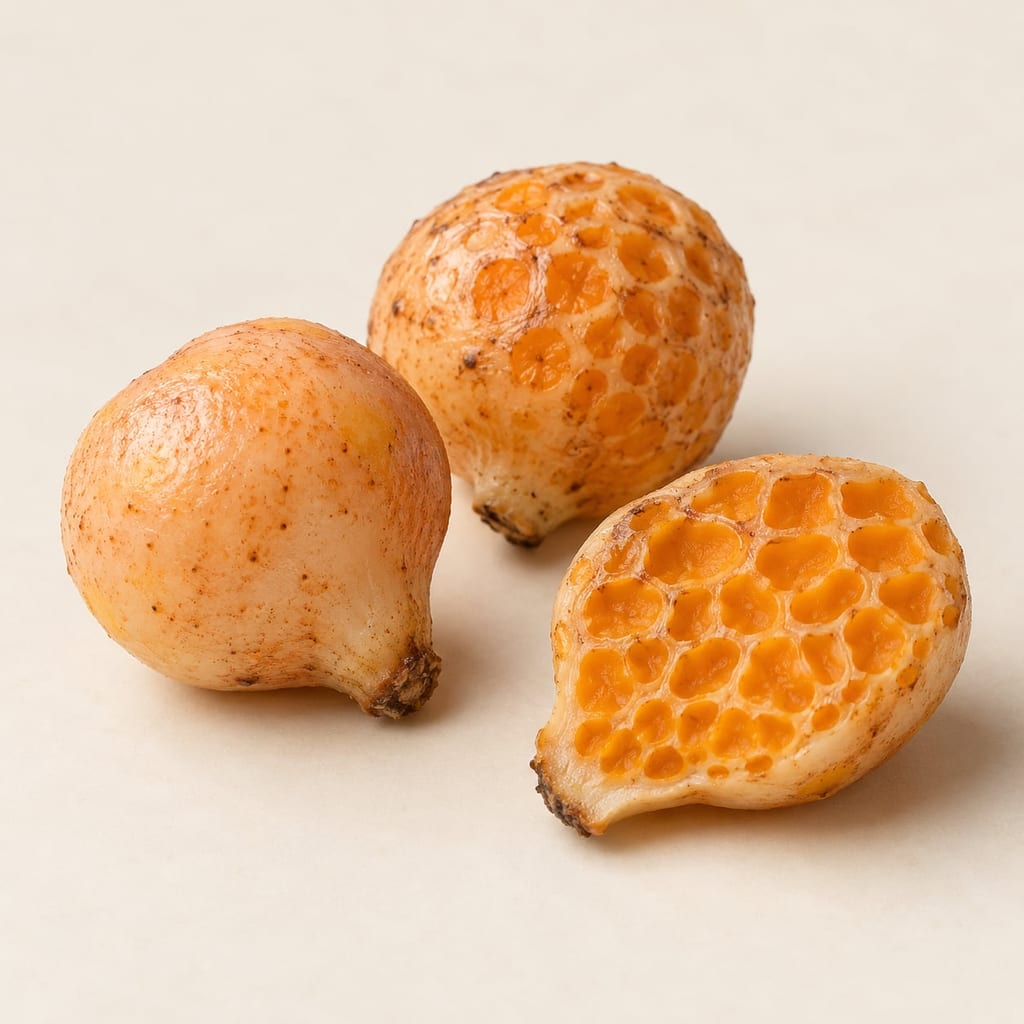





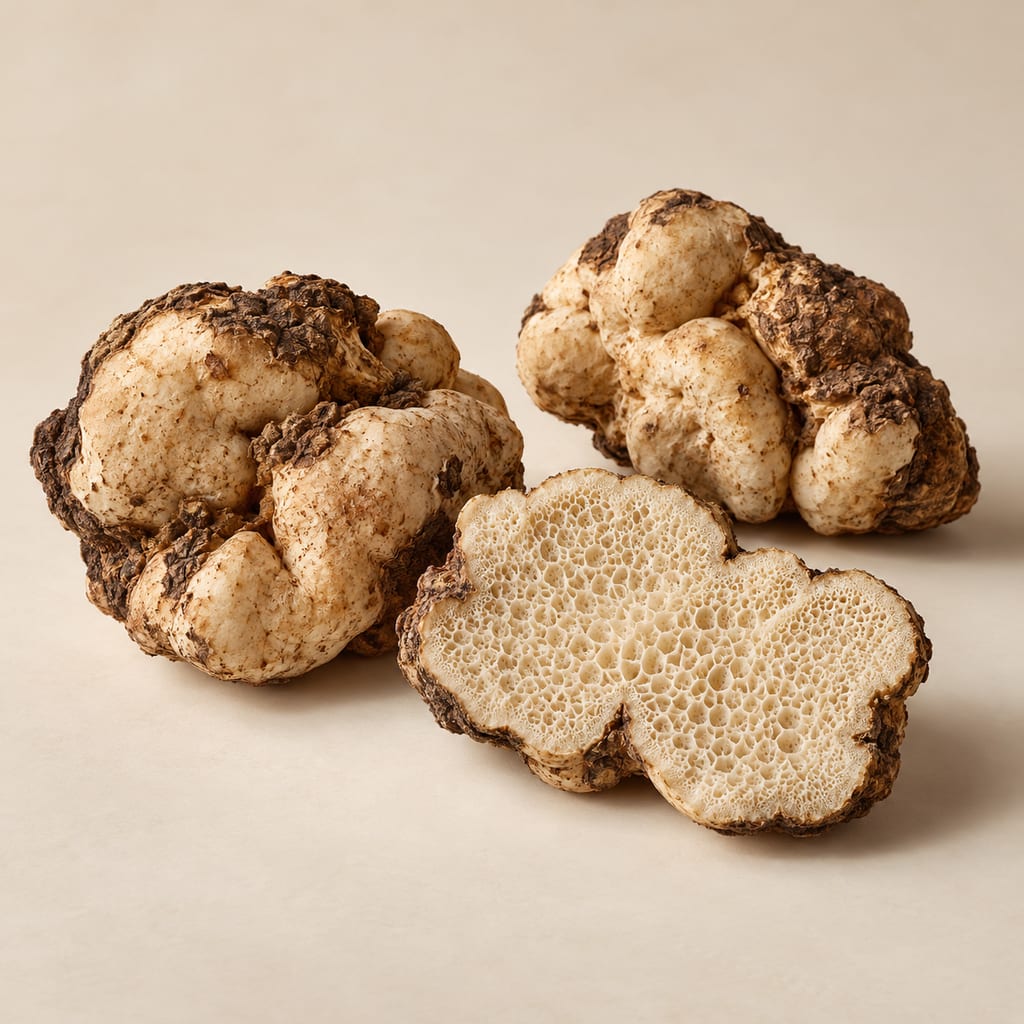
Native bread
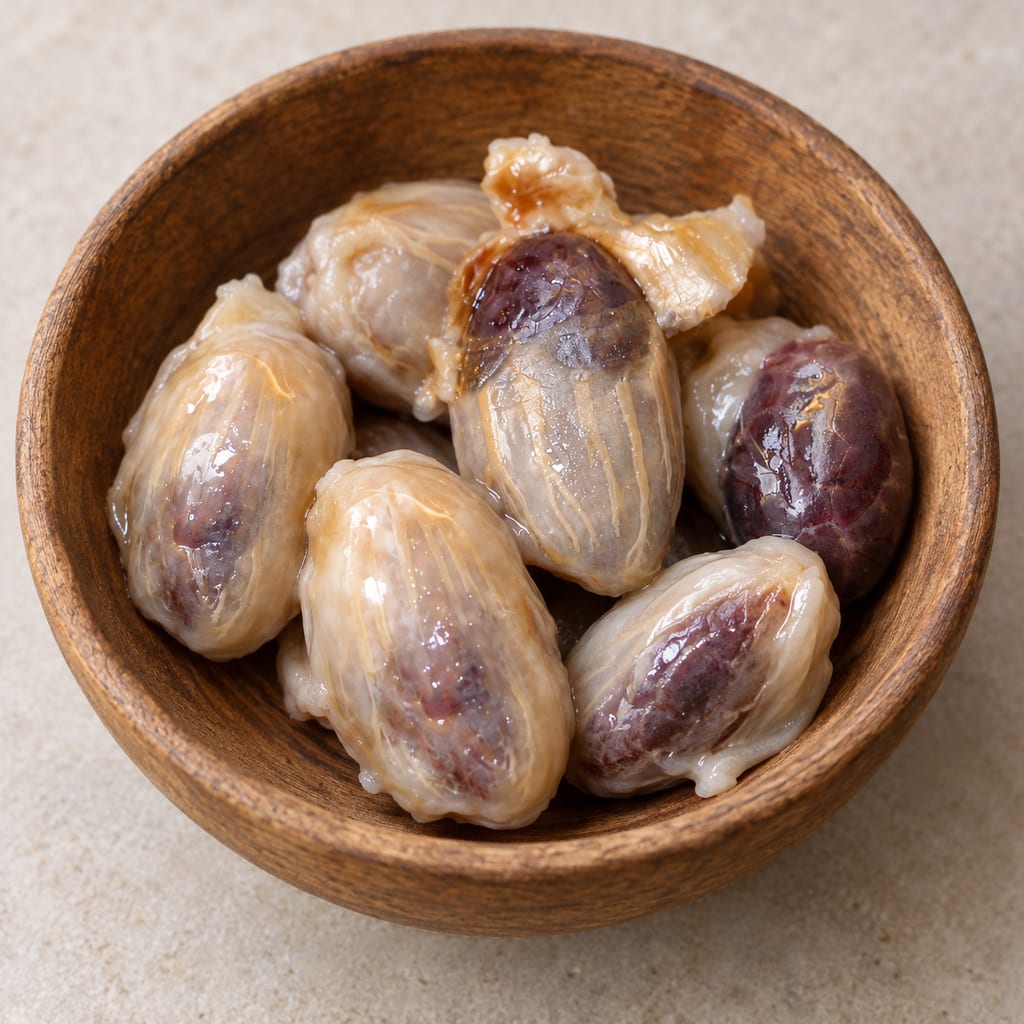
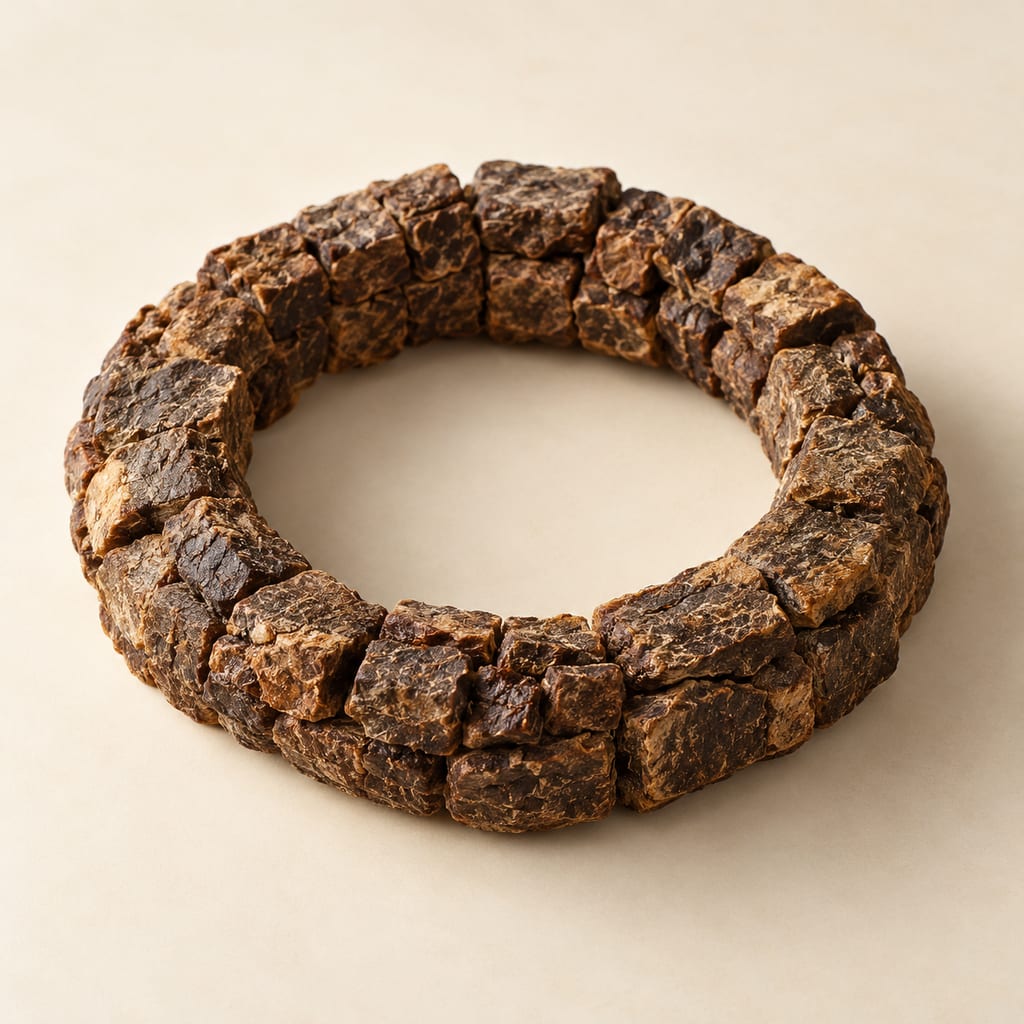
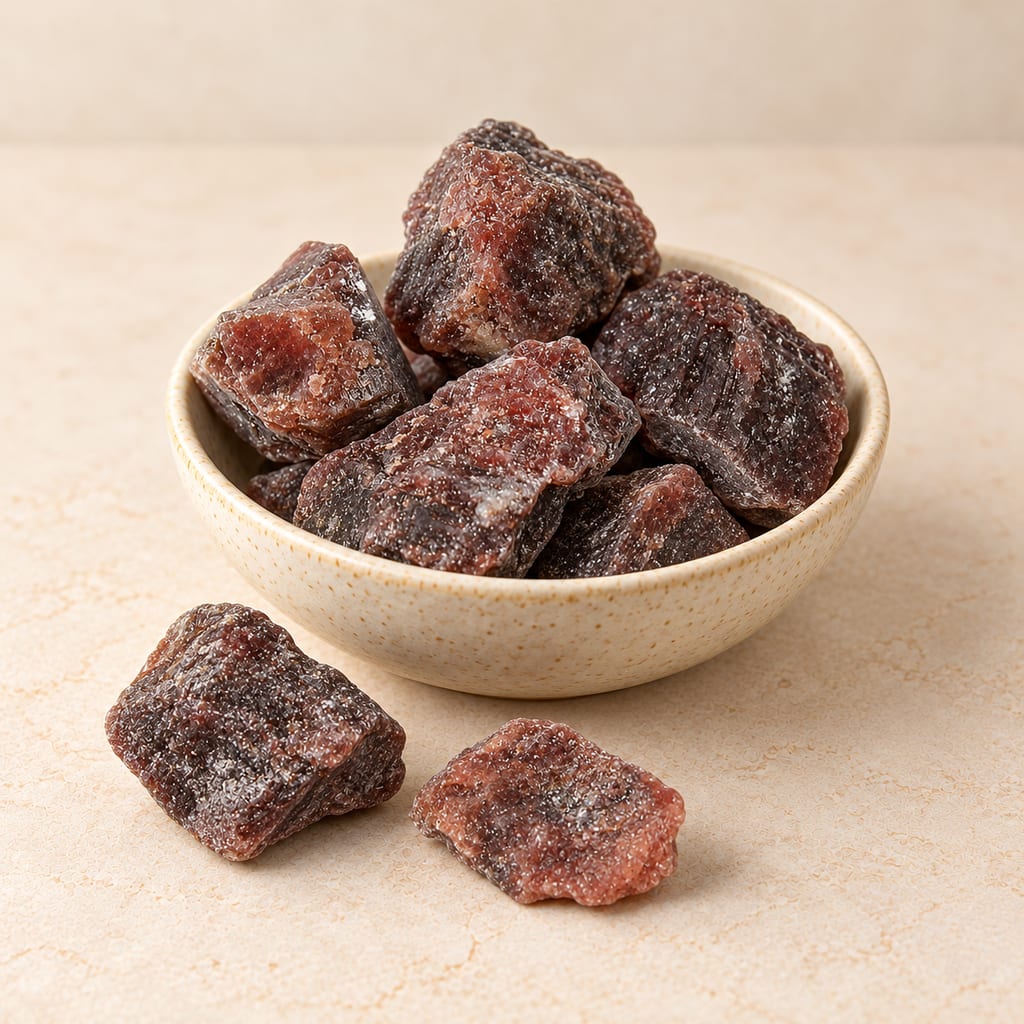
Native bread is the underground sclerotium of the Australian polypore Laccocephalum mylittae, eaten raw or roasted by Aboriginal people. Its identity and food use rest on historical and ethnographic accounts.
 FermenteaWhere food goes to change
1086 articles on substrates, cultures and additives.
 Edible mushrooms339
 Brittlegills25
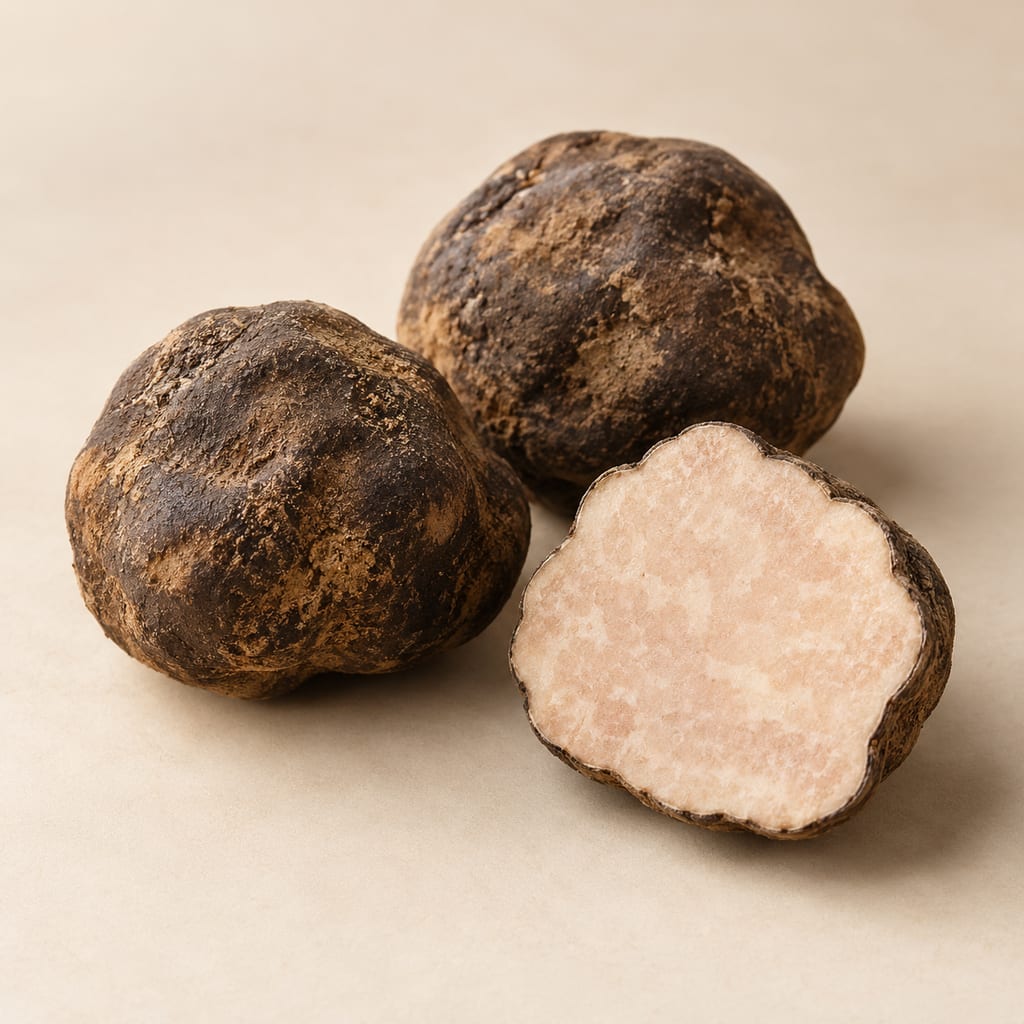 Truffles20
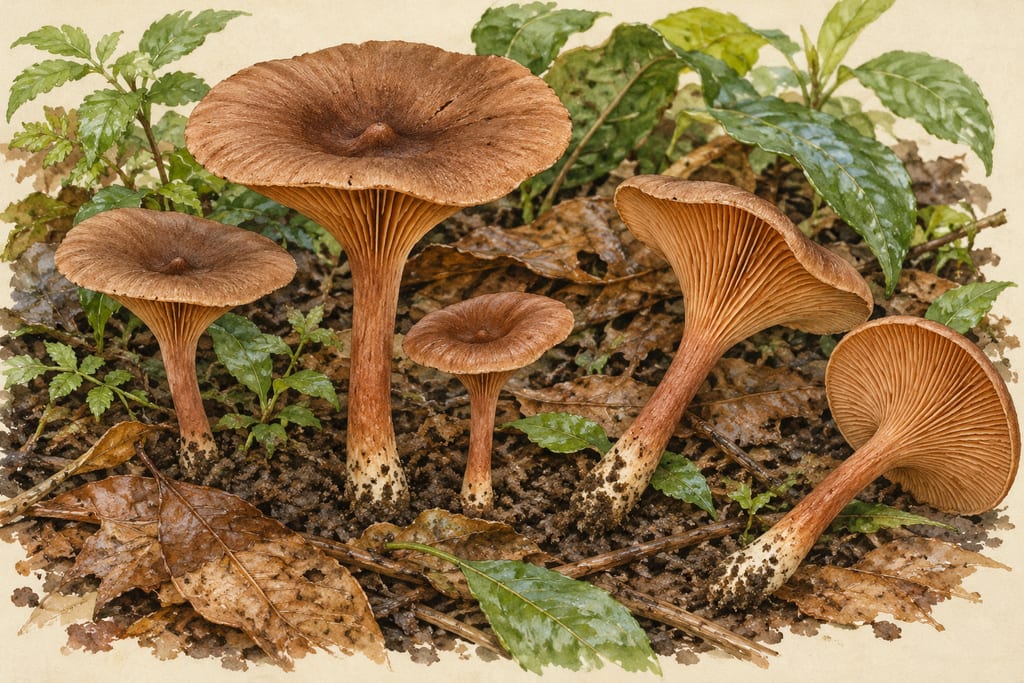 Milkcaps17
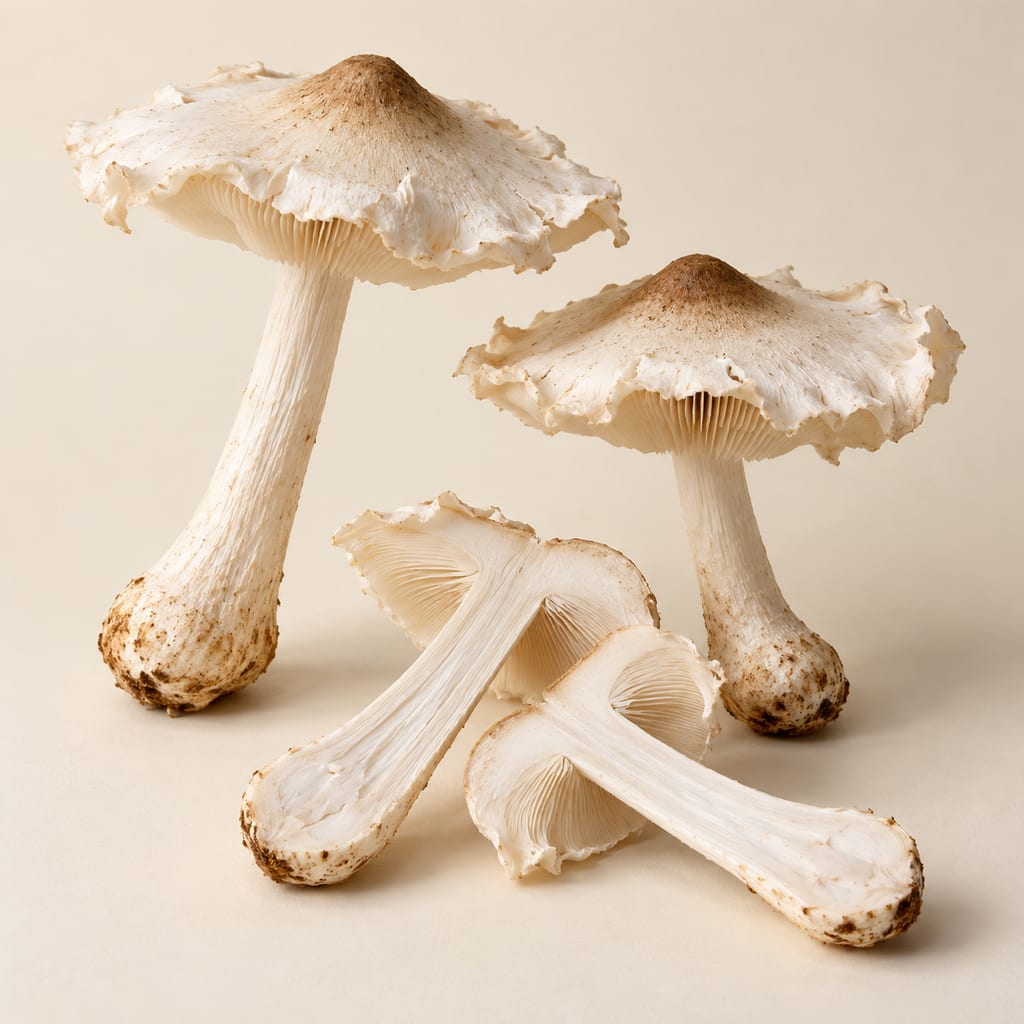 Termite mushrooms17
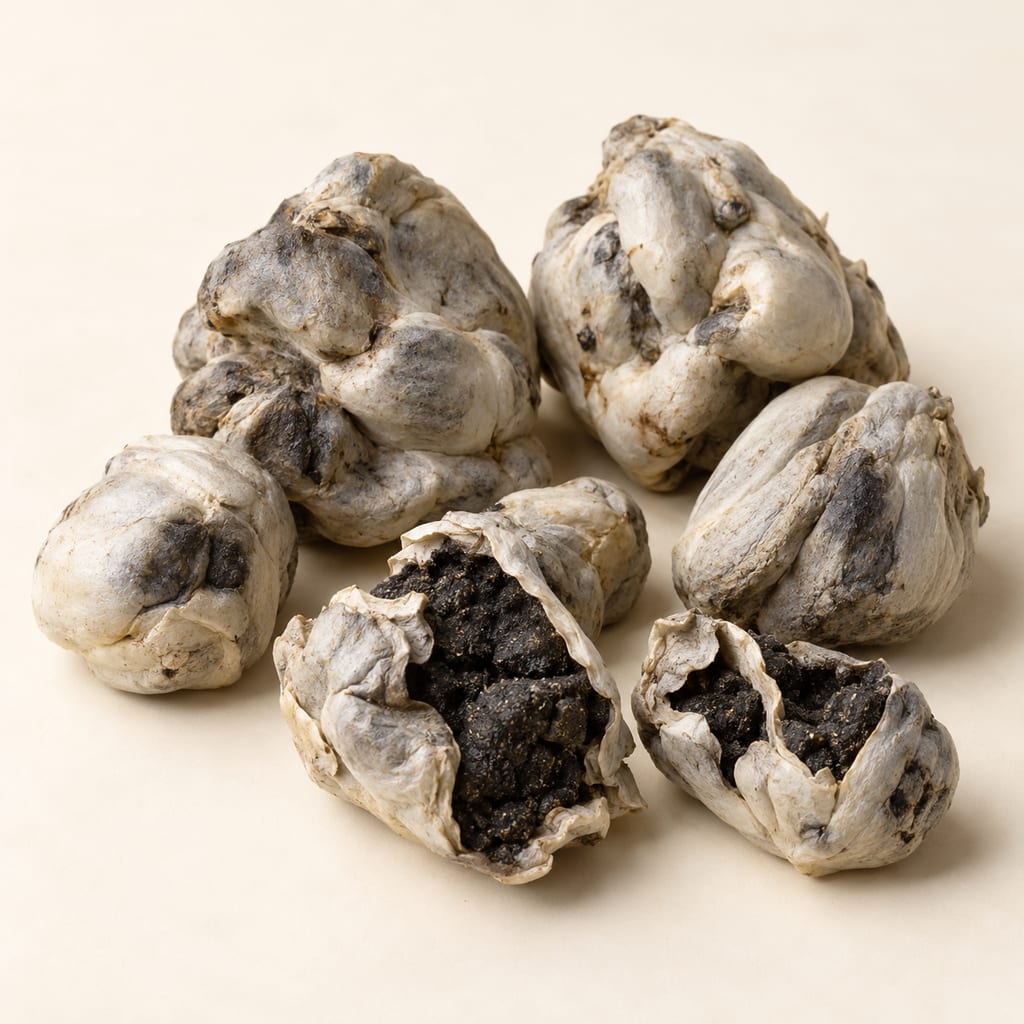 Fungi7
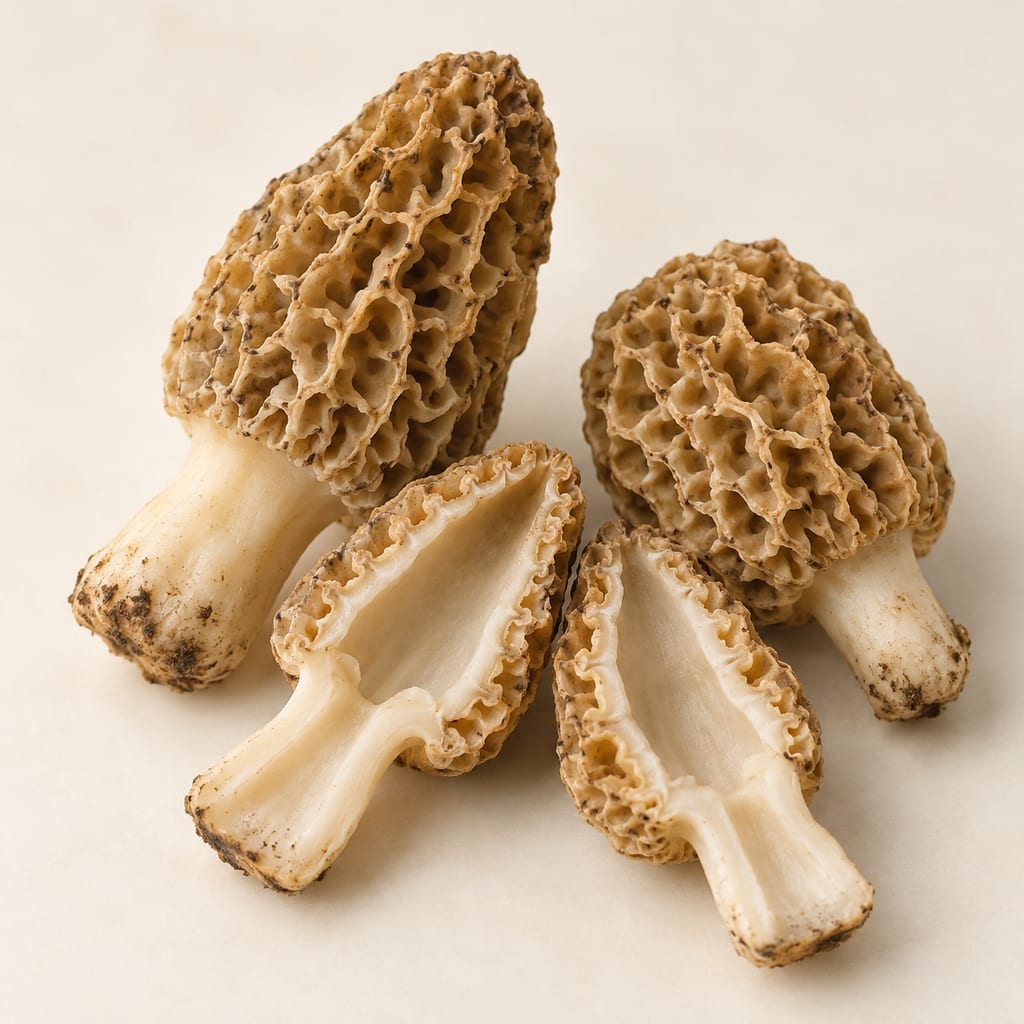 Morels4
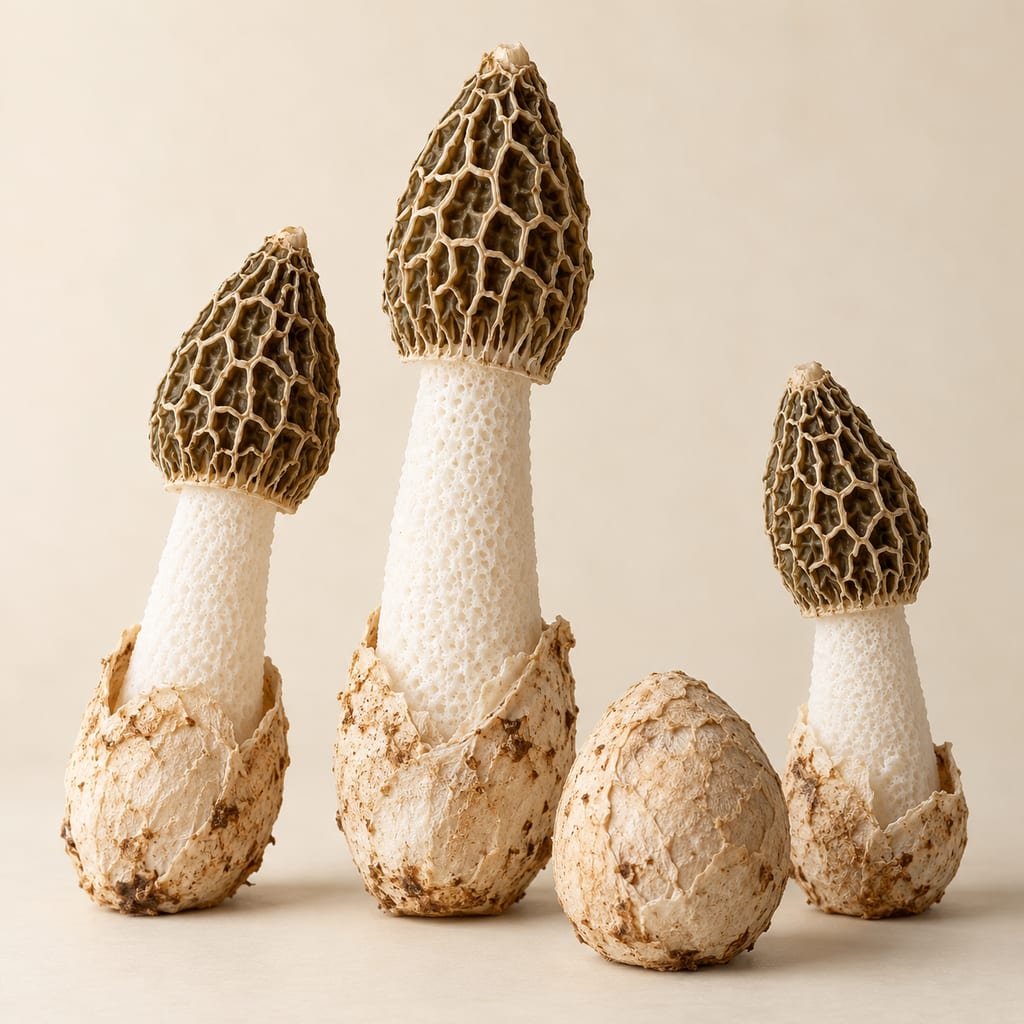 Stinkhorn fungi4
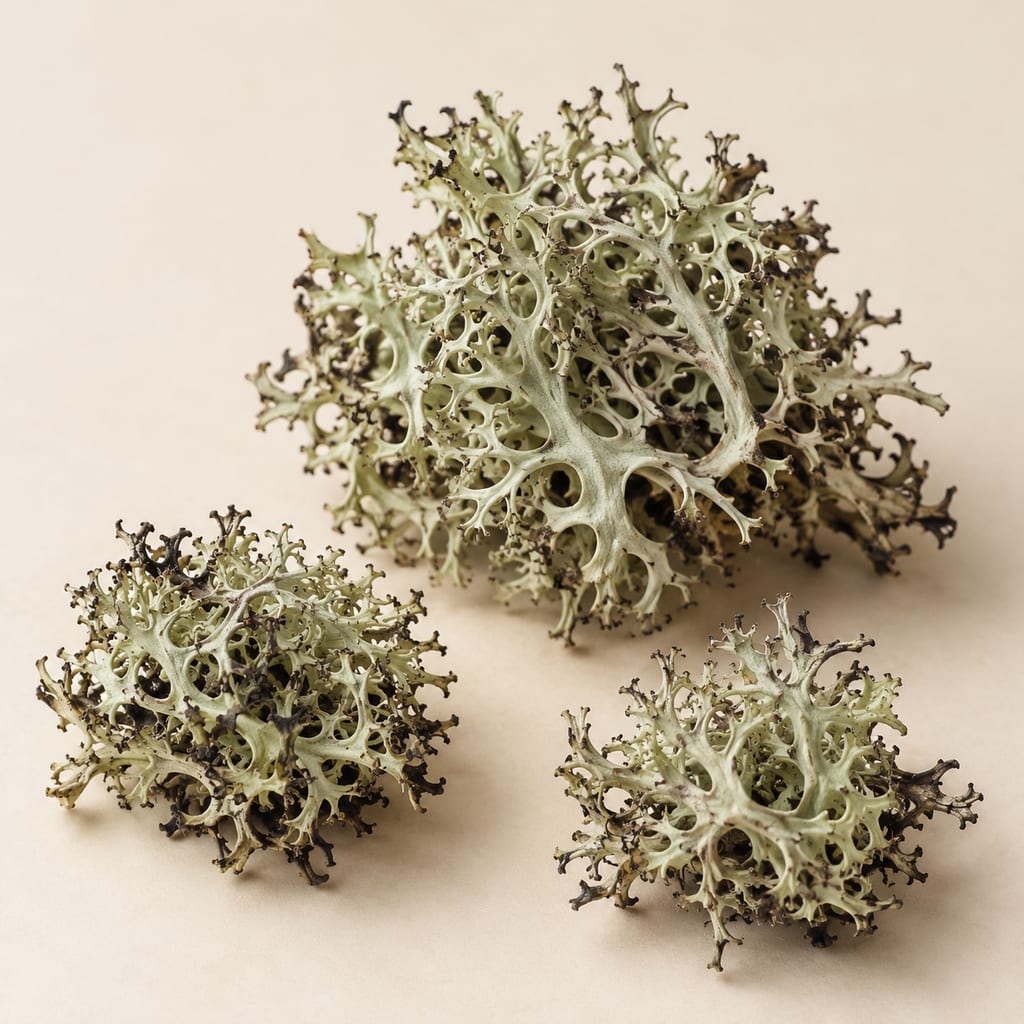 Lichens3
Native bread is the underground sclerotium of the Australian polypore Laccocephalum mylittae, eaten raw or roasted by Aboriginal people. Its identity and food use rest on historical and ethnographic accounts.
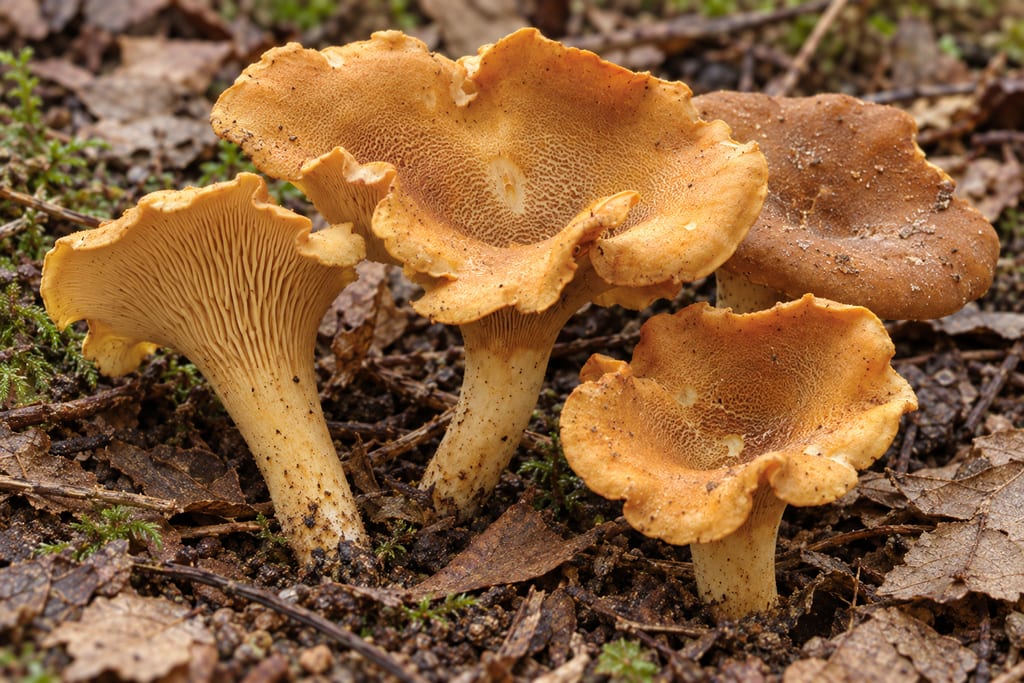
This page records a Tshopo food-use report under the epitypified name Cantharellus densifolius; it is not an identification or safety assessment of a wild specimen.
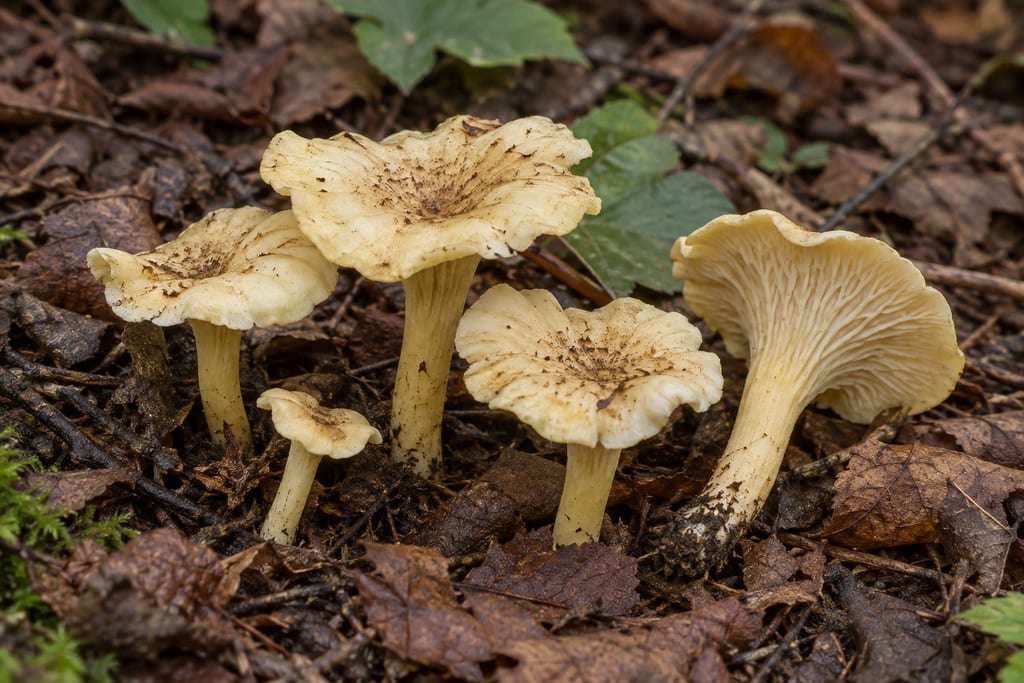
A chanterelle species recorded from Yunnan, China, and Sikkim, India; its reported food use is provisional, and this page cannot identify a wild mushroom or assess its safety.
Huitlacoche is the grey gall of the maize smut fungus Ustilago maydis, gathered and eaten in Mexico, where it is also a crop disease.
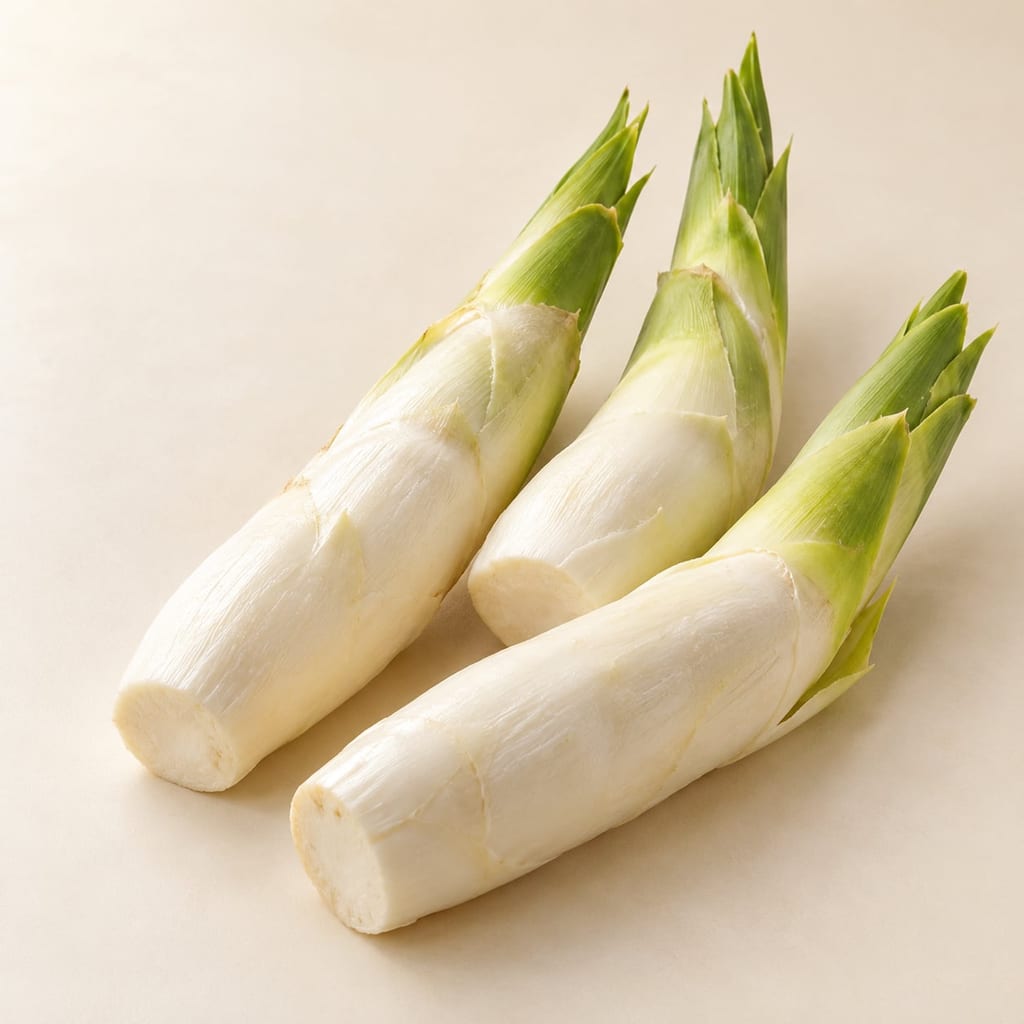
Water-bamboo smut is the swollen gall that the fungus Ustilago esculenta forms on the aquatic grass Zizania latifolia. It is eaten as a vegetable in China and elsewhere in East and Southeast Asia.
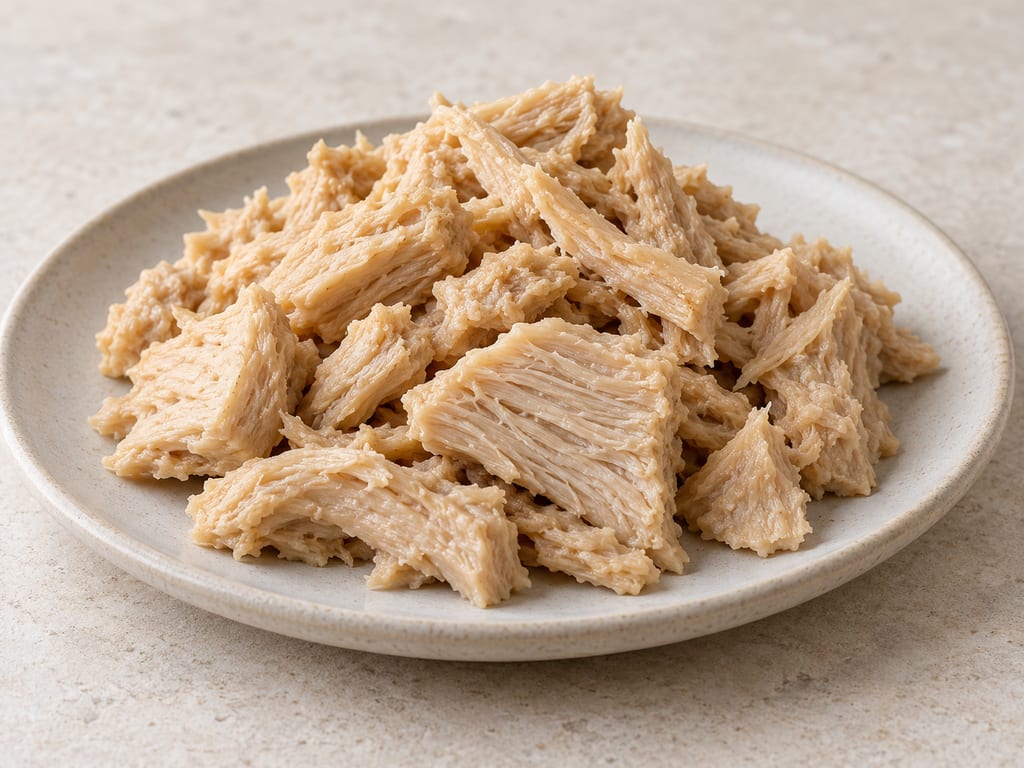
Fusarium venenatum is the filamentous fungus grown in large fermenters to make mycoprotein, the edible mycelium behind Quorn, using glucose as feedstock in a continuous process.
A miombo-woodland chanterelle described from Tanzania and called Wipatwe in the Southern Highlands. Food classifications conflict, including within a 2015 community study.