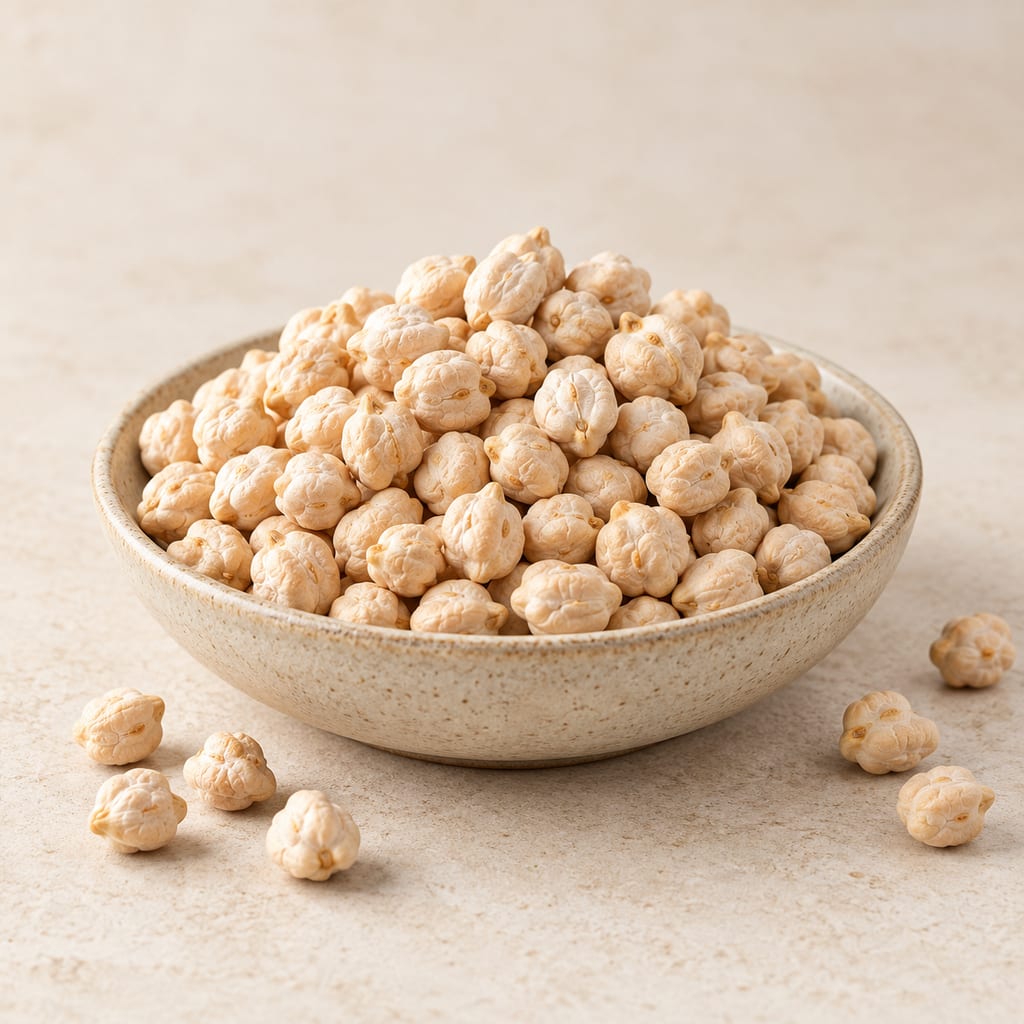
Chickpeas
Chickpeas (Cicer arietinum) are dry pulses eaten whole or milled into flour, which gives socca, farinata and other breads a dense, nutty batter or dough.
 FermenteaWhere food goes to change
Mushrooms
Native bread is the underground sclerotium of the Australian polypore Laccocephalum mylittae, eaten raw or roasted by Aboriginal people. Its identity and food use rest on historical and ethnographic accounts.
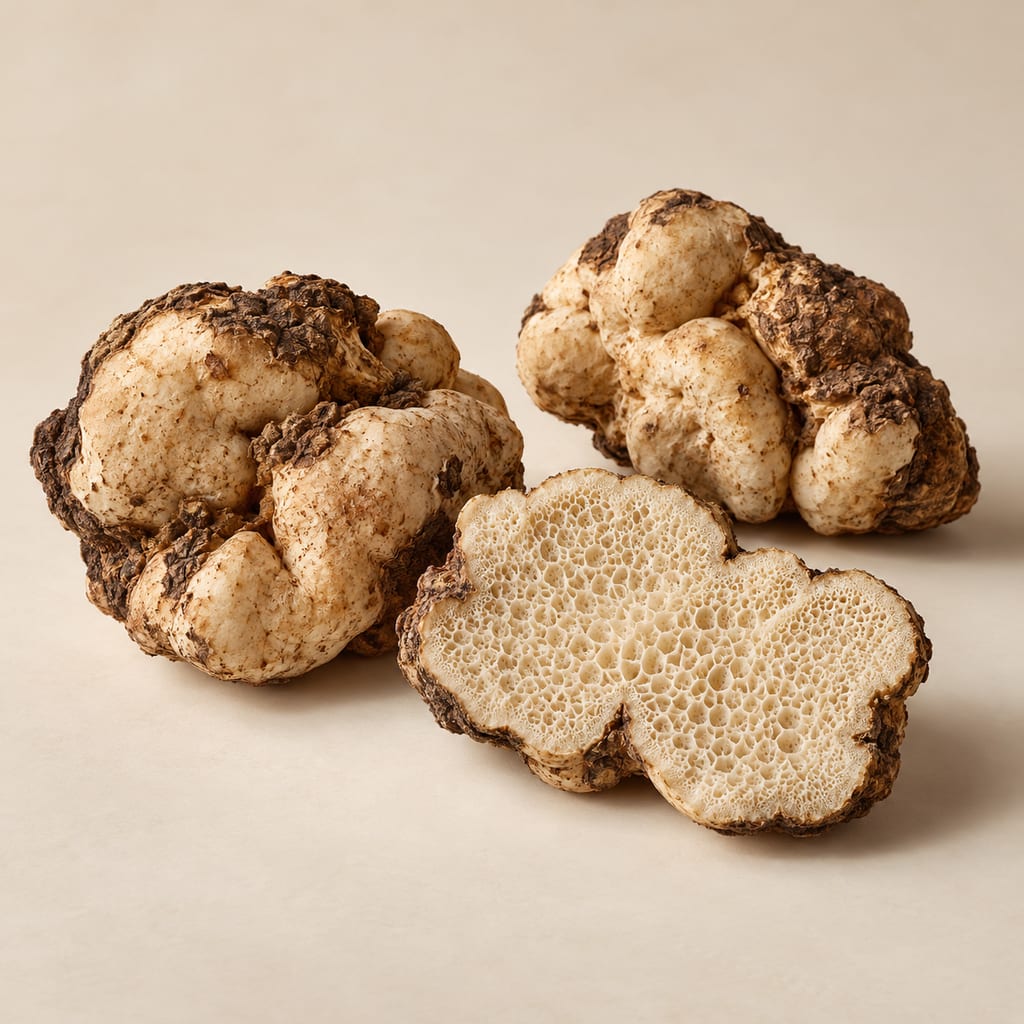
Native bread is the common name for Laccocephalum mylittae, a wood-associated polypore whose underground sclerotium is the edible structure. The species was formerly named Polyporus mylittae. The catalogue carries Laccocephalum mylittae as a research name with no blanket current-name validation.
The edible part is the underground sclerotium, a firm storage body that the Australian Native Bread account describes as sometimes growing to about the size of a football. Early accounts describe it as eaten raw or roasted. The page describes its flavour as similar to boiled rice, while a specimen from near Braidwood was found to be bland.
People located the sclerotium by smell. The Australian account describes pushing a stick into the ground while walking and sniffing the stick after pulling it out.
Fungimap's entry for the species says the fungus fruits on the ground only in disturbed or burnt native vegetation, and that fresh fruit bodies are soft but tough and pure white to cream. Other accounts link the sclerotium to buried wood and suggest that fire triggers fruiting, after which the stored food is used up and the sclerotium eventually breaks down.
The Australian account draws largely on a chapter in Fungi of Australia, Volume 1B, and does not name specific Aboriginal communities. It warns that early European accounts may be unreliable because of cross-cultural misunderstanding, and that many reports lack the detail needed to confirm which species was used.
No modern identification or safety assessment is given in the sources read. Identification of the sclerotium in the field requires specialist confirmation, and no preparation is recommended here beyond what the historical accounts describe.
Recorded as food used by Aboriginal people; the account does not give a single precise locality for the practice.
Chickpeas (Cicer arietinum) are dry pulses eaten whole or milled into flour, which gives socca, farinata and other breads a dense, nutty batter or dough.
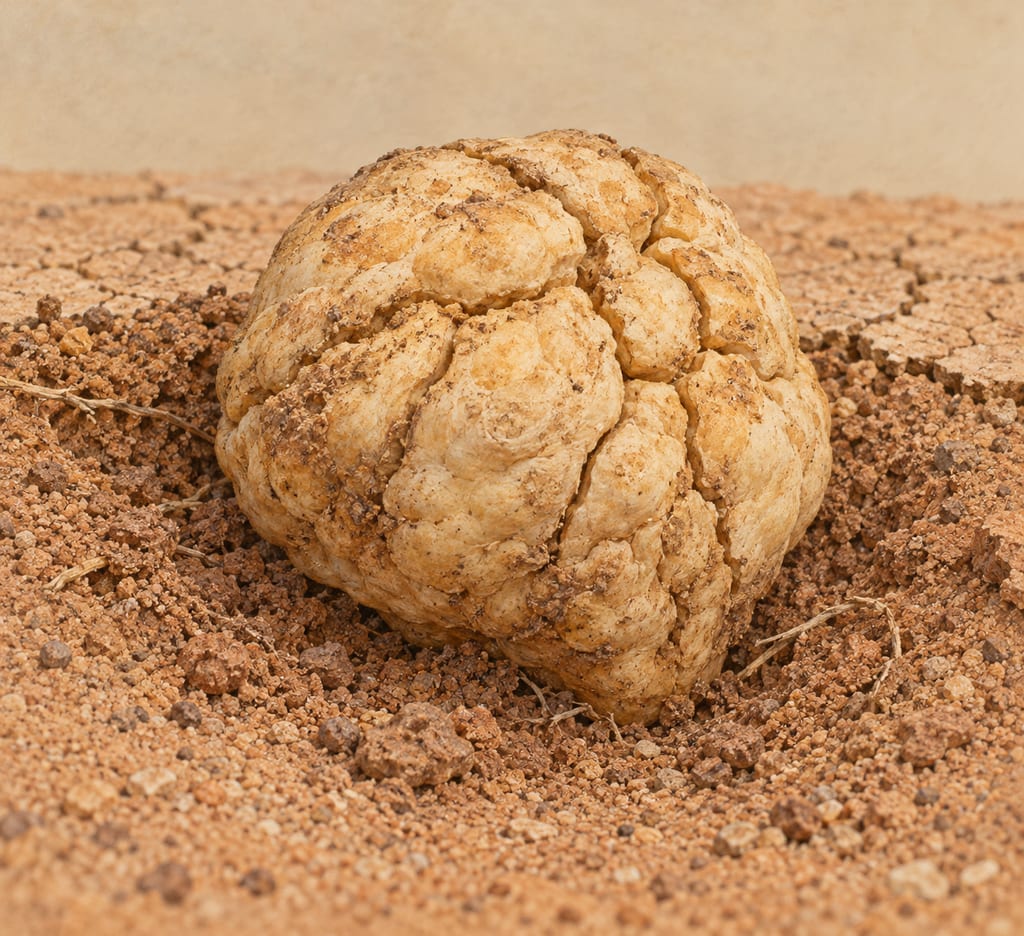
Choiromyces aboriginum is an underground desert truffle of Australia's dry interior. Aboriginal peoples ate its fruiting bodies raw or cooked and also drew water from it. Its accepted scientific name is disputed.
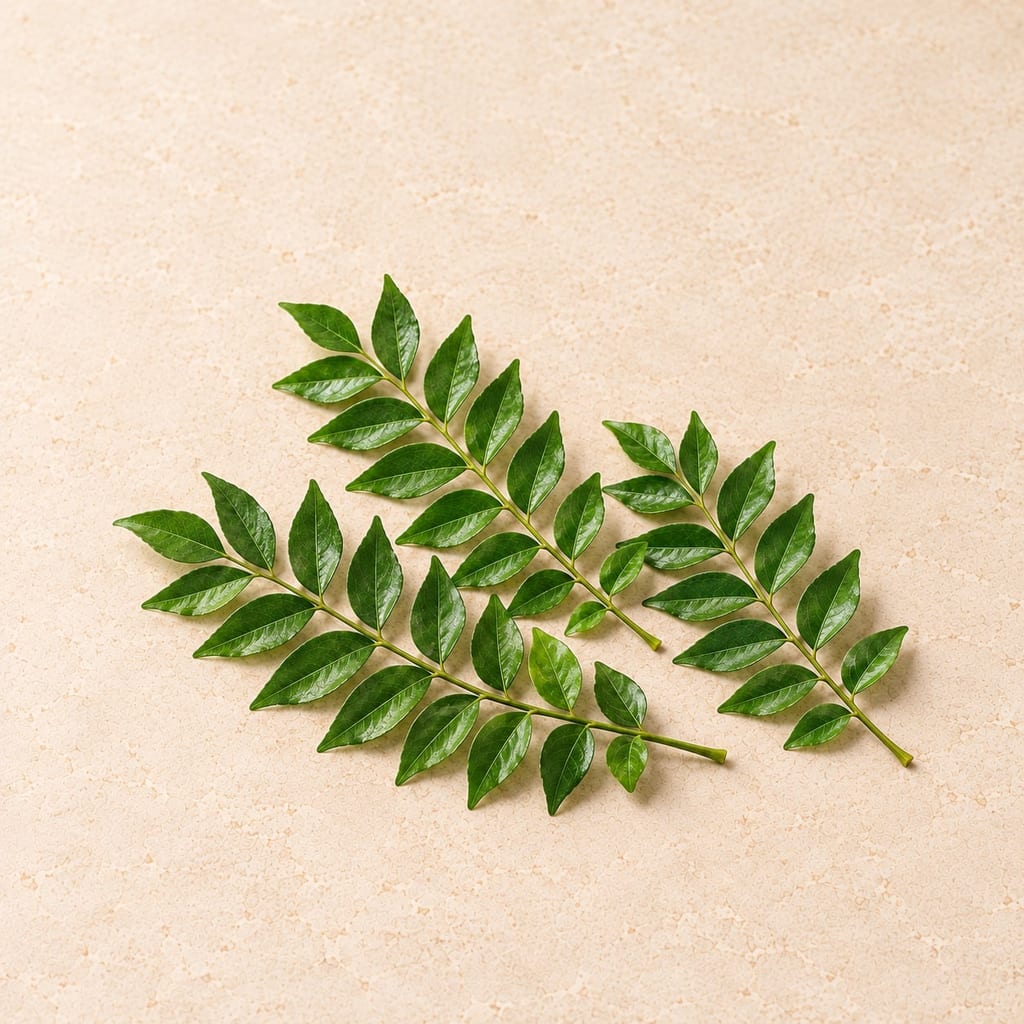
Curry leaves are the glossy compound leaves of the curry tree, Bergera koenigii, used fresh across southern India and Sri Lanka. Fried in hot oil they give a citrusy, nutty, faintly smoky note.
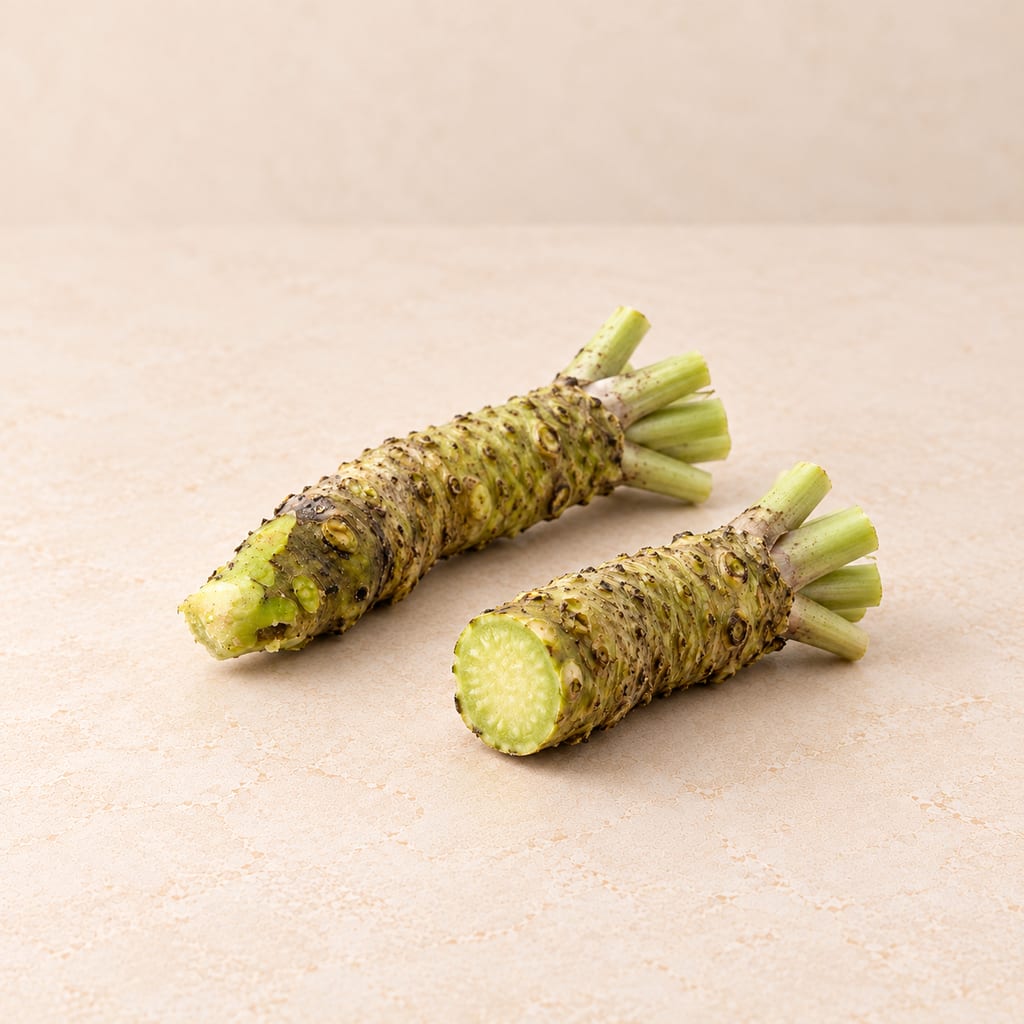
Wasabi is the enlarged stem of Eutrema japonicum, a pungent perennial in the mustard family. Fresh rhizome is grated as a Japanese condiment; powder and prepared paste are separate products.
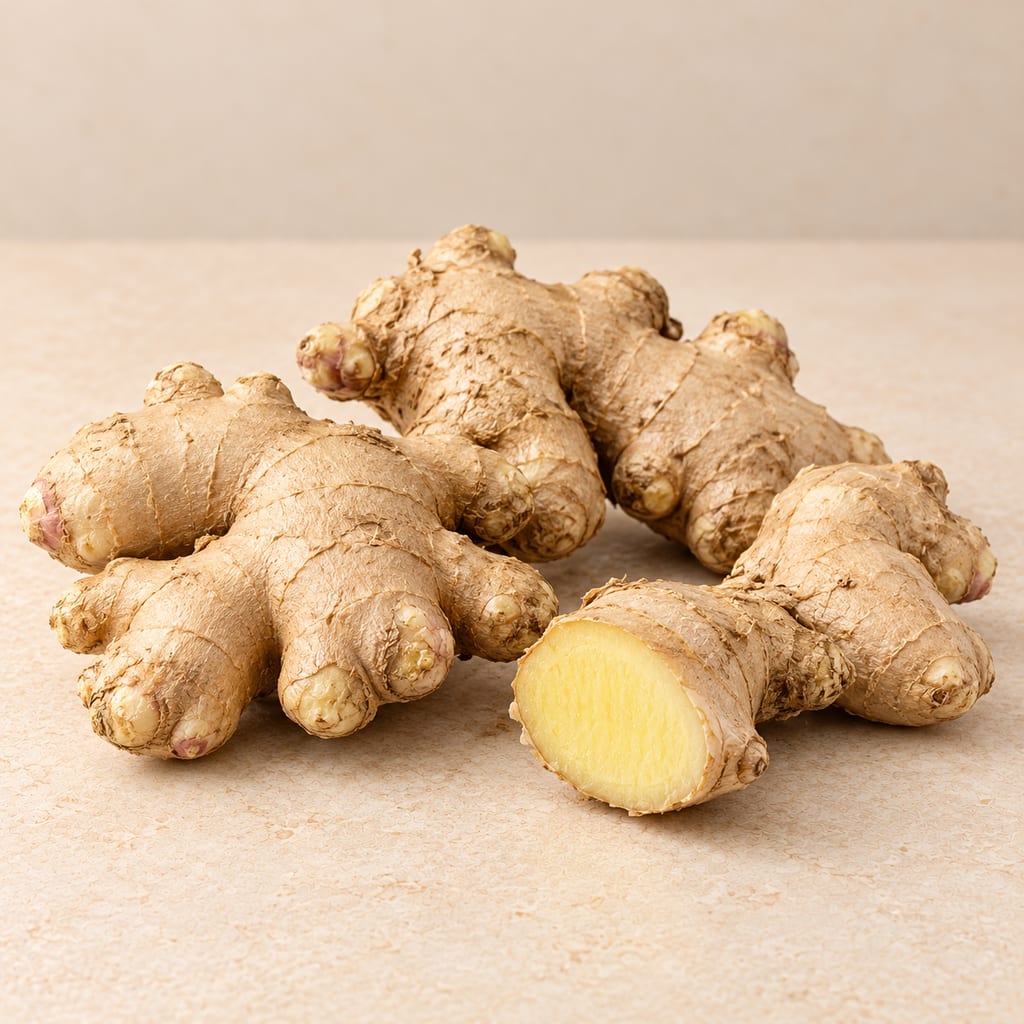
Ginger is the aromatic rhizome of Zingiber officinale, used fresh, dried and preserved. Historical ginger wines sliced or bruised it to flavour a sugar-based ferment.
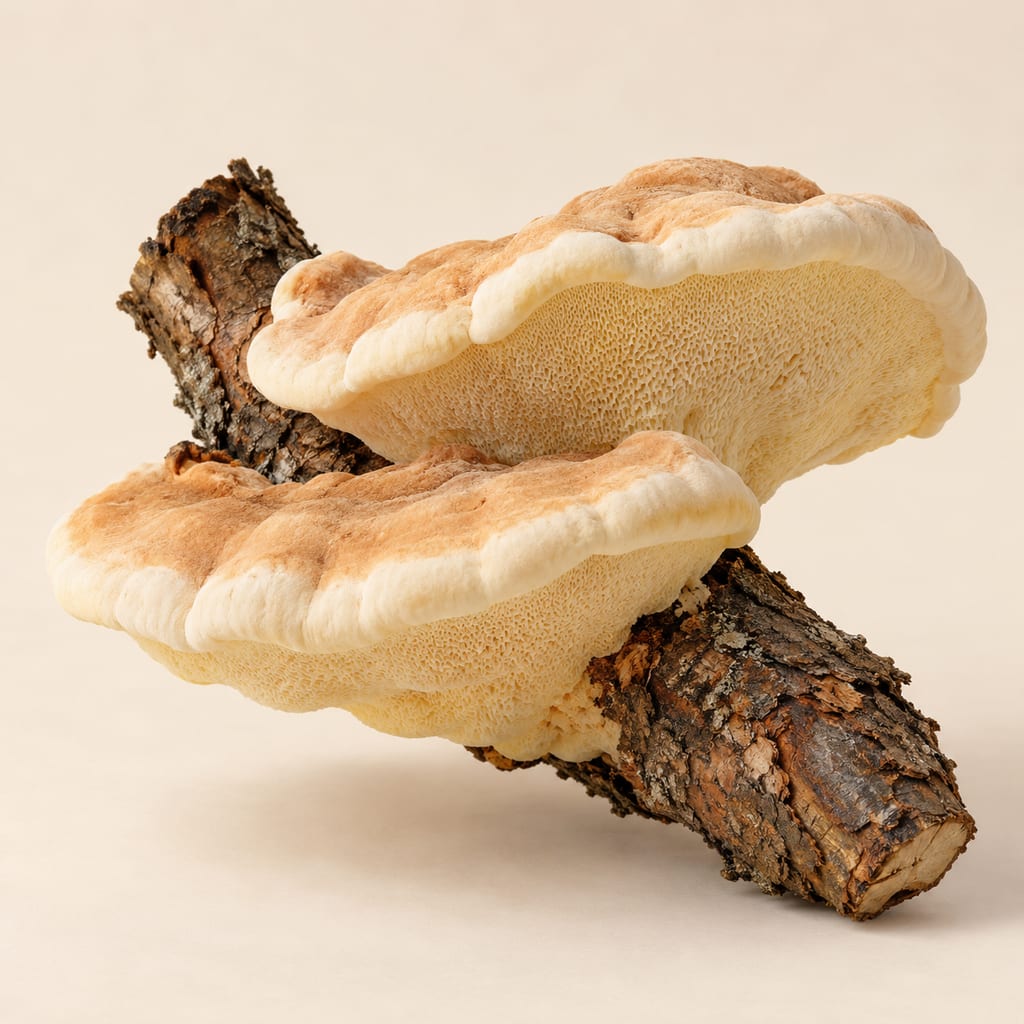
Laetiporus portentosus is a wood-decaying bracket fungus recorded in a historical Tasmanian account as a possible emergency food. The identification in that account is probable, not confirmed, so the species is not a confirmed food.
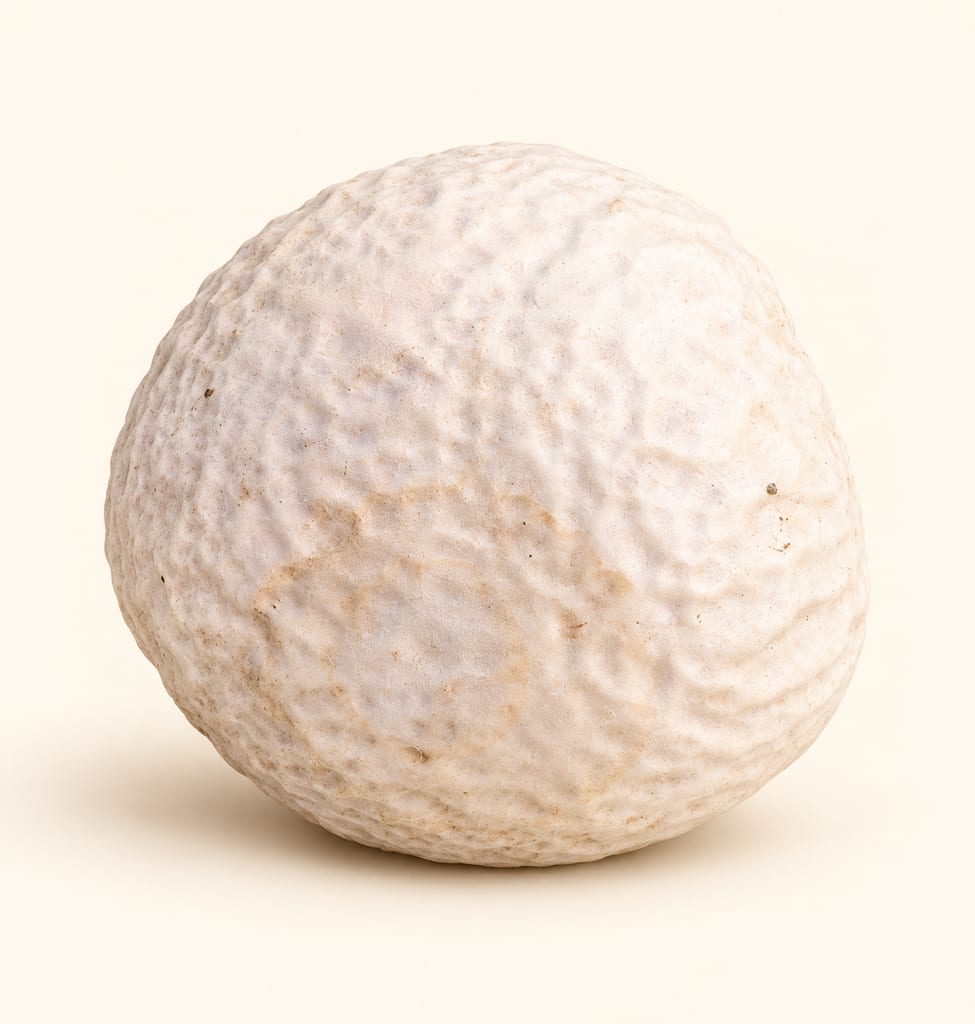
Calvatia lilacina is a lilac-tinted puffball with regional natural-history records and historical edible listings whose taxonomic and safety limits remain important.
Mycoclelandia bulundari is a hypogeous desert fungus of northern and western Australia, recorded as a cooked food of Aboriginal people. Its identification and modern food safety are not established.
No community contributions have been published for this entry yet.
Sign in to contribute. Published comments and photos are free to read.
Australian National Botanic Gardens, Australian FungiHistory · Food use · Caution
Native Bread (Laccocephalum mylittae) and Aboriginal food fungiEdible underground sclerotium, sometimes about football size, eaten raw or roasted; flavour described as boiled rice.
Sclerotia located by smell; formerly Polyporus mylittae; account drawn largely from Kalotas in Fungi of Australia, Vol 1B.
Early European accounts may be unreliable; many reports lack the detail to confirm the species.
Cited in: Identity and name; The edible sclerotium; Evidence limits
FungimapEcology · Identity
Laccocephalum mylittae - Native BreadFruits on the ground only in disturbed or burnt native vegetation; fresh fruit bodies soft but tough, pure white to cream.
Cited in: Habitat and fire; Evidence limits