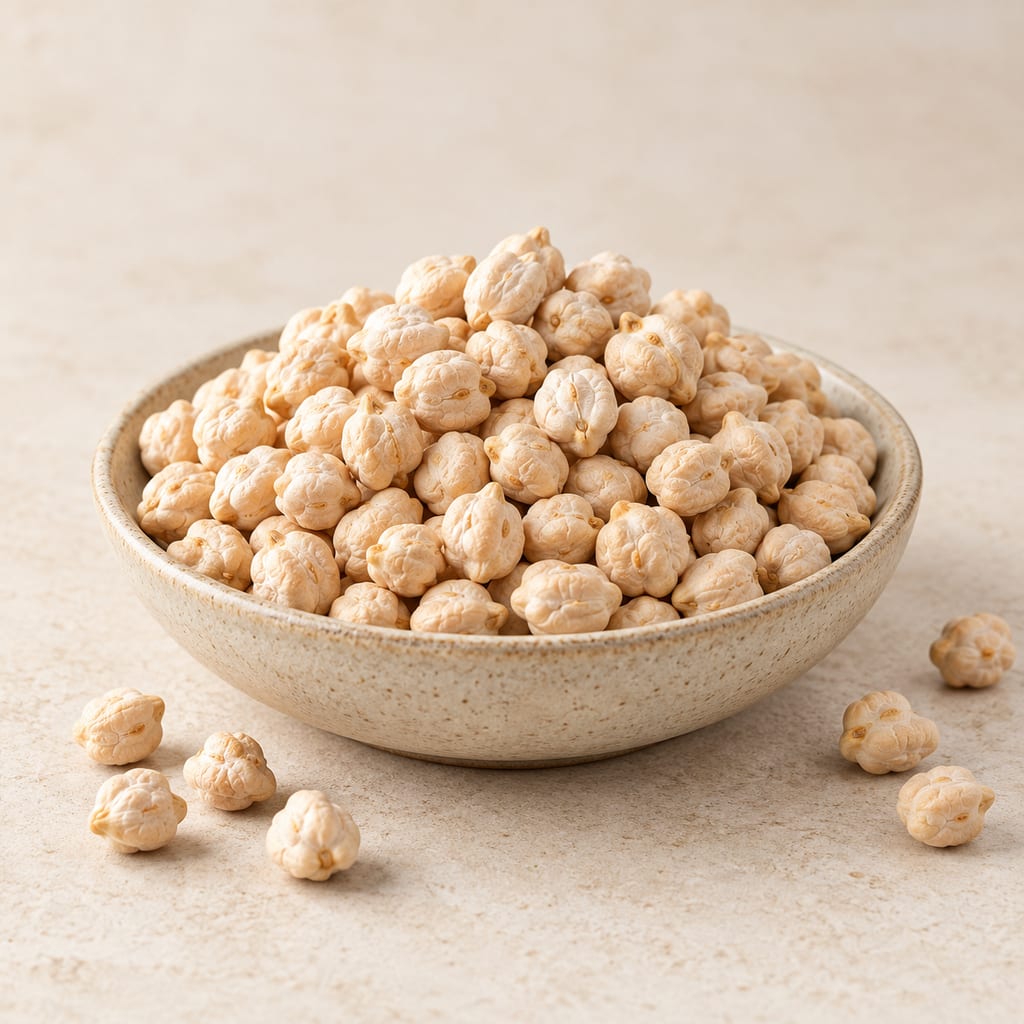
Chickpeas
Chickpeas (Cicer arietinum) are dry pulses eaten whole or milled into flour, which gives socca, farinata and other breads a dense, nutty batter or dough.
 FermenteaWhere food goes to change
Mushrooms
Choiromyces aboriginum is an underground desert truffle of Australia's dry interior. Aboriginal peoples ate its fruiting bodies raw or cooked and also drew water from it. Its accepted scientific name is disputed.
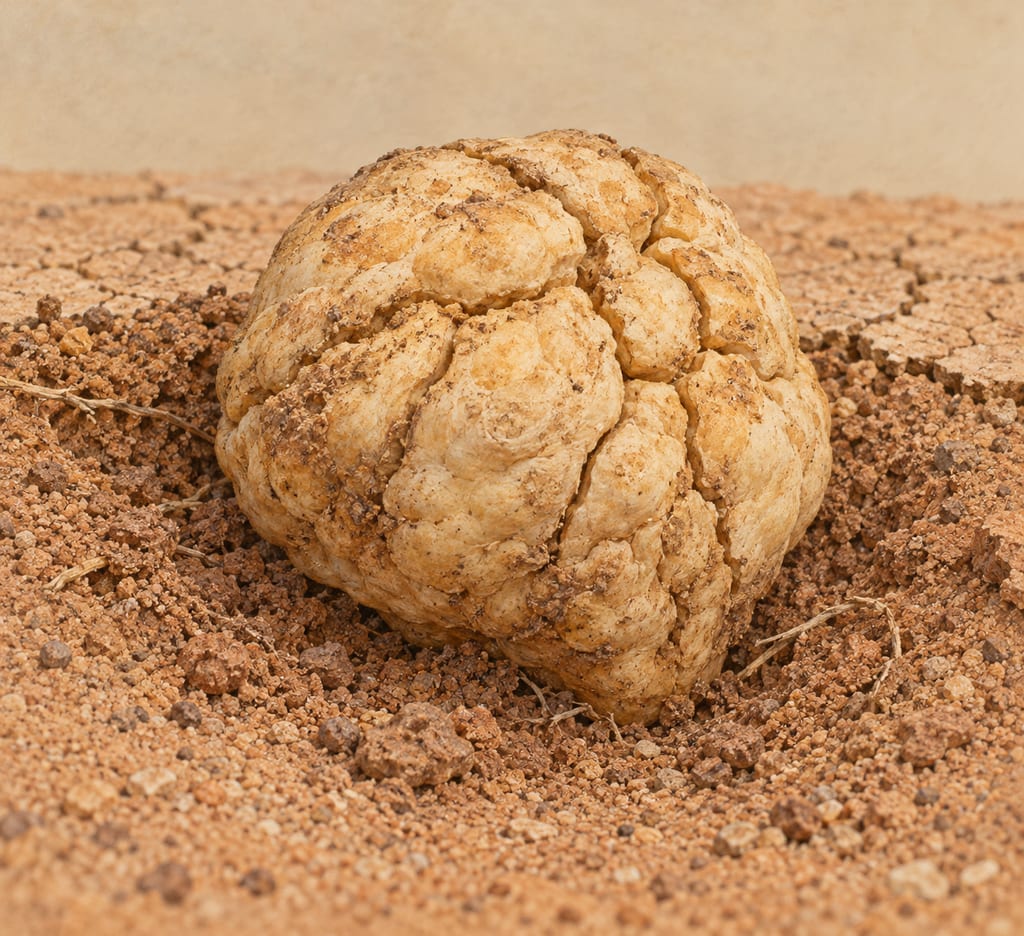
The fruiting bodies of Choiromyces aboriginum develop below the soil in the dry areas of South Australia, Western Australia and the Northern Territory. The fungus does not show itself above ground. Its presence is shown by the soil above it, which is pushed up and cracked. Those cracks were used to find the fungus, and the people who knew the country read them as a guide to where to dig.
The first non-Aboriginal specimen was collected in 1891 in the Great Victorian Desert. Later study placed that material in a species now usually called Elderia arenivaga, which is why the catalogue name and the current name differ. The catalogue name is kept here because it is the name the database holds for this item.
The fruiting bodies were eaten raw or cooked. One account describes cooking them in hot sand and ashes for more than an hour before eating. The fungus was also used as a source of water, but the record does not explain how this worked, and this page does not supply the method.
Use as food is recorded across several Aboriginal groups in the dry regions where the truffle grows. A review cited in the case study describes these truffles as a cherished food resource for several Aboriginal groups.
In the Pitjantjatjara language the word for truffle is linked to the grey shrike thrush. The belief recorded in the case study is that the call of the bird after rain makes the truffle grow. The account is cultural knowledge recorded from speakers and is kept here as a belief, not as a fact about the fungus.
The name Choiromyces aboriginum has been replaced in current usage by Elderia arenivaga. A separate database entry lists Mattirolomyces mulpu as the accepted name. The sources consulted did not confirm that second name, so this page does not adopt it.
Until the taxonomy is settled, the record should be read as a traditional food from the dry interior of Australia that is known by several names in the literature. The historical record uses these names in different ways, and identification of a specimen by name alone is not reliable.
A review article cited in the case study reports that these truffles, once a valued food resource for several Aboriginal groups, now have little or no value for many contemporary Aboriginal communities. It also reports that traditional knowledge of them is declining. The fungus is still present in the dry regions, but its use as food is largely lost from everyday life.
The Aboriginal food record is a historical and cultural account. It is not an identification guide and not a safety verdict for anyone else. The sources do not give cooking times, portion sizes or storage limits for home use, and none is given here.
Underground fungi are hard to identify from appearance alone, and the cracked-soil clue points to a place rather than a species. Anyone who wants to eat a truffle from this group should confirm the identification with a local expert before eating it, and should treat any wild fungus with the same caution.
Regional range and traditional use as the sources describe them. No single origin or local population is claimed.
Chickpeas (Cicer arietinum) are dry pulses eaten whole or milled into flour, which gives socca, farinata and other breads a dense, nutty batter or dough.
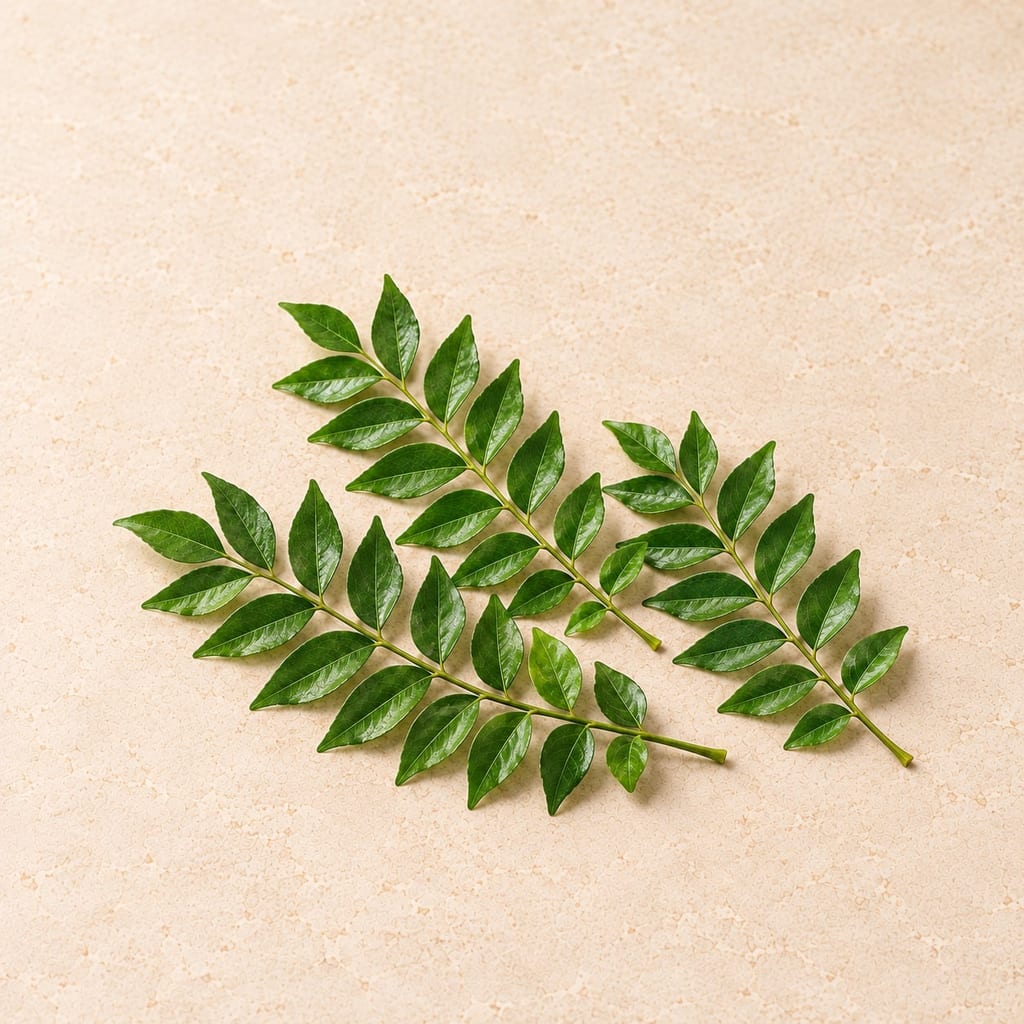
Curry leaves are the glossy compound leaves of the curry tree, Bergera koenigii, used fresh across southern India and Sri Lanka. Fried in hot oil they give a citrusy, nutty, faintly smoky note.
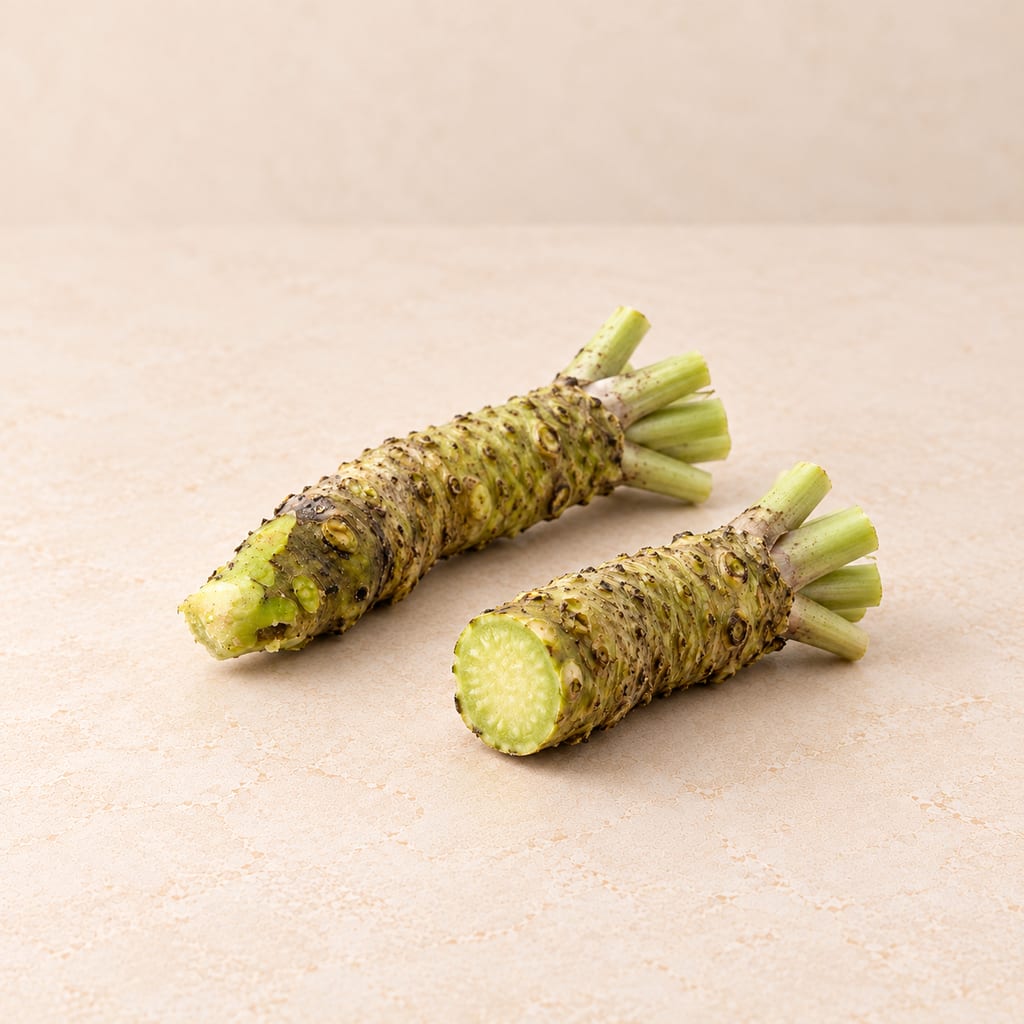
Wasabi is the enlarged stem of Eutrema japonicum, a pungent perennial in the mustard family. Fresh rhizome is grated as a Japanese condiment; powder and prepared paste are separate products.
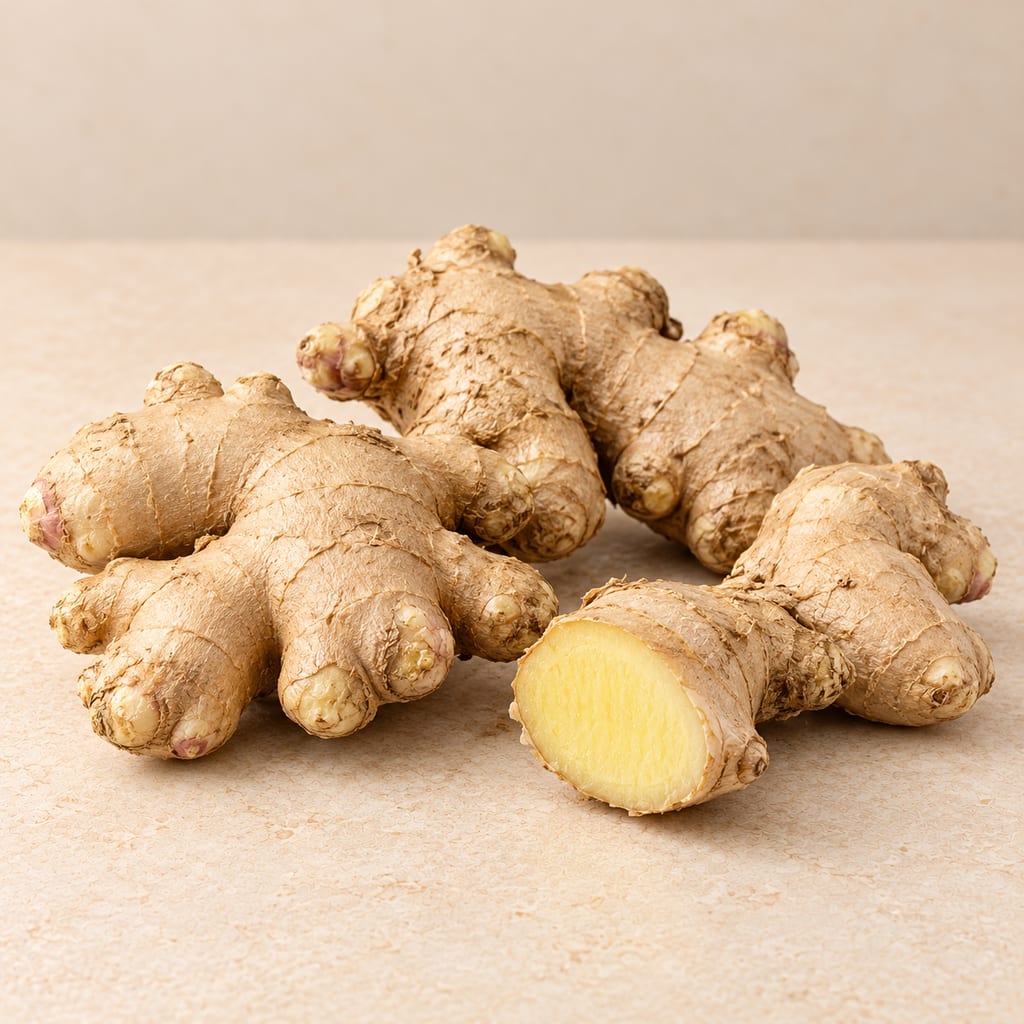
Ginger is the aromatic rhizome of Zingiber officinale, used fresh, dried and preserved. Historical ginger wines sliced or bruised it to flavour a sugar-based ferment.
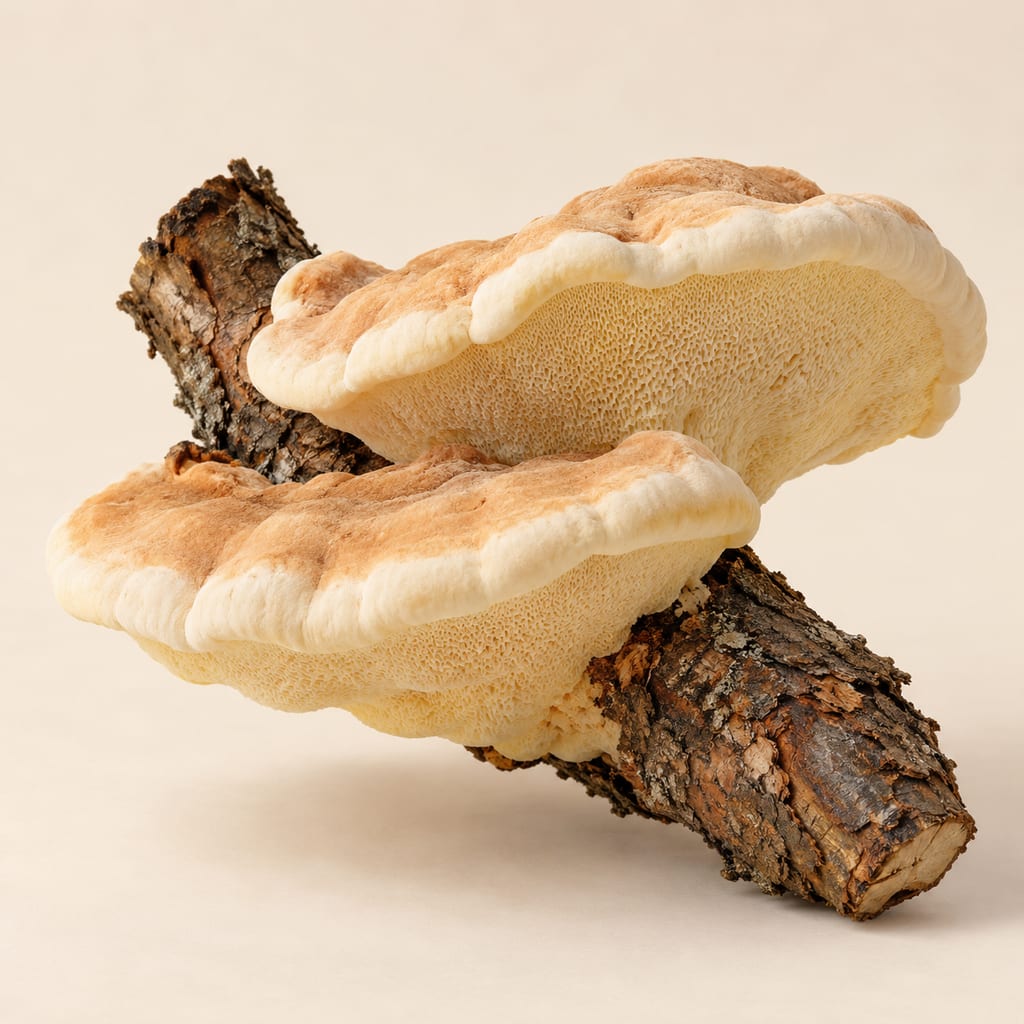
Laetiporus portentosus is a wood-decaying bracket fungus recorded in a historical Tasmanian account as a possible emergency food. The identification in that account is probable, not confirmed, so the species is not a confirmed food.
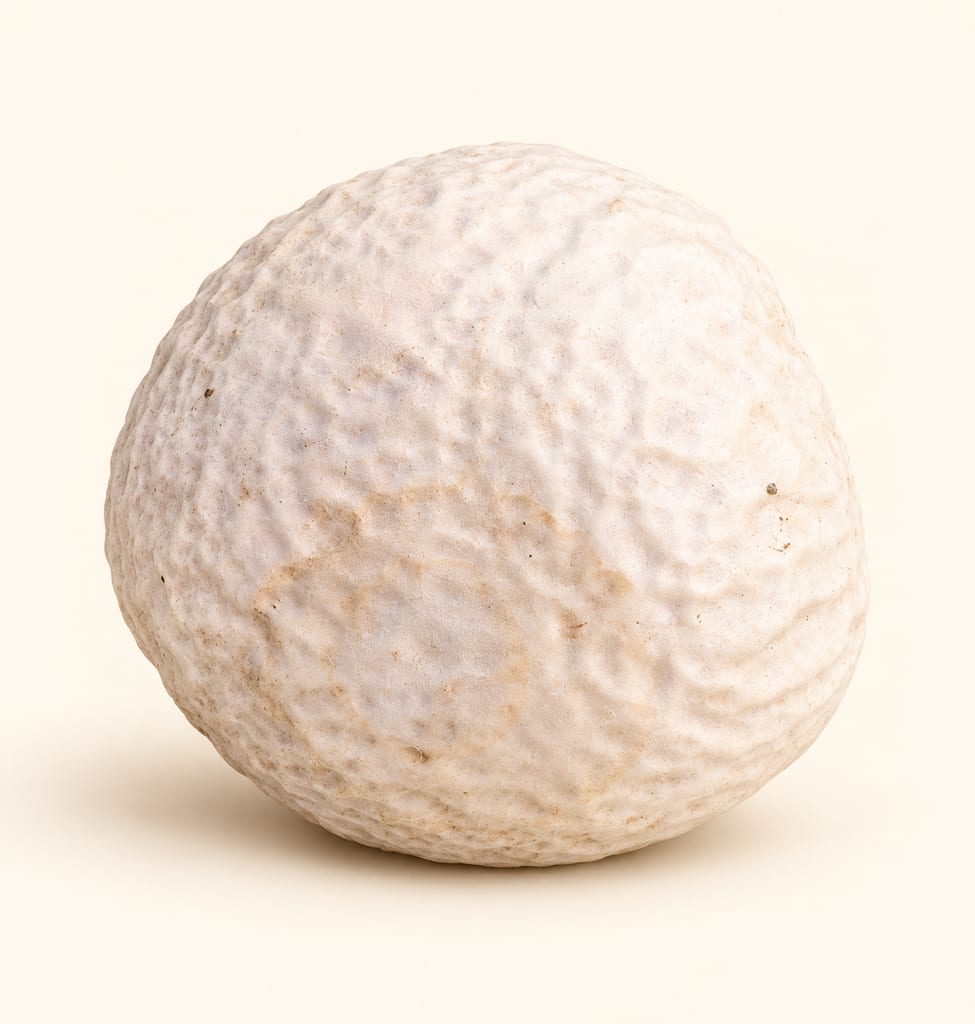
Calvatia lilacina is a lilac-tinted puffball with regional natural-history records and historical edible listings whose taxonomic and safety limits remain important.
Mycoclelandia bulundari is a hypogeous desert fungus of northern and western Australia, recorded as a cooked food of Aboriginal people. Its identification and modern food safety are not established.
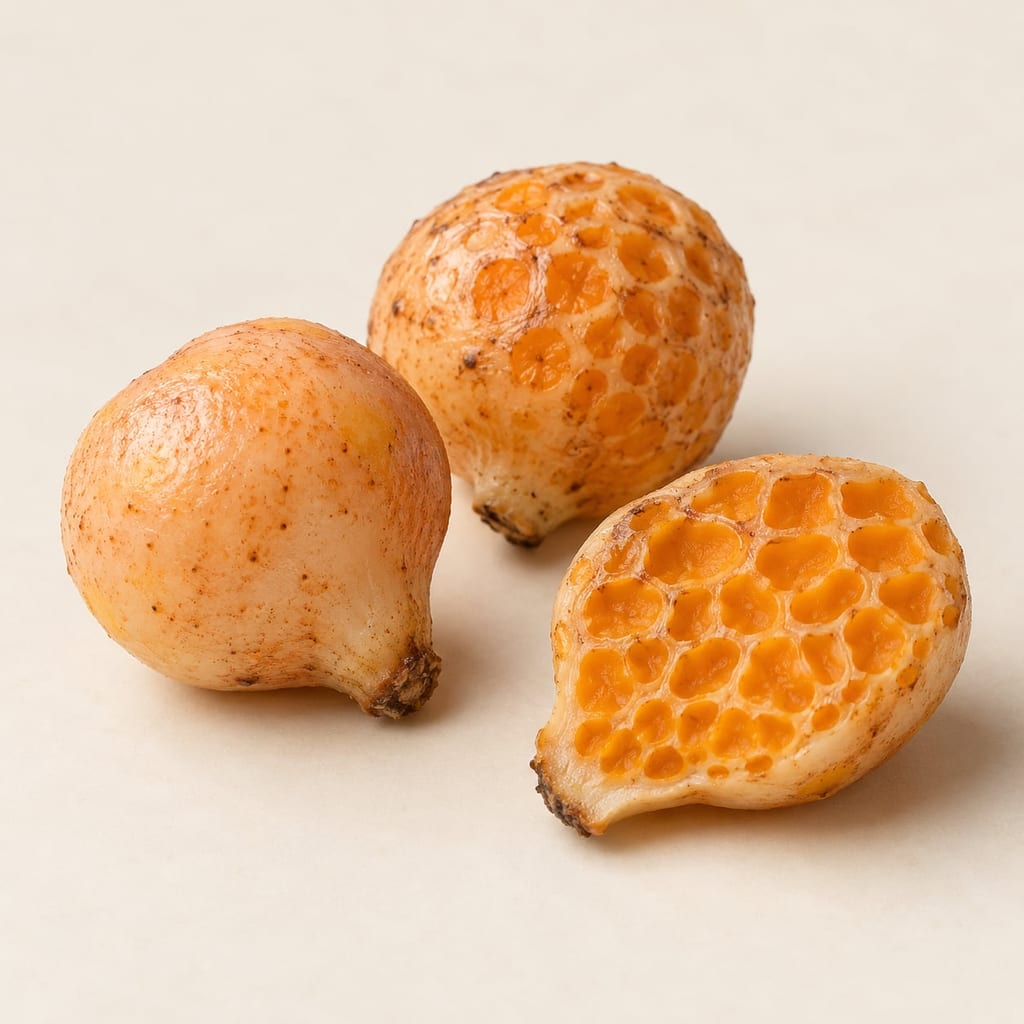
Cyttaria gunnii is a fungus that forms galls on southern beech in Tasmania and Victoria. Aboriginal Australians ate its fleshy fruiting bodies, and modern sources disagree on its safety.
No community contributions have been published for this entry yet.
Sign in to contribute. Published comments and photos are free to read.
Australian National Botanic GardensHistory · Method · Safety
Aboriginal use of fungiFound in dry areas of South Australia, Western Australia and the Northern Territory.
Cracks in the soil above the fruiting bodies are used to find the fungus.
Fruiting bodies eaten raw or cooked; cooked in hot sand and ashes for over an hour in one account.
Used as a source of water, without method.
Cited in: An underground fungus of the dry interior; Food and water; Safety and identification
Australian National Botanic GardensHistory · Method
Desert truffles of AustraliaFirst non-Aboriginal specimen collected 1891 in the Great Victorian Desert; now placed in Elderia arenivaga.
Pitjantjatjara word linked to the grey shrike thrush and the belief about rain.
Review article: little or no present value to many contemporary Aboriginal communities; traditional knowledge declining.
Mattirolomyces mulpu listed as accepted in one database; unconfirmed.
Cited in: An underground fungus of the dry interior; Food and water; Language and belief; The name and its problems; Present-day position; Safety and identification