





Sulphur dioxide and sulphites
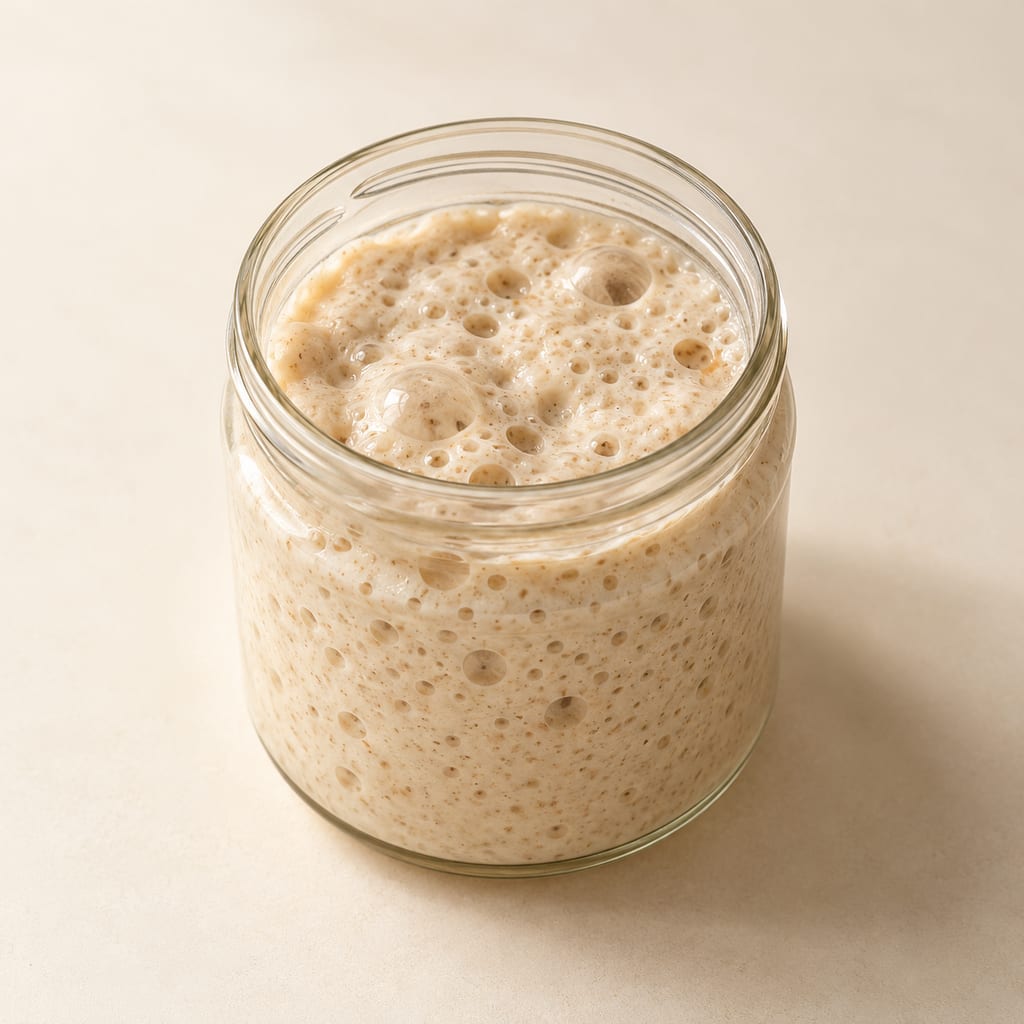
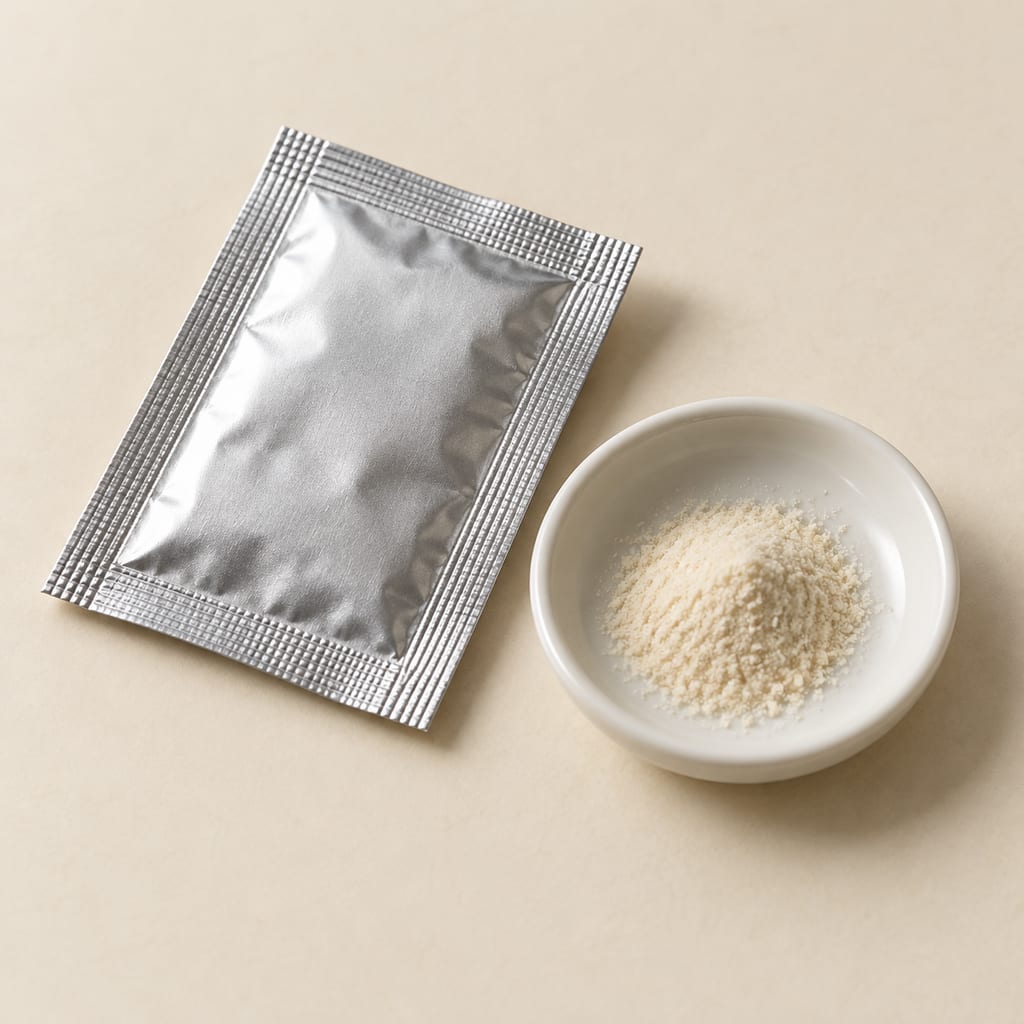
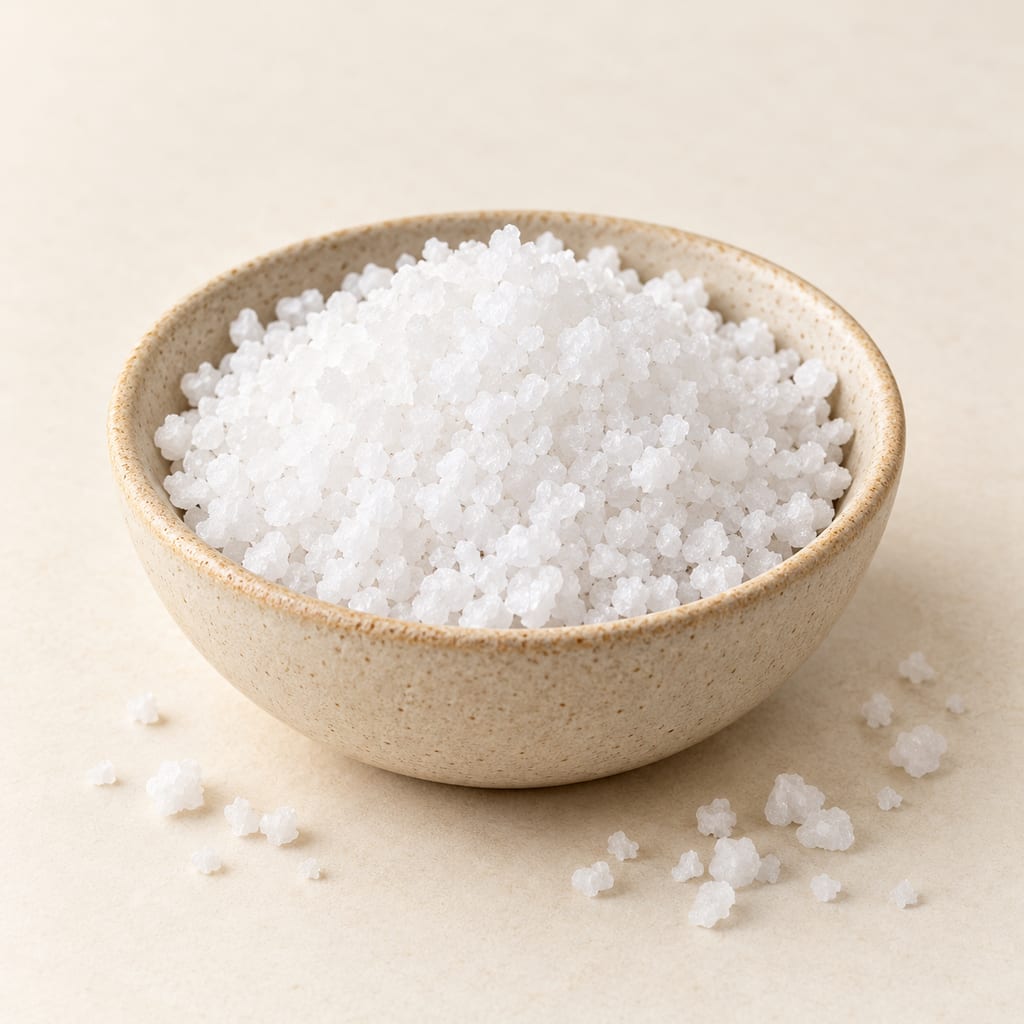
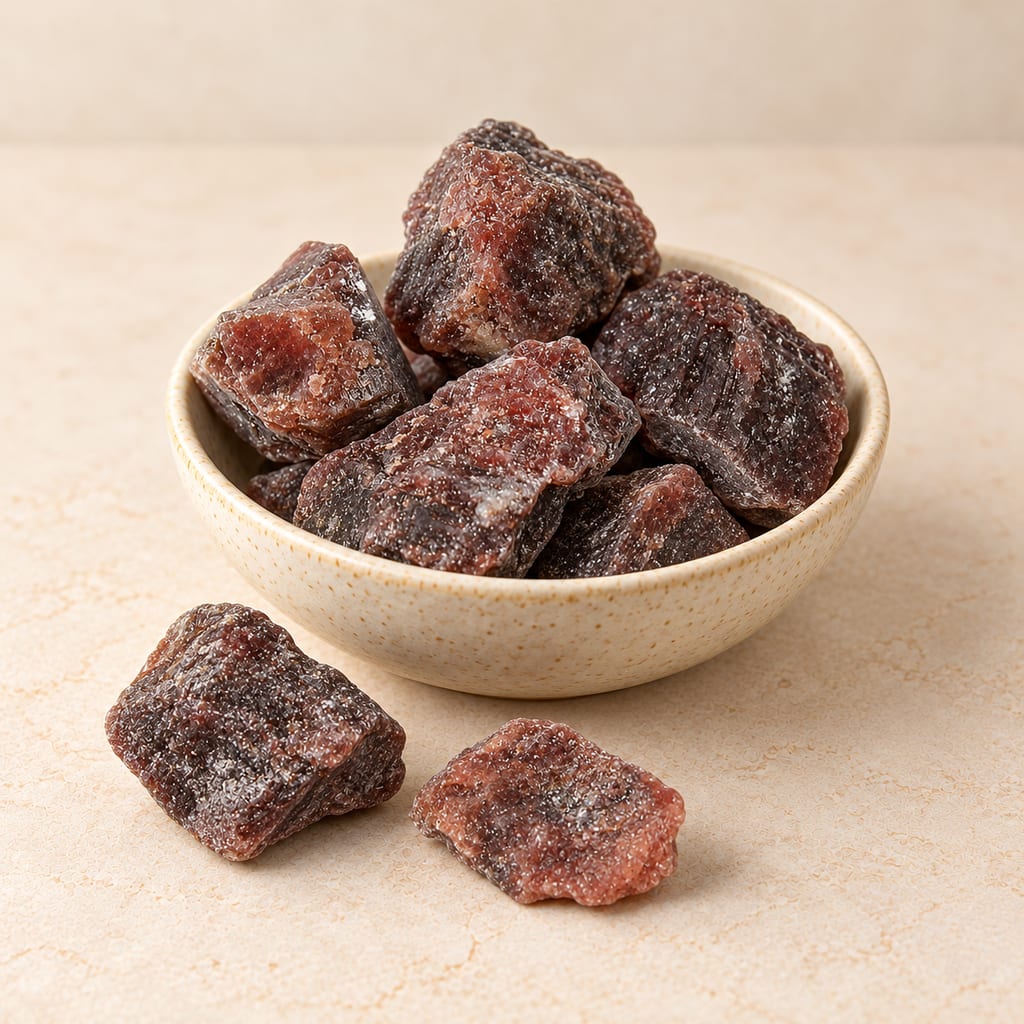
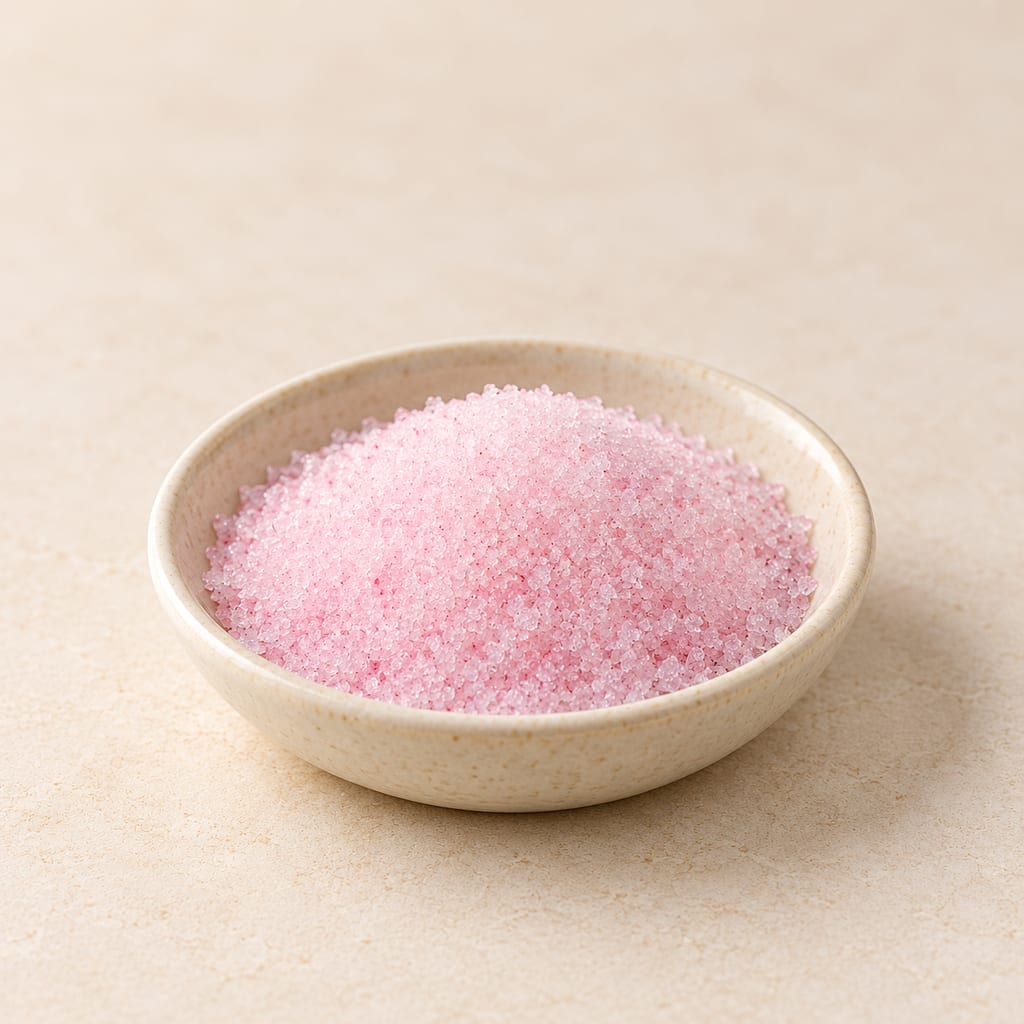
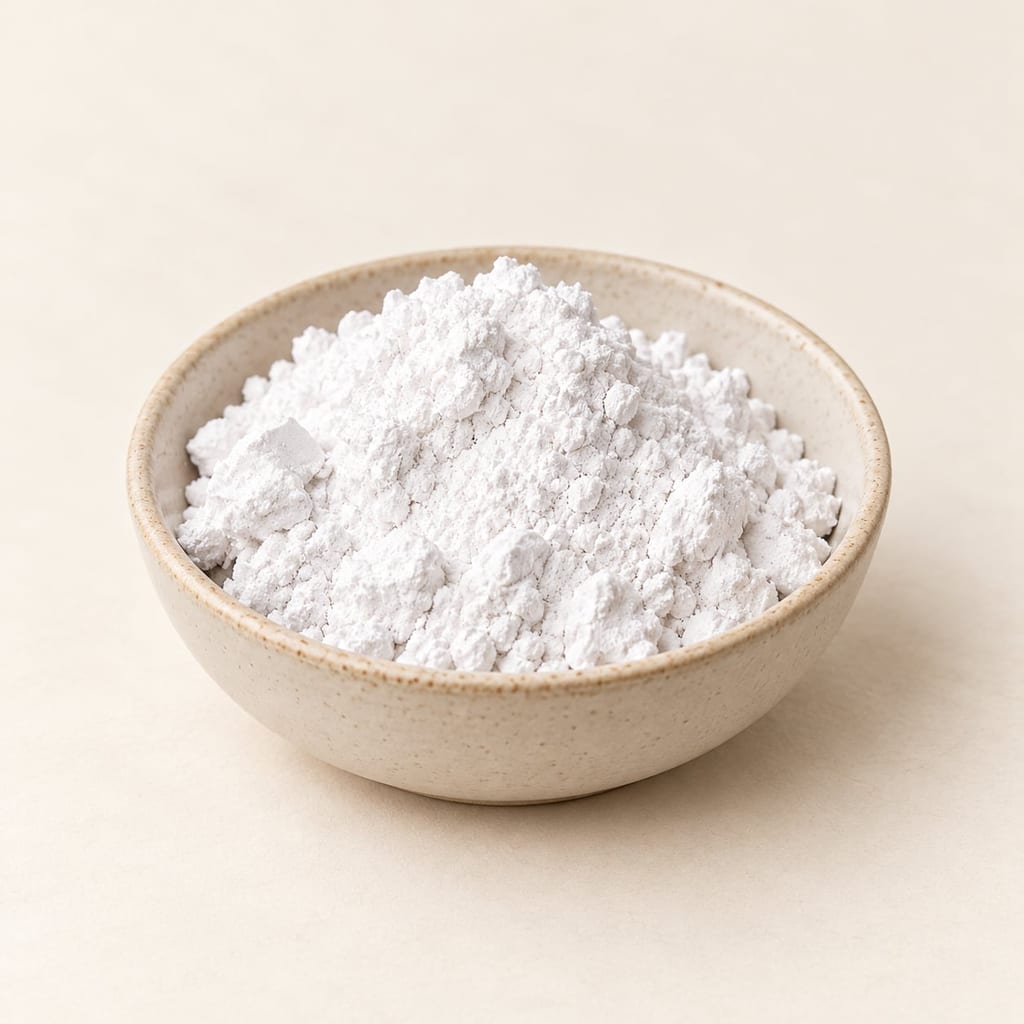
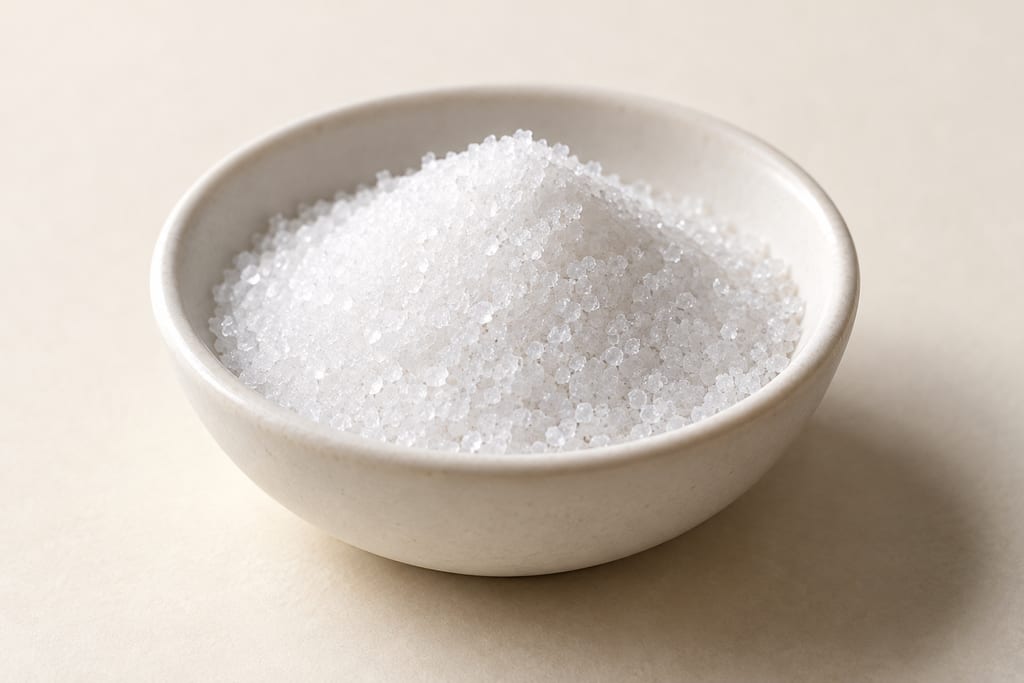
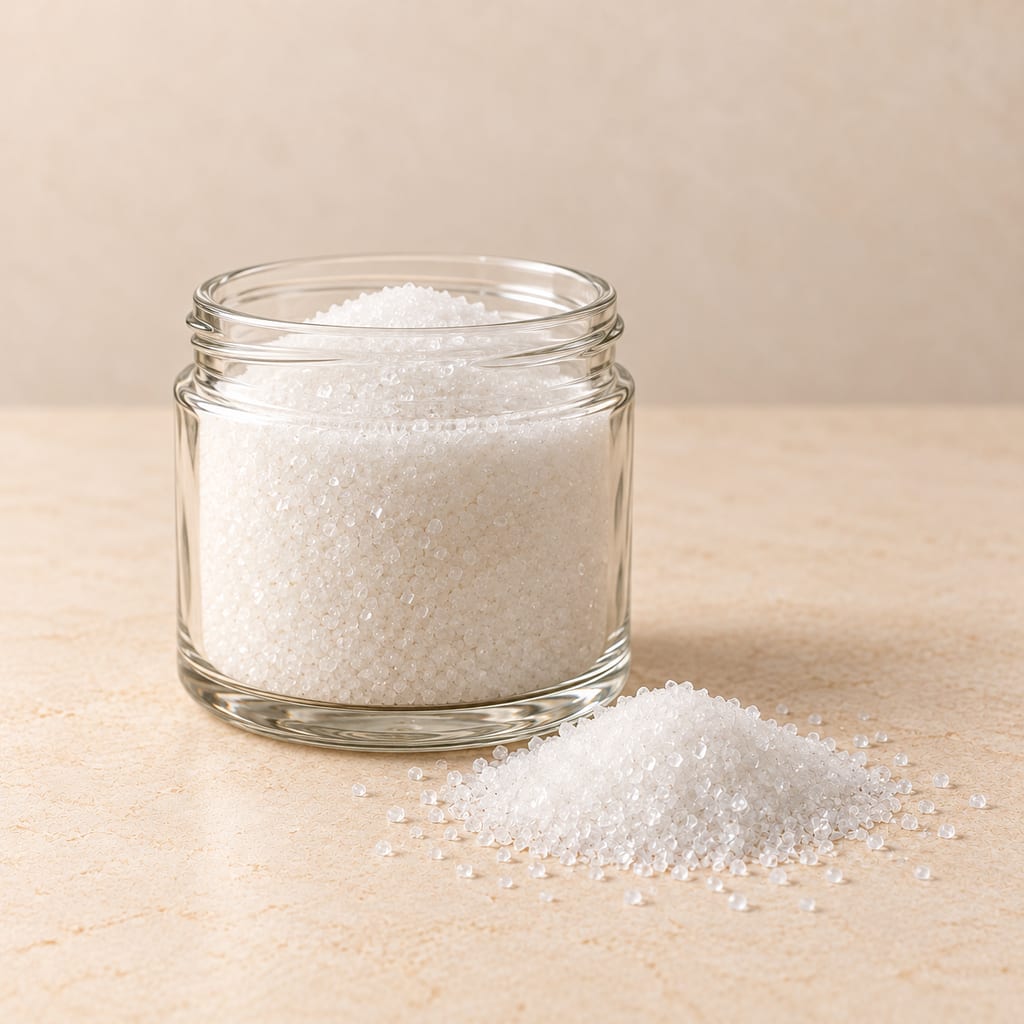
Sulphur dioxide and its sulphite salts are used to inhibit some microbes and oxidation and to keep colour in fruit and wine. They are added as sulphur fumes, as sulphites or as metabisulphites.
 FermenteaWhere food goes to change
1086 articles on substrates, cultures and additives.
 Brewing and wine additives8
 Food acids5
 Chemical leaveners2
 Enzyme ingredients2
 Sulphites2
 Flavour additives1
 Wrapping leaves and covers1
Sulphur dioxide and its sulphite salts are used to inhibit some microbes and oxidation and to keep colour in fruit and wine. They are added as sulphur fumes, as sulphites or as metabisulphites.
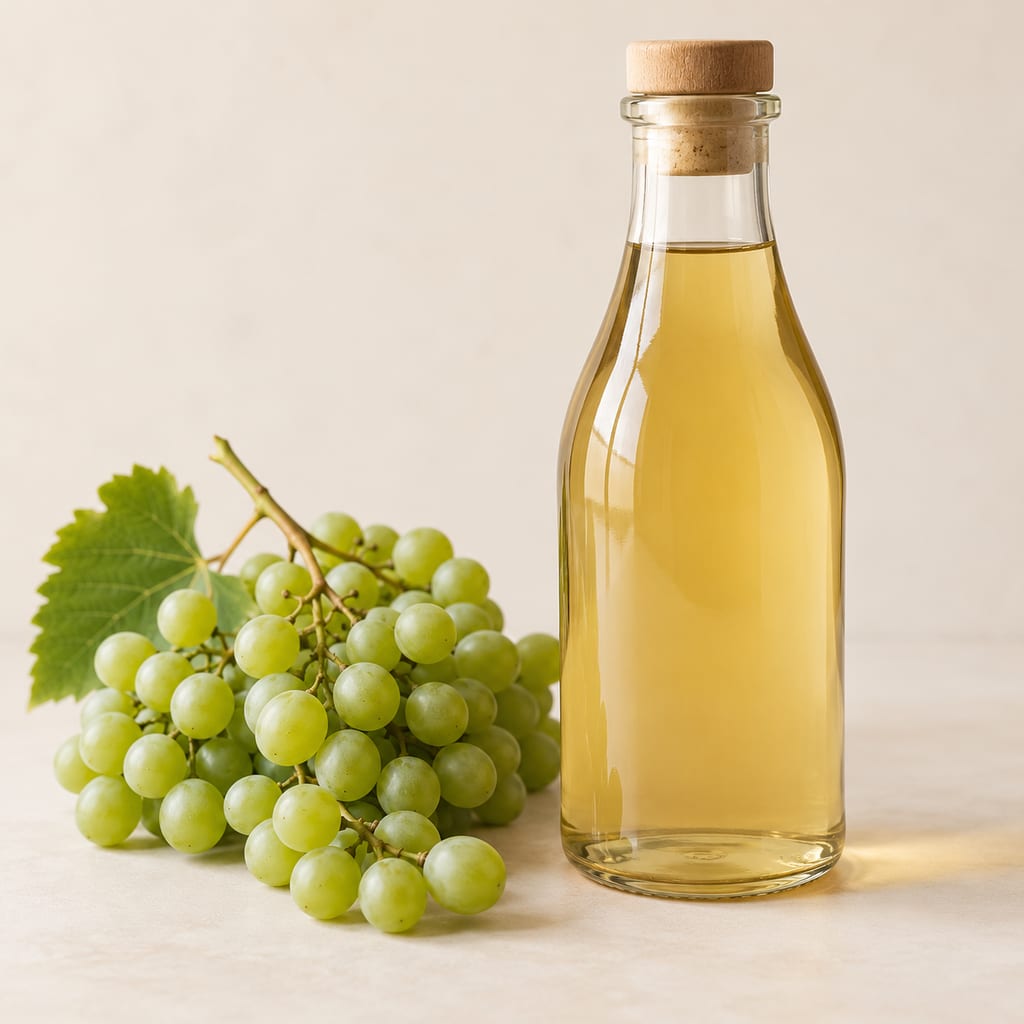
Verjuice is the sharp juice pressed from unripe grapes, and sometimes from crab apples or other sour fruit. Medieval cooks used it where later kitchens reached for vinegar or lemon.
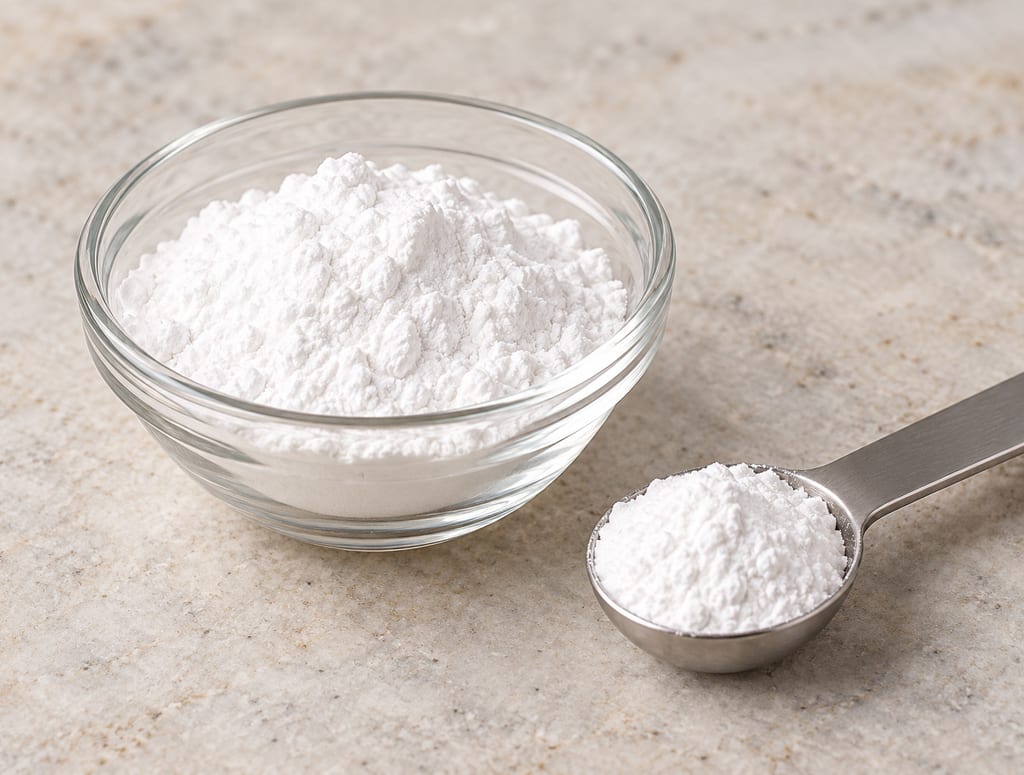
Baking powder is a dry chemical leavener that combines bicarbonate with acid-reacting ingredients and a carrier. Moisture and heat release carbon dioxide for quick breads, batters and griddle cakes.
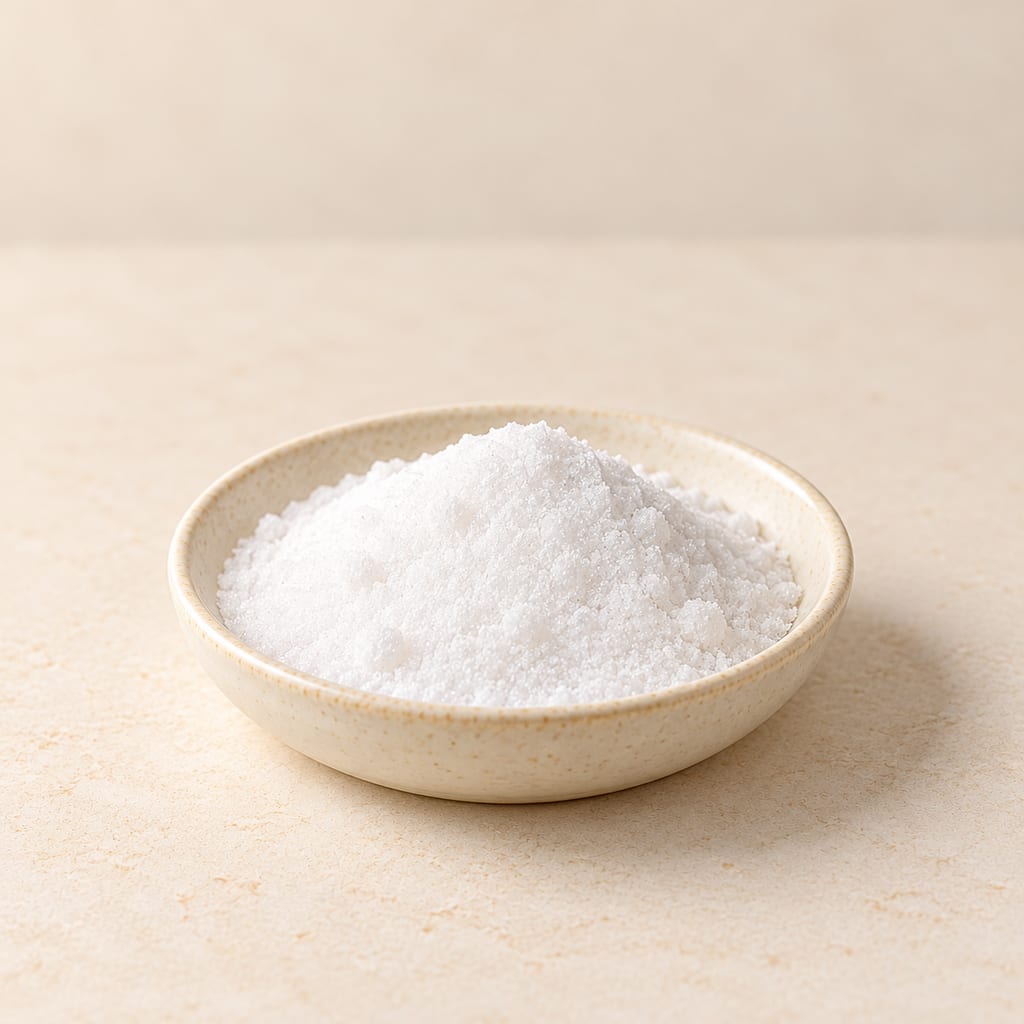
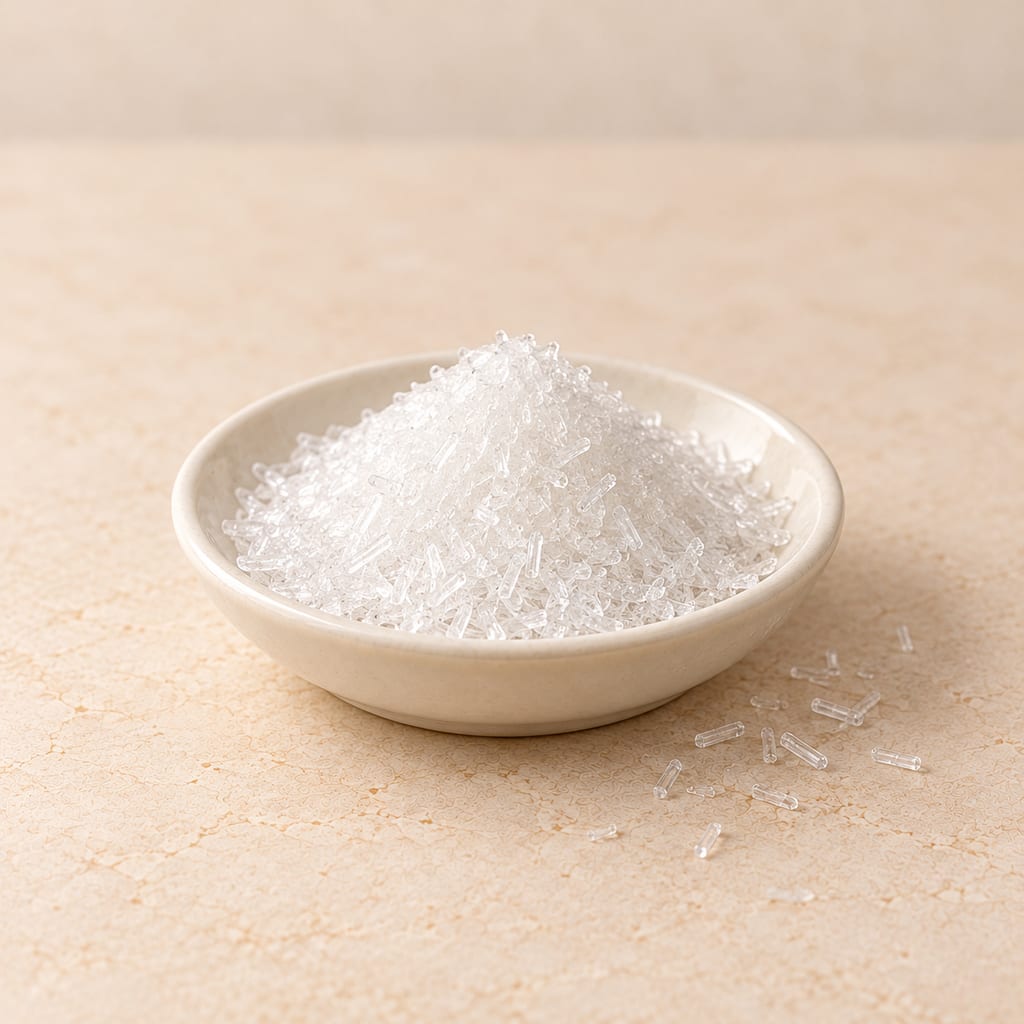
Monosodium glutamate is a crystalline savoury seasoning whose glutamate contributes umami to foods.
A family of pectin-active enzyme preparations used in fruit and beverage processing. Exact activities and formulations vary; the linked Concord recipe and its current powder product give conflicting use rates.
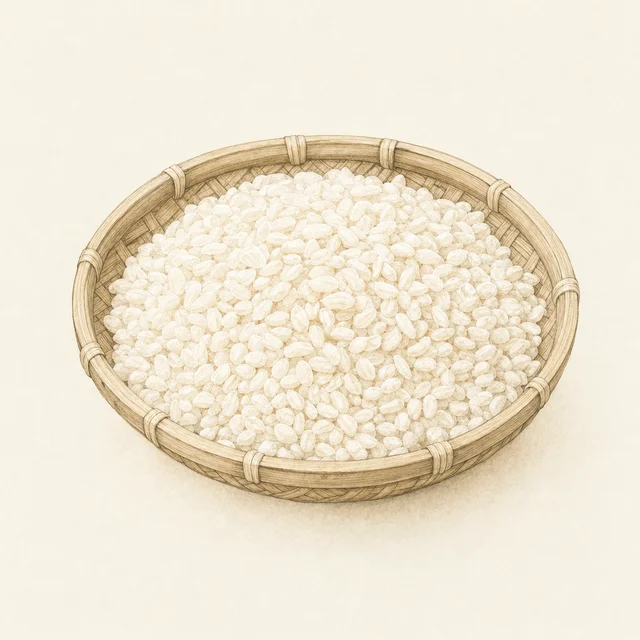
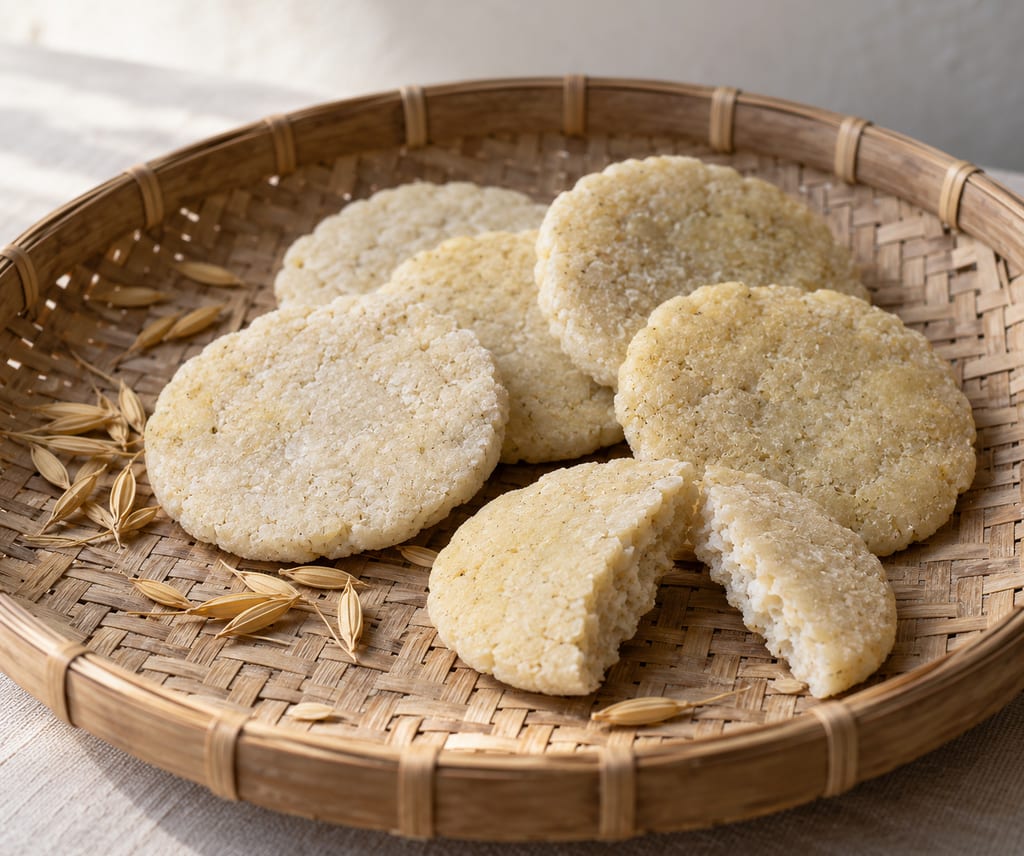
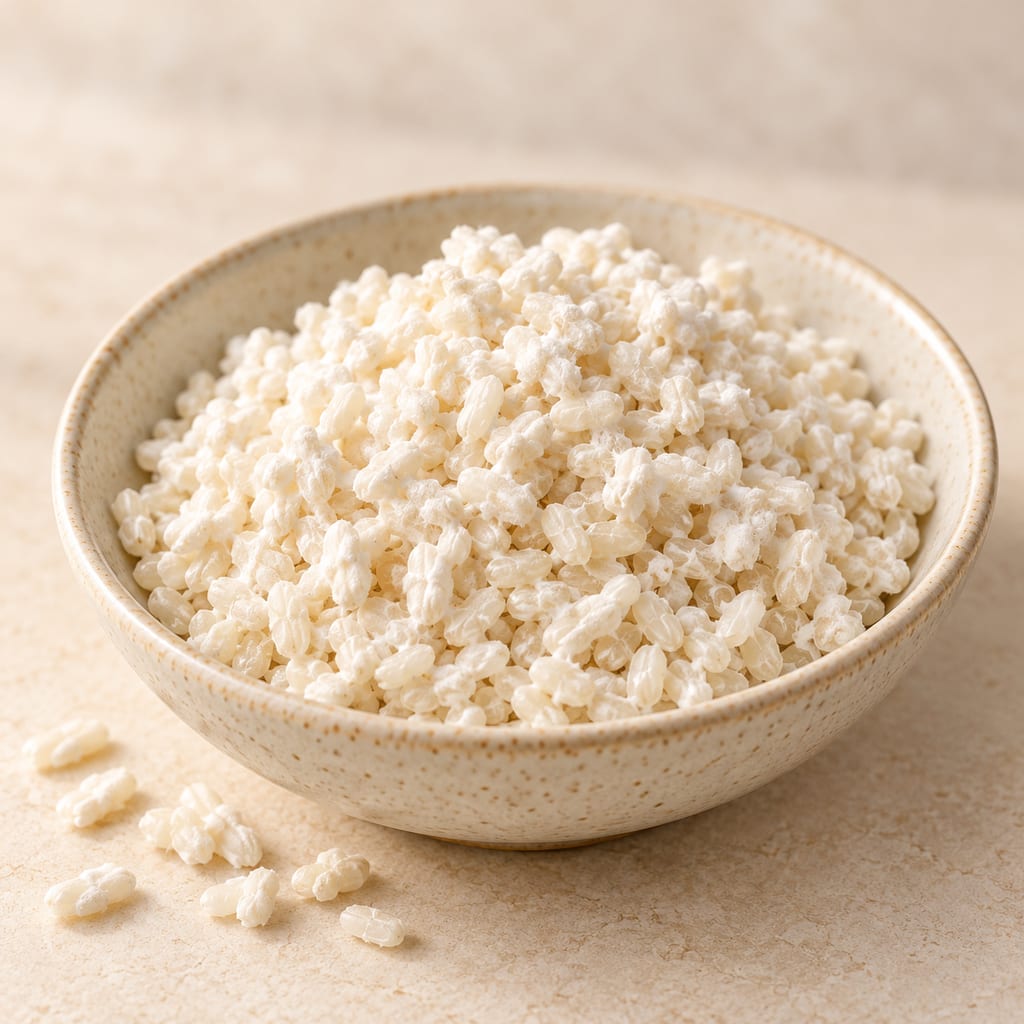
Koji is steamed grain — rice, barley, soybean or wheat — grown out with a food-grade Aspergillus mold until the kernels carry working enzymes. It is bought or cultivated, and it converts starch and protein for the foods that follow.
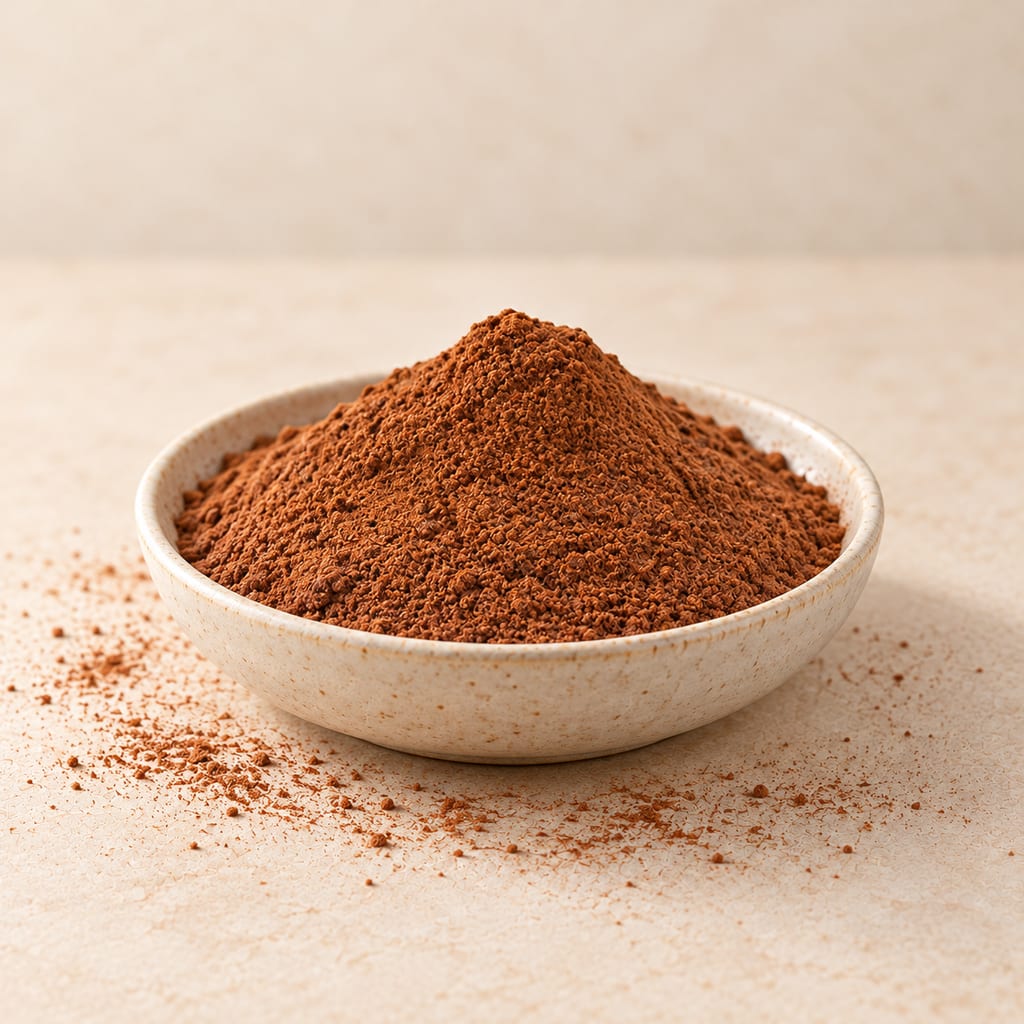
Plant polyphenol preparations used in winemaking. The Concord recipe specifies one teaspoon but gives no botanical source, chemical class, manufacturer or mass.
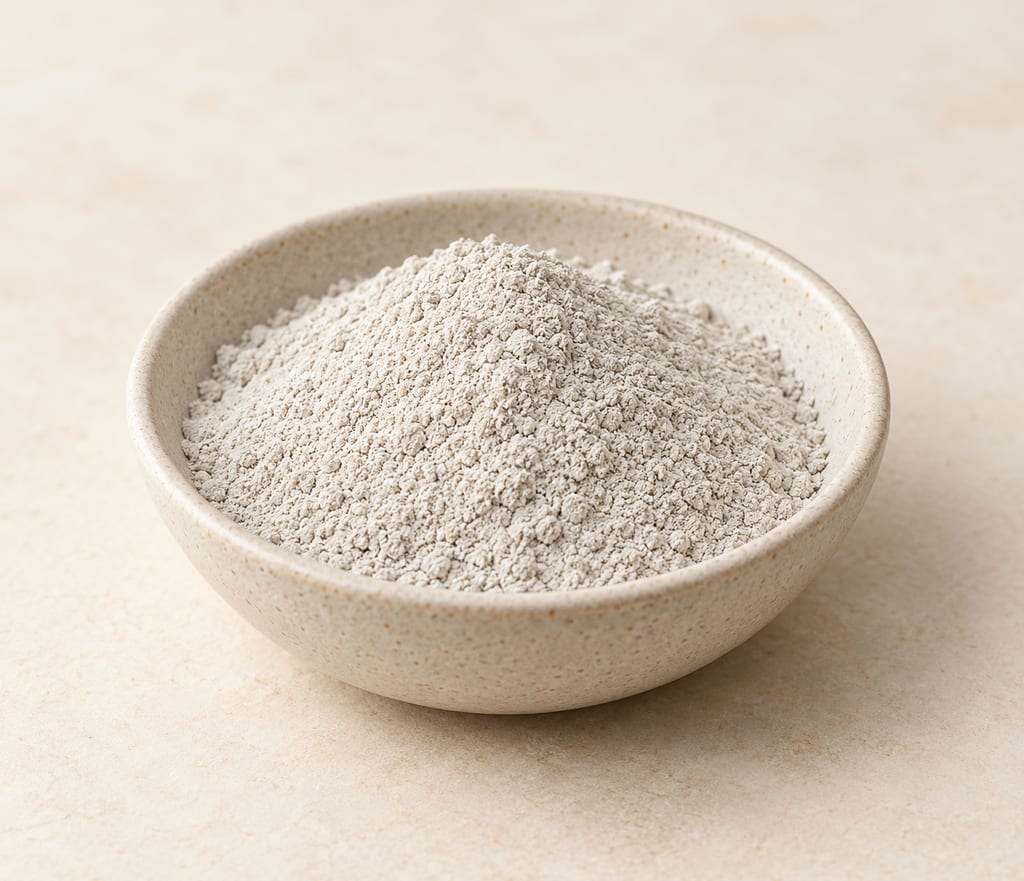
A swelling mineral clay used as a processing aid in a named beer recipe's primary fermentation; it helps remove suspended haze-active material as sediment.
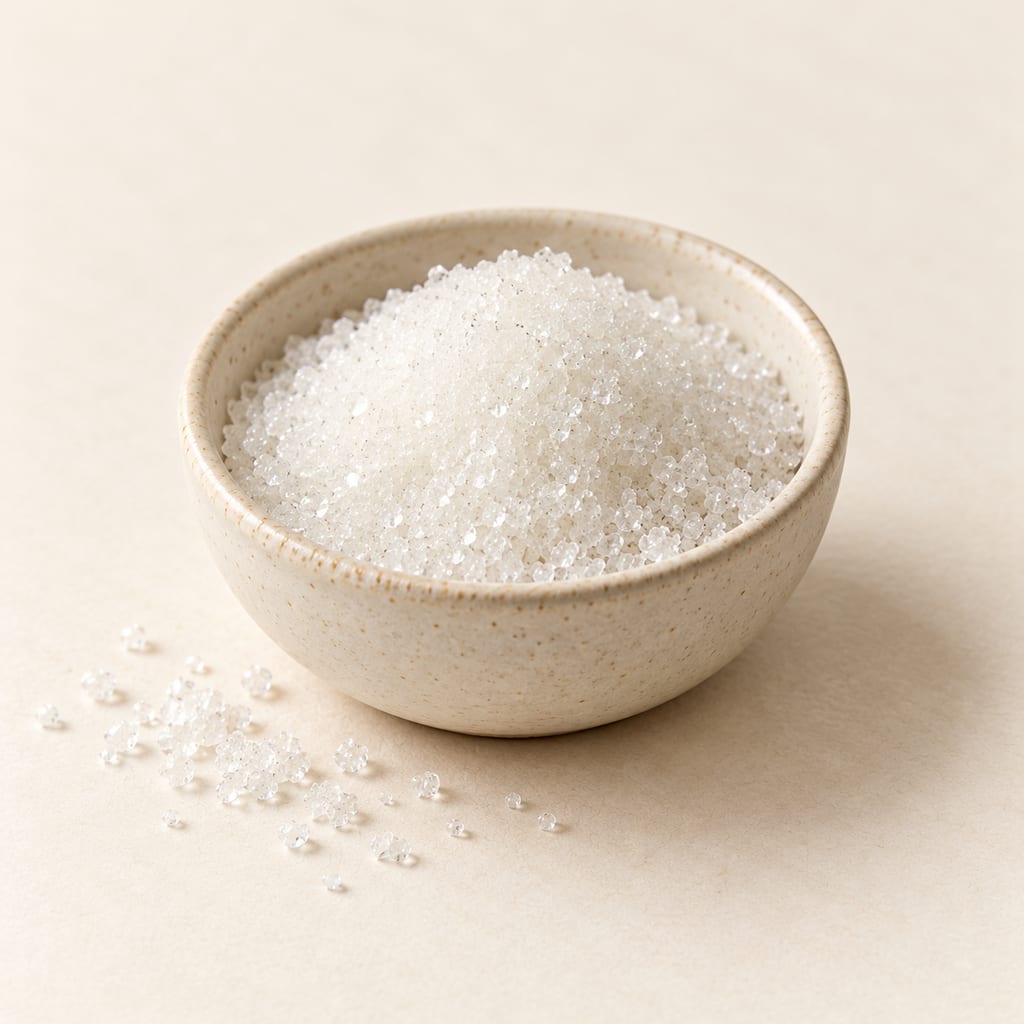
Tartaric acid is a crystalline food acid associated with grapes and wine; it gives sourness and is distinct from its potassium salt, cream of tartar.
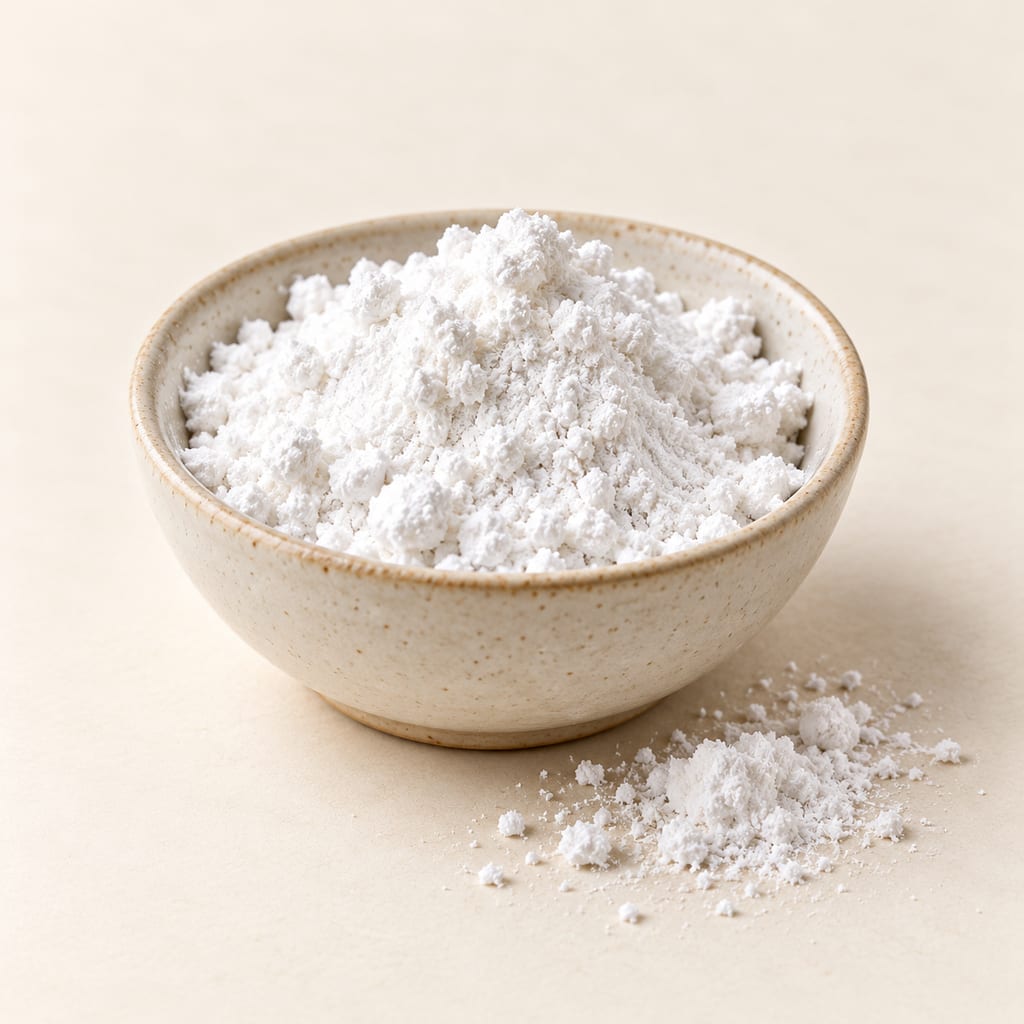
Cream of tartar is a grape-derived potassium tartrate salt used as a dry baking acid, foam aid and measured syrup ingredient.
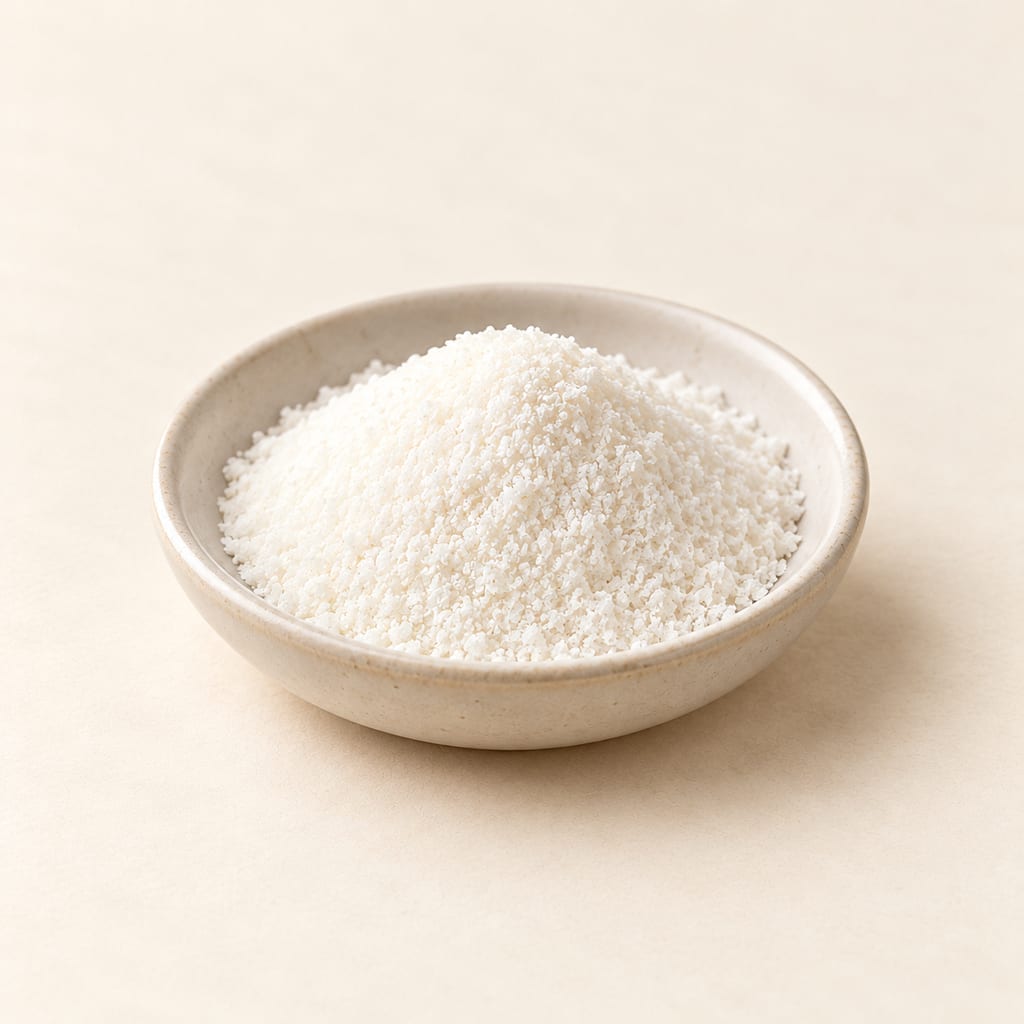
Acid blend is a commercial mixture of food acids for winemaking. Supplier formulas differ, and pH, titratable acidity and tartness describe different effects of an addition.
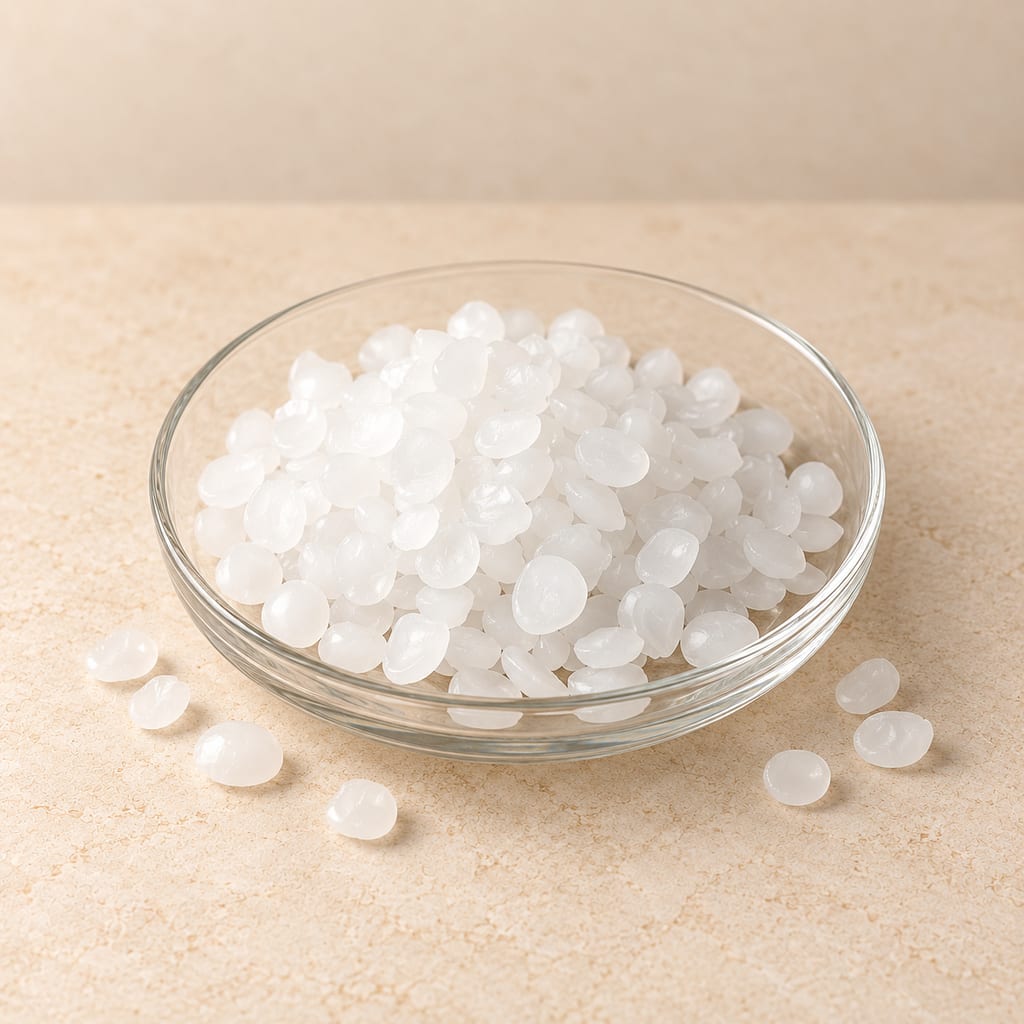
Paraffin wax is a solid mixture of hydrocarbons that cheesemakers melt and dip cheese in to slow moisture loss and keep surface mould off. Modern cheese waxes are usually blends.
Gypsum is calcium sulfate dihydrate, a mineral salt that brewers dissolve in water for its calcium and sulfate and that tofu makers use to set soy curd.
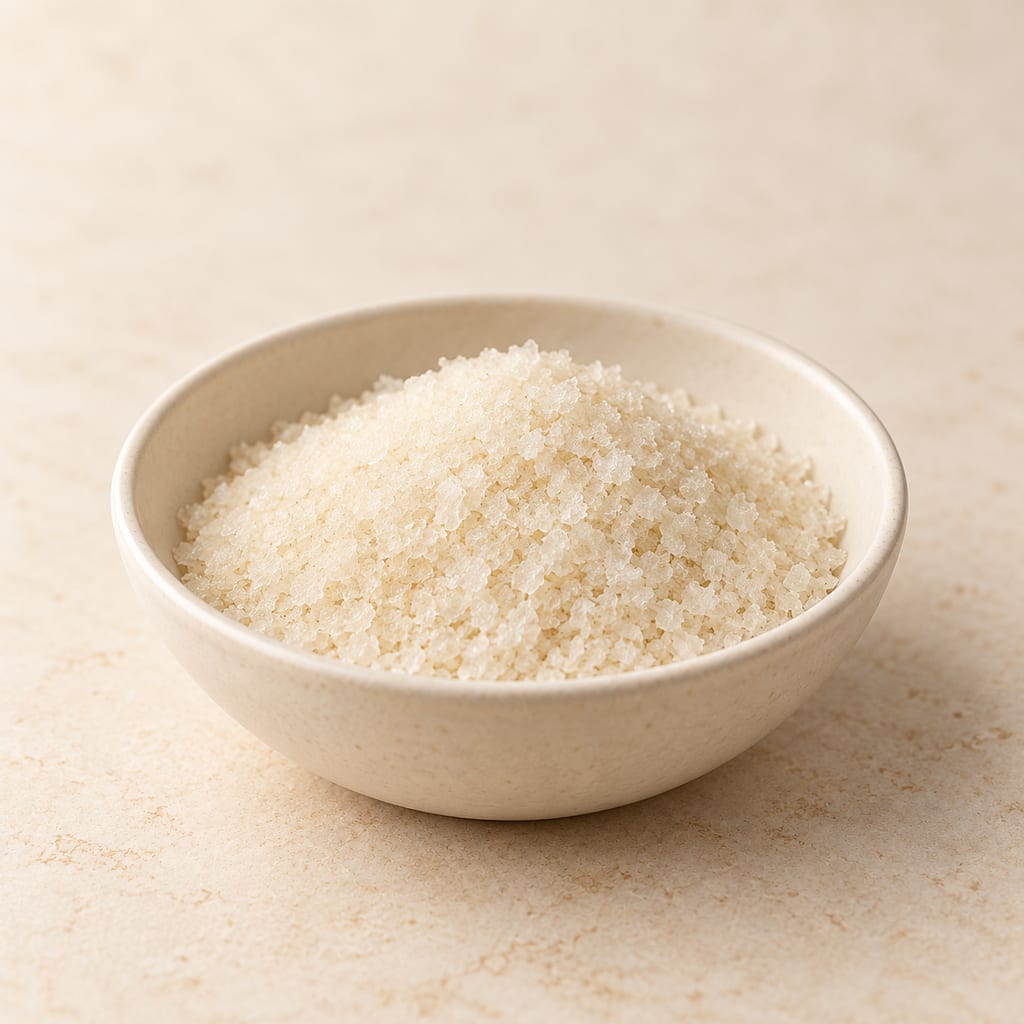
Gelatin is animal collagen partly broken down to dissolve in hot water and set as a gel on cooling, used for jellies and sweets and to fine beer and wine.
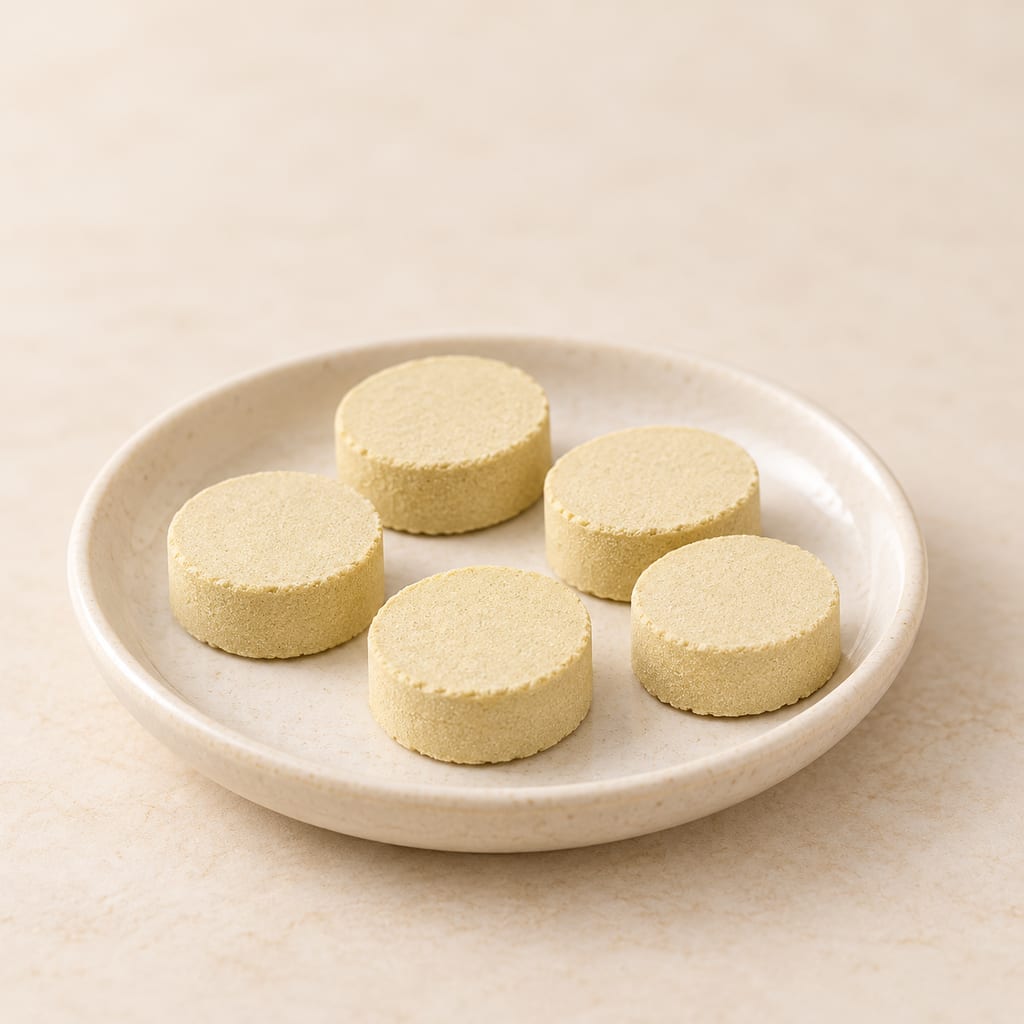
Whirlfloc is a tablet of processed Eucheuma red seaweed, rich in carrageenan, that brewers add to the boiling kettle so that wort proteins clump and settle out as cold break.
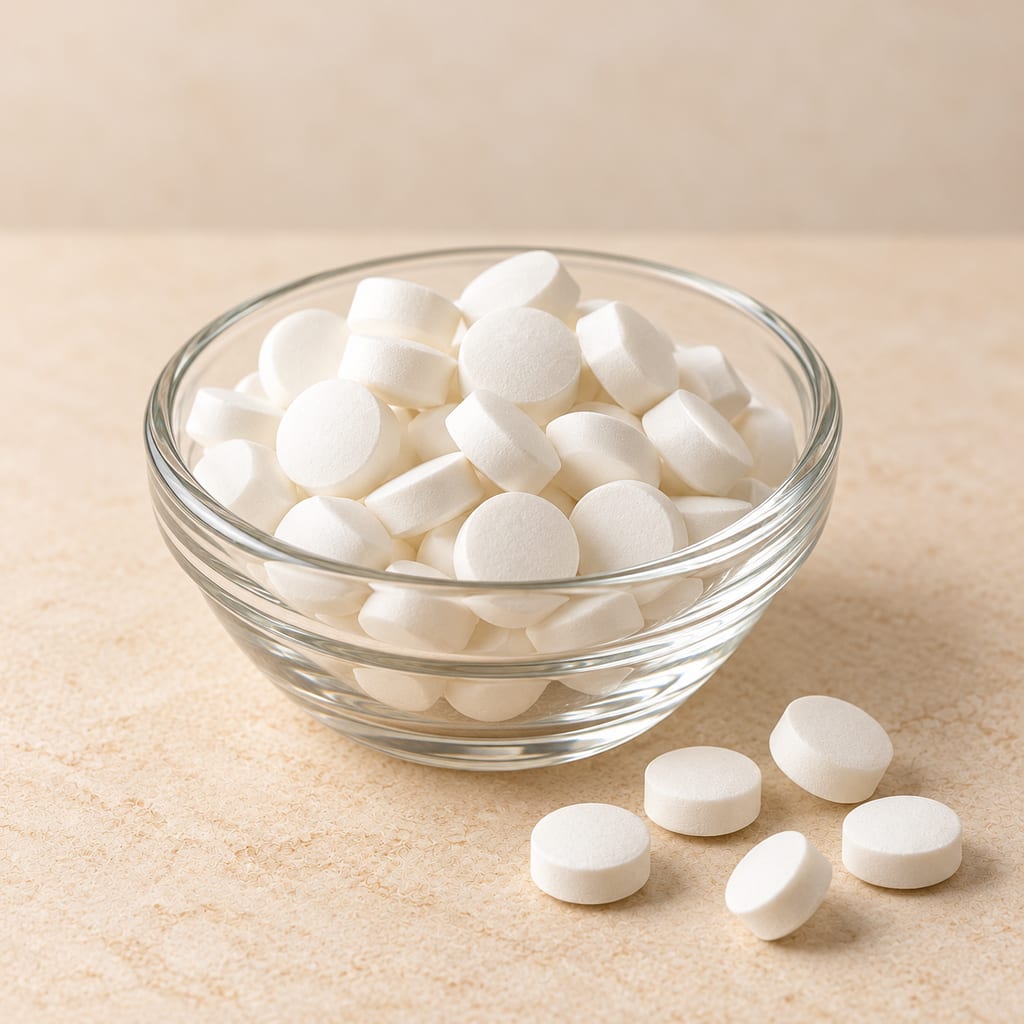
Campden tablets portion a metabisulfite salt for particular wine, cider or other fermentation uses. Tablet strength and the resulting free sulfur dioxide depend on the product and liquid.
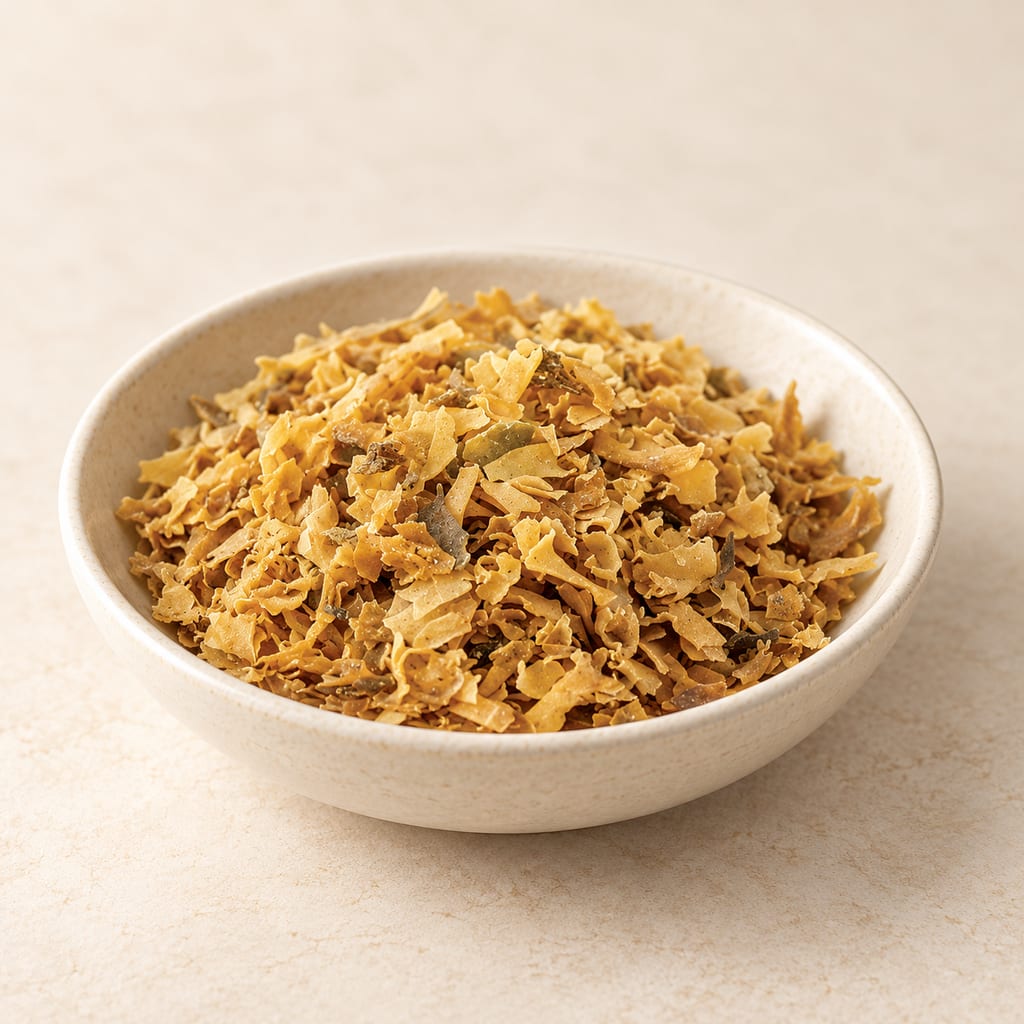
Red seaweed sold as dried material or a concentrated fining, connecting carrageen desserts and coastal trade with the separation of protein material in brewing wort.
Baking soda is food-grade sodium bicarbonate, a single alkaline powder that releases carbon dioxide when it meets acid in a wet batter. It lifts quick breads without a living culture.
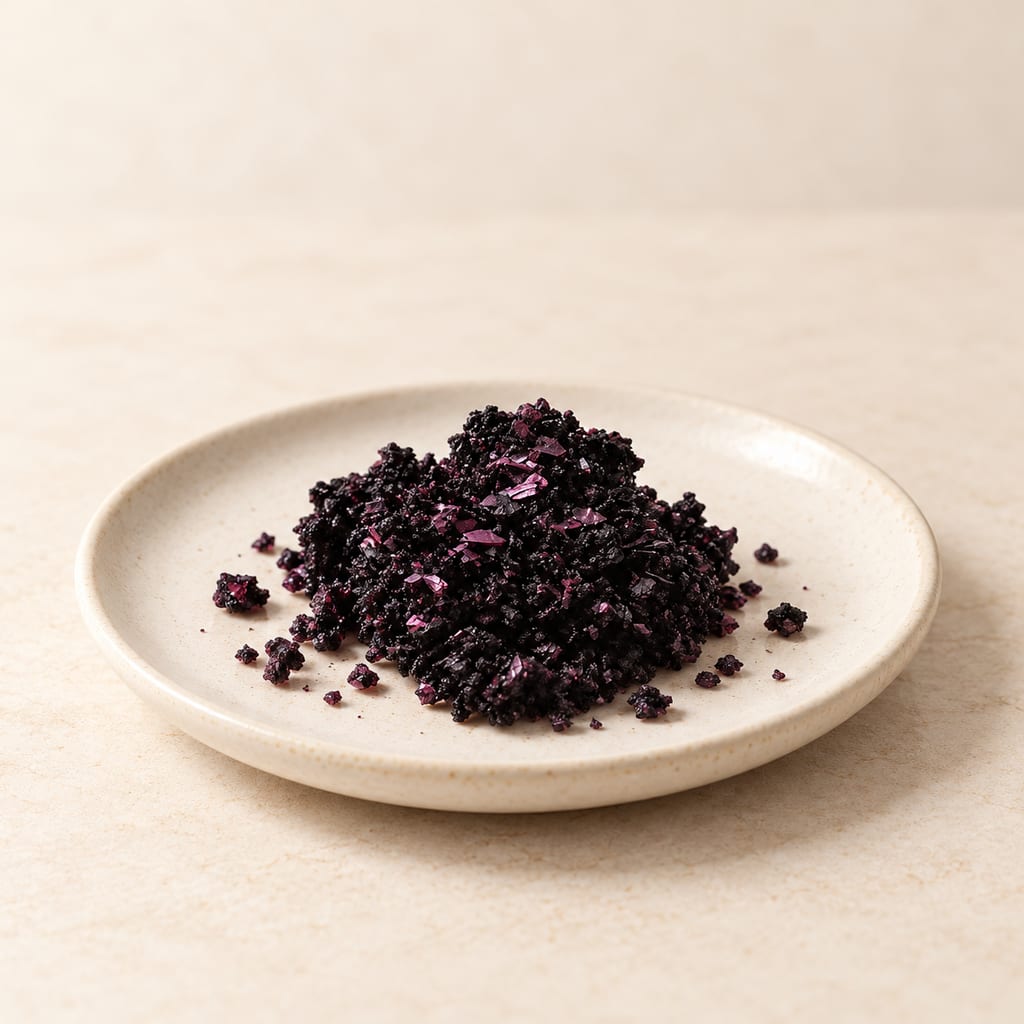
A mixed crystalline wine-vessel deposit, chiefly potassium hydrogen tartrate, used historically in wine recipes and recovered for refining into purer products.
Yeast nutrient is a family of winemaking and cidermaking additions that supplies nutrients for fermentation. Its composition varies; the linked cider and Concord wine recipes do not name a product.
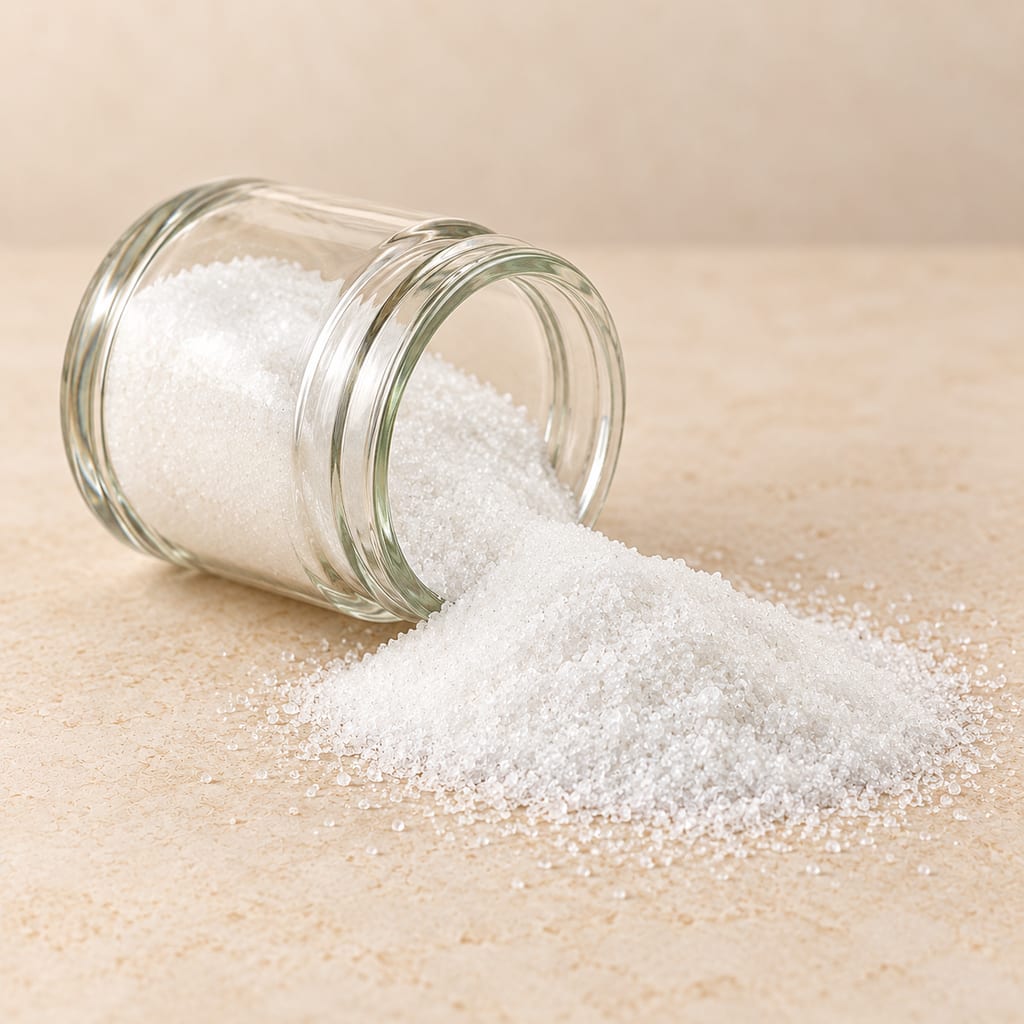
Citric acid is a sour, crystalline food acid found in fruit and made industrially by fermentation. In quick mozzarella it directly acidifies milk before the rennet set.