
All-purpose wheat flour
A refined common-wheat flour blended for a broad range of baking; its protein and behavior vary with wheat, milling and market.
 FermenteaWhere food goes to change
Processing aids
Yeast nutrient is a family of winemaking and cidermaking additions that supplies nutrients for fermentation. Its composition varies; the linked cider and Concord wine recipes do not name a product.
Yeast nutrient is easy to overlook on a fruit-wine ingredient list. It is measured in ounces or spoonfuls beside gallons of juice, yet it supplies material that sugar cannot. Fruit juice contains the sugars from which yeast can make alcohol and carbon dioxide, but a growing cell also needs nitrogen, minerals and vitamins to build its own substance and carry out the reactions of fermentation. A nutrient addition is an attempt to make that environment more hospitable. It is neither yeast nor a sweetener, and it does not by itself give a cider or wine its grape or apple flavour.
The name describes a job rather than one fixed powder. Some products are largely diammonium phosphate, a source of ammonium nitrogen. Others combine inorganic nitrogen with inactivated yeast, amino-acid sources, vitamins or minerals. Lallemand’s named blended product, for example, contains yeast-derived material, DAP and thiamine. Its composition belongs to that product; a plain ingredient line reading “yeast nutrient” does not identify the same mixture. A scoop taken from a different bag can have a different nitrogen contribution even if both packets carry the same broad retail label.
In the two linked preparations the distinction is especially clear. The cider recipe uses preservative-free apple juice and Nottingham ale yeast; the Concord wine begins with crushed grapes, added sugar and Lalvin 71B. Both list yeast nutrient without a brand or composition. The cider source measures two ounces for its five-gallon batch; the wine measures two tablespoons for five gallons. Weight and volume are different units and neither figure can be converted into a universal dose without knowing the actual powder. What the two recipes share is the intention to support yeast in fruit juice, not proof that their additions are chemically interchangeable.
Wine and cider long predate the commercial packets called yeast nutrient. The beginning of that broad product family is uncertain; it has no established single inventor or birthplace. Its contemporary form is clear in these fruit-drink recipes: a selected yeast is named, and a small nutritional addition is listed alongside the fruit and sugar. The cider chooses Nottingham ale yeast; the Concord wine chooses Lalvin 71B. Those are distinct cultures working in distinct fruit media, with the nutrient named only by its job.
Modern cellar practice can measure the juice’s assimilable nitrogen and select a formulation with a known composition. A short home recipe offers a usable ingredient line without such a test or a product specification. On today's supplier shelf, a mineral salt, an inactivated-yeast preparation and a blend may all sit under the nutrient heading. They share a purpose but do not share one composition. The generic name remains convenient in a recipe because it describes the intended support for yeast while leaving the actual material to the product selected for that ferment.
Nitrogen is the central idea behind much nutrient guidance. Winemakers call the nitrogen accessible to yeast yeast assimilable nitrogen, or YAN. It includes ammonium and certain amino-acid nitrogen present in juice or supplied by additions. Sugar can power fermentation, but it cannot be assembled into every new protein without a nitrogen source. When cells multiply after pitching, they draw on the juice’s available pool. If that pool is too limited for the ferment’s conditions, growth and sugar consumption can slow and the finished drink can be affected.
Not all nitrogen reaches a yeast cell in the same form. DAP contributes ammonium; yeast-derived nutrients contribute other materials, including amino acids or peptides depending on the preparation. Some blends also supply thiamine and trace nutrients. These materials support different parts of metabolism, so a single number for total nitrogen does not tell the whole story. A product designed to protect a dried culture during rehydration has a different purpose from one intended to adjust the must during active fermentation. The label and its instructions are consequently part of the ingredient’s identity. A yeast-derived preparation also adds material from a once-living culture, whereas DAP is a mineral salt; the two may both feed yeast but do not have the same composition. A blend is an intentional combination of those approaches, and its dose belongs to its own formulation.
The fruit itself matters. Apple juice and grape must vary with cultivar, ripeness, growing conditions and processing. A package of clear juice can look uniform while its nitrogen composition differs from another batch. Grapes contribute skins, pulp and a different amino-acid balance from apples; Concord wine further changes the starting mixture with water and sugar. Adding sugar raises fermentable material without adding matching yeast nutrition. A blanket spoonful may therefore be convenient in a home recipe, but it cannot reveal what the starting juice supplied or what the culture will use.
Yeast nutrition reaches the glass through more than fermentation speed. Cells form aroma compounds while they use sugar and nitrogen. The Australian Wine Research Institute links YAN status to the formation of fruity esters and to volatile sulfur compounds. Hydrogen sulfide can give an unpleasant rotten-egg impression; it is one reason a maker may look at nutrition when a ferment smells wrong. But a smell alone is not a chemical analysis, and adding an arbitrary amount of nutrient is not a reliable cure.
Apple-juice experiments show the limit of a simple “more is better” rule. Boudreau and colleagues changed the nitrogen composition of juice and fermented it with two defined wine-yeast strains. A methionine addition reduced hydrogen sulfide under some conditions for one strain, while other nitrogen additions and the second strain did not behave in the same way. In another controlled cider study, responses to DAP depended on the yeast, time and nitrogen level. Those experiments illuminate the link between medium and metabolism; neither tests the Nottingham cider recipe or the unnamed household mixture.
Such differences also explain why the word nutrient should not be read as a flavouring. Its purpose is to support biological activity, and the sensory result is indirect. The grape wine may smell of Concord fruit and fermentation products from 71B; the cider’s apple character meets its Nottingham culture. A nutrient can alter the environment in which those cultures work without replacing the fruit or determining one promised aroma. At the table, the finished drink is understood by tasting it, not by inferring a flavour from the presence of a spoonful of powder.
The cider’s ingredient list is unusually spare: purchased apple juice, Nottingham ale yeast and nutrient. Apples supply the flavour and most of the fermentable material. The nutrient enters a liquid whose skin, pulp and orchard choices have already been settled by the juice producer. By the time the maker opens the package, they cannot alter the original fruit mix. The addition is therefore part of managing an already prepared juice, not a substitute for pressing or blending apples. Nottingham is a brewing culture chosen for this cider, yet the nutrient does not turn apple juice into beer; there is no malt wort in the formula.
The Concord recipe is a different scene. Fresh grapes are crushed, their pulp held in a bag, and sugar and water become part of the must before 71B wine yeast is pitched. The fruit solids, dilution and added sugar make its nutritional setting unlike the carton of apple juice. The extra sugar can raise the amount for yeast to ferment while contributing no amino acids or minerals of its own. Thus the same generic noun, nutrient, serves a related purpose in two recipes whose materials and handling are distinct. The quantities printed alongside it are recipe facts, not proof of equal nutritional demand or equal product strength.
The Concord directions place the nutrient among the first additions to the crushed-fruit must, while the named wine yeast enters after a waiting period. The ferment begins with grape pulp still in the vessel; later the pulp is lifted out and the liquid continues its transformation. Nutrient has a less visible role than the purple skins and juice, but it is present at the point when the new yeast population meets that mixture. The cider page gives an ingredient list and broad fermentation periods without the same step-by-step placement for nutrient. The contrast shows why the wine's early addition can be described from its own directions, while the cider's exact addition moment cannot be inferred from the matching ingredient name.
An apple-juice study gives a useful chemical reason to resist treating all fruit juice alike. In the experimental comparison, apple juice was especially associated with asparagine among its amino-acid nitrogen, while grape must commonly has more arginine. The investigators found that changing a single amino acid could alter sulfur aroma under particular yeast and nitrogen conditions. That is not a tasting prediction for either household batch. It does show why knowing only the sugar level leaves out part of the environment in which the culture works.
The nutrient’s timing belongs to that environment as well. Yeast begins building a population early in fermentation, when access to usable nitrogen can affect how the culture establishes itself. Later additions do not simply replay the beginning of the process: sugar, alcohol, cell numbers and the supply of other nutrients have changed. Professional guidance accordingly considers the initial juice and the stage of fermentation, while product instructions distinguish rehydration support from nutrient added to must. The linked cider and wine sources give ingredients and schedules but no measured initial YAN. Their generic line should stay generic rather than borrowing a precise schedule from an unrelated commercial product.
The two recipe amounts belong with their own fruit, yeast and process, as described above. To select a packet for either, read its ingredient list, units and instructions. A rehydration protectant acts while dry yeast is taking up water; a must nutrient is intended for the liquid in which fermentation proceeds. Lallemand separates these uses in its technical guide and distinguishes products based on inactivated yeast from blends with inorganic nitrogen. The maker should not treat those labels as interchangeable just because the same shelf holds them. A proprietary blend has its own stated dose and timing.
When a cider or wine will be repeated, record the juice source, culture, exact nutrient product, amount and stage of addition. In the Concord batch, the fruit is crushed and diluted before fermentation; in the cider, packaged apple juice is already the starting liquid. Those differences affect the material surrounding yeast even before a powder is opened. Professional winemakers can measure initial YAN and adjust a plan; without that result, a recipe's listed amount remains a recipe specification rather than a measured diagnosis of this particular juice.
Keep the powder in its labelled container, dry and protected from moisture, and follow its manufacturer's storage directions. The name on that container matters when comparing batches: DAP supplies ammonium nitrogen, whereas an inactivated-yeast preparation can bring organic nitrogen and other cellular material, and a blend combines components. Moisture can cake a powder and make a spoon measure less repeatable. Nutrition supports a living culture within fruit juice; it cannot supply the fruit's own aroma or replace clean equipment, viable yeast and suitable fermentation conditions.
Contemporary U.S. home cider and Concord wine formulations list generic yeast nutrient; neither specifies its composition.
A refined common-wheat flour blended for a broad range of baking; its protein and behavior vary with wheat, milling and market.

Toasted almonds are whole sweet almond kernels dry-roasted until golden to brown. Heat replaces their marzipan note with a roasted, nutty one; they thicken and flavour romesco.
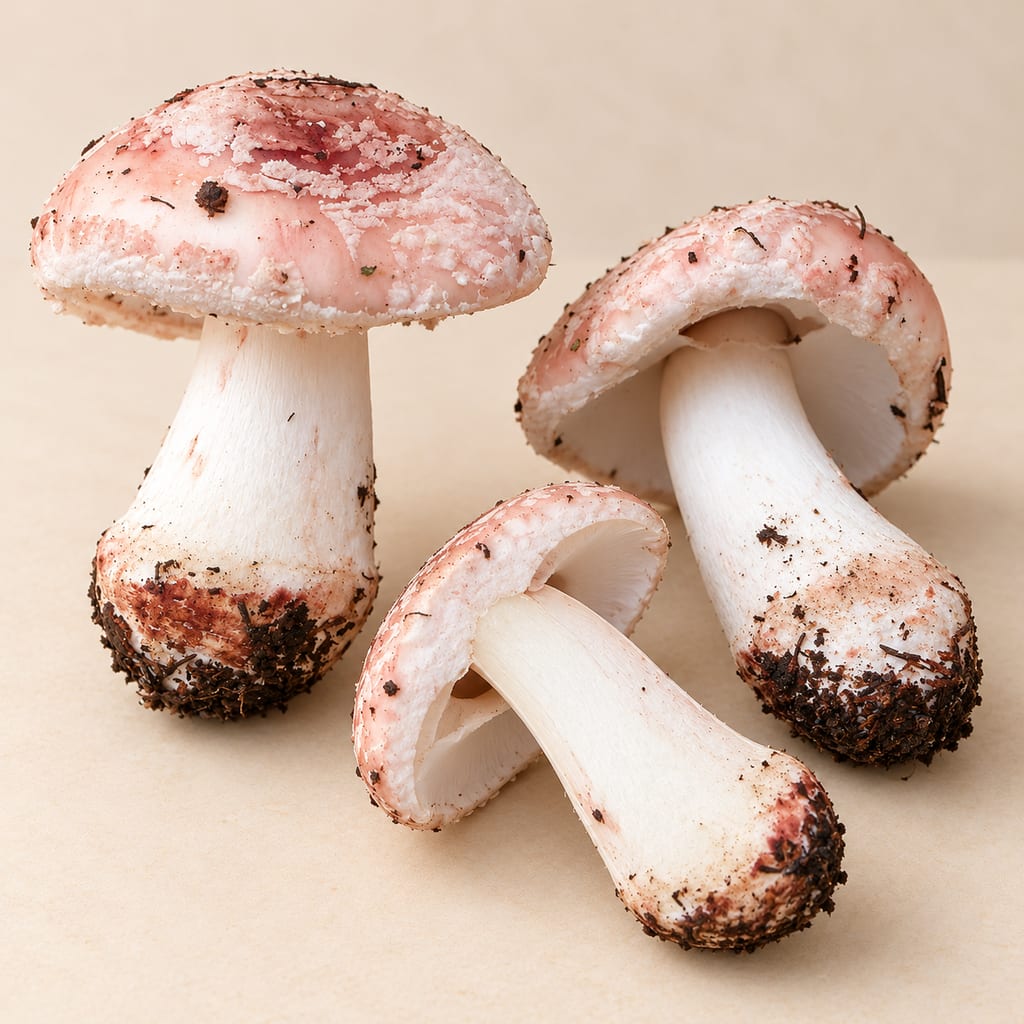
Amanita novinupta is a western North American blusher, a forest mushroom recorded as food in Mexico, and one that must be cooked because its raw flesh is toxic.
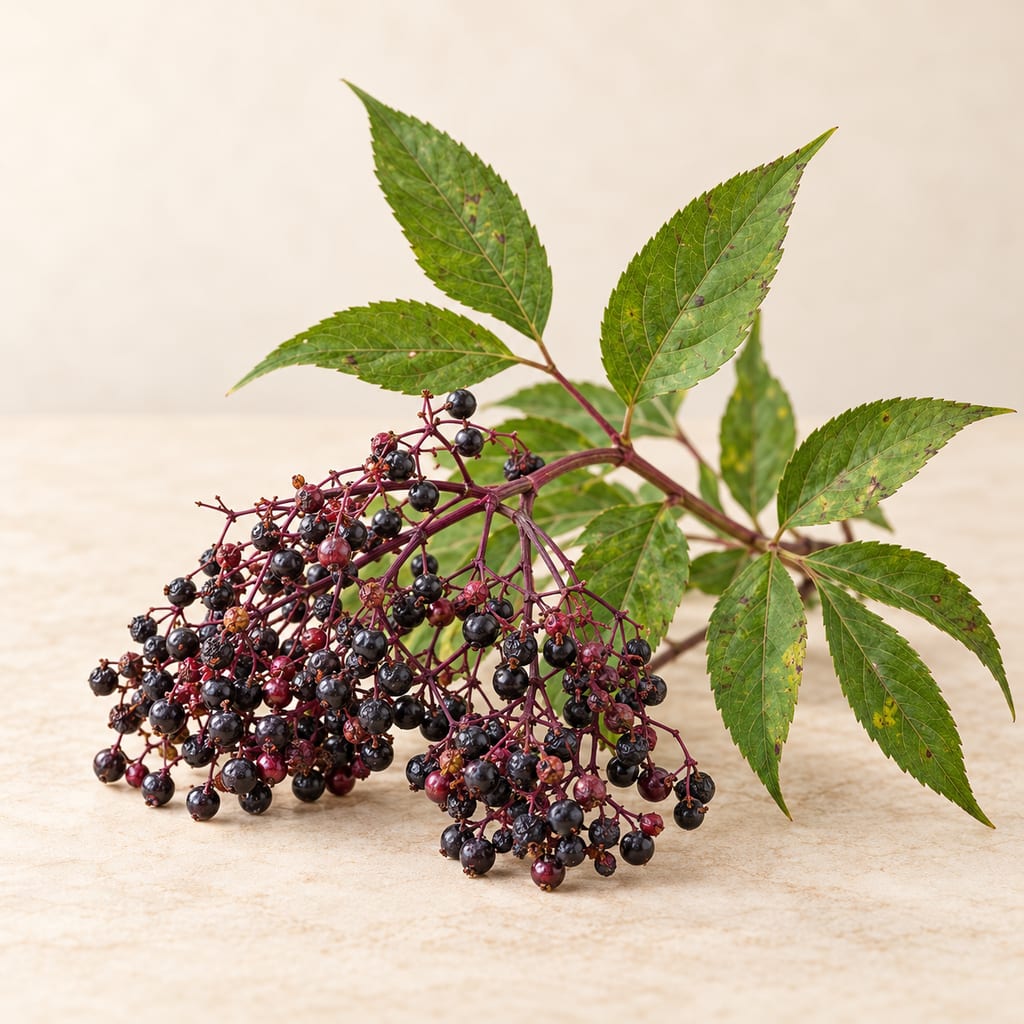
Sambucus canadensis is the accepted name used here for American elderberry. Missouri production guidance and named-cultivar studies give useful regional growing information, while food and analytical sources leave process questions open.
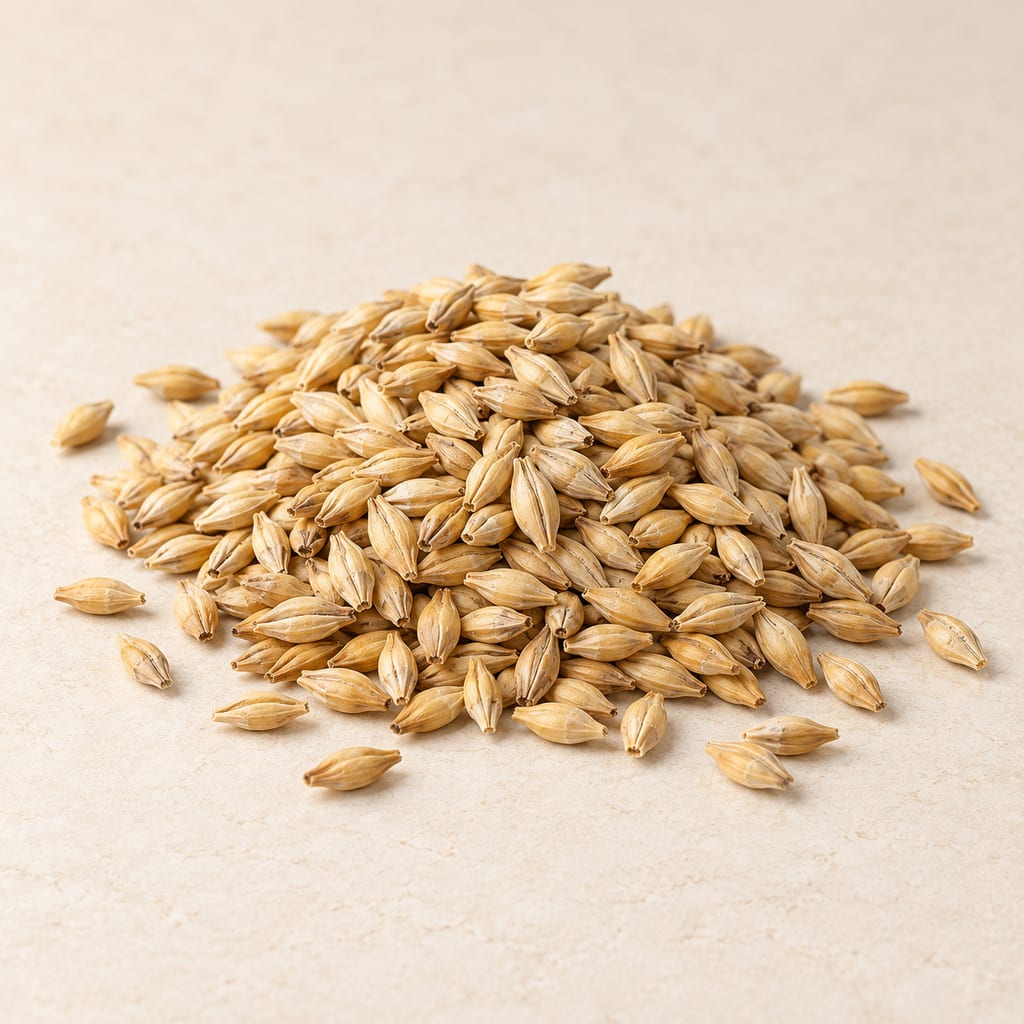
A lightly kilned brewing base made from two-row barley. It supplies starch and enzymes for the mash, with the maltster’s product and lot analysis defining its brewing properties.

Ripe avocado flesh is the soft, buttery, fat-rich pulp of Persea americana, eaten raw. It is low in acid, so it is a fresh ingredient that needs care in chilled dishes.
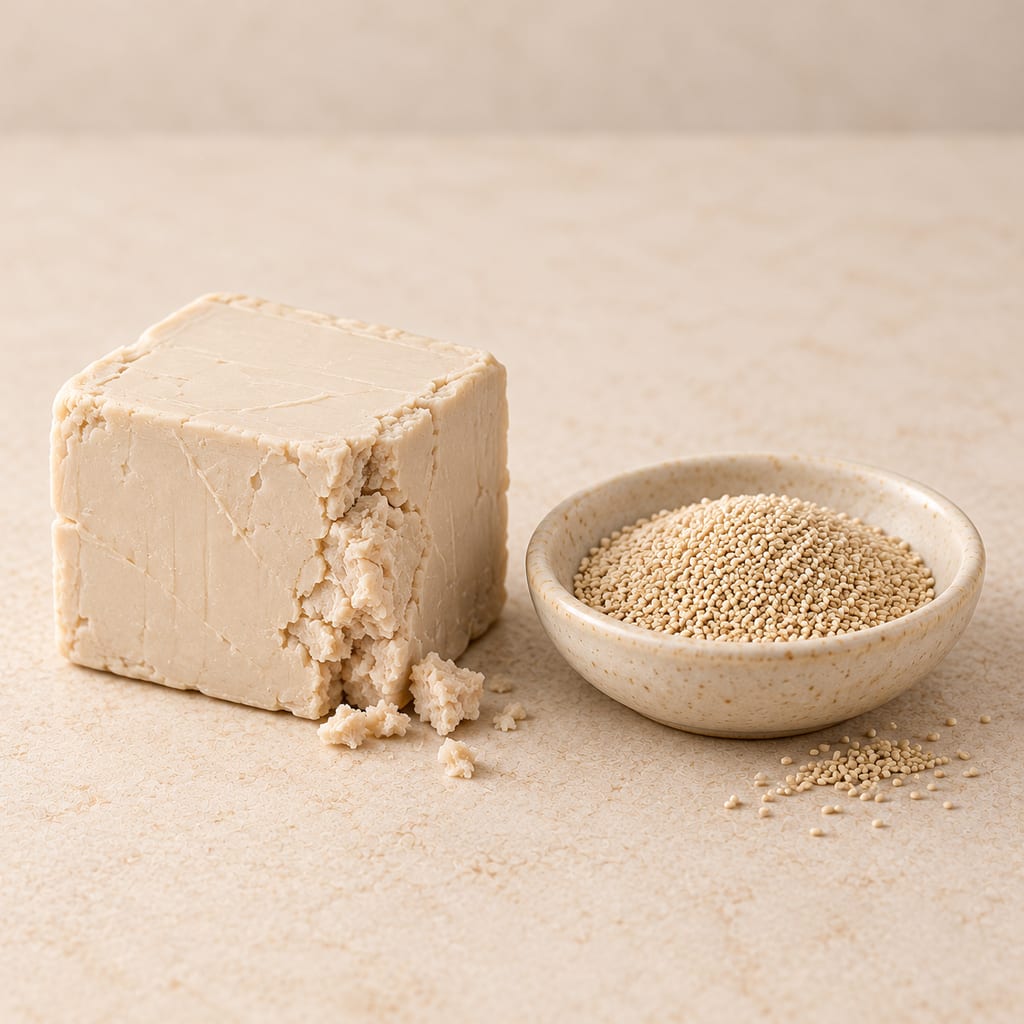
Baker's yeast is a cultivated living leavener, commonly sold fresh or dried. In dough, selected Saccharomyces cerevisiae cells make gas that can raise bread.
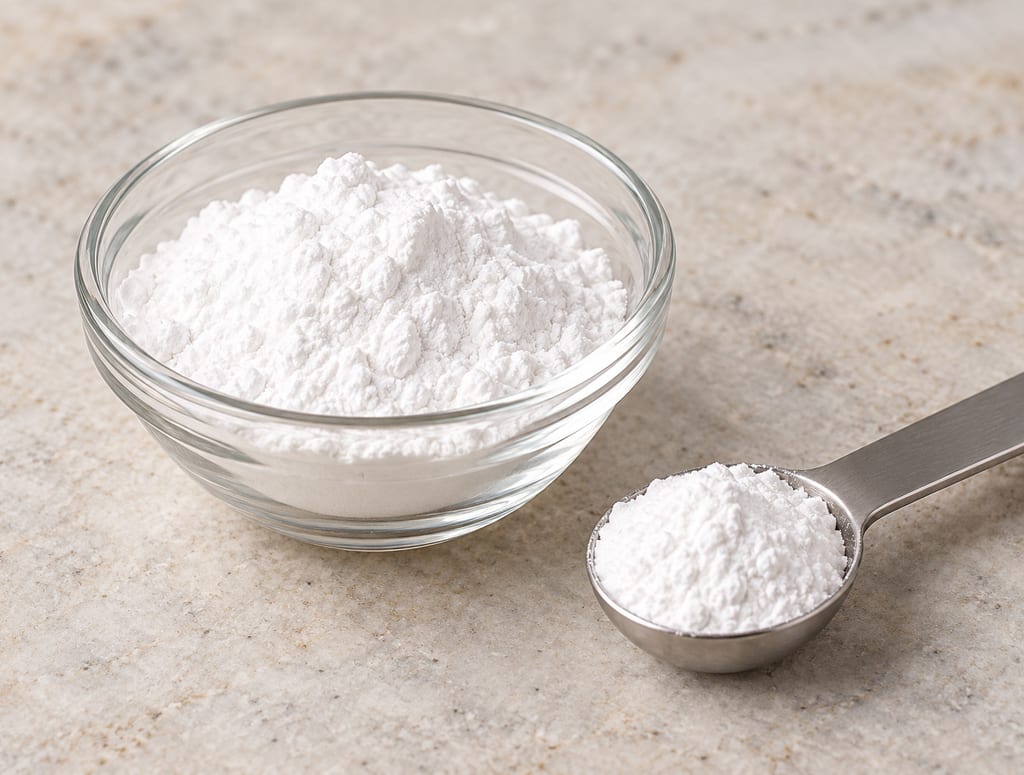
Baking powder is a dry chemical leavener that combines bicarbonate with acid-reacting ingredients and a carrier. Moisture and heat release carbon dioxide for quick breads, batters and griddle cakes.
No community contributions have been published for this entry yet.
Sign in to contribute. Published comments and photos are free to read.
Adventures in HomebrewingEditorial
How to Make Hard CiderFive-gallon Papazian-attributed cider lists 2 oz generic yeast nutrient with apple juice and Nottingham yeast.
Cited in: The small addition that feeds a ferment; A modern ingredient with an uncertain beginning; What the yeast can actually take up; Aroma comes from the cell and its surroundings; Two fruit ferments, two ways to use the name; Choosing a product for cider or wine
Adventures in HomebrewingEditorial
Concord Grape Medium Bodied Wine RecipeFive-gallon Concord recipe lists 2 tbsp generic yeast nutrient with grapes, sugar and 71B yeast.
Cited in: The small addition that feeds a ferment; A modern ingredient with an uncertain beginning; What the yeast can actually take up; Aroma comes from the cell and its surroundings; Two fruit ferments, two ways to use the name; Choosing a product for cider or wine
Australian Wine Research InstituteEditorial
Yeast Assimilable Nitrogen (YAN)YAN is available nitrogen in must; nitrogen status affects growth, fermentation and aroma; DAP or organic supplements may be used.
Cited in: A modern ingredient with an uncertain beginning; What the yeast can actually take up; Aroma comes from the cell and its surroundings; Two fruit ferments, two ways to use the name; Choosing a product for cider or wine
Denise M. Gardner, Penn State ExtensionEditorial
Enological Products and Their UsesFermentation nutrients differ in inorganic and organic nitrogen, vitamin and mineral roles; nutrient management belongs to primary fermentation.
Cited in: A modern ingredient with an uncertain beginning; What the yeast can actually take up; Choosing a product for cider or wine
Lallemand Oenology, Practical Guide to Vinification No. 3Editorial
Safe Alcoholic Fermentation: Providing Complete Nutrition for the YeastYAN comprises ammonium and amino-acid nitrogen; product examples distinguish rehydration support, organic nitrogen and blended nutrients.
Cited in: The small addition that feeds a ferment; What the yeast can actually take up; Two fruit ferments, two ways to use the name; Choosing a product for cider or wine
Lallemand OenologyEditorial
FERMAID AT: Complex Yeast NutrientSpecific blended product contains yeast-derived nitrogen, DAP and thiamine; illustrates why generic nutrient is not a single composition.
Cited in: The small addition that feeds a ferment; Choosing a product for cider or wine
Thomas F. Boudreau IV et al., Journal of the Institute of Brewing 123:553–561Editorial
Hydrogen sulphide production during cider fermentation is moderated by pre-fermentation methionine additionControlled apple juice experiment with EC1118 and UCD522; methionine and total YAN effects differ by strain and concentration.
Cited in: What the yeast can actually take up; Aroma comes from the cell and its surroundings; Two fruit ferments, two ways to use the name
Yangbo Song et al., Frontiers in Microbiology 11:1264 (2020)Editorial
Yeast Assimilable Nitrogen Concentrations Influence Yeast Gene Expression and Hydrogen Sulfide Production During Cider FermentationTwo-strain apple-juice DAP experiment shows fermentation, gene expression and hydrogen sulfide responses are strain and condition dependent.
Cited in: Aroma comes from the cell and its surroundings
Adventures in HomebrewingEditorial
Yeast Nutrients and Yeast Energizers for Better FermentationRetailer carries multiple nutrient and energizer products, not a uniquely defined single mixture.
Cited in: The small addition that feeds a ferment