
Agar / kanten
A gelling polysaccharide extracted from red seaweeds, sold as kanten strips or powder; it sets firm at a low concentration and stays solid until about 85 °C.
 FermenteaWhere food goes to change
Coagulants
The toxic corm of Amorphophallus konjac and the glucomannan flour milled from it, which sets into a firm, heat-stable konnyaku gel when cooked with limewater.
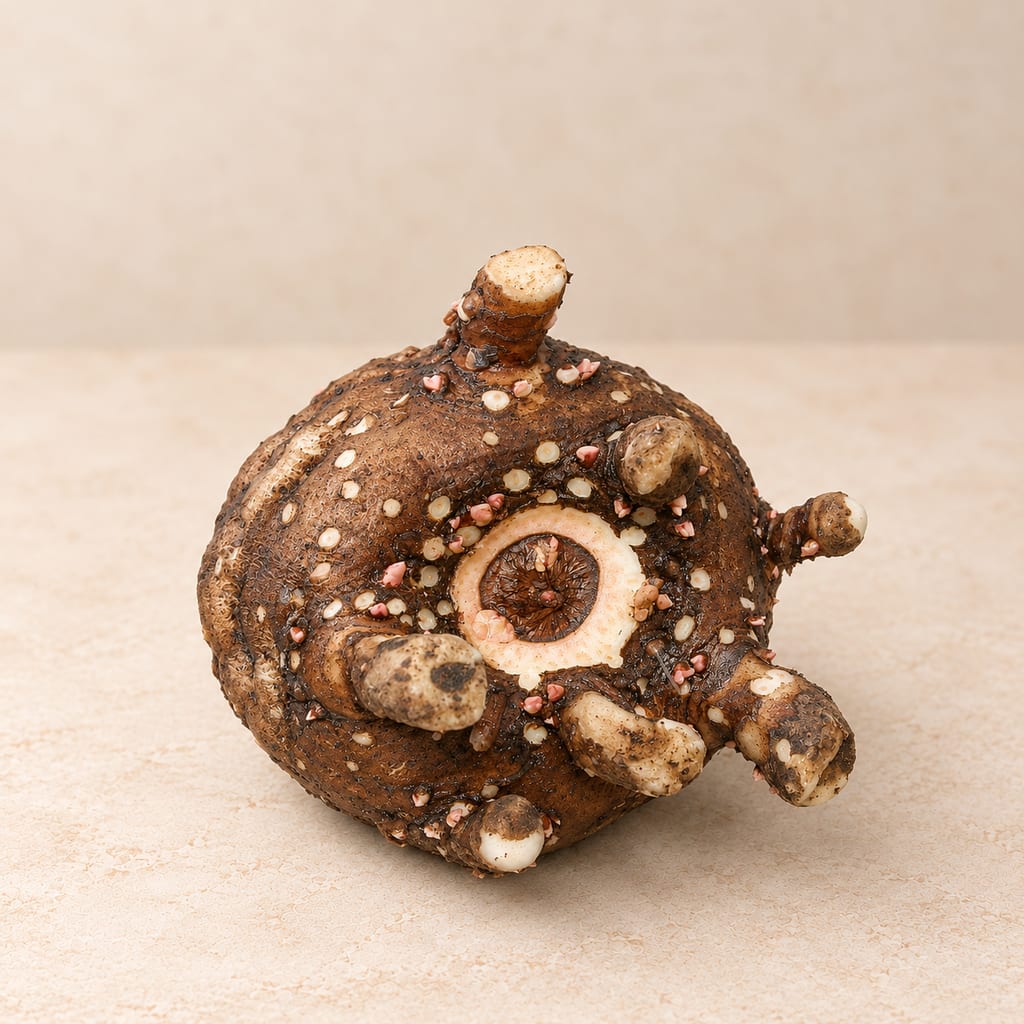
Konjac is Amorphophallus konjac, a perennial of the arum family that grows from a large corm, up to 25 centimetres across, and sends up a single leaf that can reach 1.3 metres. It is a relative of the titan arum. Wild forms grow in China, mainly in Yunnan, and the plant is cultivated across East and Southeast Asia. Its English names include konjac, devil’s tongue and voodoo lily; in Japan it is konnyaku (こんにゃく) and in China moyu (魔芋). The genus Amorphophallus has about 230 species, and only a handful of them are eaten; the other well-known food species is the elephant foot yam, Amorphophallus paeoniifolius, a different species and a tuber vegetable of Indian cooking.
The raw corm cannot be eaten. All parts of the plant are toxic and the corm most of all. Its tissue holds calcium oxalate in two forms, needle-shaped raphides and cluster-shaped druses, and it must be processed first. The word konjac therefore covers four things: the plant, the corm, the flour milled from it, and the finished gel, which in Japan is konnyaku. The flour, called konnyaku flour, is dried corm that is rich in a soluble fibre named glucomannan; the purified fibre is konjac glucomannan, or KGM. The gel is made by mixing the flour with water and an alkali.
Konjac has been grown in China for an estimated two to three thousand years. It is first documented in the Shen Nong Materia Medica during the Western Han dynasty, and for more than 2,000 years Chinese medicine has used its glucomannan, and a gel made from the flour, for detoxification, for liquefying phlegm and for complaints from asthma, coughing and hernia to breast pain, burns and skin disorders. In China the corm was made safe by boiling it repeatedly with alkaline ash water. The medical tradition and the kitchen tradition are the same plant processed two ways. Over the centuries konjac has been woven into Chinese and Japanese practice, where it counts as a staple food source as well as a health food, and the unevenness of raw glucomannan from batch to batch is still a problem for standardised products.
In Japan konjac has been eaten since at least the sixth century, originally as a supposed medicinal food, and documents from about the eighteenth century mention its intestinal-cleansing property. The decisive step for the kitchen came in 1776, when Nakajima Toemon developed a method for making konjac flour. The flour travels and keeps far better than the fresh corm, and it spread konnyaku far beyond the farms that grew the plant. Gunma Prefecture now produces more than 90 per cent of Japan’s domestic konjac.
Today purified glucomannan is an industrial product, with annual production worldwide exceeding 30,000 tonnes, and refined konjac flour has reached Western markets as a gelling agent, a fibre ingredient and the base of low-carbohydrate noodles.
Konjac is a plant of warm subtropical to tropical climates. It wants a well-drained, nutrient-rich soil that holds moisture without becoming waterlogged, and it grows better in moderate shade; 50 to 70 per cent shading increases photosynthesis and corm weight. Growers plant corms, and the size of the corm planted and the spacing of the plants largely decide the yield. The plant becomes dormant at the end of the warm, moist growing season, and the corms are dug then. It flowers during the rains, the flower bud emerging from the corm as a purple shoot that opens into a purple flower.
Major cultivation is in China and Japan, and production is expanding into other Southeast Asian countries because demand from the food and health industries is high, driven by the glucomannan. Cultivation has its difficulties, among them environmental factors and disease management, and the amount of glucomannan varies with species, region and growing conditions. For flour, the harvested corms are washed, sliced and dried, and the dried slices are milled and purified.
Glucomannan makes up 49 to 60 per cent of the weight of the corm. The rest is starch at 10 to 30 per cent, crude protein at 5 to 14 per cent, soluble sugars at 3 to 5 per cent and ash at 3.4 to 5.3 per cent, with small amounts of alkaloids such as trigonelline and saponins. Konjac glucomannan is a polymer of D-glucose and D-mannose in a ratio of about 1 to 1.6 or 1.7, joined by beta-1,4 bonds, with a few side branches and acetyl groups along the chain. Its molecular weight is large, from 200 to 2,000 kilodaltons.
It is a hydrocolloid with remarkable water-holding capacity. A commercial grade of 500 to 1,000 kilodaltons can be dispersed in cold water at 1 to 2 per cent, and heat and stirring help it hydrate. KGM does not form a true solution but a dispersion with persistent micro-aggregates: the outer layer of each particle hydrates quickly and slows the swelling of the core, an effect known as the fish-eye effect, which is why lumps form unless the powder is dispersed with care. Low-molecular-weight fractions disperse more easily, while high-molecular aggregates form undissolved lumps and need extended stirring or heating. The acetyl groups improve solubility, and a glucomannan solution left standing degrades over time through bacterial contamination or enzymatic hydrolysis. Konjac and the related Amorphophallus albus are the key species for glucomannan storage, and the chemical composition varies with species, region and environment, so batches of flour differ in their gelling behaviour. In solution the chains take an extended, disordered shape with little helical character, unlike carrageenan and gellan gum, which form helices.
Konnyaku is made by mixing konjac flour with water and limewater, a solution of slaked lime that has its own page on this site, boiling the mixture and cooling it to set. The chemistry is a deacetylation. At a pH above 9 and a temperature above 70 degrees Celsius, the alkali saponifies the acetyl groups along the glucomannan chain, which exposes hydroxyl groups that were shielded before. Small deacetylated stretches act as nucleation sites, and the chains then grow together through hydrogen bonds into junction zones and a three-dimensional network that traps the water. The result is a thermoirreversible gel, a rare property among neutral polysaccharides: once set, konnyaku does not melt on heating, unlike gelatin or agar. That is why it can be simmered for a long time in a broth without dissolving.
Colour depends on the starting material. Konnyaku made from the corm itself is naturally dark, while that made from refined flour is white, and the seaweed hijiki is often added for colour and flavour. The gel also combines with other gums. Blended 1 to 1 with kappa-carrageenan it becomes markedly harder, and with xanthan gum it forms a thermoreversible gel, so blends give textures neither gum makes alone.
Konjac glucomannan resists human digestive enzymes. It is fermented in the colon, where a specific beta-mannanase of the gut microbiota breaks it down and short-chain fatty acids result, which is why it is classed as a prebiotic fibre. In a trial in athletes with functional constipation it relieved symptoms and raised the abundance of Prevotella and Lactobacillus. The same fermentation causes bloating, flatulence and loose stools at daily doses above 10 grams.
The firm block of konnyaku is mottled grey and firmer than most gelatins. Ito konnyaku is cut into noodle-like strands and sold in water; shirataki are the thin konnyaku noodles. Konjac also appears as fruit jelly cups and drinkable jelly. In Japan konnyaku goes into oden, sukiyaki and gyudon, and sashimi-style konnyaku is served with a miso sauce. China has its moyu jelly, including a pale one called snow moyu, and a vegetarian imitation of tripe, su maodu. The flour is used in Far Eastern cuisine for noodles, tofu and snacks.
Cooks also use konjac as a stand-in. It replaces gelatin in vegan cooking; the corm powder has a fishy smell, which has made it a base for plant-based seafood, and strands of konjac imitate shark fin in vegetarian soups. In the United States it arrived as low-carbohydrate shirataki noodles. Outside the kitchen, konjac sponges are used for facial cleansing, and the glucomannan strengthens Japanese hand-made paper.
Konjac glucomannan is one of the best-studied dietary fibres, and it is the only commercially available polysaccharide that combines targeting by a colonic enzyme, a gel that sets without toxic crosslinkers and established dietary-fibre health claims. Forming a viscous gel in the stomach slows the passage of food and the absorption of glucose after a meal, and reviews report effects on satiety, blood cholesterol, blood sugar and bowel movement. Clinical trials have used daily doses from 1 to 15 grams and the results are not uniform: several controlled trials saw meaningful metabolic improvements at 3 grams a day, the threshold behind the European Food Safety Authority’s health claim that 3 grams of glucomannan a day contributes to the maintenance of normal blood cholesterol, while some interventions below 10 grams found no significant benefit. Differences in the raw material, in the food in which the fibre is delivered and in each person’s gut microbiota are given as reasons. In one study of 30 patients on a 1,200-kilocalorie diet, those who also took glucomannan lost more weight and fat mass and reported better fullness and adherence; in an 8-week study, participants who added it to a low-calorie diet lost an average of 5.5 pounds. A serving of konnyaku holds far less glucomannan than a supplement dose, so these trials do not describe the food directly.
The native polymer has an established safety record. It has Generally Recognised as Safe status with the United States FDA, and the European Union approves it as a food additive, E425. Animal tests found no acute toxicity at more than 10 grams per kilogram and no organ toxicity at doses above 2.5 grams per kilogram a day. Chemically modified derivatives do not inherit that status.
Konjac cannot be eaten raw because of its oxalic acid, so the gel and the flour are bought as processed products. Crude KGM preparations also contain calcium oxalate crystals, which may matter to people with a history of kidney stones.
The main hazard is physical. Konjac fruit jelly is a choking hazard. The United States Food and Drug Administration issued warnings in 2001 and there were recalls in the United States and Canada; the European Union and Australia banned konjac fruit jelly. Seventeen choking deaths in Japan are reported between 1995 and 2008, among them a 21-month-old child in 2008. Dry powder or tablets taken with too little fluid can cause an obstruction of the oesophagus or intestine, and the FDA has issued choking-hazard warnings for them.
No allergen specific to konjac is documented, and no household storage time is established.
The native range of the plant is given variously as Southeast Asia and as Yunnan, China. The first Japanese method for konnyaku is undated beyond the sixth century, and the Chinese alkaline treatment is described only in outline.
Wild forms of Amorphophallus konjac grow mainly in Yunnan; no locality of first use is claimed.
Konjac is first documented in the Shen Nong Materia Medica during the Western Han dynasty.
Gunma produces more than 90 per cent of Japan’s domestic konjac.
Konnyaku has been eaten in Japan since at least the sixth century; the flour method dates to 1776.
One review describes the plant as native to Southeast Asia and cultivated across the region.
A gelling polysaccharide extracted from red seaweeds, sold as kanten strips or powder; it sets firm at a low concentration and stays solid until about 85 °C.
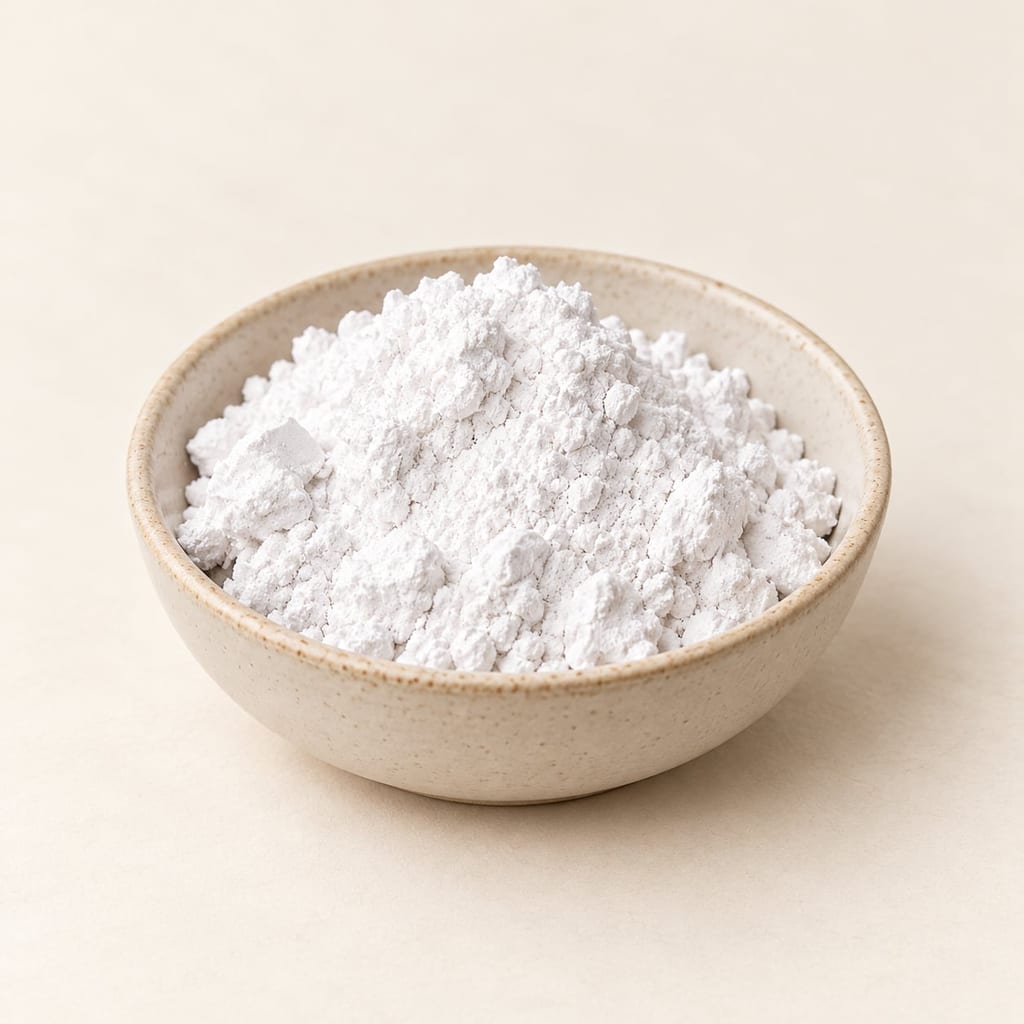
Food-grade slaked lime is calcium hydroxide, an alkaline processing aid used in distinct food treatments including green-fig soaking and maize nixtamalization.
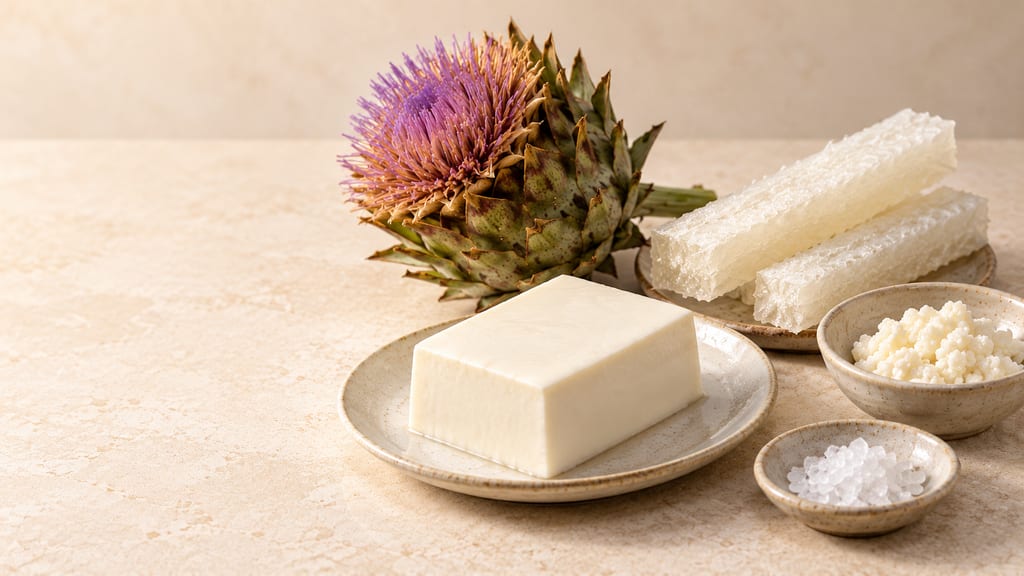
Cheese, tofu, agar, nixtamal and cured ham all begin with a liquid or soft food made to set, sour or keep. Rennet is one branch of that history, beside plant enzymes, acids, minerals, alkalis, gels, finings and curing salts.
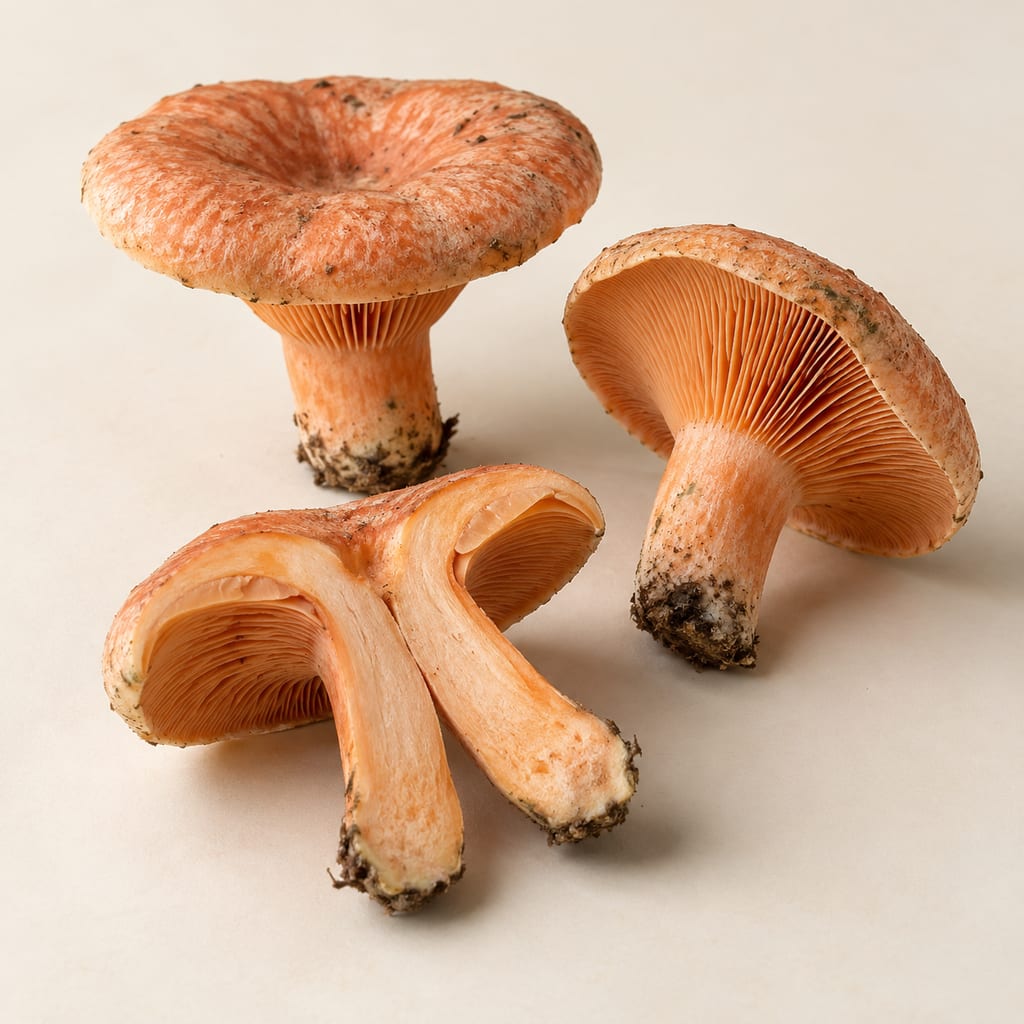
Akahatsu, Lactarius akahatsu, is a wild milkcap of East Asian pine and mixed forests that is sold in Yunnan markets, with its edibility and identity still needing species-level review.
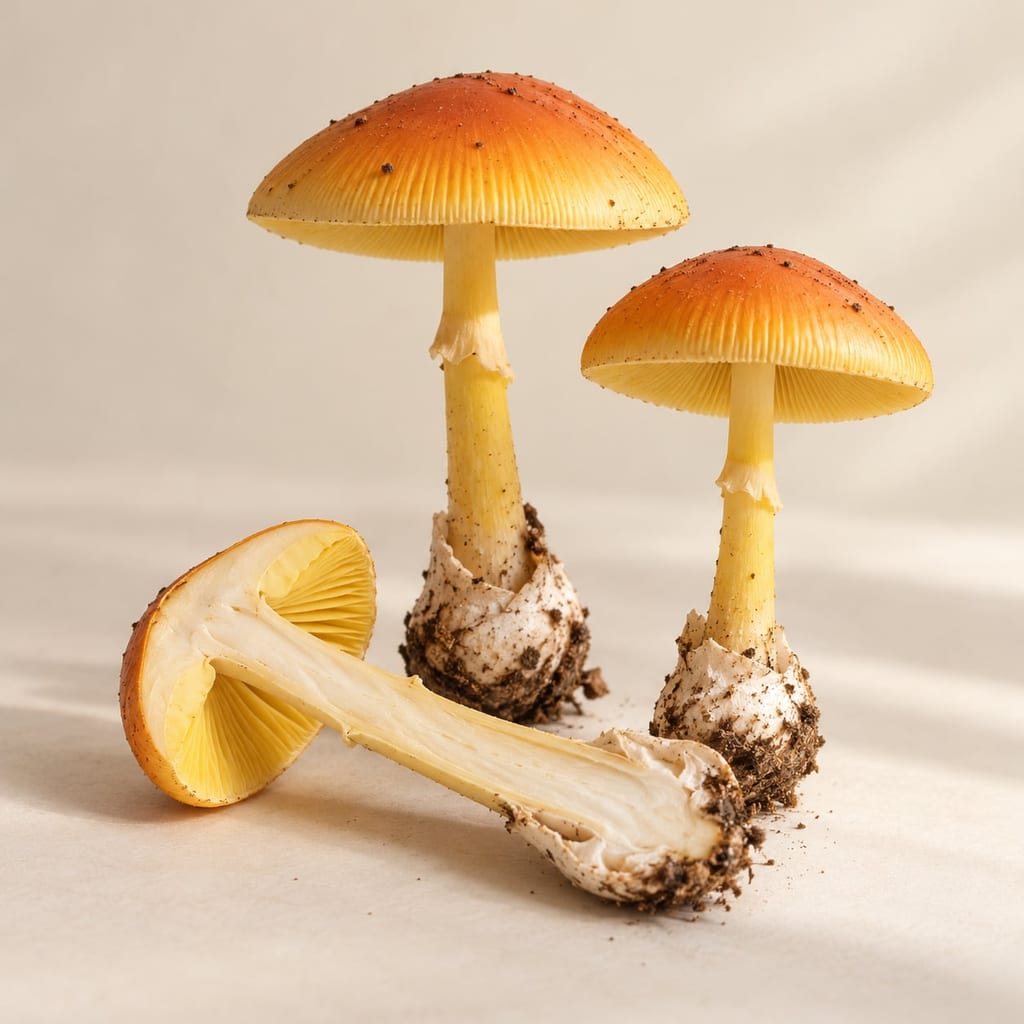
A wild Amanita of China, first reported there and listed as edible in a Yunnan ethnomycology study. The genus contains deadly species, so this page does not support identifying or eating it.
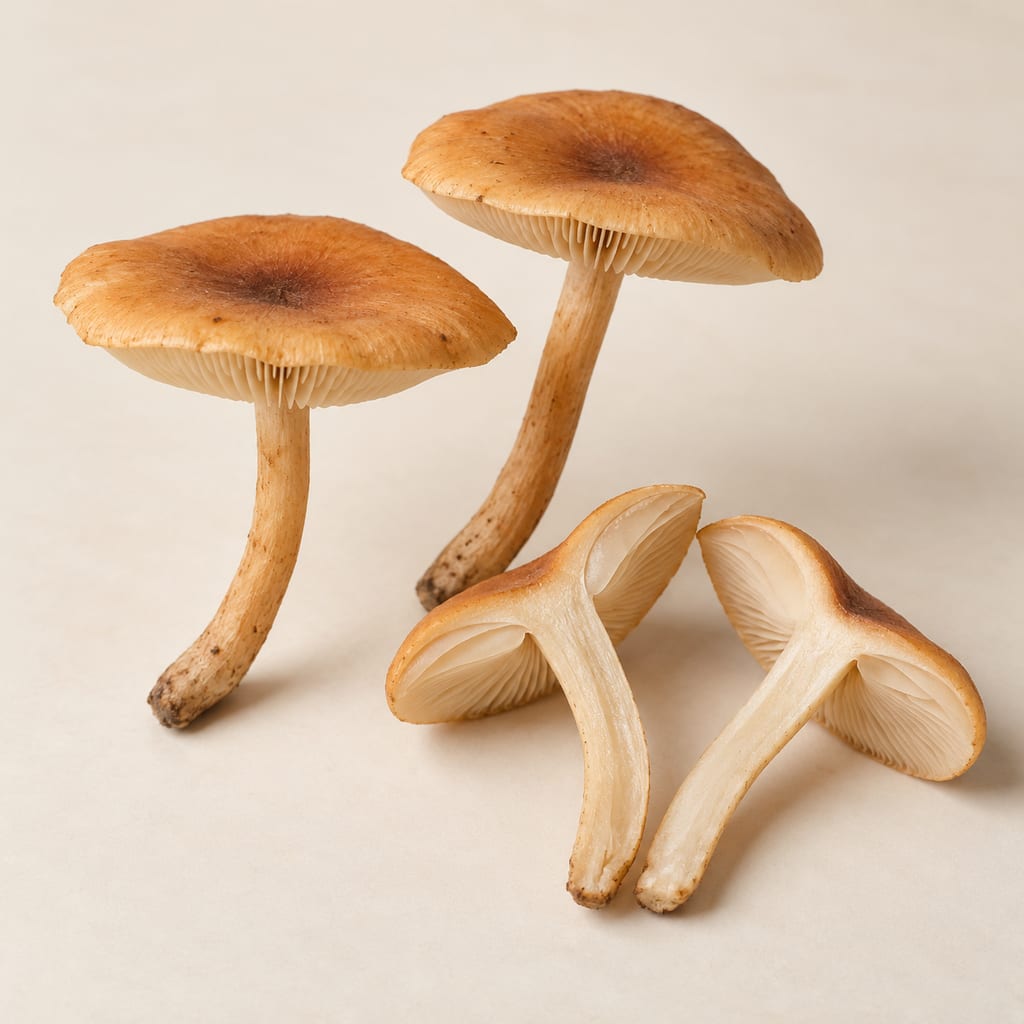
A wood-associated Armillaria recorded in Yunnan and Sichuan, China, and listed as edible in a 2026 Chinese catalogue.
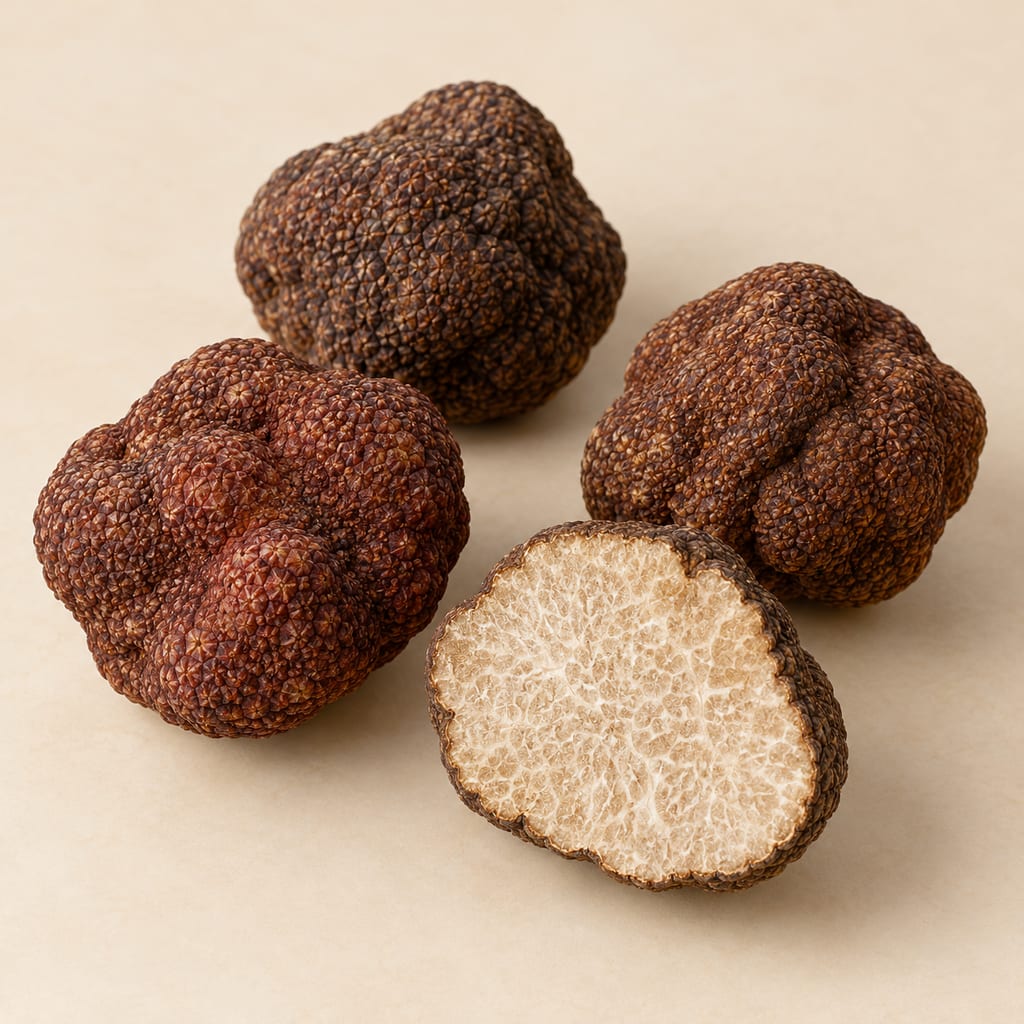
Tuber pseudohimalayense is a wild black truffle from Yunnan, China, listed as edible in a Chinese species catalogue. No independent assessment of its culinary use or safety is available.
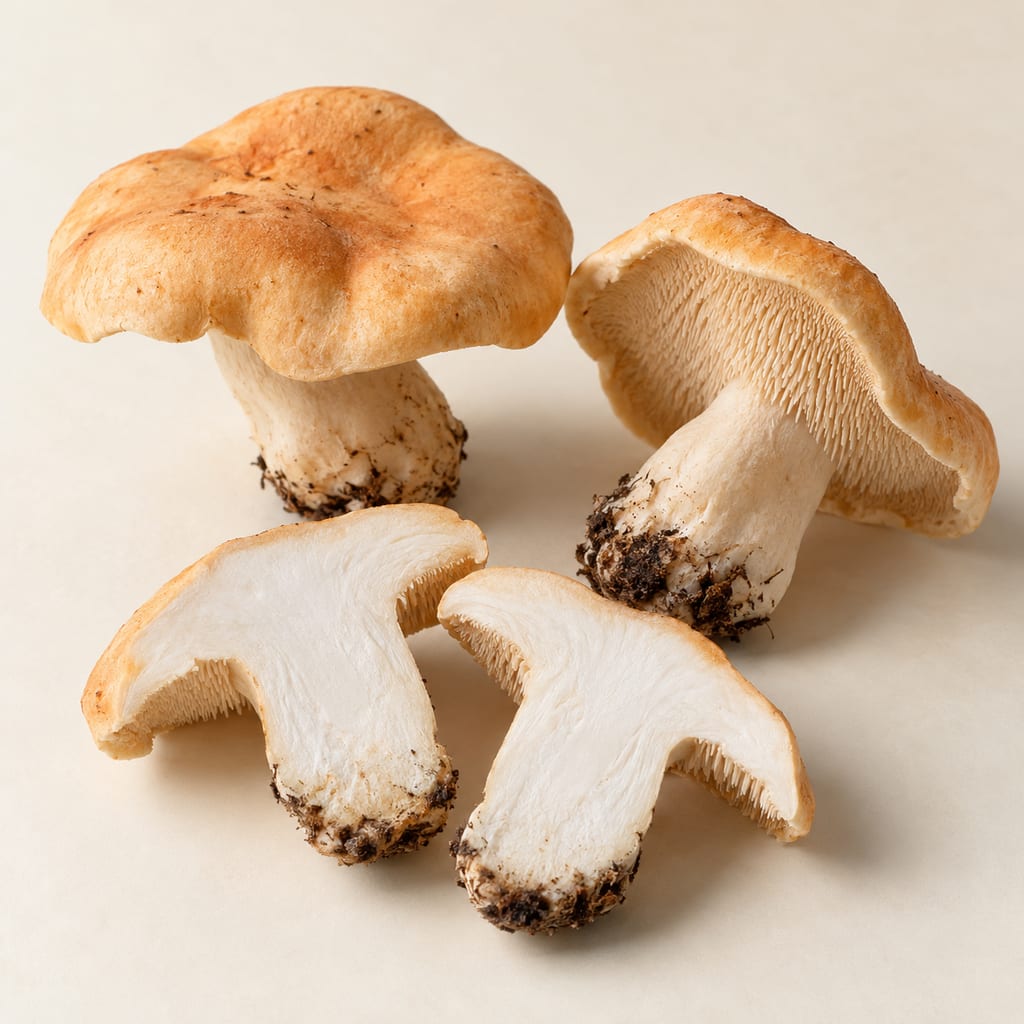
Hydnum berkeleyanum is a toothed, ectomycorrhizal forest fungus sold in food markets in Yunnan, China. Its regional identification is published, but its current name and local safety still need species-level review.
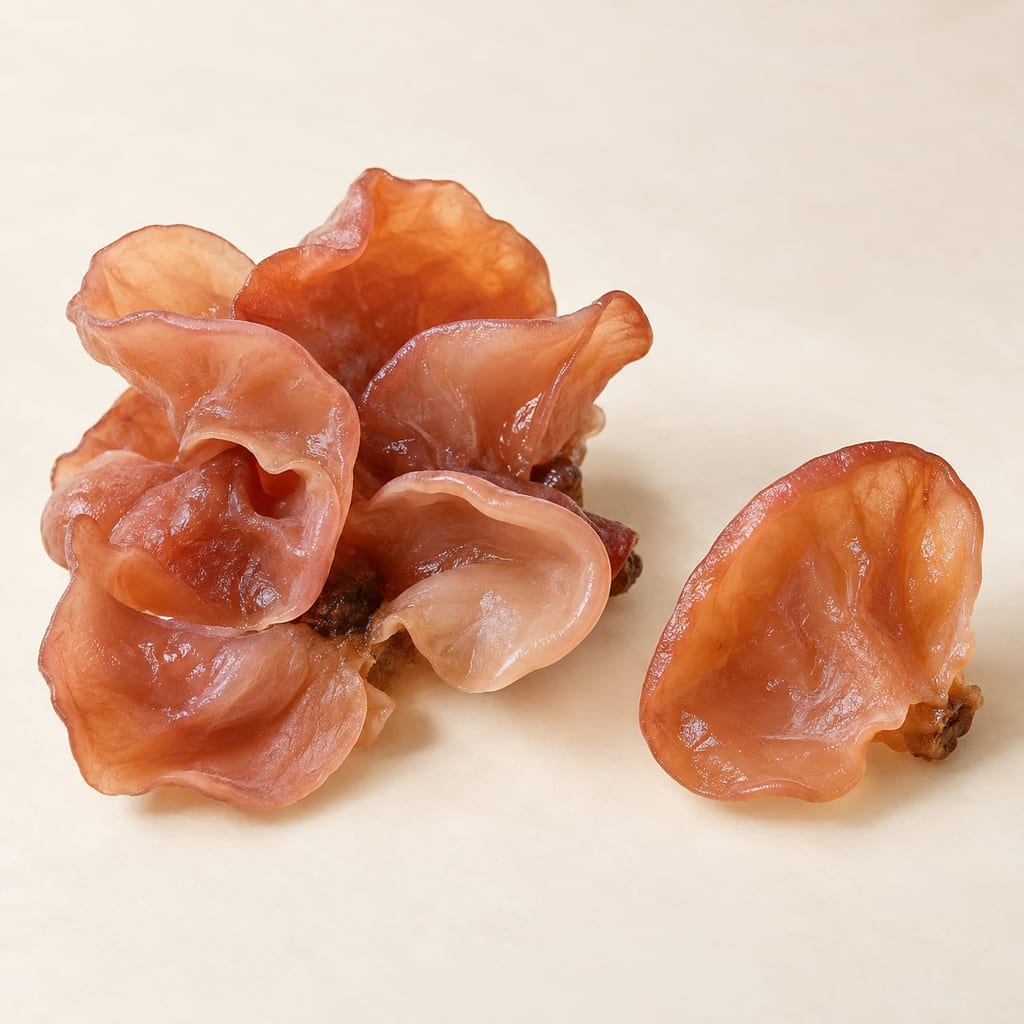
Auricularia thailandica is a thin, gelatinous wood ear described from Southeast Asian collections. Research reports it edible and experimentally cultivable, but species-specific recipes and everyday handling guidance are scarce.
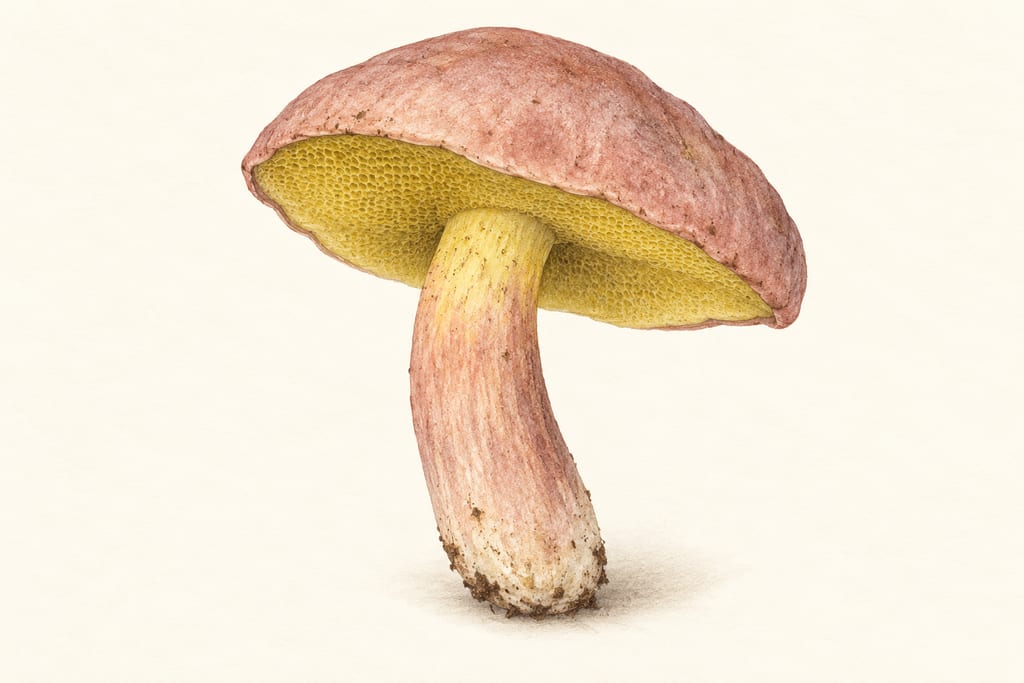
A 2023 Chinese taxonomic treatment accepts Boletellus indistinctus as a species. A separate Yunnan market record uses this name, but its specimen identification and local food safety have not been confirmed here.
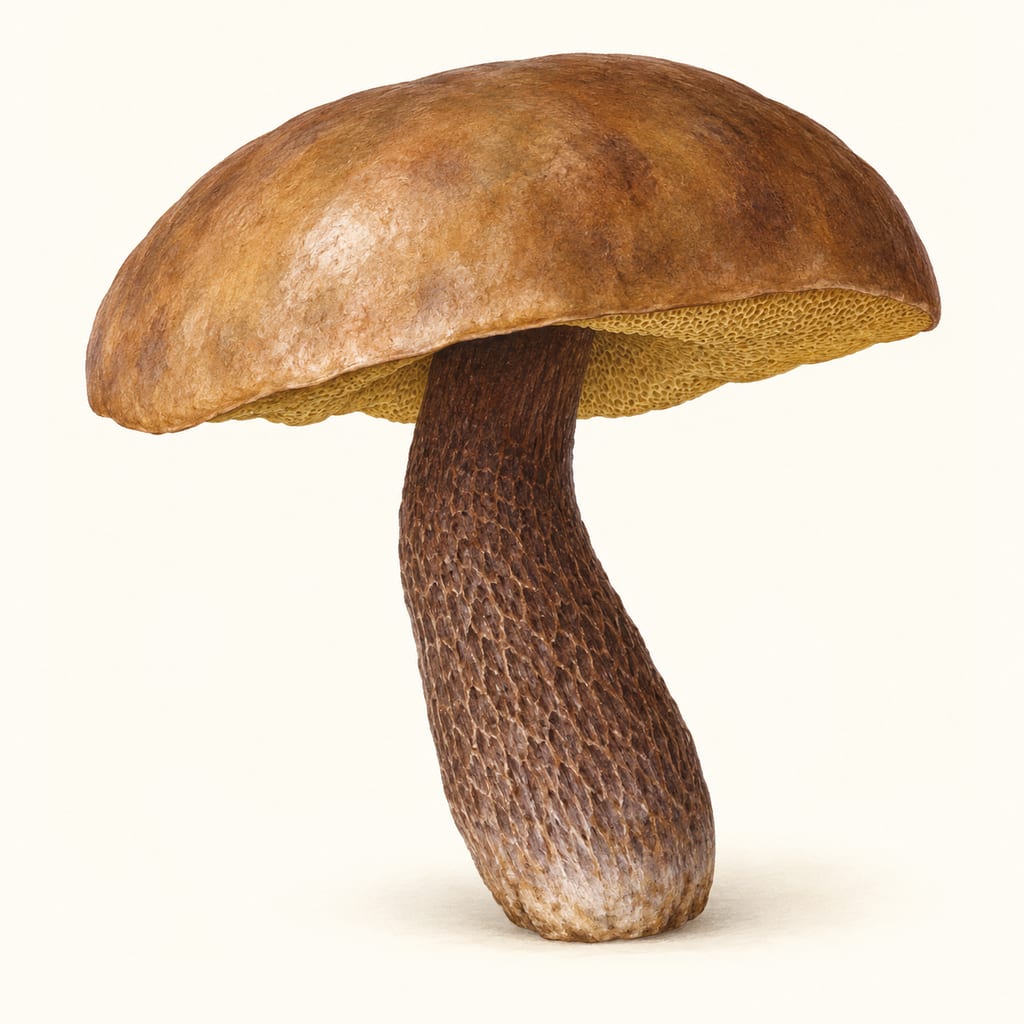
Boletus botryoides, the grape-coloured bolete, is a porcini-like wild bolete of central and south-western China. It is listed as edible in Chinese catalogues, but no dish or preparation is documented for it.

At North Abydos in Egypt, a fixed early Dynastic brewery comprised parallel semi-subterranean installations with rows of ceramic mash vats; excavation reports revise their number, scale and estimated batch capacity.

Ají amarillo is the orange-yellow Peruvian chilli cultivar group of Capsicum baccatum, used to colour and season huancaína sauce and ají de gallina. Published heat estimates do not establish one range for the named cultivar.

Toasted almonds are whole sweet almond kernels dry-roasted until golden to brown. Heat replaces their marzipan note with a roasted, nutty one; they thicken and flavour romesco.

Kodiak salmon, halibut and cod cut as seg'aq and hung on an initaq rack to become tamuuq, with kac'amaasaq and kupcuunaq named as different results.

Aniseed is the dried ripe fruit of Pimpinella anisum, an aromatic Apiaceae spice commonly called a seed. It adds a sweet, warm aroma to breads such as Moroccan krachel and South African mosbolletjies, and is distinct from star anise.

A fixed Late Chalcolithic installation in Areni-1 cave combined a shallow clay pressing basin with a large jar set into the cave floor and storage vessels nearby.

Ripe avocado flesh is the soft, buttery, fat-rich pulp of Persea americana, eaten raw. It is low in acid, so it is a fresh ingredient that needs care in chilled dishes.

A portable dome and pan used over a hearth, with embers on the lid and heat from below. Regional peka and saç forms share this principle while differing in materials, pan shape and how the food is cooked.
No community contributions have been published for this entry yet.
Sign in to contribute. Published comments and photos are free to read.
Frontiers in Plant ScienceHistory · Botany · Composition
Amorphophallus konjac: traditional uses, bioactive potential, and emerging health applicationsfirst documented in the Shen Nong Materia Medica during the Western Han dynasty; Chinese medicine use over 2,000 years
cultivation conditions: subtropical to tropical, well-drained moist soil, 50 to 70 per cent shade; corm size and plant density govern yield
glucomannan 49 to 60 per cent of the corm; starch 10 to 30; protein 5 to 14; soluble sugars 3 to 5; ash 3.4 to 5.3
glucose to mannose ratio 1:1.6 to 1.7; molecular weight 200 to 2,000 kDa; calcium oxalate raphides and druses
Cited in: A corm that has to be made safe; From medicine to food; Growing konjac; What the corm is made of; Health claims, regulation and diet; Notes
Foods (MDPI)Chemistry · Safety
Konjac Glucomannan: From Molecular Architecture to Translational Applicationsalkali-induced deacetylation at pH above 9 and above 70 C gives thermoirreversible gels
synergy with kappa-carrageenan and xanthan gum
annual production of purified KGM over 30,000 tonnes
solubility, fish-eye effect, 1 to 2 weight per cent dispersion
choking and obstruction warnings; bloating above 10 g per day; calcium oxalate in crude KGM; colonic beta-mannanase fermentation and short-chain fatty acids; trial in athletes with constipation
Cited in: From medicine to food; What the corm is made of; How the gel sets; Health claims, regulation and diet; Choosing, handling and safety
WikipediaHistory · Uses · Safety
Konjacbotanical description, corm up to 25 cm, leaf to 1.3 m; wild in China mainly Yunnan; toxic raw
eaten in Japan since at least the 6th century; 1776 flour method of Nakajima Toemon; Gunma over 90 per cent of Japanese output
flour mixed with water and limewater, boiled and cooled; corm-based dark, flour-based white; hijiki
forms and uses; fruit jelly choking hazard, FDA 2001, EU and Australia bans, Japanese deaths
Cited in: A corm that has to be made safe; From medicine to food; How the gel sets; Forms and what they are used for; Choosing, handling and safety; Notes
Plants (MDPI)Botany · History
Genus Amorphophallus: A Comprehensive Overview on Phytochemistry, Ethnomedicinal Uses, and Pharmacological Activitiesgenus of 230 species, few edible; elephant foot yam and konjac the best known
Chinese cultivation of konjac for 2,000 to 3,000 years
flour used in Far Eastern cuisine for noodles, tofu and snacks; dormancy, harvest and flowering
Cited in: A corm that has to be made safe; From medicine to food; Growing konjac; Forms and what they are used for