Rhizopus (amylolytic mould in parakari)
A Rhizopus mould stage converts starch in cassava for the Wapishana drink parakari. The published abstracts name the mould and its role but not the full culture method.
 FermenteaWhere food goes to change
1086 articles on substrates, cultures and additives.
A Rhizopus mould stage converts starch in cassava for the Wapishana drink parakari. The published abstracts name the mould and its role but not the full culture method.
A historical name for a very large bolete reported from Madagascar and listed as edible by FAO. The taxon is unresolved, and no modern food tradition or safety evidence is documented.
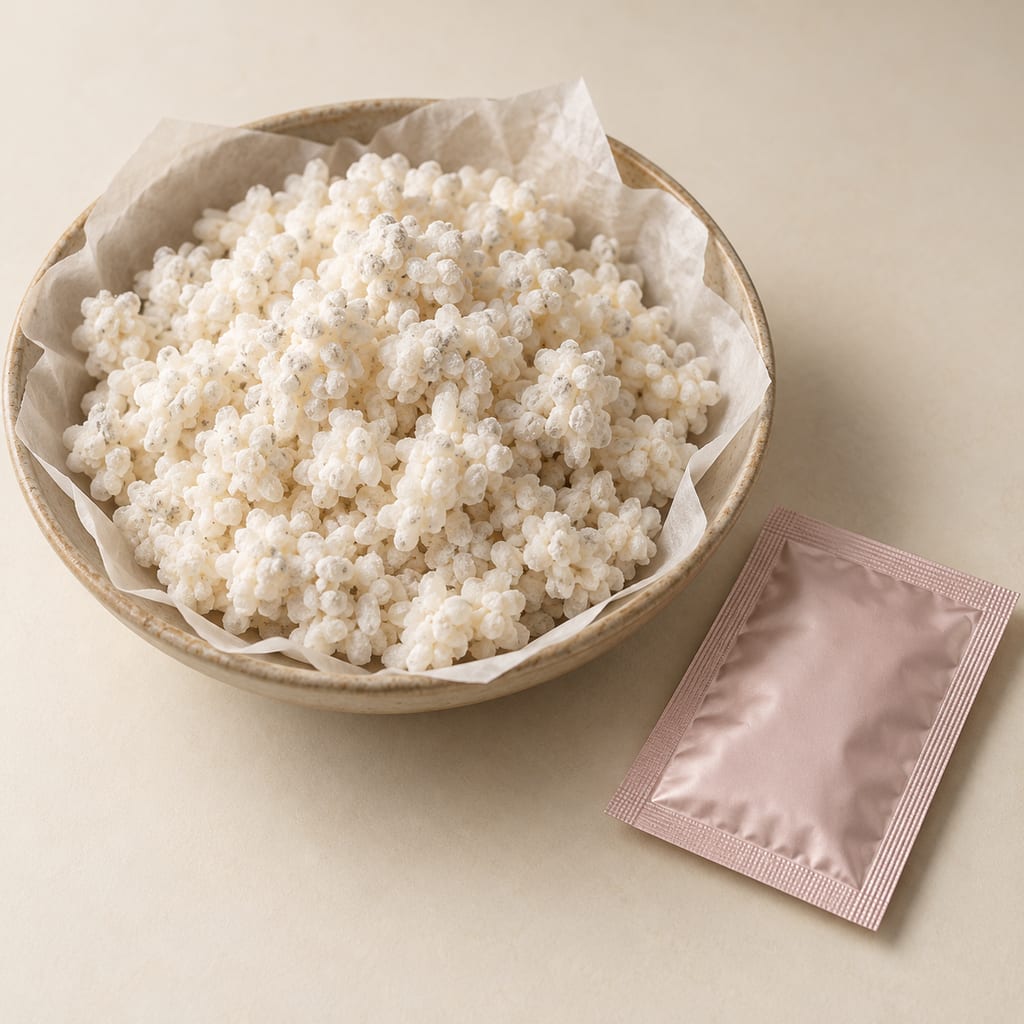
A seed culture of a white-spored Aspergillus koji mould, used to make the koji that starts Japanese shōchū mash, and named in the literature as Aspergillus luchuensis mut. kawachii.
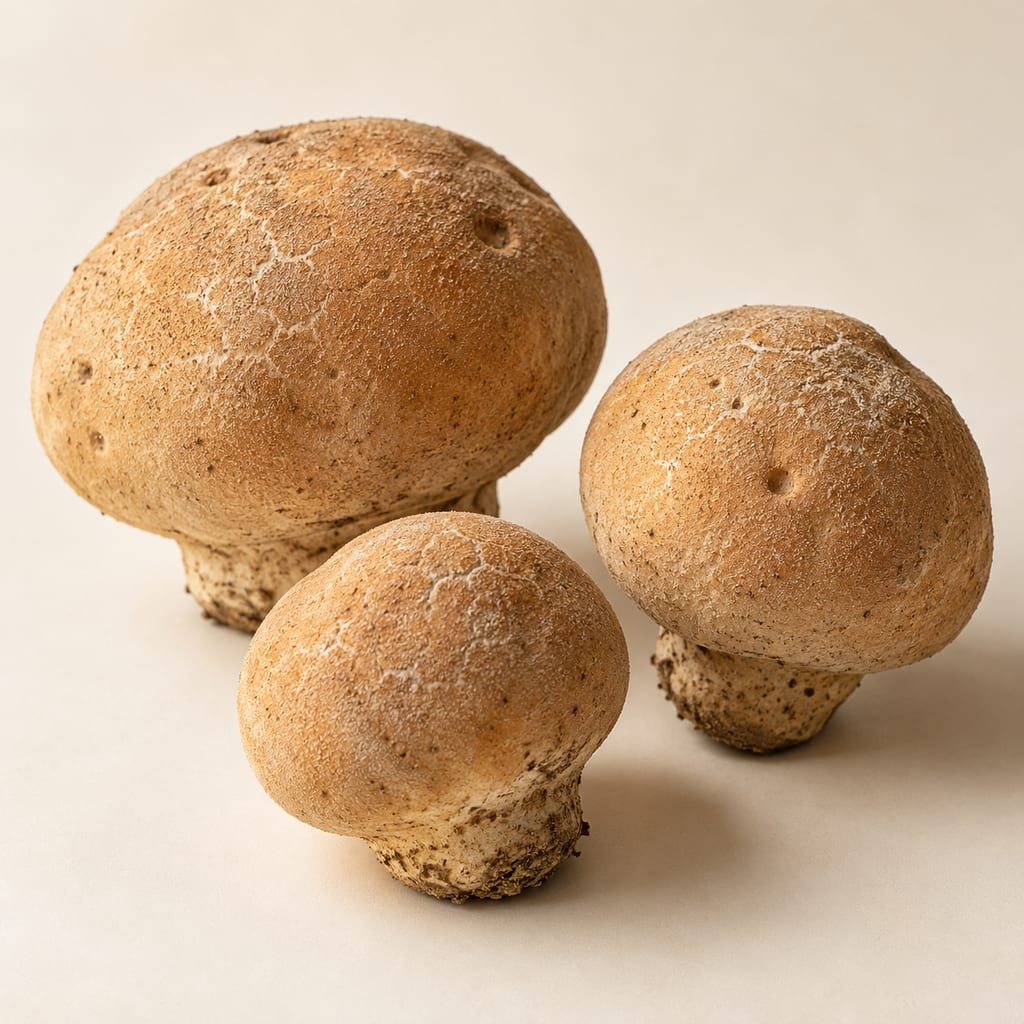
Calvatia boninensis is a large puffball described from the Bonin (Ogasawara) Islands of Japan, reported as edible in some catalogues and local accounts, with no species-specific safety or preparation study.
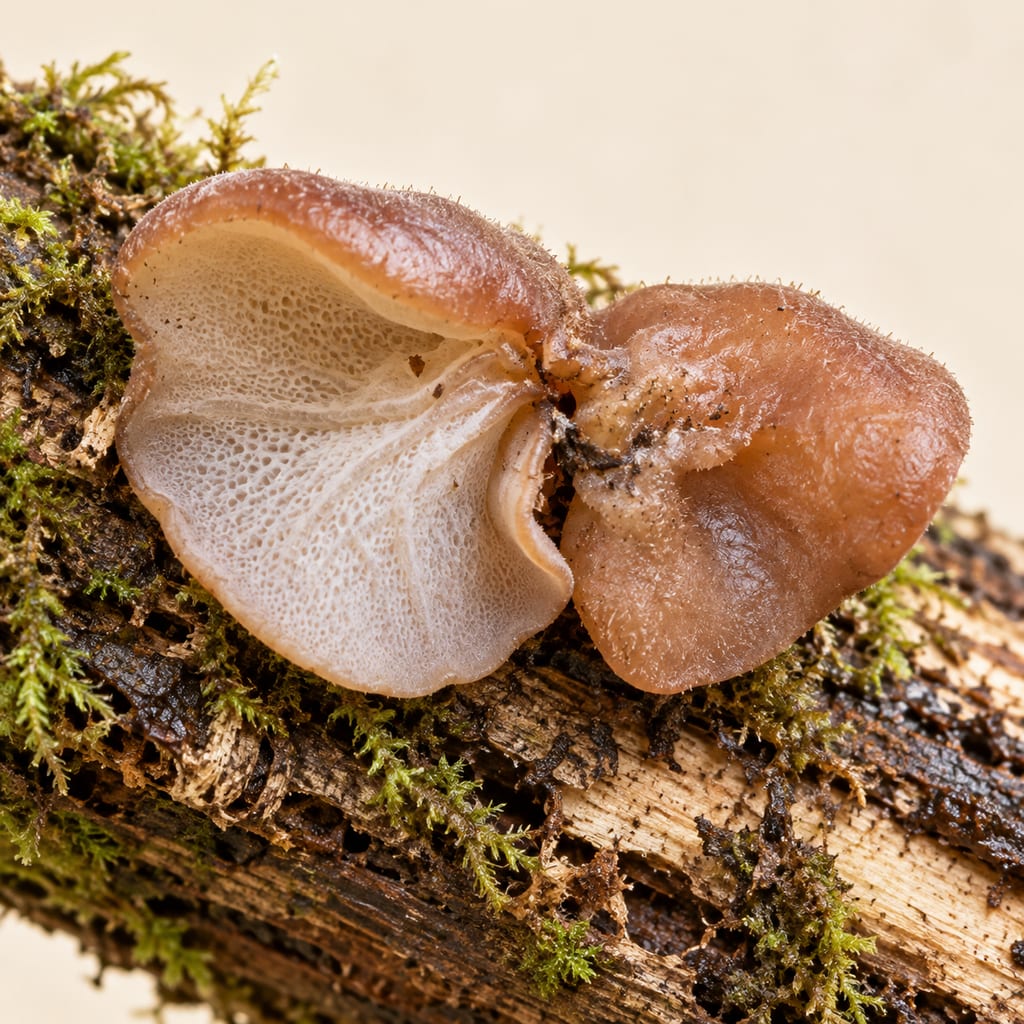
A gelatinous wood-ear fungus described from Yunnan, China, in 2021 and listed as edible in a 2026 Chinese catalogue. Documented food use, preparation and safety are absent.
A yeast named in soy-sauce research for its contribution to aroma, especially in early moromi, where the strain and the product decide what it does.
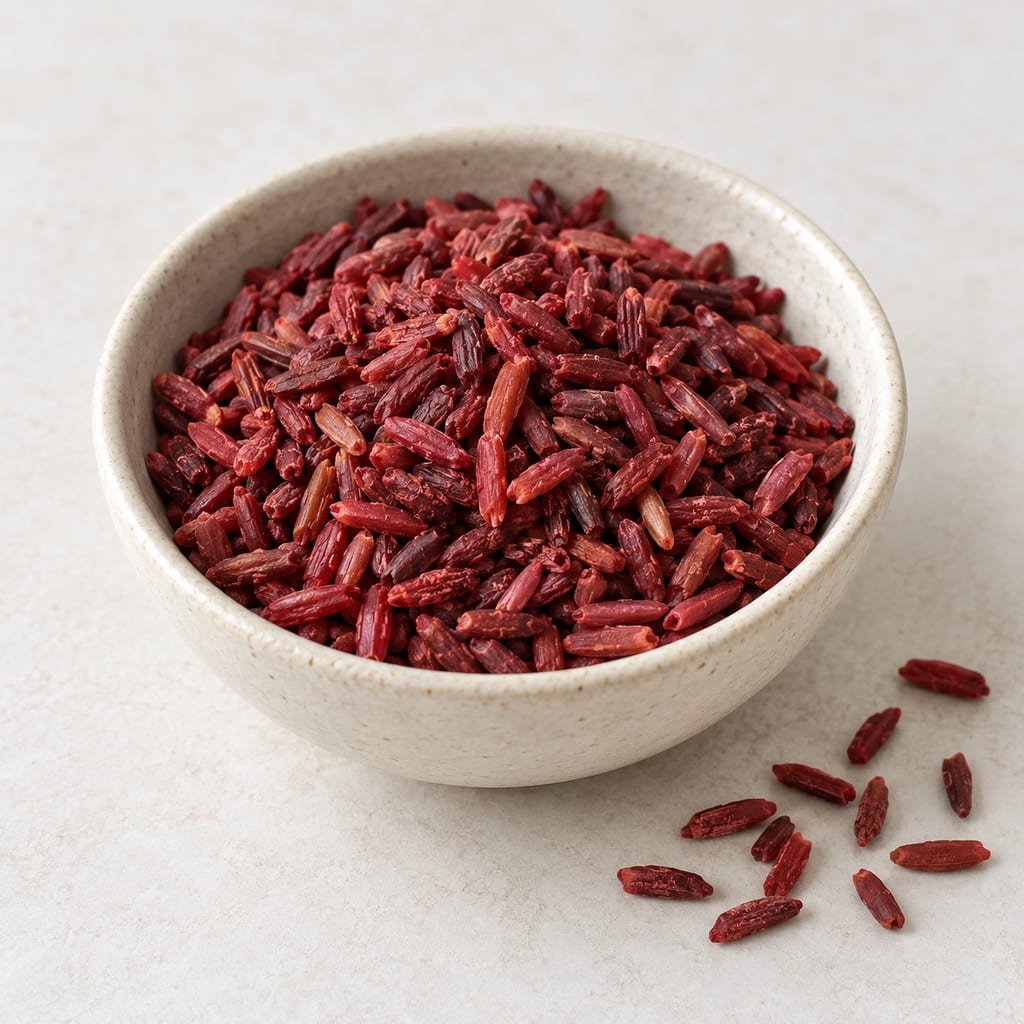
A regional form of hongqu, the red rice starter of southeastern China, named for Gutian and distinguished in Fujian studies from Wuyi hongqu. Documented only through modern regional comparisons.
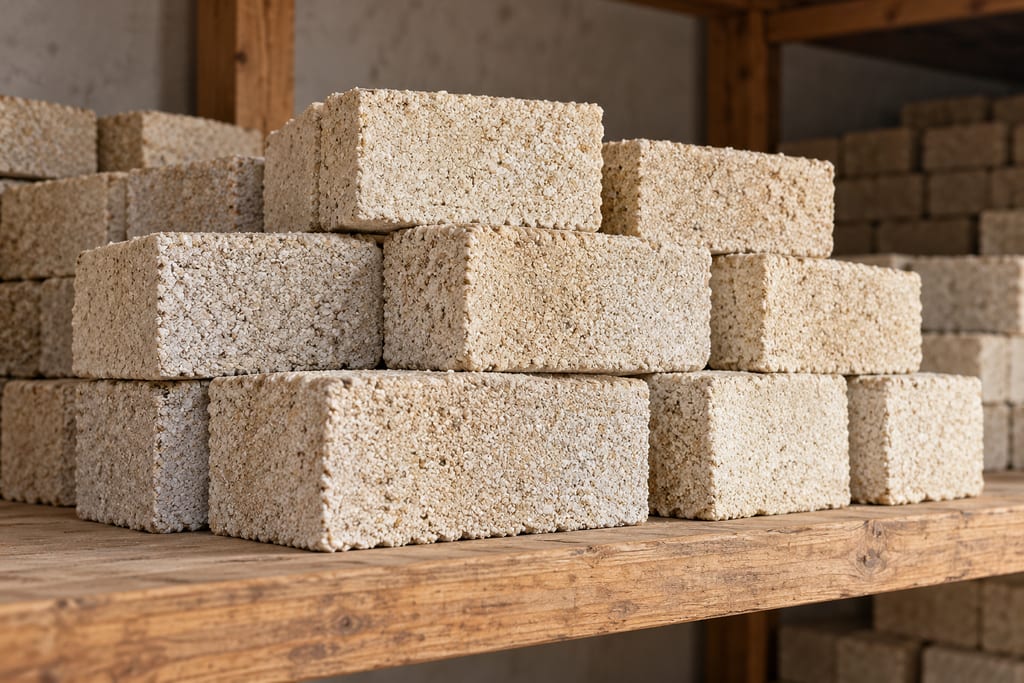
A shaped grain starter (daqu) from Chinese baijiu production, classed as low-temperature because its bricks reach the lowest peak temperatures of the three daqu types; used mainly for light-flavor baijiu.
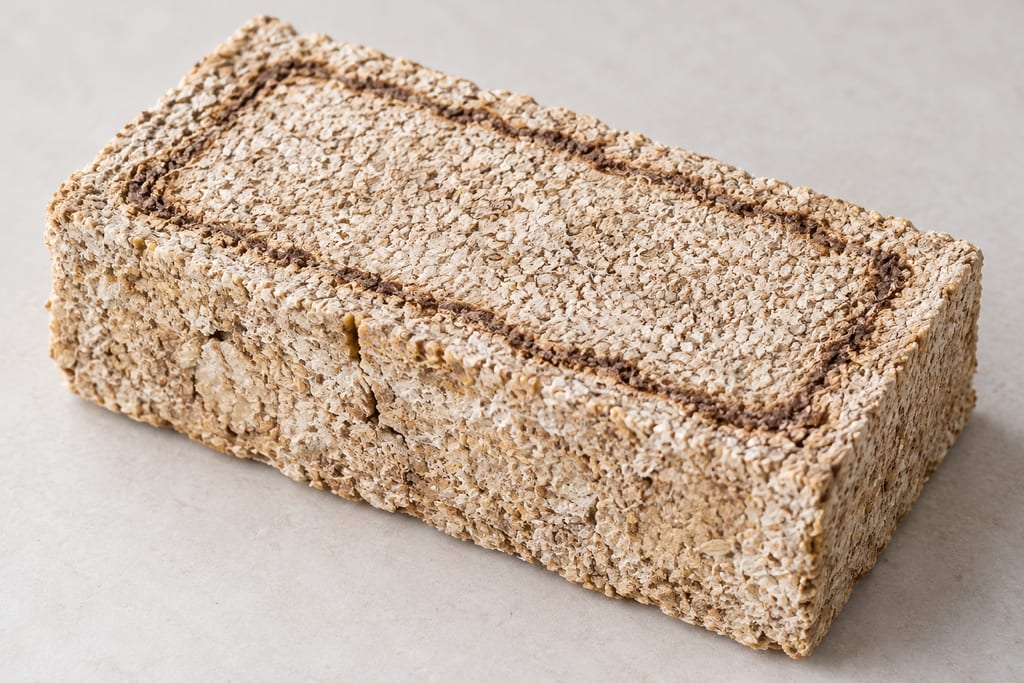
A formed grain starter (daqu) for Chinese baijiu, classed as medium-temperature because its bricks reach a higher peak than low-temperature daqu; used mainly for strong-flavor baijiu.
A salt-tolerant lactic acid bacterium that works in soy-sauce moromi and is also recorded in miso, where strain differences decide how it behaves.
A salt-tolerant yeast that works in soy-sauce moromi after koji has supplied fermentable sugars, and that the sources link to alcohol and aroma formation.
Bhutanese Phab, called Pho in a 2018 study, is a Drukpa starter associated with Ara. Bhutan sample studies document it separately from Ladakhi phabs; matching names elsewhere do not establish one culture.
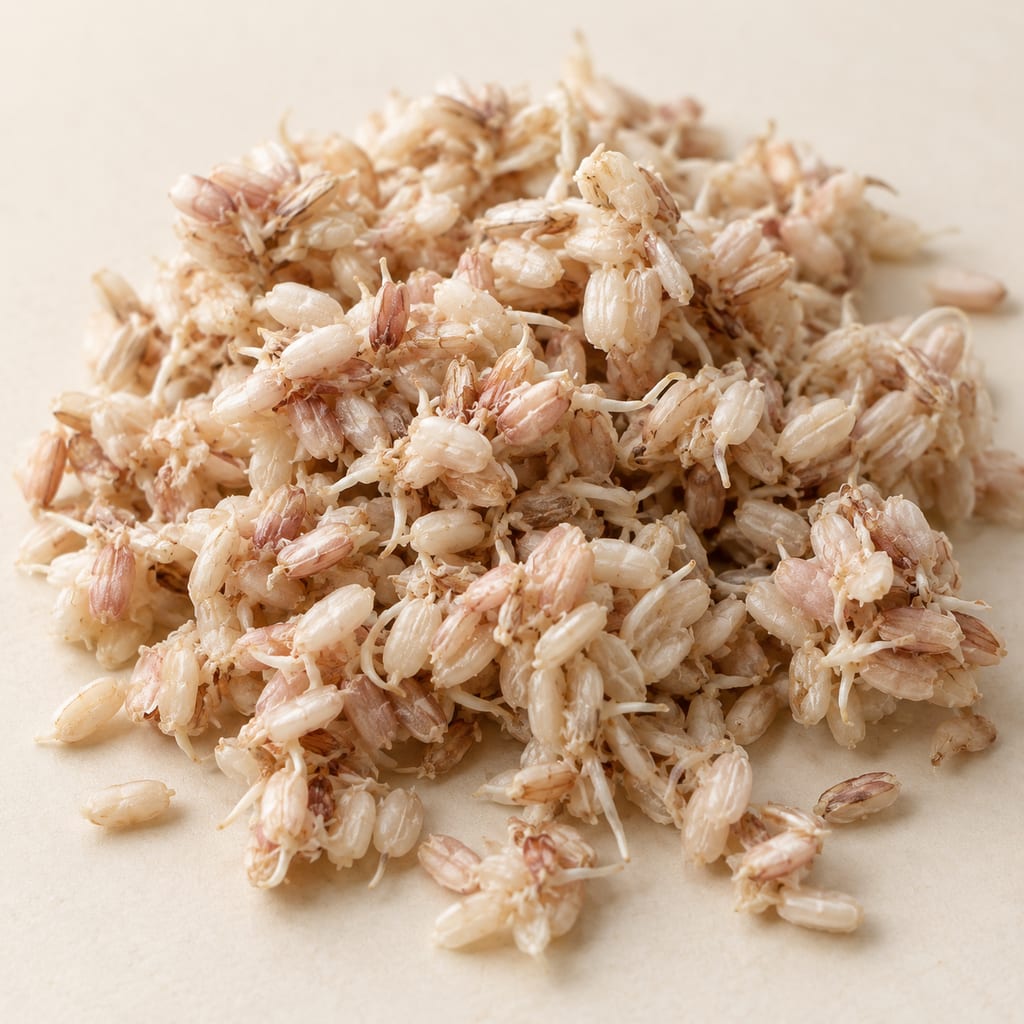
Khekhrii is a dried starter reported from Nagaland, made from naturally fermented sprouted rice and used for zutho. A 2018 study sampled five Khekhrii preparations but does not define every producer's practice.
Phut is a dry rice starter cake made by the Monpa (Mongpa) community of Arunachal Pradesh, India, and used to start rice beverage fermentations. Published sources describe its making only in outline.
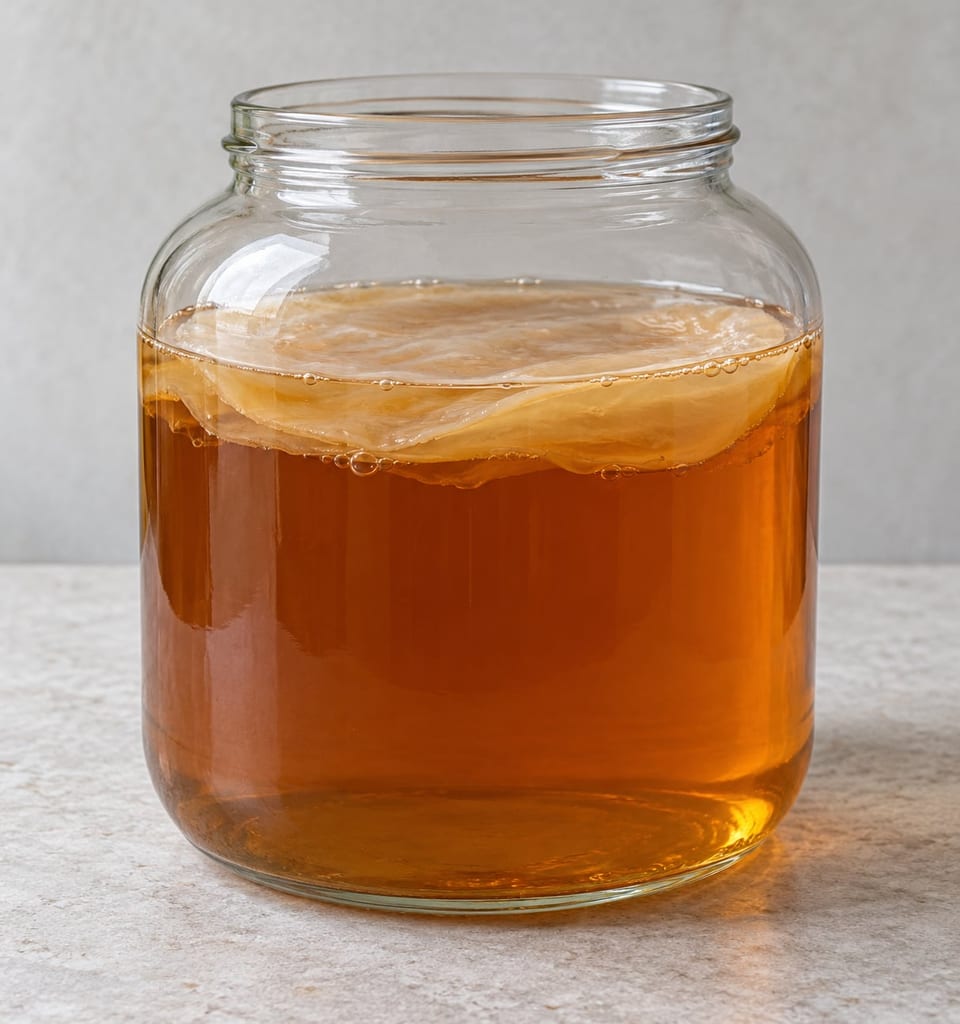
Kombucha culture is the mixed starter, a retained liquid with a cellulose pellicle, that ferments sweetened tea into kombucha. Its organisms vary between samples, and a visible mat does not identify them.
Farmhouse brewing cultures are retained yeast populations used in farm and home beer in the Baltic region and northern Europe. Sampled cultures differ widely and share no single method.
Seed Pei is a retained solid starter from the acetic-acid stage of some Chinese solid-state vinegar processes, carried from one batch to the next.
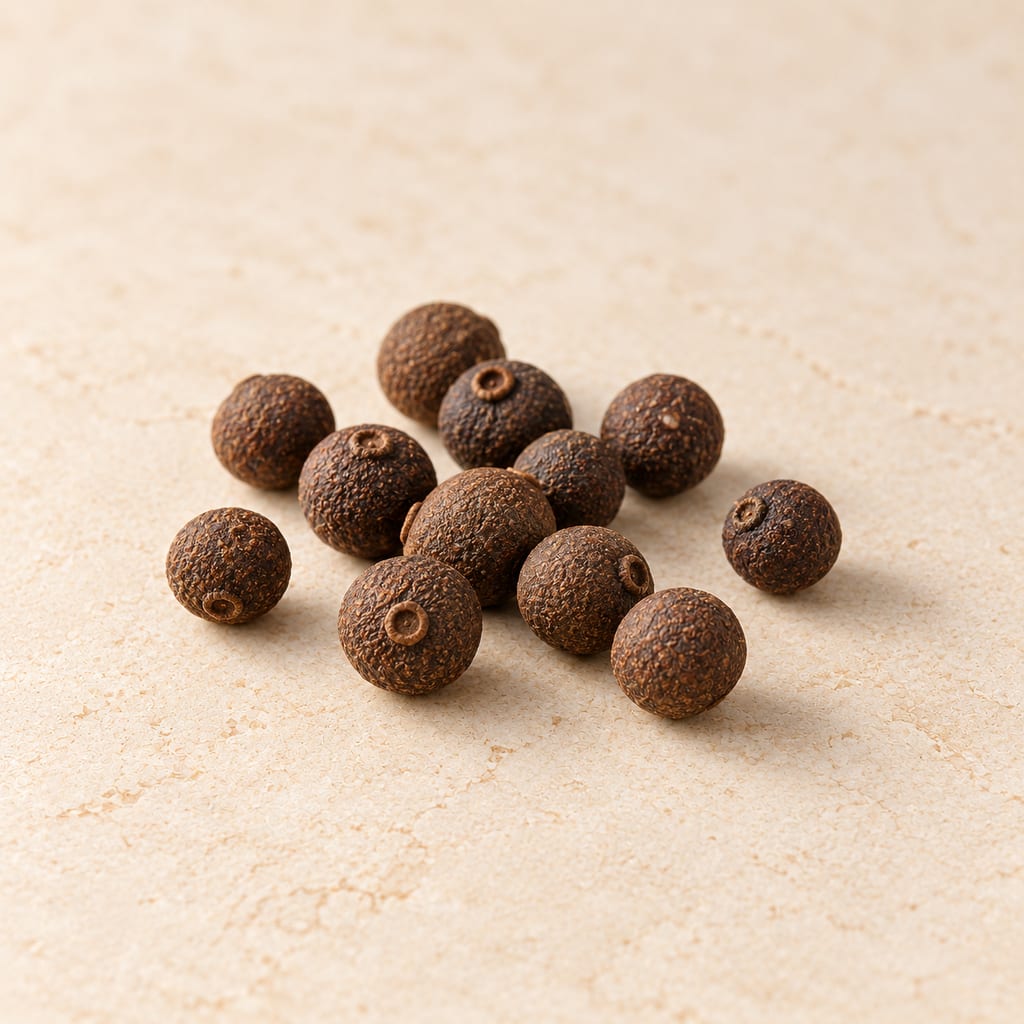
Allspice is the dried unripe berry of Pimenta dioica, a Caribbean and Central American tree, used whole or ground in jerk seasoning, sauces, pickles, sausages and baking.
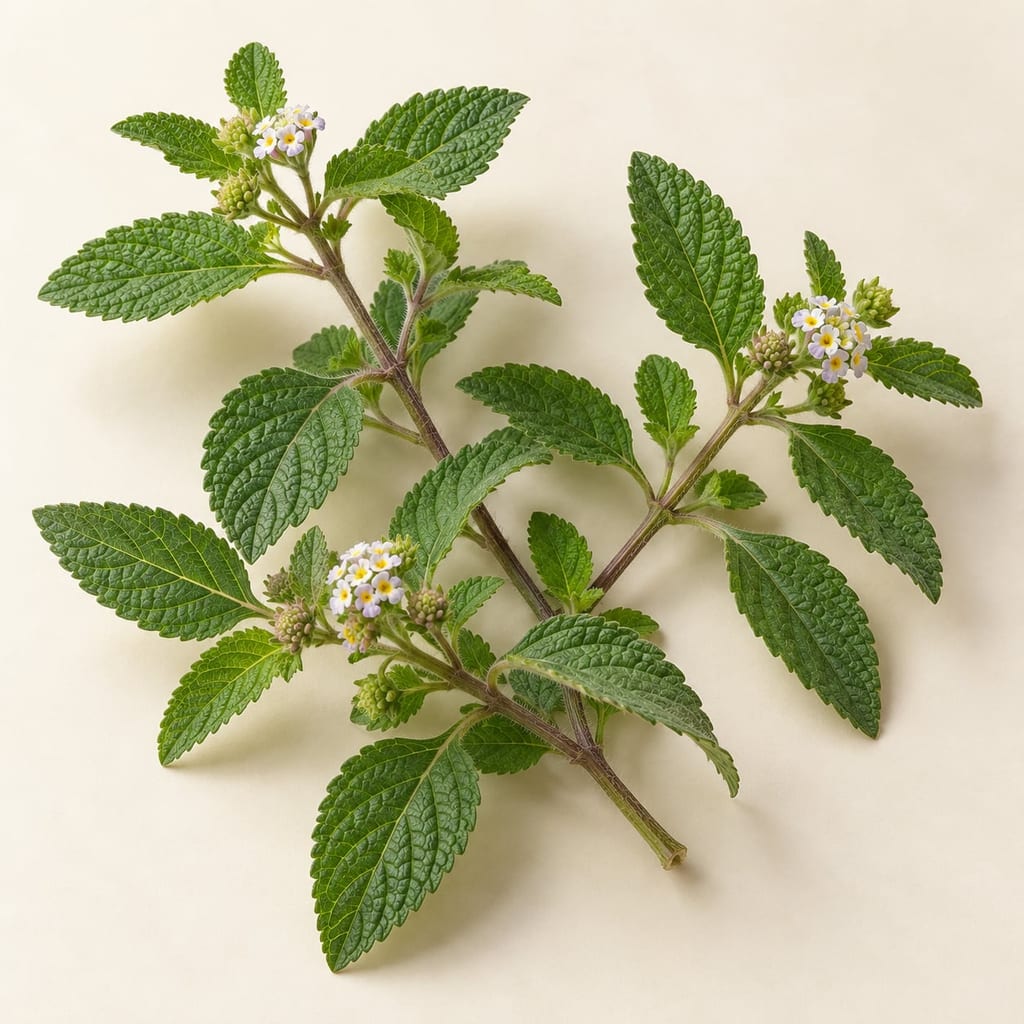
Lippia alba, bushy lippia, is an aromatic shrub of the Americas whose leaves are steeped as a tea, added to sauces in Mexico and used in folk medicine.
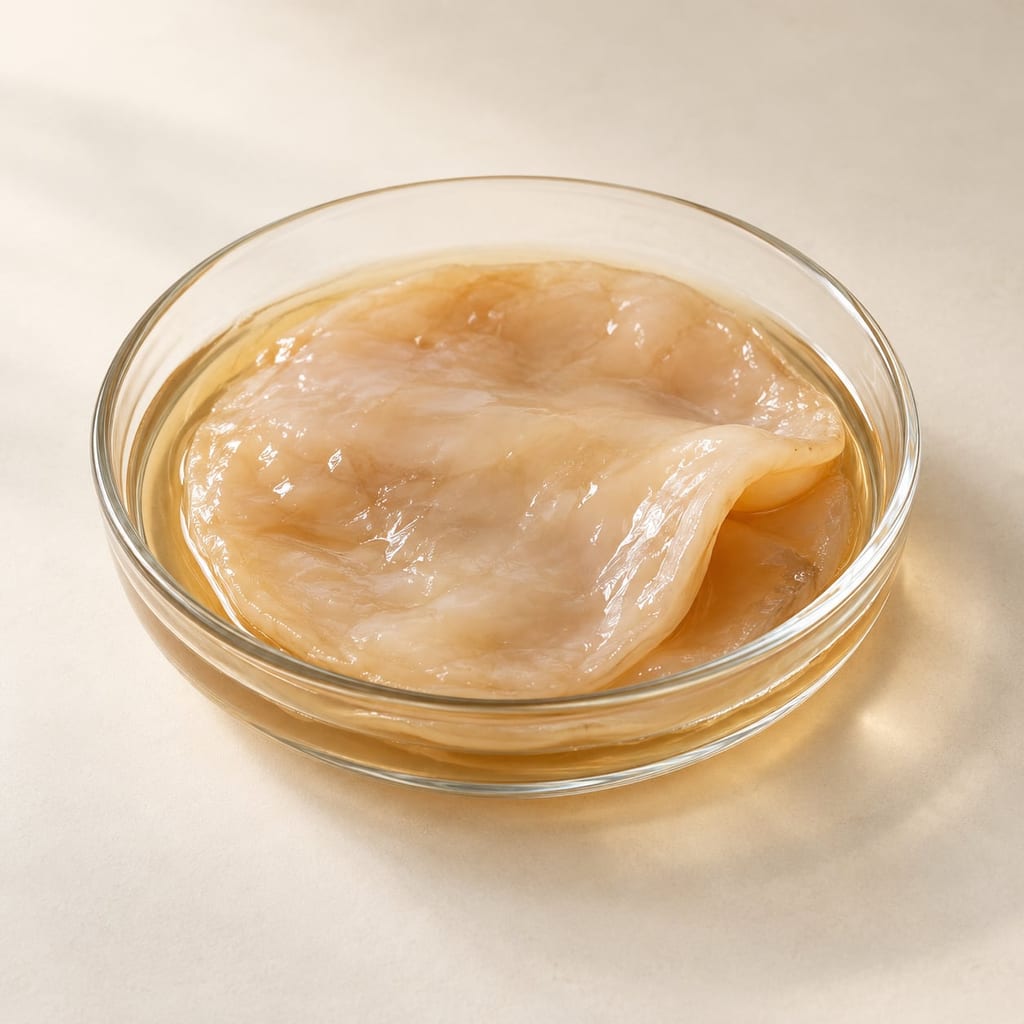
Vinegar mother is the acetic-acid-bacteria culture, often seen as a gelatinous film, that turns alcohol to vinegar; it is carried over from one batch of vinegar to the next.
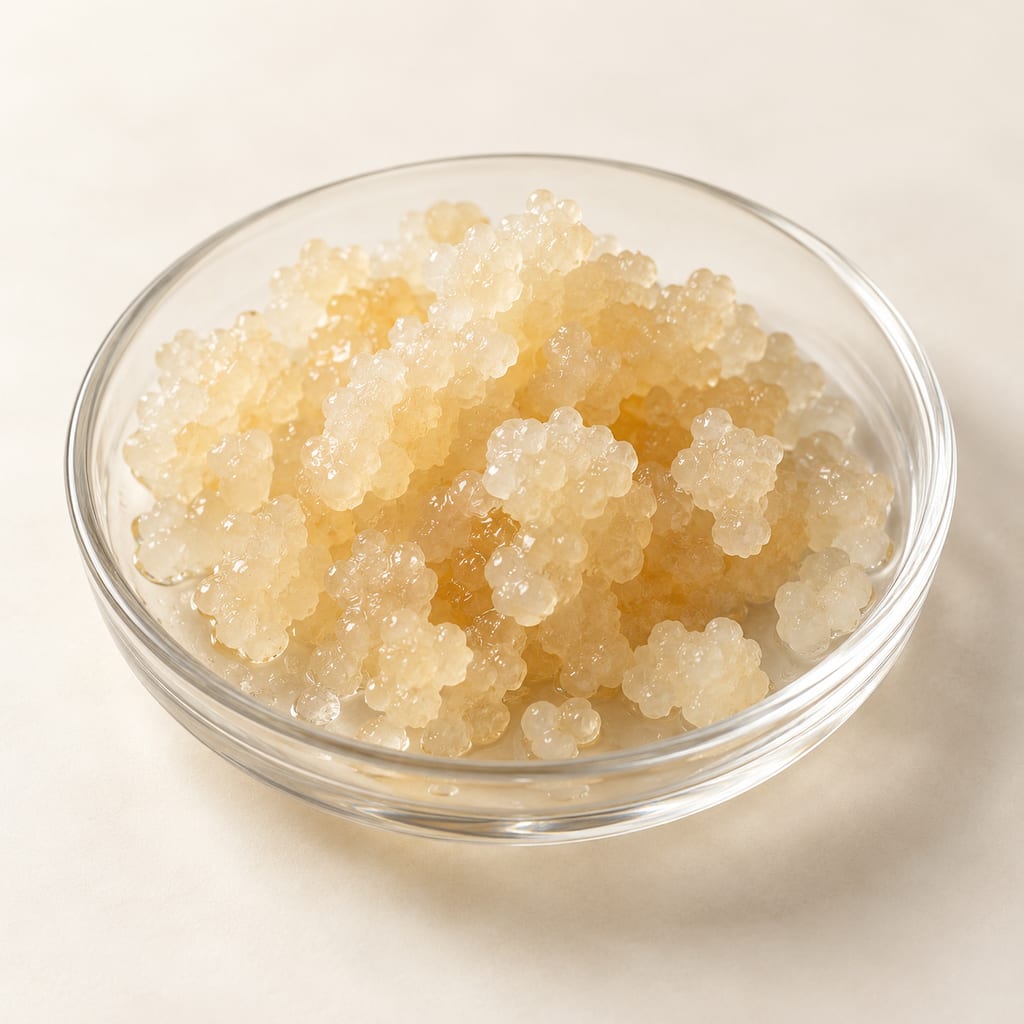
Water kefir grains are gelatinous polysaccharide aggregates that carry a mixed community of lactic-acid bacteria and yeasts, used to ferment sugar water into a lightly sparkling drink.
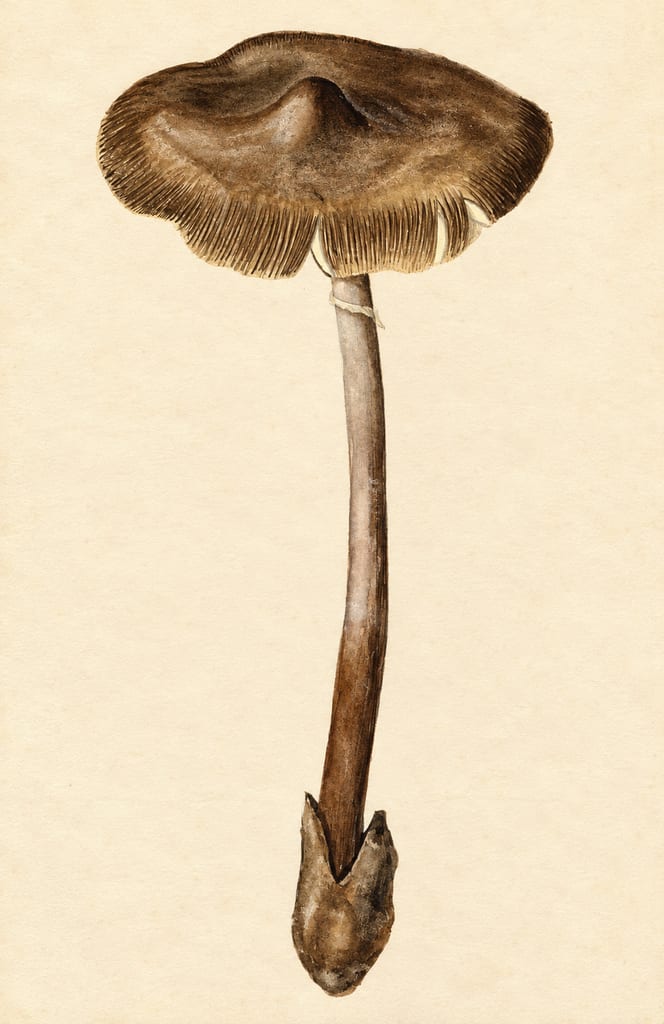
A wild ectomycorrhizal Amanita of the Congo rainforest, recorded as locally consumed in Tshopo province. Its preparation was not established, and the genus includes deadly species.
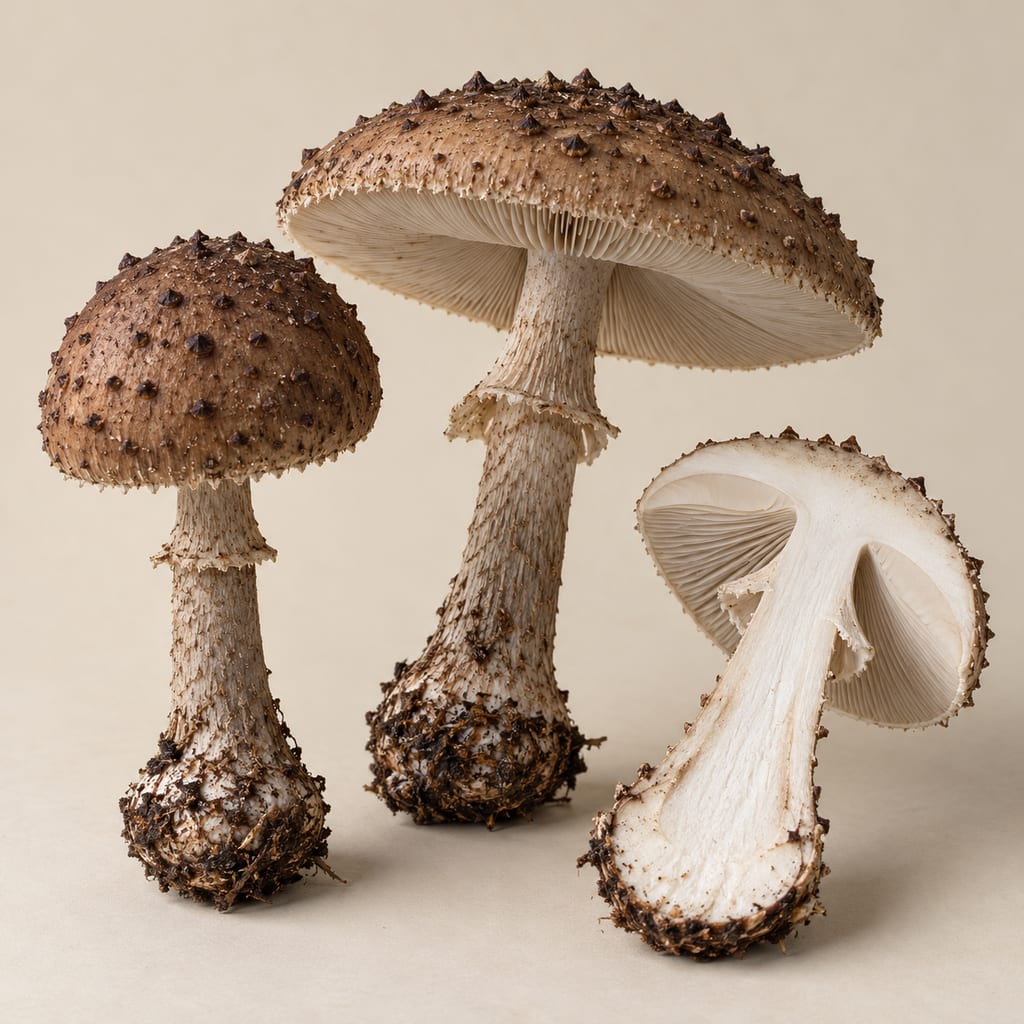
A wild ectomycorrhizal Amanita of the Congo rainforest, recorded as locally consumed in Tshopo province. Its preparation was not established, and the genus includes deadly species.
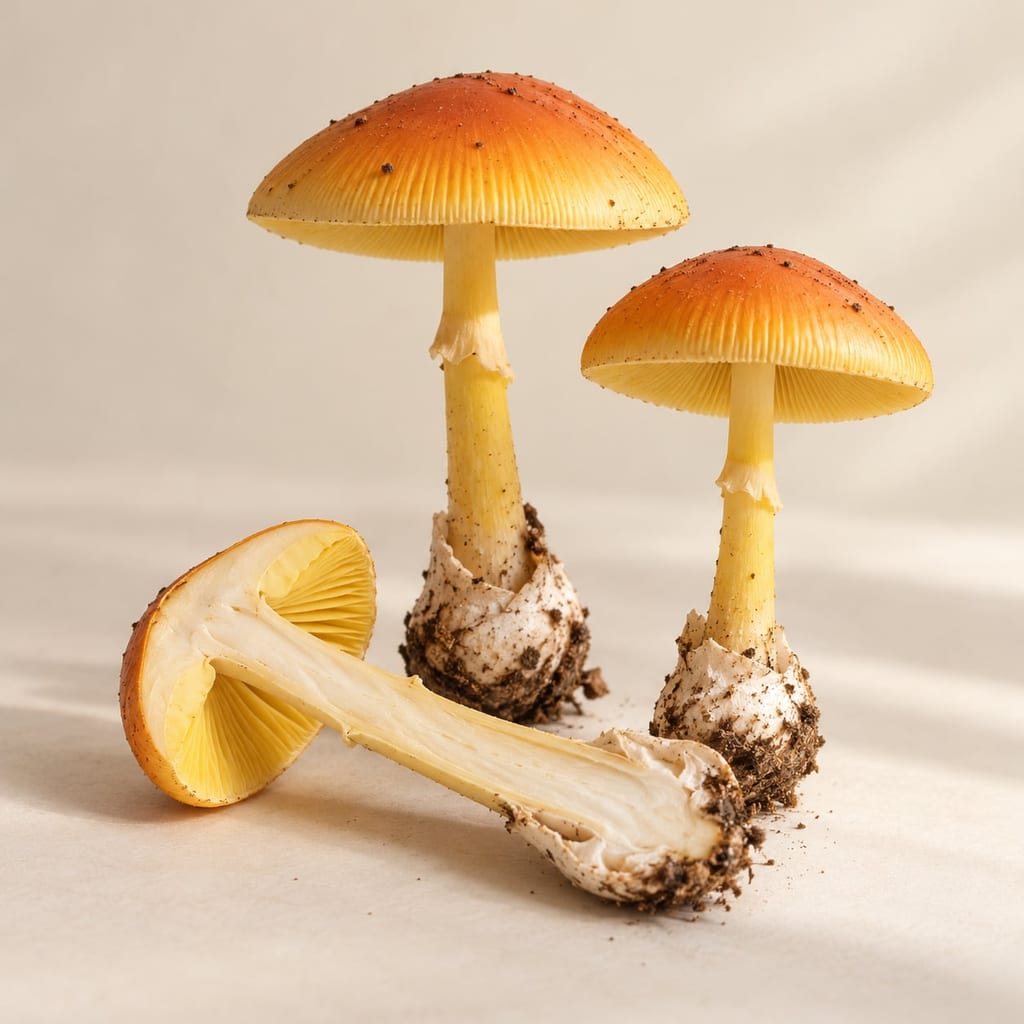
A wild Amanita of China, first reported there and listed as edible in a Yunnan ethnomycology study. The genus contains deadly species, so this page does not support identifying or eating it.
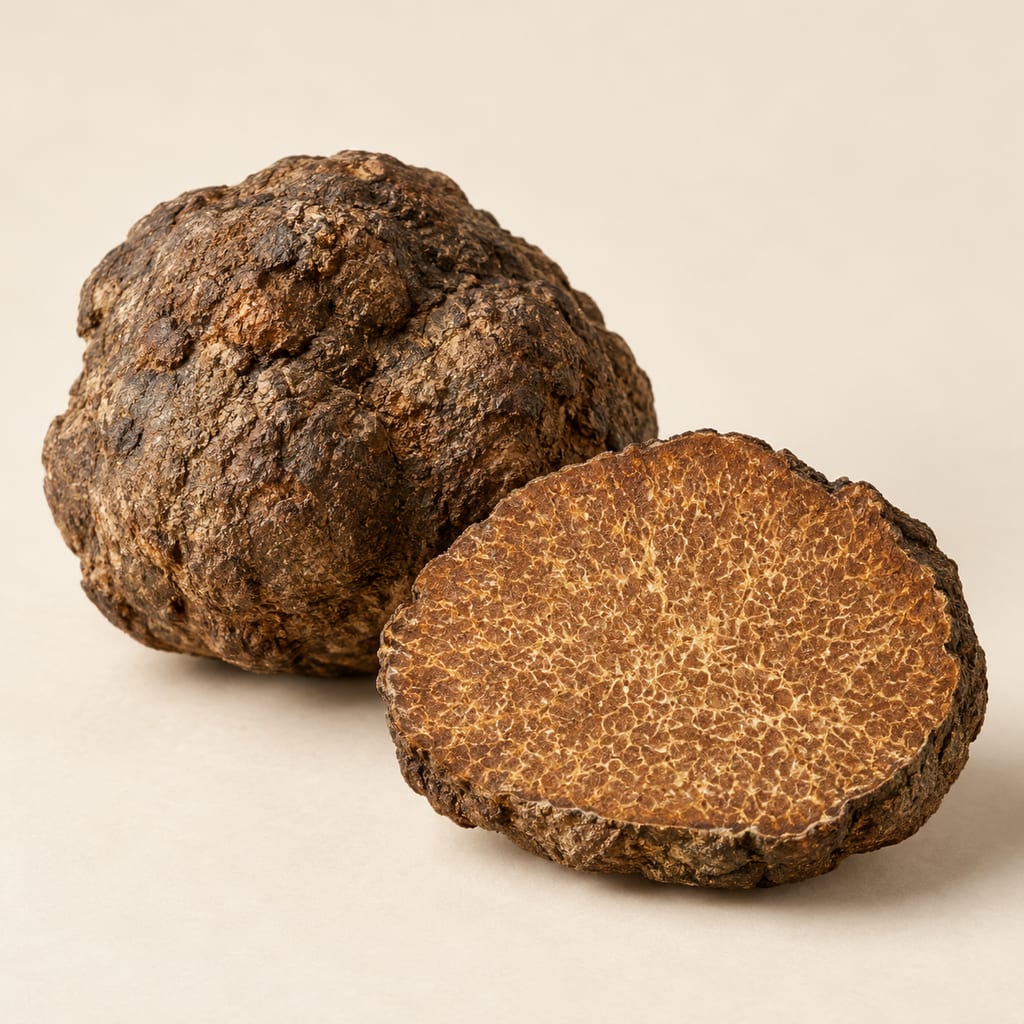
Polyporus indigenus, a polypore of the Brazilian Amazon. Its underground sclerotium, not the fruiting body, is the part people eat, and it is known locally as pão do índio.
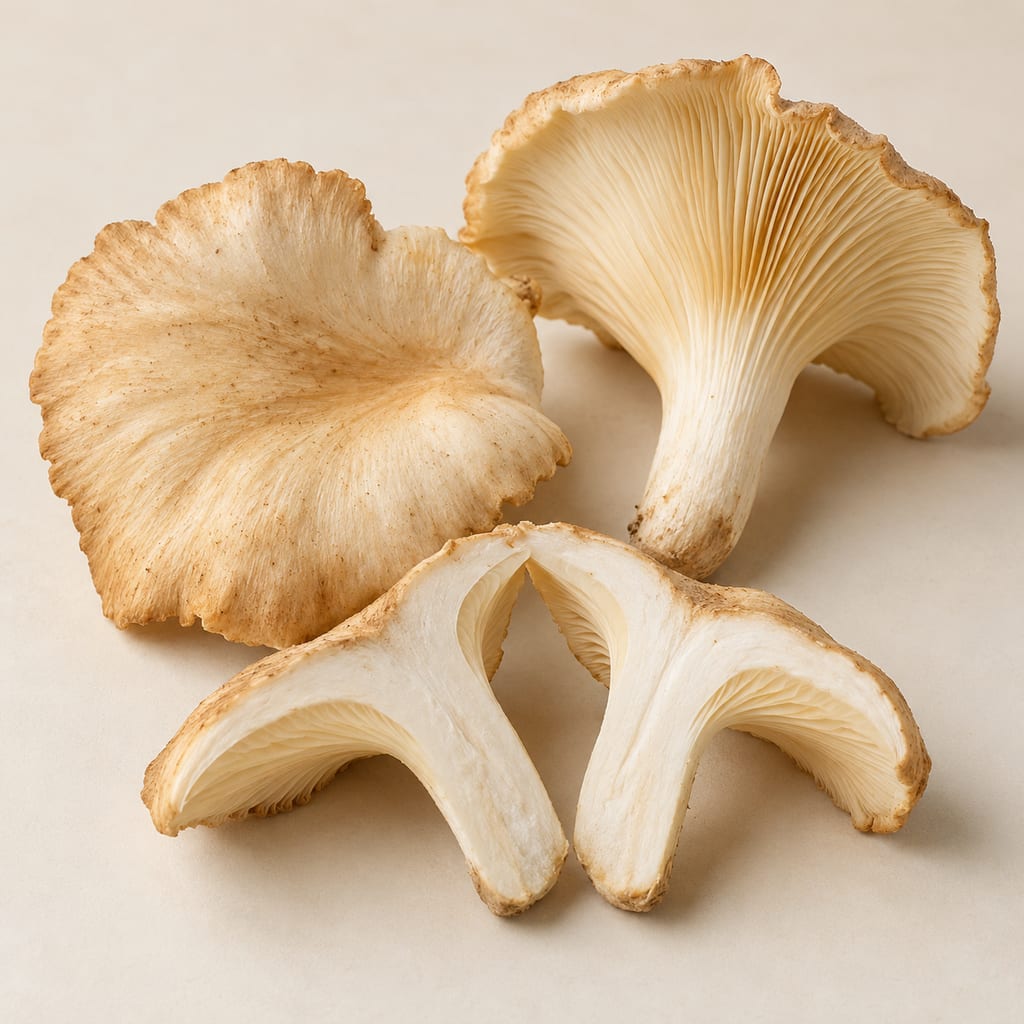
A wood-decay gilled fungus of subtropical and tropical North America, recorded as food in Mexico. It is edible when young but tough, and it can be grown as a saprotroph.
Russula viridirubrolimata (绿边红菇) is a wild brittlegill that the 2026 Chinese catalogue of edible and medicinal fungi lists as edible. No preparation or habitat is documented.
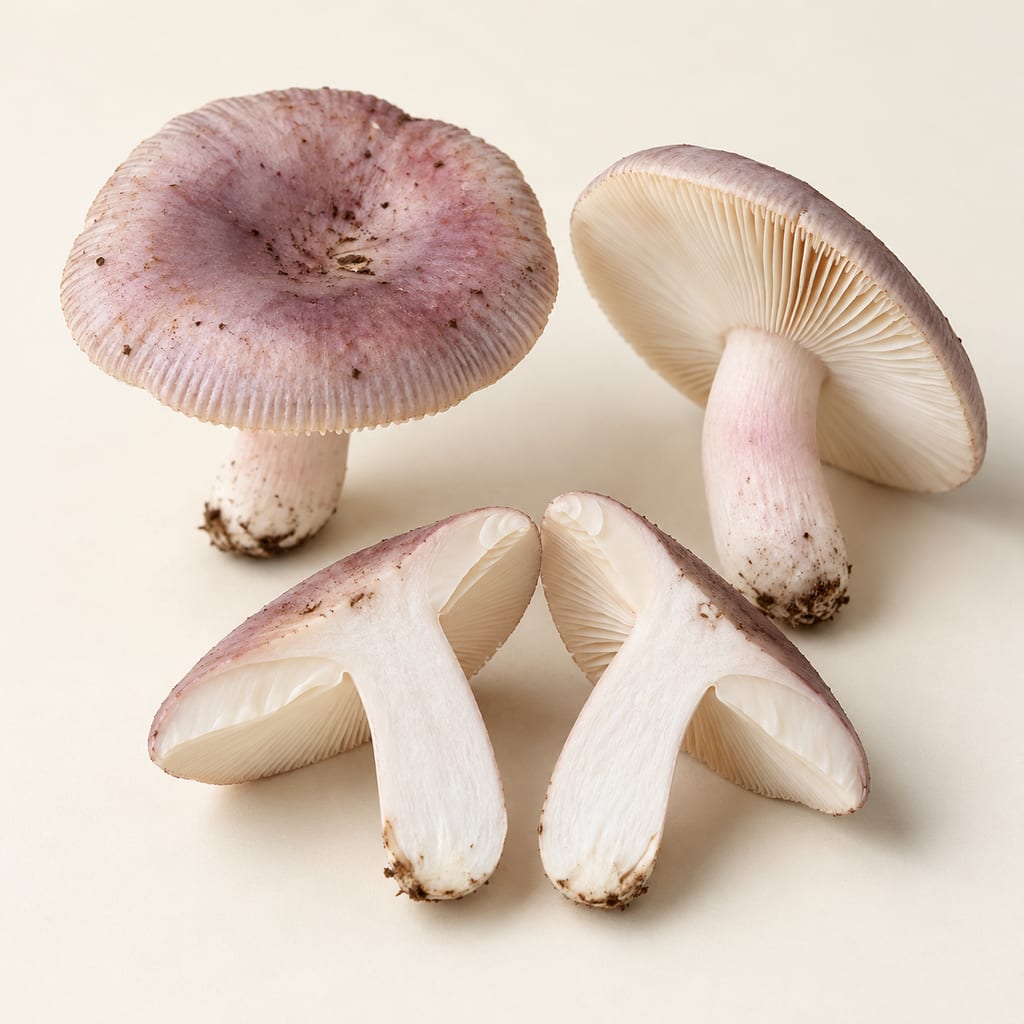
Russula hiemisilvae is a wild African brittlegill of miombo woodland, recorded in Burundi, DR Congo, Tanzania and Zambia. Sources document no preparation and no edibility verdict.
A termite mushroom of East Africa. It grows from the underground nests of fungus-growing termites, is gathered wild in Tanzania, and cannot yet be cultivated.
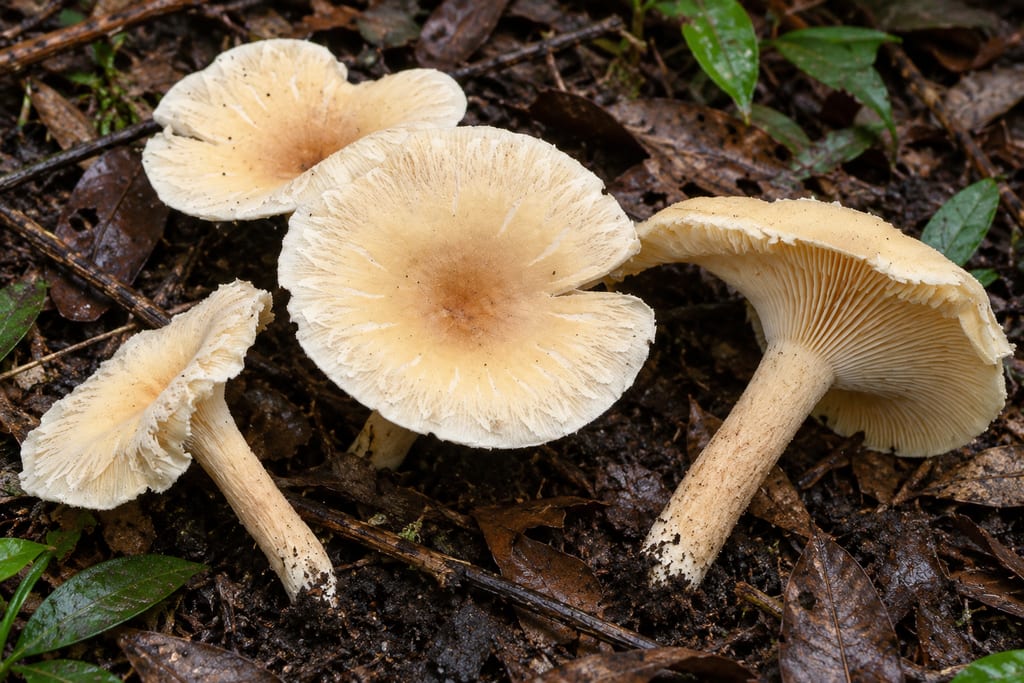
Lactifluus annulatoangustifolius is a wild milkcap mushroom of the rainforests of Tshopo province, DR Congo, recorded as locally eaten. No preparation method for it is documented.
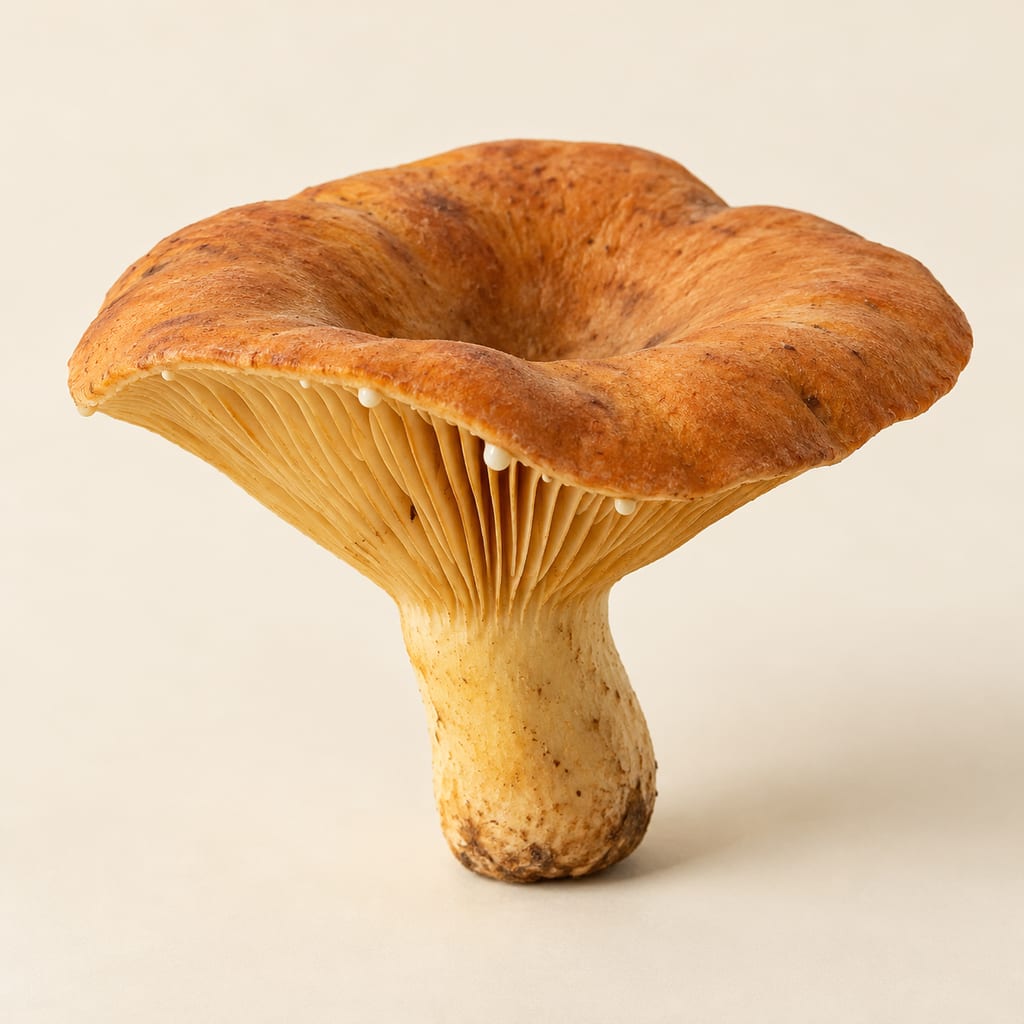
Lactifluus rubiginosus is a wild African milkcap of miombo woodland in Tanzania and Zambia, listed in the EFTA edible-species inventory. Its preparation and edibility are not described by the sources read.
Pleurotus flabellatus is a wild forest oyster-type mushroom that grows on dead wood in the Congo Basin, recorded as eaten locally in Tshopo. Its name is entangled with P. djamor, so the record needs taxonomic care.
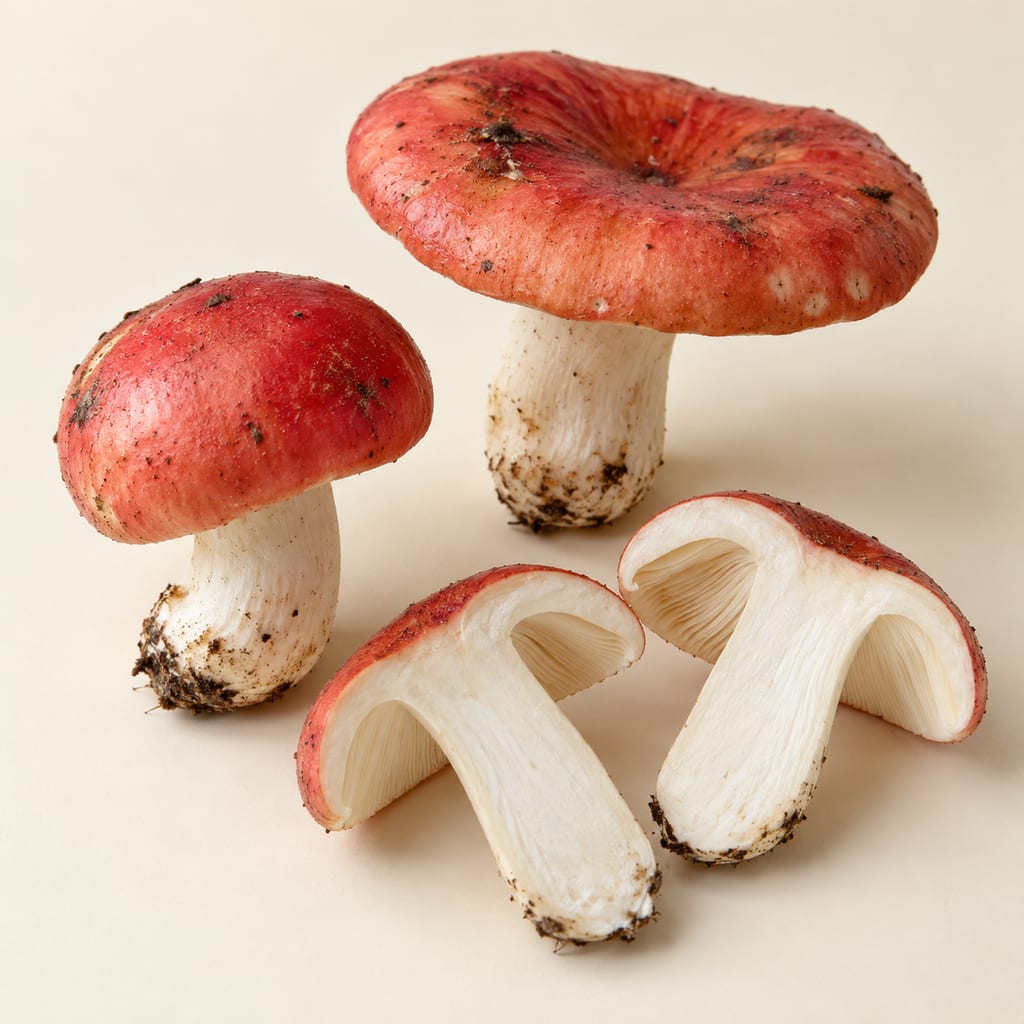
Russula compressa is a red-capped African brittlegill that grows with miombo trees. The institutional inventory records it as edible; the sources read do not give a preparation.
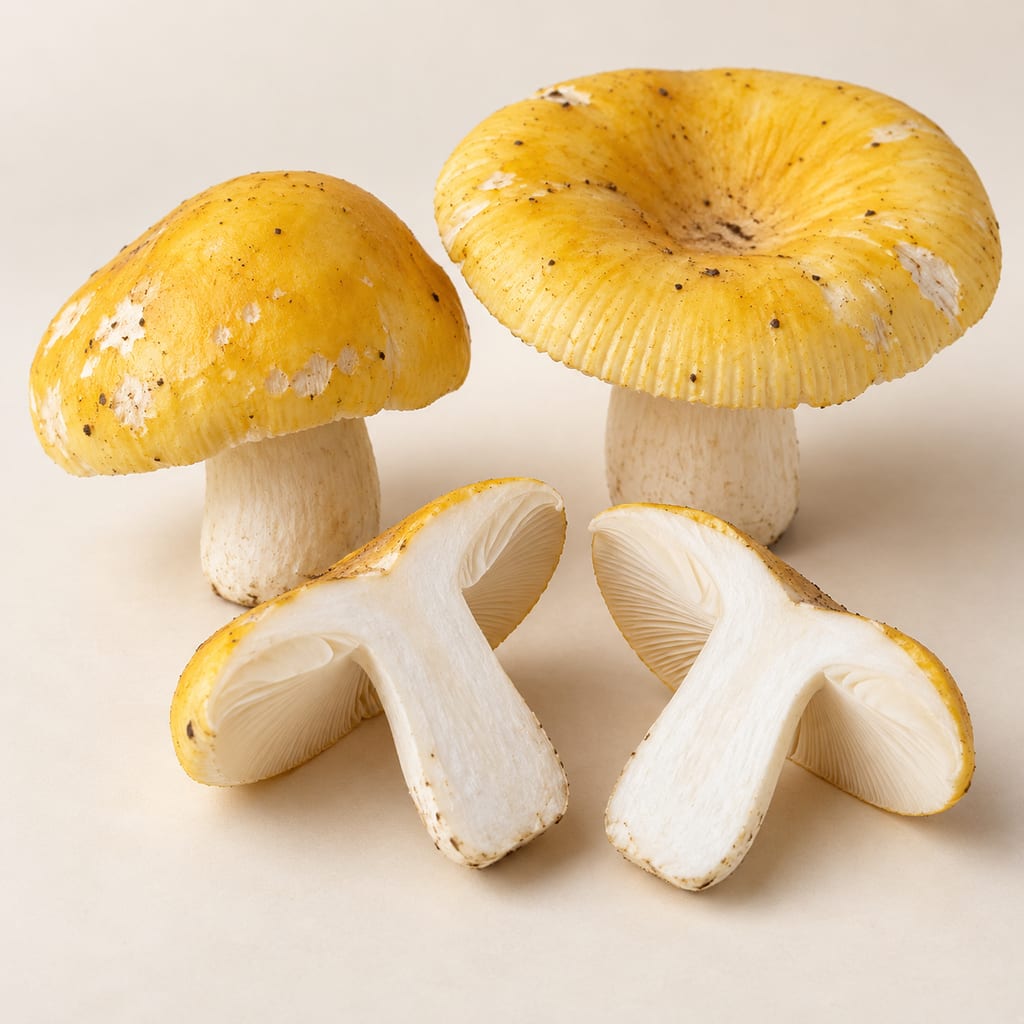
Yellow swamp brittlegill, Russula claroflava, is a wild brittlegill of damp ground under birch in northern Europe. Field guides call it mild and good to eat when cooked, and warn that cap colour alone does not identify it.
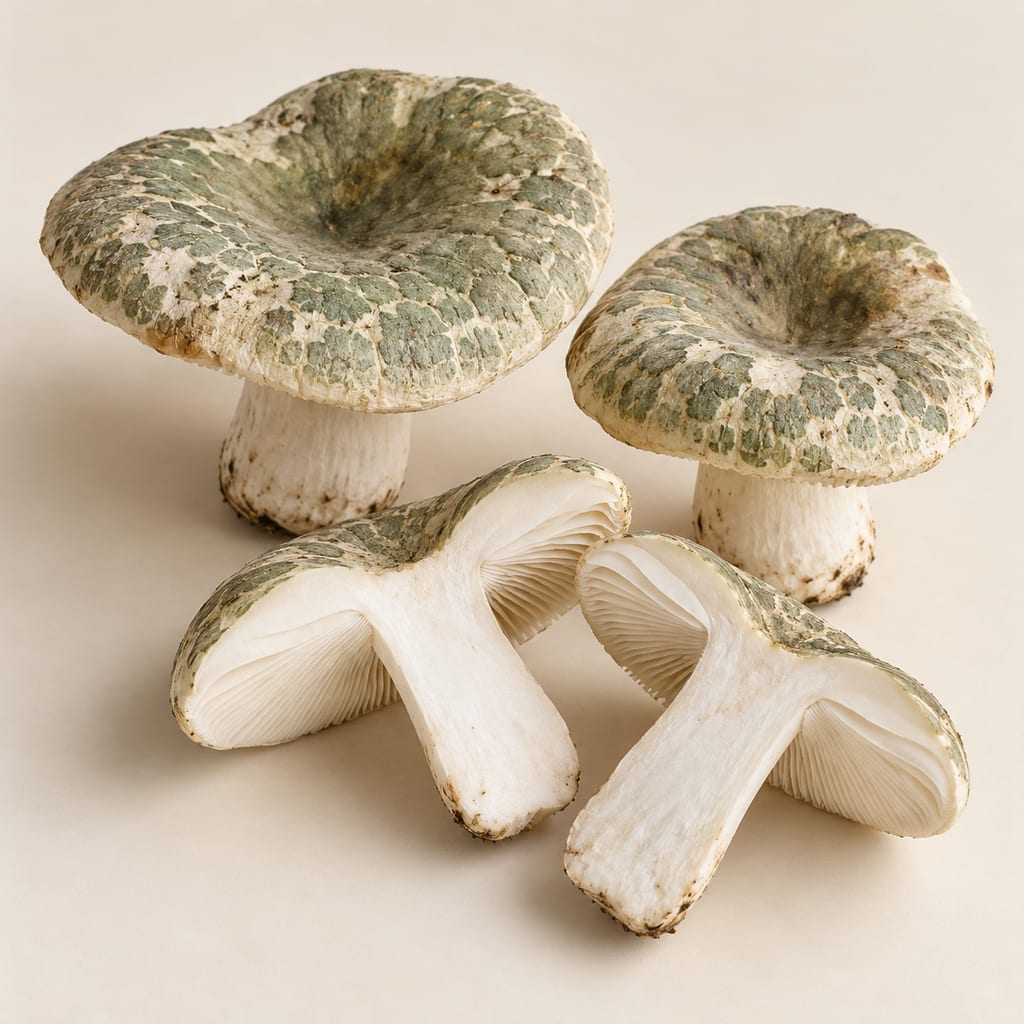
Greencracked brittlegill, Russula virescens, is a wild European brittlegill with a mottled green cap that is popular as a cooked mushroom. Several guides differ on its edibility, and green Russula are easily confused.
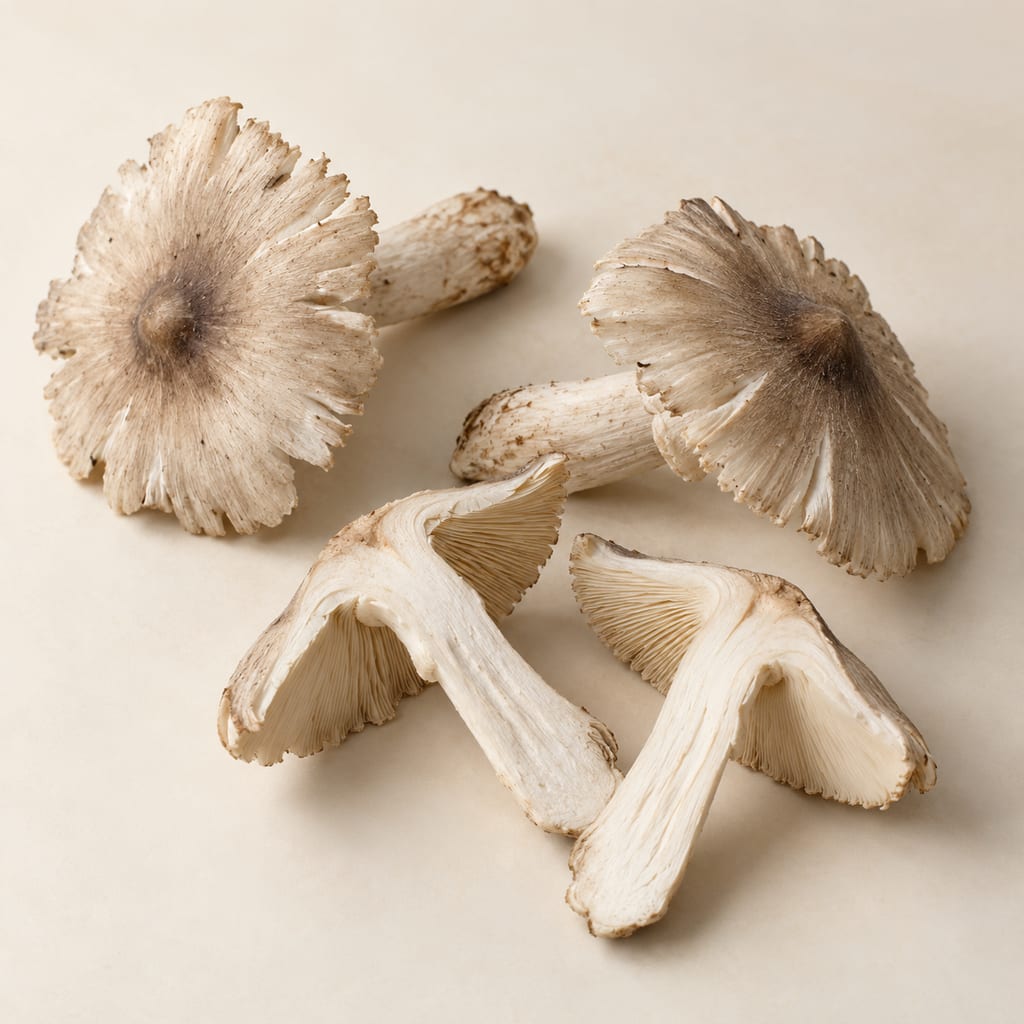
Termitomyces striatus is a wild termite mushroom that grows with fungus-growing termites in tropical Africa and Asia. Local food use is recorded, but its species-level preparation is not established.
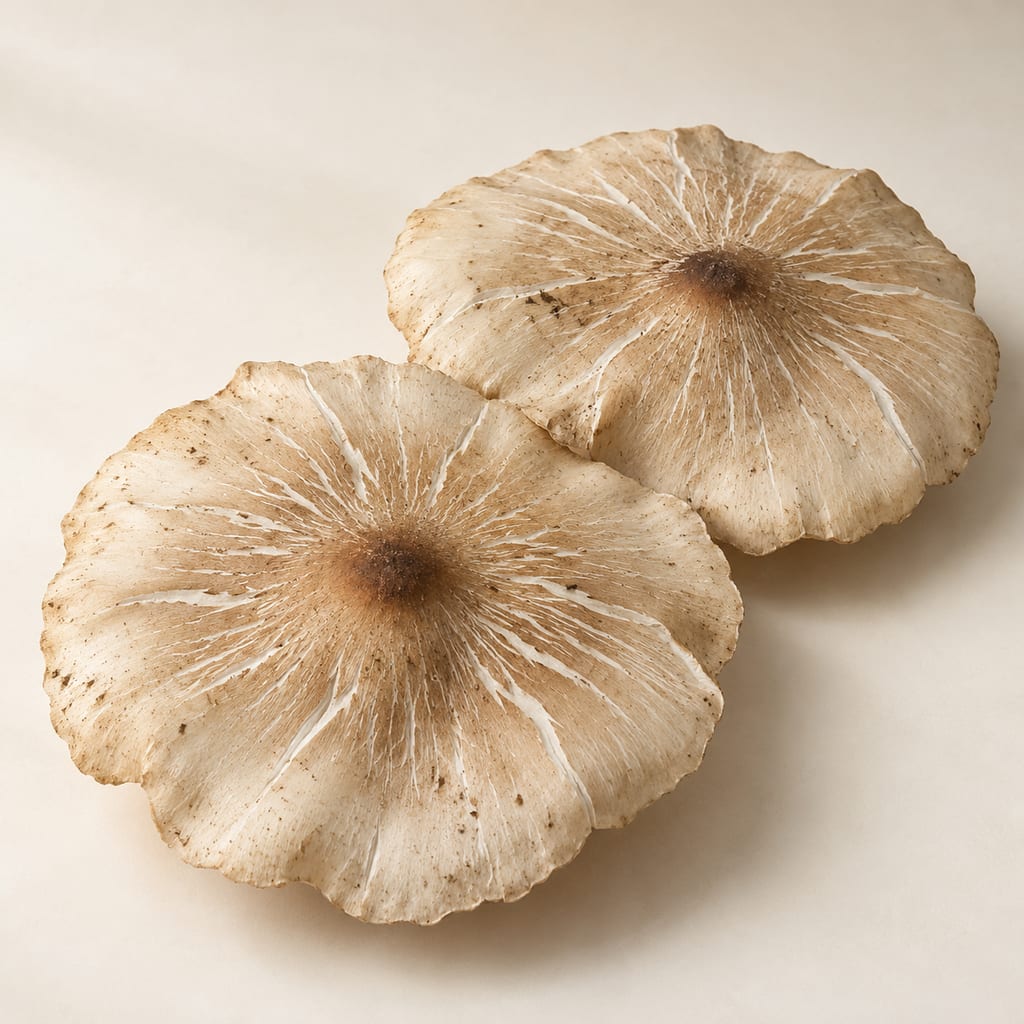
Termitomyces titanicus is a very large wild termite mushroom of miombo woodland in southern Central and East Africa, valued for its size, weight and strong taste. Its preparation is not documented in the sources read.
Cortinarius caperatus, formerly Rozites caperatus, is a wild food appreciated in northern Europe and parts of North America. Identification and contaminant risks require care.
Agaricus meijeri is a Brazilian wild edible mushroom recorded in Paraná and Rio Grande do Sul. Its season and preparation are undocumented.
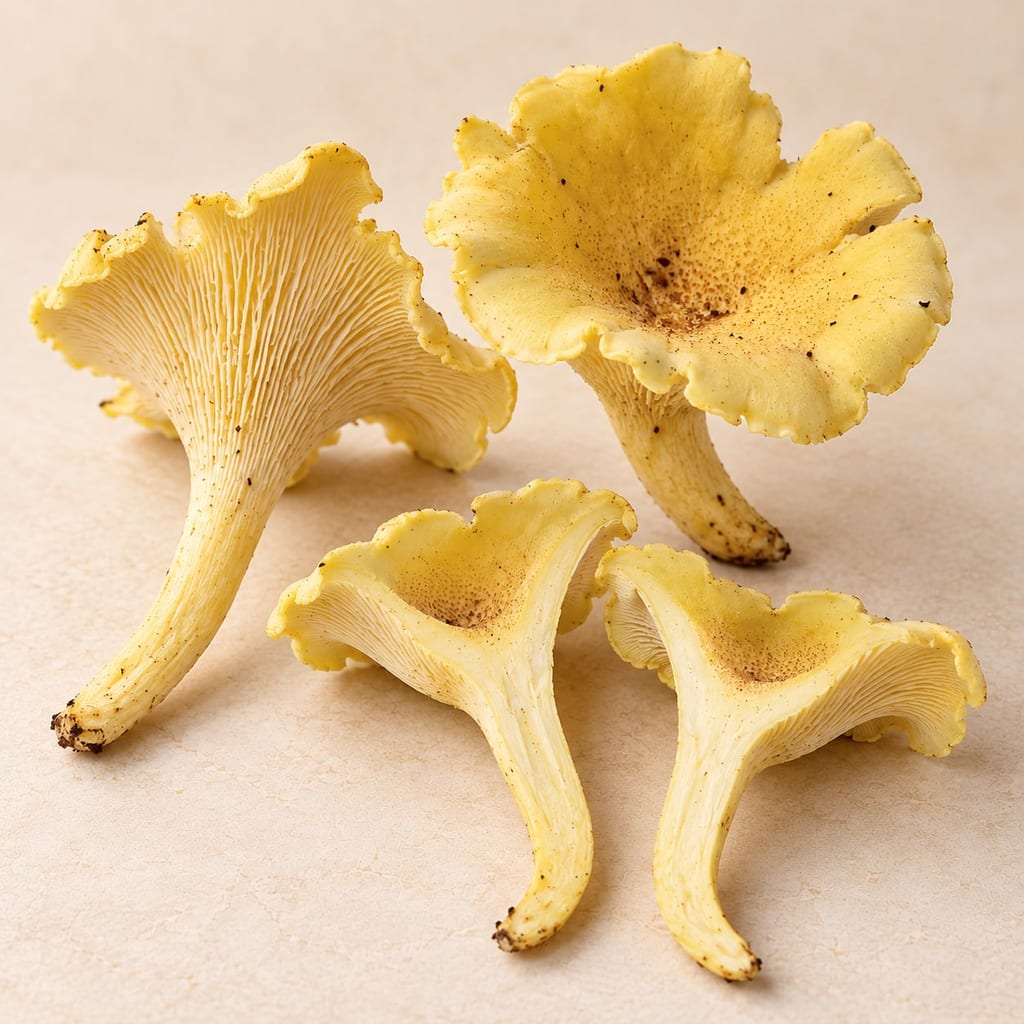
Cantharellus luteopunctatus is a wild ectomycorrhizal chanterelle of central African rainforest, recorded as eaten locally in Tshopo province, DR Congo. Its preparation is not documented.
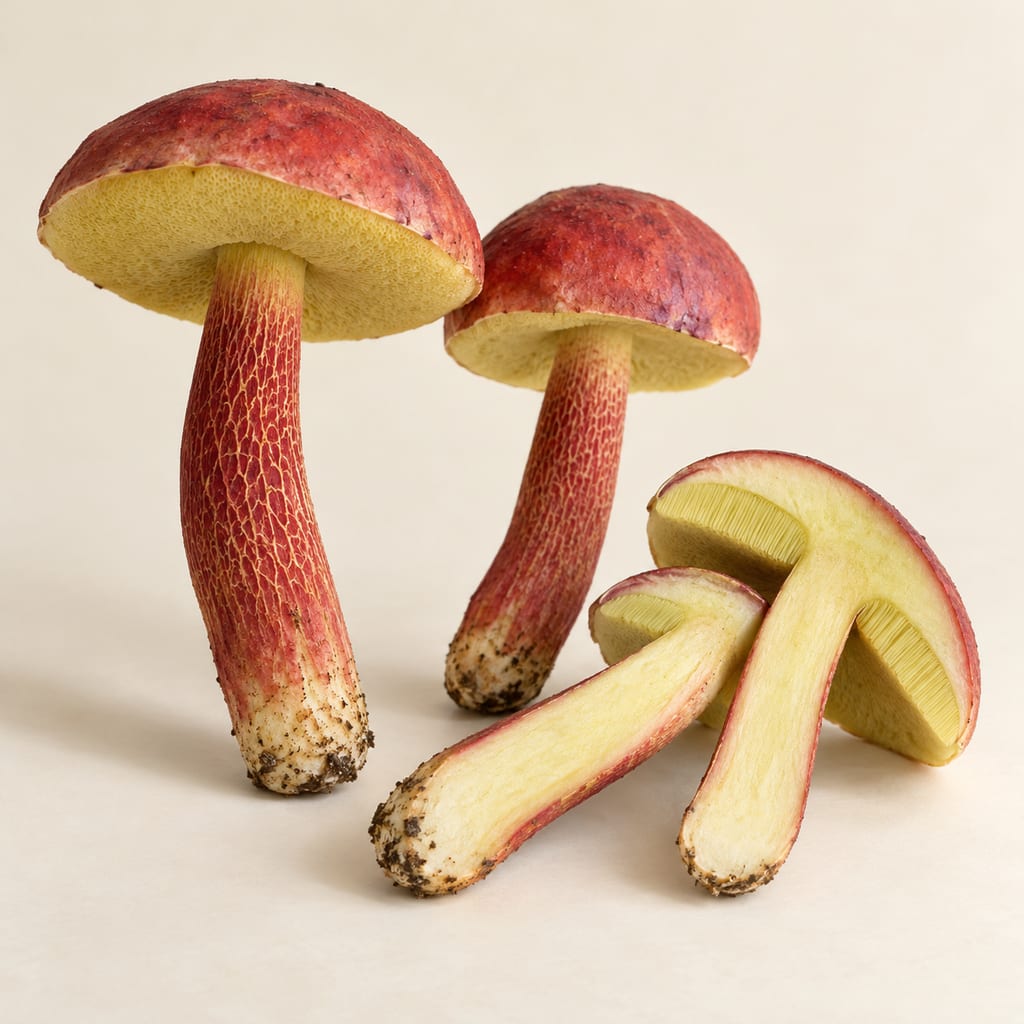
Heimioporus japonicus is an ectomycorrhizal bolete recorded from China and East Asia. Its edibility is contested: one source records sale, another a toxic status and gastroenteritis.
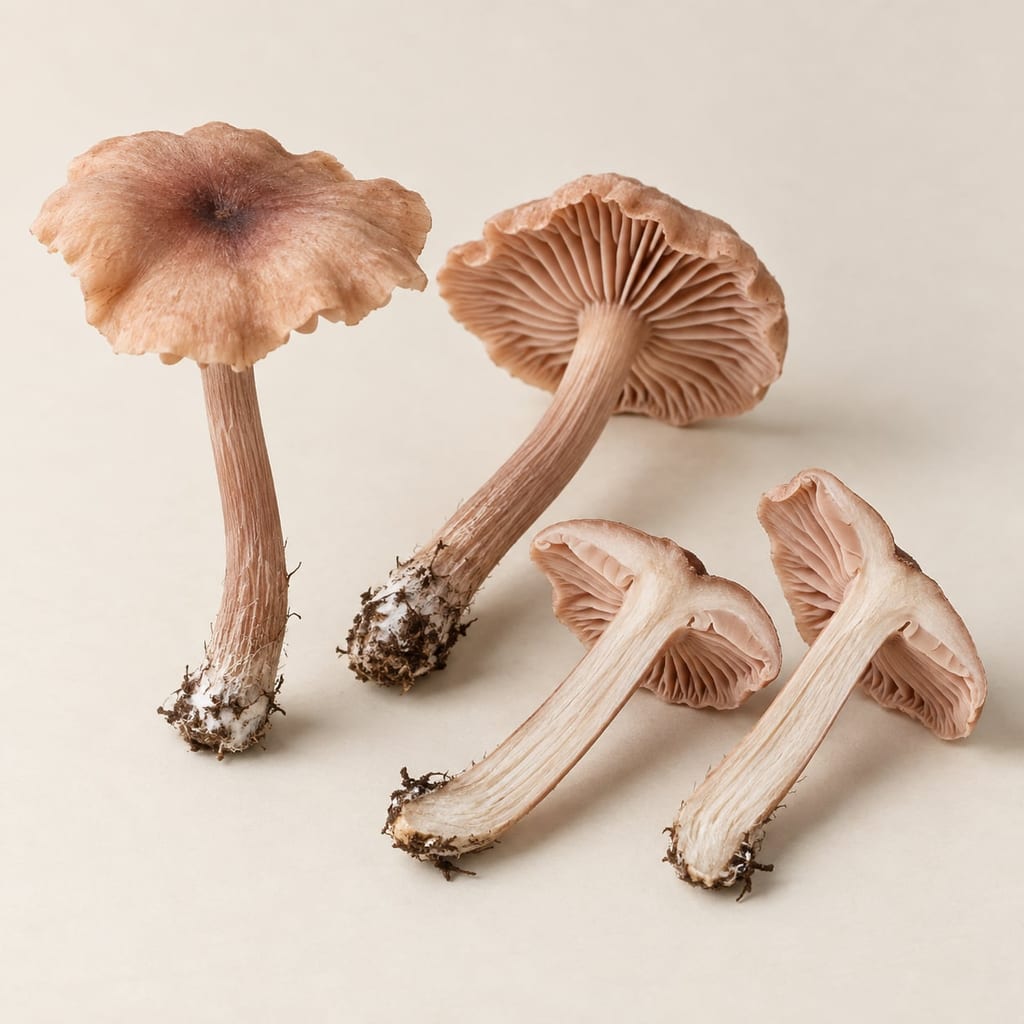
Laccaria vinaceoavellanea is a small ectomycorrhizal mushroom sold as food in Yunnan and Sichuan, and it accumulates arsenic in its caps, which the sources treat as a main safety caveat.
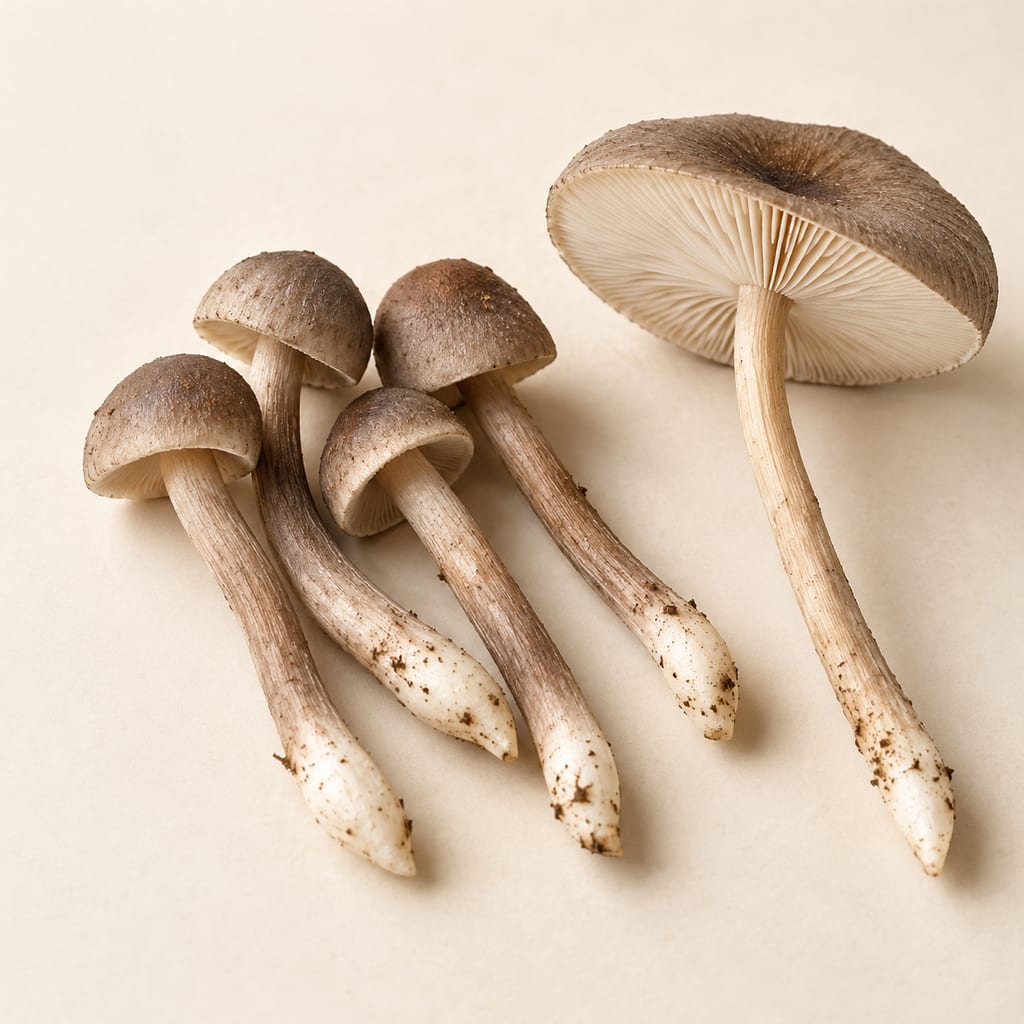
Hymenopellis raphanipes, the black termite mushroom or heipijizong, is a saprotrophic rooting fungus widely cultivated in China despite its market name, which refers to termites.
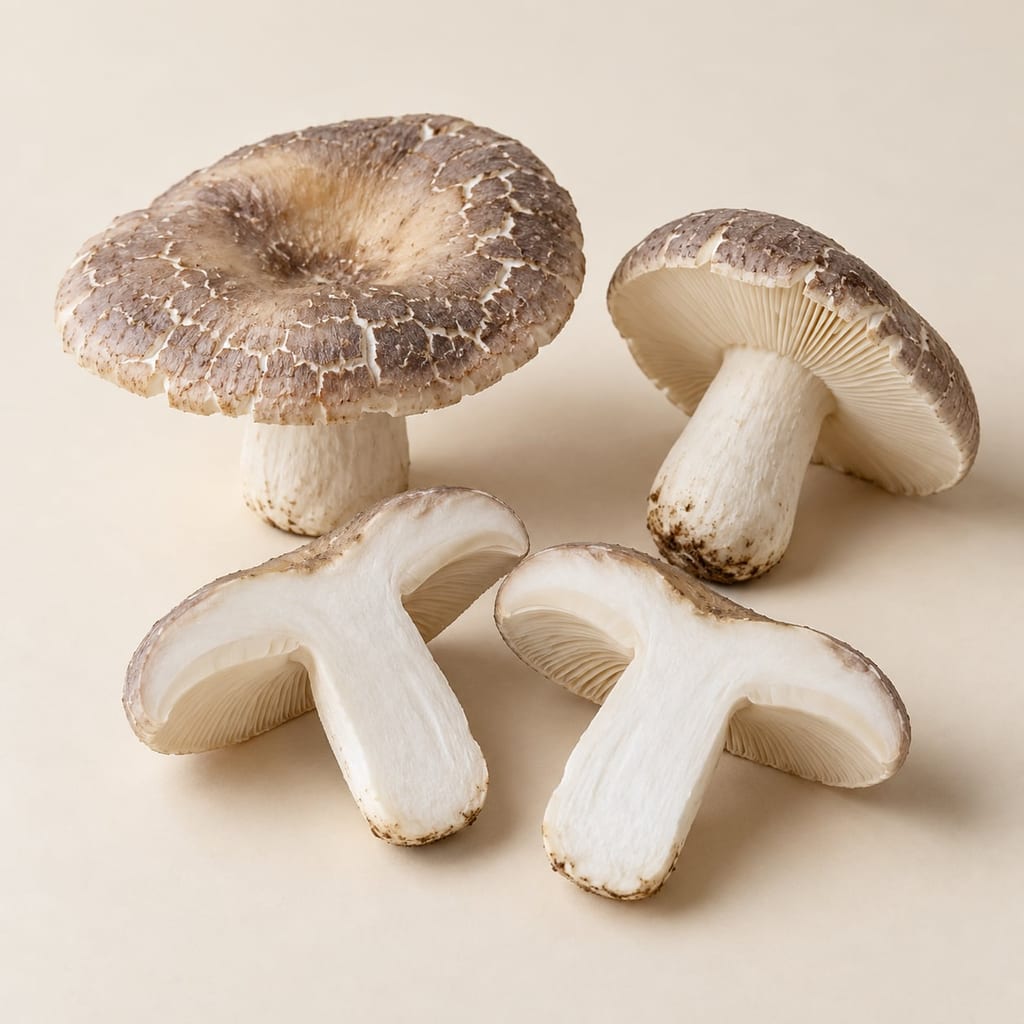
Russula pseudocrustosa is a wild brittlegill recorded in China, listed as edible in a 2026 Chinese catalogue, with its host and culinary use not yet established.
Gomphus orientalis is a vase-shaped wild mushroom sold in markets in Yunnan Province, China, with its species identity and local safety still unresolved in the sources.
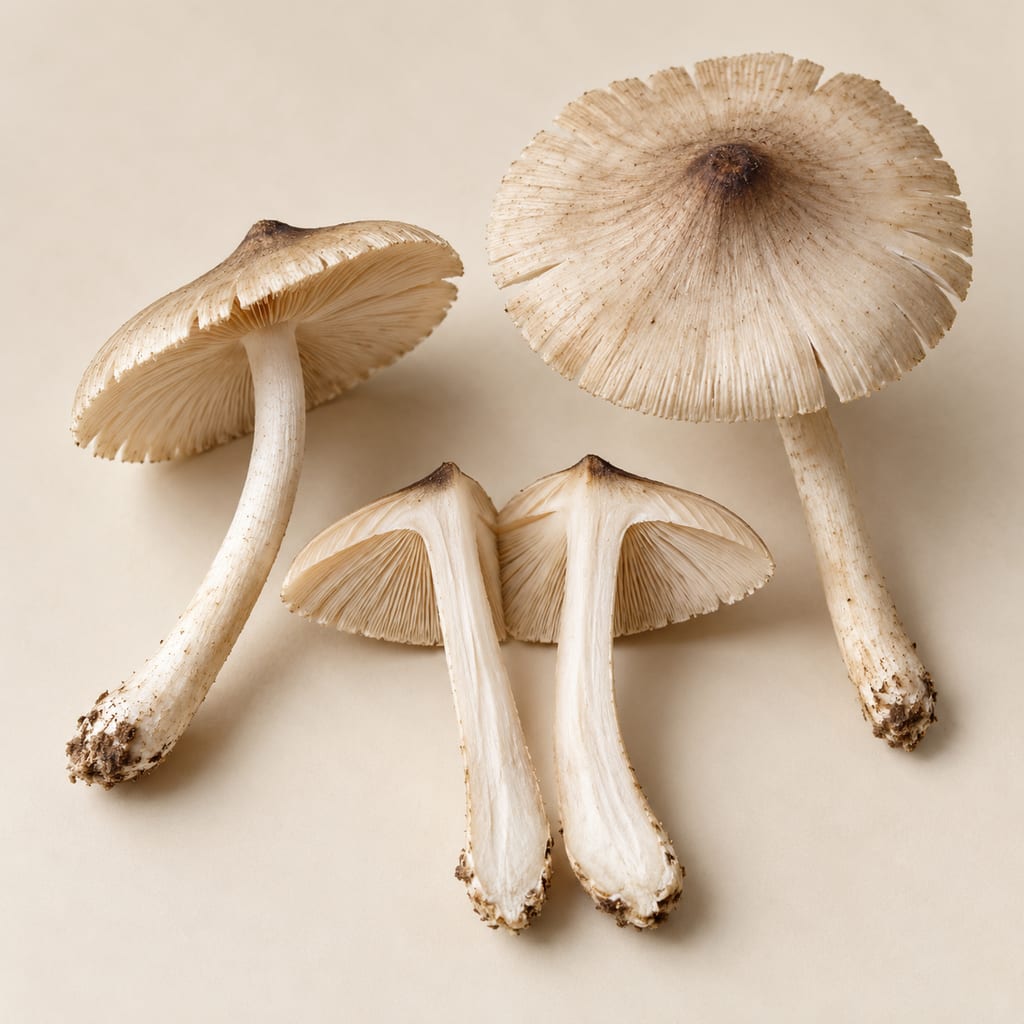
Termitomyces intermedius is a termite-associated fungus first described from Japan and recorded in China; a 2026 Chinese catalogue lists it as edible, but no food-use record for this species was found.
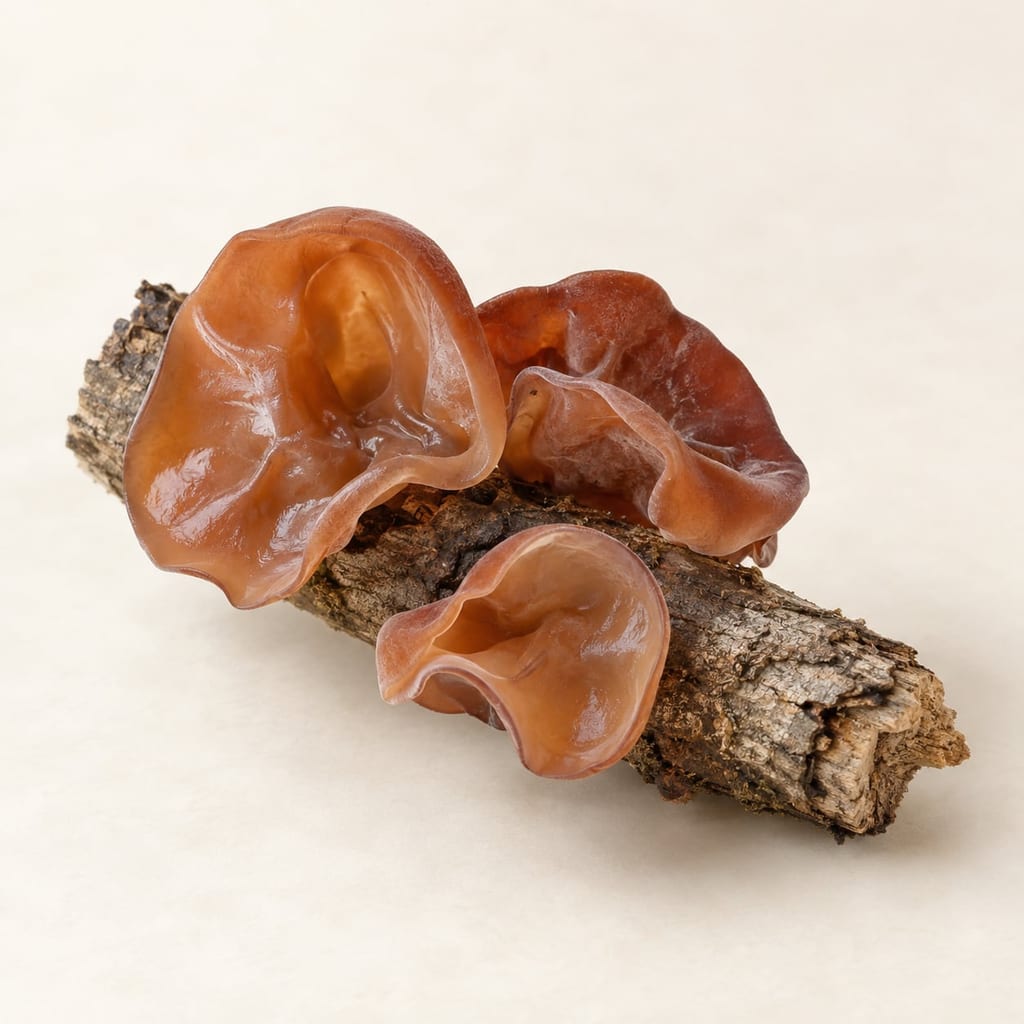
Auricularia auricula-judae is the European jelly ear, a soft gelatinous wood fungus eaten cooked and dried; it is distinct from the cultivated Asian black wood ear.
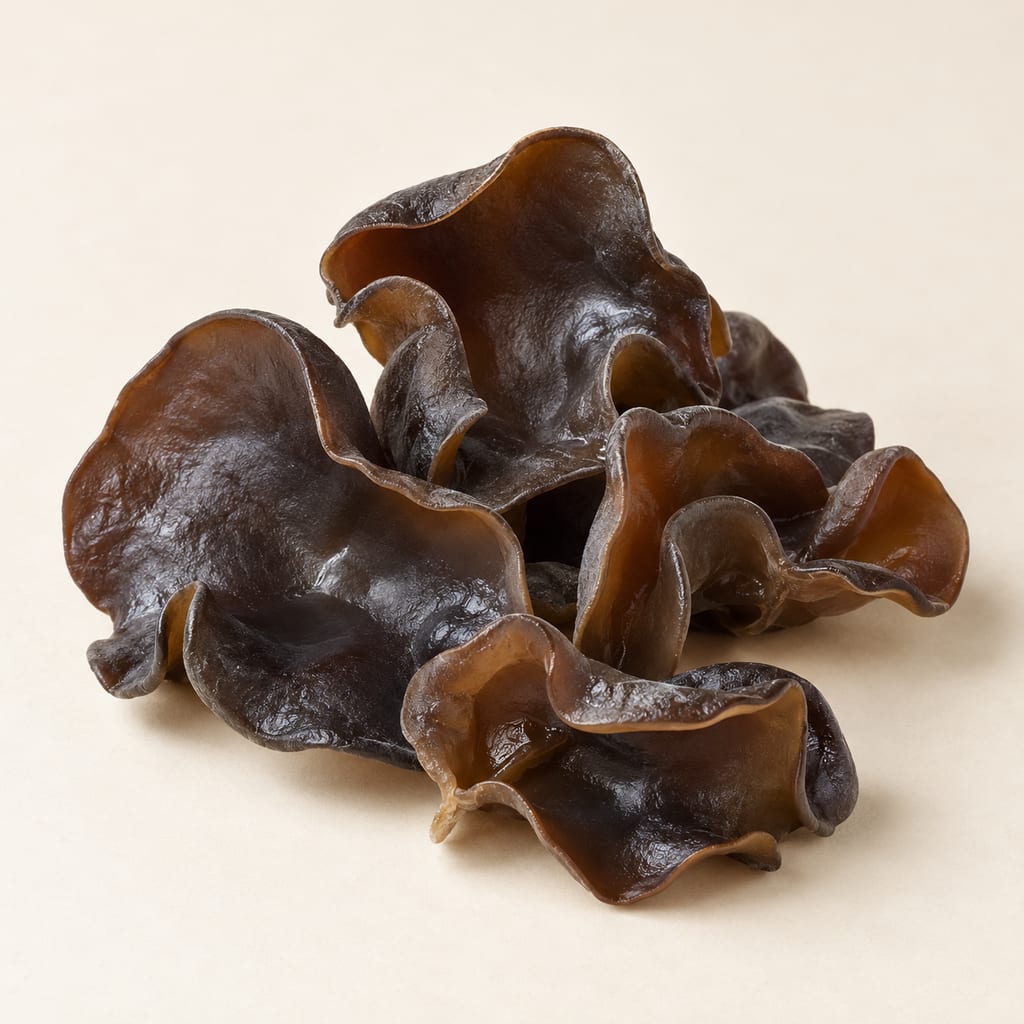
Auricularia heimuer is the black wood ear, a gelatinous wood fungus cultivated on a large scale in China and Southeast Asia and long sold under the European name A. auricula-judae.
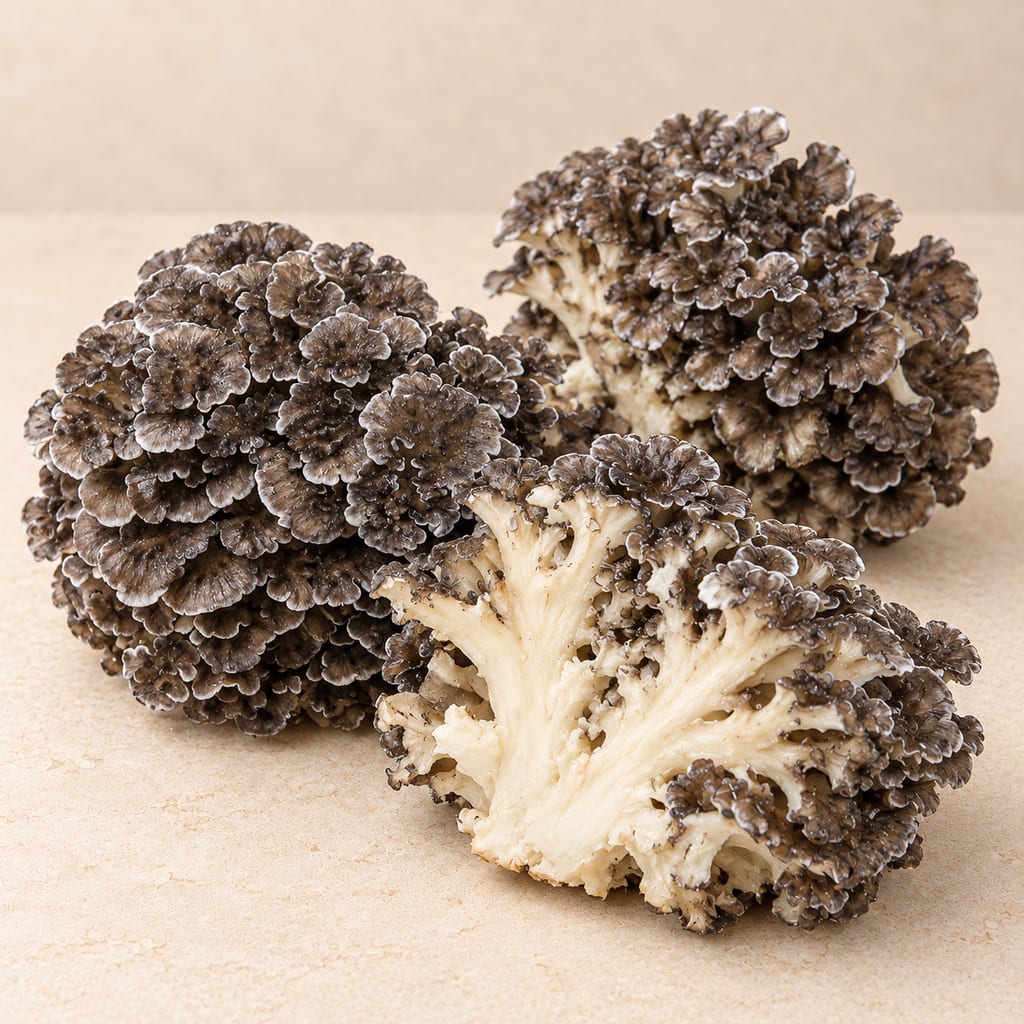
Grifola sordulenta is a wild polypore of Nothofagus forests in Patagonia, recorded as a regional food fungus with an almond-like flavour and little modern cultivation.
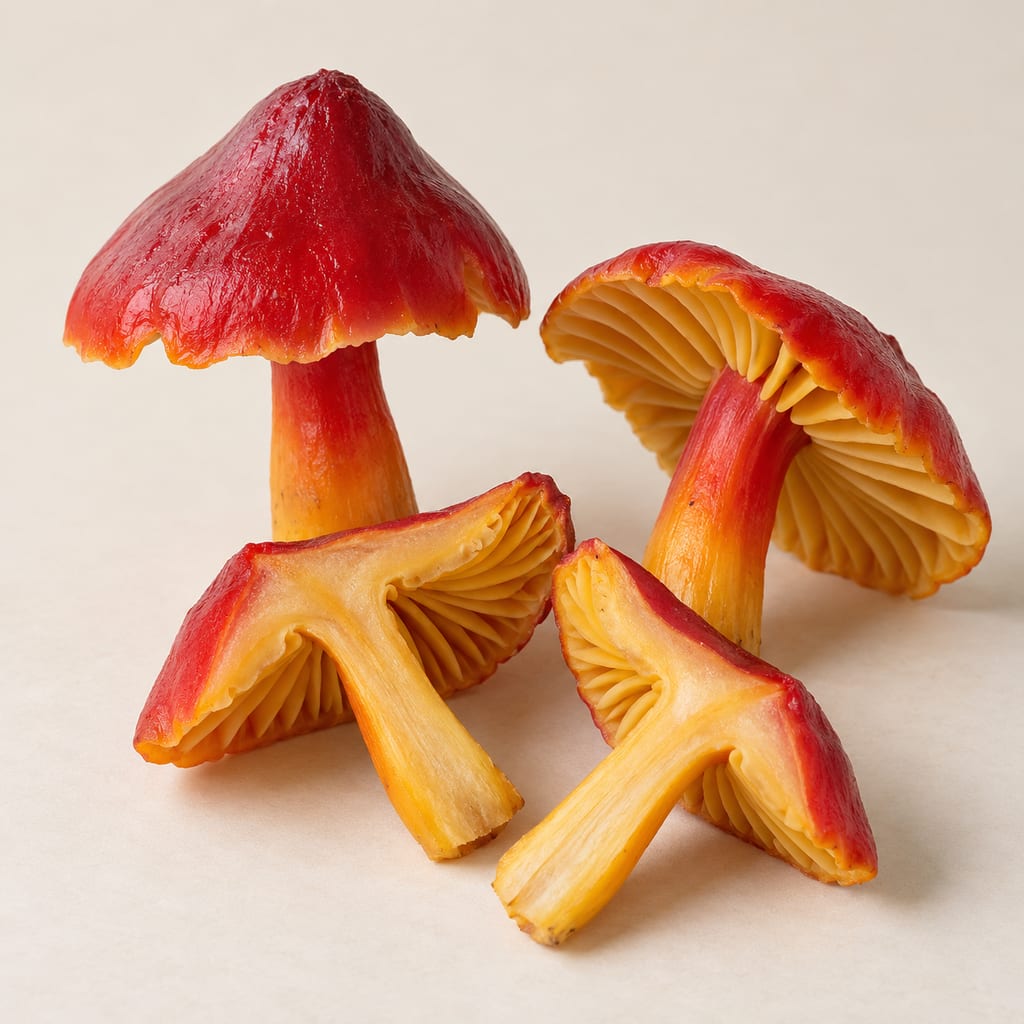
The crimson waxcap, Hygrocybe punicea, is a red grassland mushroom of old, unfertilised pasture. It is rare and protected in several European countries, and sources disagree on whether it is edible.