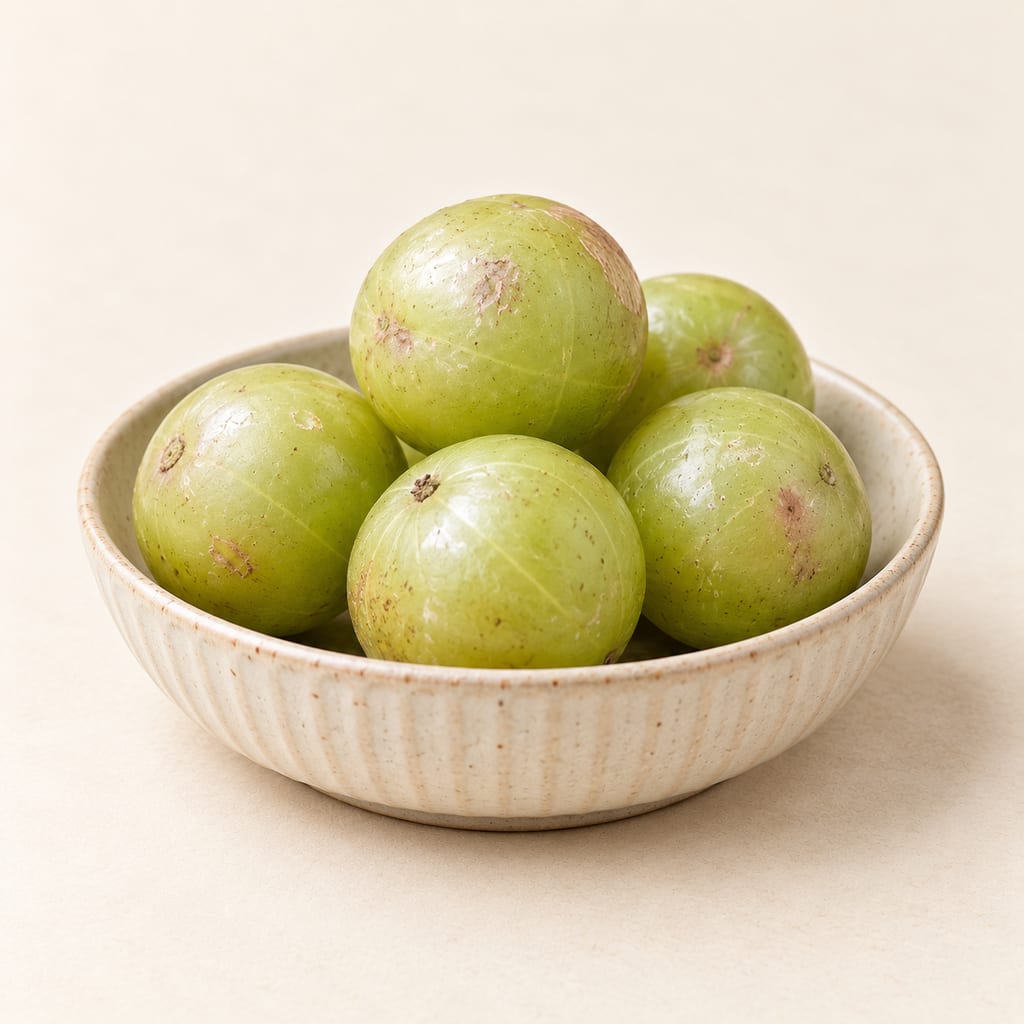
Amla (Indian gooseberry)
Amla is the firm, sharply sour fruit of Phyllanthus emblica. Cooks transform it into murabba, pickles, chutneys, drinks and dried snacks.
 FermenteaWhere food goes to change
1086 articles on substrates, cultures and additives.
Amla is the firm, sharply sour fruit of Phyllanthus emblica. Cooks transform it into murabba, pickles, chutneys, drinks and dried snacks.
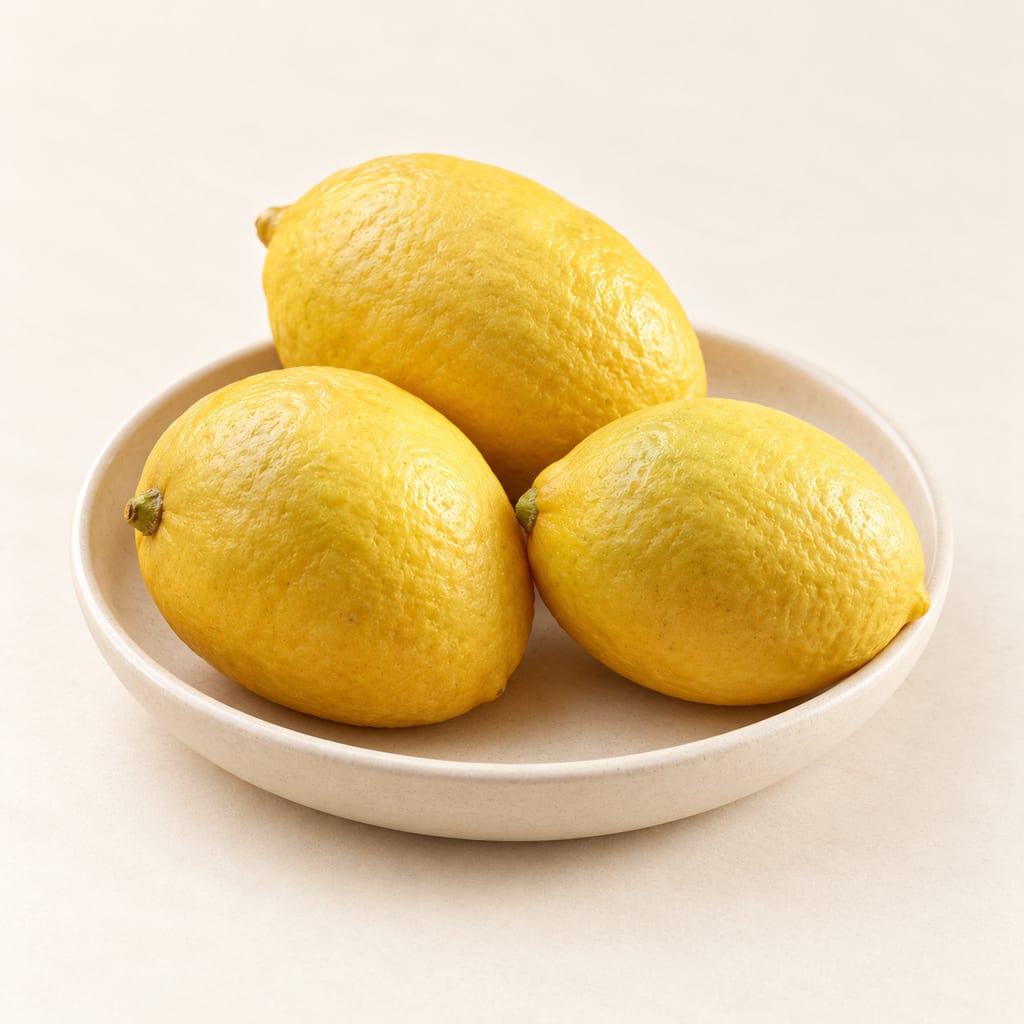
Himachal galgal is a large sour hill citrus used for pickles, concentrated juice and fresh winter preparations; its botanical naming varies across authorities.
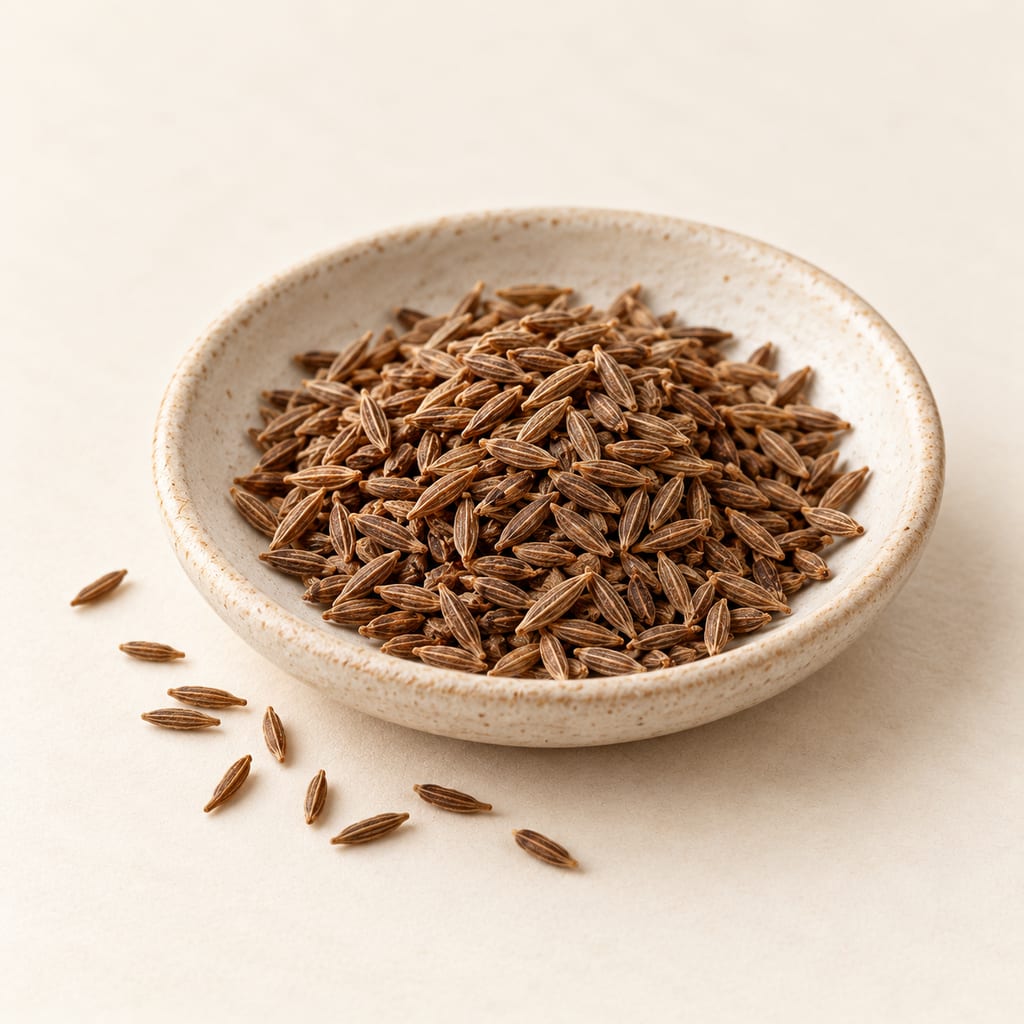
Cumin seed is the dried aromatic fruit of Cuminum cyminum, used whole or ground; a Himachal Galgal pickle account names it among the seasonings.
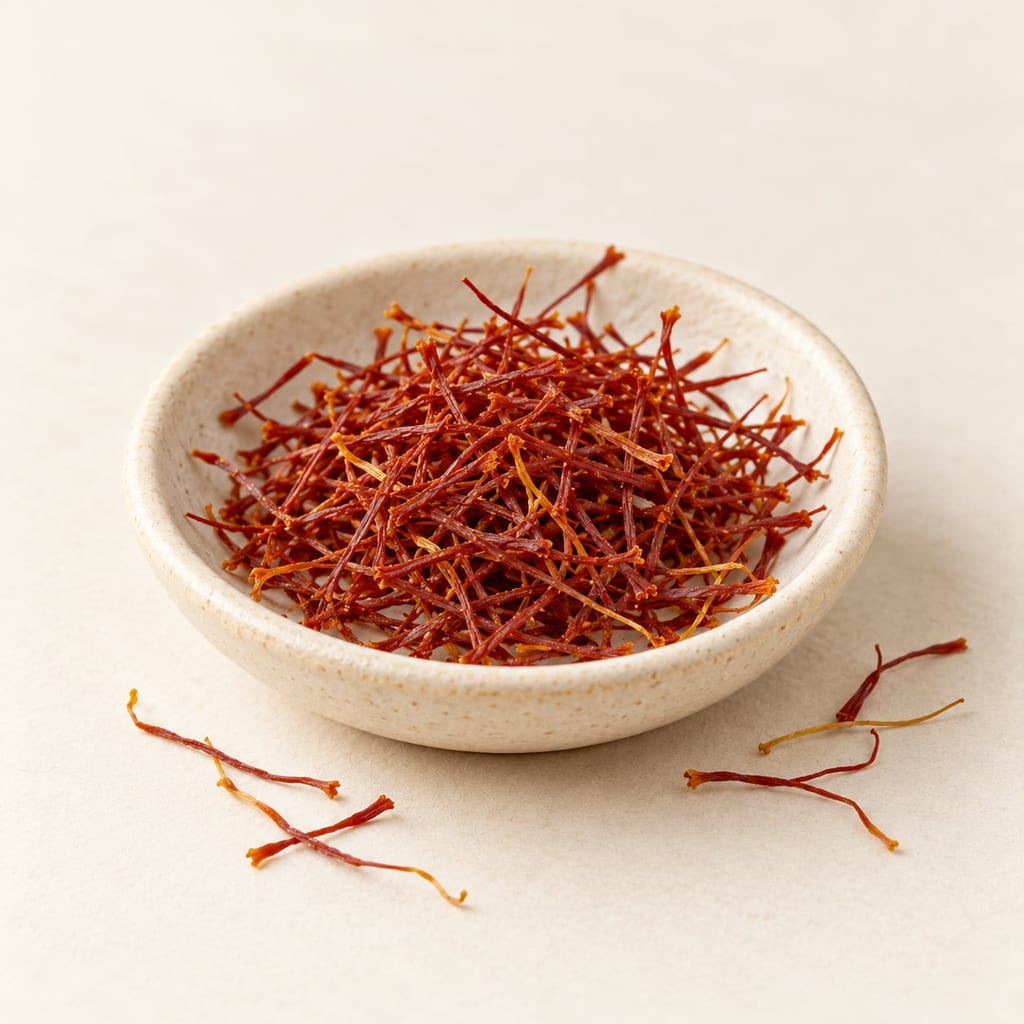
Saffron is the dried stigma of Crocus sativus, valued for its golden colour, floral aroma and gentle bitterness; two linked amla preserves use it at distinct stages and measures.
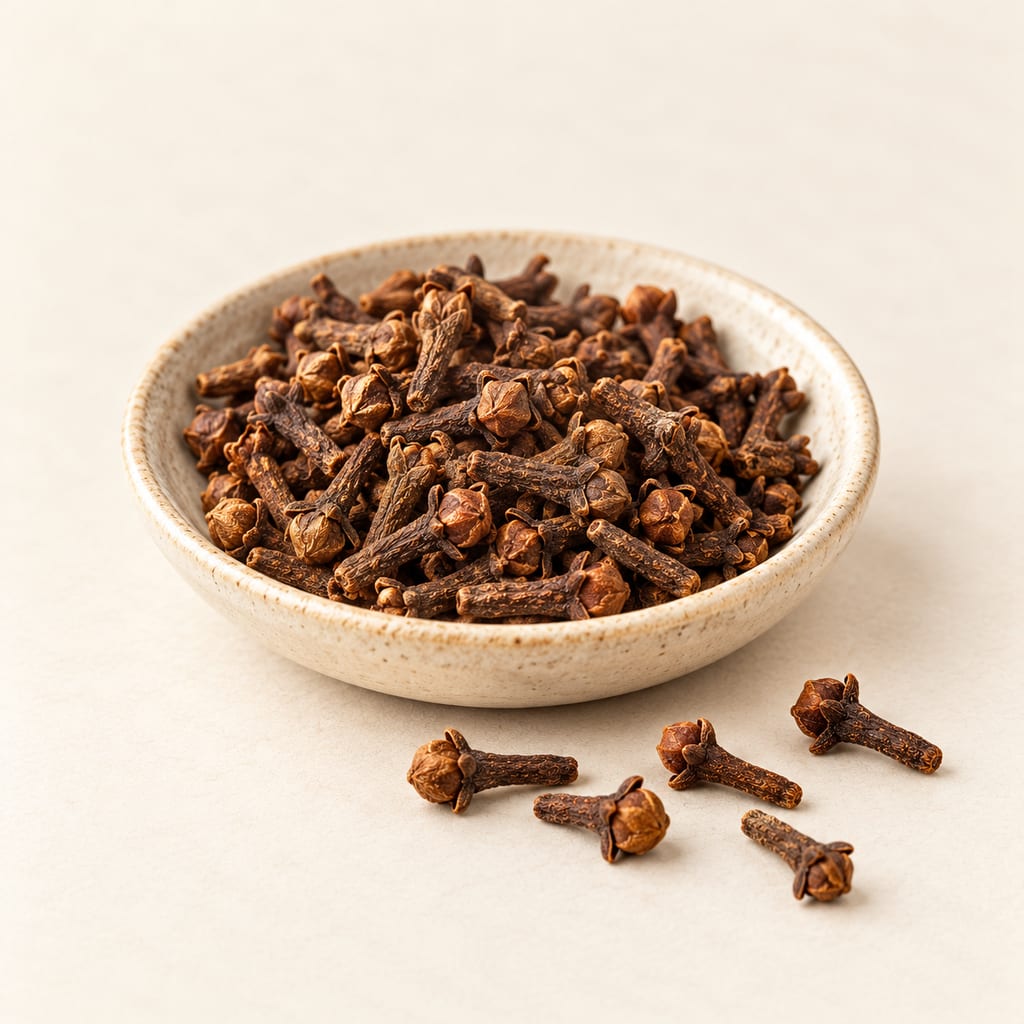
Cloves are the dried unopened flower buds of Syzygium aromaticum. Whole buds infuse liquids and can be removed; ground clove disperses its intense aroma through food.
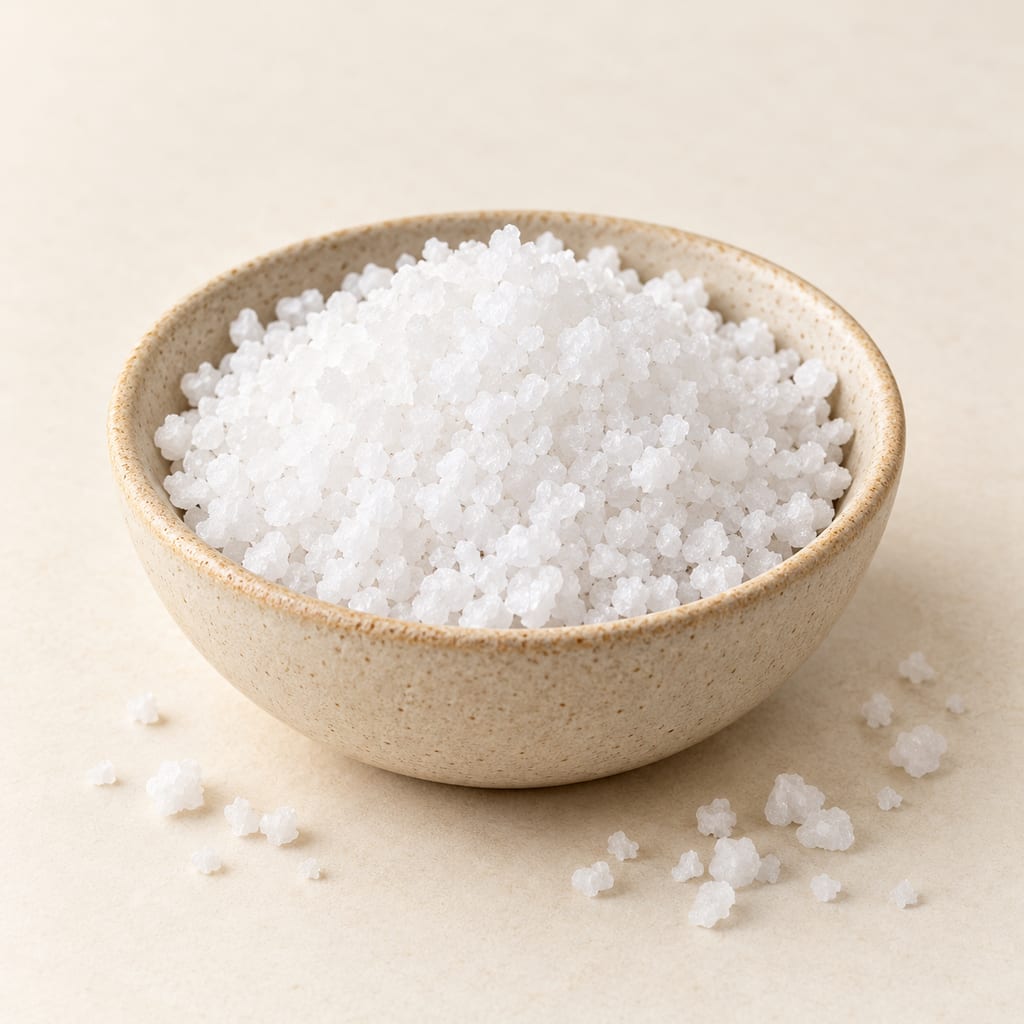
Food-grade sodium chloride seasons food and changes water movement in brines and cures; crystal size and the recipe's measurement method matter.
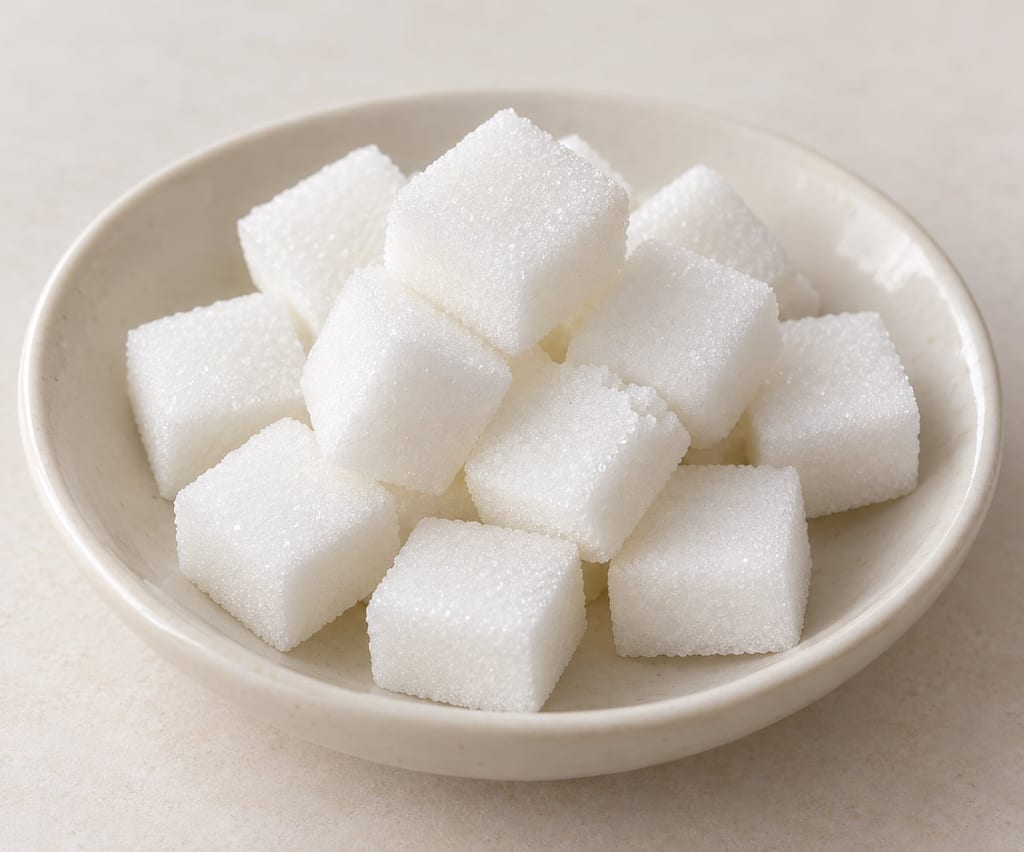
A historical refined-sugar form whose name has covered truncated cones and, in later usage, smaller pressed or cast pieces.
A liquid milk-coagulating enzyme preparation whose source, activity and formulation vary, used to form curd for cheesemaking.
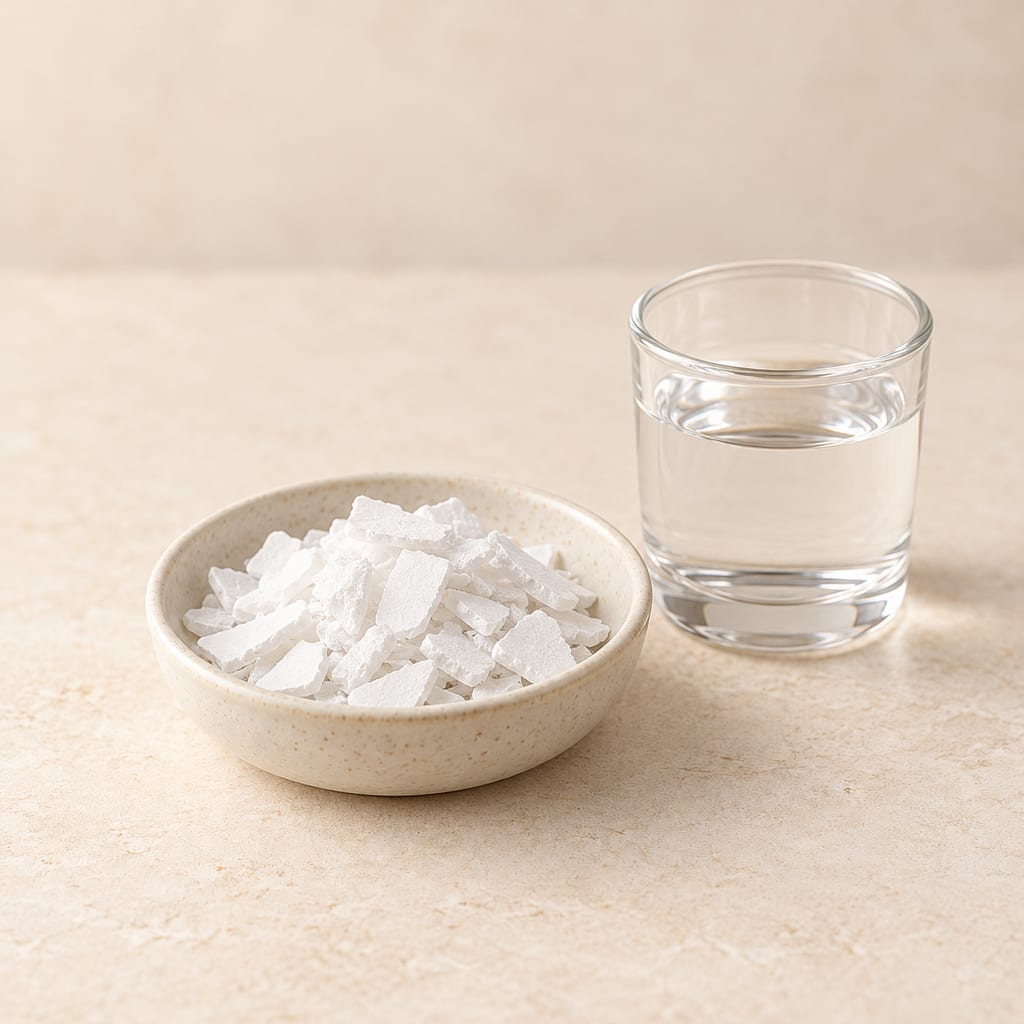
A soluble calcium salt used to support cheese curd formation, balance cheese brines, reinforce some plant tissues and adjust brewing water.
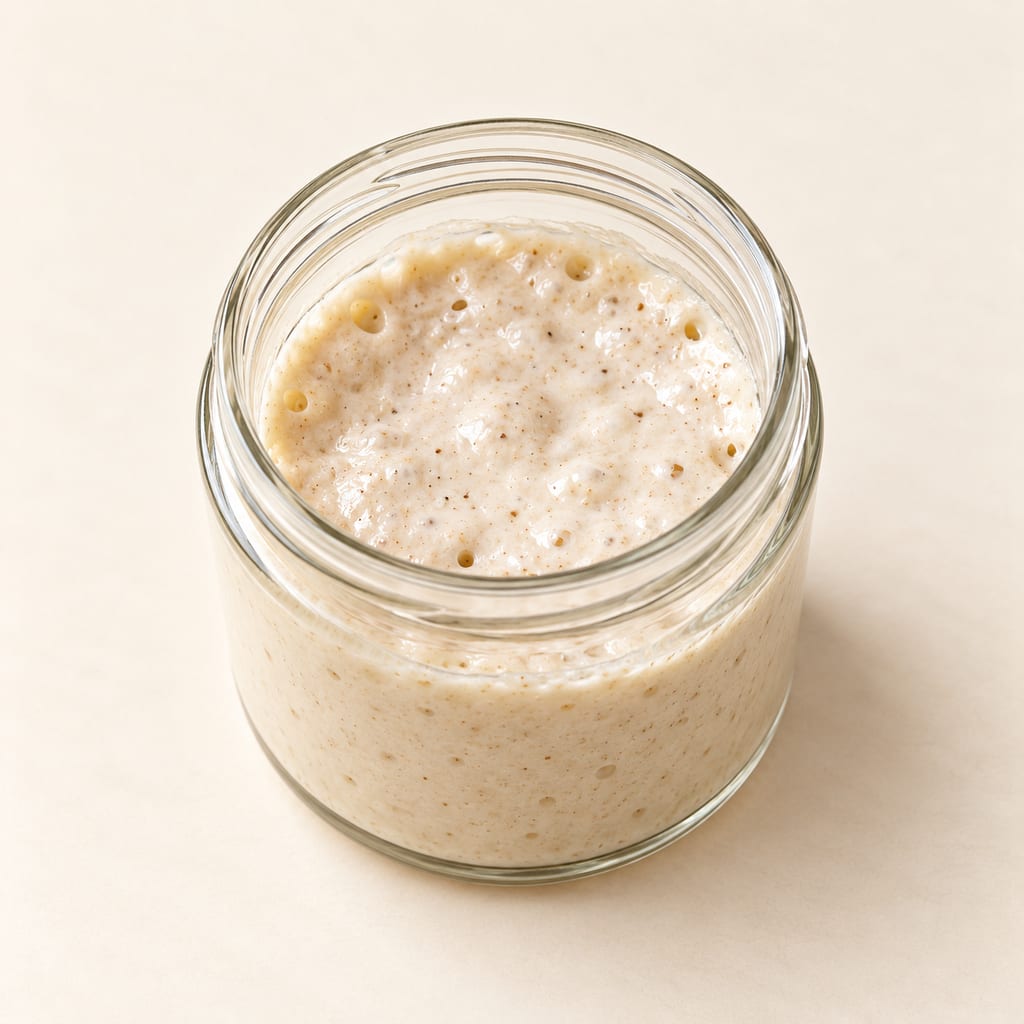
Ripe sourdough starter is a refreshed flour-and-water culture active enough for a baker’s intended dough. Its yeasts and bacteria provide gas and acidity.
A broad kitchen label for edible oils pressed or extracted from many plant sources, each with its own flavor, composition and handling needs.
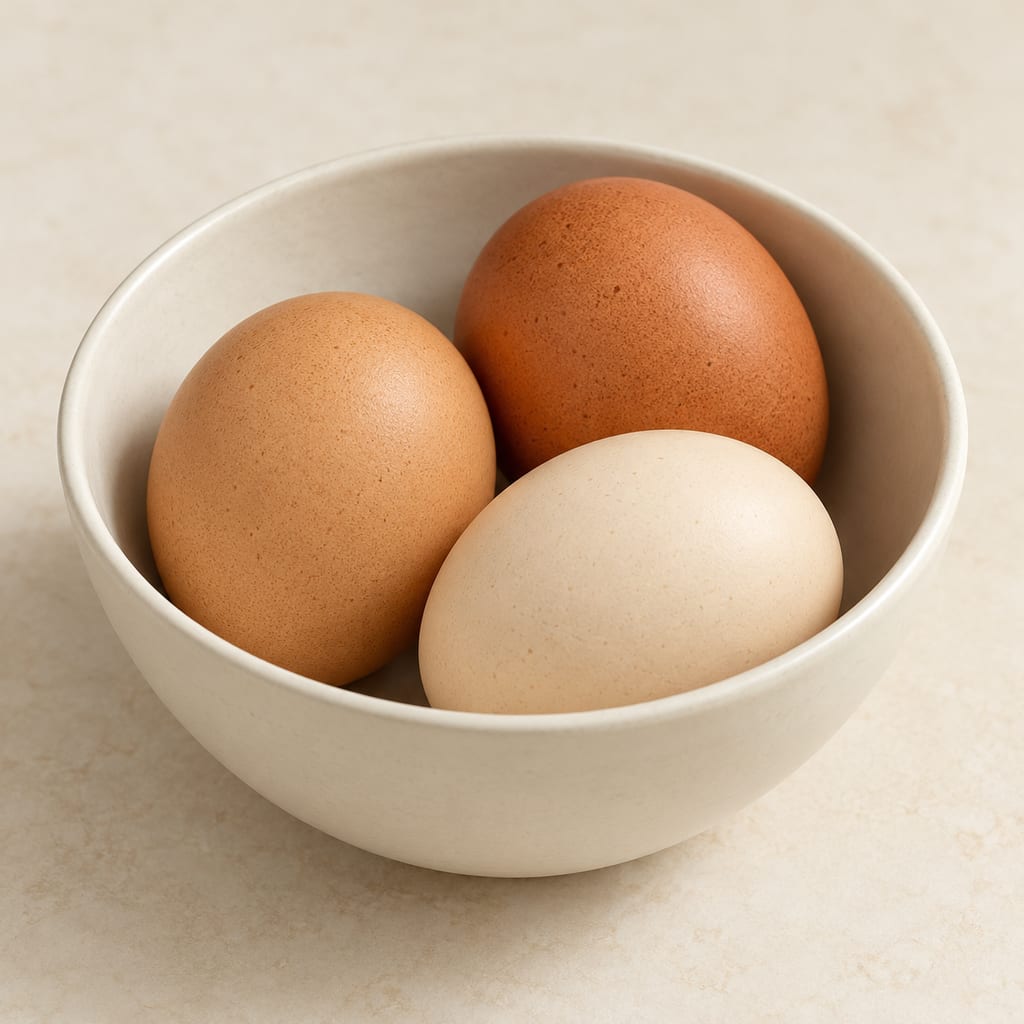
Chicken eggs supply proteins and yolk fats that set and emulsify. Atlas breads use them in enriched doughs, surface washes and a sourdough pancake batter mixed after fermentation.
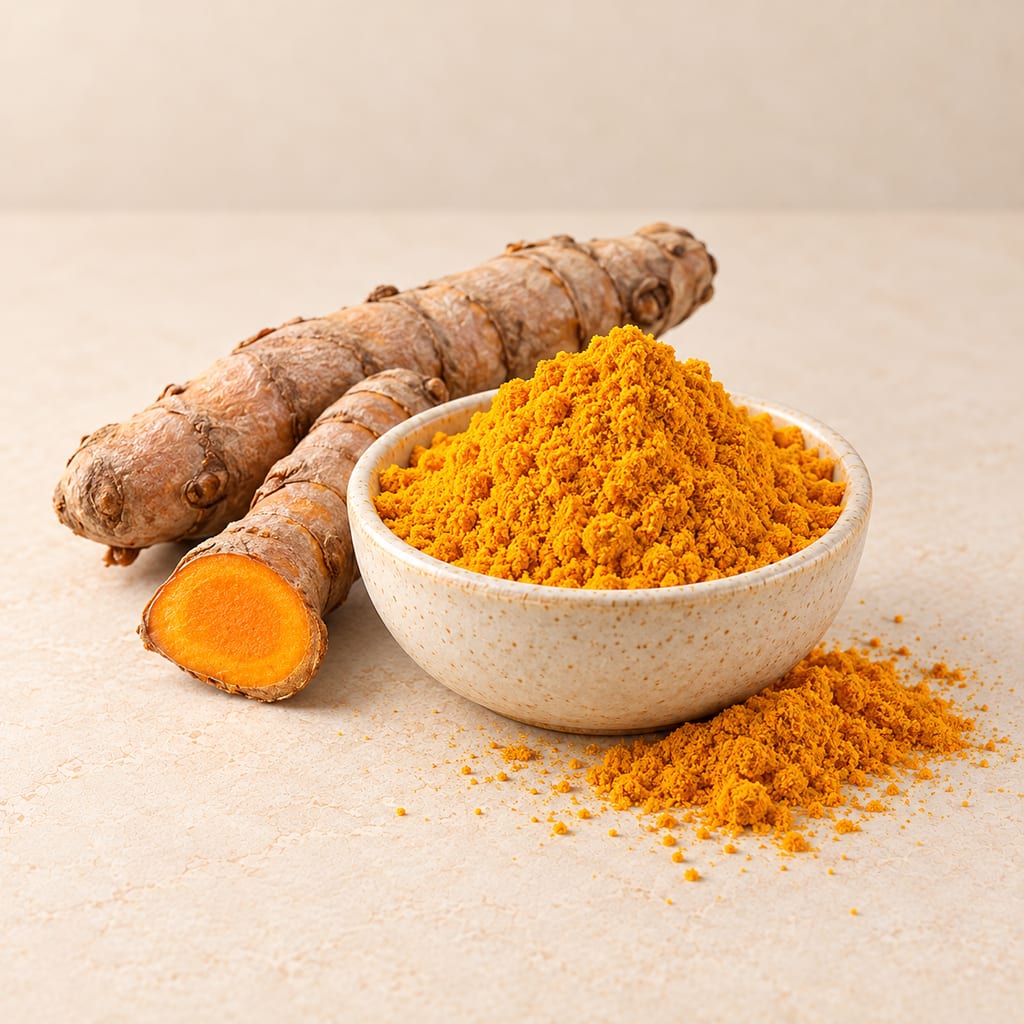
Turmeric powder is dried, milled Curcuma longa rhizome. Its pigments and aroma season three documented fruit pickles at distinct stages; it is not their fermentation culture.
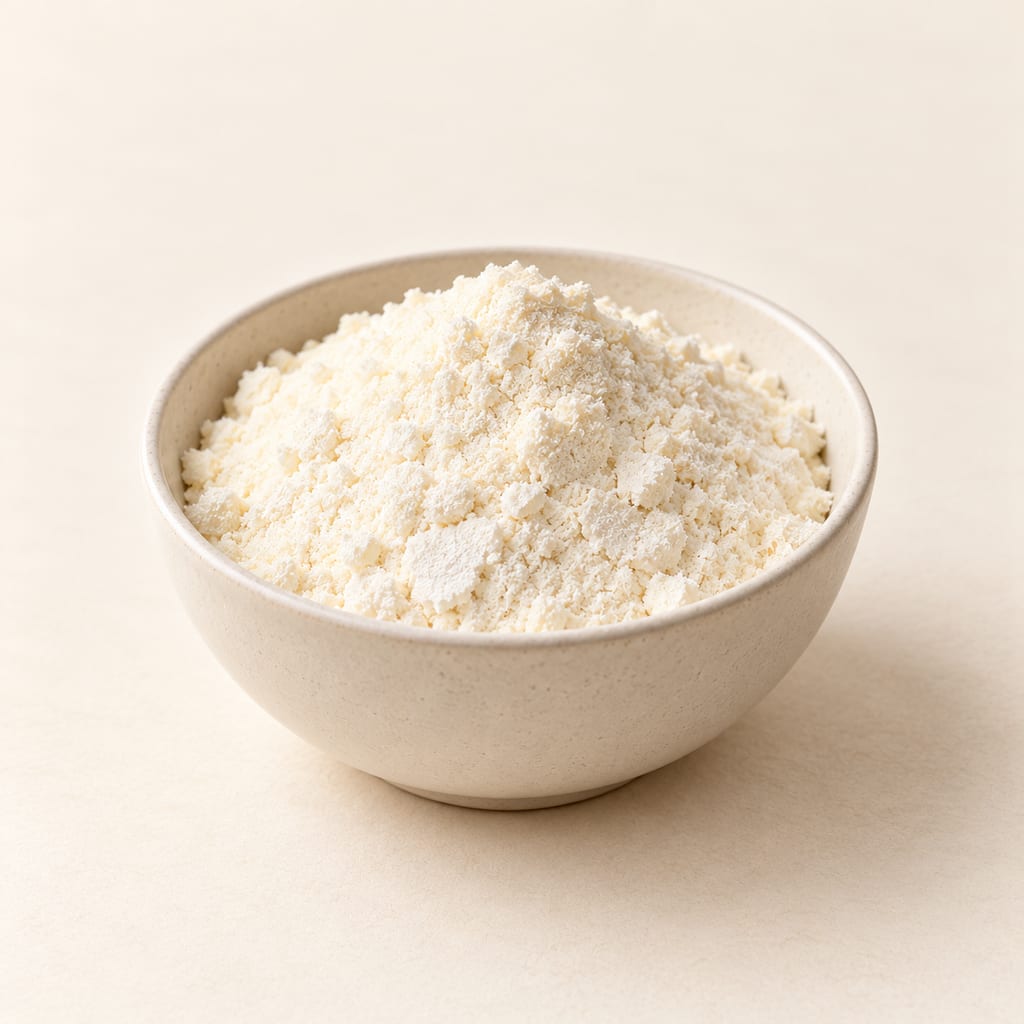
Dry milk is a family of dairy ingredients made by removing most water from milk or cream. The name includes distinct whole, partly skimmed and nonfat powders; fat level, heat treatment and particle form determine handling and use.
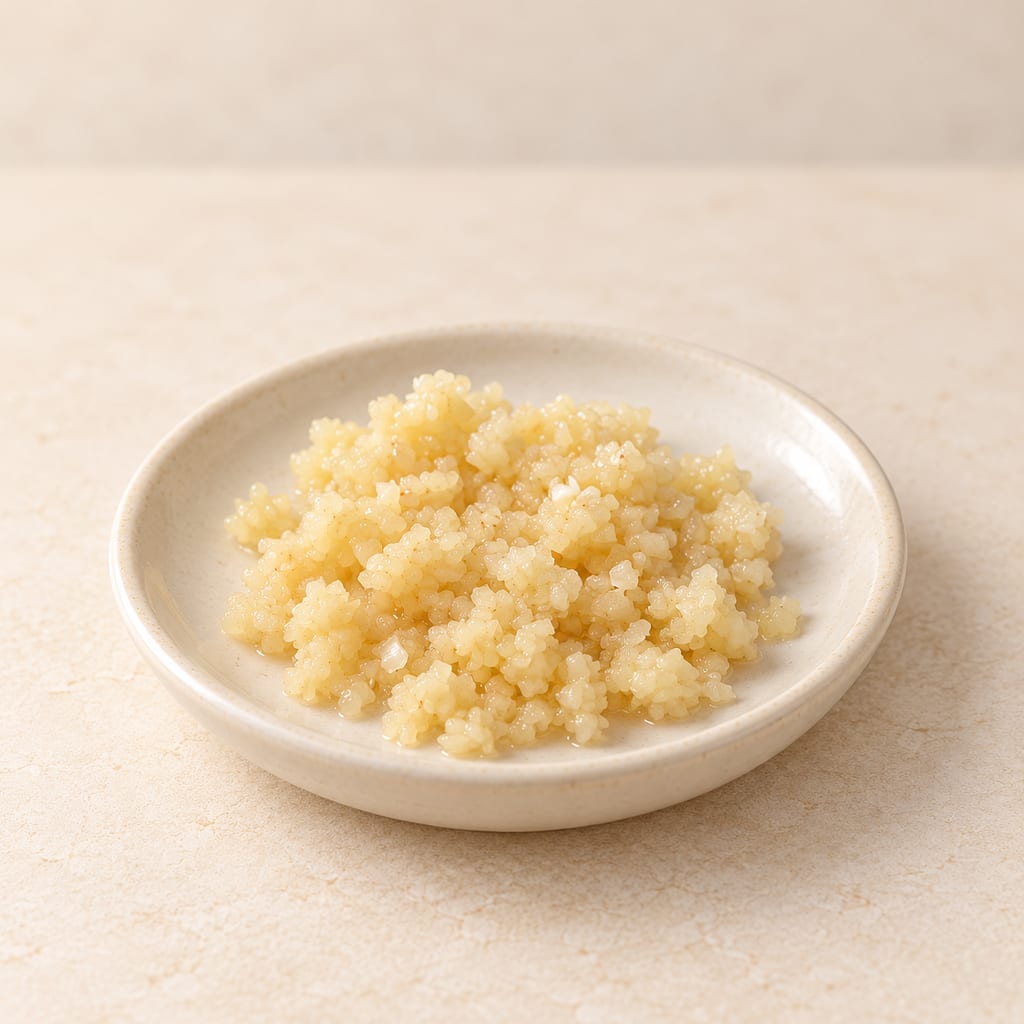
Minced garlic is peeled Allium sativum cut into small, moist pieces, releasing the pungent sulfur aromas that season sauces, vegetables and meat preparations.
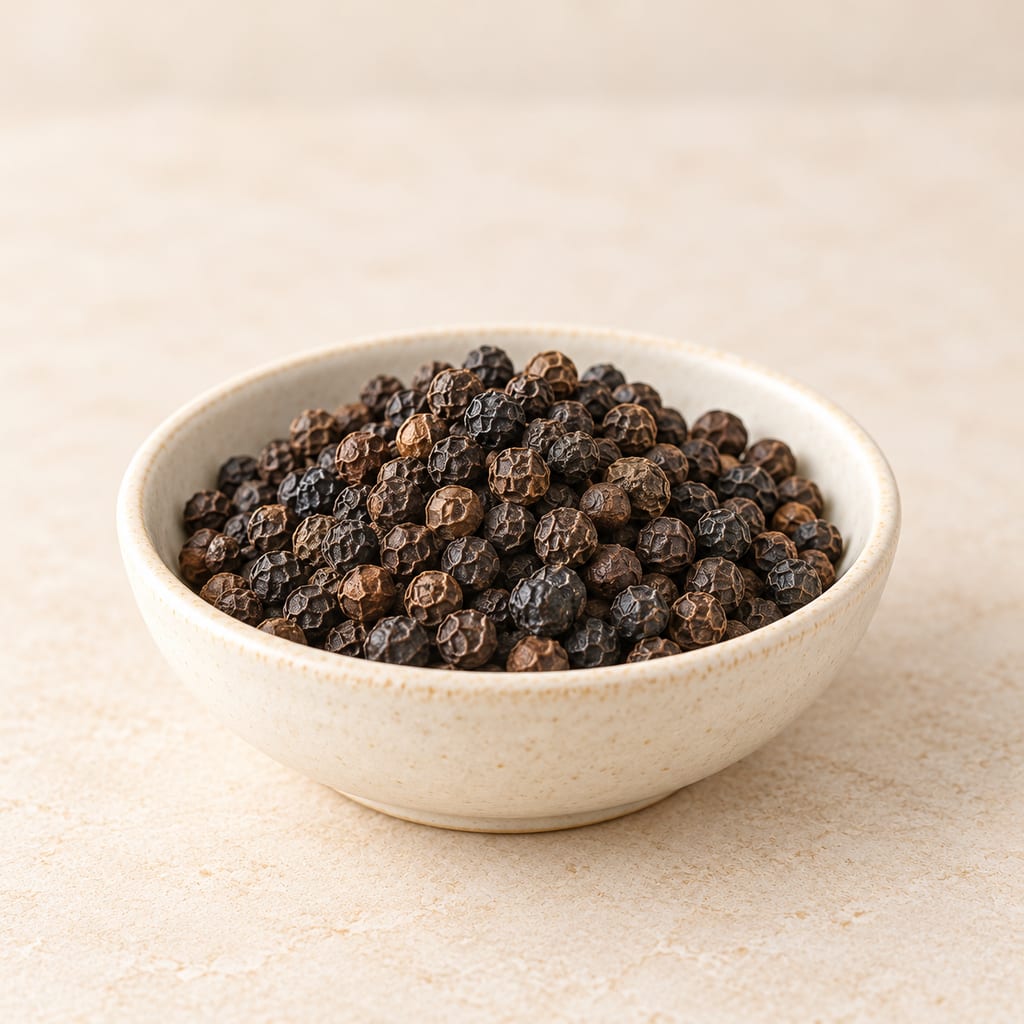
Black pepper is the dried fruit of Piper nigrum, a tropical climbing vine, used whole, cracked or ground for its pungency and aromatic oils.

Water carries dissolved ingredients, transfers heat and forms the liquid environment of many ferments; its minerals and treatment influence how it behaves.
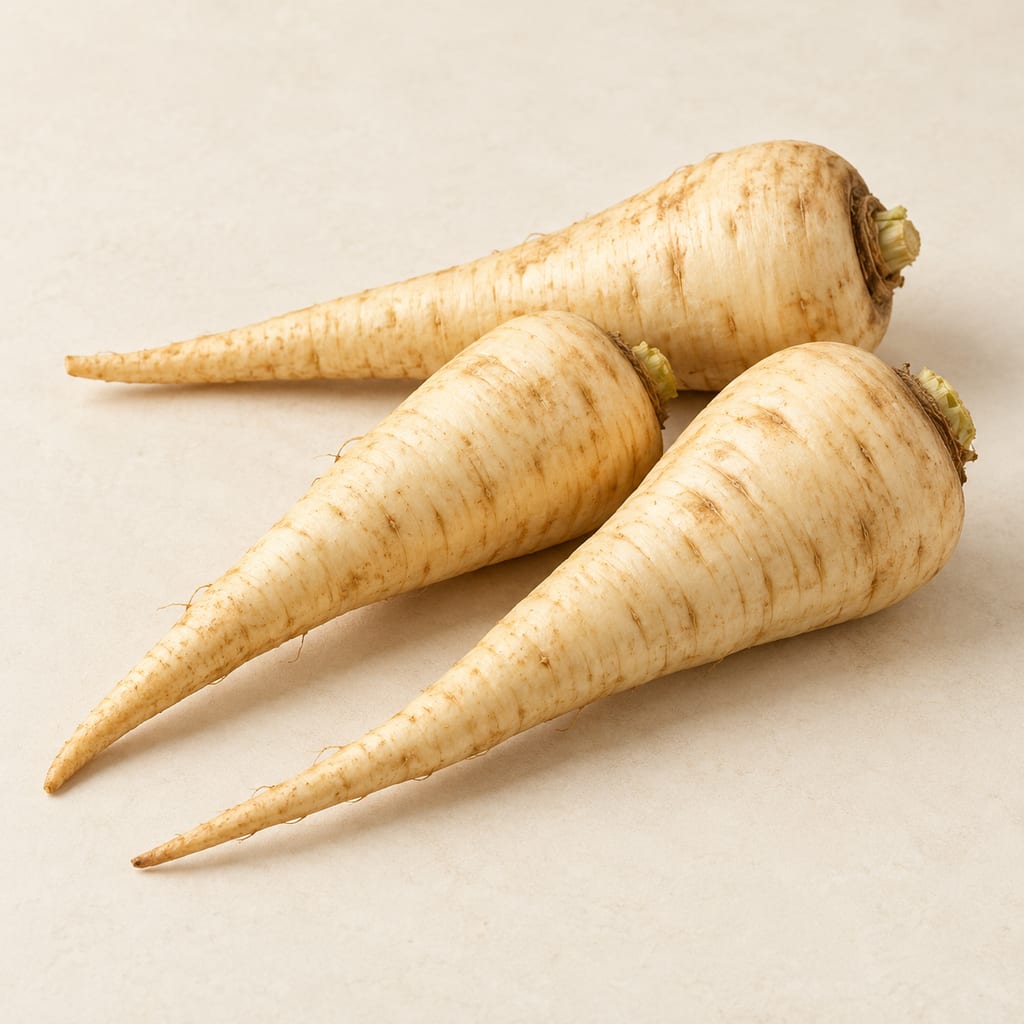
Sweet, aromatic storage roots used as a cooked vegetable and in household wines, with starch and soluble sugars that change as the roots grow and are stored.
Table salt is fine-grained food-grade sodium chloride for everyday seasoning and measured cooking. Products may include iodine or an anti-caking agent.
Water recovered by evaporation and condensation, with much of its original mineral content left behind; selected recipes use it for culture preparation or brine.
Granulated sugar is dry crystalline sucrose refined from cane or beet. It sweetens dough, feeds baking yeast, and helps set particular fruit spreads.
Drinking-quality water chosen without an active chlorine-based disinfectant, used as a carrier for rennet or cultures and as a cheese or pickle brine medium.
Full-fat milk given conventional pasteurization, selected in linked cultured-milk and cheese methods for its composition and treatment.
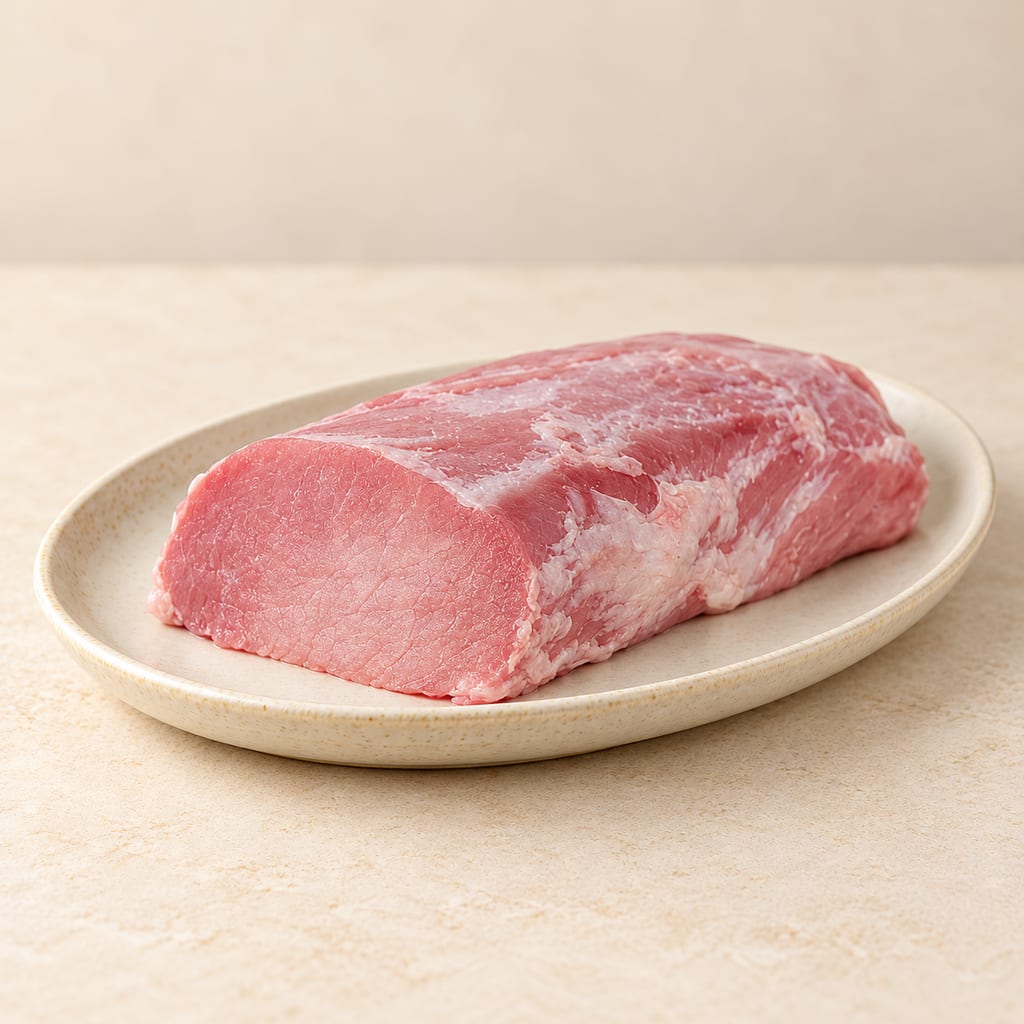
Trimmed domestic-pig muscle supplies the protein framework, water and meat flavor in fermented sausages; cut, condition and handling affect how it binds and ripens.
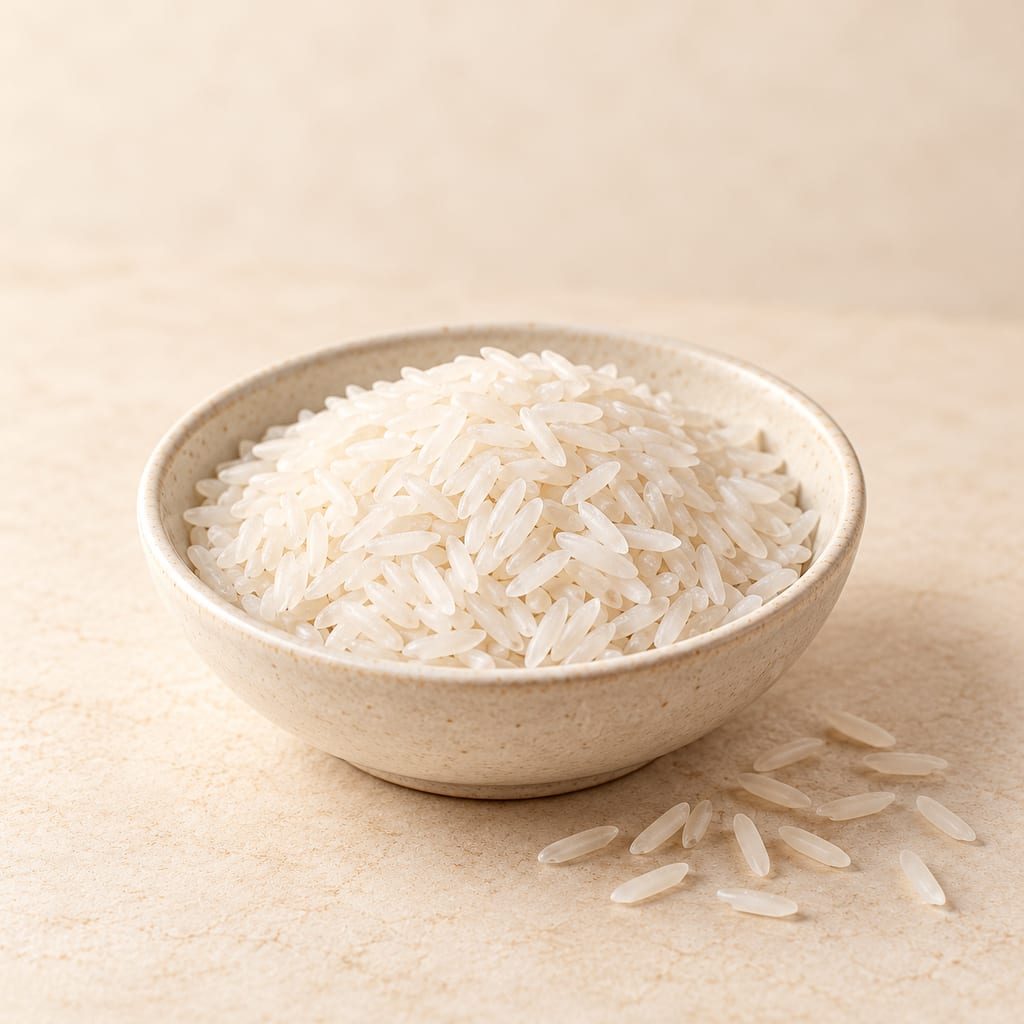
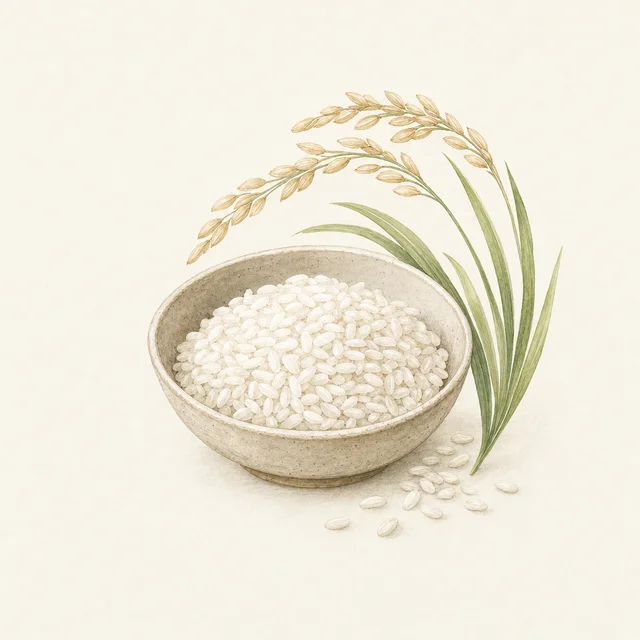
Rice contributes starch to flatbreads, steamed breads, batters and many distinct fermentations. Its species, milling and starch character shape how it cooks, binds, expands and feeds enzymes.
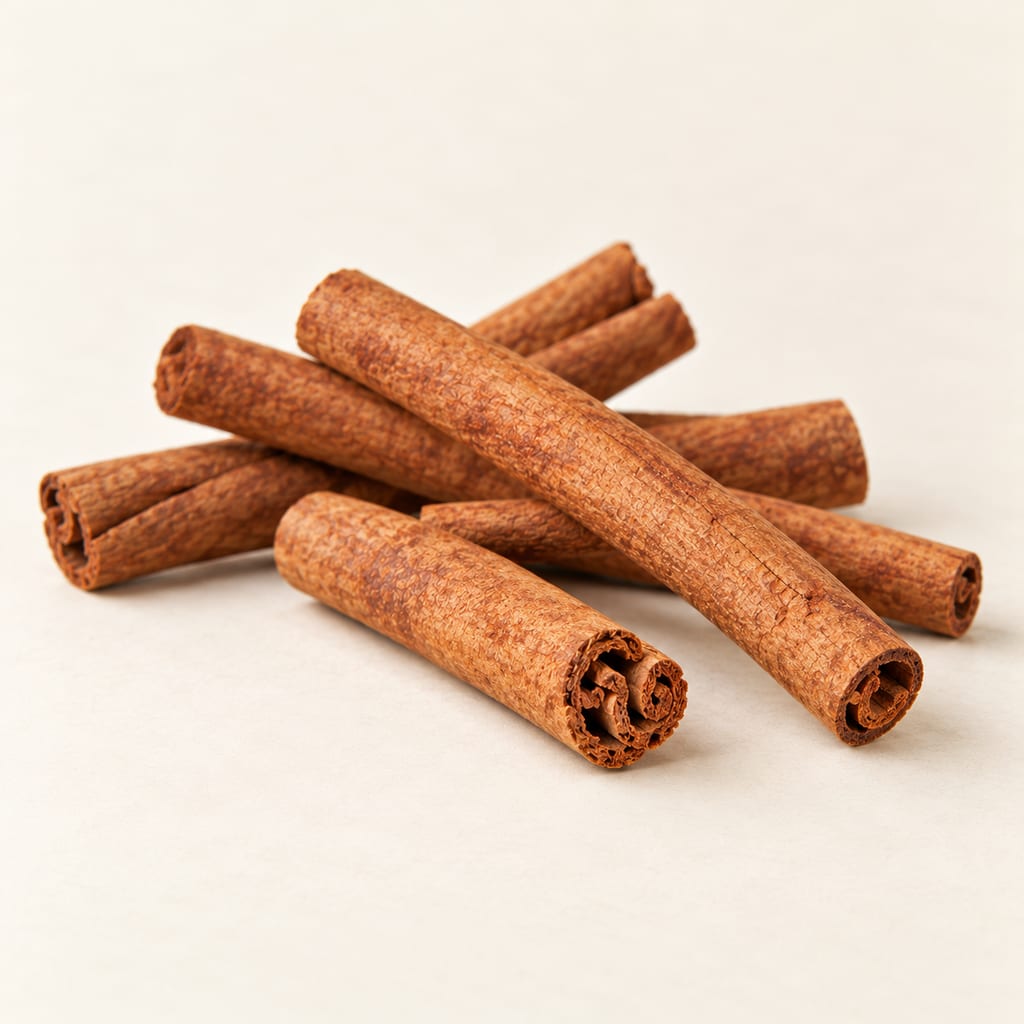
Cinnamon sticks are dried inner bark curled or layered into quills. The common name covers several Cinnamomum species; whole bark perfumes food and drink.
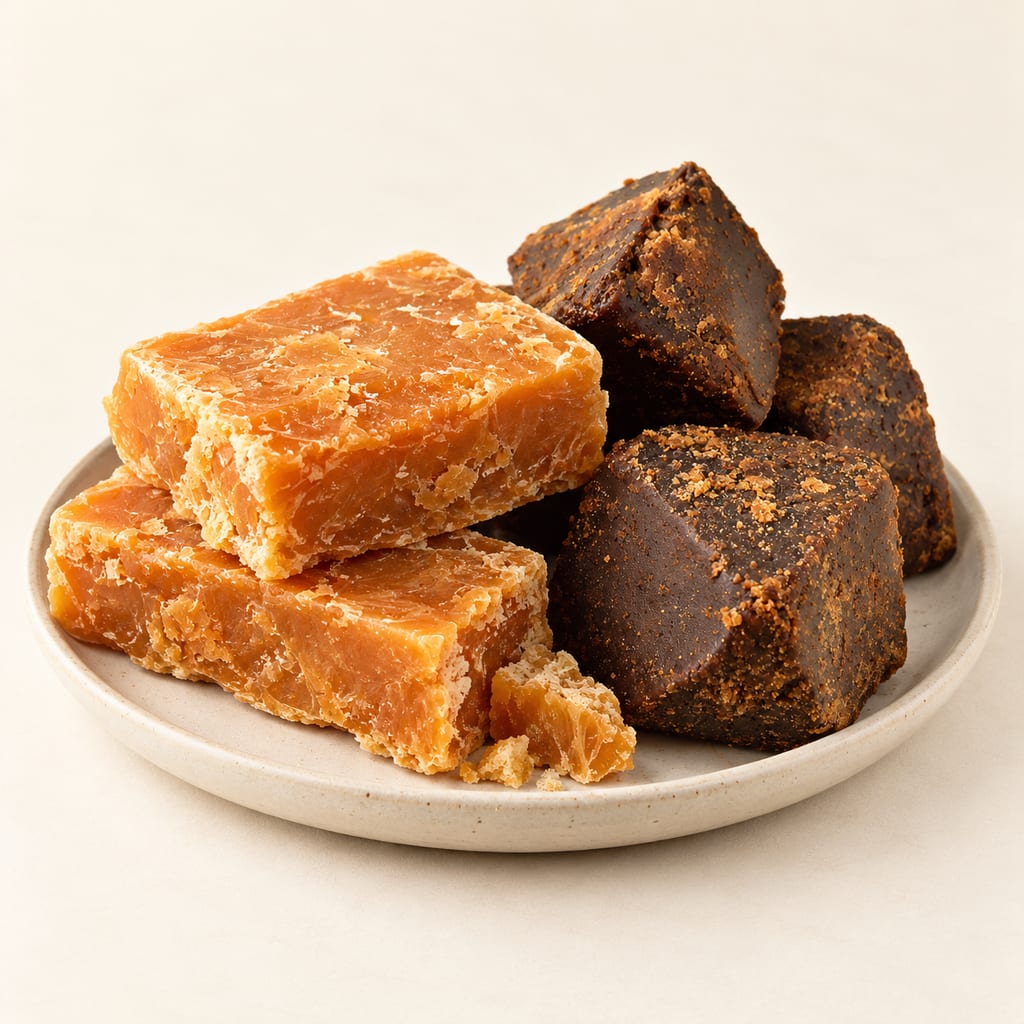
Jaggery is a family of concentrated, non-centrifugal sweeteners made from cane juice or palm sap. Plant source and form shape its flavour and use.
MT1 is a named dairy starter in a home Feta-style method. The brief recipe name does not establish its manufacturer or exact strains; a documented commercial MT1 product is one distinct example.
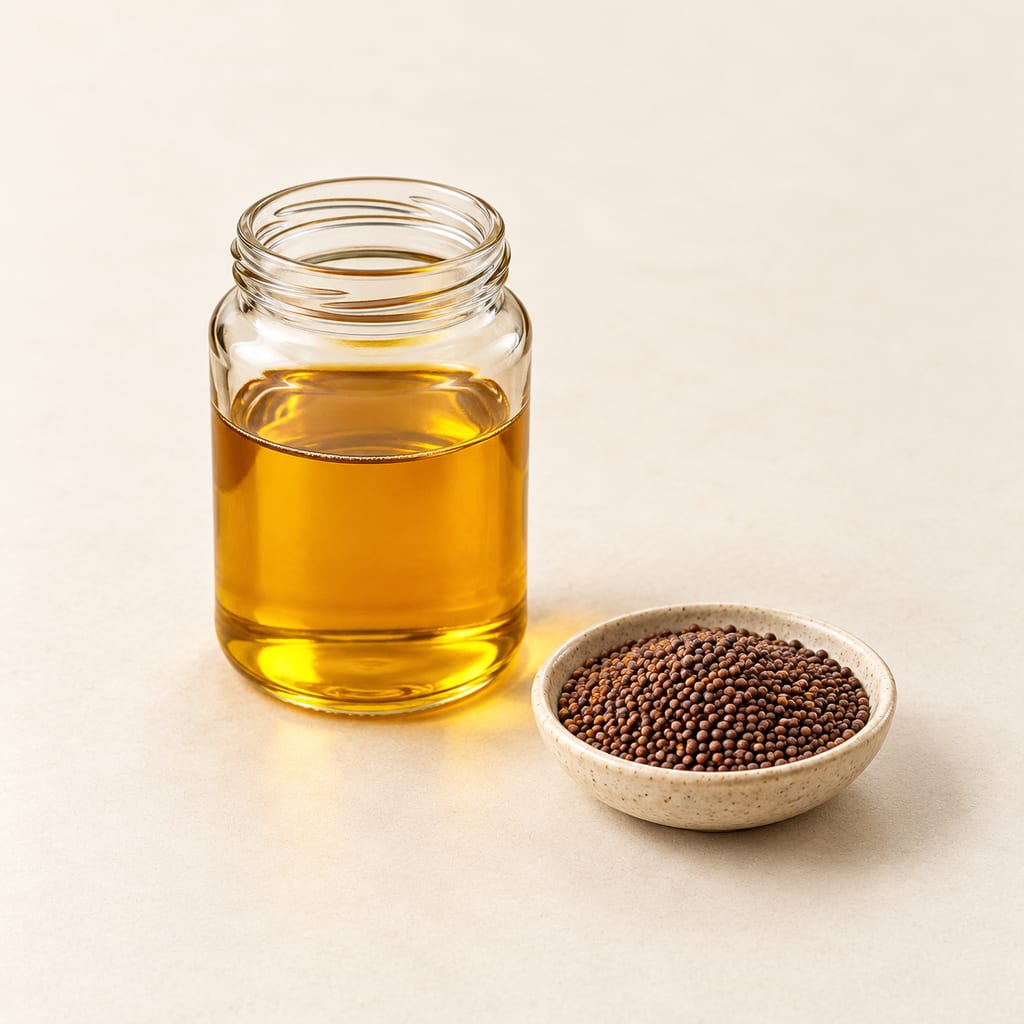
Mustard oil is an aromatic pressed seed oil used to cook and season foods such as Nepali achar. Its seed and pressing method vary with the product.
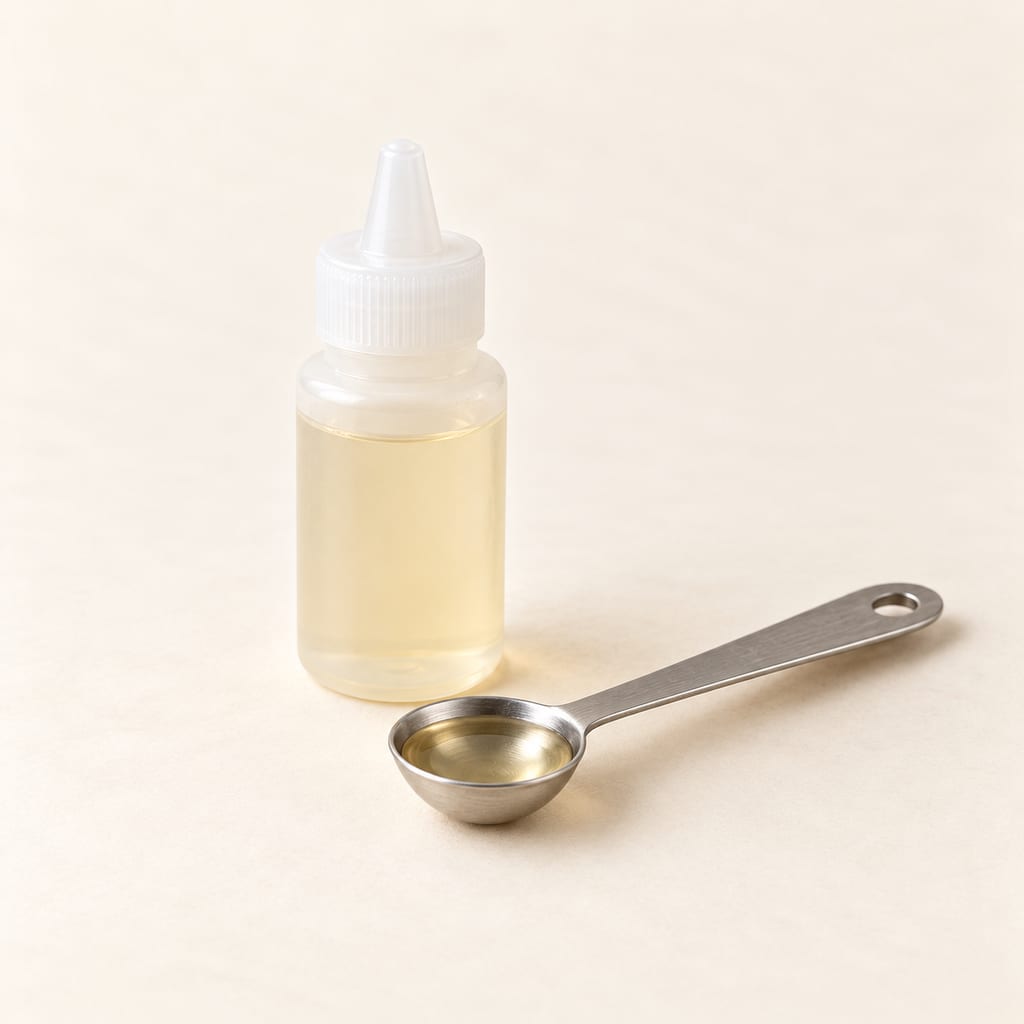
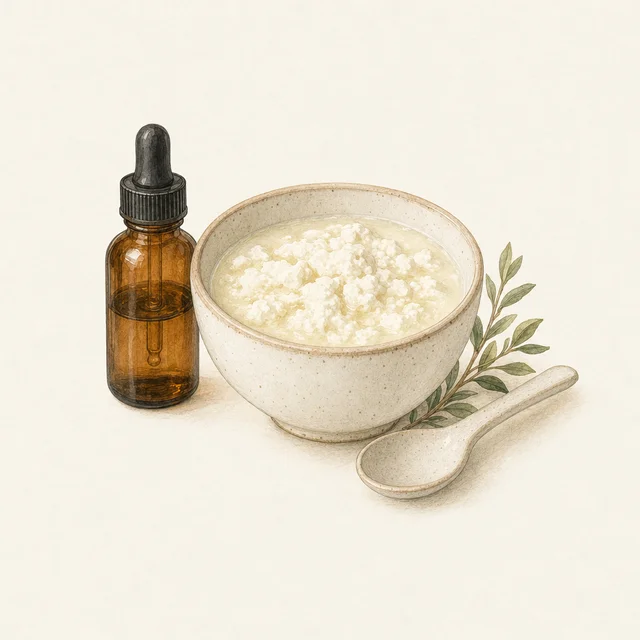
Rennet is an enzyme preparation that helps milk form a cuttable curd. Animal, microbial, fermentation-produced and plant coagulants have distinct identities and strengths.
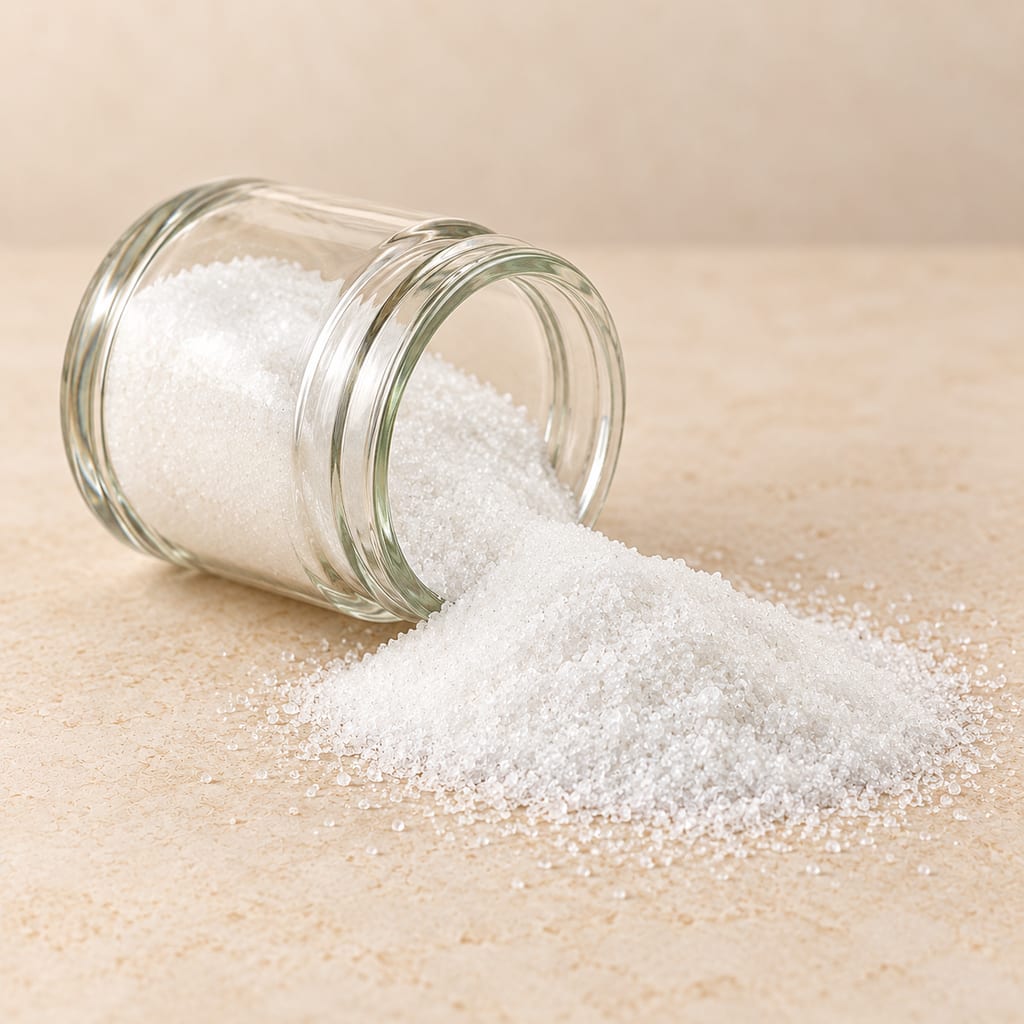
Citric acid is a sour, crystalline food acid found in fruit and made industrially by fermentation. In quick mozzarella it directly acidifies milk before the rennet set.
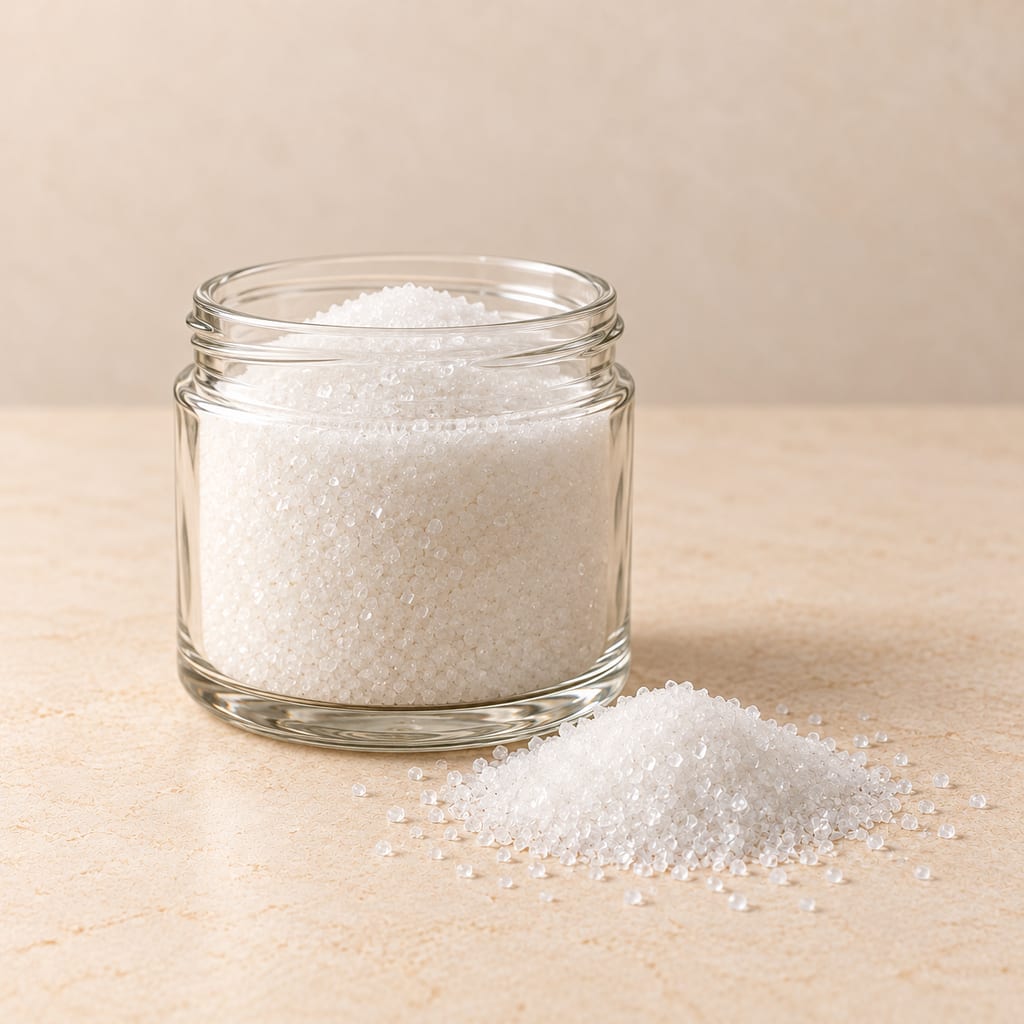
Sugar is a family of sweeteners with different forms and food roles; refined white sucrose may come from cane or beet, while less refined forms add other flavours and moisture.
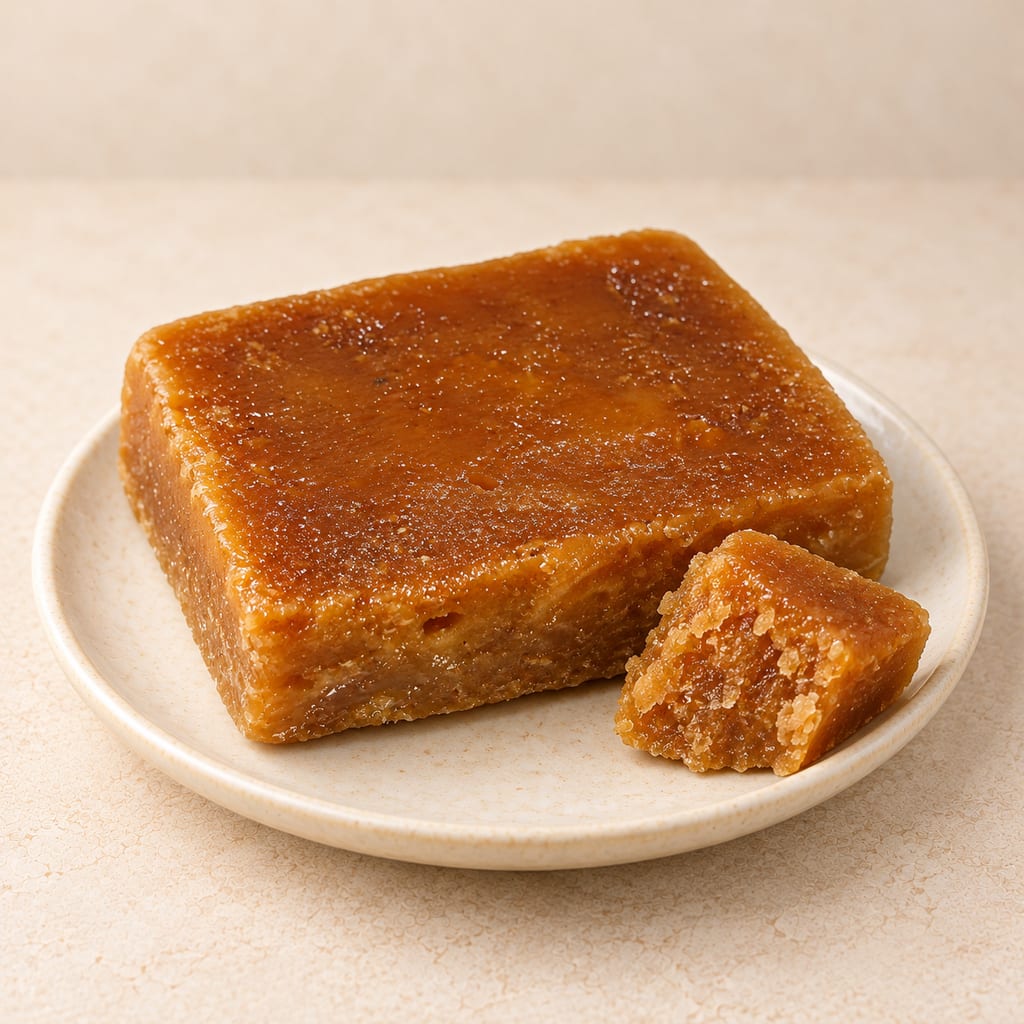
Panela is a solid, non-centrifugal sugarcane sweetener made by concentrating juice and letting it set. A documented Ecuadorian chicha recipe adds it after the cooked jora mixture cools.
Whole milk retains its milkfat and brings fat, casein, lactose, minerals and water to the table; species and processing still shape how it tastes and sets.
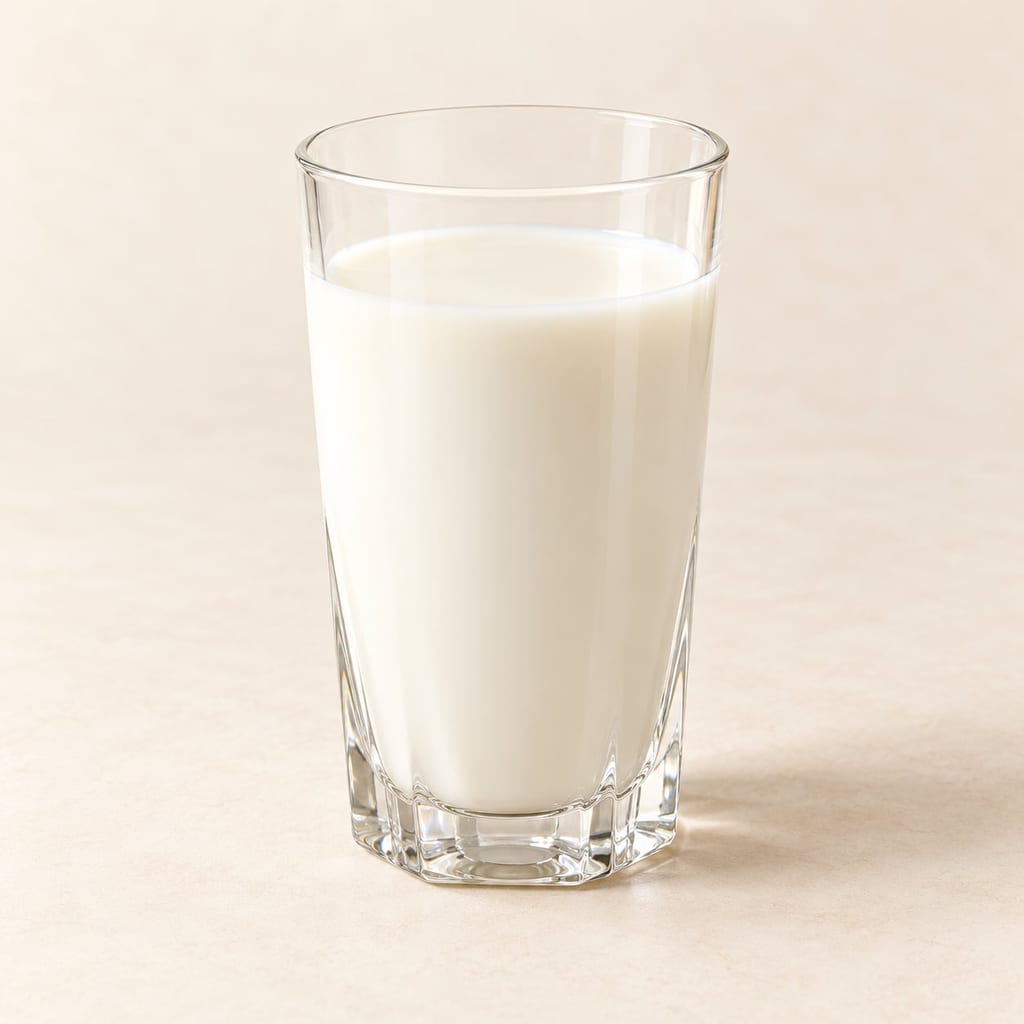
Milk is the fluid produced by dairy animals. Its species, fat level, heat treatment and handling shape the way it can be drunk, cultured or turned into curd.
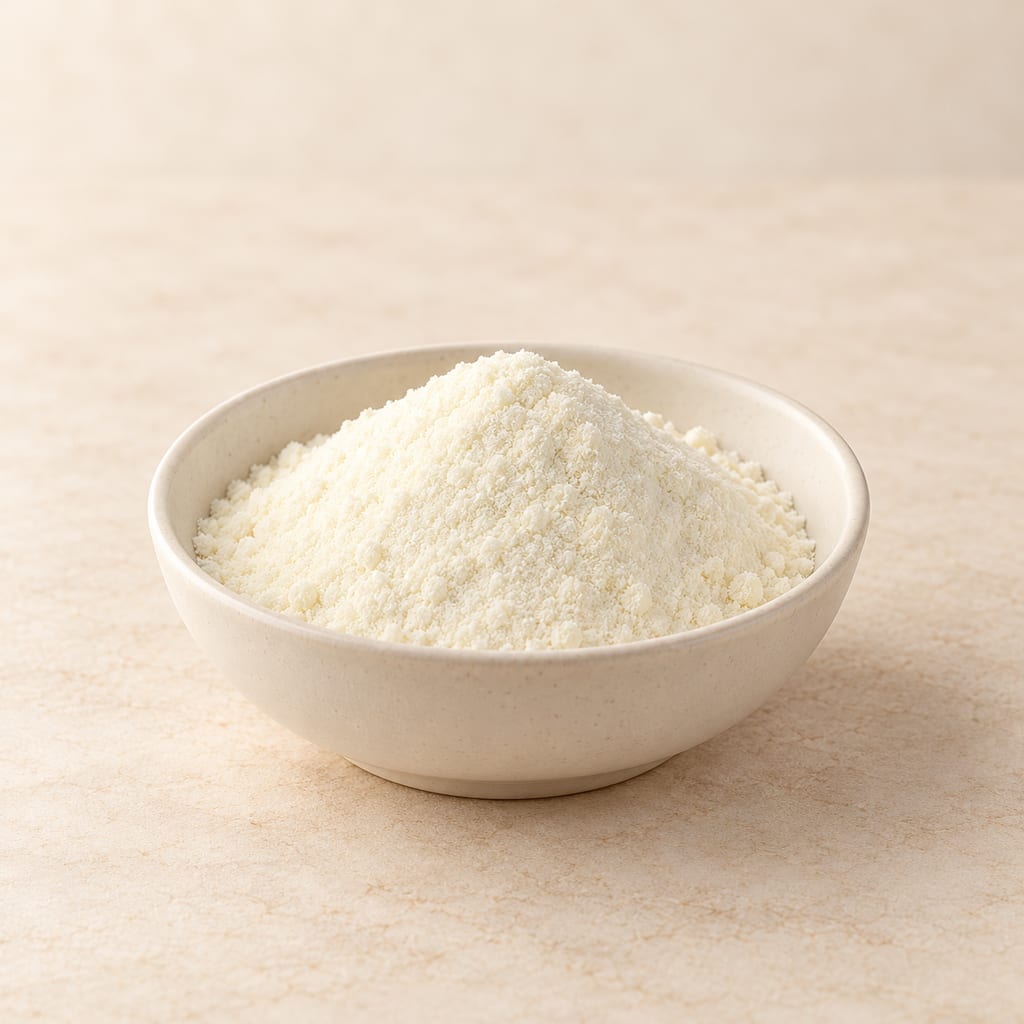
Nonfat dry milk powder is dried skim milk that adds protein, lactose and minerals without much fat. It supplies milk solids for cultured dairy, baking and frozen desserts.