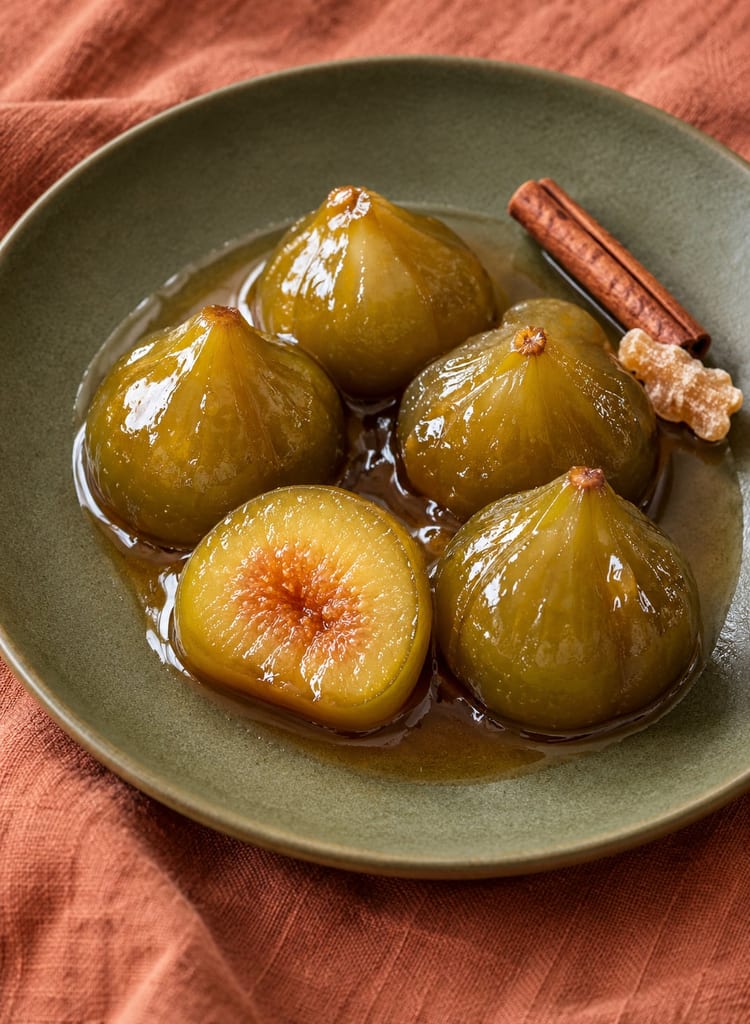
Green-fig konfyt
Whole unripe figs are softened and cooked in cinnamon and ginger syrup as a refrigerator-only South African konfyt; this method does not provide a shelf-stable canning process.
 FermenteaWhere food goes to change
Spices and aromatics
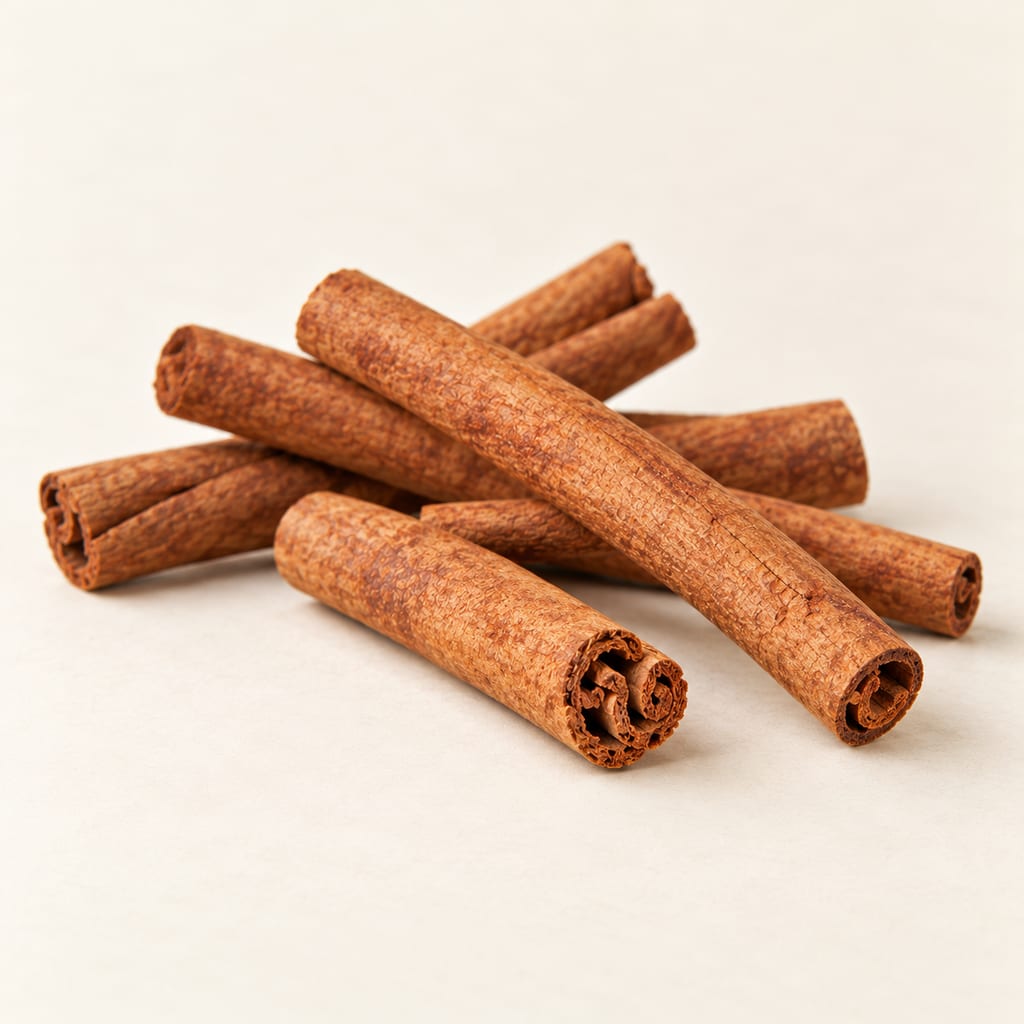
Cinnamon sticks are dried inner bark curled or layered into quills. The common name covers several Cinnamomum species; whole bark perfumes food and drink.
Cinnamon is the aromatic inner bark of evergreen trees in the laurel family, Lauraceae. The botanical name associated with “true” or Ceylon cinnamon is *Cinnamomum verum* J.Presl, also published as *C. zeylanicum*. The species is native to Sri Lanka and southern India; Sri Lanka is closely identified with its thin, fine quills. In ordinary trade, “cinnamon” can also mean cassia bark: Chinese cassia (*C. cassia*, also called *C. aromaticum* in some sources), Indonesian cassia (*C. burmannii*), Vietnamese cassia (*C. loureiroi*) and other relatives. Their shared genus makes them botanical kin, not interchangeable names for one plant.
A recipe’s common name may not reveal which bark it means. South African green-fig konfyt calls for three cinnamon sticks with dried ginger in syrup. Long simmering lets the bark perfume fruit and sugar while the quills can be lifted out. The sticks' species and size are not specified, so a thin Ceylon quill and a thick cassia curl may contribute differently. Both belong to the range a cook might buy under the shared name.
A cut end offers a rough visual clue. Ceylon quills are built from thin layers and can look like a tightly packed cigar; cassia is often a thicker single curl. The German Federal Institute for Risk Assessment (BfR) offers this as a broad consumer distinction, not a botanical test. Broken pieces or cut sticks can obscure the structure, and powder is especially difficult to identify visually. A clear species or origin statement on the package is more useful when the distinction matters. A photograph cannot authenticate a spice.
Cinnamon was a valued long-distance commodity long before modern botanical labels were applied to individual barks. In Book XII of the *Natural History*, the first-century Roman writer Pliny discusses cinnamomum and cassia, their commercial value and the qualities people used to judge the bark. He also reports stories of cinnamon gathered from birds’ nests and cassia guarded by fantastic creatures, then rejects them as inventions intended to raise prices. Pliny is evidence for Roman-era ideas and trade lore, not proof that the bark in Rome was modern *Cinnamomum verum*. His translator notes that the plant described does not match the known Ceylon cinnamon tree and may represent a different bark.
On Sri Lanka, bark gathered from wild trees gave way to deliberate cultivation under Dutch control and later expansion under British rule. The shift changed cinnamon from a gathered forest commodity into a managed export crop. It also increased the need for people able to cut stems and peel the fine inner bark without tearing it. The island's living cinnamon trade still depends on that skilled work.
Commercial cinnamon bark is harvested from cultivated stems. With *C. verum*, growers cut shoots close to the ground so that new stems grow; repeated cutting is called coppicing. A Sri Lankan *C. verum* plot must first grow peelable shoots; successive coppice cuts encourage new stems. World Agroforestry describes an initial cut after three to four years and roughly two-year cutting intervals in the plantations it documents. Sri Lanka’s Department of Cinnamon Development describes two to three years to first harvest and several cuts a year in well-managed settings. Weather, soil, stem growth and the farm's handling shape when a worker can peel useful bark, which is why a quill starts long before the drying rack.
In the Sri Lankan account, leaves and immature portions are removed from harvested stems. Workers scrape away the coarse outer bark, rub the stems with a brass rod to loosen the inner layer, then lift that layer in sheets or strips with a narrow knife. It is this inner bark—not the woody core—that becomes the spice. As strips dry, they curl. Several sheets may be placed inside one another and filled with small bark pieces to form a longer, even quill. World Agroforestry describes bark briefly heaped after cutting before the outer layer is scraped away; details differ by place, while harvesting, loosening, peeling and drying recur across accounts.
Sri Lanka’s Department describes shade-drying strips until they curl, assembling quills and drying them again on strings, racks or nets. Its technical page gives commercial lengths of 21 or 42 inches and a target moisture content no higher than 14 percent after four to seven days. Such measurements help traders grade a quill that will travel well. Commercial grades consider quill diameter, the number of quills per kilogram and surface marks called foxing. Quillings, featherings, chips, ground cinnamon and crushed cinnamon are separately named products, so “stick” does not define a single size or grade.
Peeling, curling, assembling and drying make a stick that can be carried and stored; the quill is made by the peeler's hands and the drying air rather than by a fermenting culture.
Cinnamon’s aroma comes from volatile molecules in its bark. Cinnamaldehyde is a key contributor to its recognizable warm, sweet and woody smell; other compounds, including sesquiterpenes, add complexity. A 2022 chemical-profile study identified 57 volatile molecules in sampled *C. verum* and found carbonyl compounds and sesquiterpenoids accounted for most of the measured volatile fraction. The cinnamon scent a cook releases from a quill also depends on species, plant part, growing place, processing and storage.
Bark, leaf and root oils are different materials. Cinnamon bark essential oil is generally rich in cinnamaldehyde, while leaf oil can contain much more eugenol. A culinary quill is whole dried bark, not a measured dose of concentrated oil. The tiny amount released by a quill simmered in food is different from a bottle of concentrated essential oil. In cooking, warm liquid draws aroma from the bark. A whole quill seasons a syrup, broth, rice pot or drink while staying easy to remove; broken bark exposes more surface but leaves pieces to strain out. Ground cinnamon spreads through food and cannot ordinarily be lifted out. A cook can add or remove a quill as the liquid develops, whereas powder stays dispersed; the two forms need tasting rather than a fixed stick-to-spoon equation.
In the green-fig konfyt recipe, cinnamon sticks simmer with figs and dried ginger in sugar syrup. As water cooks away, the syrup thickens around glossy figs. The bark gives the sweet fruit a warm aroma, while ginger adds a different sharpness. The sticks stay whole during the simmer, seasoning the syrup without scattering ground spice through the fruit. This is a cooked confection, with fruit, sugar and heat shaping its texture; the cinnamon is there for flavor. The recipe mentions bottling but gives no measured storage period.
Extracts and essential oils made from cinnamon can act differently from a whole stick in food. Tests with cinnamon-and-clove oil vapour and with bark extracts on cut apple slices examine concentrated preparations and particular microbes. A quill left in fig syrup is far less concentrated. Its clear task there is aromatic: sweetness, heat and the recipe's actual processing shape the confection. In a vegetable brine, a stick may scent the liquid, while salt, available sugars and the resident microbes determine whether and how it ferments.
“Pickle” can name more than one process. In a vinegar pickle, the cook adds acid; in a fermented vegetable pickle, microbes transform available sugars into acids over time. Cinnamon may season either, but it does not make the methods equivalent. Clemson Extension’s pickled-cucumber instructions include cinnamon in heated vinegar-and-sugar preparations. The National Center for Home Food Preservation also lists cinnamon in a tested pickle recipe where vinegar and sugar are boiled with spices. In those vinegar pickles, acid and cooking do the preservation work while the bark provides a warm background note. A fermented cucumber follows a different route through microbial acid production.
Cinnamon sticks season dishes beyond desserts. Whole bark perfumes rice, curries, broths and meat dishes, as well as syrups, baked foods and warm drinks. South Asian cooks commonly use cassia under the general kitchen name “cinnamon,” while recipes elsewhere may use another species or leave it unnamed. The stick form is useful wherever the aromatic bark should steep and then leave the pot cleanly.
Sri Lanka Tourism calls cinnamon kurundu and places it in curries and rice dishes, a reminder that the bark is a cooking spice in its principal producing country as well as an export. A whole quill can sit among other aromatics while rice takes up liquid, then be lifted away before the grains are served. A thin quill may release aroma quickly; a larger, thicker stick may call for a longer infusion or removal before serving.
Two BBC recipe sheets show the stick in different kitchens. In a rice pilaf, one stick joins cardamom, turmeric and bay leaves: the cook softens onion in butter, stirs in the spices and coats the rice before adding stock. The bark has time to scent both the fat and the liquid while the grains cook. In poached pears, another recipe explicitly asks for a stick rather than powder. It dissolves sugar with cardamom, lemon juice and cinnamon in water, with optional wine, before the pears simmer in that liquid. The whole bark flavours syrup that can be poured clear over fruit; powder would remain dispersed in it. These are documented examples of how the same form works in a savoury grain and a sweet poaching liquid, without implying that either recipe establishes the botanical species of its stick.
Mulled drinks let bark warm a beverage without leaving powder in the cup. Cinnamon joins other mulling spices in wine, cider and other warmed drinks. A Brazilian *quentão de vinho* recipe from Curitiba uses two litres of sweet red wine with half a cup of cachaça, plus cinnamon sticks, cloves and ginger; wine is its base, while the spirit is an addition. German Glühwein and Scandinavian Glögg offer other festive arrangements of wine, sweetness, fruit and spice. The stick is common across these variations because it infuses and can be removed before the drink is poured.
A separate mulled-wine recipe from the Oxford Companion to Spirits and Cocktails bundles two broken cinnamon sticks with crushed star anise and cloves in cloth, then simmers the bundle with wine, water, orange and sugar. Breaking the quill exposes more bark to the liquid, and the spice bag makes removal straightforward. Optional brandy or dark rum goes in after the simmer. The result is served warm with an orange slice and a cinnamon stick for garnish. This is another practical reason to use whole or broken bark: it gives a fragrant infusion, then leaves a clear drink without suspended powder.
When species matters, choose a package that names Ceylon cinnamon or cassia. Layering at the cut face is a useful clue for Ceylon, while a thick single curl is typical of cassia, but appearance is not proof. Buy dry, intact bark from a supplier that identifies the product. Sri Lanka’s commercial grades track quill size and surface appearance; they do not establish a universal home-kitchen freshness test.
Use the supplier’s storage directions. Keep the quills dry and closed so they do not take up kitchen moisture. The scent can fade as the aromatic bark sits open to air; crush or snap a small piece to judge whether it still smells lively before it goes into a long-cooking dish. Follow any date and storage directions on the package rather than assigning every stick one fixed lifetime.
Ceylon cinnamon and cassia differ in coumarin. BfR says Ceylon has low levels, while cassia varieties may have more; it advises moderation for repeated high consumption of cassia. It notes that coumarin can affect the liver in sensitive people. These findings do not make cinnamon a medicine and cannot reveal the dose in an unlabelled stick. The three sticks in a recipe cannot be assigned a species or coumarin quantity from the ingredient list. For frequent high use, choose labelled Ceylon cinnamon rather than assuming the name “cinnamon” tells you what is in the jar.
A cinnamon stick is an aromatic piece of bark, shaped for infusing food and formed through skilled peeling and drying. Its culinary contribution is flavour—an ample role in a preserve, spiced drink or savoury pot. No presumed species, invented origin story or claim of preservation is needed to explain it.
Documents Cinnamomum verum quill processing in Sri Lanka, not the species or provenance of the unspecified konfyt sticks.
Whole unripe figs are softened and cooked in cinnamon and ginger syrup as a refrigerator-only South African konfyt; this method does not provide a shelf-stable canning process.
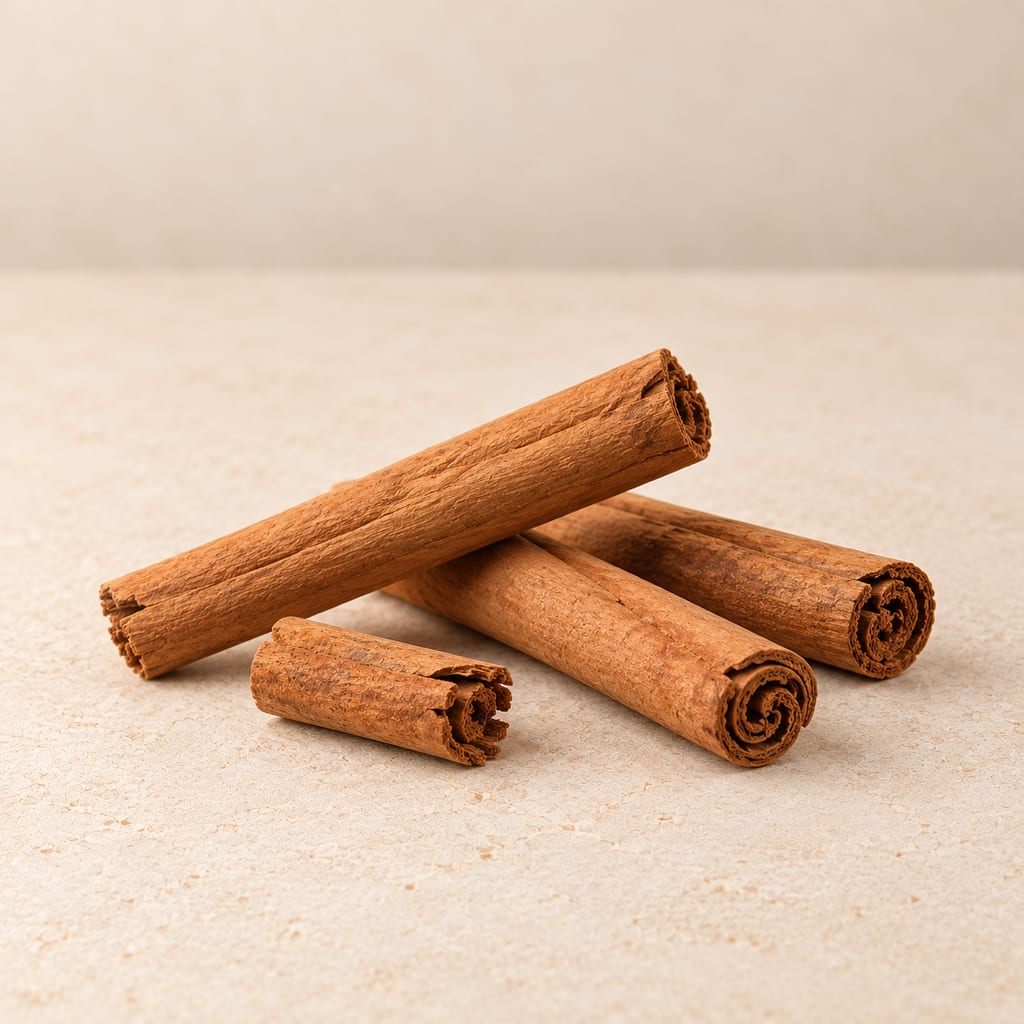
Cinnamon is the dried inner bark of Cinnamomum trees, rolled into quills or ground; Ceylon cinnamon comes from C. verum of Sri Lanka and cassia from related species.
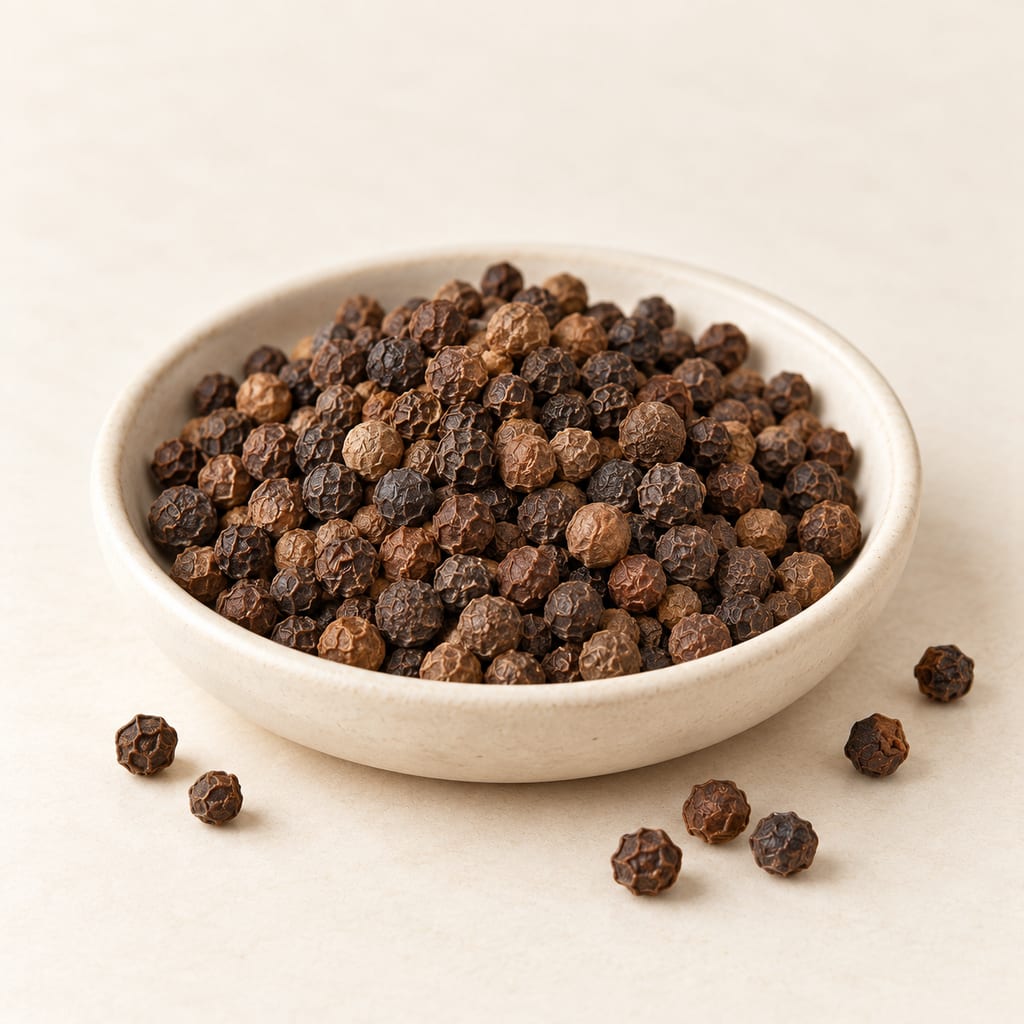
Black peppercorns are dried fruits of Piper nigrum, valued for piperine pungency and volatile aroma; whole peppercorns season Peter Kuruvita's lime pickle.
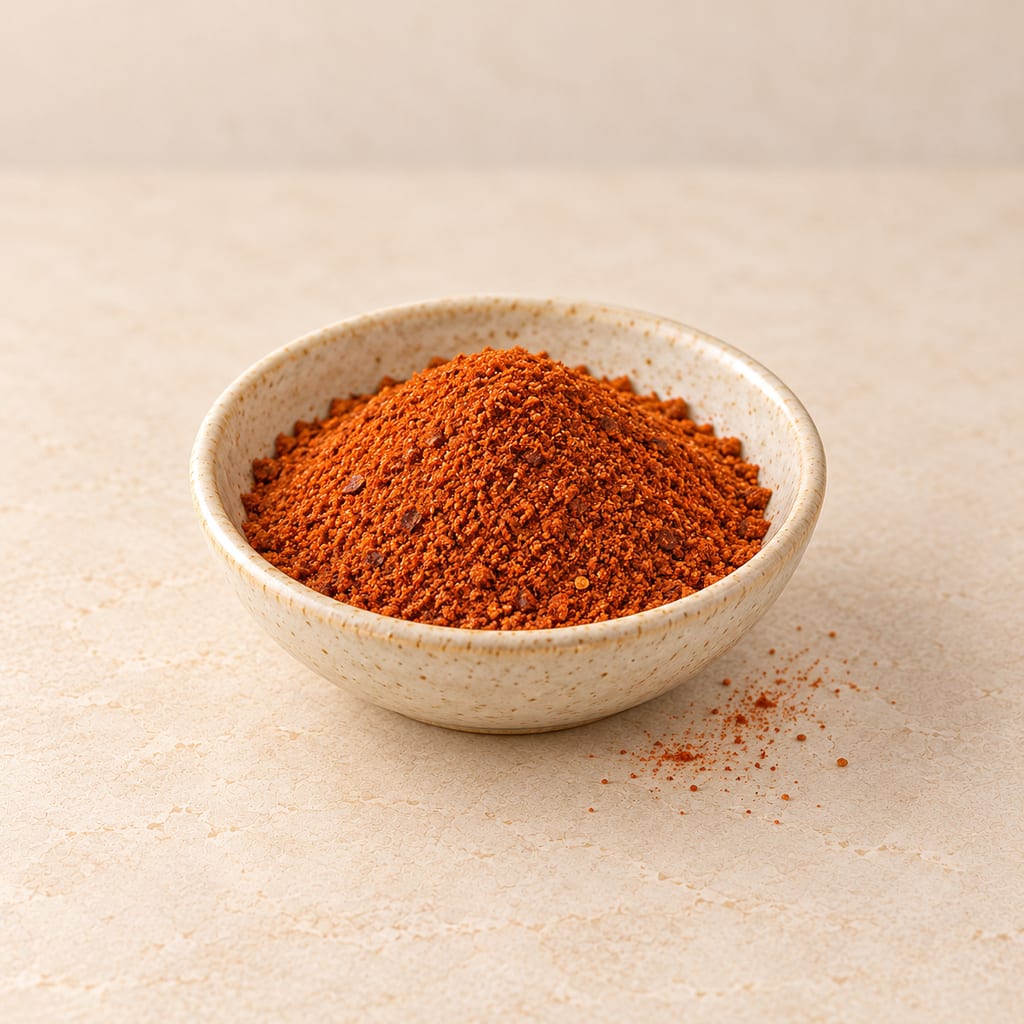
Chilli powder is dried chilli fruit ground fine, sold either as plain ground chillies or, in the United States, as a seasoning blend with salt, garlic and cumin.
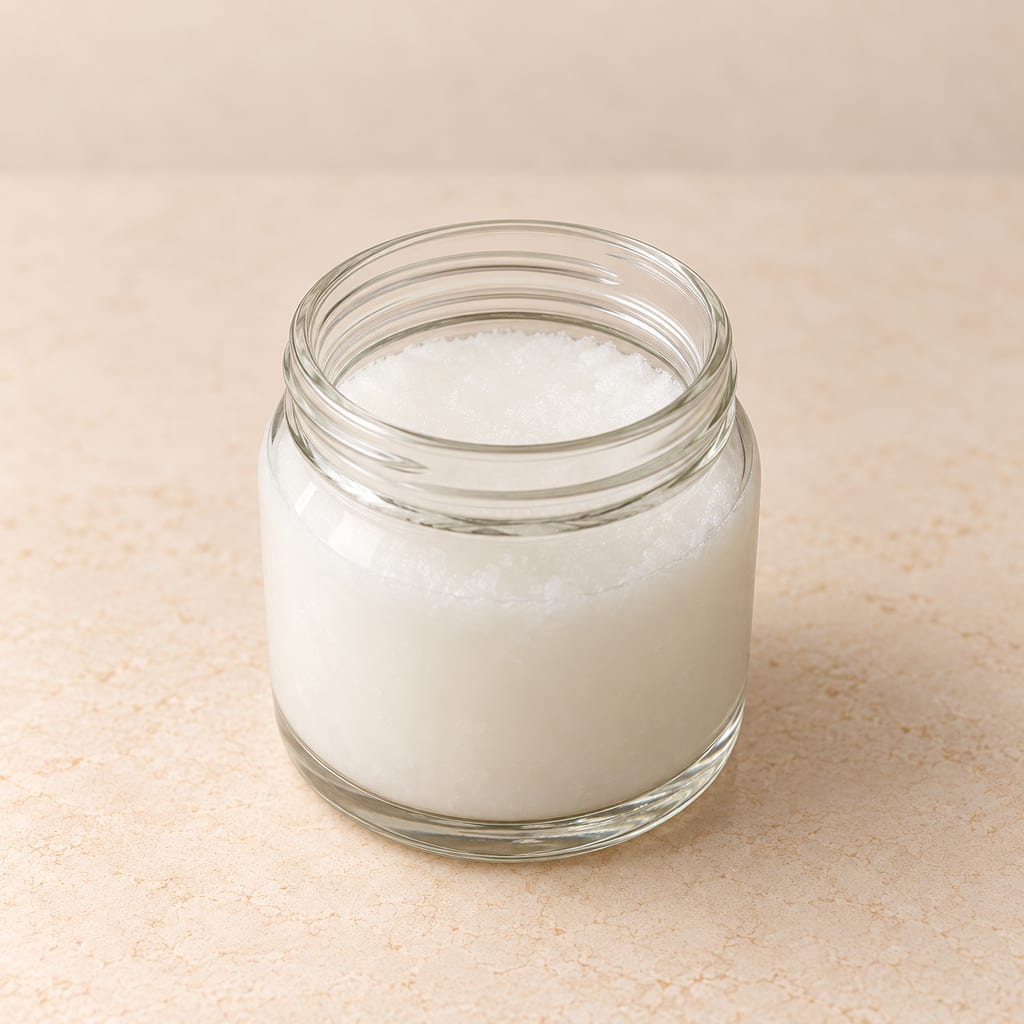
Fat pressed or separated from the kernel of a mature coconut: solid below about 25 °C, mostly saturated and half lauric acid, sold virgin, refined or hydrogenated.
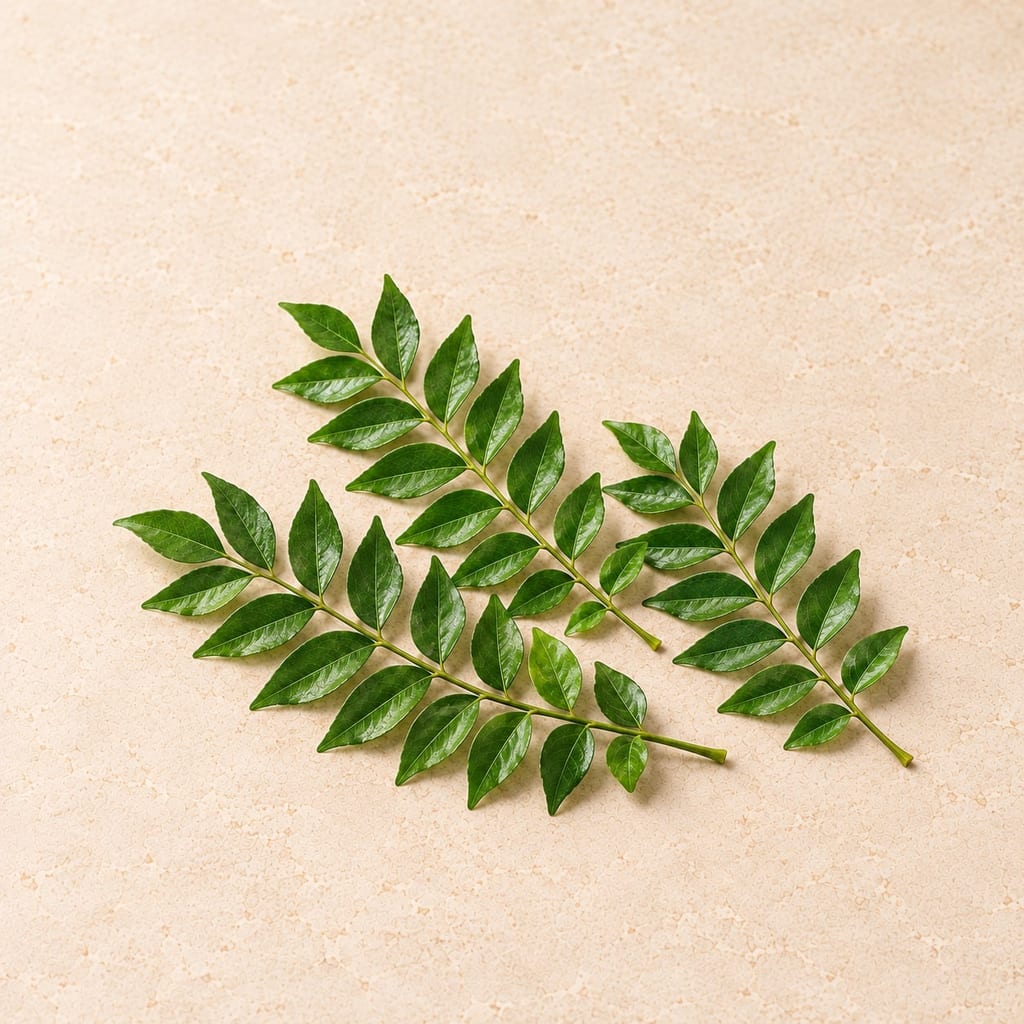
Curry leaves are the glossy compound leaves of the curry tree, Bergera koenigii, used fresh across southern India and Sri Lanka. Fried in hot oil they give a citrusy, nutty, faintly smoky note.
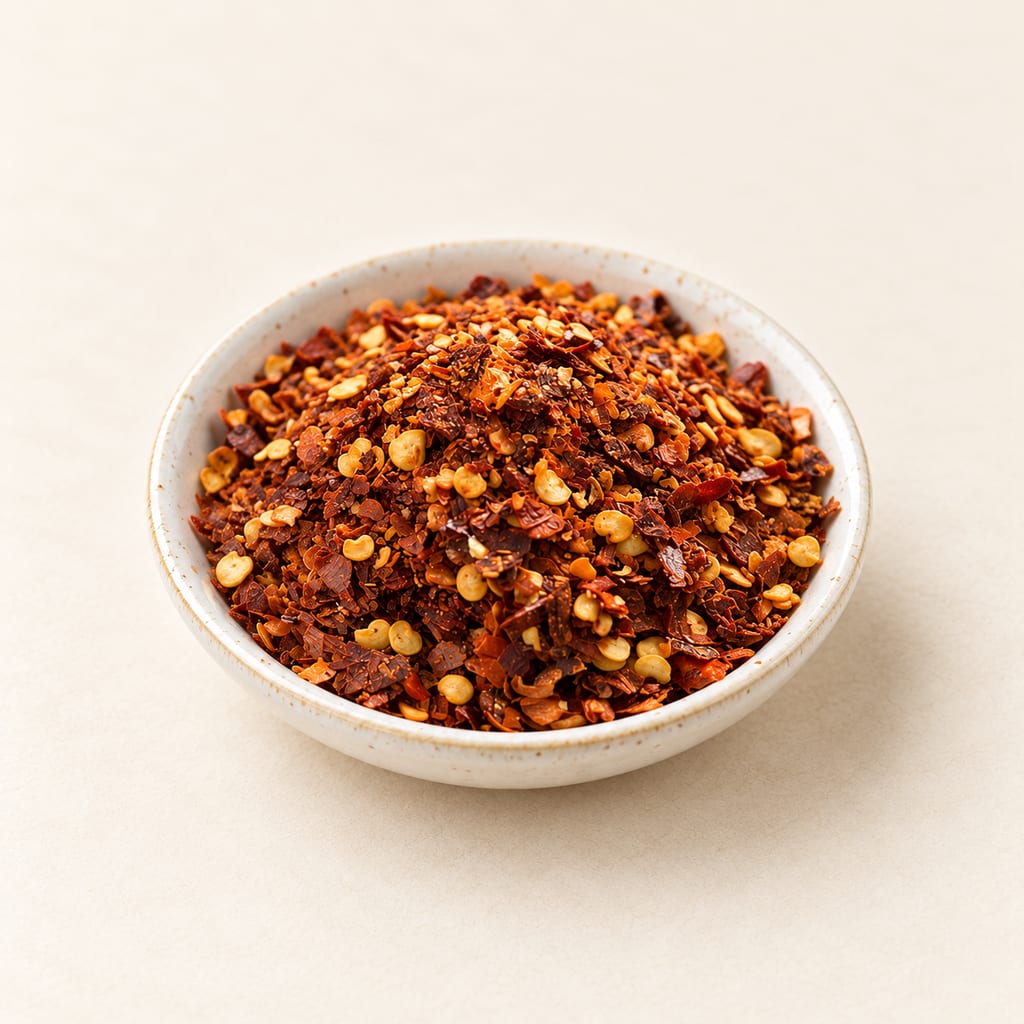
Dried chilli flakes are broken dried Capsicum fruit used for dispersed heat, colour and flavour; Peter Kuruvita's lime pickle includes one teaspoon.
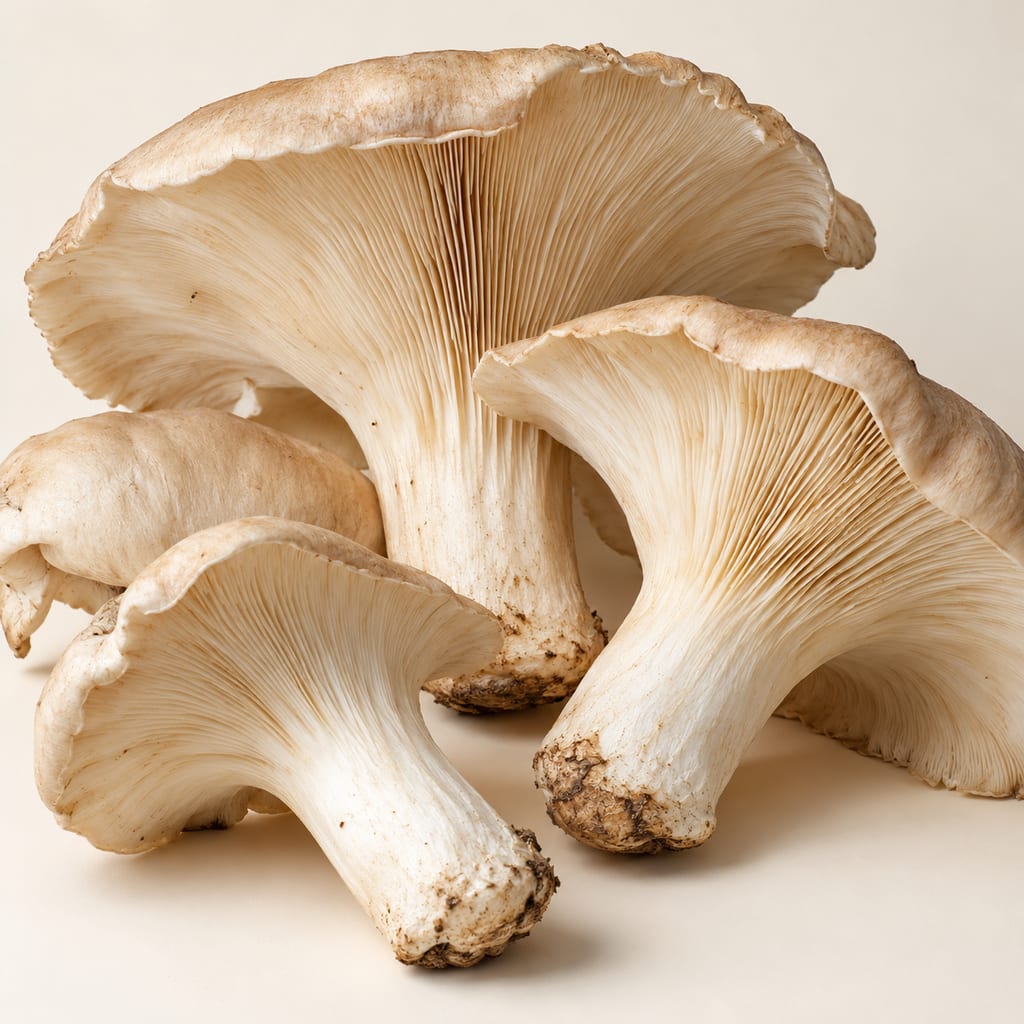
The giant oyster, Pleurotus giganteus, is a large tropical wild mushroom that was once named Lentinus giganteus and is now placed in the oyster genus, eaten in Thailand and Sri Lanka and only recently grown on purpose.
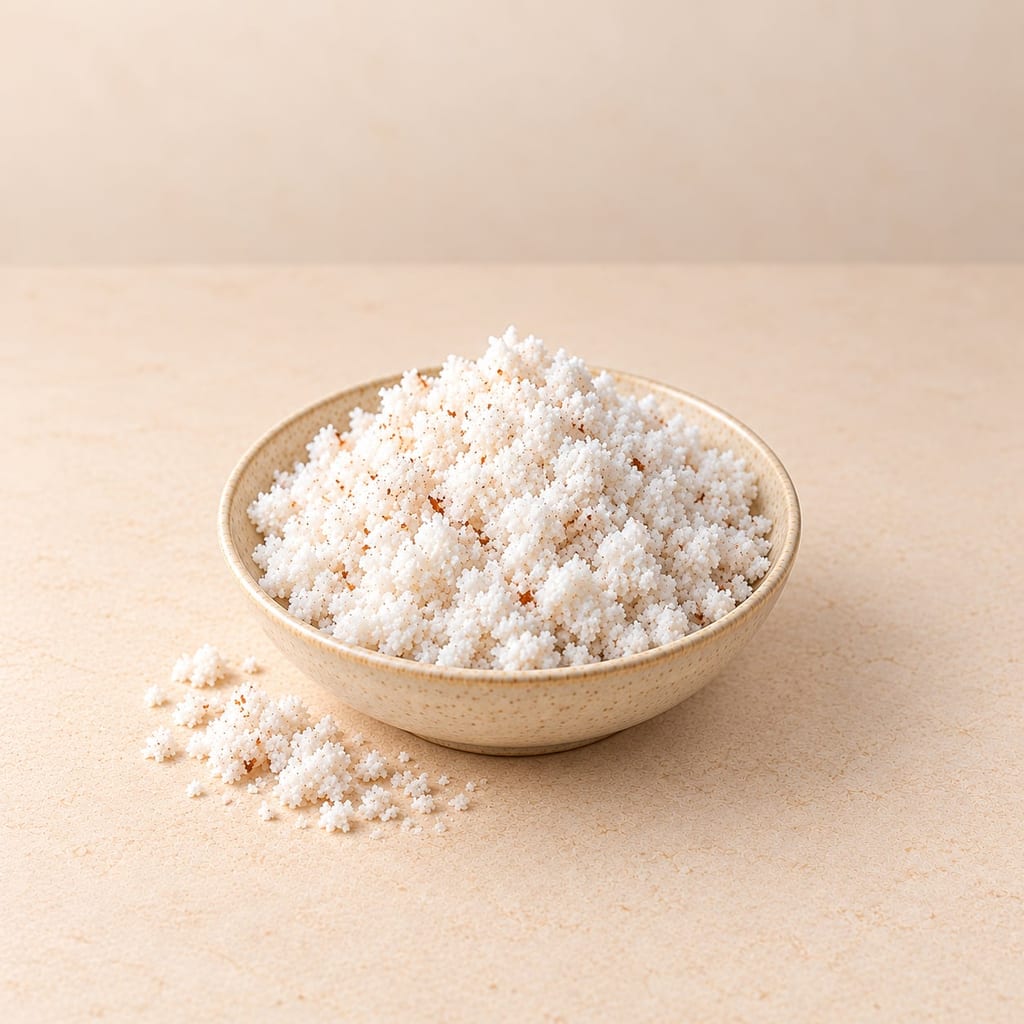
The shredded white kernel of a mature coconut, used fresh or thawed from frozen in sambols and chutneys; its lauric-acid fat is rich and the moist meat is perishable.
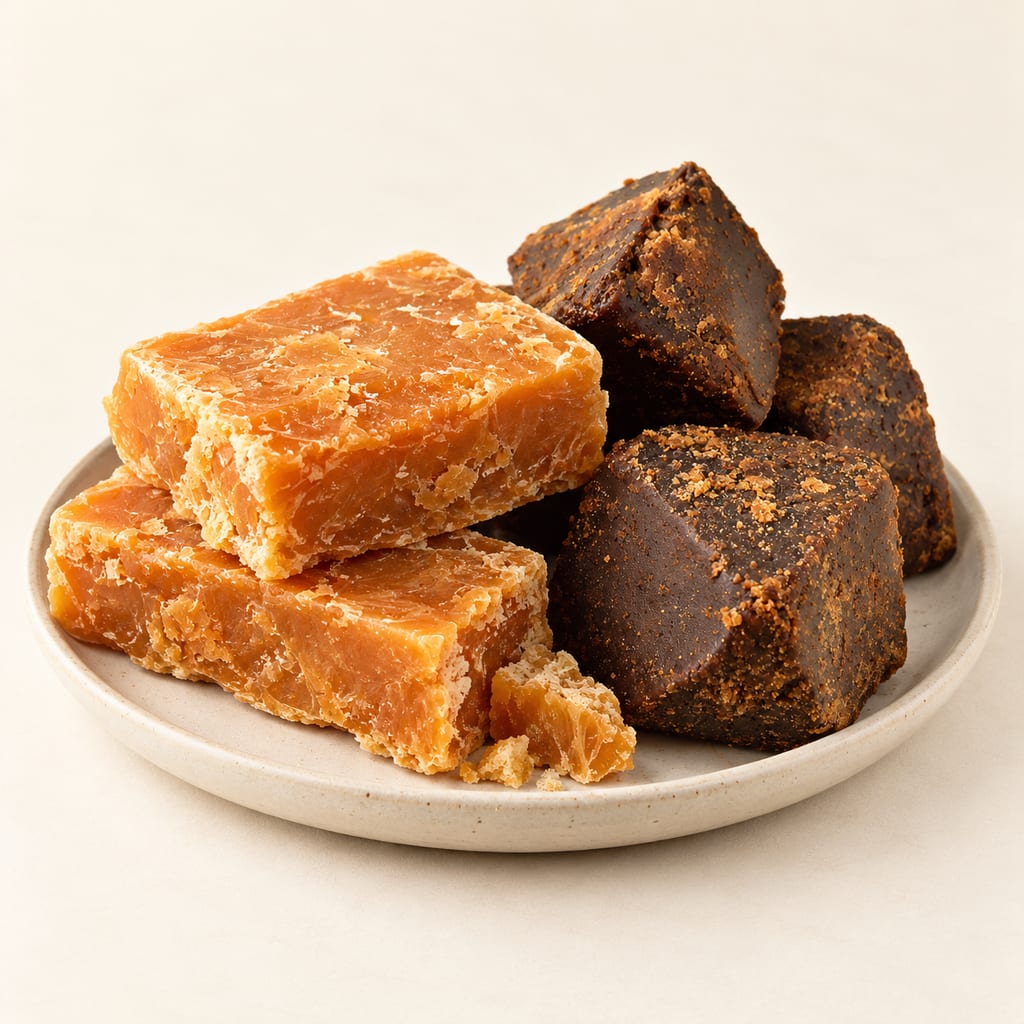
Jaggery is a family of concentrated, non-centrifugal sweeteners made from cane juice or palm sap. Plant source and form shape its flavour and use.
No community contributions have been published for this entry yet.
Sign in to contribute. Published comments and photos are free to read.
World Agroforestry, Agroforestry Database 4.0Identity · Cultivation · Processing
Cinnamomum verumScientific identity and synonym; coppicing; harvest schedule; bark peeling and quill formation; soil and quality observations.
Cited in: A traded bark, not one botanical identity; How a shoot becomes a quill; Aroma in the bark, not a fixed formula
Food and Agriculture Organization of the United Nations, Non-Wood News 23Identity · Trade · Processing
CinnamonCeylon/cassia distinction; trade regions; broad account of coppicing and bark processing.
Cited in: A traded bark, not one botanical identity; From savoury pots to spiced drinks
German Federal Institute for Risk AssessmentIdentity · Selection · Dietary context
FAQ on coumarin in cinnamon and other foodsRough stick cross-section clue; relative coumarin distinction; consumer guidance.
Cited in: A traded bark, not one botanical identity; Choosing, keeping and using a stick
Wines of South AfricaCulinary use · Process
Green Fig KonfytThree cinnamon sticks and dried ginger in syrup; cooking stages; source does not name species or preservation role.
Cited in: A traded bark, not one botanical identity; Flavouring, pickling and fermentation
Department of Cinnamon Development, Sri LankaCultivation · Processing · Selection
Post Harvest TechnologySri Lankan harvest, peeling, shade drying, quill-making, dimensions, moisture target and grades.
Cited in: How a shoot becomes a quill; Choosing, keeping and using a stick
Molecules 27(19), 6403 (2022); DOI 10.3390/molecules27196403Aroma chemistry
Spices Volatilomic Fingerprinting—A Comprehensive Approach to Explore Its Authentication and Bioactive PropertiesPrimary paper section 2.3 identifies 57 volatile metabolites in sampled C. verum cinnamon, with carbonyls and sesquiterpenoids dominant; not a universal composition for every stick.
Cited in: Aroma in the bark, not a fixed formula
International Journal of Food MicrobiologyPreservation research
Antimicrobial activity of cinnamon and clove oils under modified atmosphere conditionsAbstract reports oil-mixture inhibitory experiments against selected spoilage yeasts and moulds; not whole culinary sticks.
Cited in: Flavouring, pickling and fermentation
Journal of Food SafetyPreservation research
Antimicrobial effect of cinnamon bark extract on Escherichia coli O157:H7, Listeria innocua and fresh-cut apple slicesStudy of bark extract/cinnamaldehyde against selected organisms and fresh-cut apples; not a household preserve validation.
Cited in: Flavouring, pickling and fermentation
Clemson Cooperative ExtensionCulinary use · Pickling
Pickled CucumbersCinnamon included in some vinegar-and-sugar pickle preparations; seasoning role only.
Cited in: Flavouring, pickling and fermentation
National Center for Home Food PreservationPickling
Guide 6: Preparing and Canning Fermented and Pickled FoodsTested pickle method with cinnamon in heated vinegar/sugar brine; not cinnamon-driven fermentation.
Cited in: Flavouring, pickling and fermentation
Perseus Digital Library, Loeb Classical LibraryHistorical attestation
Natural History, Book XIIFirst-century discussion of cinnamomum and cassia, commerce, bark/stick qualities and commercial origin myths; no modern species identification.
Cited in: History of cinnamon trade and cultivation
Department of Cinnamon Development, Sri LankaHistory
HistorySri Lanka Department of Cinnamon Development retells wild collection, Dutch systematic cultivation and later British plantation expansion; exact colonial dates and acreage are not used without contemporaneous primary text.
Cited in: History of cinnamon trade and cultivation
Oxford University Press, The Oxford Companion to Spirits & CocktailsCulinary use
Mulled drinksOxford Companion explains mulling spices and gives a mulled-wine recipe with cinnamon, wine and citrus; its apparent Quentão de Vinho/cachaça-base mismatch is superseded by the named Brazilian primary recipe for that drink.
Cited in: From savoury pots to spiced drinks
Sri Lanka TourismCulinary use · Local name
Spice Gardens: Spices Used in Sri LankaUses Kurundu as the local Romanized name and says cinnamon seasons curries and rice dishes in Sri Lanka.
Cited in: From savoury pots to spiced drinks
BBC Three Counties RadioCulinary use
Weekend Kitchen Recipe Sheet, Rice PilafRice pilaf lists one cinnamon stick with cardamom, turmeric and bay leaves; aromatics are cooked with onion in butter before rice and stock are added.
Cited in: From savoury pots to spiced drinks
BBC Three Counties RadioCulinary use
Weekend Kitchen Recipe Sheet, Cardamom and Cinnamon Poached PearsPoached pears specify one cinnamon stick, not powder, with cardamom, lemon juice, sugar, water and optional wine in the poaching liquid.
Cited in: From savoury pots to spiced drinks
Mercado Municipal de CuritibaPrimary Brazilian drink recipe · Cinnamon stick use
Receita de quentão de vinho14 June 2019 recipe uses two litres sweet red wine, half a cup cachaça and two cinnamon sticks with cloves, ginger, sugar and water; wine is the base of this named version.
Cited in: From savoury pots to spiced drinks